Successfully copied to clipboard!
Chipmunk
Explore the playful, striped adventurers of North America's woodlands!
Let’s Explore
Overview
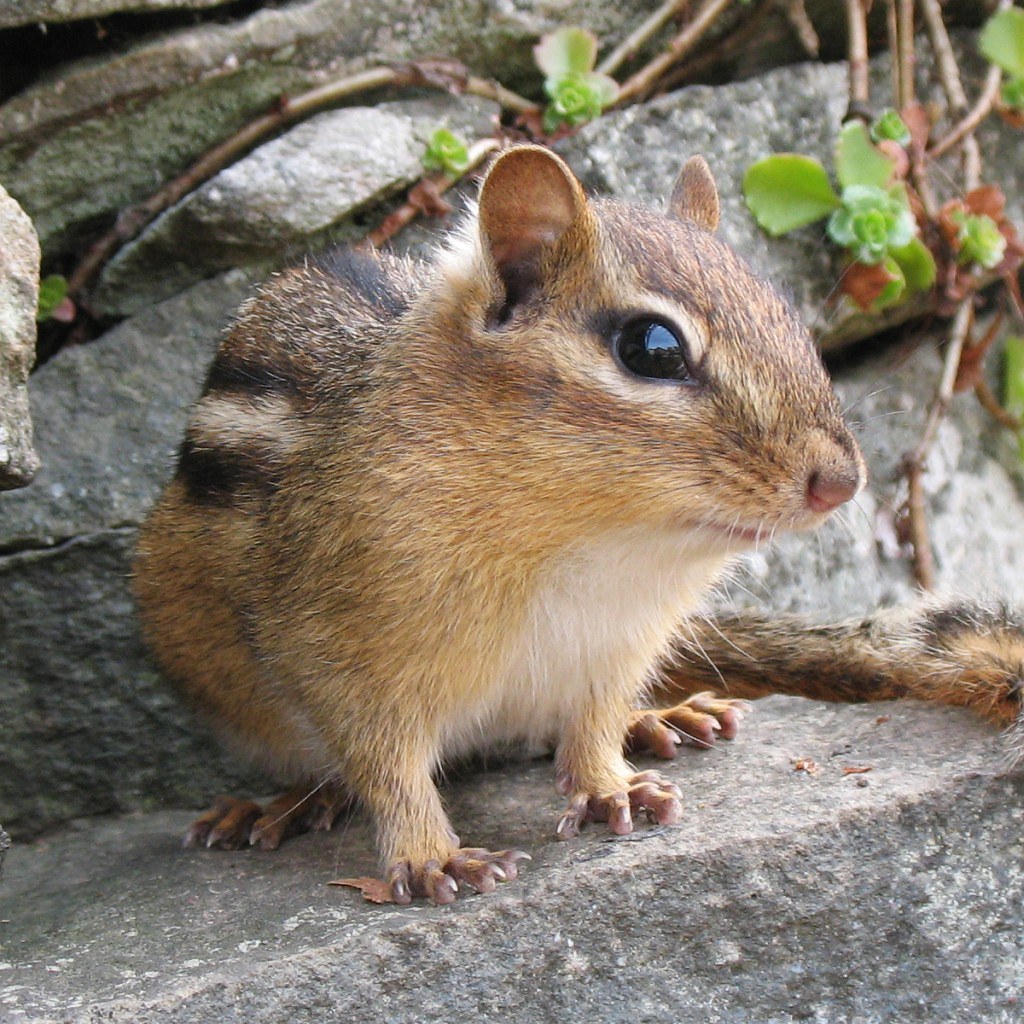
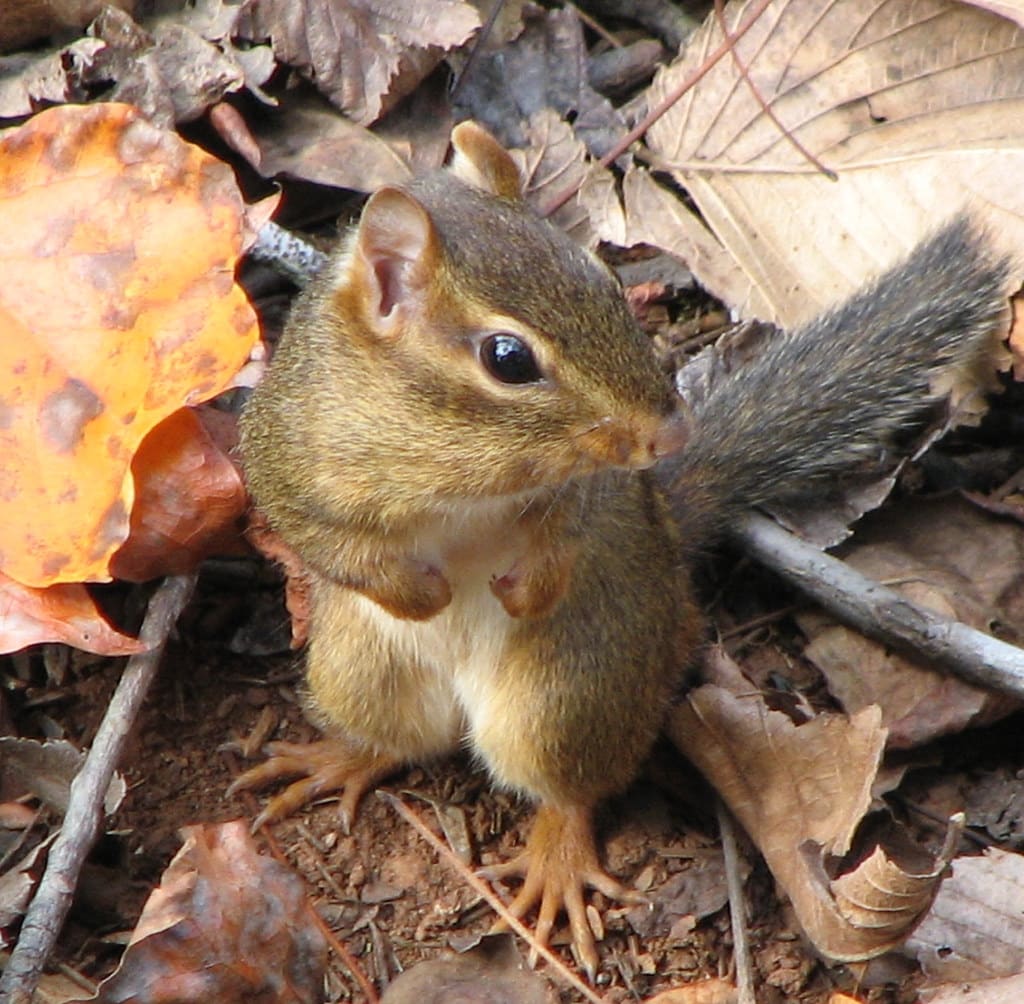
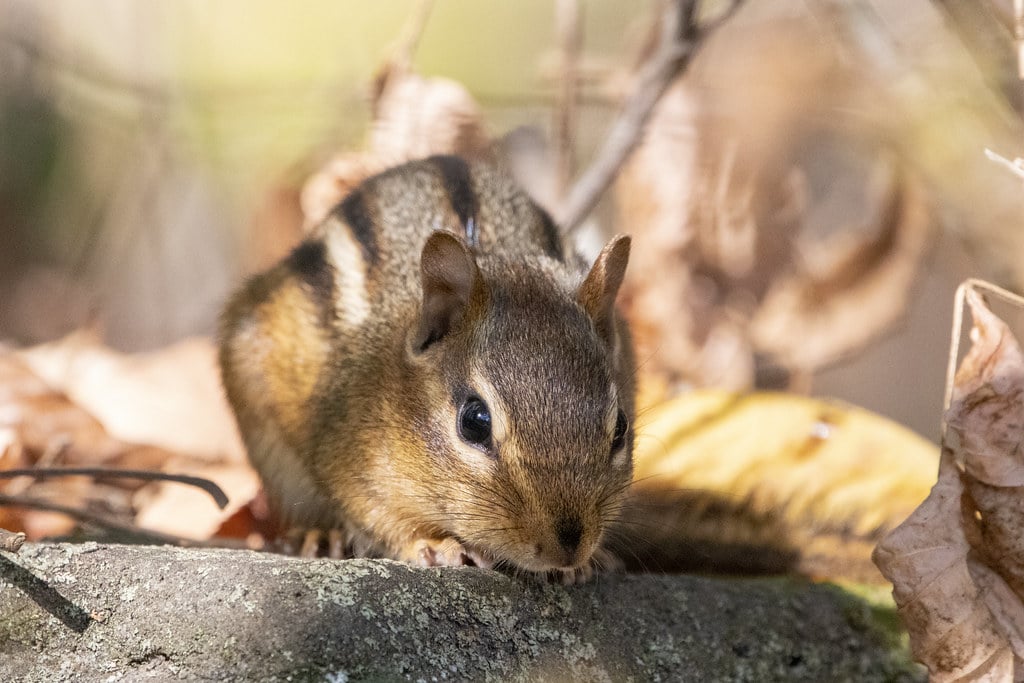
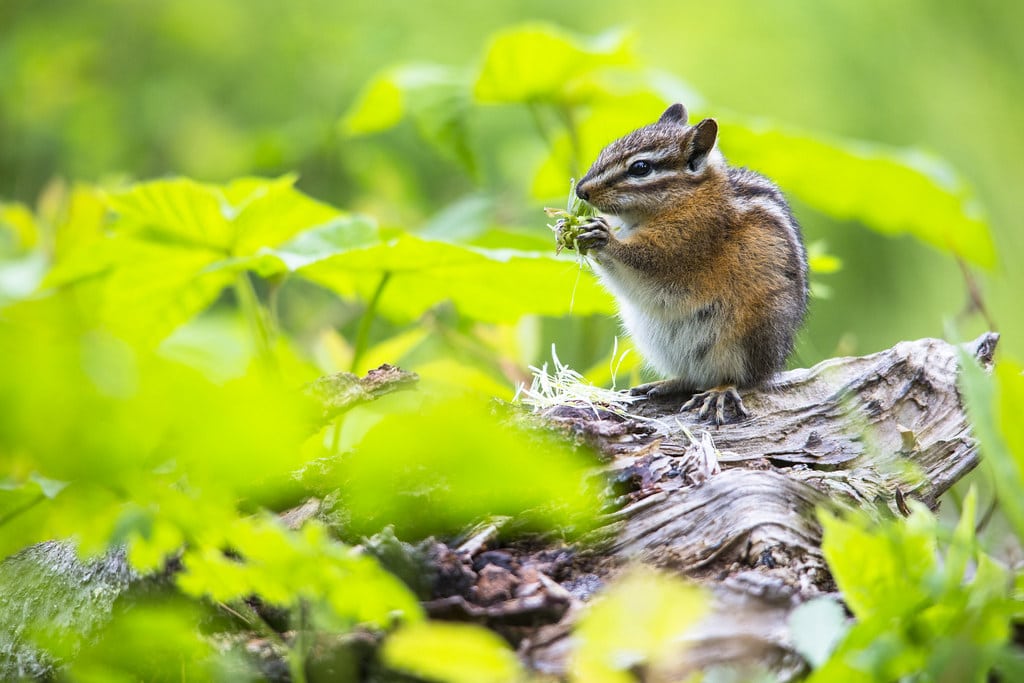
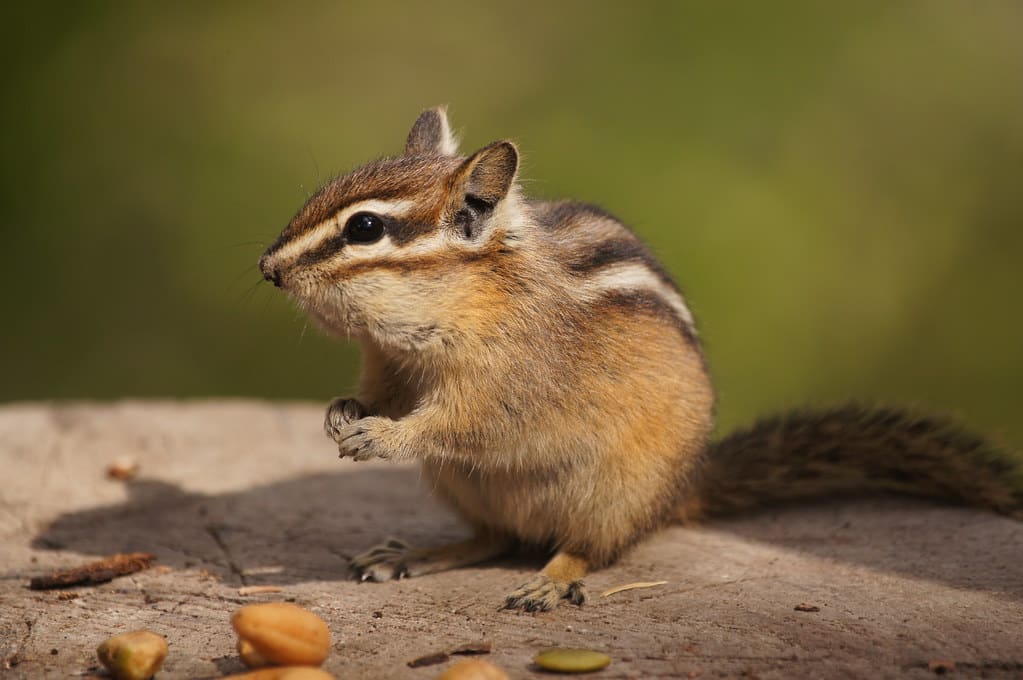
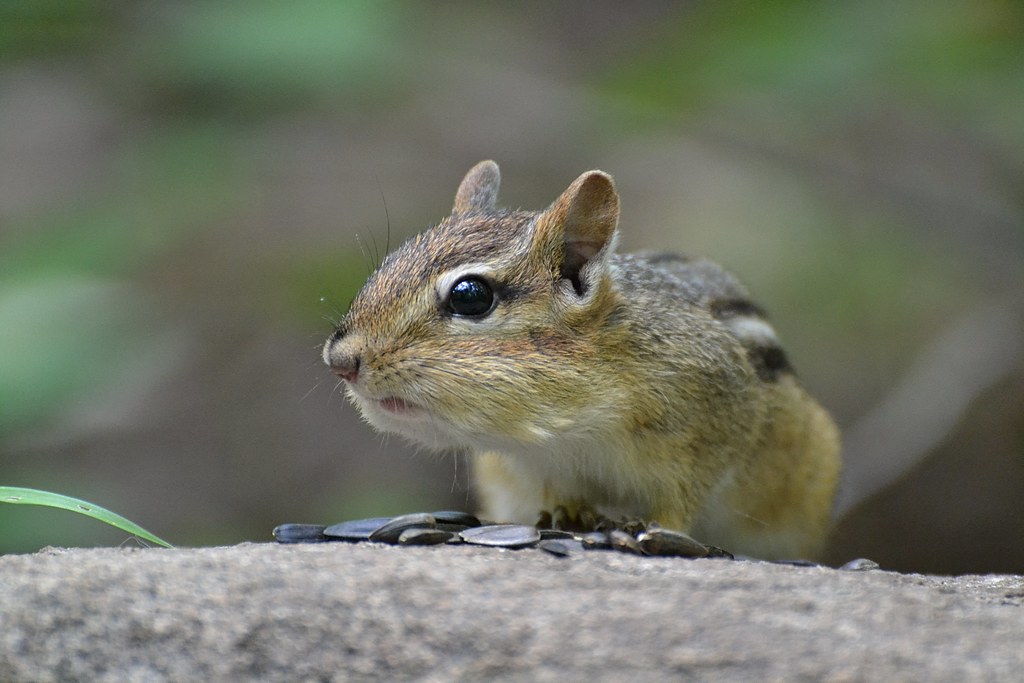
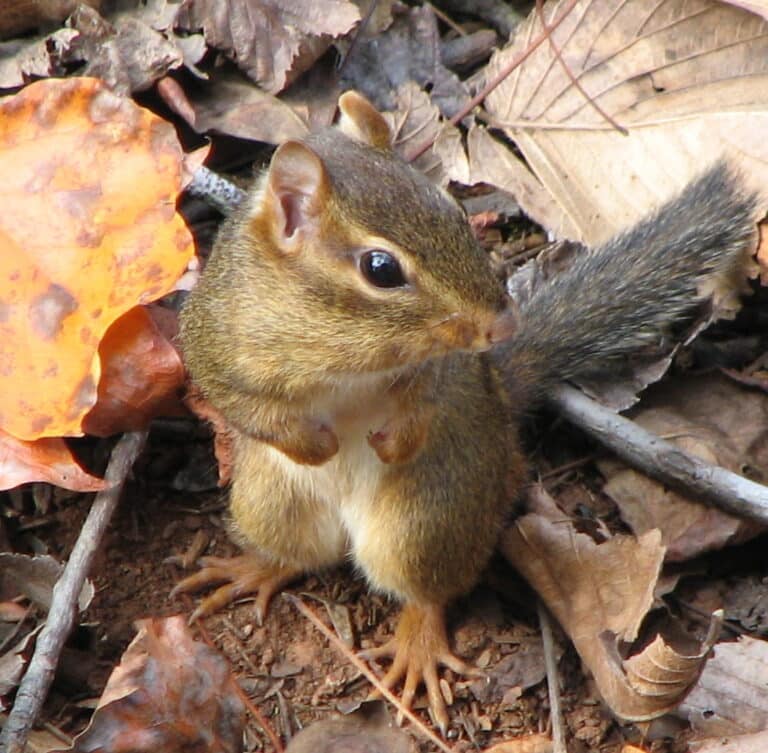
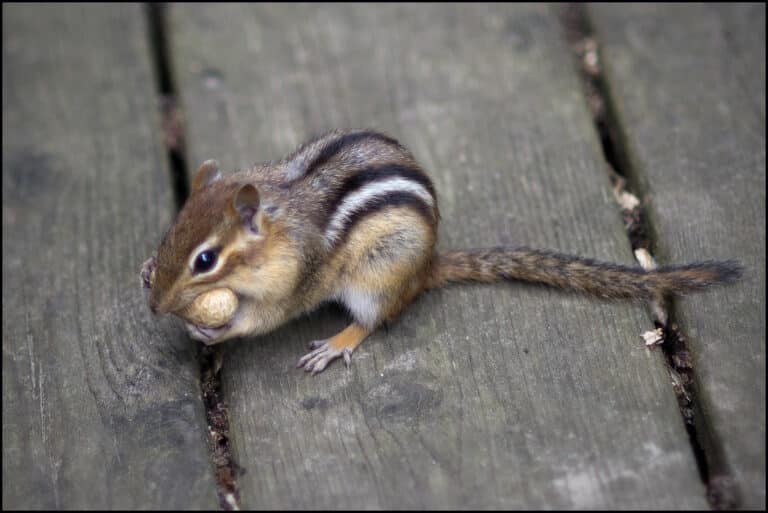
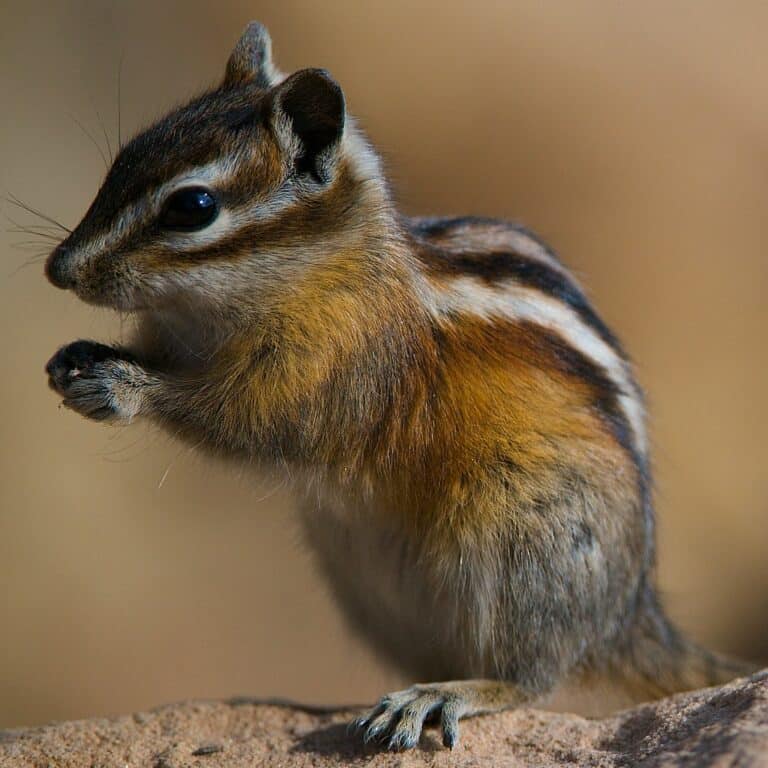
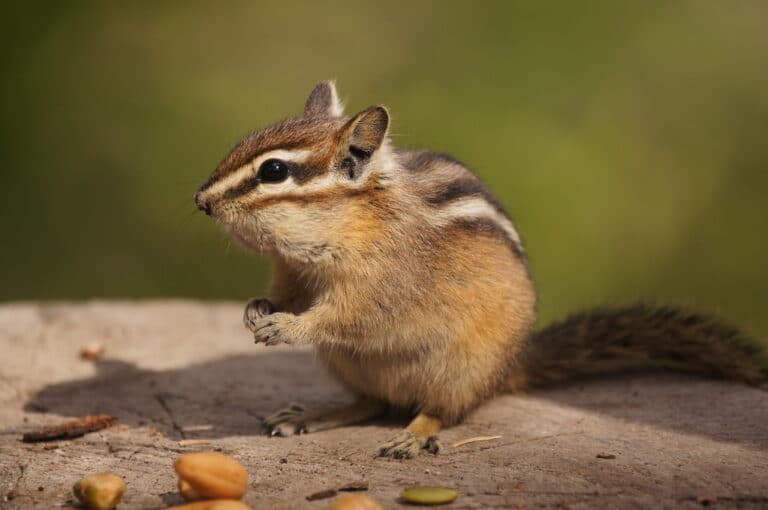
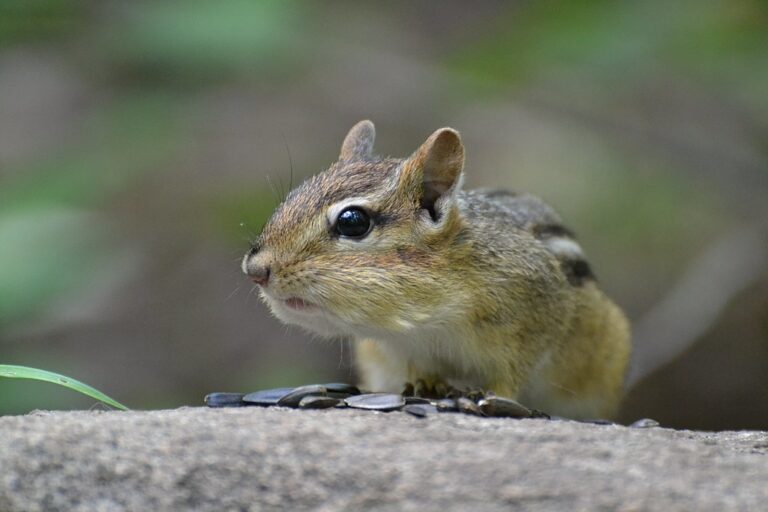
Chipmunks are adorable little mammals that belong to the rodent family. Their scientific name is Tamias, and they live primarily in North America, where they often make their homes in forests, gardens, and parks.
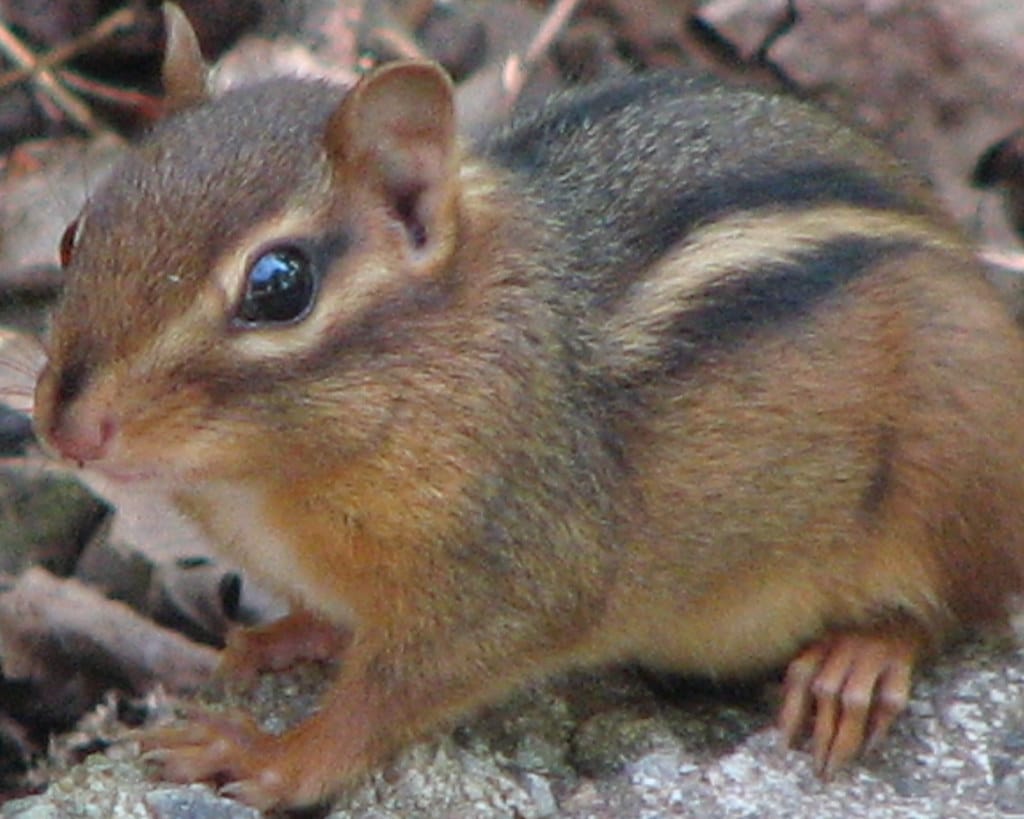
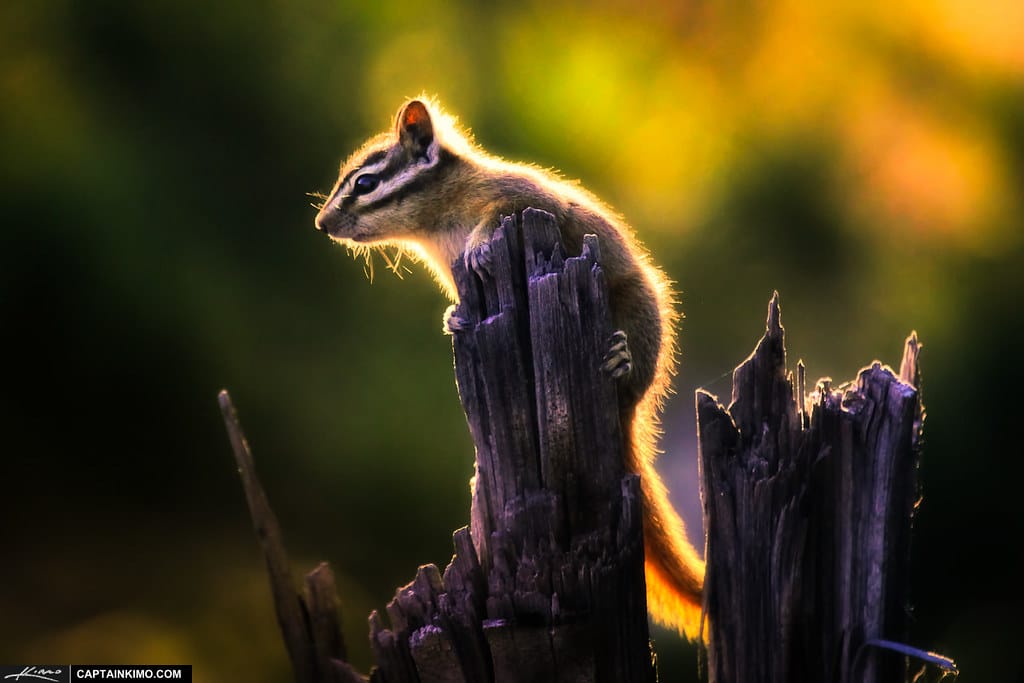
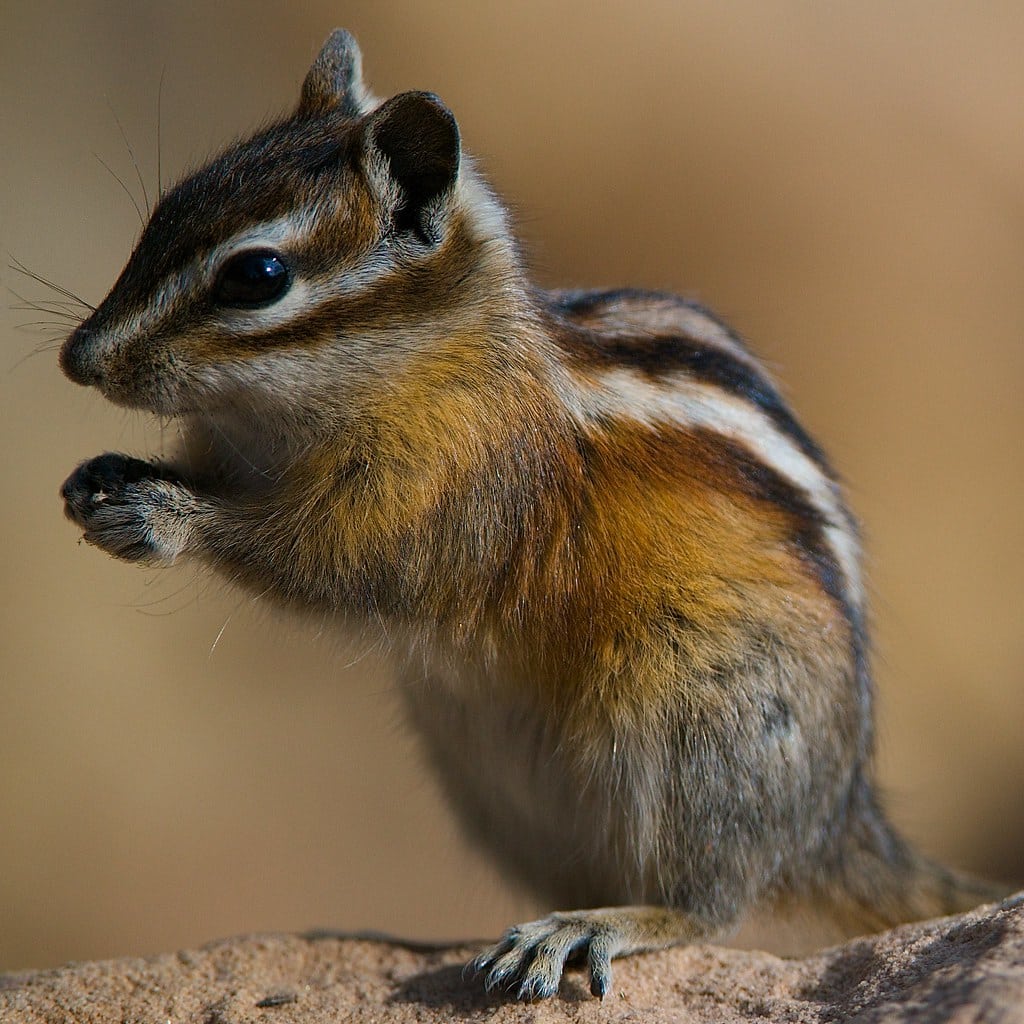
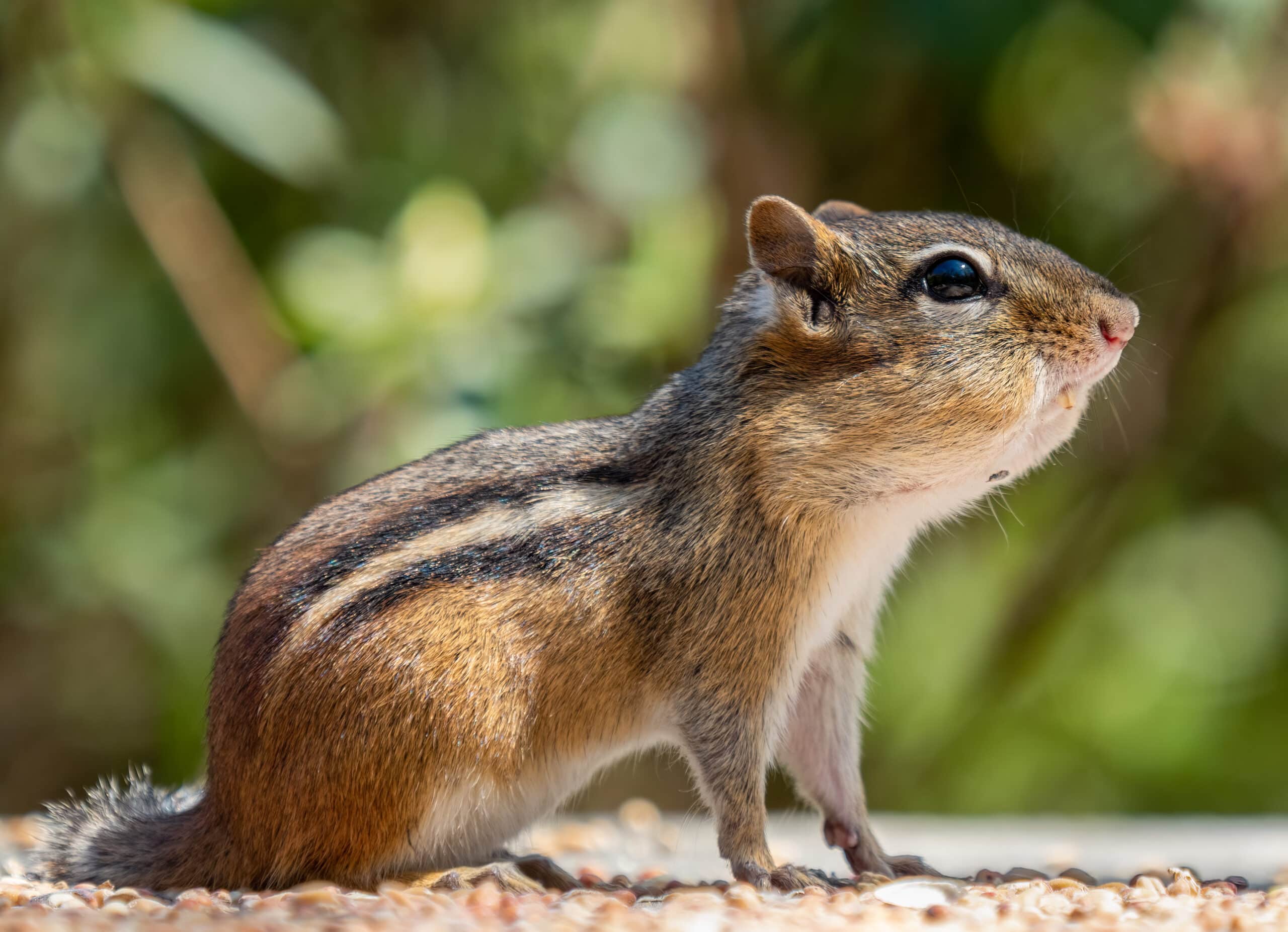
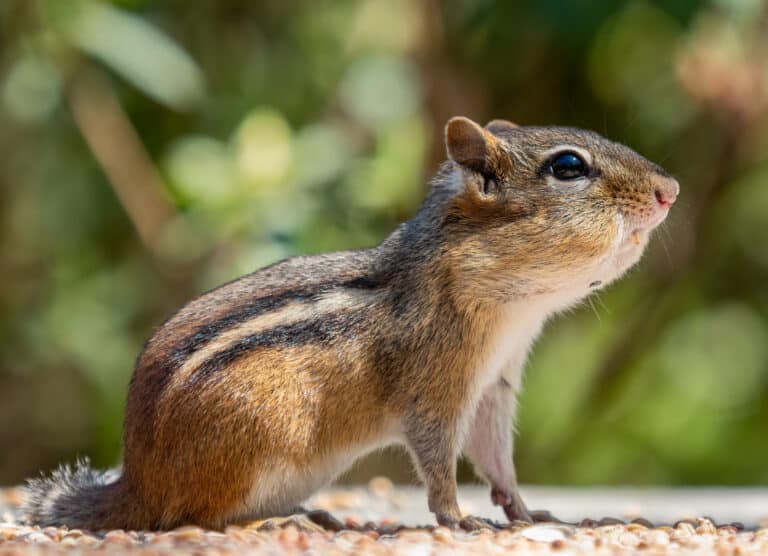
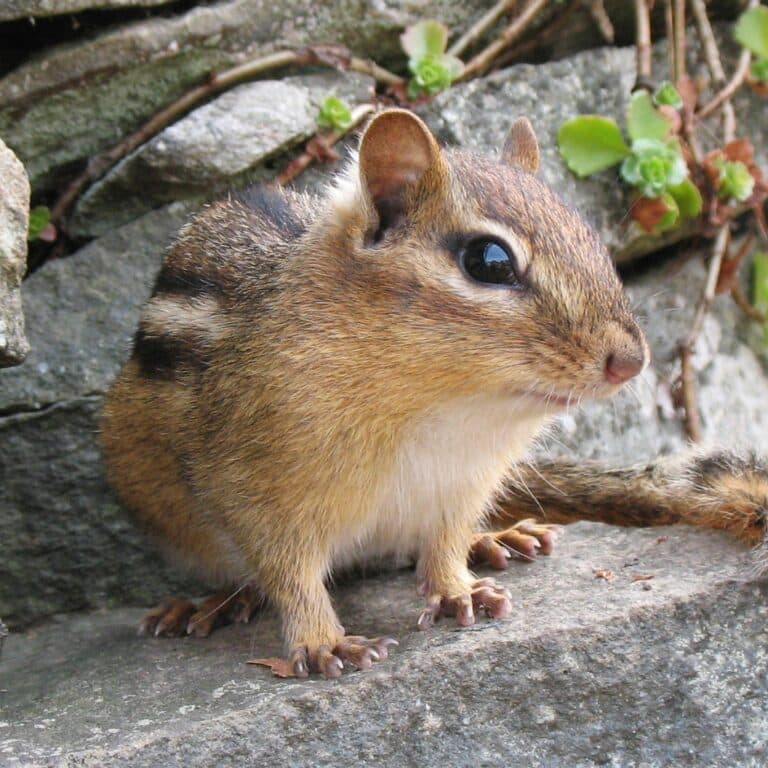
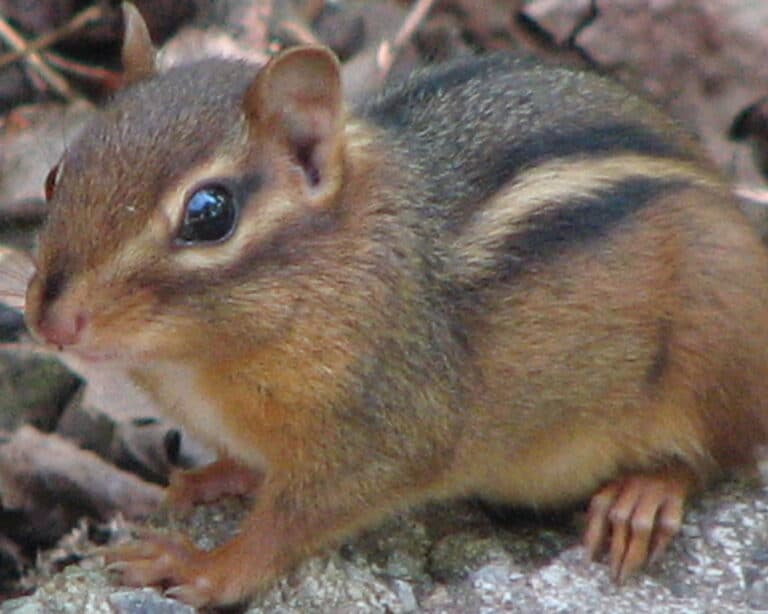
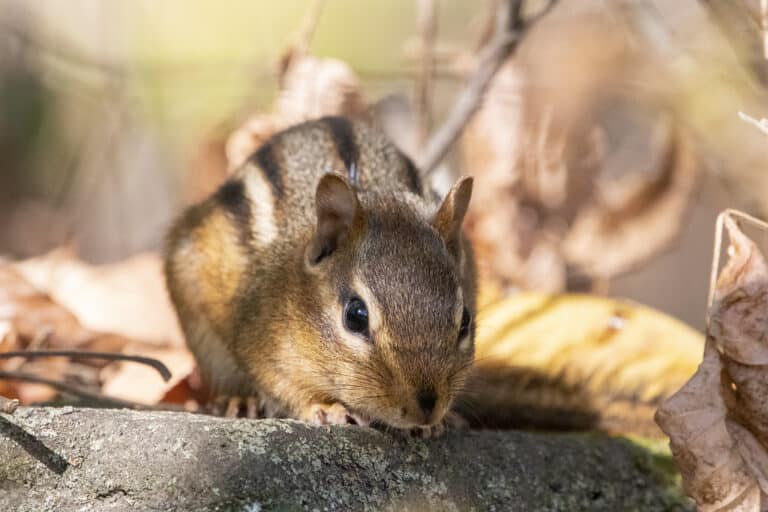
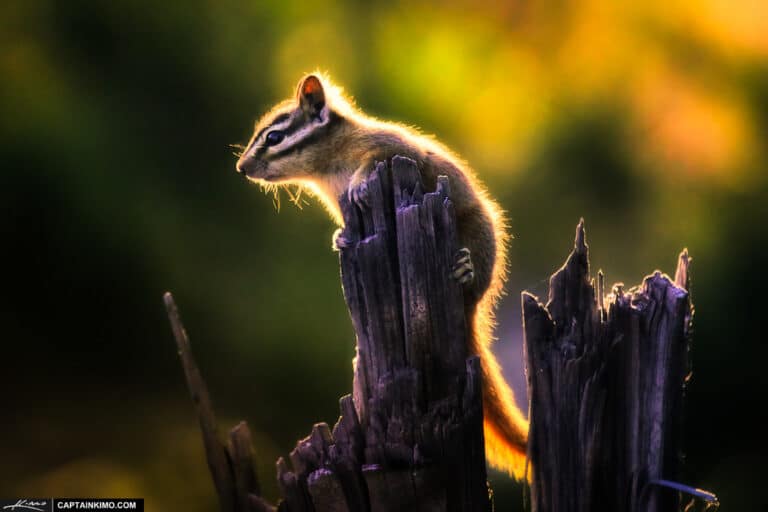
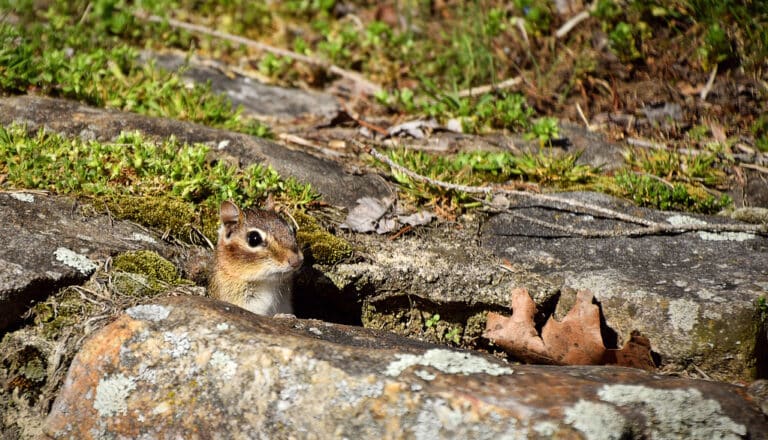
These lively critters measure about 20 to 28 centimeters (8 to 11 inches) long. They have striped backs that help them blend into their surroundings, making them quite the hide-and-seek champions of the animal kingdom.
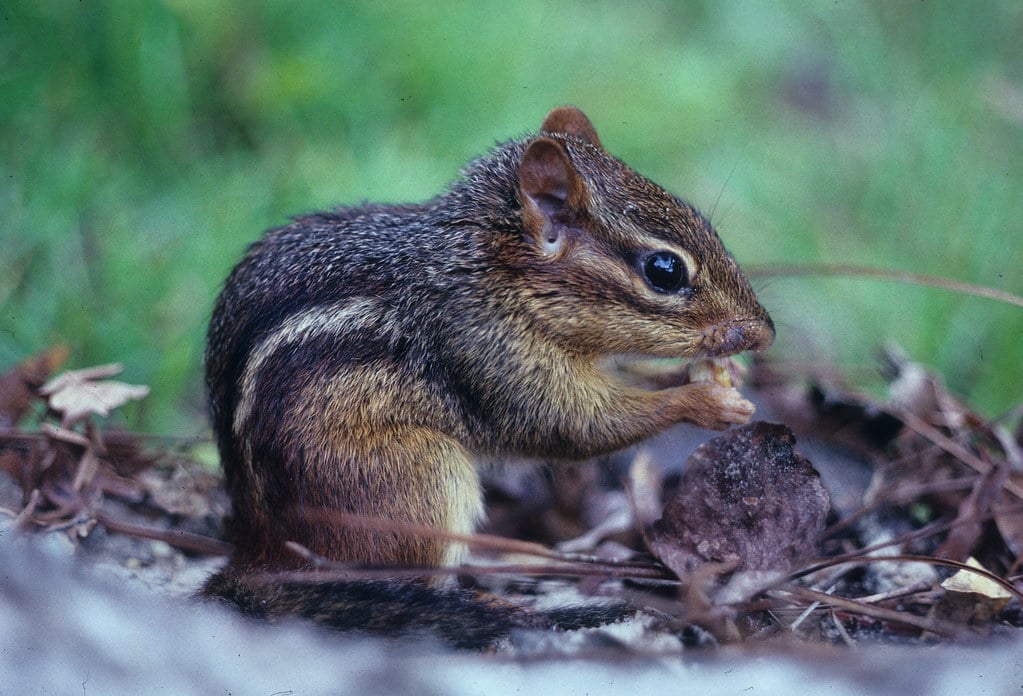
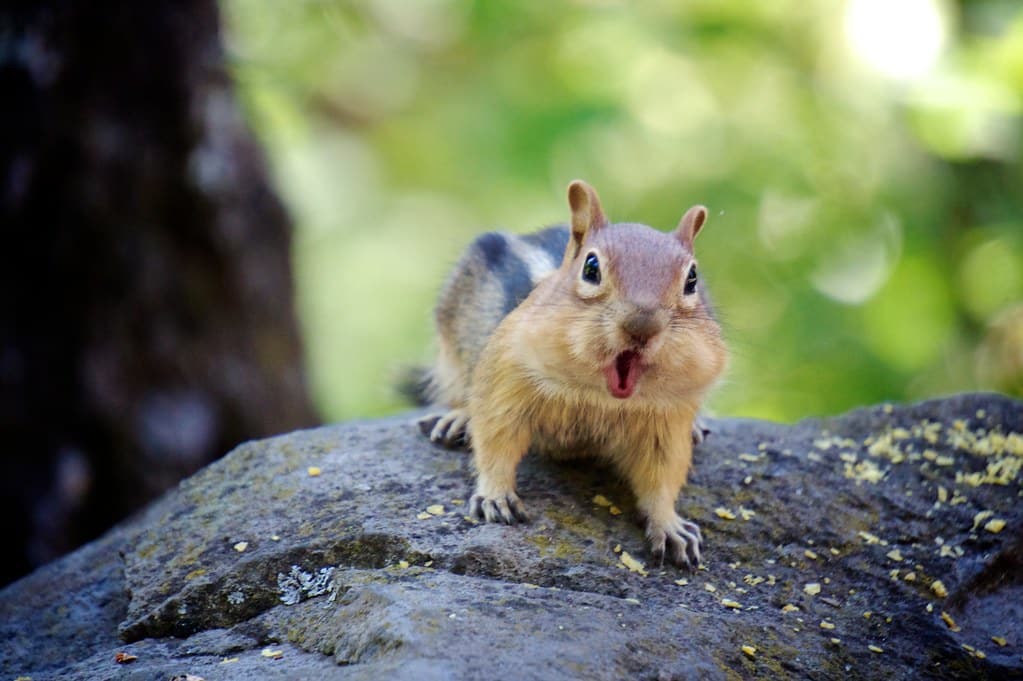
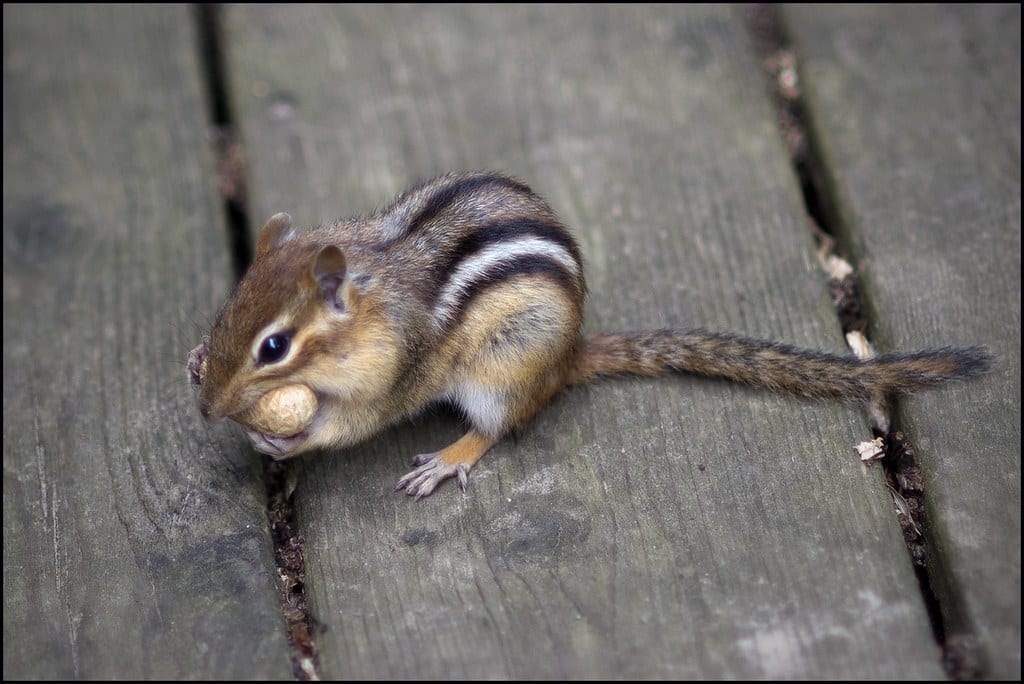
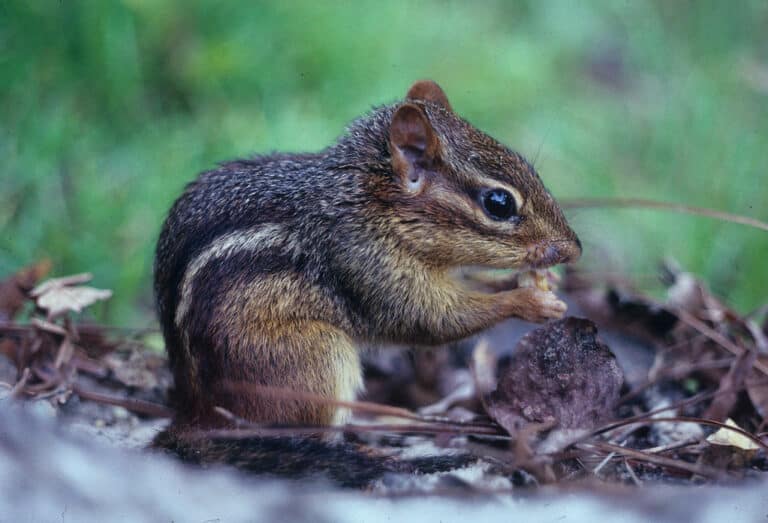
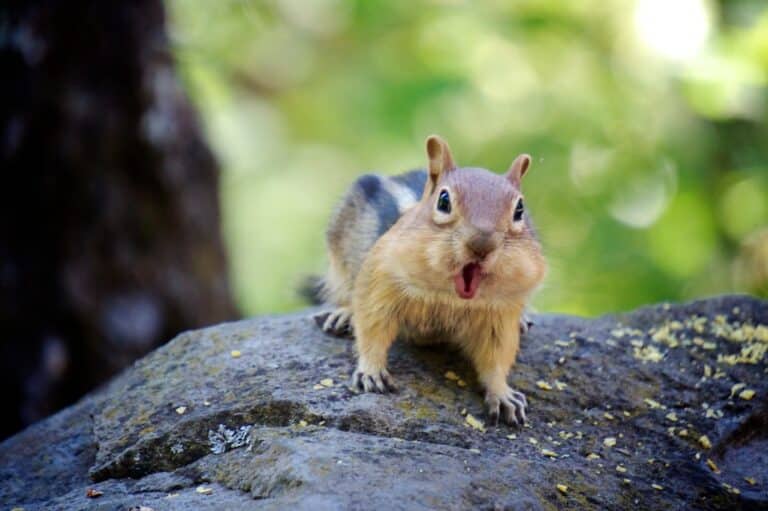
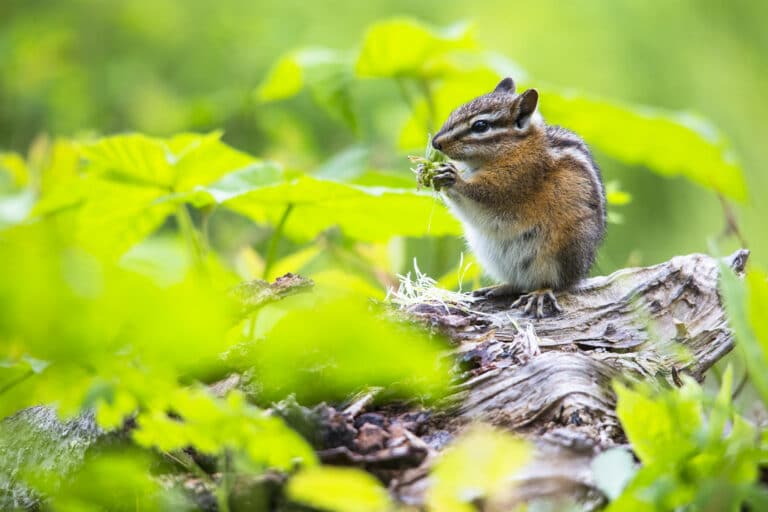
Chipmunks munch on a variety of tasty treats like nuts, seeds, berries, and even insects. With their cheek pouches, they can store food to enjoy later, showing they know how to ‘chip’ away at their meals!
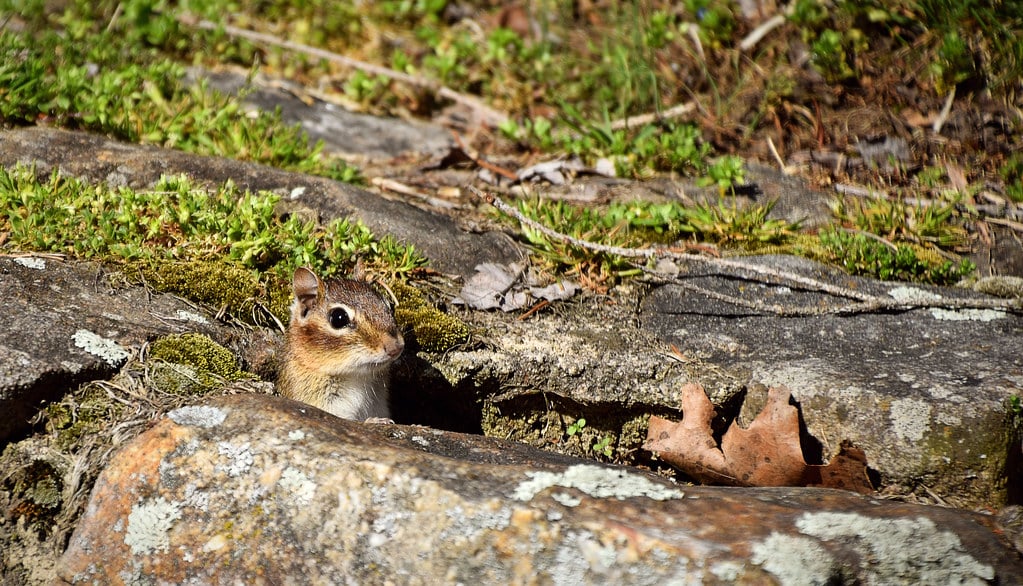
These energetic animals can live for about 2 to 3 years in the wild. They spend their days foraging, playing, and preparing for winter by gathering and hiding food in their burrows.
When chipmunks sense danger, they make quick dashes to find safety, often using their speed and agility to escape predators. Their quick movements and cute squeaks make them a fun sight to see in nature!

Where can you find a Chipmunk in the wild?
What does a Chipmunk eat?
How big can a Chipmunk grow?
How long does a Chipmunk typically live?
What is the conservation status of the Chipmunk?
What are the main threats to the Chipmunk?
Fun facts
Chipmunks have super cheek pouches that can stretch to hold food twice their head size! They stuff these pouches with nuts and seeds, turning them into little storage containers for their tasty treasures.


When chipmunks get nervous, they freeze in place and become super still, like tiny little statues! This clever trick helps them avoid becoming dinner for hungry predators.
Every chipmunk has a unique set of stripes on its back, much like human fingerprints! This special pattern helps scientists identify individual chipmunks in the wild.
Chipmunks are expert little diggers! They can dig their burrows up to 3 meters (10 feet) deep, creating a cozy home and storing their snacks all in one place.
During the winter, chipmunks take a long nap called hibernation, but they don’t sleep all the time! They wake up occasionally to munch on their hidden food supplies before snoozing again.
These lively critters can communicate with each other using a variety of cute chirps and trill sounds, making it sound like they are having their own little conversations!
Chipmunks have keen eyesight, which helps them spot danger from a distance. They can see behind them without even turning their heads, making them great at staying alert!
Chipmunks don’t hibernate continuously. Instead, they take short naps and wake up to snack, giving them a good excuse to keep snacking all winter long!
These chipper rodents can run up to 32 kilometers per hour (20 miles per hour) when they need to escape! That’s faster than the average house cat!
Chipmunks share their burrows with fungi, forming an amazing partnership! The fungi help them break down the food they stash away, making it easier to digest later.
Photos



The Basics


explore more
Amphibians
Arachnids
Birds
Cats
Crustaceans
Fish
Fish Pet Guide
Gastropods
Insects
Invertebrates
Mammals
Pet Fish
Pet Rodents
Plants
Reptiles
Roundworms
Sea Slugs