
Successfully copied to clipboard!
Dingo
Unleash the wild side and discover nature's clever hunters!
Let’s Explore
Overview
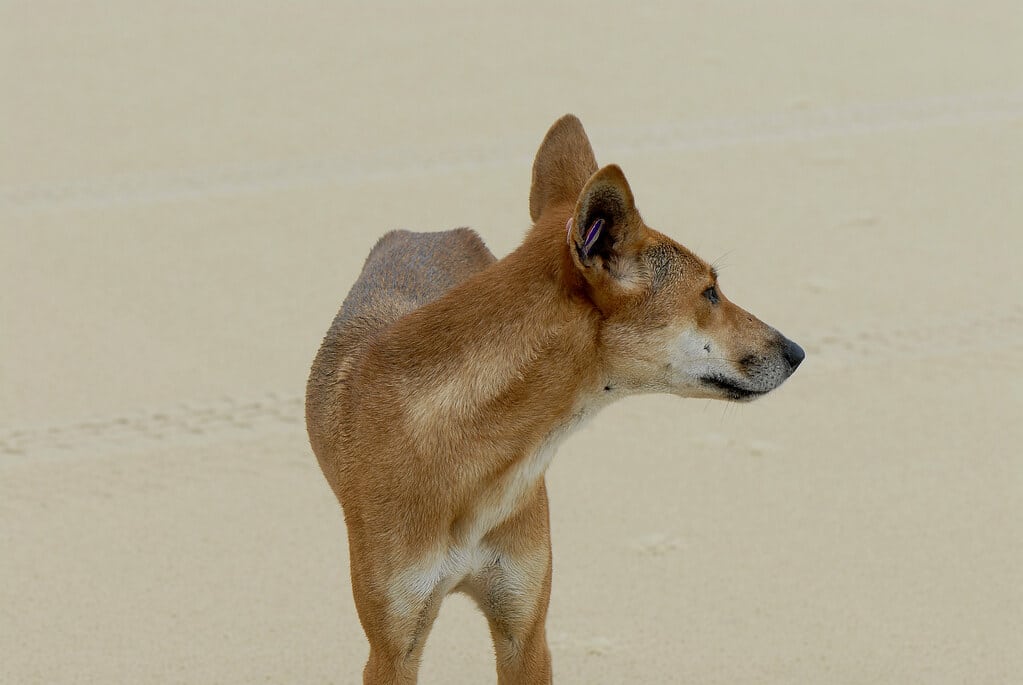
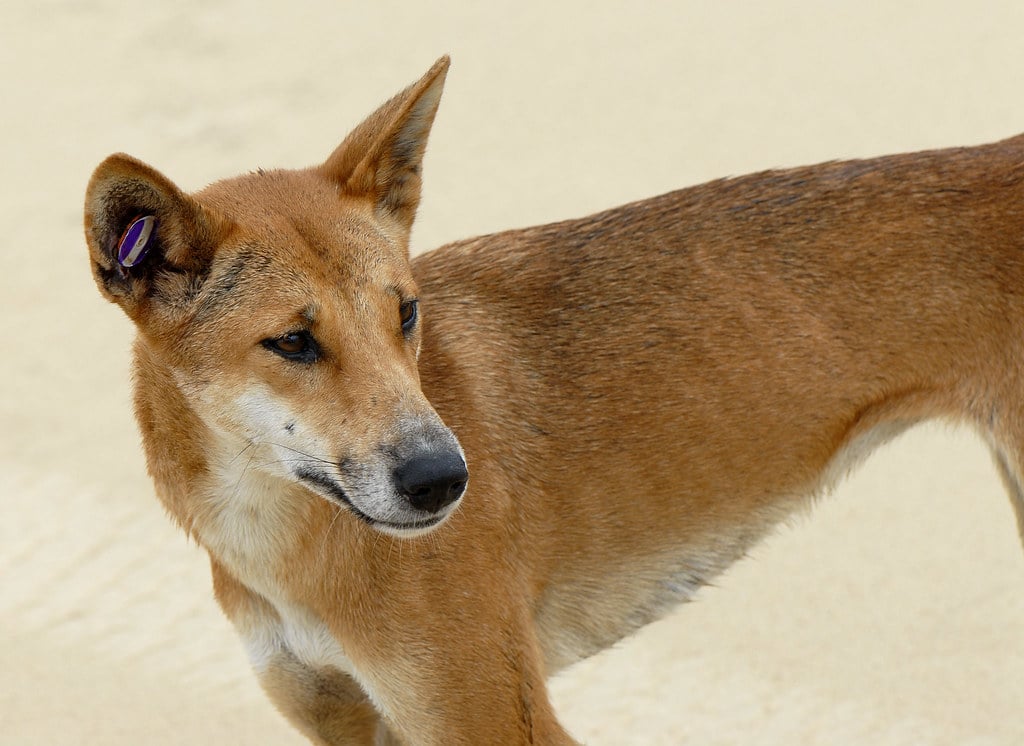
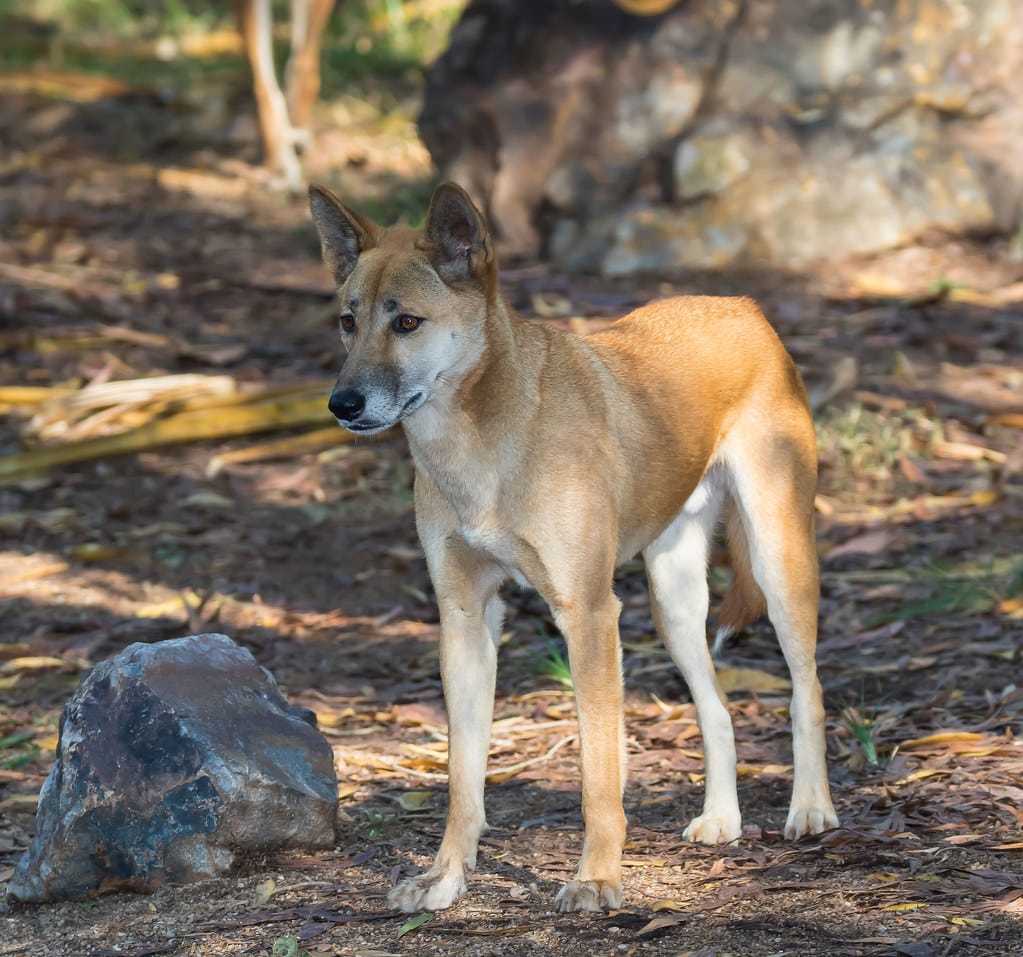
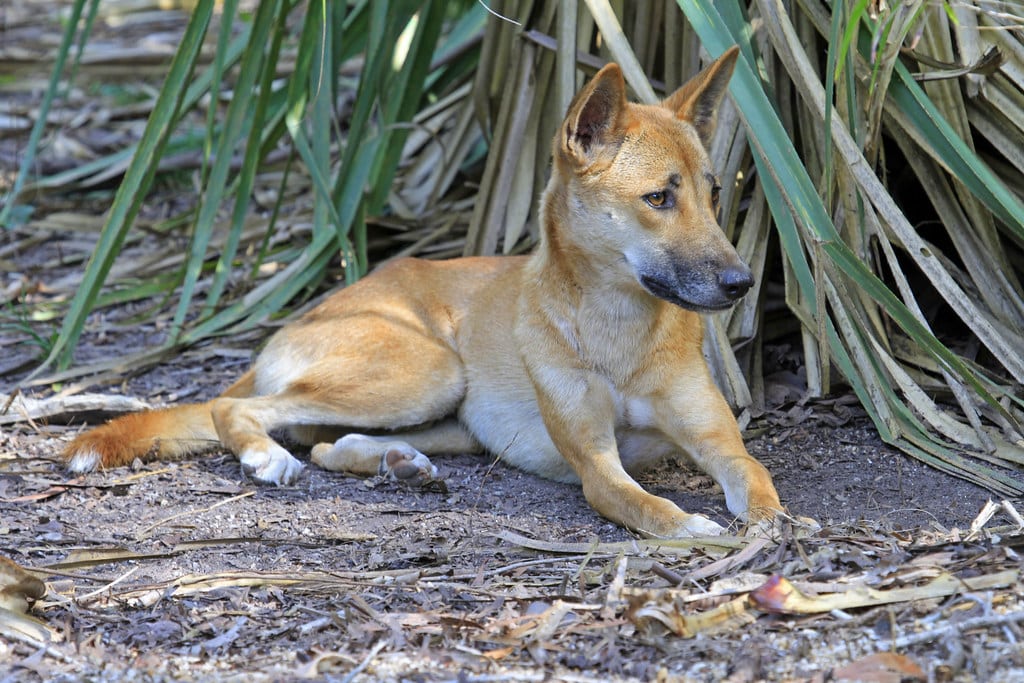
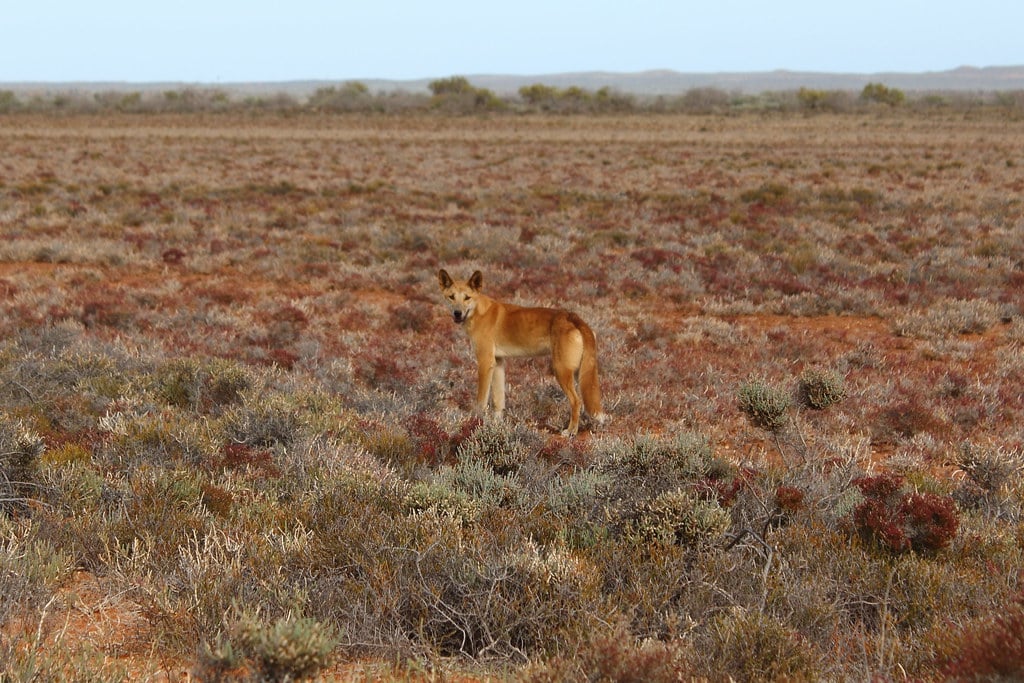
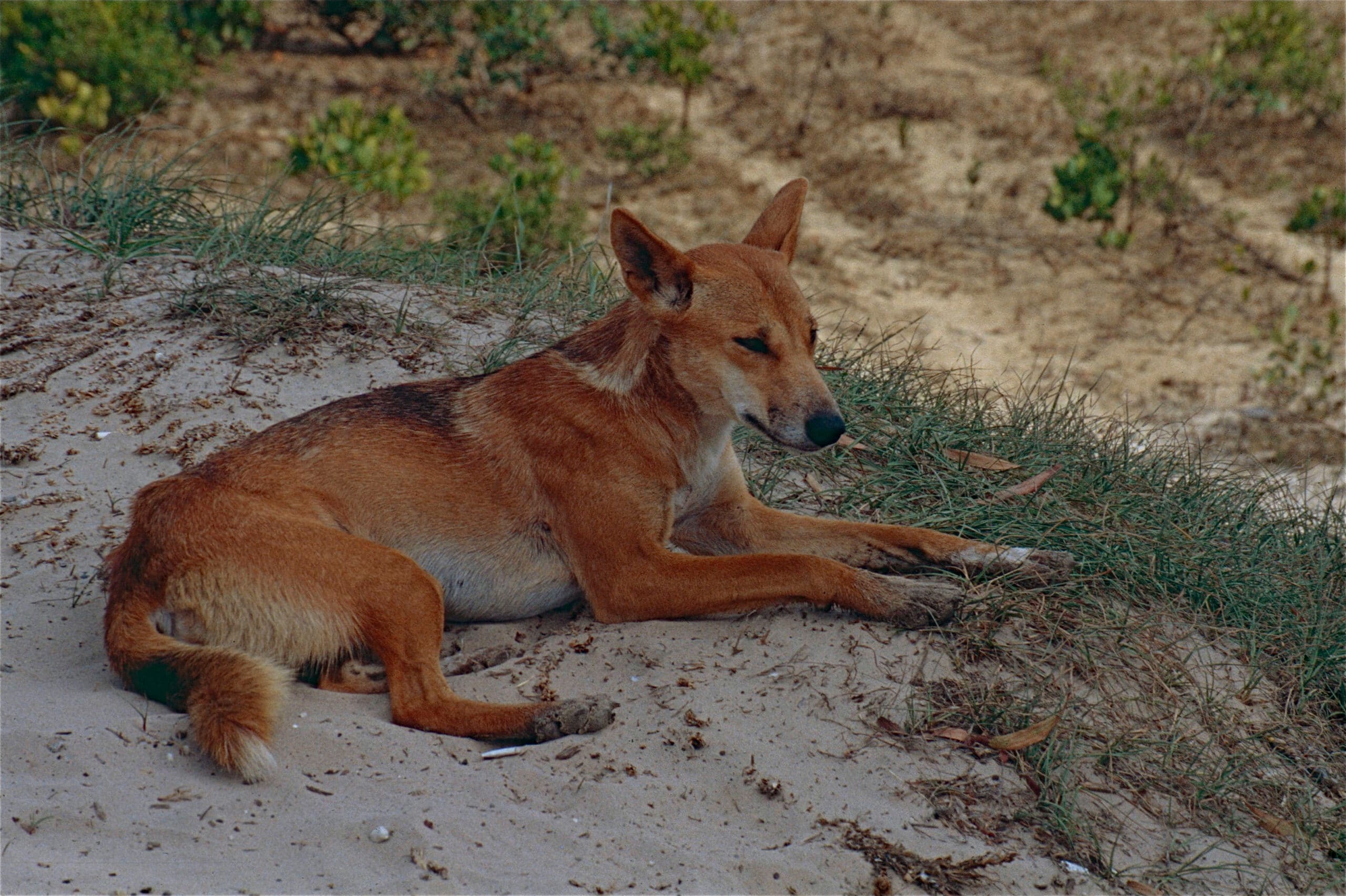
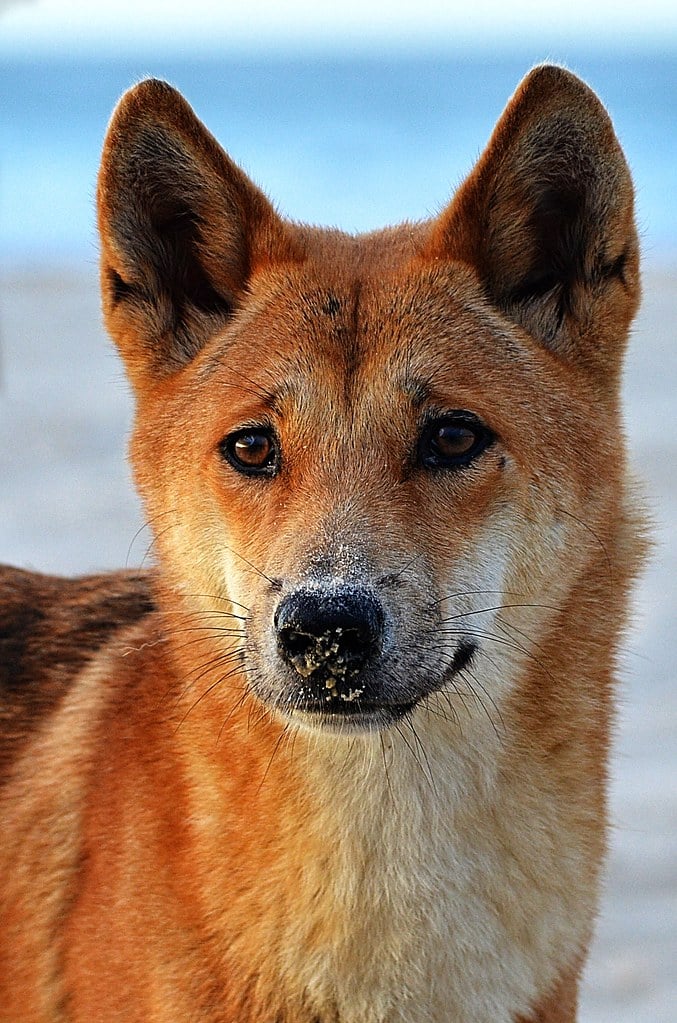
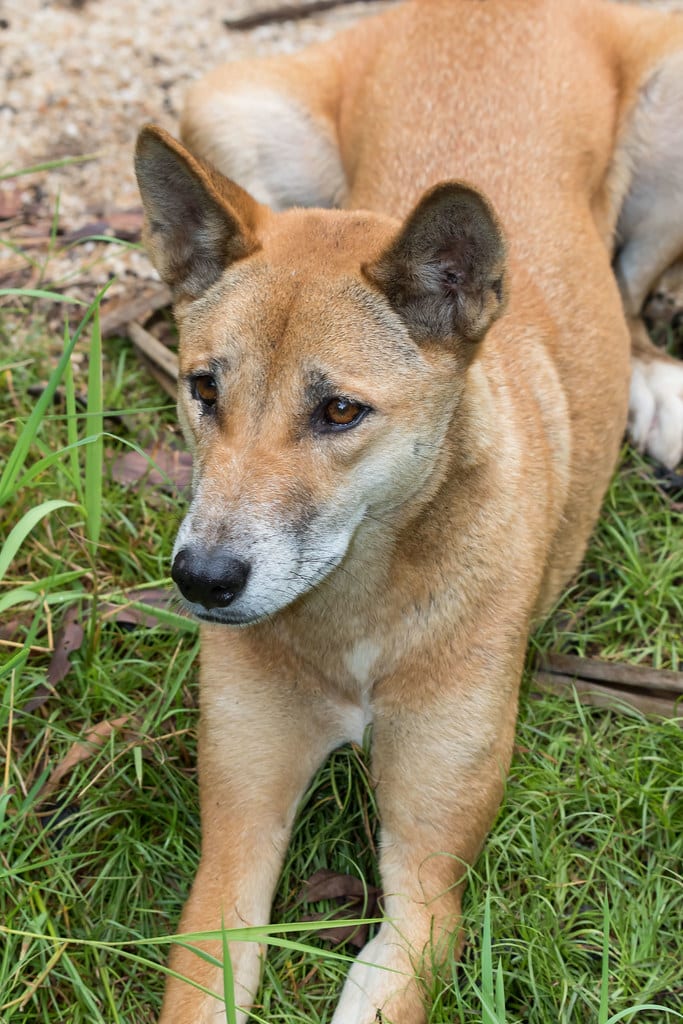
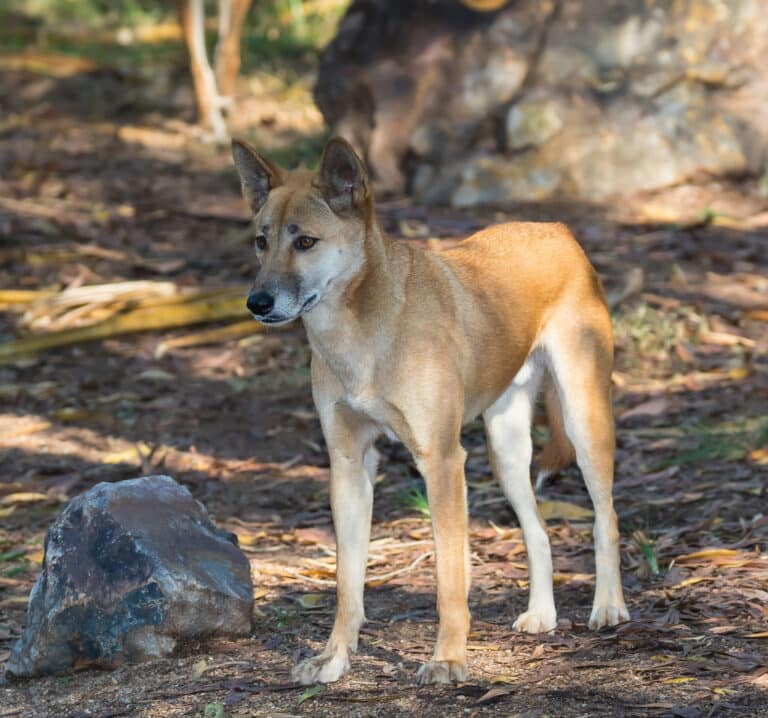
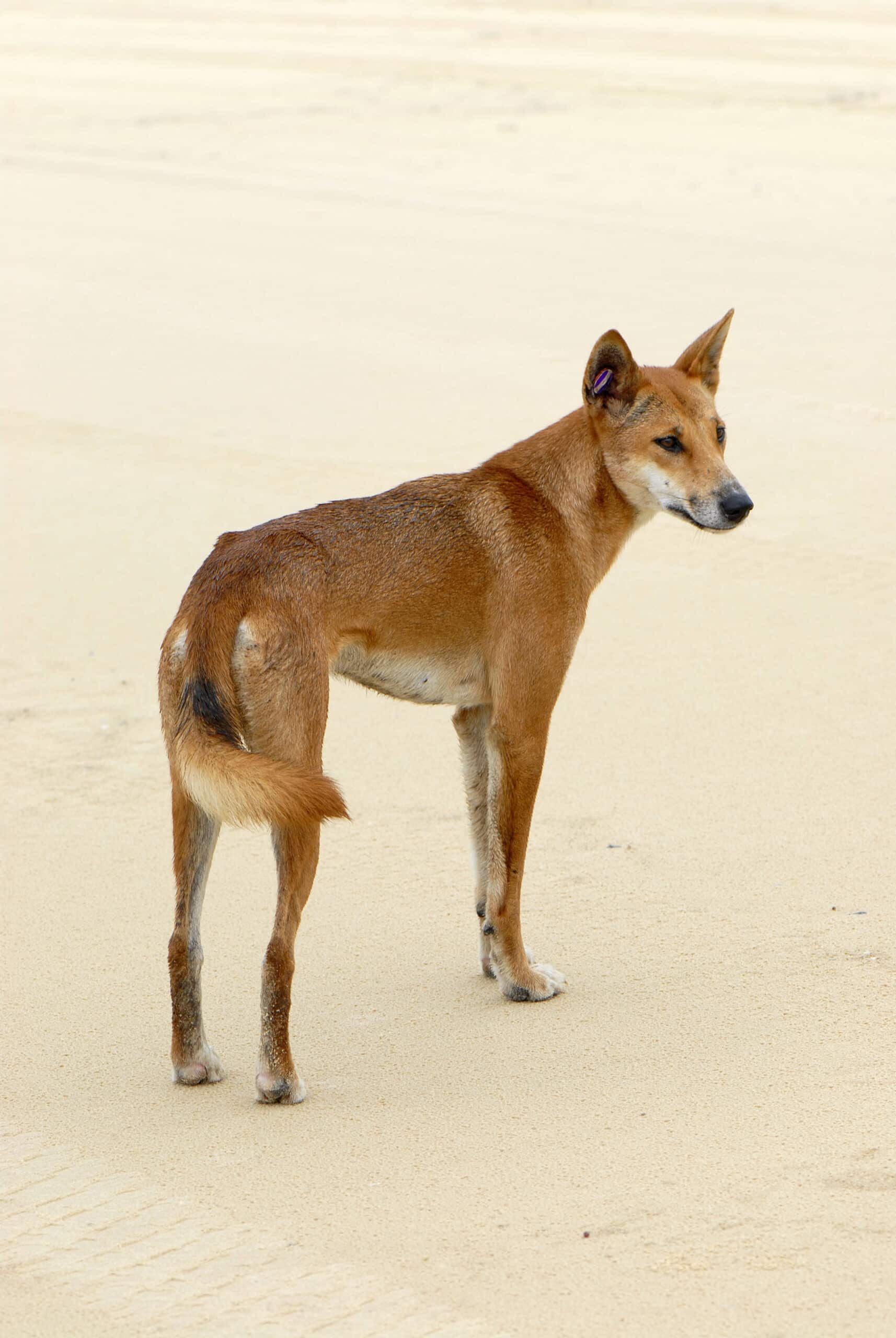
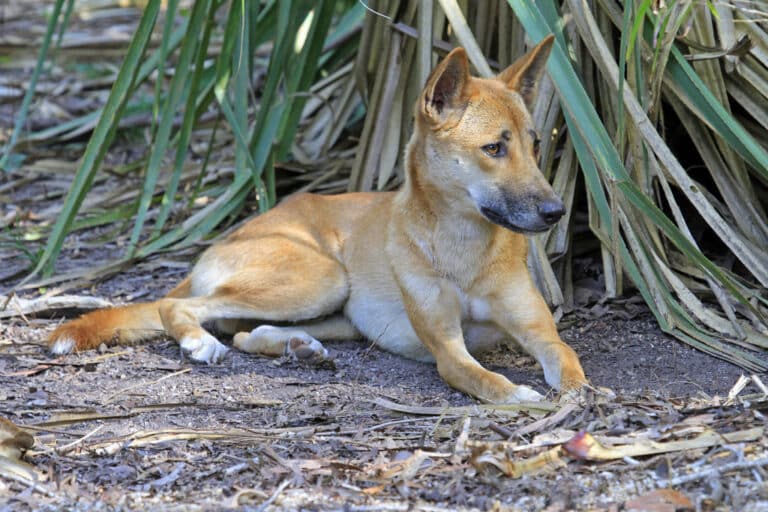
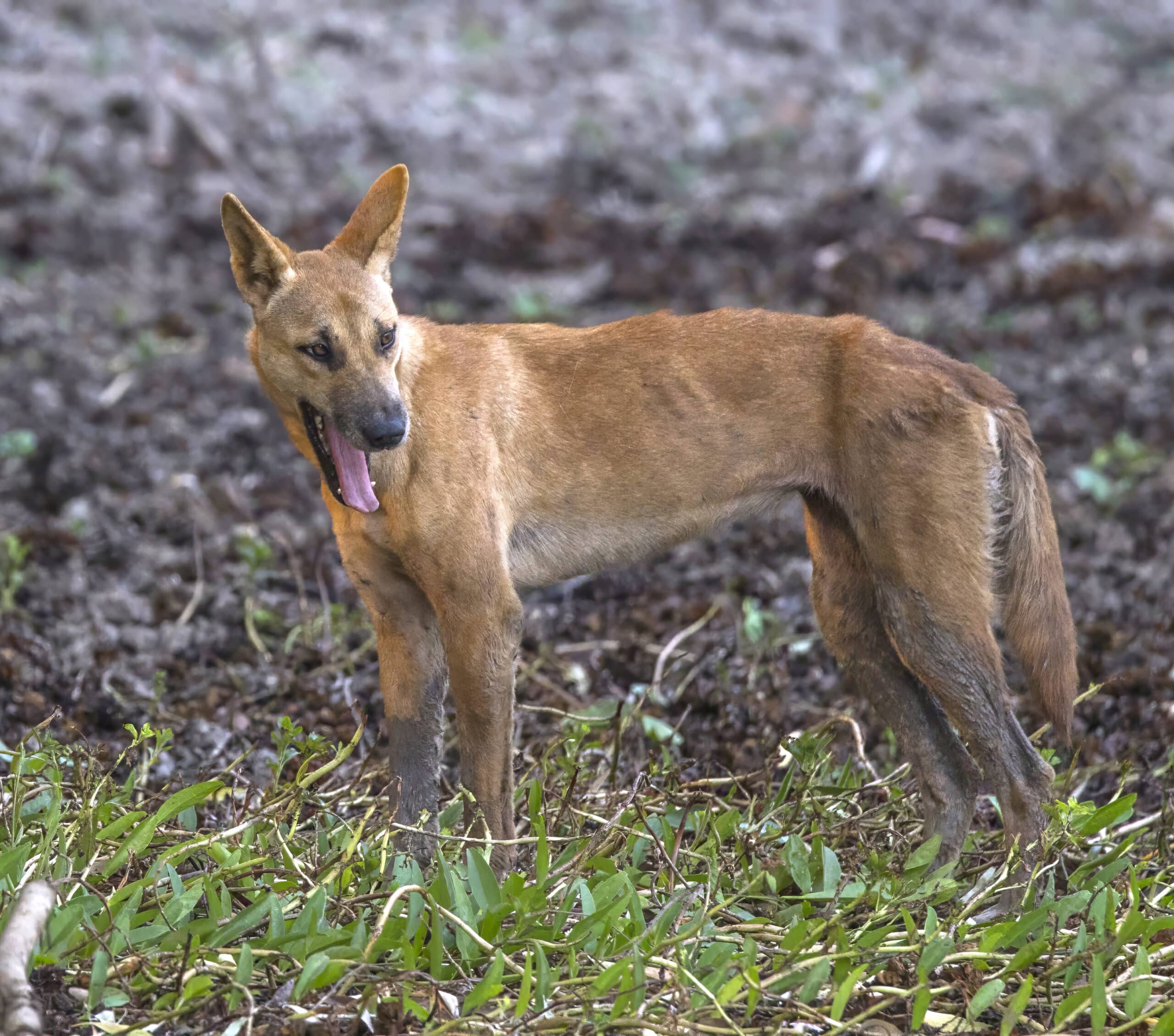
The dingo is a wild dog that roams across the beautiful landscapes of Oceania! With a scientific name of Canis Lupus Dingo, these fascinating mammals belong to the Carnivora order, making them part of the dog family, Canidae.
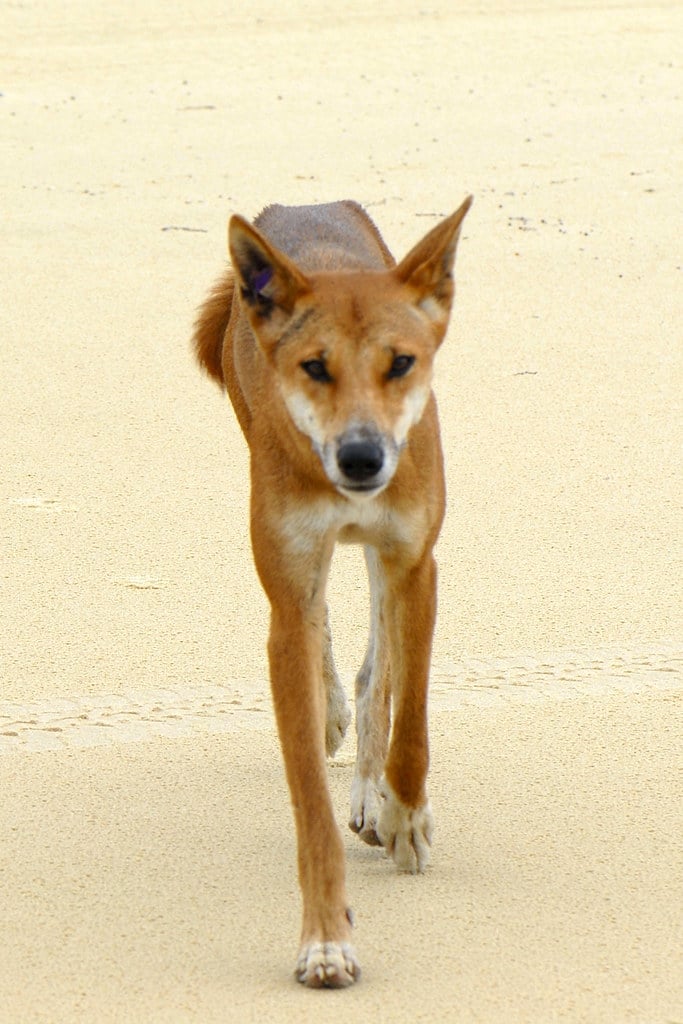
Dingoes are known for their impressive size, typically reaching lengths between 1.1 to 1.2 meters (3.5 to 4 feet). Their agile bodies and keen senses help them become skilled hunters in their natural habitat!
These clever canines enjoy a varied diet, hunting rabbits, rodents, and birds. They use teamwork to track and ambush their prey, showing just how smart they can be!
Their lifespan ranges from 10 to 15 years, which means you could have a dingo as a companion for quite a while if it were living nearby! Dingoes are very social animals, often forming packs to help each other find food and protect their territory.
Dingoes communicate using a mix of howls, barks, and growls to express their feelings. These vocalizations help them stay connected with pack members while hunting or playing together.
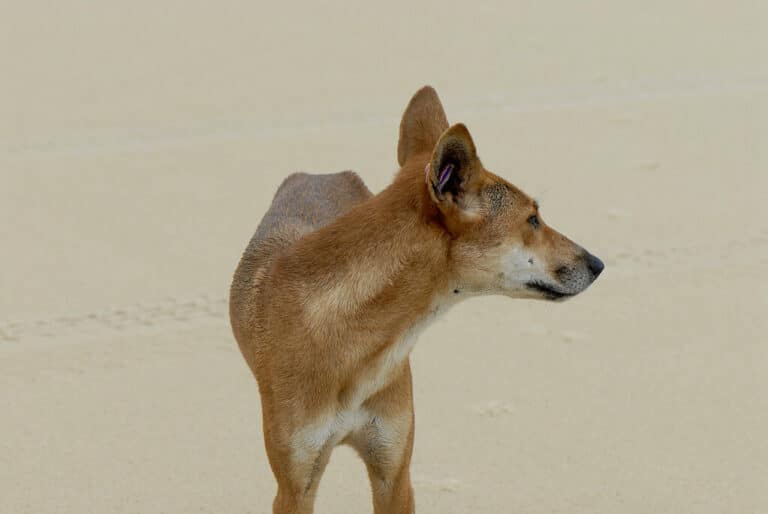
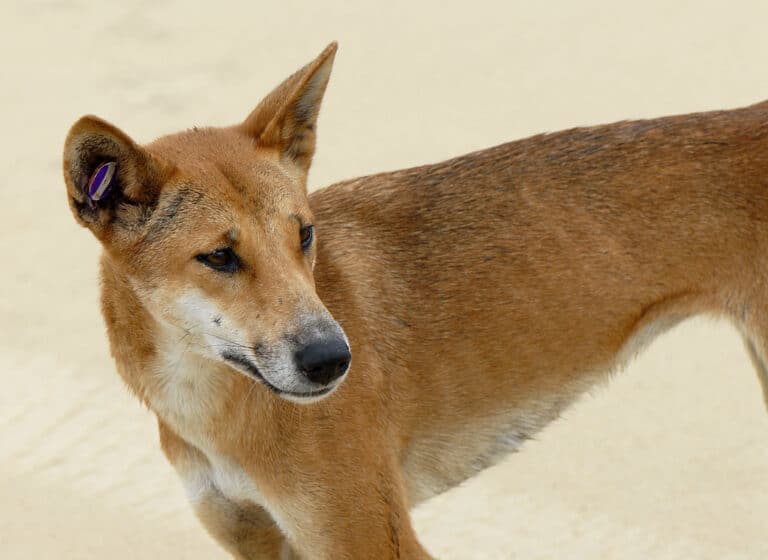
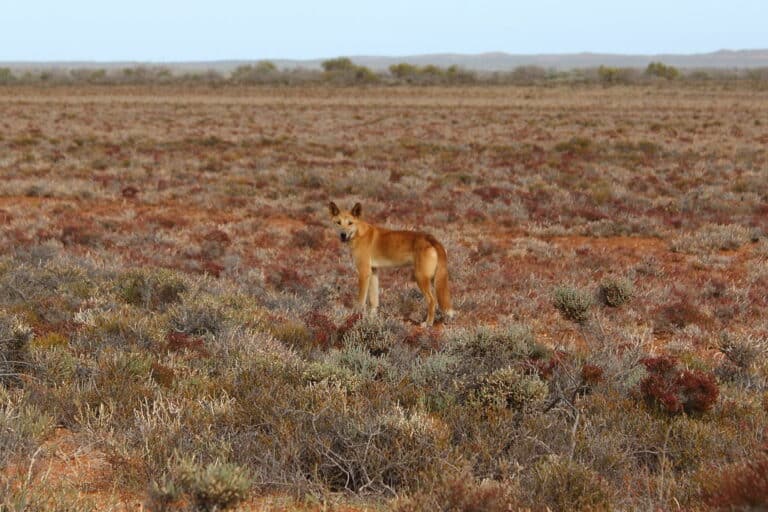
These wild dogs have adapted to thrive in various environments, from sandy deserts to grassy plains. With their short coats and powerful legs, dingoes can run fast and cover great distances, making them adept at adapting to life in the wild!
The dingo's unique role in the ecosystem adds to its importance as a predator. By keeping the populations of smaller animals in check, they help maintain a balance in their environment, ensuring that nature stays in harmony.

Where can you find a Dingo in the wild?
What does a Dingo eat?
How big can a Dingo grow?
How long does a Dingo typically live?
What is the conservation status of the Dingo?
What are the main threats to the Dingo?
Fun facts
Dingoes can run at speeds up to 50 kilometers per hour (31 miles per hour), making them super speedy when chasing down their next meal!


These clever dogs have a special way of marking their territory - they leave behind scent marks which tell other animals, "This is my home!"
Dingoes are natural-born family members! They often raise their pups together in a communal den, with all pack members pitching in to care for the little ones.
Using their exceptional hearing, dingoes can detect the sounds of a rabbit rustling in the grass from quite a distance, making them great hunters.
Dingoes love to play! They enjoy wrestling and chasing each other, which helps strengthen the bonds within their packs.
These furry friends have a varied diet! When food is scarce, dingoes can even munch on fruits and plants to stay nourished, showing their adaptability.
Dingoes prefer to hunt during the cooler hours of dawn and dusk, taking advantage of lower temperatures to sneak up on their prey.
When facing danger, dingoes can howl in unison to communicate, creating a spooky yet beautiful chorus that echoes through the wilds.
Unlike domestic dogs, dingoes have a distinctive bushy tail that curls over their backs when they sprint, giving them a unique silhouette.
Australian Indigenous peoples have shared their lands with dingoes for thousands of years, using their skills in hunting and teamwork to benefit from their presence.
Photos


The Basics


explore more
Amphibians
Arachnids
Birds
Cats
Crustaceans
Fish
Fish Pet Guide
Gastropods
Insects
Invertebrates
Mammals
Pet Fish
Pet Rodents
Plants
Reptiles
Roundworms
Sea Slugs