
Successfully copied to clipboard!
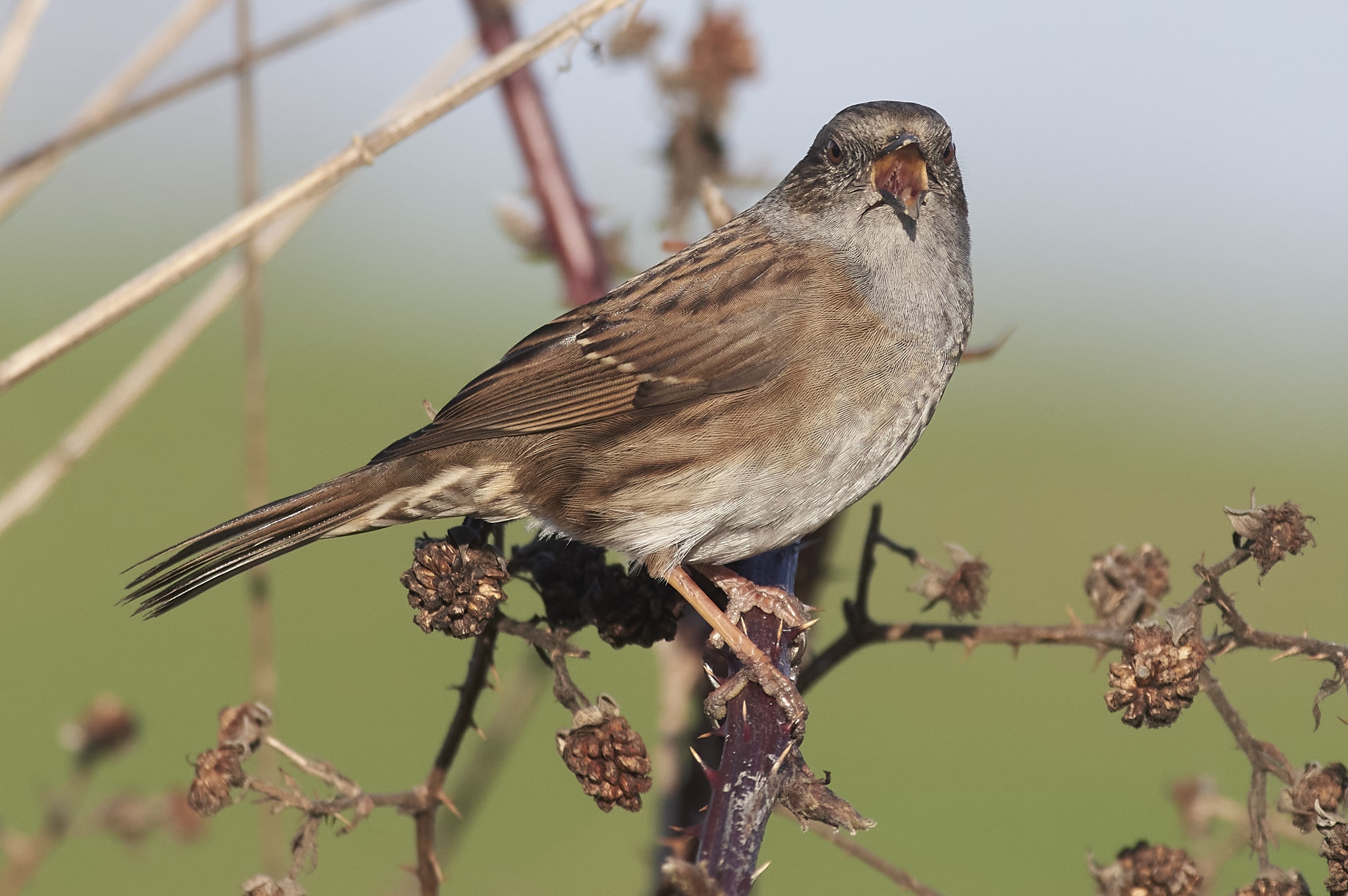
Dunnock
Explore the charming life of a petite garden explorer!

Let’s Explore
Overview
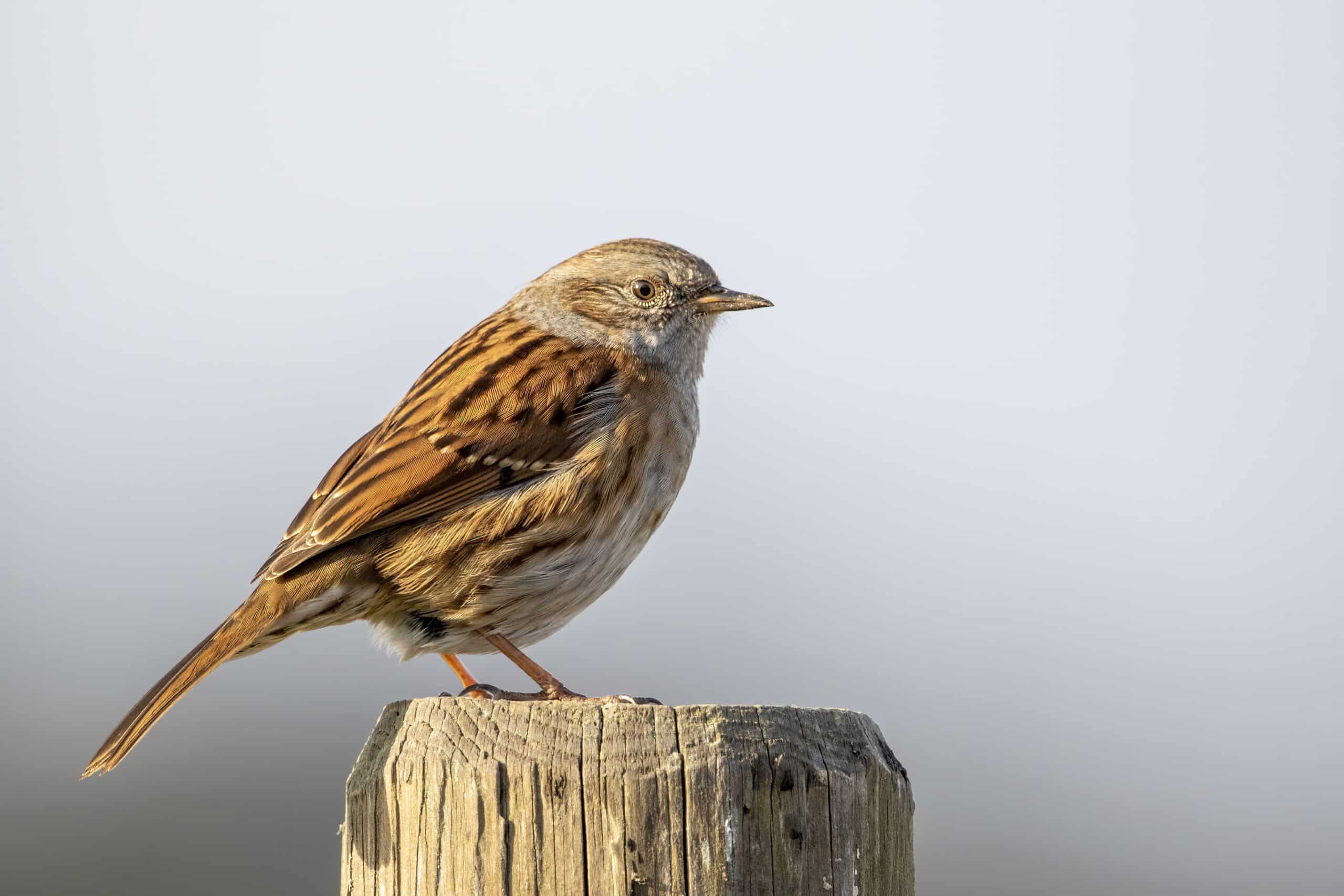
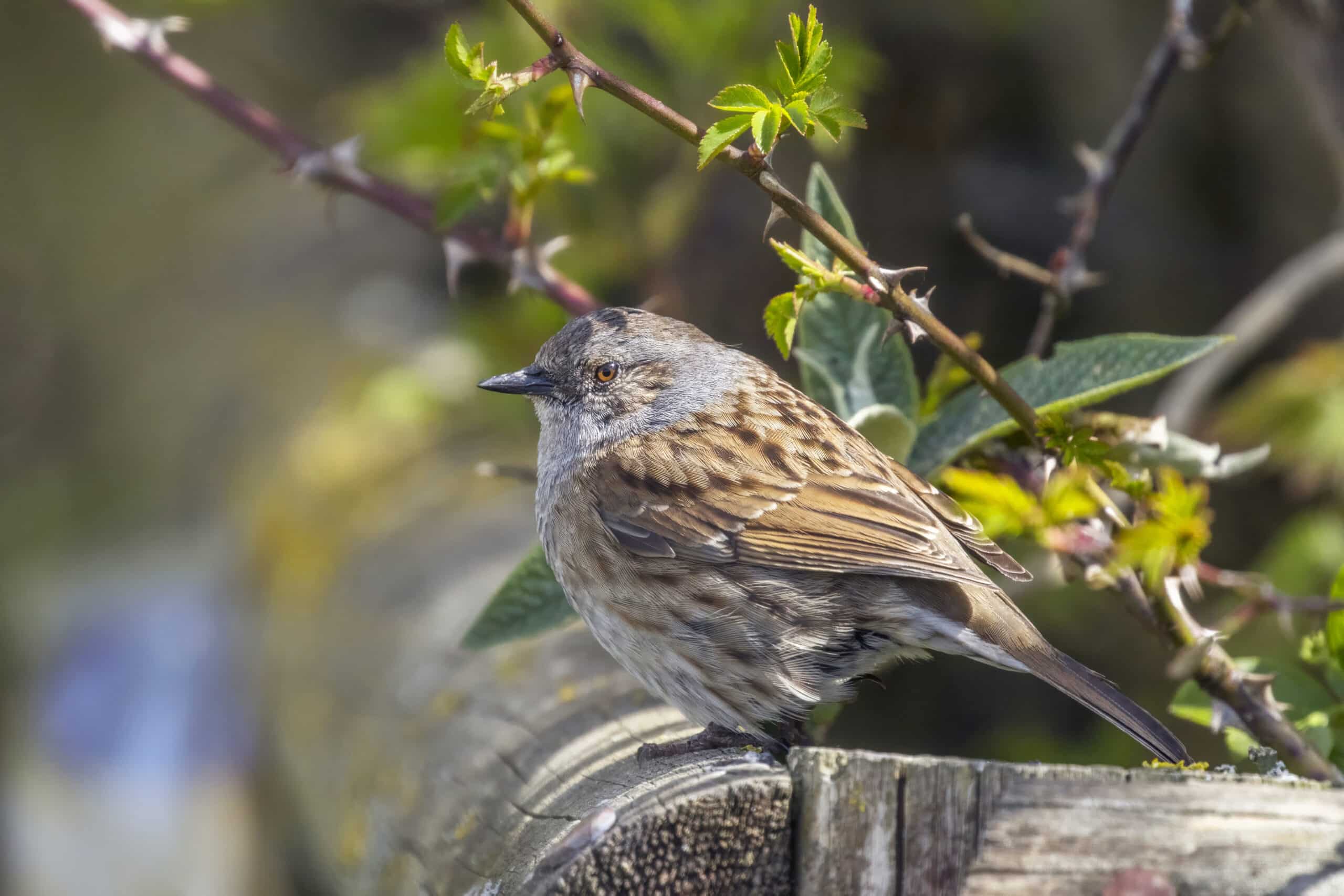
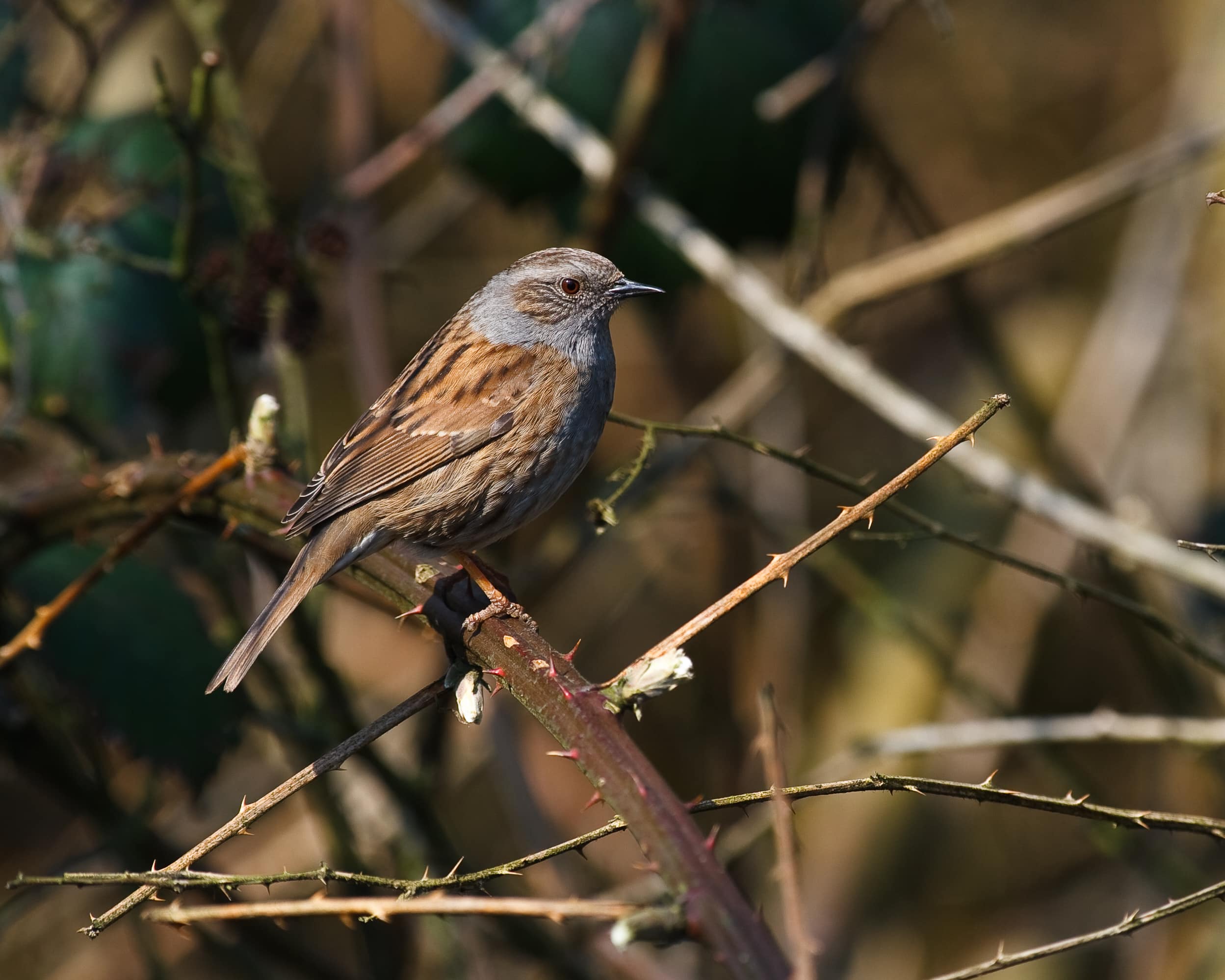
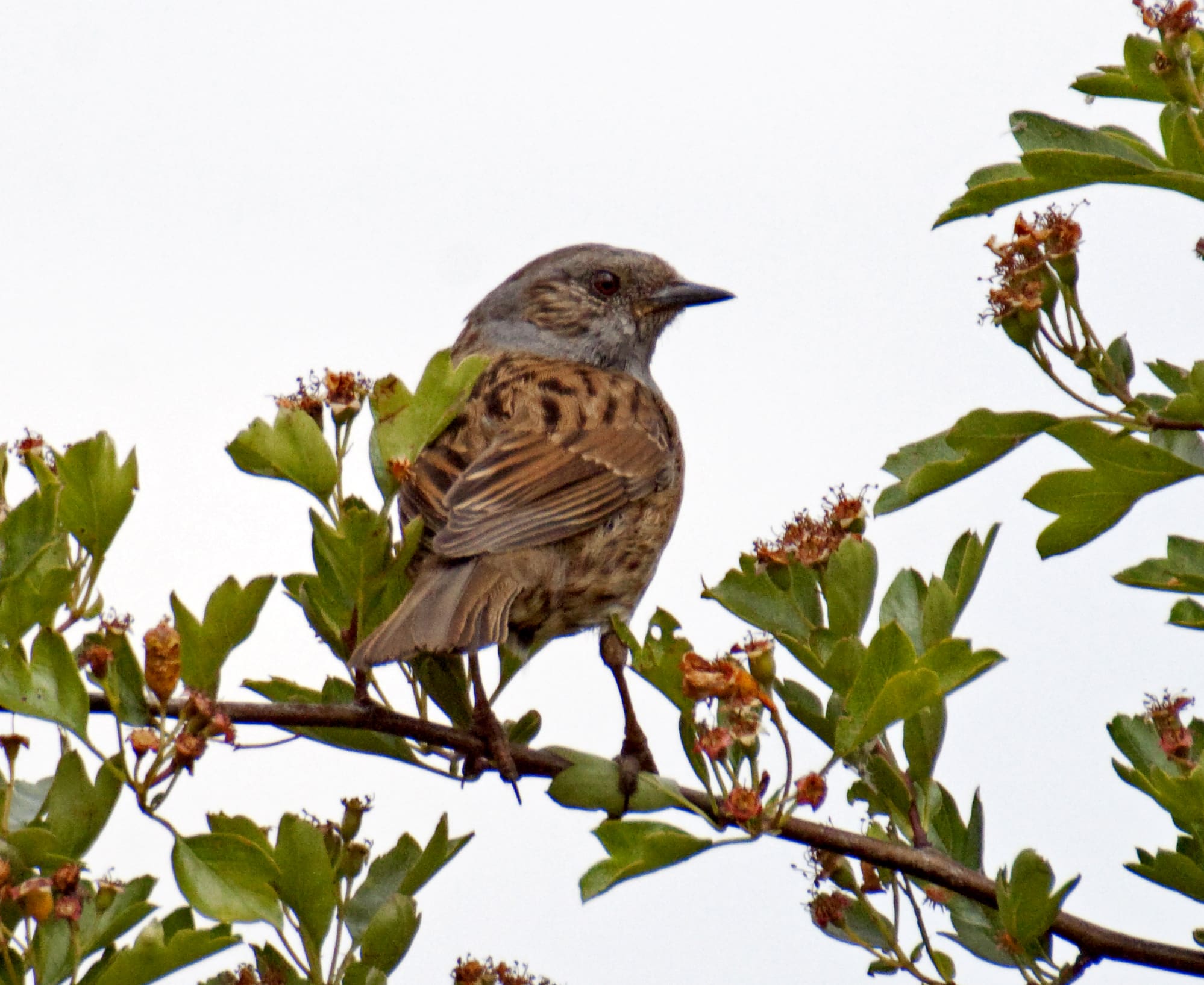
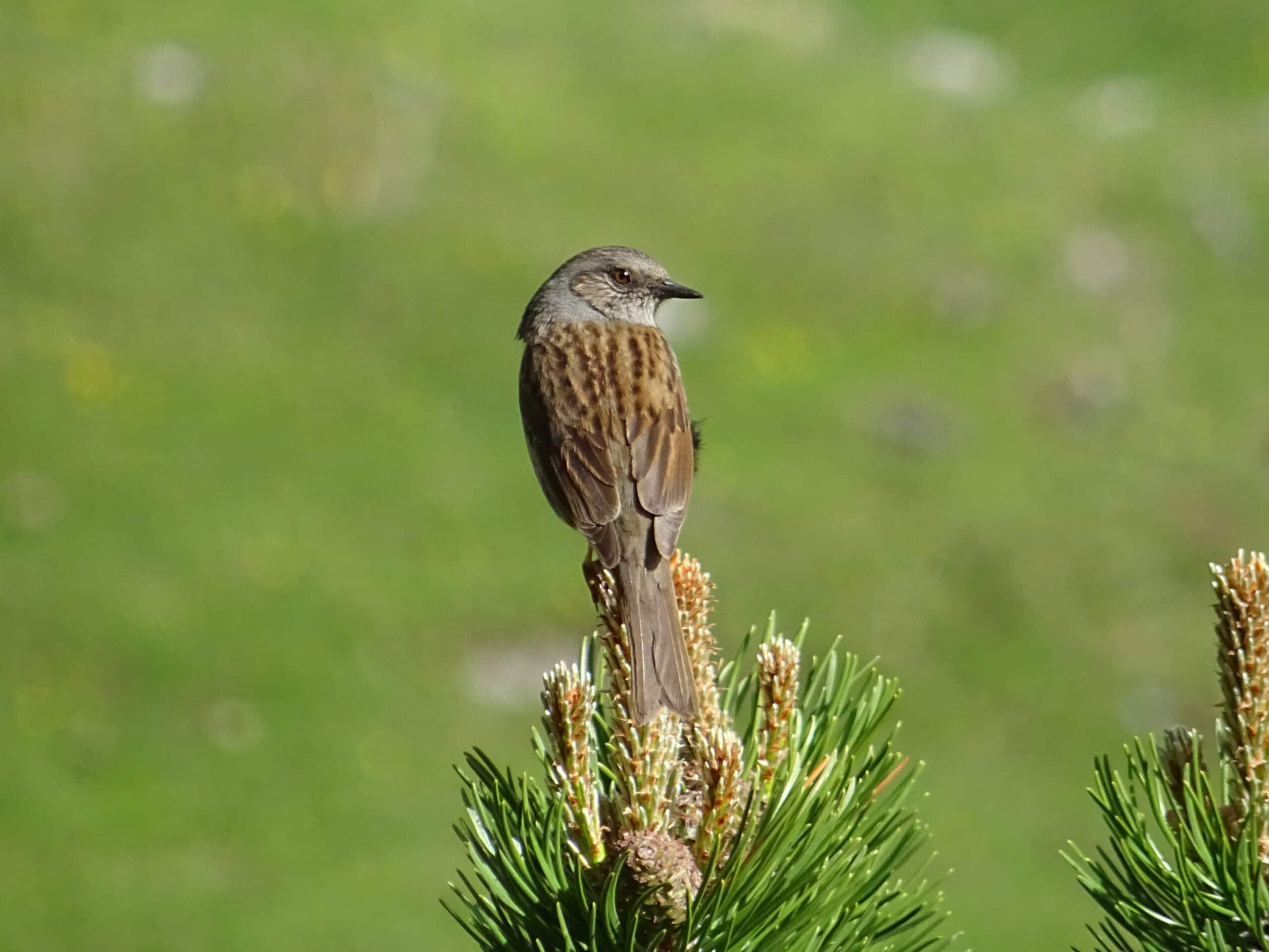
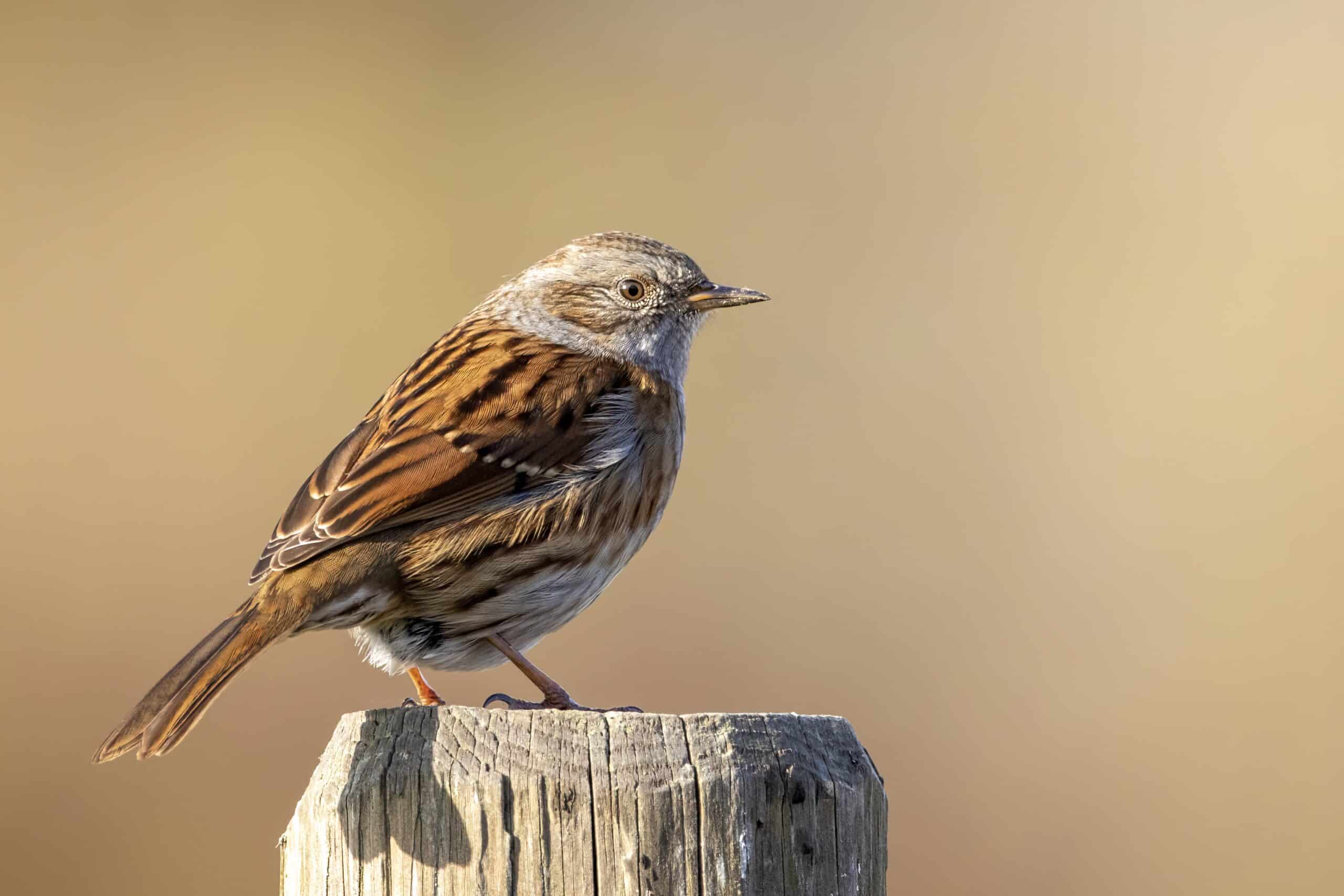
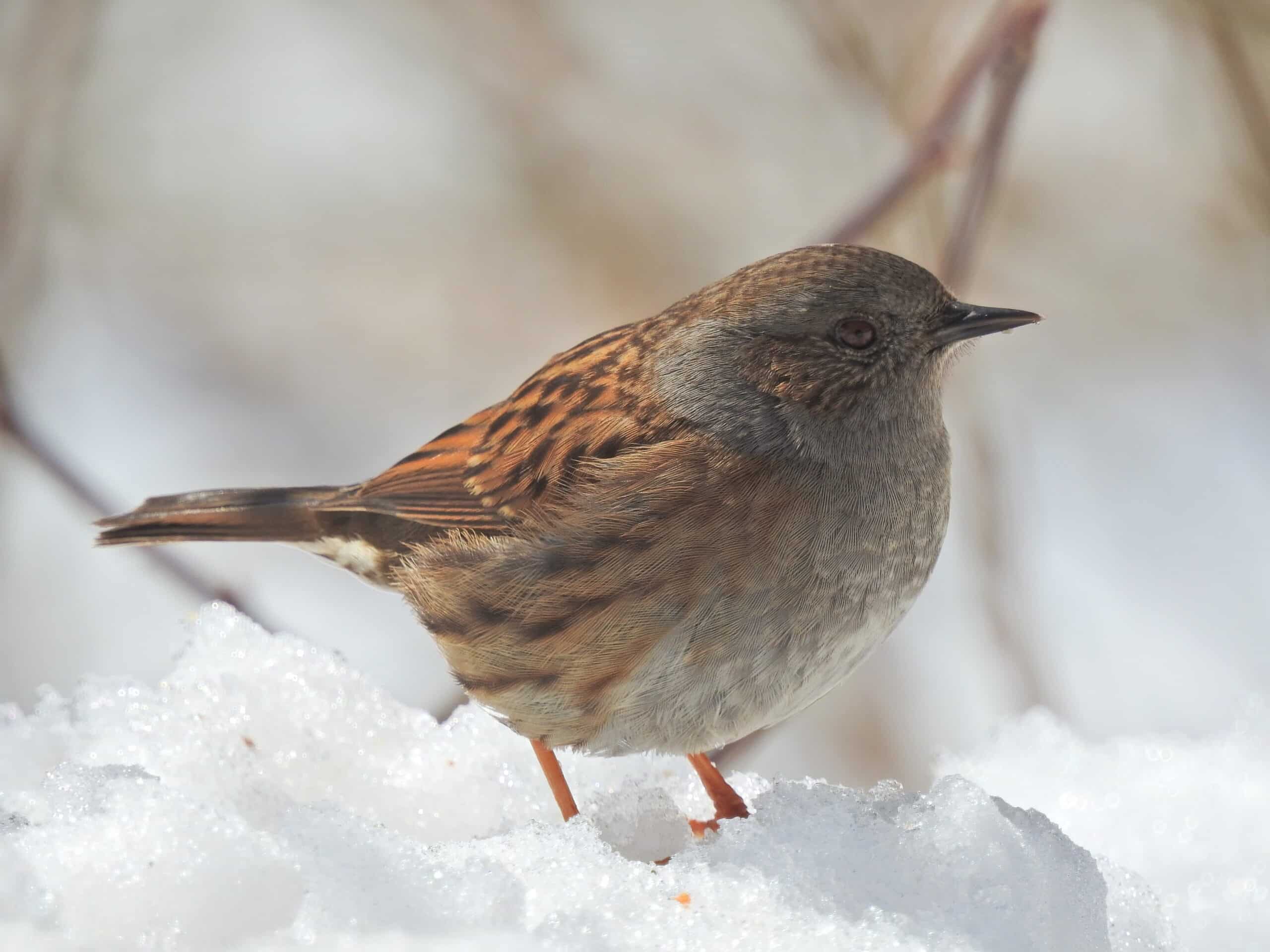
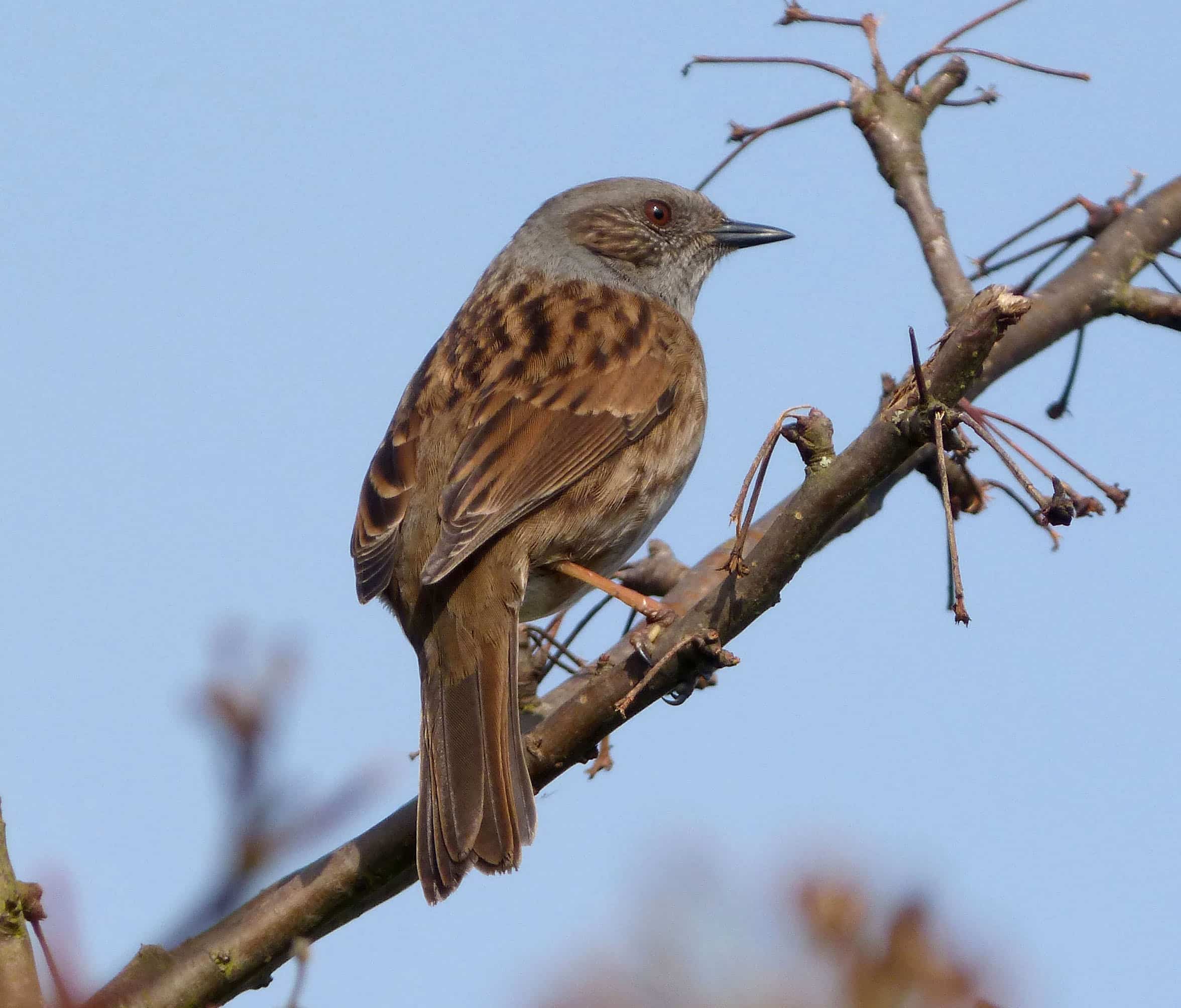
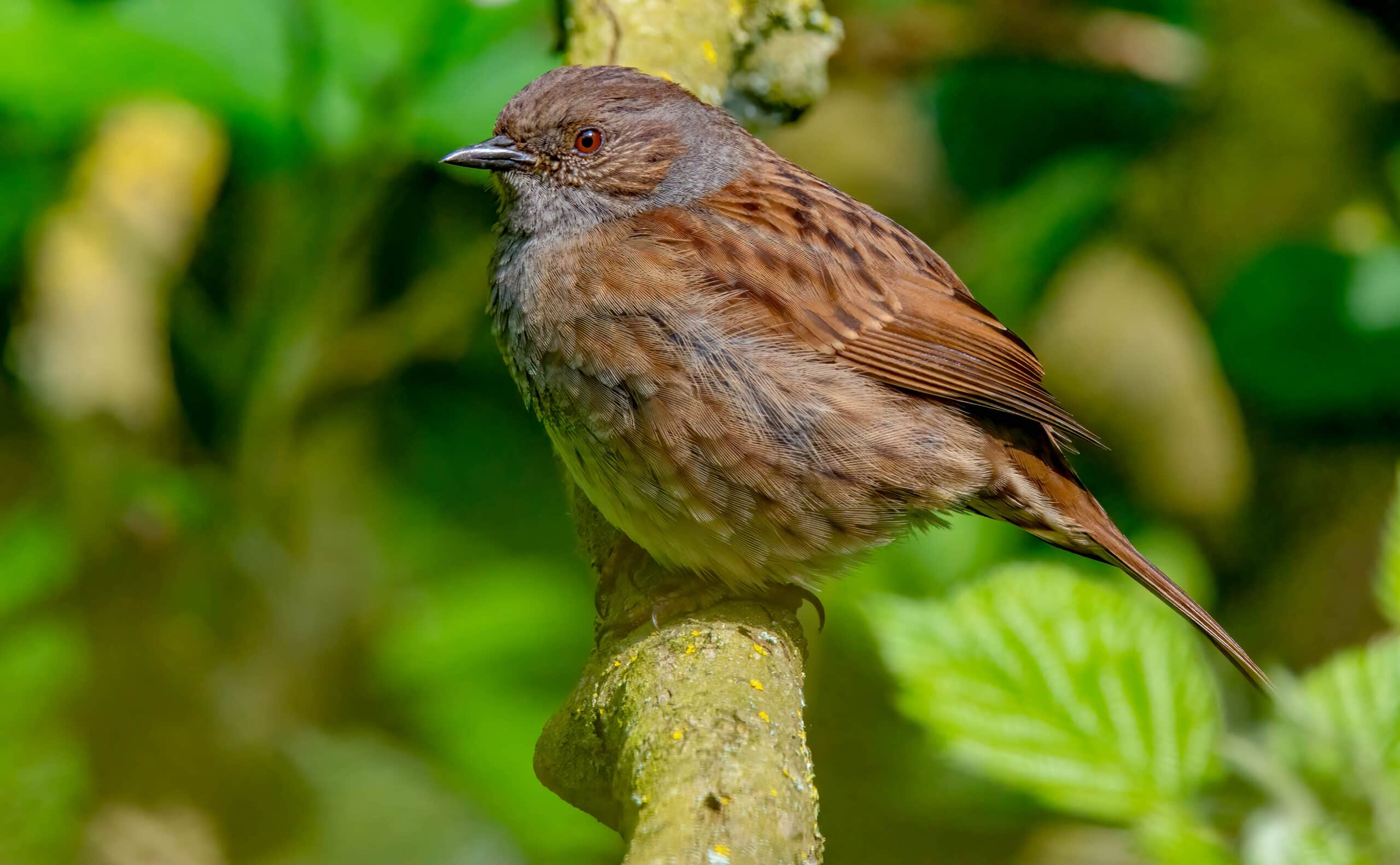
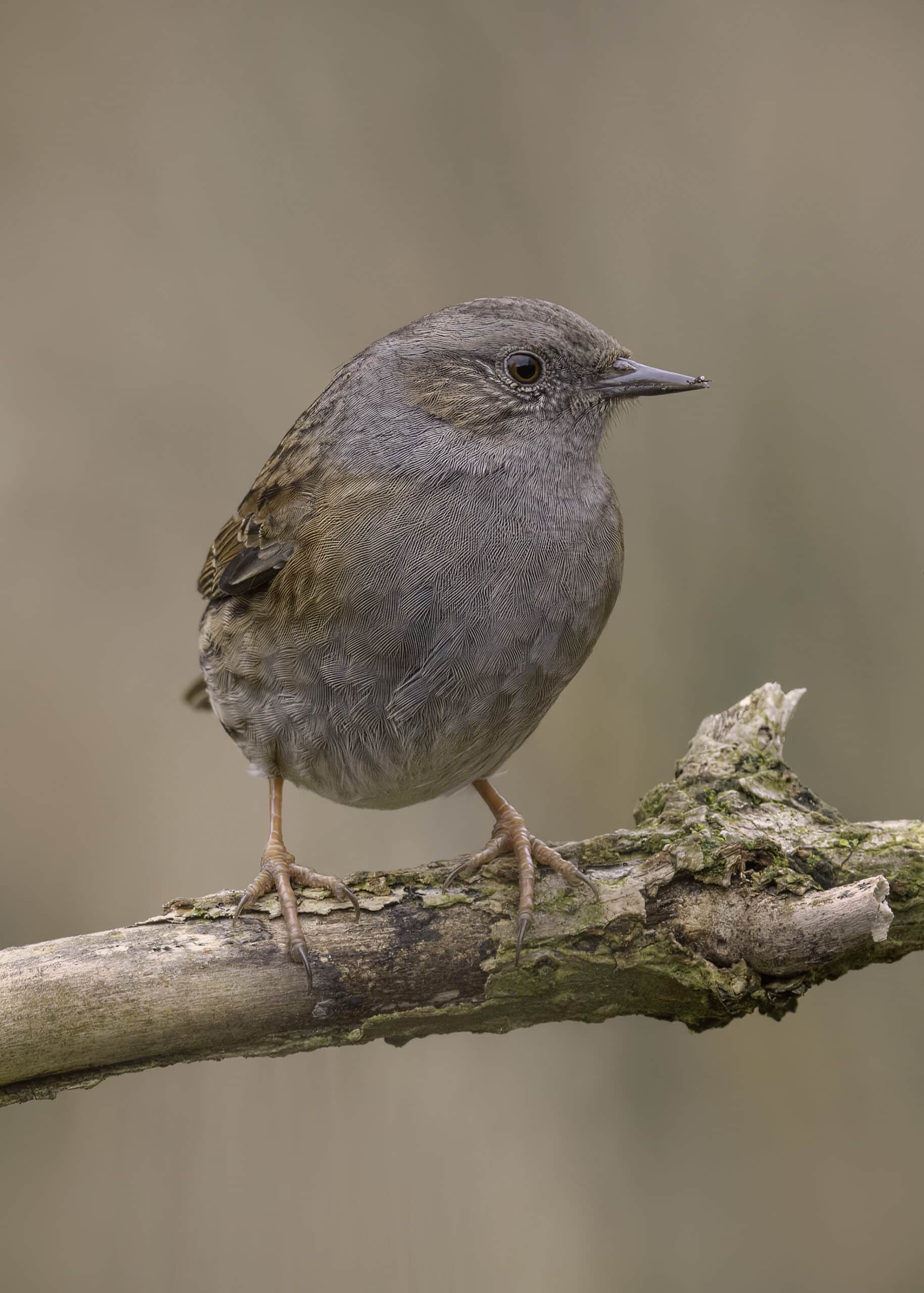
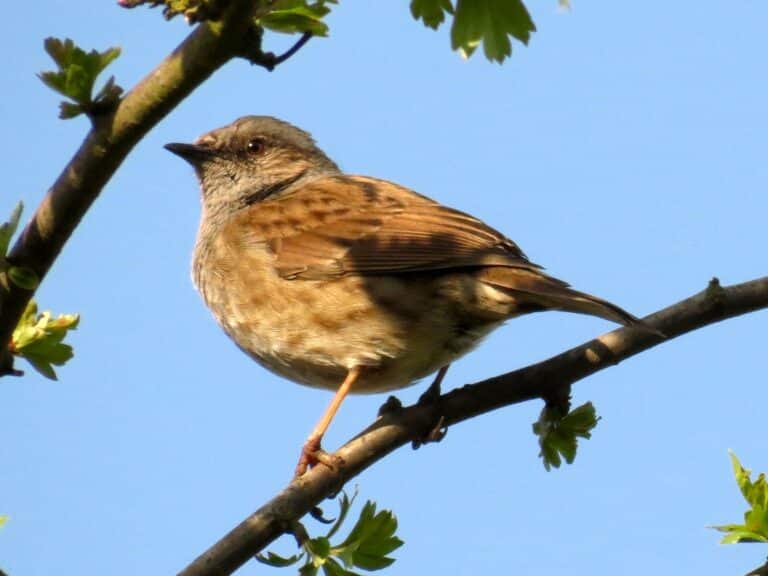
The dunnock is a charming little bird that measures about 14 to 15 centimeters (5.5 to 6 inches) in length. It belongs to the class of birds known as Aves and can be found across various regions in Asia.
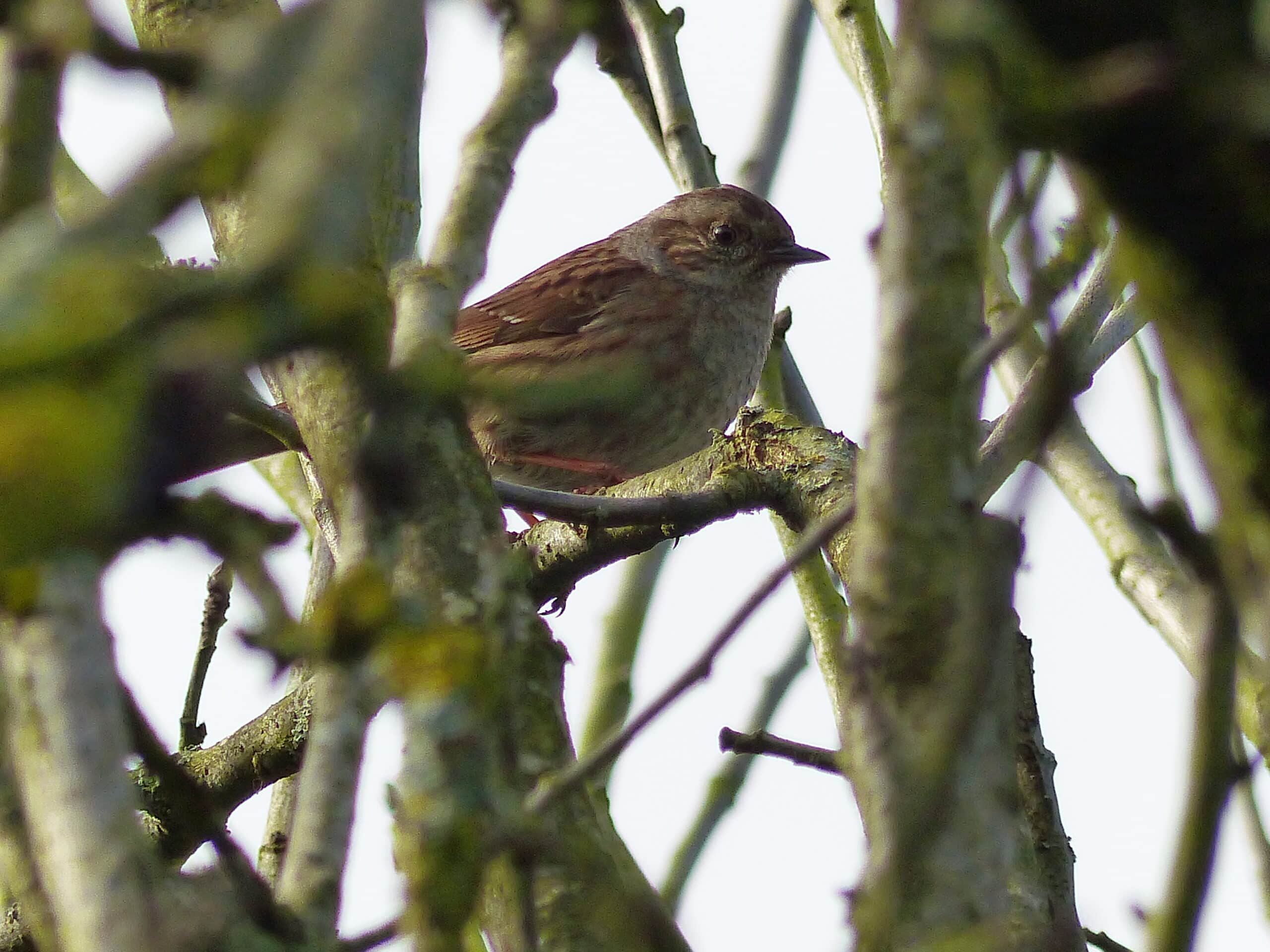
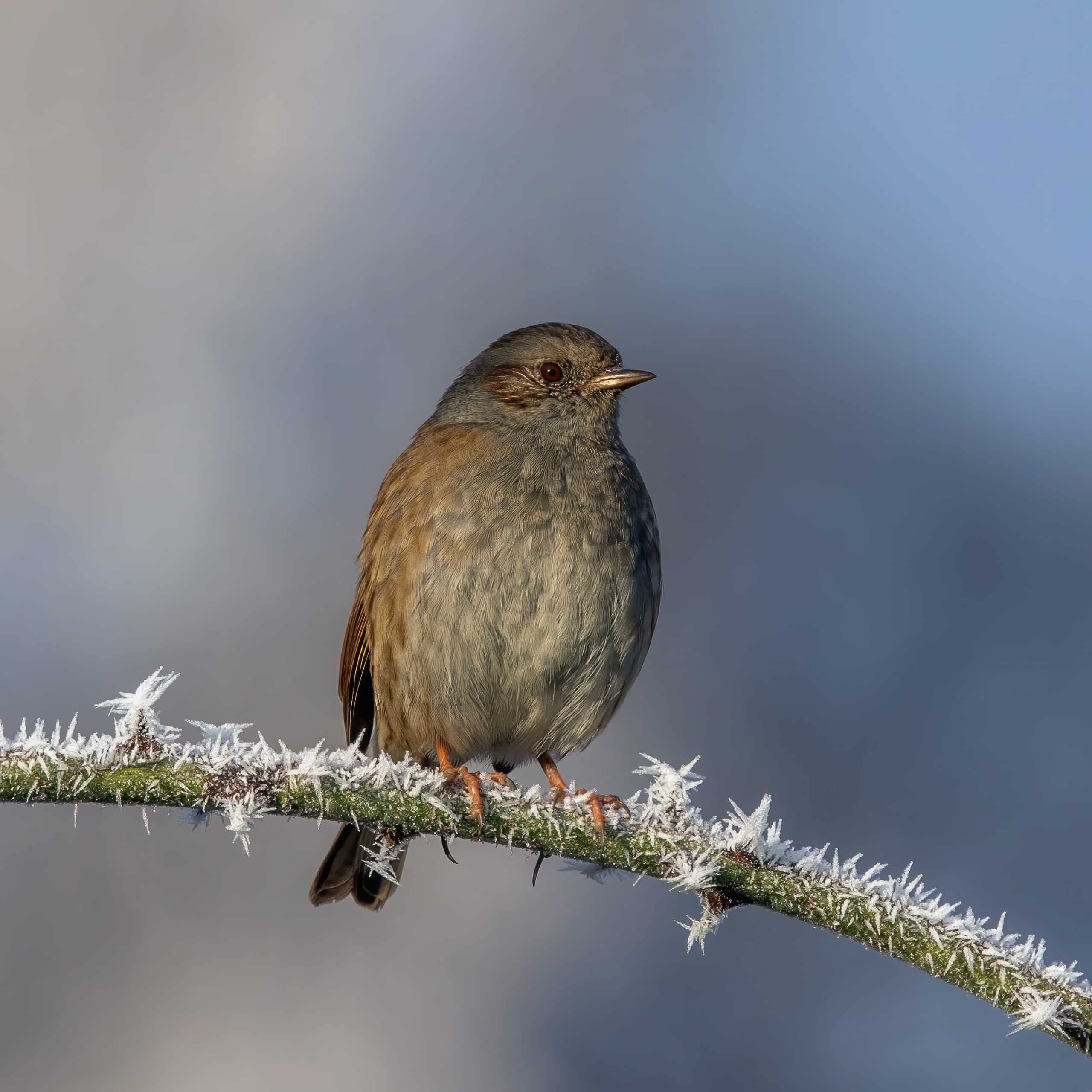
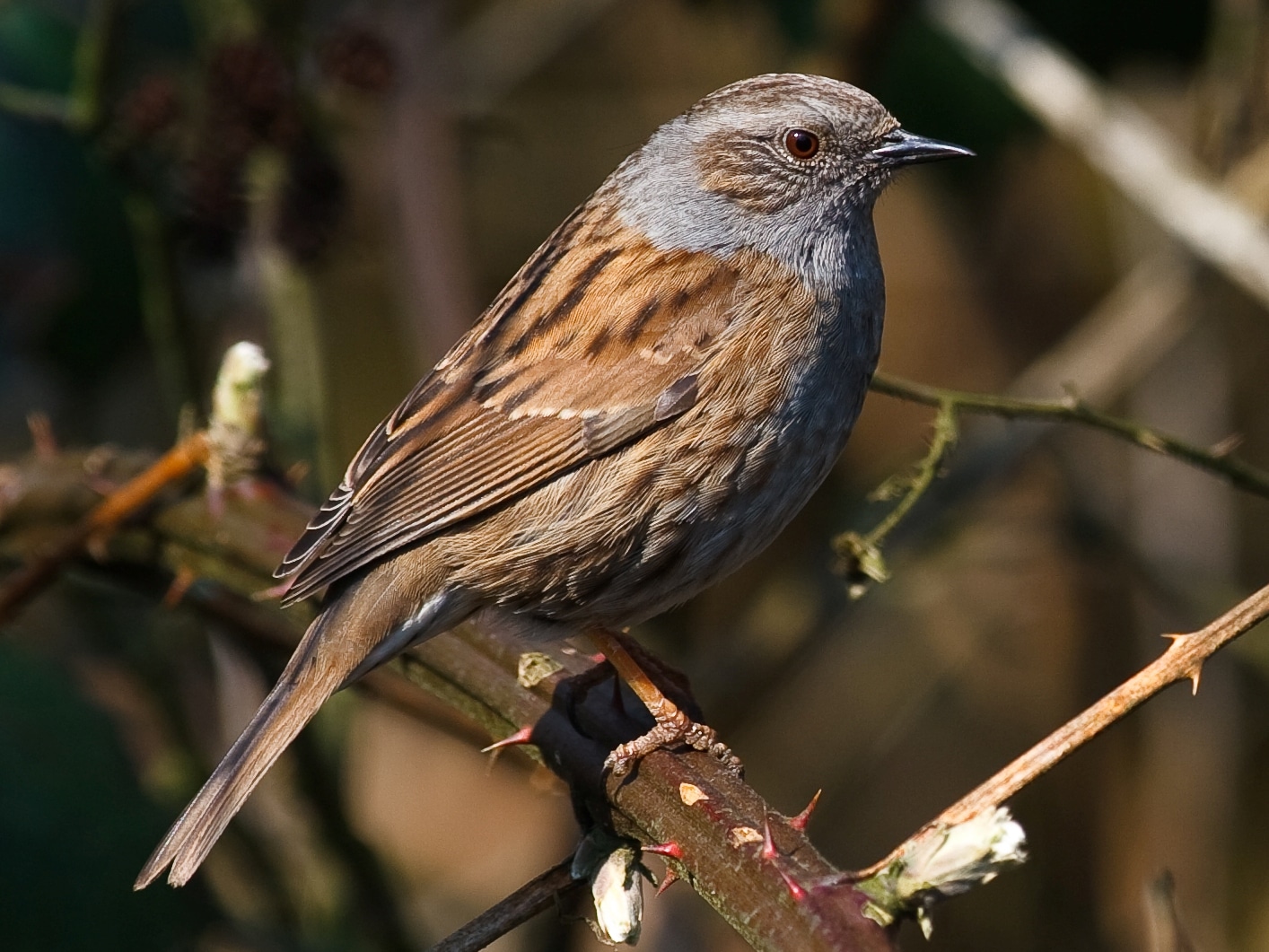
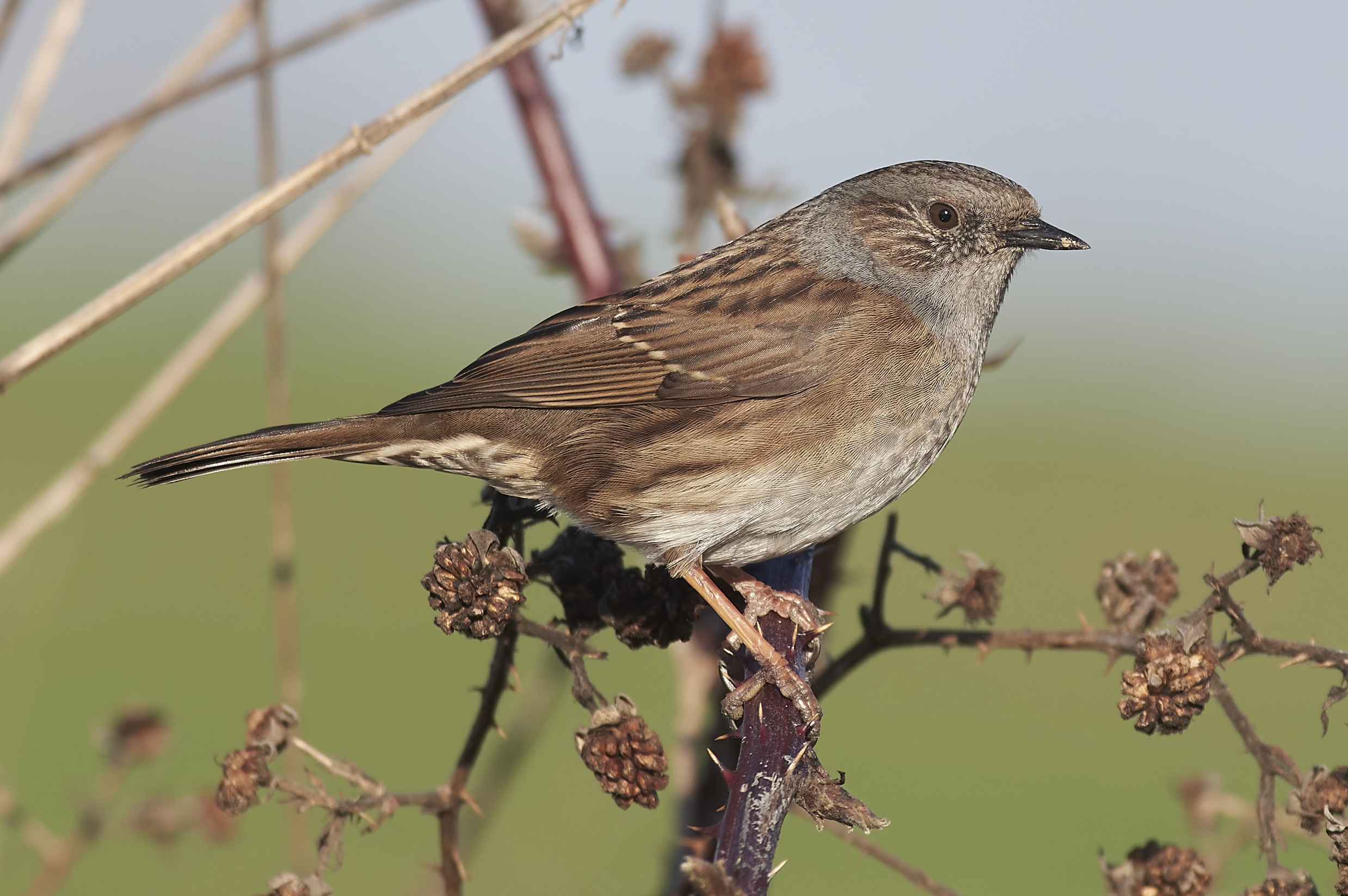
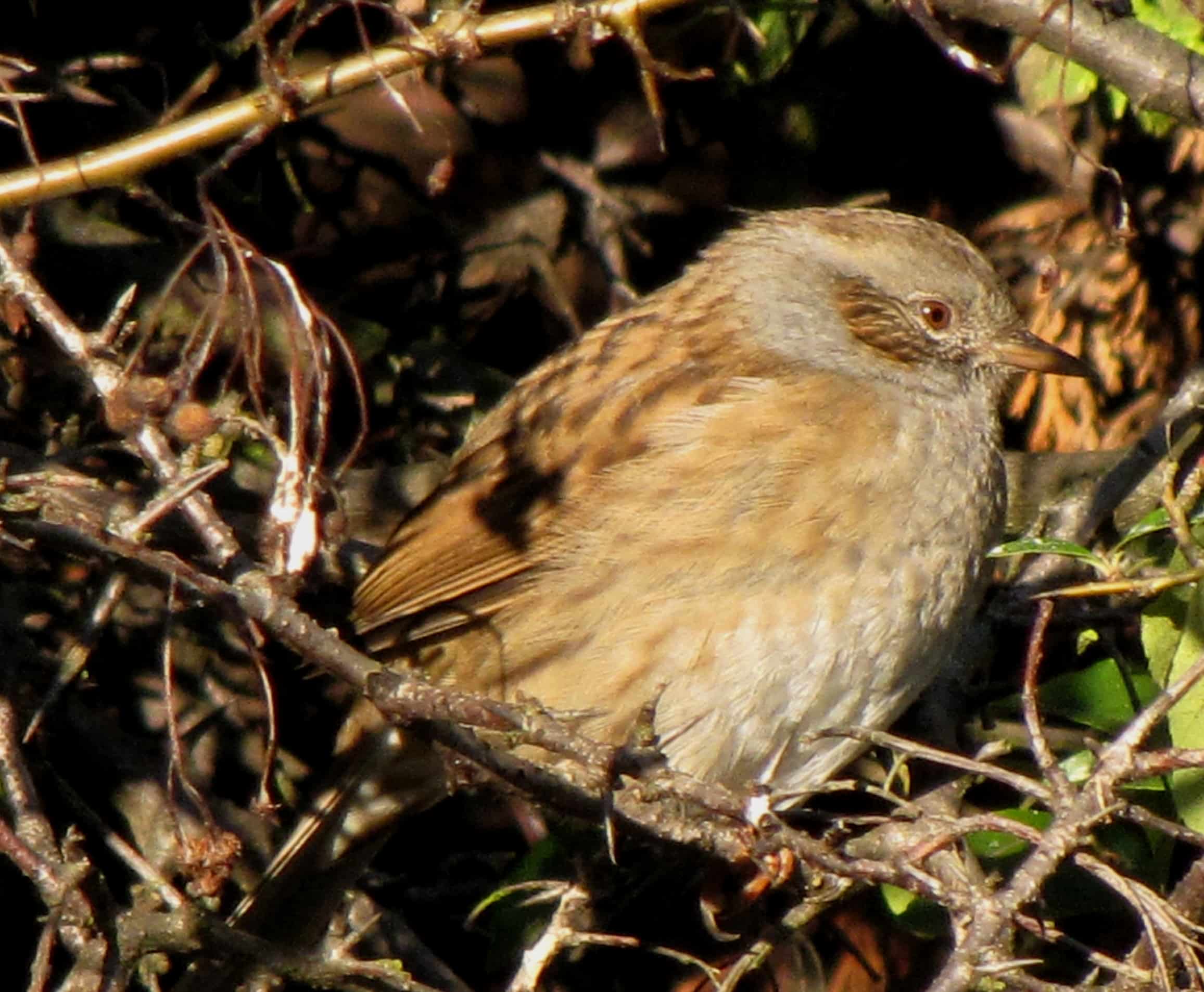
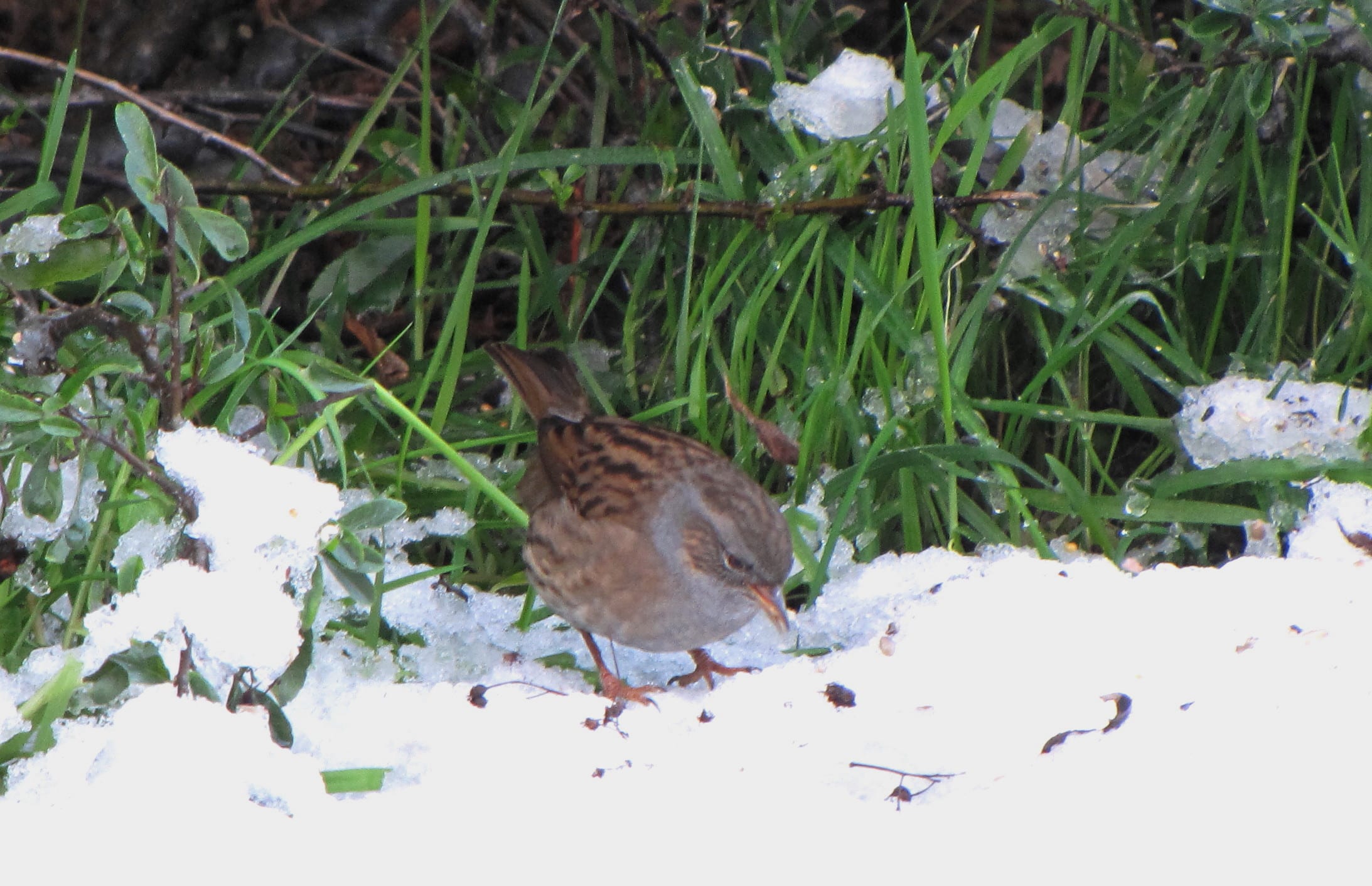
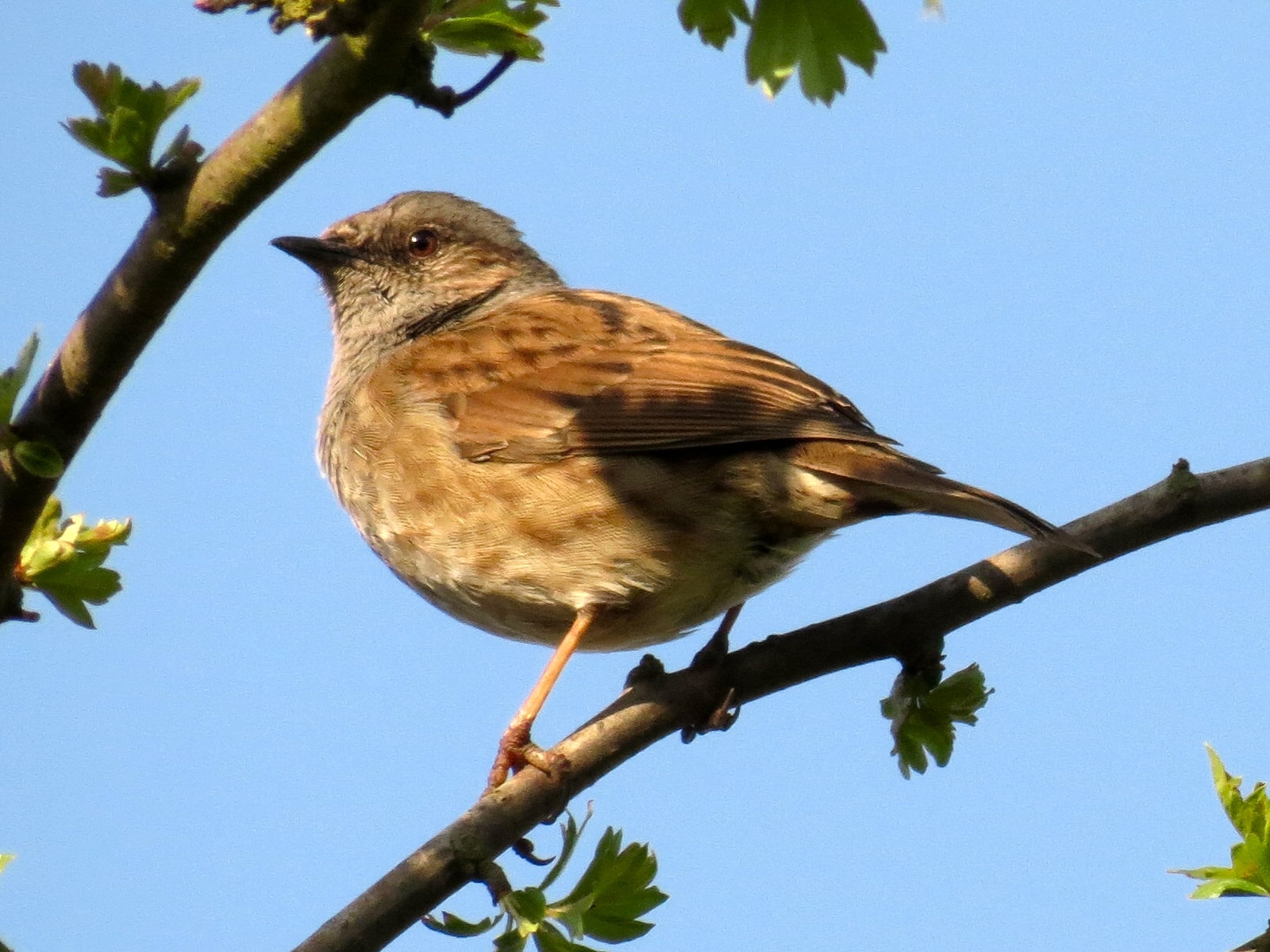
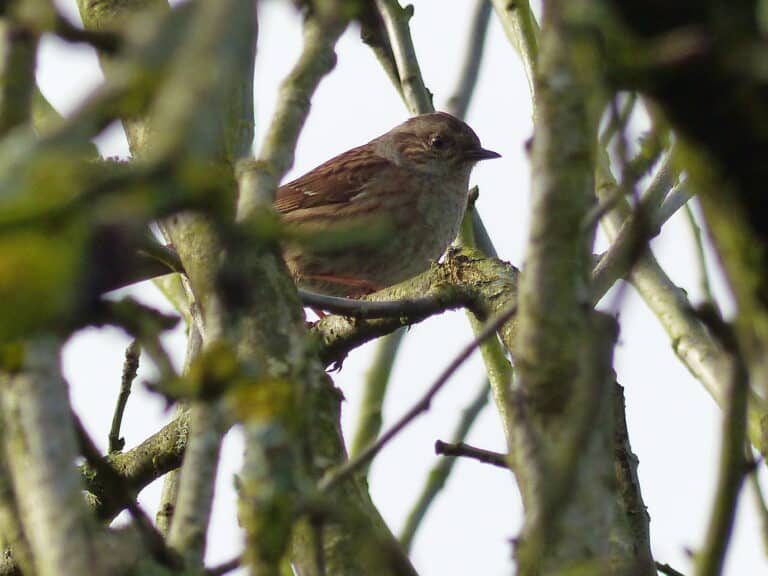
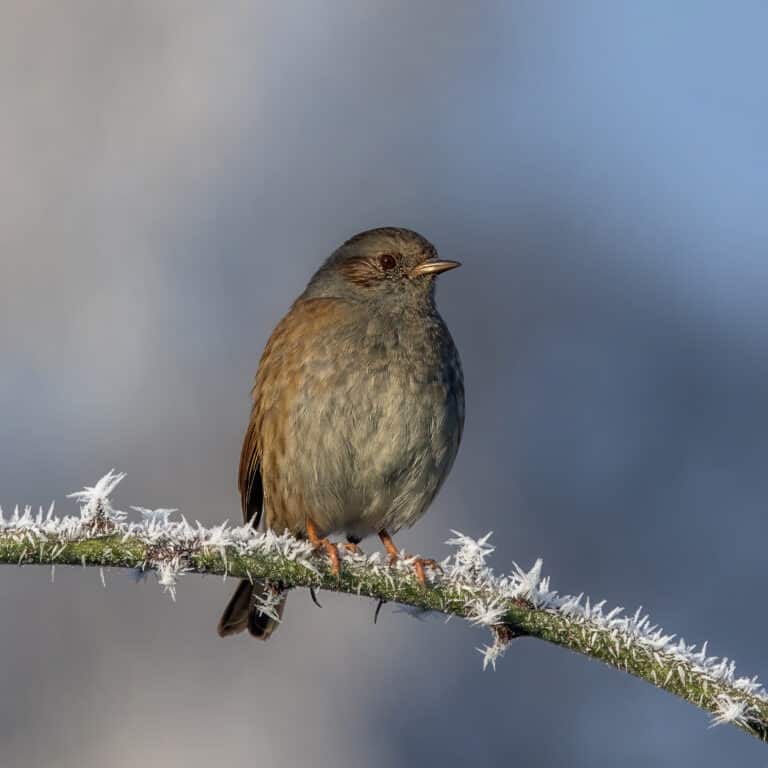
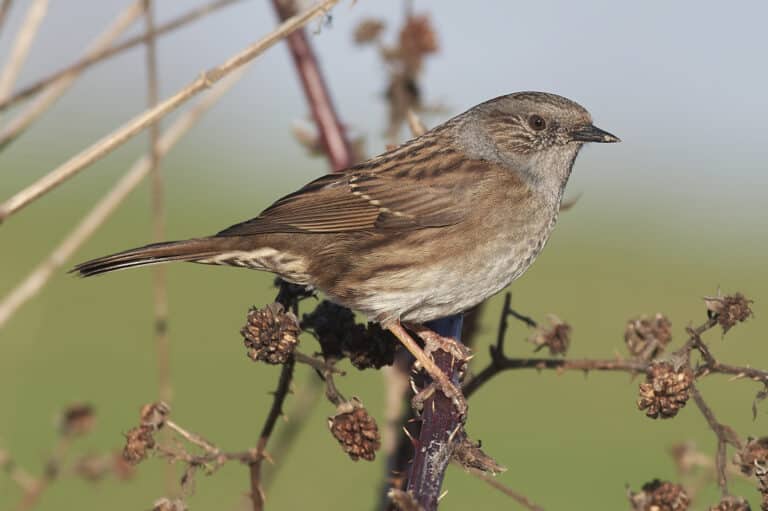
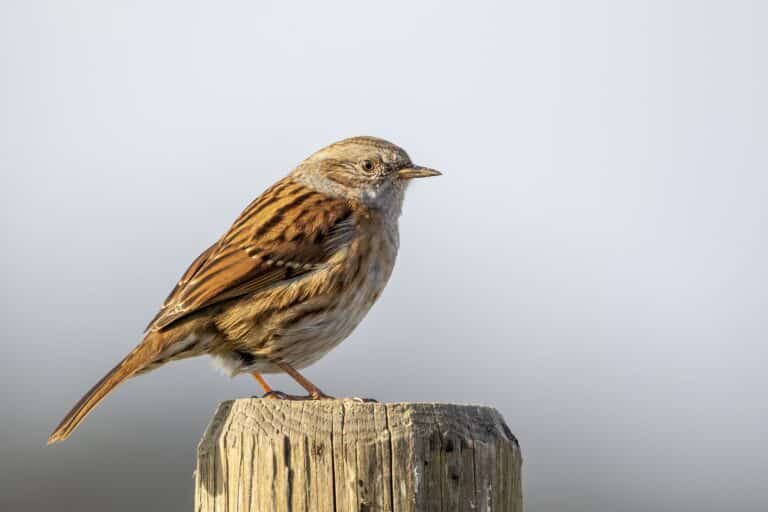
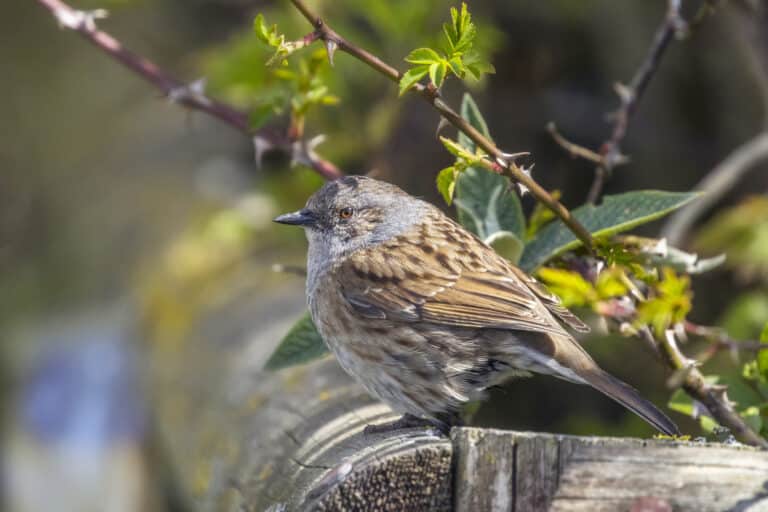
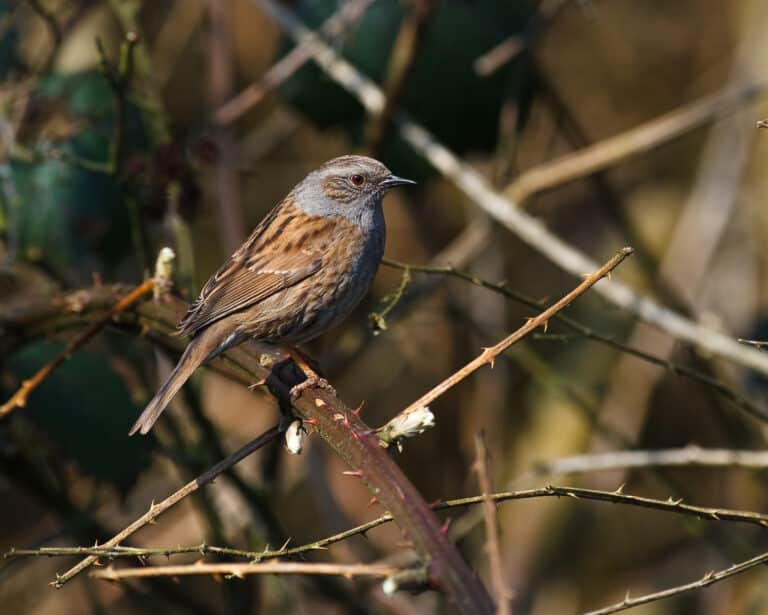
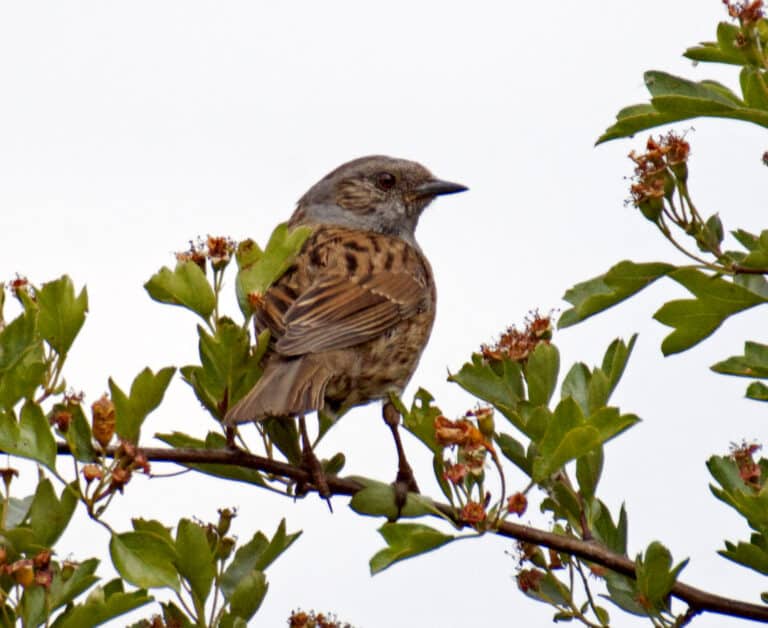
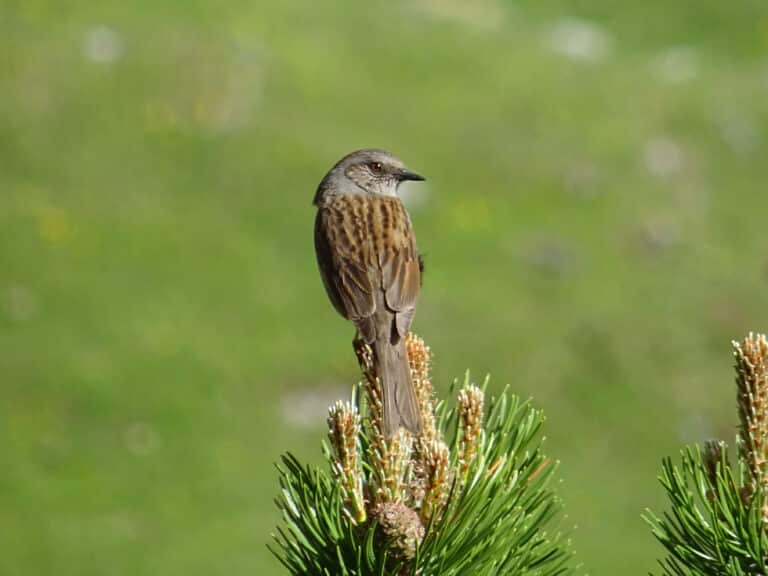
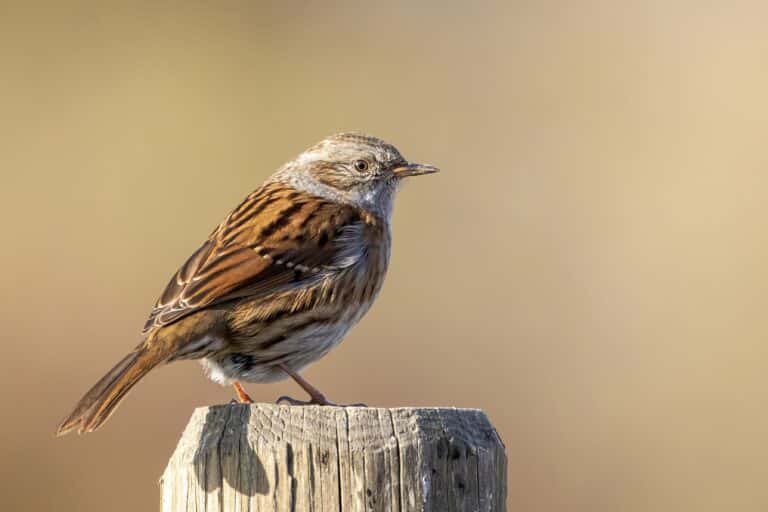
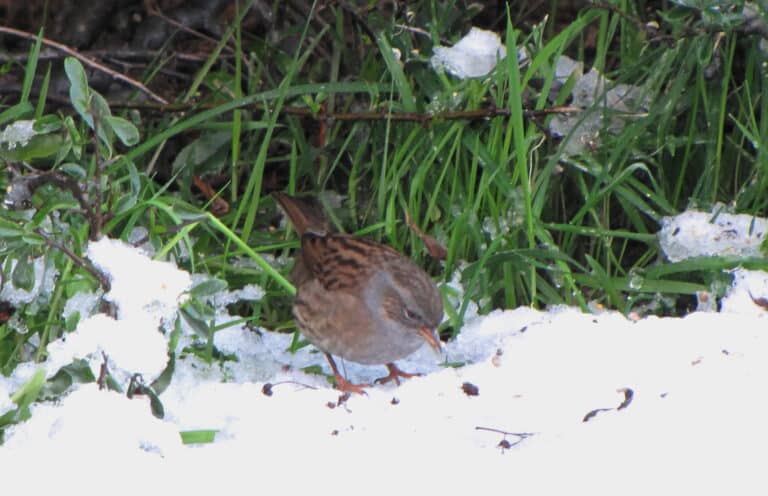
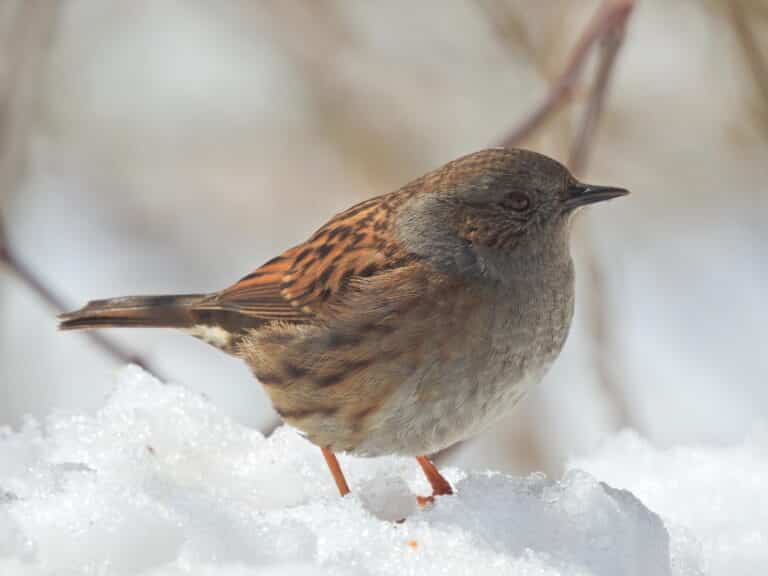
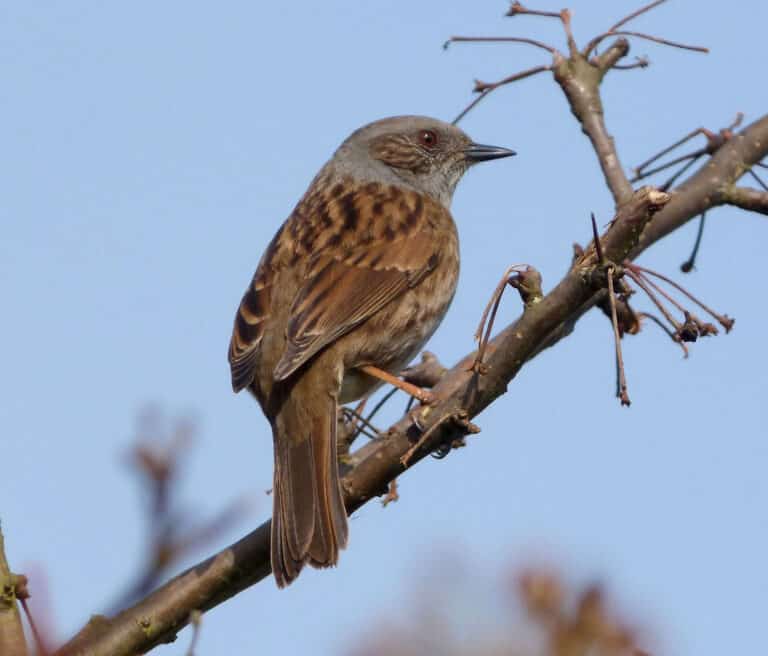
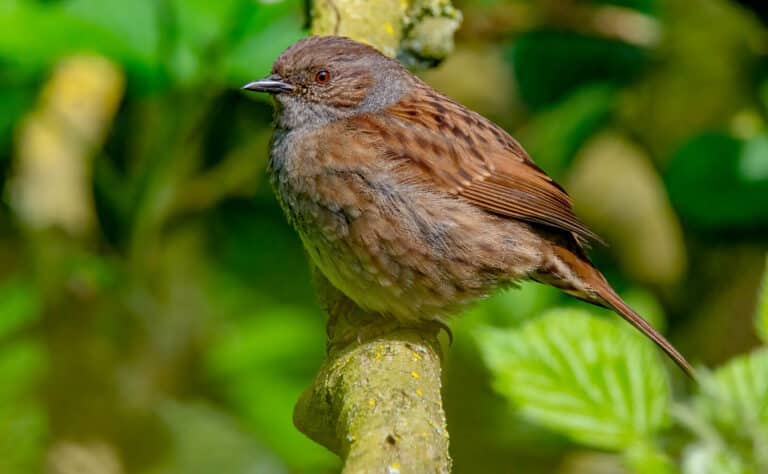
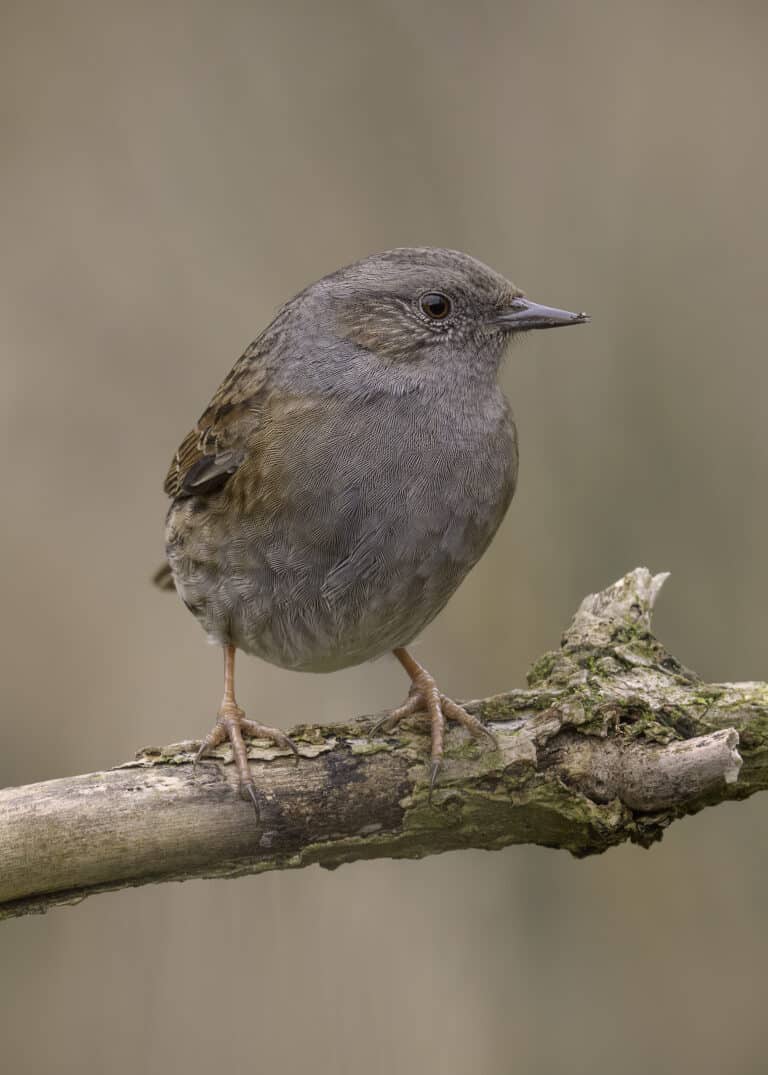
Dunnocks, also known for their subtle brown and gray feathers, have a delicate appearance that's both adorable and hard to miss. These birds often hop along the ground searching for tasty morsels like insects, seeds, and berries—making them quite the gourmet diners of the bird world!
This little fellow sports a lifespan of approximately 2 to 3 years, allowing it to live a busy life filled with foraging and singing sweet melodies. Dunnocks are social birds, often seen in pairs or small groups, which makes their lively behavior fun to watch!

Where can you find a Dunnock in the wild?
What does a Dunnock eat?
How big can a Dunnock grow?
How long does a Dunnock typically live?
What is the conservation status of the Dunnock?
What are the main threats to the Dunnock?
Fun facts
Dunnocks have a unique mating behavior known as "sociable monogamy," where a male may mate with multiple females, and a female may mate with different males, all living in harmony!


These birds have a special song that sounds like a sweet melody. Males sing to attract females and establish their territory, showing off their vocal talents just like a singer at a concert!
Dunnocks often forage in pairs, helping each other find food. They alert each other to dangers, making them the ultimate food-hunting team, like two detectives on a tasty mission!
Known for their quick movements, dunnocks can hop around with surprising agility. Their little feet help them navigate through the grass like tiny acrobats in a bird show!
Dunnocks build their nests low to the ground, often in dense vegetation. This clever choice lets them stay hidden and safe from predators while raising their adorable chicks.
These birds have a unique way of interacting with each other. When dunnocks greet each other, they often perform a little dance, hopping around to show their excitement, like feathered partygoers!
Dunnocks can sometimes be spotted dust-bathing to clean their feathers. This fun activity not only keeps them tidy but also helps get rid of pesky parasites!
During winter, dunnocks sometimes join flocks with other bird species. This social behavior helps them find food more easily, like dining out with friends!
These clever birds adapt their feeding habits based on the season. In spring, they love to munch on insects, while in autumn, they prefer tasty berries, showcasing their flexibility as nature’s little foodies!
Photos




The Basics


explore more
Amphibians
Arachnids
Birds
Cats
Crustaceans
Fish
Fish Pet Guide
Gastropods
Insects
Invertebrates
Mammals
Pet Fish
Pet Rodents
Plants
Reptiles
Roundworms
Sea Slugs