Successfully copied to clipboard!
Eastern Turkey (Wild Turkey)
Unleash your curiosity for the feathered stars of North America!
Let’s Explore
Overview
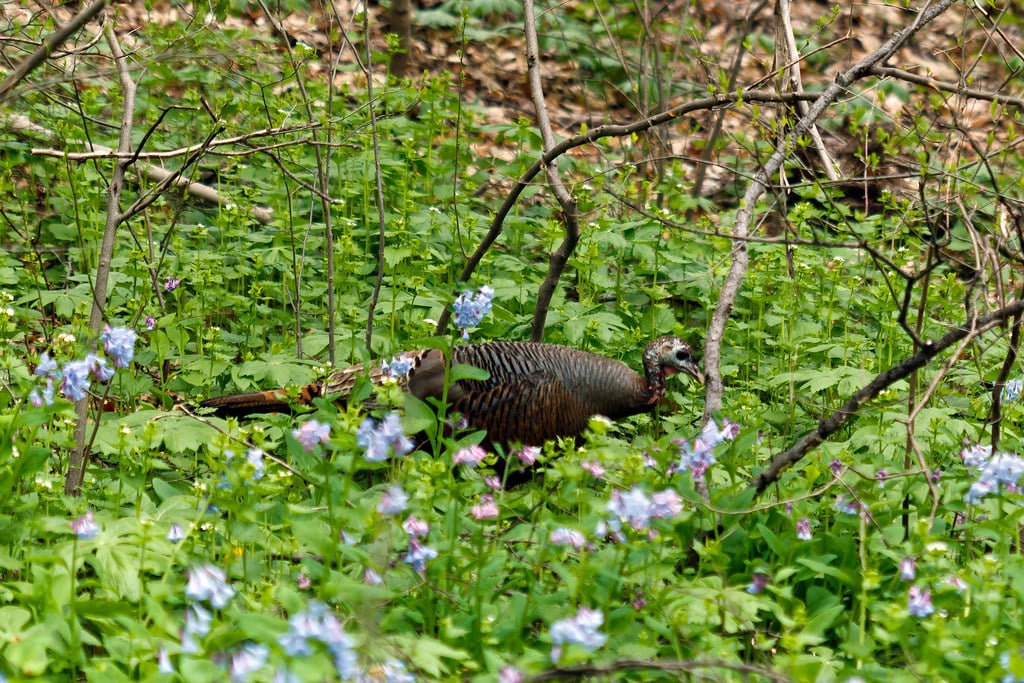
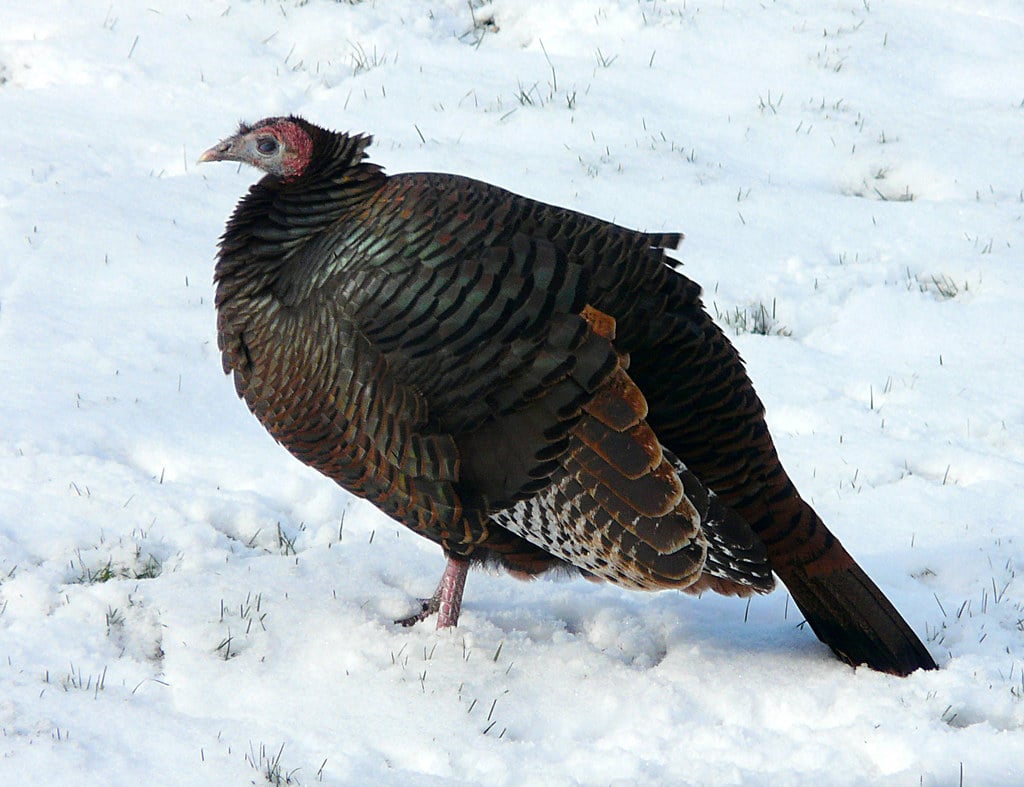
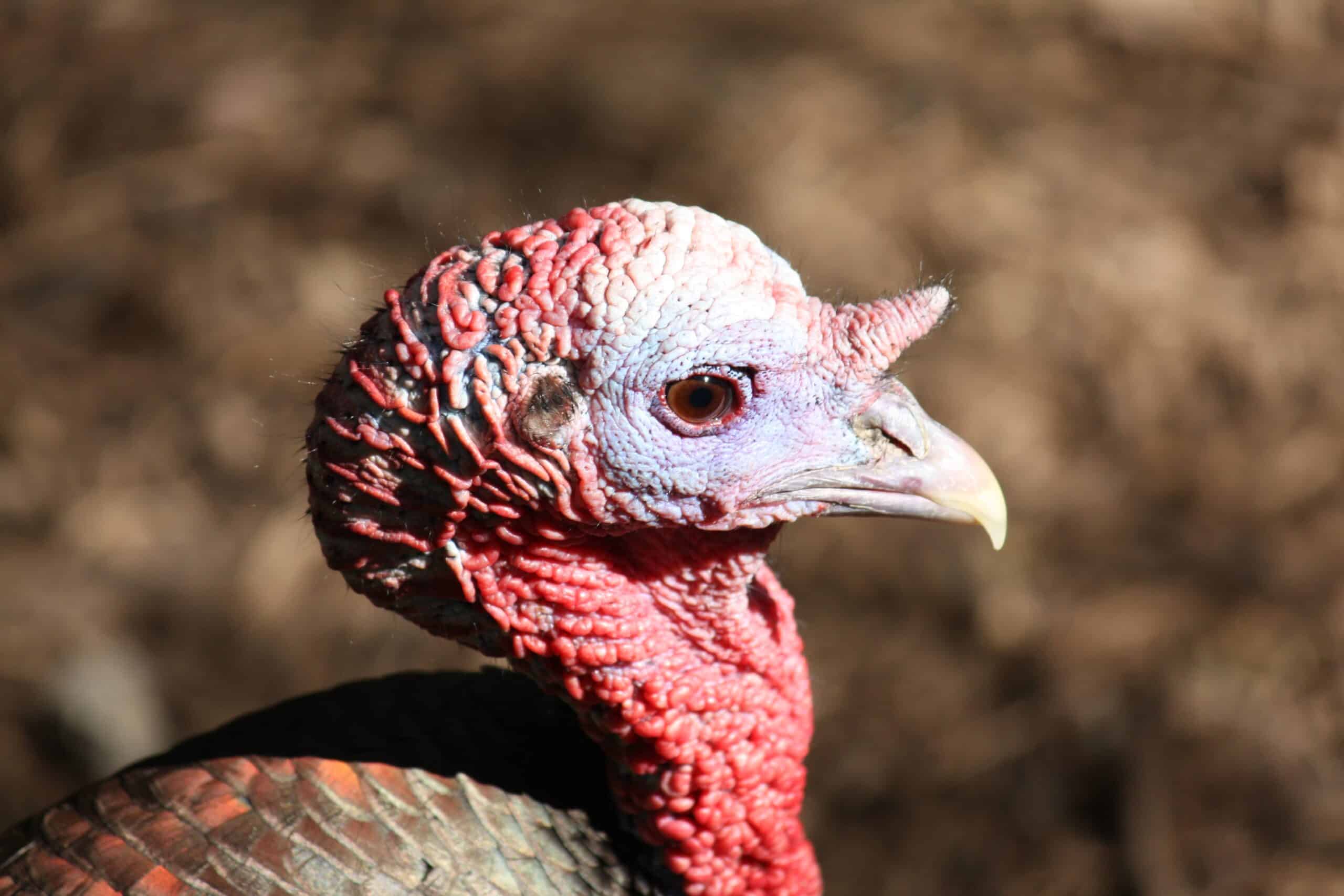
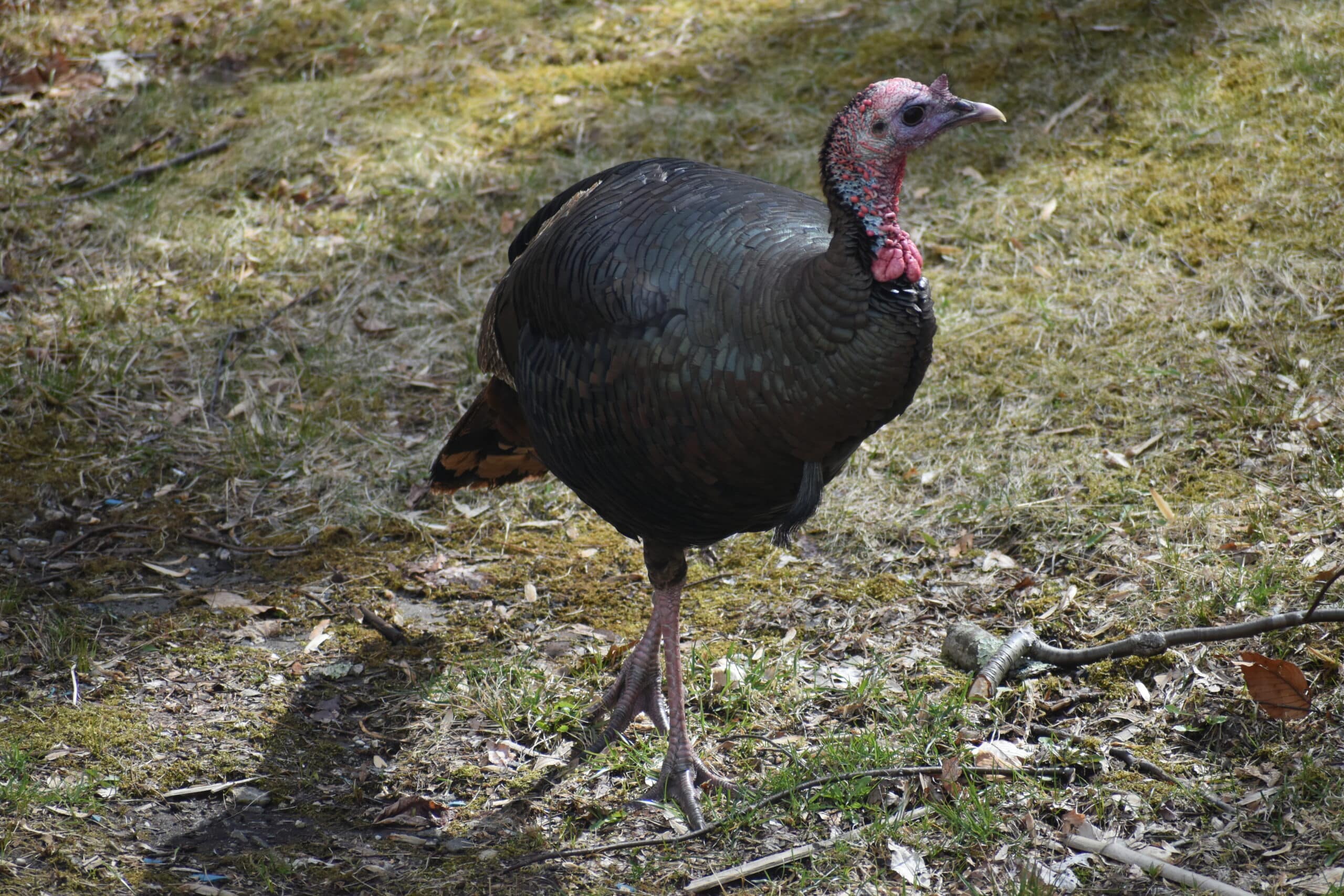
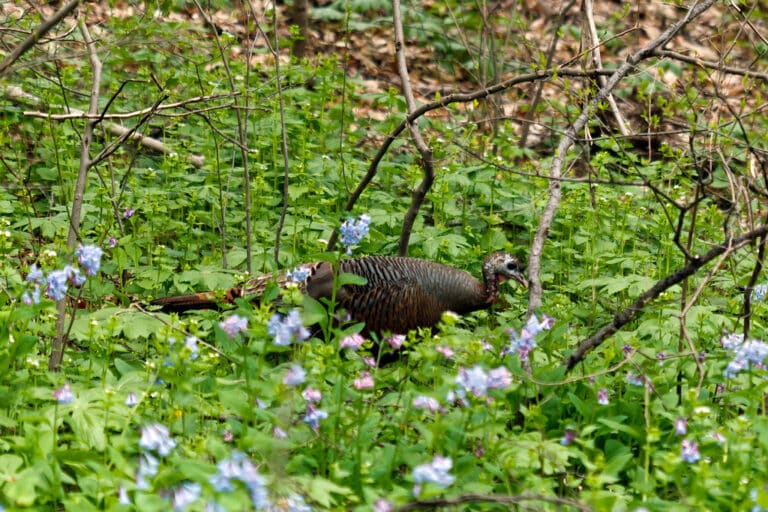
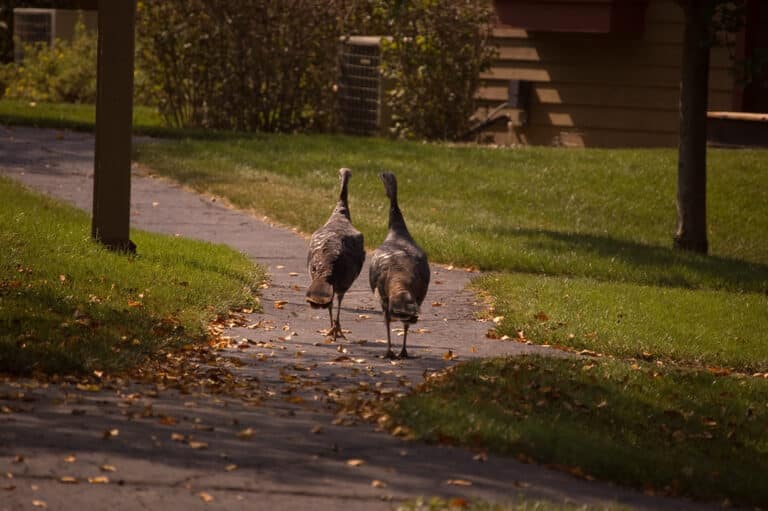
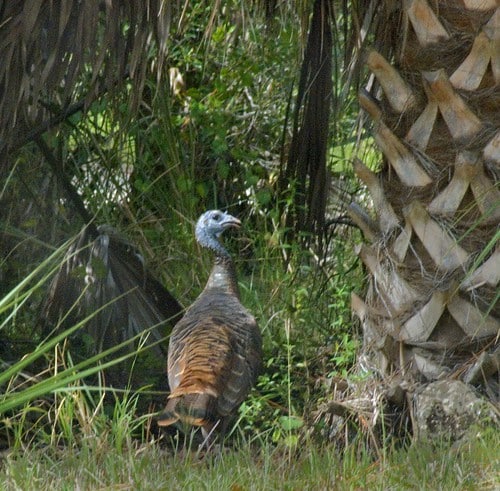
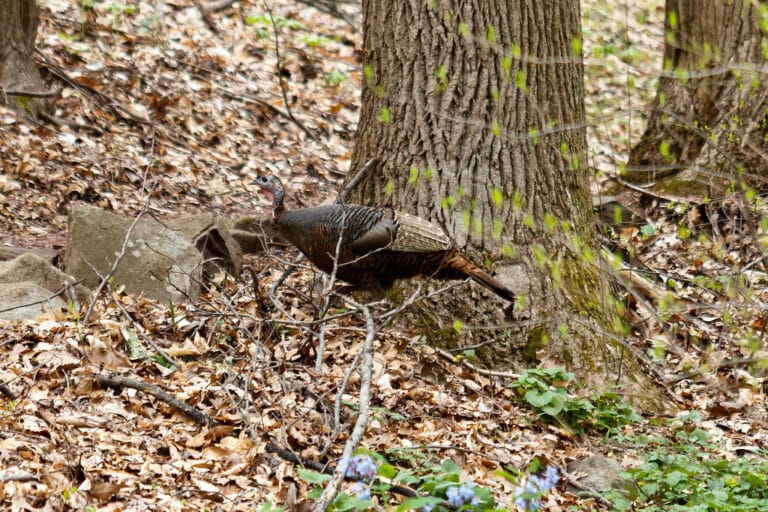
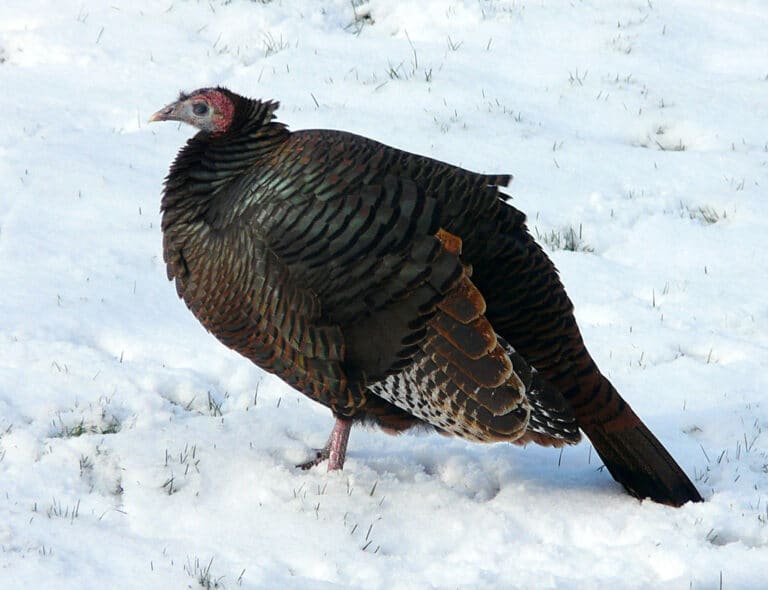
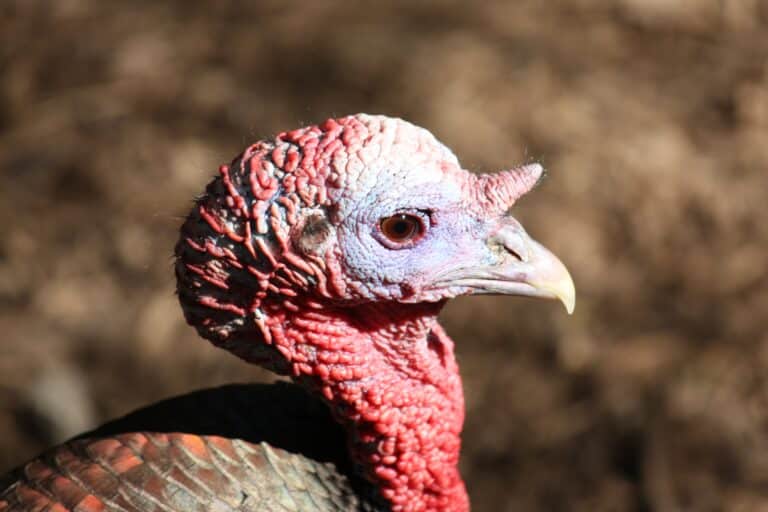
The Eastern Turkey, also known as the Wild Turkey, struts around North America like a feathered superstar. This impressive bird can reach lengths of 3.5 to 4 feet, showcasing its majestic appearance and colorful plumage.
Wild Turkeys belong to the bird family Phasianidae and are in the class Aves. They enjoy a diverse diet that includes seeds, nuts, insects, and berries, making them true omnivores with a taste for adventure!
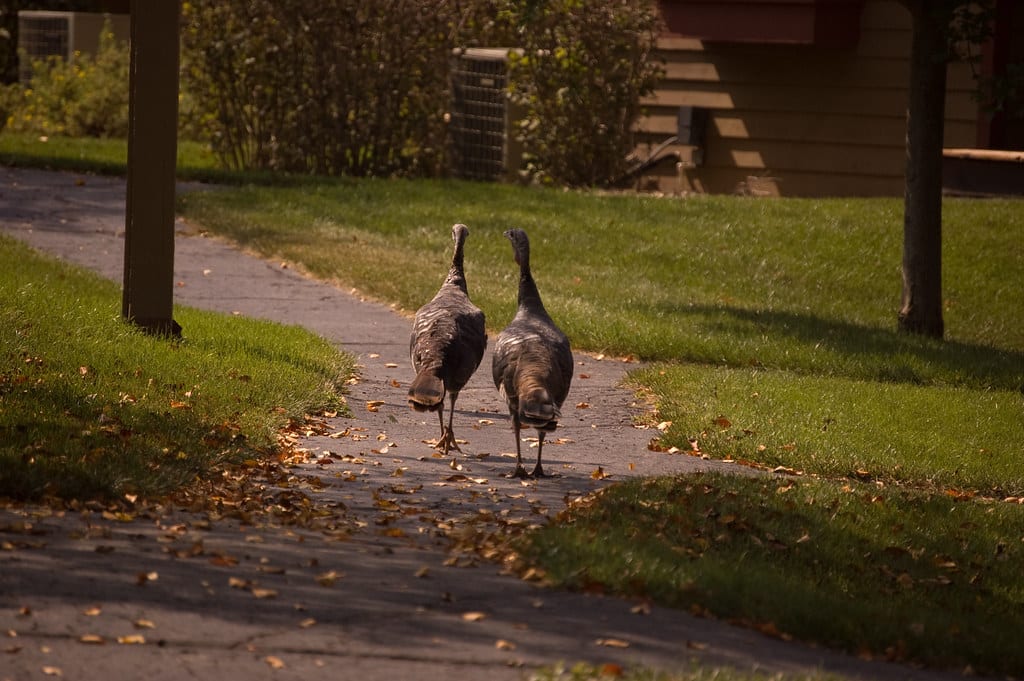
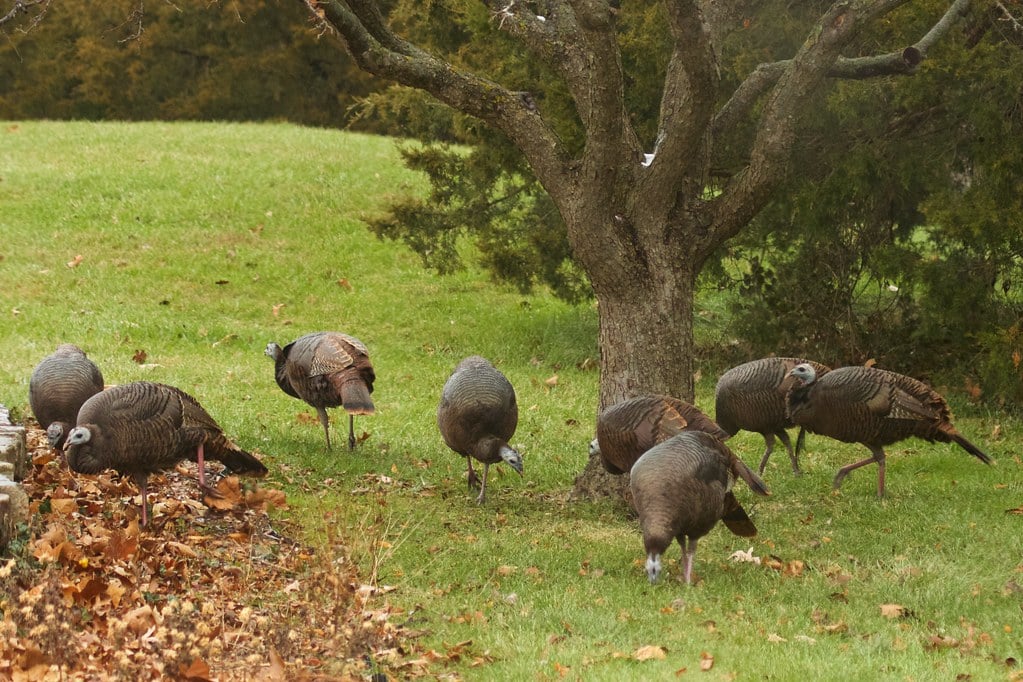
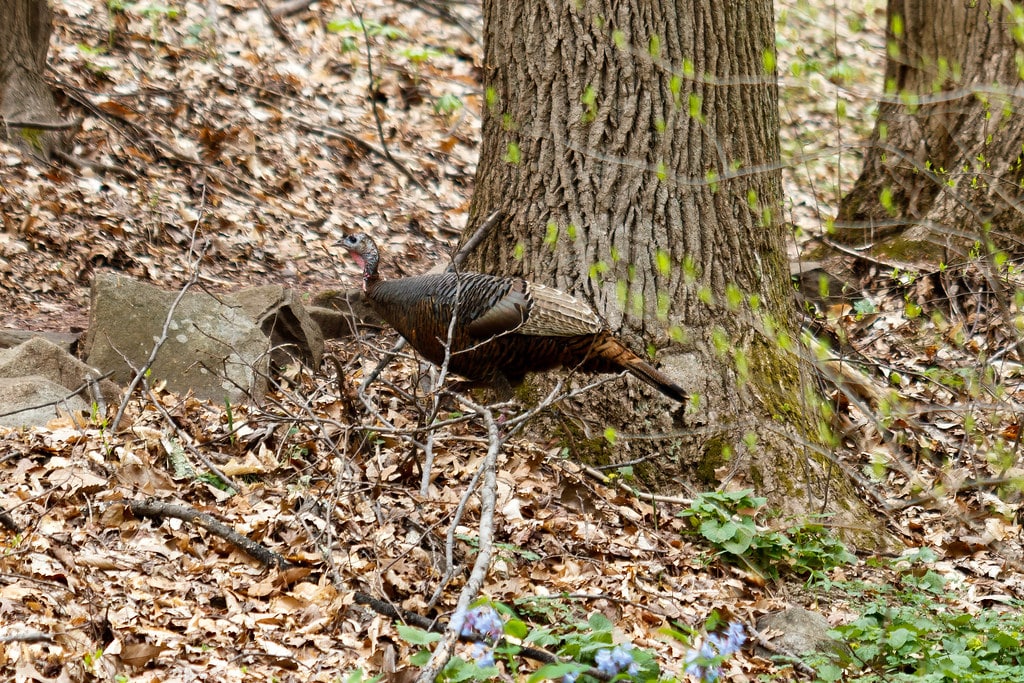
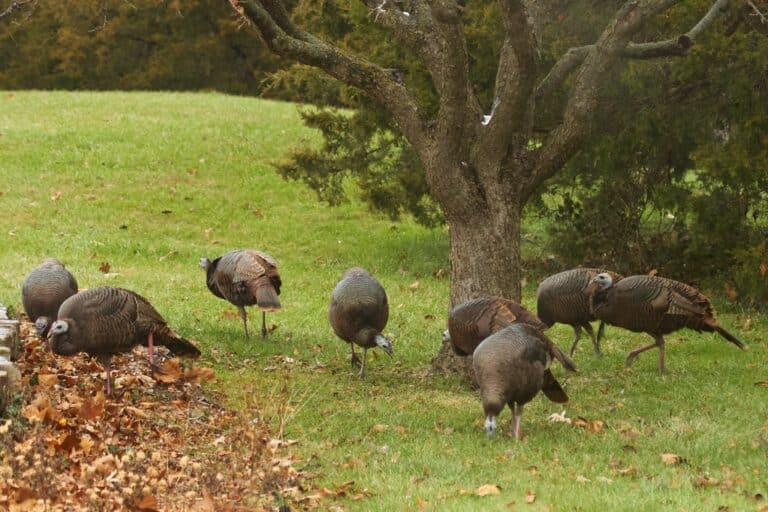
These birds live in a variety of habitats, including forests, grasslands, and wetlands, where they love to forage for food. Wild Turkeys are social creatures and often travel in flocks, strutting their stuff and showing off for one another.
Wild Turkeys have a remarkable lifespan of up to 10 years in the wild. With their keen eyesight and sharp hearing, they stay alert to potential dangers, which helps them thrive in their natural environments.
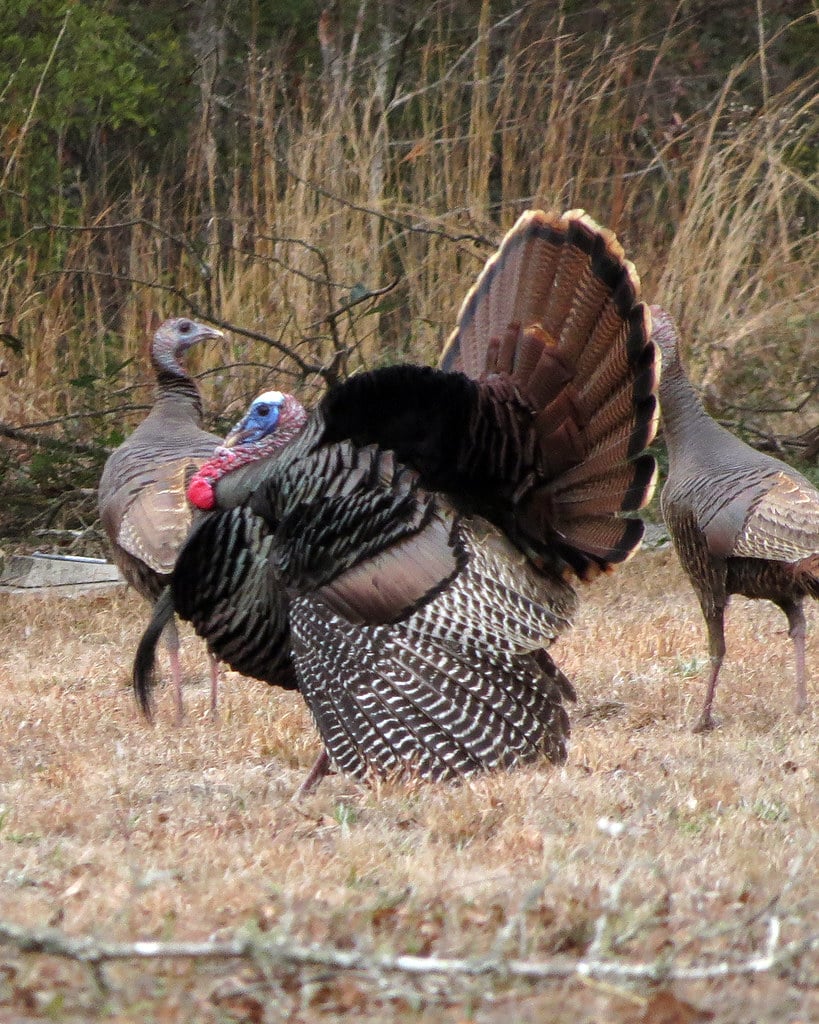
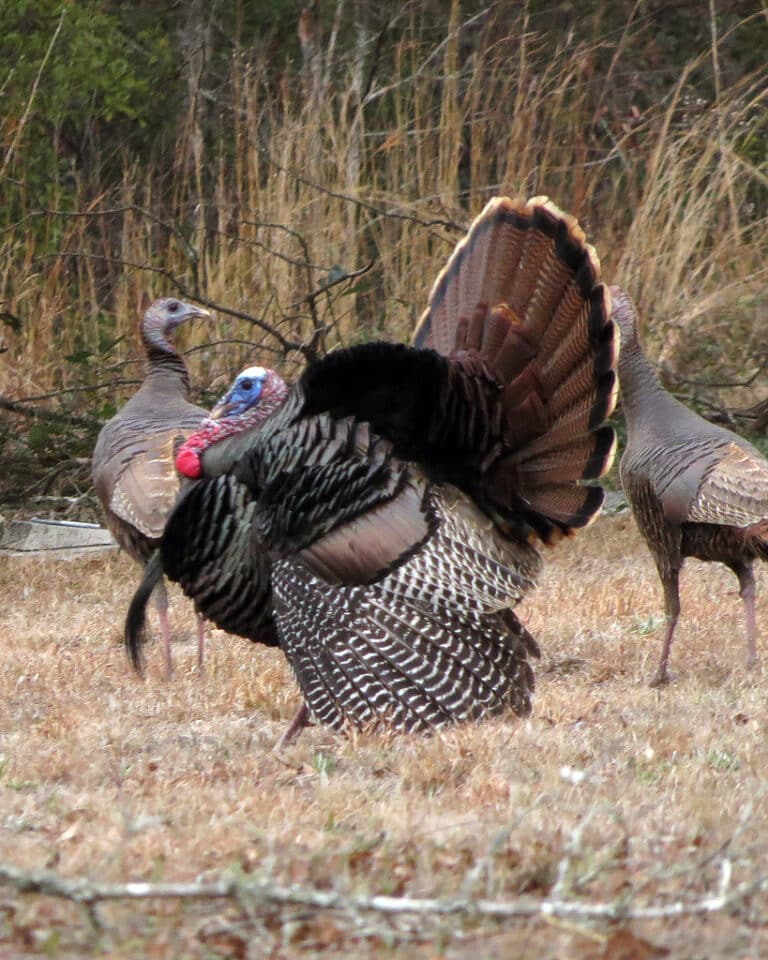
The male Wild Turkey is called a tom, and it impresses the ladies with a dazzling fan of feathers and loud gobbles. They use their vocal skills to communicate with each other, announcing their presence in a chorus that can be heard from quite a distance!
Your friendly neighborhood Wild Turkey adds vibrant life to North America's ecosystems. So, next time you see one, give a little gobble back!

Where can you find a Eastern Turkey (Wild Turkey) in the wild?
What does a Eastern Turkey (Wild Turkey) eat?
How big can a Eastern Turkey (Wild Turkey) grow?
How long does a Eastern Turkey (Wild Turkey) typically live?
What is the conservation status of the Eastern Turkey (Wild Turkey)?
What are the main threats to the Eastern Turkey (Wild Turkey)?
Fun facts
The male Eastern Turkey, or tom, can fan out his impressive tail feathers to create a stunning display that looks like a colorful peacock on a fashion runway.


Wild Turkeys have super sharp eyesight. They can see almost 360 degrees around them, making it hard for sneaky predators to catch them off guard.
When Wild Turkeys feel threatened, they can run at speeds up to 48 kilometers per hour (30 miles per hour), which is fast enough to make them the speedy athletes of the forest!
Turkeys communicate using more than 20 different sounds, including gobbles, clucks, and purrs. This makes them the chatty trendssetters of the avian world.
Wild Turkeys are surprisingly good at flying! They can fly for short distances at speeds around 88 kilometers per hour (55 miles per hour), zooming away to safety when needed.
A Wild Turkey's feet have sharp claws, helping them scratch the ground for food like expert diggers. They use their strong legs to leap and dart when necessary.
Sometimes, male turkeys enter fierce competitions to impress females, puffing out their chests and engaging in dramatic displays, much like acting in a reality show!
Wild Turkey hens are great moms! They often lead their young poults to food and teach them how to survive, showing off their nurturing skills.
Wild Turkeys use their beards, which look like long hair on their chests, to impress mates. Only male turkeys grow beards! These beards can grow up to 30 centimeters (12 inches) long.
Wild Turkeys enjoy socializing so much that they can form flocks with as many as 200 other wild turkeys. They love to strut about together, having a feathered party in the woods!
Photos

The Basics


explore more
Amphibians
Arachnids
Birds
Cats
Crustaceans
Fish
Fish Pet Guide
Gastropods
Insects
Invertebrates
Mammals
Pet Fish
Pet Rodents
Plants
Reptiles
Roundworms
Sea Slugs