
Successfully copied to clipboard!
Echidna
Uncover the egg-laying wonders of the spiky world!
Let’s Explore
Overview
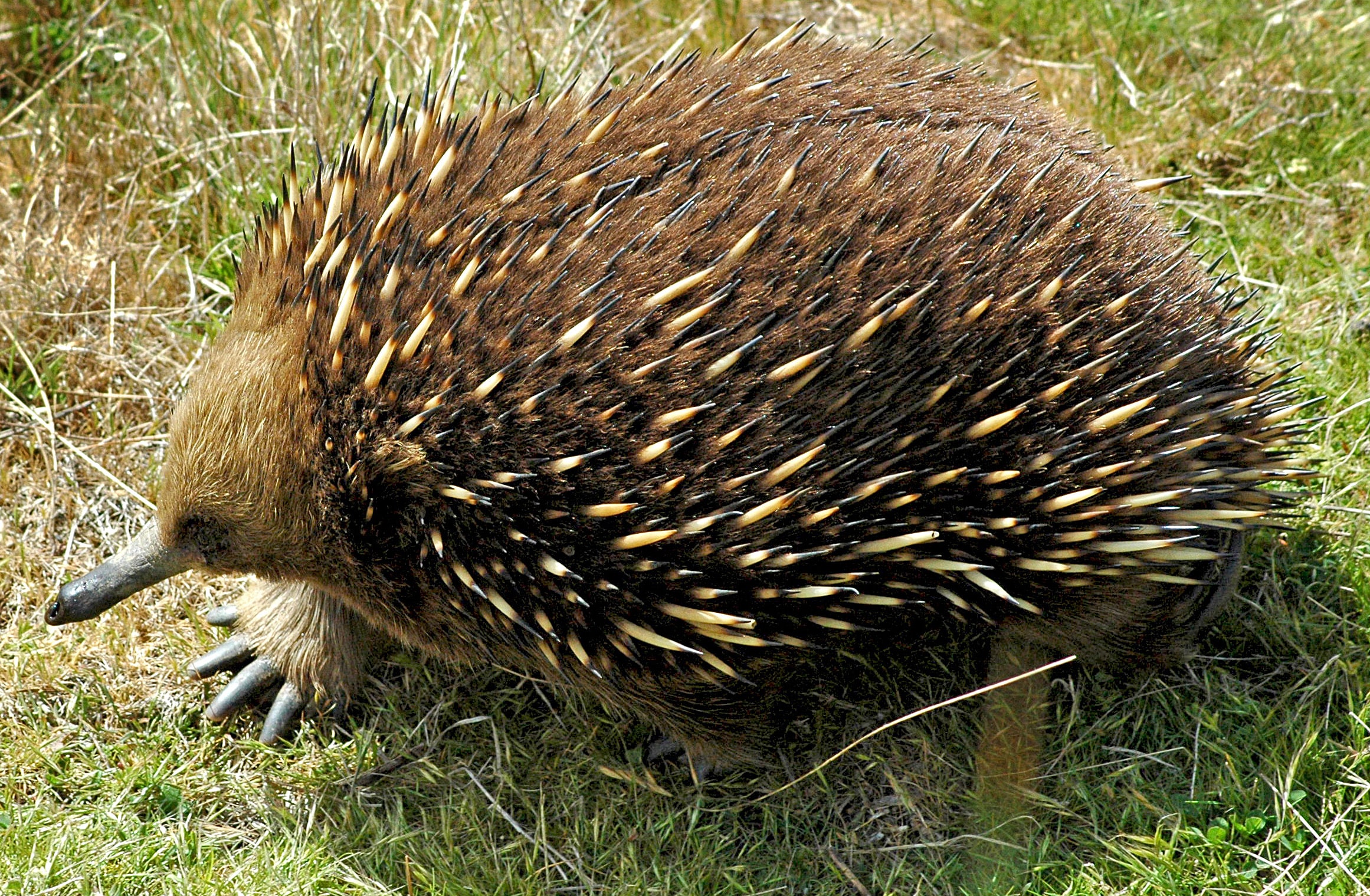
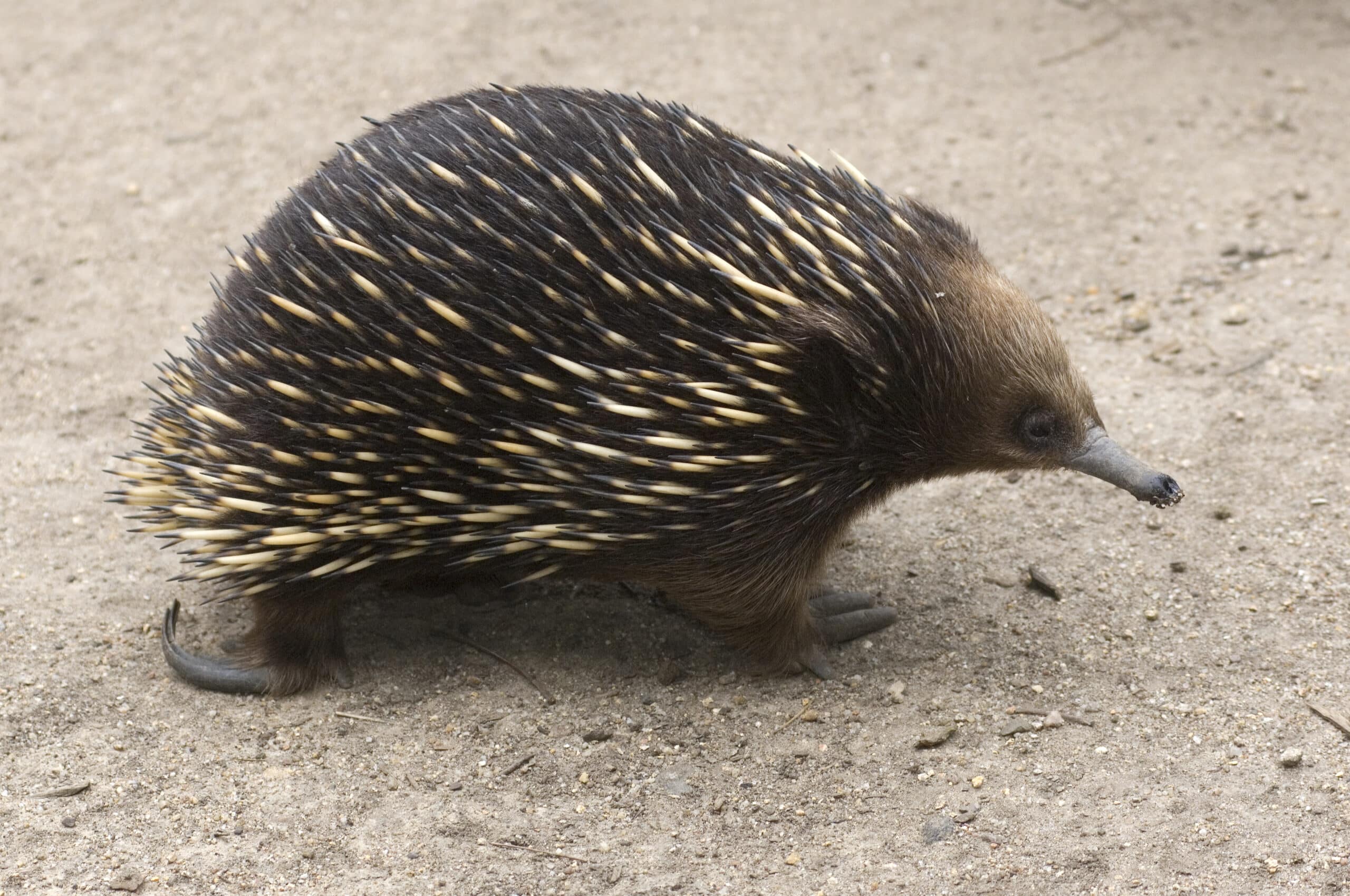
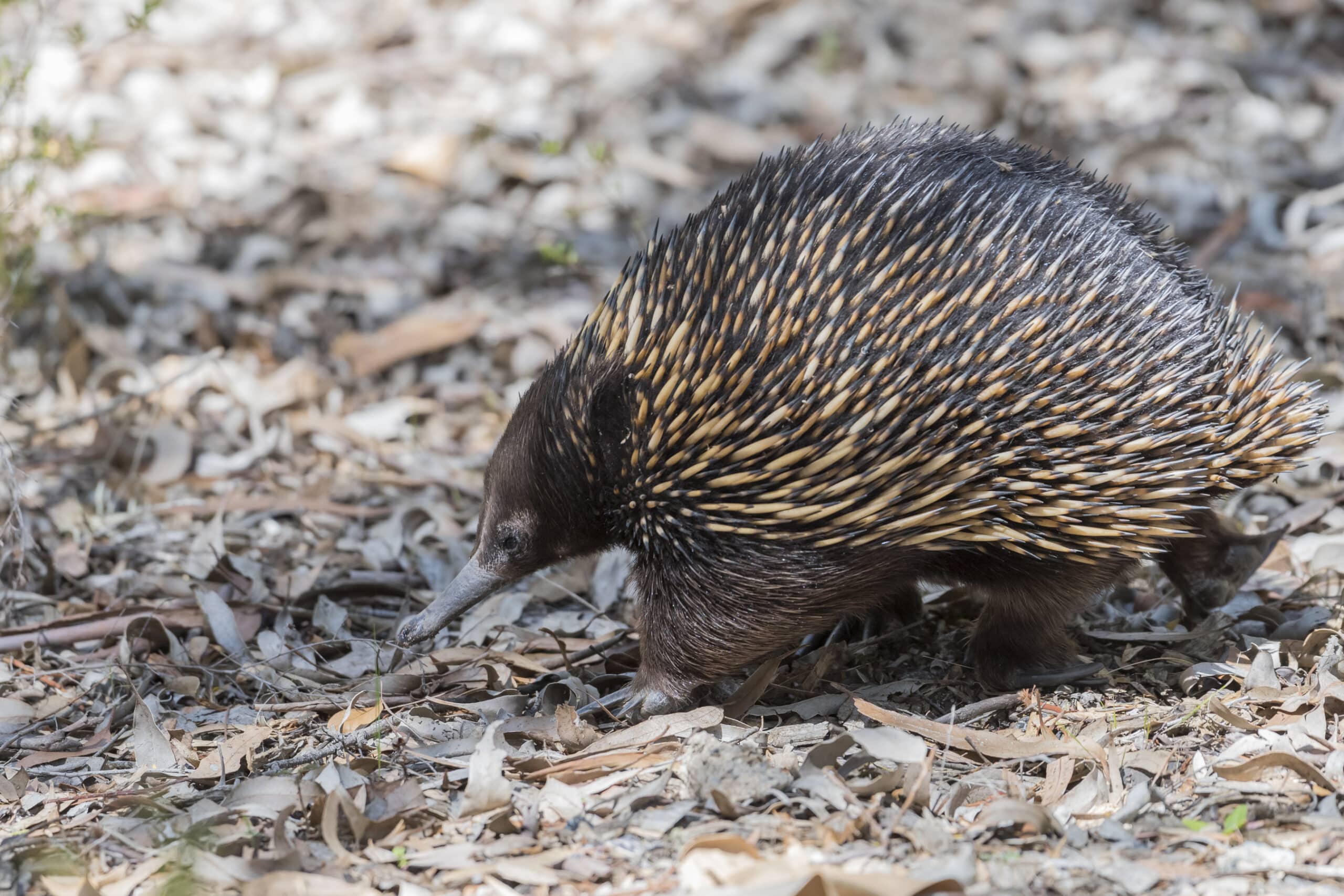
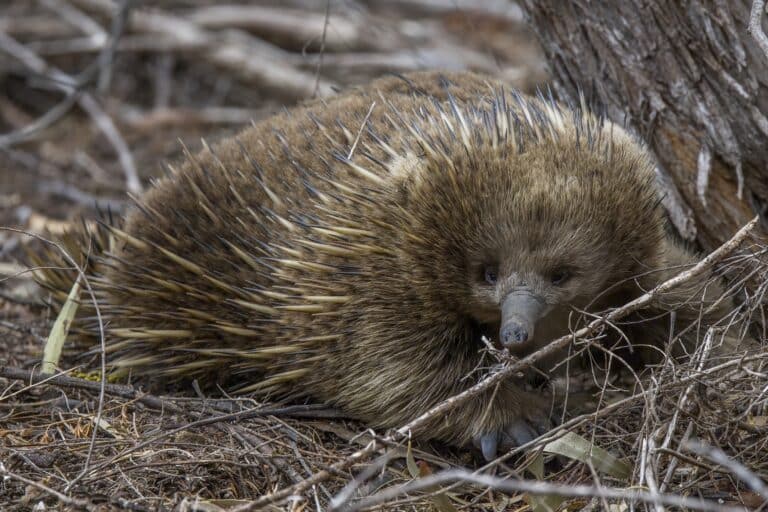
The echidna is an incredible creature that belongs to a unique group of mammals called monotremes. Unlike most mammals, echidnas lay eggs instead of giving birth to live young, making them one of only five egg-laying mammals in the world!
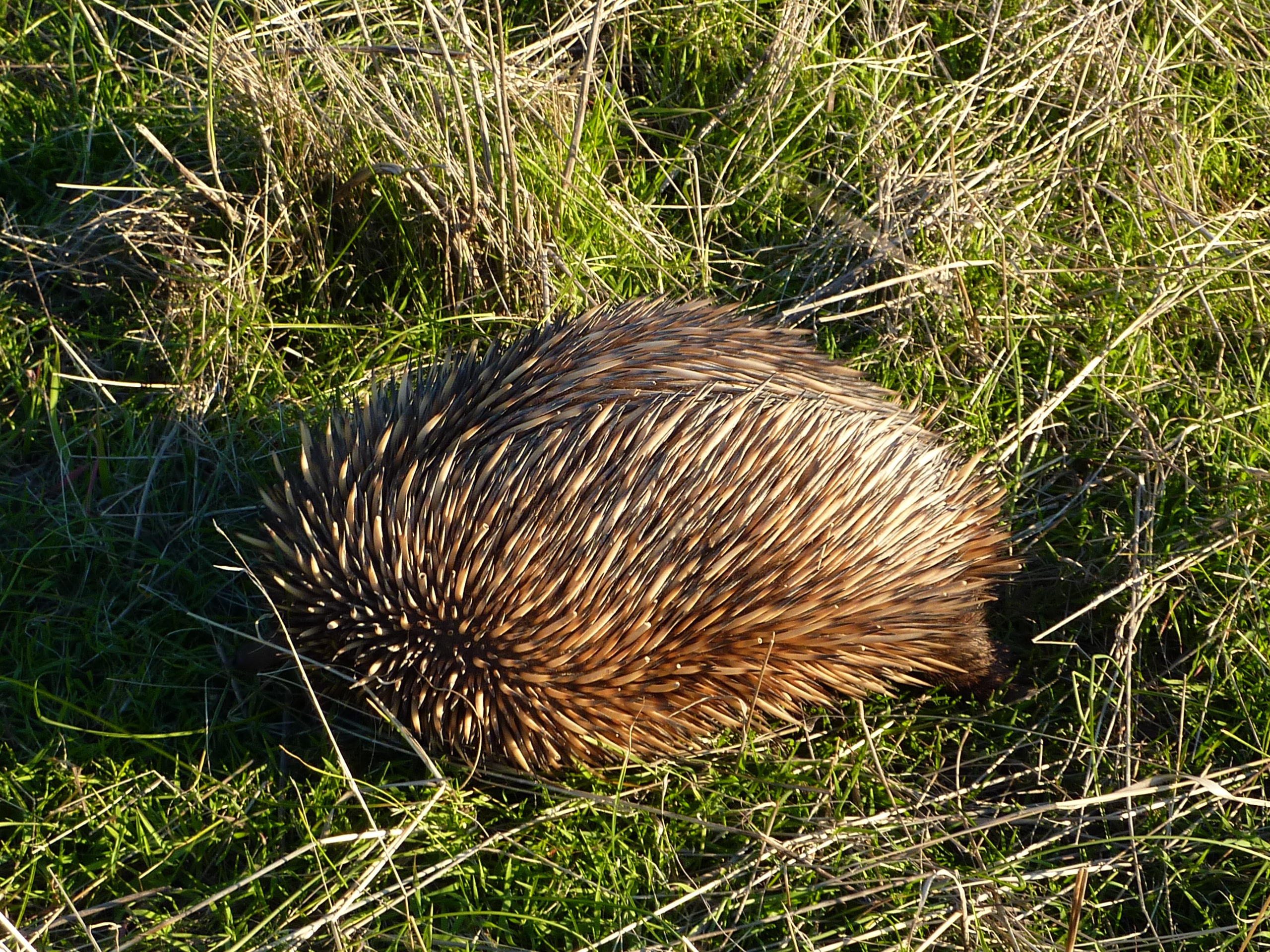
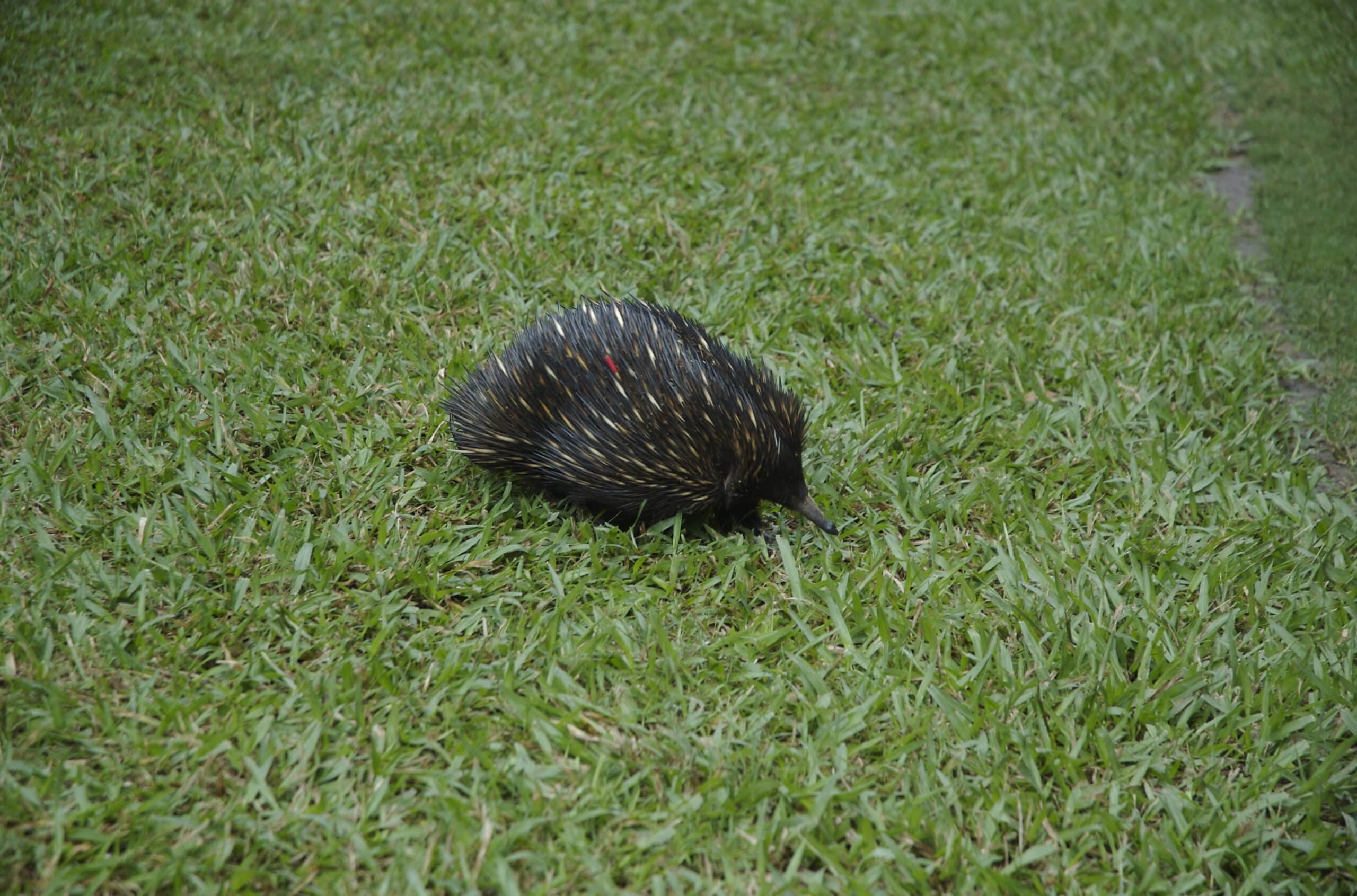
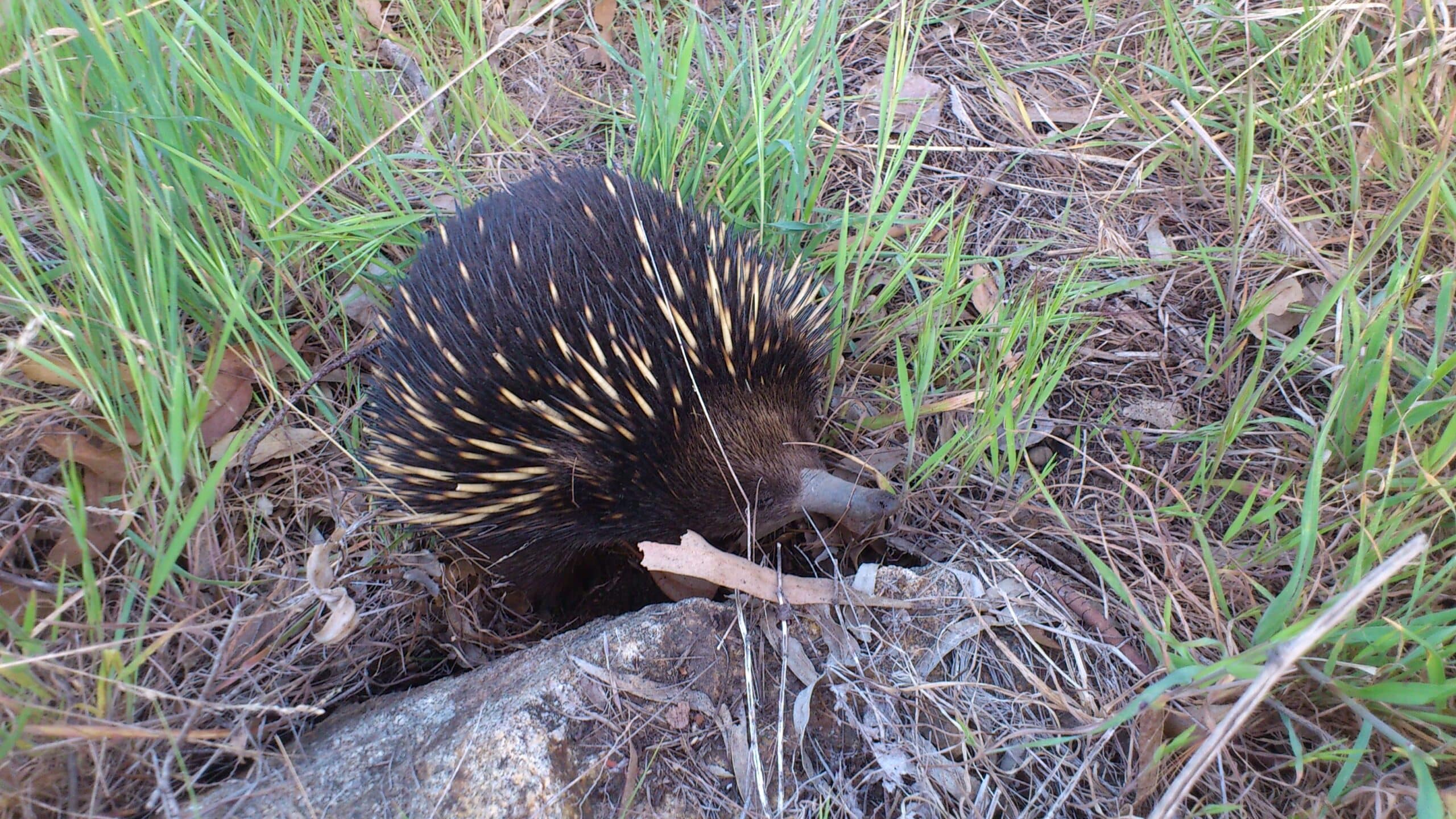
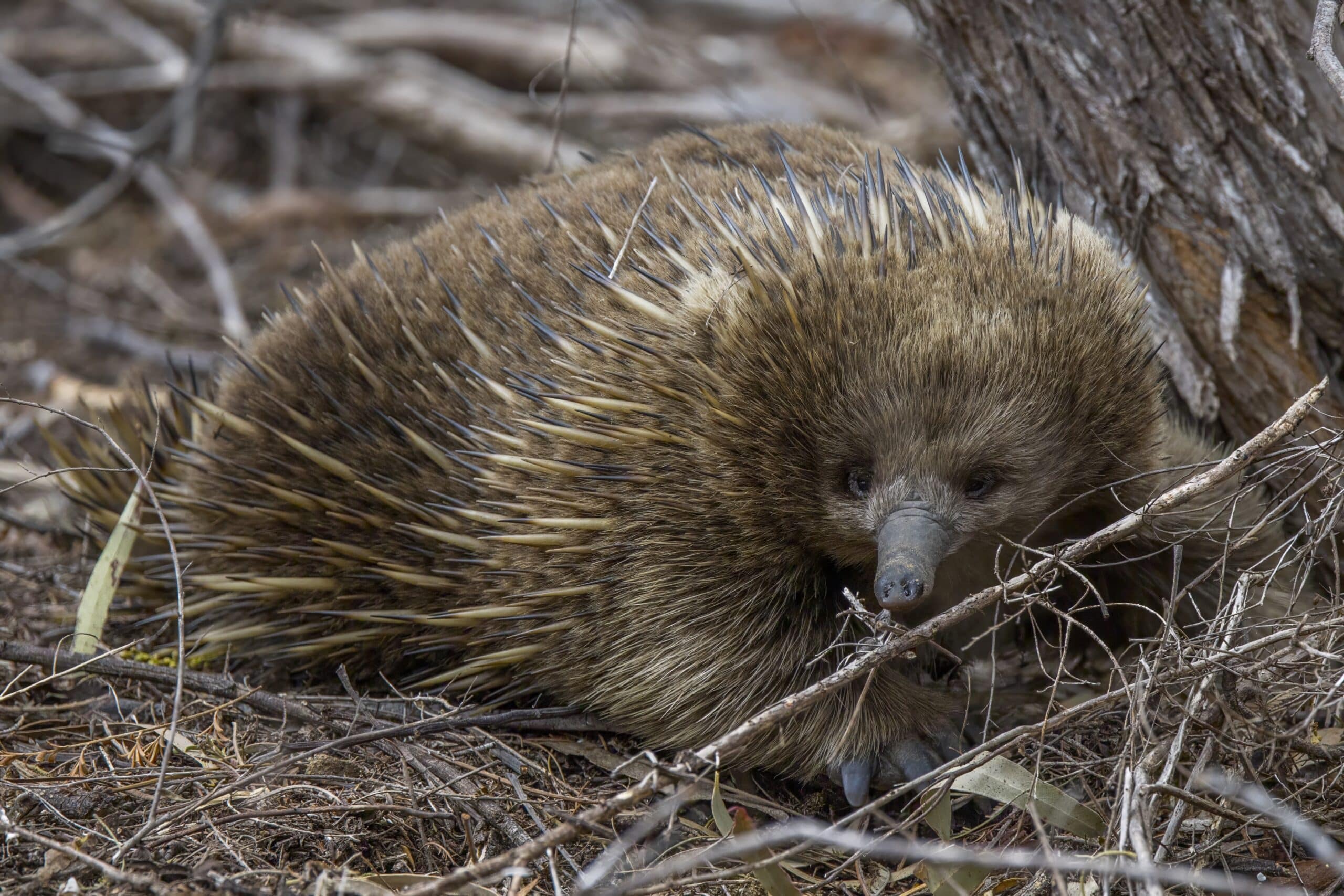
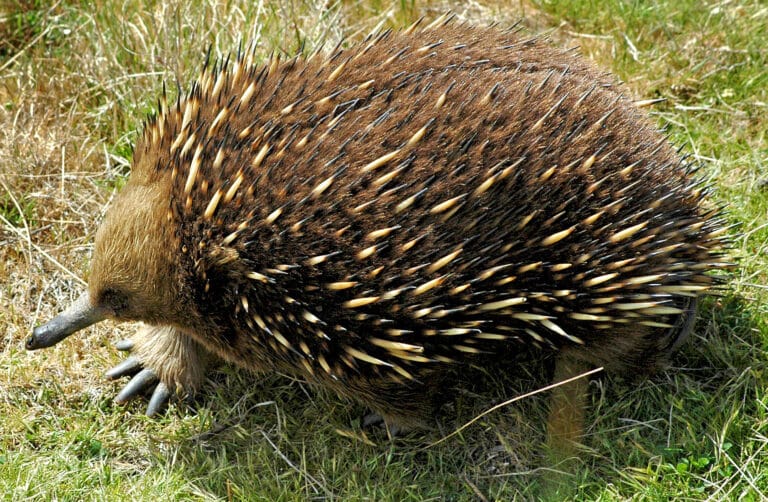
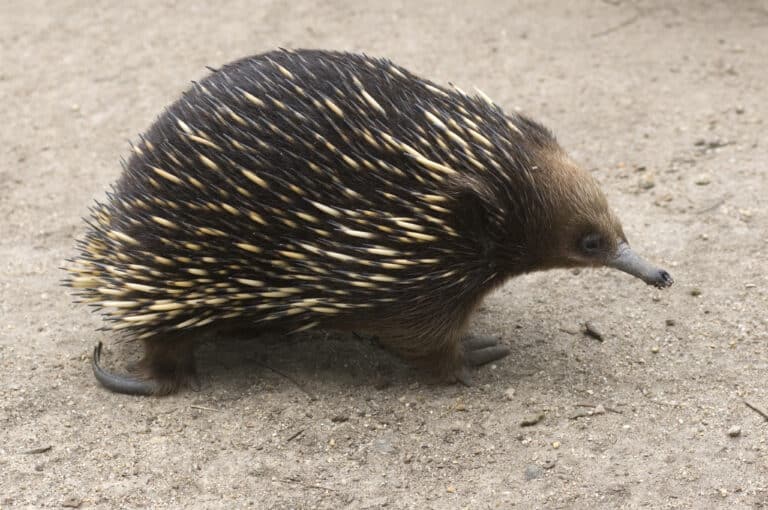
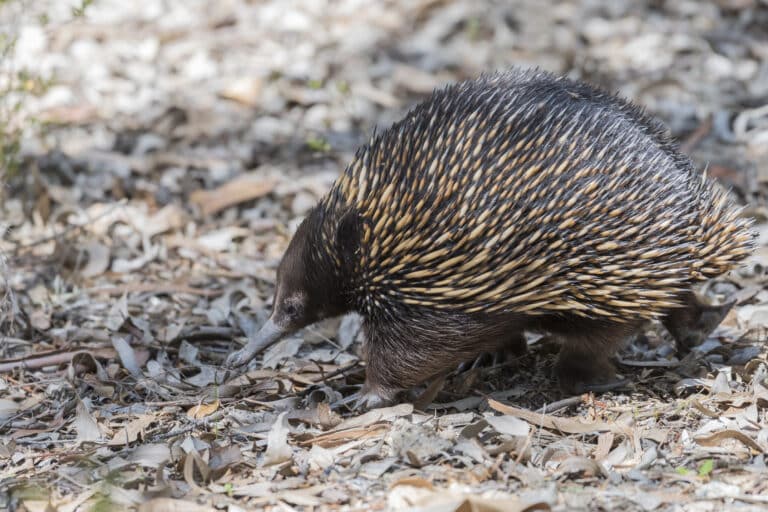
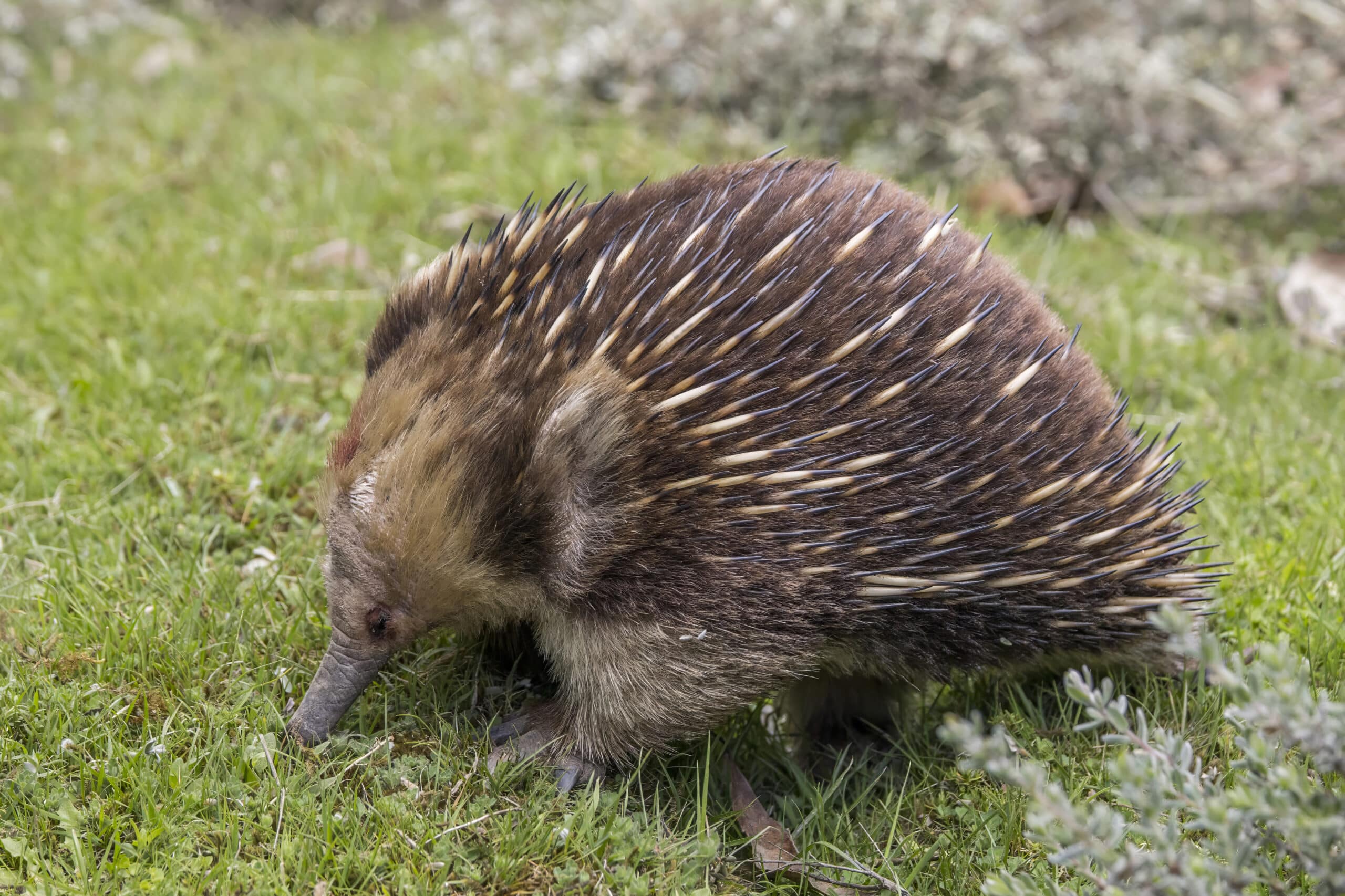
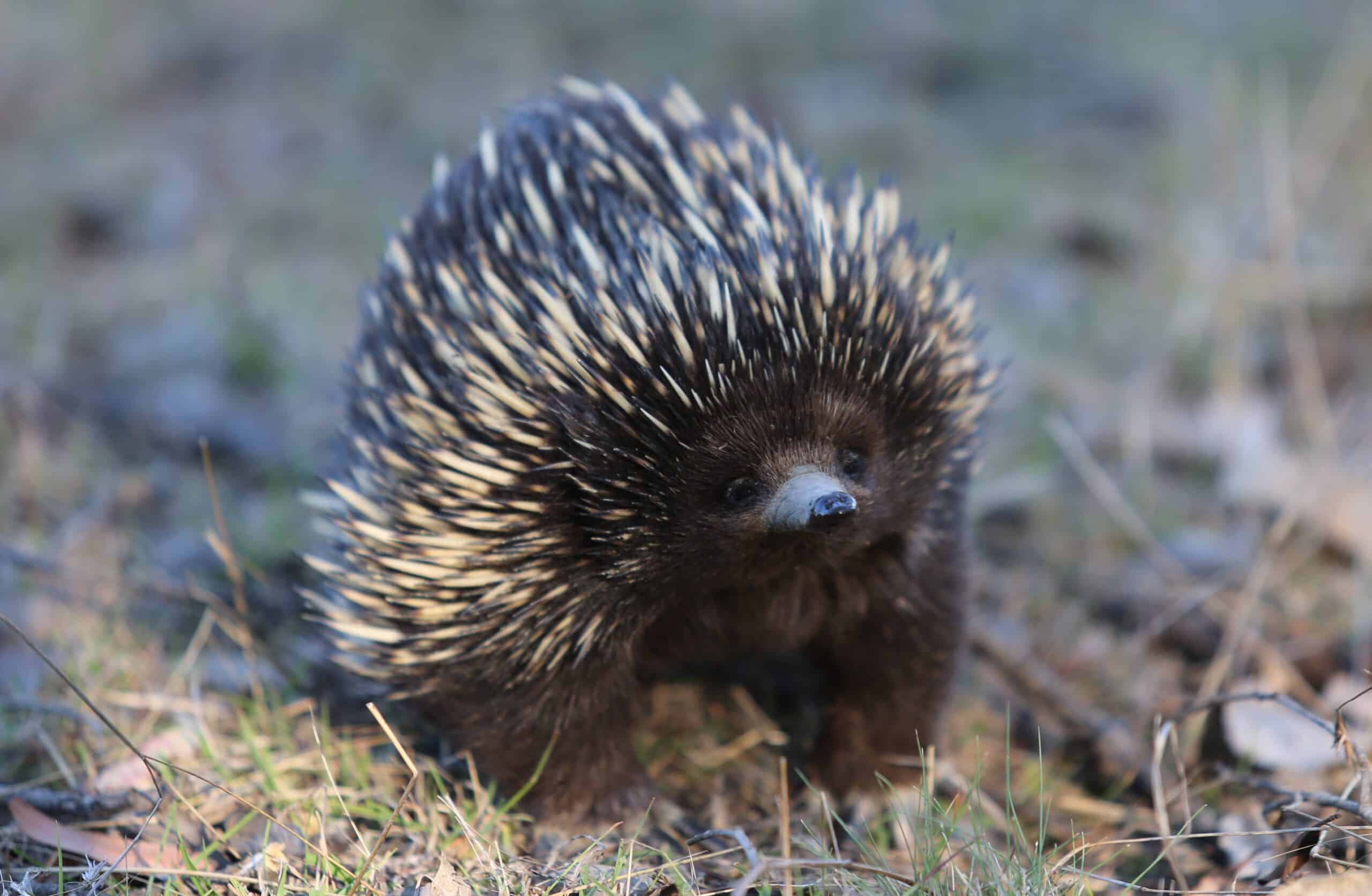
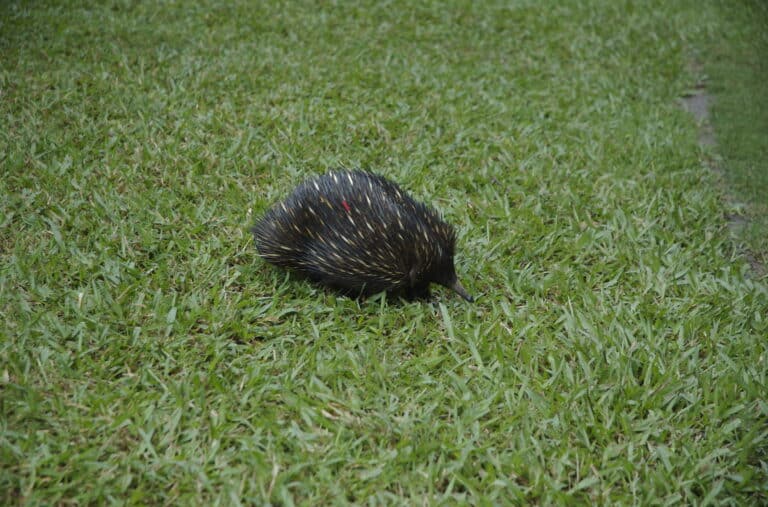
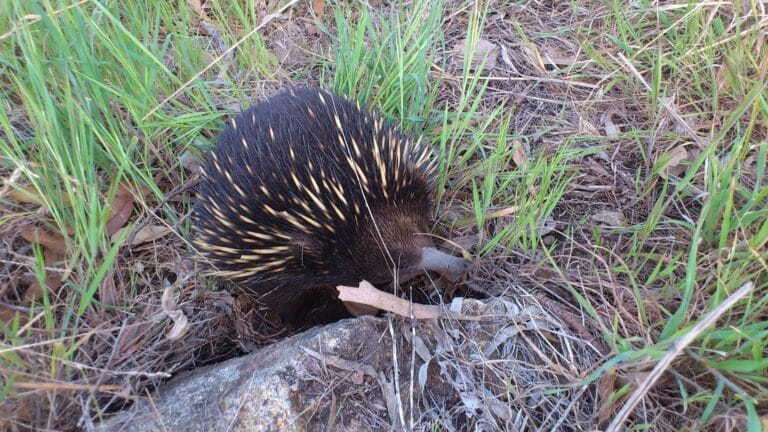
Echidnas come in different sizes, usually measuring between 30 to 46 centimeters (12 to 18 inches) long. These spiky cuties are covered in spines and fur, giving them a quirky appearance that helps them blend into their environment.
This fascinating creature enjoys dining on ants and termites, using its long, sticky tongue to catch its food. Echidnas can eat a lot, as they need to consume up to 60 percent of their body weight in insects each day to stay energized.
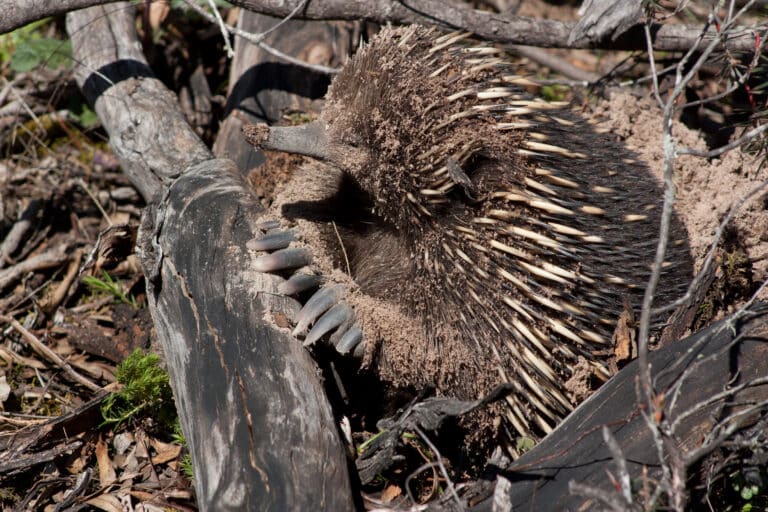
Echidnas are champions of longevity, with some known to live for up to 50 years! They have a special way of staying cool during hot weather by digging shallow holes in the ground where they can relax and escape the heat.
<pThese spiky mammals can be found in various habitats, including forests, grasslands, and even mountains across Oceania. Their unique adaptations allow them to thrive in different environments, making them a true wonder of nature!
The echidna's name comes from ancient Greek mythology, where Echidna was known as the

Where can you find a Echidna in the wild?
What does a Echidna eat?
How big can a Echidna grow?
How long does a Echidna typically live?
What is the conservation status of the Echidna?
What are the main threats to the Echidna?
Fun facts
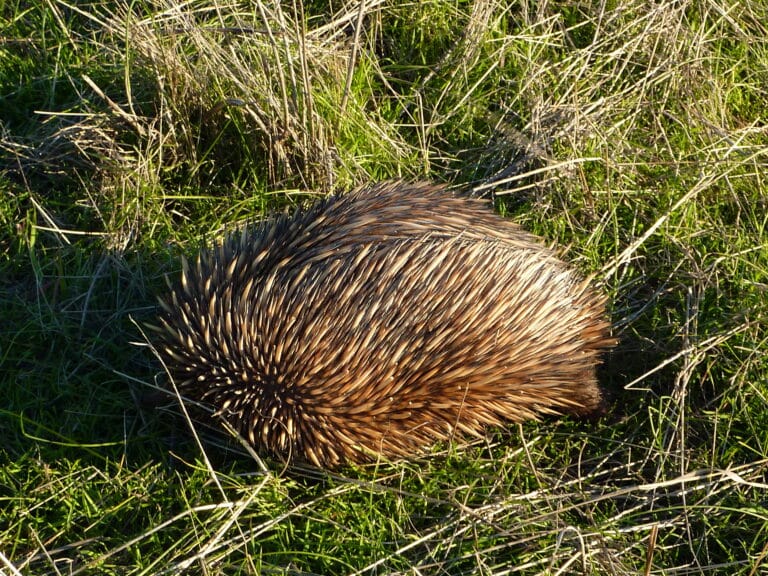
Echidnas have a unique defense mechanism. When threatened, they curl into a tight ball, showcasing their spines to deter predators, just like a spiky soccer ball!


Their tongue is a superhero tool! An echidna’s tongue can be 15 centimeters (6 inches) long, which helps them reach deep into insect nests for tasty treats.
Echidnas don’t have teeth. Instead, they grind their food using special pads in their mouths, almost like nature's very own food processor!
A new echidna mom carries her egg in a special pouch for about 10 days while it hatches. It's like having a tiny ball of joy in her pocket!
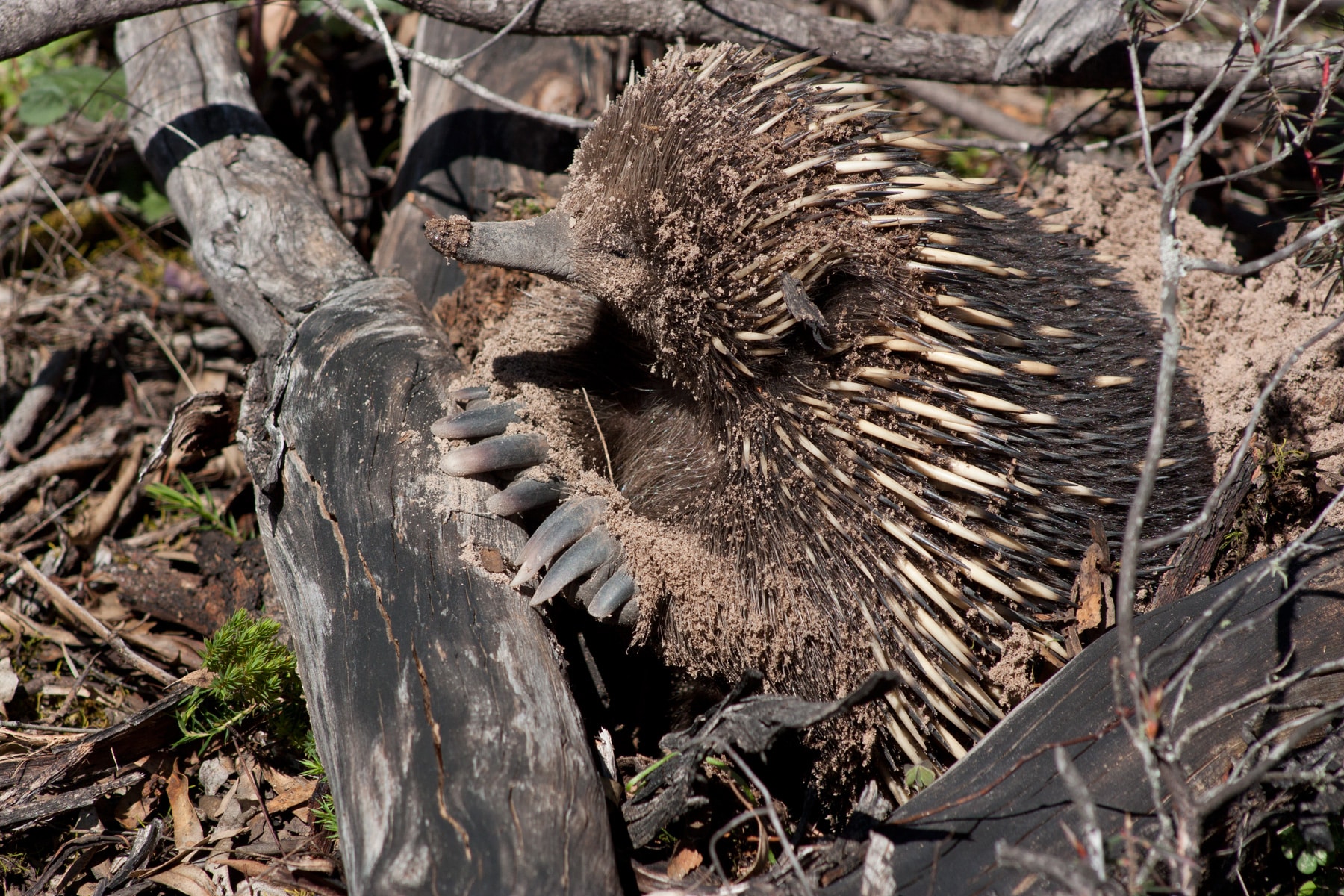
If you see an echidna on the move, it can dig like a champion! They can burrow into the ground at a speed of about 1 meter (3 feet) per minute.
When an echidna gets hot, it digs a shallow hole in the cool dirt to chill out, making it the ultimate underground sunbather!
Echidnas have a special stomach that helps them digest their food slowly. It can take up to 48 hours for their meals to turn into energy, making mealtime a relaxing event!
The spines of an echidna are made from keratin, the same stuff as human hair and nails, making them strong yet flexible.
Photos





The Basics


explore more
Amphibians
Arachnids
Birds
Cats
Crustaceans
Fish
Fish Pet Guide
Gastropods
Insects
Invertebrates
Mammals
Pet Fish
Pet Rodents
Plants
Reptiles
Roundworms
Sea Slugs