Successfully copied to clipboard!
Eland
Explore the majestic giants of Africa's open fields!
Let’s Explore
Overview
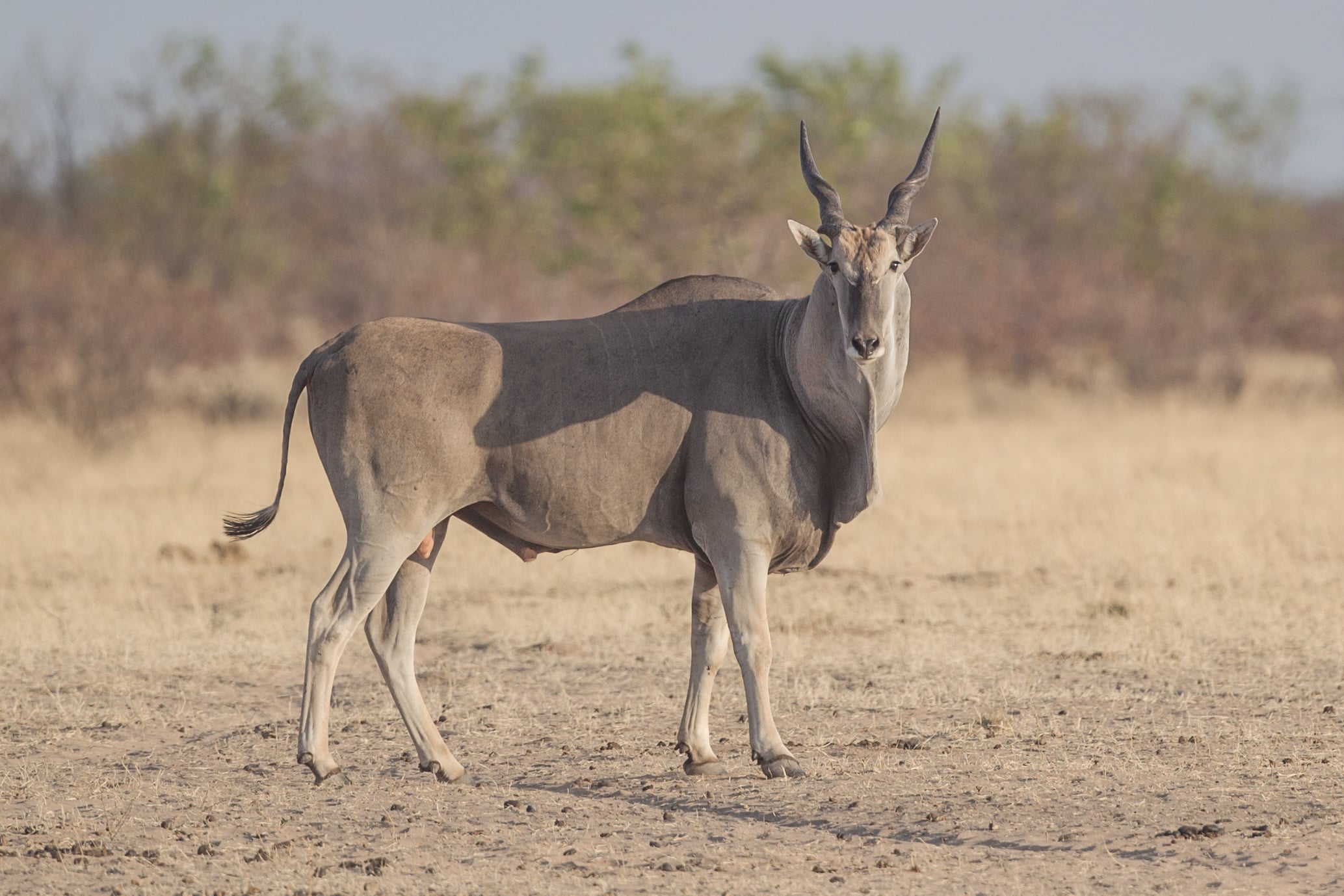
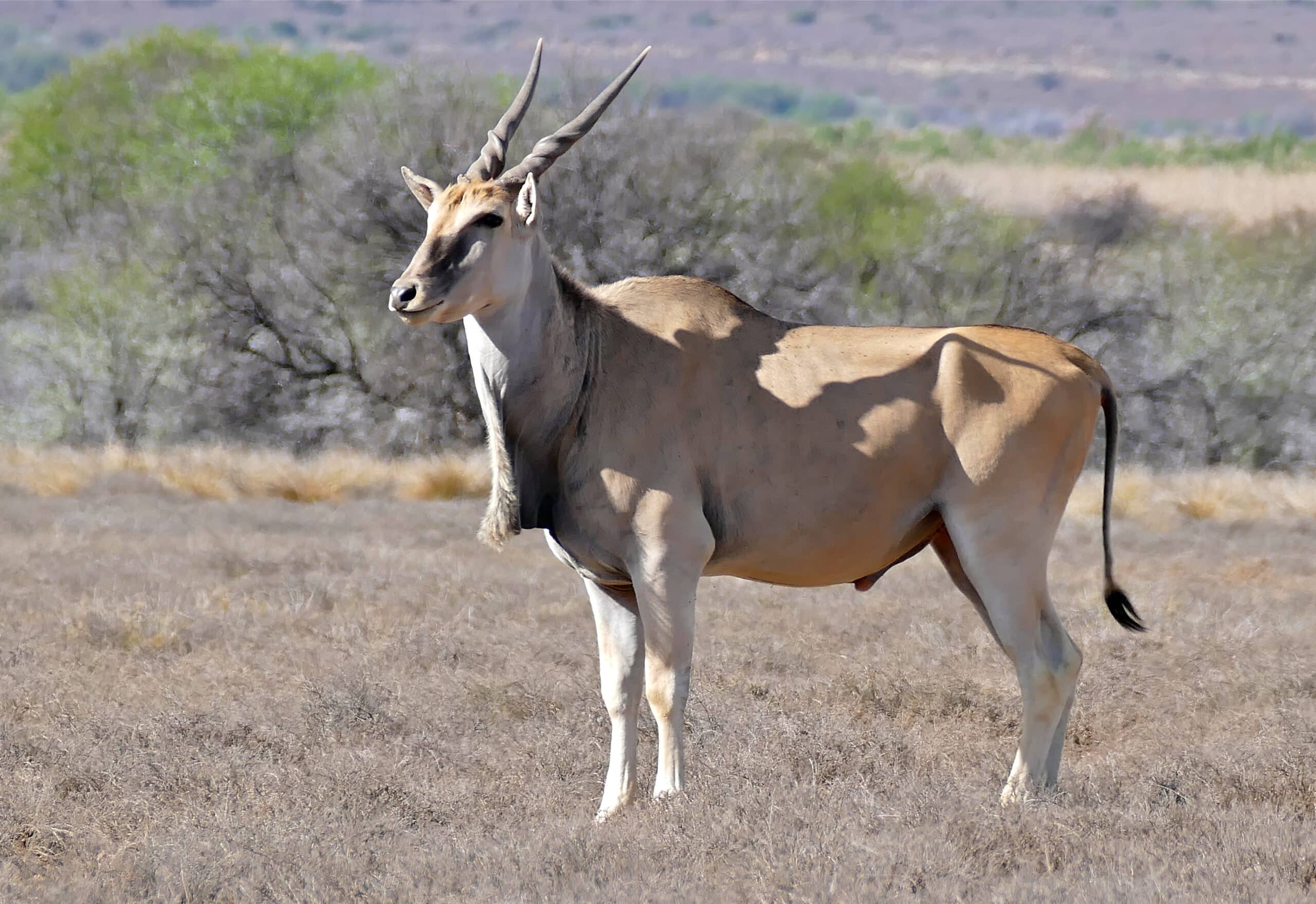
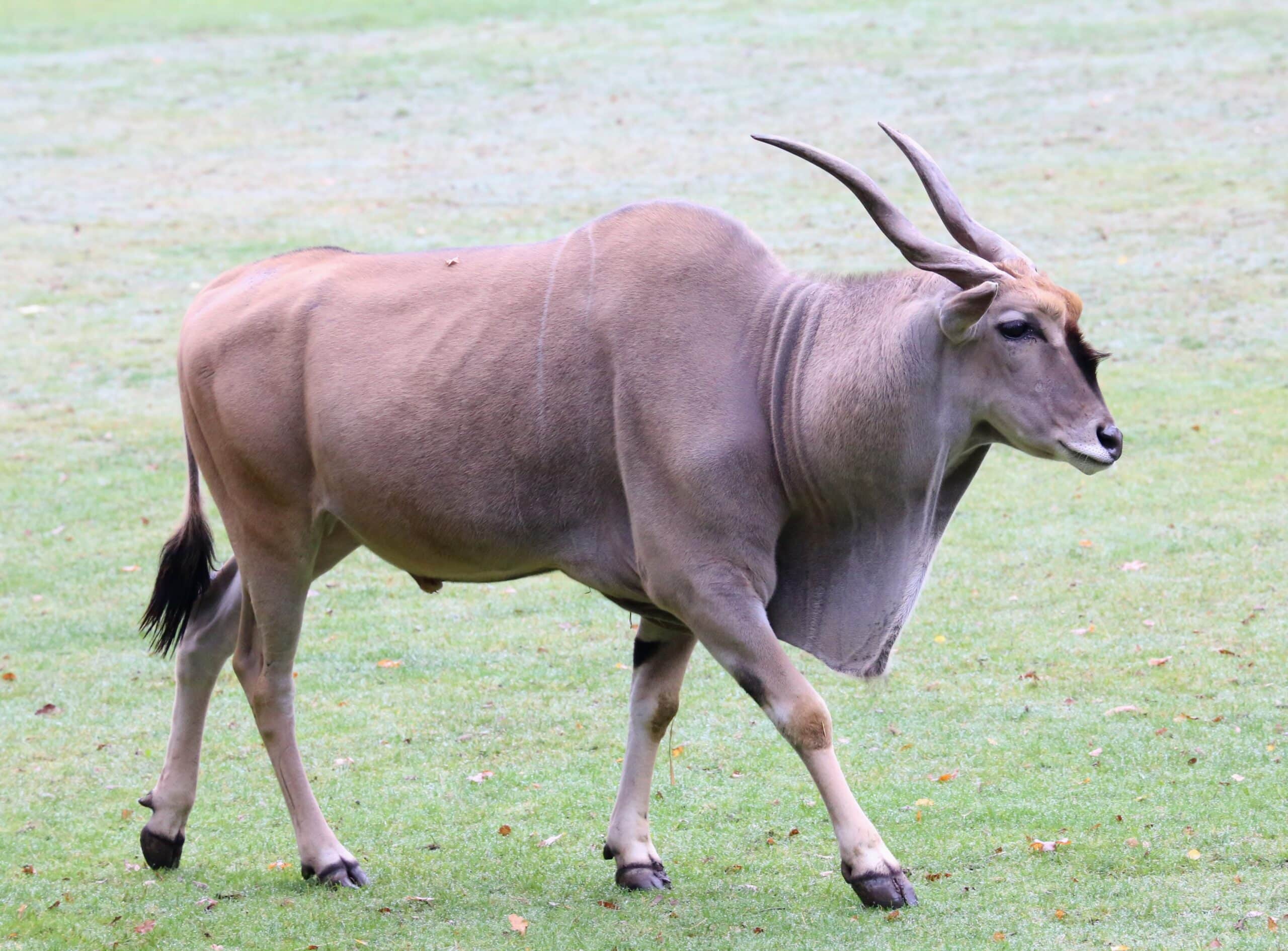
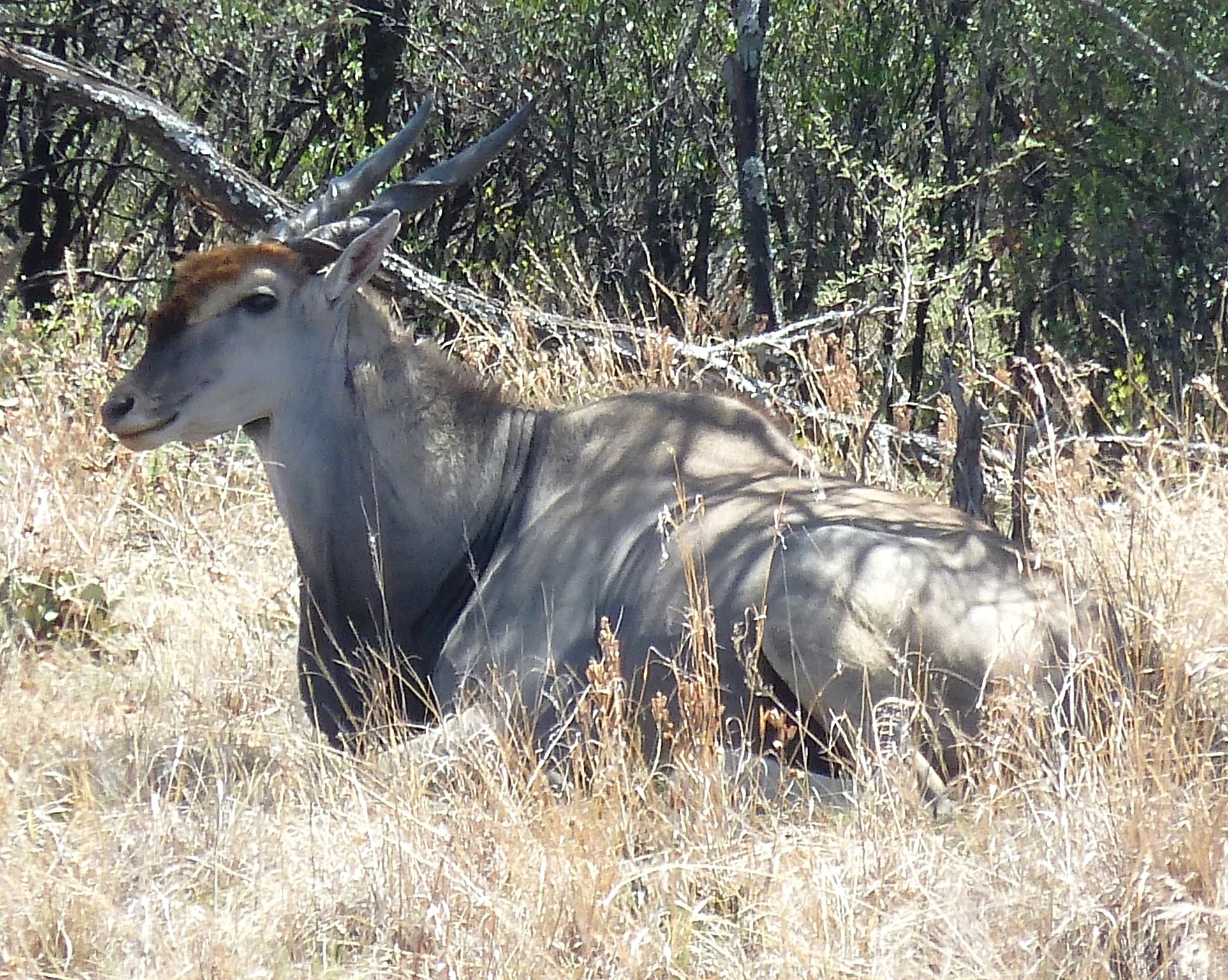
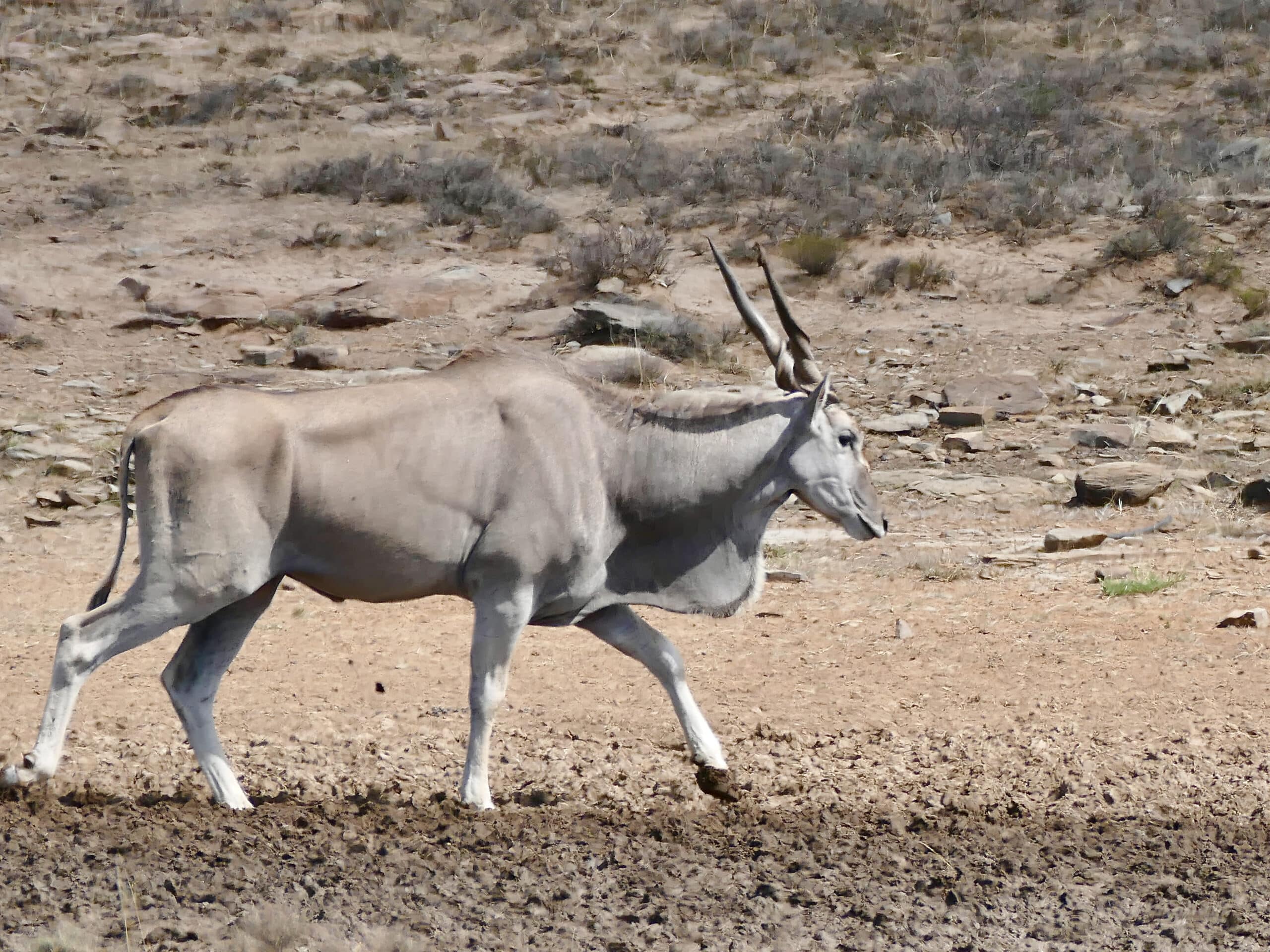
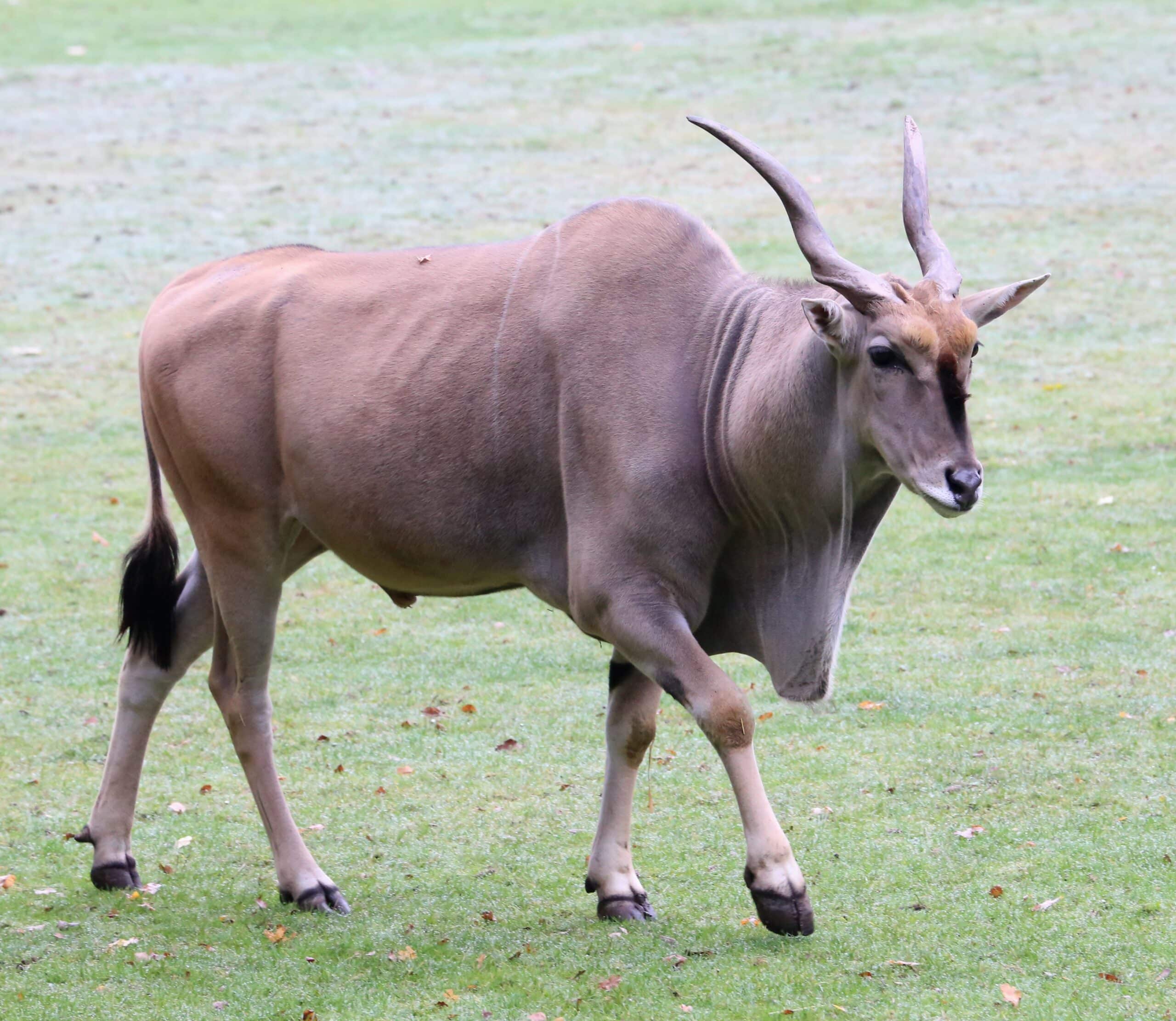
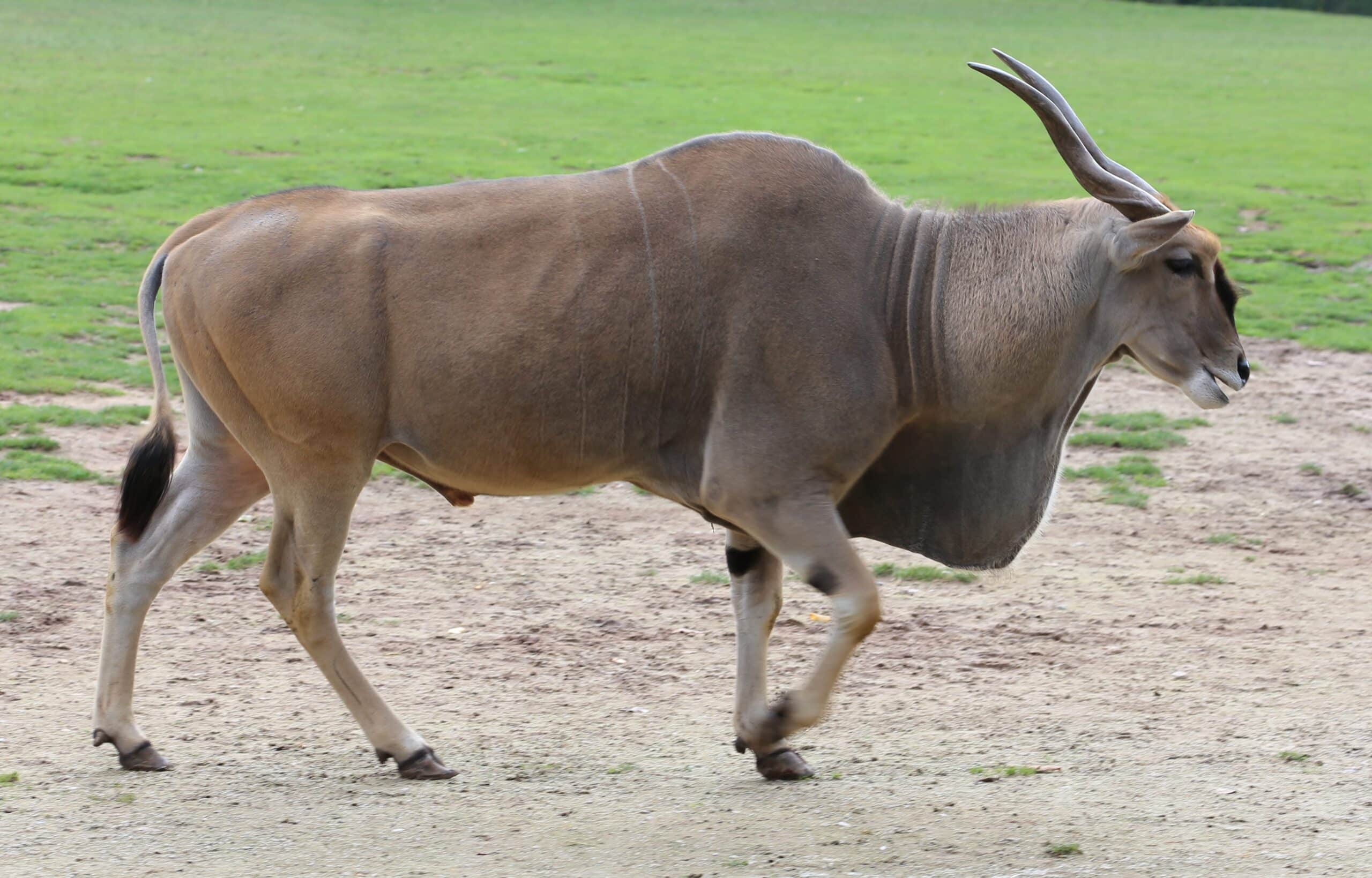
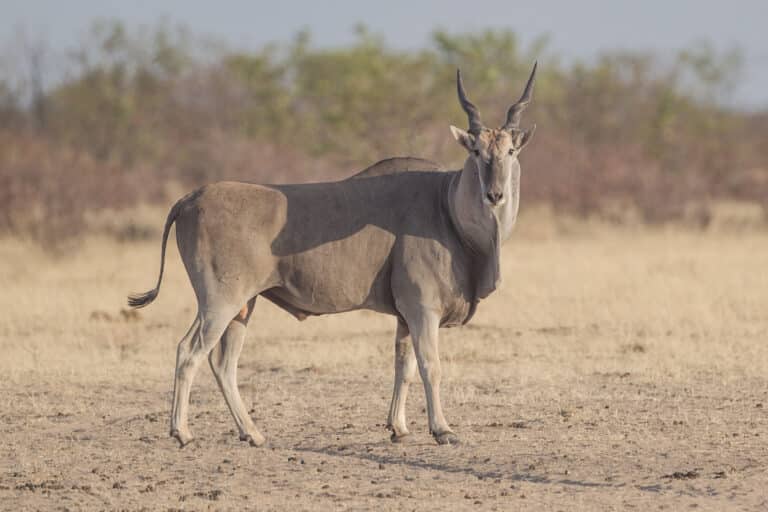
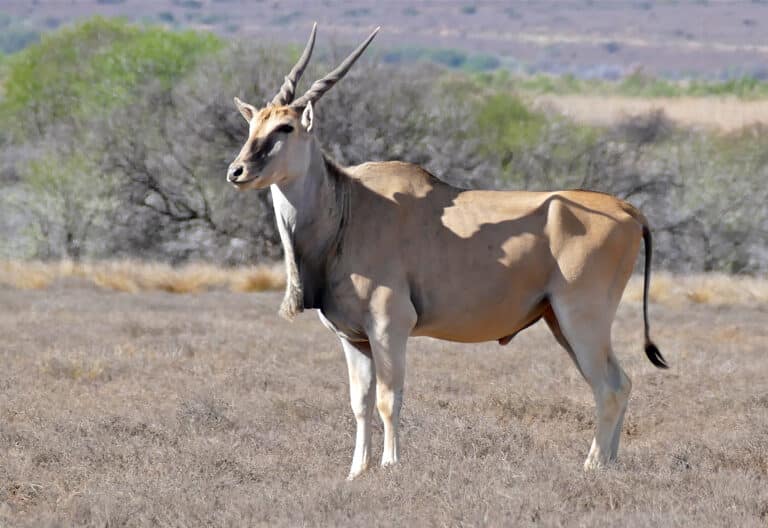
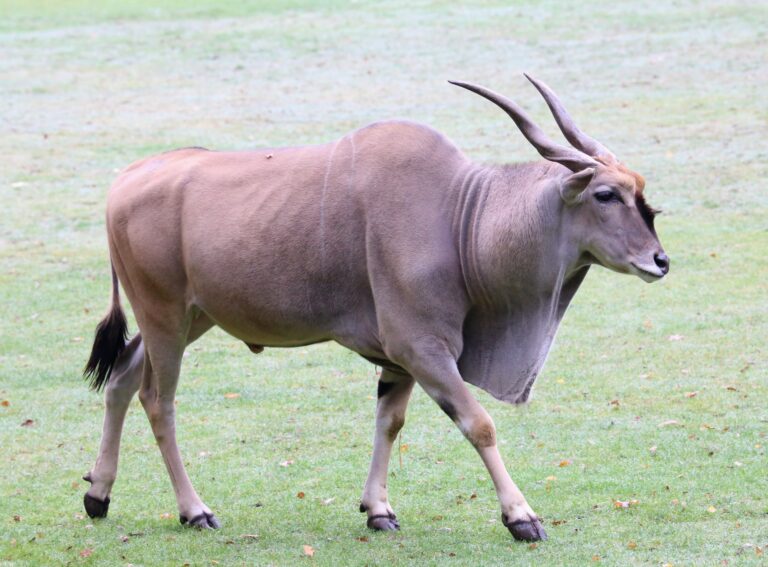
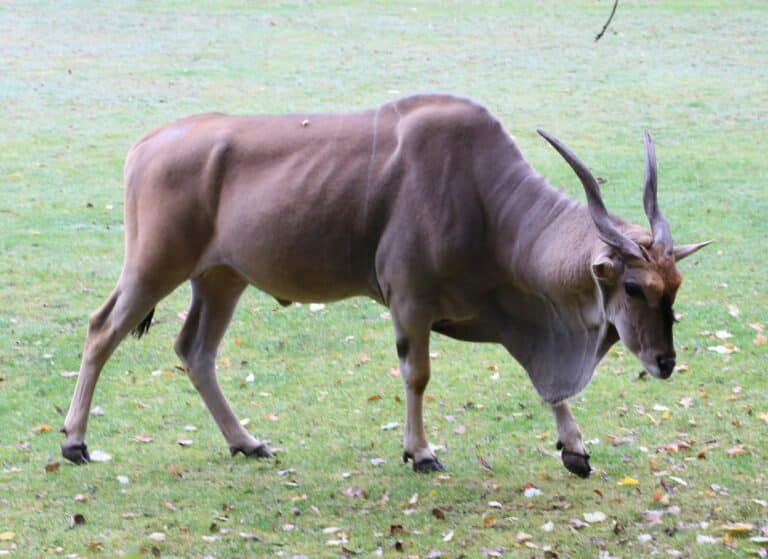
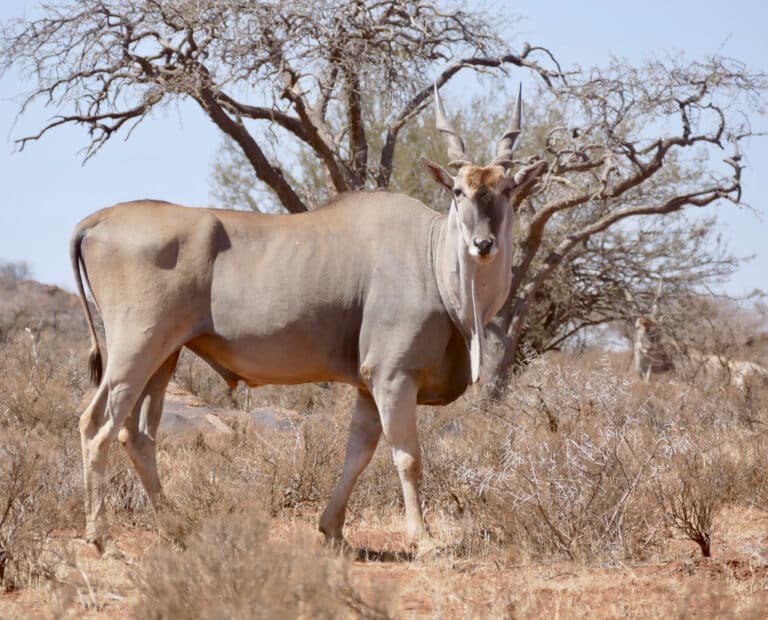
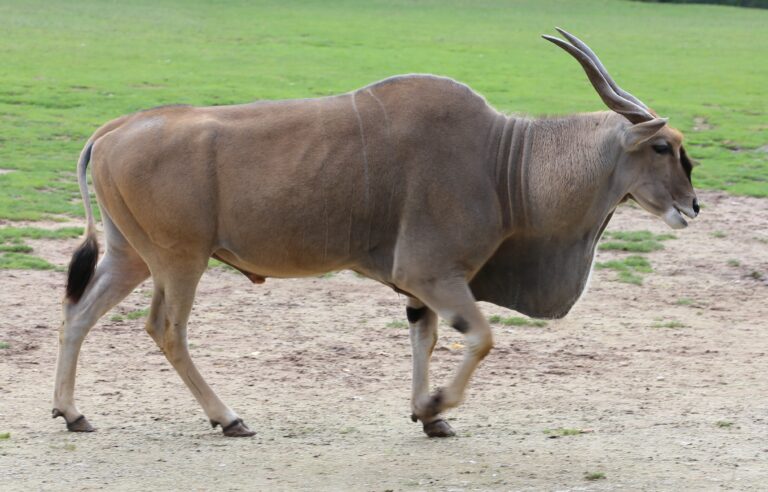
The Eland is an impressive animal that roams the grasslands and open woodlands of Africa. This gentle giant belongs to the Bovidae family, which means it is related to antelopes and goats, but it's the largest of them all!
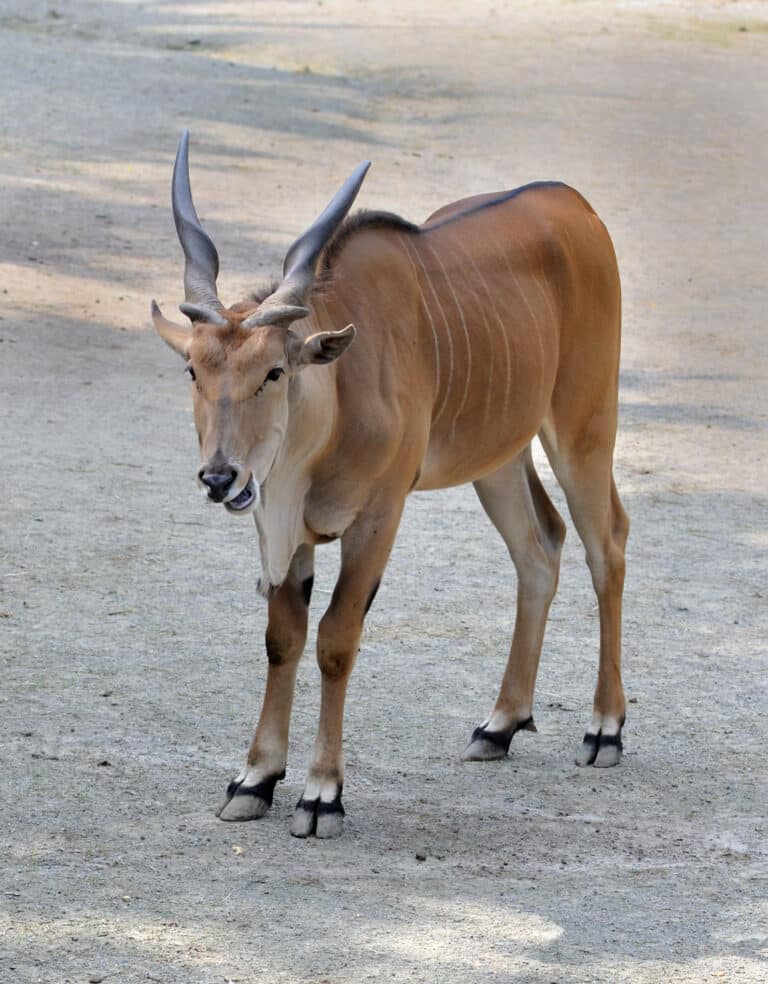
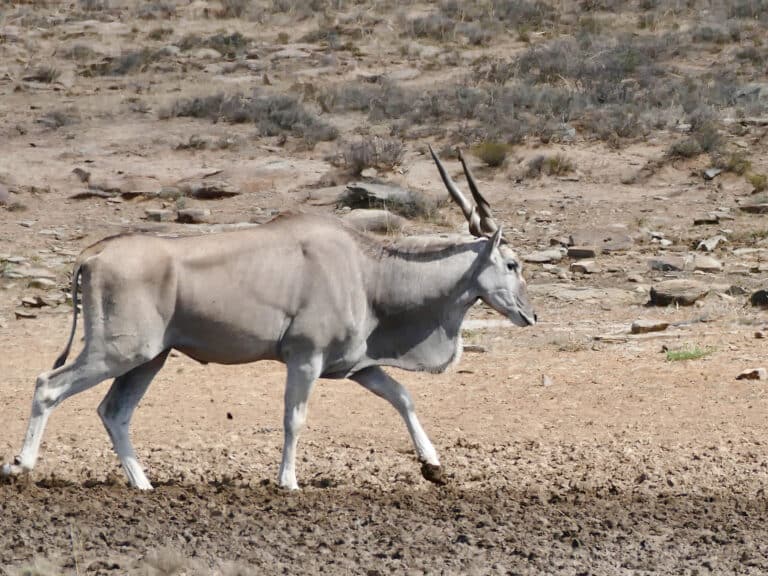
Elands can grow to be between 2 to 3.5 meters (6.6 to 11.5 feet) long. Their long legs help them navigate their habitat, and they can weigh up to 900 kilograms (2,000 pounds)!
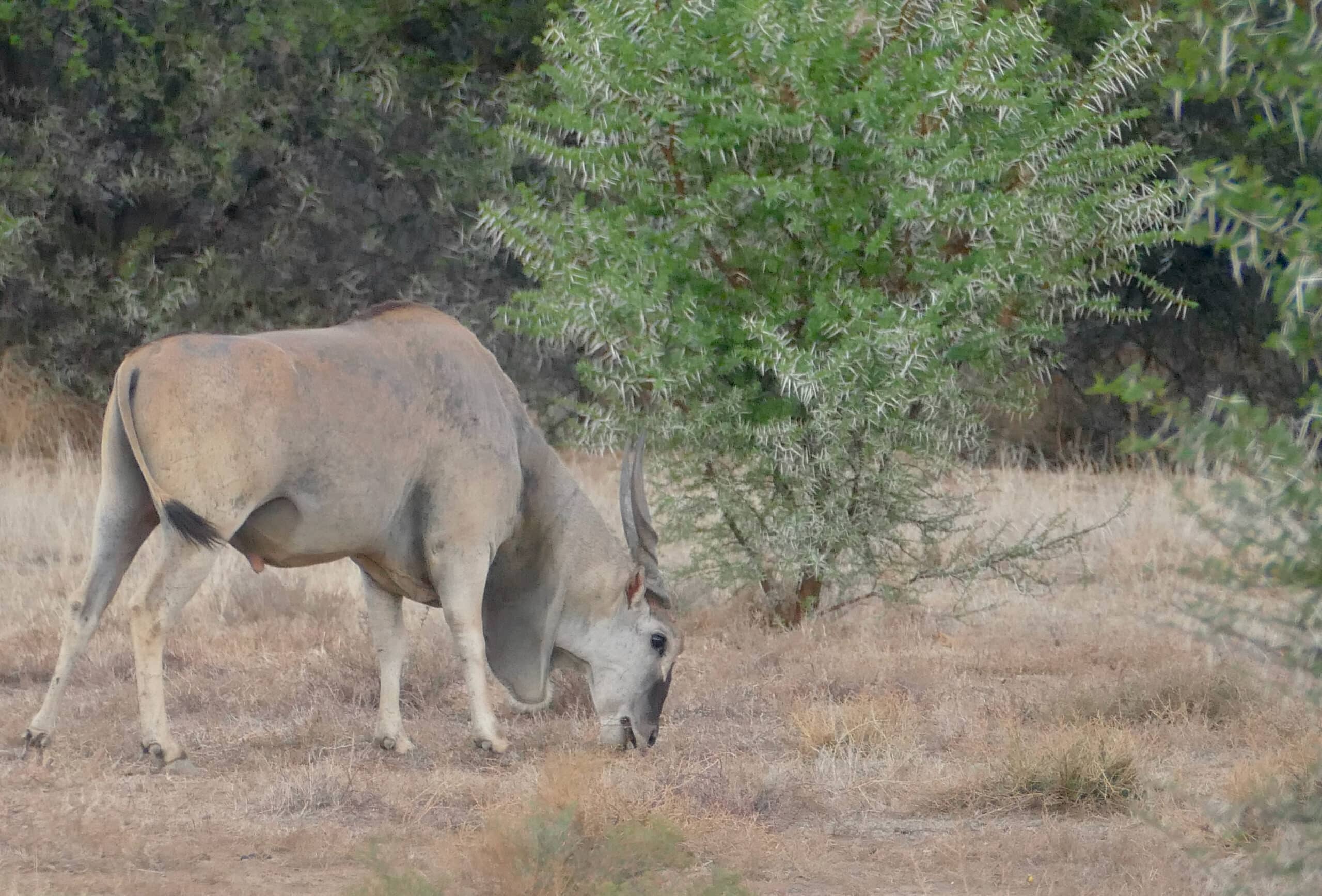
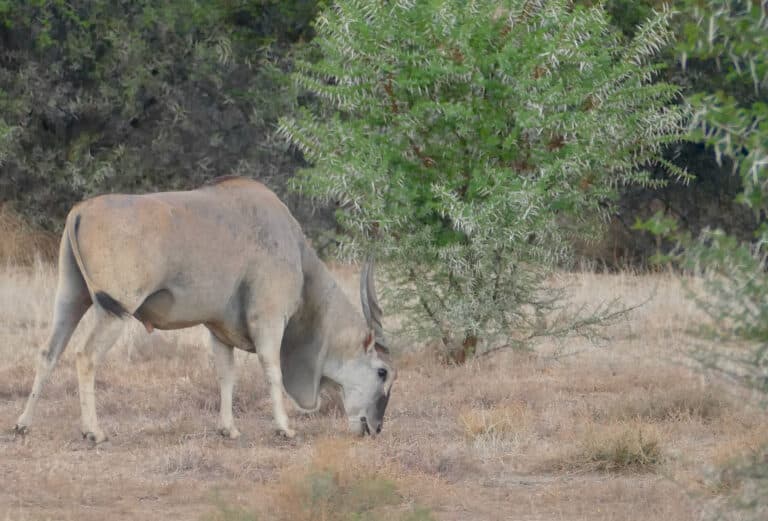
Their diet mainly consists of leaves, branches, and seeds, making them herbivores. Elands have special bacteria in their stomachs that help them digest tough plant material, turning it into energy to roam freely in the wild.
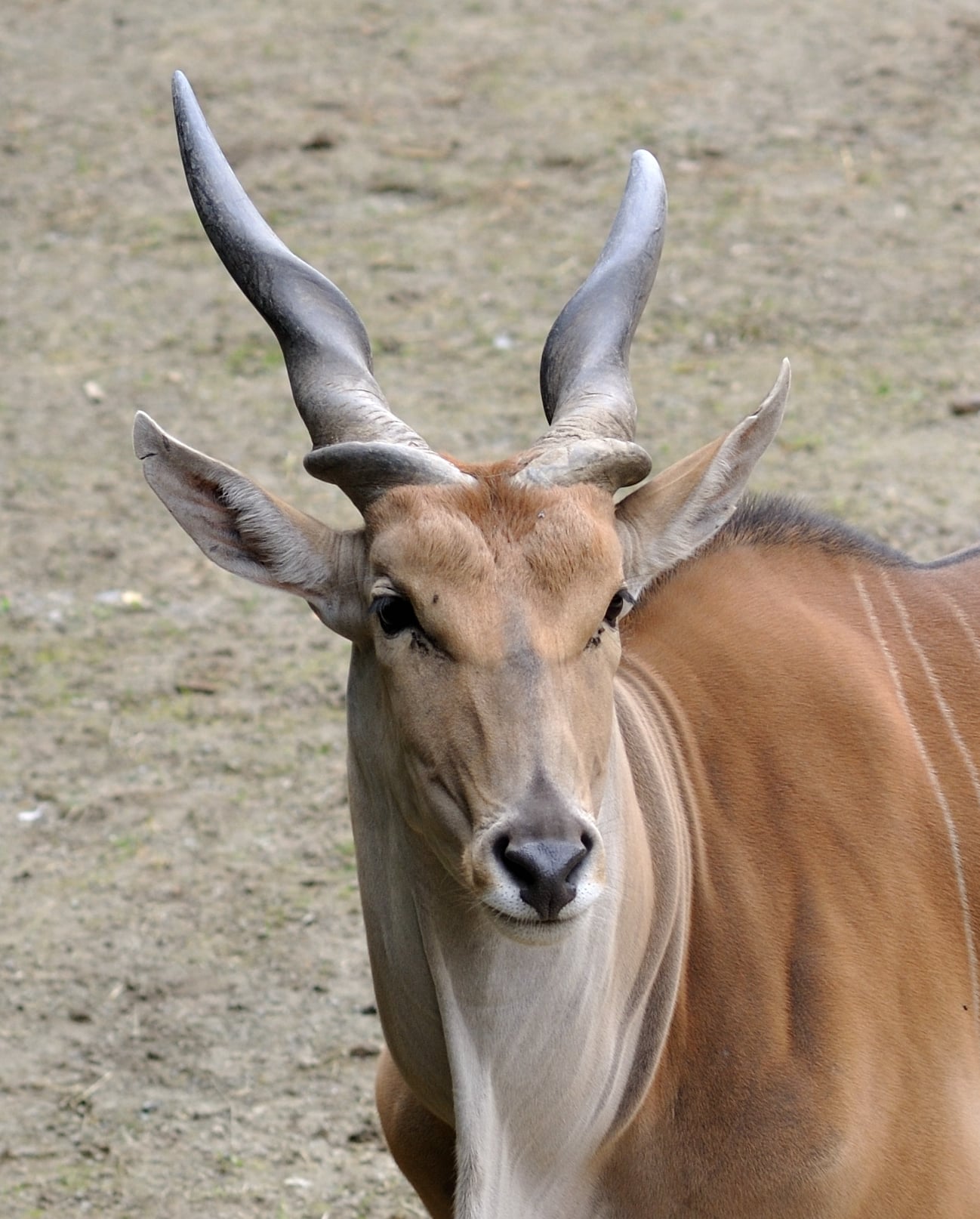
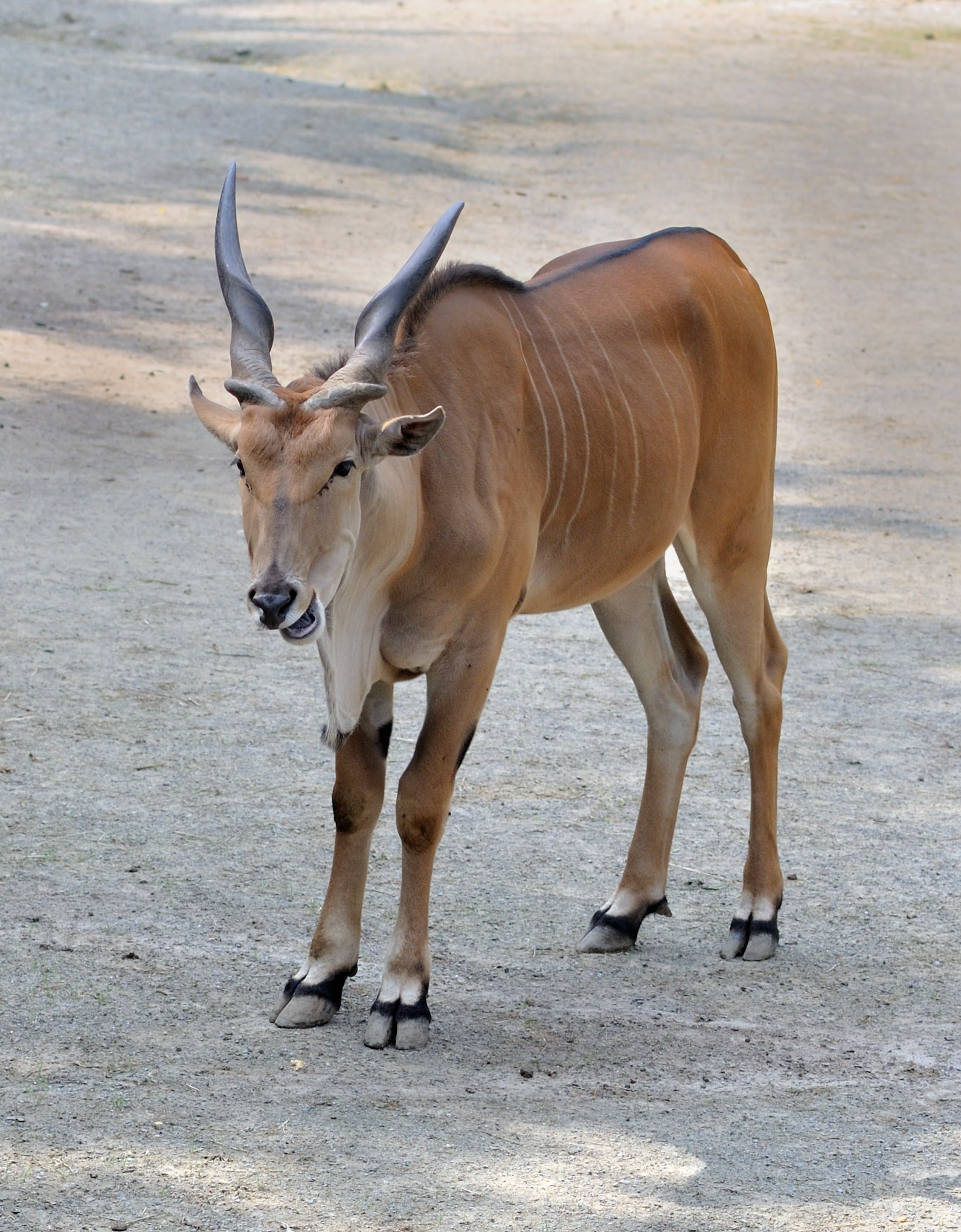
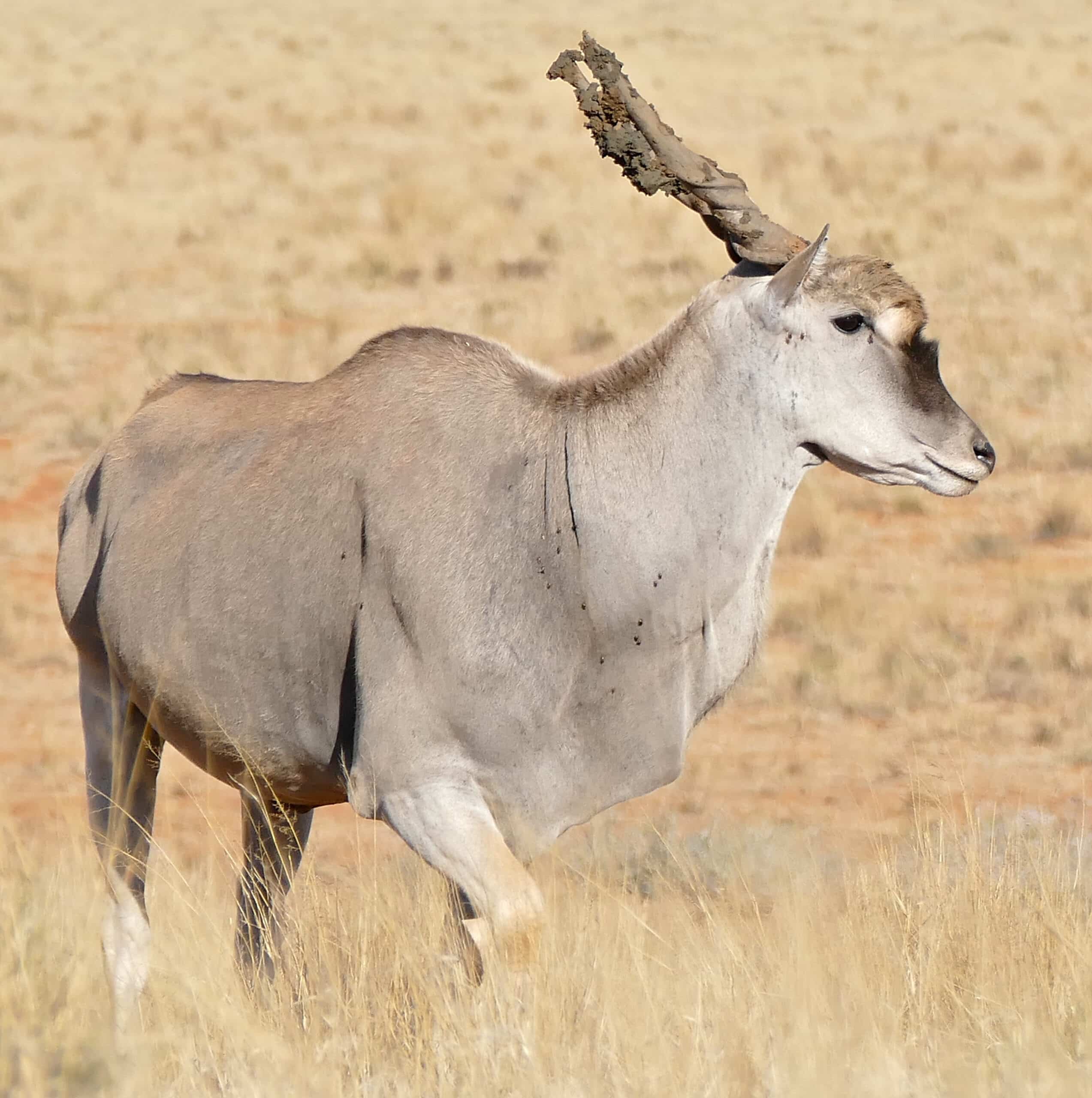
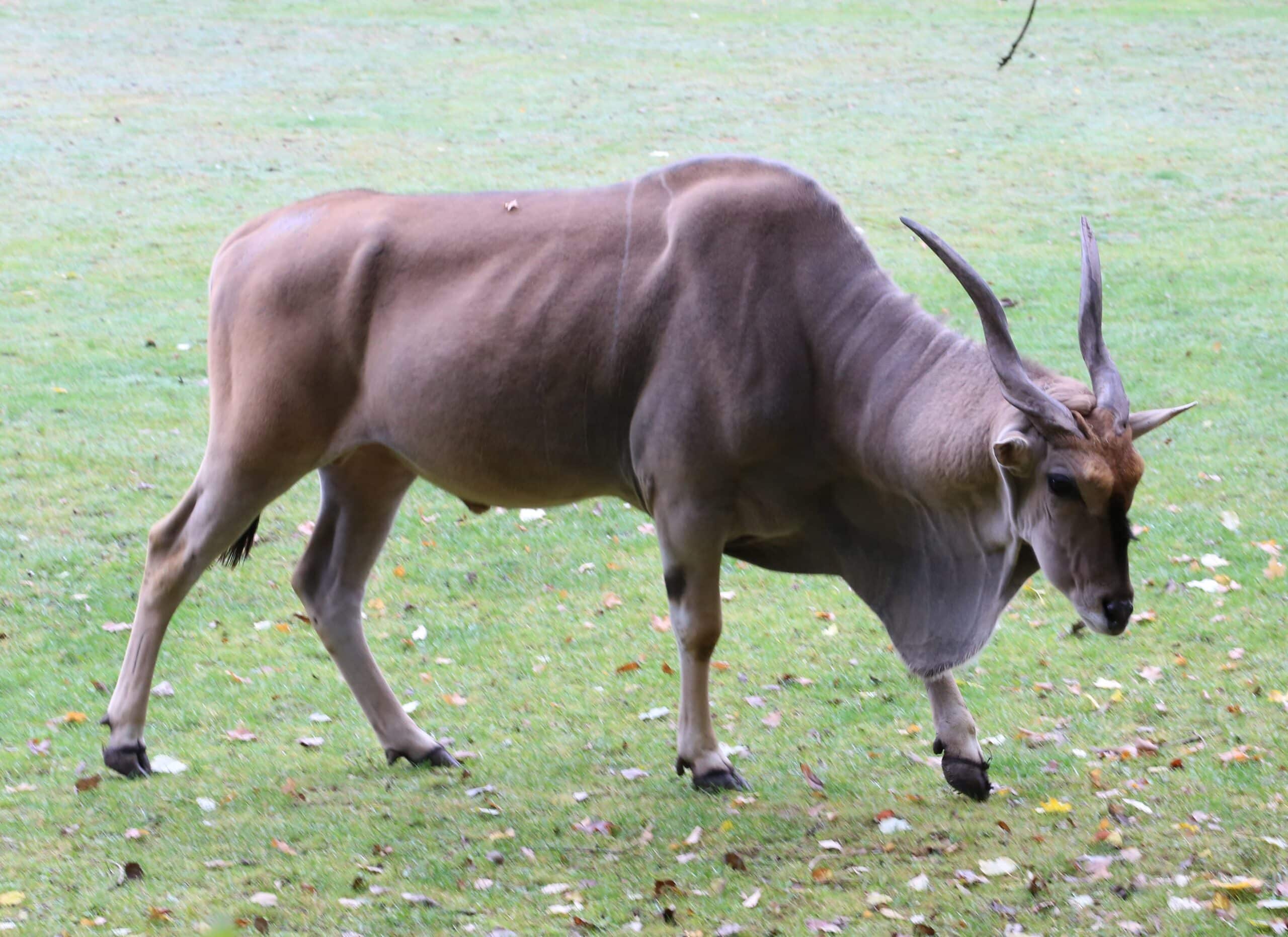
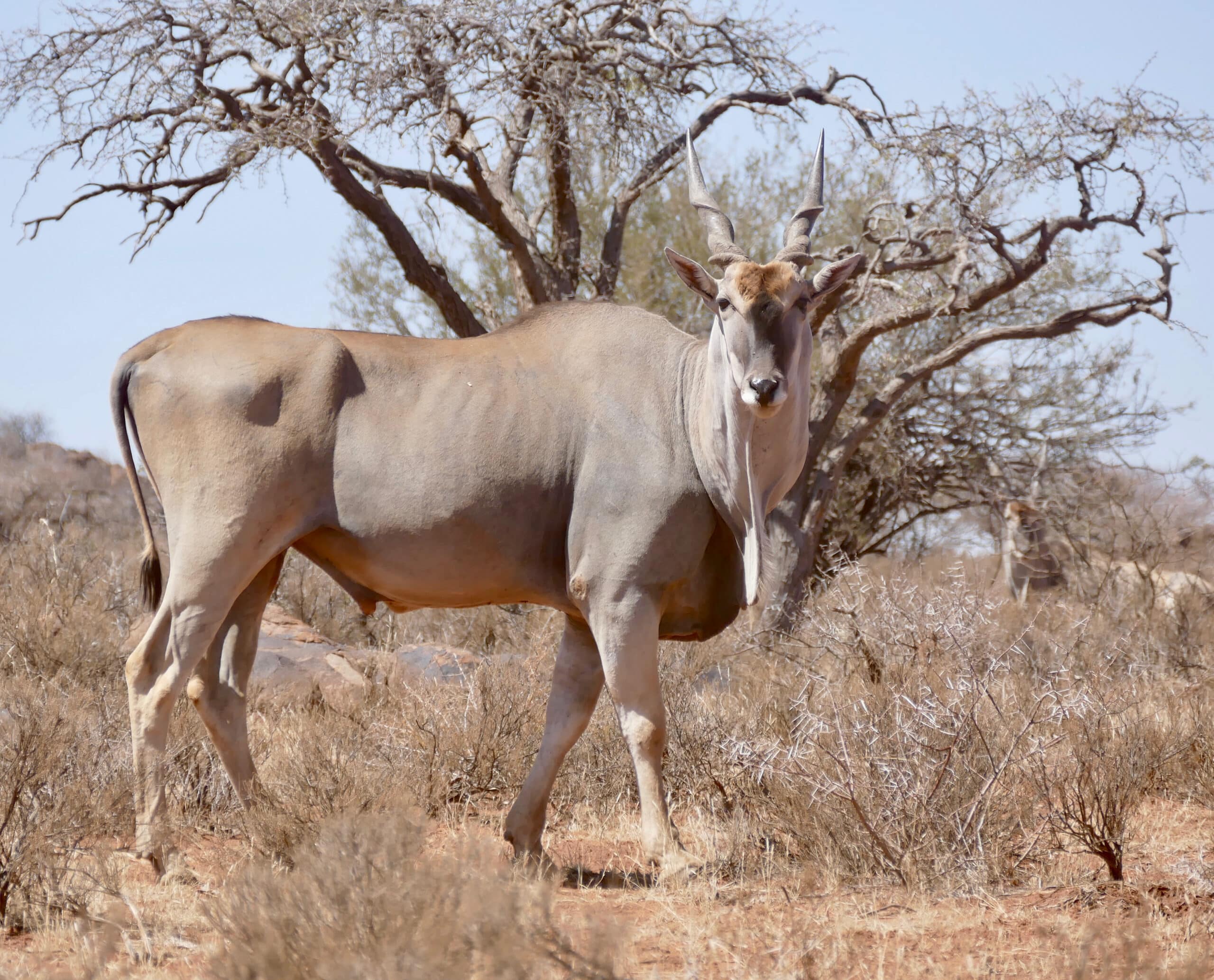
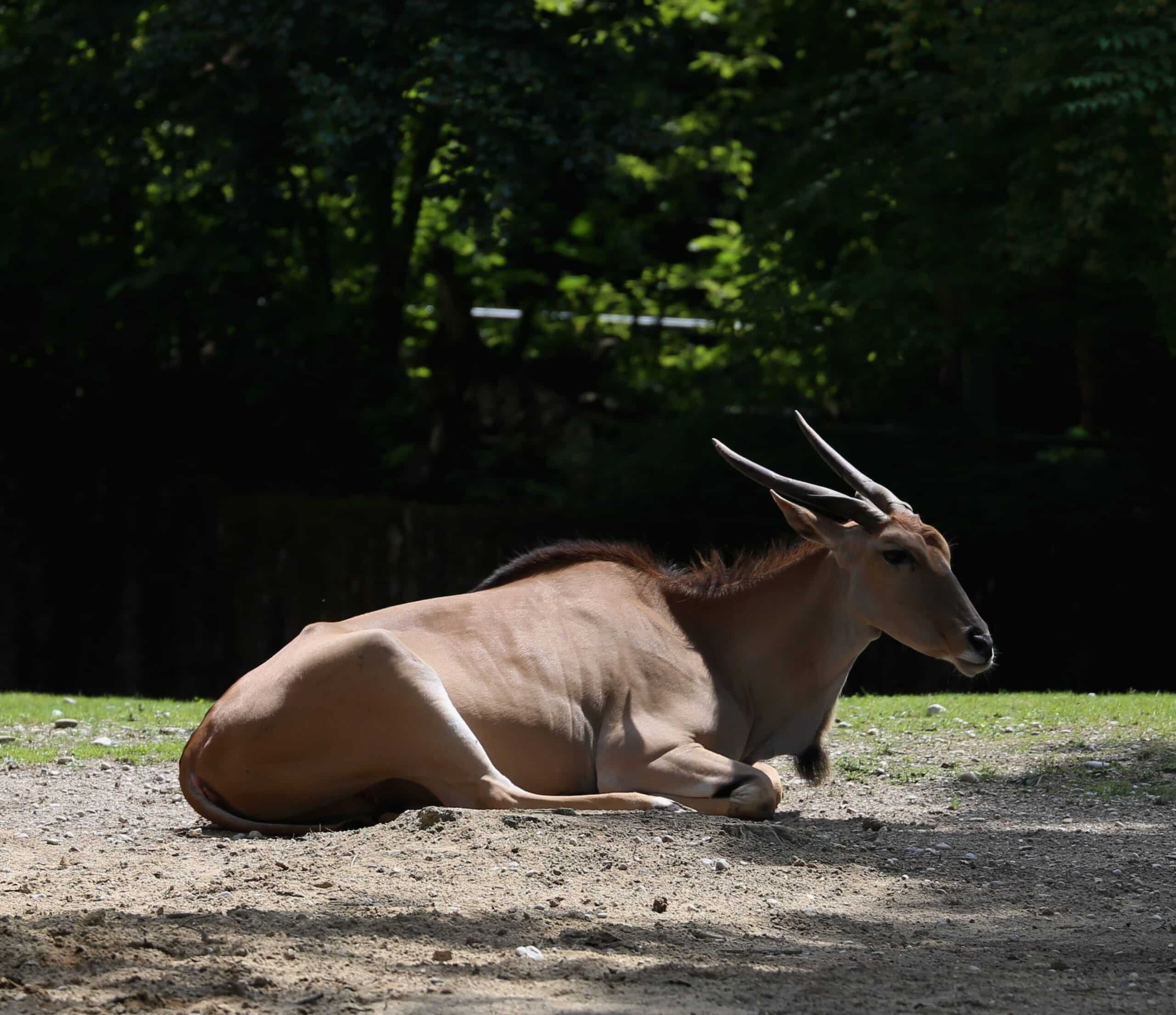
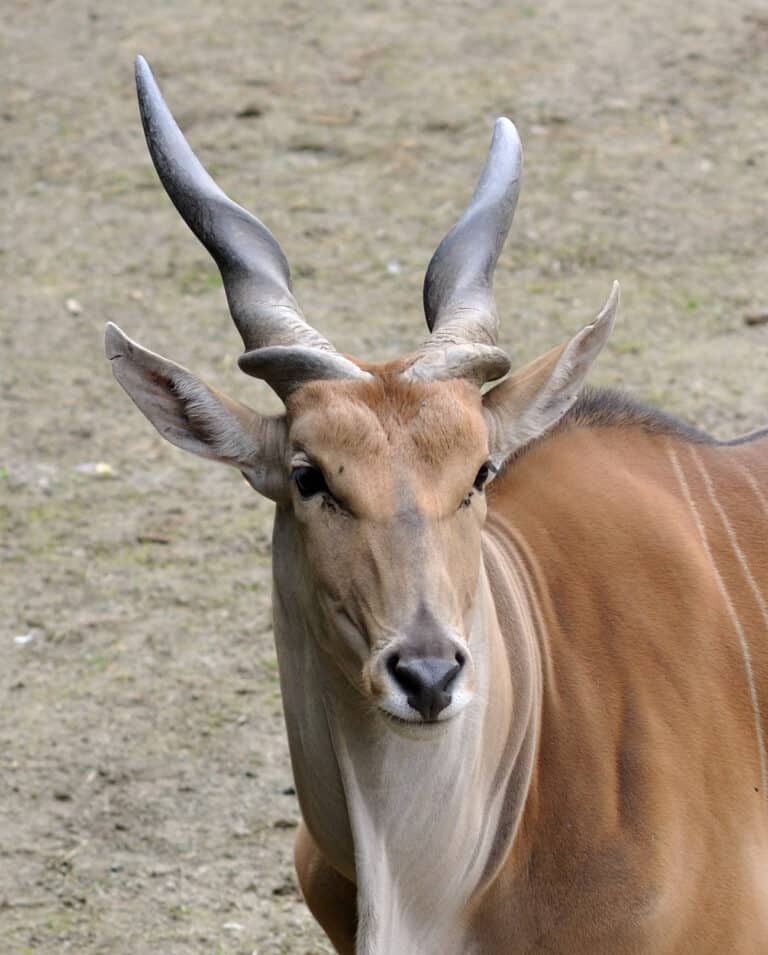
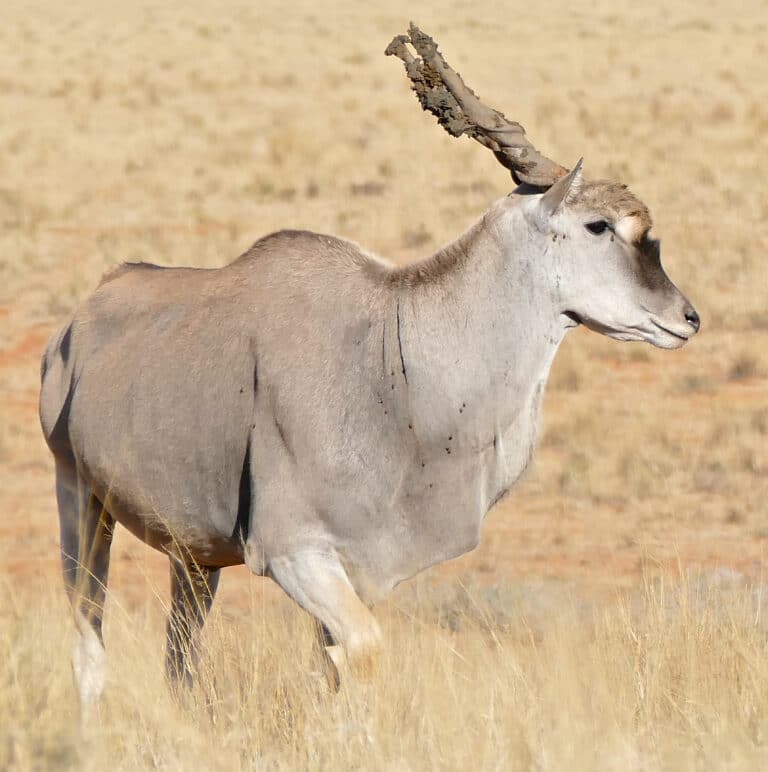
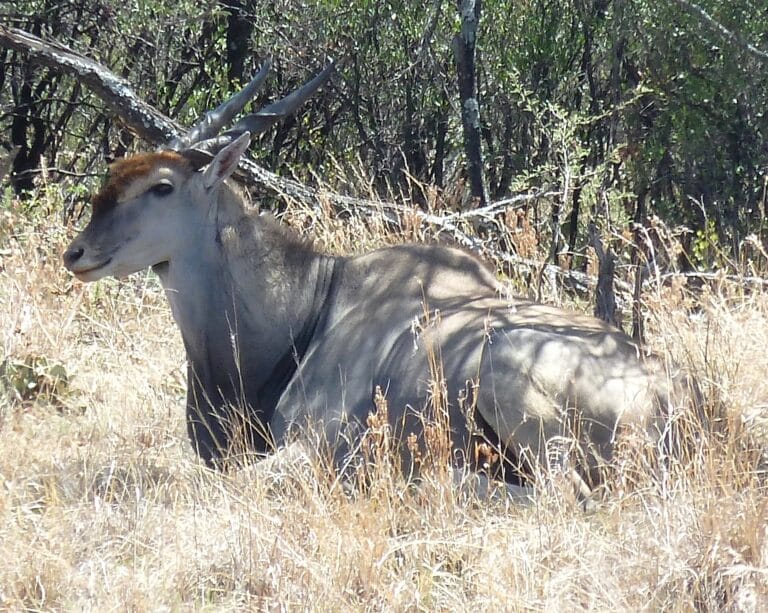
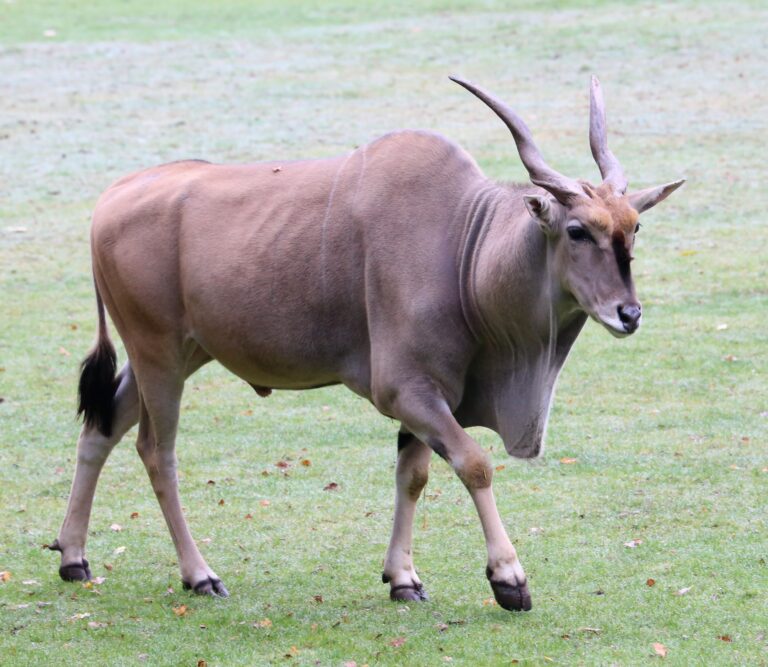
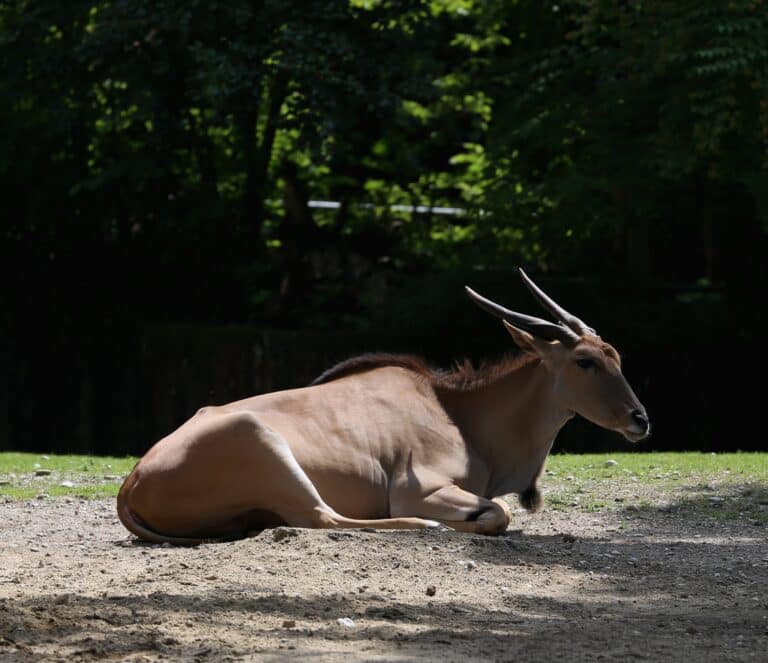
Elands are known for their majestic spiral horns, which can grow up to 1 meter (3.3 feet) long! Both males and females sport these fabulous horns, making them truly unique in the animal kingdom.
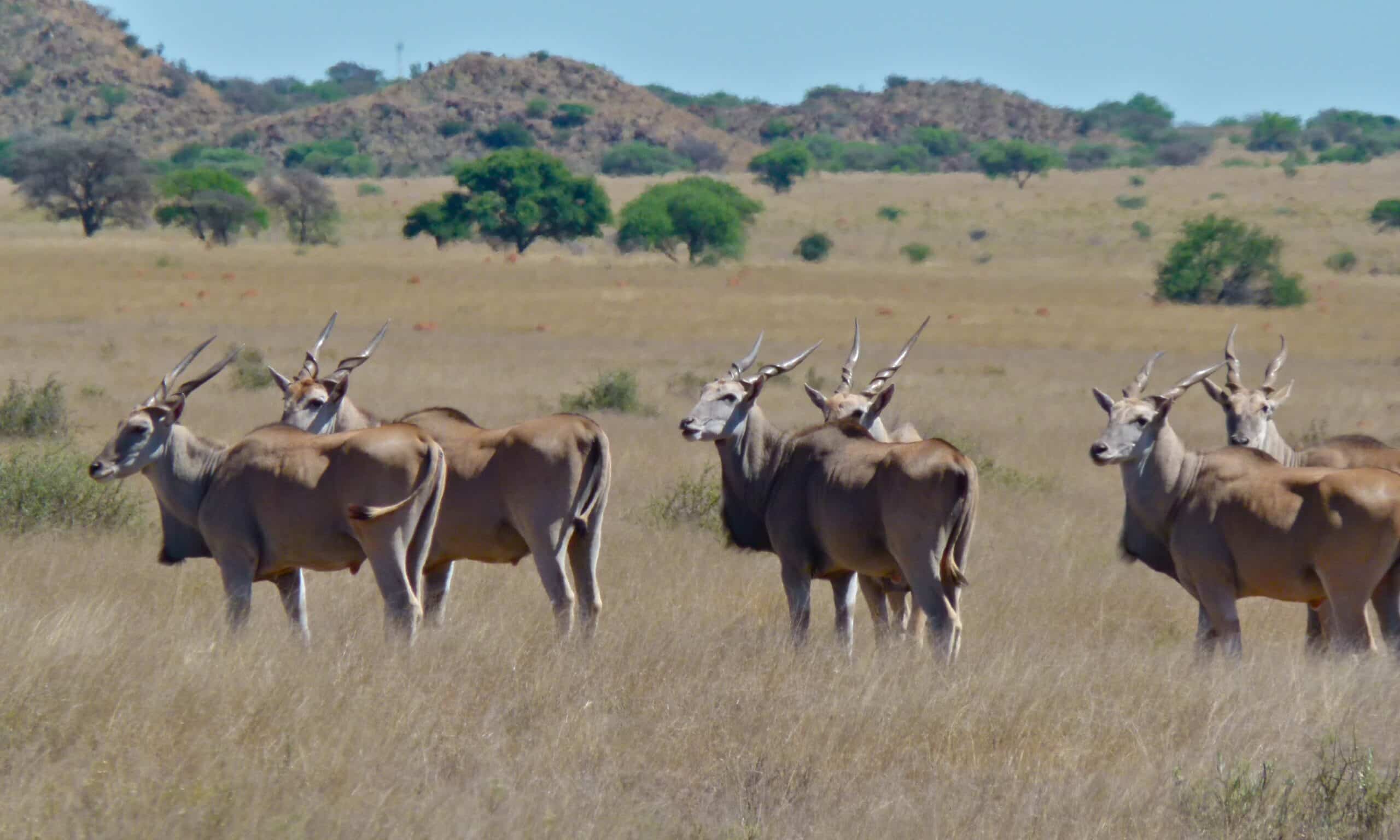
Elands can live for 15 to 20 years in the wild, enjoying a leisurely life in their natural habitat. They often form small herds, allowing them to socialize and remain safe from predators.
While they may seem shy, Elands can run surprisingly fast and leap over obstacles if needed. Their speed and agility make them a bit like the circus performers of the African plains!

Where can you find a Eland in the wild?
What does a Eland eat?
How big can a Eland grow?
How long does a Eland typically live?
What is the conservation status of the Eland?
What are the main threats to the Eland?
Fun facts
Elands can jump over tall fences, reaching heights of up to 2 meters (6.5 feet) in a single leap! This helps them escape predators and navigate their environment with ease.


These gentle giants have a special talent for 'playing hide and seek'! Their coat color helps them blend in with the tall grass and trees, making them hard to spot from a distance.
Elands communicate with each other through a variety of sounds, including grunts and snorts. It’s like they have their own secret language, helping them stay connected in the wild.
Male elands often engage in a unique behavior called 'sparring,' where they lock horns and push against each other. This helps them determine who is the strongest and earns them bragging rights among the herd.
An eland's spiral horns can grow as long as 1 meter (3.3 feet)! They use their impressive horns not just for defense, but also to attract mates during the breeding season.
Elands have an interesting way of digesting food. Their unique stomach can hold up to 100 liters (about 26 gallons) of plant material, making them efficient at breaking down tough vegetation.
A group of elands is called a herd, but they can also be seen alone or in small family groups. They enjoy spending time together but also value their personal space!
These animals can recognize each other just by their faces. They remember their friends and family, which helps them maintain social connections and protect one another in the wild.
When elands feel threatened, they might stampede away at surprising speeds of up to 40 kilometers per hour (25 miles per hour). That’s faster than a lot of us can run!
Elands have a remarkable ability to adapt to changes in their environment. If food becomes scarce, they can switch their diet to include different plants, showcasing their resourceful nature.
Photos


The Basics


explore more
Amphibians
Arachnids
Birds
Cats
Crustaceans
Fish
Fish Pet Guide
Gastropods
Insects
Invertebrates
Mammals
Pet Fish
Pet Rodents
Plants
Reptiles
Roundworms
Sea Slugs