

Successfully copied to clipboard!
Elephant Shrew
Unearth the playful secrets of nature's little gymnasts!
Let’s Explore
Overview
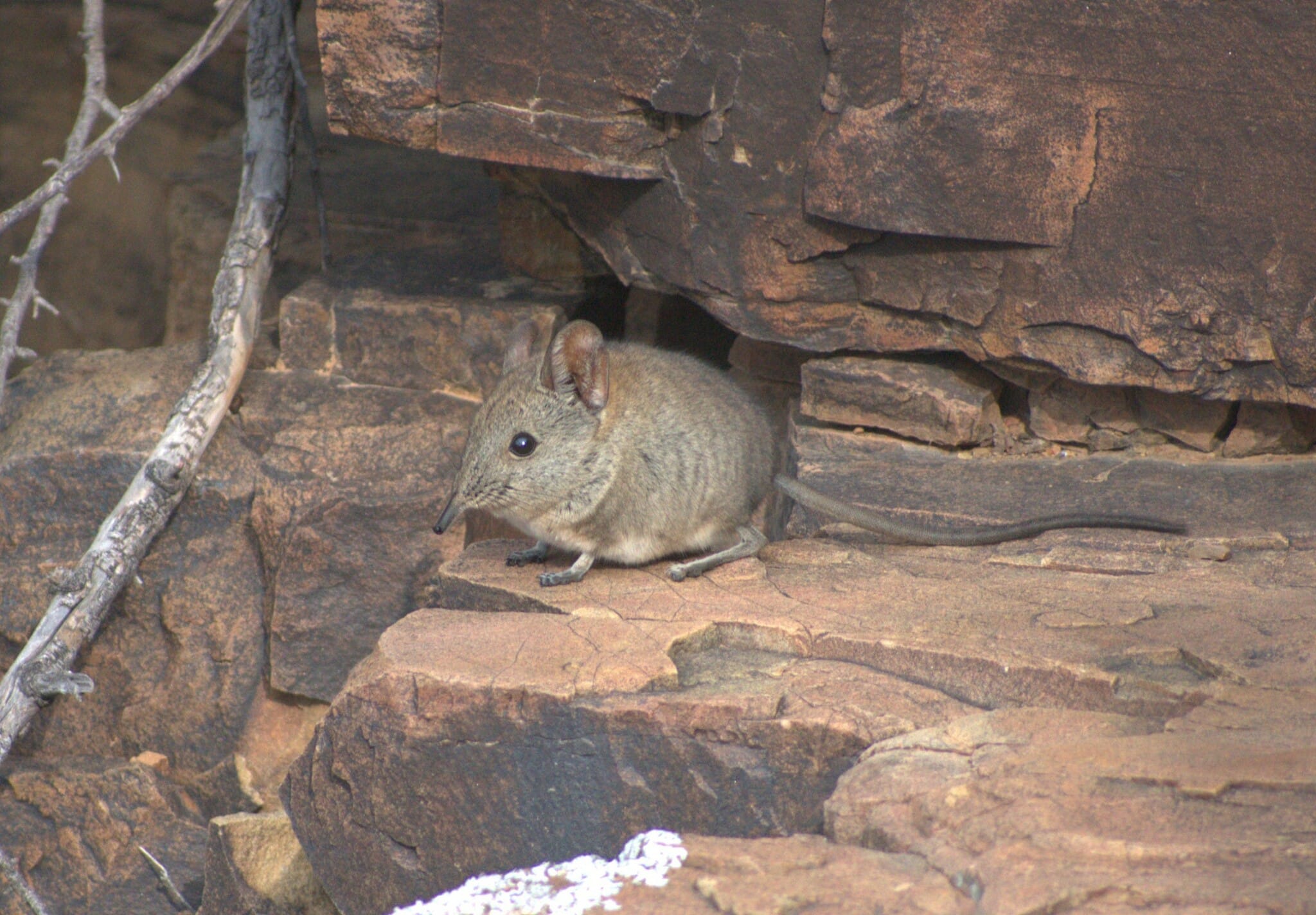
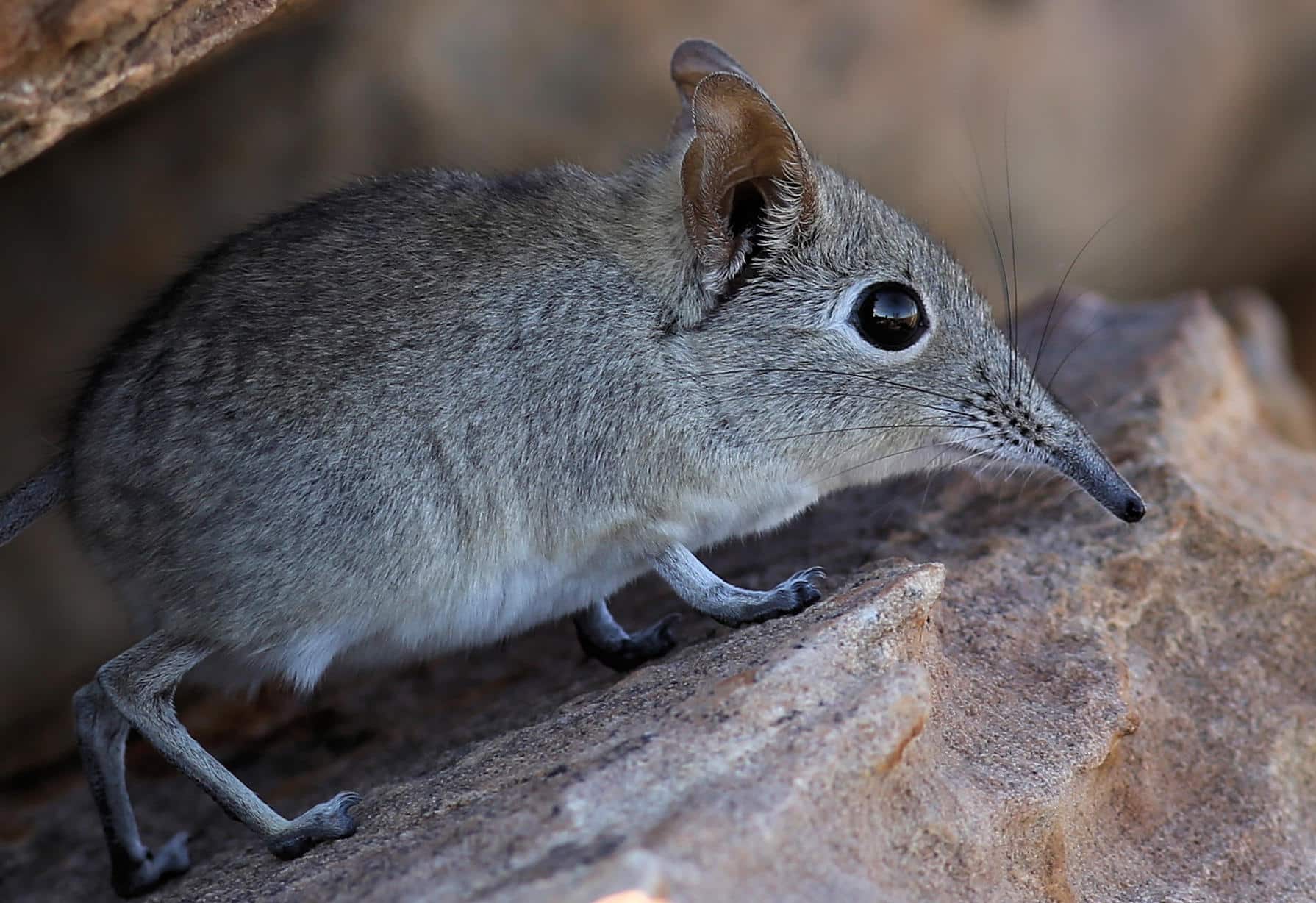
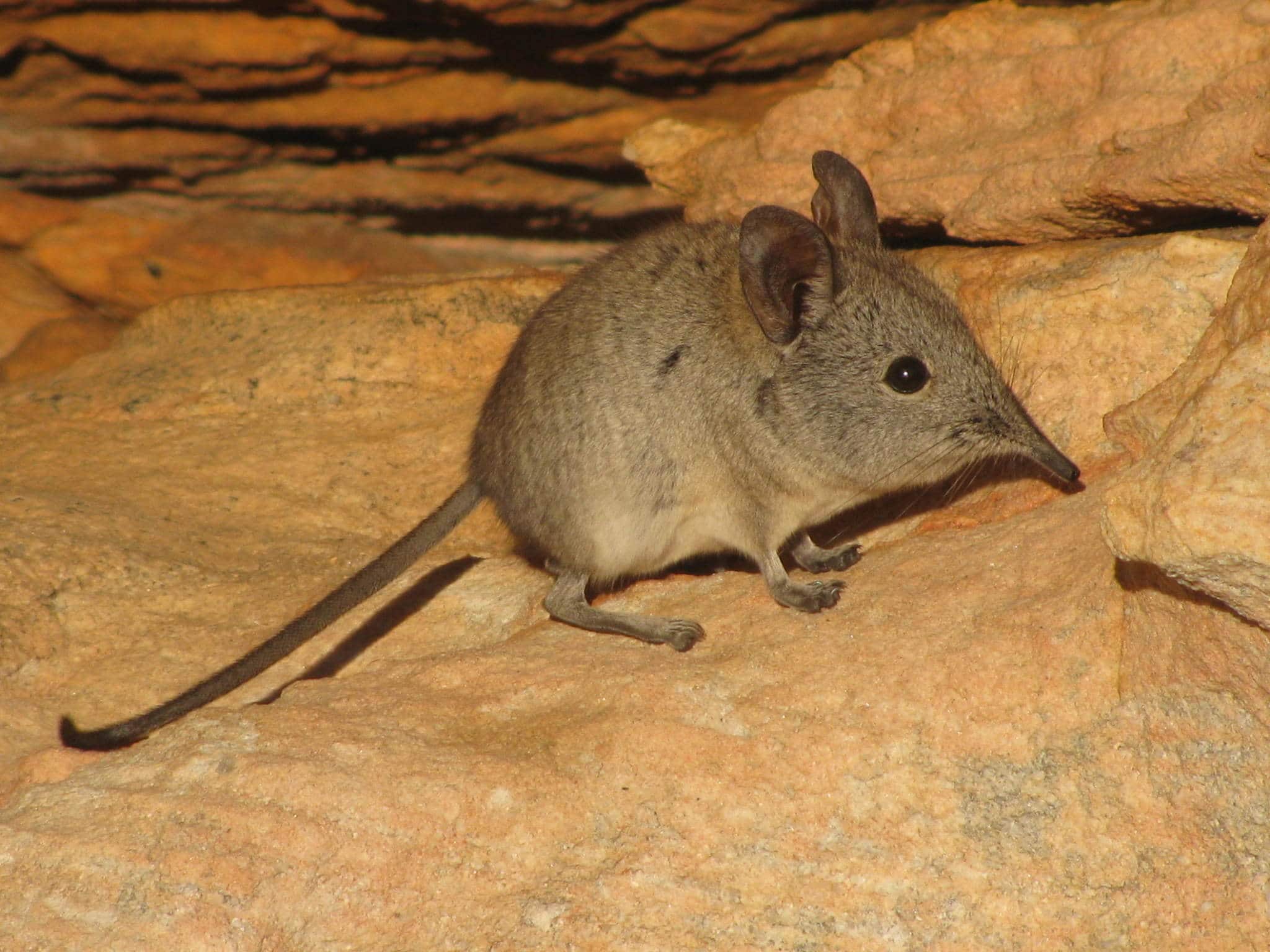
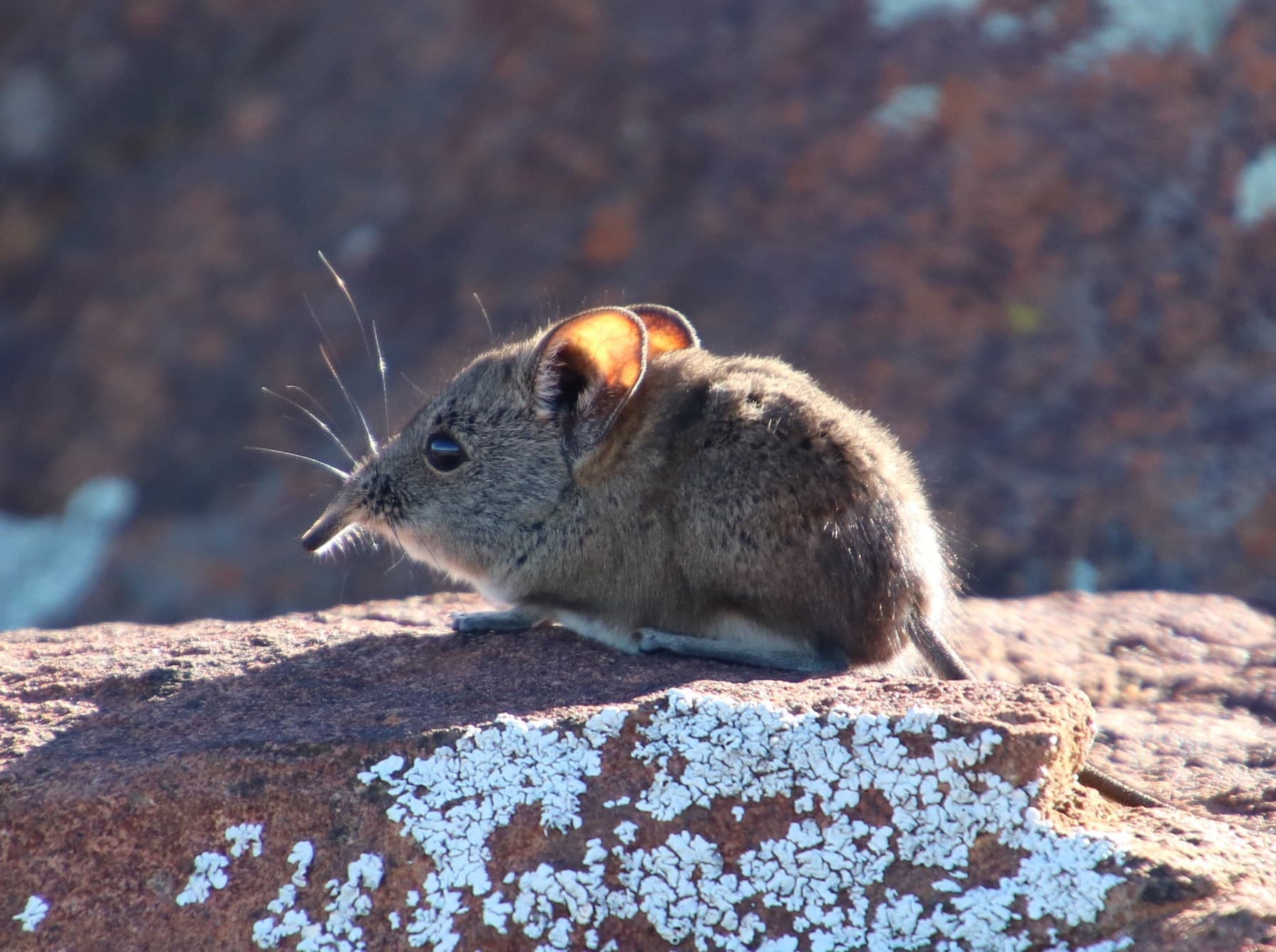
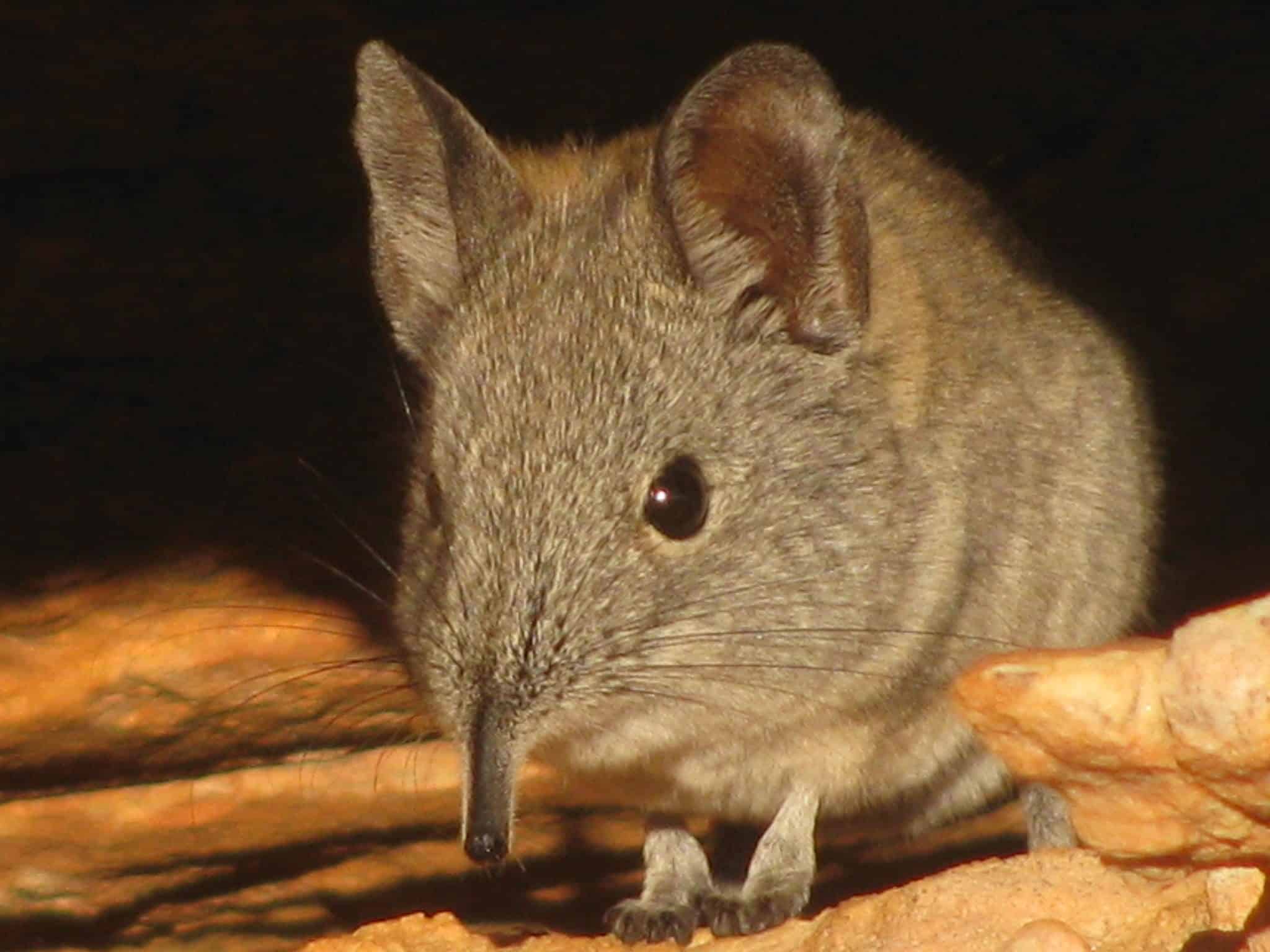
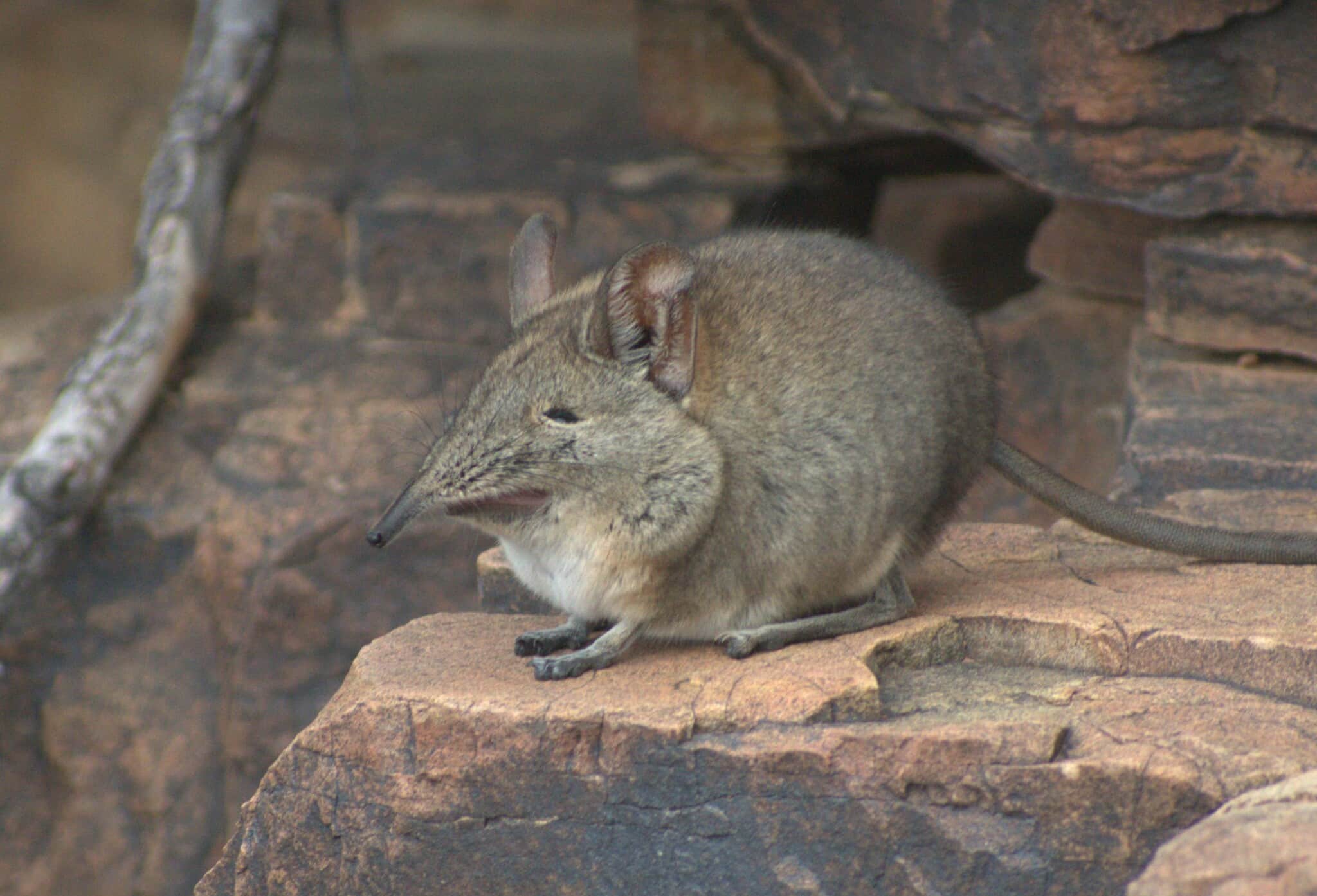
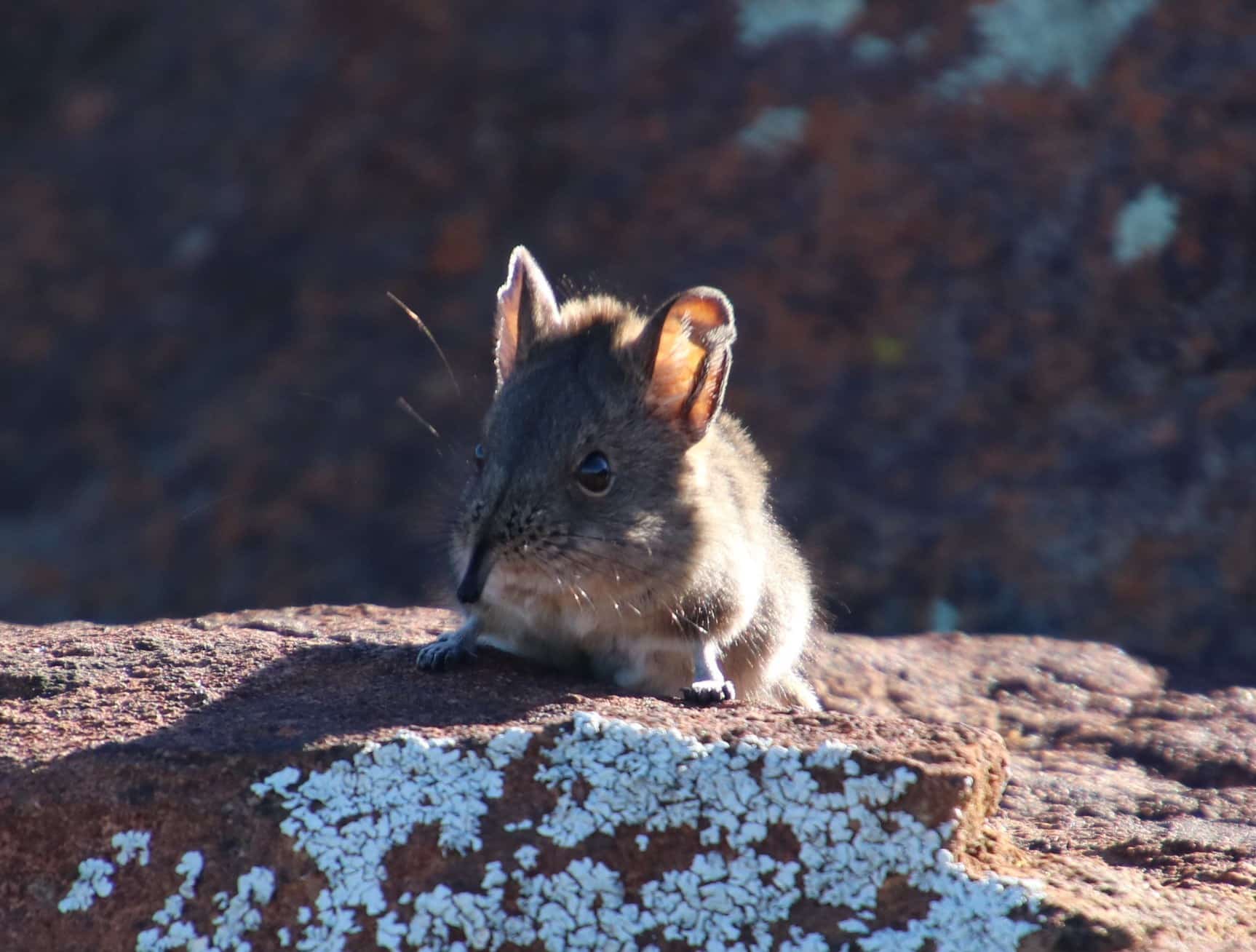
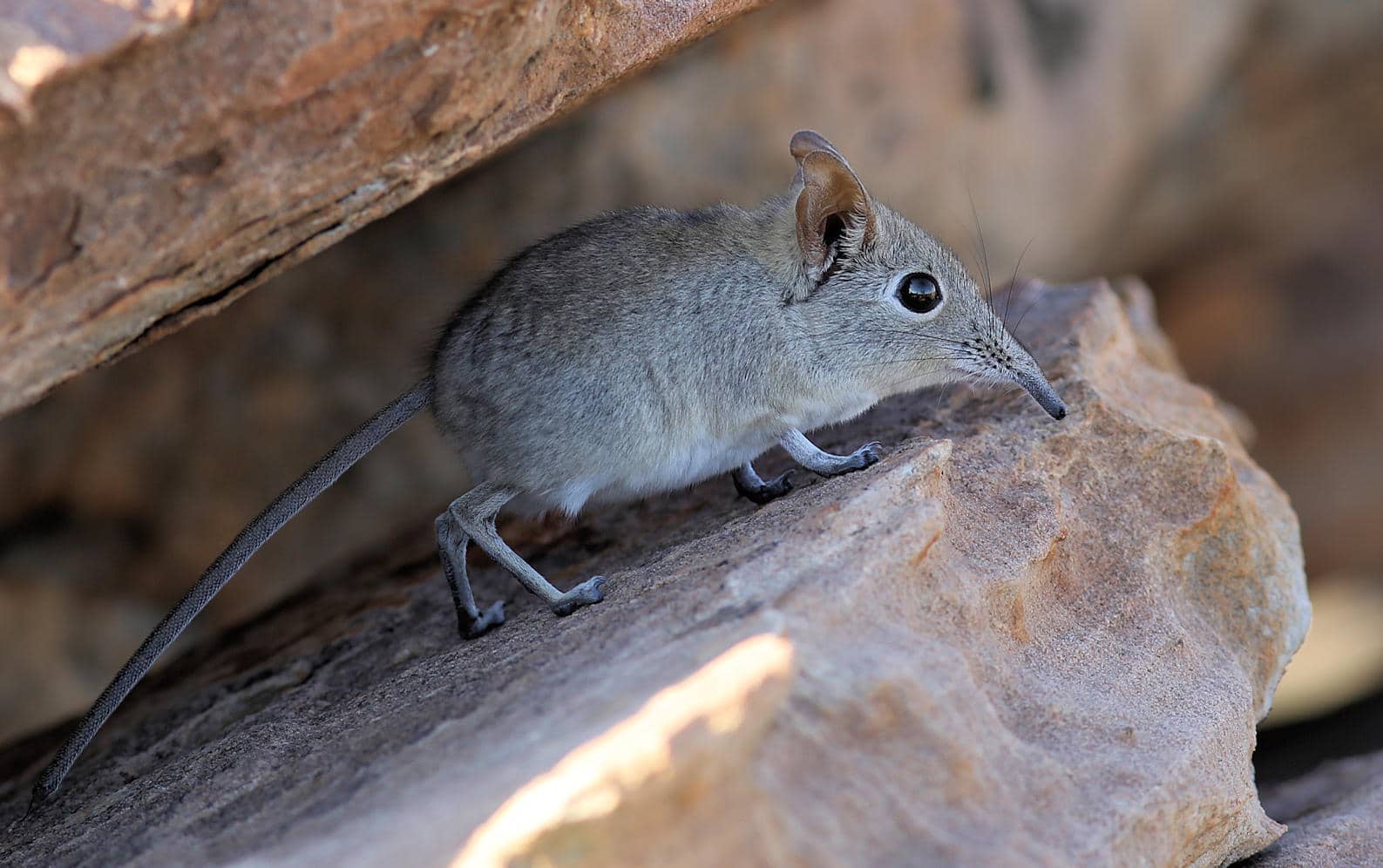
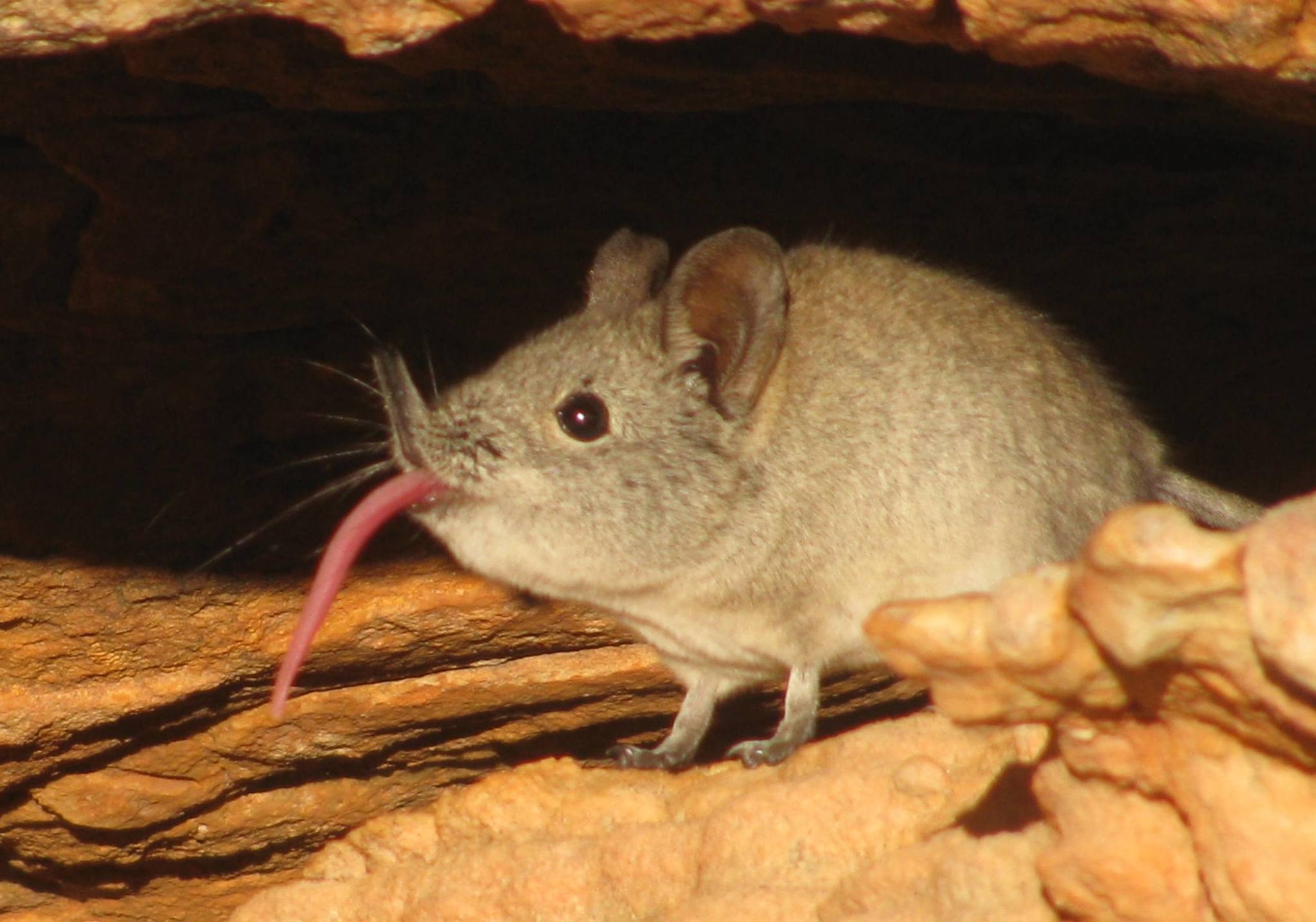
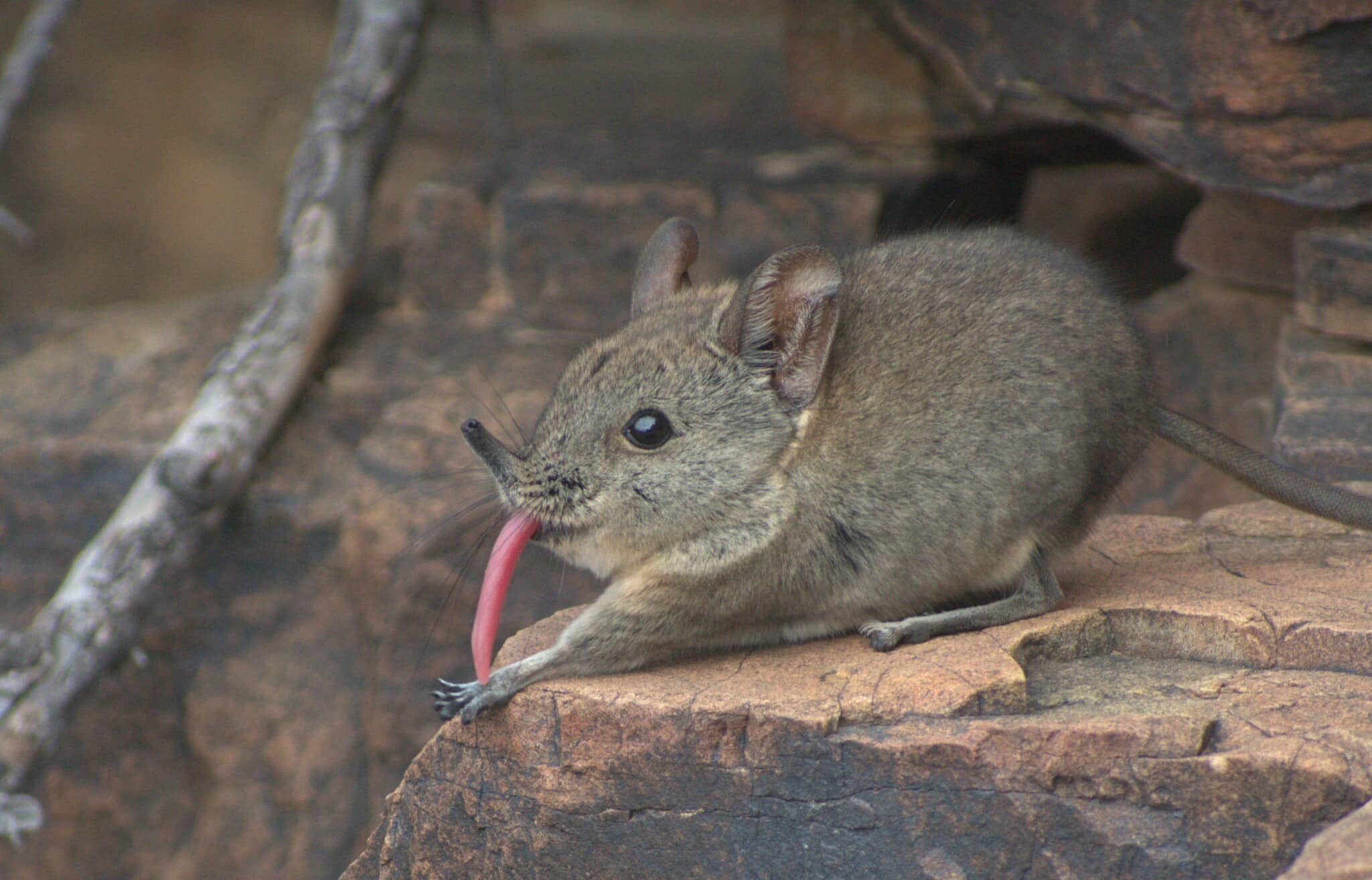
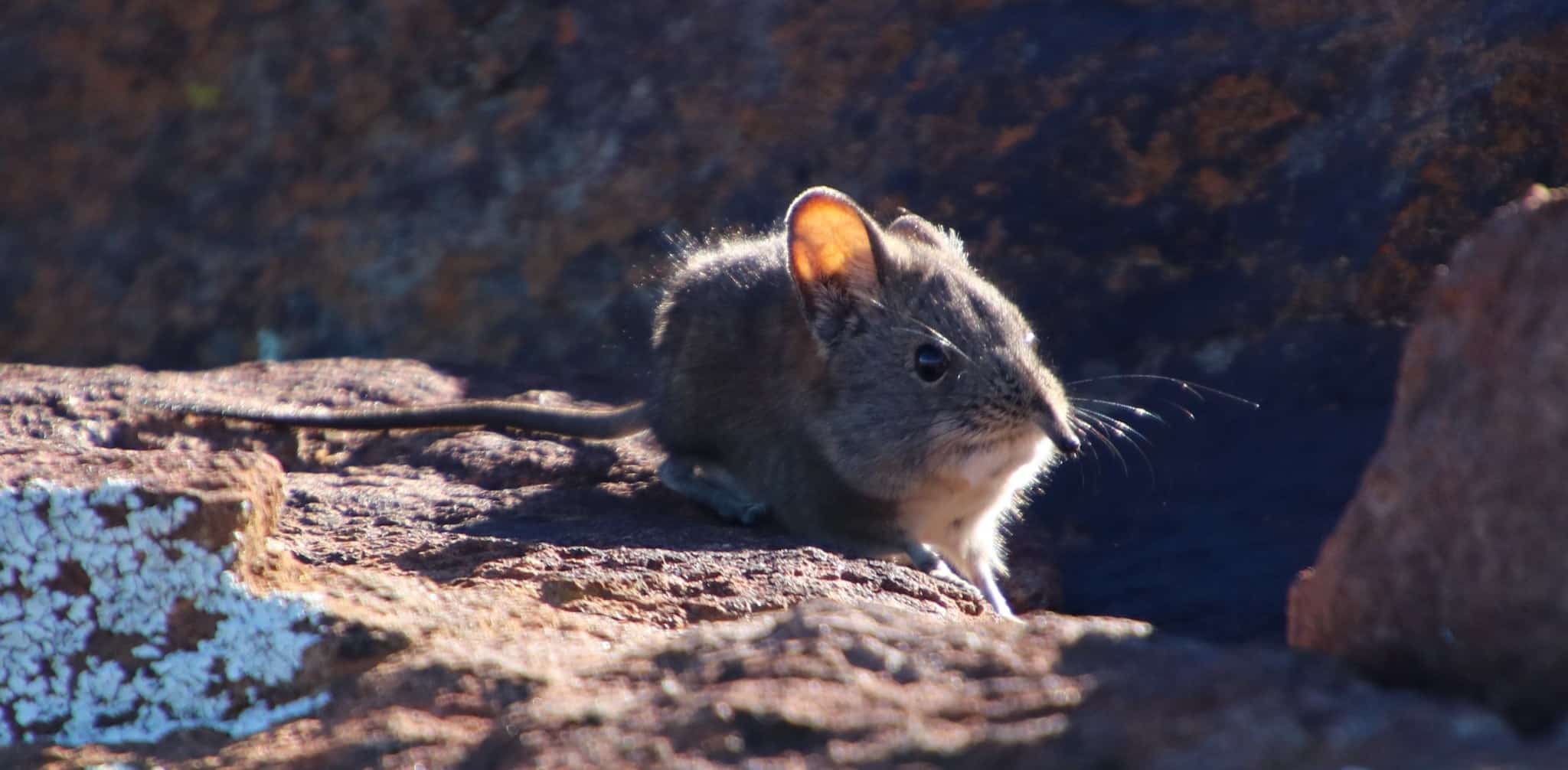
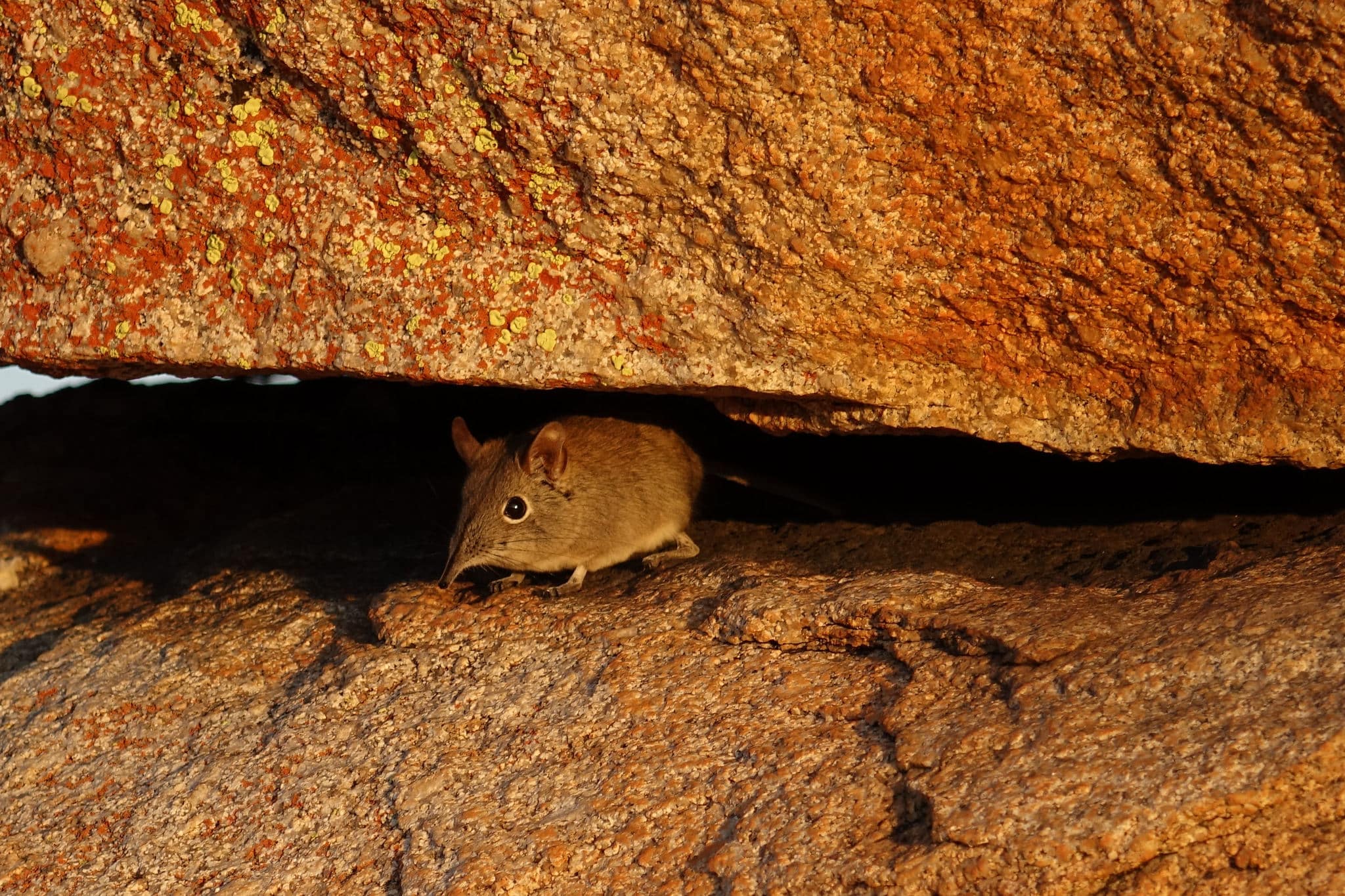
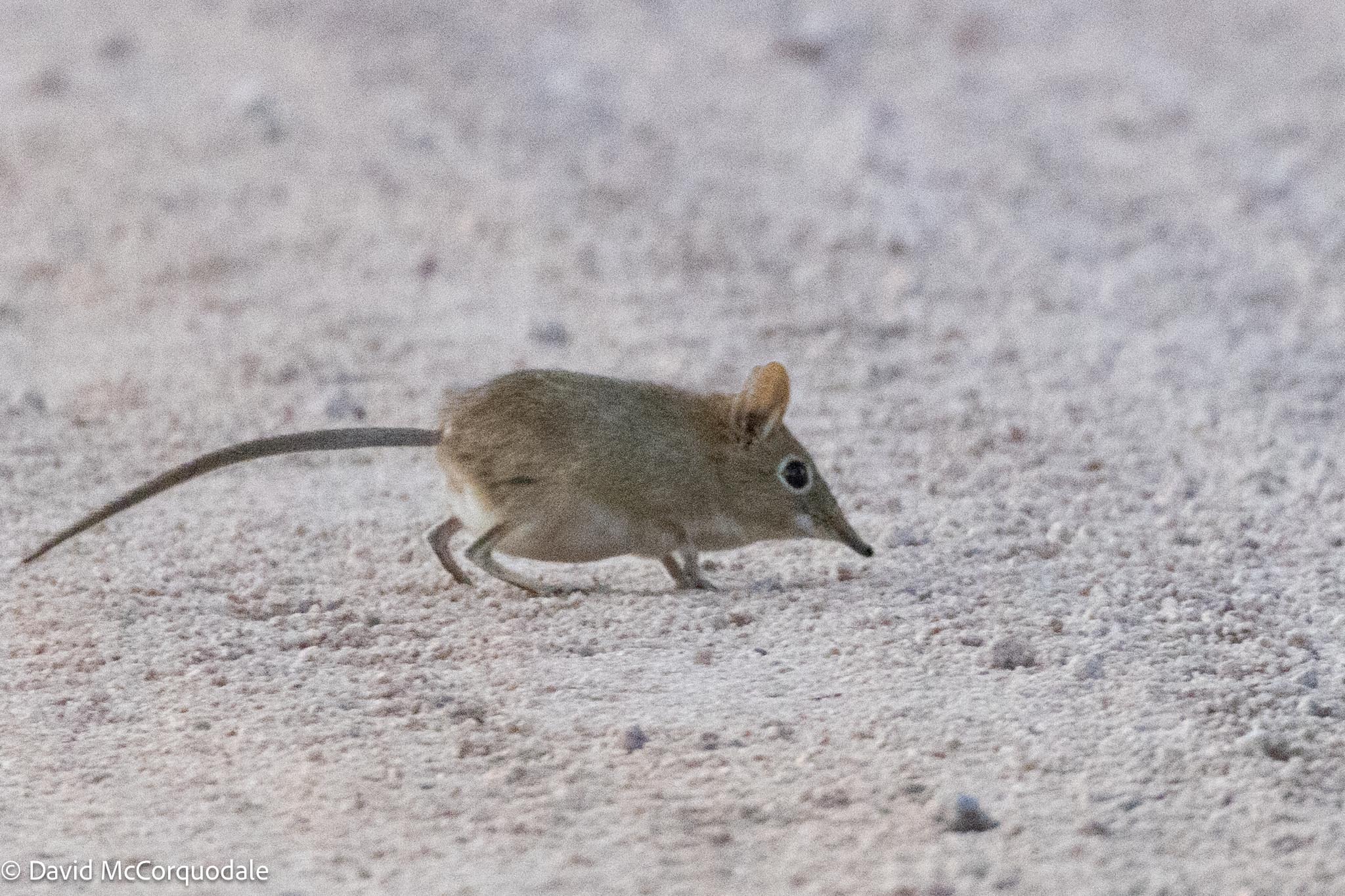
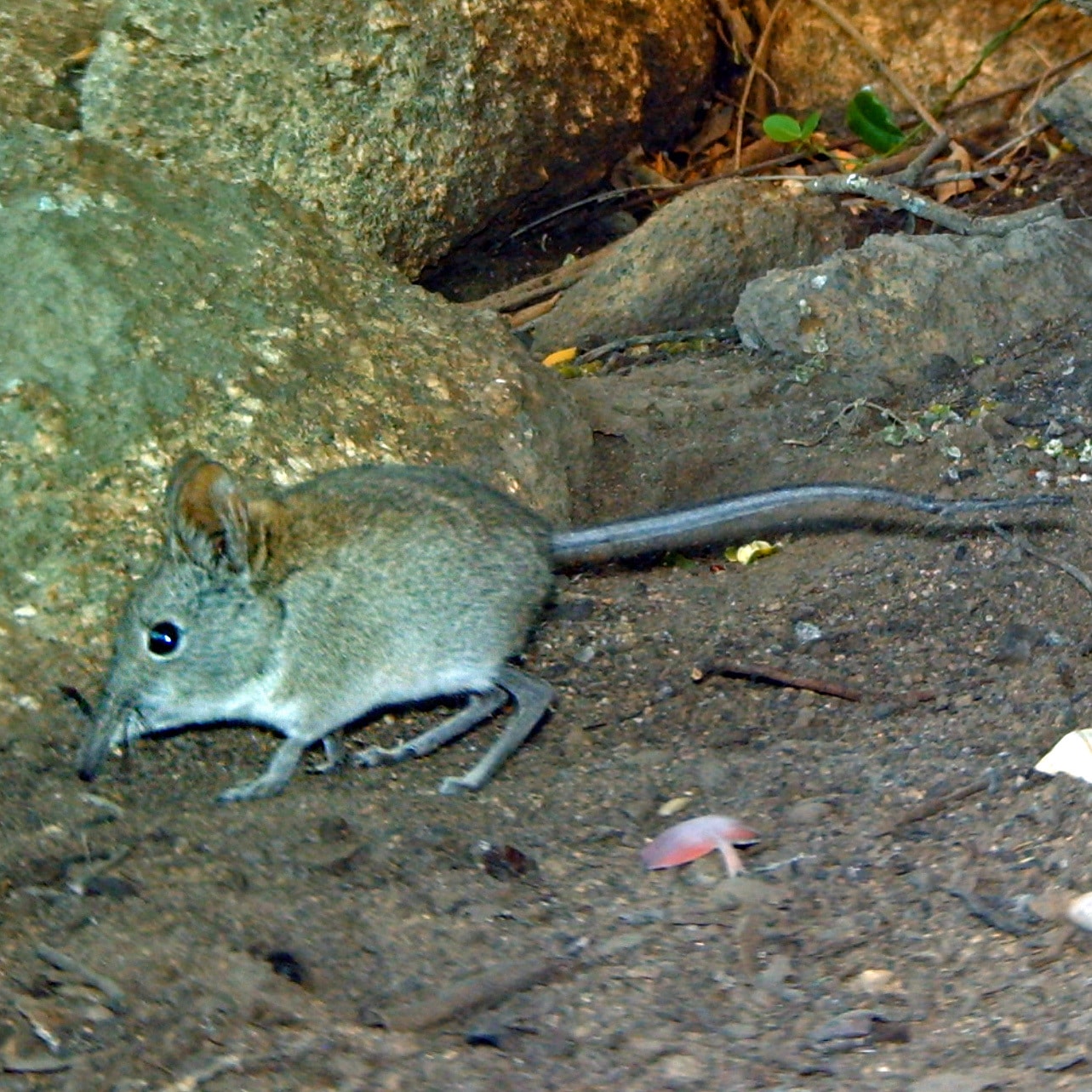
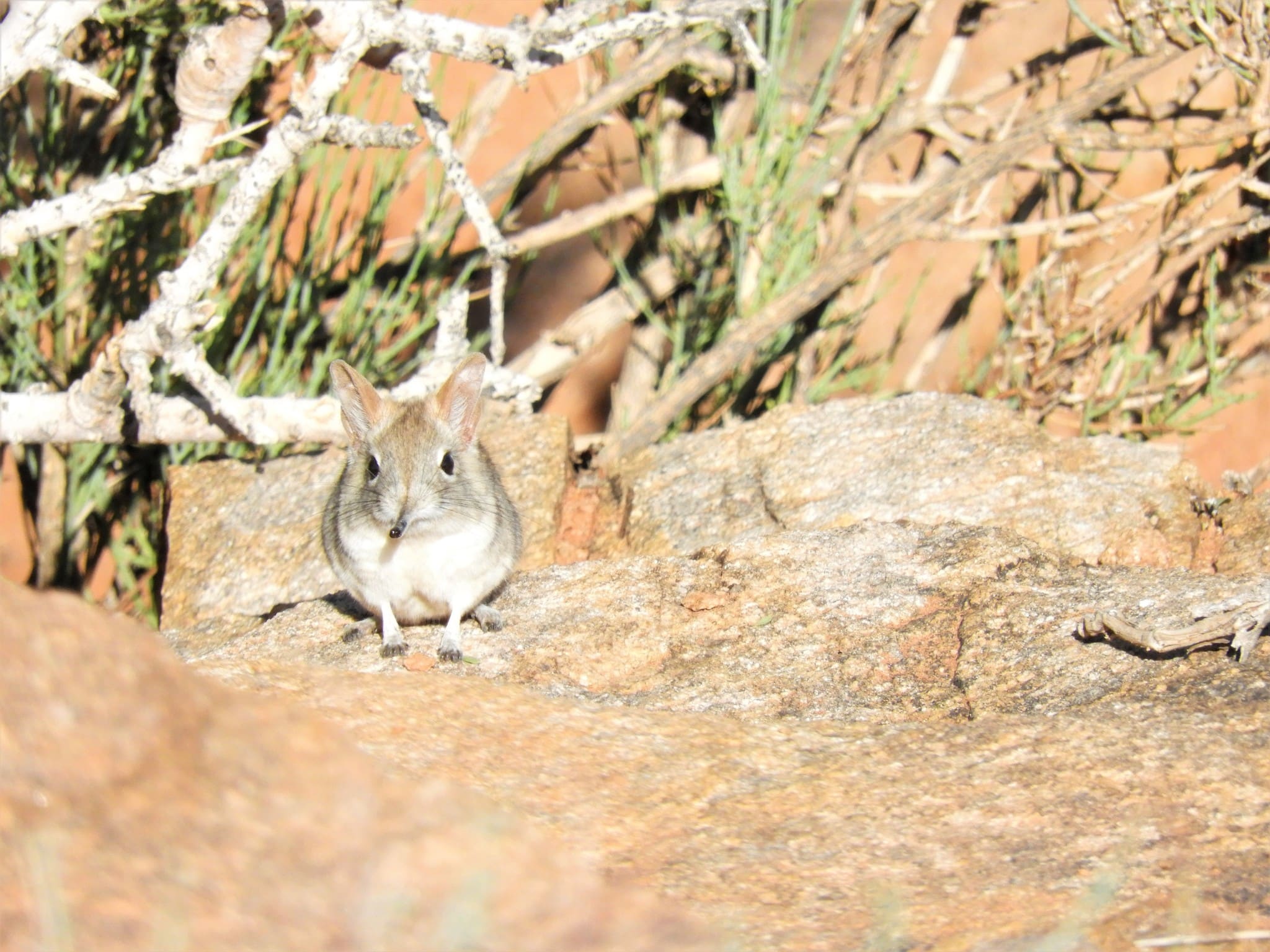
The elephant shrew may sound like a giant mammal, but it actually resembles a mix of a mouse and an elephant! These cute critters belong to the order Macroscelidea, and they live in Africa's forests, savannas, and grasslands.
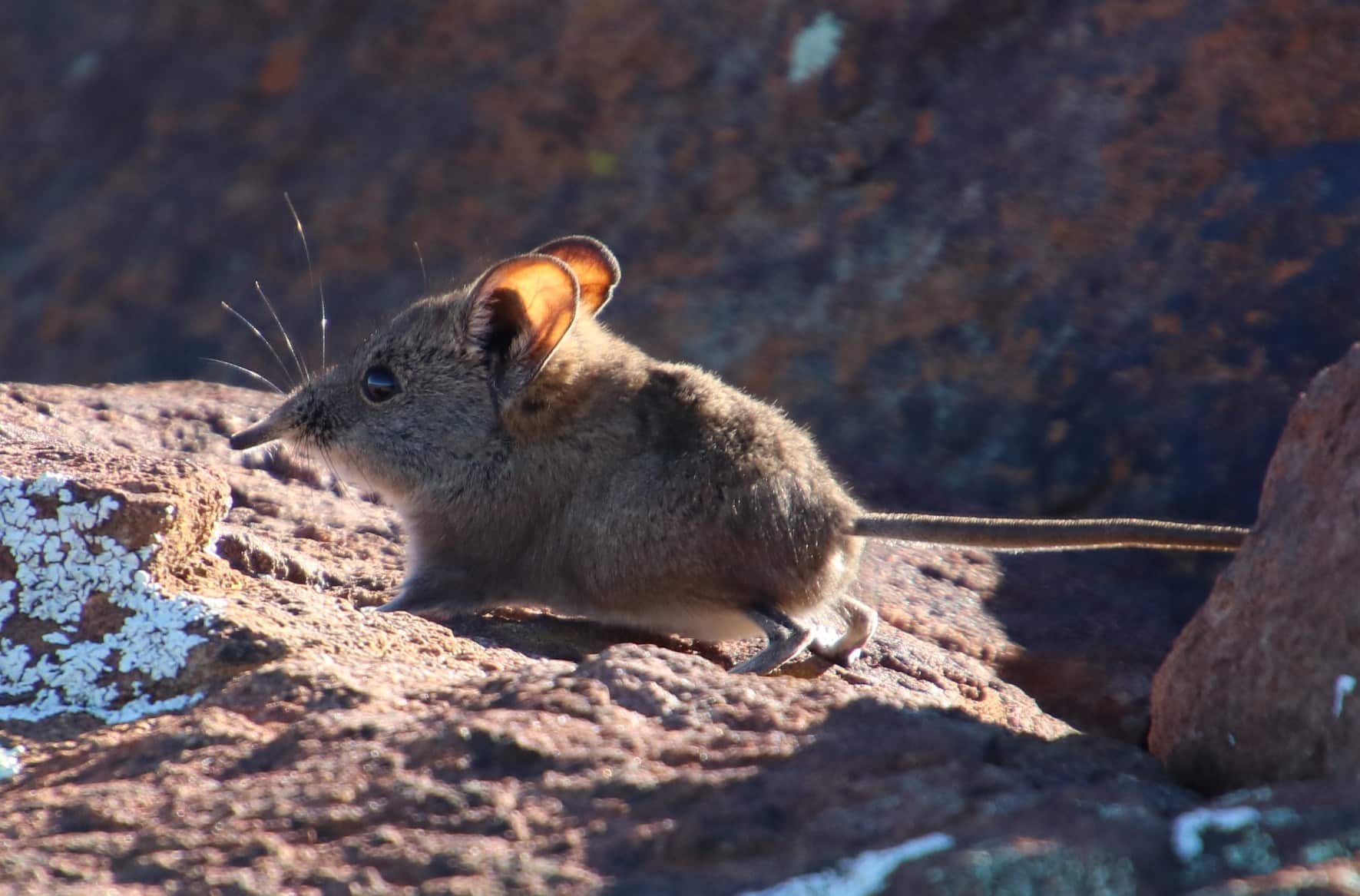
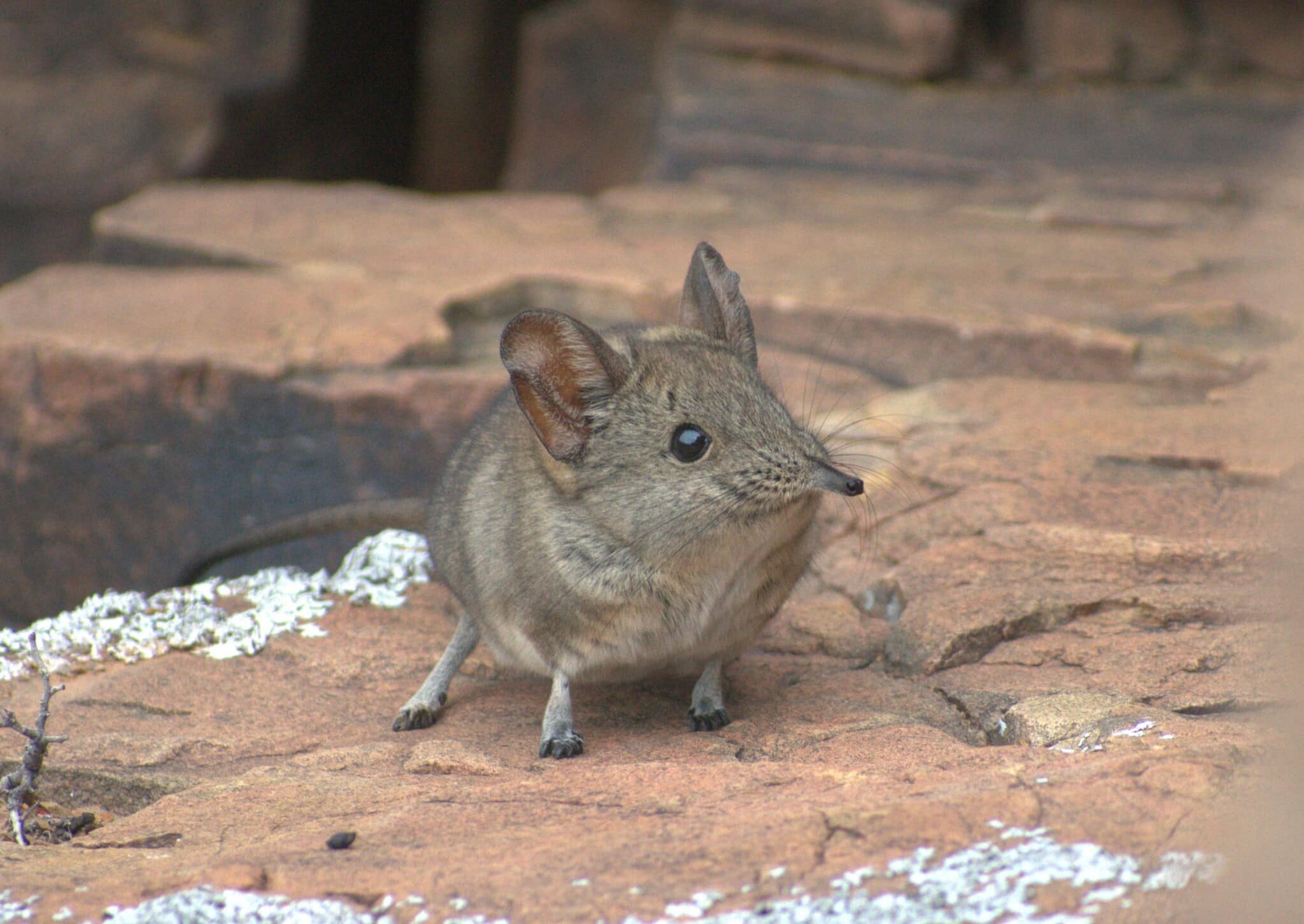
Elephant shrews come in many sizes, ranging from 10 to 30 centimeters (4 to 12 inches) long. They boast long noses, big eyes, and strong hind legs that let them dash around to discover their world.
These fascinating animals love to munch on a buffet of insects, fruits, and seeds. An elephant shrew's keen sense of smell helps it sniff out delicious snacks while it's on the move.
With a lifespan of about 2 to 4 years, elephant shrews live life in the fast lane! They often scamper and leap, showing off their acrobatic skills while avoiding predators.
Elephant shrews may look like they belong to the rodent family, but they actually share a closer relationship with elephants and manatees! Scientists think their ancestors walked the Earth around 60 million years ago, making them ancient and unique creatures of the animal kingdom.
These lively little mammals are not just fun to watch; they play an important role in their ecosystem! By controlling insect populations and dispersing seeds, elephant shrews help keep the environment healthy and balanced.

Where can you find a Elephant Shrew in the wild?
What does a Elephant Shrew eat?
How big can a Elephant Shrew grow?
How long does a Elephant Shrew typically live?
What is the conservation status of the Elephant Shrew?
What are the main threats to the Elephant Shrew?
Fun facts
Elephant shrews can run incredibly fast, reaching speeds of up to 28 kilometers per hour (17 miles per hour), which is faster than most humans!


These charming little mammals have a special way of communicating. They produce a range of sounds, including whistles and squeaks, which help them share information with each other.
When an elephant shrew senses danger, it can jump up to 2 meters (6.5 feet) in the air, allowing it to escape predators with impressive acrobatics!
Elephant shrews have a unique habit of making small pathways through the grass when they travel. They create these trails by brushing through vegetation, which helps them navigate their territory.
With their strong sense of smell, elephant shrews can detect food buried underground. This skill helps them unearth tasty insects and seeds that others may miss!
When they feel threatened, elephant shrews can enter a state of freeze to avoid detection by predators. This 'playing dead' technique often leaves gaping jaws in disbelief!
These mammals have an interesting habit of digging small holes in the ground as they forage. They often use their long noses to probe the soil for snacks like insects and roots!
Despite their size, elephant shrews are excellent at hiding! They quickly burrow into leaf litter and tall grass when they sense danger, making them hard to spot.
Elephant shrews show a peculiar behavior called 'dust bathing.' They roll around in the dirt, which helps them stay clean and remove unwanted pests from their fur!
These animals have an interesting way of sharing their territory. Male elephant shrews often use scent marking to announce their presence and attract potential mates!
Photos




The Basics


explore more
Amphibians
Arachnids
Birds
Cats
Crustaceans
Fish
Fish Pet Guide
Gastropods
Insects
Invertebrates
Mammals
Pet Fish
Pet Rodents
Plants
Reptiles
Roundworms
Sea Slugs
