Successfully copied to clipboard!
European Bee-Eater
Soar with nature's rainbow in the warm African skies!

Let’s Explore
Overview
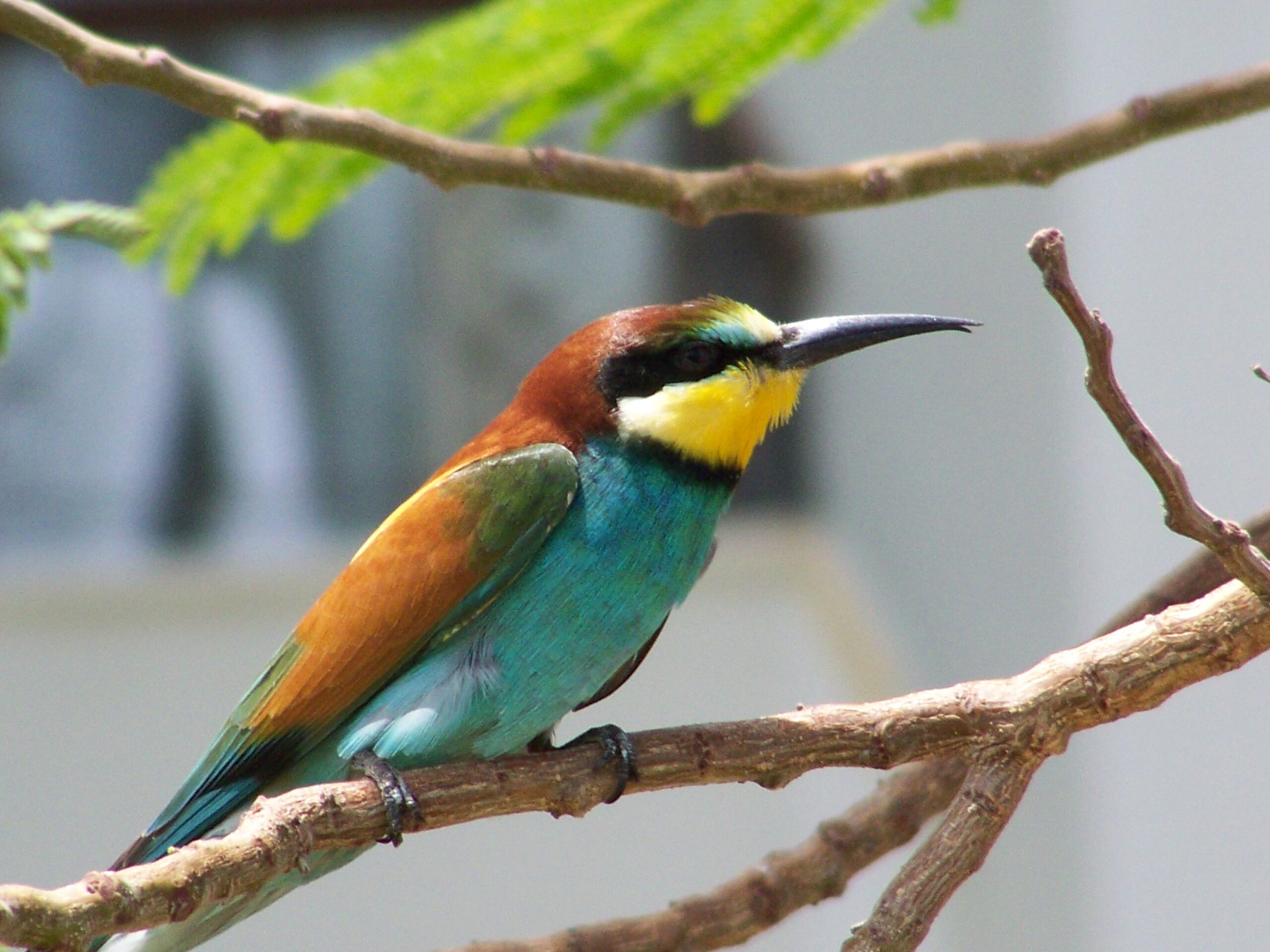
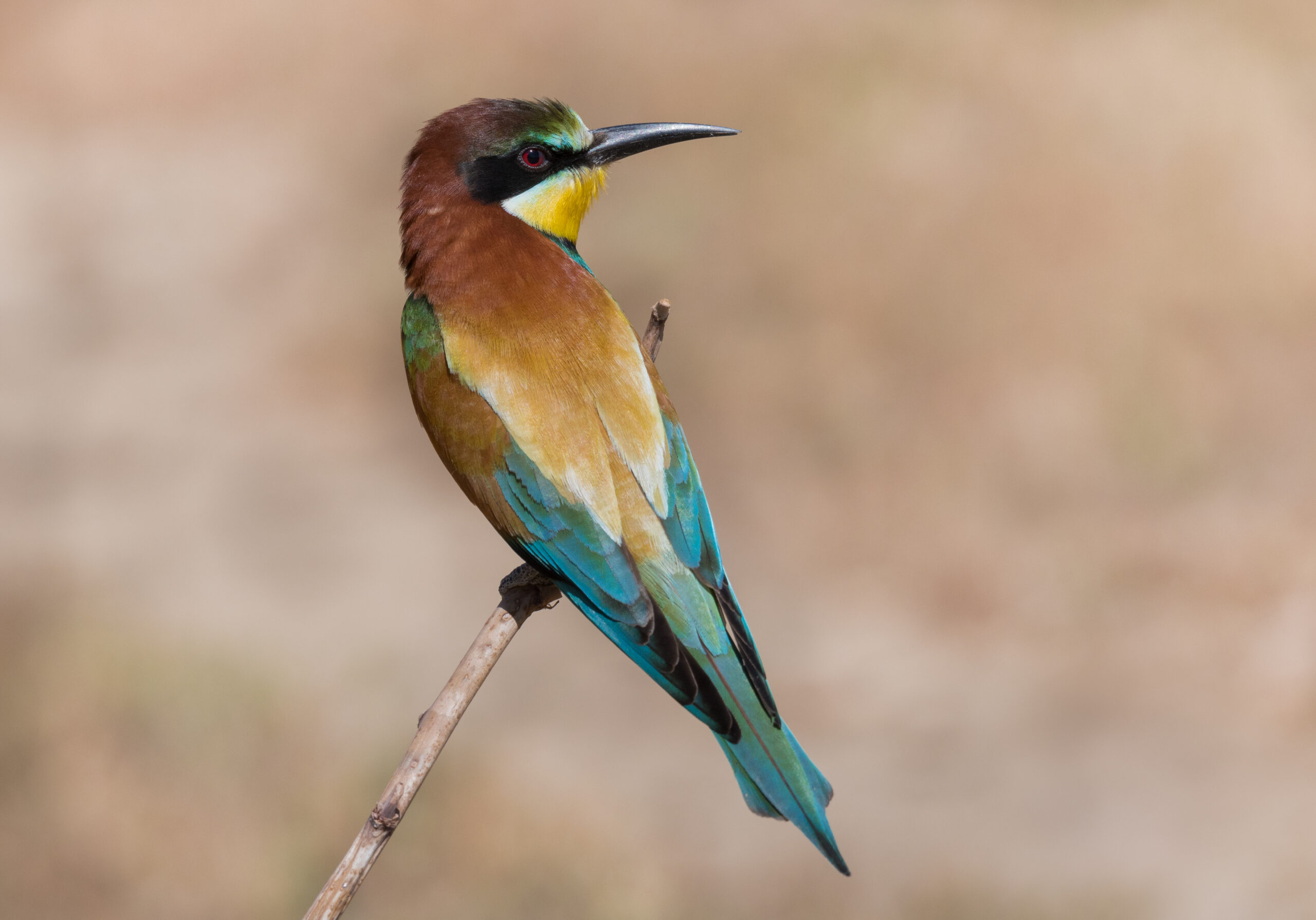
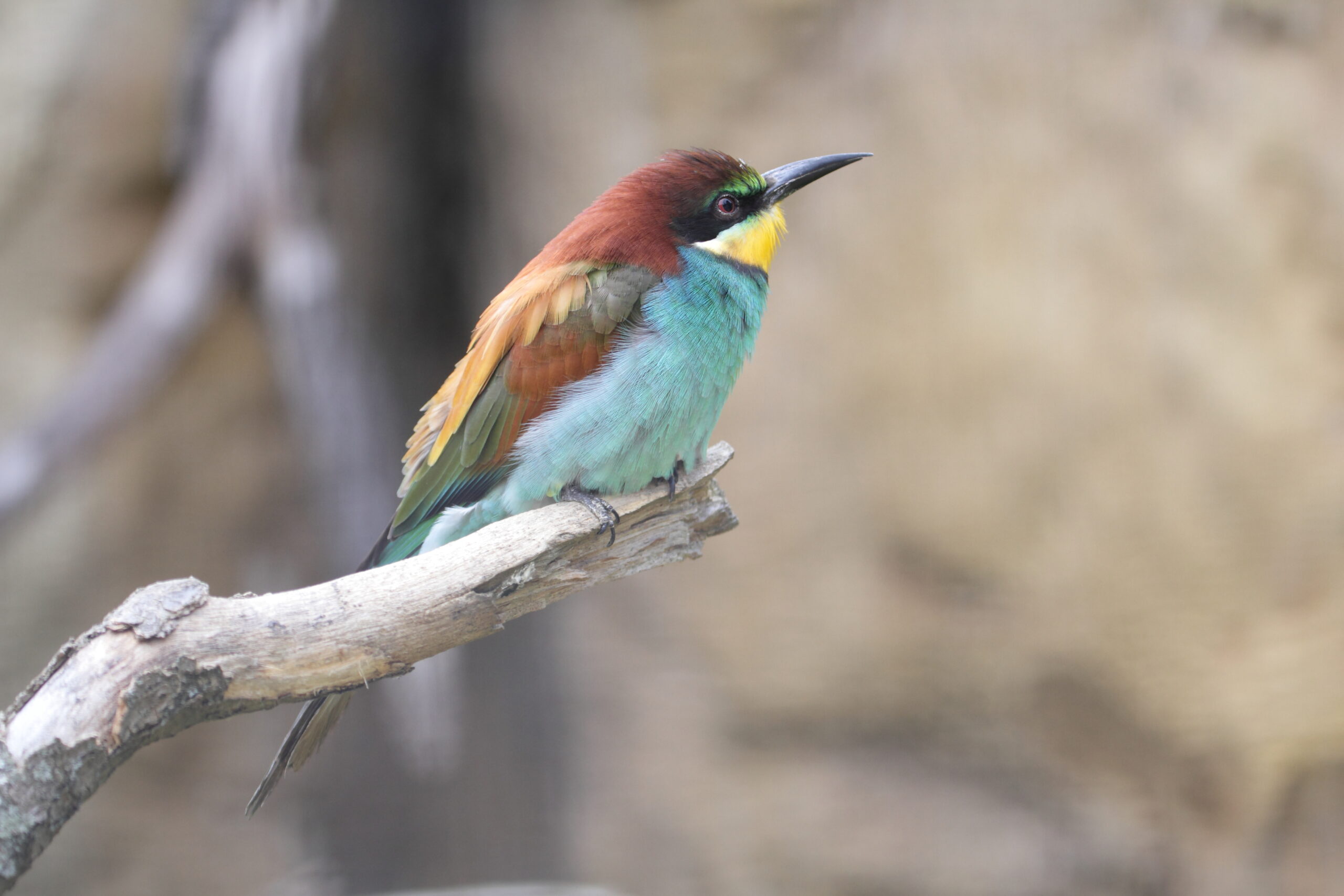
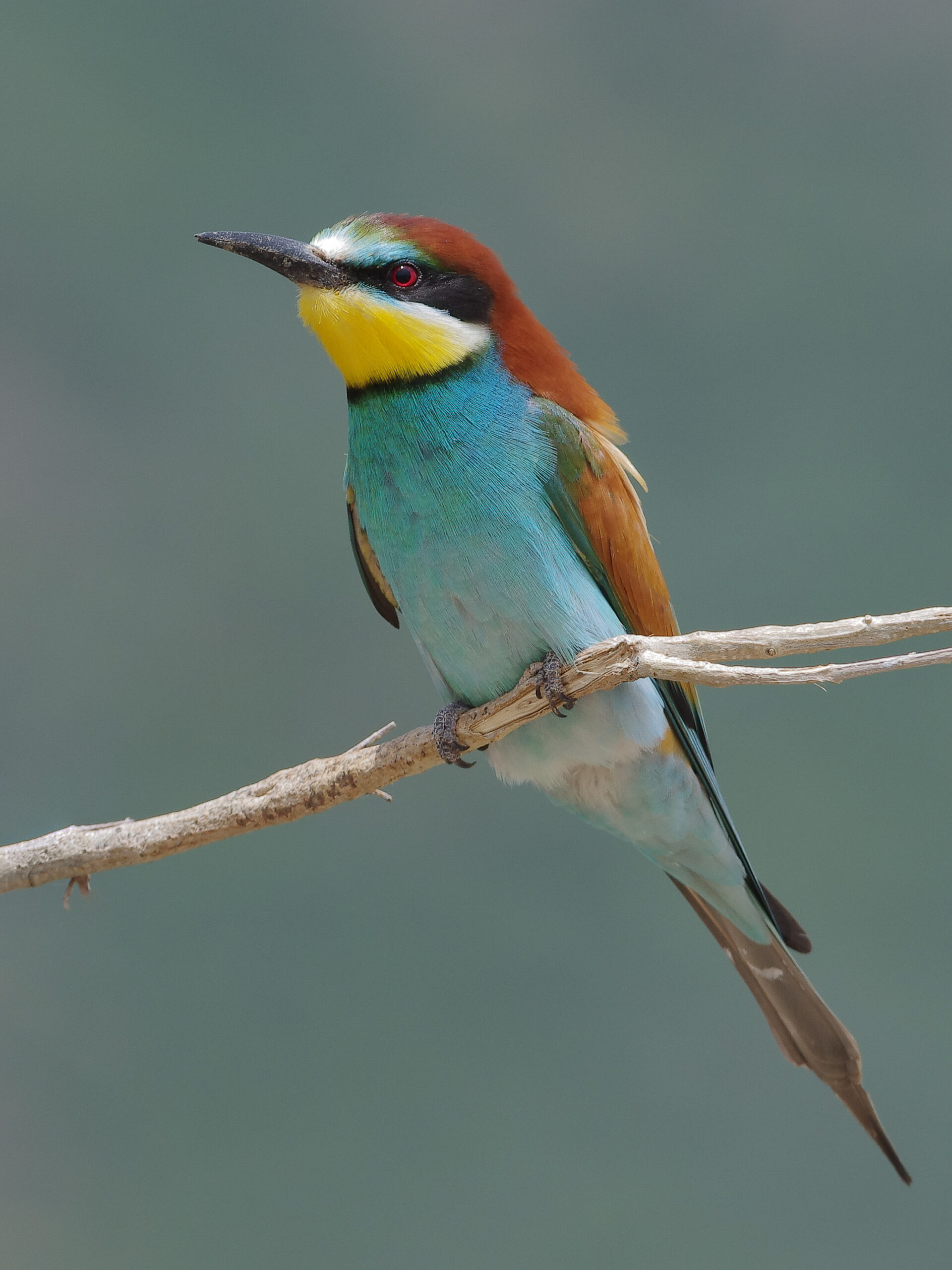
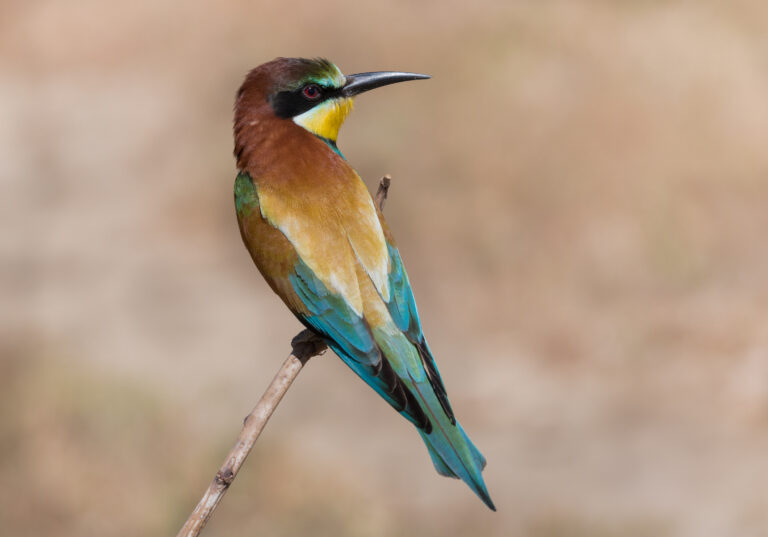
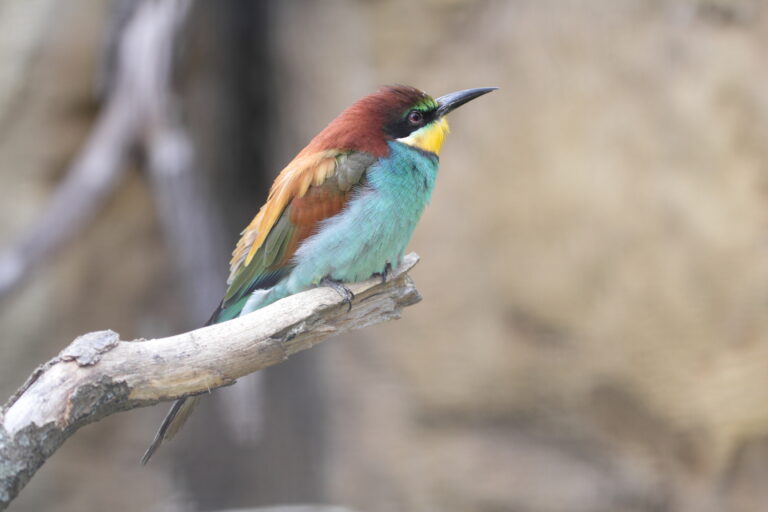
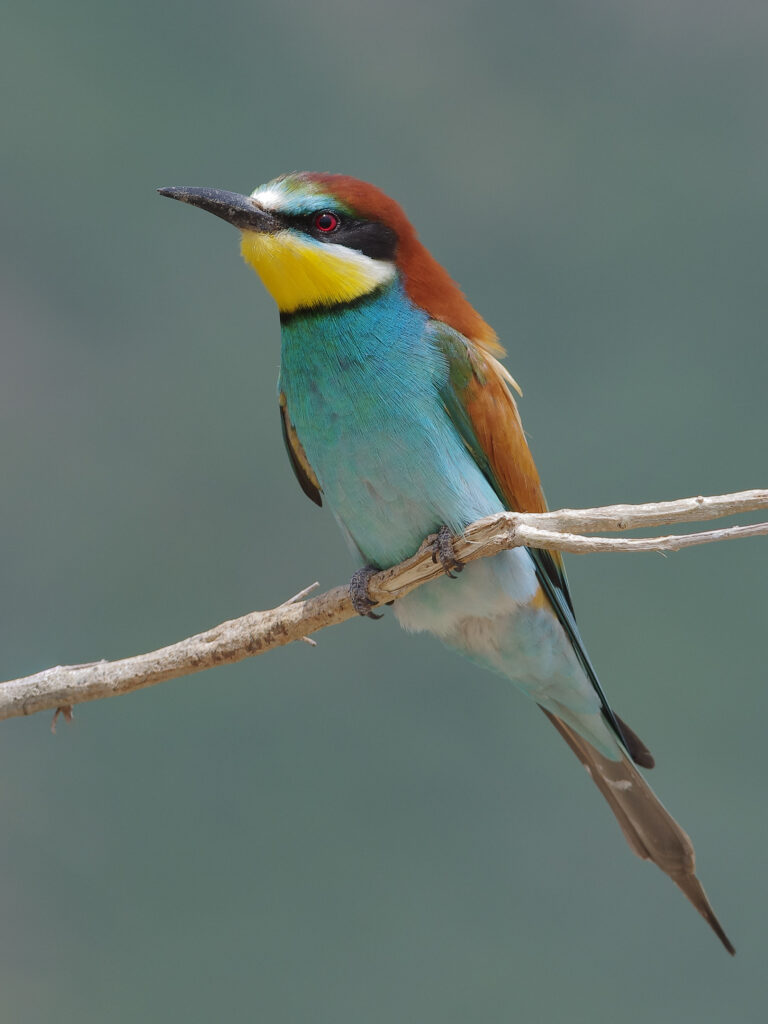
The European Bee-Eater is a colorful bird that impresses with its vibrant feathers and unique hunting skills. These birds belong to the family Meropidae and can be found soaring through the skies of Africa, enjoying sunny days with their friends.
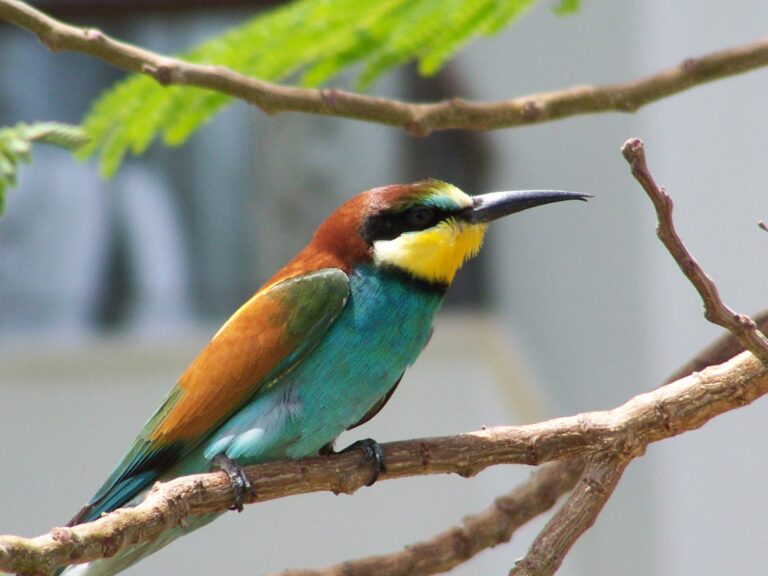
The European Bee-Eater measures about 25 to 28 centimeters long, which is roughly equivalent to the length of a ruler. Their stunning plumage features bright greens, yellows, and blues, making them a true marvel to observe in the wild.
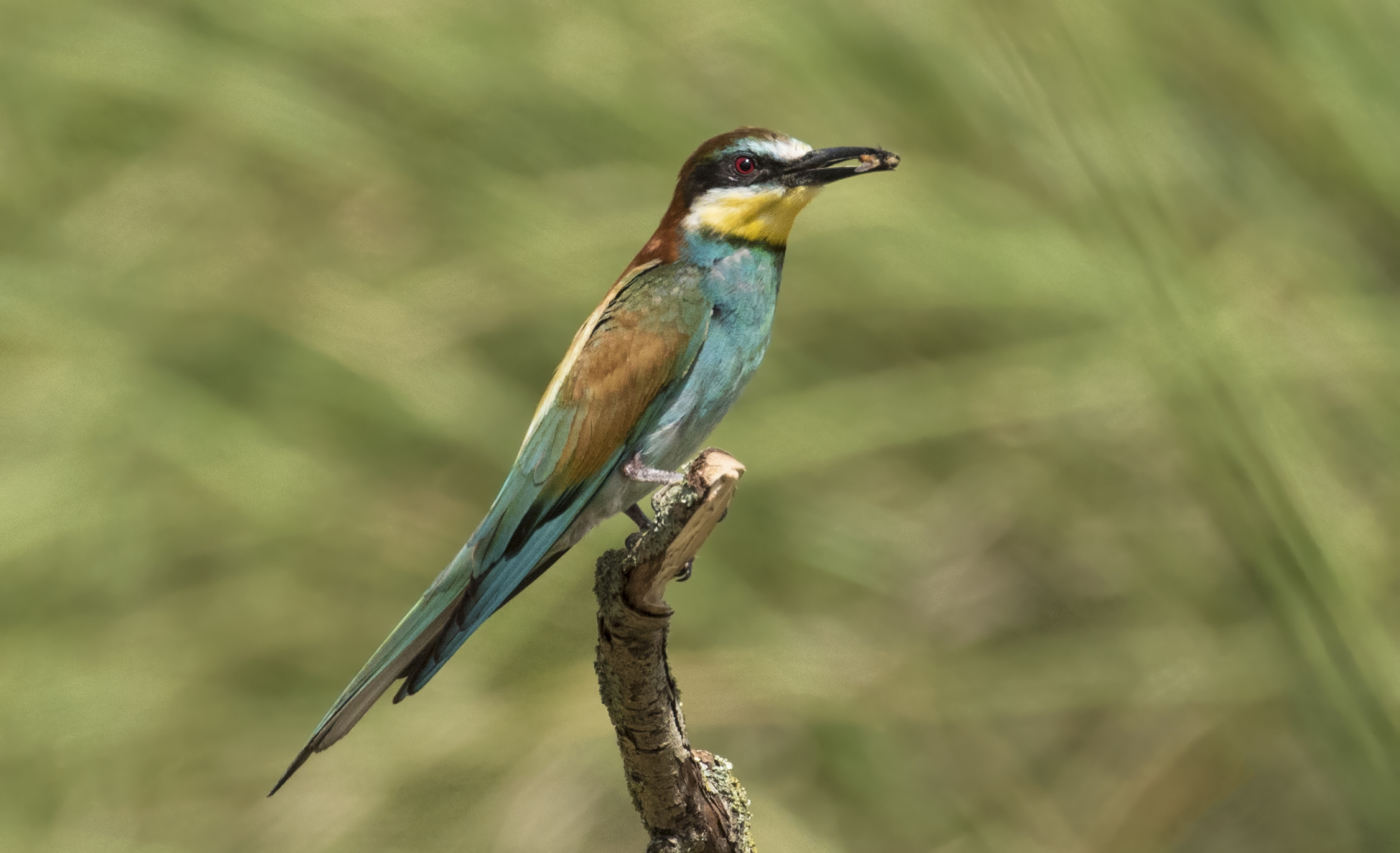
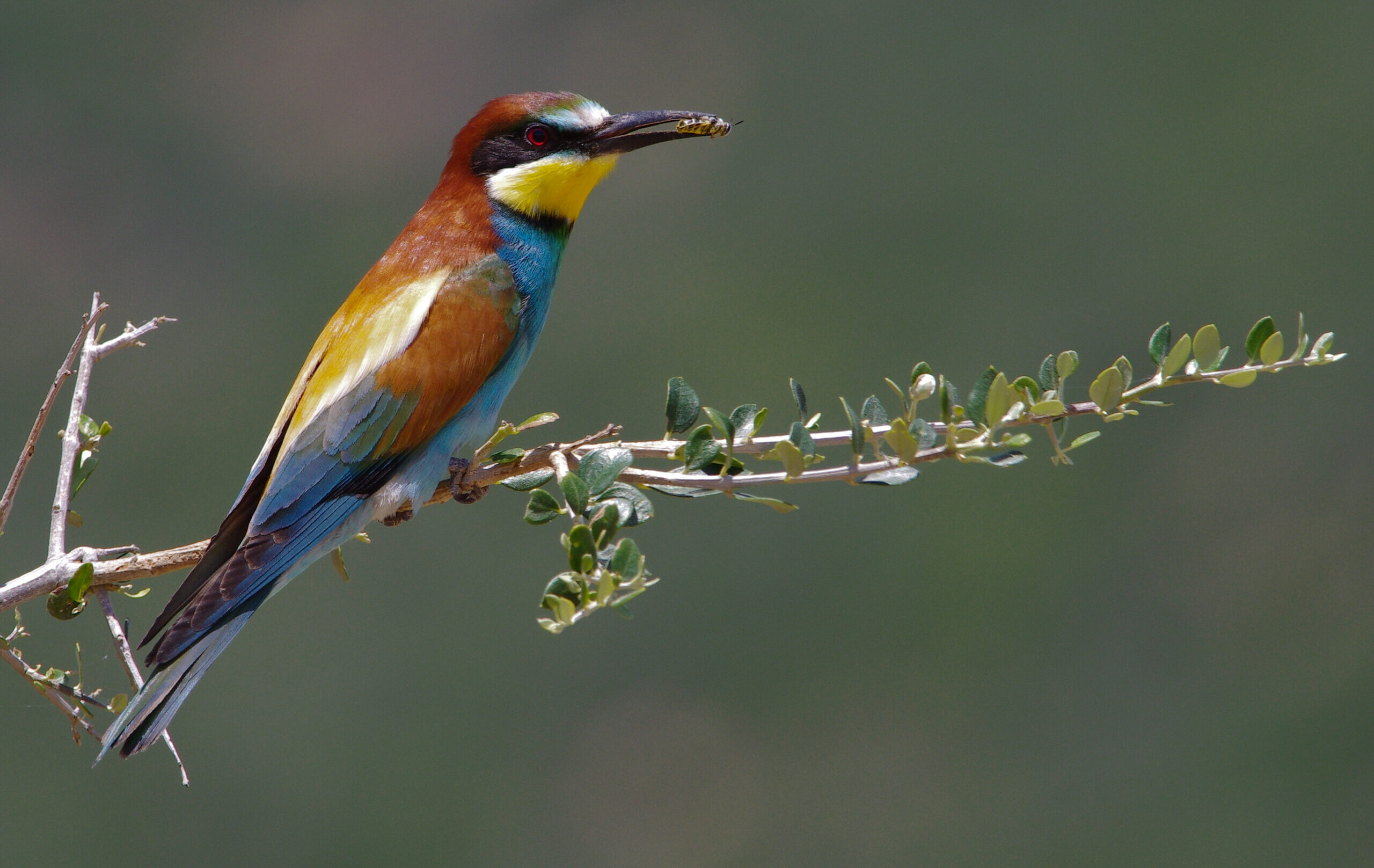
This clever bird has a special taste for bees, wasps, and dragonflies. With perfect precision, it catches insects in mid-air, turning lunch into an aerial show off the coast of Africa.
</p European Bee-Eaters have a lifespan of around 5 to 10 years. They create nests in sandy banks where they lay their eggs, keeping their tiny ones safe until they are ready to take flight.
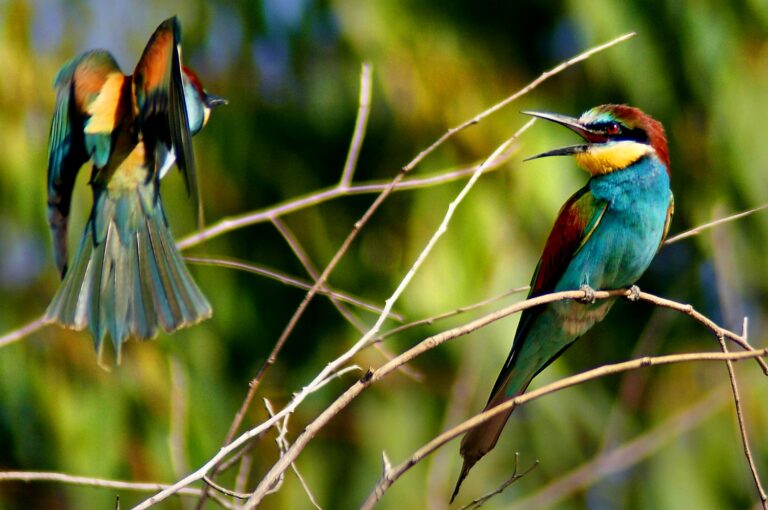
These social birds often gather in groups, sharing their roosting spots and hunting territories. Watching them work together is a wonderful sight, as they cheer each other on like the best of friends.
With their charming colors and joyful behavior, European Bee-Eaters add a splash of fun to the wild world. Who knew that such amazing aerial acrobats lived among the trees and skies of Africa?

Where can you find a European Bee-Eater in the wild?
What does a European Bee-Eater eat?
How big can a European Bee-Eater grow?
How long does a European Bee-Eater typically live?
What is the conservation status of the European Bee-Eater?
What are the main threats to the European Bee-Eater?
Fun facts
The European Bee-Eater can catch up to 10 insects in a single flight. This makes it a fast and efficient hunter that impressively outmaneuvers its prey.


These birds can dive from high in the air to scoop up insects without ever touching the ground. They soar with grace, showing off their impressive aerial skills.
During the breeding season, male European Bee-Eaters put on a colorful display to woo females. They flash their bright feathers and perform acrobatic flight tricks, like an aerial dance!
Bee-Eaters can often be seen perched on a low branch or wire, waiting to spot their next meal. They have sharp eyesight that helps them spot tiny insects from far away.
After catching their food, they may beat it against a hard surface to remove stingers before swallowing it. This keeps dinner nice and safe!
These birds are known to be quite social, often gathering in large groups to roost together at night. It’s like a big bird party where they share stories of the day's adventures!
The European Bee-Eater takes advantage of the sun to dry its feathers after a rain. You can often spot them spreading their wings in the sun like they’re getting a warm hug!
These birds have bright, colorful plumage that helps them stand out against the green leaves. Their dazzling colors can even confuse predators, making it harder to catch them.
When ready to nest, Bee-Eaters dig long tunnels into sandy banks, making cozy homes for their eggs. It’s like building a tiny mansion underground!
Some cultures believe that seeing a Bee-Eater brings good luck. So, if you spot one, you might just find some good fortune coming your way!
Photos









The Basics


explore more
Amphibians
Arachnids
Birds
Cats
Crustaceans
Fish
Fish Pet Guide
Gastropods
Insects
Invertebrates
Mammals
Pet Fish
Pet Rodents
Plants
Reptiles
Roundworms
Sea Slugs