Successfully copied to clipboard!
European Starling
Joyfully soar through life with dazzling, social feathered friends!
Let’s Explore
Overview
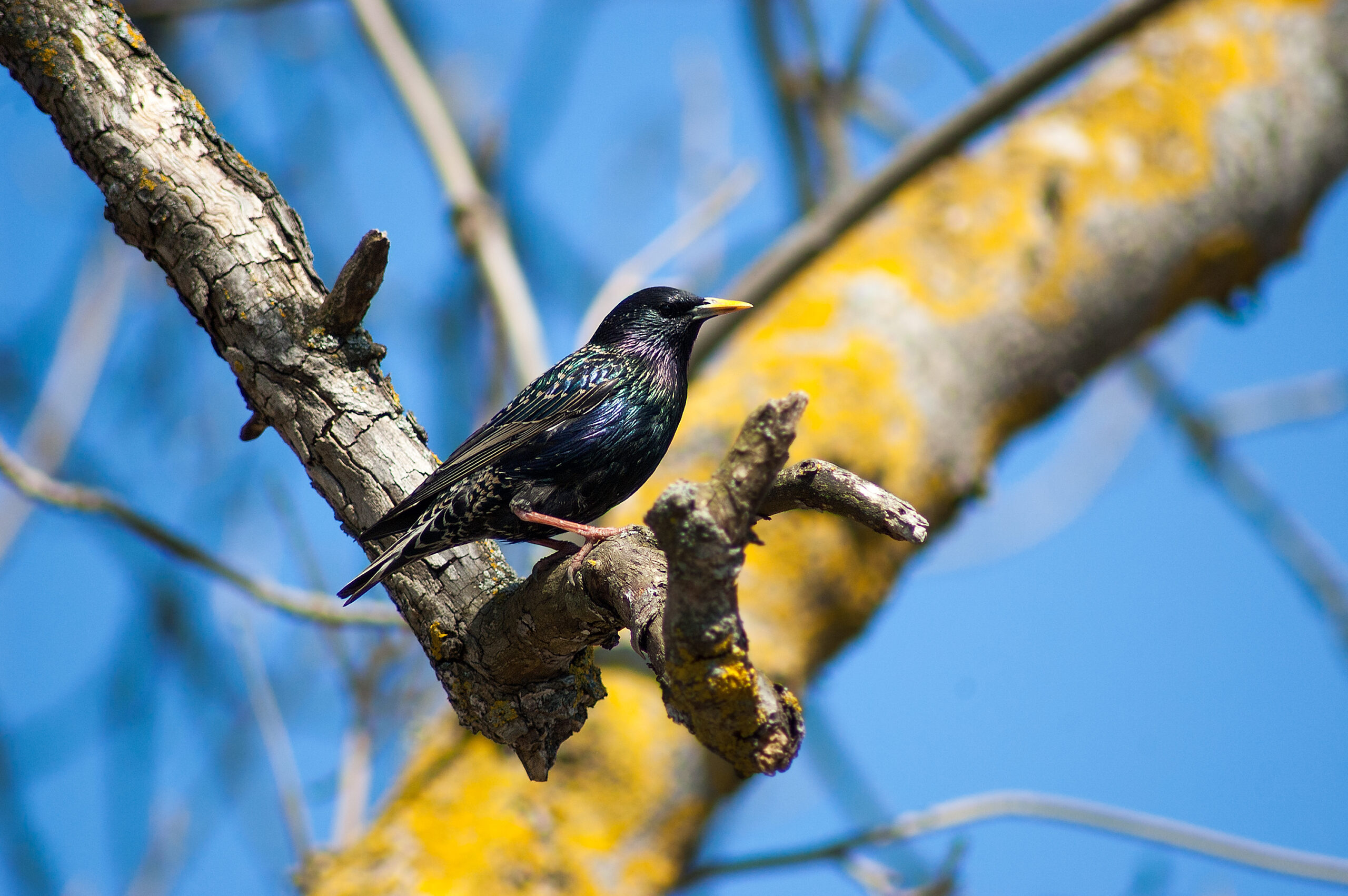
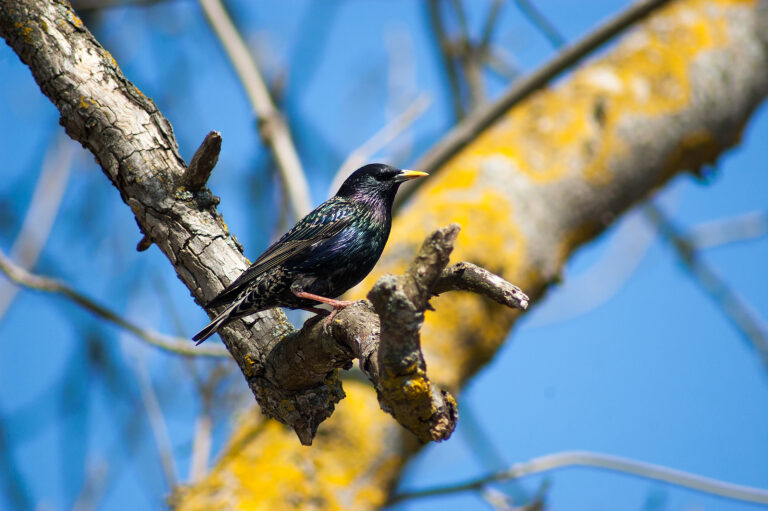
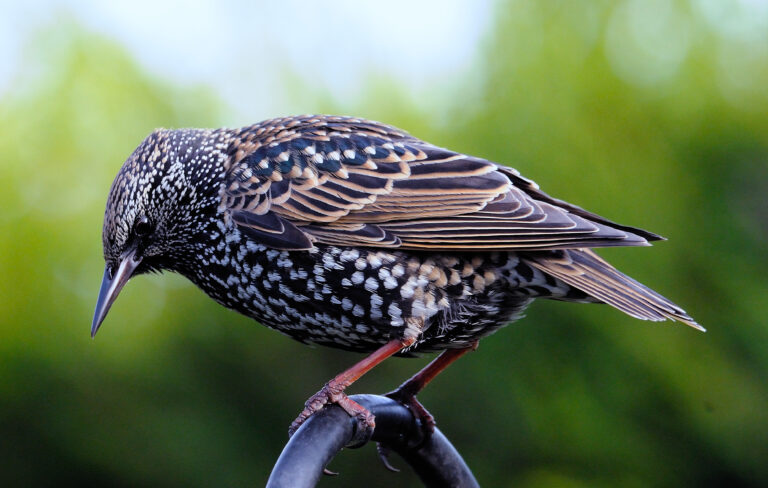
The European Starling is a bird that brings a bit of sparkle to our skies. With a length of 20 to 23 centimeters (8 to 9 inches), this bird is often seen zipping around in flocks, making a joyful noise as it goes.
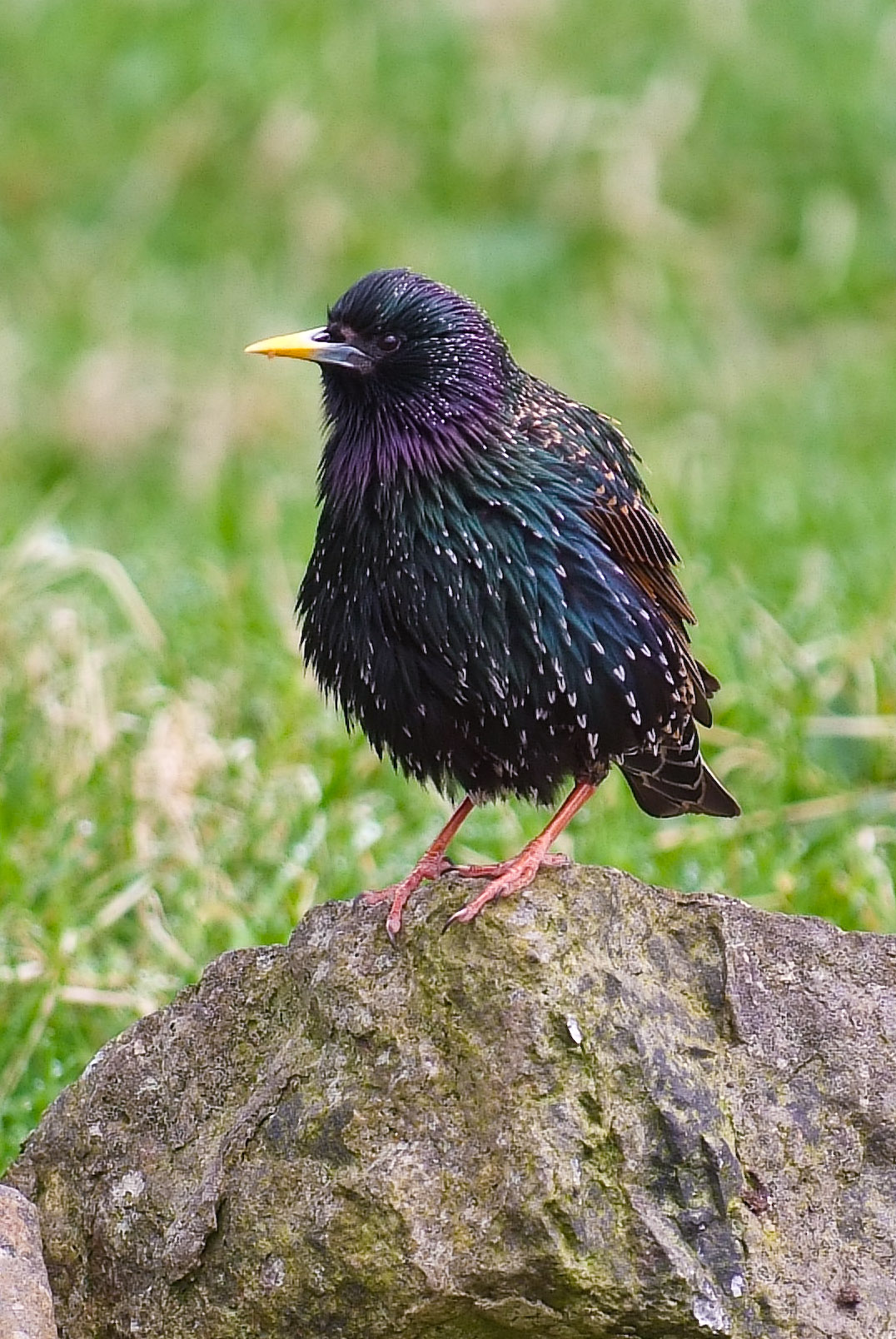
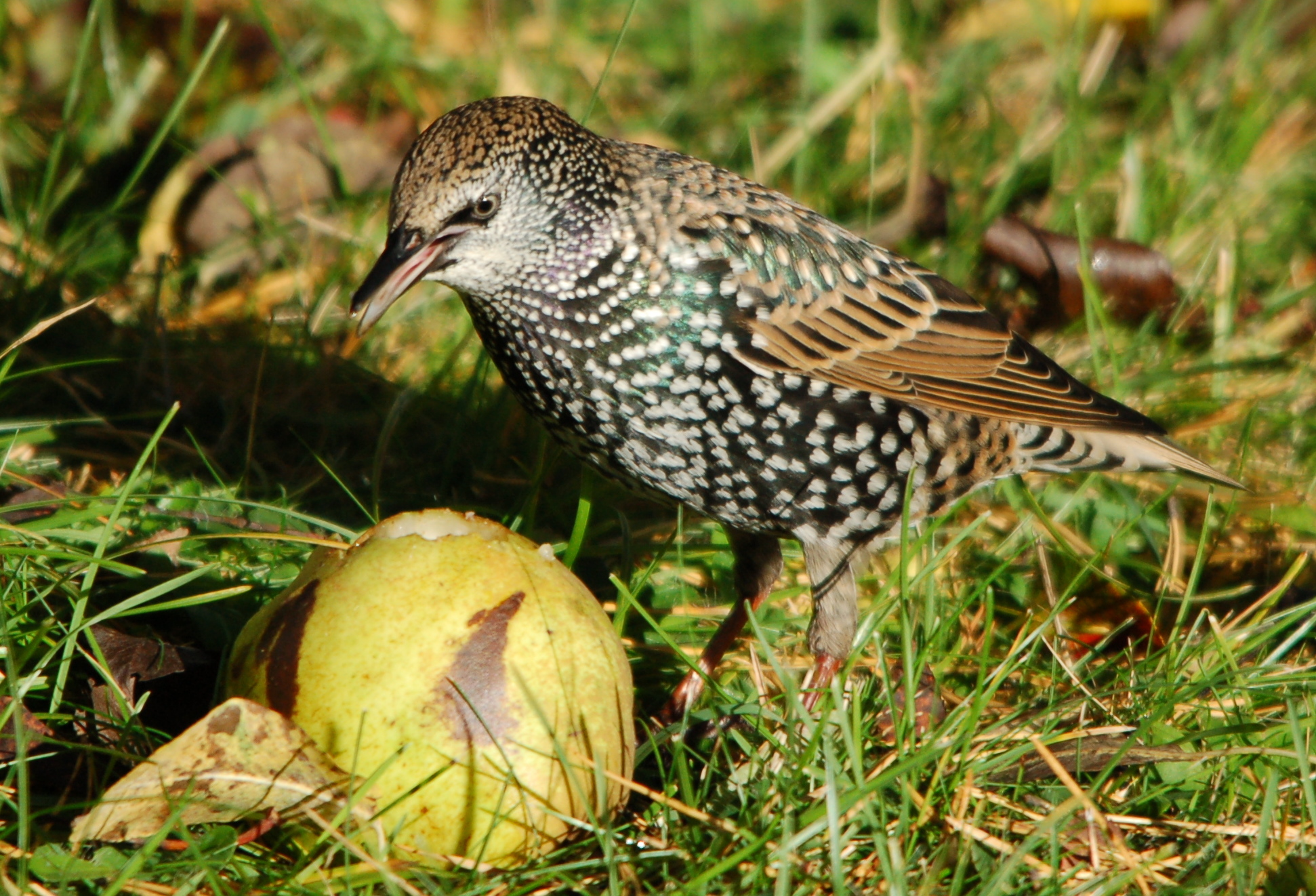
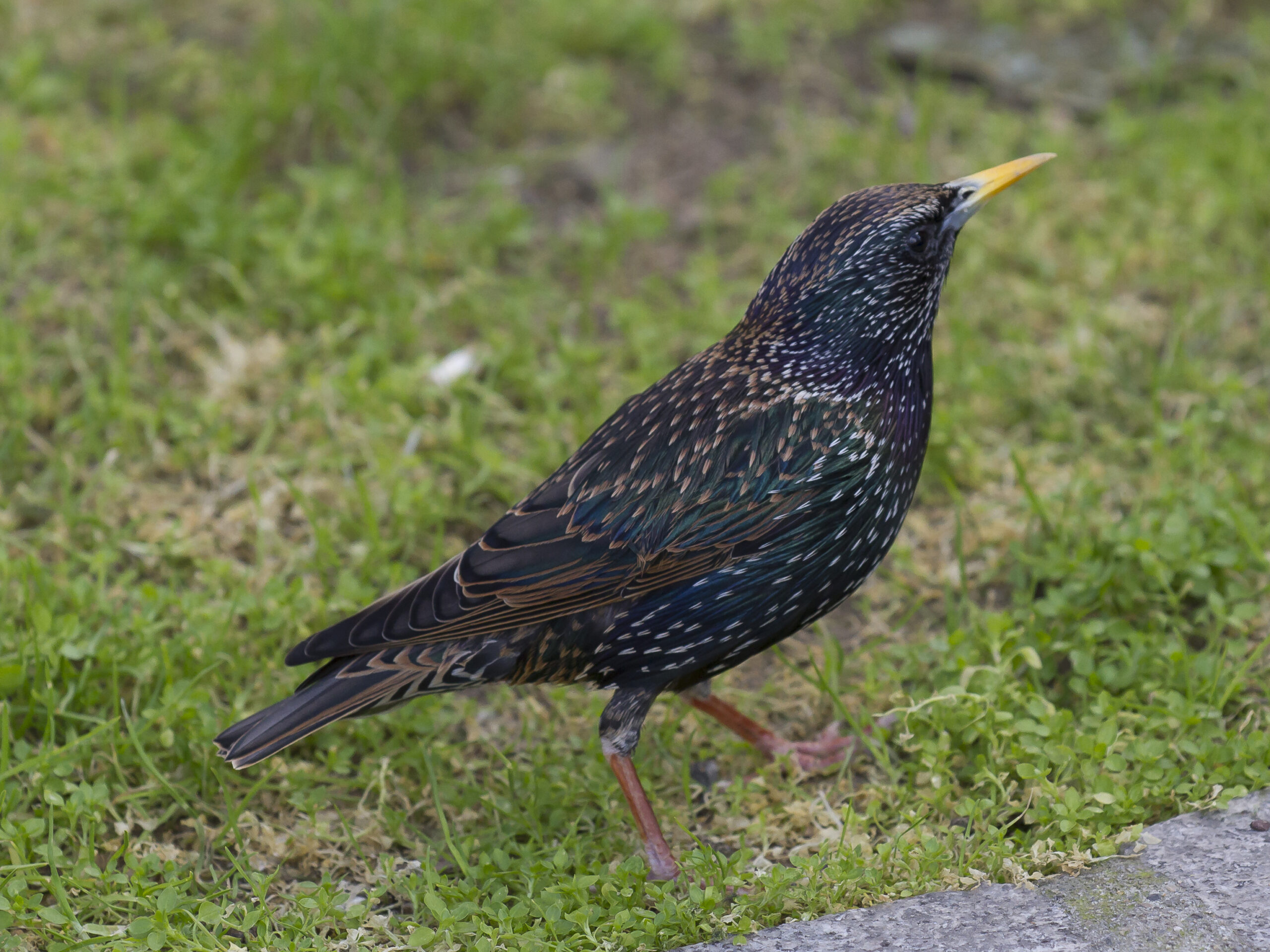
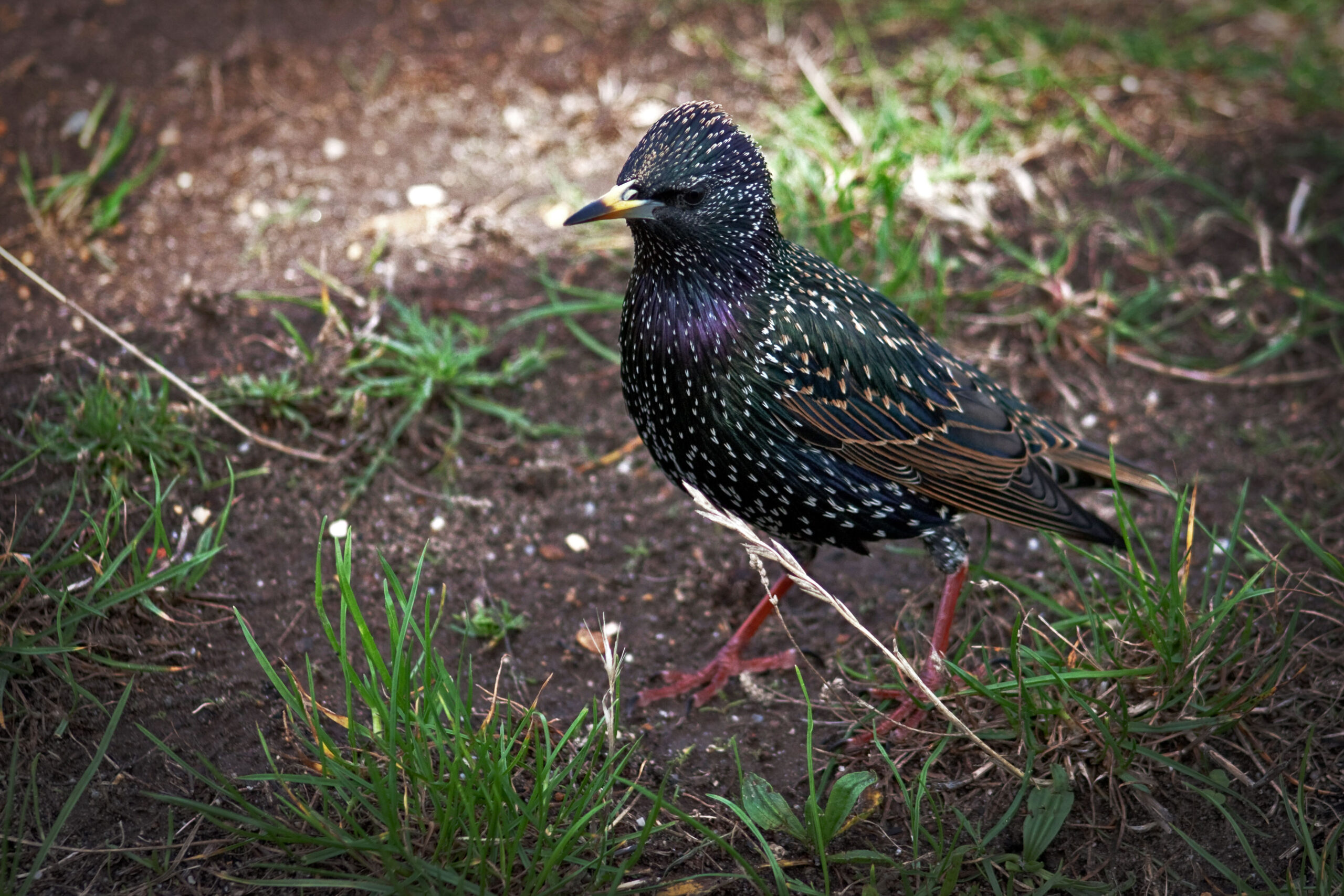
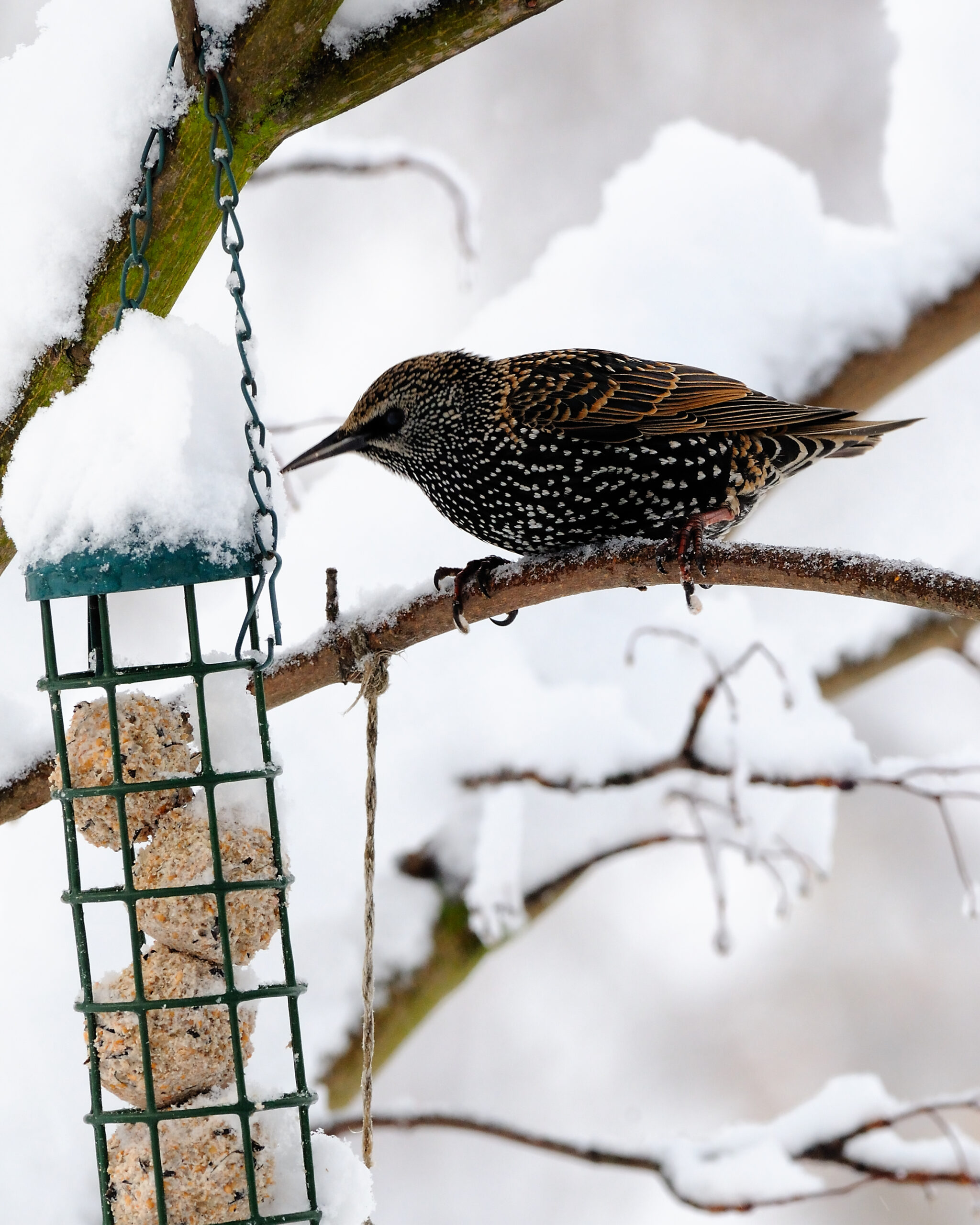
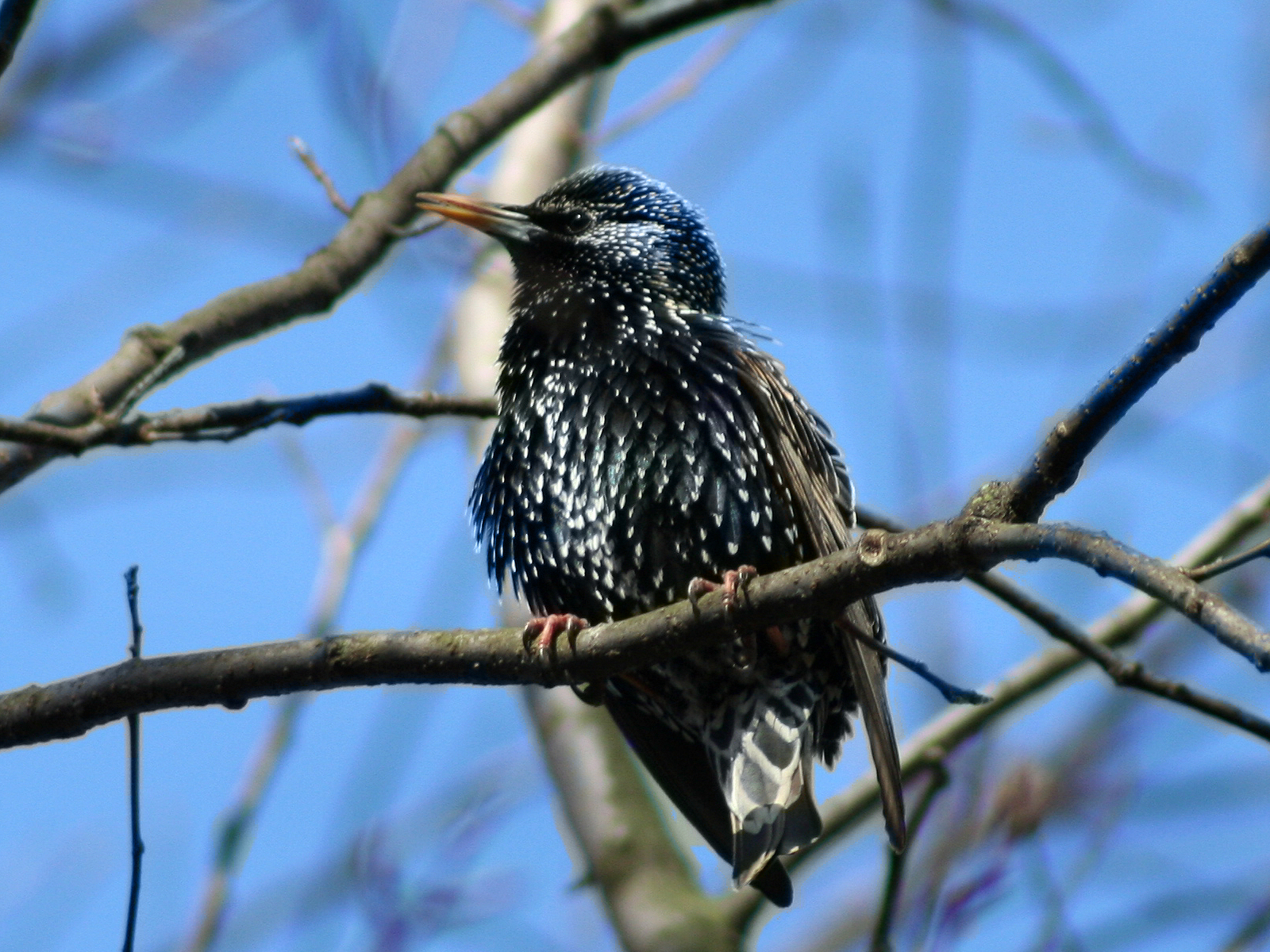
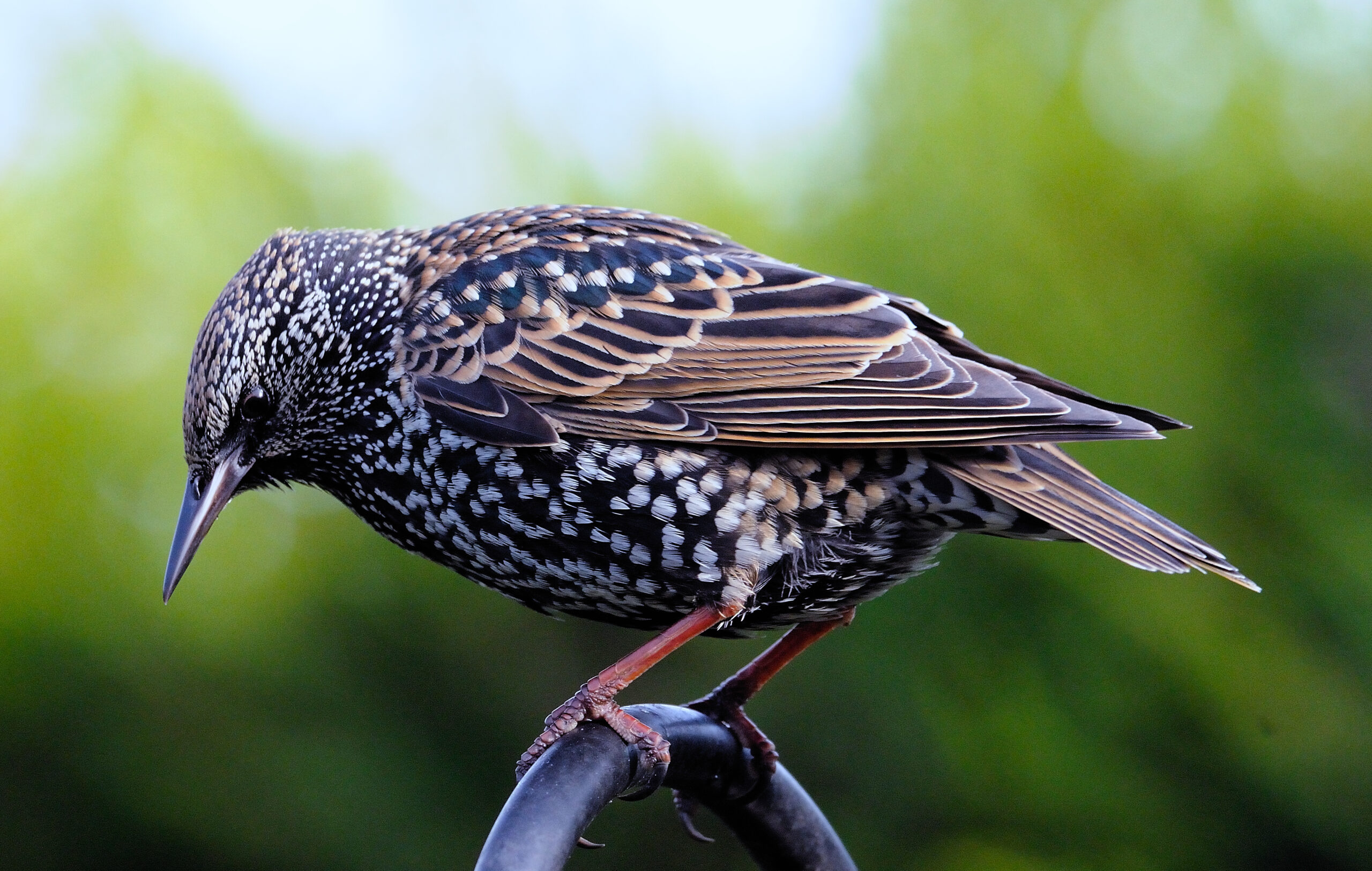
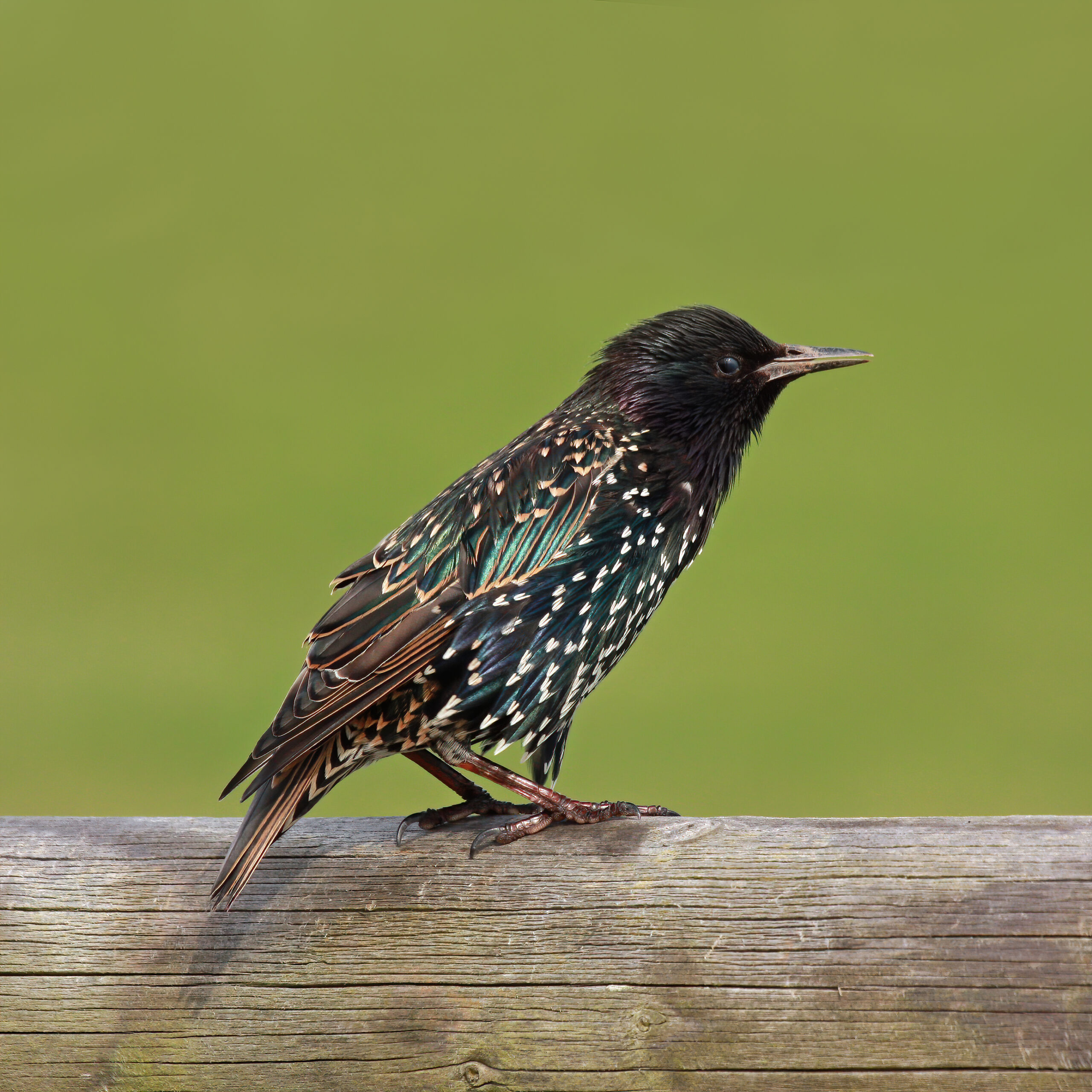
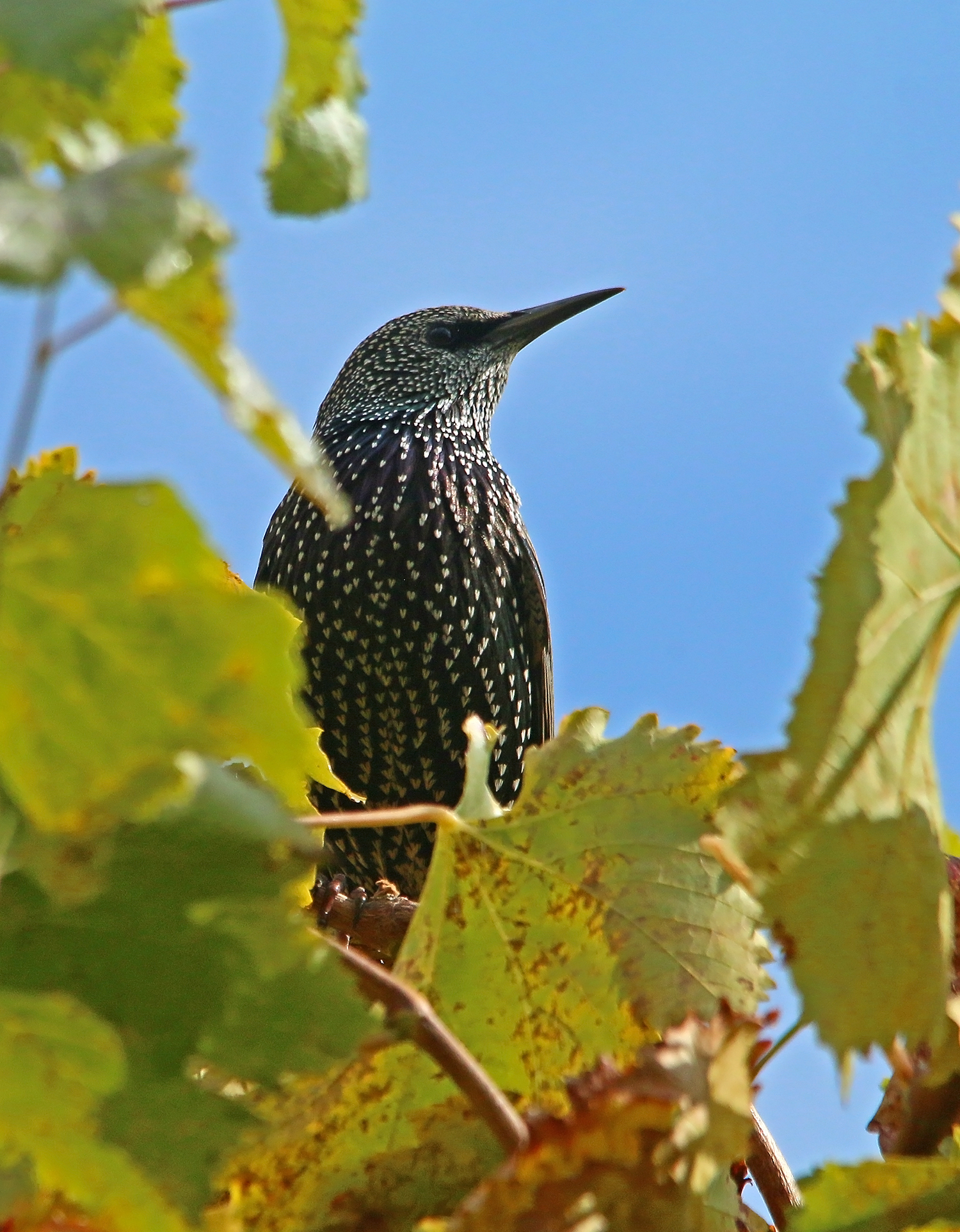
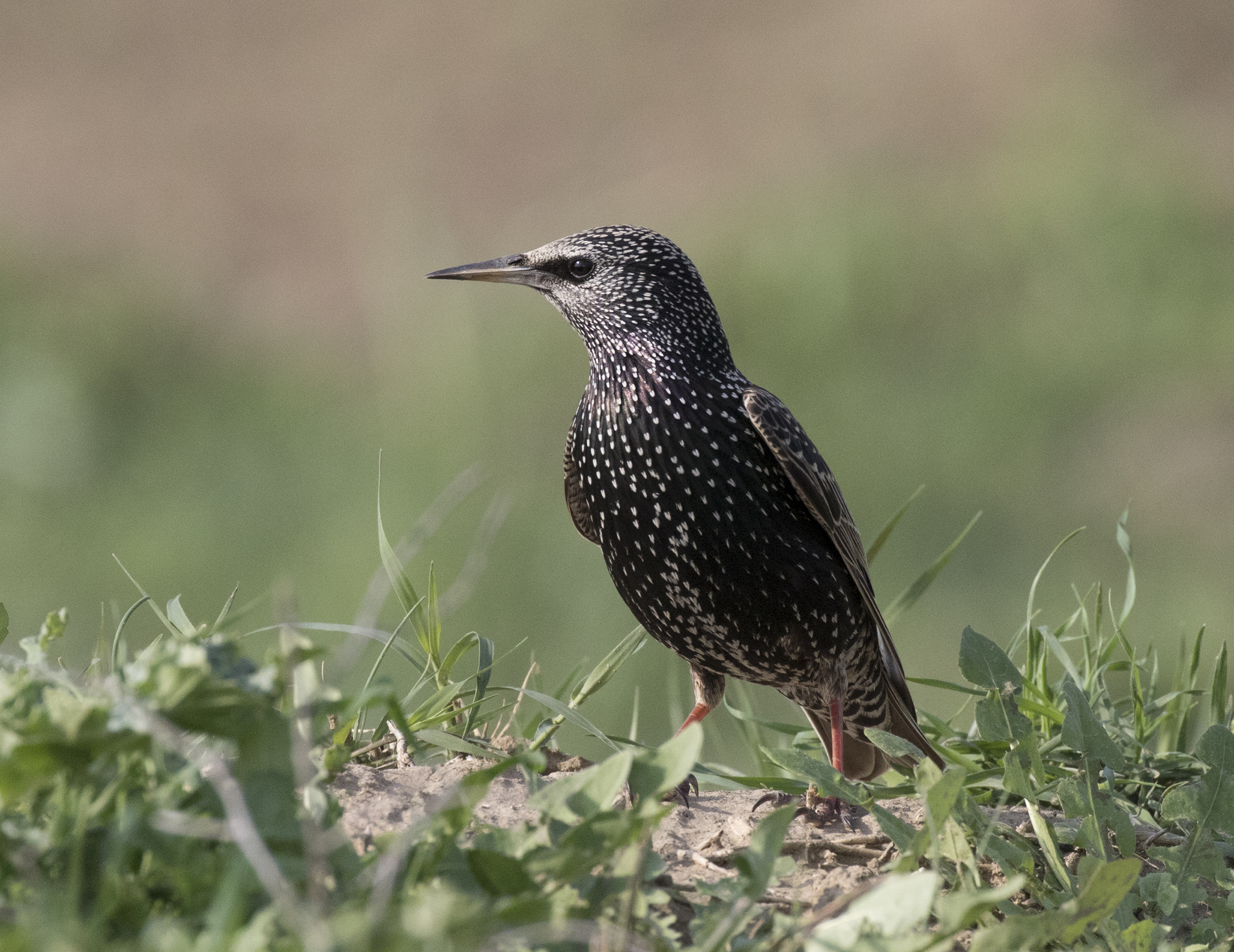
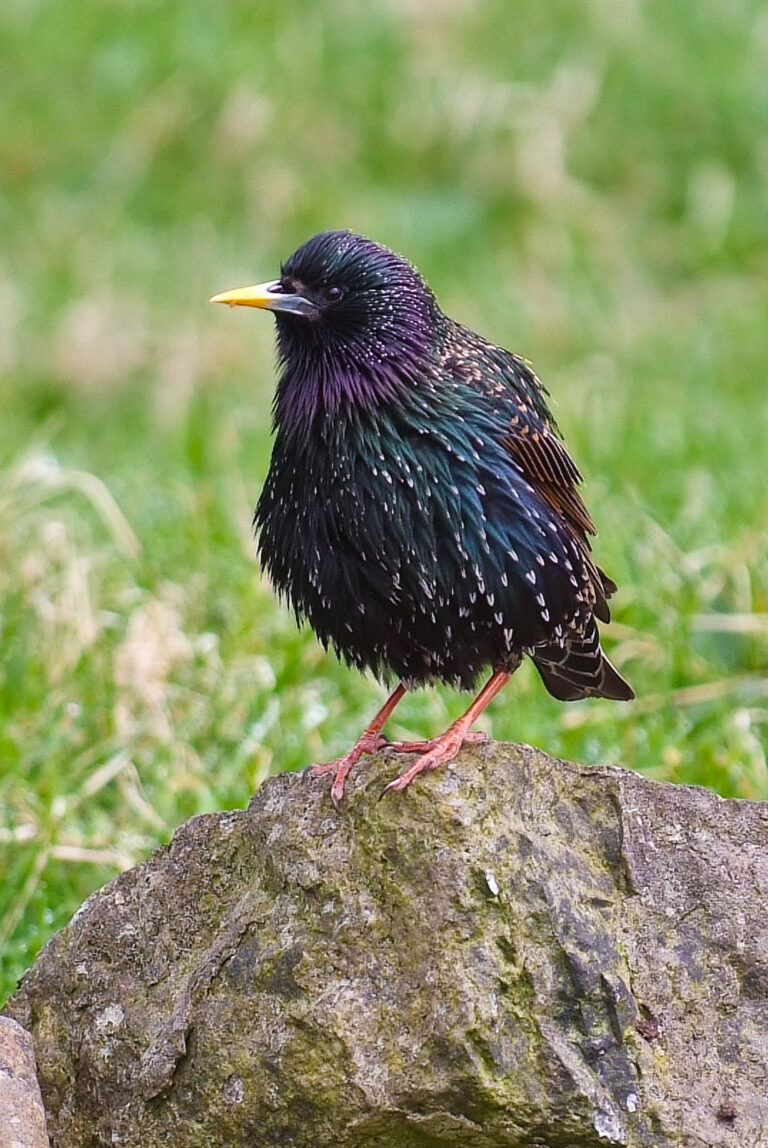
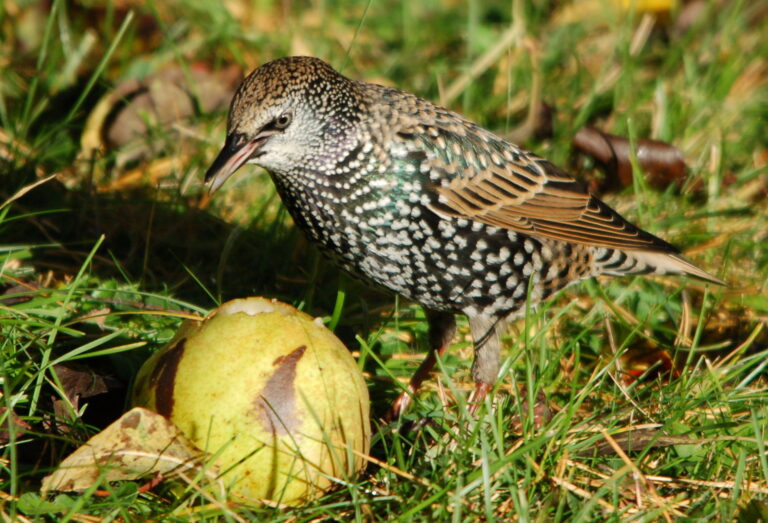
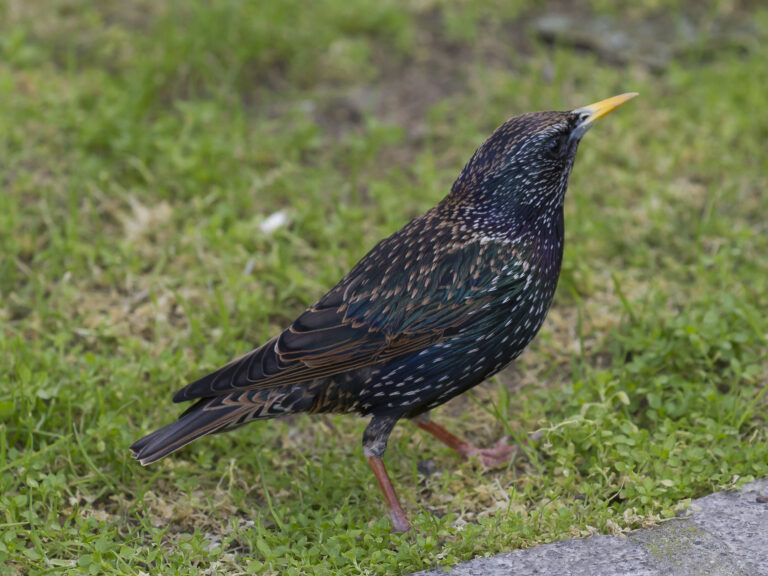
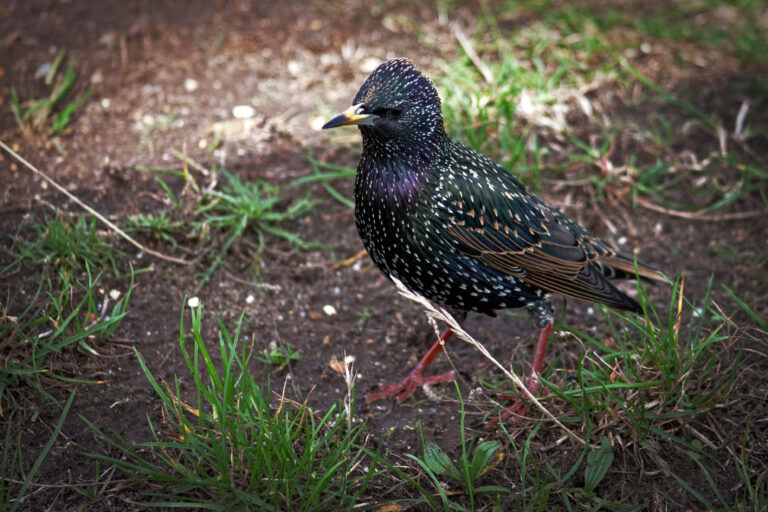
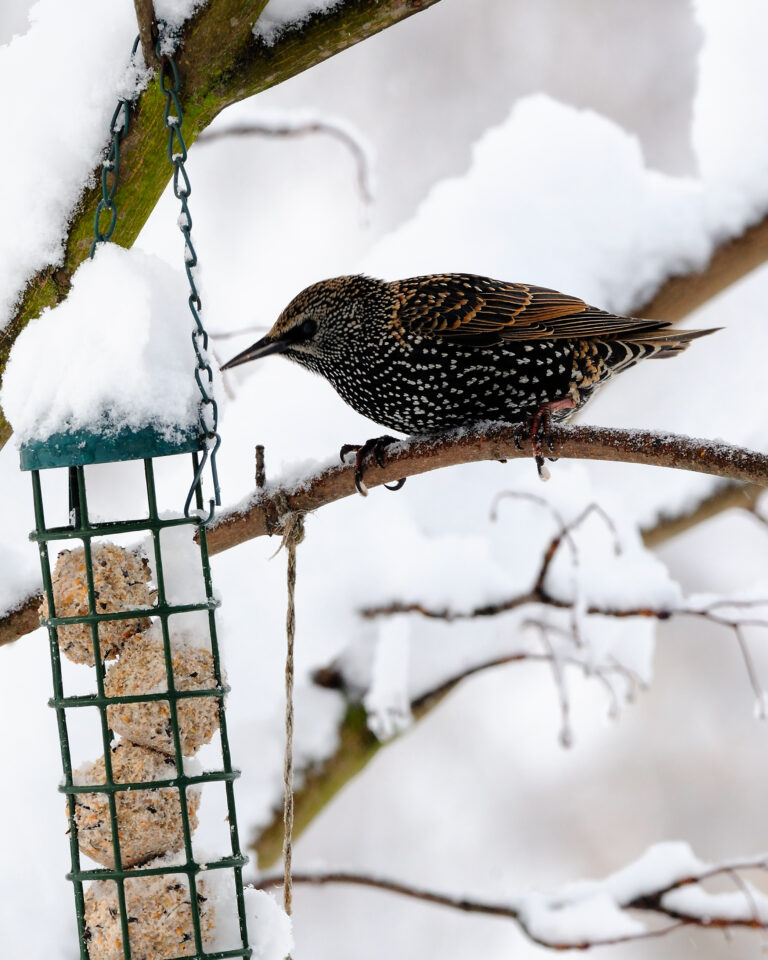
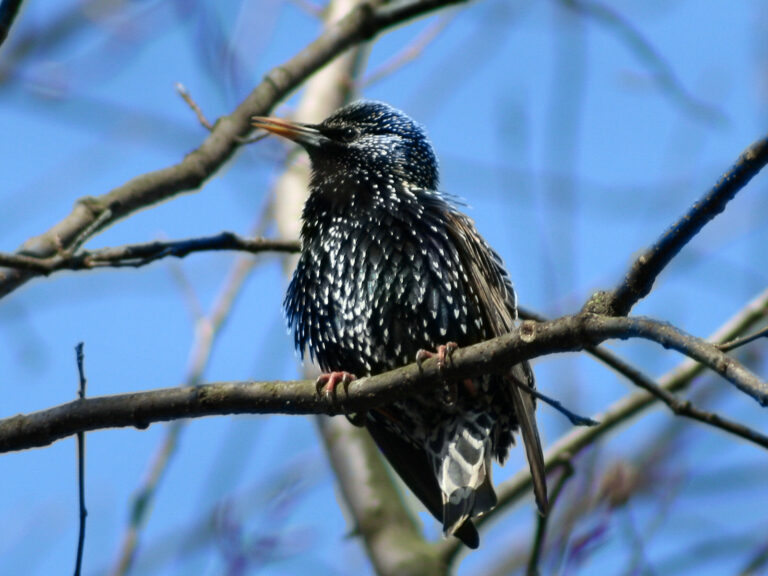
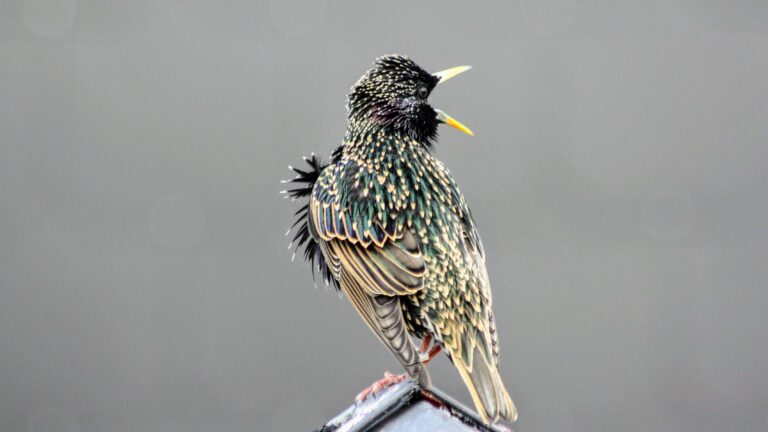
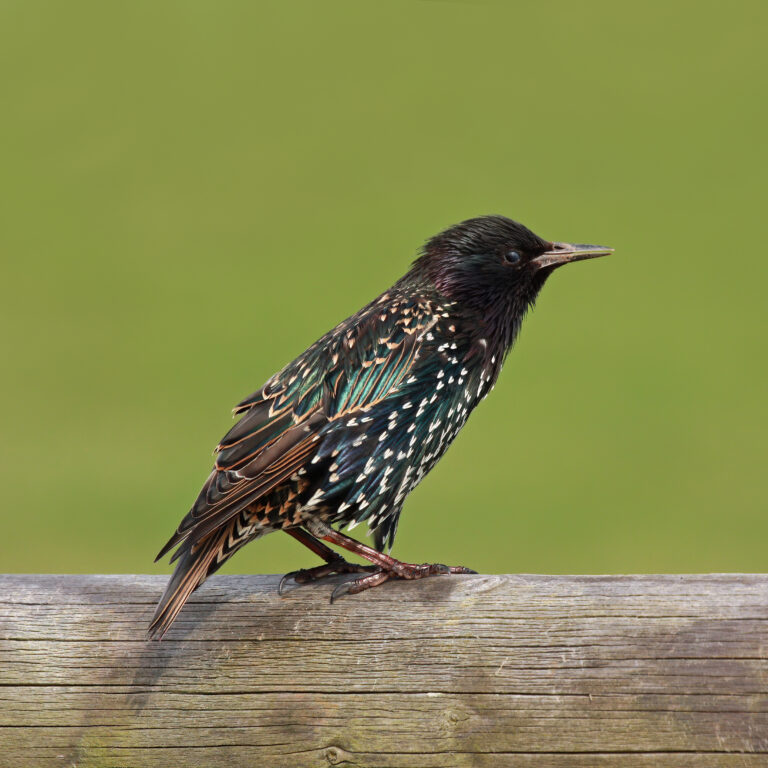
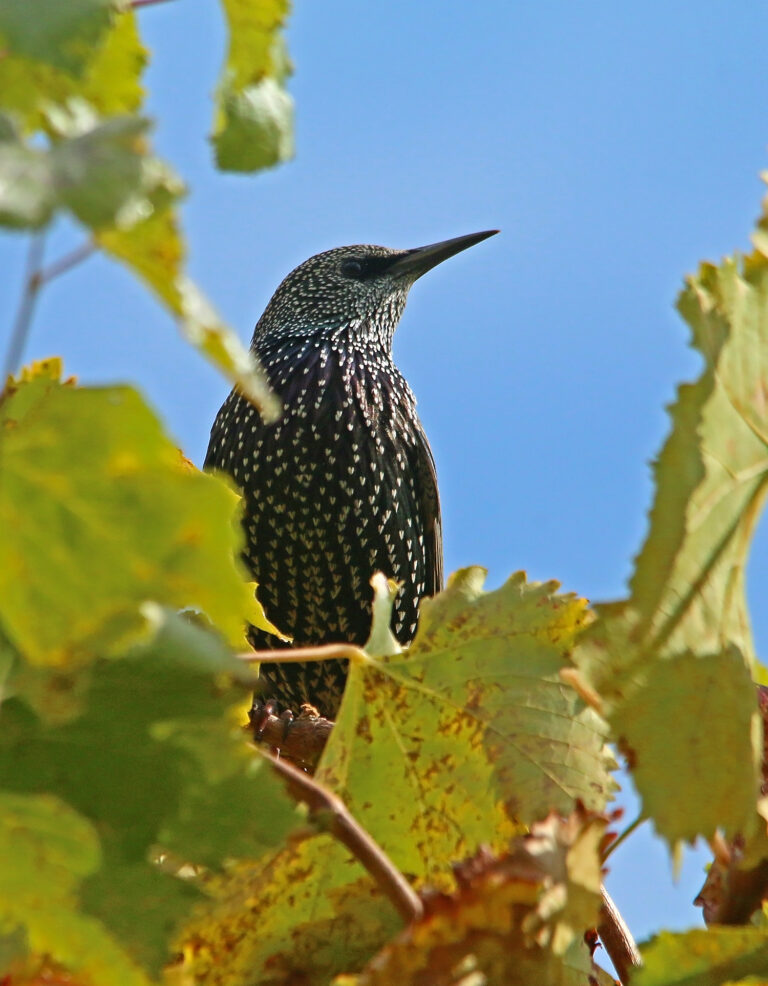
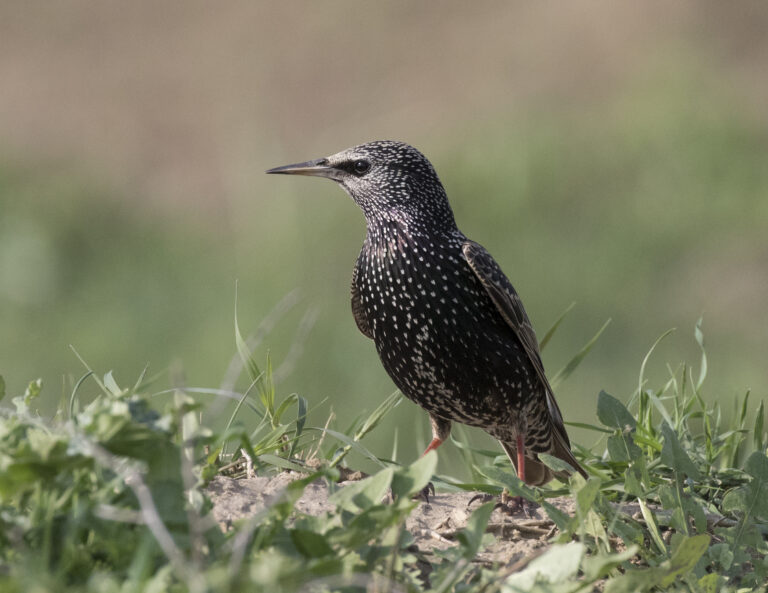
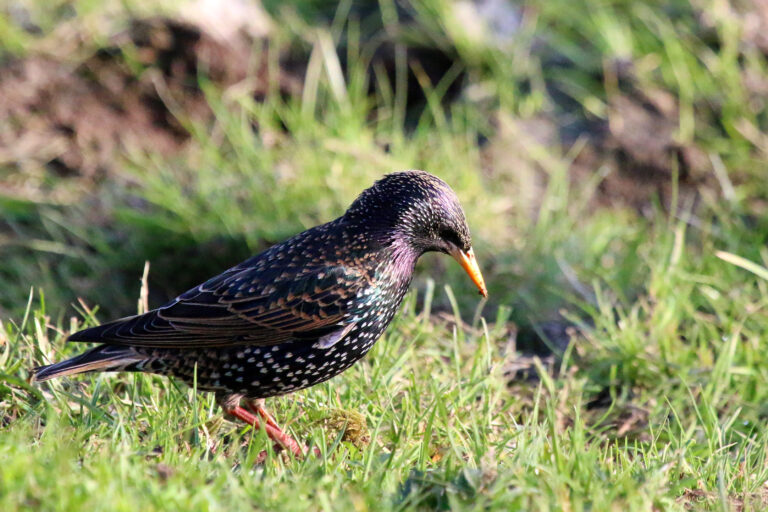
Starlings come dressed in a dazzling coat of glossy black feathers that shimmer with hints of green and purple. In the spring and summer, their feathers gain white spots that look like tiny stars, making them true starlets of the avian world.
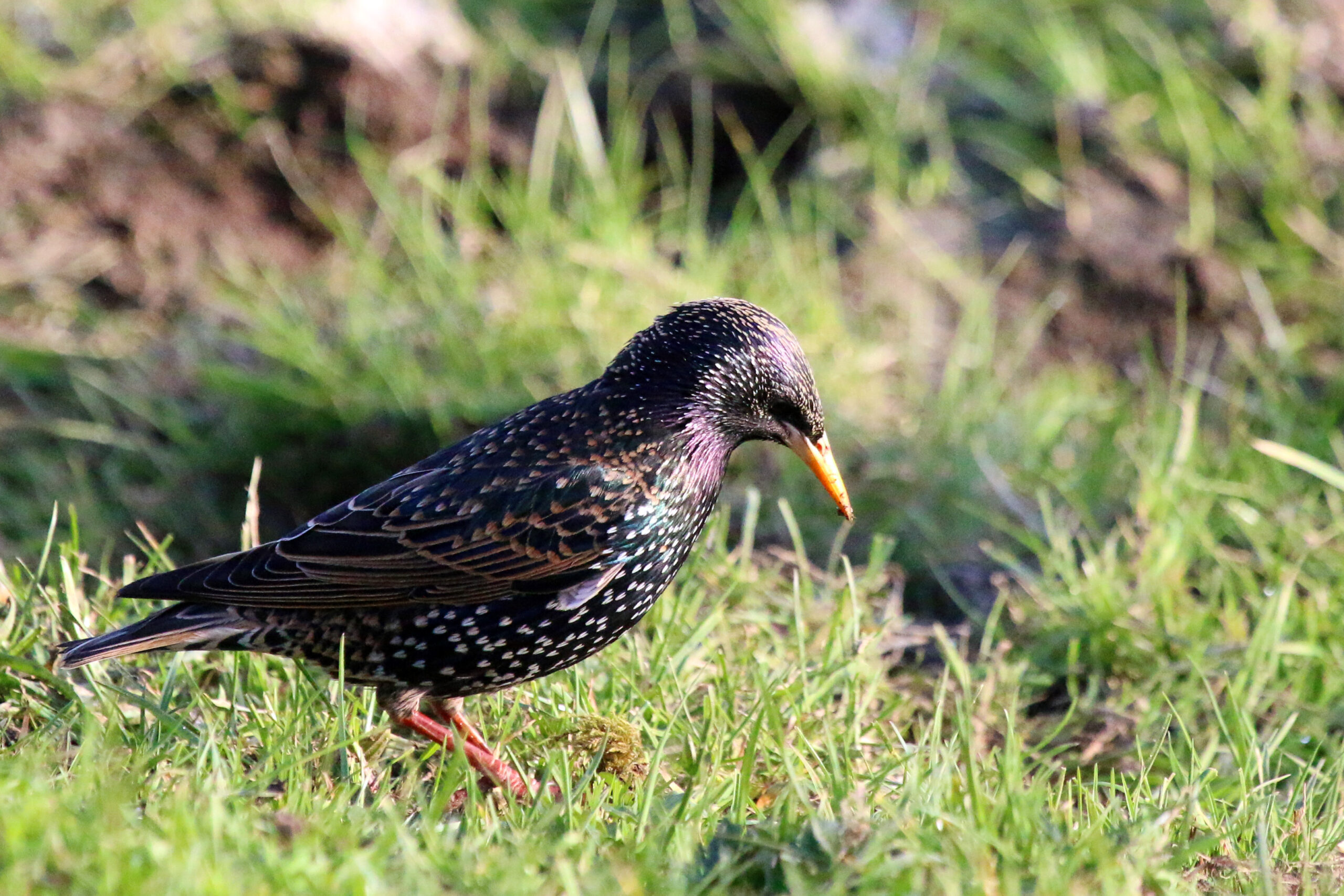
These birds have a varied diet, munching on insects, fruits, and seeds. They love to scavenge, which makes them excellent eaters and keeps them full of energy to flit about!
European Starlings are quite social and often gather in large groups called murmurations. These swirling gatherings can create stunning aerial displays that look like a dance party in the sky!
With a lifespan of 2 to 3 years in the wild, they make the most of their time, keeping busy and entertaining us with their playful antics. Watch them closely, and you might see them mimicking the sounds around them!
As fun as they are, Starlings are also very adaptable, thriving in both urban and rural environments. This ability to squeeze into almost any setting makes them famous globetrotting birds!
So, the next time you spot a European Starling, take a moment to enjoy its charms. With its vibrant personality and playful nature, it is sure to put a smile on your face!

Where can you find a European Starling in the wild?
What does a European Starling eat?
How big can a European Starling grow?
How long does a European Starling typically live?
What is the conservation status of the European Starling?
What are the main threats to the European Starling?
Fun facts
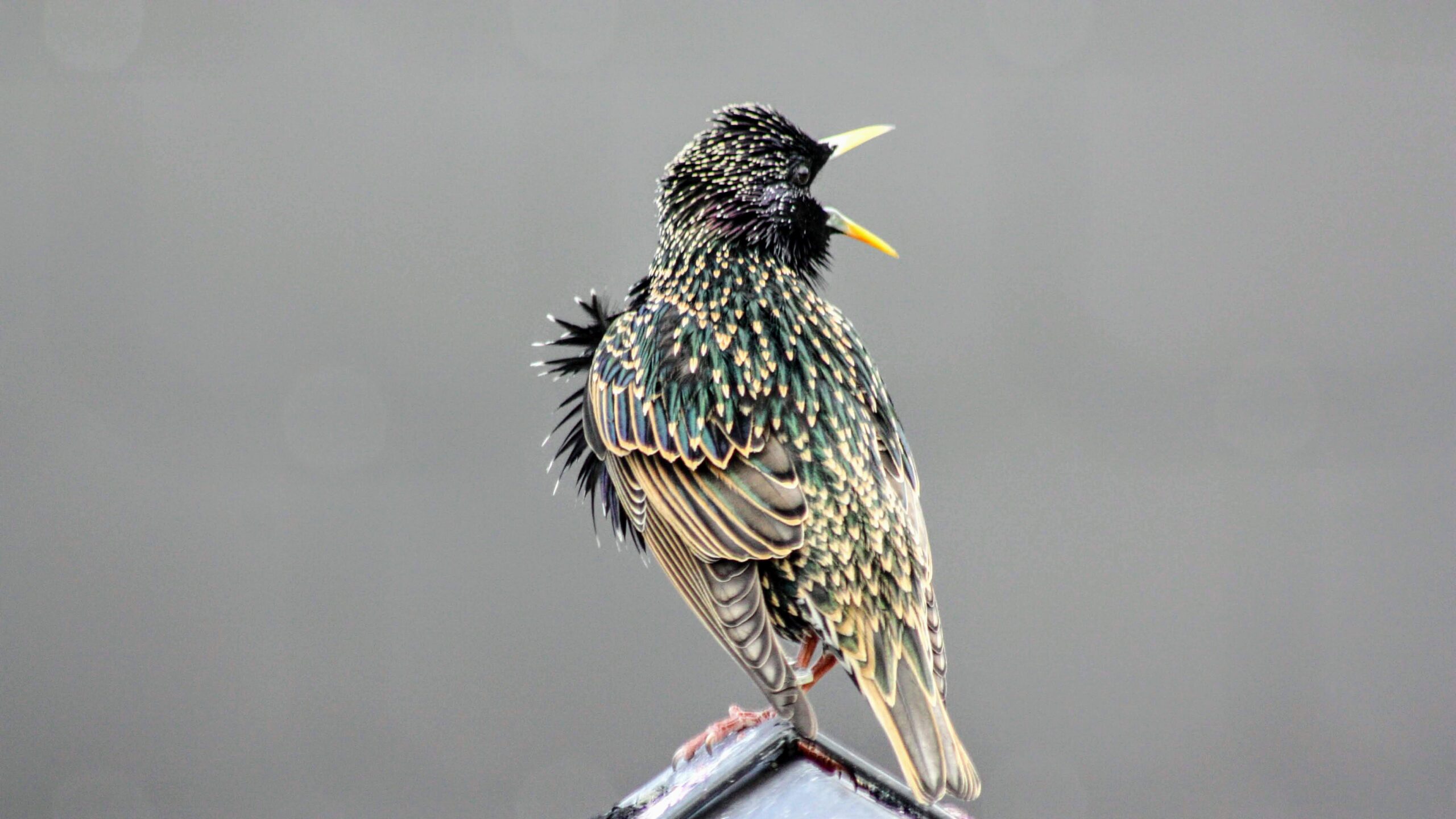
European Starlings can mimic over 20 different sounds, including human voices and other bird calls. They are like tiny, feathered parrots ready to put on a performance!


During winter, huge flocks of starlings gather in the sky to form captivating shapes called murmurations. These swirling groups can include thousands of birds, creating a mesmerizing aerial dance!
These birds have strong social bonds and often work together to find food. They can even alert each other to danger with special warning calls, proving teamwork makes the dream work!
In the late summer and fall, you might see starlings gathering in massive roosts, sometimes taking over entire trees! They get together to chat and prepare for their evening adventures.
The glossy feathers of European Starlings change color with the light. Depending on the time of day, they can look more black, green, or purple, like nature's very own magic show!
These clever birds can create tools to help them find food. They have been observed using sticks to poke into holes to extract insects, showing off their problem-solving skills!
If you watch closely, you might see a starling showing off its dance moves by flicking its wings and bobbing its head. It's nature's version of a bird dance-off!
The European Starling has a unique way of grooming itself. It uses its beak to spread oil from a special gland, keeping its feathers shiny and waterproof, like having a personal stylist!
Male European Starlings often perform elaborate songs to attract mates. Their sweet melodies and impressive antics can charm the feathers off any potential partner!
These adaptable birds live in almost any environment, from busy cities to quiet farms. Their ability to thrive alongside humans makes them true avian adventurers!
Photos



The Basics


explore more
Amphibians
Arachnids
Birds
Cats
Crustaceans
Fish
Fish Pet Guide
Gastropods
Insects
Invertebrates
Mammals
Pet Fish
Pet Rodents
Plants
Reptiles
Roundworms
Sea Slugs