Successfully copied to clipboard!
Flying Lemur
Soar through the trees with the ultimate nighttime adventurer!
Let’s Explore
Overview
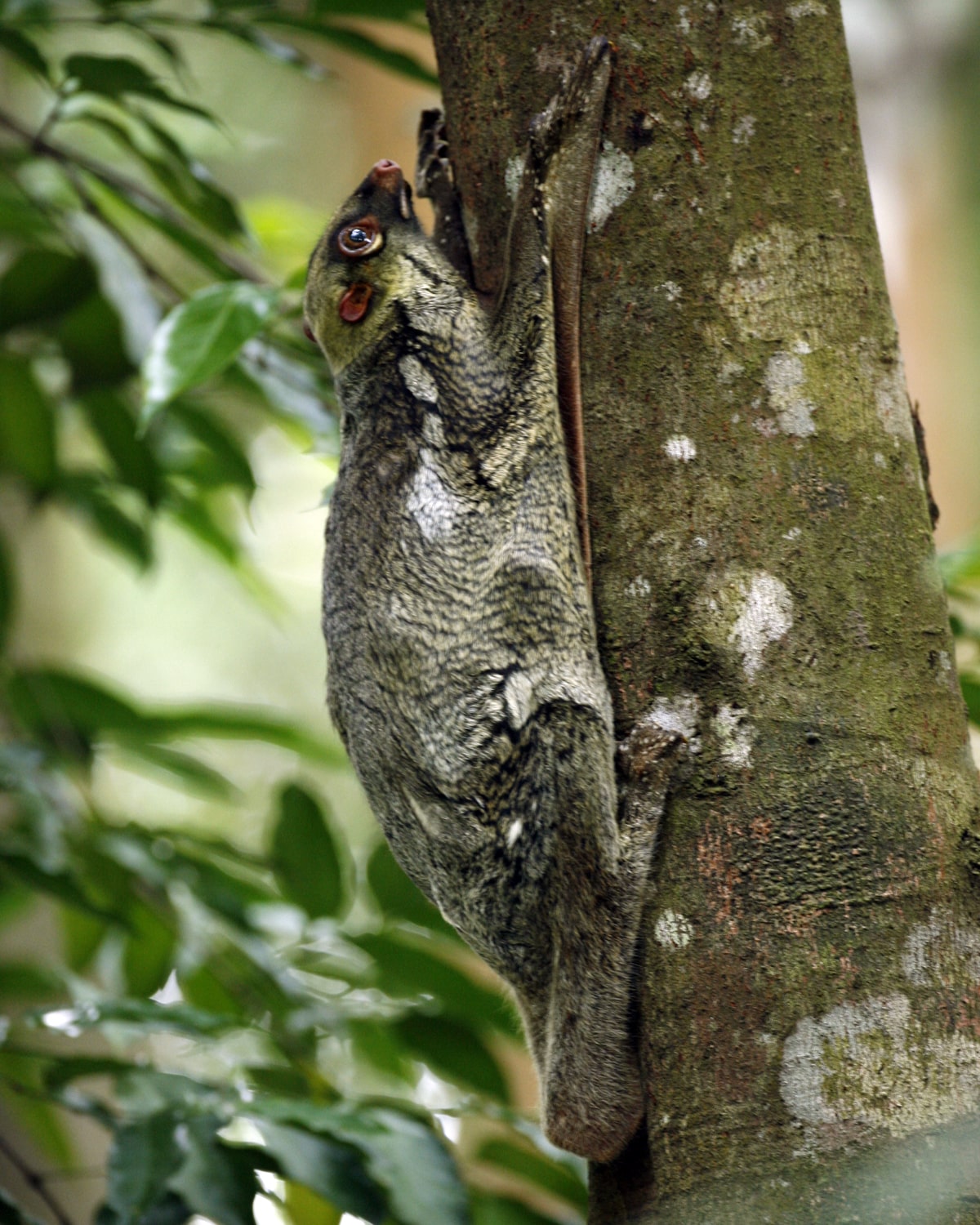
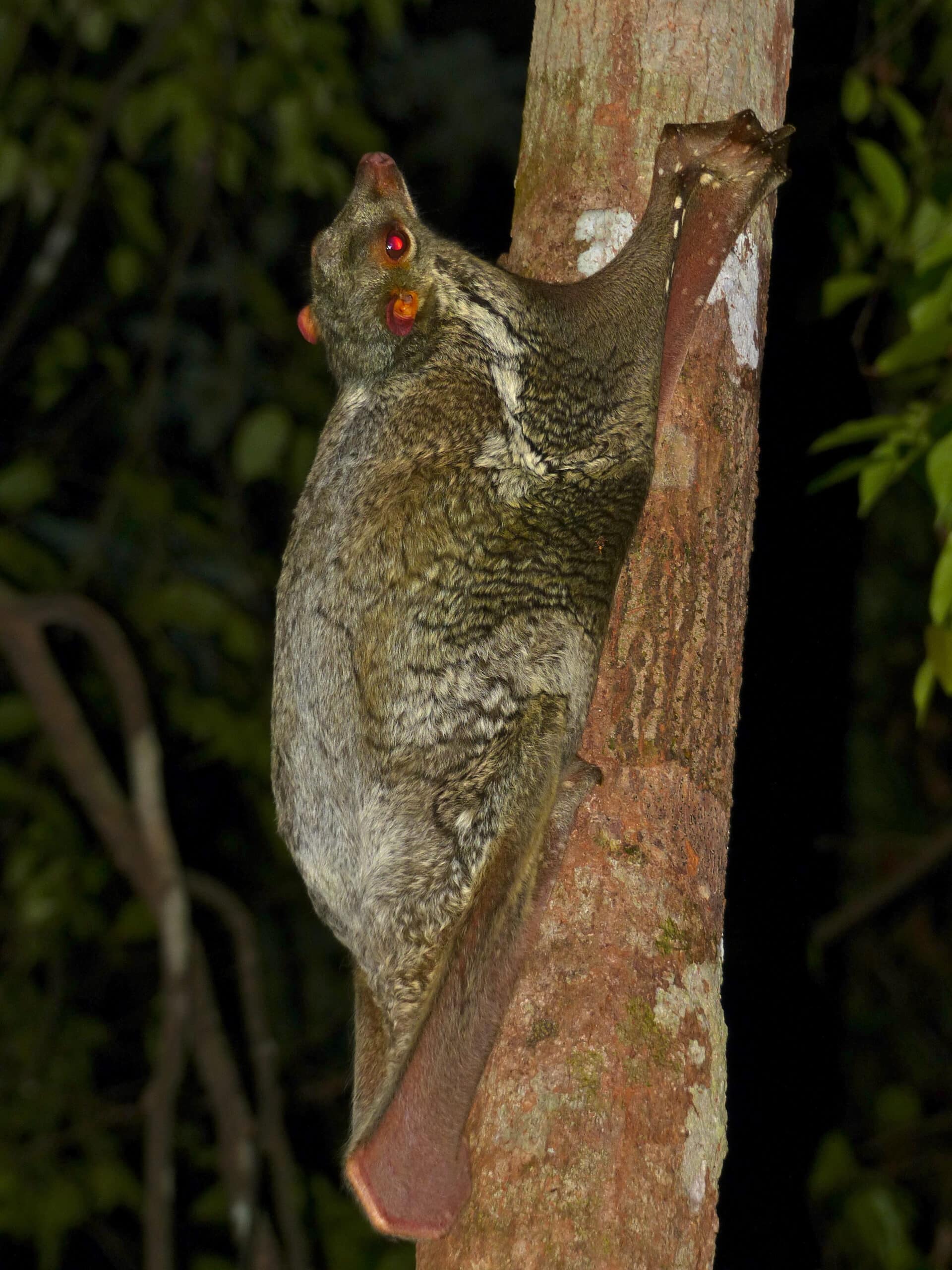
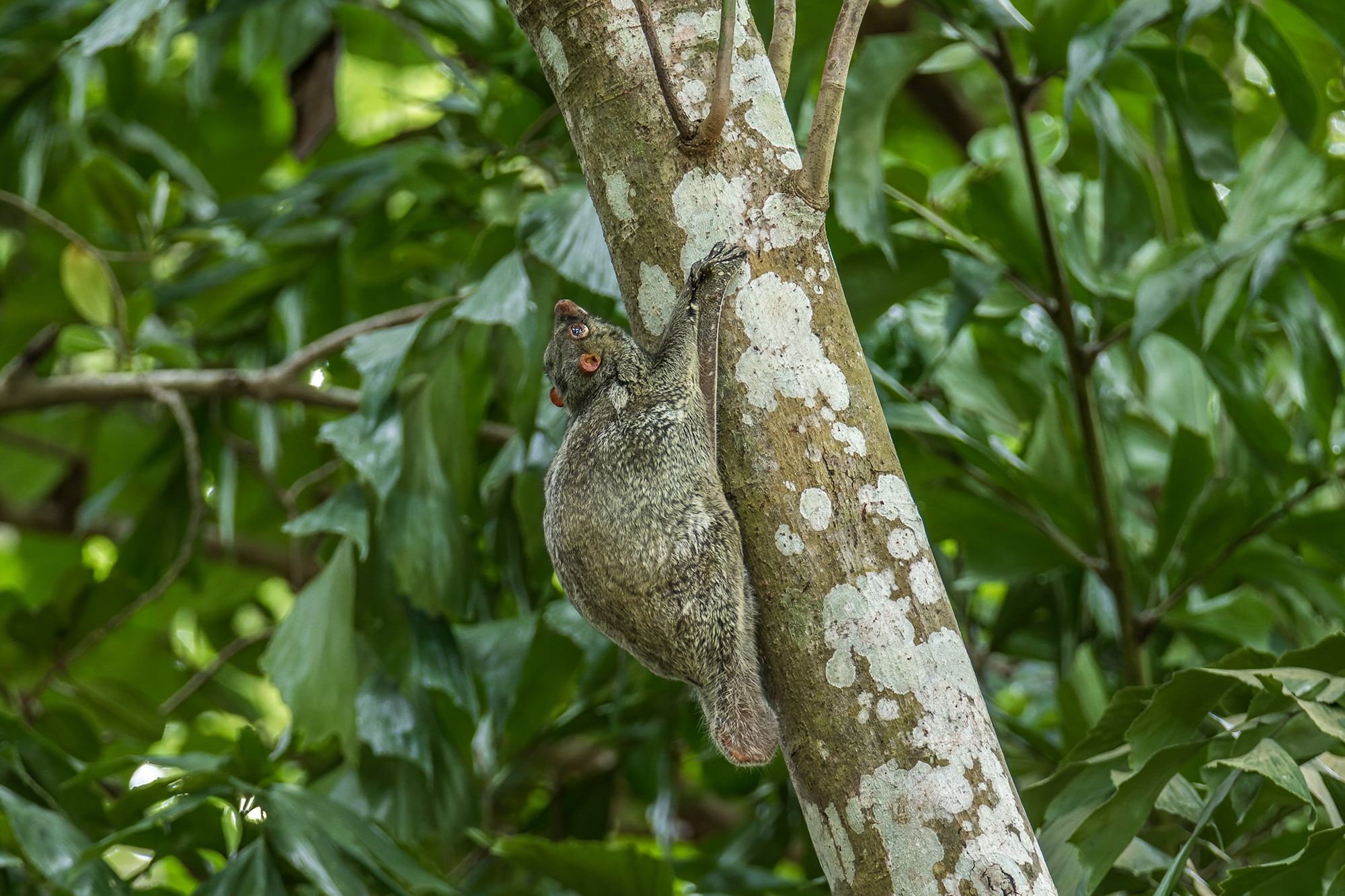
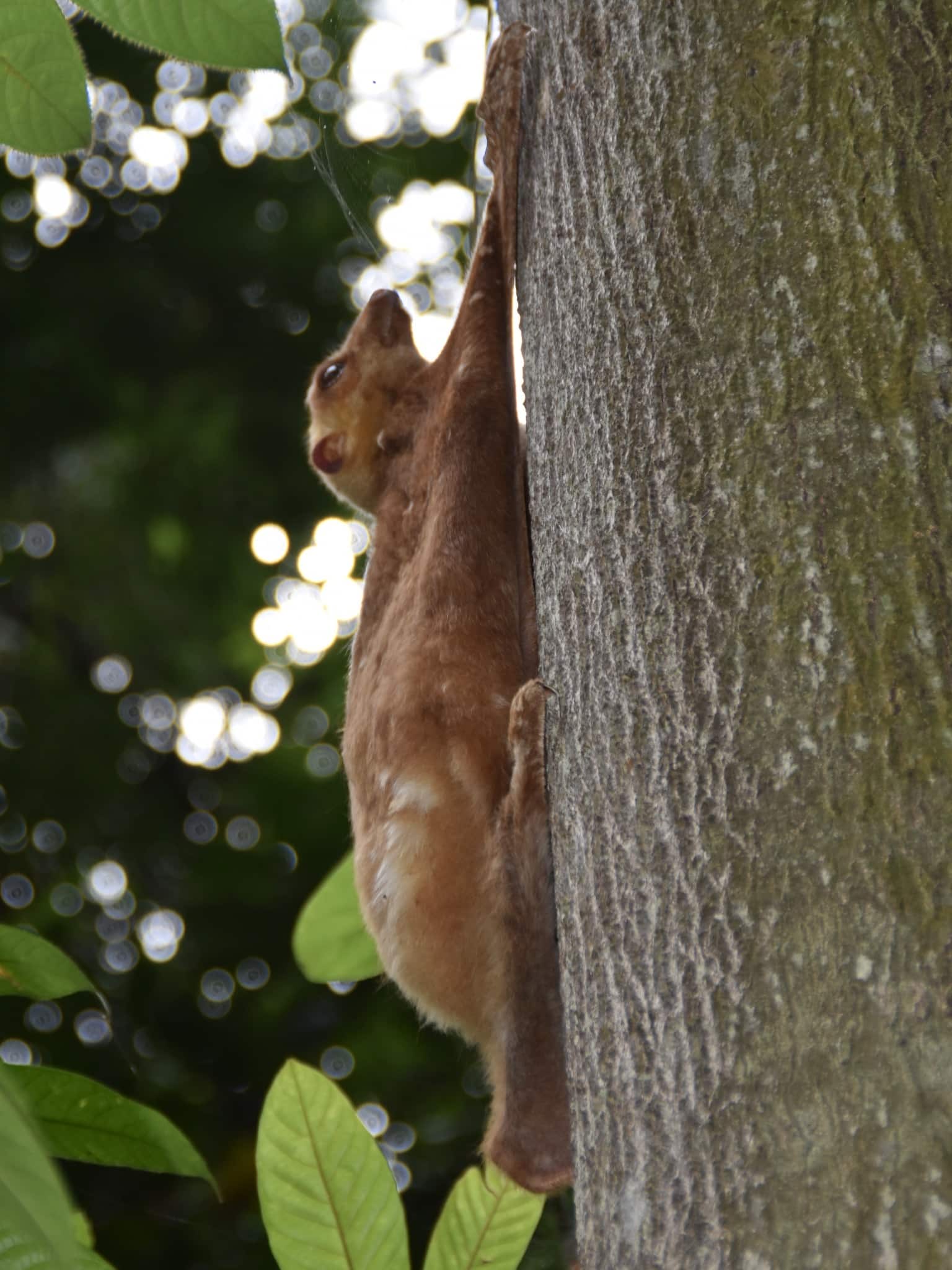
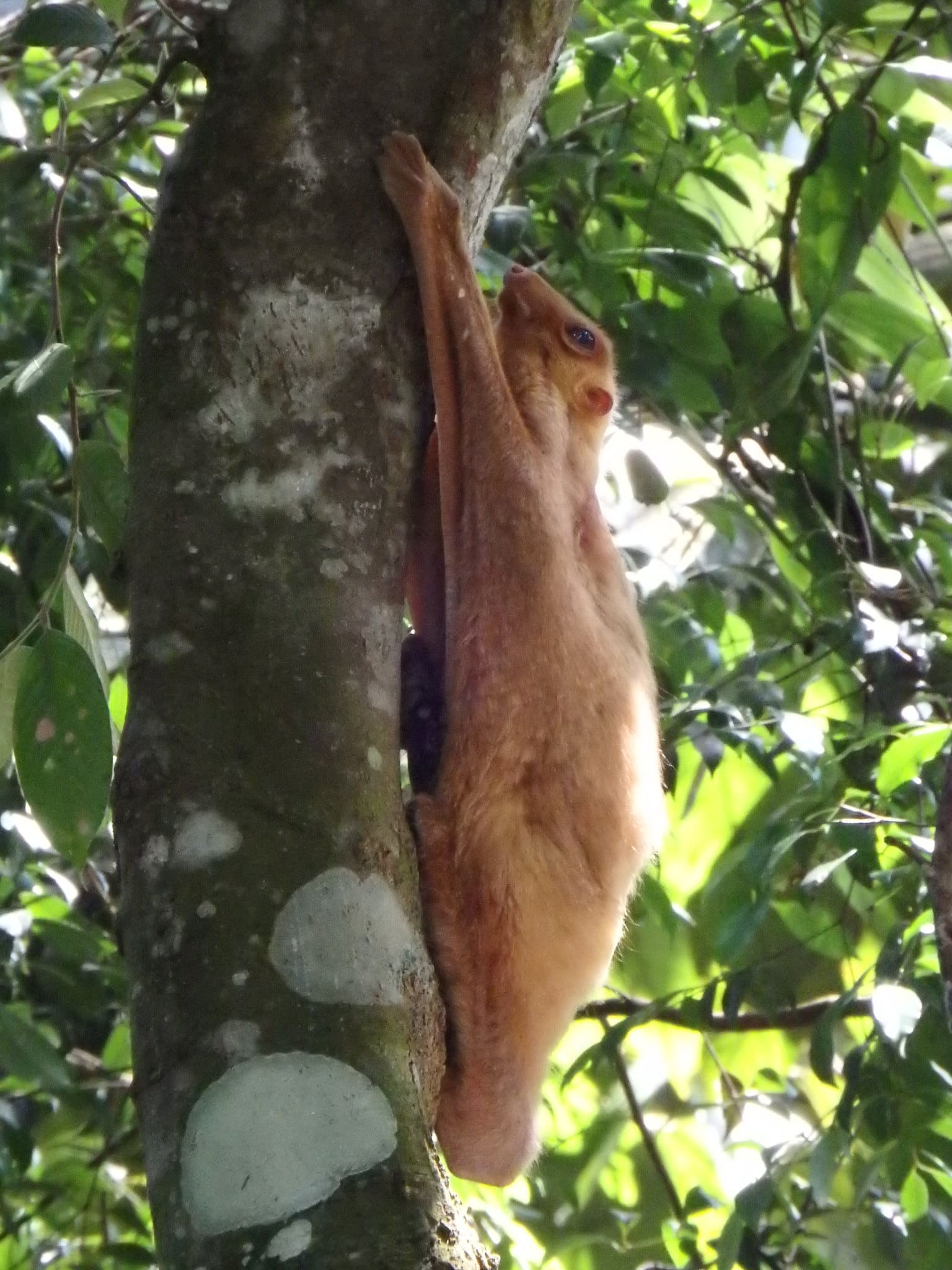
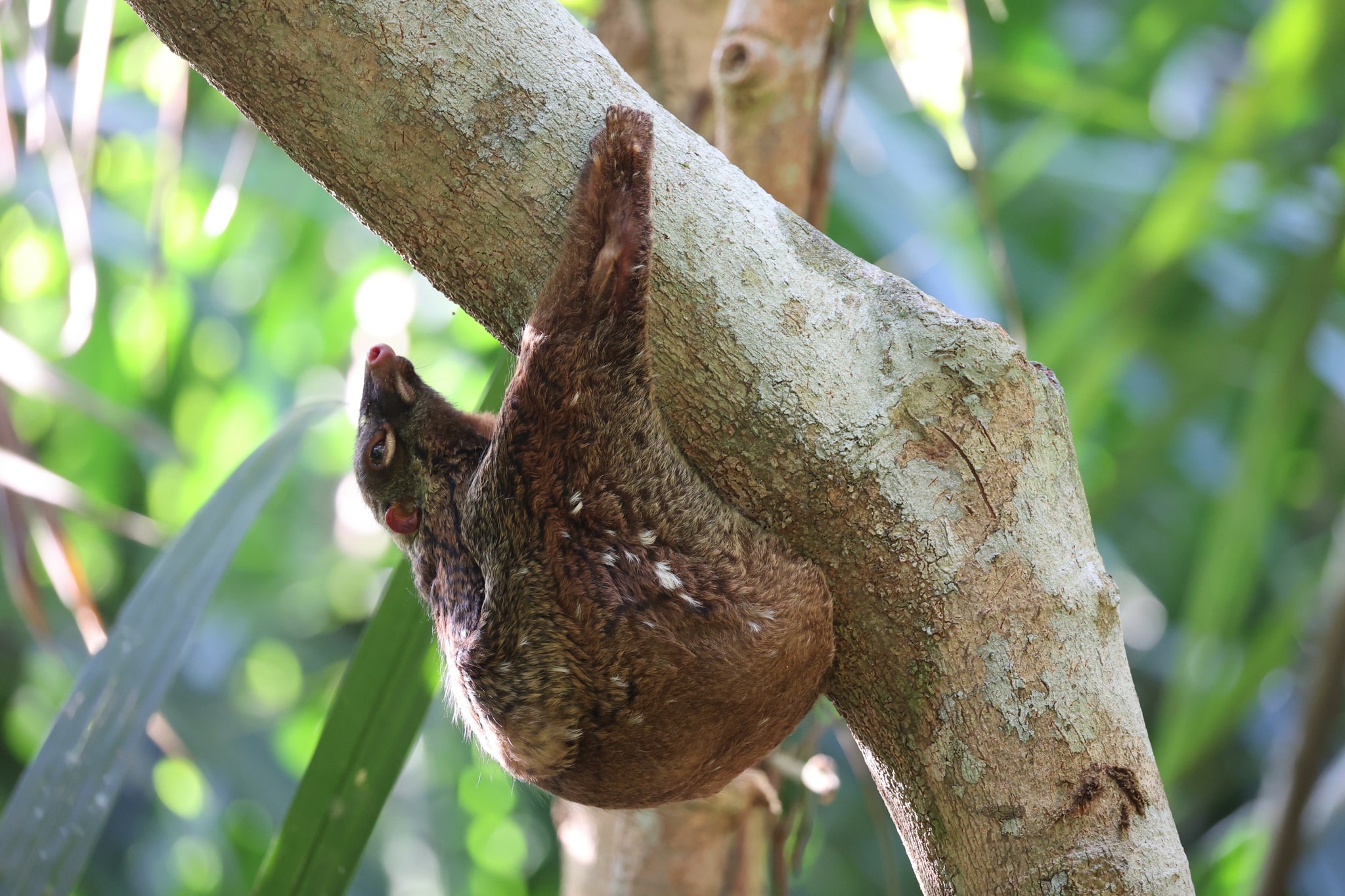
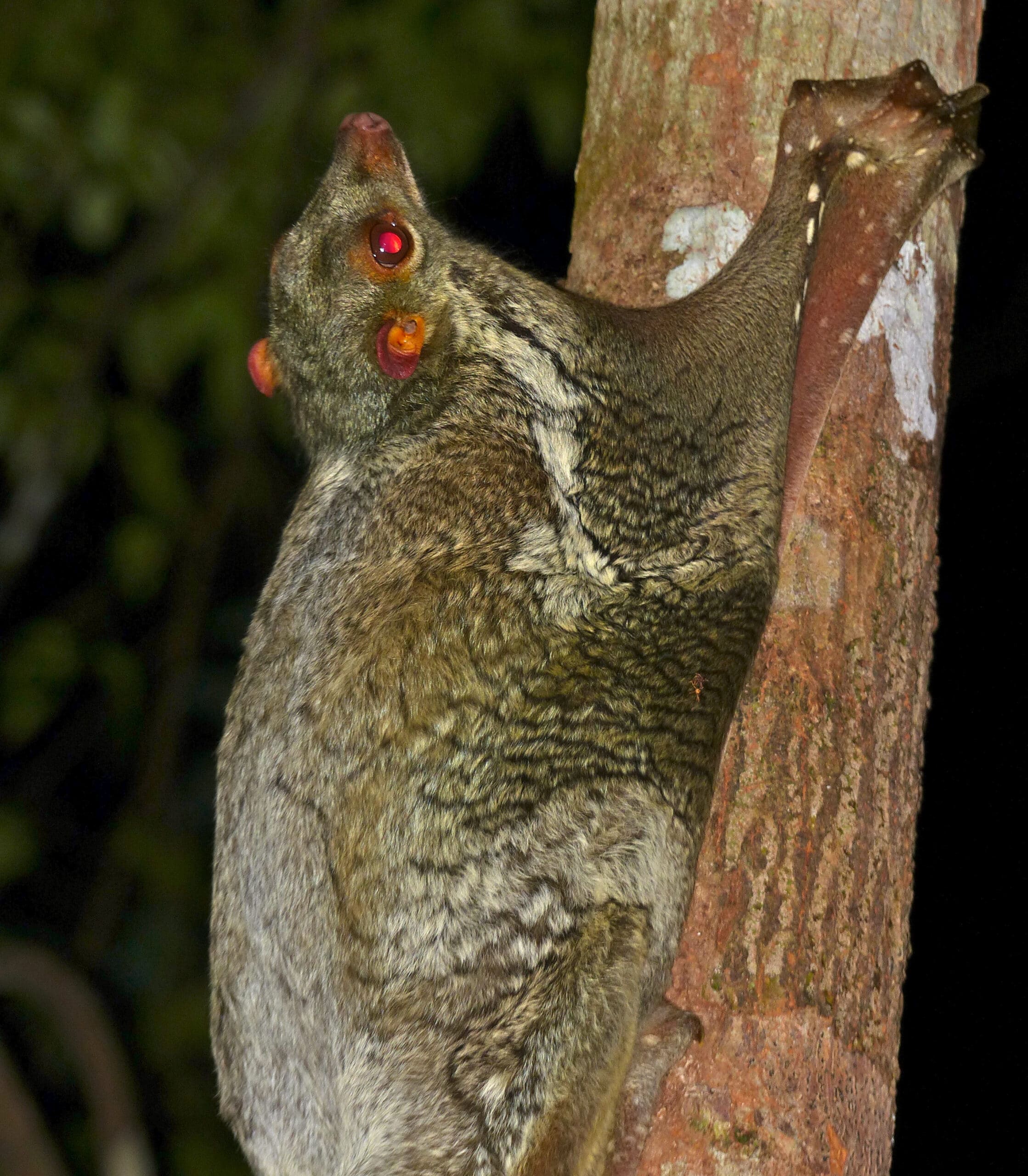
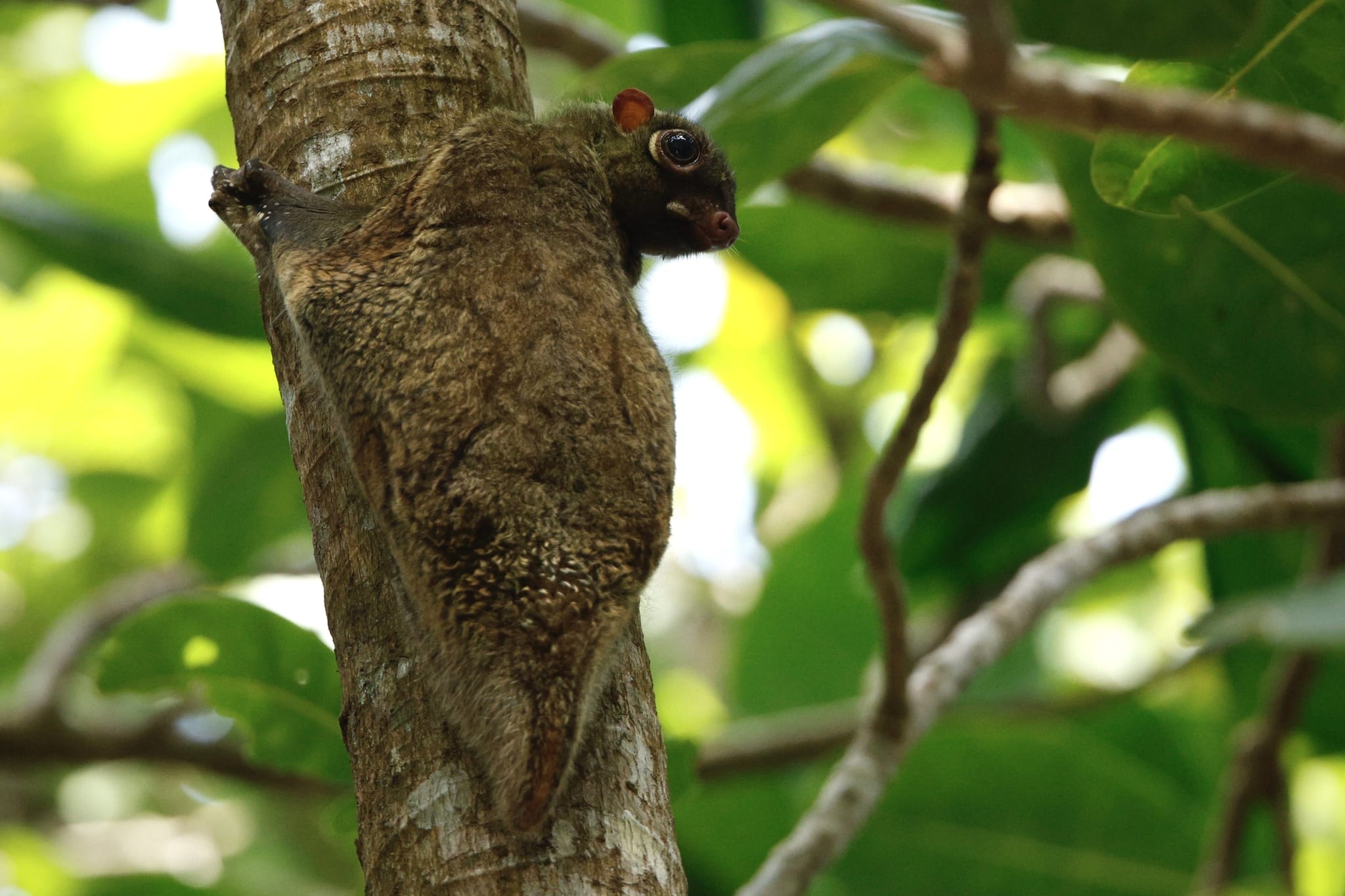
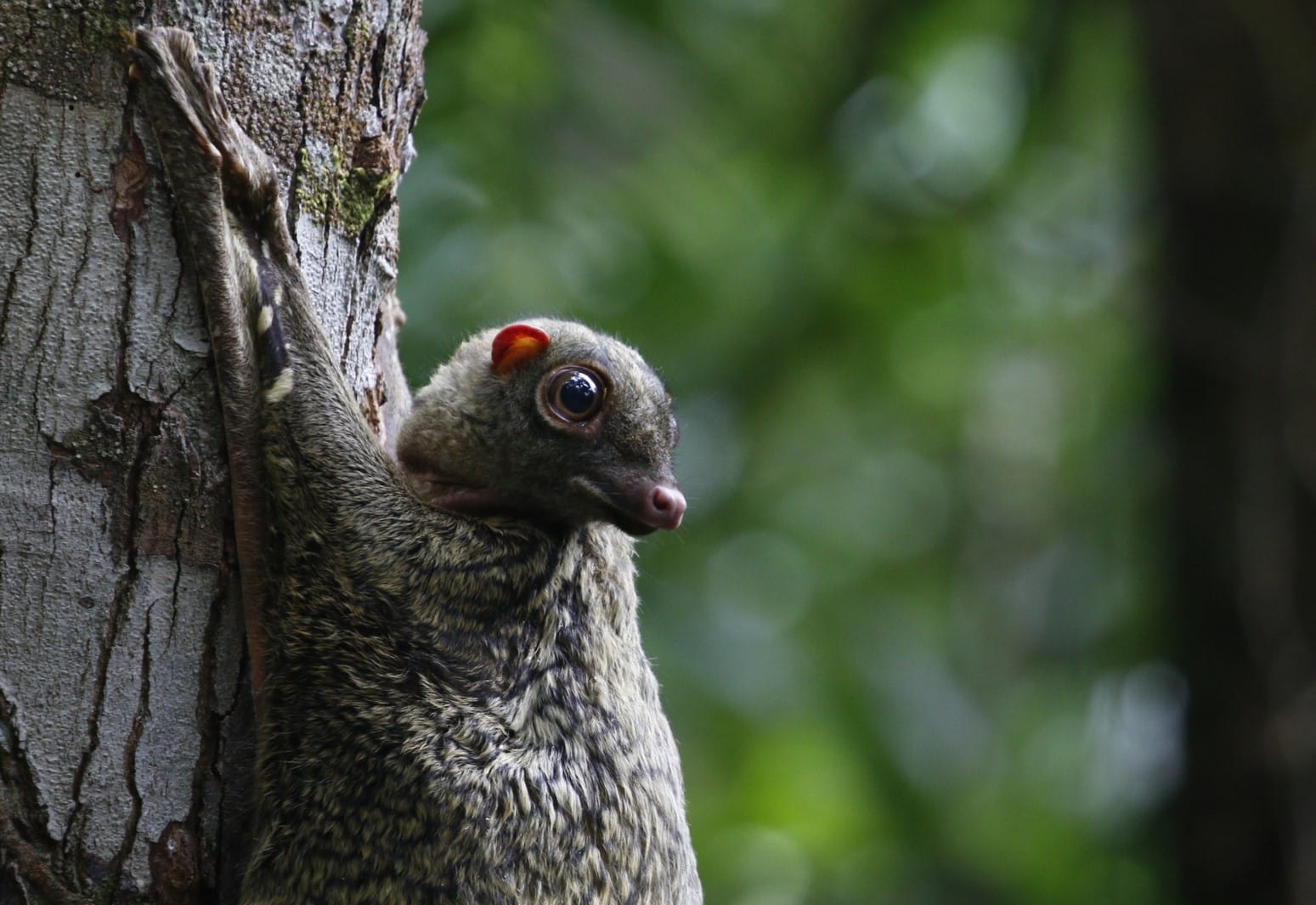
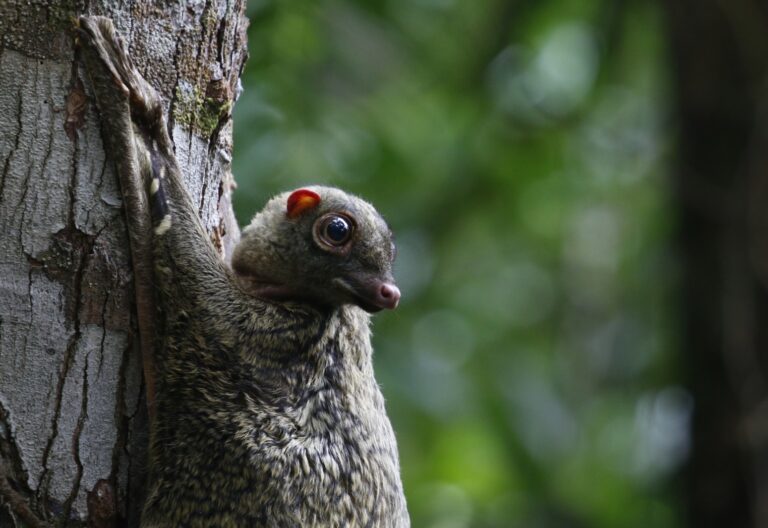
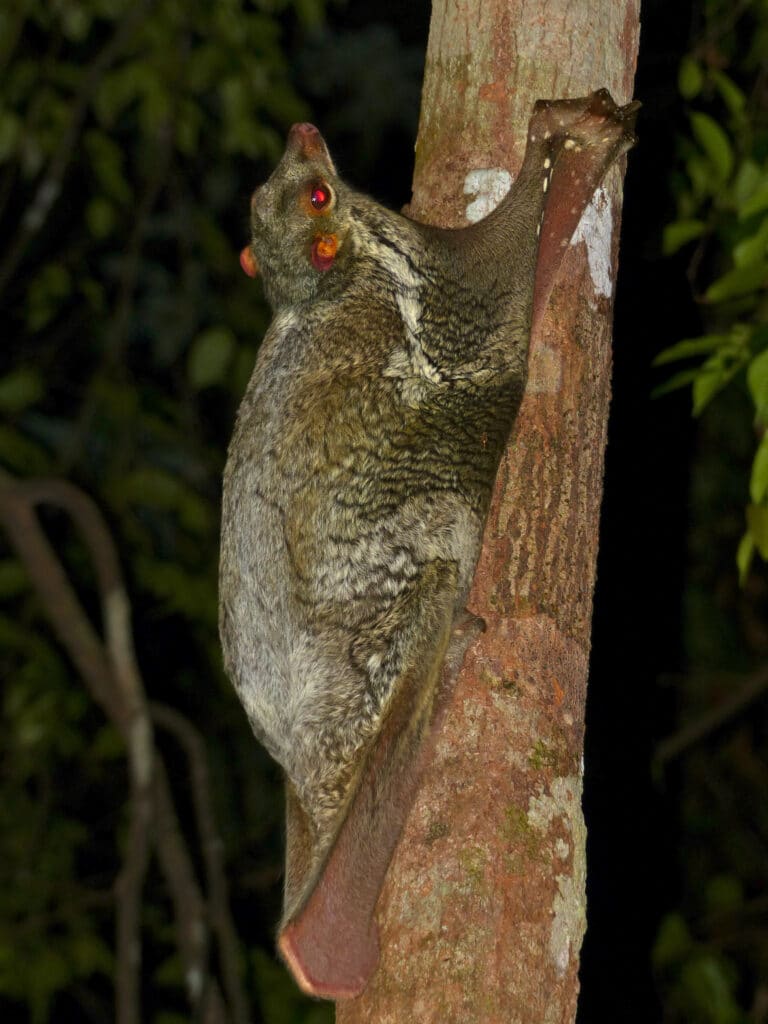
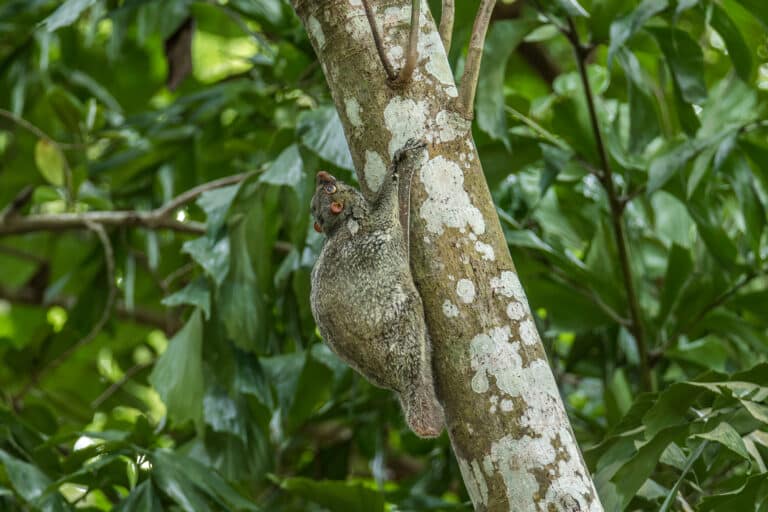
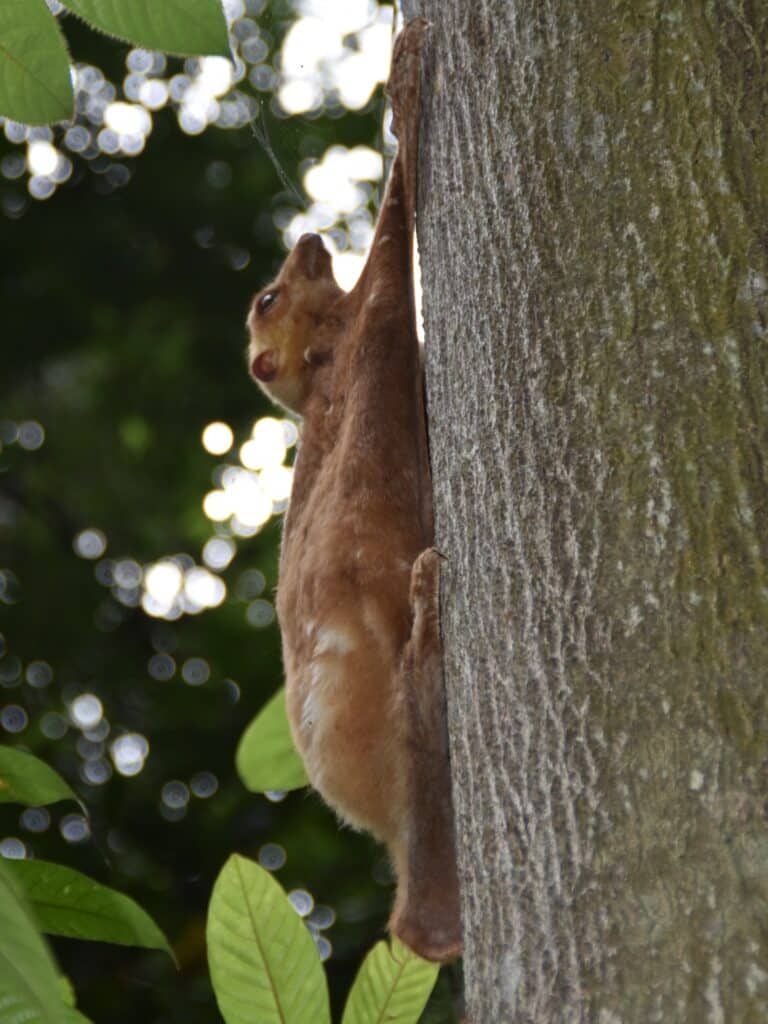
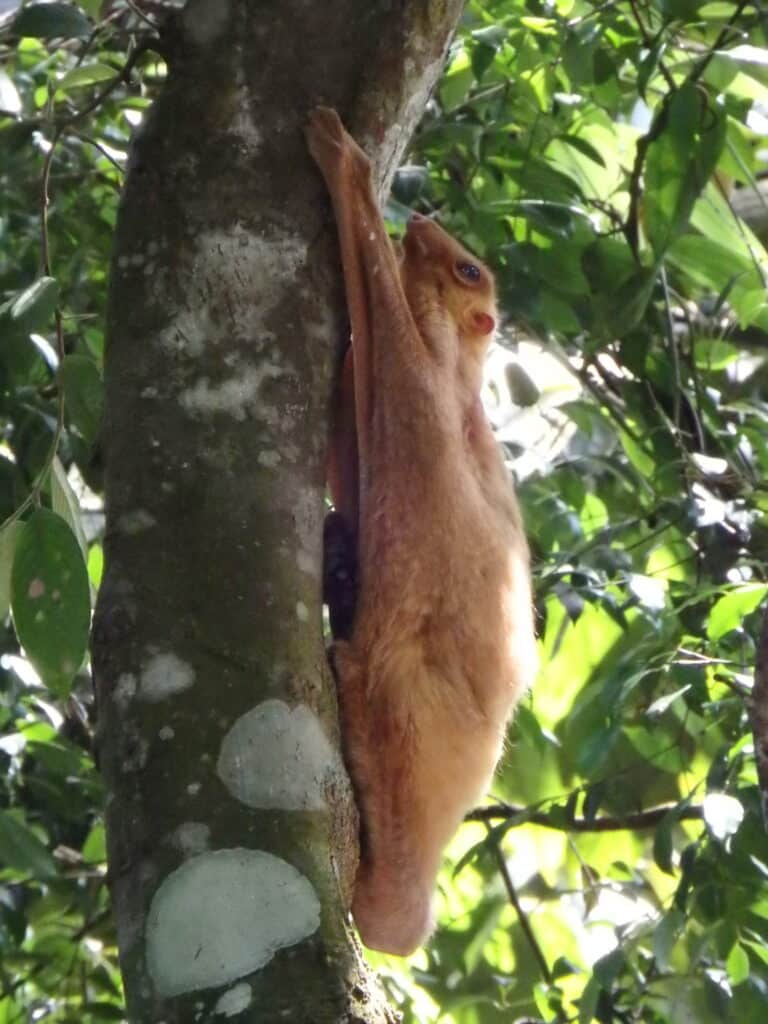
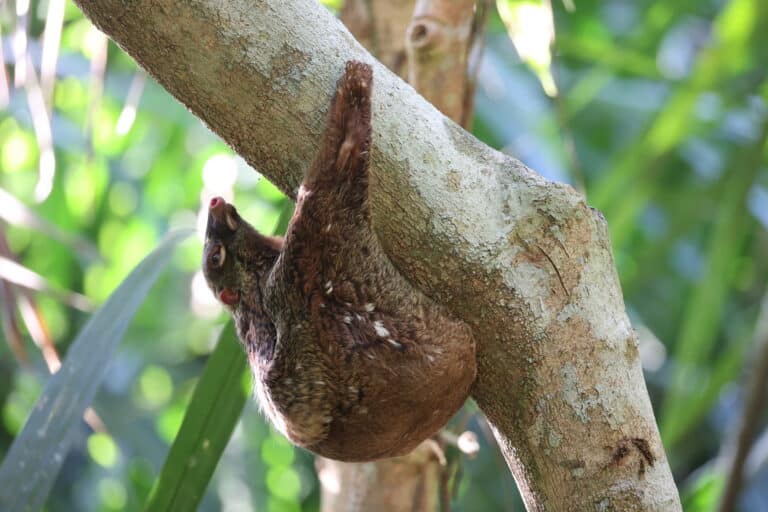
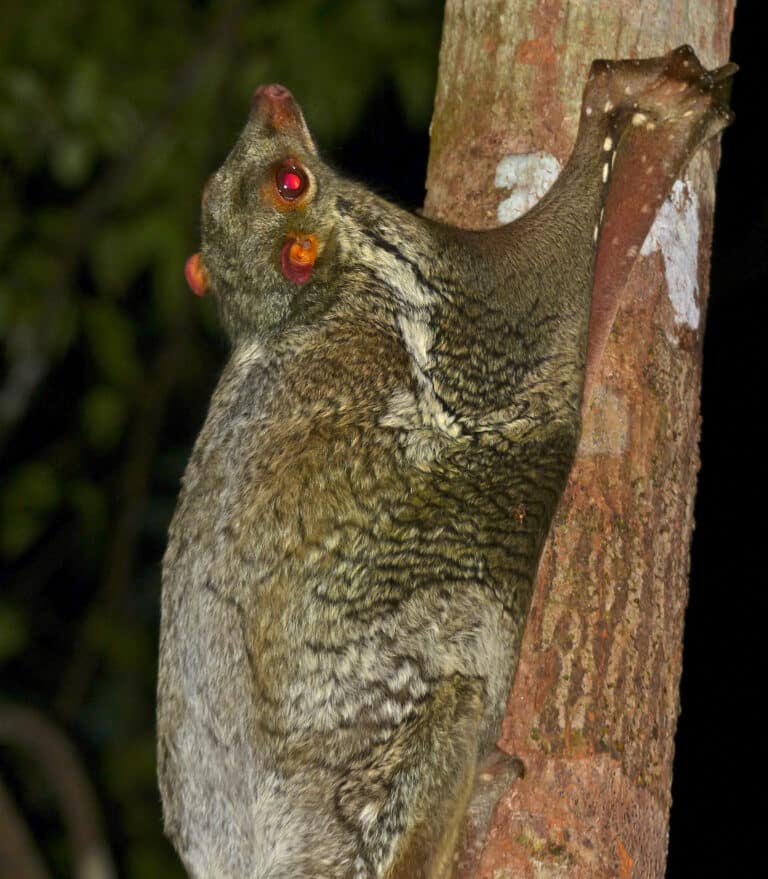
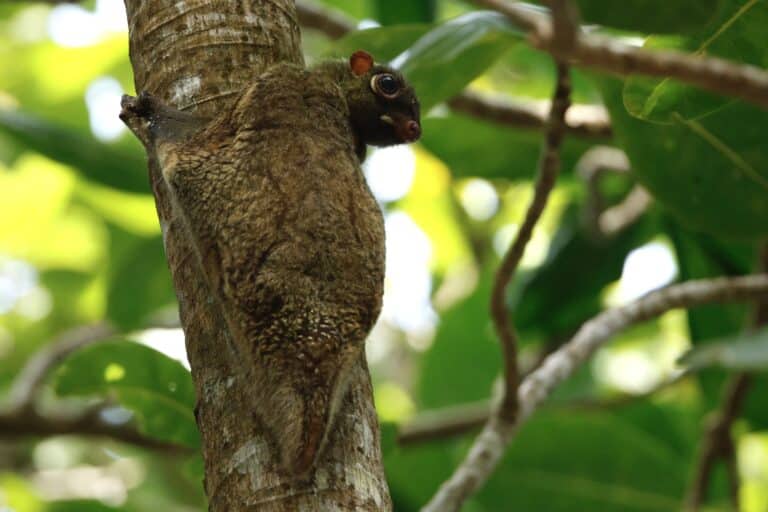
The Flying Lemur, also known as the colugo, is not a lemur at all! This unique creature glides through the trees of Asia, showcasing its impressive aerial skills and distinctive look.
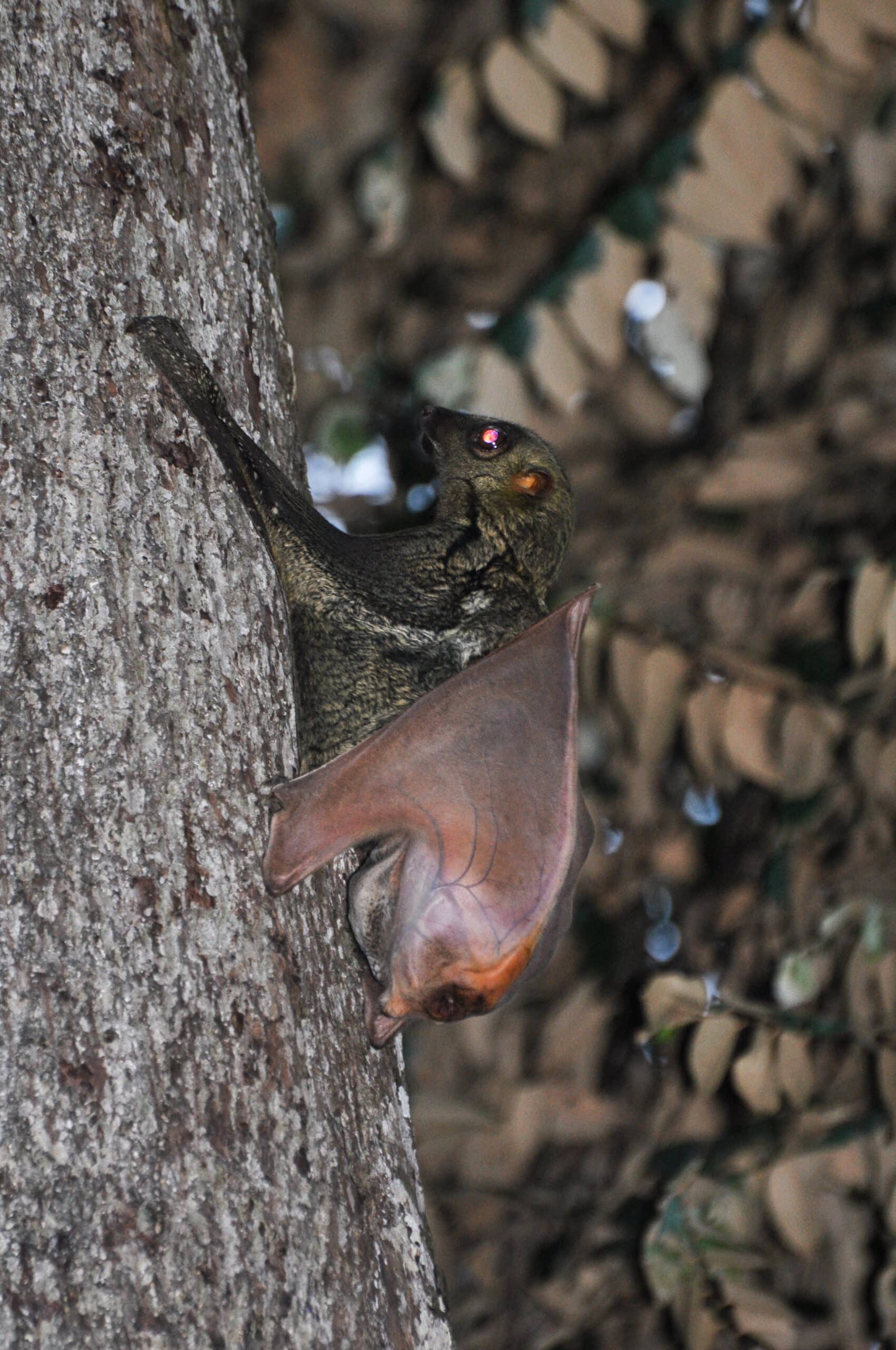
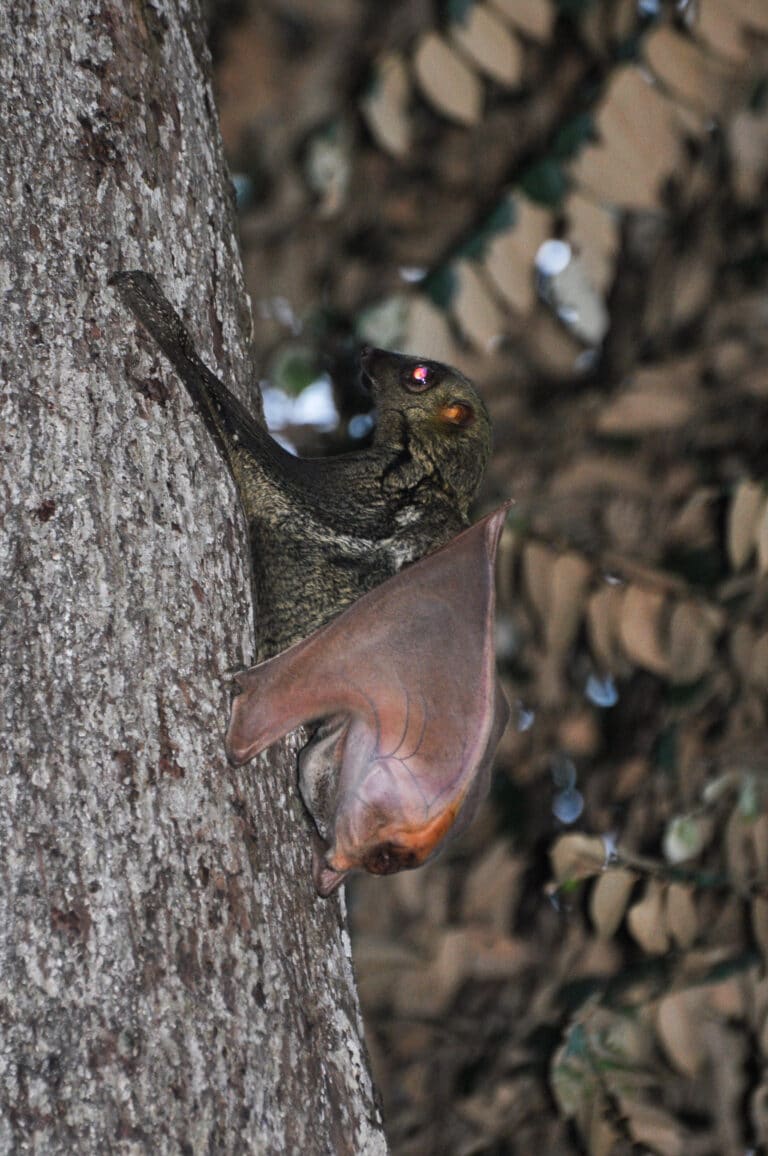
Flying Lemurs typically measure between 38 to 40 centimeters (15 to 16 inches) long. Their large, webbed membranes stretch from their necks to their fingertips and toes, allowing them to glide for impressive distances between trees.
These little gliders primarily munch on a diet of leaves, flowers, and fruits. They have a special knack for finding the tastiest, most nutritious snacks high up in the canopy.
Flying Lemurs boast a long lifespan, living up to 15 years! They thrive in their forest homes, taking on the evening hours and being most active at night.
Despite their name, Flying Lemurs cannot actually fly. They soar gracefully through the air, making their movement look effortless, like a leaf dancing in the wind!
These fun-loving mammals belong to the order Dermoptera, which means

Where can you find a Flying Lemur in the wild?
What does a Flying Lemur eat?
How big can a Flying Lemur grow?
How long does a Flying Lemur typically live?
What is the conservation status of the Flying Lemur?
What are the main threats to the Flying Lemur?
Fun facts
Flying Lemurs have a special skill - they can glide up to 70 meters (230 feet) through the air with the help of their giant skin flaps, which makes them expert aerial acrobats!


These unique gliders have large eyes that help them see in the dark, which is perfect for their nocturnal lifestyle. They might spot snacks or predators long before anyone else does!
They belong to a group of mammals called gliding mammals, but they are more closely related to bats than to lemurs. Talk about an unexpected family tree!
When a Flying Lemur leaps, it spreads its webbed skin like a parachute, which slows its fall and allows for smoother landings. Who needs wings when you're a gliding expert?
These amazing creatures have an interesting social habit of grooming each other. This helps them bond and keep clean, like a furry, flying spa day!
In their forest homes, Flying Lemurs make their presence known with quiet vocalizations that sound like soft chirps or whistles, adding a hint of music to the night!
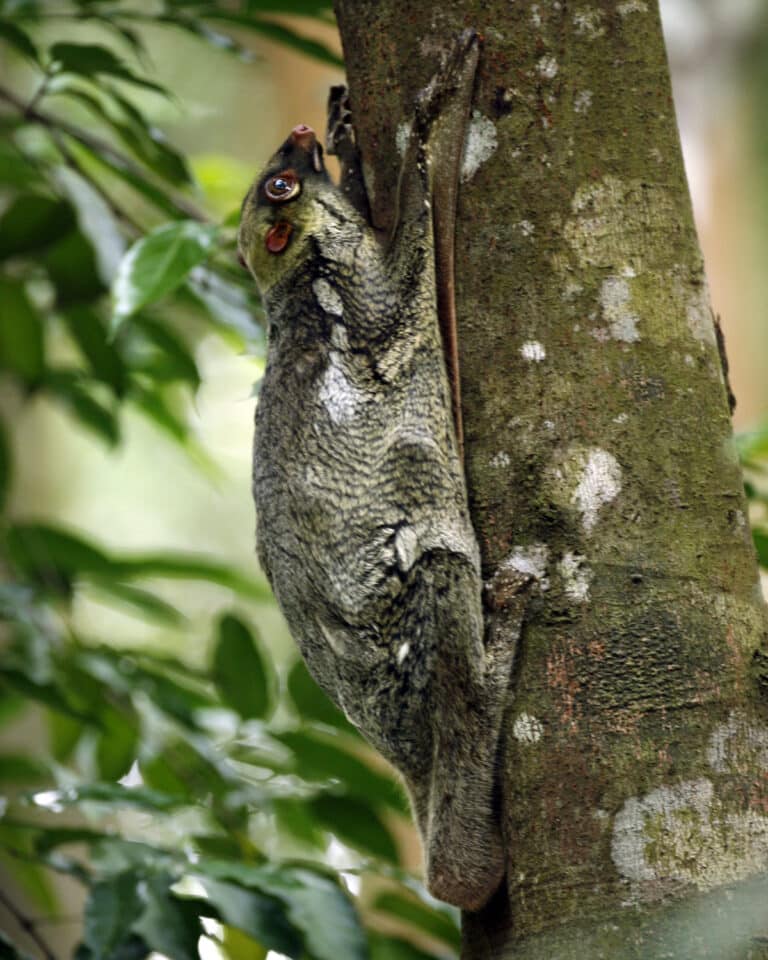
These charming creatures can rotate their ankles backwards, allowing them to grasp tree branches more easily when they hang out upside down!
Flying Lemurs spend a lot of time in trees, blending in perfectly with their leafy surroundings. Their fur patterns help them stay hidden from watchful eyes!
These mammals have a charming way of eating - they seem to savor their meals by chewing slowly, almost as if they are enjoying a gourmet feast out in the treetops!
Flying Lemurs play an important role in their ecosystem as seed dispersers. When they eat fruits and flowers, they help plants grow in new places, acting like little nature helpers!
Photos


The Basics


explore more
Amphibians
Arachnids
Birds
Cats
Crustaceans
Fish
Fish Pet Guide
Gastropods
Insects
Invertebrates
Mammals
Pet Fish
Pet Rodents
Plants
Reptiles
Roundworms
Sea Slugs