
Successfully copied to clipboard!
Fruit Bat
Soar into the world of nature's fruity night flyers!

Let’s Explore
Overview
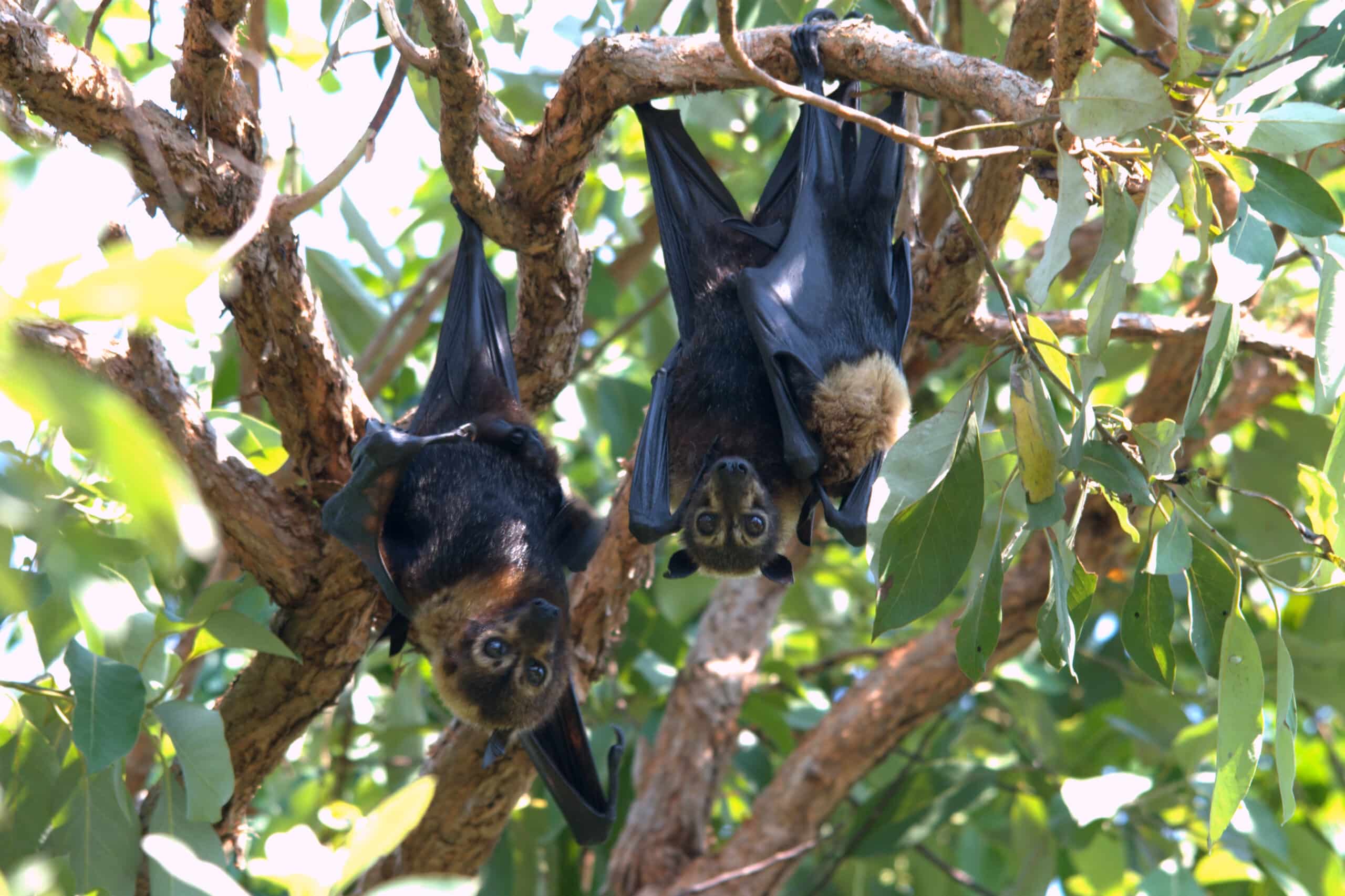
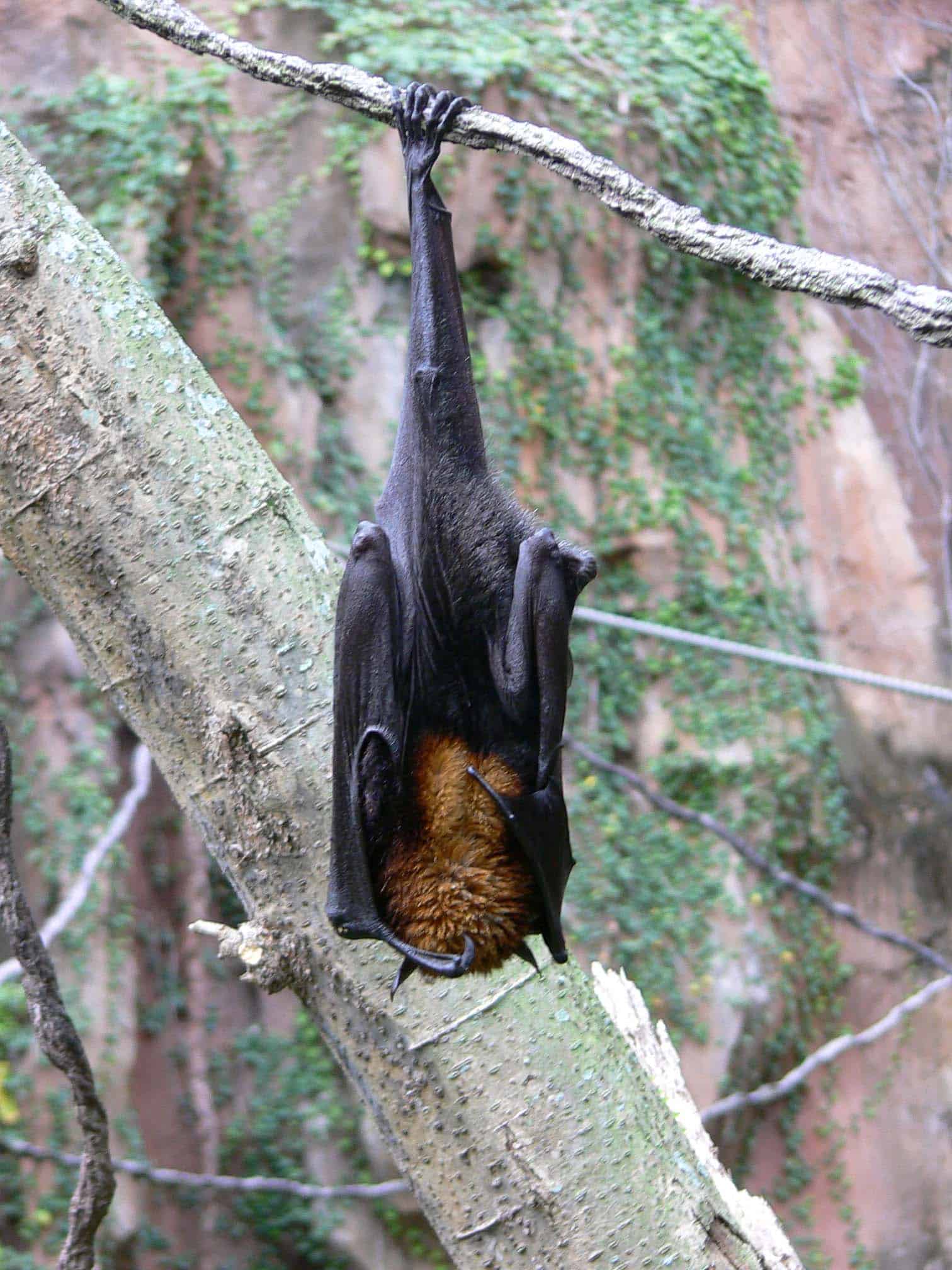
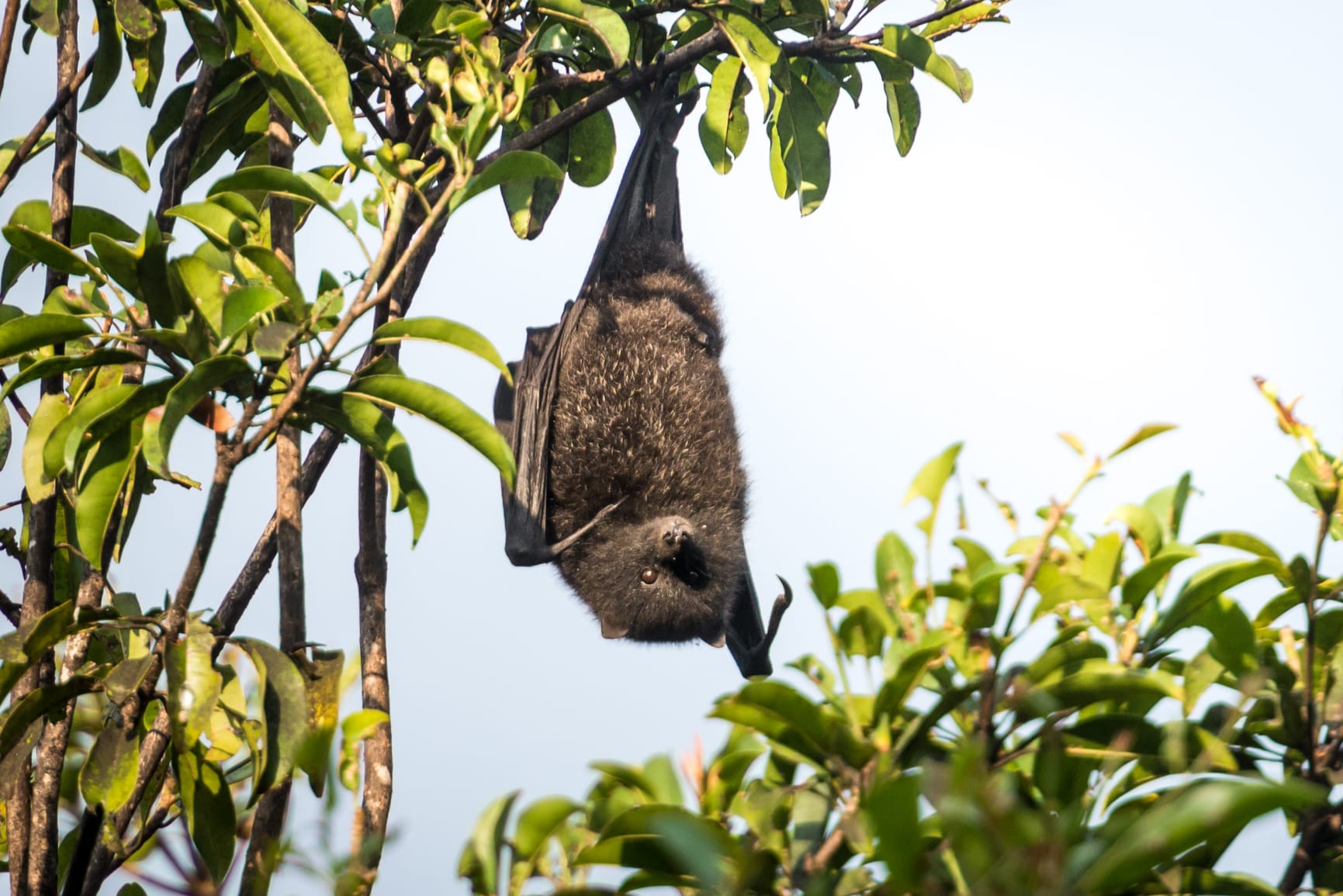
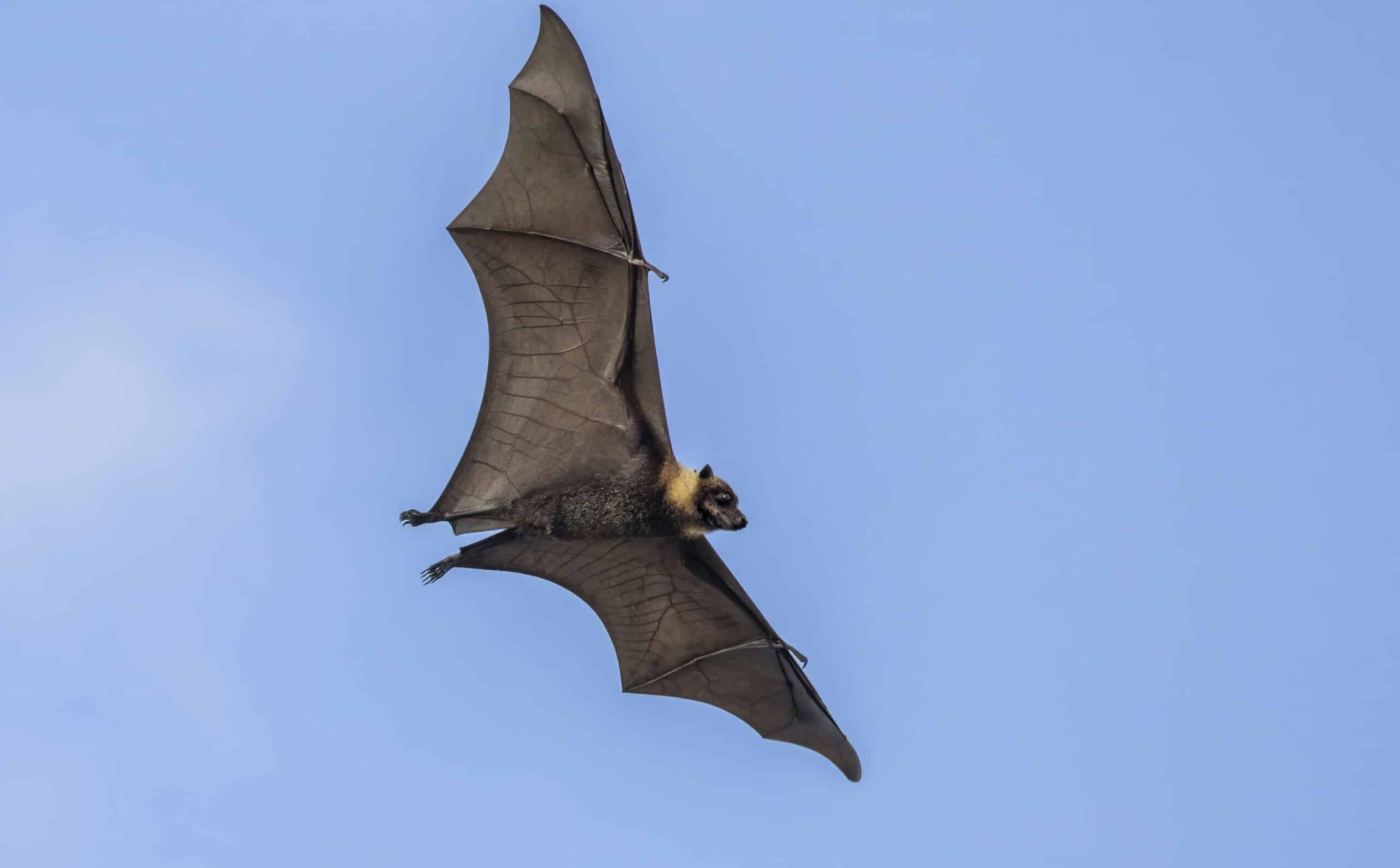
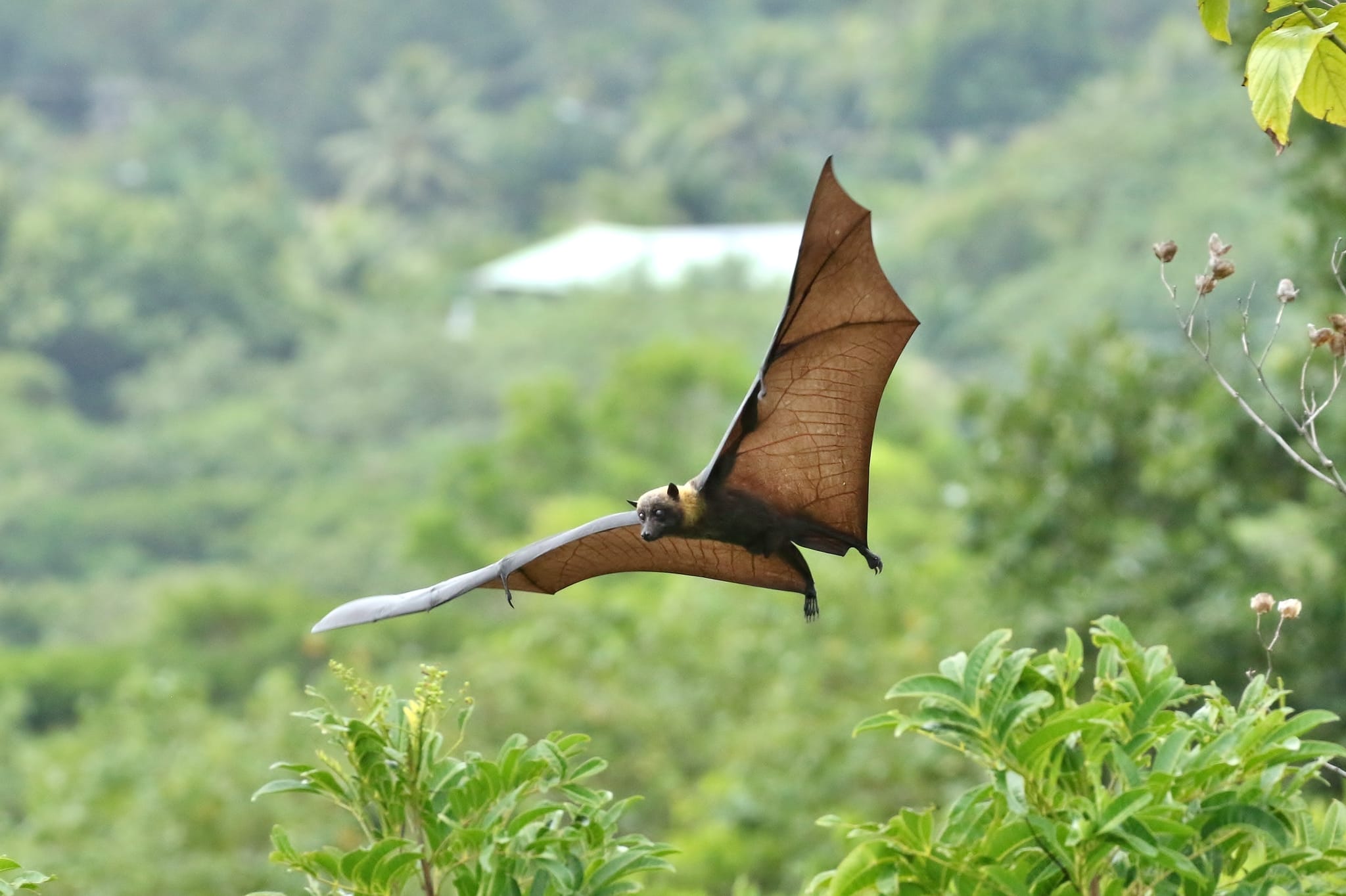
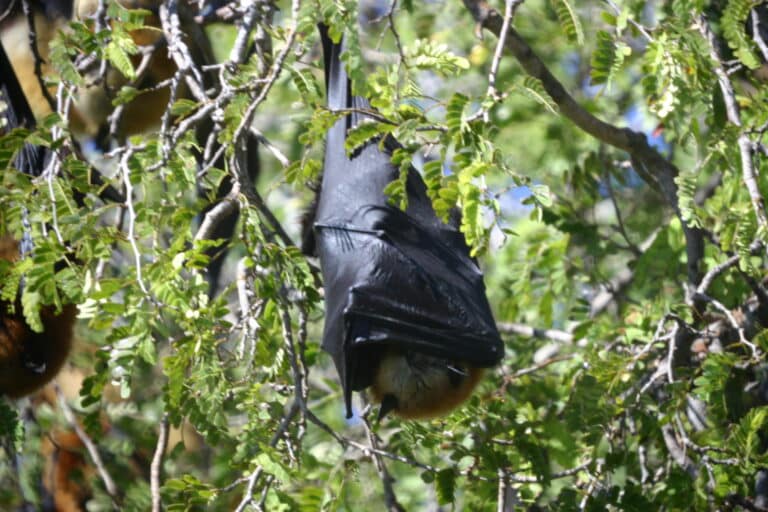
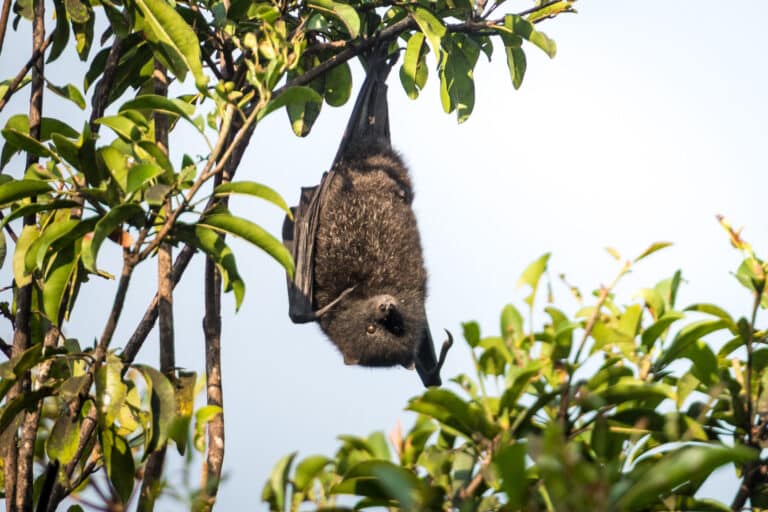
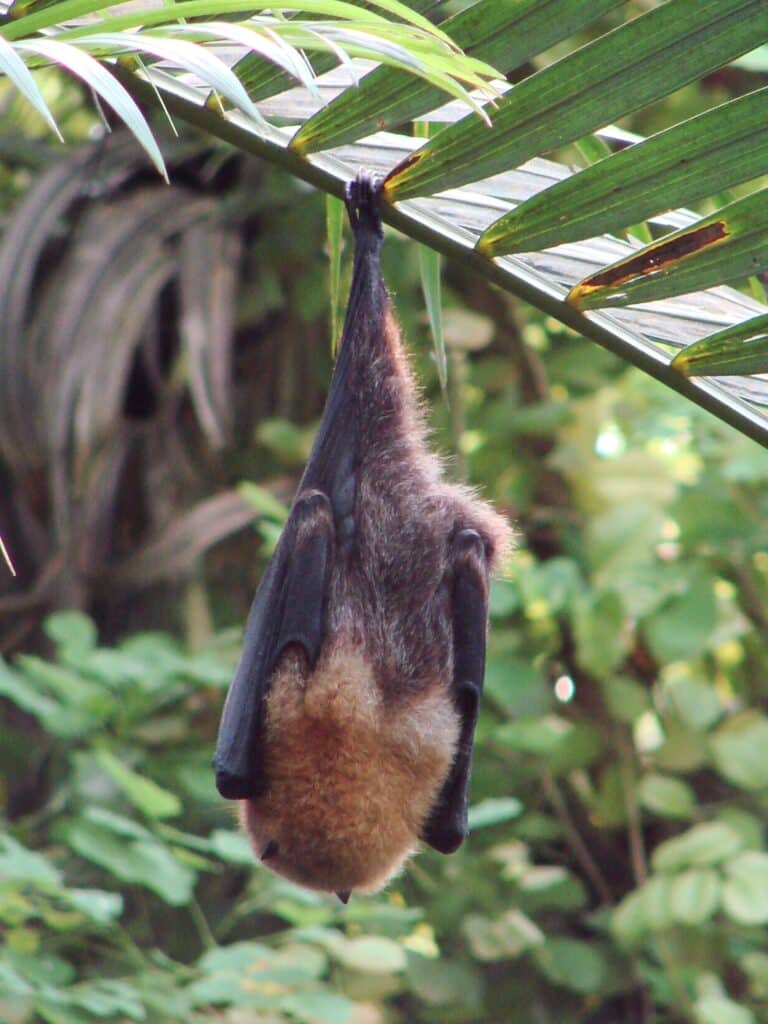
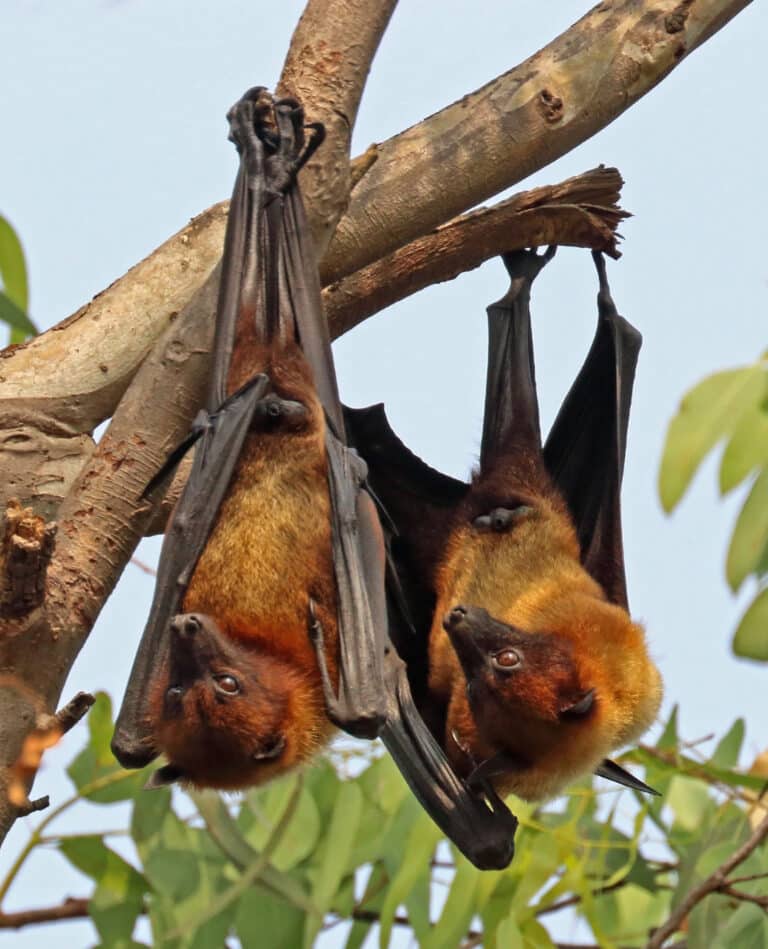
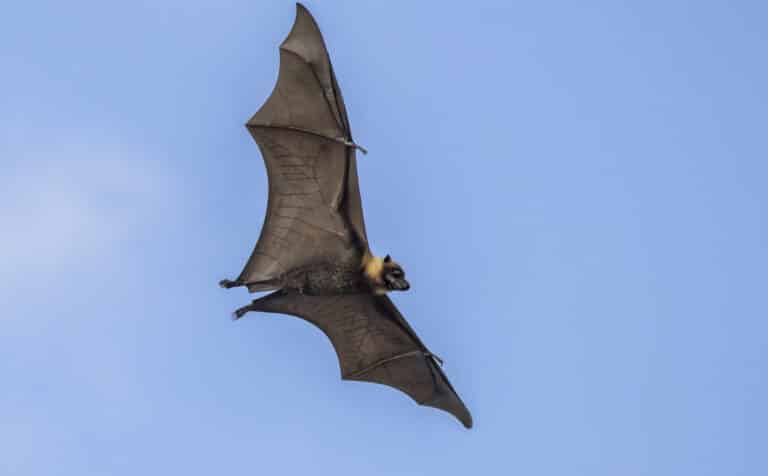
Fruit bats, also known as flying foxes, are wonderful mammals that belong to the order Chiroptera. These amazing creatures can be found flapping their wings in parts of Africa and are famous for their impressive wingspans, which typically range from 11 to 13 inches (28 to 33 centimeters).
Fruit bats love to munch on delicious foods! Their diet mainly consists of fruits, nectar, and flowers, making them the ultimate nature's snack enthusiasts. As they flutter from tree to tree, they help pollinate plants, turning them into candy factories for future generations of bats and other creatures.
The lifespan of fruit bats can be quite long, with these furry flyers living around 10 to 15 years in the wild. Imagine soaring through the skies for over a decade while playing a vital role in your ecosystem like a superhero of the night!
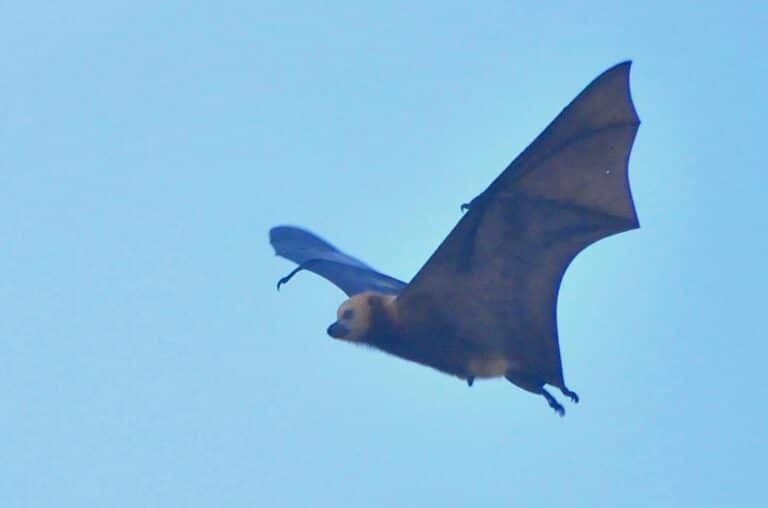
These cool bats have keen eyesight, which helps them navigate in the dark. Unlike other bats that rely on echolocation, fruit bats use their big, bright eyes to find food and friends among the trees. They fly gracefully, making them the ballerinas of the sky!
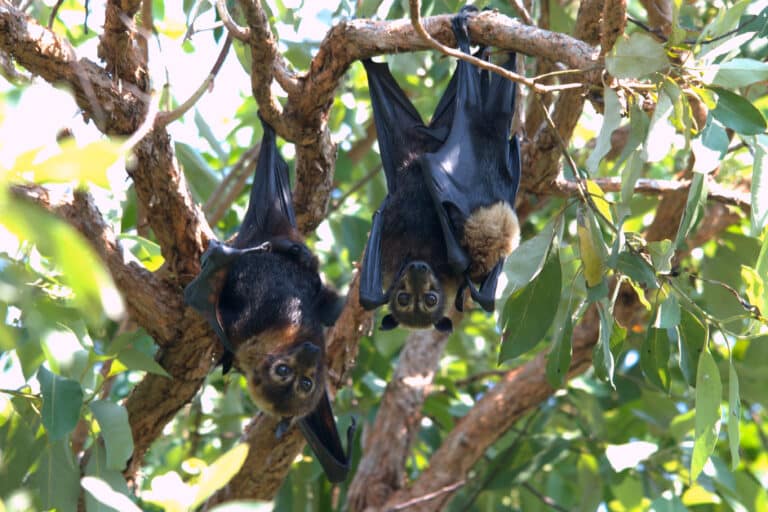
Fruit bats are social creatures that love to hang out in large colonies. You might even say they have a “bat-tastic” time together! These groups help them stay safe and share information about food sources, turning foraging into a fun team sport.
These remarkable mammals remind us how interconnected our world is. By pollinating flowers and helping trees grow, fruit bats play a vital role in creating healthier ecosystems for everyone!

Where can you find a Fruit Bat in the wild?
What does a Fruit Bat eat?
How big can a Fruit Bat grow?
How long does a Fruit Bat typically live?
What is the conservation status of the Fruit Bat?
What are the main threats to the Fruit Bat?
Fun facts
Fruit bats can eat over 200 grams of fruit in a single night, which is roughly one-third of their body weight! They are the ultimate night snackers, turning trees into their personal buffet.


These furry flyers can recognize each other by their unique voices. It is like having a personal bat-buddy system where they call out to each other in the dark!
Fruit bats have excellent vision, allowing them to see well at night. They can spot their favorite fruits from a distance, making them nature's aerial fruit seekers.
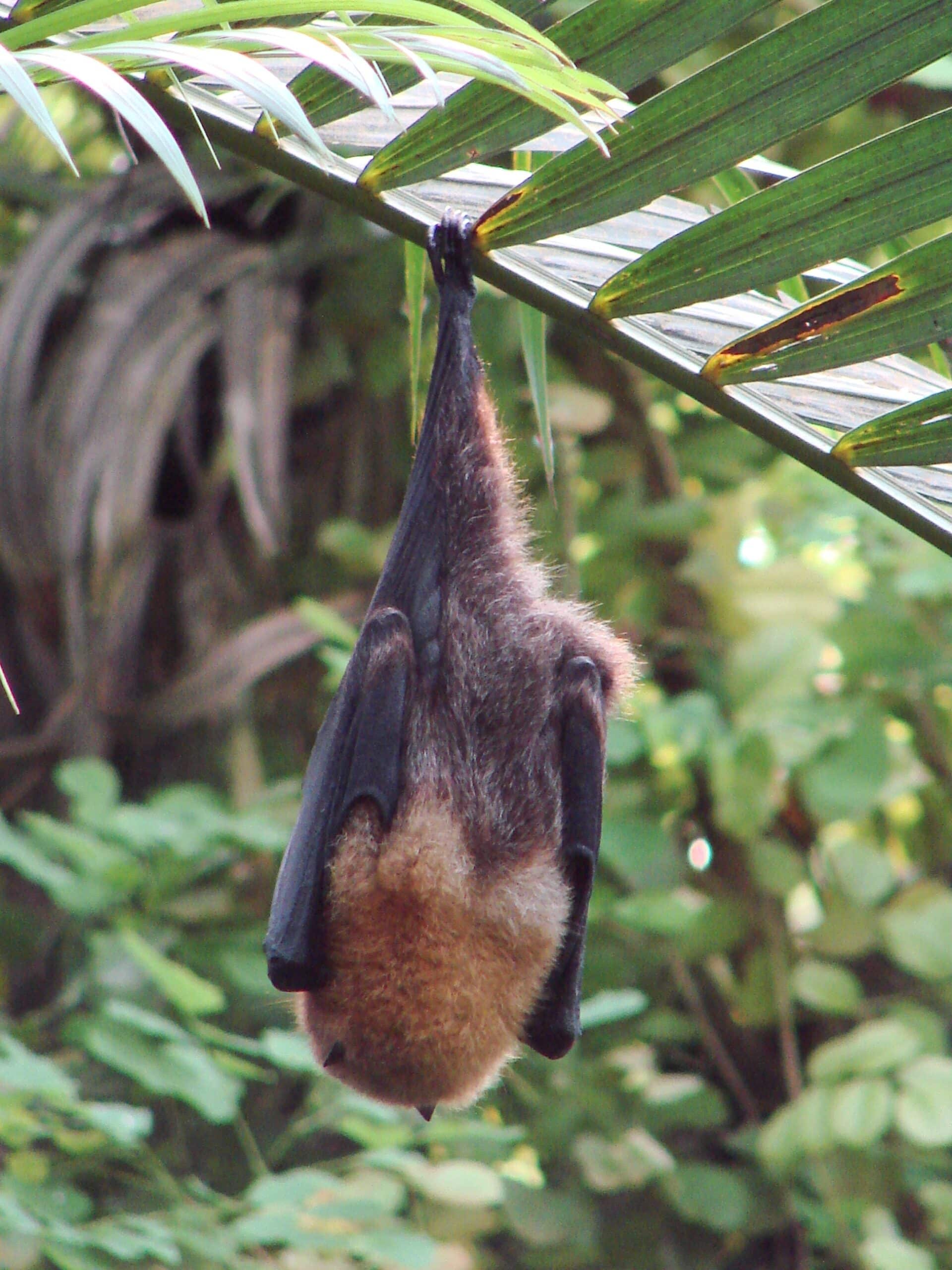
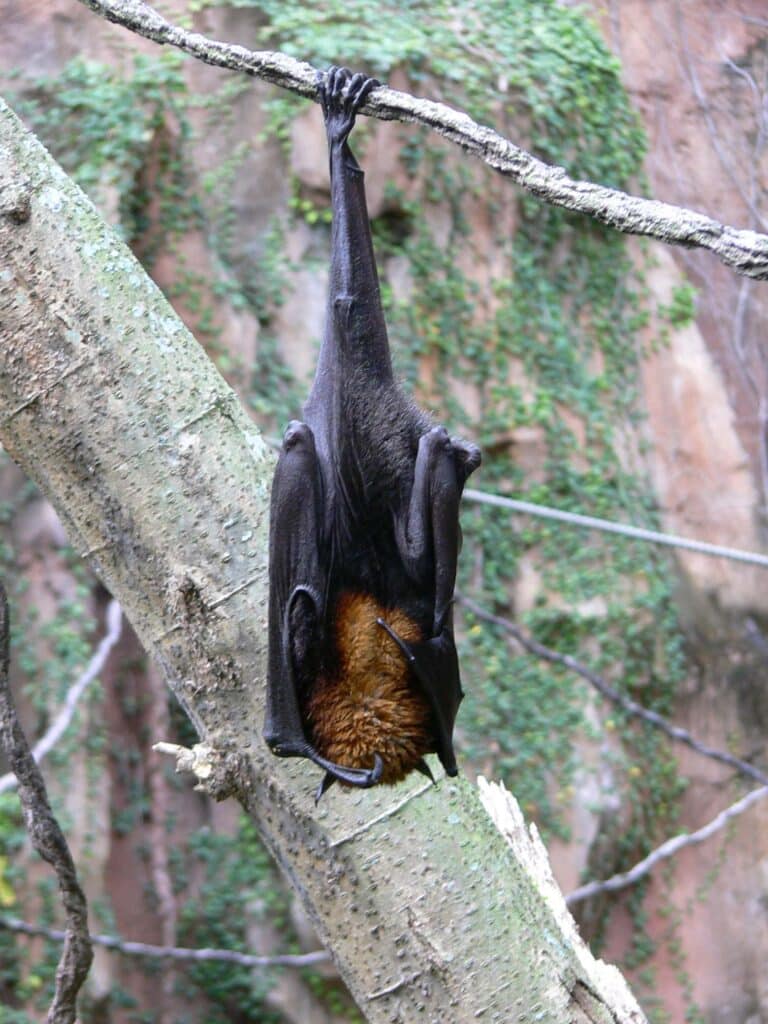
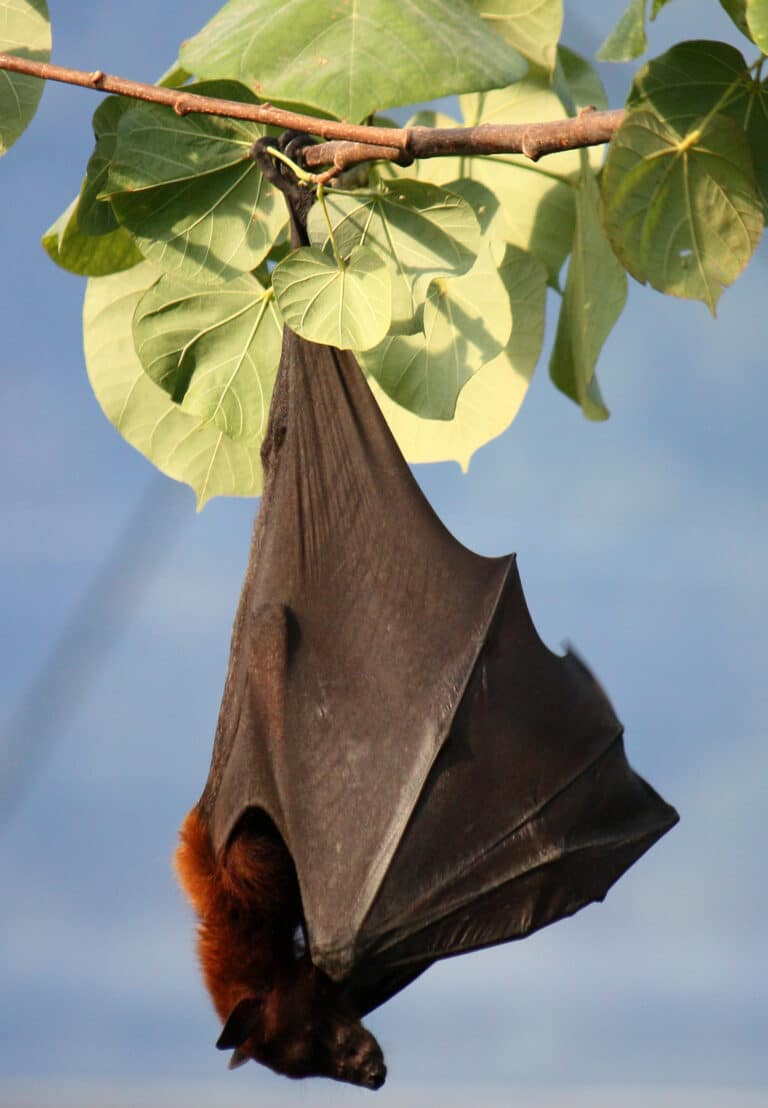
When fruit bats hang upside down, their feet lock onto branches without them using energy. It is like an automatic safe mode when they take a break from flying!
Some species of fruit bats can travel over 50 kilometers (about 31 miles) in one night while searching for food! That is like flying from one city to another just for a tasty snack.
Fruit bats play a crucial role in pollinating flowers. As they enjoy their nectar snacks, they help plants produce fruits for many animals, including humans.
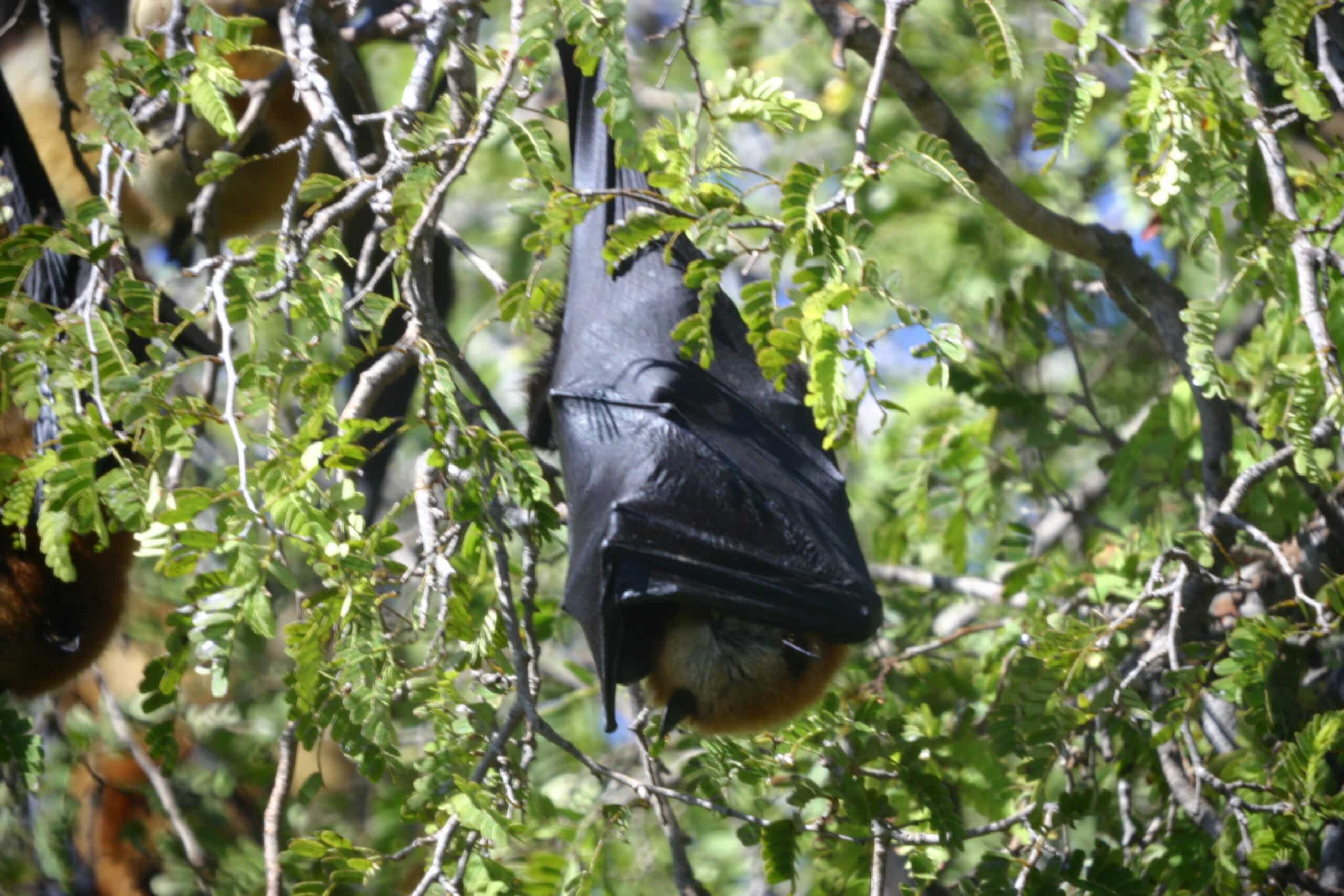
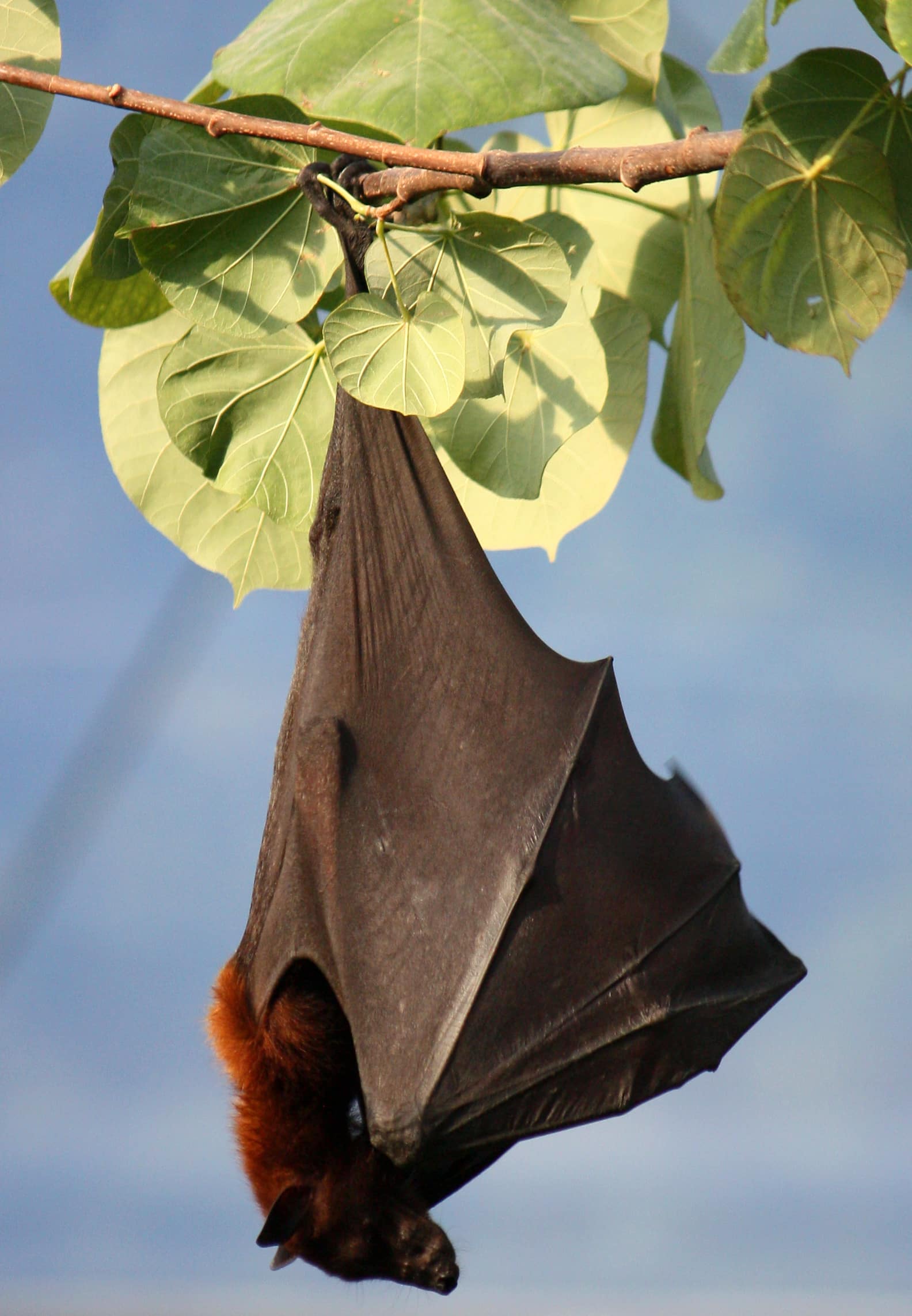
These bats can sometimes cover their eyes with their wings when they sleep, making them look like they're cuddling in blankets. They know how to nap in style!
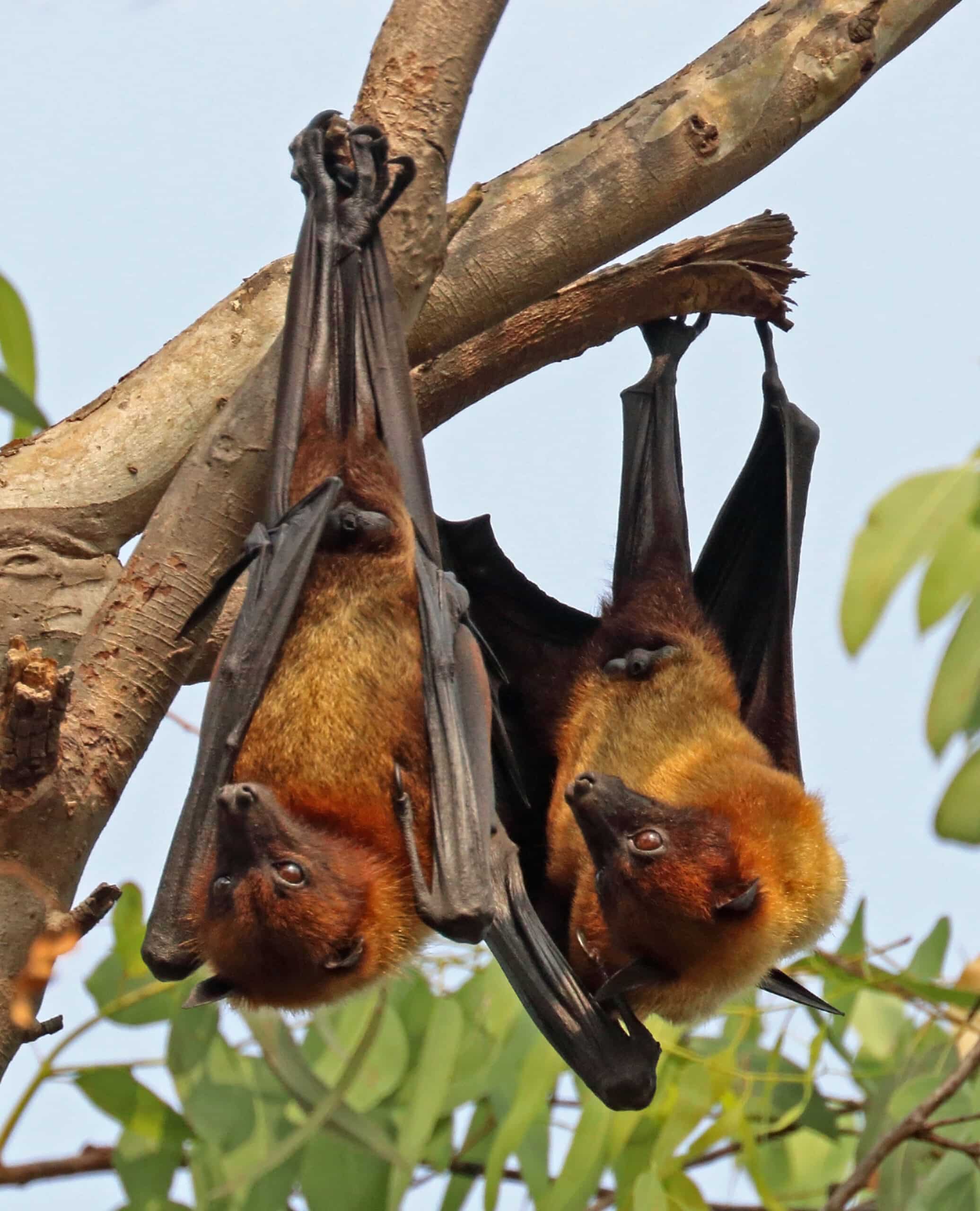
A group of fruit bats roosting together is called a camp. These camps can have hundreds to thousands of bats, turning a tree into a lively bat party!
Fruit bats have a special way of communicating. They make soft humming and clicking sounds which help them stay connected with their group in the dark.
Some fruit bats can consume nectar from flowers with long tongues, much like a hummingbird! They drink from flowers while keeping their bellies full for their nightly adventures.
Photos




The Basics


explore more
Amphibians
Arachnids
Birds
Cats
Crustaceans
Fish
Fish Pet Guide
Gastropods
Insects
Invertebrates
Mammals
Pet Fish
Pet Rodents
Plants
Reptiles
Roundworms
Sea Slugs