Successfully copied to clipboard!
Hooded Seal
Uncover the magical world of the playful hooded seal!
Let’s Explore
Overview
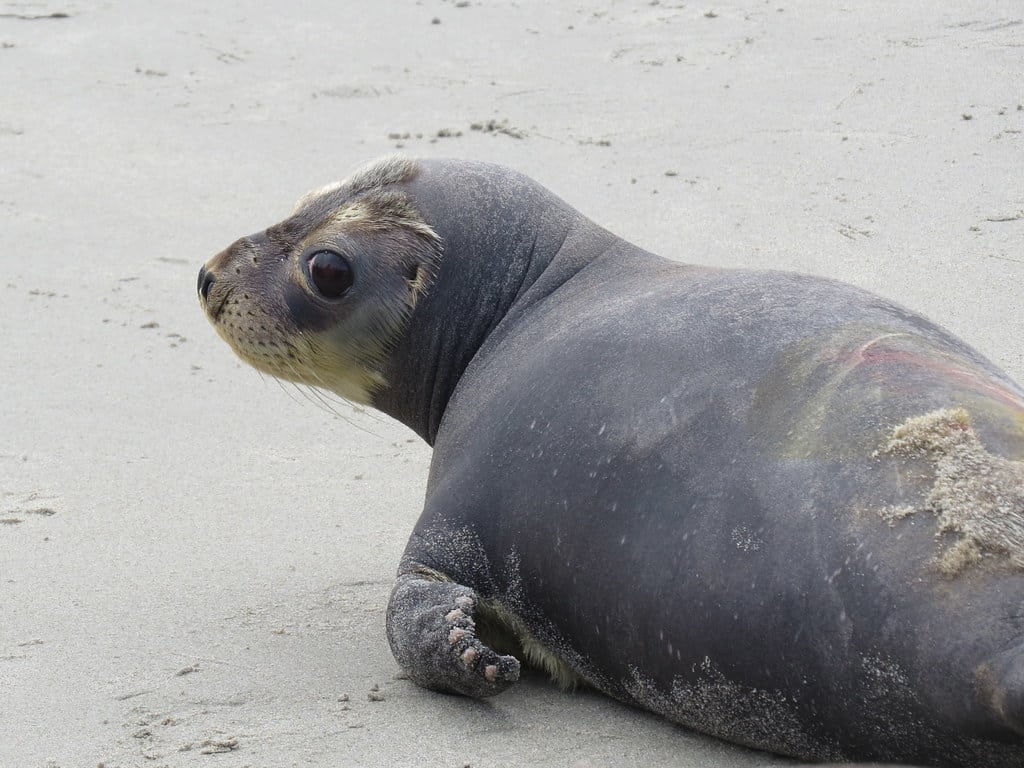
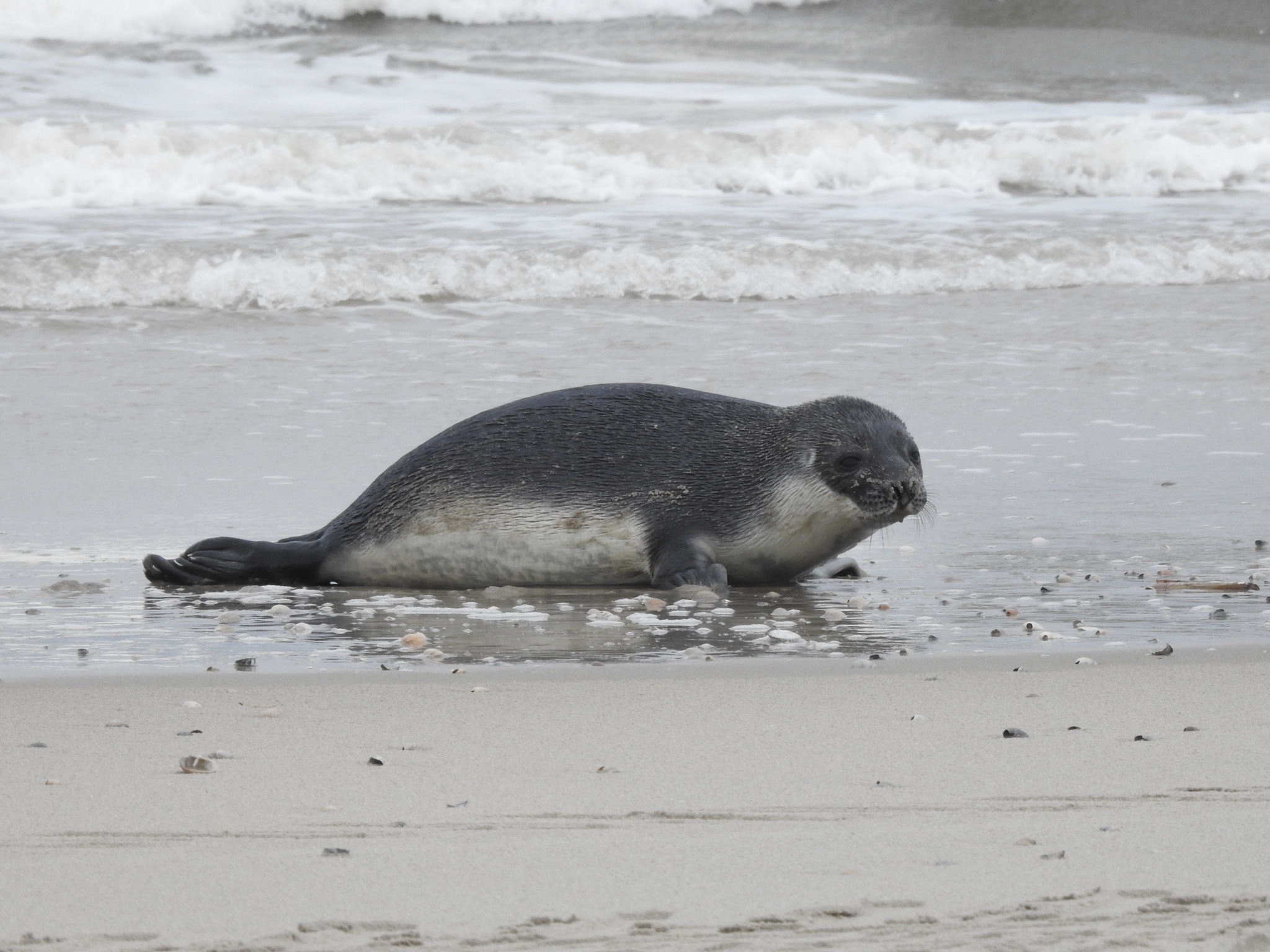
The hooded seal is a cool mammal that calls the icy waters of Europe its home. These blubbery beauties grow to be about 1.8 to 2.4 meters (6 to 8 feet) long, making them quite a sight when they glide through the waves.
The name "hooded seal" comes from the males' impressive neck sac, which they can inflate to look extra spectacular during mating season. This balloon-like feature can turn bright pink, and it's a showstopper that surely gets attention in the seal world.
Hooded seals enjoy a delicious diet of fish, squid, and crustaceans. Their sharp teeth help them catch slippery seafood as they dive underwater, typically reaching depths of about 200 meters (656 feet).
Their chubby bodies are built for swimming, but they also like to take breaks on the ice. These seals can live for 25 to 30 years, making them seasoned veterans of the sea. Who could say no to such a long life filled with swimming and sunbathing?
In addition to their unique look, hooded seals are known for being skilled divers. They can hold their breath for up to 30 minutes while foraging for food in the depths of the ocean. Talk about underwater superstars!
These seals are also tricky to find when they are resting on the ice, as they blend in perfectly with their surroundings. A little patience and a lot of luck can lead you to catch a glimpse of these fascinating creatures in their icy habitat.

Where can you find a Hooded Seal in the wild?
What does a Hooded Seal eat?
How big can a Hooded Seal grow?
How long does a Hooded Seal typically live?
What is the conservation status of the Hooded Seal?
What are the main threats to the Hooded Seal?
Fun facts
The neck sac of male hooded seals can inflate to be larger than a soccer ball, turning bright pink during mating season to attract females and scare rivals.


Hooded seals can dive down to 200 meters (656 feet) and hold their breath for up to 30 minutes while searching for tasty fish, squid, and crustaceans.
These seals can weigh more than a human, with males reaching up to 300 kilograms (660 pounds) during their robust life in the Arctic waters.
When hooded seal pups are born, they have a fluffy white coat that makes them look like real-life marshmallows floating on the ice!
Hooded seals have a special adaptation that protects their eyes from bright sunlight on the ice. Their eyes can actually change shape to adjust to the light, almost like built-in sunglasses!
Unlike other seals, hooded seals do not form large groups and prefer to relax alone on the ice, making them the introverts of the seal world!
These seals communicate using a range of sounds, from grunts to whistles, almost like they are having an underwater party!
Hooded seals can swim at speeds of up to 35 kilometers per hour (22 miles per hour), making them one of the speedy swimmers in chilly waters!
When they feel threatened, hooded seals can dive deep underwater or blend in with the ice, showing off their super sneaky skills!
These amazing mammals can live for 25 to 30 years, which means they have plenty of time for exciting underwater adventures and sunbathing on the icy shores.
Photos





The Basics


explore more
Amphibians
Arachnids
Birds
Cats
Crustaceans
Fish
Fish Pet Guide
Gastropods
Insects
Invertebrates
Mammals
Pet Fish
Pet Rodents
Plants
Reptiles
Roundworms
Sea Slugs