Successfully copied to clipboard!
House Sparrow (English Sparrow)
Explore the cheerful feathered friends that thrive alongside us!
Let’s Explore
Overview
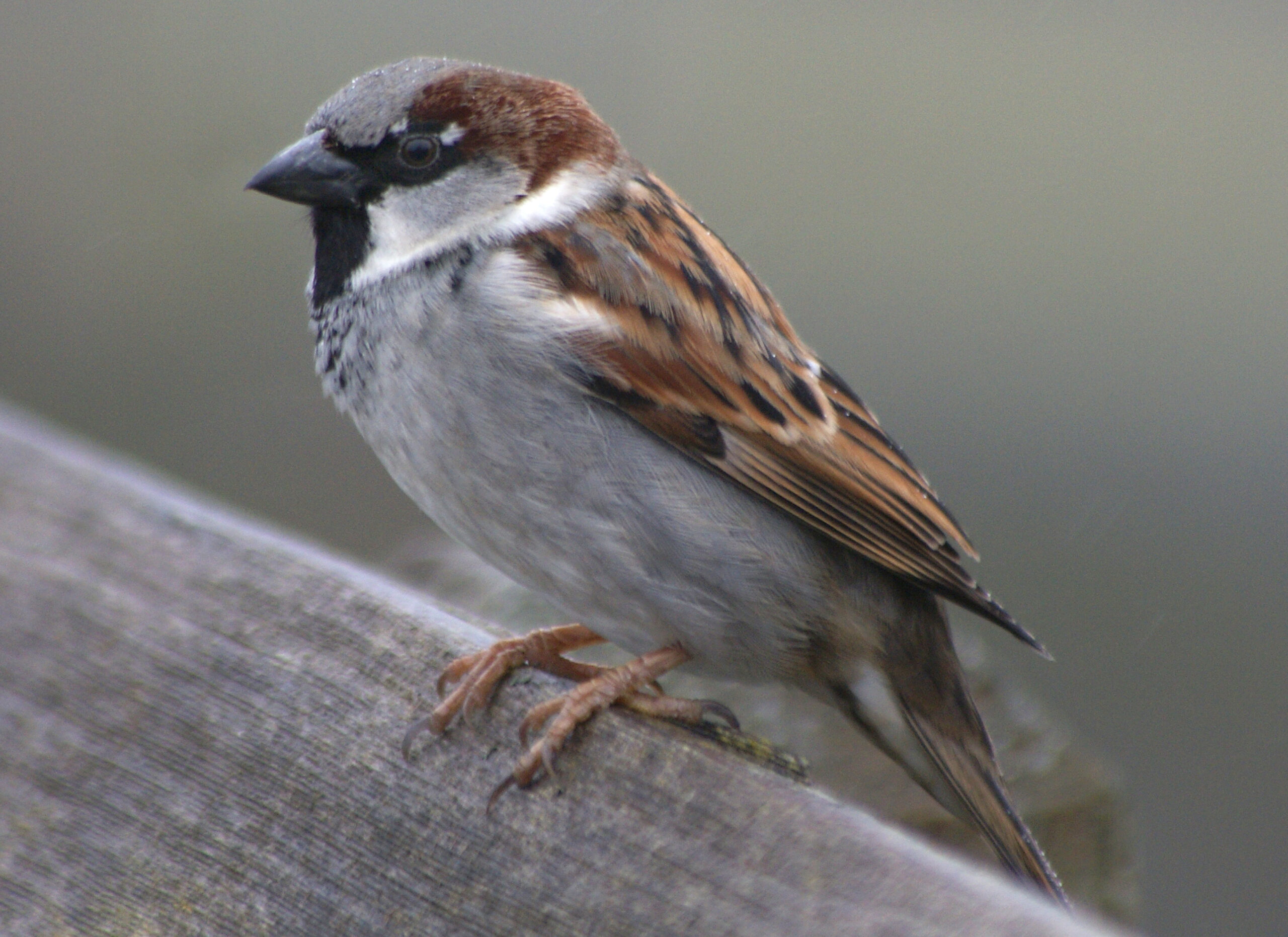
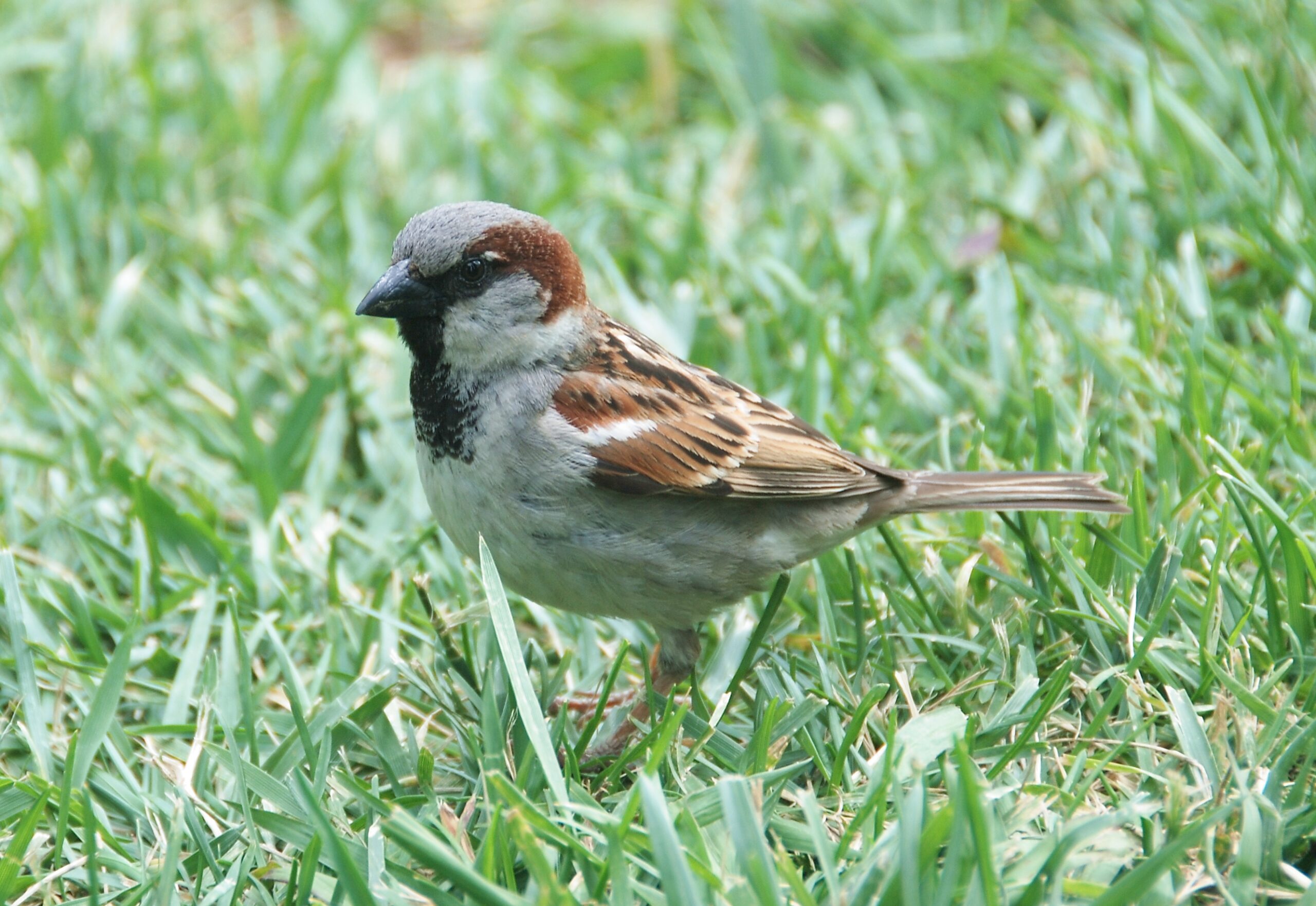
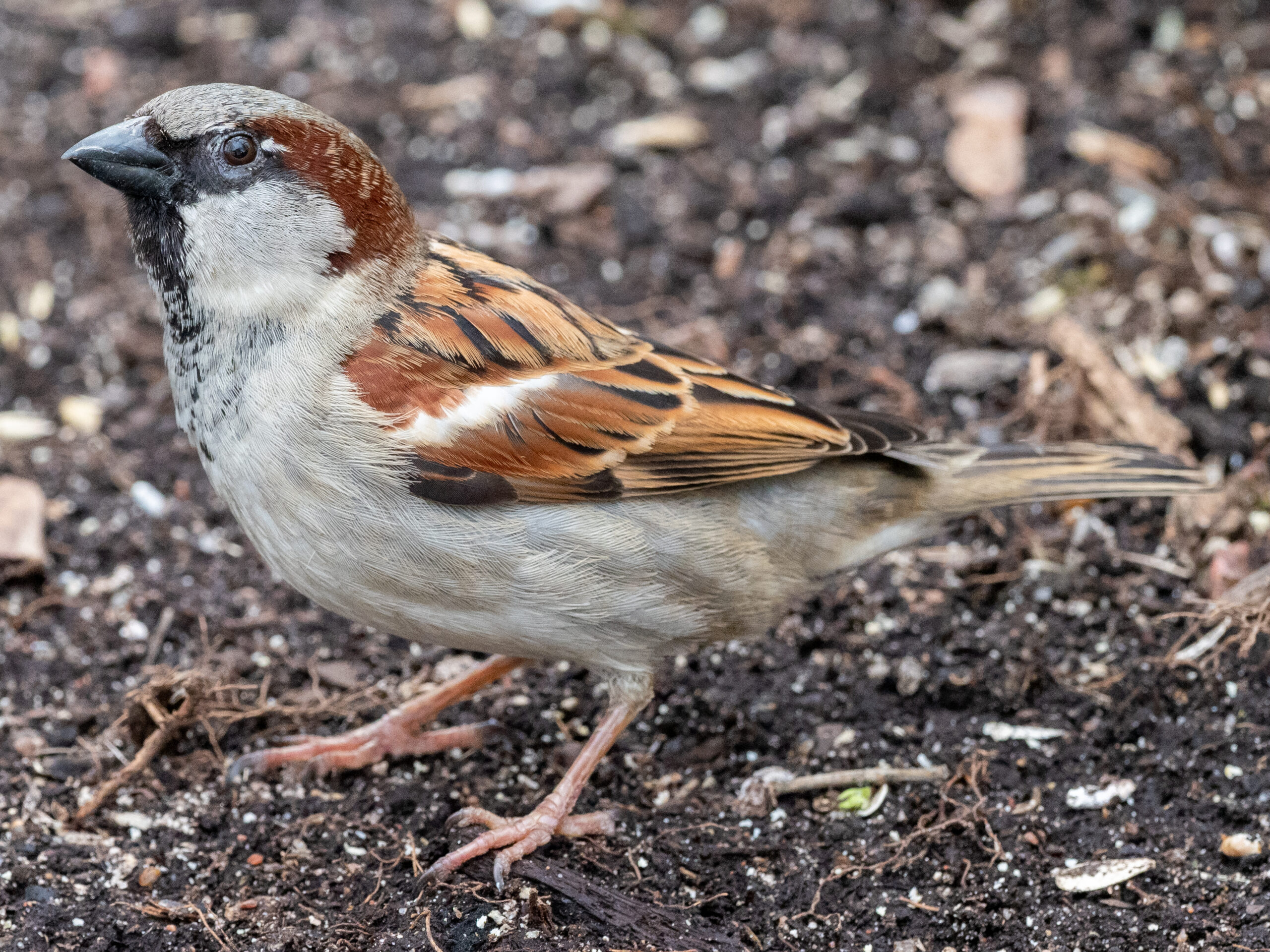
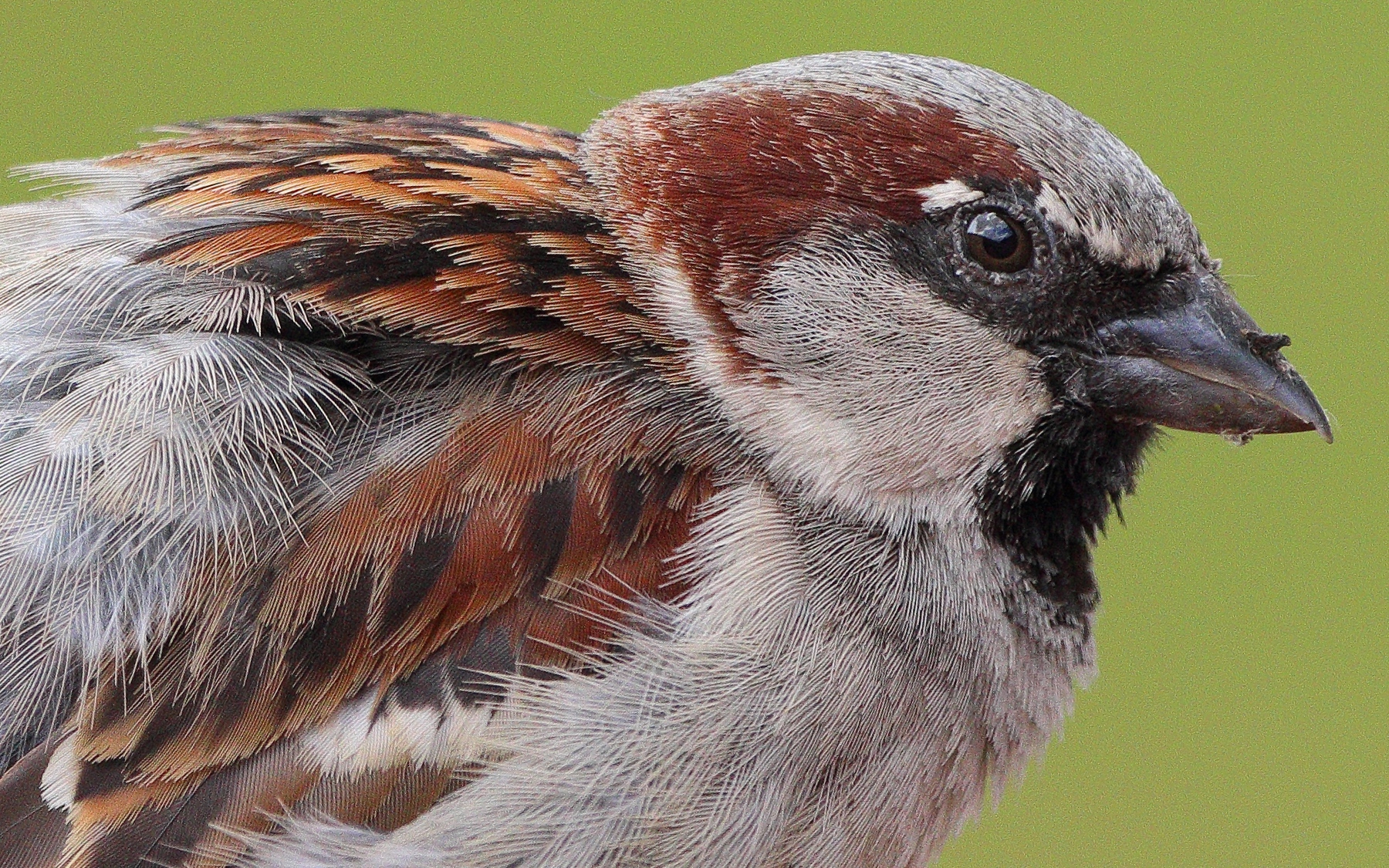
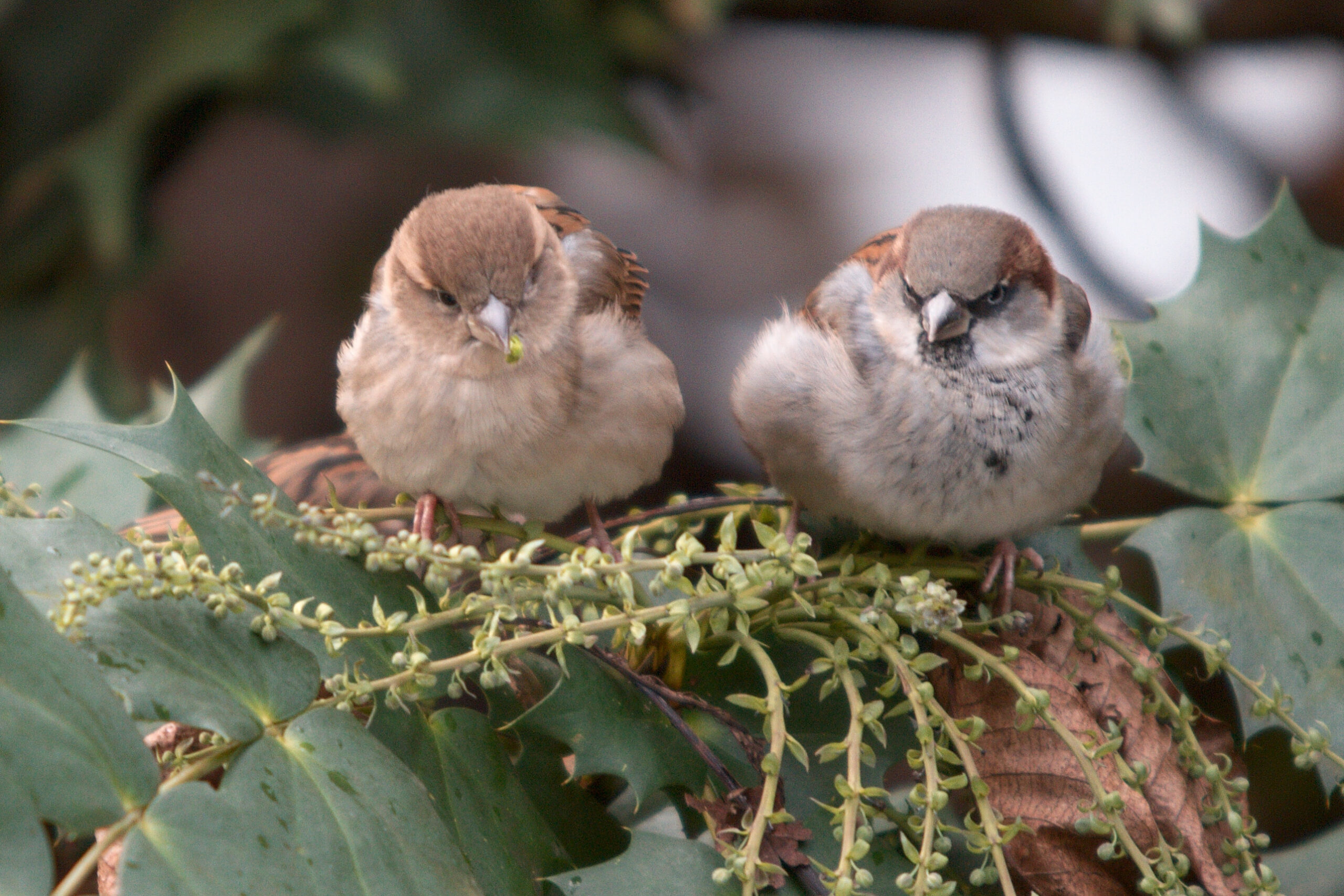
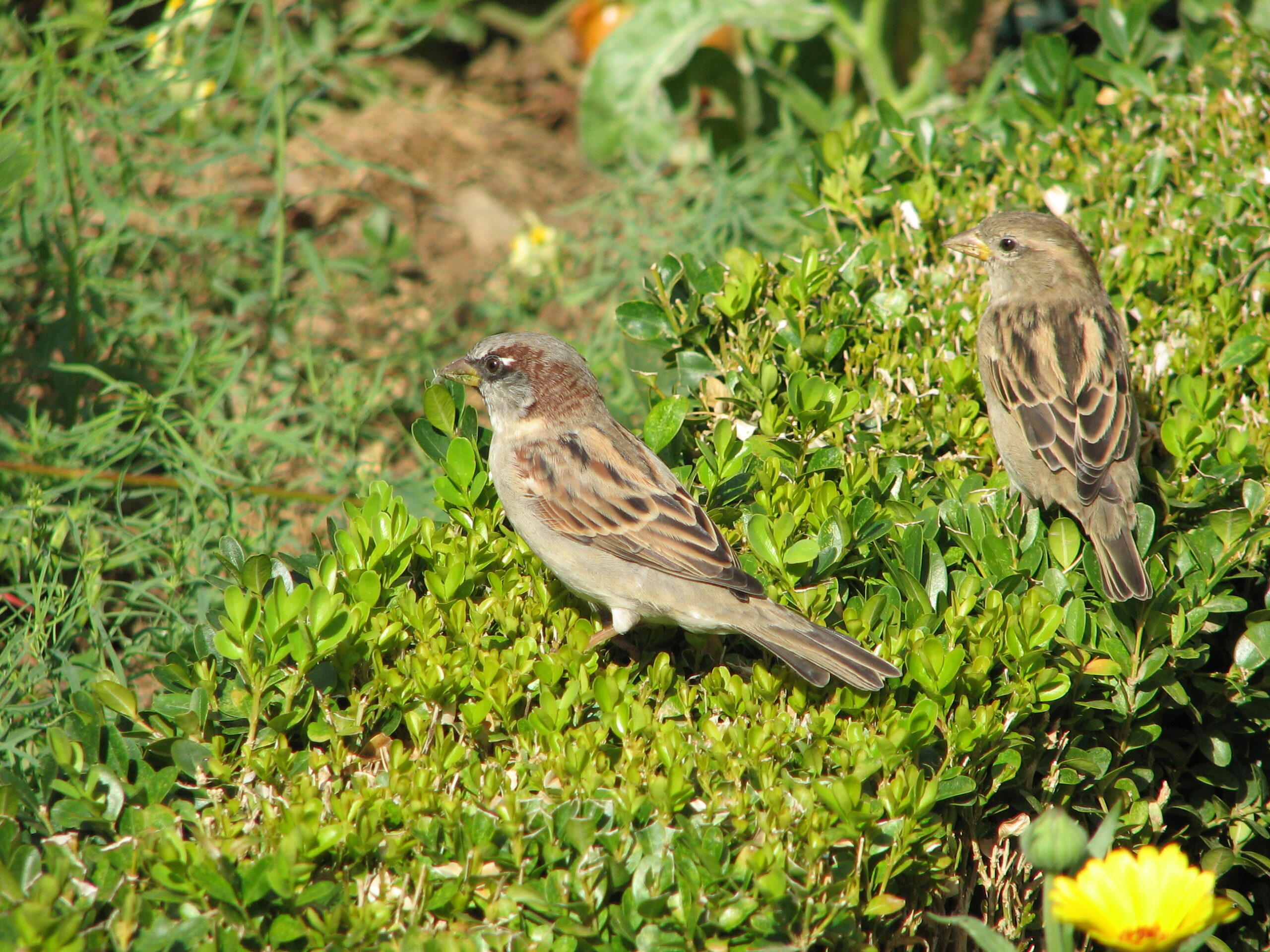
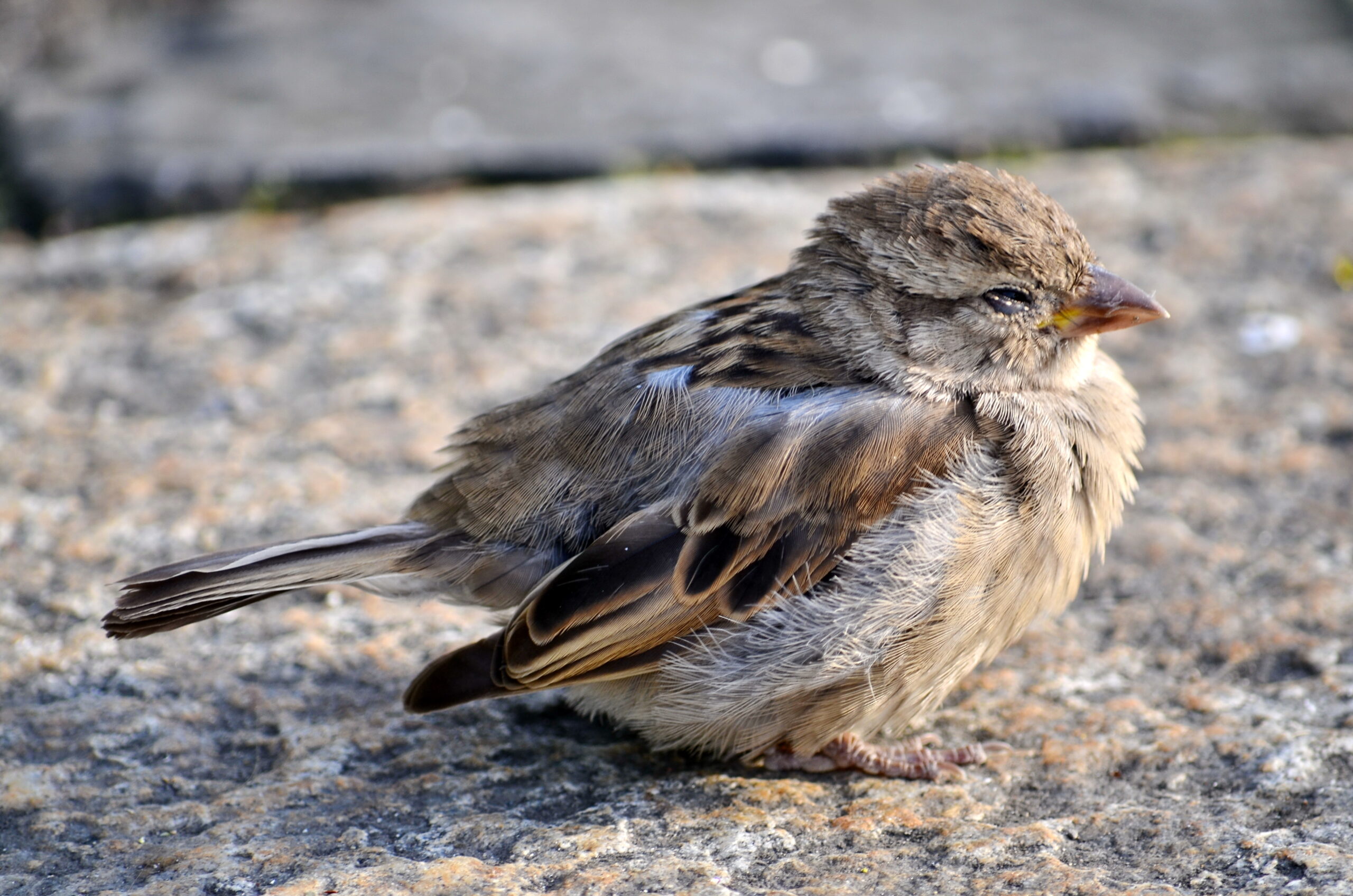
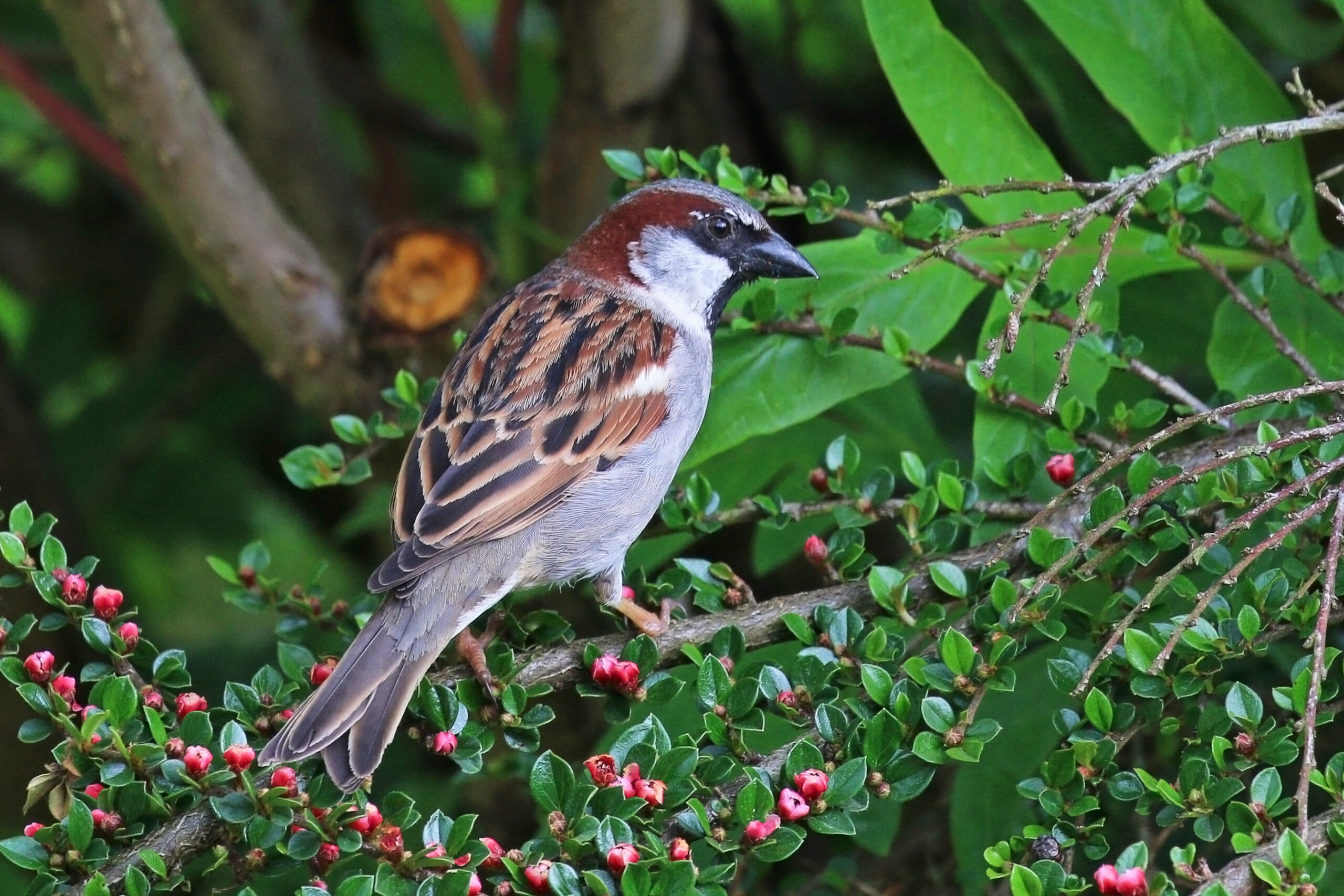
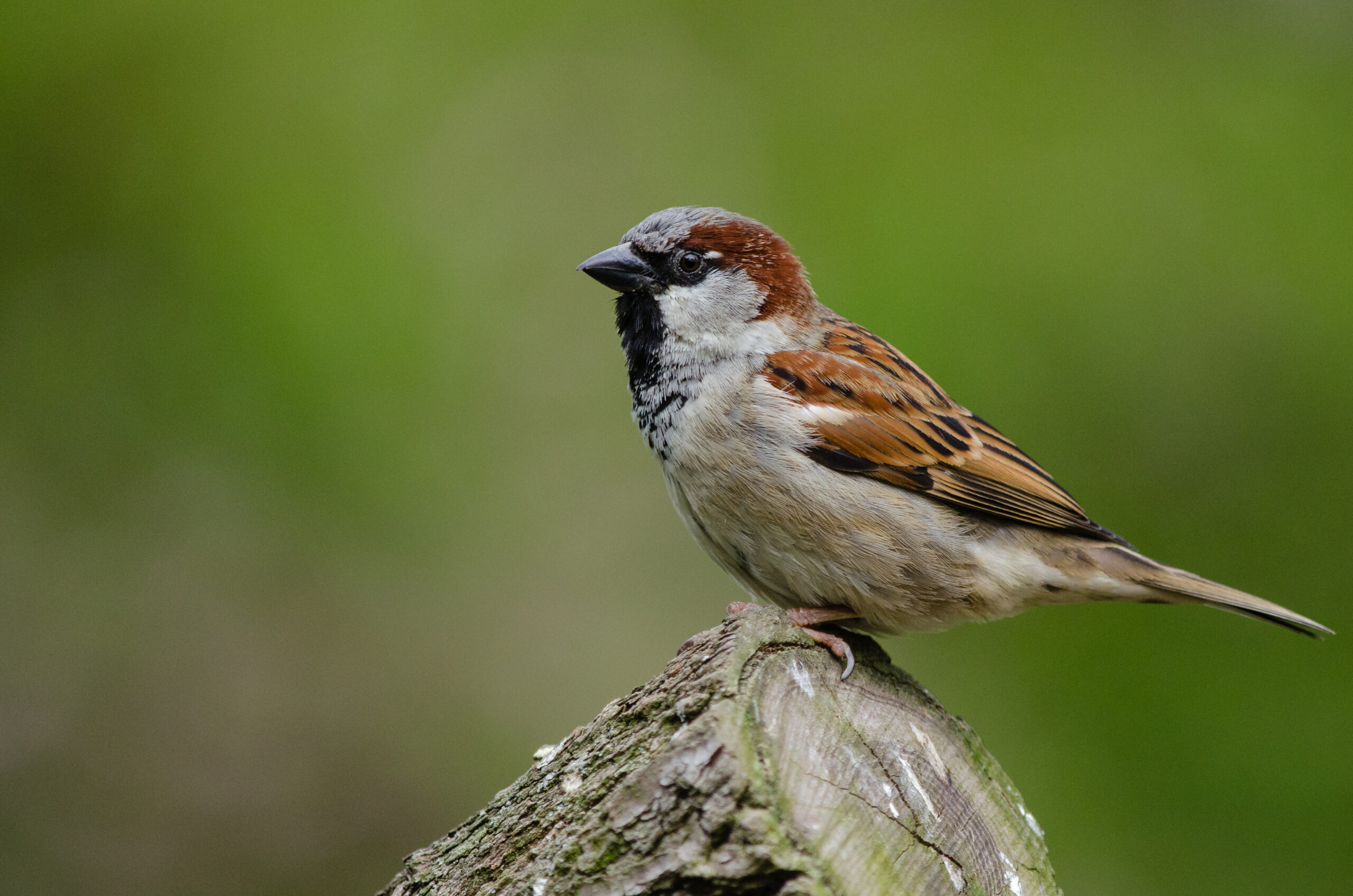
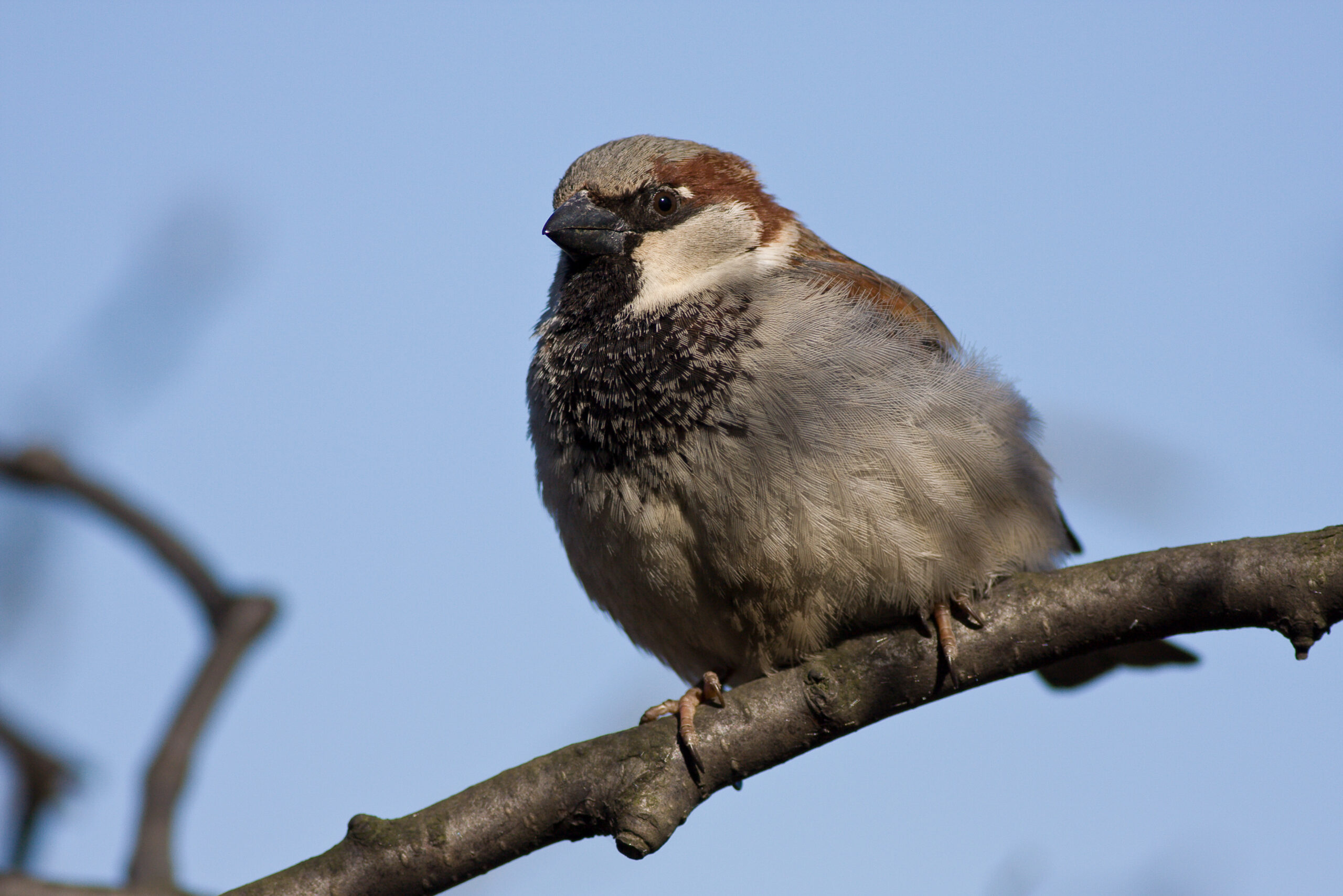
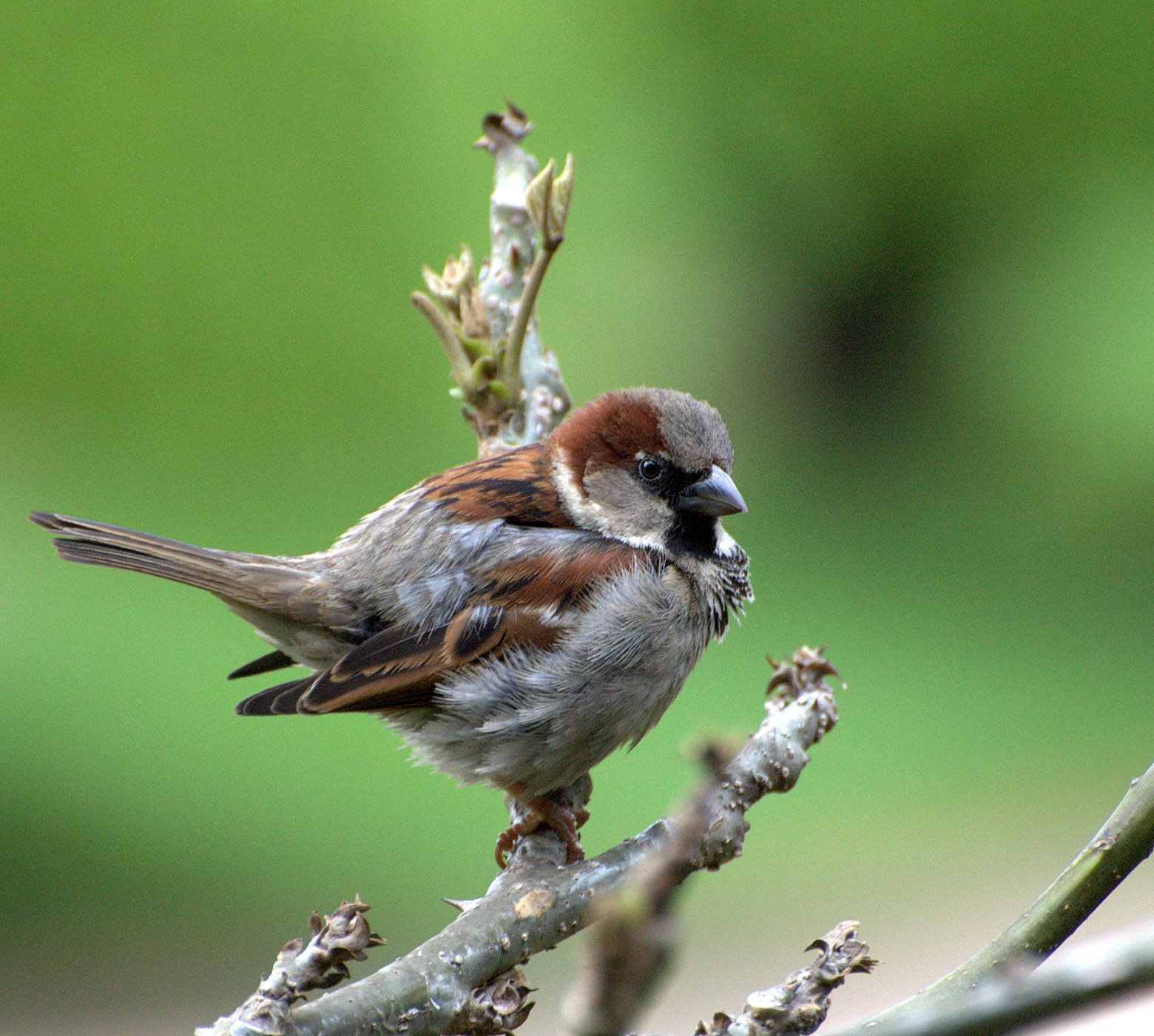
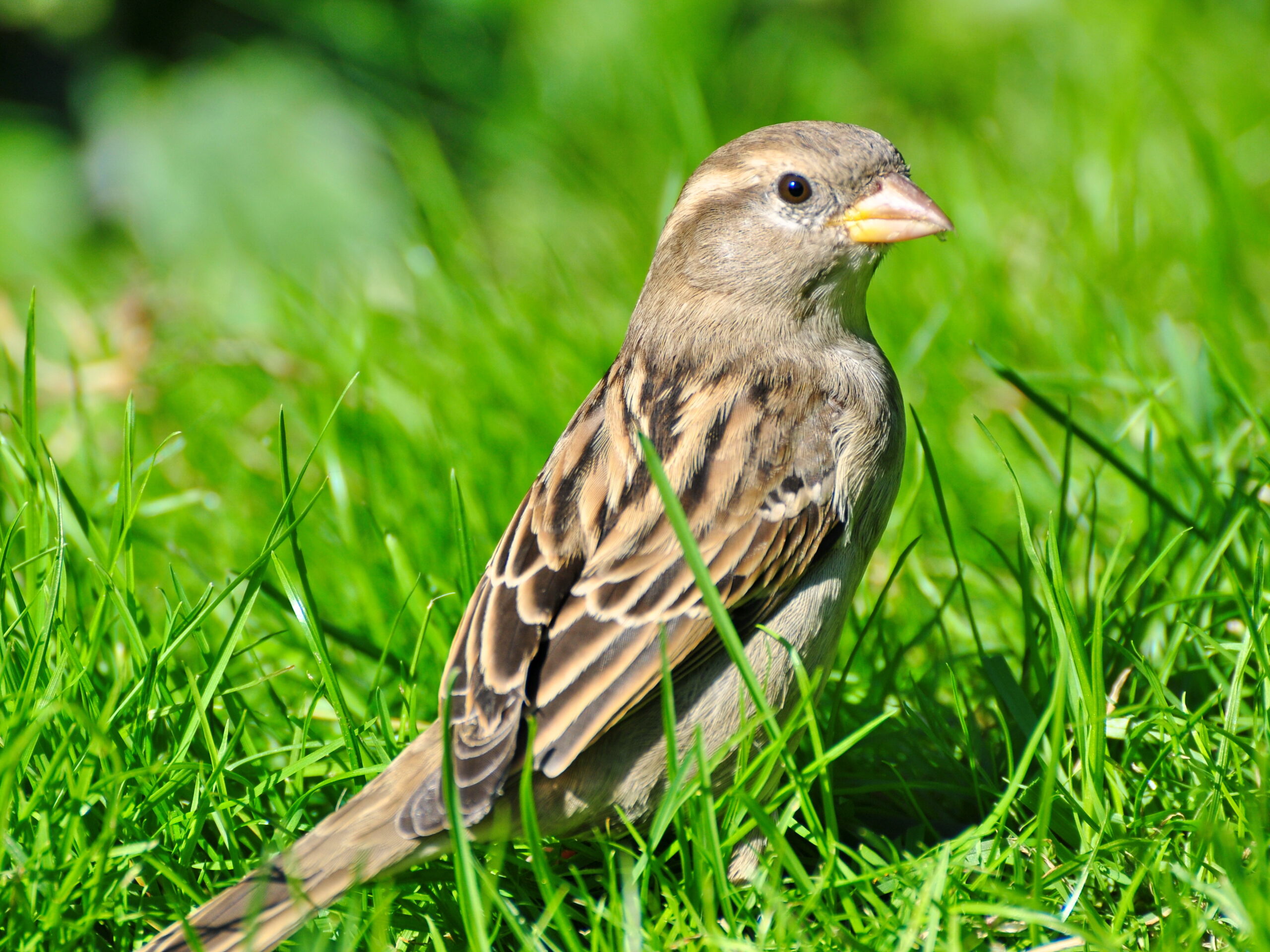
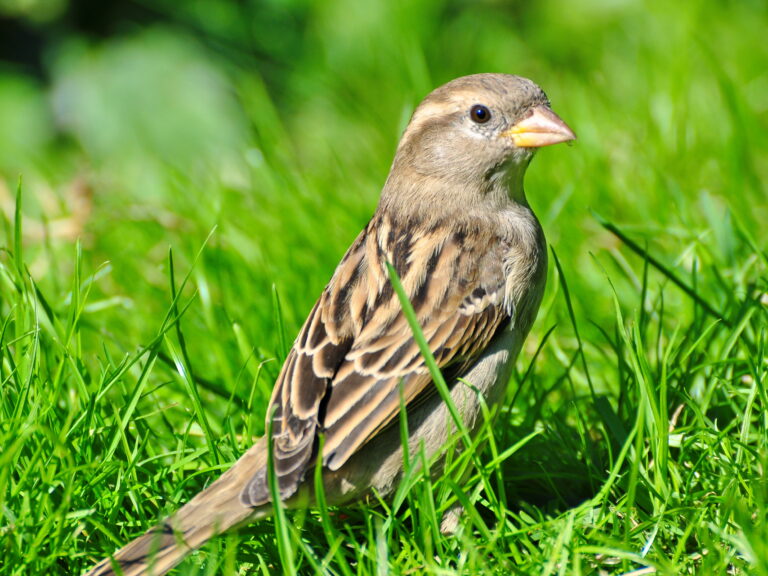
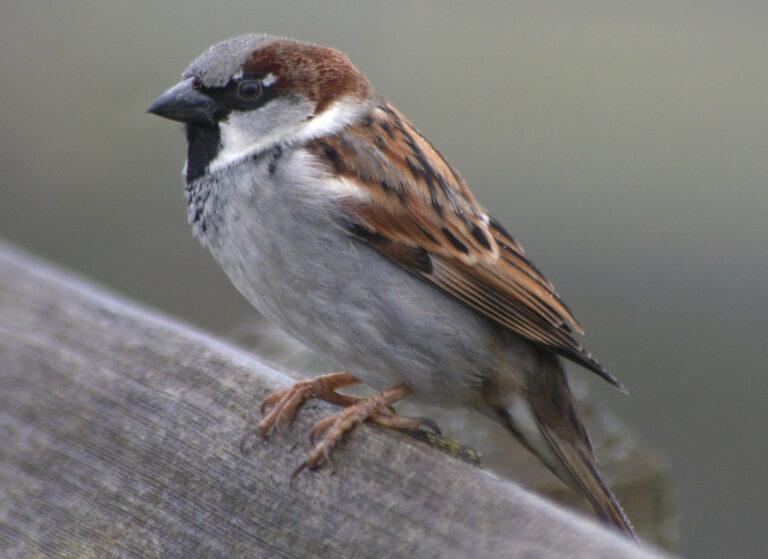
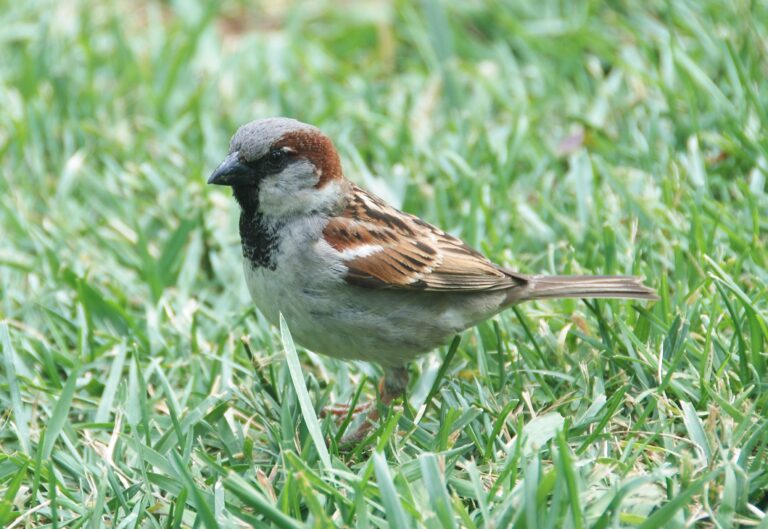
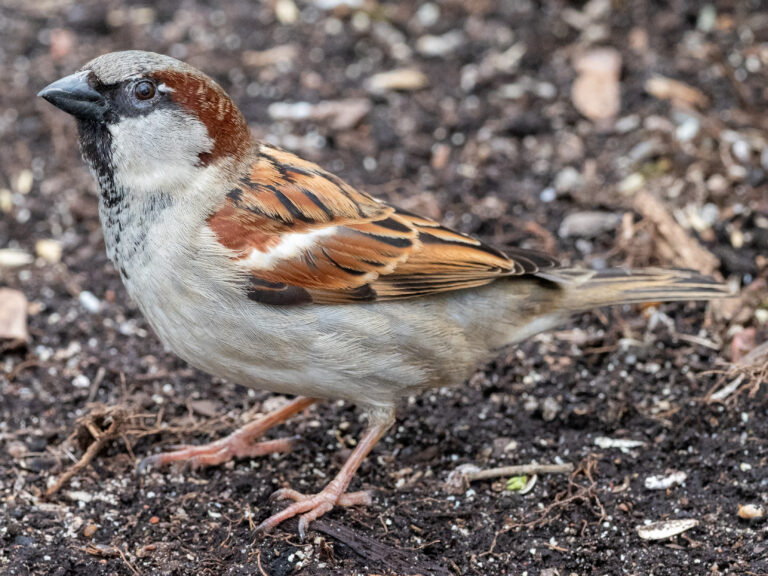
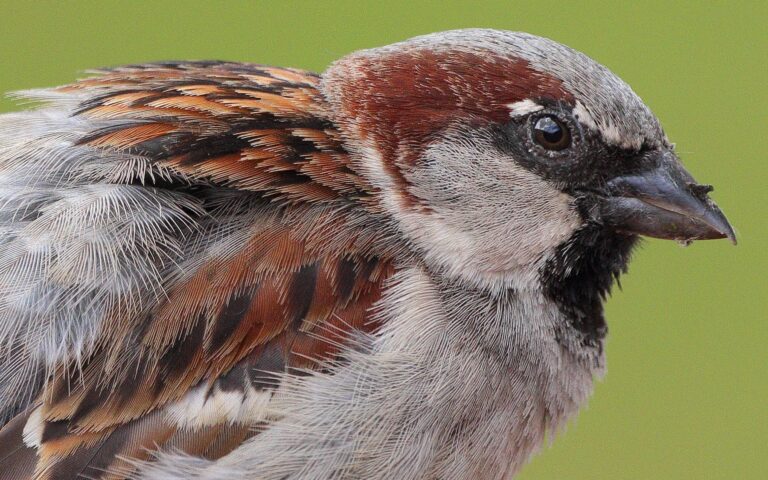
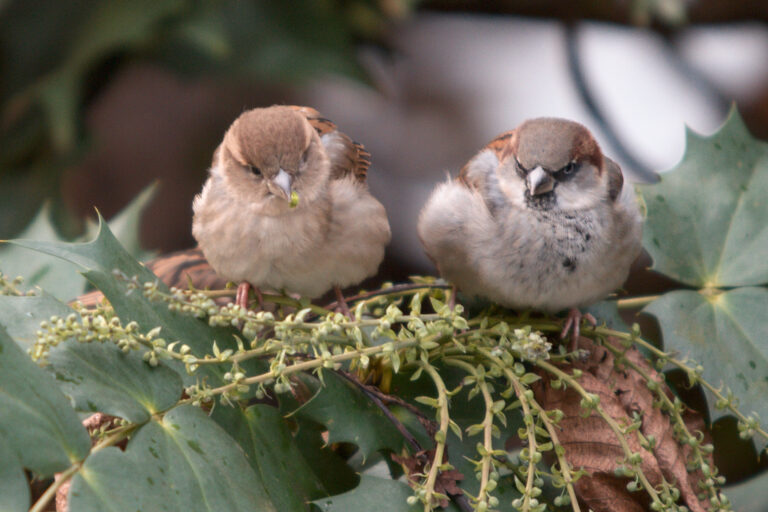
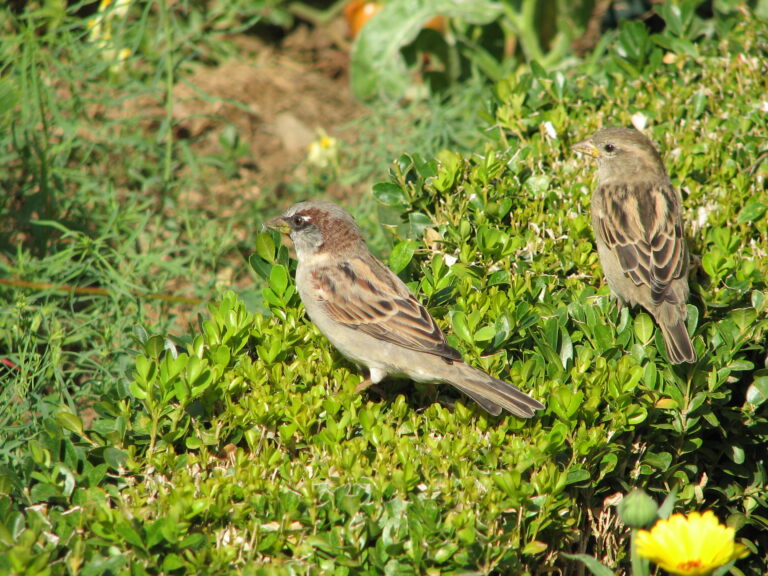
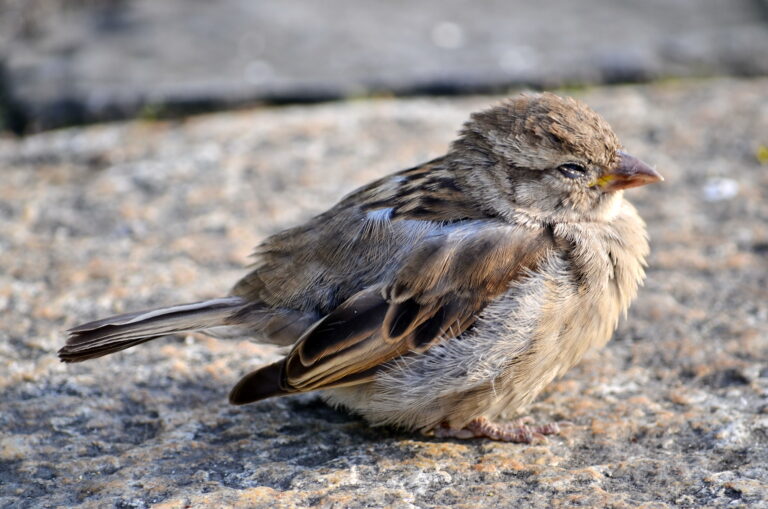
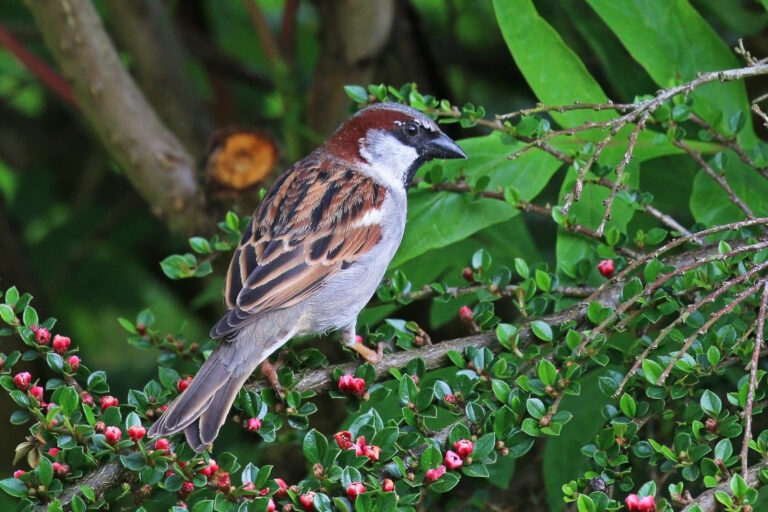
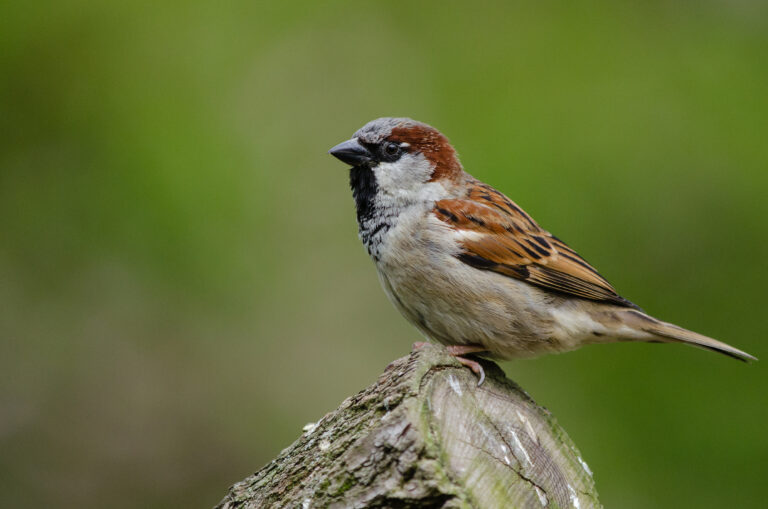
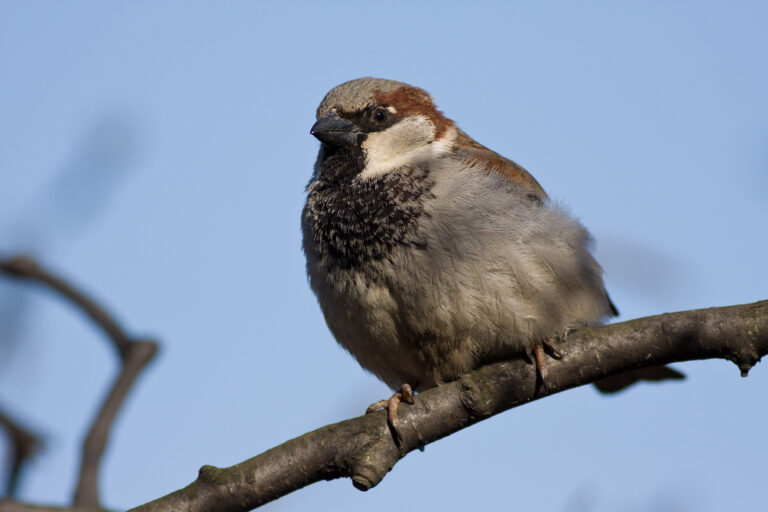
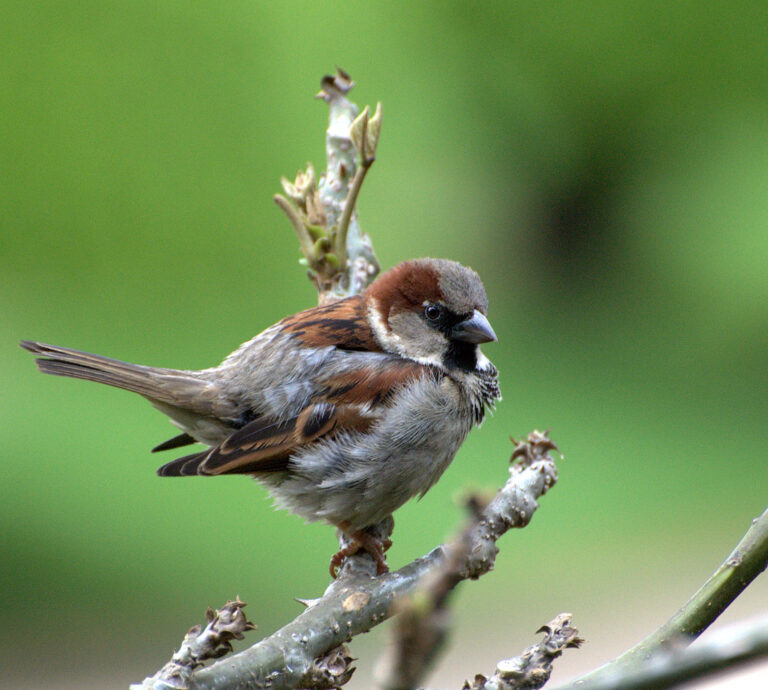
The House Sparrow, also known as the English Sparrow, is a cheerful little bird that brings life to our neighborhoods. This bird measures about 14.9 to 17 centimeters (5.9 to 6.7 inches) long and loves to flit about in gardens and parks.
House Sparrows belong to the class Aves, which means they are part of the bird family. These lively birds start their day with a symphony of cheerful chirps and tweets, inviting everyone to enjoy the sunshine.
They build cozy nests from twigs, grass, and bits of paper in eaves and ledges, making them quite the resourceful architects. House Sparrows munch on seeds, tasty insects, and sweet fruits, making them fantastic little foragers in any outdoor space.
These birds usually live for about 3 to 5 years, but some may outsmart time and live even longer. With their adaptability to different environments, House Sparrows have spread across continents, showing that they truly are social butterflies—or should we say, social birds!
House Sparrows are experts at thriving alongside humans. Their charming antics and busy behaviors make them a delightful sight, whether they are chasing each other around or scavenging for morsels on the ground.

Where can you find a House Sparrow (English Sparrow) in the wild?
What does a House Sparrow (English Sparrow) eat?
How big can a House Sparrow (English Sparrow) grow?
How long does a House Sparrow (English Sparrow) typically live?
What is the conservation status of the House Sparrow (English Sparrow)?
What are the main threats to the House Sparrow (English Sparrow)?
Fun facts
House Sparrows can live in large groups known as flocks, and they often engage in playful games, hopping around and chasing one another. These lively gatherings can make for a loud and cheerful spectacle in parks and gardens.


These birds are expert nest builders! House Sparrows gather materials like twigs, plastic bits, and even feathers to create cozy nests in trees and buildings.
House Sparrows have a knack for recognizing human faces! They remember faces and associate them with food sources, which helps them thrive in urban environments.
These little birds can be quite vocal, and each sound has a different meaning. They chirp happily to signal the presence of food or make alarm calls when danger is nearby.
To impress potential mates, male House Sparrows perform lively dances and display their feathers, showing off their charm much like a dance party in the sky!
These birds can adapt their diets based on what is available, munching on everything from seeds to leftovers in parks and sidewalks, making them resourceful eaters!
House Sparrows practice what is known as 'kissing.' They feed their young by regurgitating food into their mouths, creating a sweet bonding moment between parent and chick.
In some cities, House Sparrows have learned to tap on windows for attention! They realize that their human neighbors might provide tasty snacks just for them.
These feathered friends often engage in communal roosting, where they gather in large numbers to sleep together, sharing warmth and safety during chilly nights.
House Sparrows enjoy a game of 'hide and seek' with food, caching small seeds in cracks and crevices to save for later, like furry little squirrels!
Photos


The Basics


explore more
Amphibians
Arachnids
Birds
Cats
Crustaceans
Fish
Fish Pet Guide
Gastropods
Insects
Invertebrates
Mammals
Pet Fish
Pet Rodents
Plants
Reptiles
Roundworms
Sea Slugs