Successfully copied to clipboard!
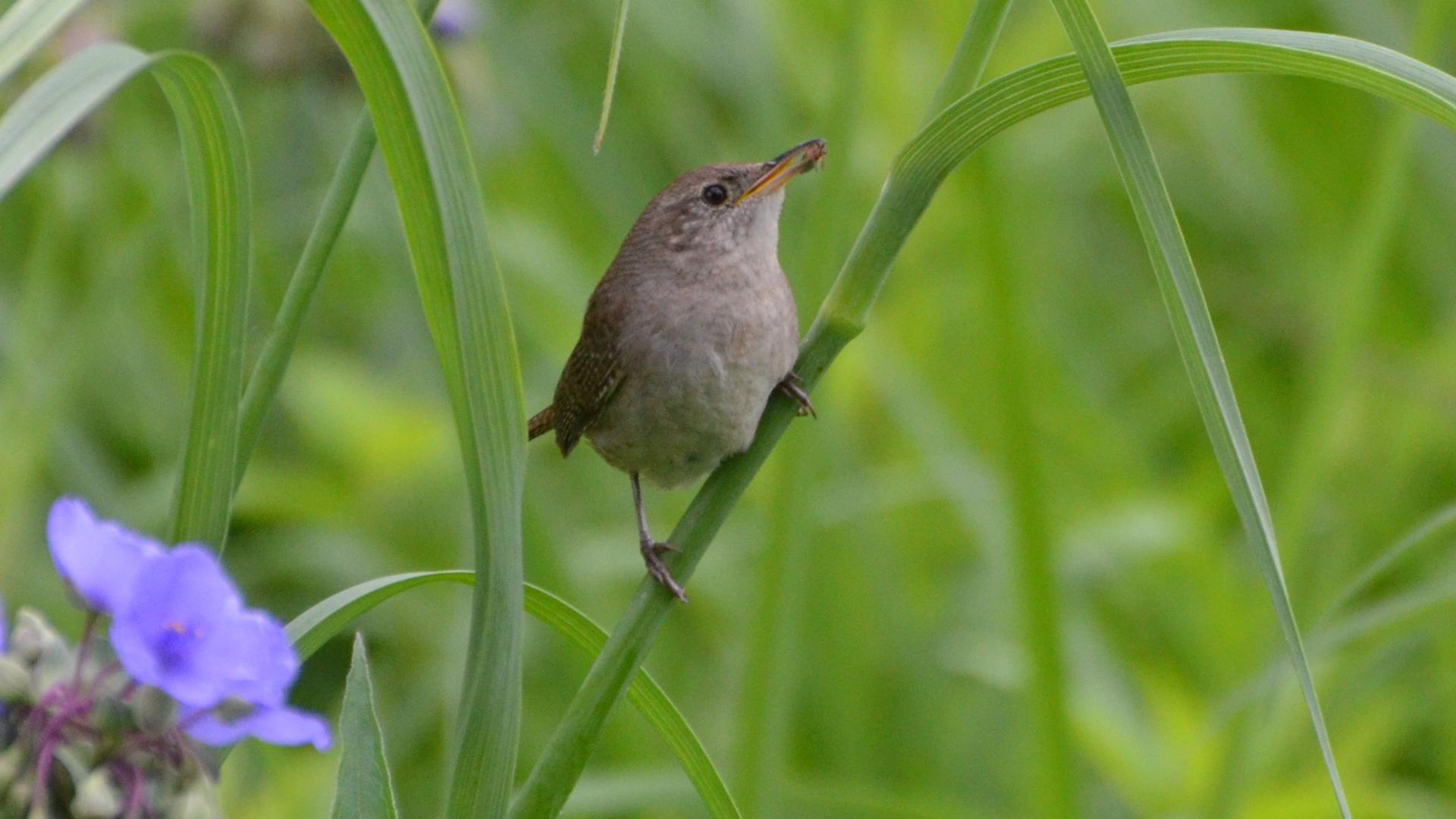
House wren
Sing along with delightful feathered friends in your backyard!
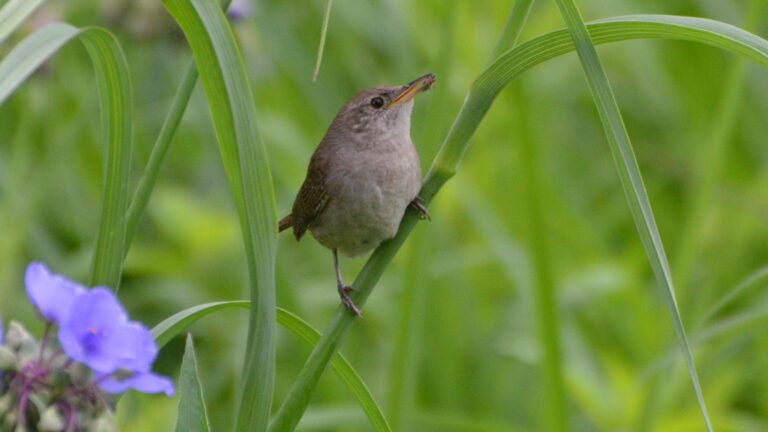
Let’s Explore
Overview
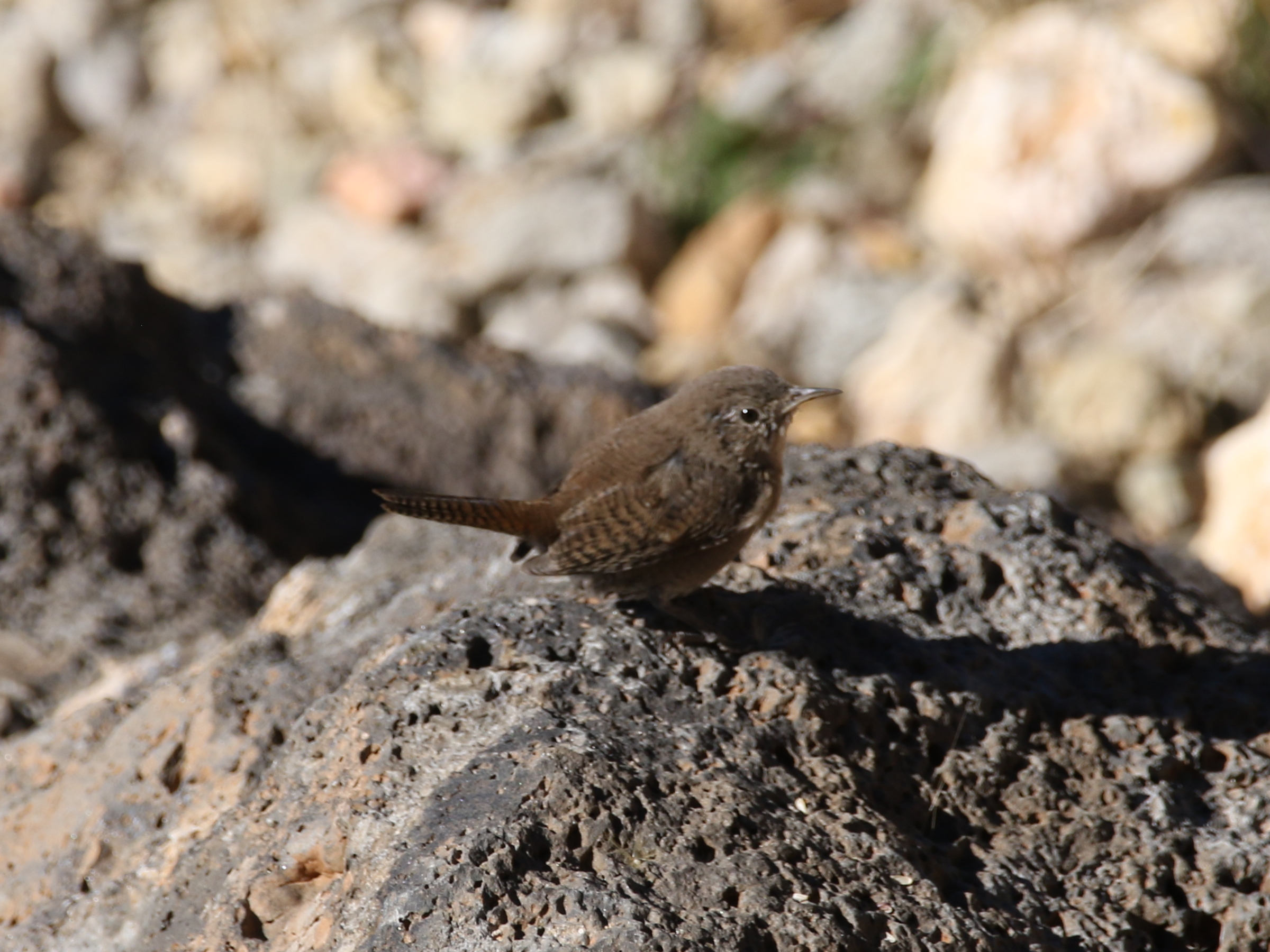
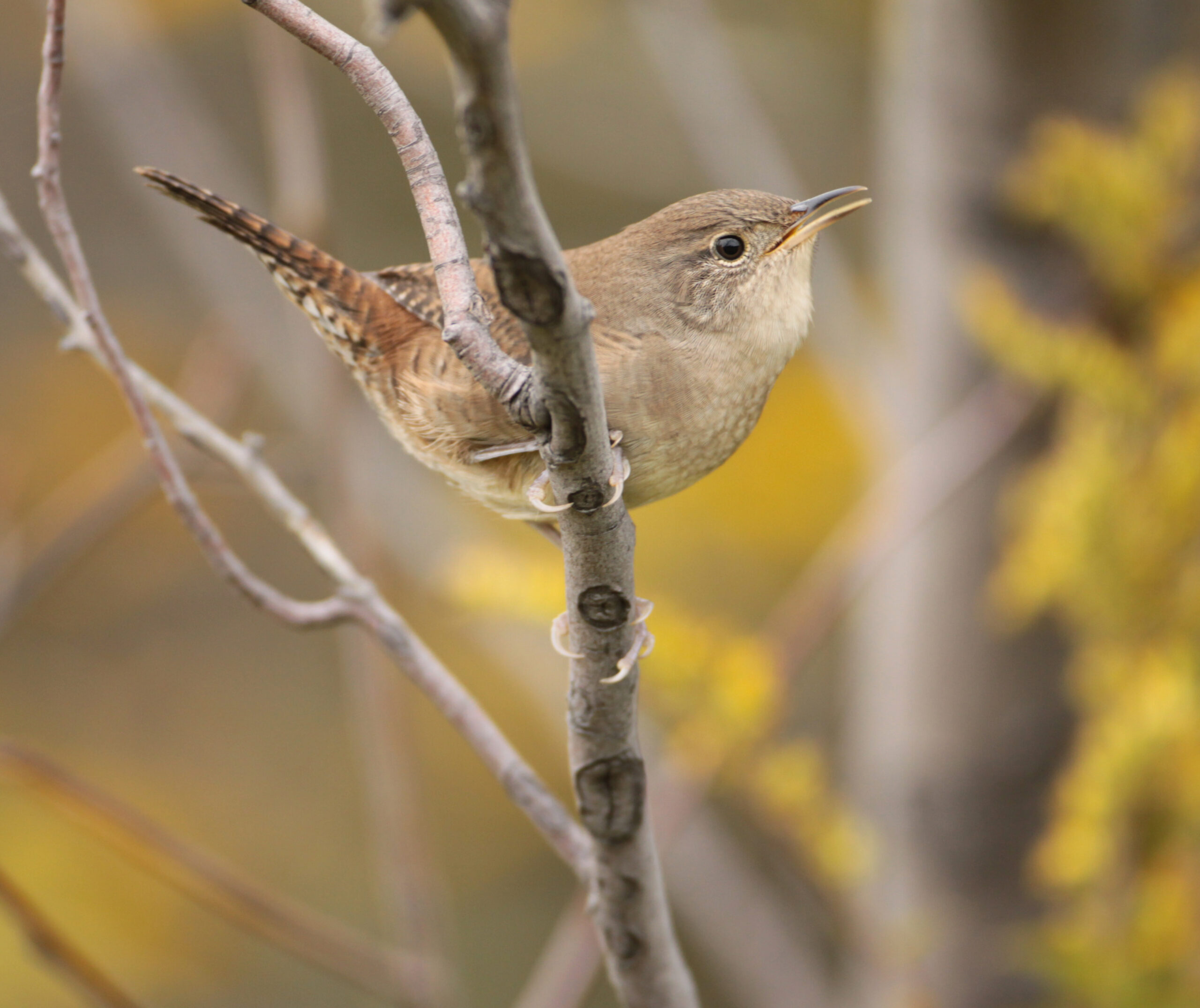
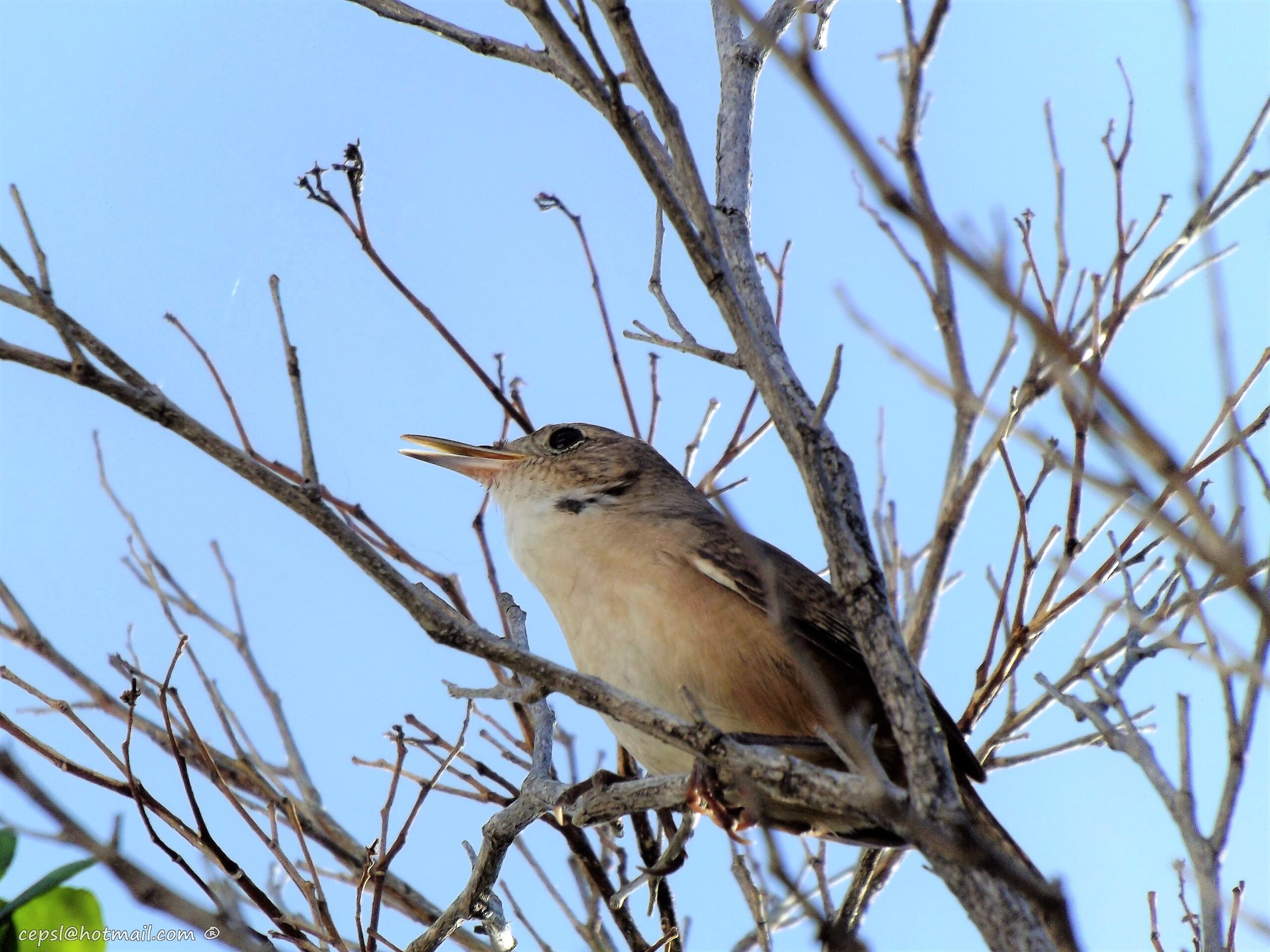
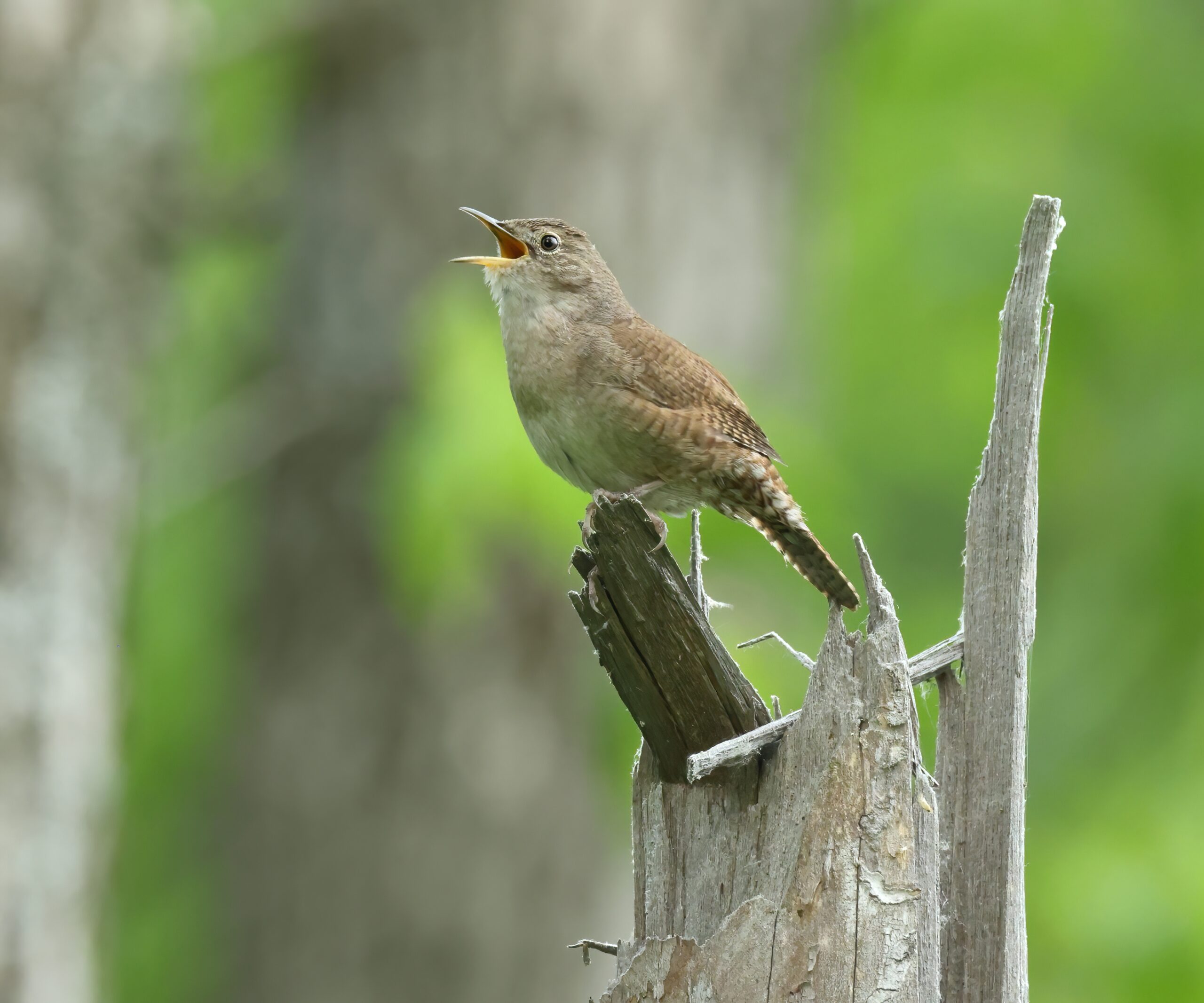
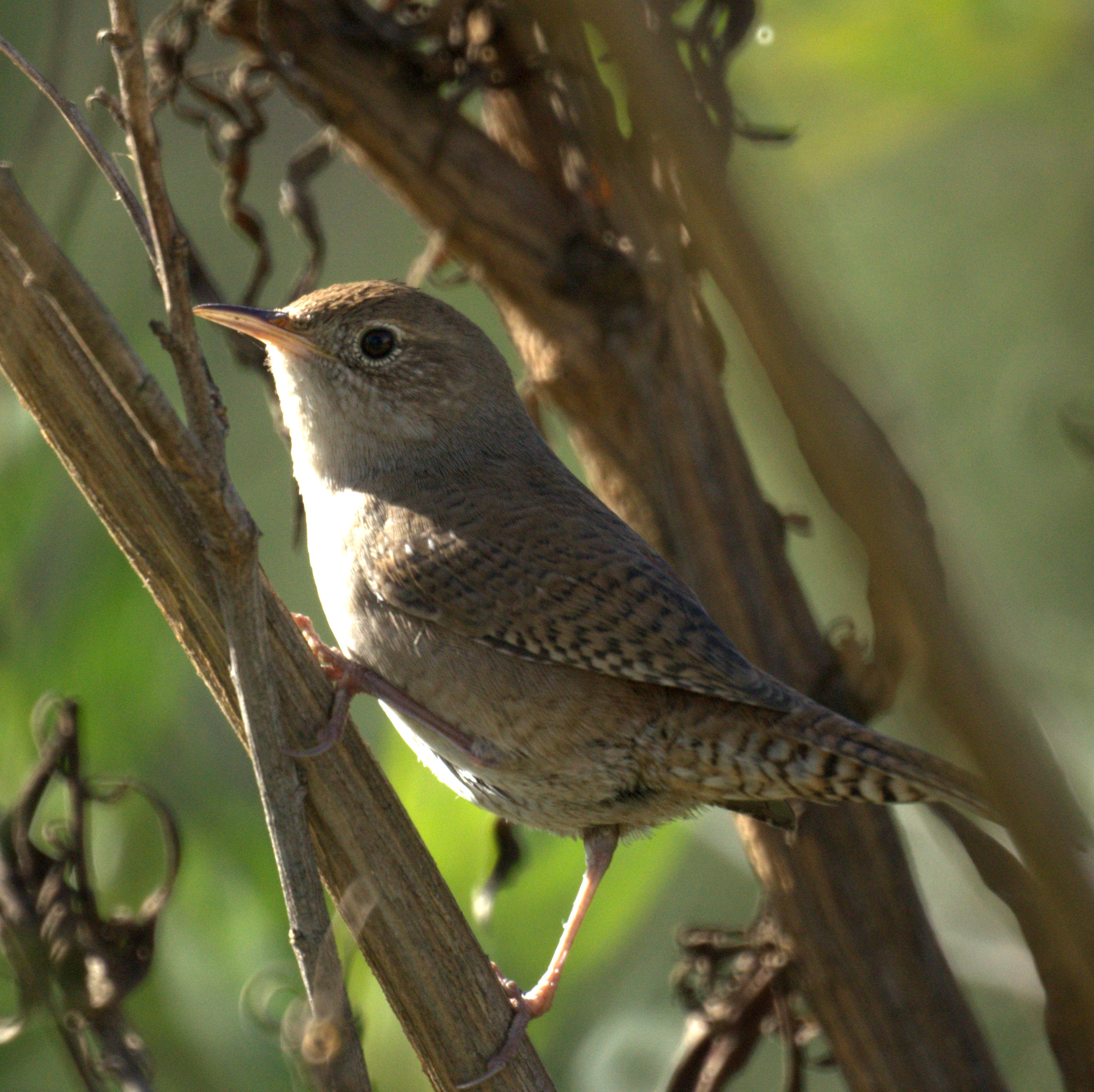
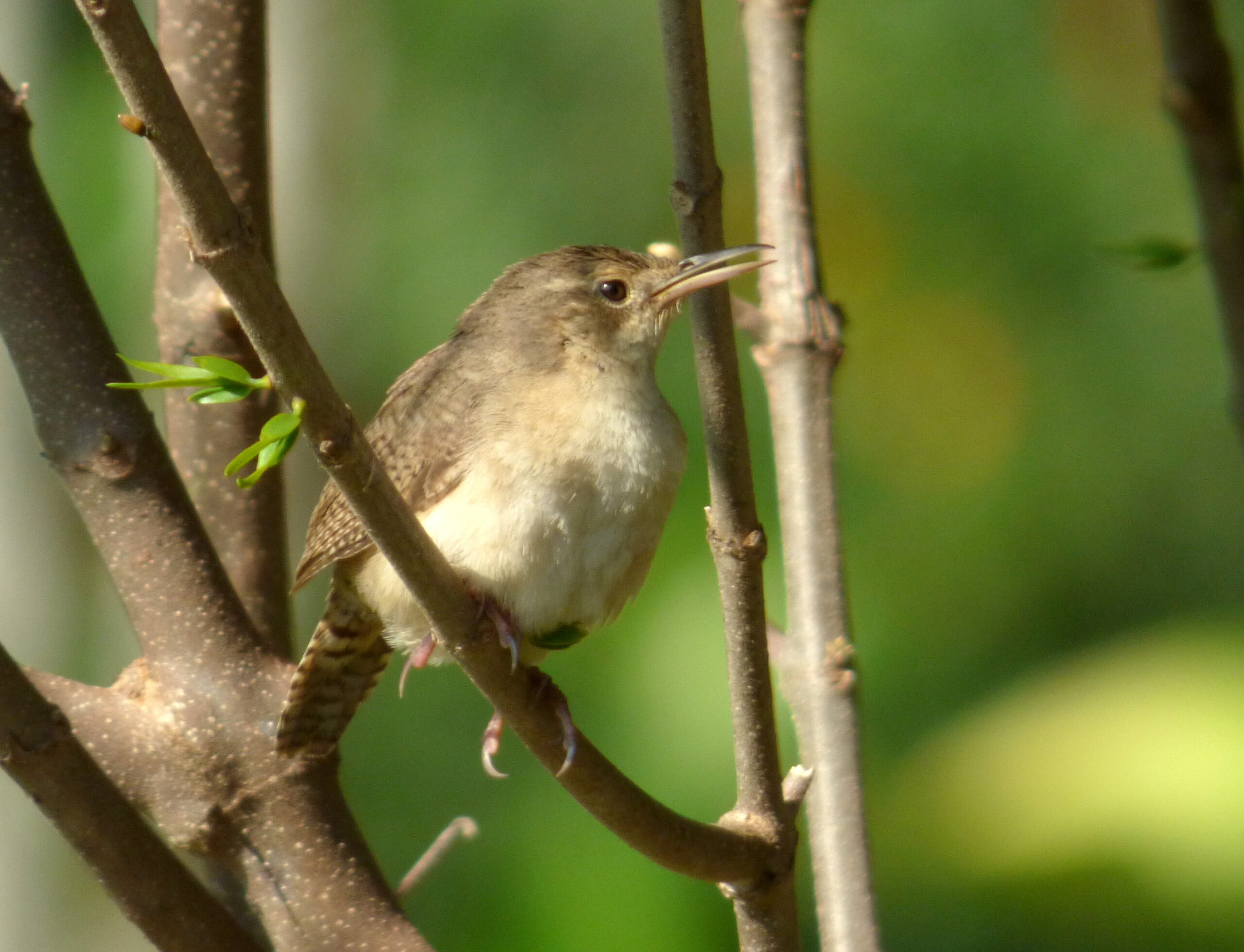
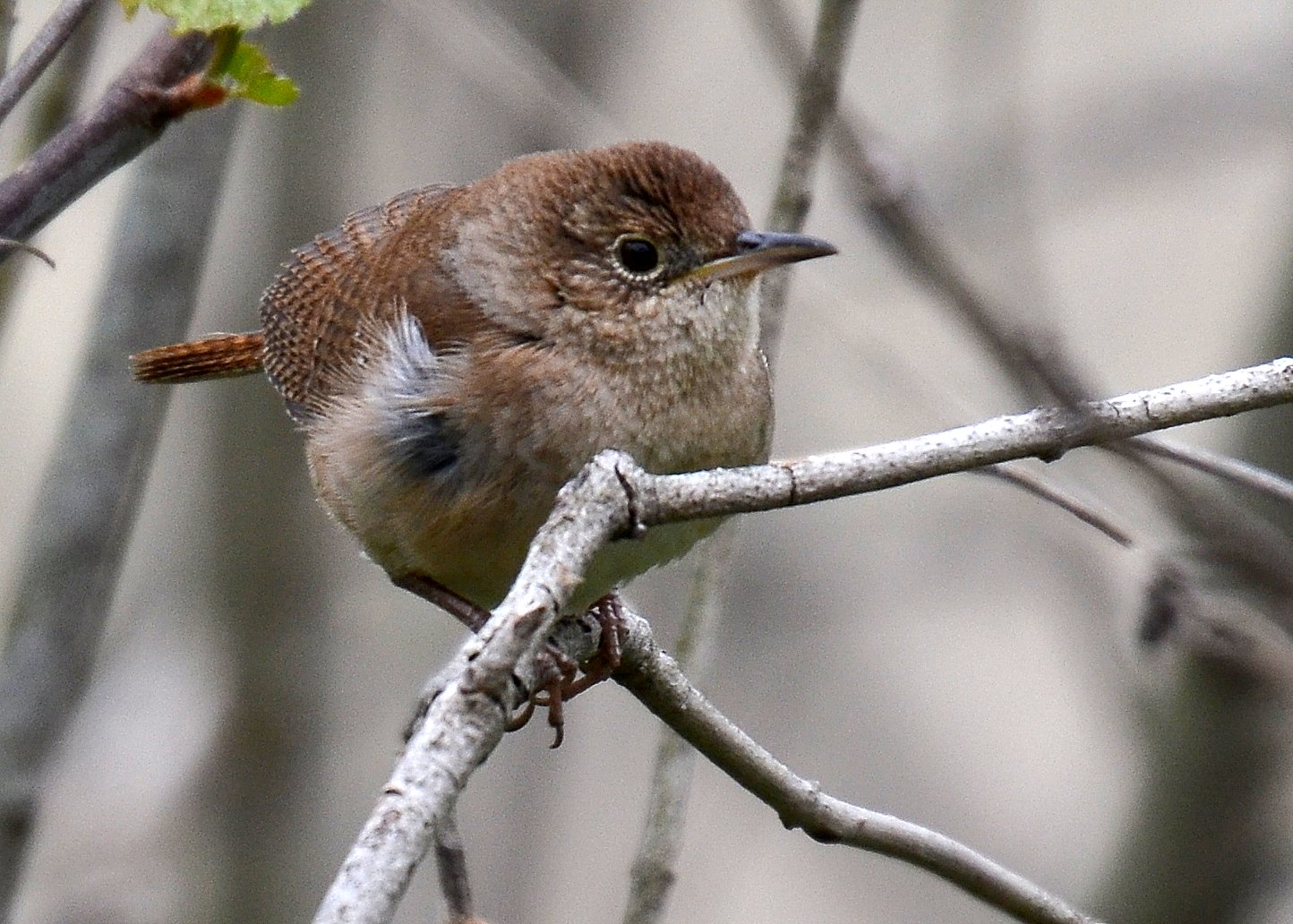
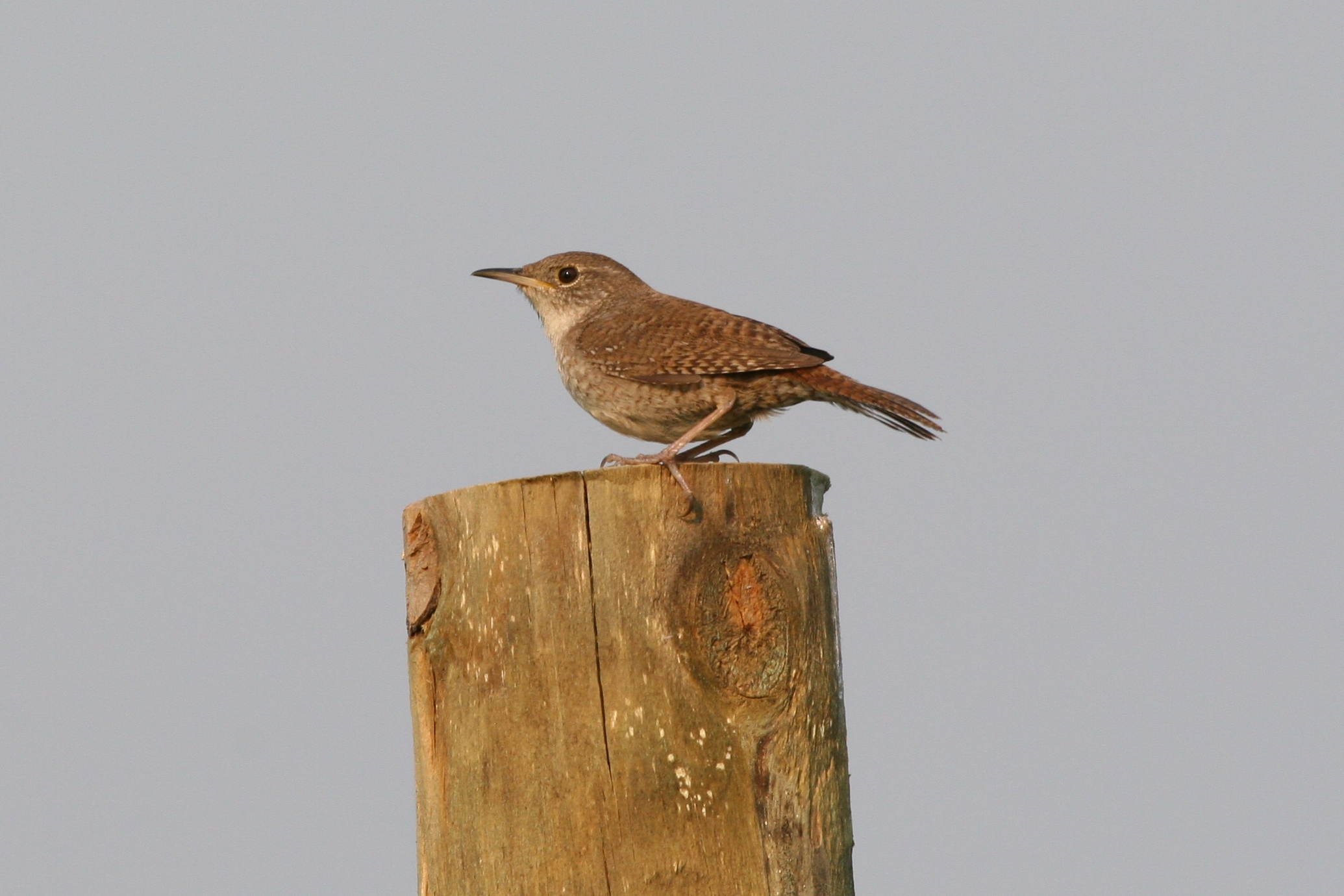
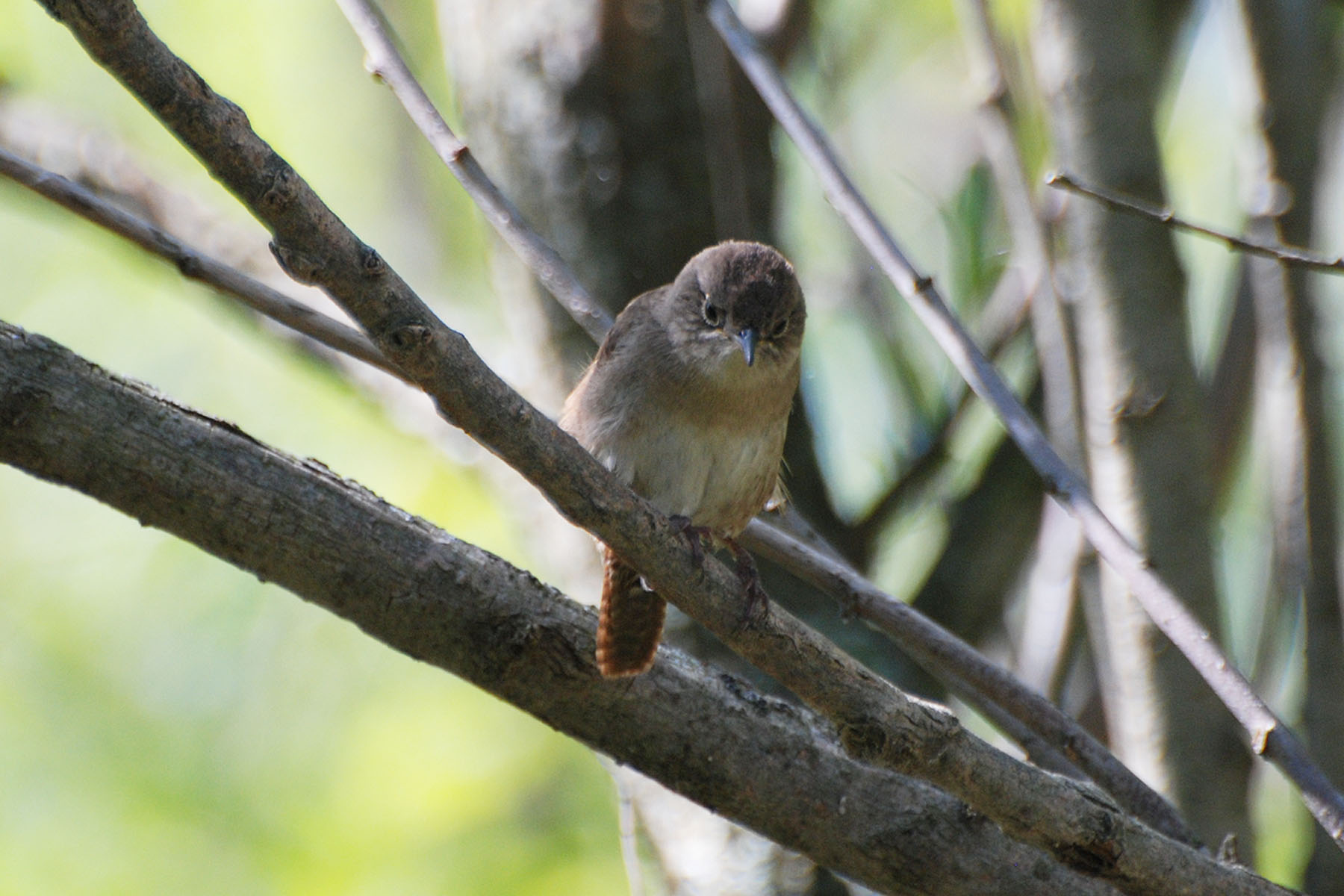
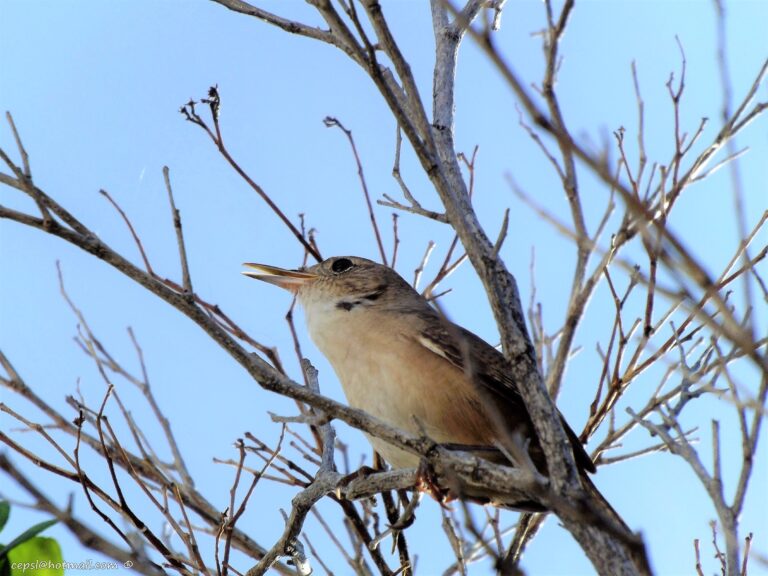
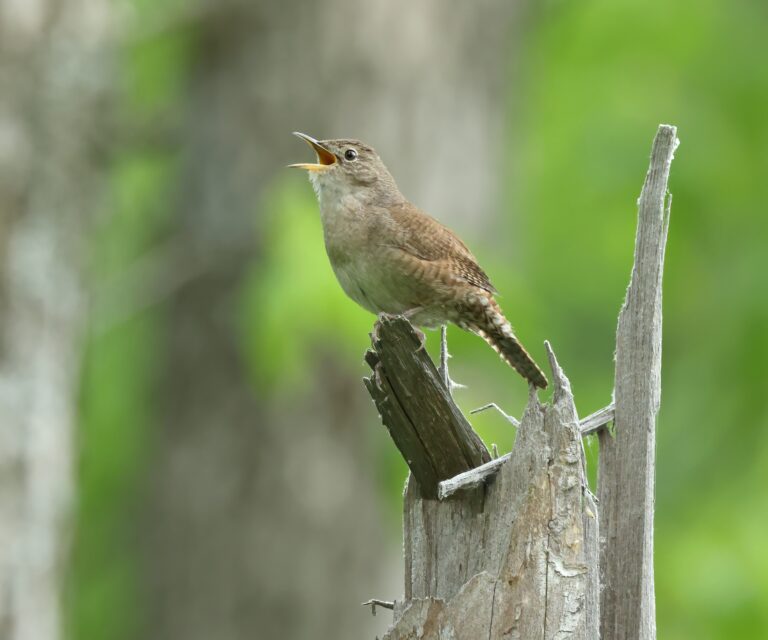
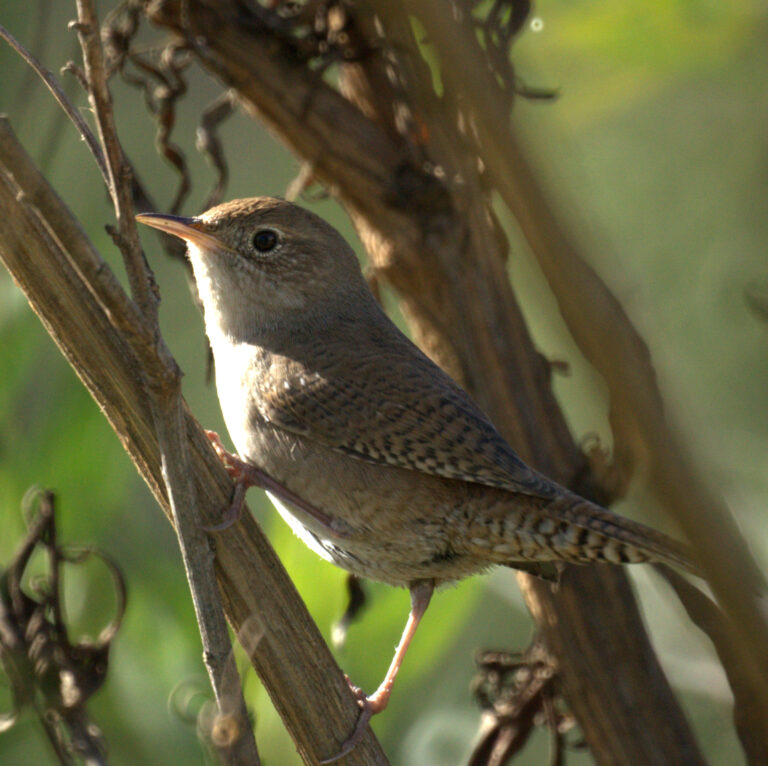
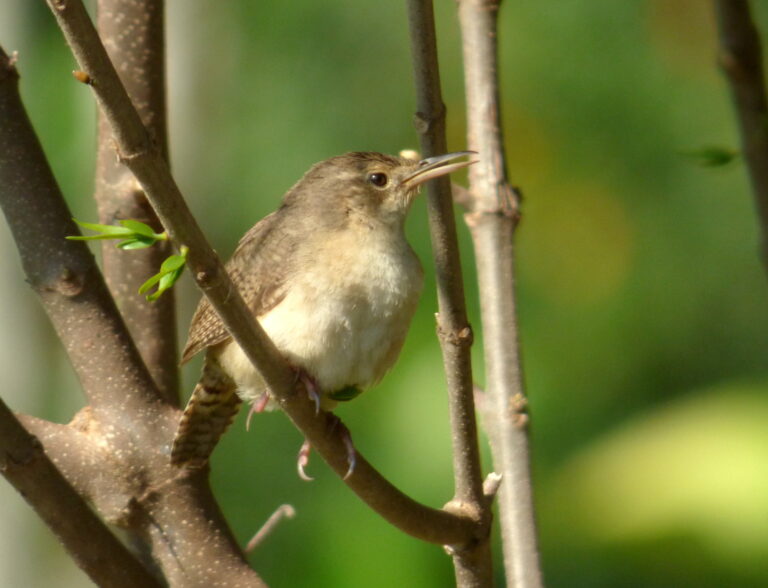
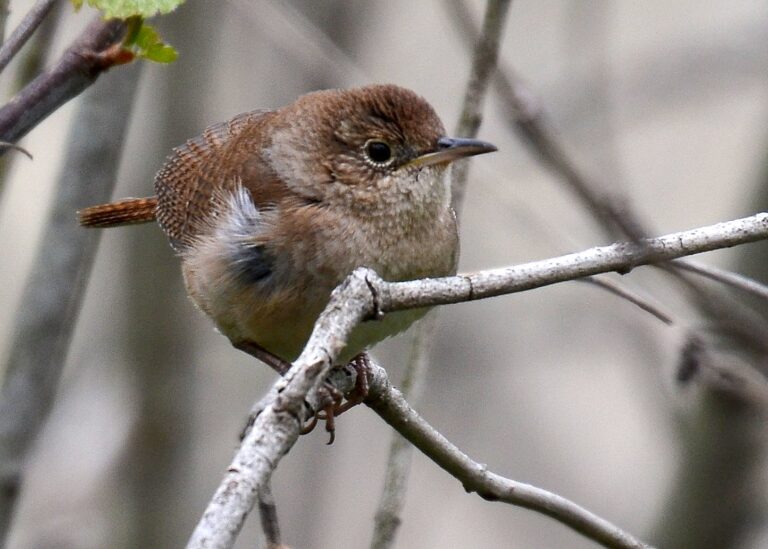
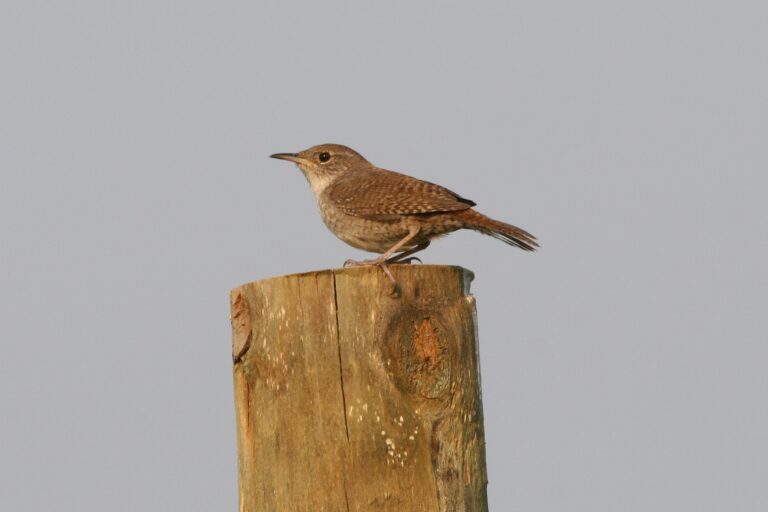
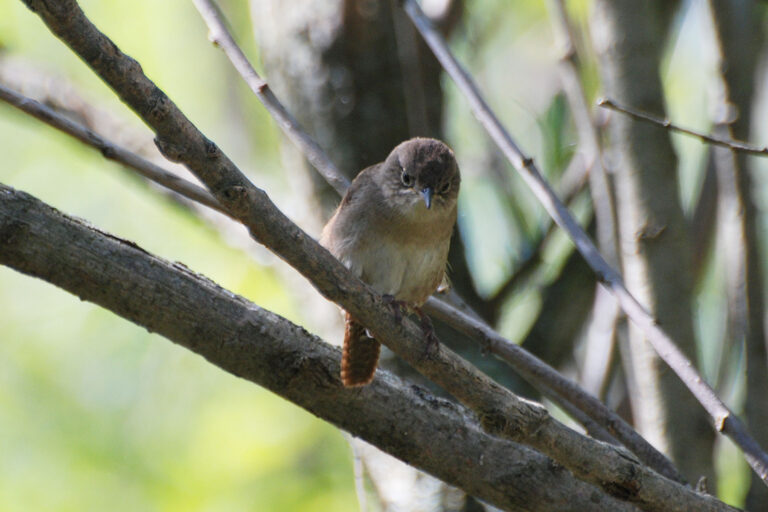
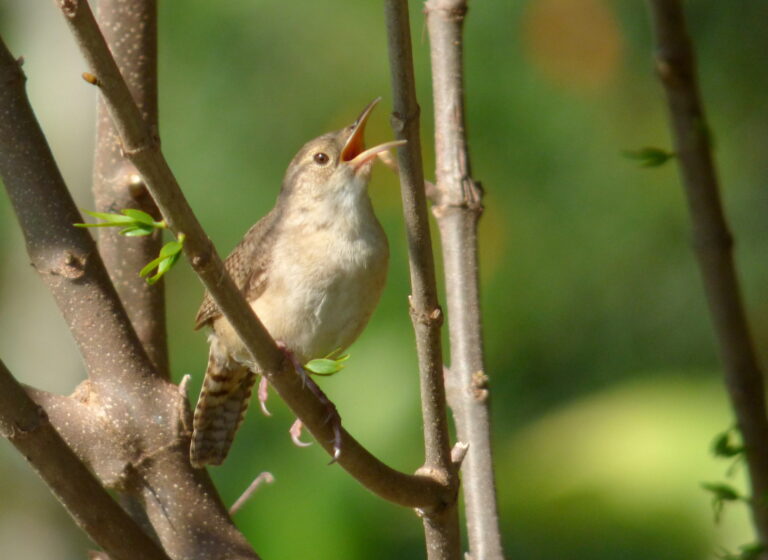
The house wren is a tiny bird that brings a lot of personality to the great outdoors. With a size ranging from 11 to 13 centimeters (4.3 to 5.1 inches), this bird may be small, but it is mighty in song!
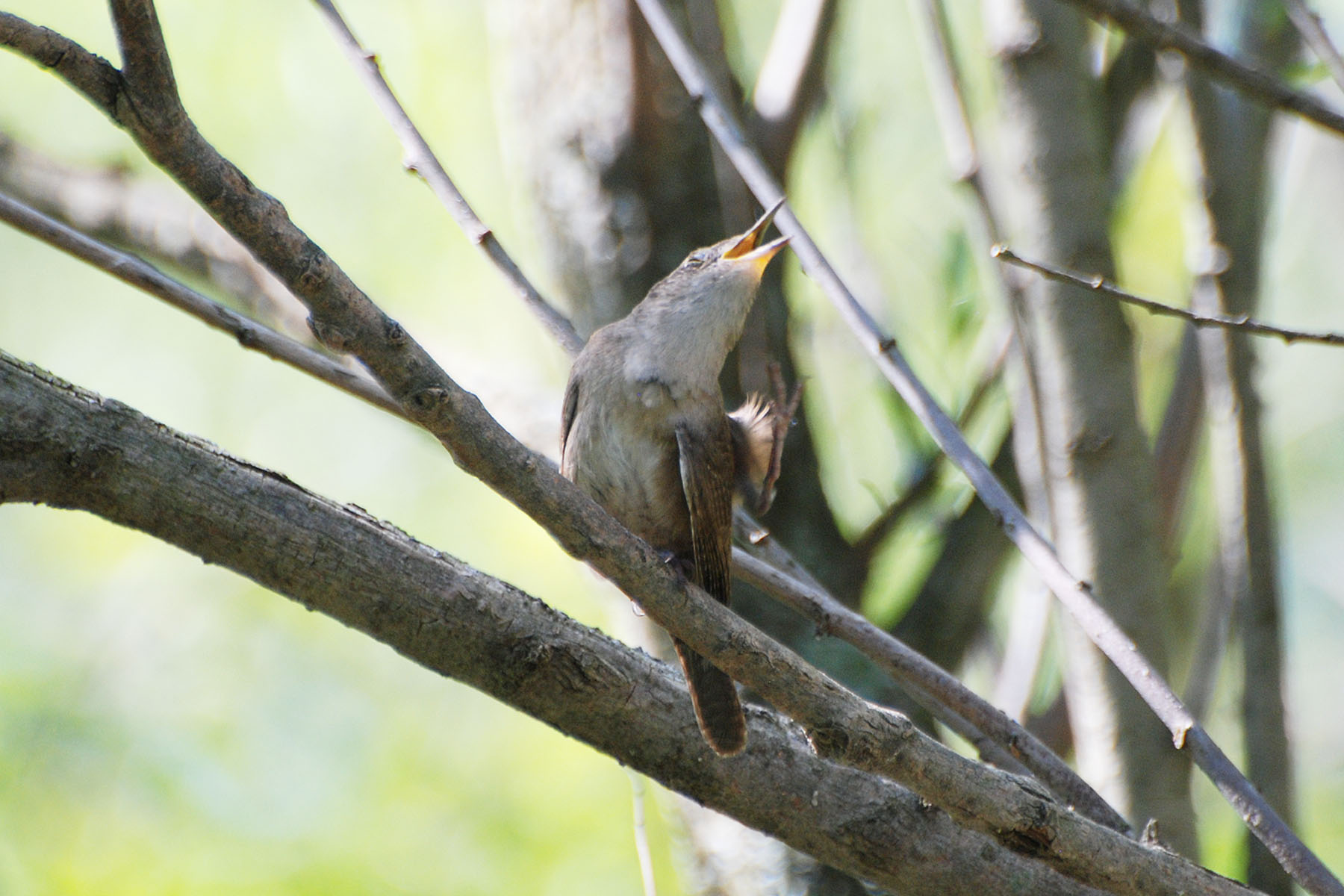
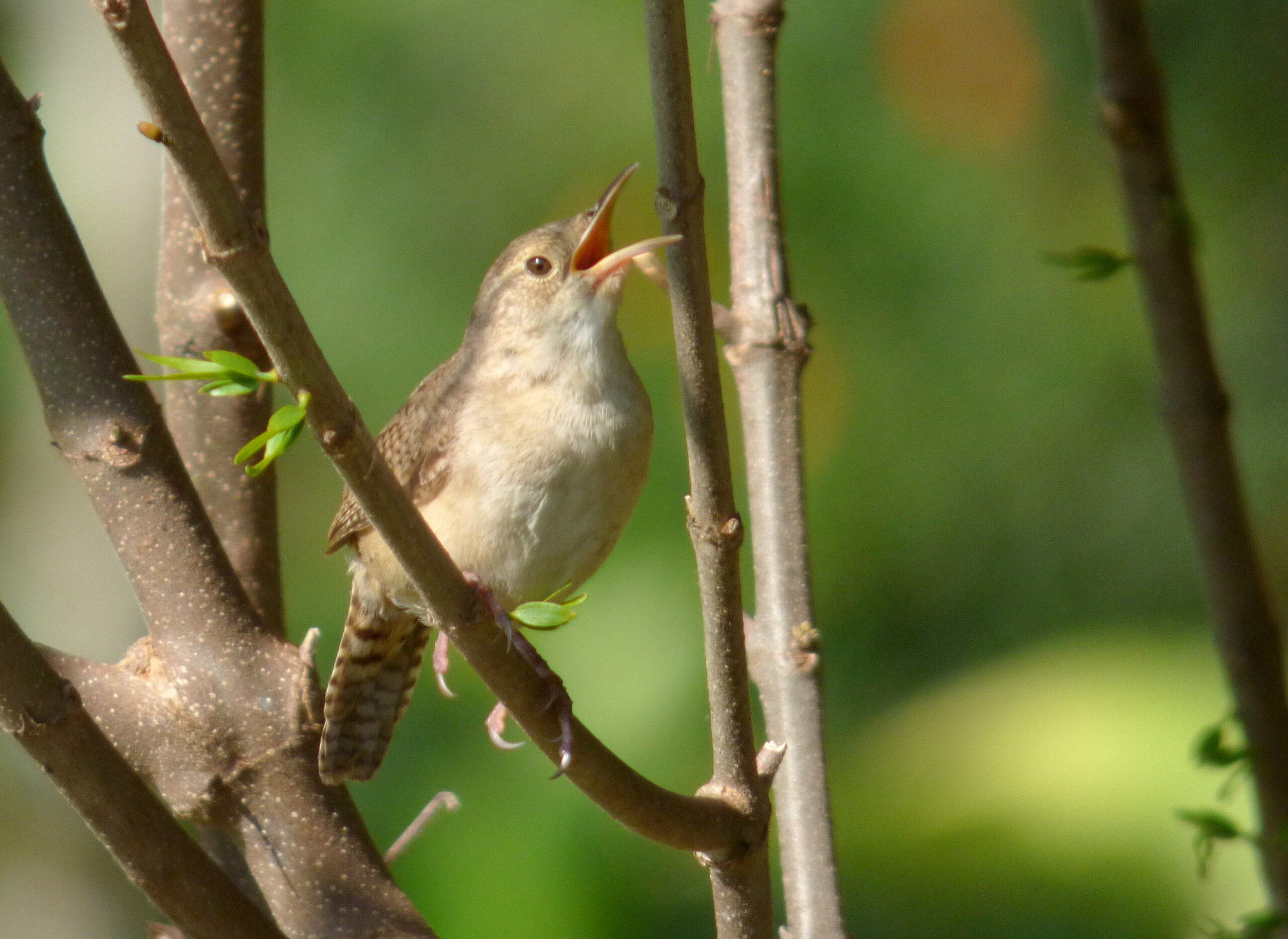
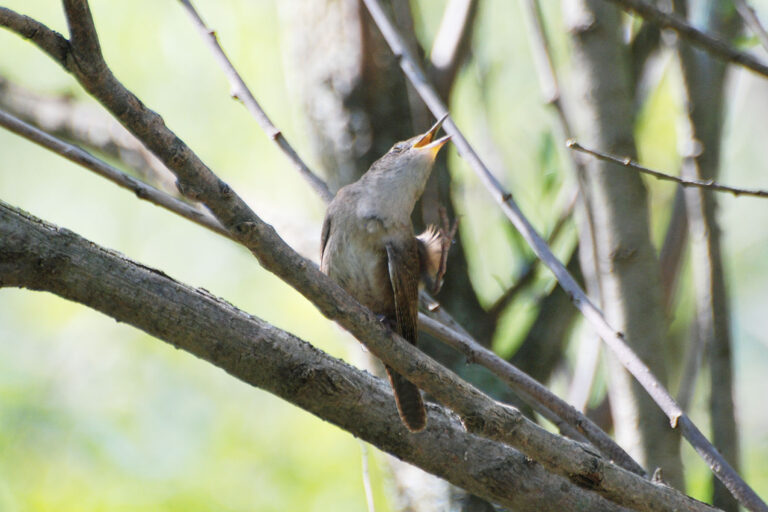
Scientificly known as Troglodytes aedon, the house wren belongs to the class Aves. These cheerful creatures sing a variety of lively melodies that can brighten up any backyard!
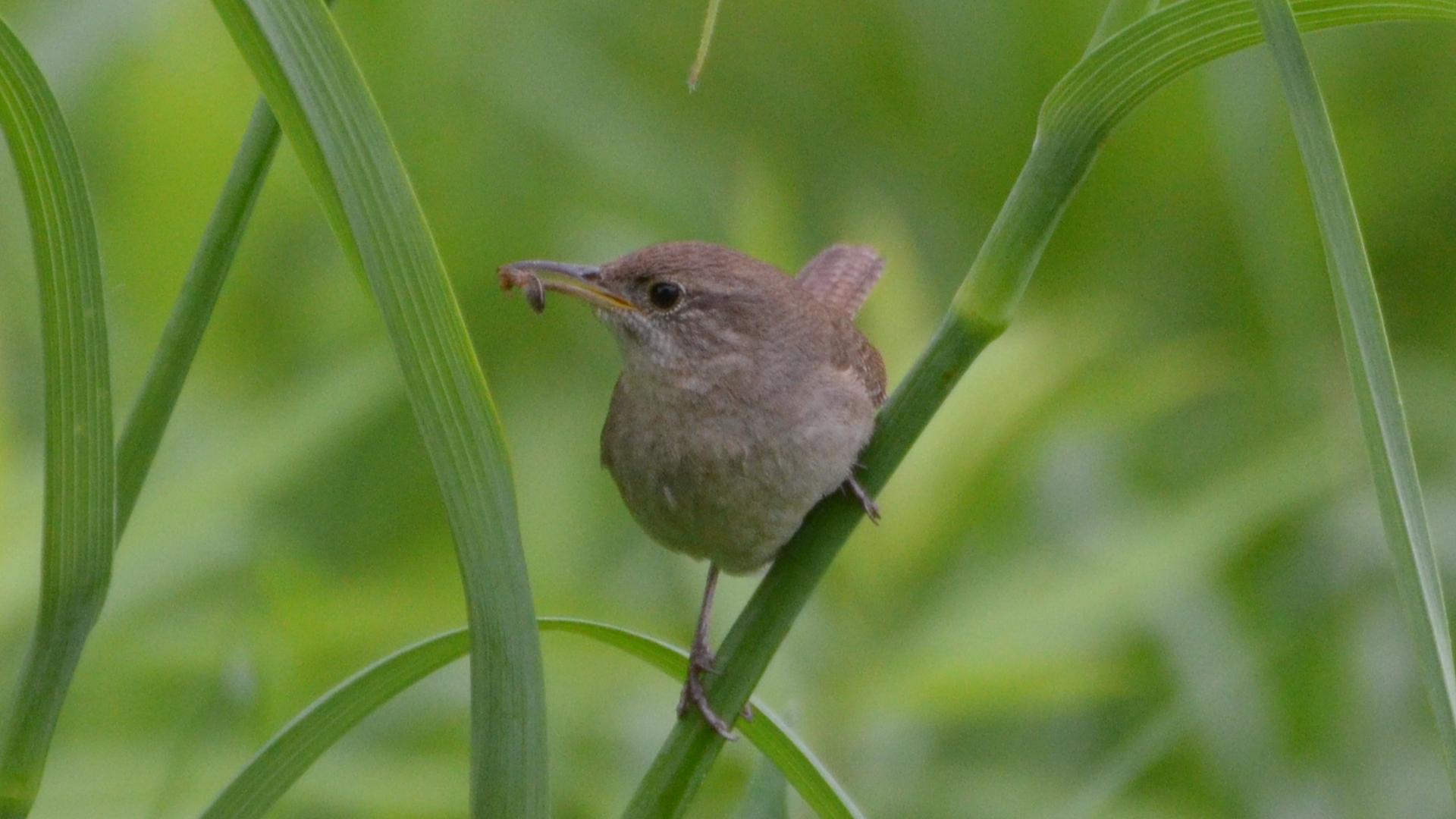
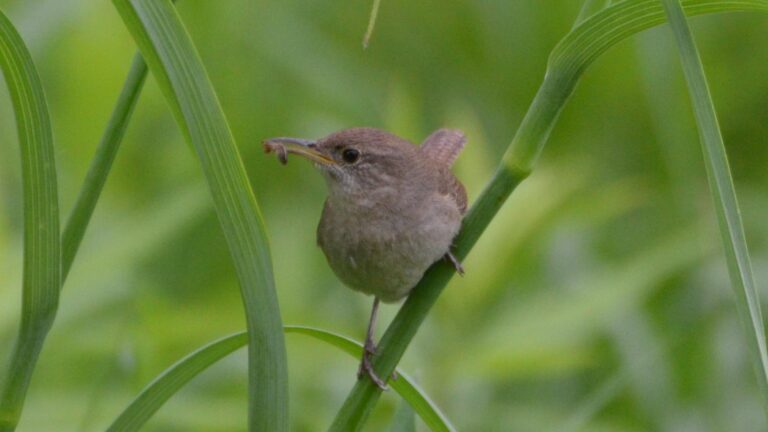
House wrens have a diet that mainly consists of insects, spiders, and small invertebrates. They actively hunt for food, making them expert bug catchers that keep gardens free from pesky pests!
This bird can live between 3 to 7 years in the wild, exploring and singing its heart out. Their energetic nature and playful antics often make them a favorite among backyard bird watchers.
House wrens are found throughout Central America, making homes in diverse environments. They build nests in hidden places, such as tree cavities or even in human-made items, proving that they're great at improvisation.
With their lively songs and charming behavior, house wrens spread joy wherever they go. Keep your ears open, and you might just hear a delightful wren tune in your neighborhood!

Where can you find a House wren in the wild?
What does a House wren eat?
How big can a House wren grow?
How long does a House wren typically live?
What is the conservation status of the House wren?
What are the main threats to the House wren?
Fun facts
House wrens are fantastic builders! They will collect odd items like twigs, leaves, and even bits of string to make their nests, showing off their creativity.


These birds are known to be super territorial. A house wren can get quite feisty, singing loudly and chasing away other birds to protect its nesting area like a tiny feathered superhero!
House wrens have a special trick to distract predators. Sometimes, they pretend to be injured, flapping on the ground to lure danger away from their nests!
House wrens can sing more than 100 different songs! Their energetic tunes can sound like a cheerful melody that you would hear in a happy cartoon.
These birds can thrive in urban settings! You might find house wrens happily nesting in birdhouses, vents, or even on balconies in cities, adapting very well to human life.
House wrens are small but mighty bug catchers. They can eat more than 500 insects in a single day, keeping gardens free from pesky pests!
House wrens often reuse their nests. If they finish nesting early, they might just remodel the old one, giving it a new look for next season!
These birds can recognize their mates by song! Each pair has its own special melody, helping them find each other easily among the lovely chaos of nature.
House wrens start nesting as early as March! This early bird mindset helps them get a jump on raising their young before the summer bustle begins!
House wrens have a fascinating mating dance. They perform little hops and chirps to impress potential partners, like a fun birdy show to win hearts!
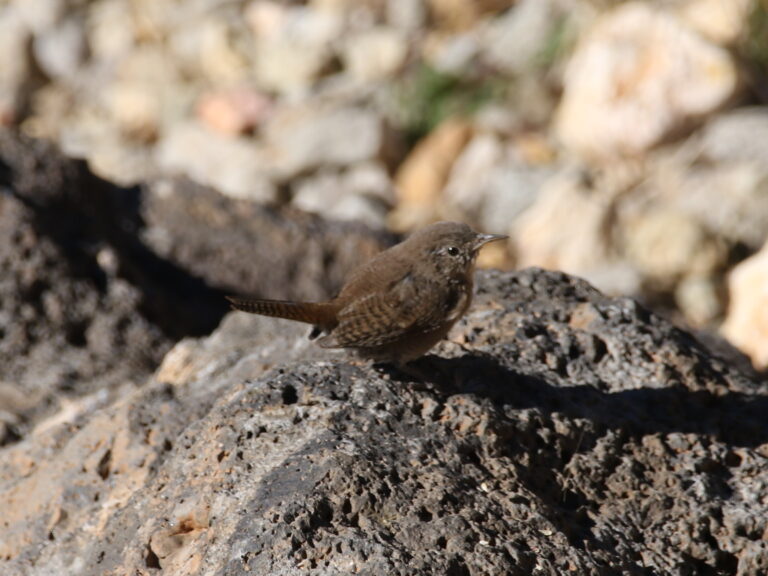
Photos

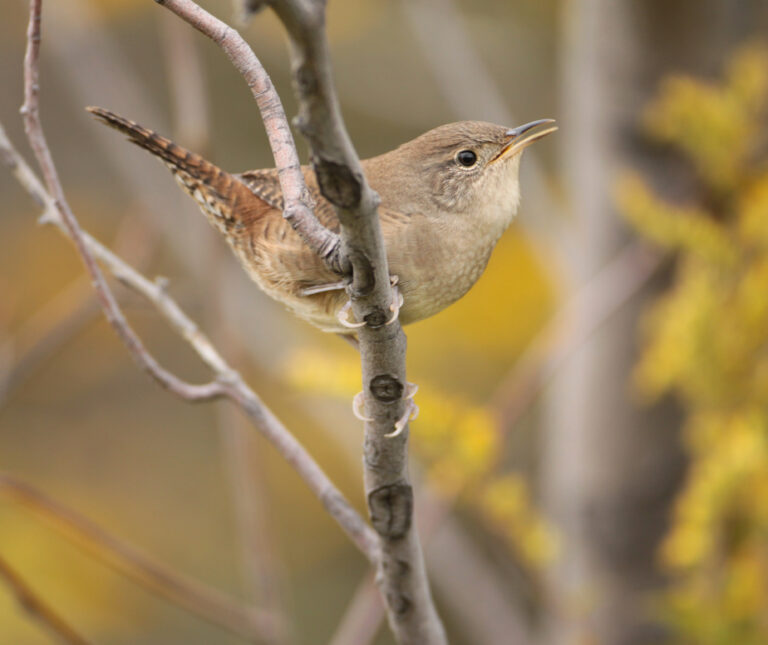



The Basics


explore more
Amphibians
Arachnids
Birds
Cats
Crustaceans
Fish
Fish Pet Guide
Gastropods
Insects
Invertebrates
Mammals
Pet Fish
Pet Rodents
Plants
Reptiles
Roundworms
Sea Slugs