Successfully copied to clipboard!
Hummingbird
Experience the dazzling dance of nature's tiniest aviators!
Let’s Explore
Overview
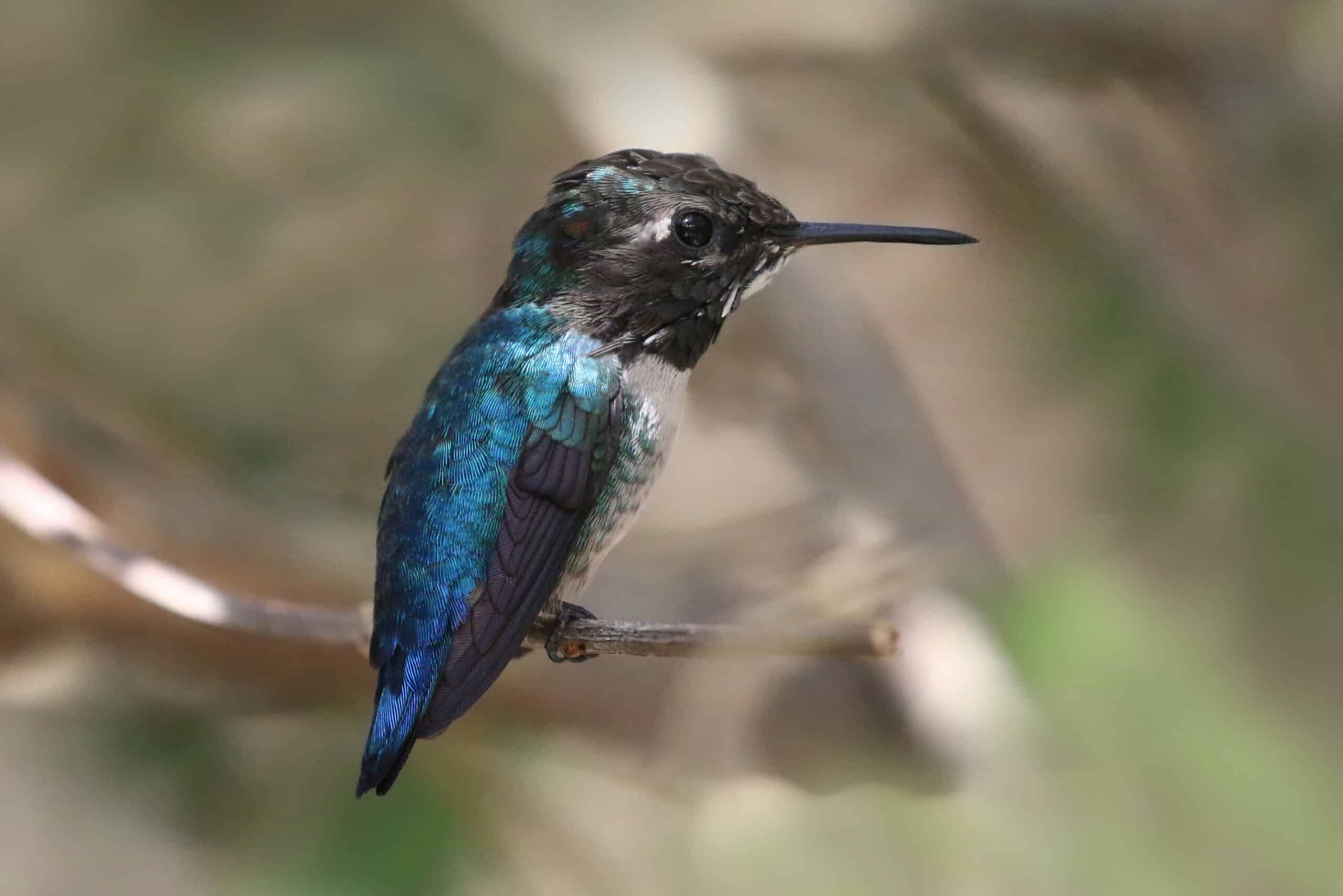
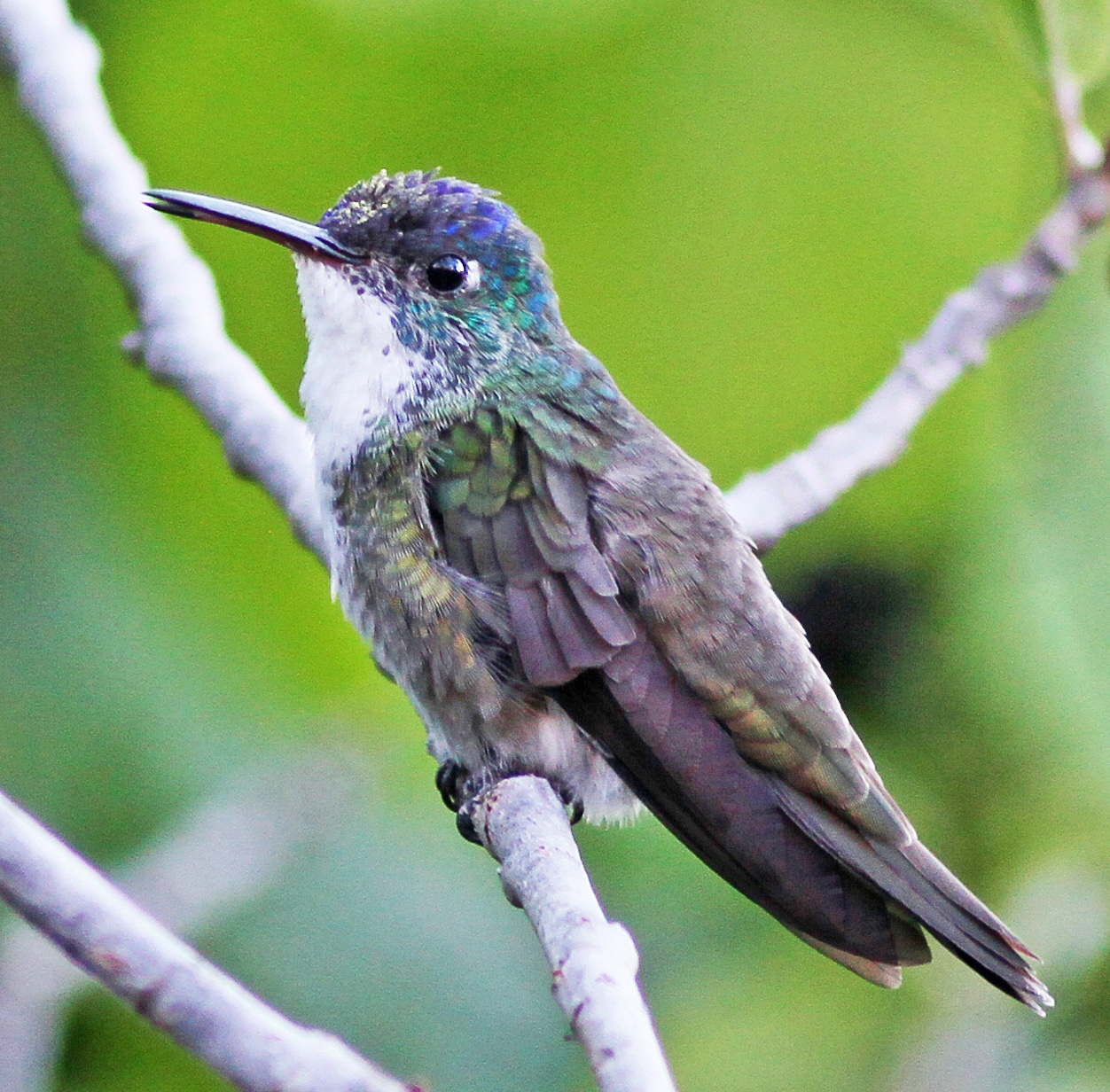
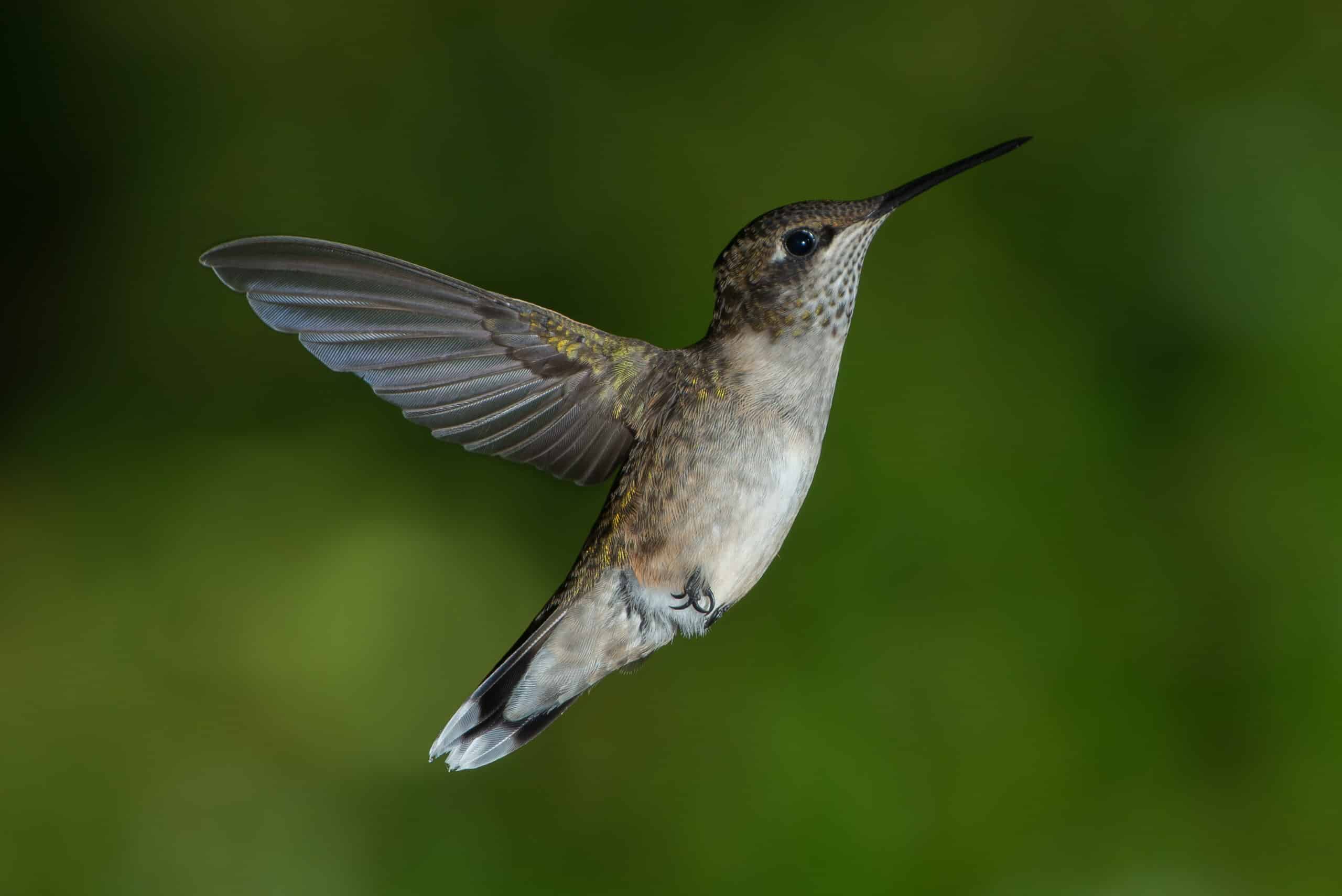
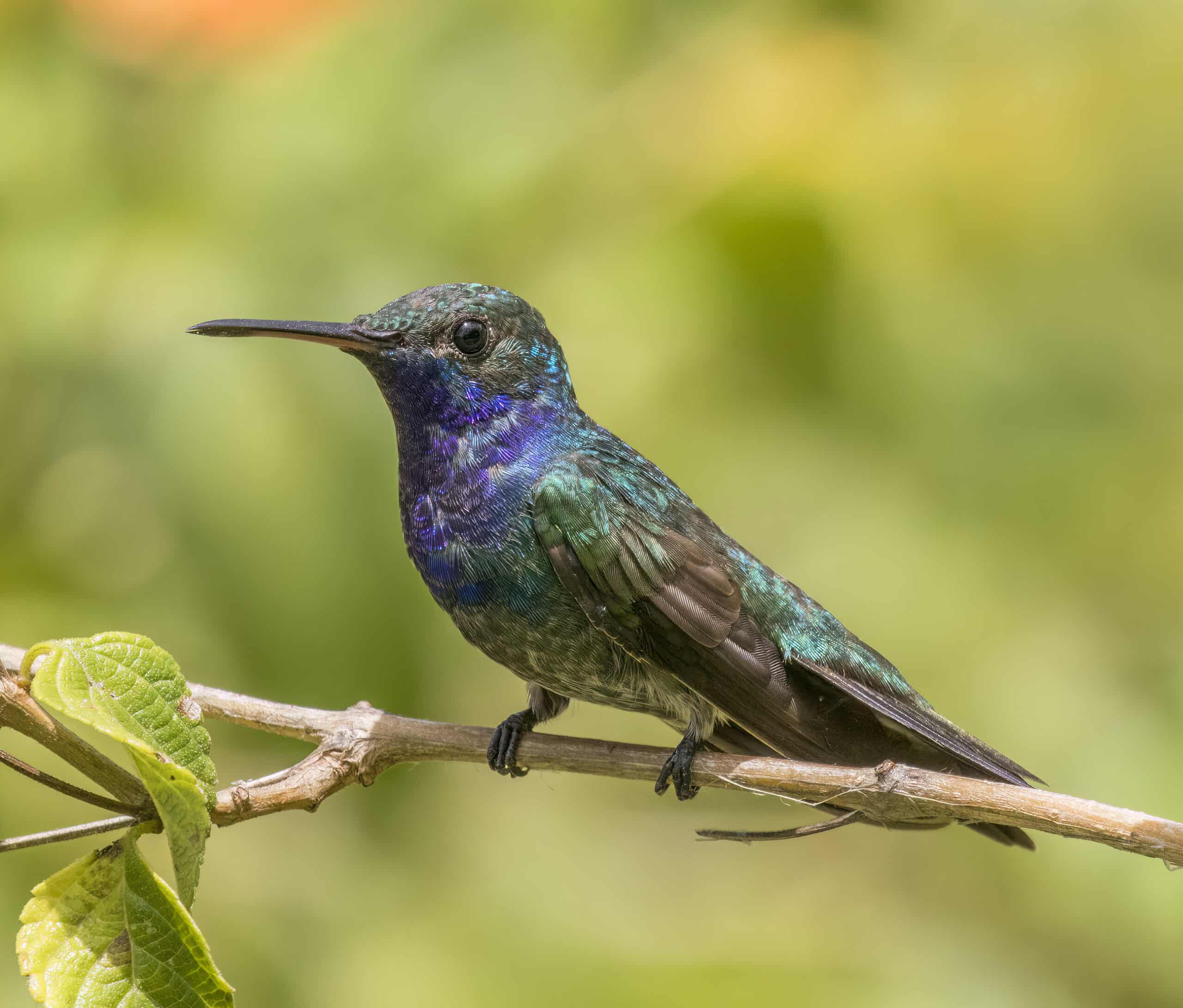
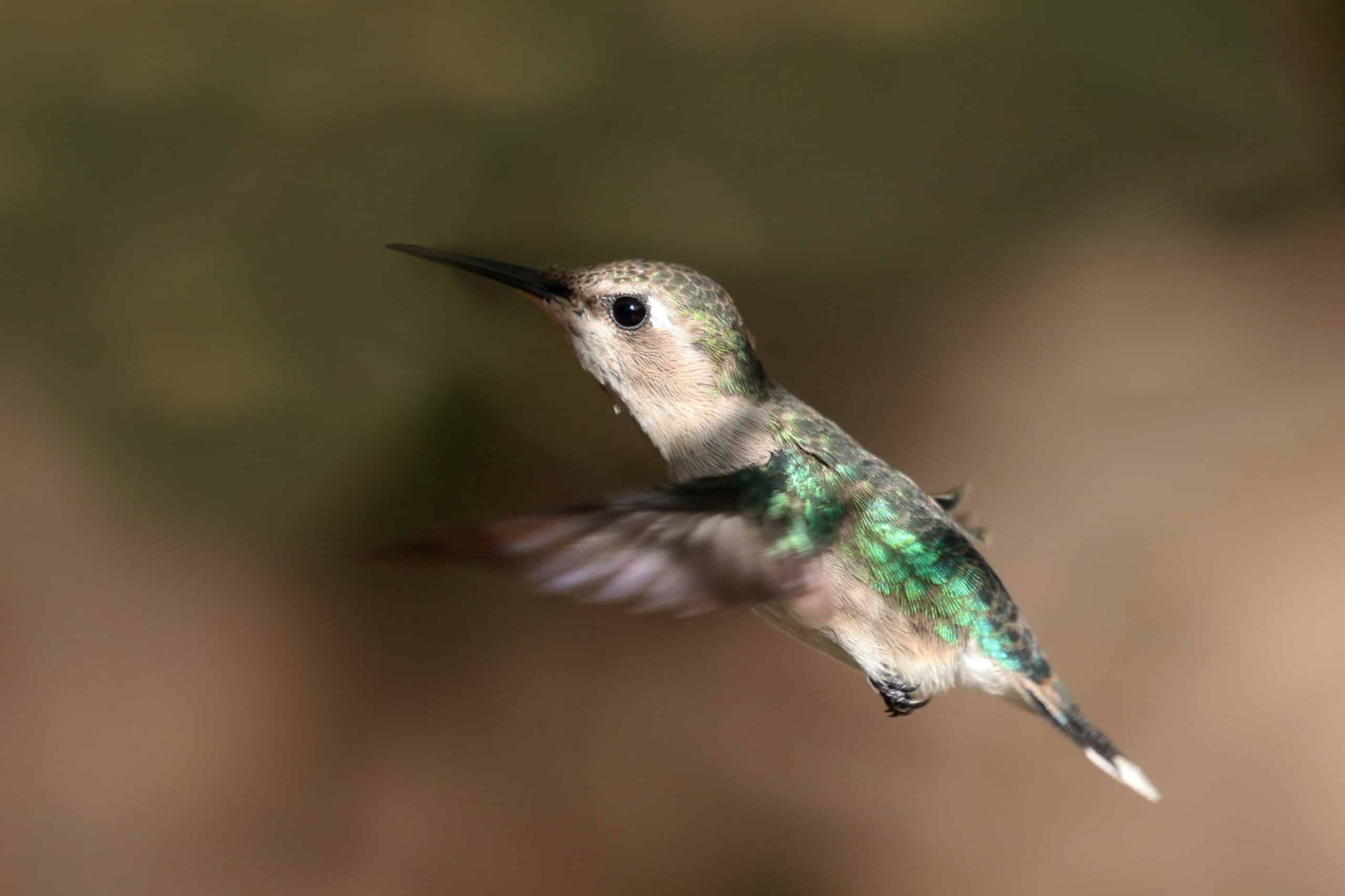
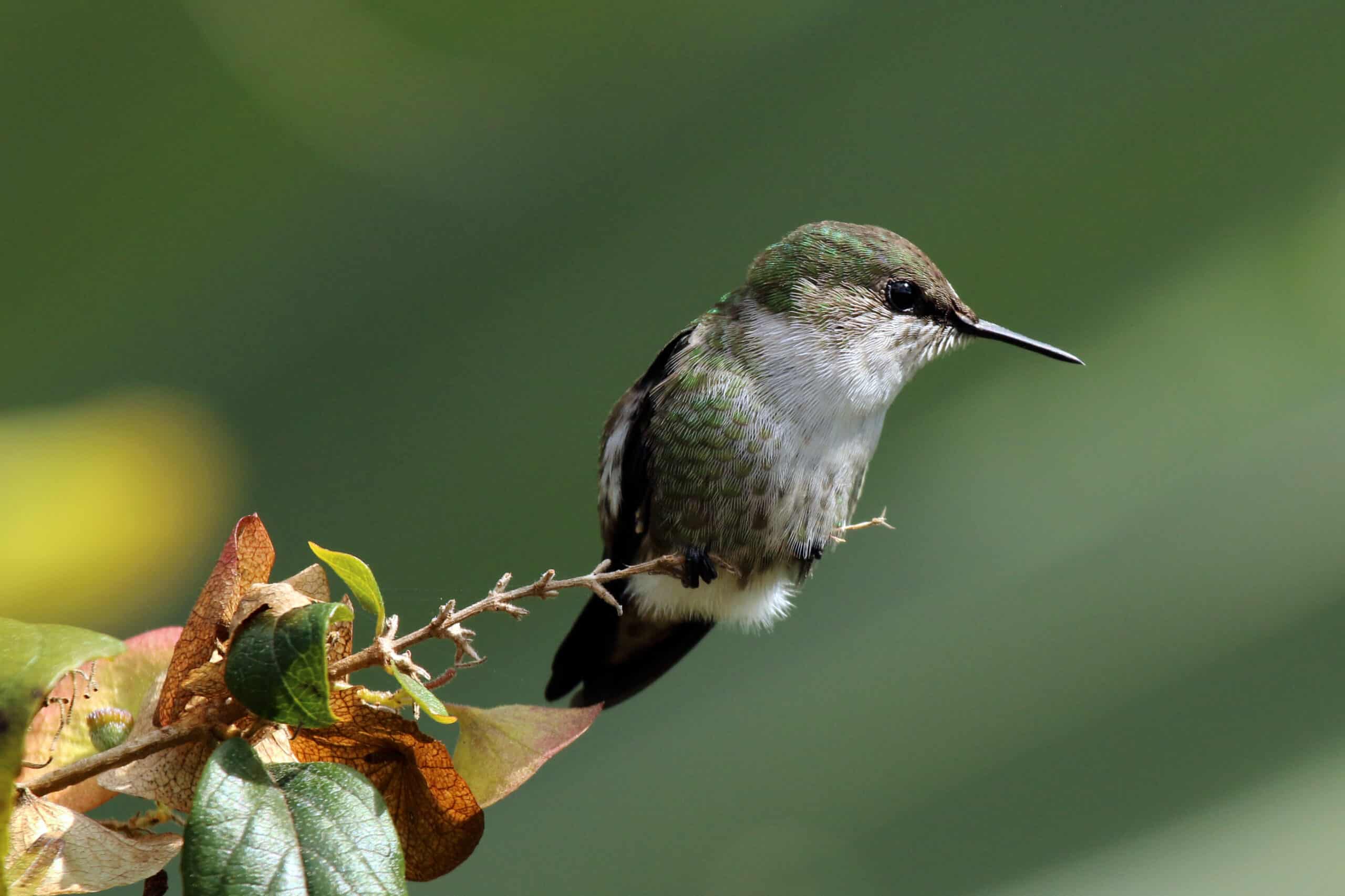
Hummingbirds are tiny birds that belong to the family Trochilidae. These feathered dynamos average between 3 to 5 inches long, making them some of the smallest birds in the world!
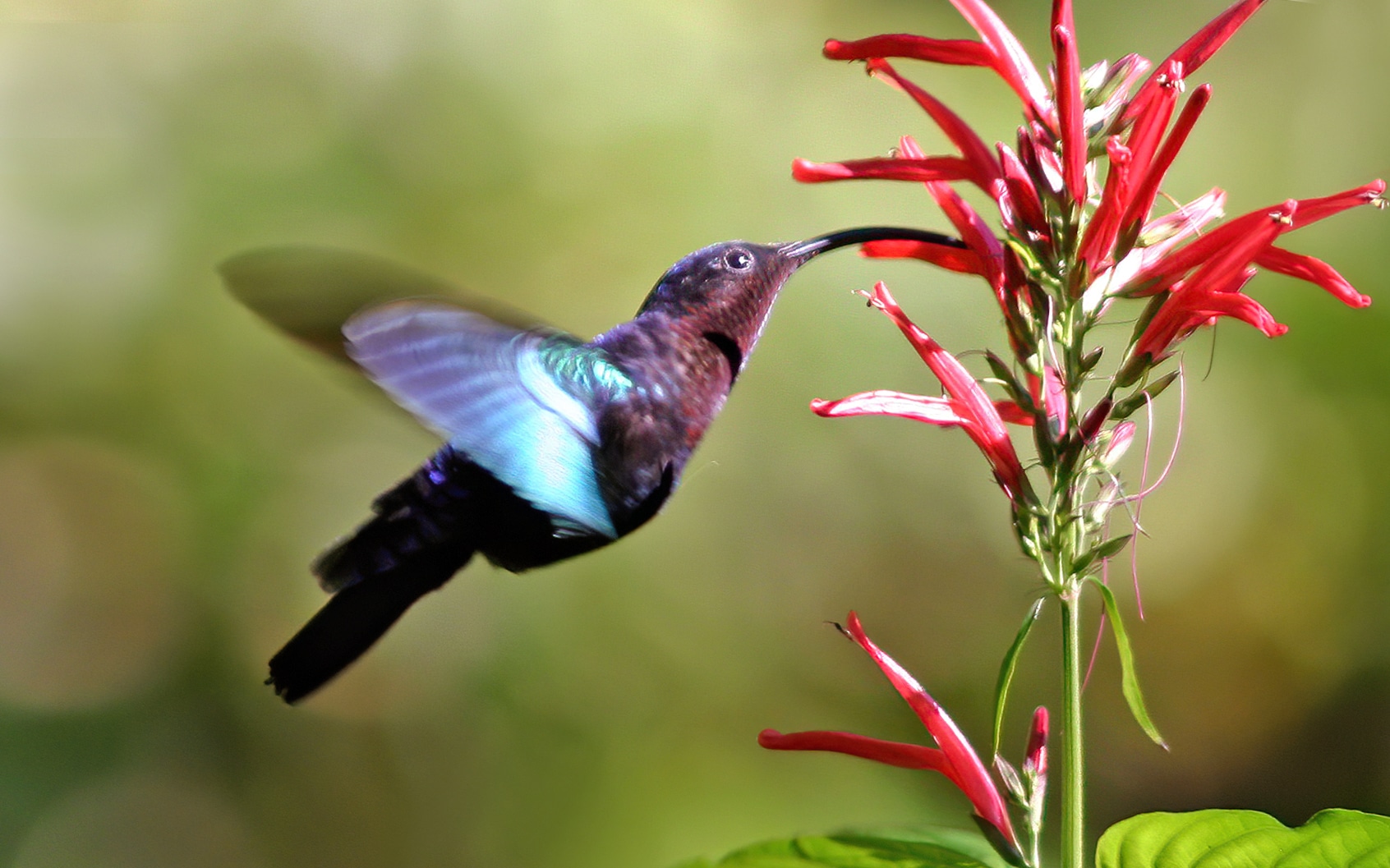
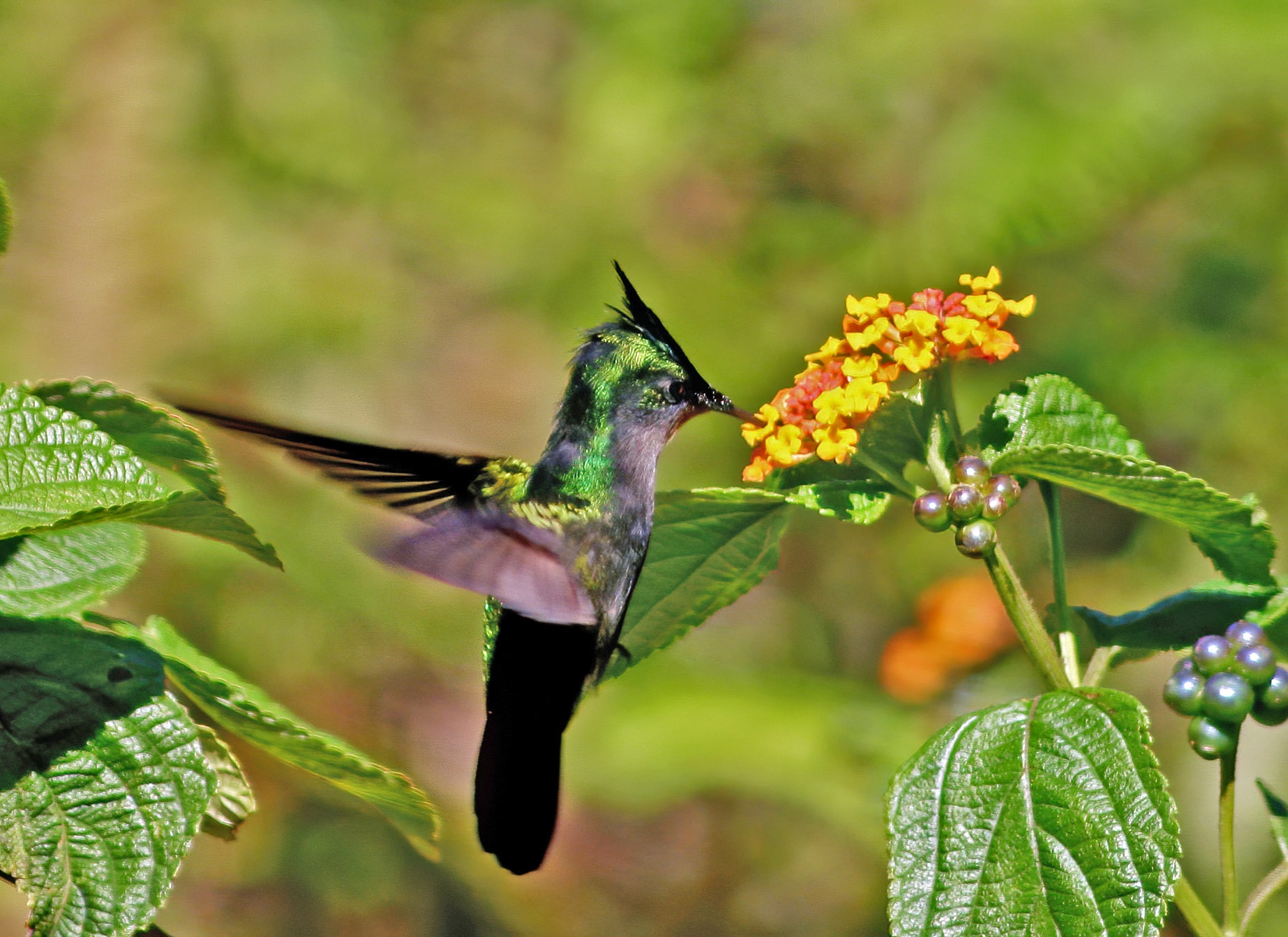
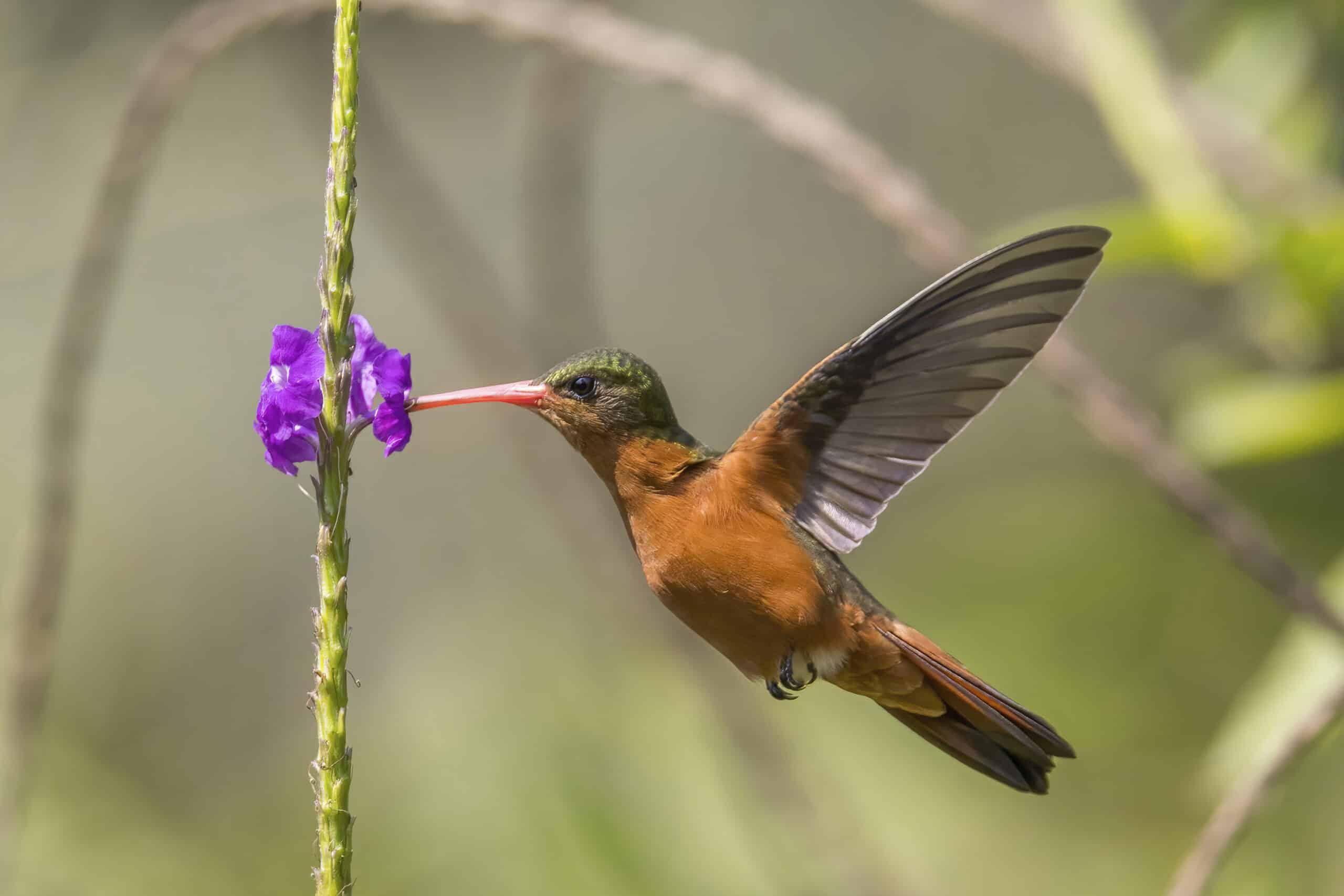
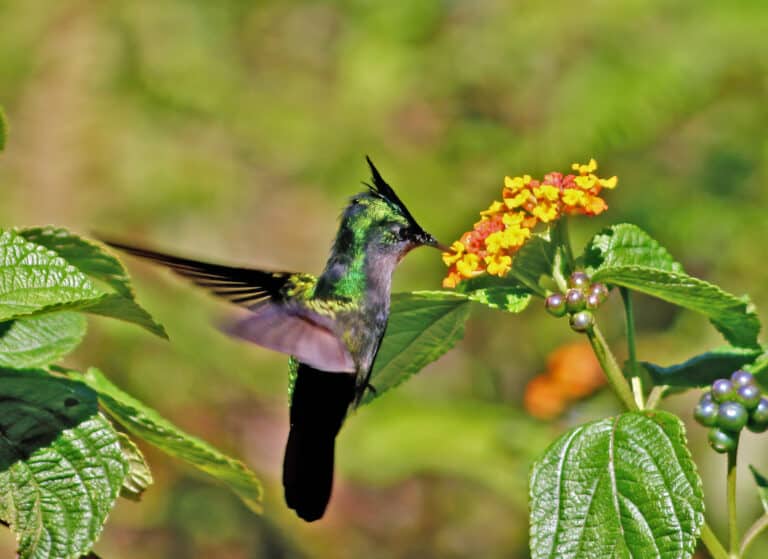
Hummingbirds live primarily in Central America, where colorful flowers and sweet nectar await them. They have specialized tongues that can extend to reach nectar hiding deep within blossoms, making them true flower powerhouses.
These birds are not just nectar sippers! Hummingbirds also munch on small insects and spiders as part of their balanced diet. They enjoy a variety of flavors in their meals, kind of like having an endless buffet!
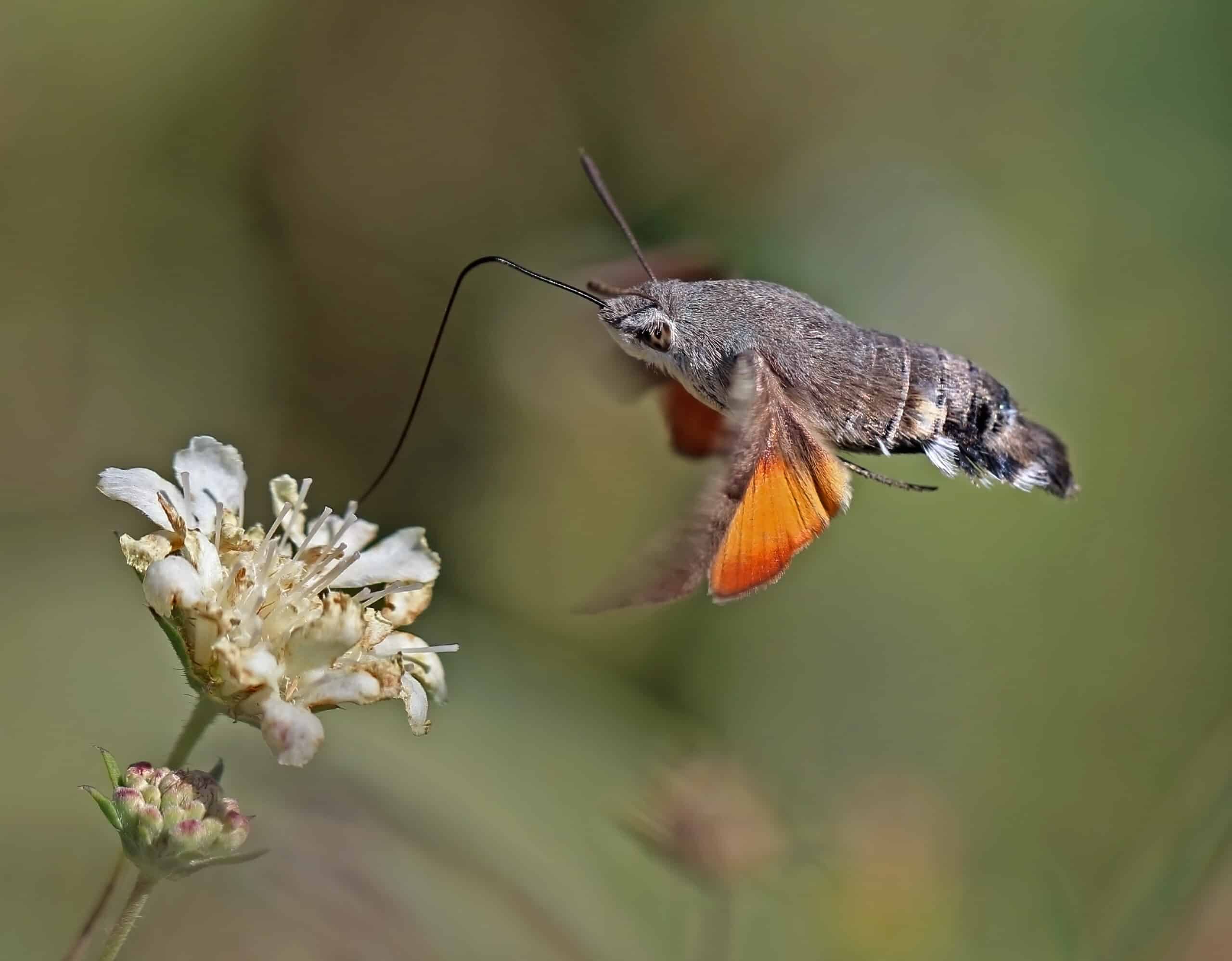
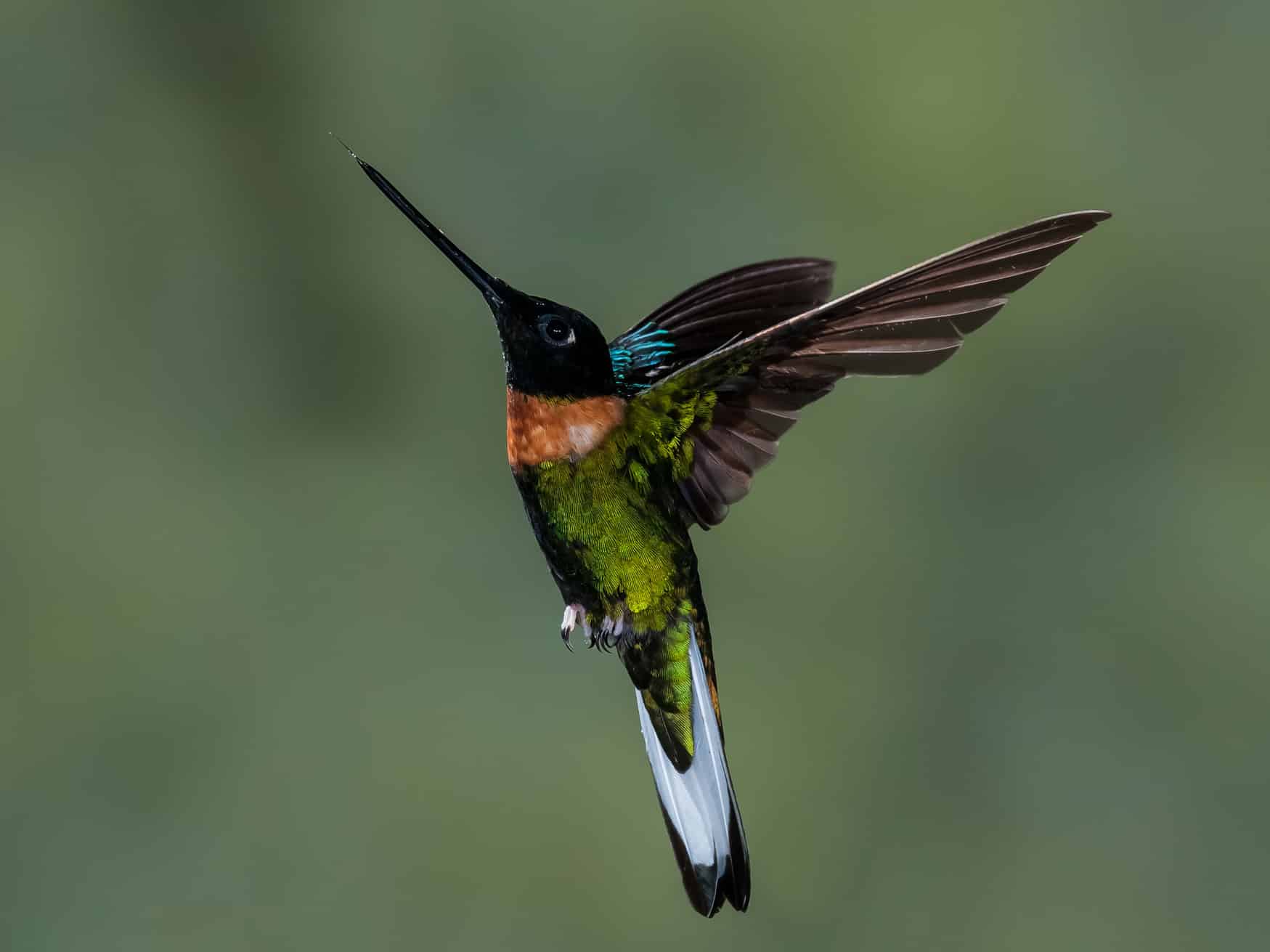
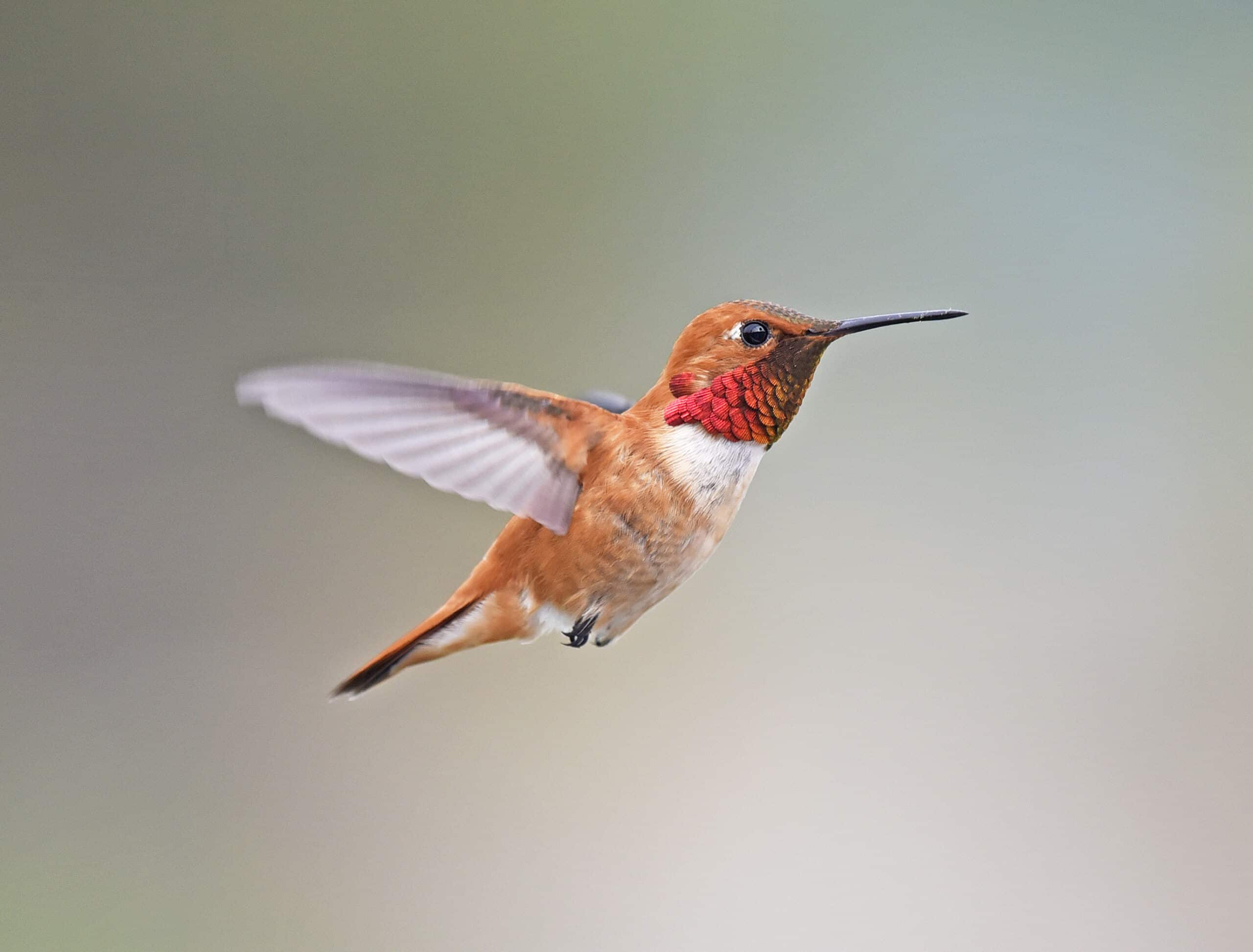
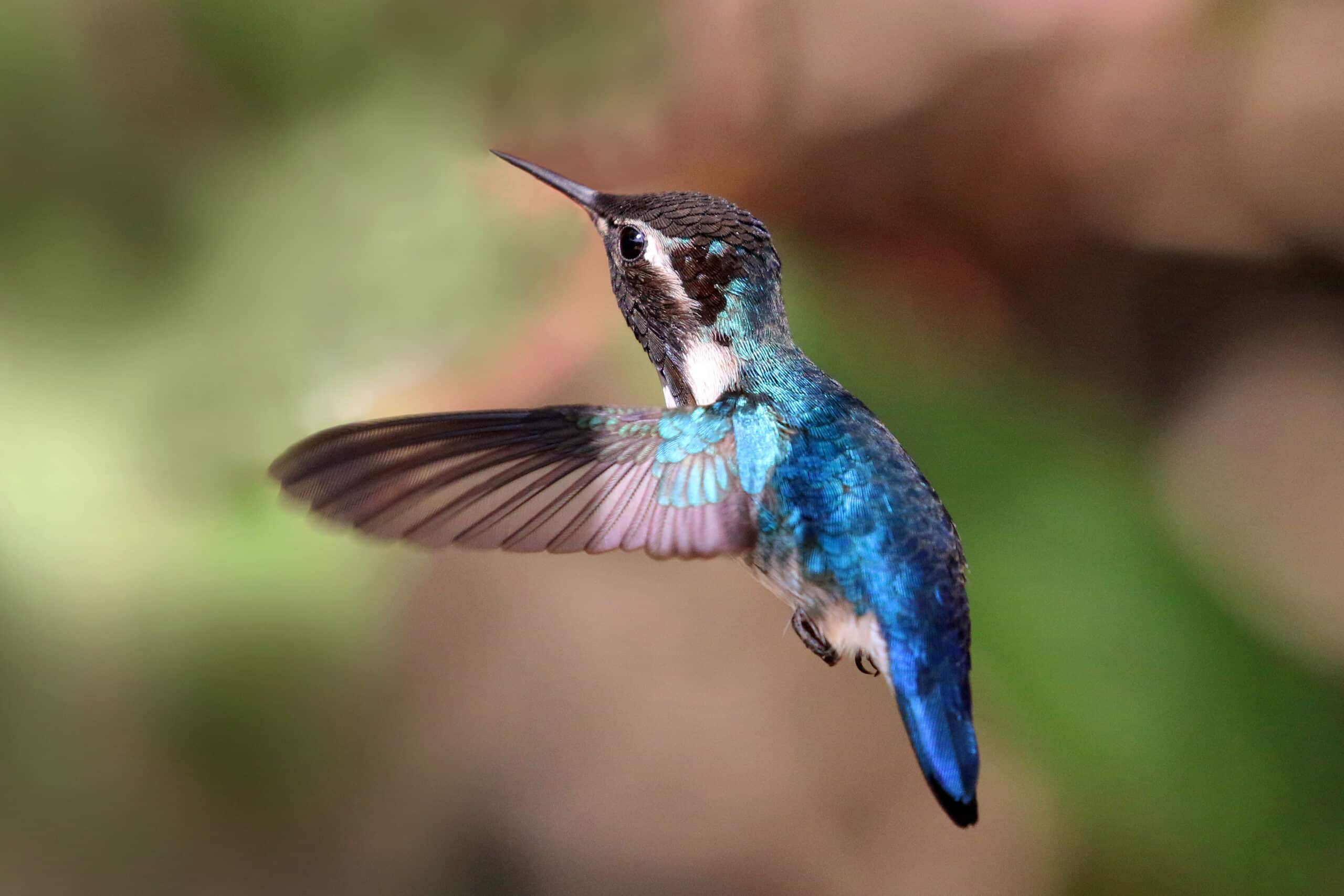
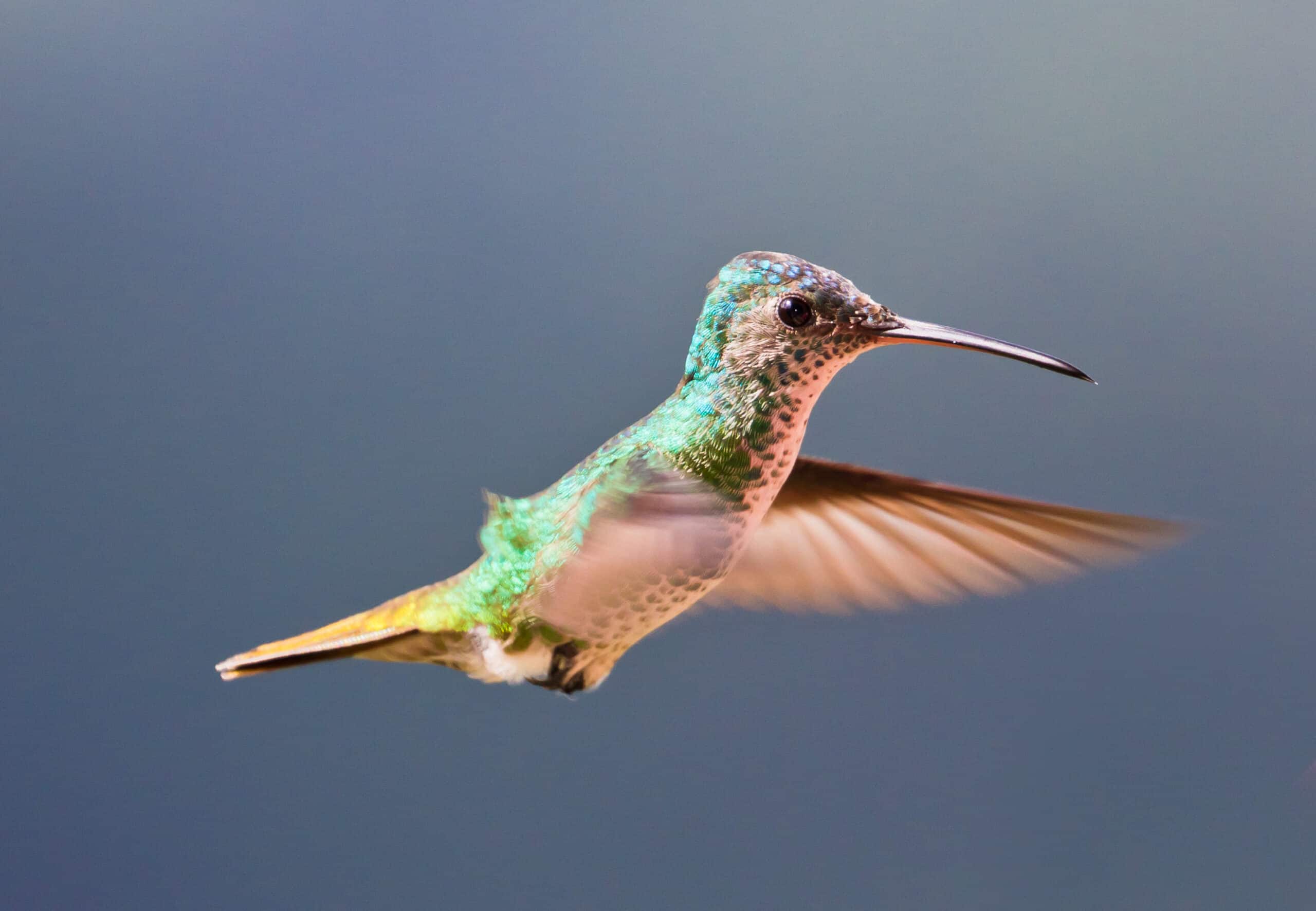
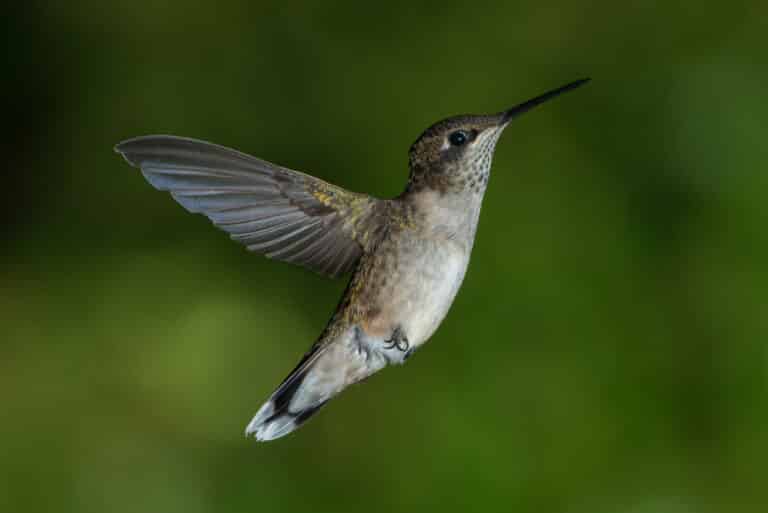
With their rapid wing beats, hummingbirds can flap their wings about 50 to 80 times per second. Their amazing speed enables them to hover in mid-air while they sip nectar, and they can even fly backward like a tiny flying superhero!
Hummingbirds have a lifespan of 3 to 5 years, which may sound short, but they live life to the fullest. These energetic birds work hard to visit hundreds of flowers each day, helping pollinate plants while enjoying their sweet treats.
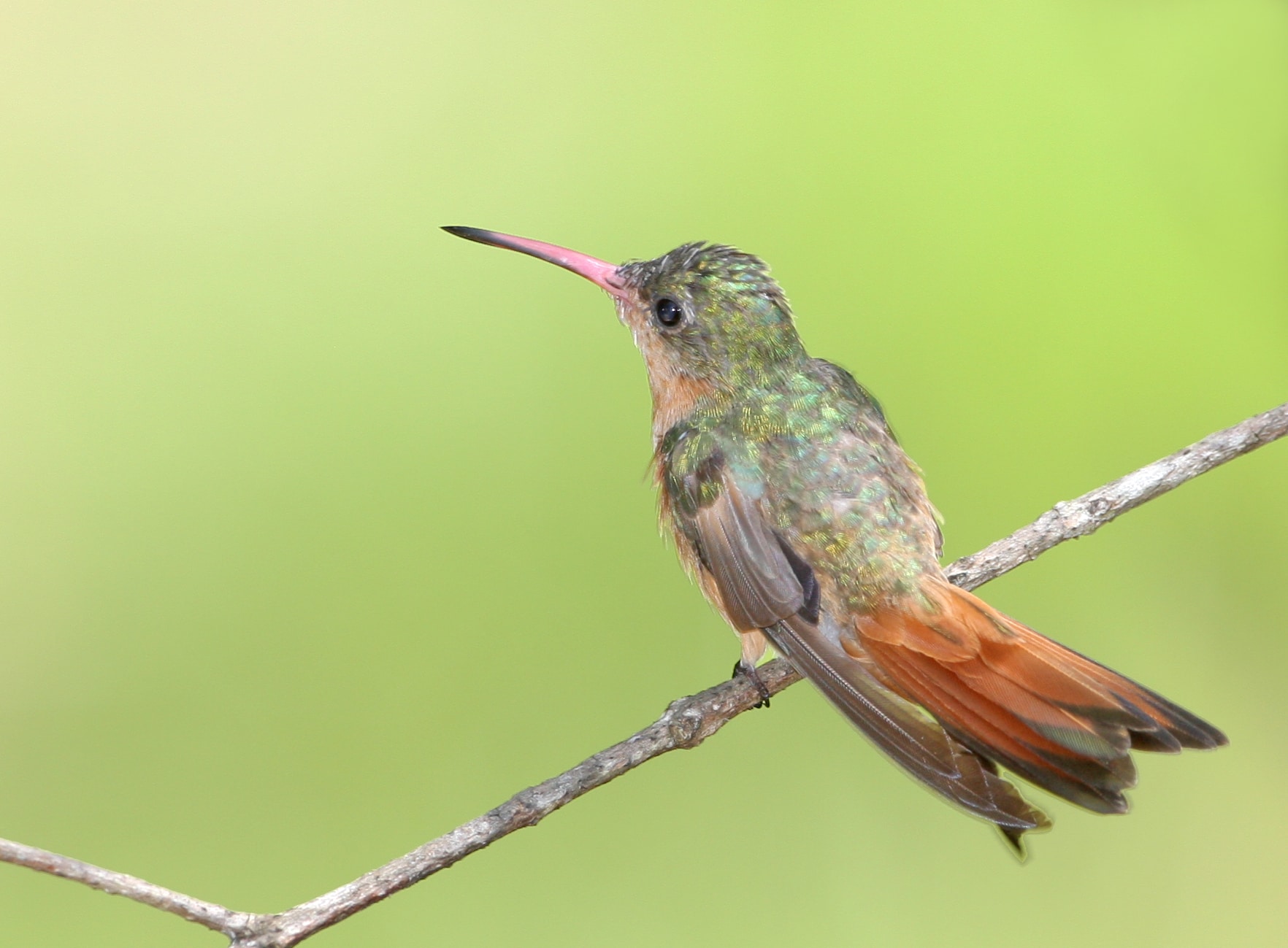
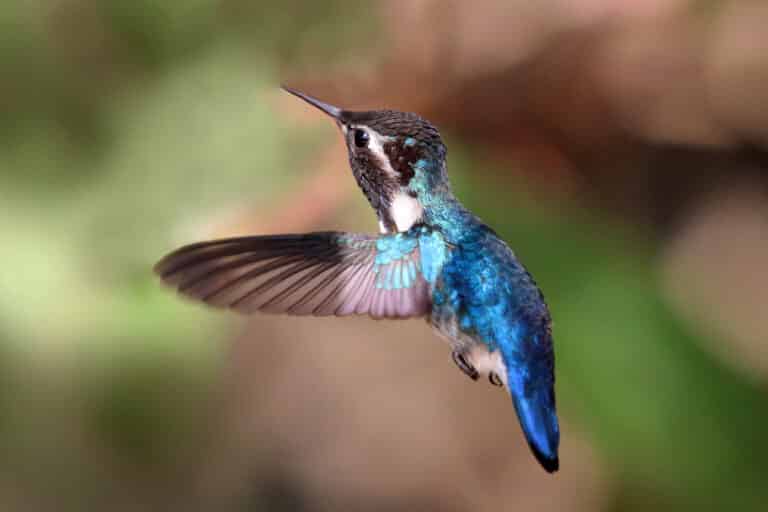
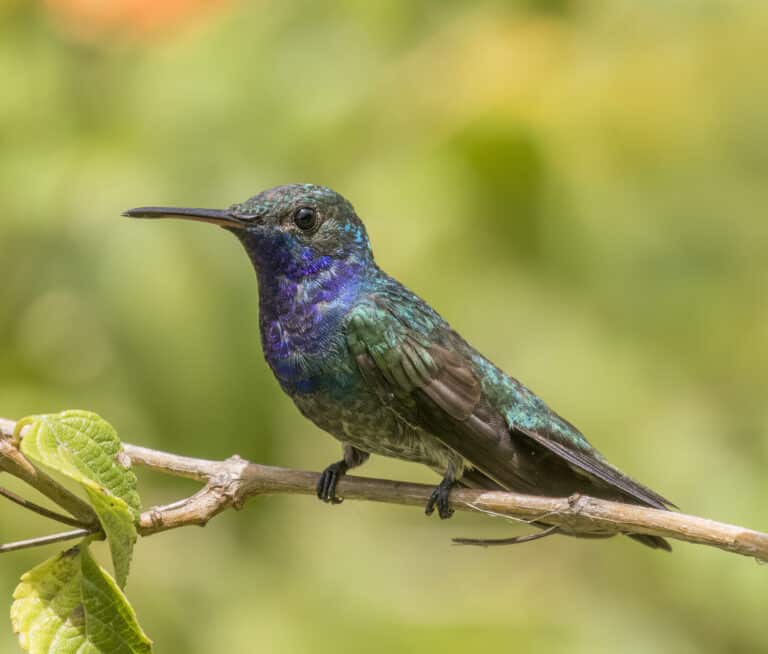
Hummingbirds are known for their bright, shining colors, which can range from vibrant greens to electric blues. Their dazzling feathers make them one of nature's most eye-catching wonders, turning any garden into a magical spectacle.

Where can you find a Hummingbird in the wild?
What does a Hummingbird eat?
How big can a Hummingbird grow?
How long does a Hummingbird typically live?
What is the conservation status of the Hummingbird?
What are the main threats to the Hummingbird?
Fun facts
Hummingbirds can fly backwards, making them the only birds with that amazing skill!


These tiny birds have a super-fast heartbeat that can reach up to 1,200 beats per minute during flight, which is faster than the speed of a race car!
Their tongues are like super slurpers! They can extend their tongues up to 2.5 centimeters (1 inch) to reach nectar deep inside flowers.
Some hummingbirds migrate over 3,200 kilometers (2,000 miles) each year to find warmer spots. That’s like flying across an entire country!
When the temperature drops, hummingbirds can go into a special state called torpor, slowing their heart rate and lowering their body temperature to conserve energy, kind of like a sleepy superhero taking a power nap!
Hummingbirds can see colors that humans cannot, including ultraviolet light. This helps them spot the best flowers blooming with nectar!
A male hummingbird performs a dance to impress females. He dives from high up and makes a buzzing sound with his wings, showing off his skills like a breakdancer!
In the wild, some species of hummingbirds have been observed defending their feeding territory against invaders, making them feisty and fierce for their tiny size!
Hummingbirds consume up to eight times their body weight in food each day, nearly always looking for their next sugary snack!
Some hummingbirds have been spotted using spider silk to make nests, creating cozy homes for their young just like little architects!
Photos
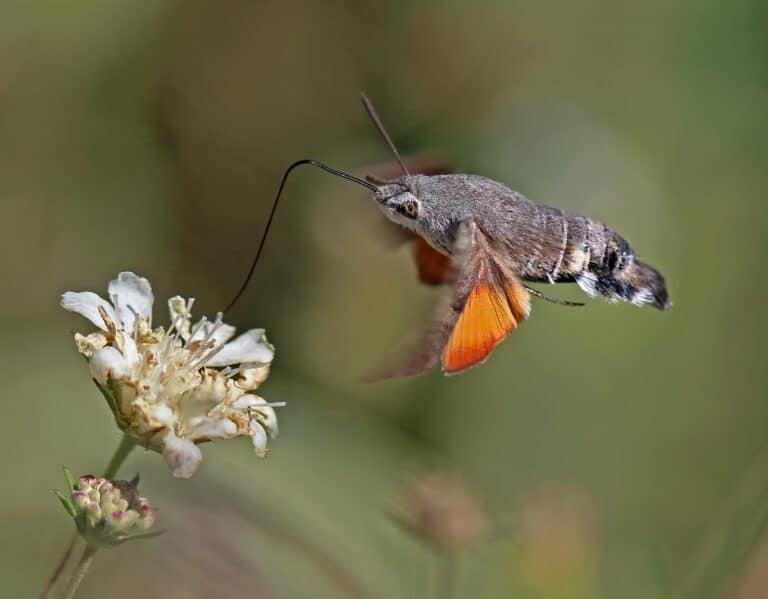

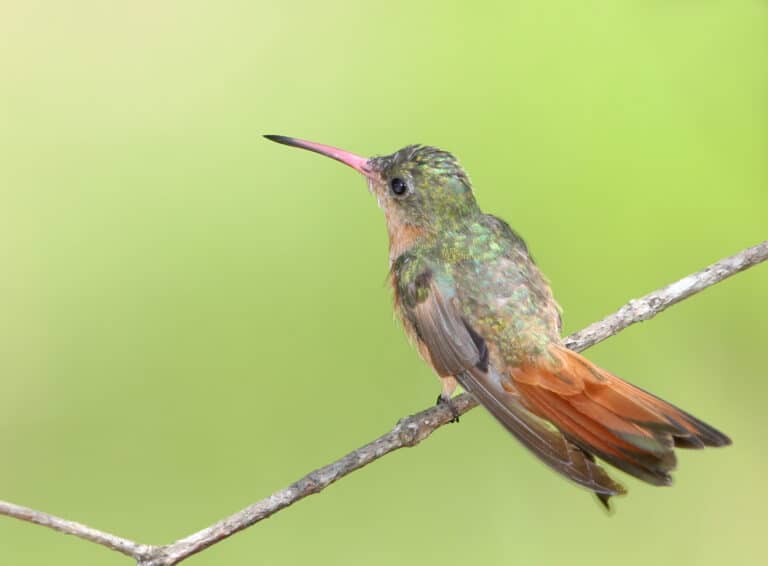
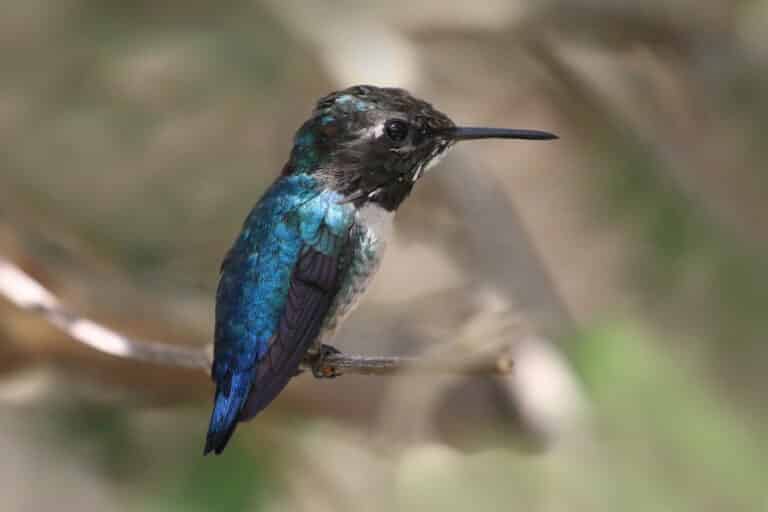
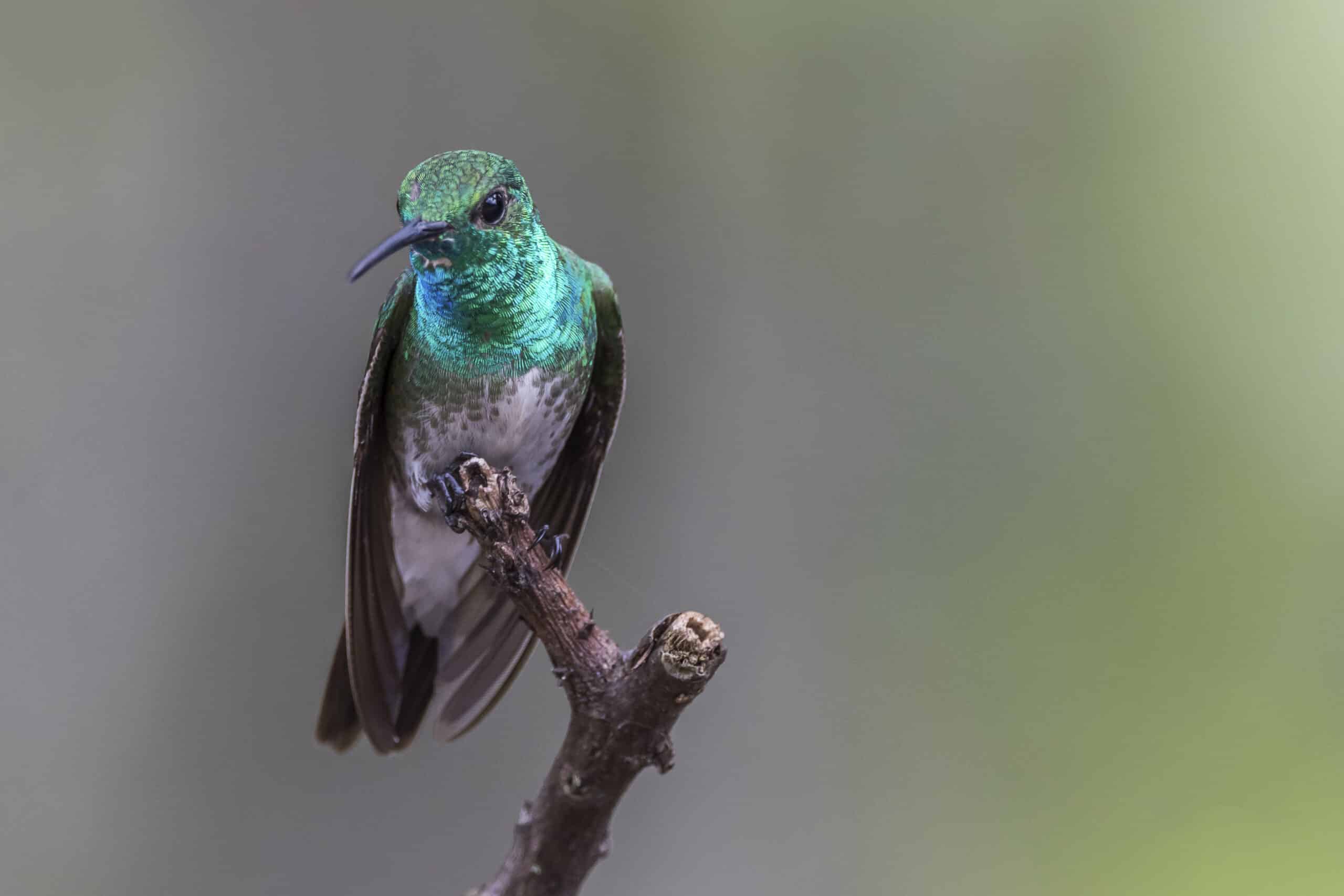
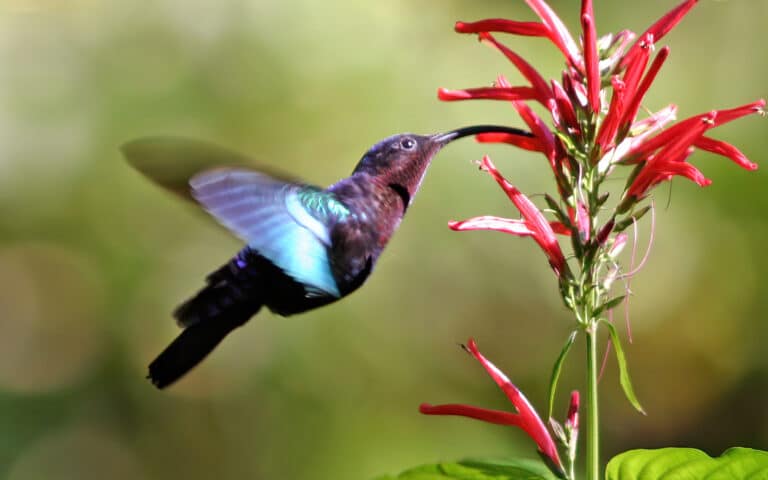
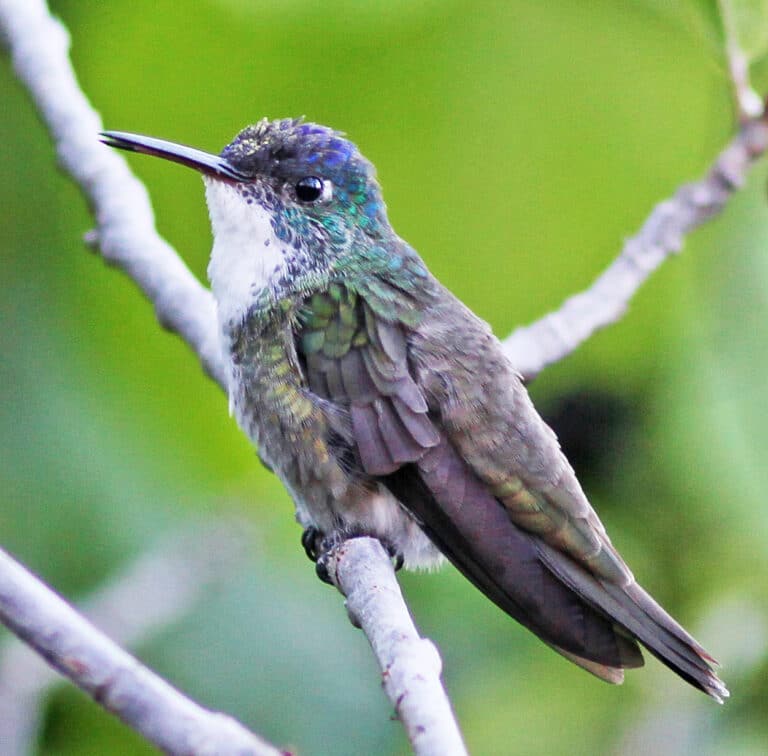
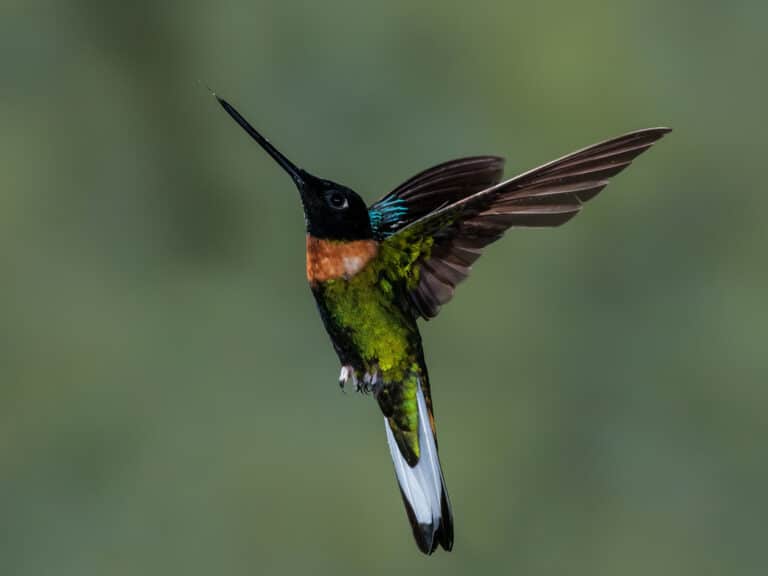
Hummingbird
" by Jay Warburton is licensed under CC BY 3.0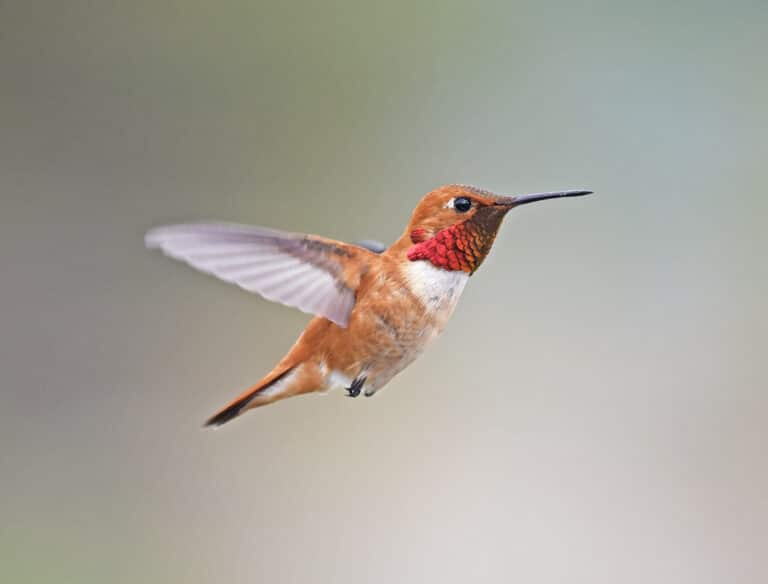
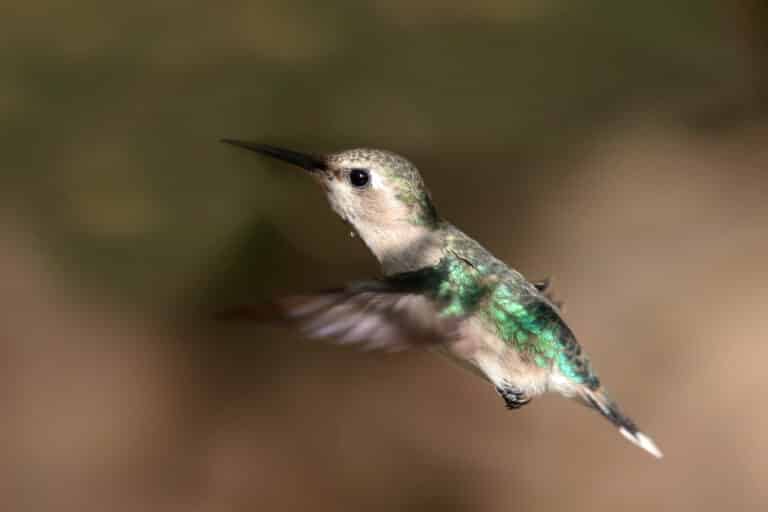
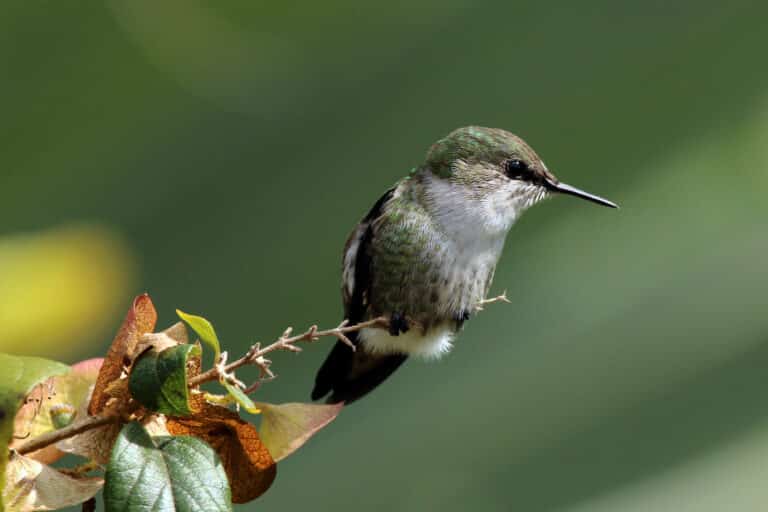
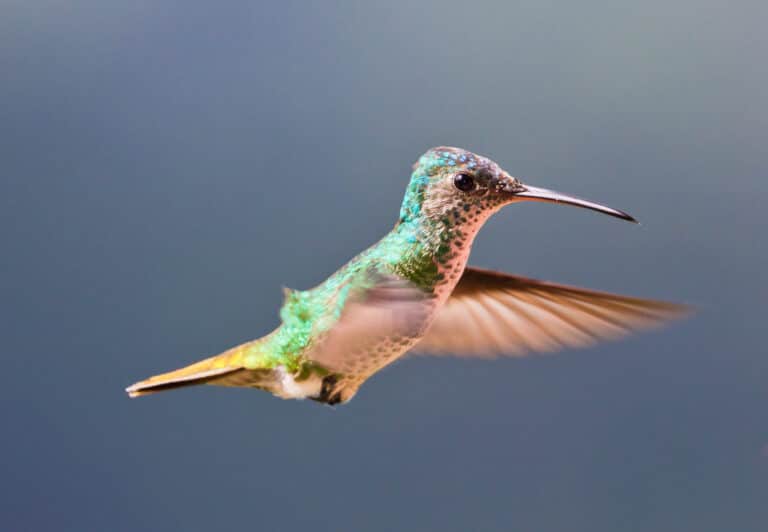
The Basics


explore more
Amphibians
Arachnids
Birds
Cats
Crustaceans
Fish
Fish Pet Guide
Gastropods
Insects
Invertebrates
Mammals
Pet Fish
Pet Rodents
Plants
Reptiles
Roundworms
Sea Slugs