Successfully copied to clipboard!
Ibex
Master nature's steep slopes with incredible climbing skills!
Let’s Explore
Overview
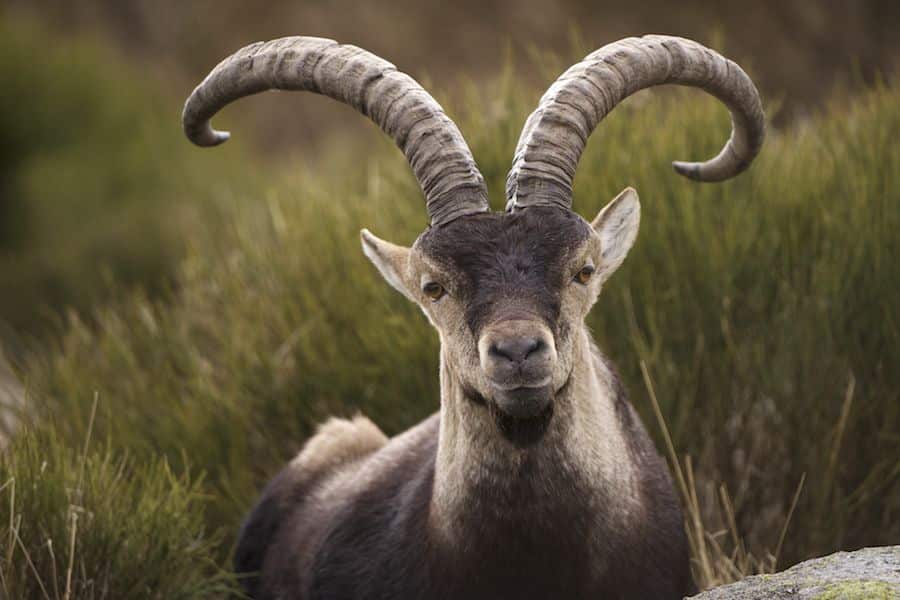
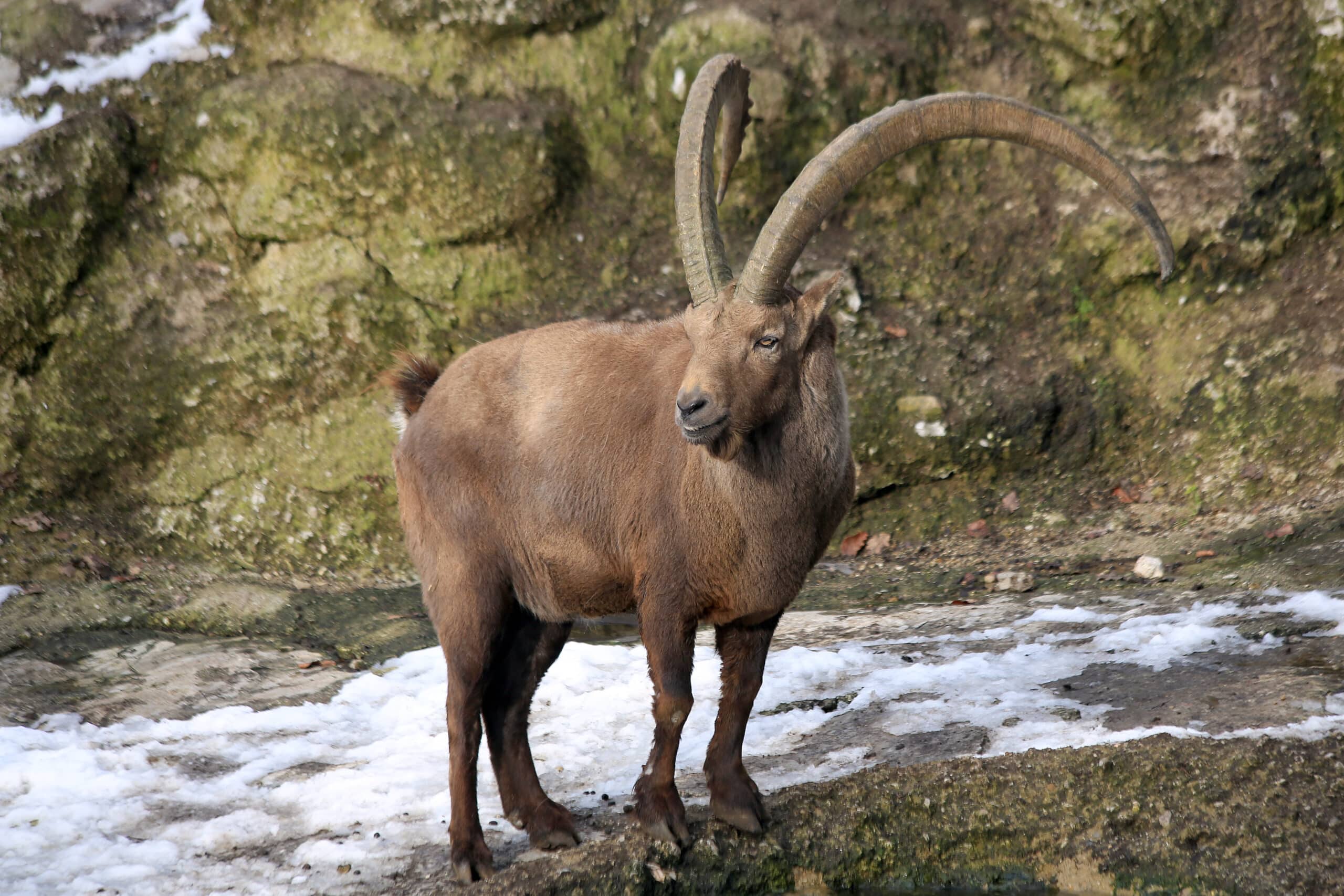
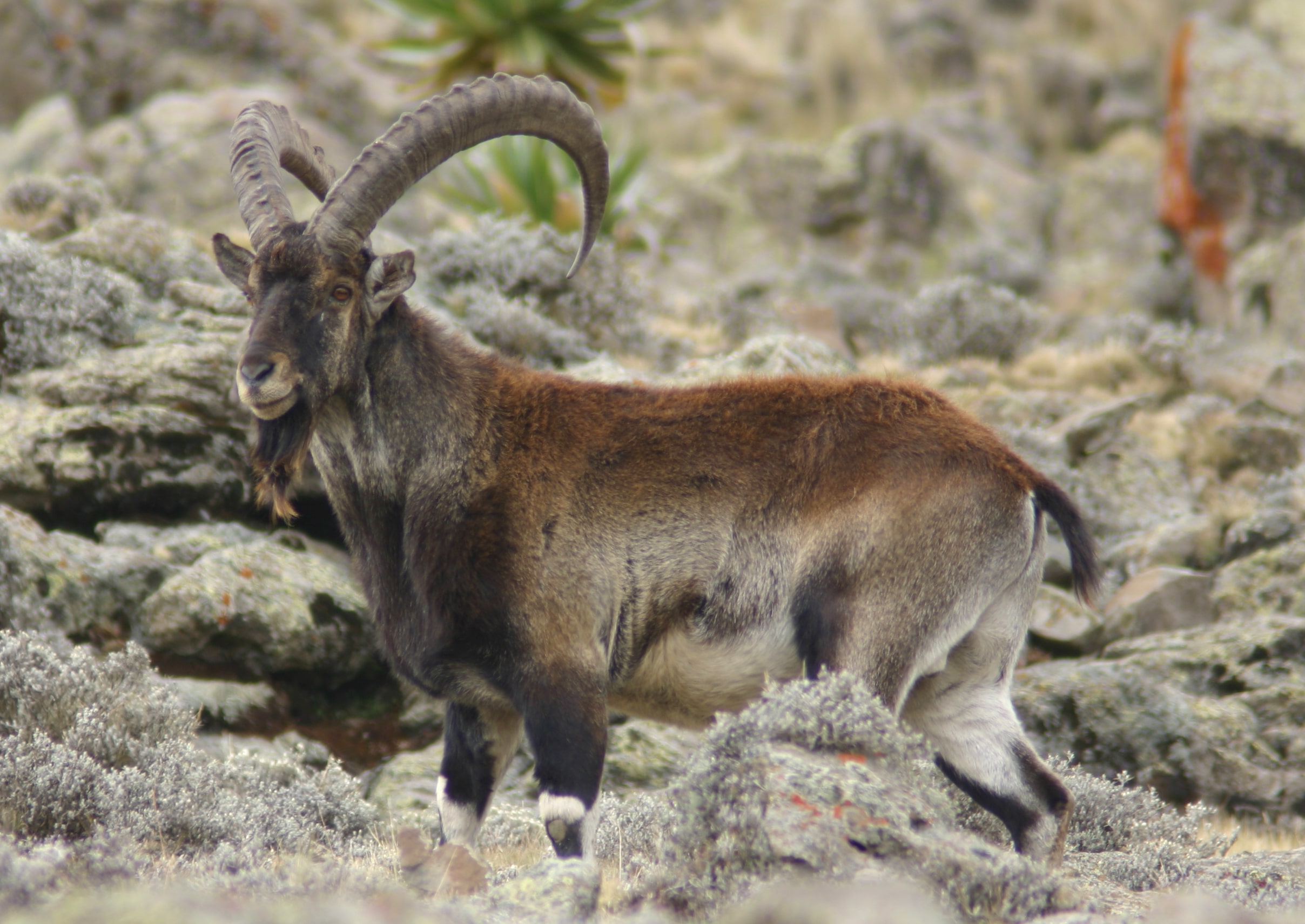
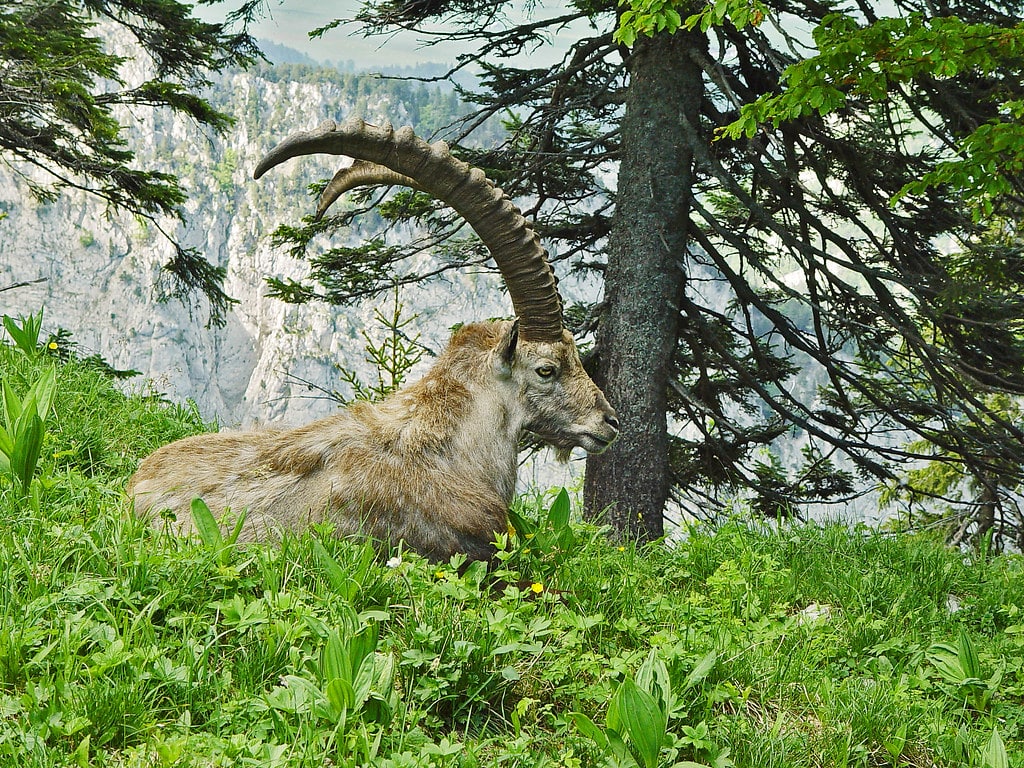
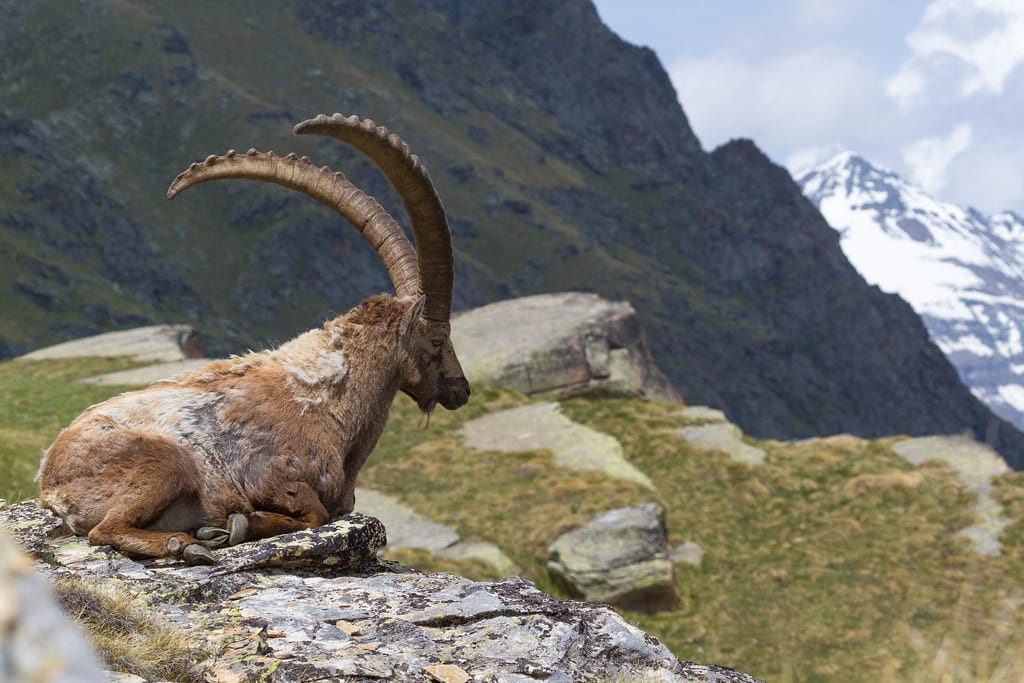
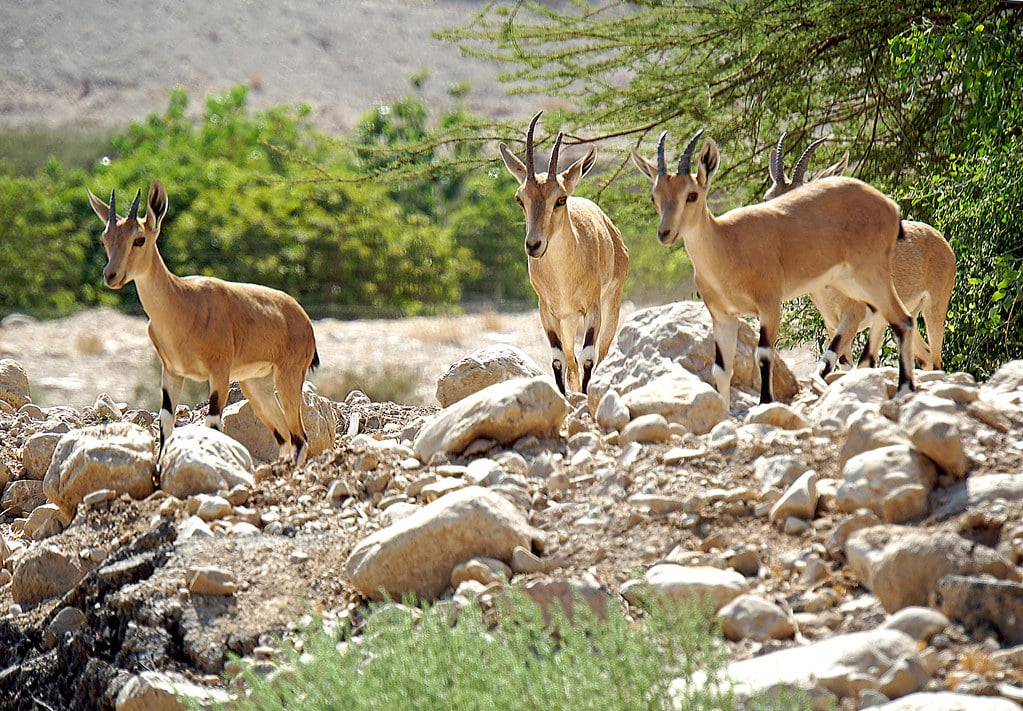
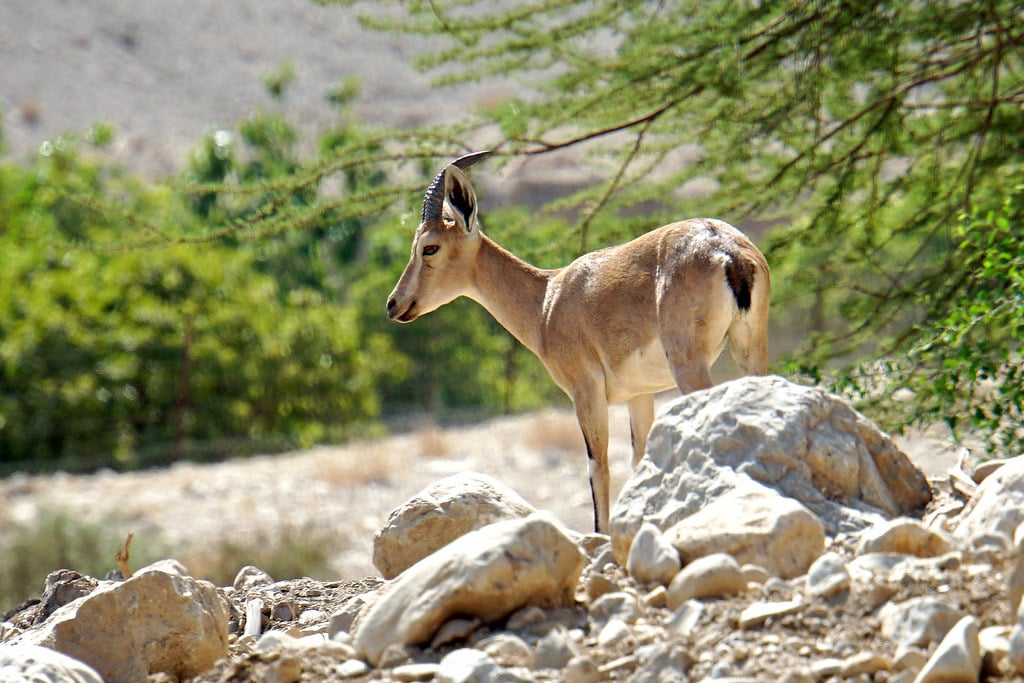
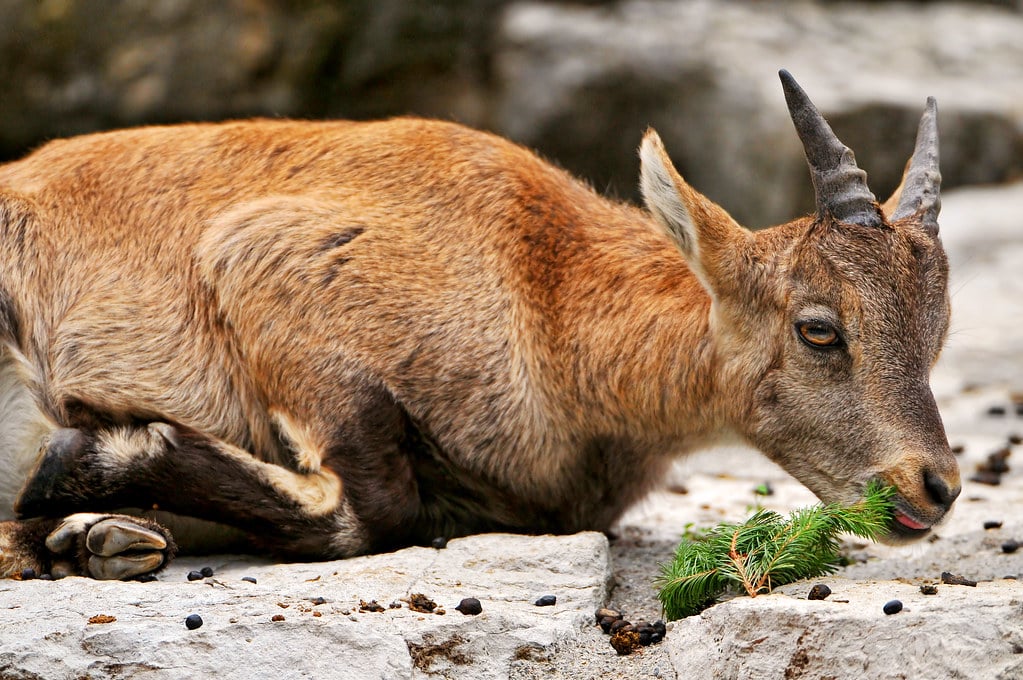
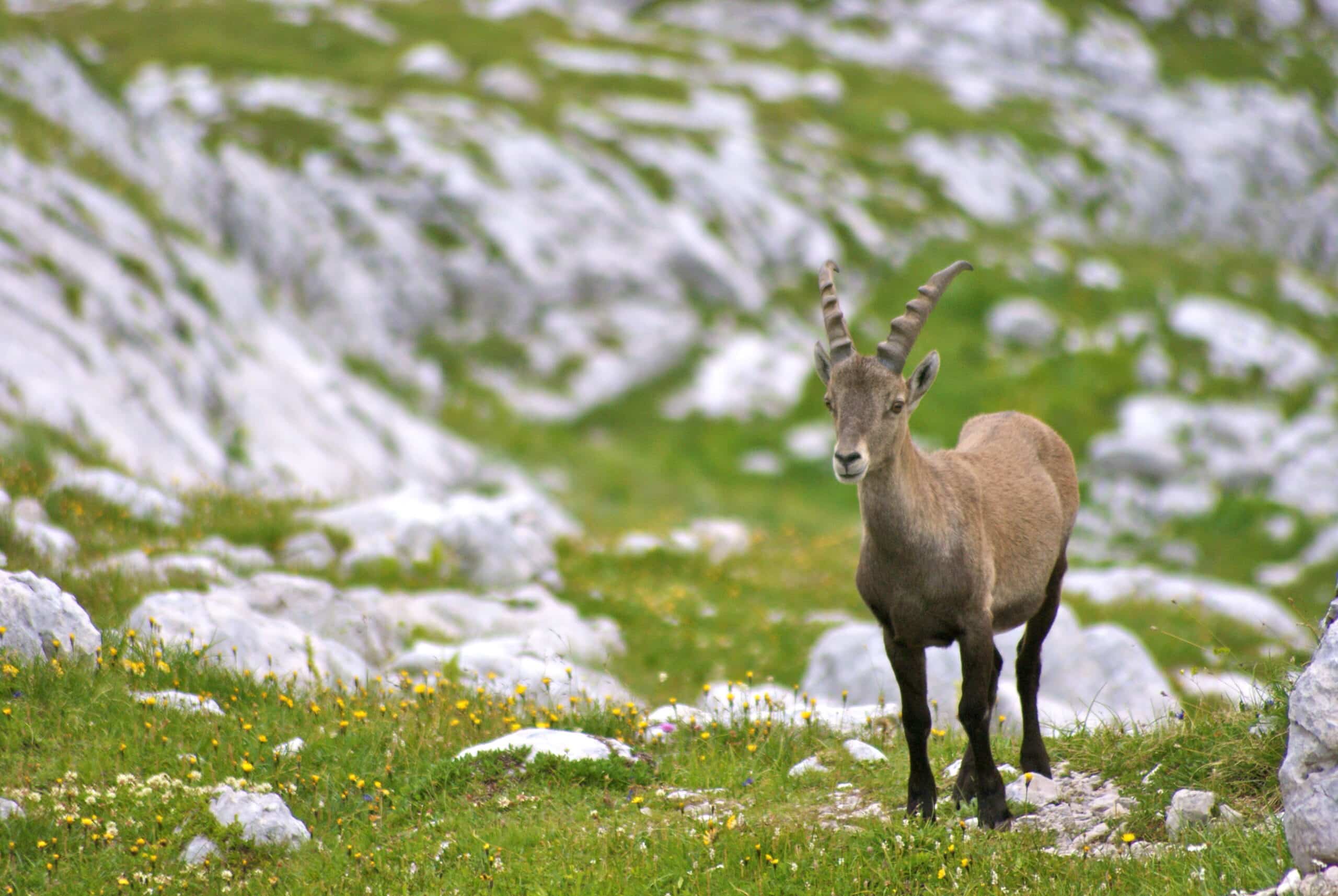
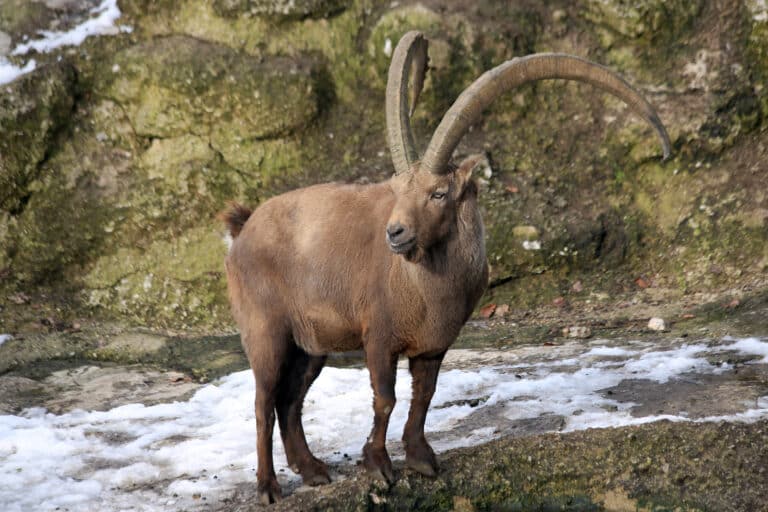
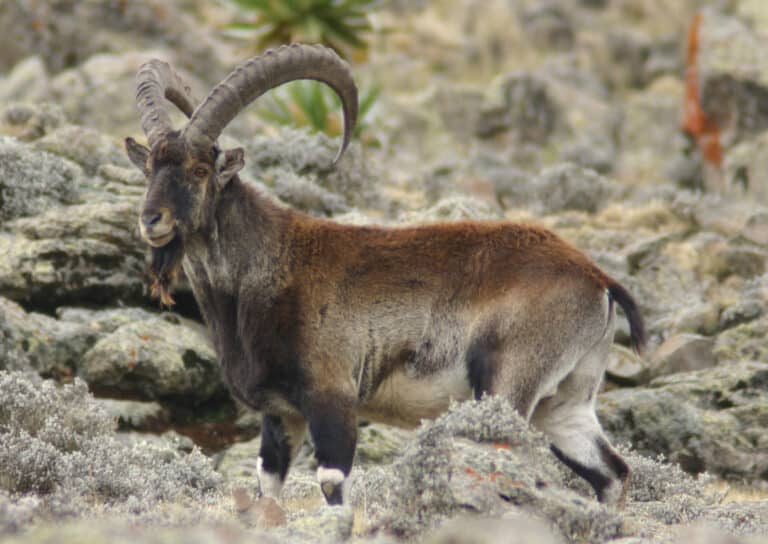
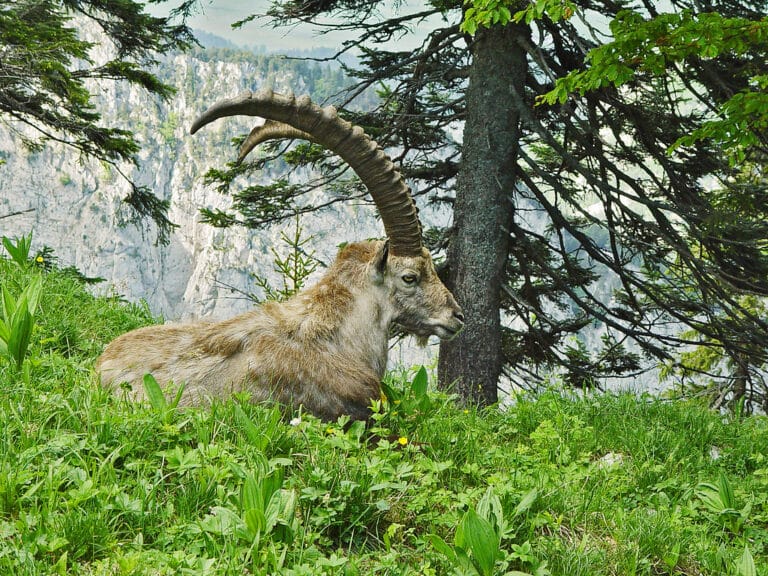
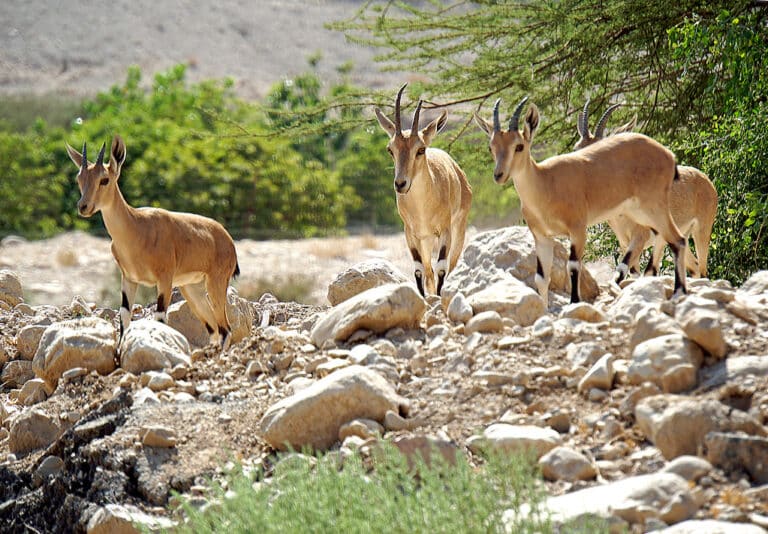
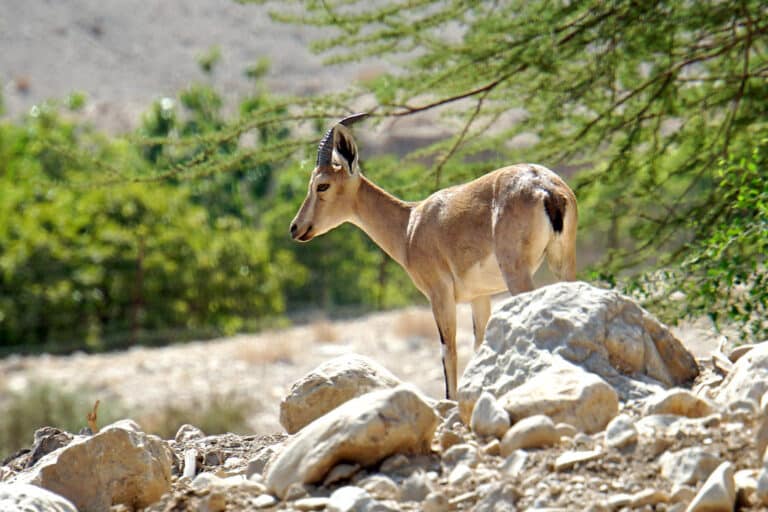
Ibexes are amazing mountain-dwelling mammals that belong to the Capra genus. They typically stand between 1.2 to 1.5 meters (4 to 5 feet) tall, making them impressive climbers with strong legs and hooves.
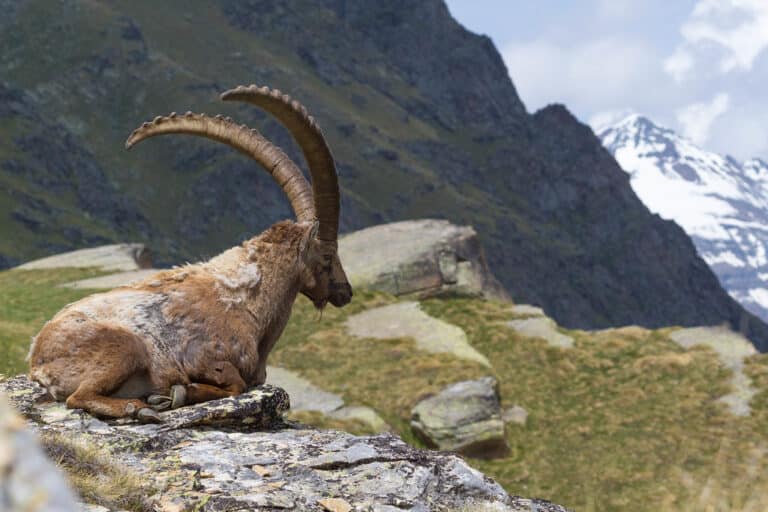
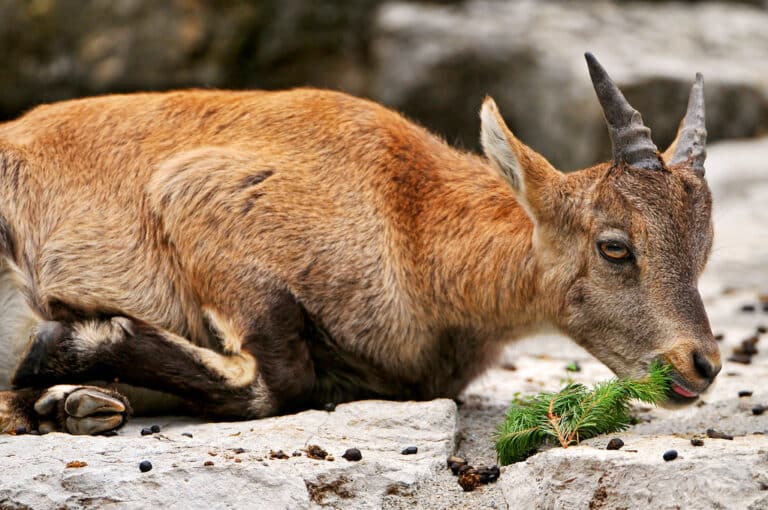
These magnificent creatures roam in Europe, Asia, and Africa, navigating steep cliffs like they are walking on flat ground. They enjoy munching on a diet of grass, leaves, and herbs, and they can reach heights of up to 4,300 meters (14,100 feet) in search of tasty treats.
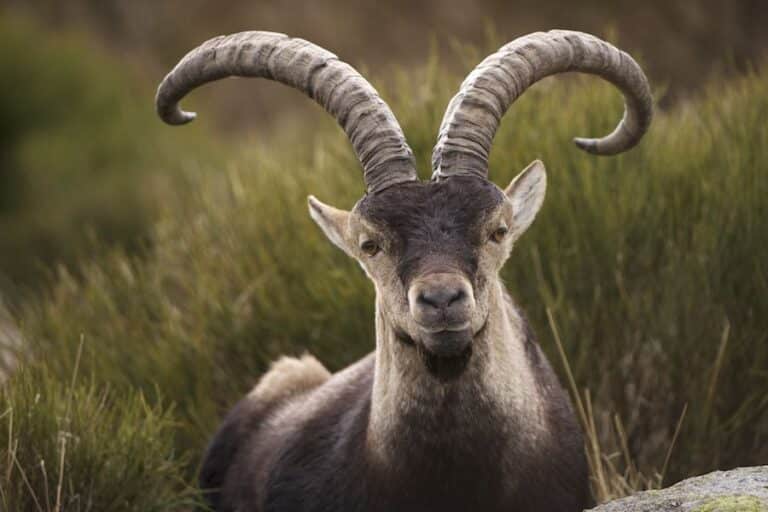
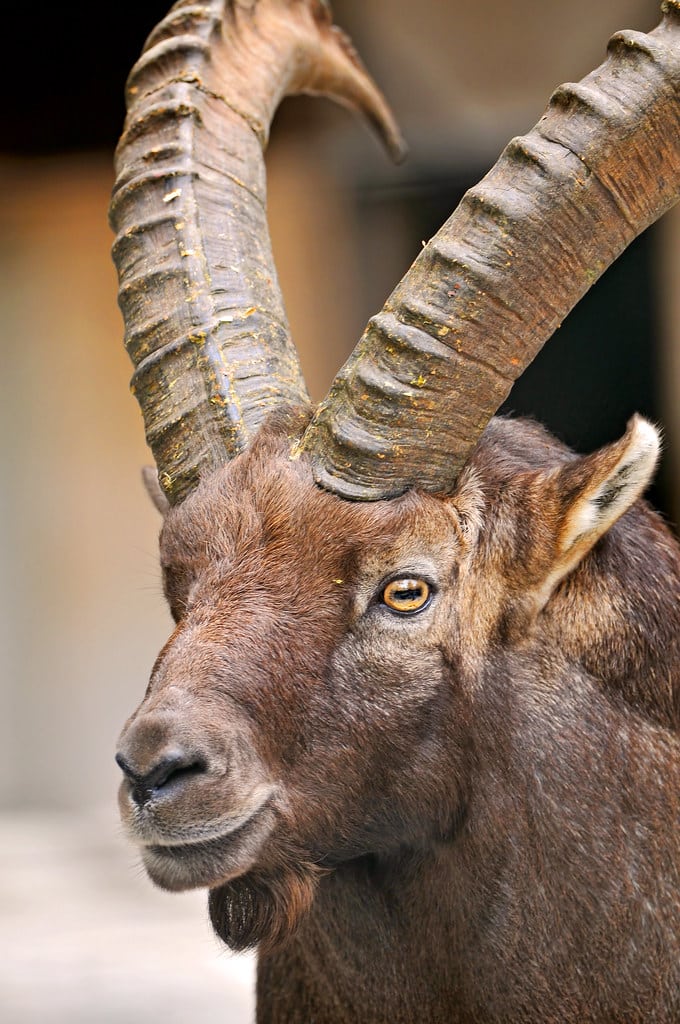
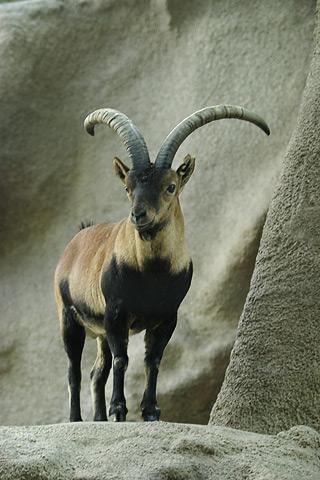
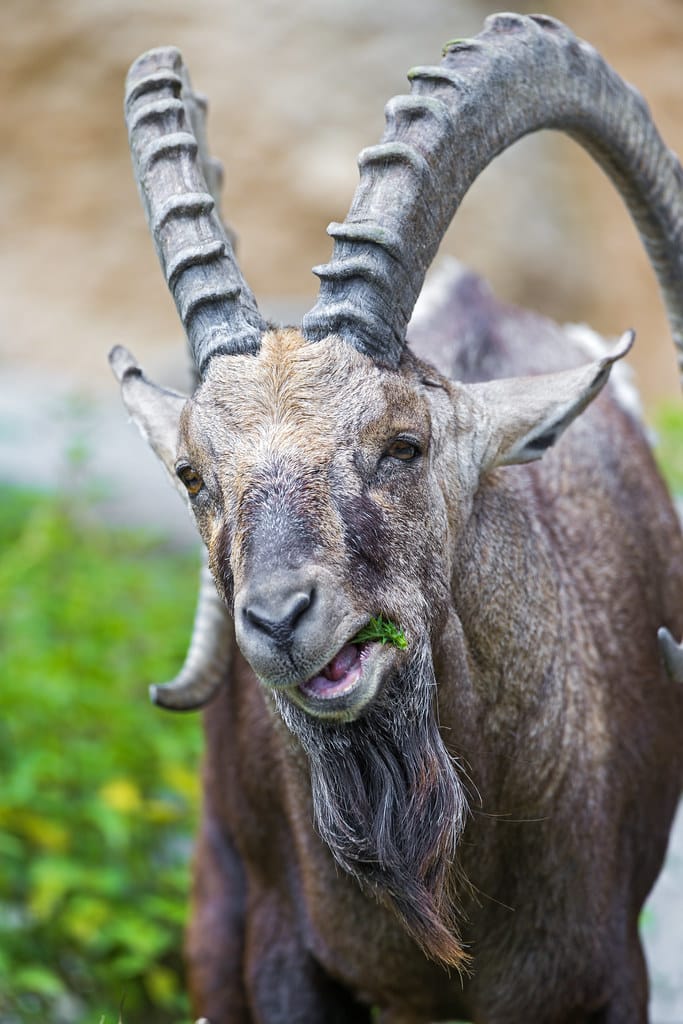
Ibexes have strong and cool curved horns that can grow up to 1 meter (3.3 feet) long in males. These horns help them establish dominance and protect themselves from threats in their rocky habitats, showing that they are tough cookies in the wild!

Where can you find a Ibex in the wild?
What does a Ibex eat?
How big can a Ibex grow?
How long does a Ibex typically live?
What is the conservation status of the Ibex?
What are the main threats to the Ibex?
Fun facts
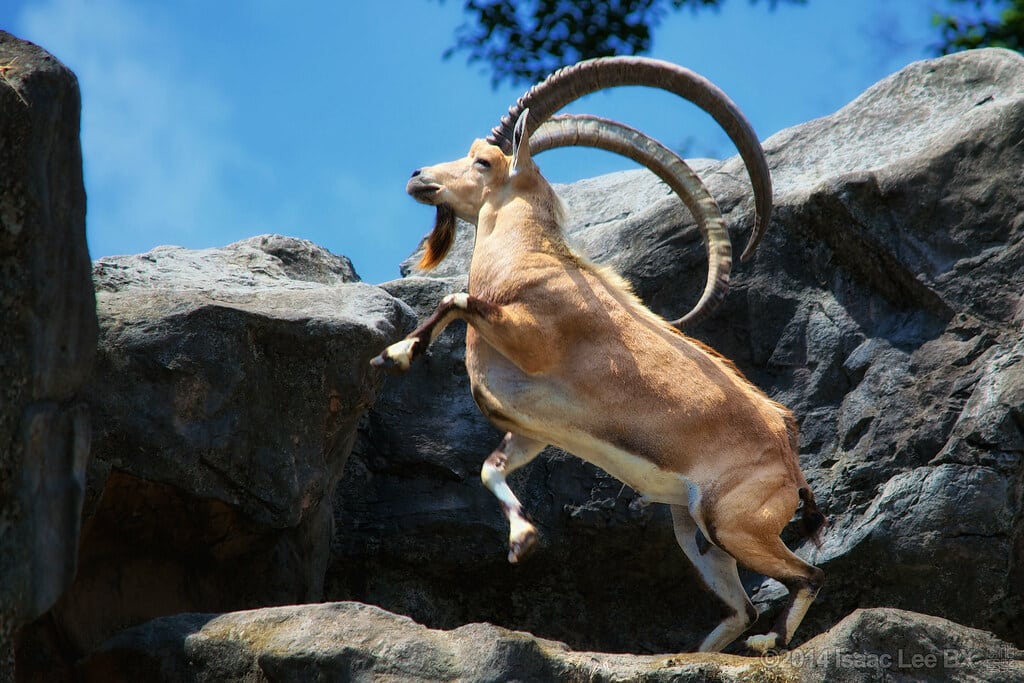
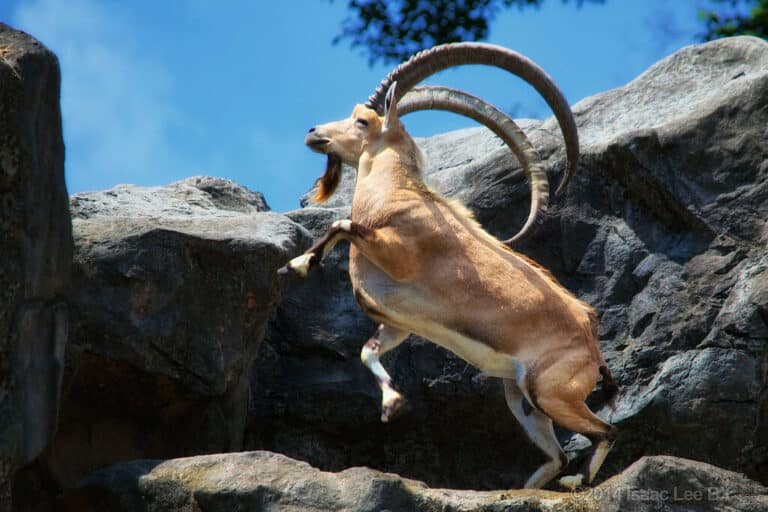
Ibexes have a special skill that many animals lack - they can jump up to 1.5 meters (5 feet) high! This powerful leap helps them navigate steep cliffs and rocky terrain with ease.


These amazing climbers can bend their legs in ways that allow them to scale almost vertical surfaces without slipping. Their unique leg muscles and specially shaped hooves give them incredible grip and balance.
Male ibexes, called bucks, often engage in dramatic head-butting battles to show off their strength. These epic clashes can be quite a sight as they use their massive horns to compete for mates!
During the winter, ibexes can have a furry coat that thickens to keep them warm. As spring arrives, they shed this heavy fur, revealing a lighter coat suitable for warmer weather.
Ibexes enjoy forming social groups, usually led by a dominant female. These groups help them look out for each other and find the best food spots on steep mountainsides.
In a fun twist, ibexes sometimes engage in a behavior called "snow rolling." They will roll around in the snow to cool off and sometimes even to get rid of pesky insects!
Baby ibexes, called kids, can stand and walk within minutes of being born. This quick ability helps them keep up with their mothers in the rugged mountains!
Ibexes have excellent eyesight that allows them to spot predators from far away. Their ability to see in low light helps them stay safe in their rocky landscapes.
Photos

The Basics


explore more
Amphibians
Arachnids
Birds
Cats
Crustaceans
Fish
Fish Pet Guide
Gastropods
Insects
Invertebrates
Mammals
Pet Fish
Pet Rodents
Plants
Reptiles
Roundworms
Sea Slugs