Successfully copied to clipboard!
Jackal
Explore the clever scavengers roaming Africa's vibrant landscapes!
Let’s Explore
Overview
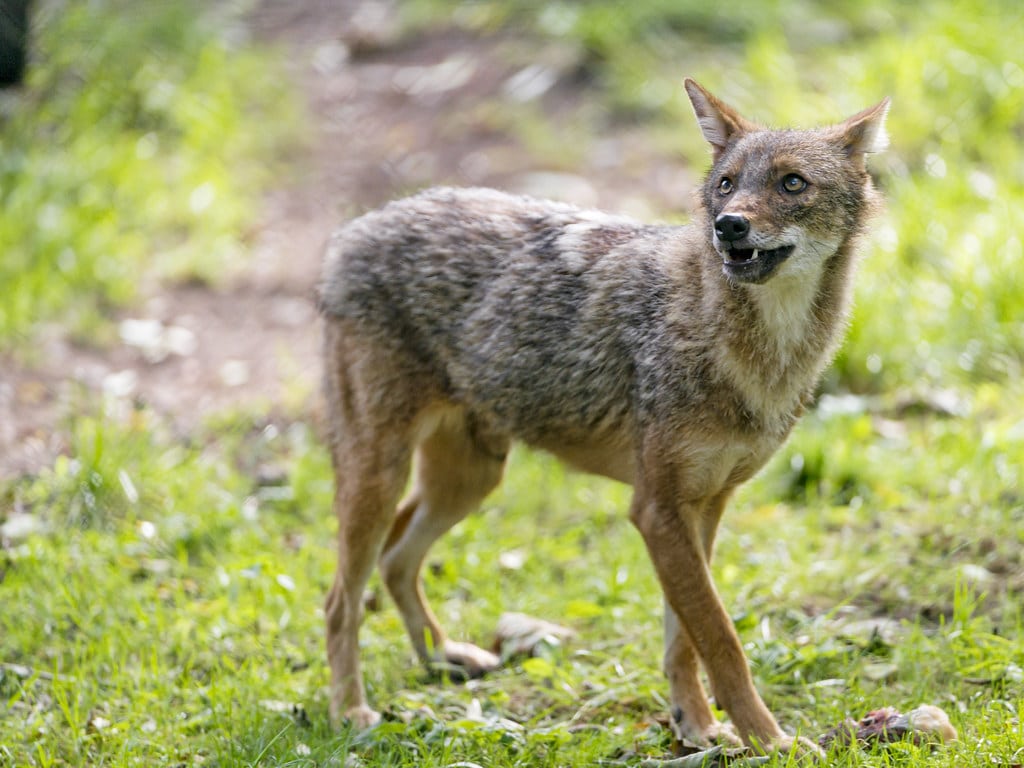
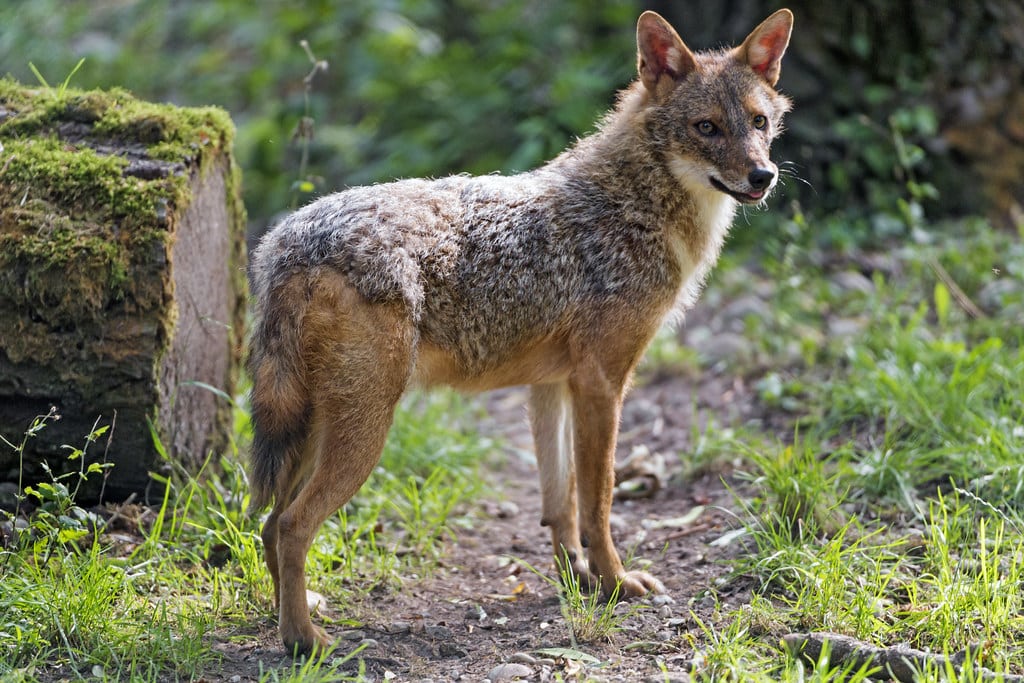
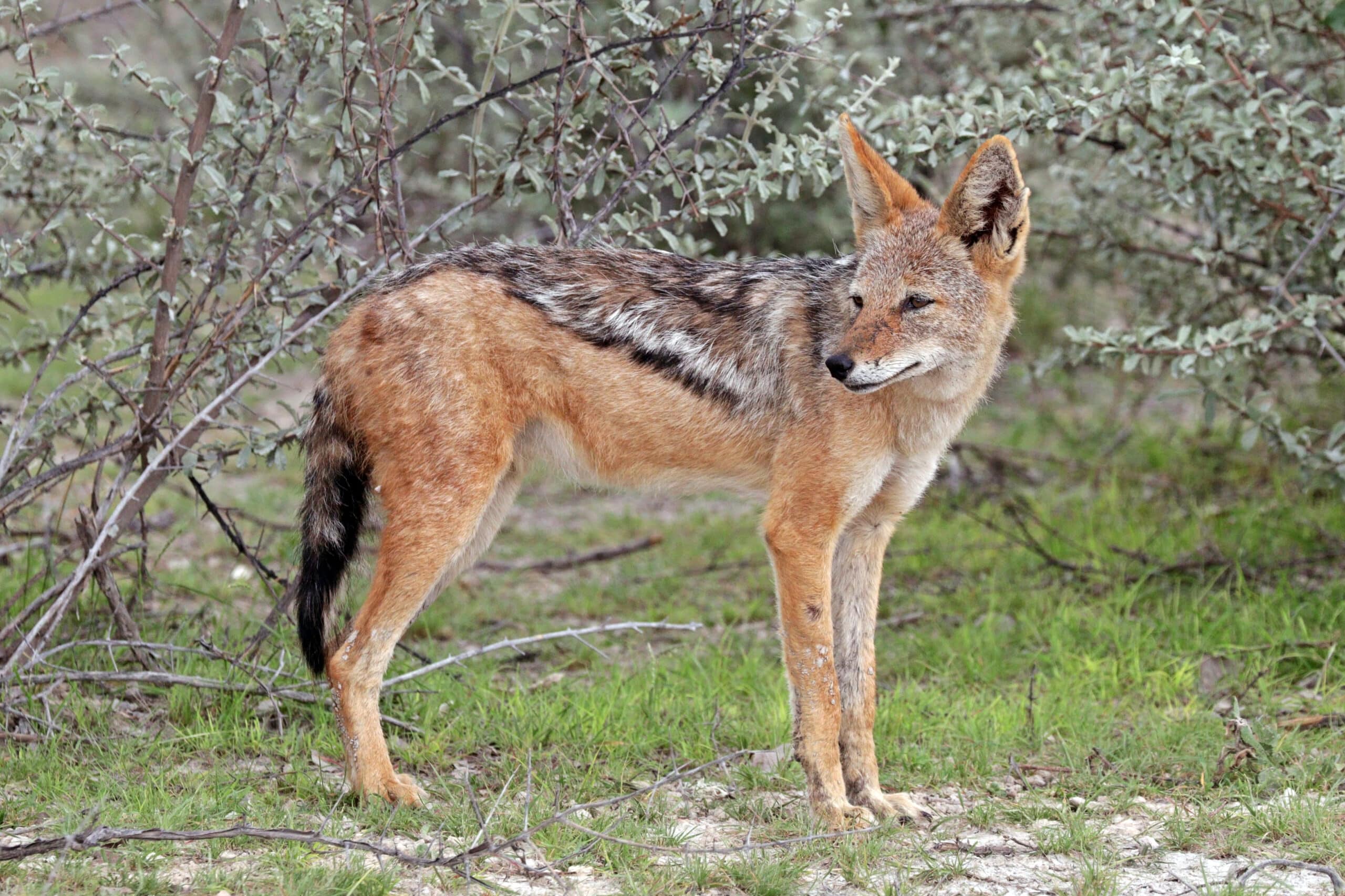
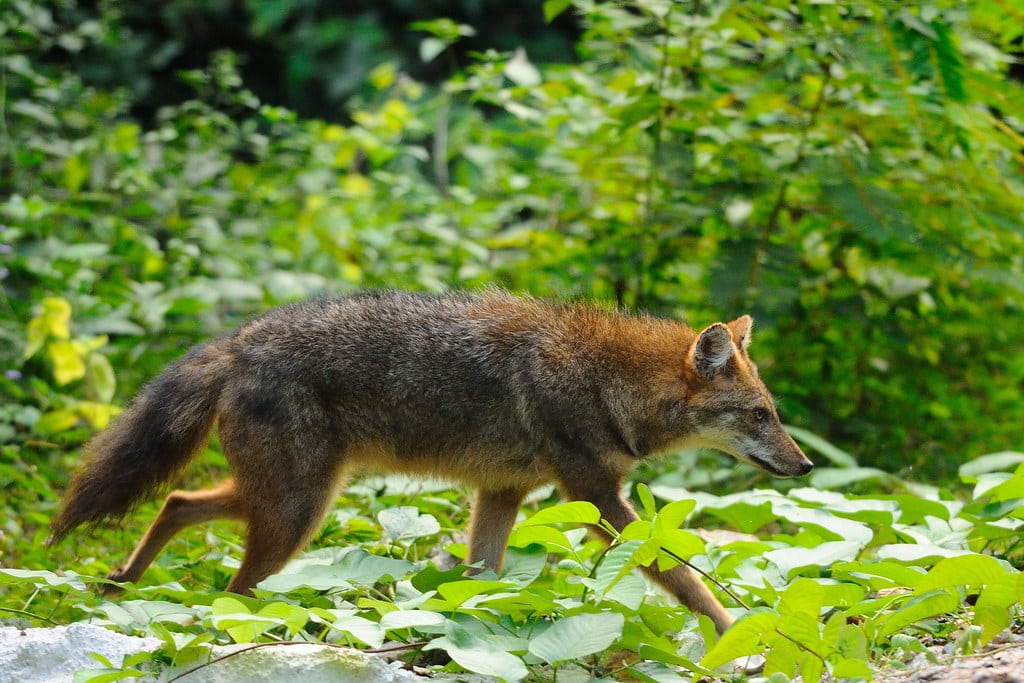
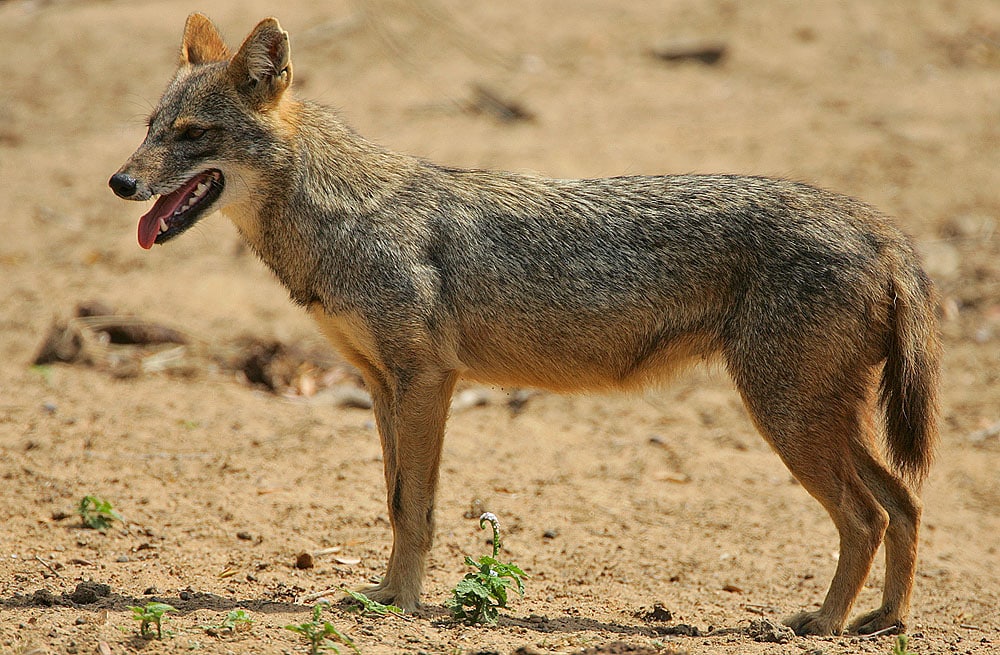
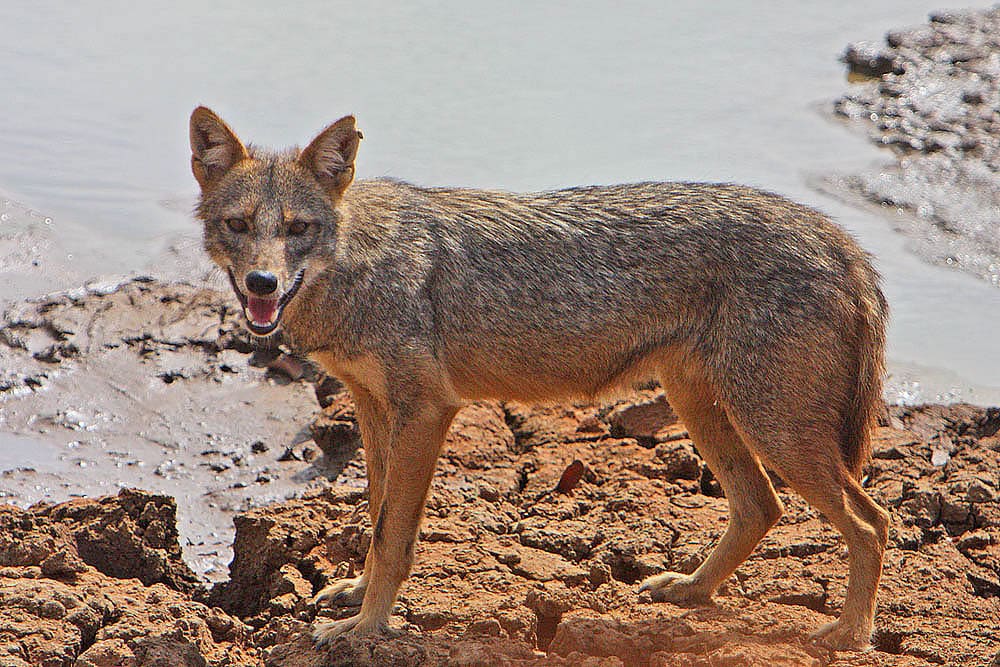
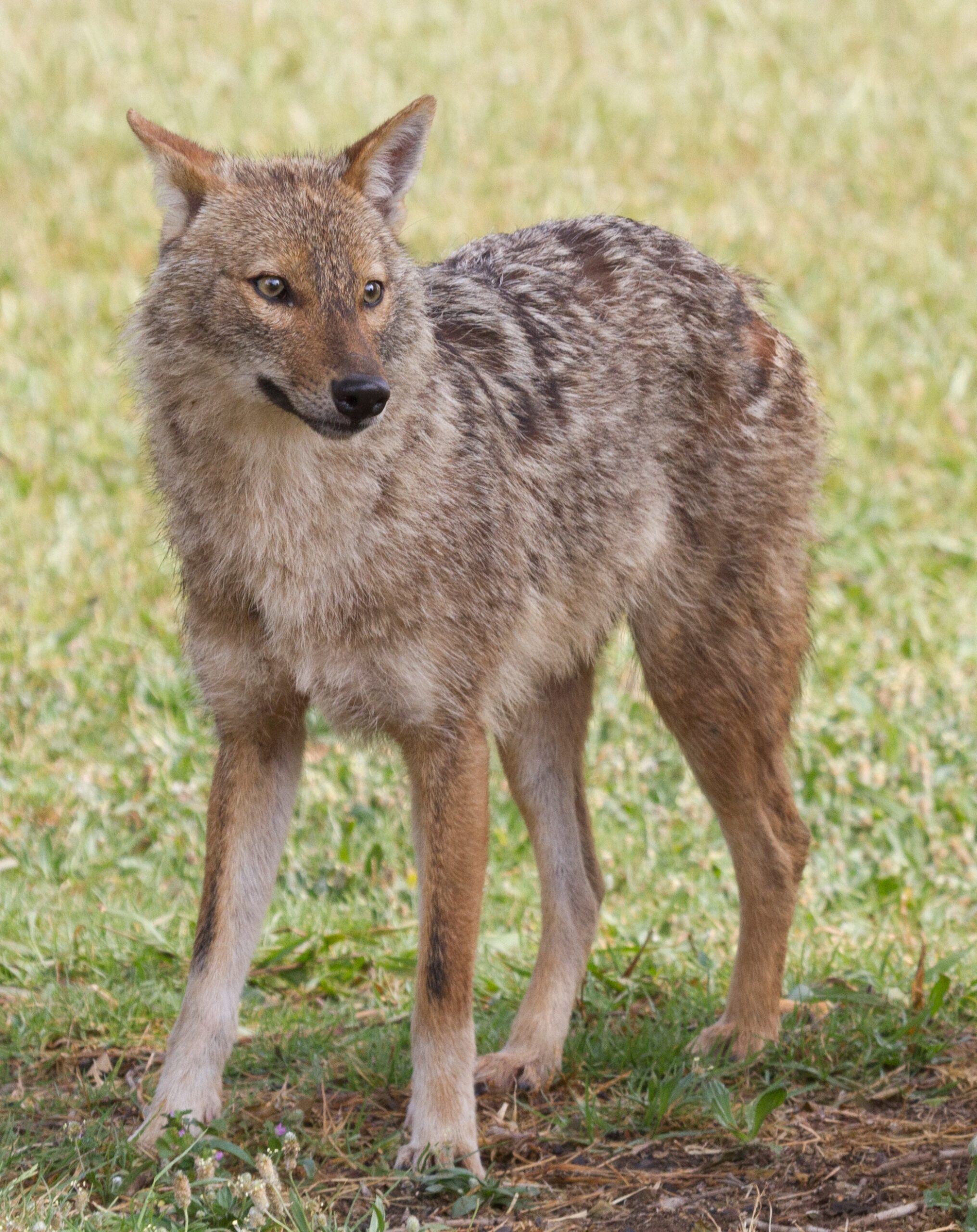
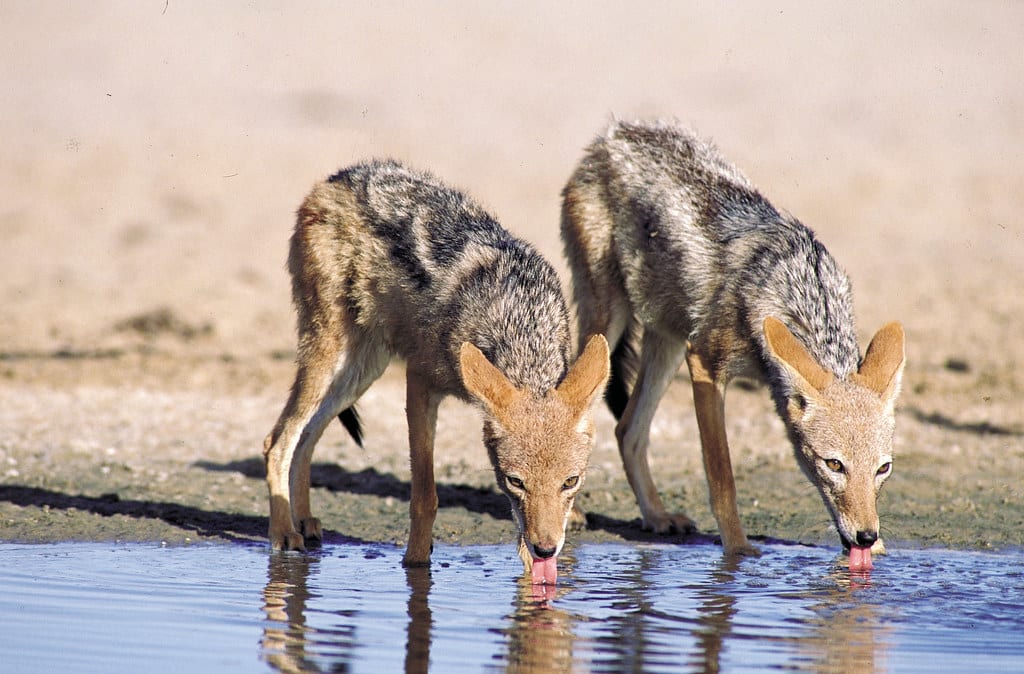
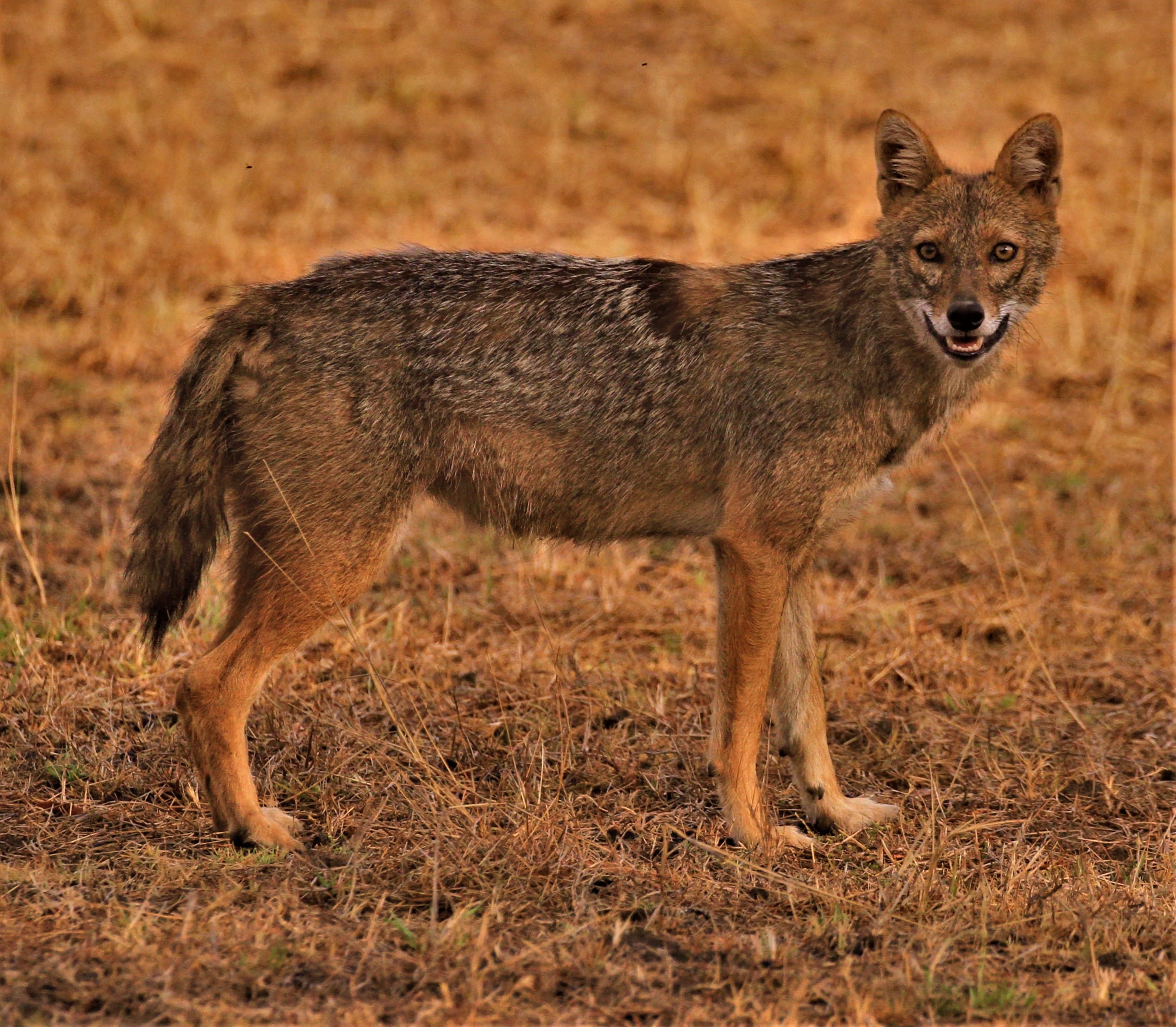
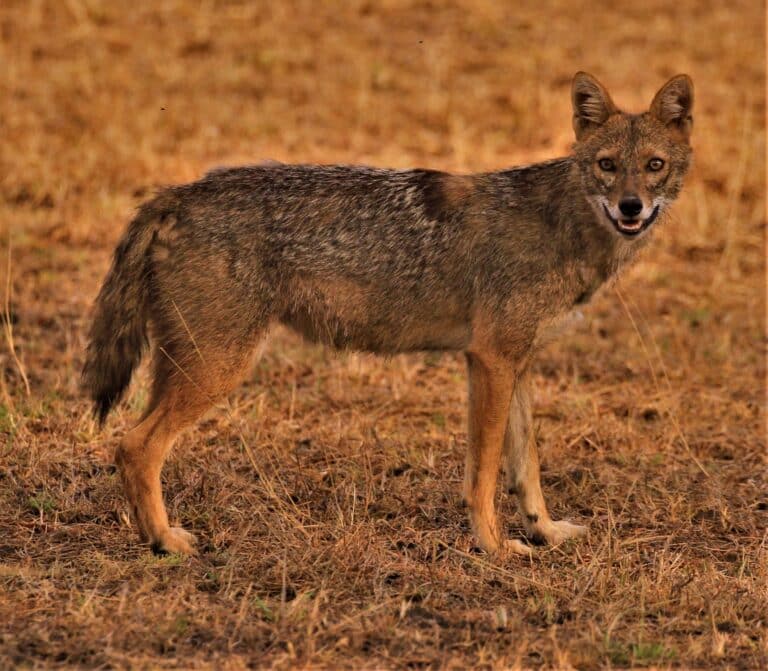
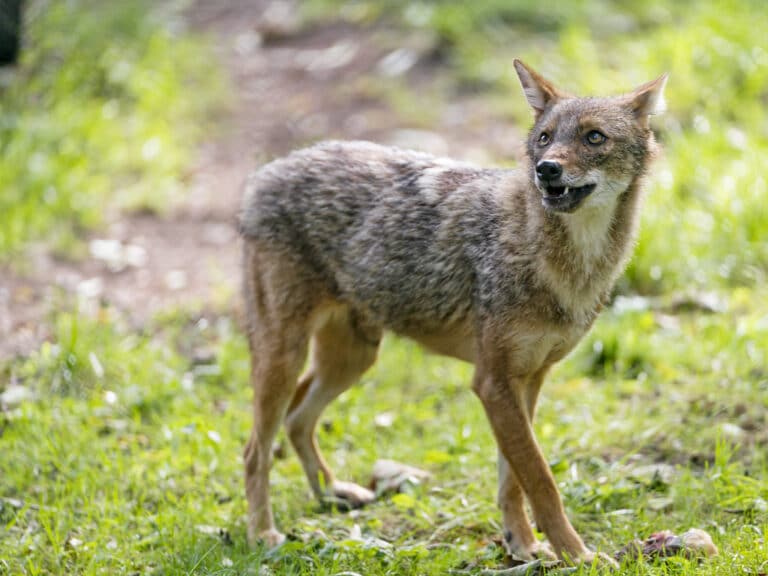
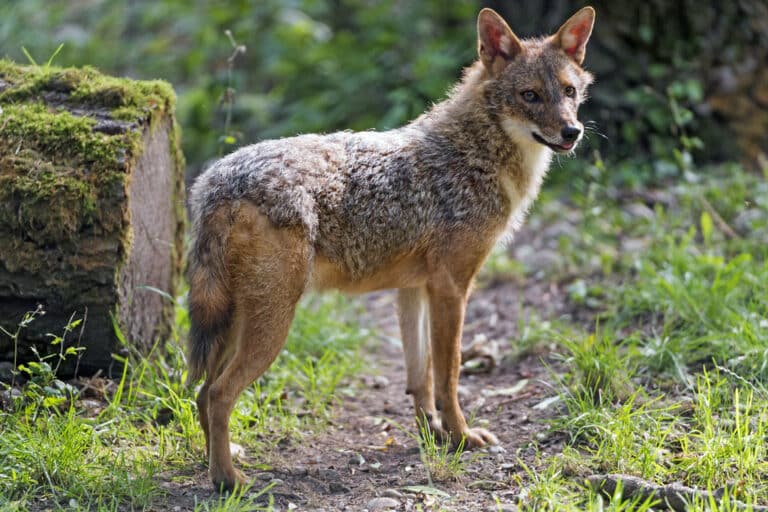
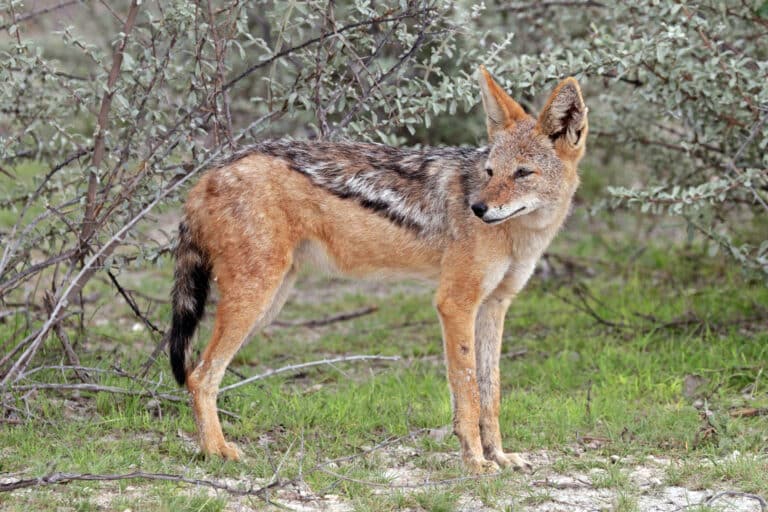
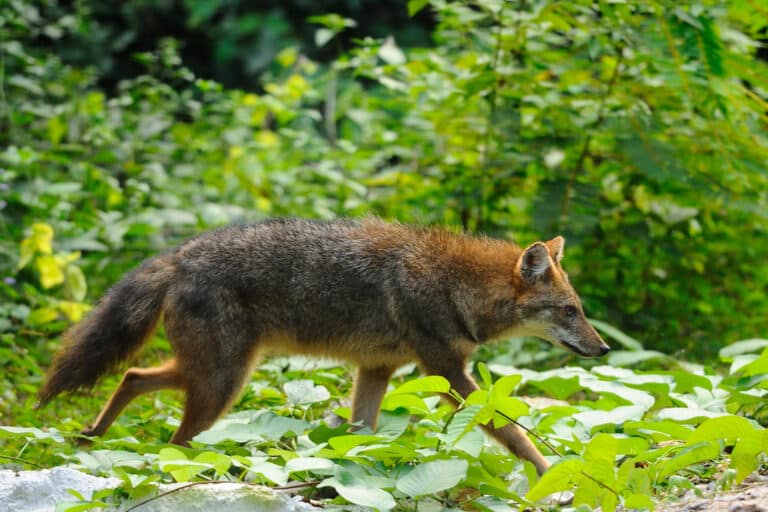
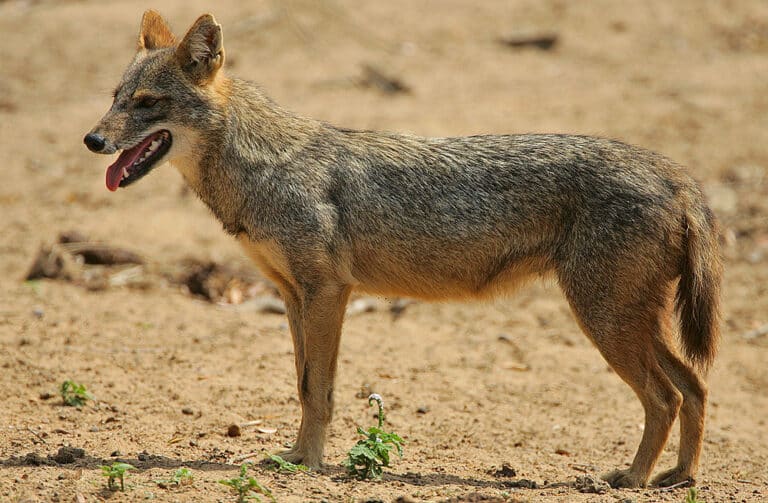
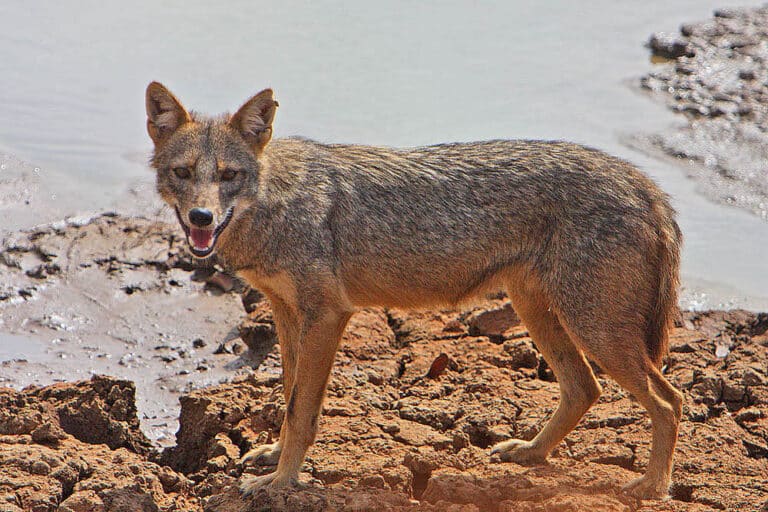
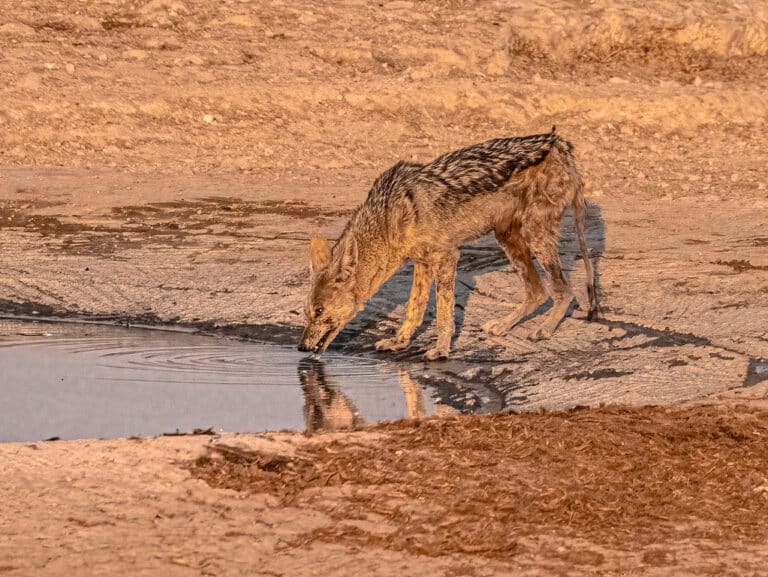
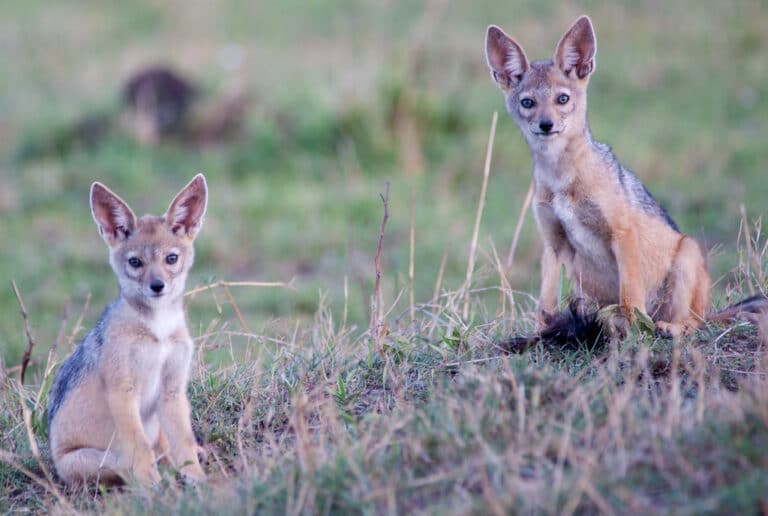
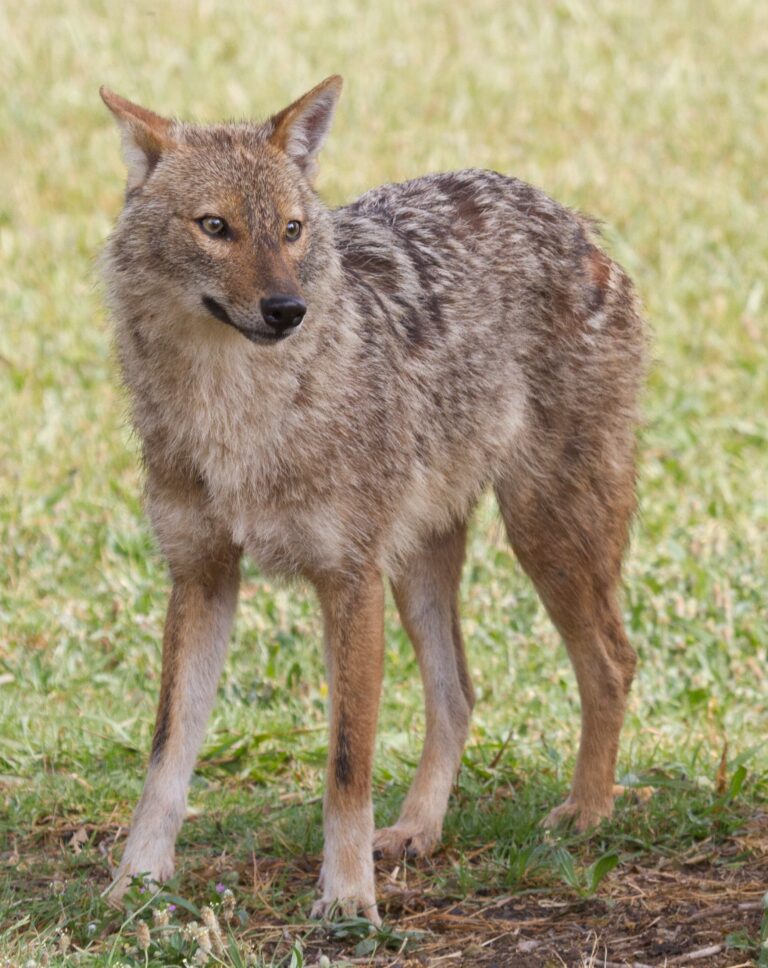
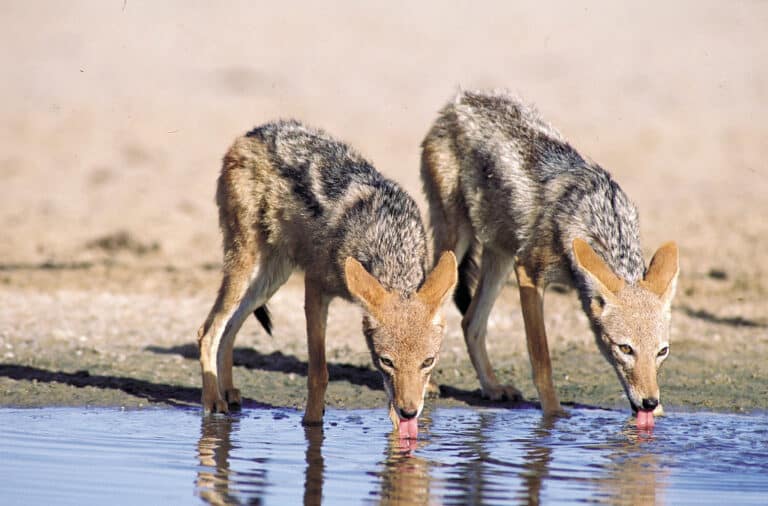
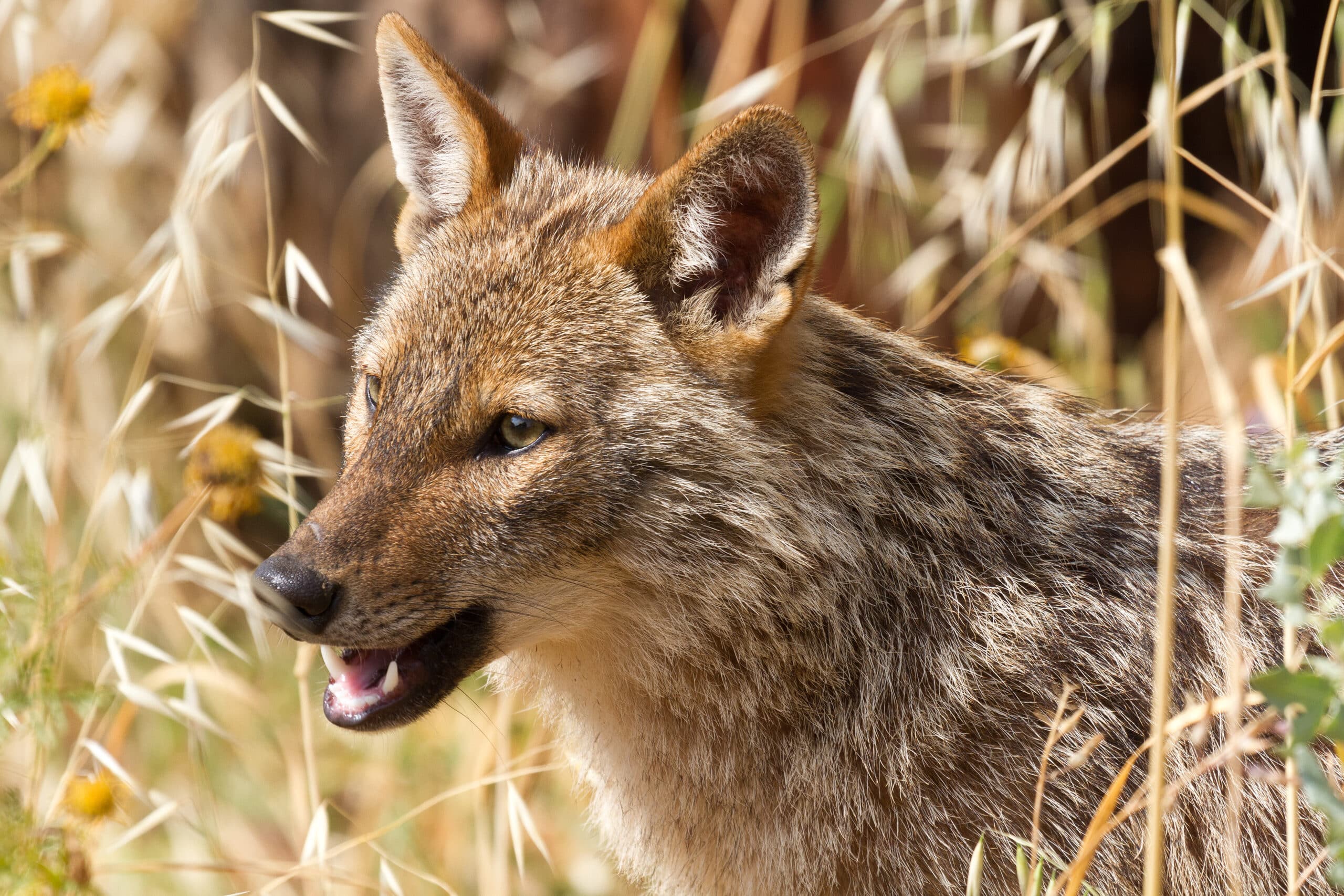
The jackal, known scientifically as Canis aureus, is a clever and crafty mammal that roams the African landscape. These furballs belong to the Canidae family, which also includes dogs, wolves, and foxes, making them distant relatives of our playful pups at home!
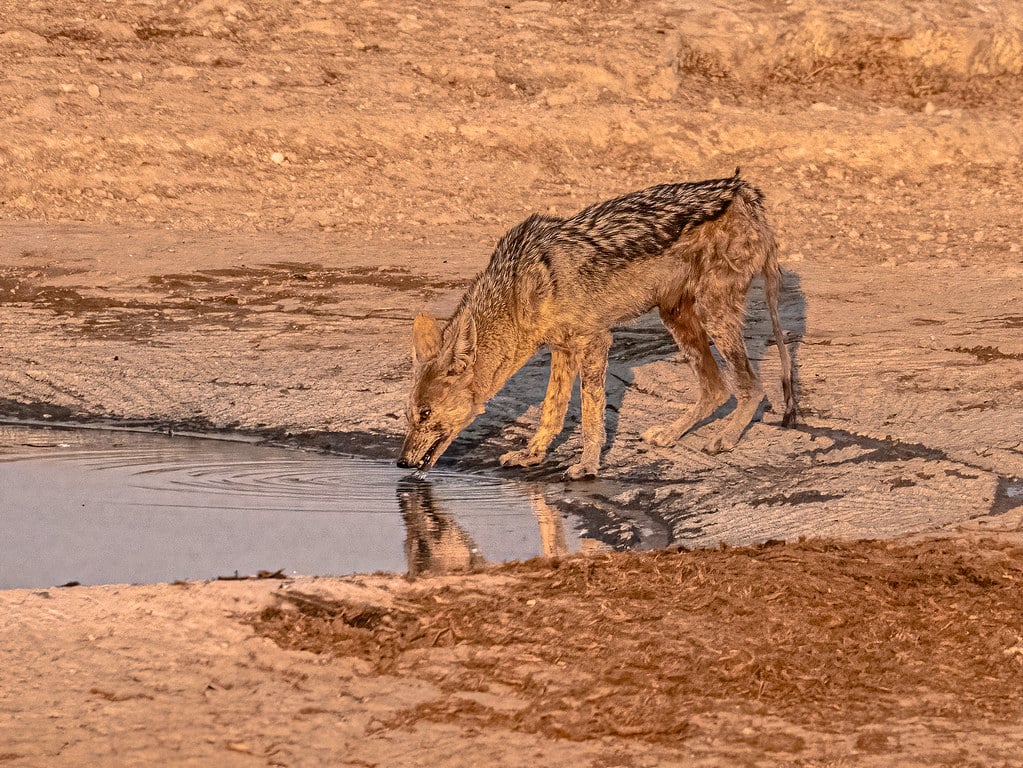
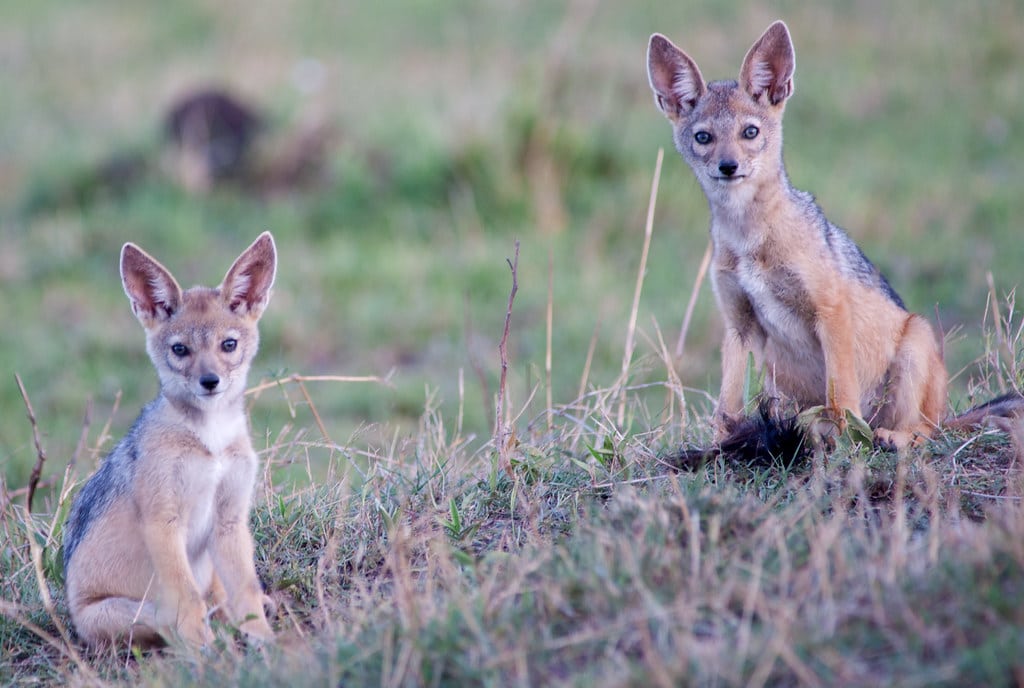
Jackals average about 0.7 meters (2.3 feet) long, a perfect size for sneaking through the grass. With fluffy tails and golden-brown fur, these animals possess the kind of looks that could make even a lion stop and stare.
As opportunistic eaters, jackals enjoy a diet that consists of small mammals, birds, fruits, and plants. They are nature's recyclers, often cleaning up uneaten leftovers from other predators like lions and cheetahs.
Jackals are highly social animals, frequently living in family groups. Their vocalizations sound like a mix of yips and howls, making their calls a symphony of the savanna during twilight hours.
These playful creatures can live between 8 to 12 years in the wild, showcasing their resourcefulness and adaptability. Whether chasing after a snack or playing with their pack, jackals demonstrate that life in the wild is both exciting and essential for the ecosystem.

Where can you find a Jackal in the wild?
What does a Jackal eat?
How big can a Jackal grow?
How long does a Jackal typically live?
What is the conservation status of the Jackal?
What are the main threats to the Jackal?
Fun facts
These crafty creatures have a special way of communicating. Jackals use a range of sounds, from high-pitched yips to deep howls, to talk to their family and declare their territory.


Jackals are incredible problem solvers, often employing teamwork to trick other animals. They might distract a predator while their partner sneaks in to grab food!
These clever canines often hunt at night. Their fantastic night vision helps them spot prey in the dark, making them stealthy nighttime hunters.
A jackal can leap up to 2 meters (6.5 feet) in the air when chasing prey. That means they can jump high enough to catch small animals trying to hide!
Jackals enjoy a good meal, but they also share their food. When one jackal finds a feast, it often calls its family to join in, creating a communal dinner time!
These furballs have a unique grooming habit. Jackals clean each other’s fur through a social behavior called allogrooming, strengthening their family bonds!
Jackals can run at speeds of up to 24 kilometers per hour (15 miles per hour). This speed allows them to chase down fast prey and escape from predators if needed.
In some cultures, people believe jackals are clever little tricksters, much like the fox. This reputation shows just how smart and adaptable they truly are!
Jackals have excellent memories. They can remember the locations of food sources and shared experiences in their territory, helping them navigate their home.
Despite their scavenging ways, jackals play a crucial role in the ecosystem. By cleaning up leftovers, they help prevent the spread of disease and keep nature tidy!
Photos



The Basics


explore more
Amphibians
Arachnids
Birds
Cats
Crustaceans
Fish
Fish Pet Guide
Gastropods
Insects
Invertebrates
Mammals
Pet Fish
Pet Rodents
Plants
Reptiles
Roundworms
Sea Slugs