Successfully copied to clipboard!
Key Deer
Uncover the tiniest deer in a tropical paradise!
Let’s Explore
Overview
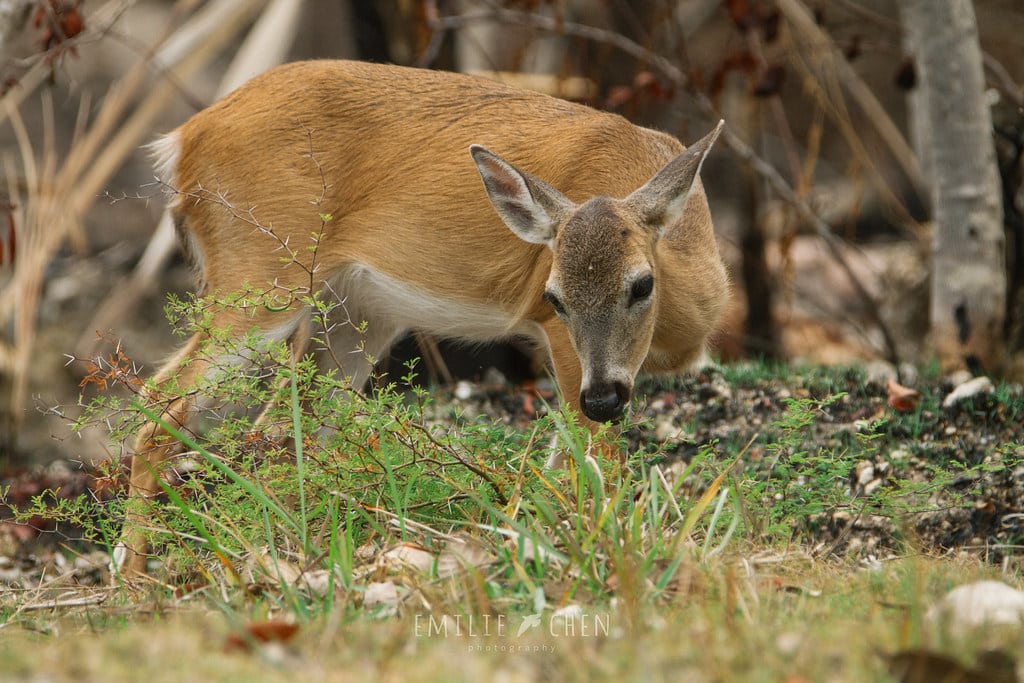
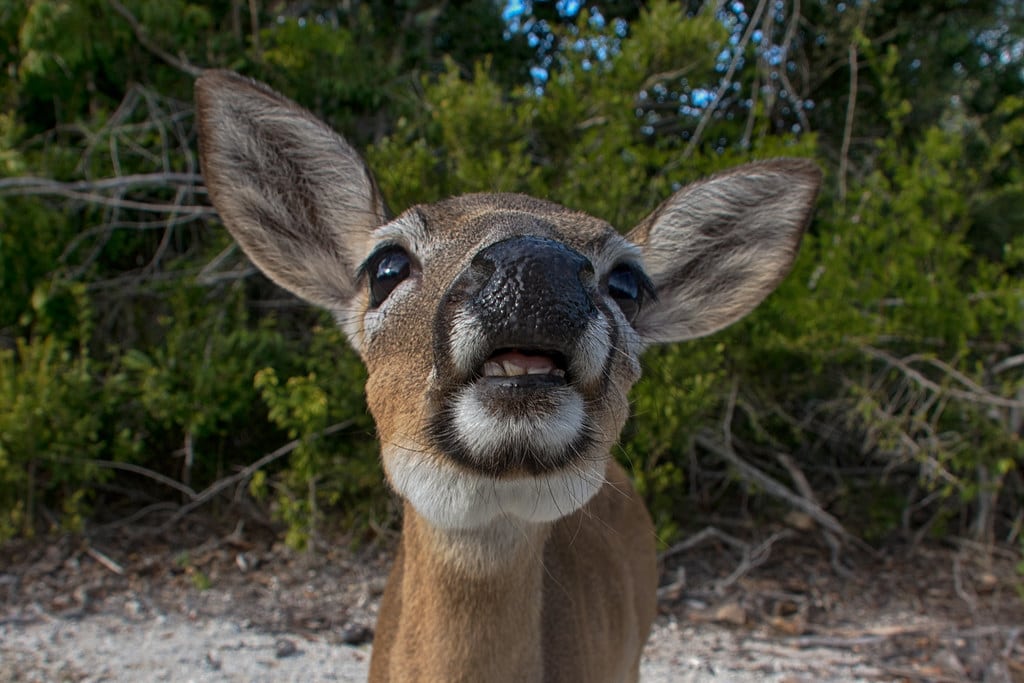
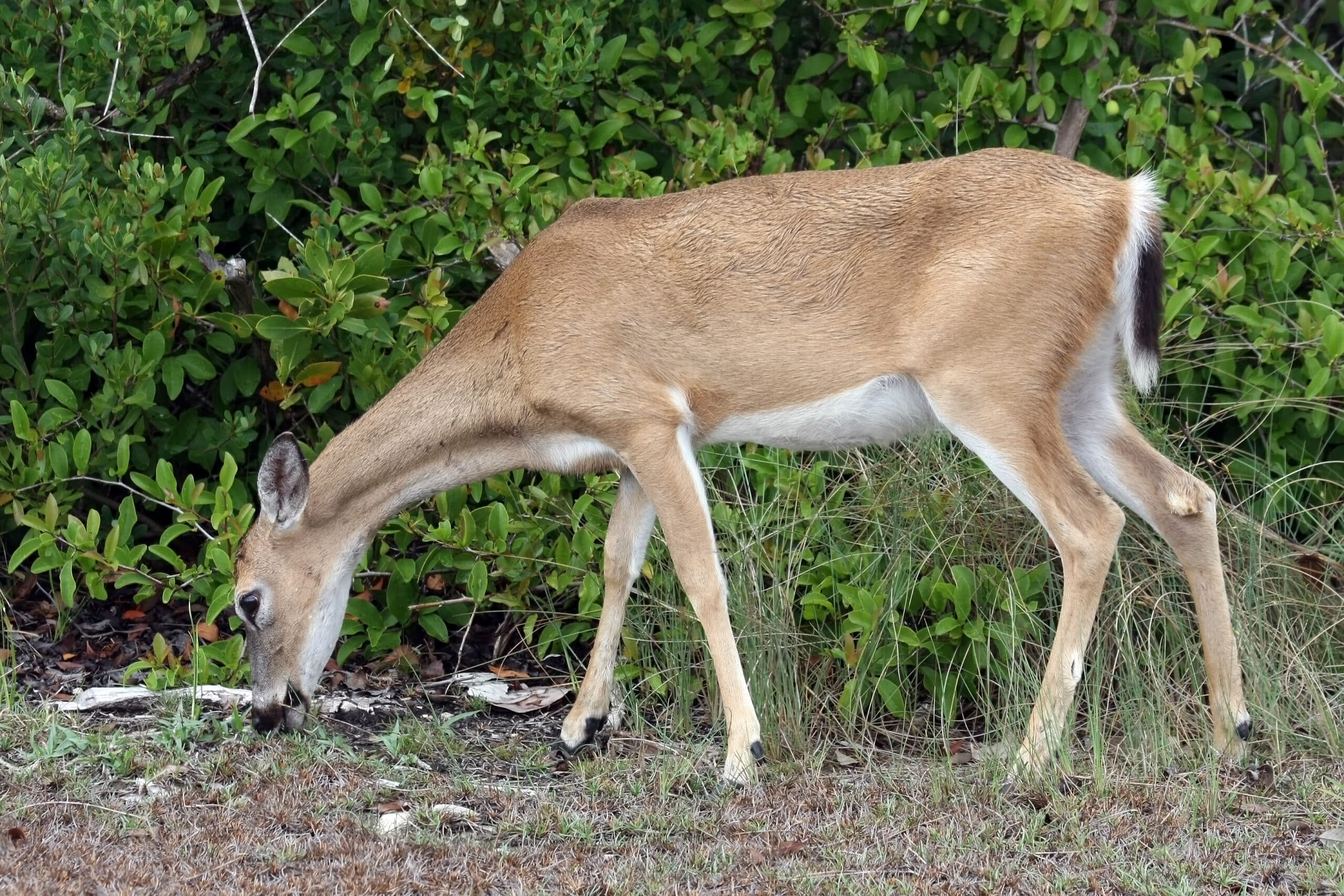
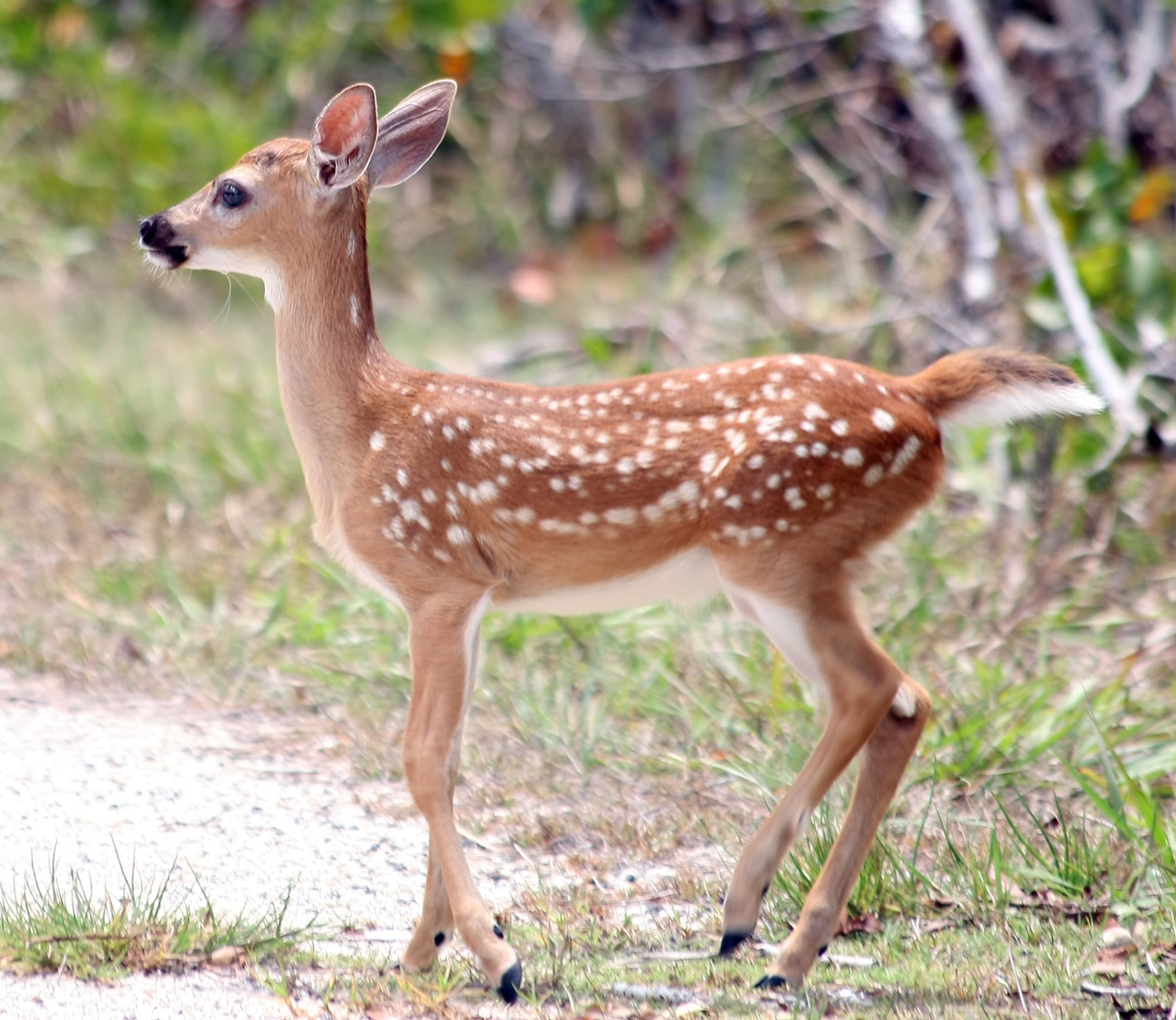
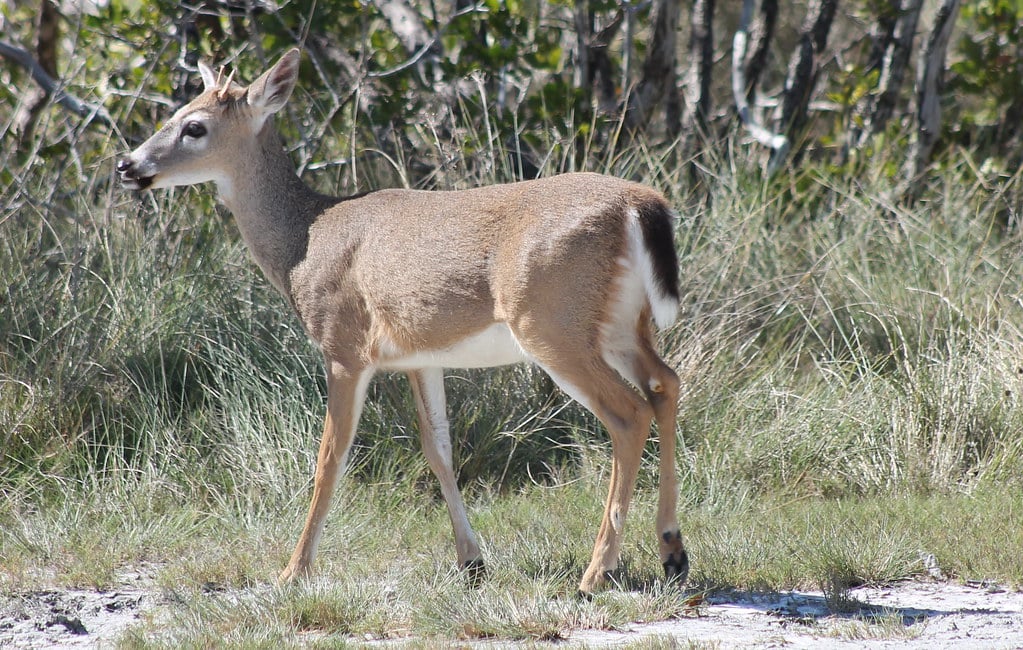
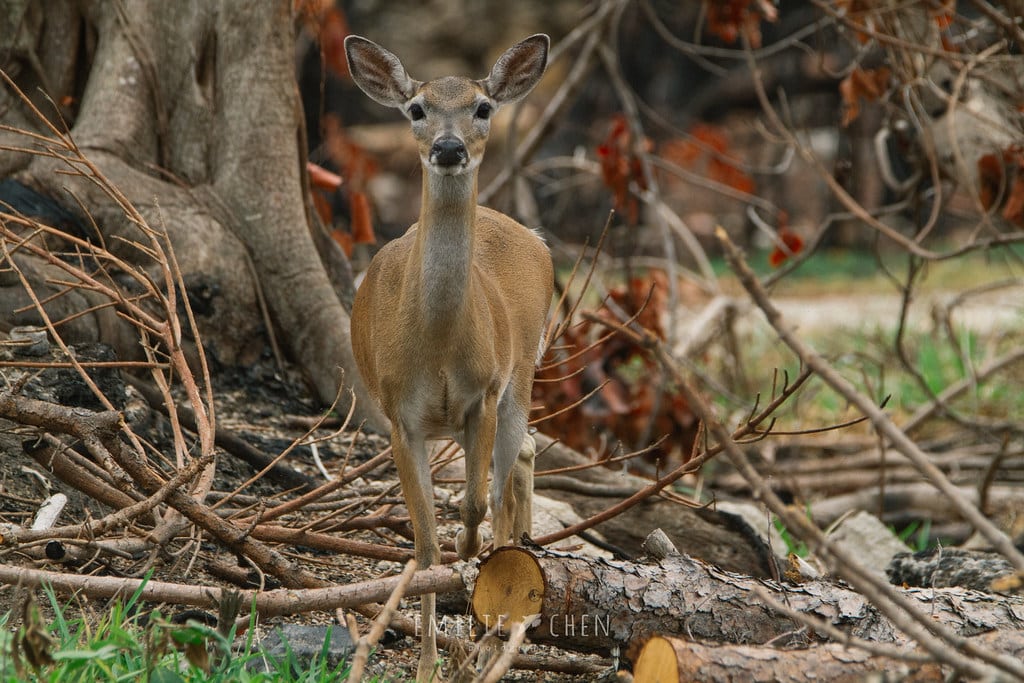
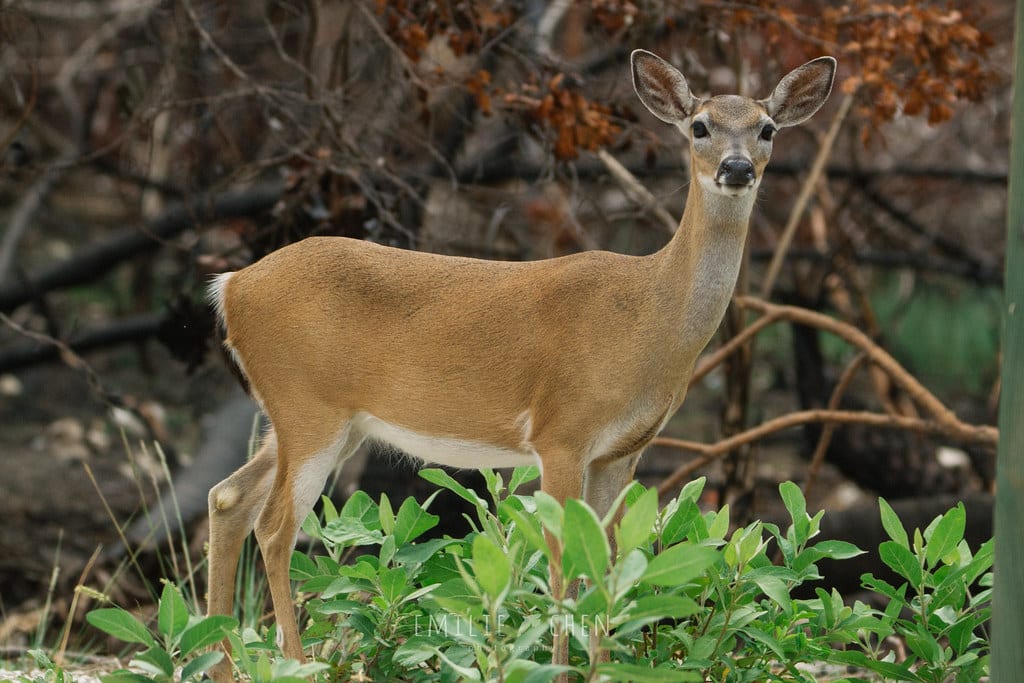
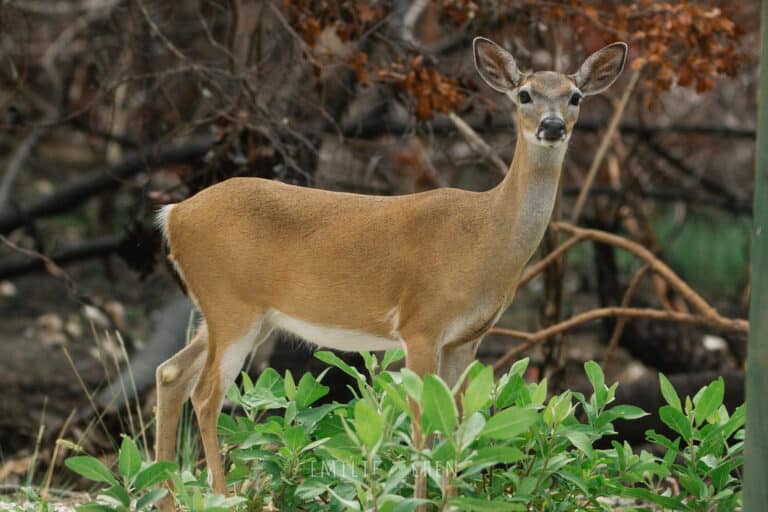
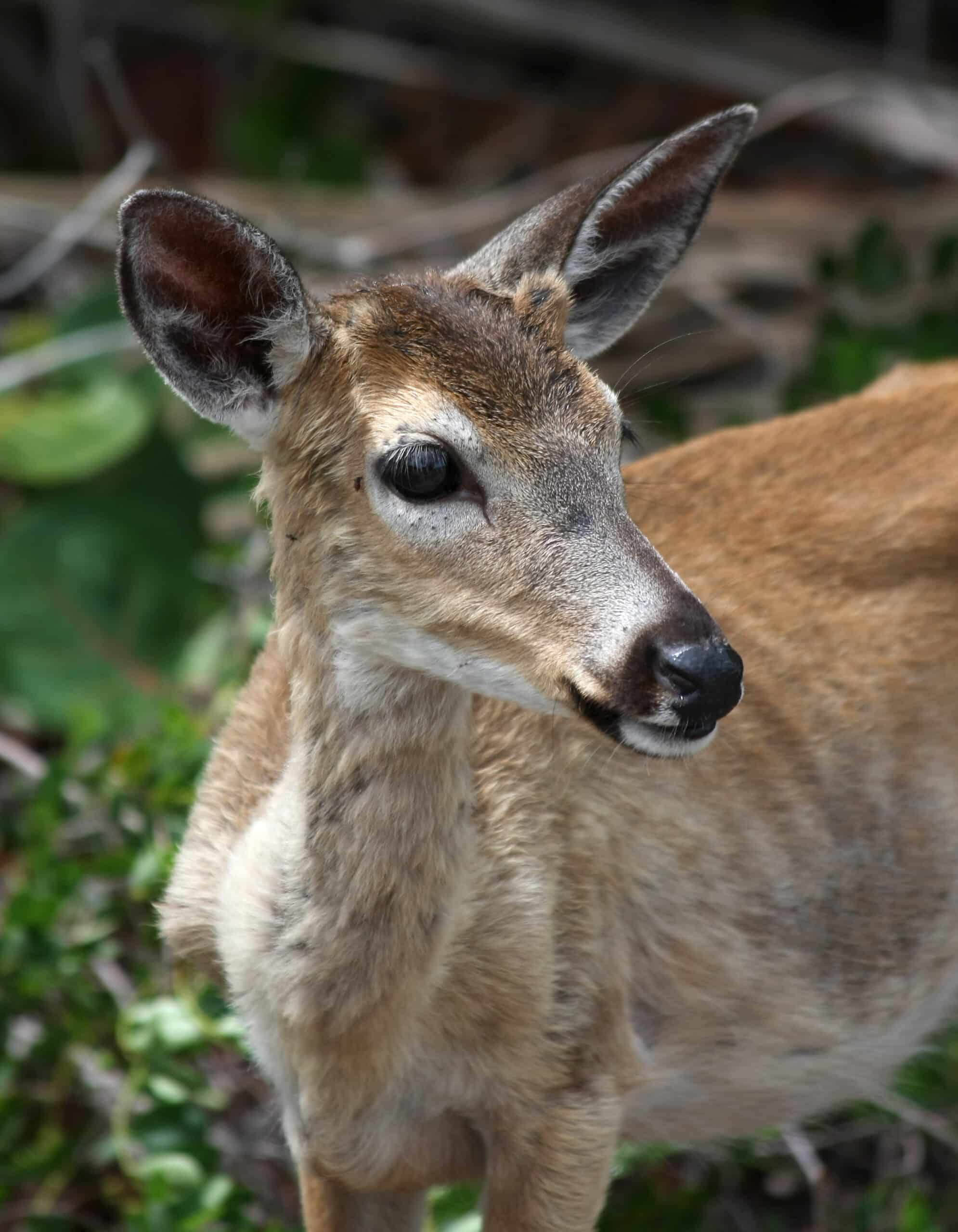
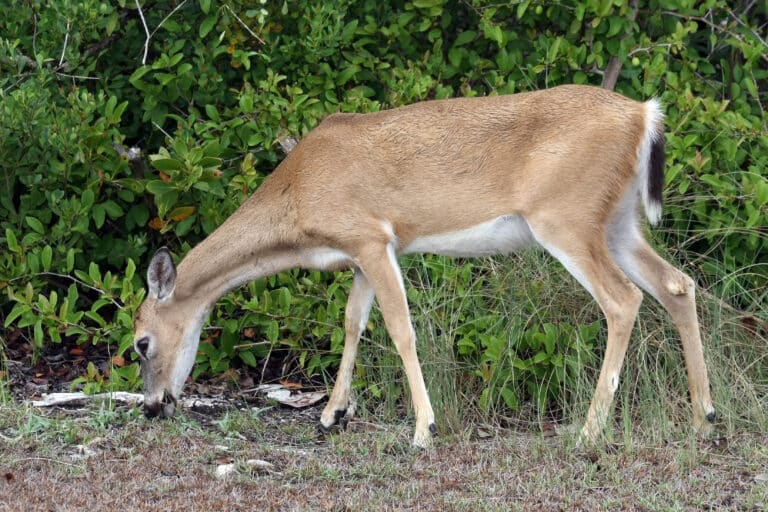
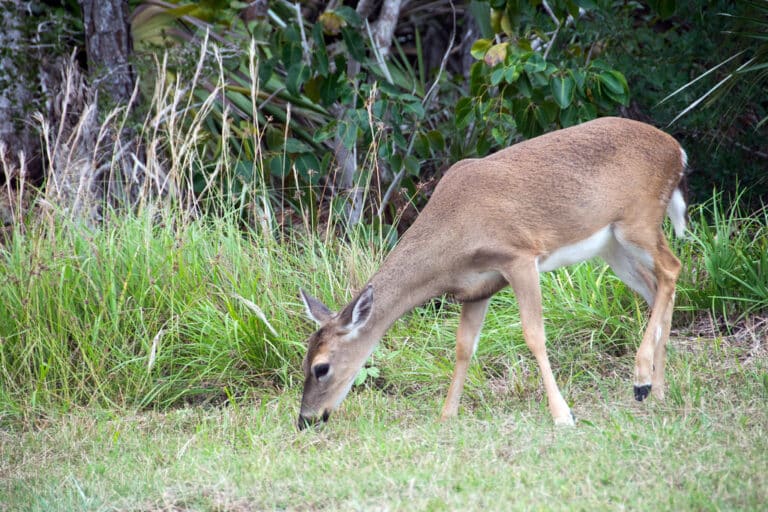
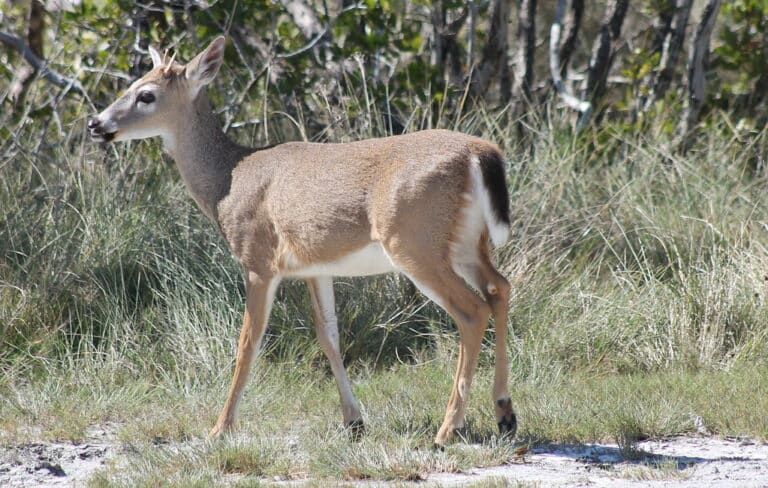
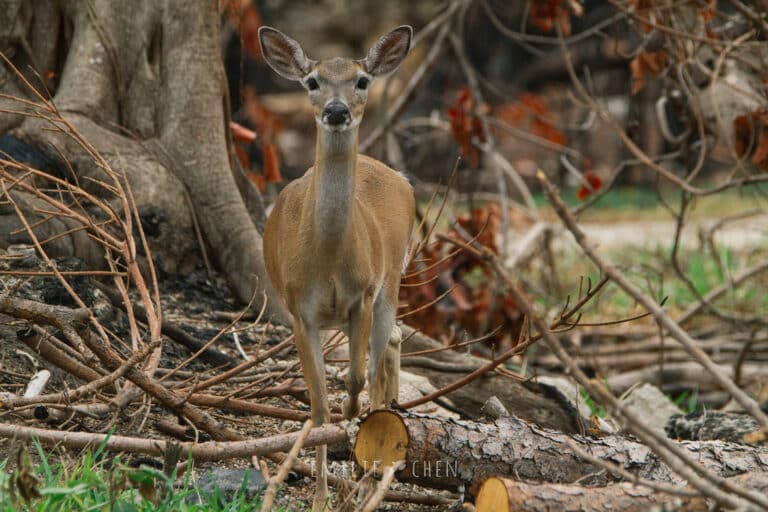
The Key Deer is a tiny and charming deer species found in the beautiful Florida Keys of North America. Standing just 32 to 39 inches tall, these adorable mammals are the smallest members of the deer family.
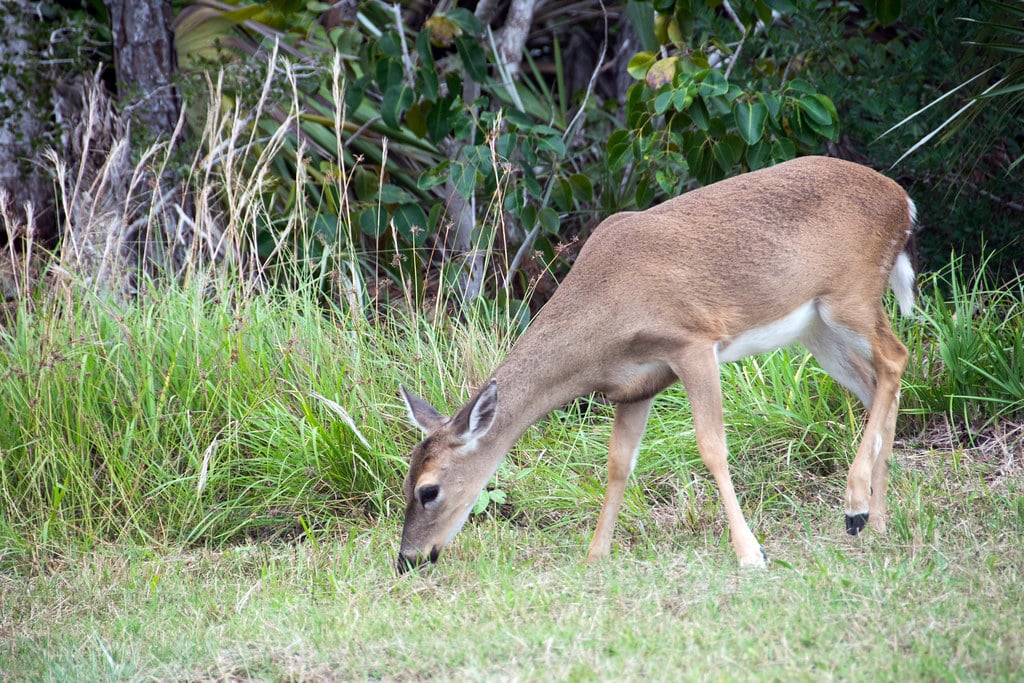
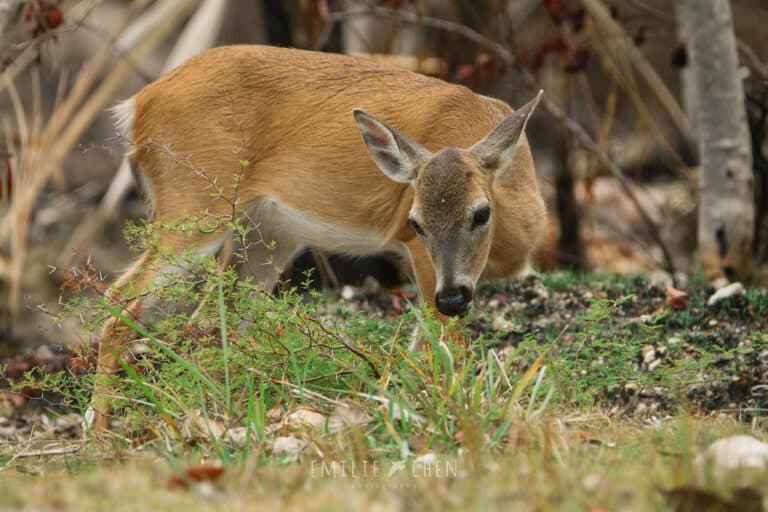
Key Deer belong to the class Mammalia, which means they are warm-blooded animals that nourish their young with milk. They often roam their unique island habitat, nibbling on a diet of leaves, grasses, and twigs, which keeps their energy up for their playful antics.
With a lifespan of 7 to 9 years, these little guys are known for their curious nature. They love to explore their surroundings and can often be spotted waddling through the wetlands and forests of the islands.
Key Deer have been a part of the Florida Keys ecosystem for thousands of years. These gentle creatures have a special role in their habitat, helping to maintain healthy plant life by eating vegetation.
Although they are super cute, Key Deer face challenges in their environment. Protecting their home and behavior helps ensure that these charming animals continue to thrive in the future.

Where can you find a Key Deer in the wild?
What does a Key Deer eat?
How big can a Key Deer grow?
How long does a Key Deer typically live?
What is the conservation status of the Key Deer?
What are the main threats to the Key Deer?
Fun facts
Key Deer are often called the "miniature deer" because they are the smallest members of the deer family, standing as tall as a dog!


These energetic and playful creatures can often be seen frolicking in groups, showing off their silly personality and playful nature.
Key Deer have a special blend of curiosity and cautiousness, often stopping to sniff around before they munch on a tasty leaf.
During the day, these adorable deer prefer to stay cool in the shade, making them experts at finding the perfect spot to relax and rejuvenate.
Key Deer have a friendly relationship with their environment, as their eating habits help keep the plant life healthy and vibrant in their tropical home.
These delightful deer have been spotted swimming between islands, a skill not common in most deer species, proving they are not afraid of getting their hooves wet!
When startled, Key Deer often freeze in place, displaying their impressive camouflage among the grasses and bushes, a clever trick to go unnoticed!
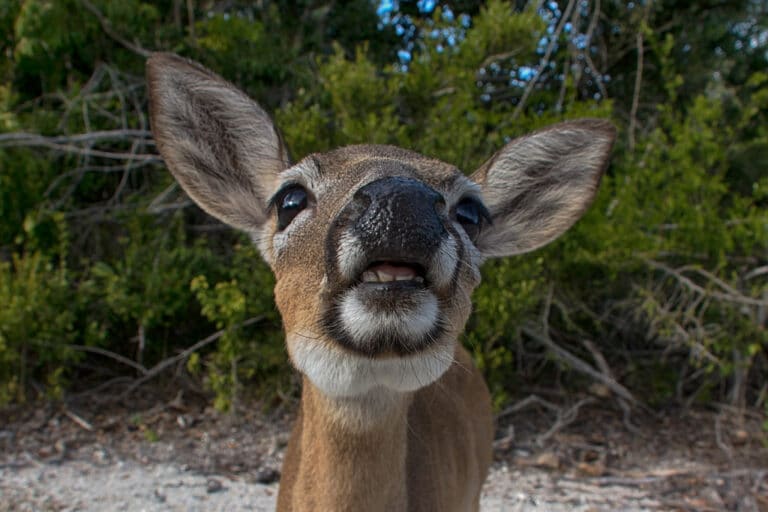
Unlike other deer, Key Deer can be seen roaming close to human settlements, often curious about their neighbors while still enjoying their natural habitat.
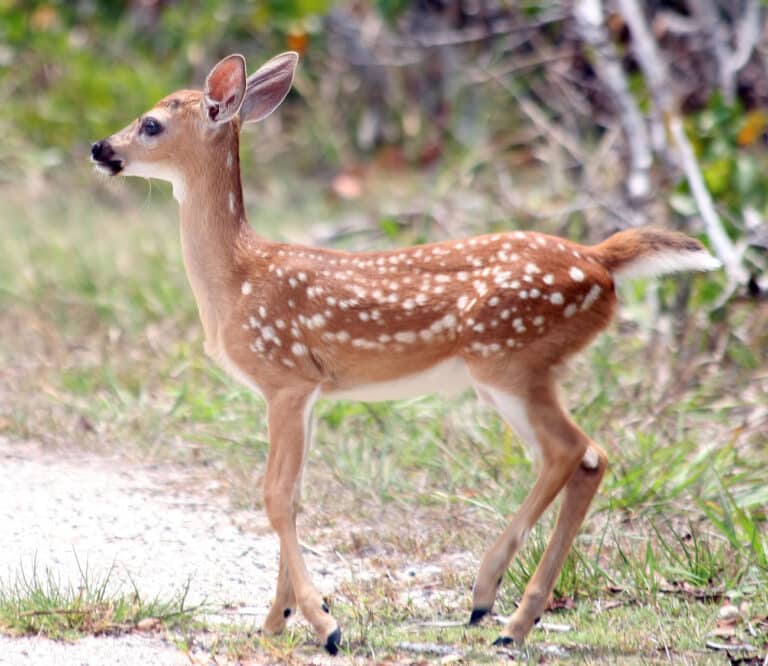
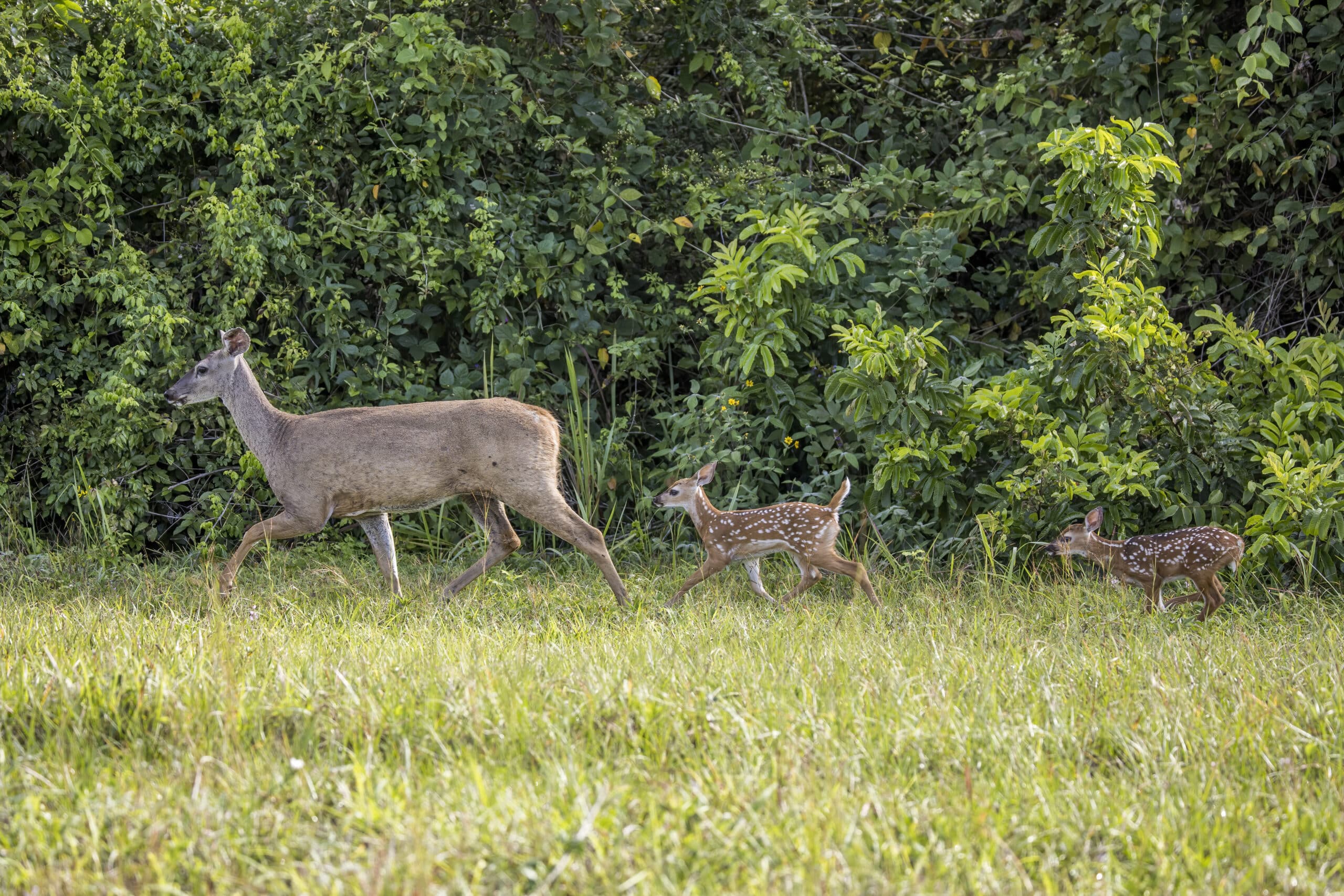
Key Deer mothers are super protective; they often hide their fawns in thick vegetation to keep them safe while they forage for food.
These tiny but mighty deer communicate through a range of sounds, from soft bleats to snorts, making their own adorable language in the wild.
Photos


The Basics


explore more
Amphibians
Arachnids
Birds
Cats
Crustaceans
Fish
Fish Pet Guide
Gastropods
Insects
Invertebrates
Mammals
Pet Fish
Pet Rodents
Plants
Reptiles
Roundworms
Sea Slugs