Successfully copied to clipboard!
Kinkajou
Uncover the playful acrobats of Central America's rainforests!
Let’s Explore
Overview
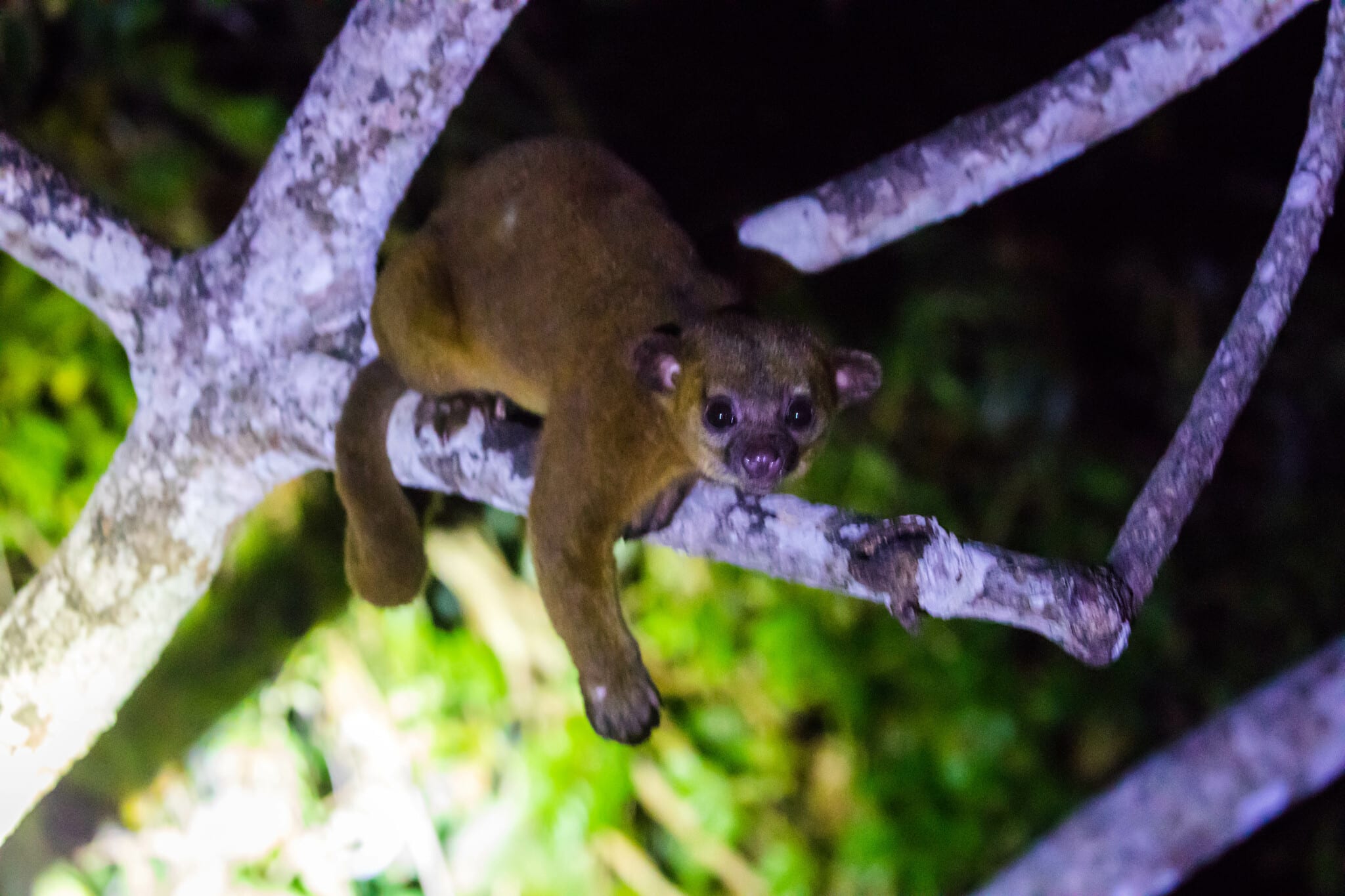
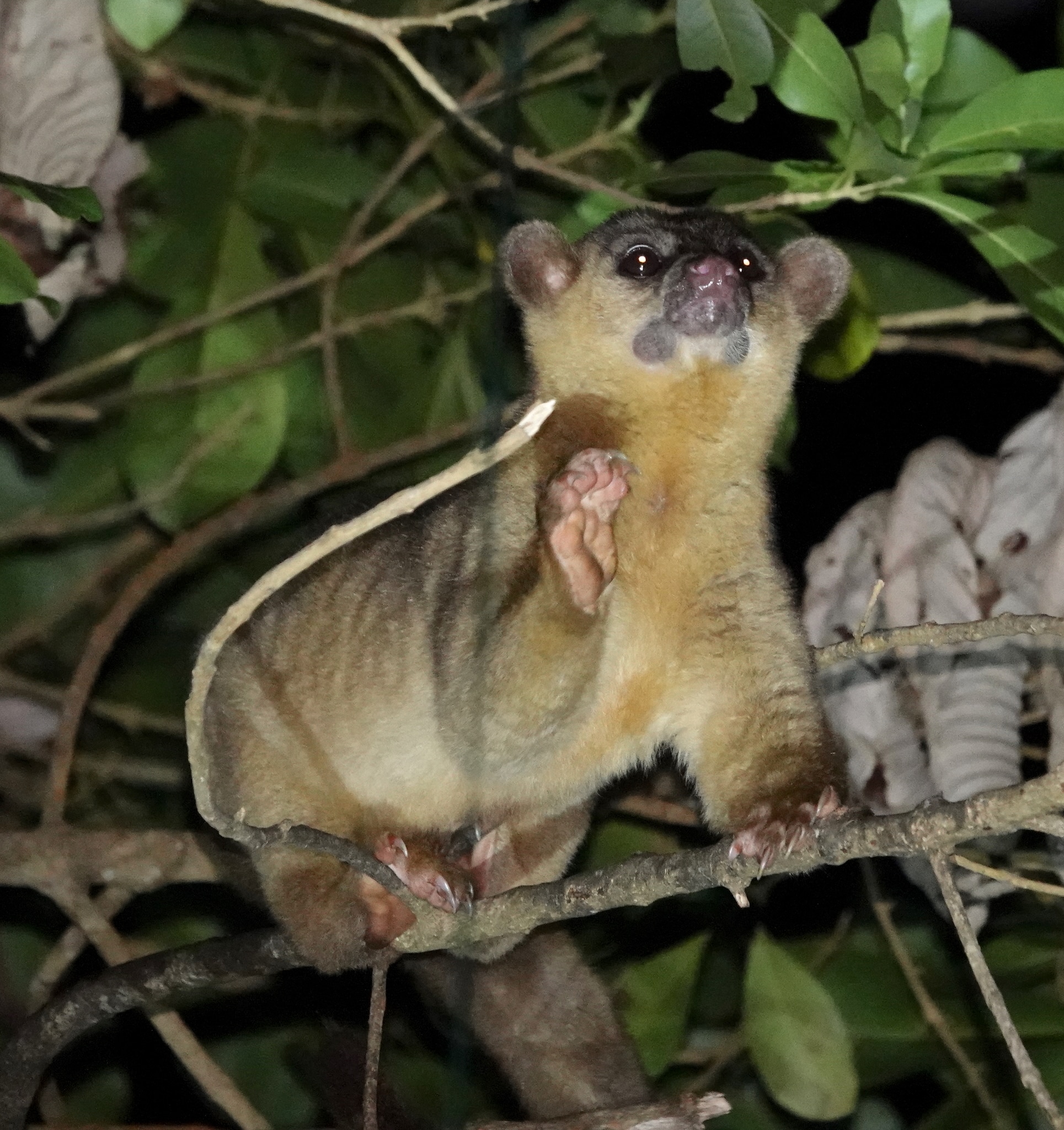
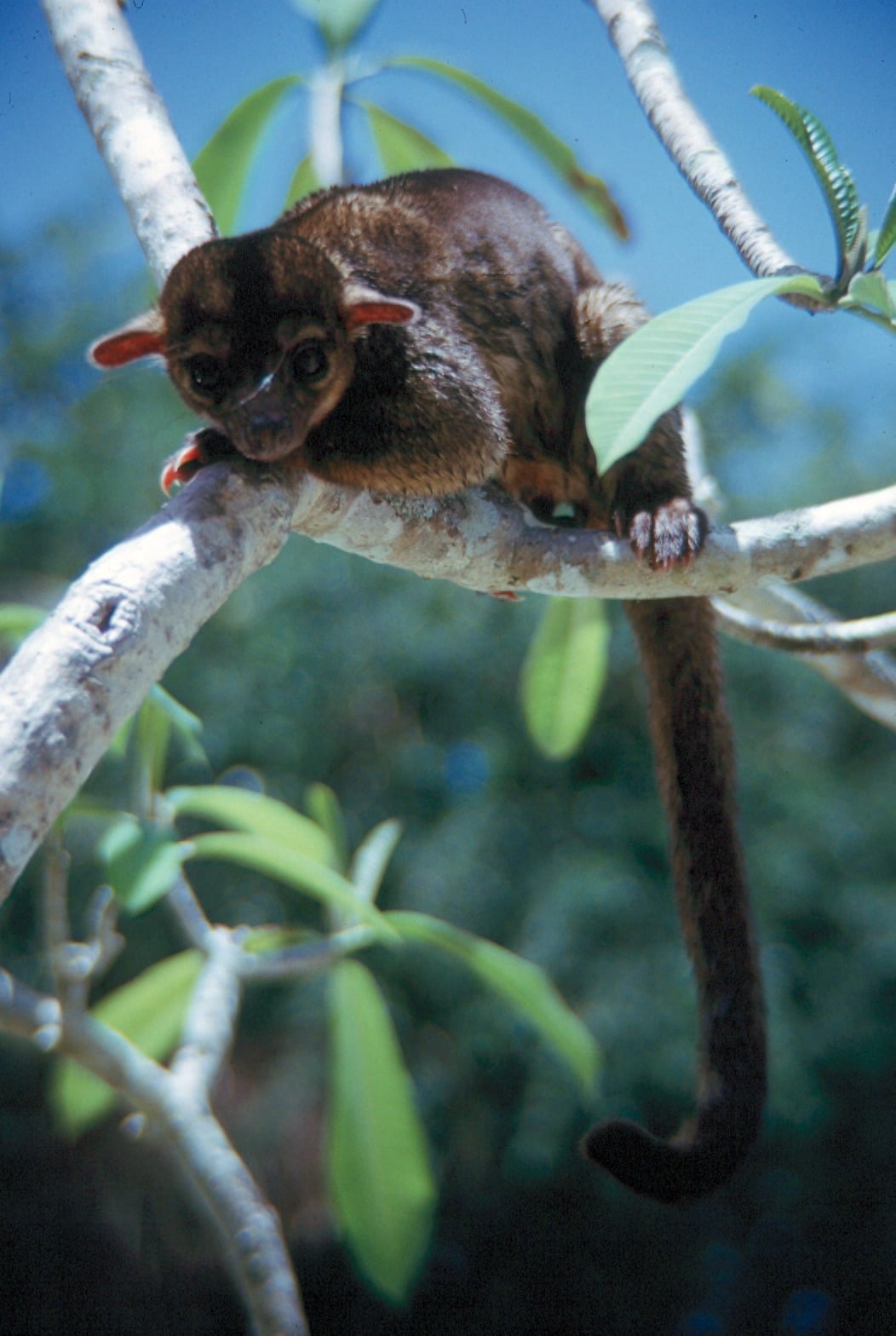
Kinkajous are adorable mammals that belong to the big family of raccoons. These little creatures have fluffy bodies and can grow to be about 16 to 24 inches long, perfect for teamwork while swinging through trees in Central America.
Kinkajous are sometimes called honey bears because they love sweet treats! Their diet includes fruits, nectar, and small animals, making them not just sweet-toothed but also versatile eaters, ready for a menu of jungle delights.
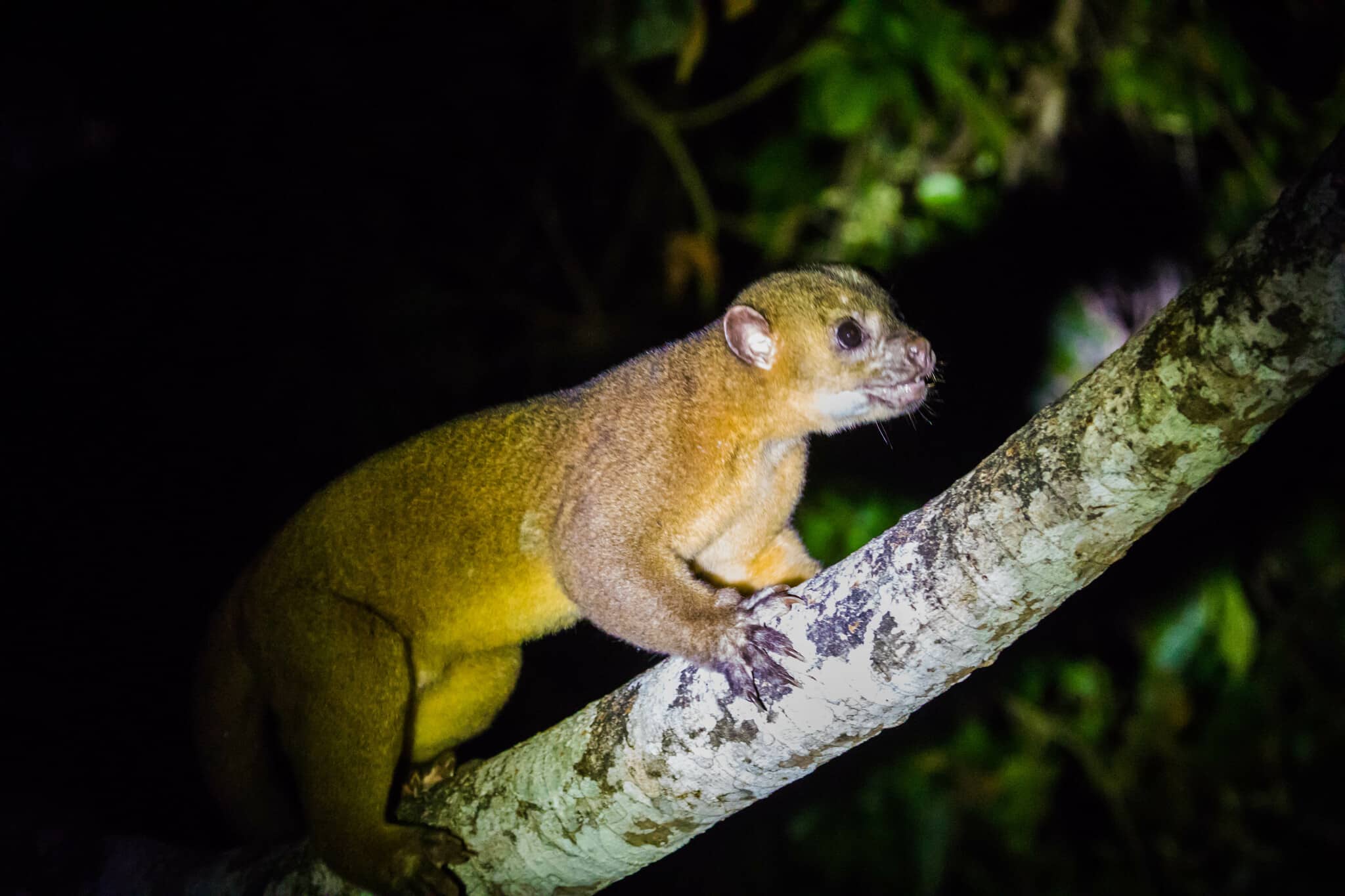
These playful animals are most active at night, making them nocturnal party animals of the forest. With their large eyes and sensitive ears, kinkajous navigate under the moonlight and have a blast exploring their vibrant habitat.
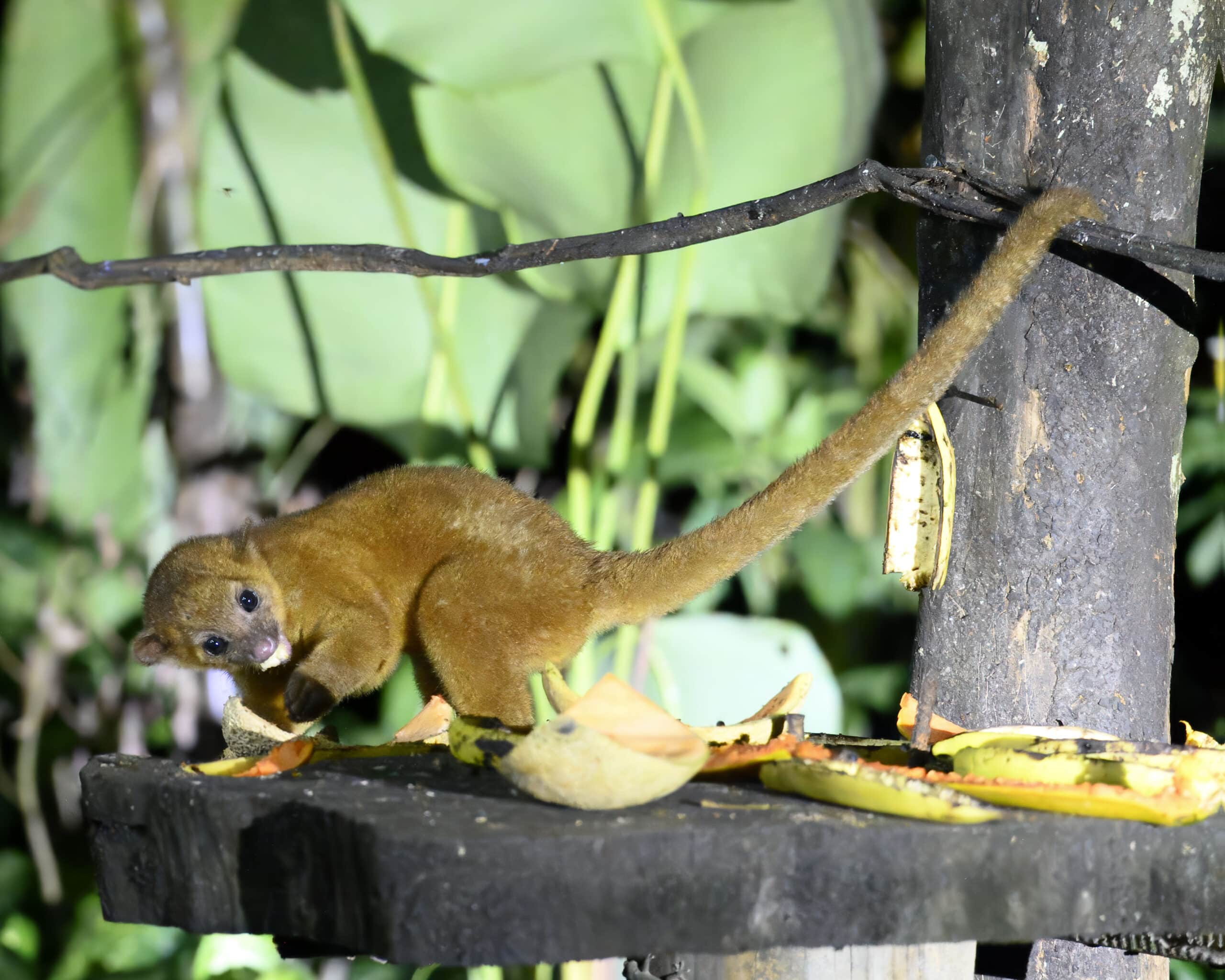
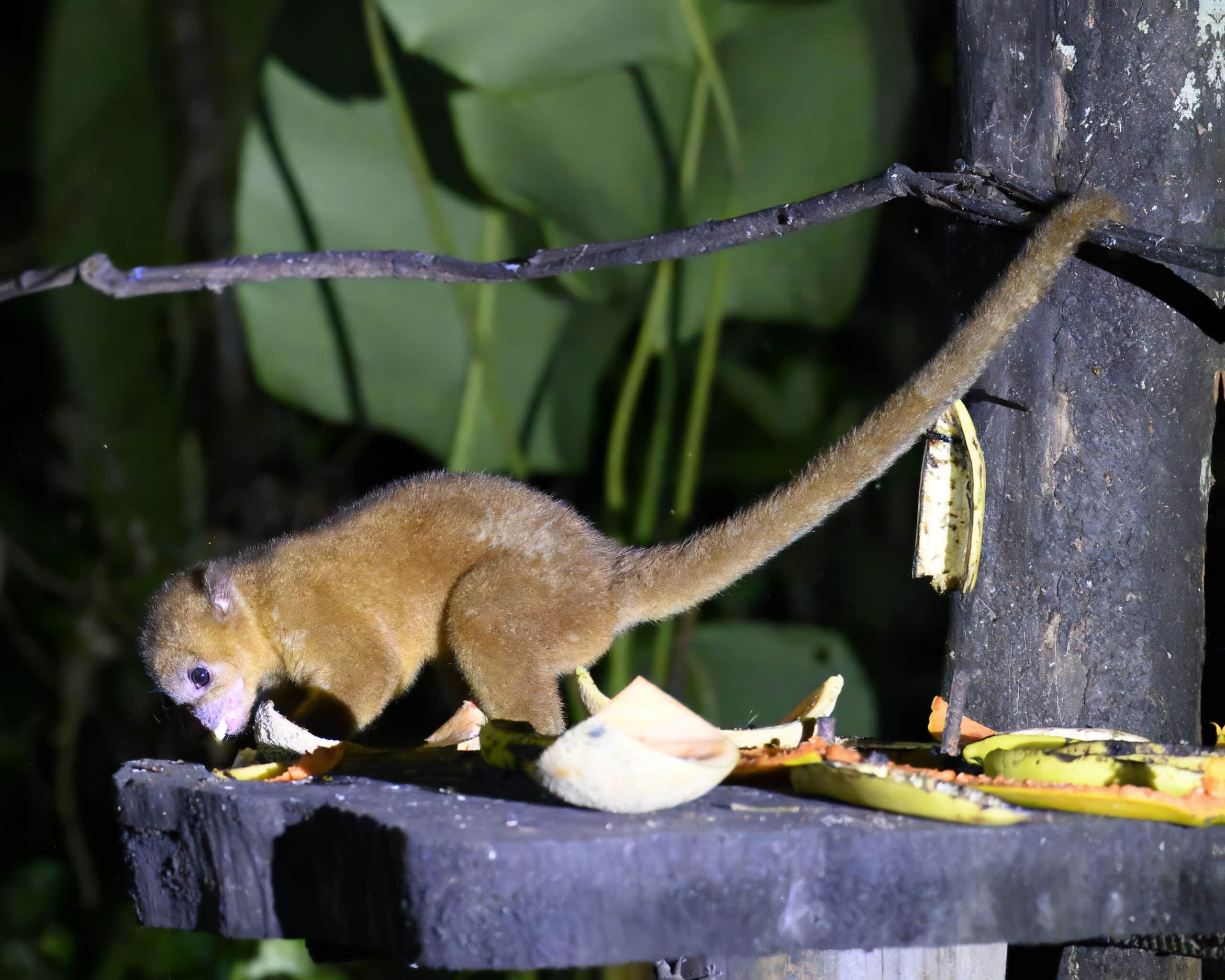
A kinkajou's long and prehensile tail acts like a fifth limb, helping them swing and balance in the trees. This tail is perfect for hugging branches as they leap for their favorite snacks tucked high in the jungle canopy.
These furry friends live quite a long time, often reaching ages of 20 to 25 years. With their playful personalities and clever antics, kinkajous can bring joy to anyone lucky enough to meet them!

Where can you find a Kinkajou in the wild?
What does a Kinkajou eat?
How big can a Kinkajou grow?
How long does a Kinkajou typically live?
What is the conservation status of the Kinkajou?
What are the main threats to the Kinkajou?
Fun facts
Kinkajous have an extraordinary sense of smell that helps them find tasty fruit and nectar at night, much like a superpowered detective sniffing out snacks!


These playful creatures can rotate their feet nearly 180 degrees, making it easy for them to climb down trees headfirst while searching for delicious treats!
Kinkajous have a unique grooming habit. They use their long tongues not just for eating nectar but also to clean themselves, keeping their fur shiny and neat!
Their quirky names, often called honey bears, come from their love of sweet things. As a real treat, kinkajous can eat honey directly from beehives without getting stung!
These mammals live in small family groups and enjoy grooming each other, which helps them bond while they chat and giggle in their friendly forest communities.
When kinkajous get excited, they make a funny sound that resembles a loud, barking laugh. This giddy giggle adds extra joy to their lively nighttime adventures!
Although kinkajous are mammals, they can leap up to 3 meters (about 10 feet) from branch to branch, showing off their athletic skills like superstars of the tree tops!
These friendly creatures tend to share their favorite trees with other kinkajous, proving that swinging and sharing are essential parts of their jungle lifestyle!
Kinkajous have special adaptations for nighttime living. Their large eyes help them see in the dark, making them effective foragers when other animals are asleep.
With their cute, bushy tails, kinkajous can easily hang upside down, which helps them reach juicy fruits and flowers that other animals might miss!
Photos

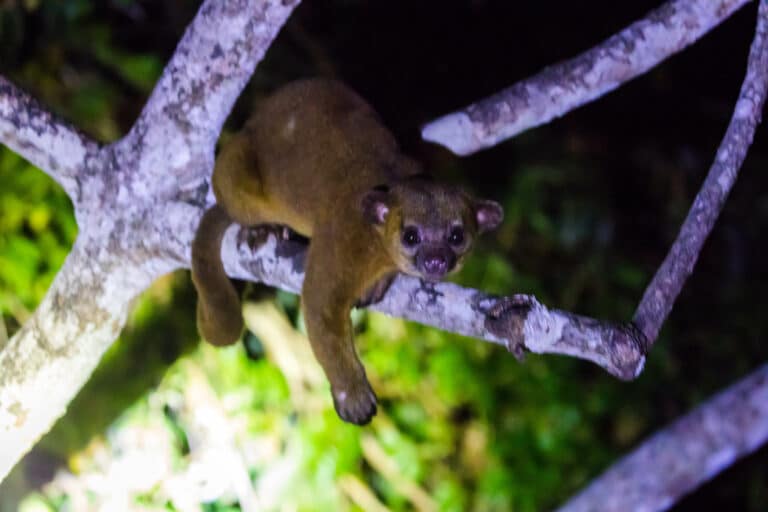
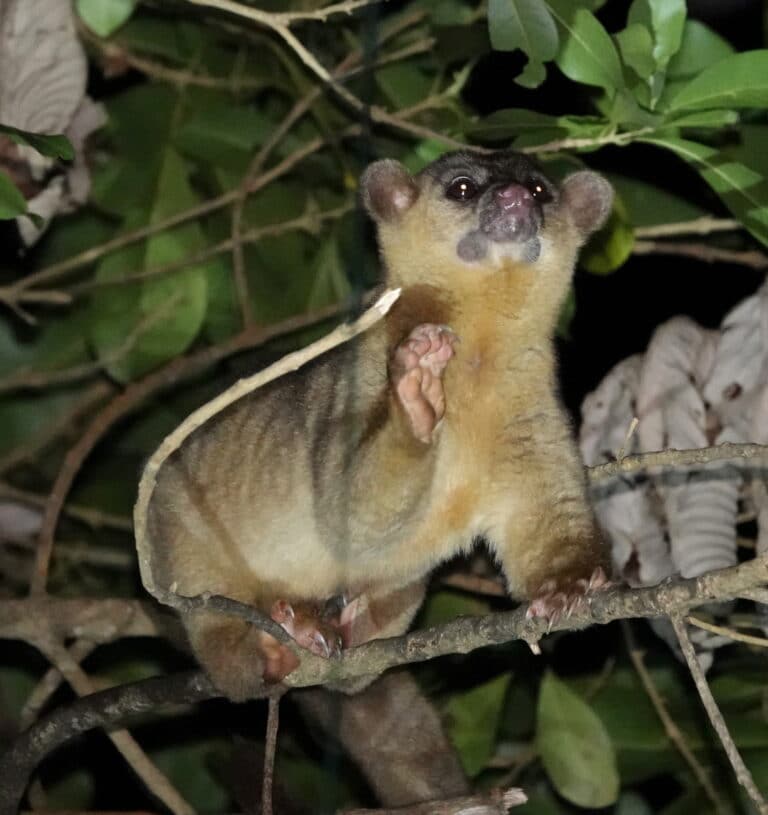
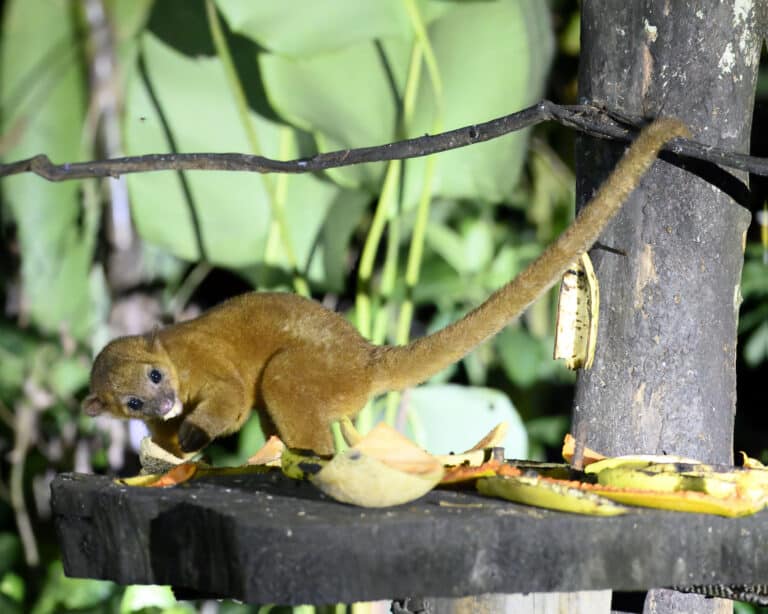
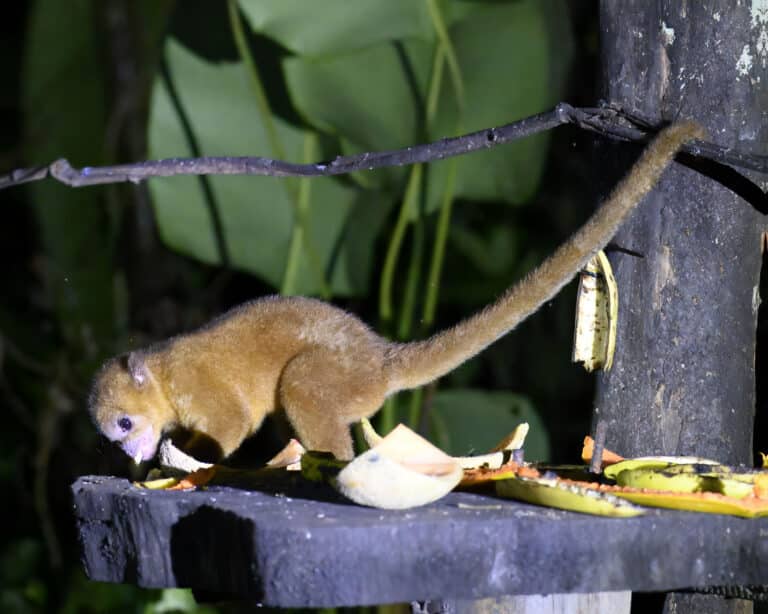
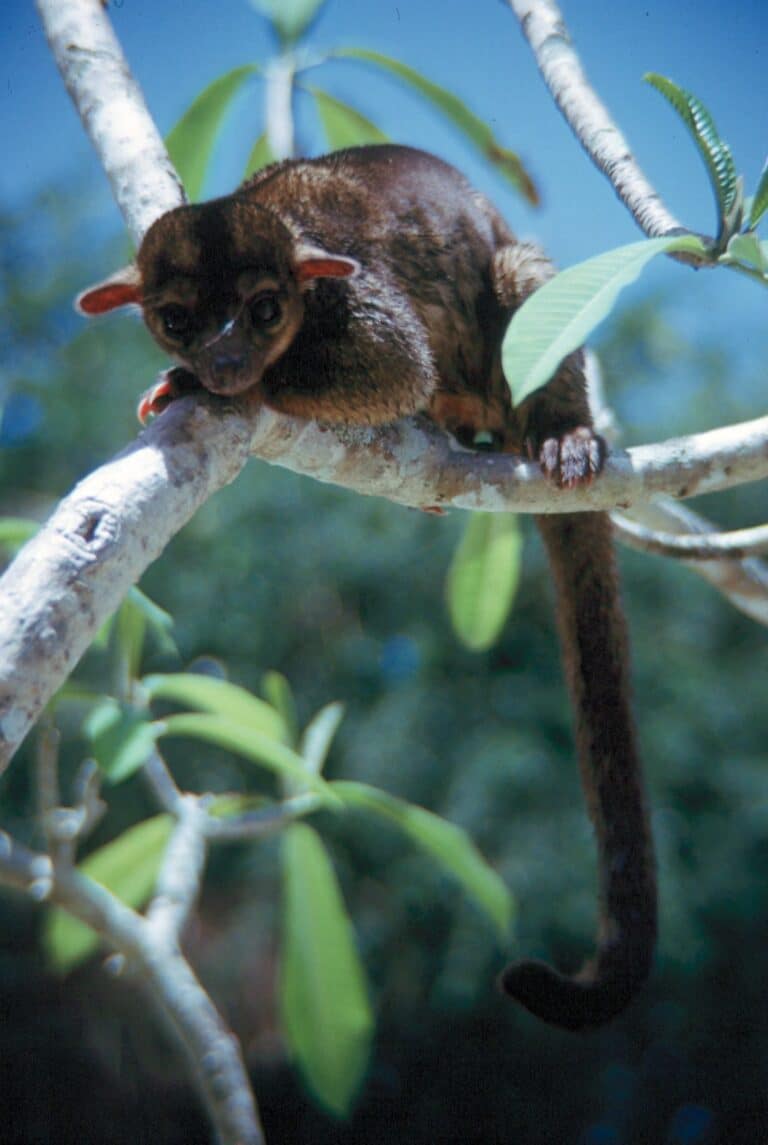
Kinkajou sitting in tree
" by null is licensed under CC BY-SA 4.0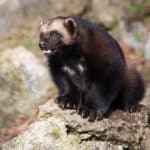



The Basics


explore more
Amphibians
Arachnids
Birds
Cats
Crustaceans
Fish
Fish Pet Guide
Gastropods
Insects
Invertebrates
Mammals
Pet Fish
Pet Rodents
Plants
Reptiles
Roundworms
Sea Slugs