Successfully copied to clipboard!
Let’s Explore
Overview
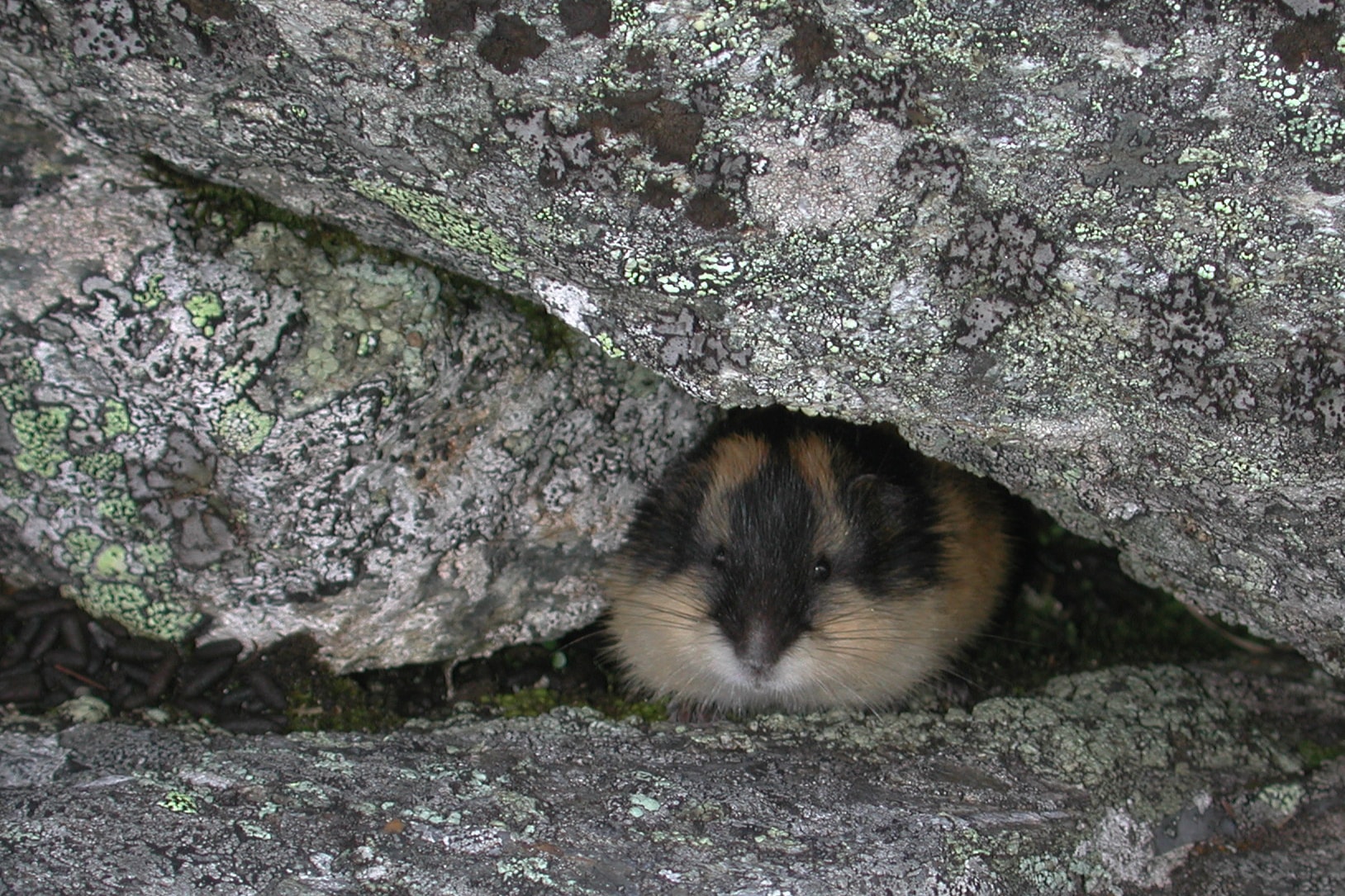
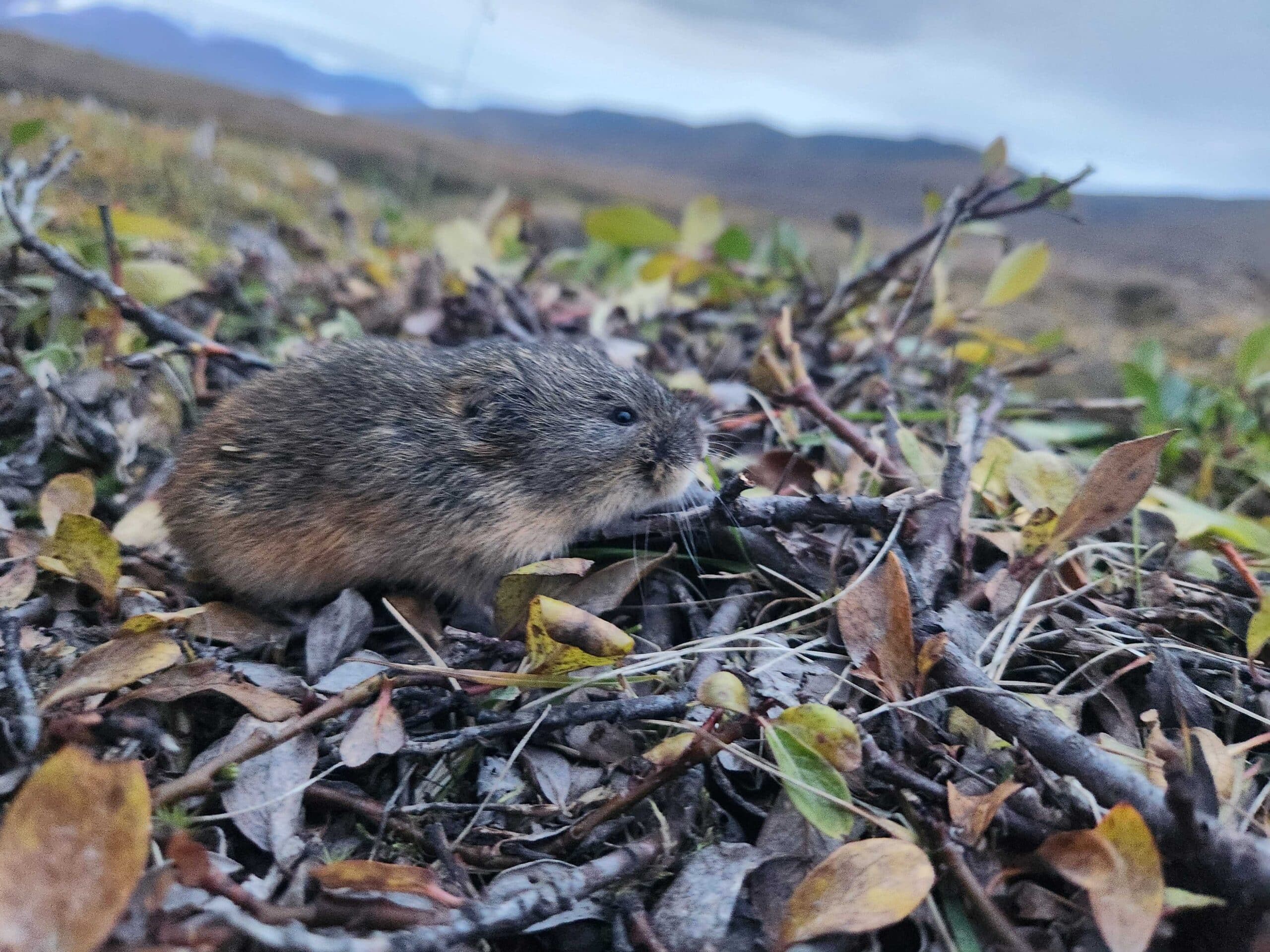
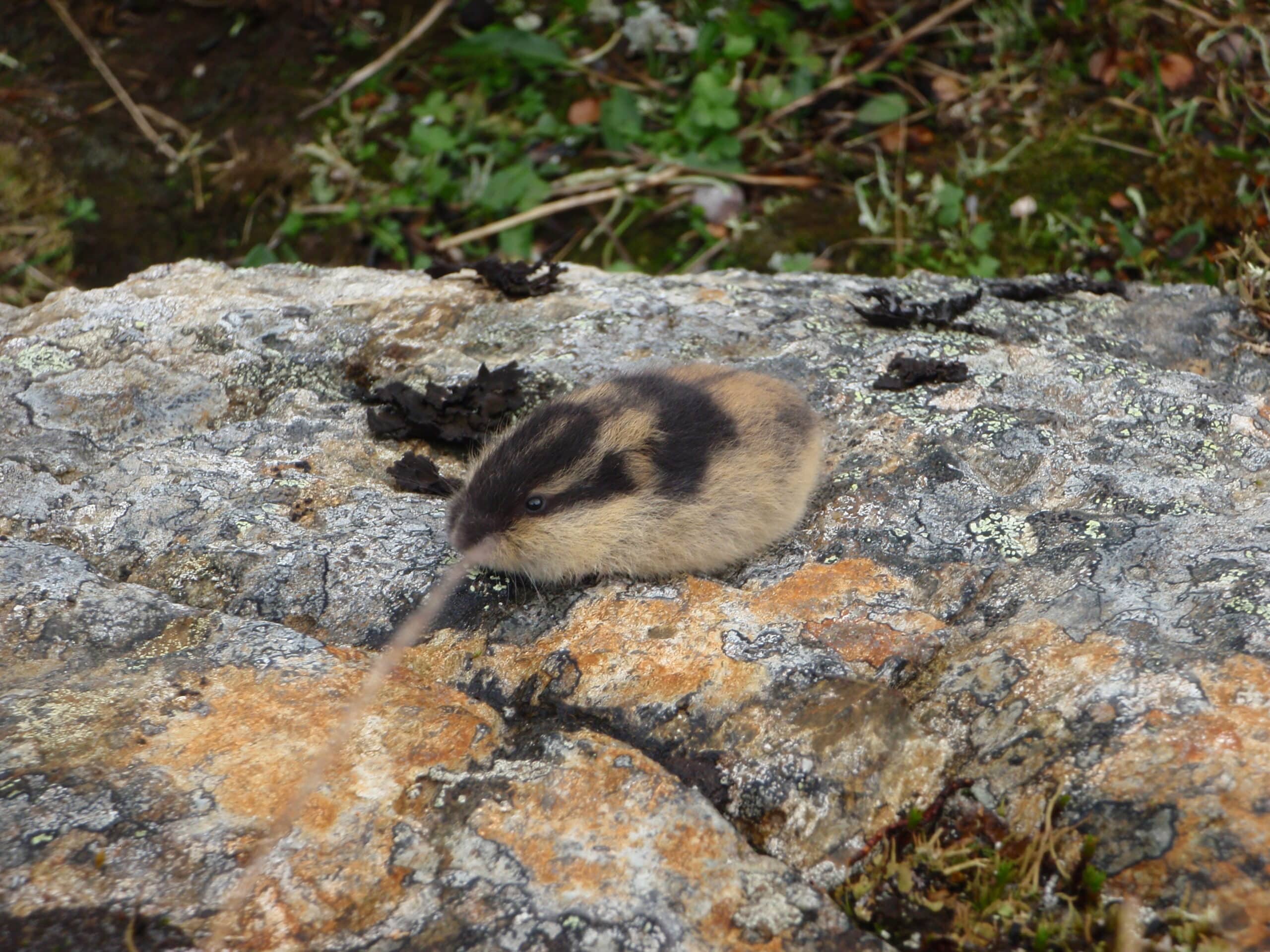
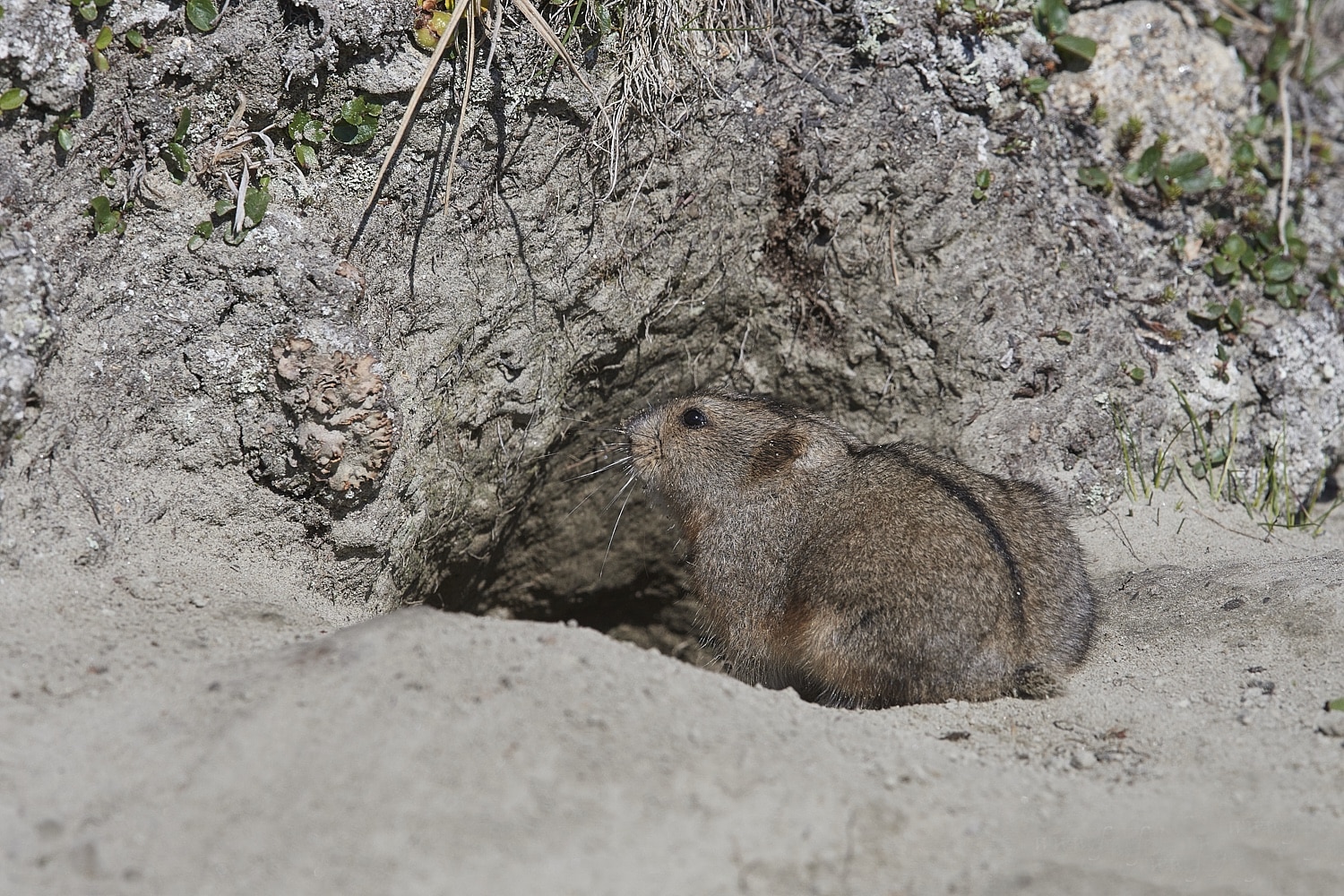
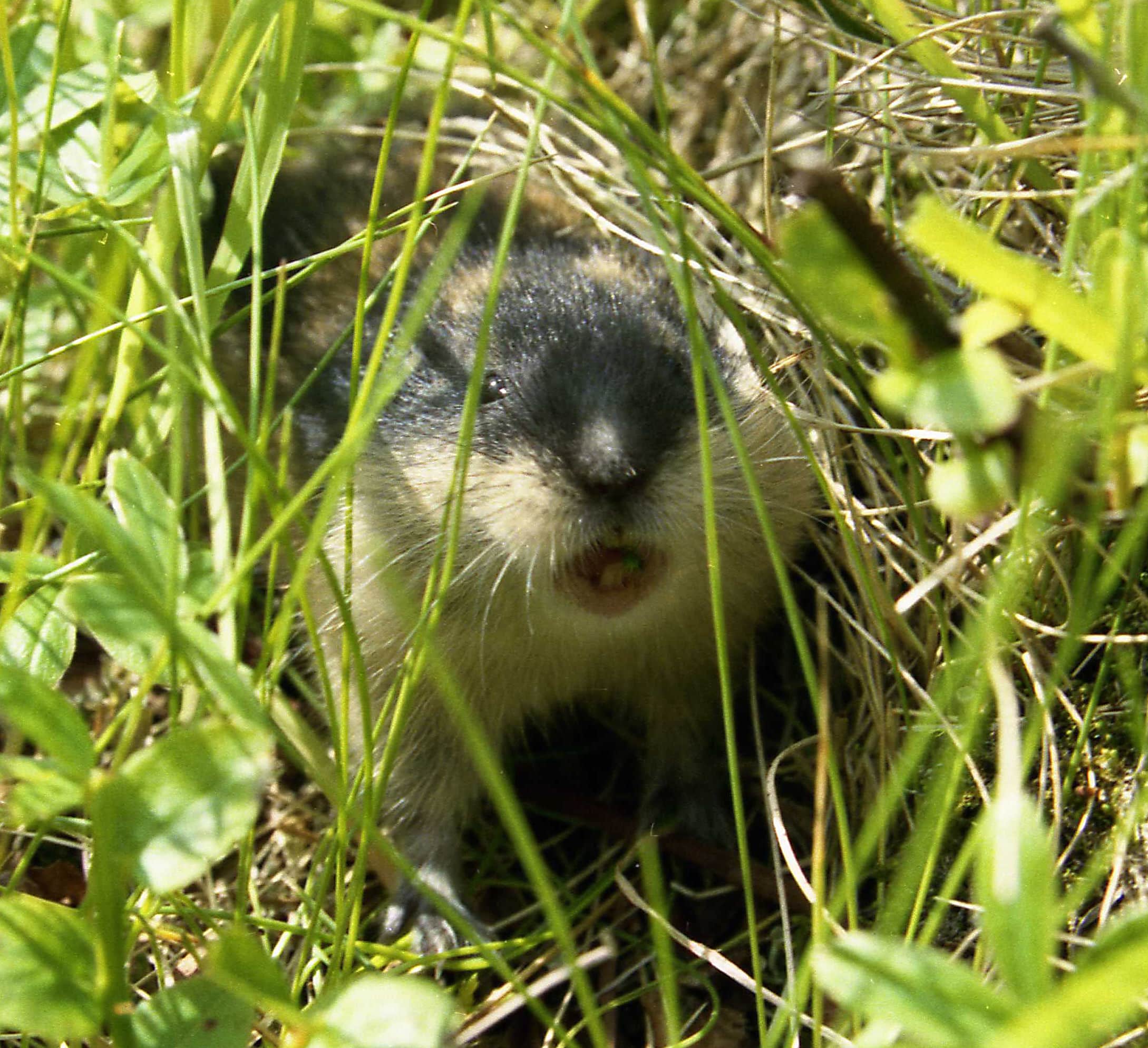
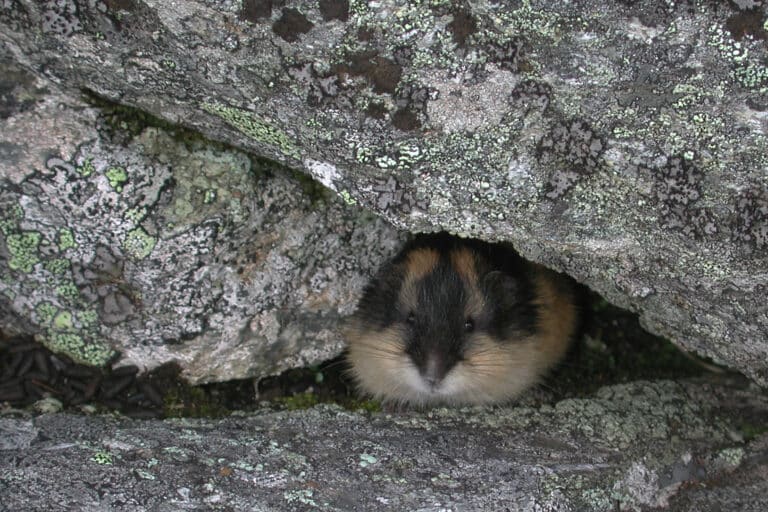
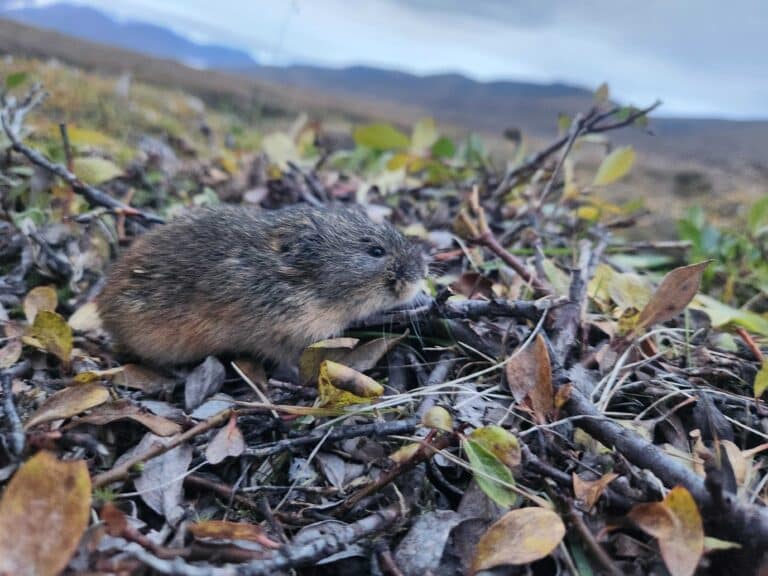
Lemmings are small, furry mammals that belong to the rodent family. They usually measure between 13 to 15 centimeters long, making them perfect for scurrying around the Arctic tundra of Europe.
These pint-sized creatures munch on grasses, mosses, and roots. With their constant nibbling, lemmings help keep their ecosystem healthy and balanced while also being a tasty treat for predators.
Lemmings have an impressive life cycle. They live about 1 to 2 years, but in that time, they can reproduce quickly. A female can give birth to multiple baby lemmings, contributing to booming populations during good years.
One of the most famous myths about lemmings is their supposed mass migrations. While they do move in groups to find food and new homes, they are not known for jumping off cliffs in big leaps of adventure. They simply follow their instincts!
Lemmings play an important role in the food chain. Their presence helps support larger animals, like snowy owls and arctic foxes, who rely on them for meals. Everyone needs friends, right?
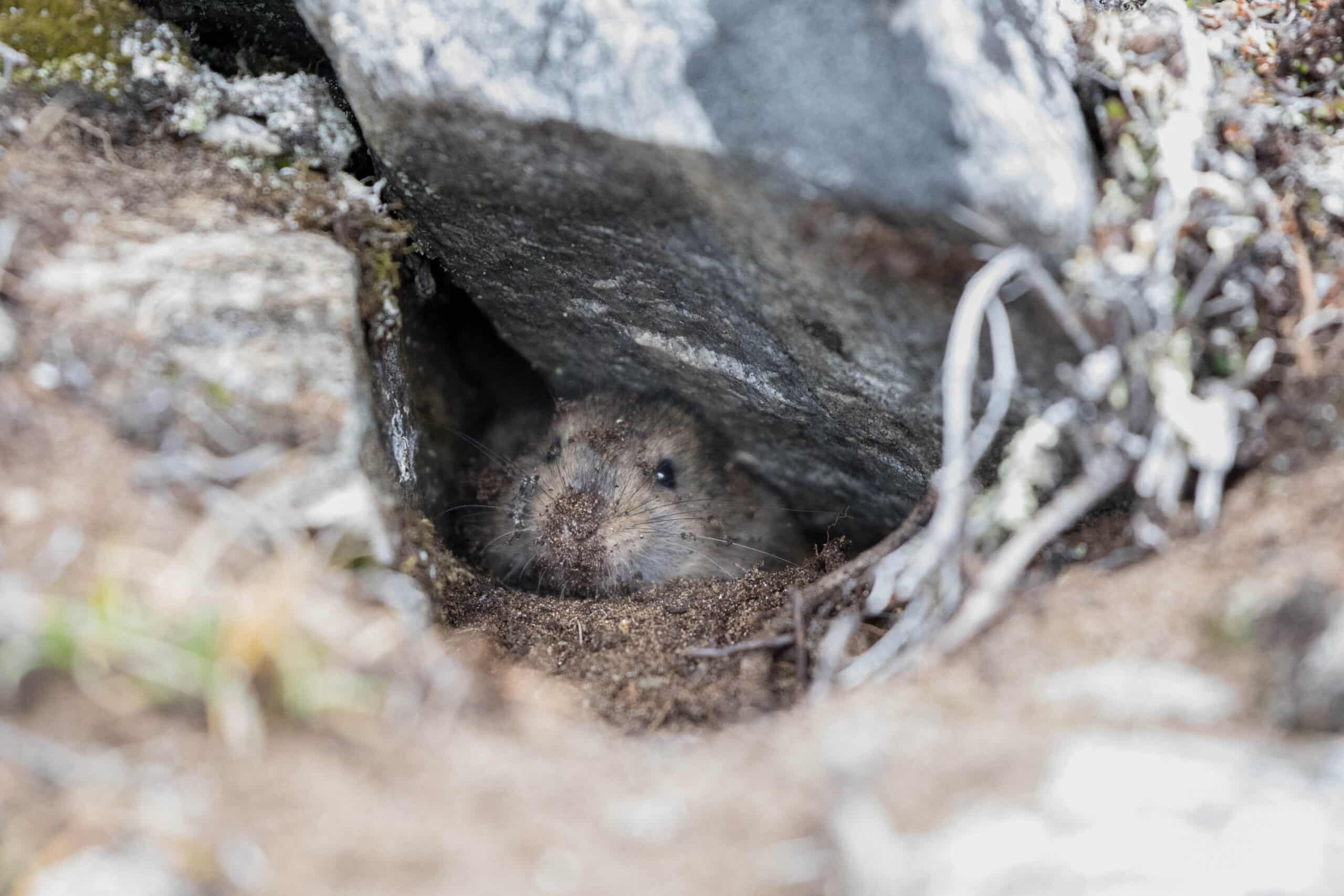
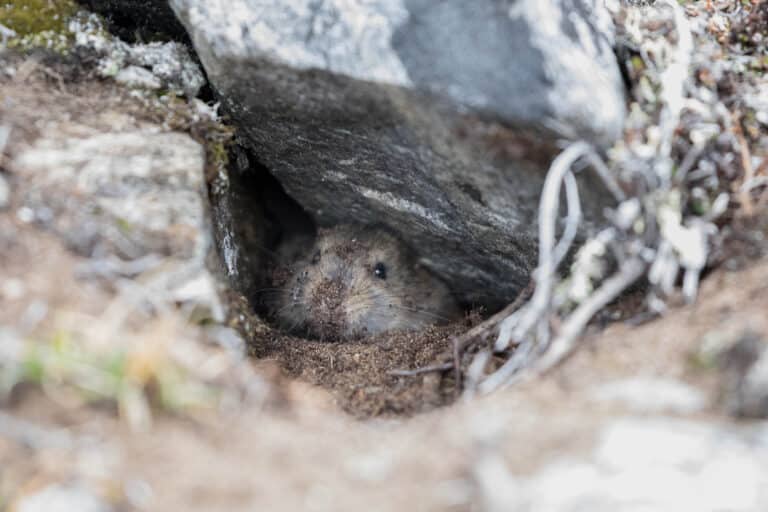
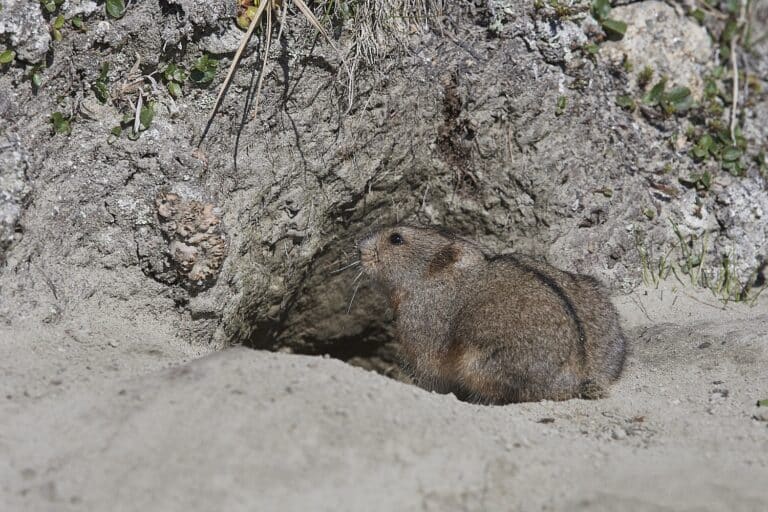
These tiny mammals display fascinating behaviors, like tunnel-building and hoarding food for winter. They create homes underground, where they can stay warm and cozy until spring returns.
Overall, lemmings are delightful little critters that show the beauty of life in the wild! With their furry antics and bustling lives, they remind us of the wonders of nature just waiting to be explored.

Where can you find a Lemming in the wild?
What does a Lemming eat?
How big can a Lemming grow?
How long does a Lemming typically live?
What is the conservation status of the Lemming?
What are the main threats to the Lemming?
Fun facts
Lemmings can leap up to 1 meter (about 3 feet) in the air when scared, showcasing their quick moves and acrobatic skills!


These tiny animals have a unique winter survival strategy – they dig tunnels under the snow. This allows them to stay warm and hidden while munching on grasses and roots below!
When lemmings have a population boom, they can reproduce so rapidly that one female can have up to 11 babies in a single litter. Talk about a busy mom!
Lemmings communicate quietly with high-pitched squeaks, letting their friends know when danger is near. Their secretive talks keep them connected in the snowy wilderness!
During the summer months, lemmings change their fur color from brown to a lighter shade. This helps them blend in with the surrounding tundra and stay safe from predators!
While many people think lemmings jump off cliffs in mass migrations, they actually follow their instincts to find new food sources and are not cliff divers!
Lemmings have impressive digging skills and can create complex underground burrows, providing shelter from the cold and predators. They are like tiny architects of the Arctic!
These furry creatures can travel several miles in search of food, showing tremendous stamina for such small animals!
Lemmings are excellent at storing food for winter. They gather and hoard bits of plants underground to have snacks when it's too cold outside to forage.
Lemmings have bright orange teeth! The color comes from iron, which helps keep their teeth strong as they chew through tough plant material.
Photos






The Basics


explore more
Amphibians
Arachnids
Birds
Cats
Crustaceans
Fish
Fish Pet Guide
Gastropods
Insects
Invertebrates
Mammals
Pet Fish
Pet Rodents
Plants
Reptiles
Roundworms
Sea Slugs