Successfully copied to clipboard!
Leopard Seal
Uncover the icy secrets of stealthy, spotted ocean hunters!
Let’s Explore
Overview
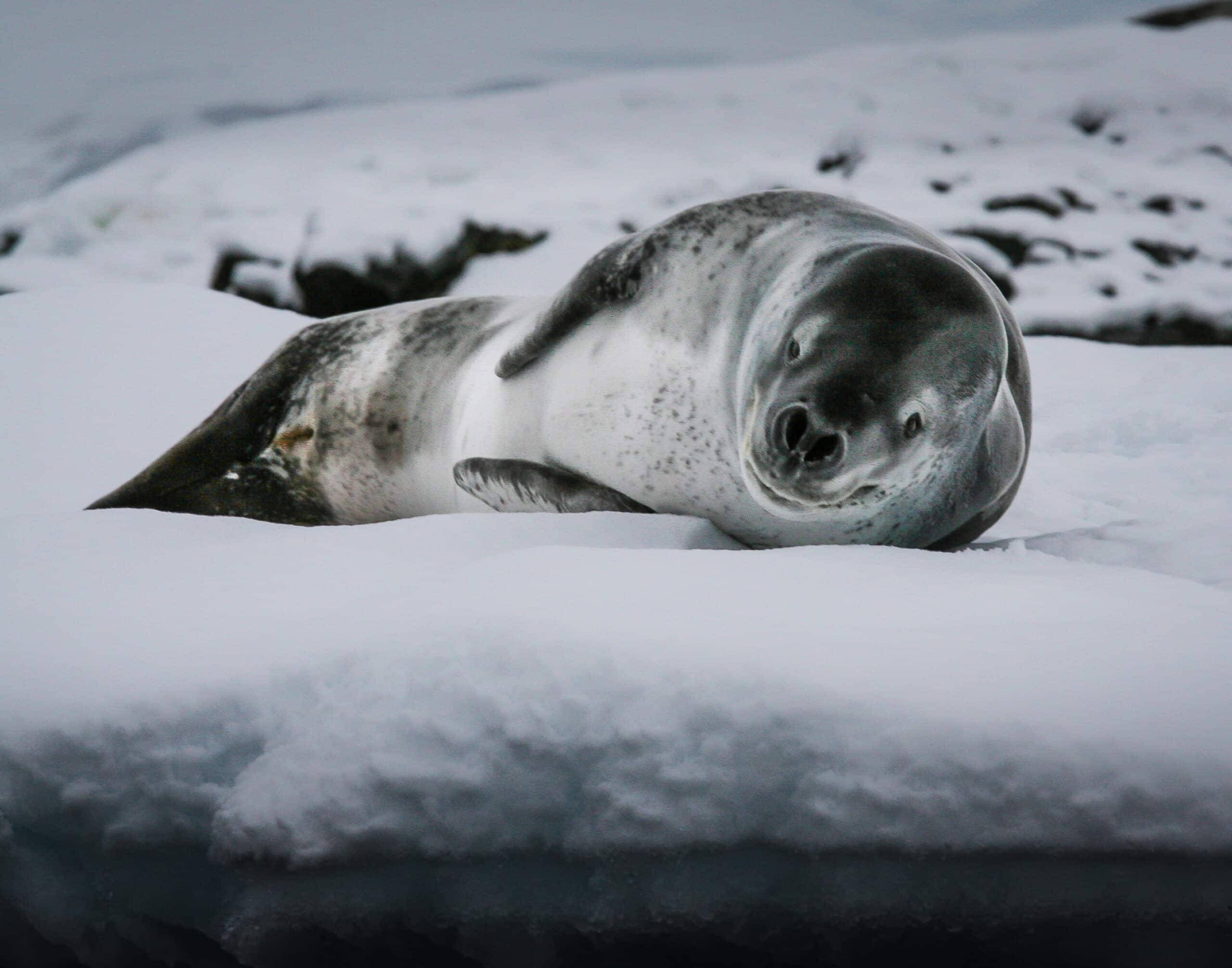
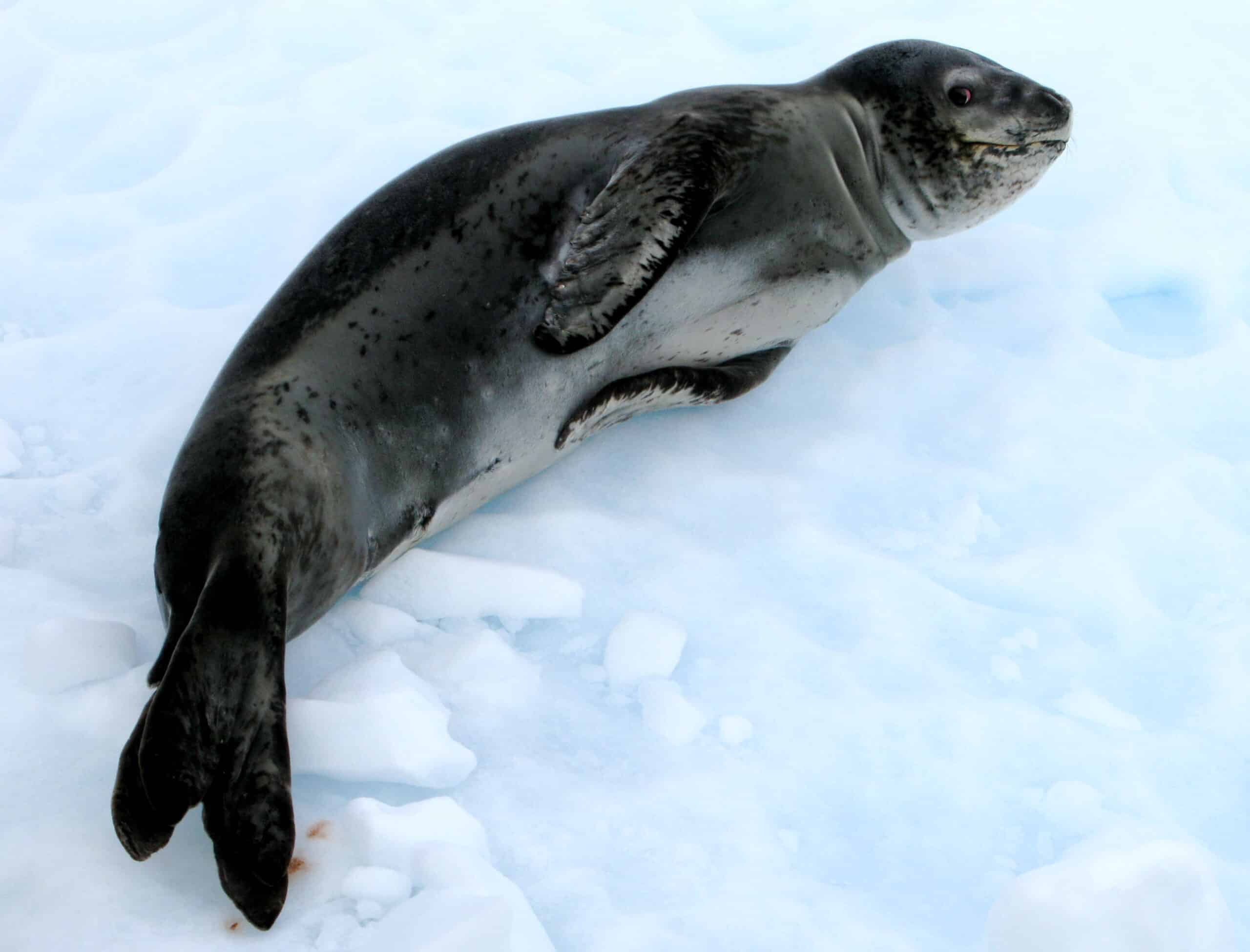
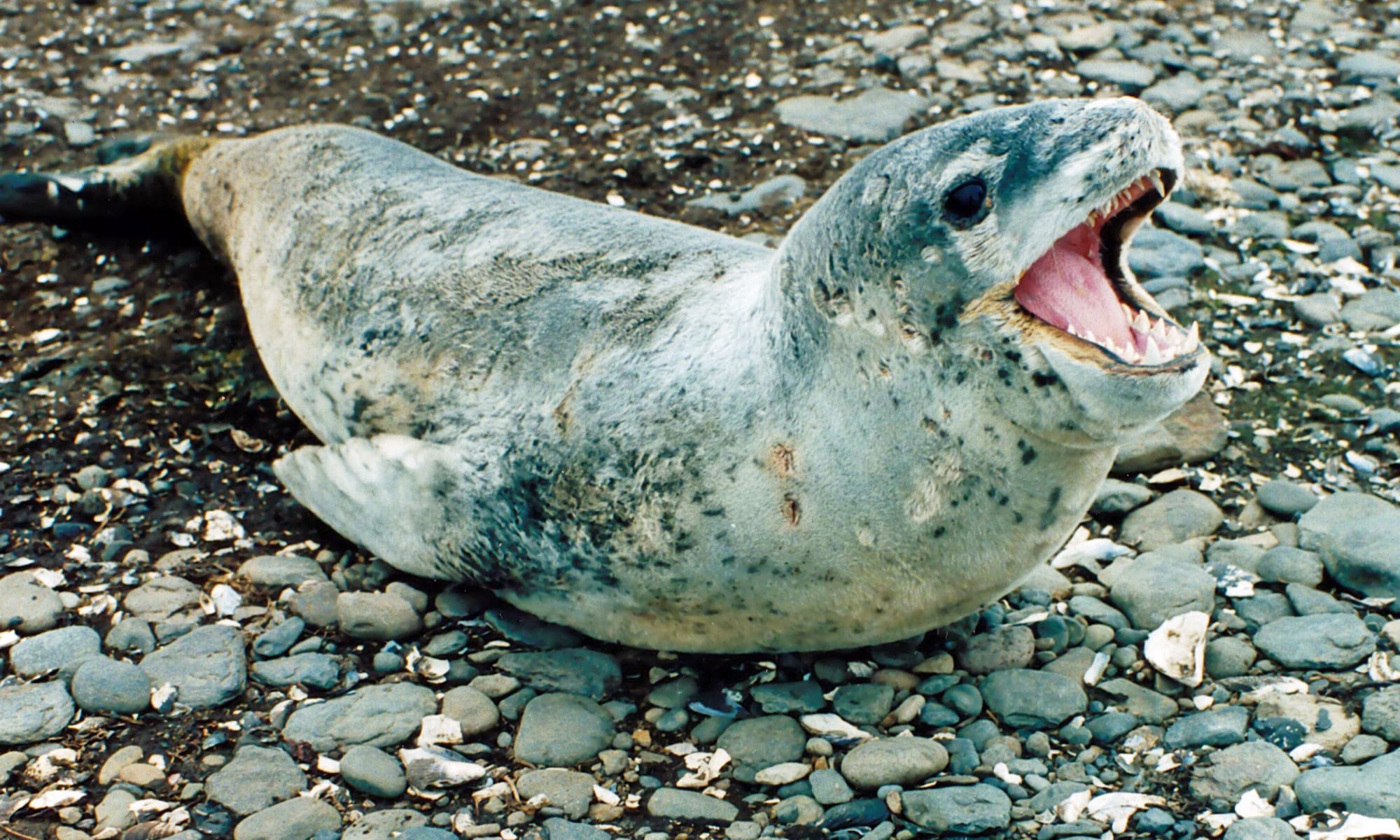
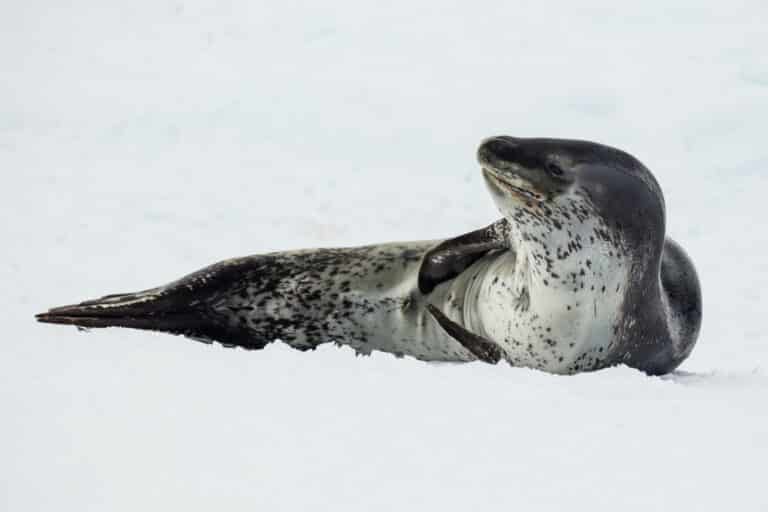
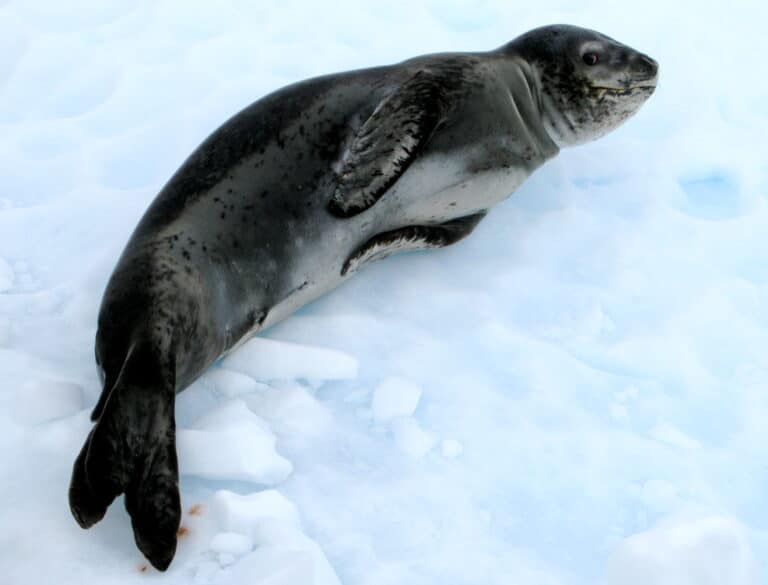
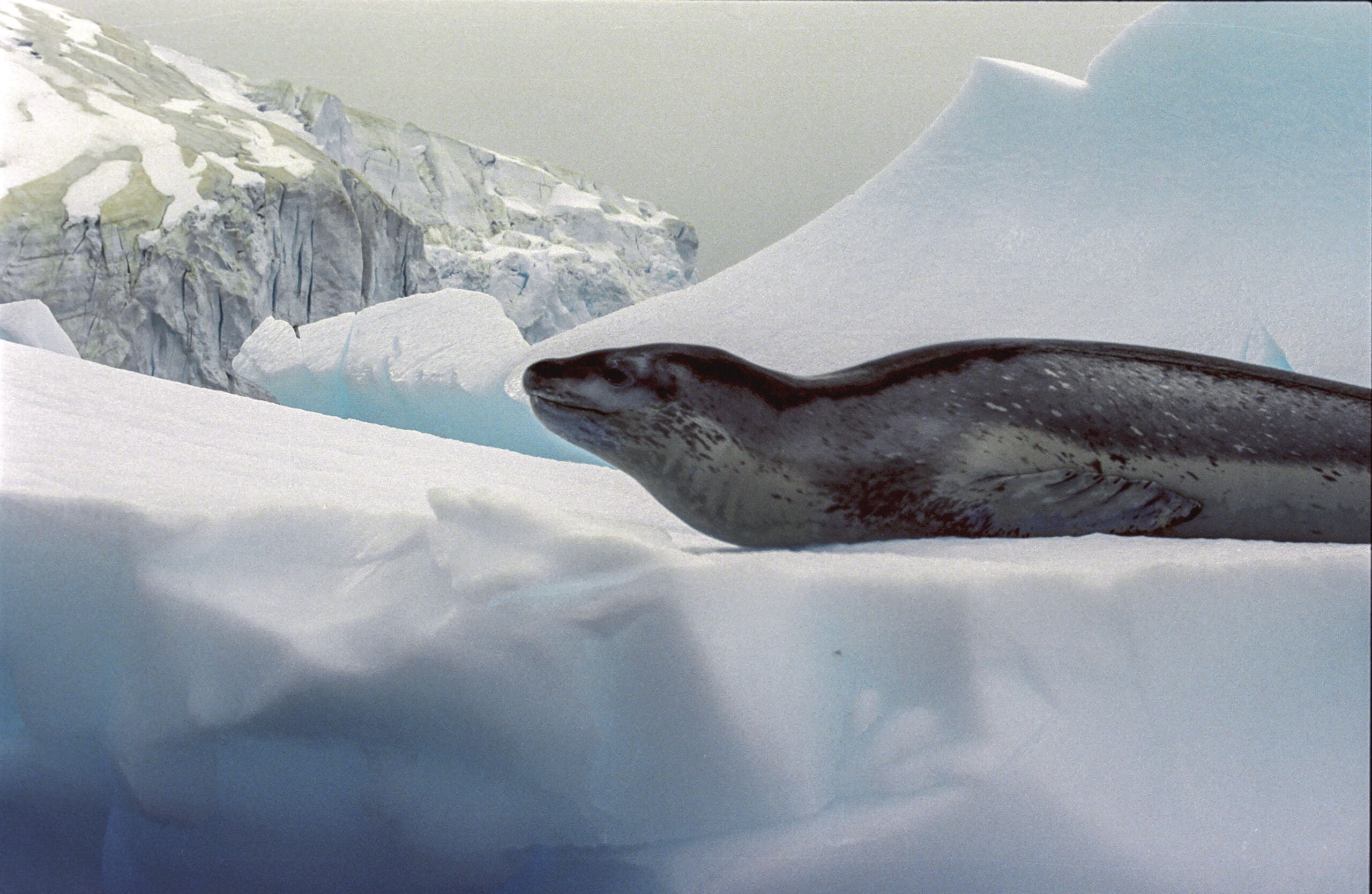
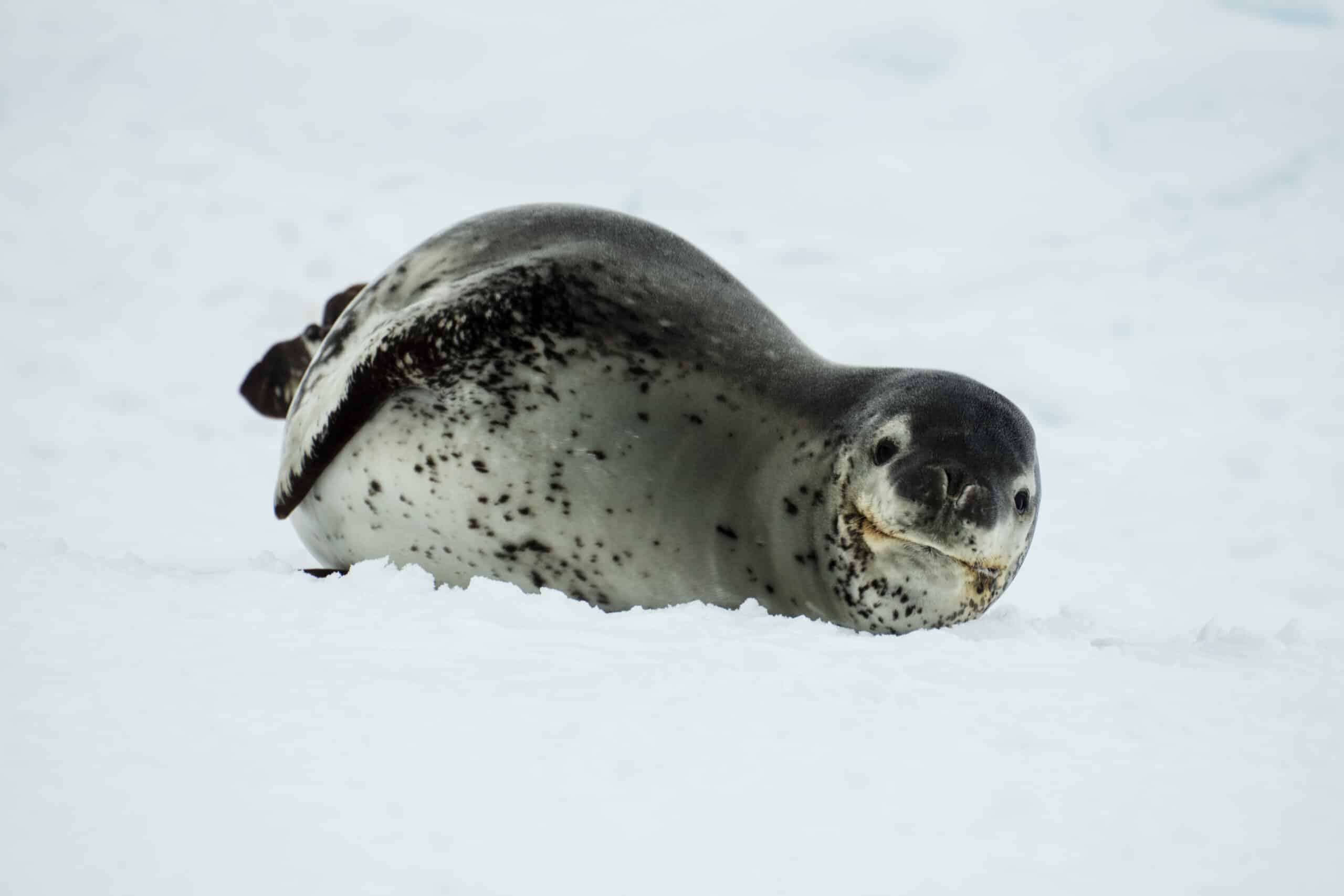
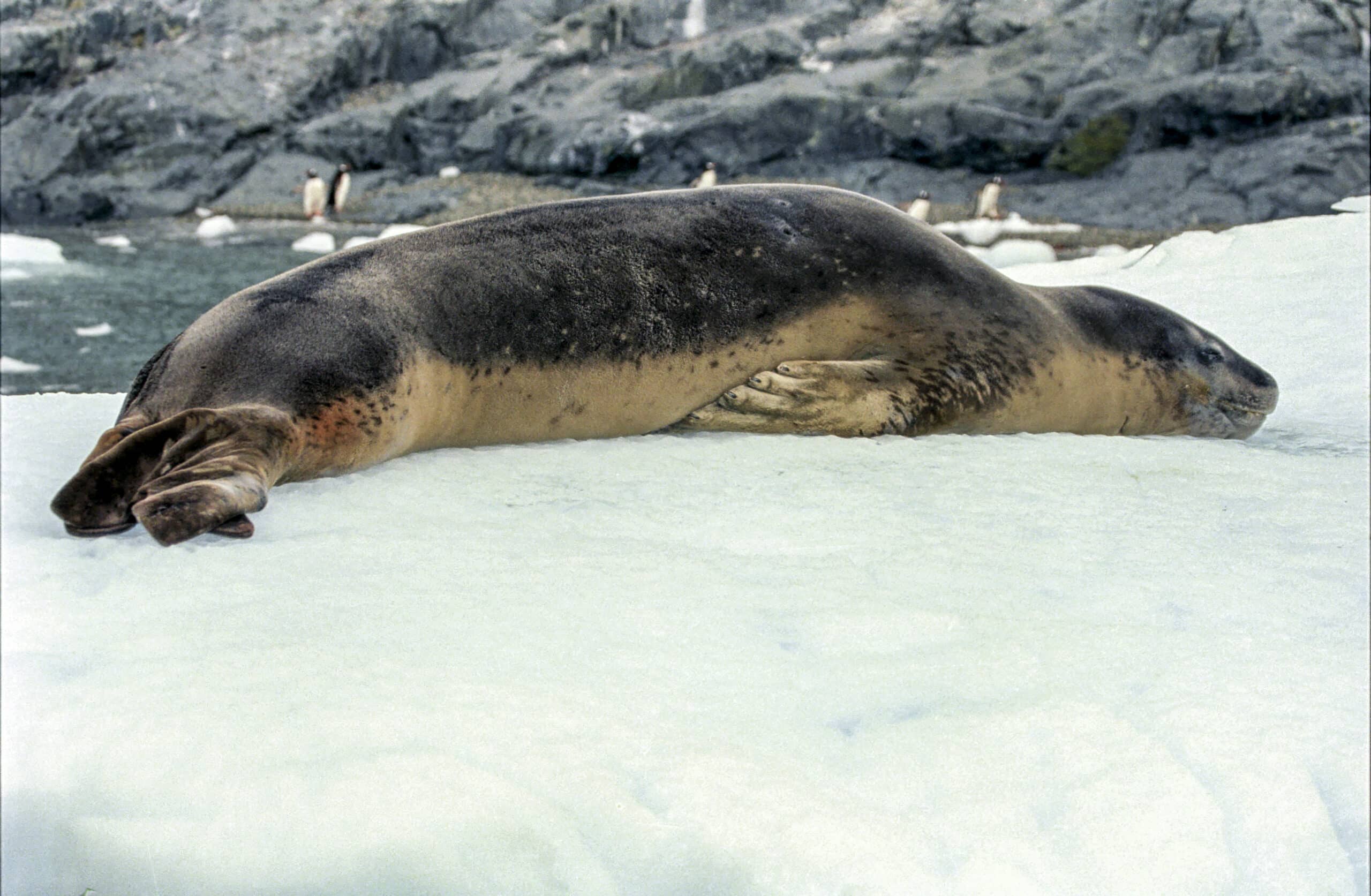
Leopard seals are cool creatures that call the icy waters of Antarctica their home. These amazing seals can grow to be about 3 to 3.4 meters long (10 to 11 feet), making them quite the sight to see swimming through the chilly sea.
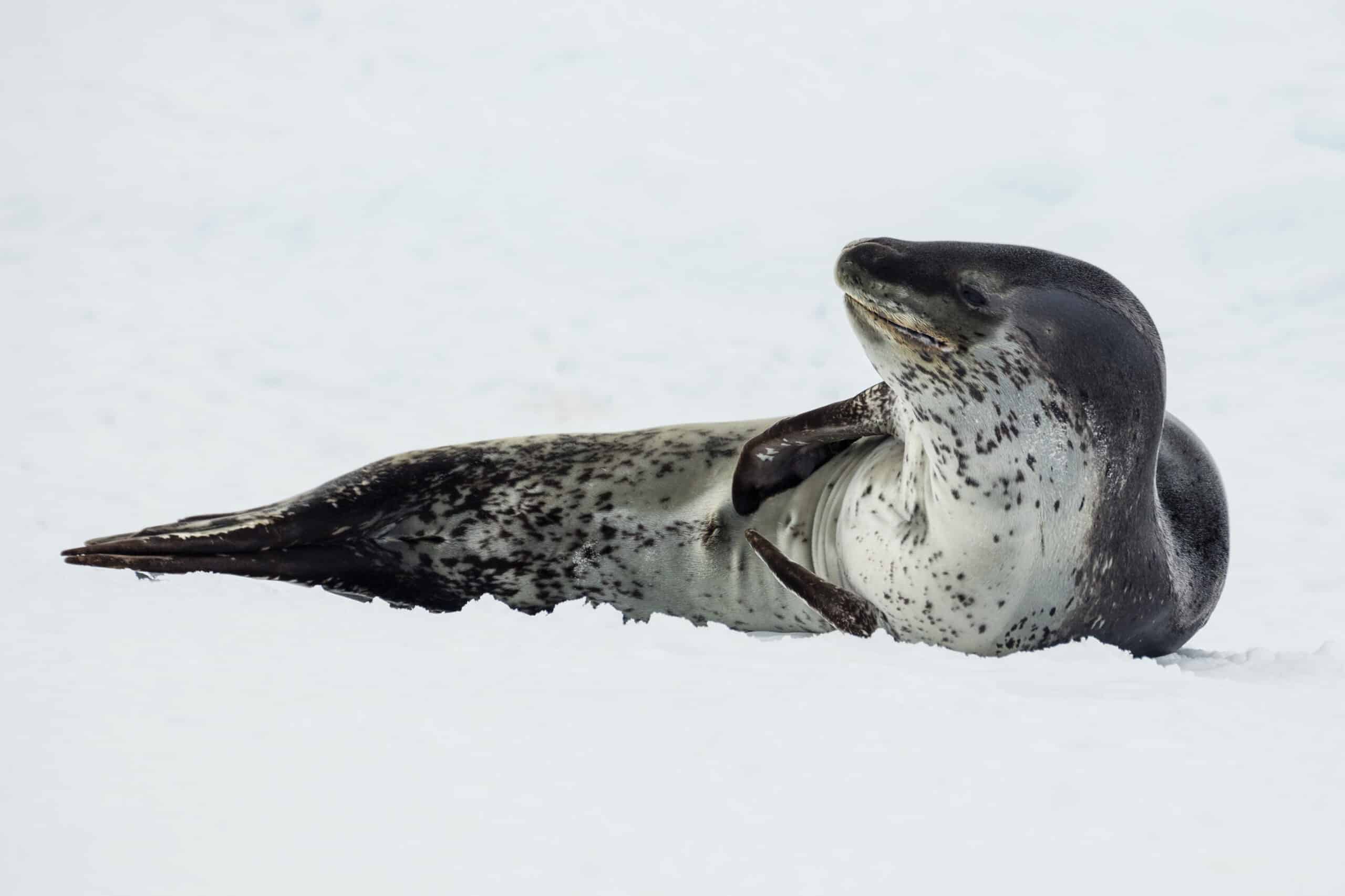
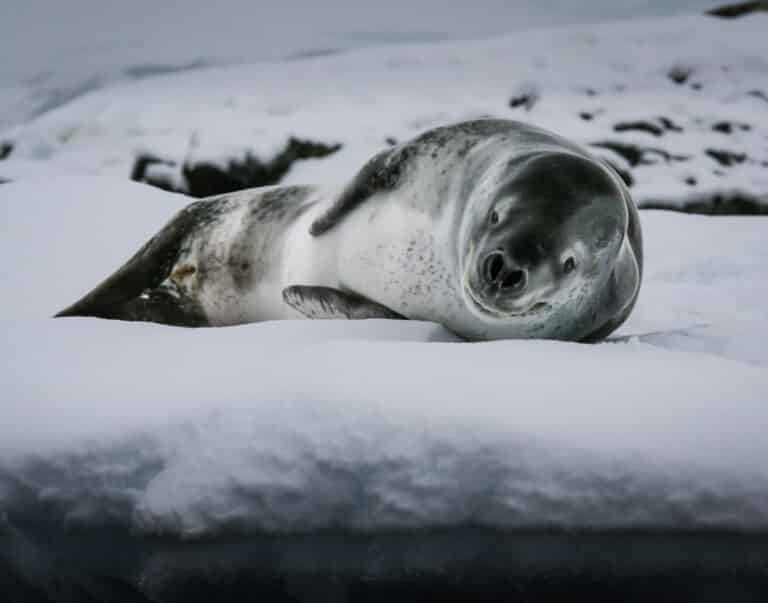
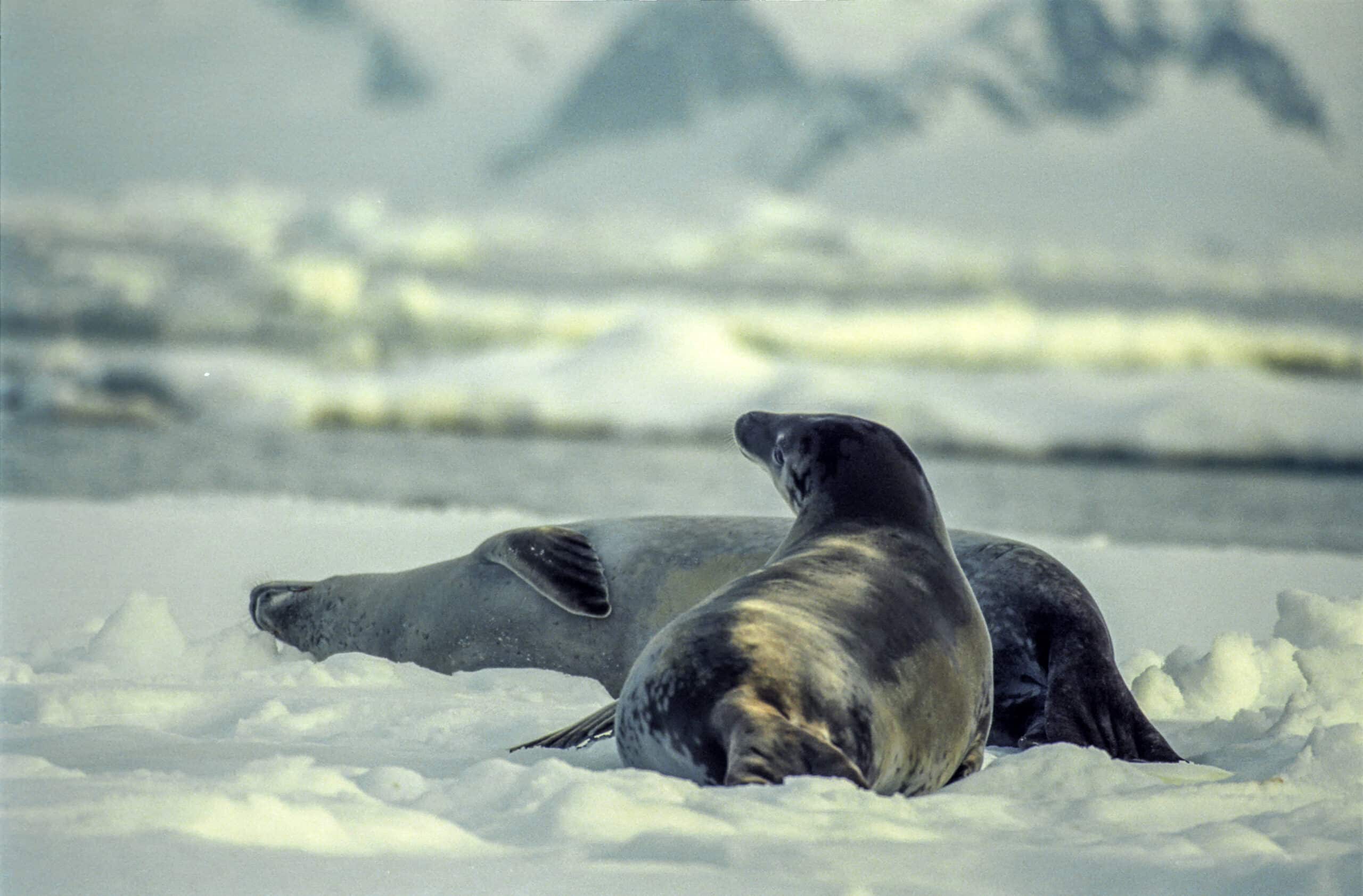
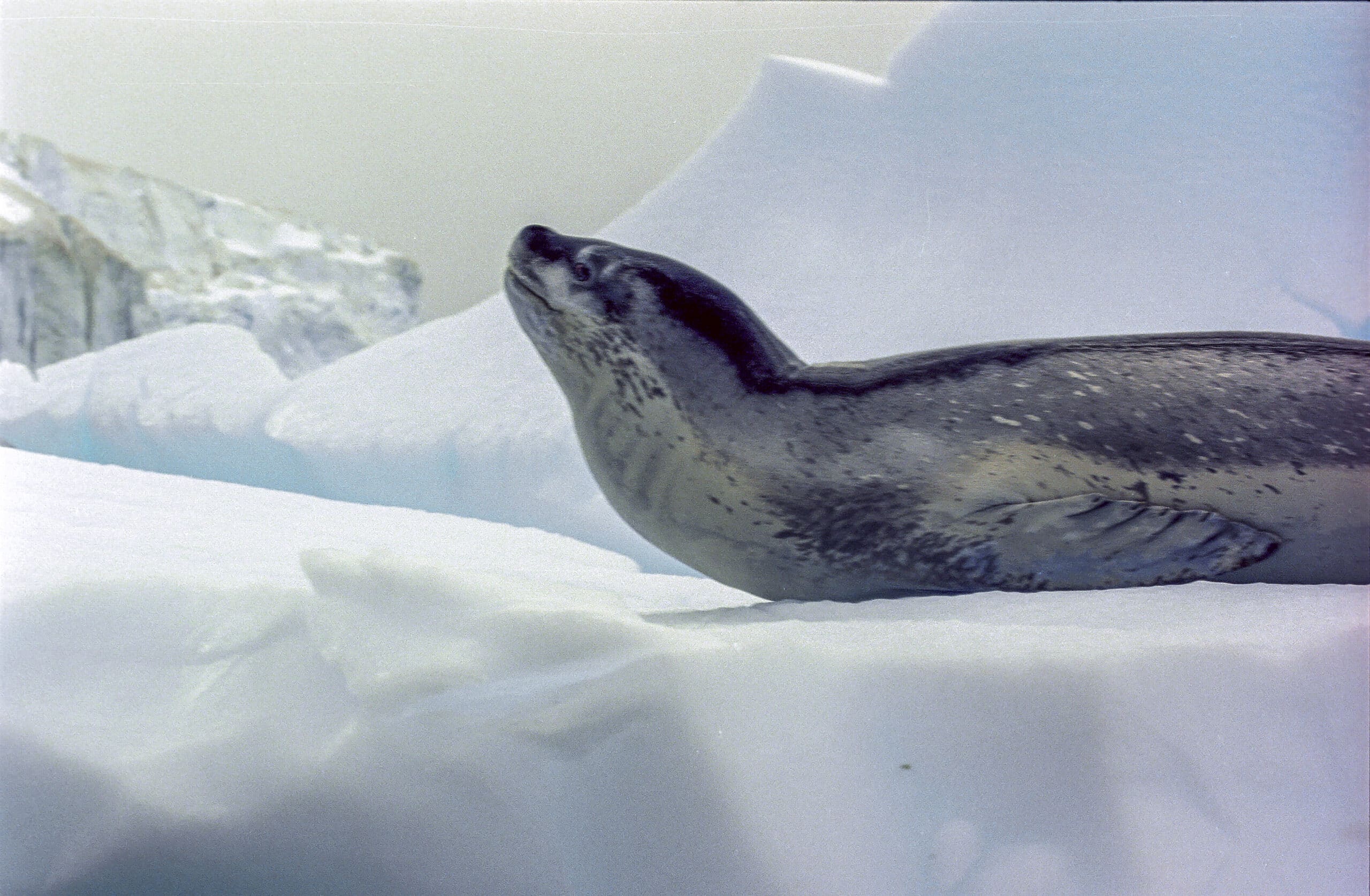
With their sleek bodies and spotted fur, leopard seals have a unique look that helps them blend in with the icy surroundings. They belong to the mammal family and can swim with grace and speed, making them excellent hunters in the frigid waters.
Leopard seals have a varied diet, munching on delicious seafood. They often feast on fish, squid, and even penguins, making them one of the top predators in their icy environment.
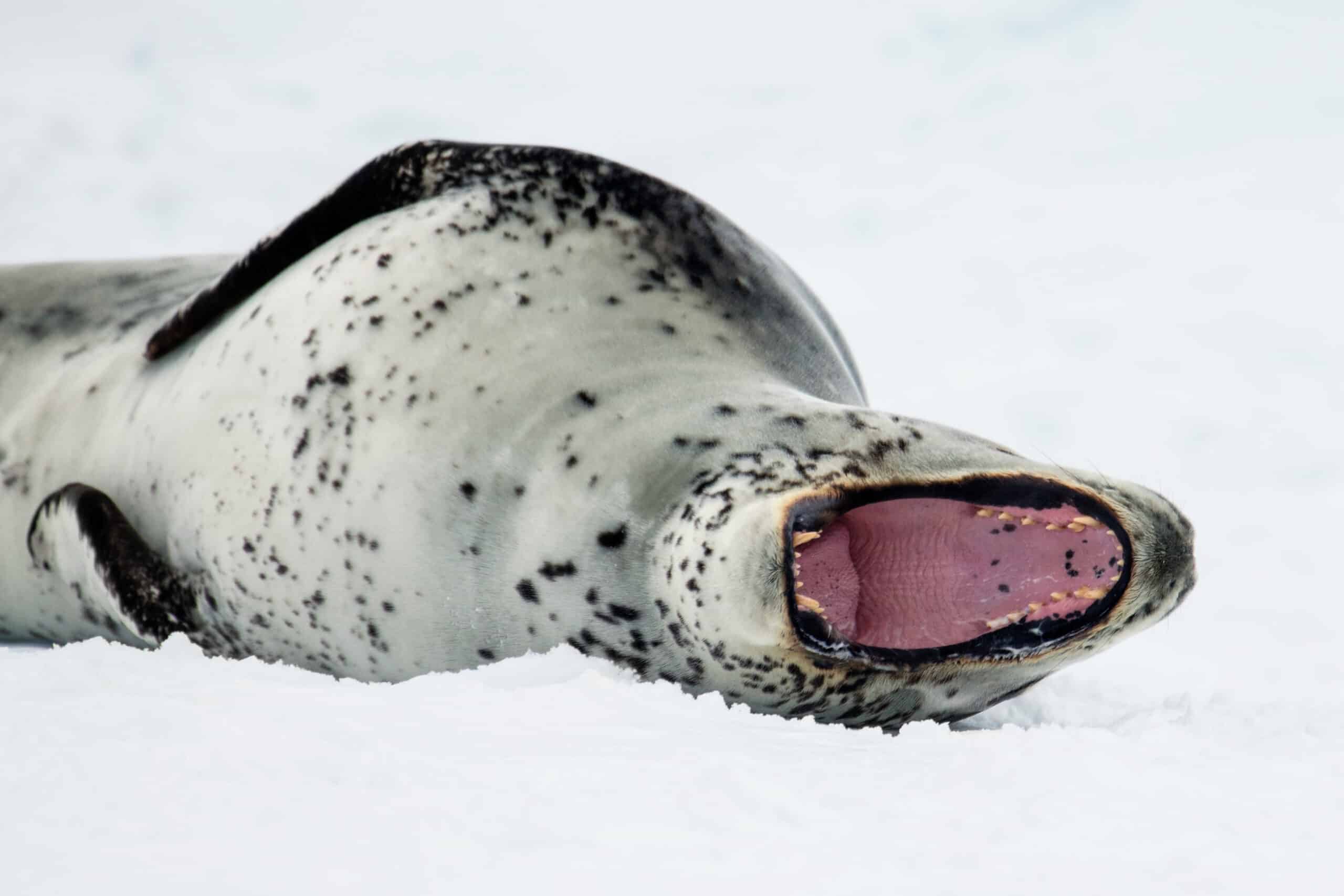
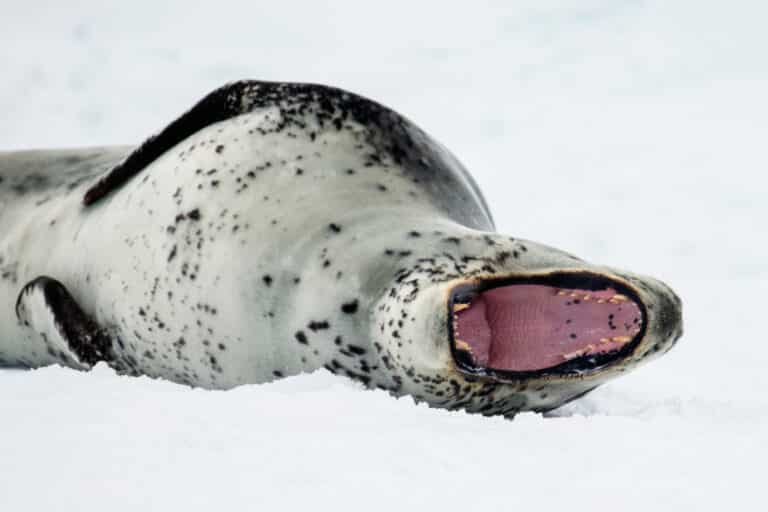
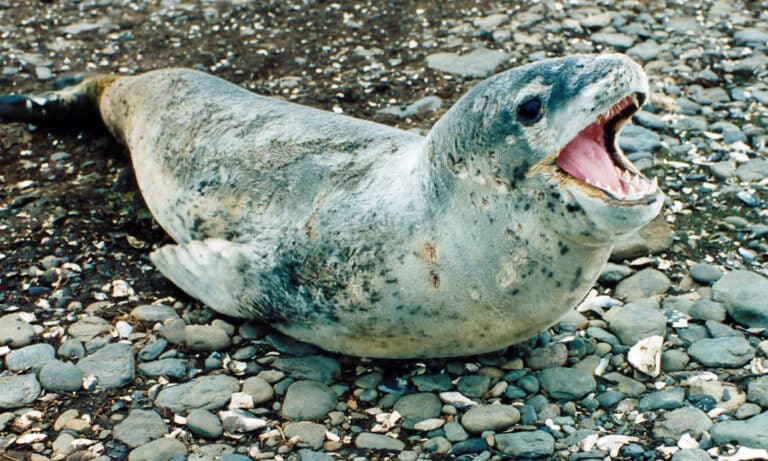
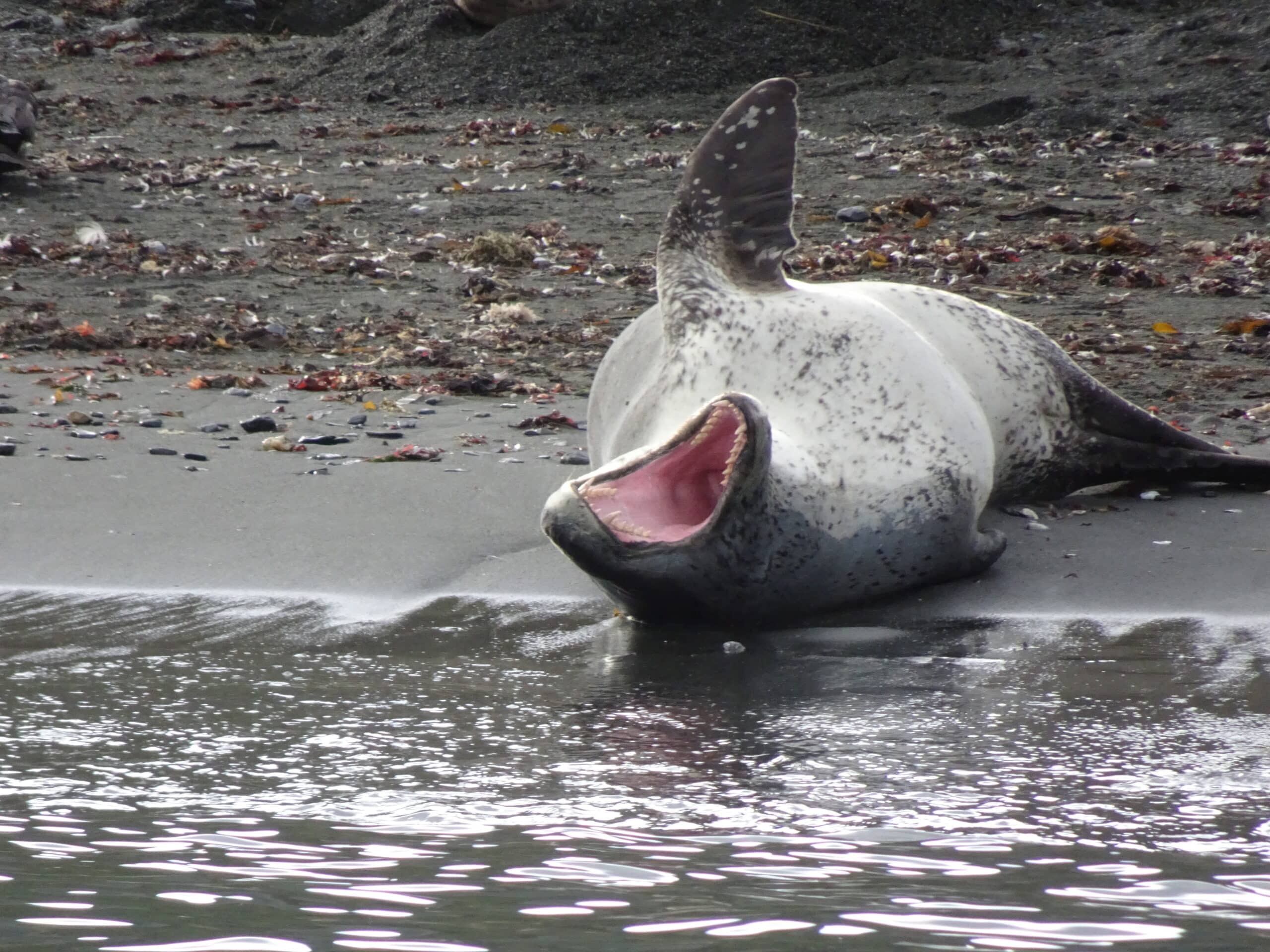
These seals do not just eat anything; they use their sharp teeth and powerful jaws to capture their meals. Leopard seals can be quite playful, often seen leaping and sliding on ice, adding joy to their hunting adventures.
Leopard seals have a lifespan of about 12 to 25 years. With their long lives, they can continue to roam the Antarctic waters, showing off their incredible swimming skills and sharp hunting abilities.

Where can you find a Leopard Seal in the wild?
What does a Leopard Seal eat?
How big can a Leopard Seal grow?
How long does a Leopard Seal typically live?
What is the conservation status of the Leopard Seal?
What are the main threats to the Leopard Seal?
Fun facts
Leopard seals can dive to depths of about 600 meters (1,968 feet) while hunting, showcasing their impressive swimming skills and ability to navigate the deep, dark waters of the Antarctic.


These seals have a special relationship with penguins. Sometimes, they play with them in the water like a game of tag before deciding to munch on them for lunch!
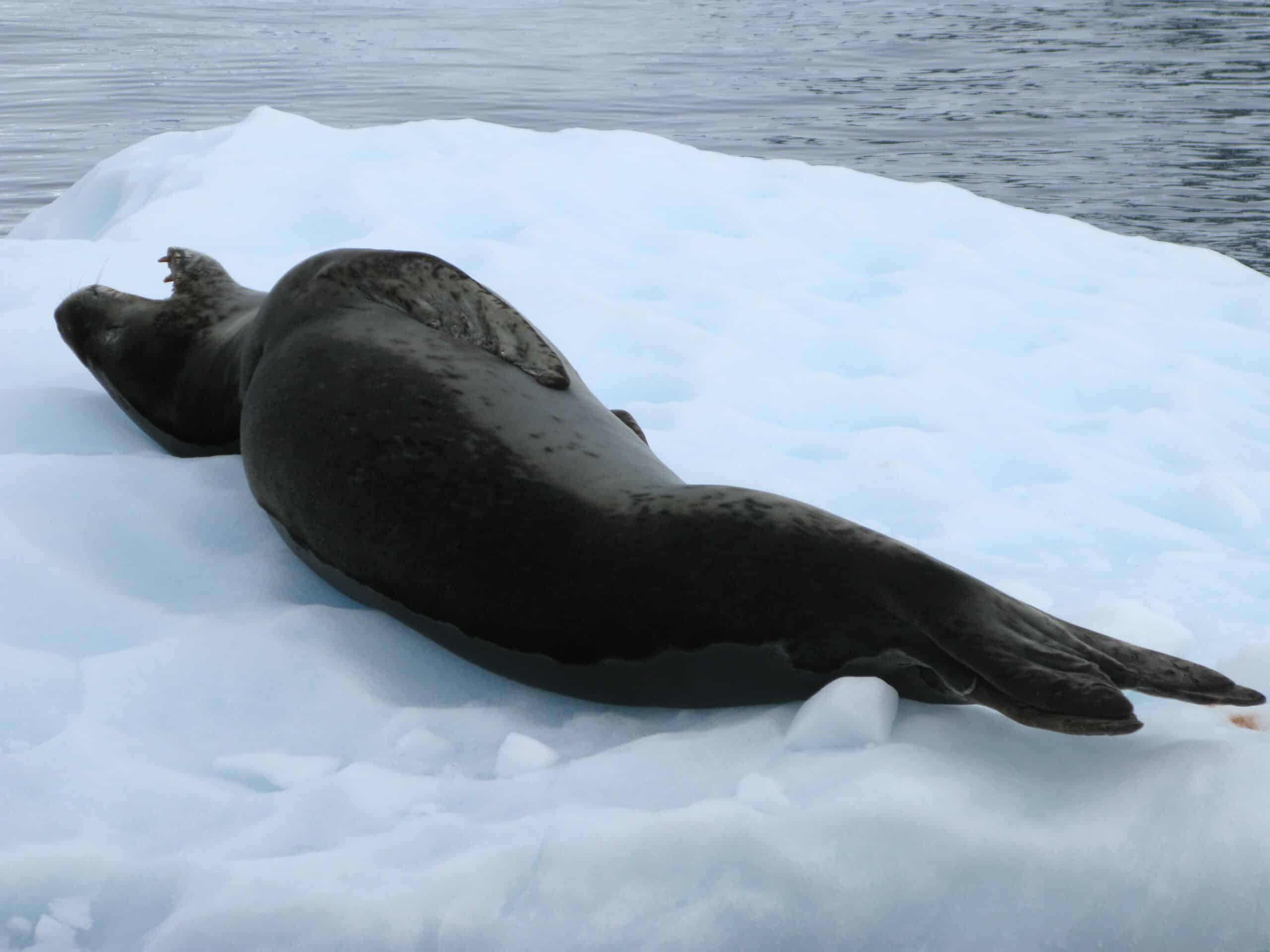
Leopard seals have a loud call that resembles a series of barks and growls, allowing them to communicate with one another above and below the water.
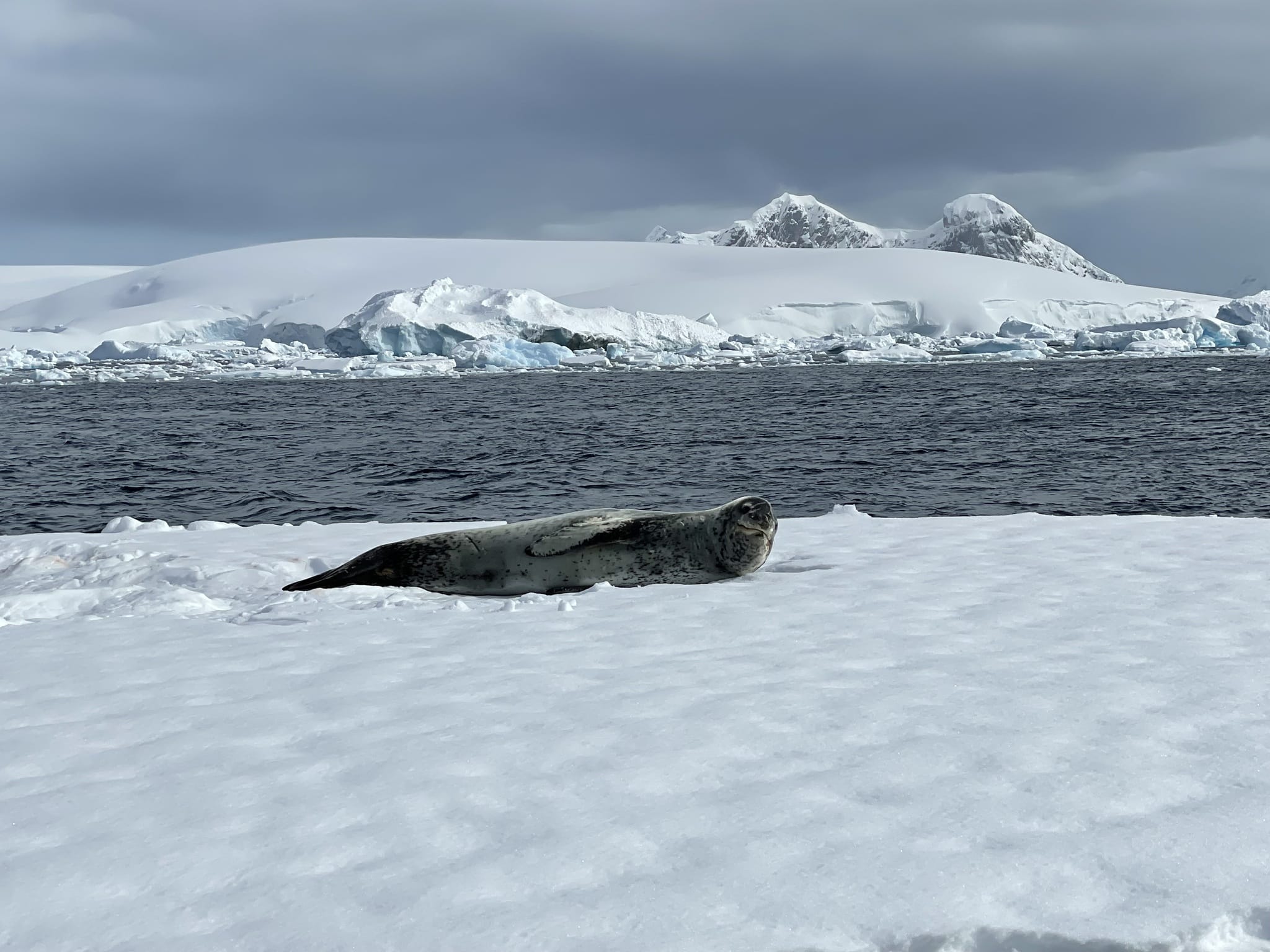
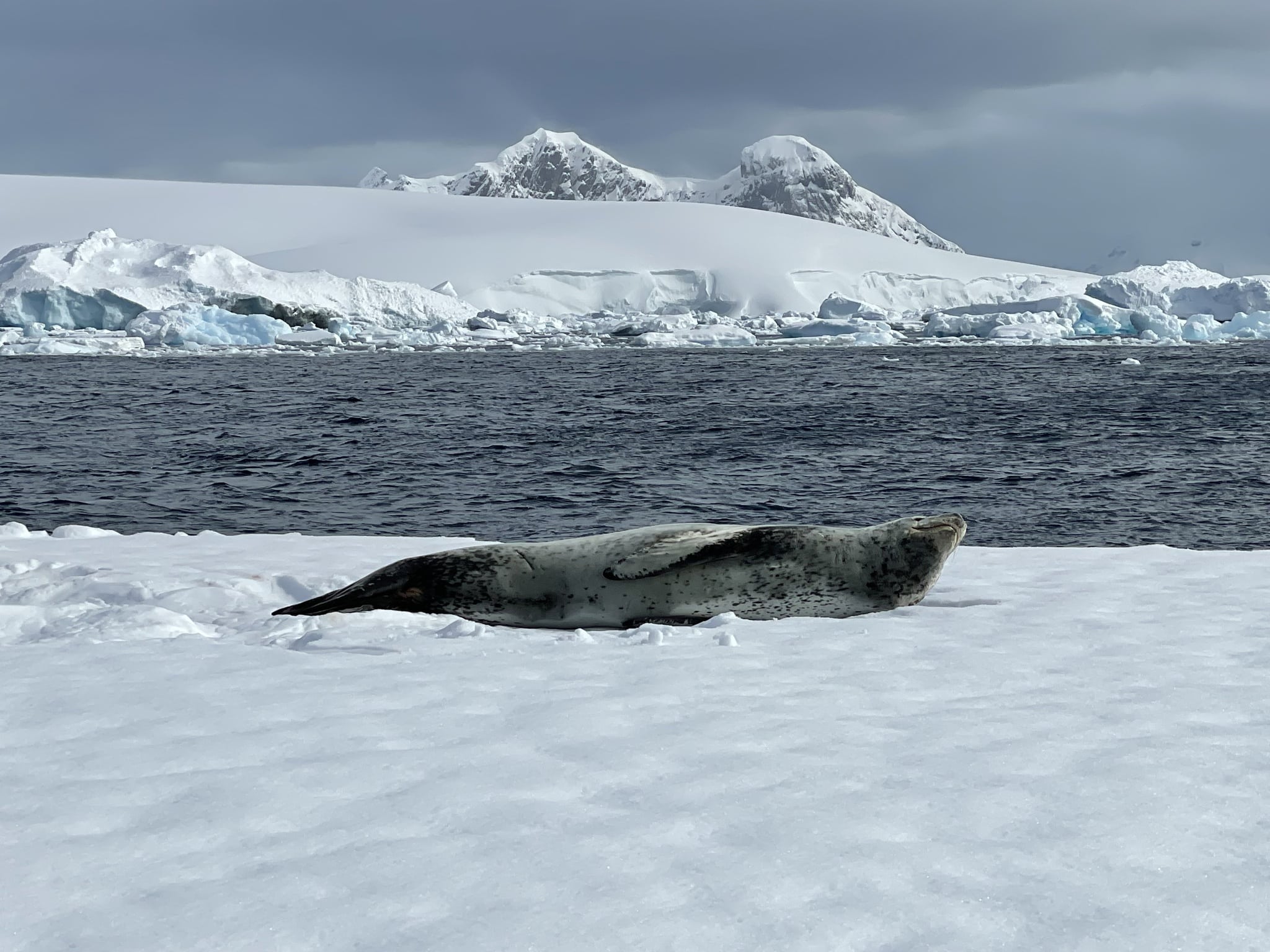
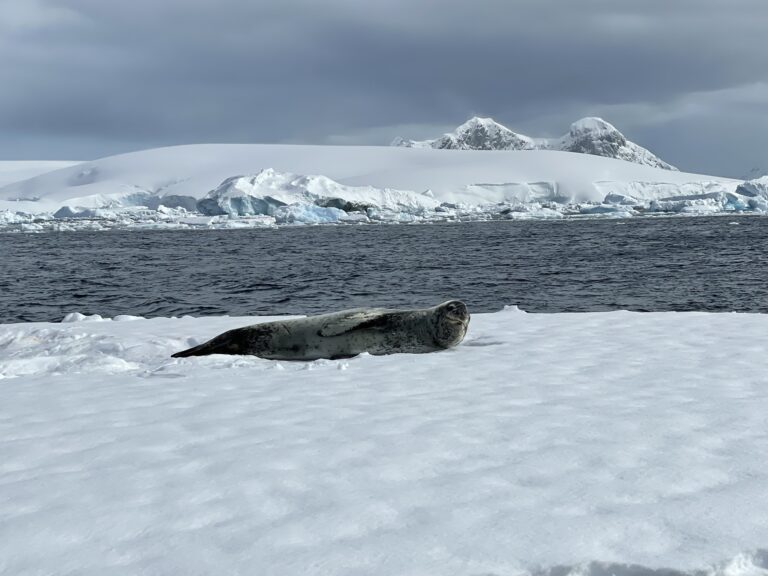
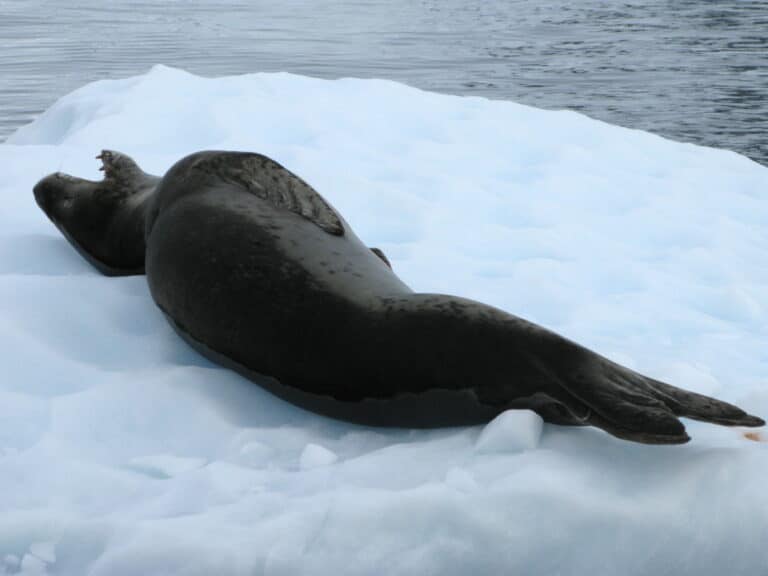
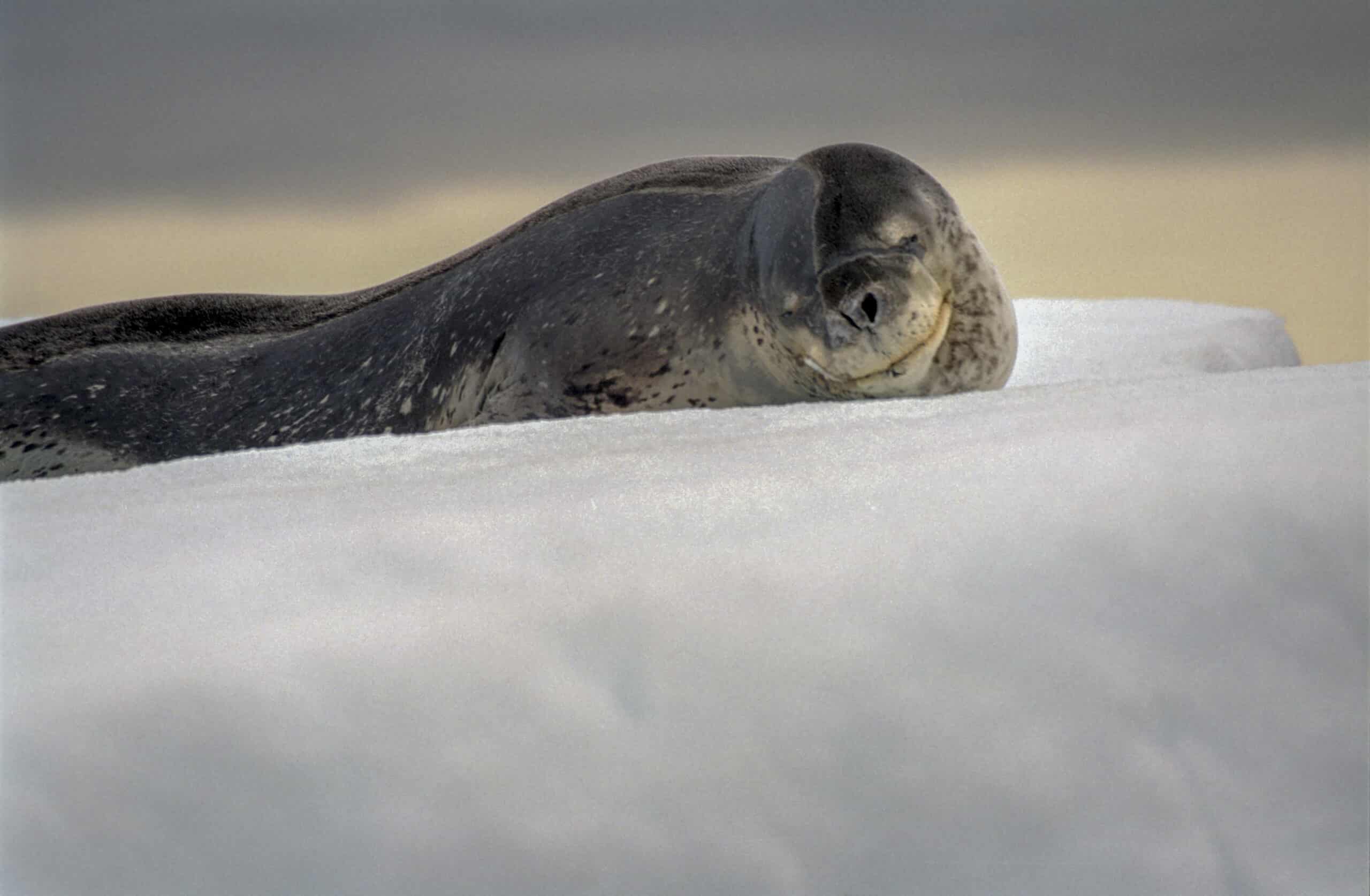
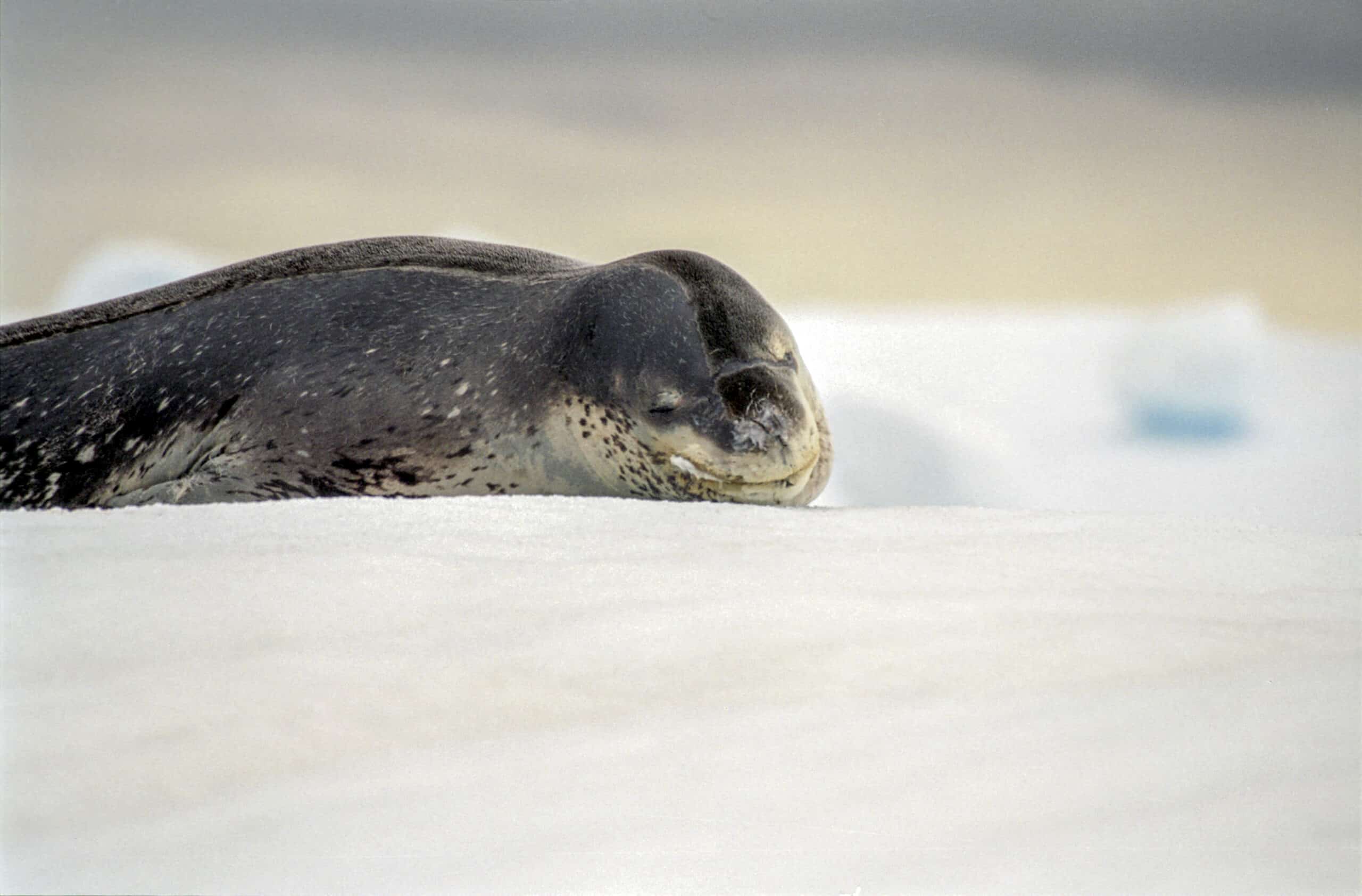
During the summer months, leopard seals can be found basking on ice floes, where they enjoy sunbathing and taking leisurely naps after a long day of hunting.
Scientists believe that leopard seals use echolocation to find their prey, much like bats do, sending out sound waves to locate fish and squid in the dark depths.
These seals occasionally exhibit unique behaviors, such as leaping out of the water to flip and twist in the air, almost like they are performing a circus act just for fun!
Leopard seals have strong, muscular bodies that allow them to swim up to speeds of 37 kilometers per hour (23 miles per hour), making them speedy hunters in the icy oceans.
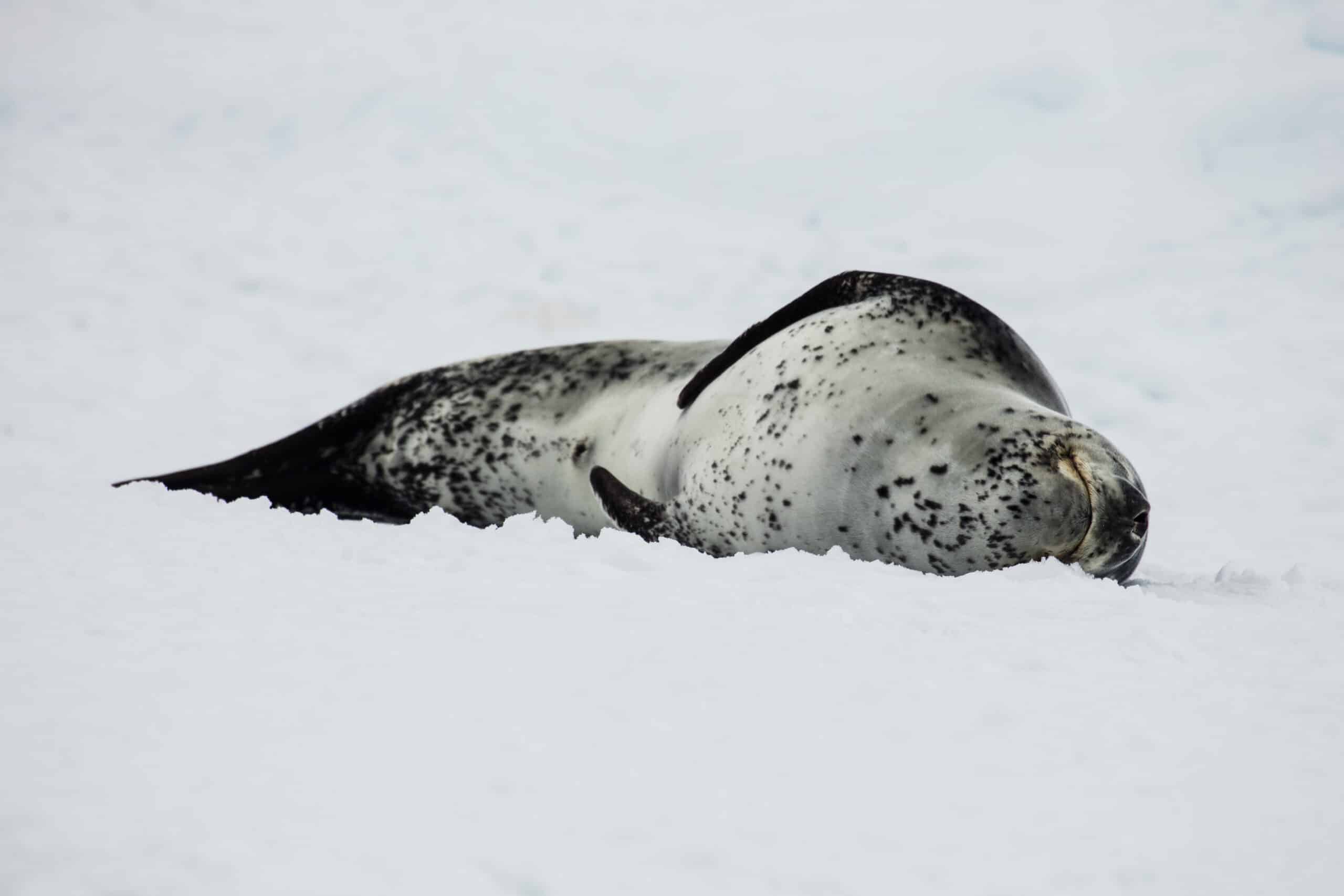
With their spotted fur pattern, these seals blend perfectly with the ice and water, helping them sneak up on their prey without being noticed!
Leopard seals can be curious creatures, often approaching divers and researchers in the water to check them out, as if they are asking for a friendly chat!
Each leopard seal has a unique pattern of spots on its fur, similar to human fingerprints, making them easy to identify like nature's own version of a special badge.
Photos





The Basics


explore more
Amphibians
Arachnids
Birds
Cats
Crustaceans
Fish
Fish Pet Guide
Gastropods
Insects
Invertebrates
Mammals
Pet Fish
Pet Rodents
Plants
Reptiles
Roundworms
Sea Slugs