Successfully copied to clipboard!
Lesser Scaup
Explore lively waters with joyful feathered friends!
Let’s Explore
Overview
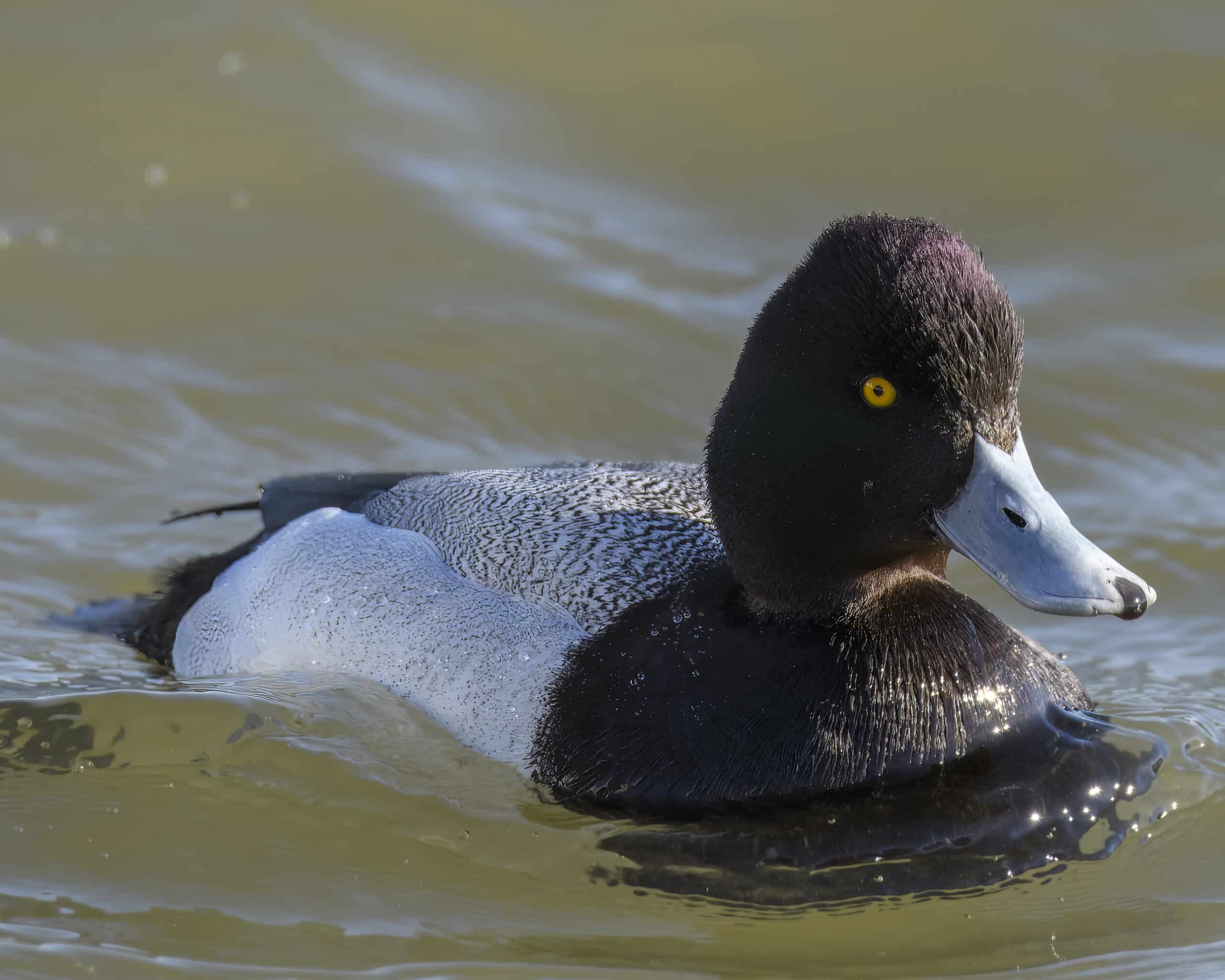
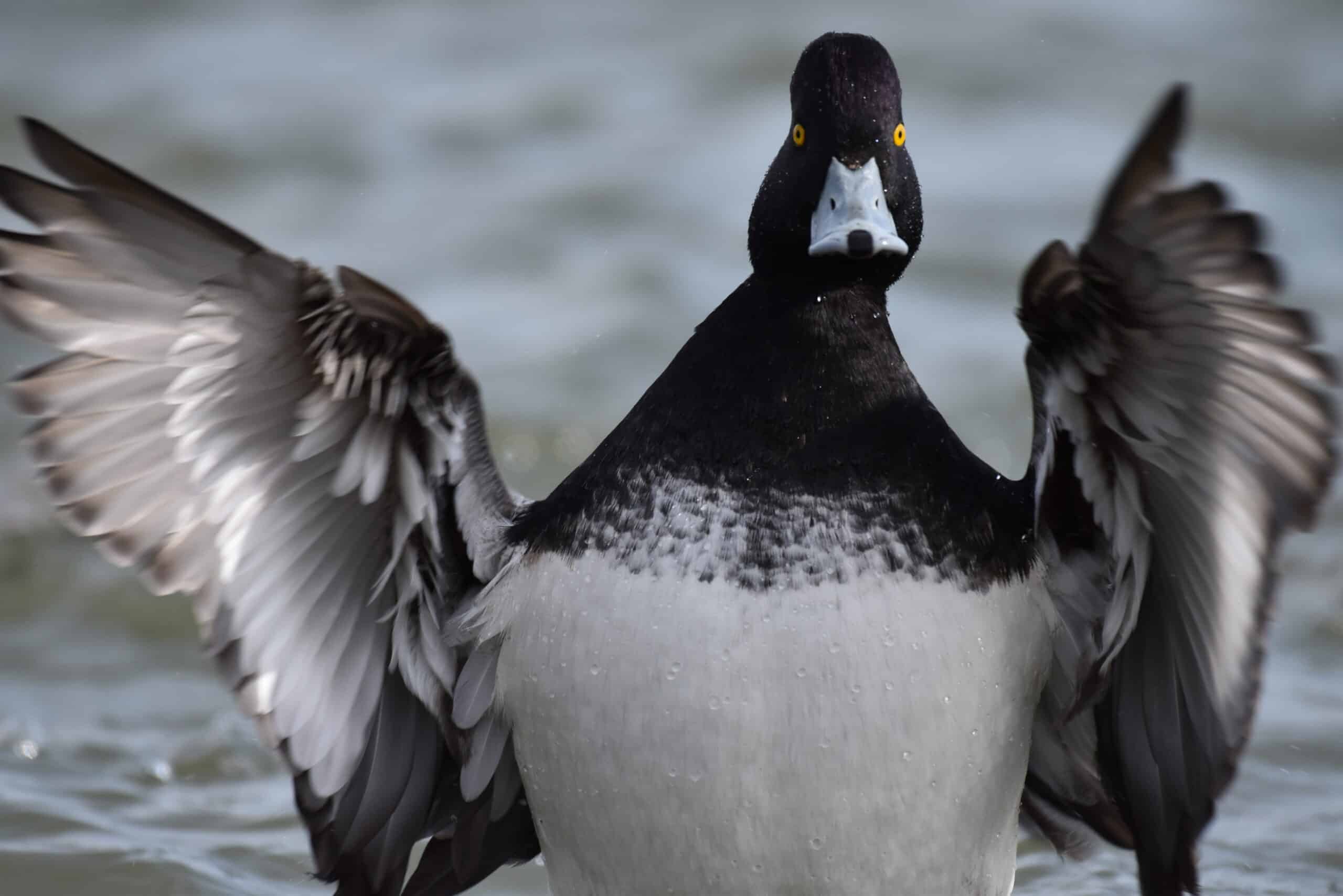
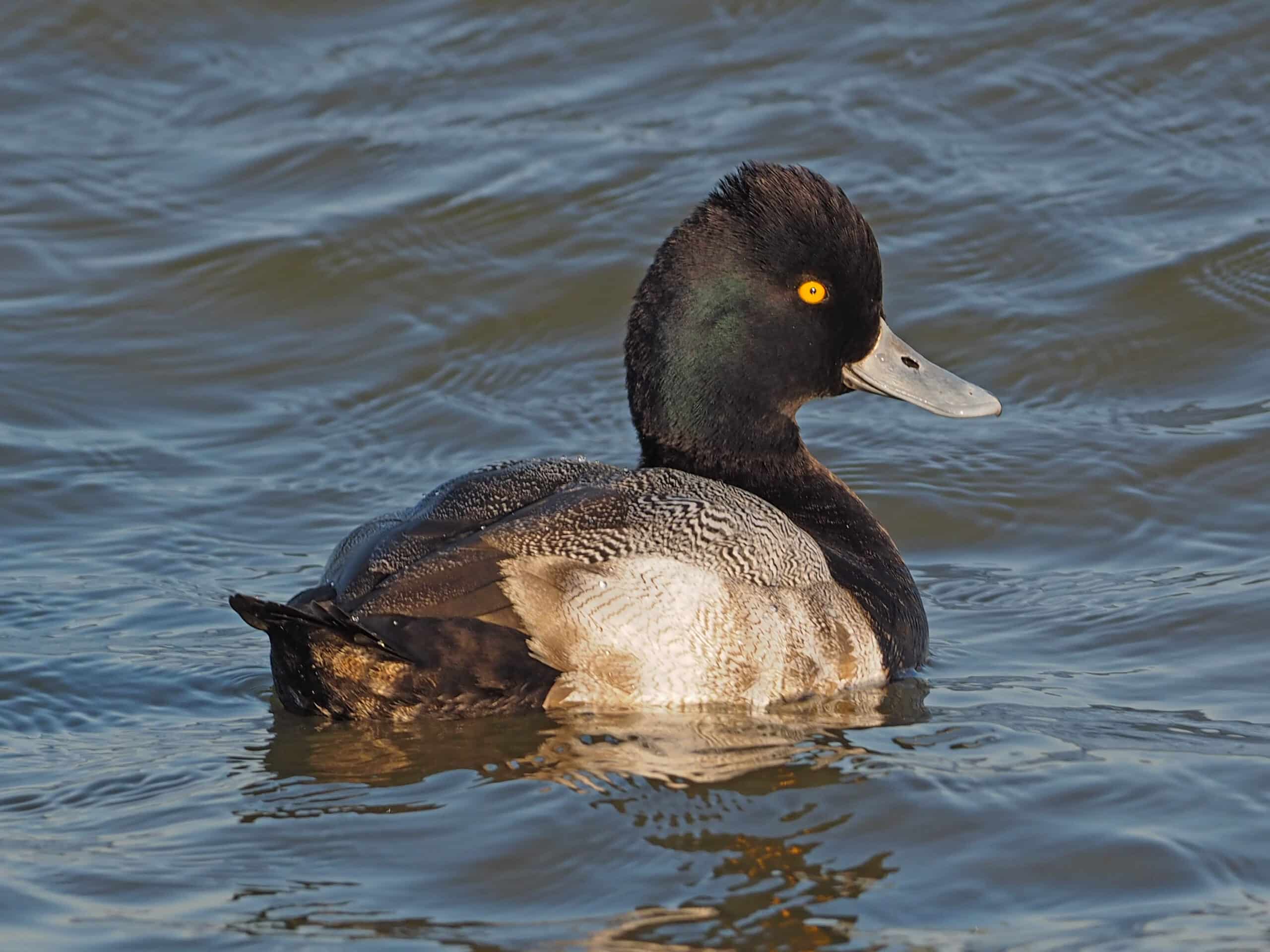
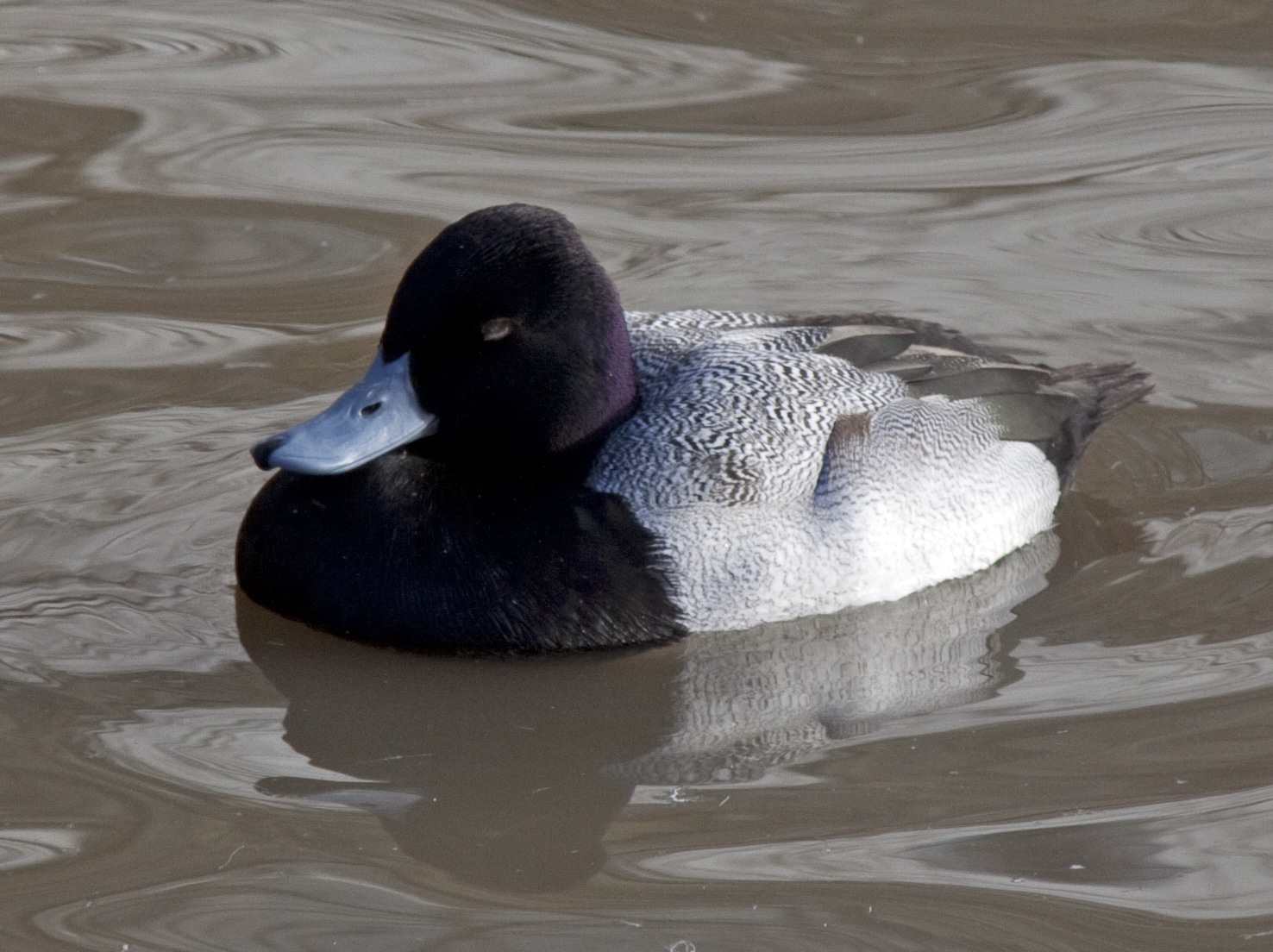
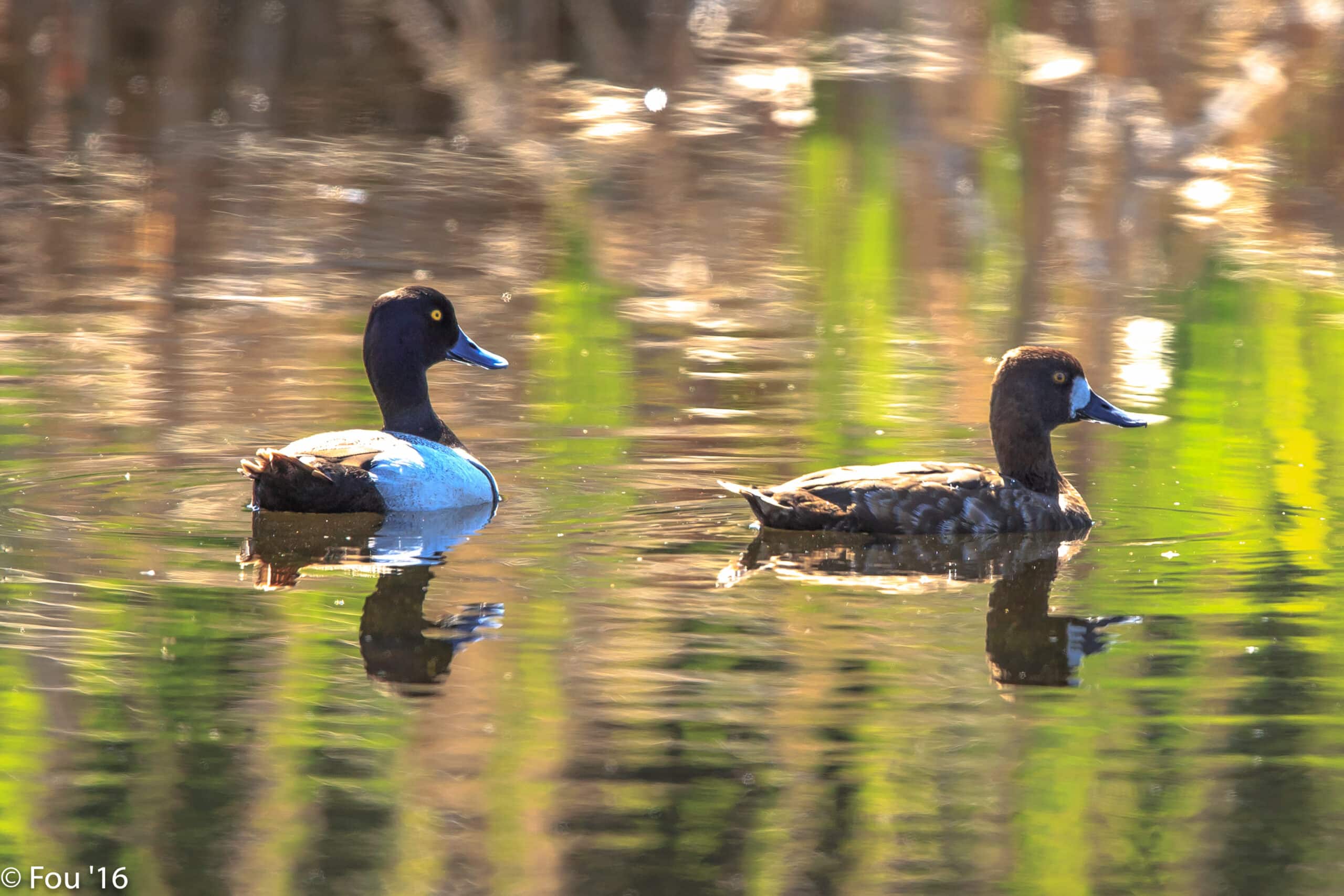
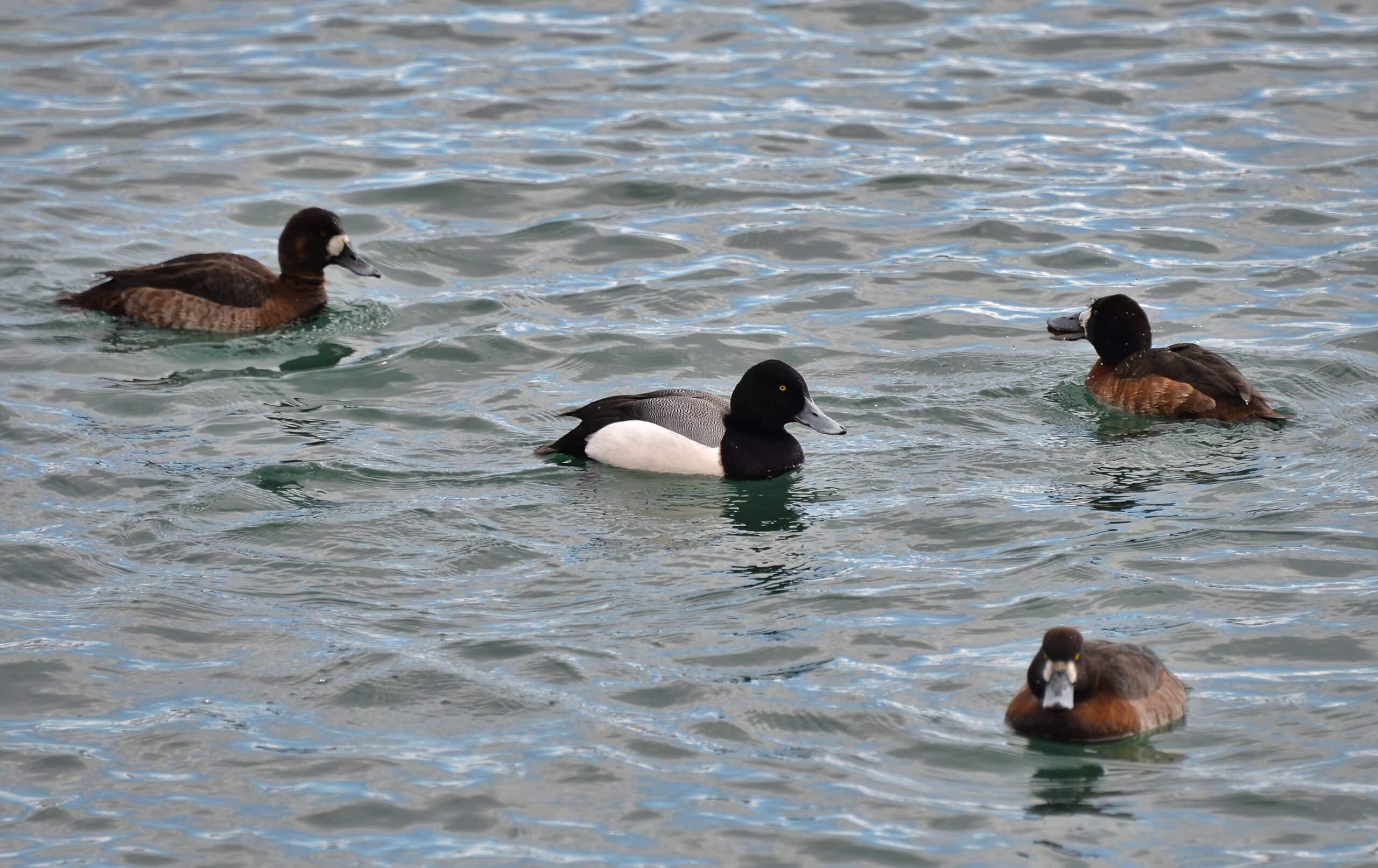
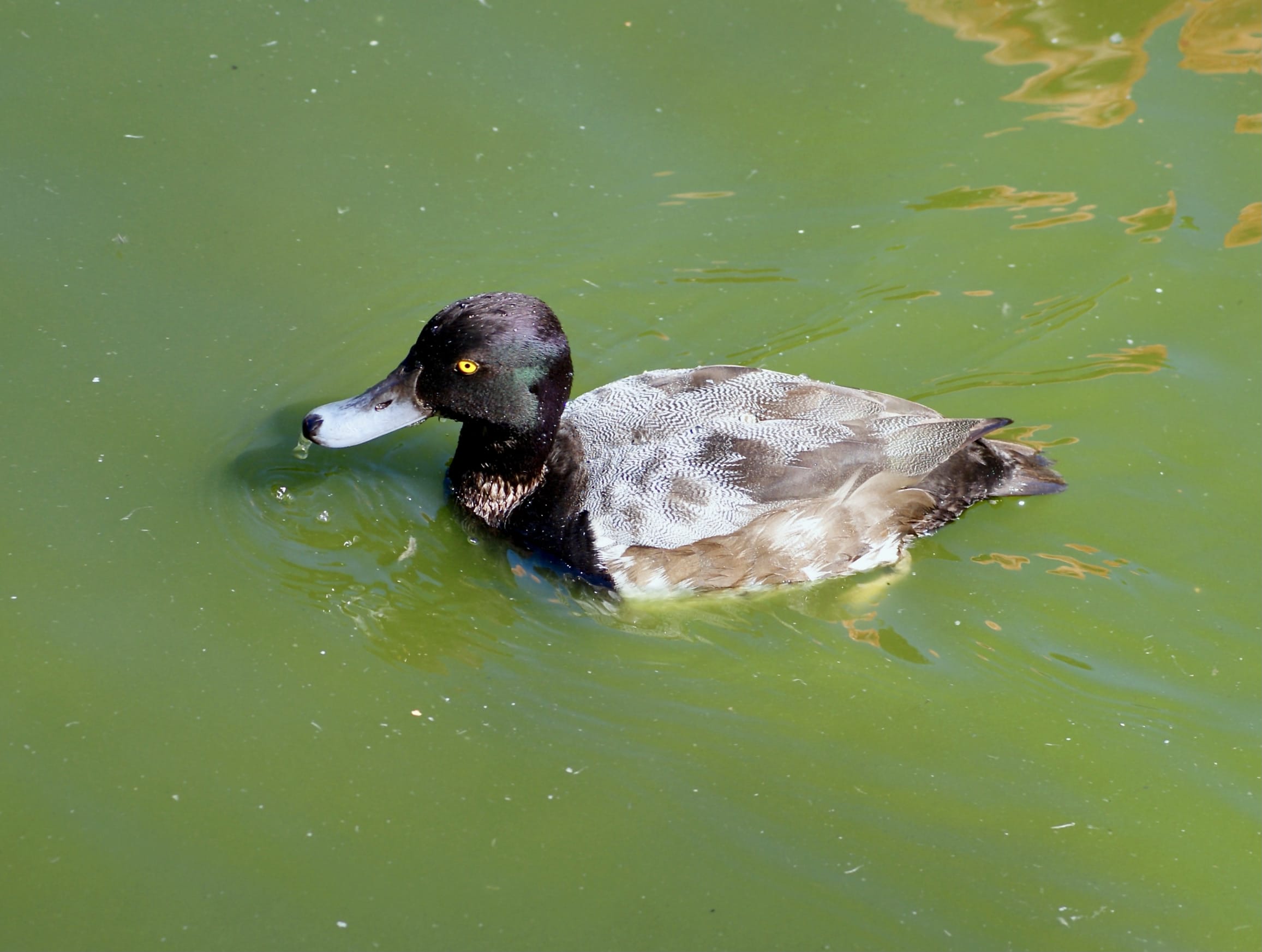
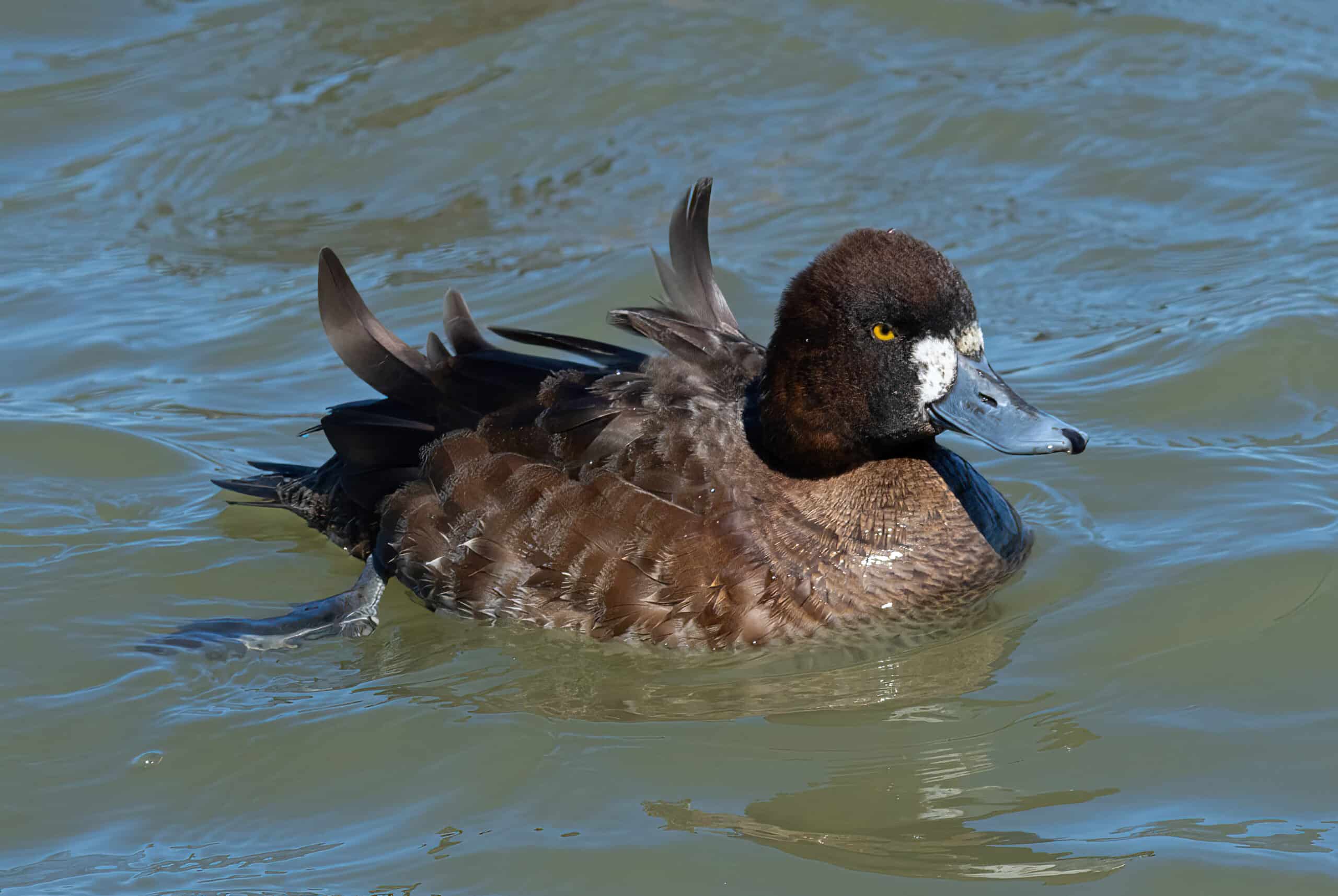
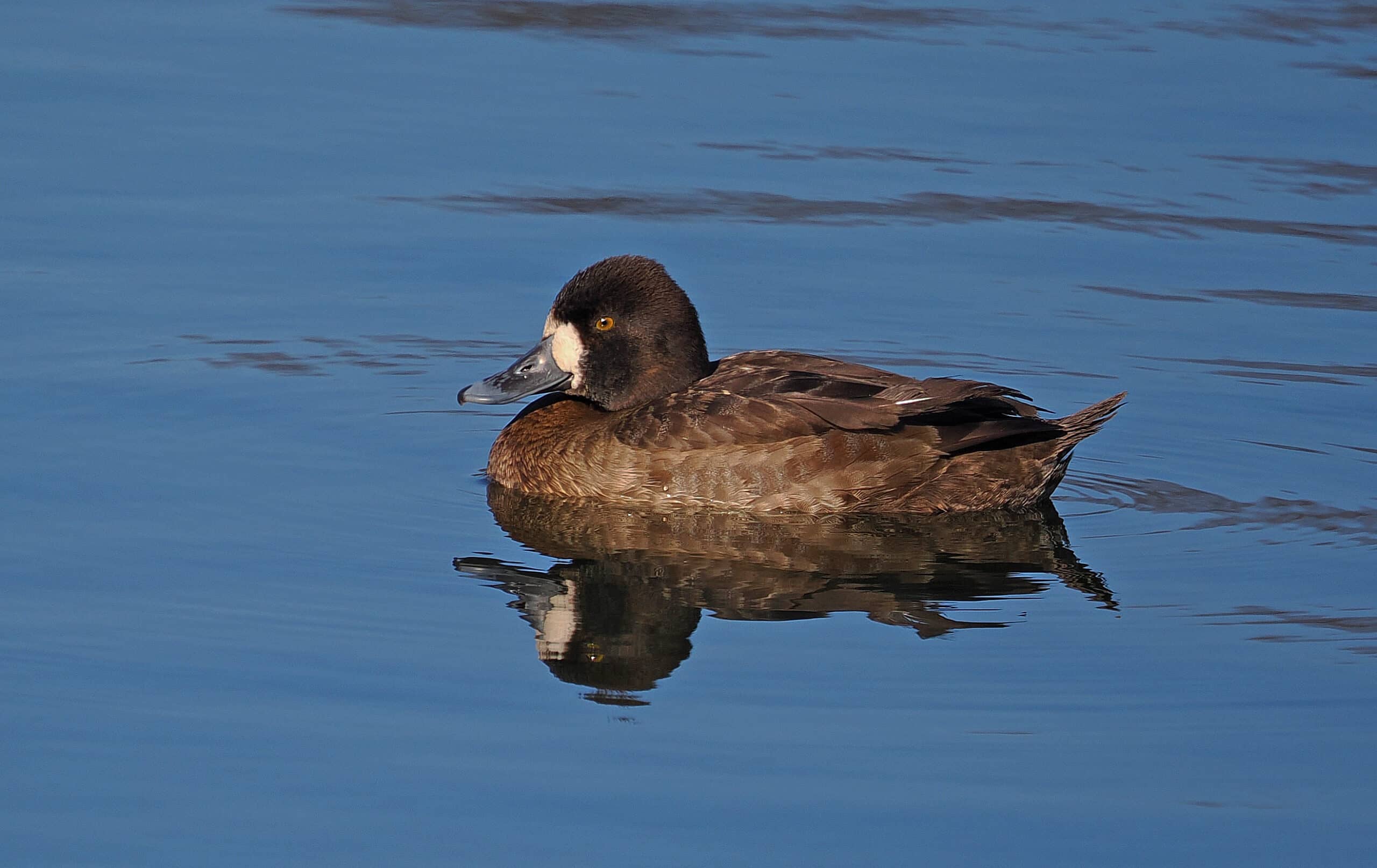
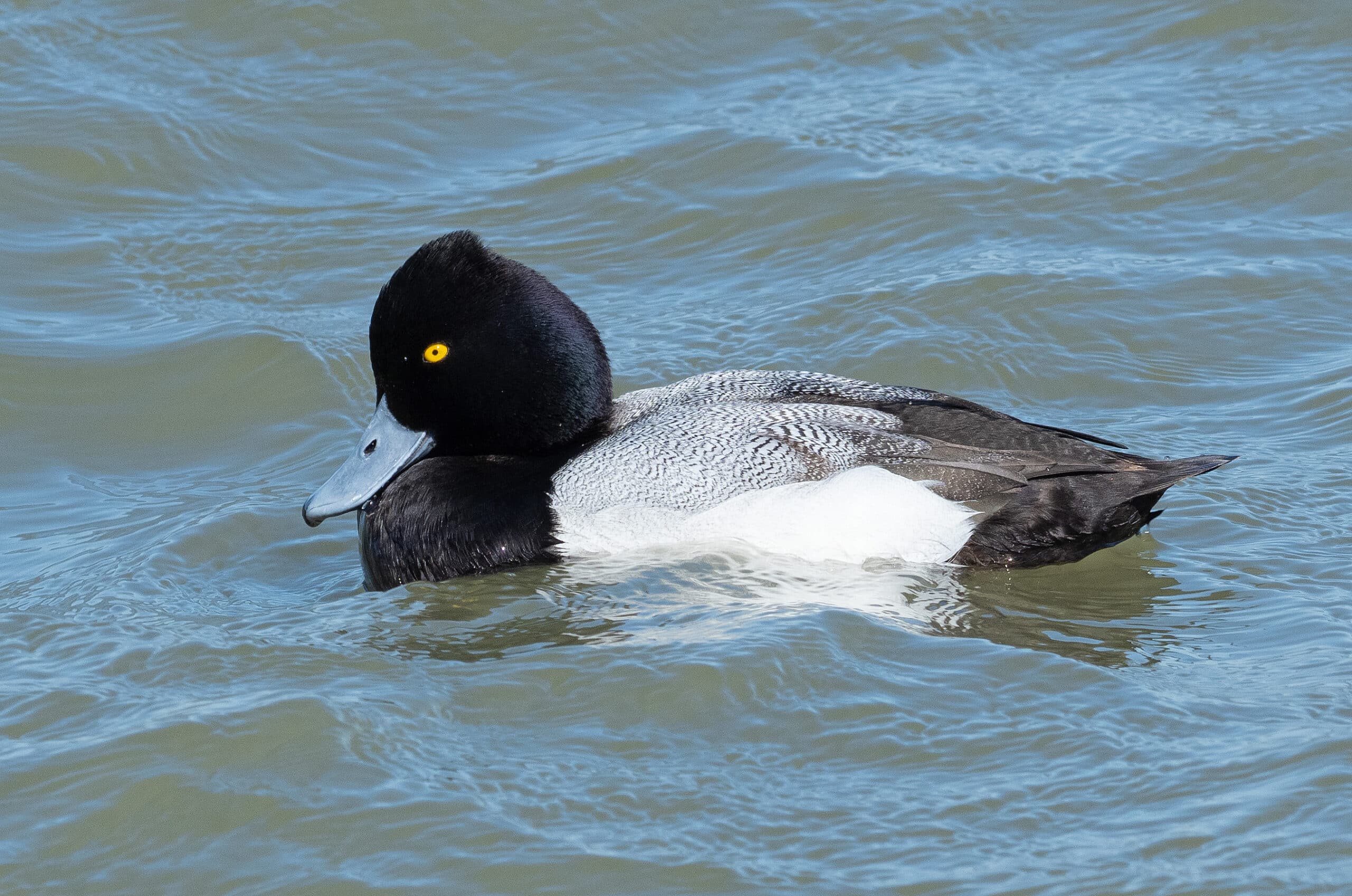
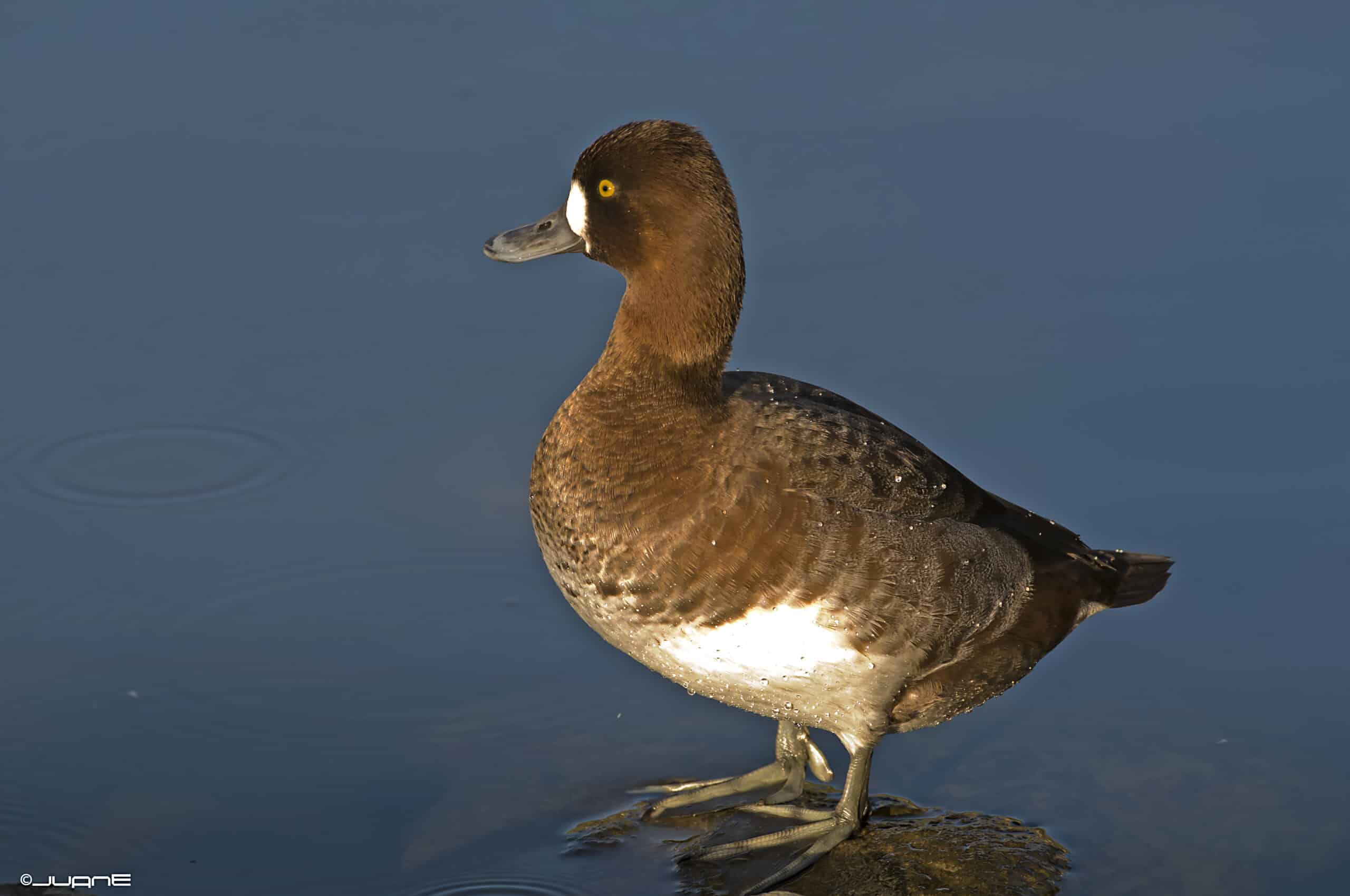
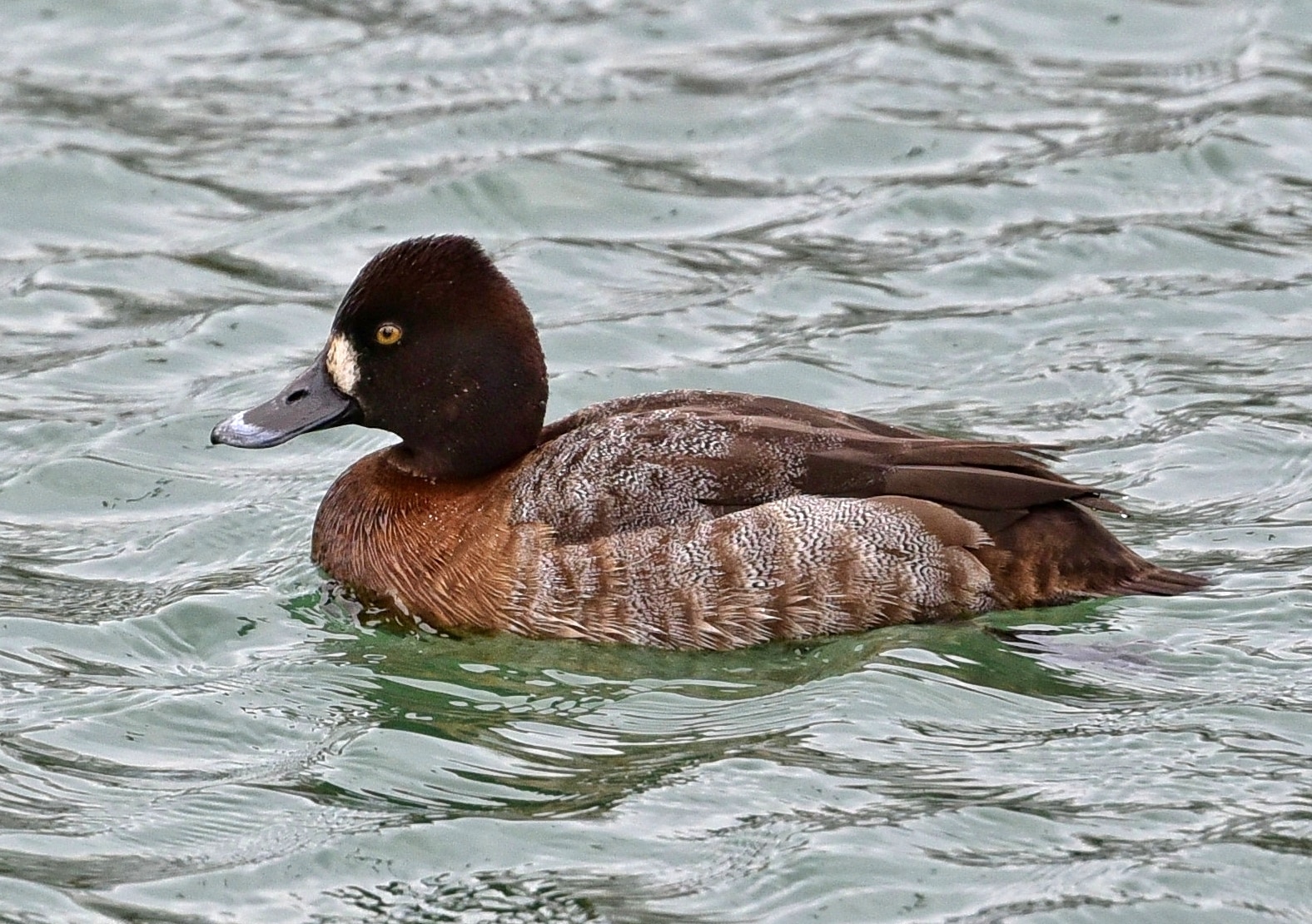
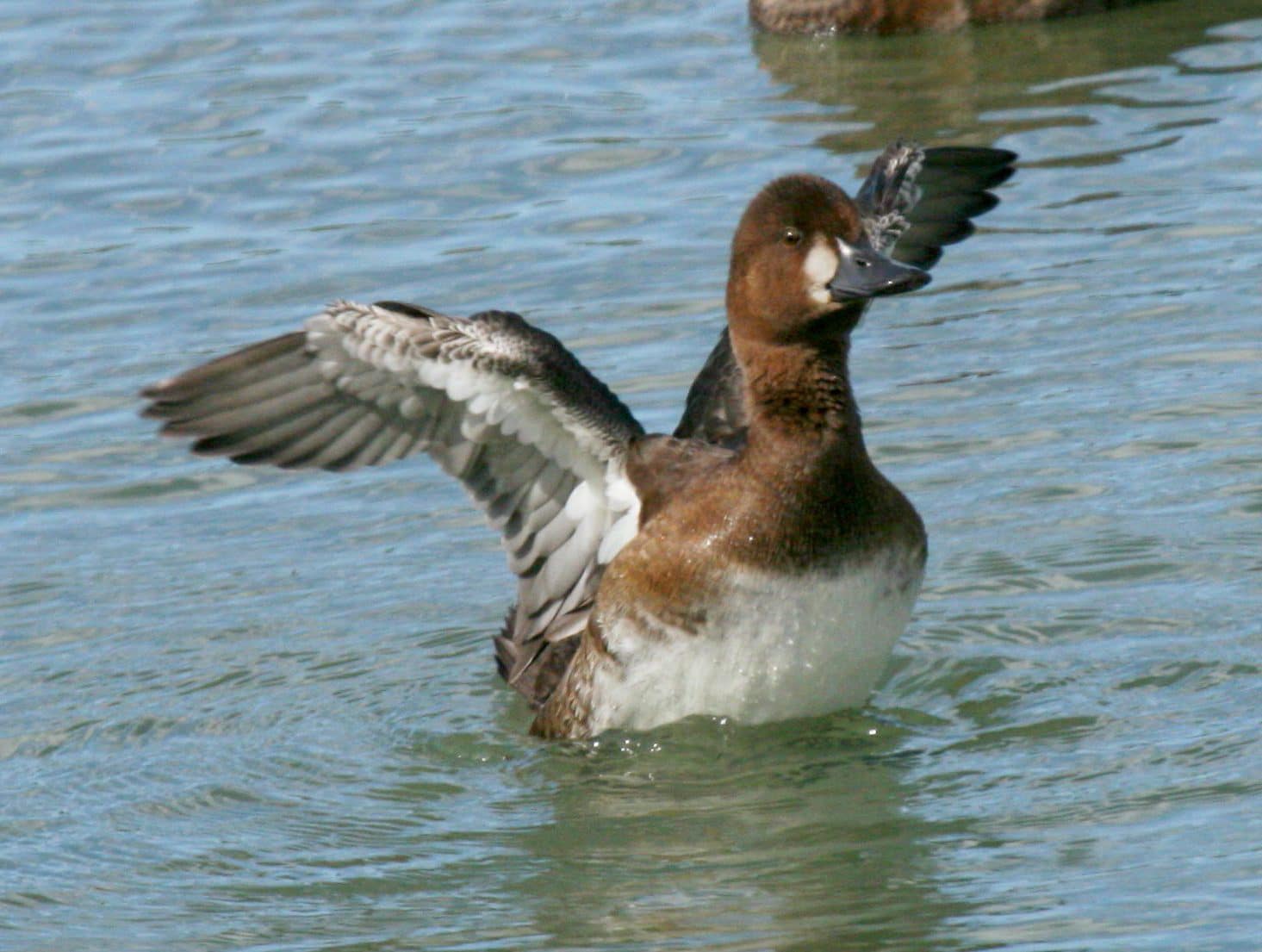
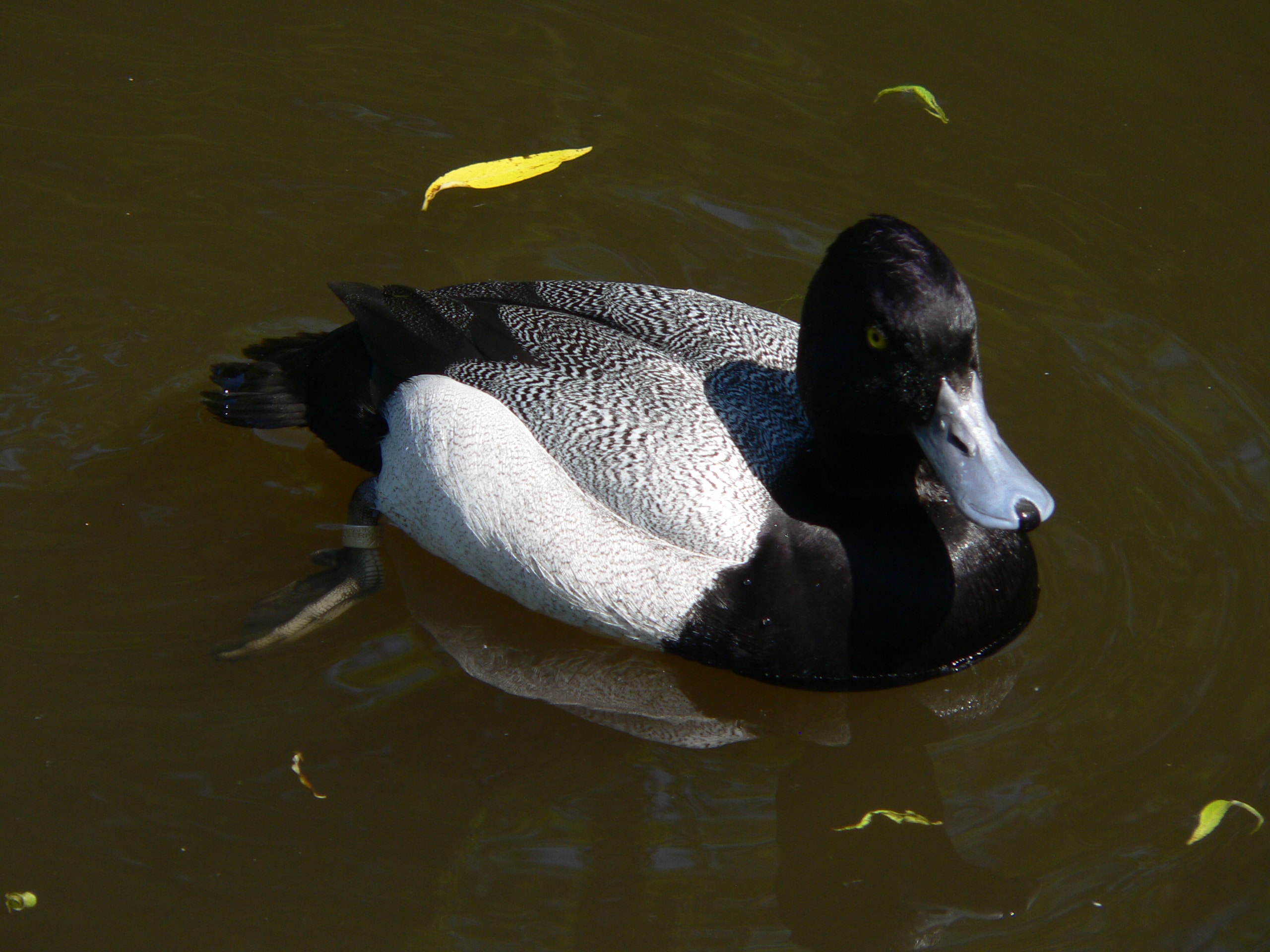
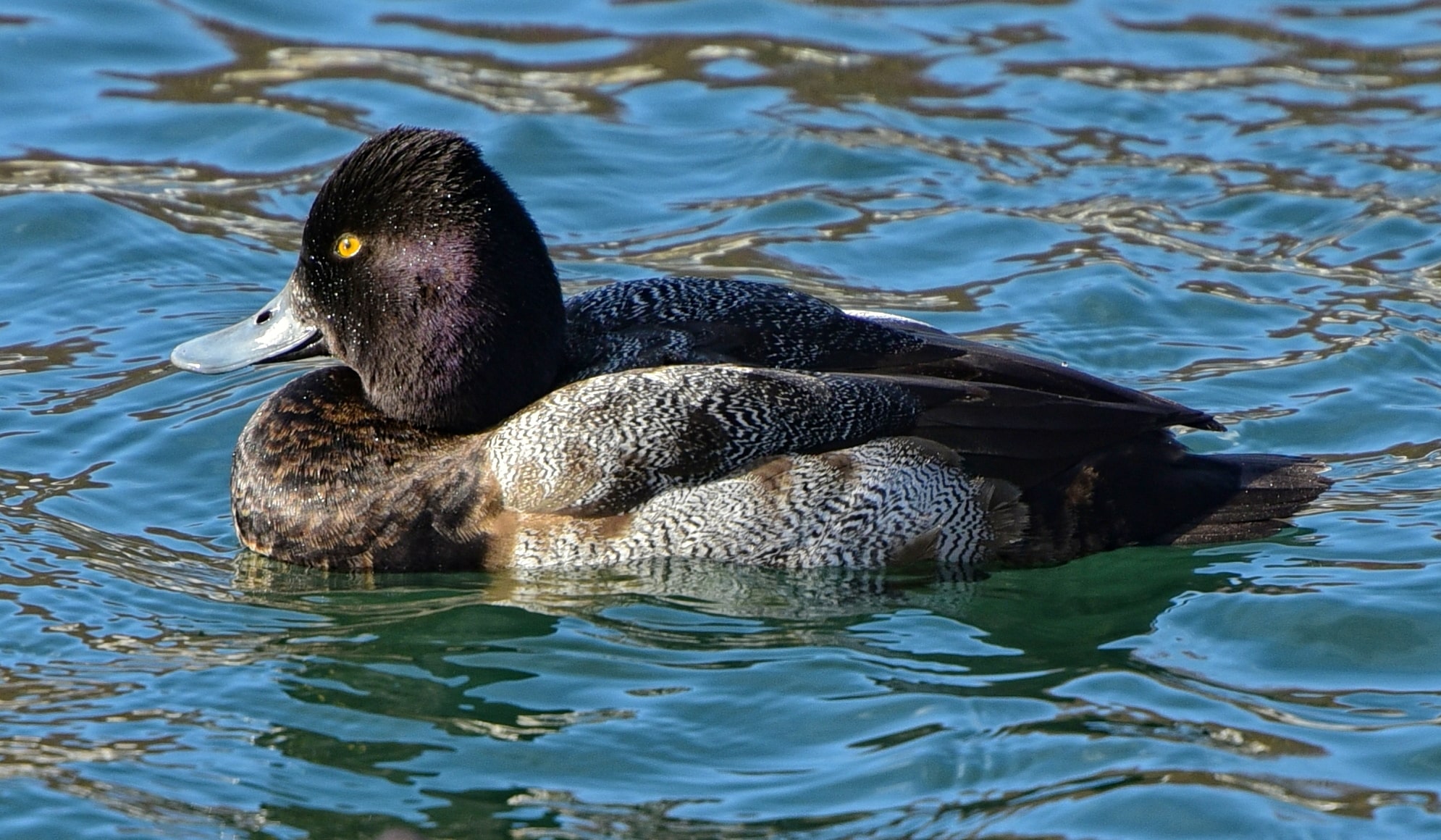
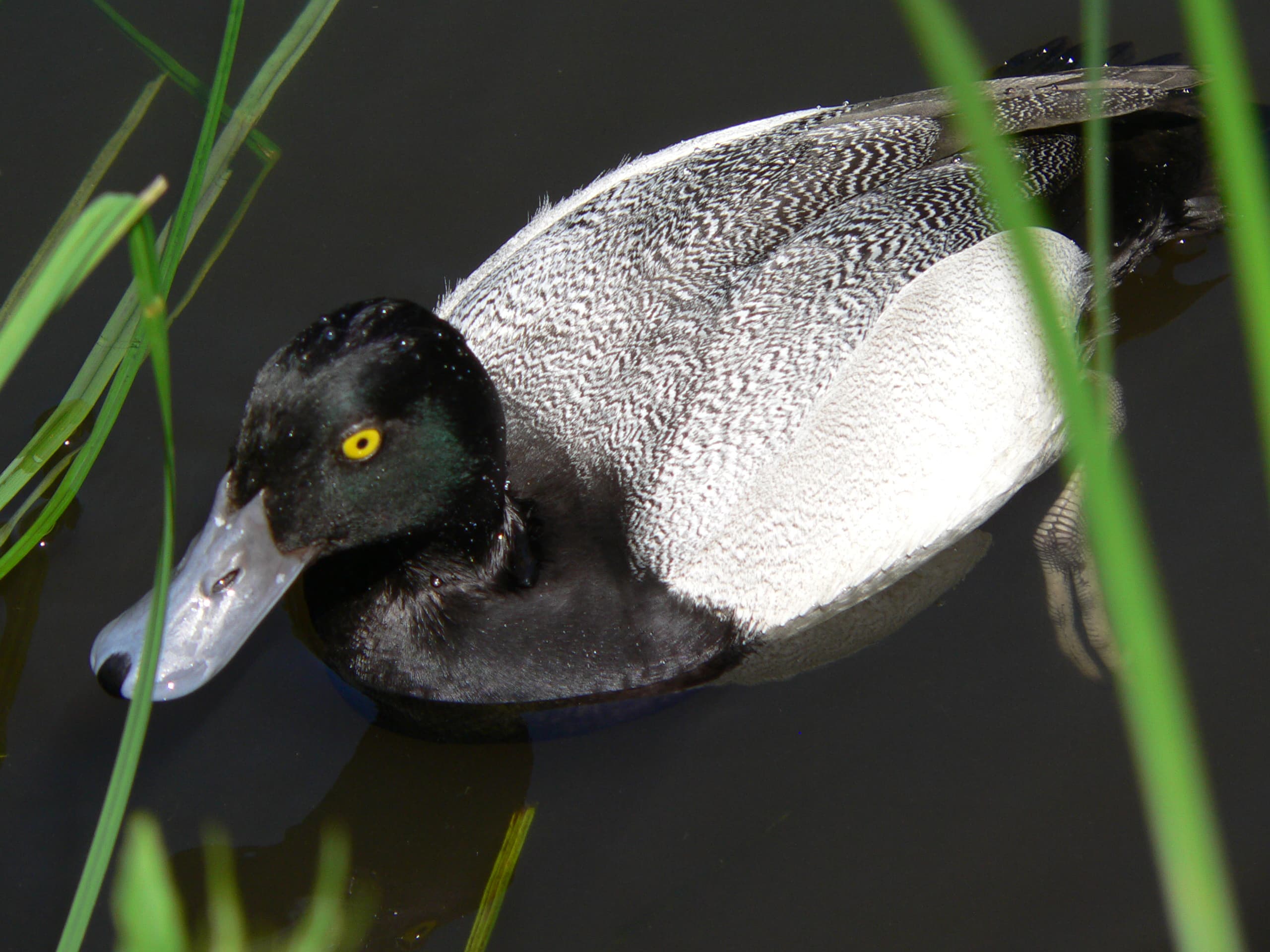
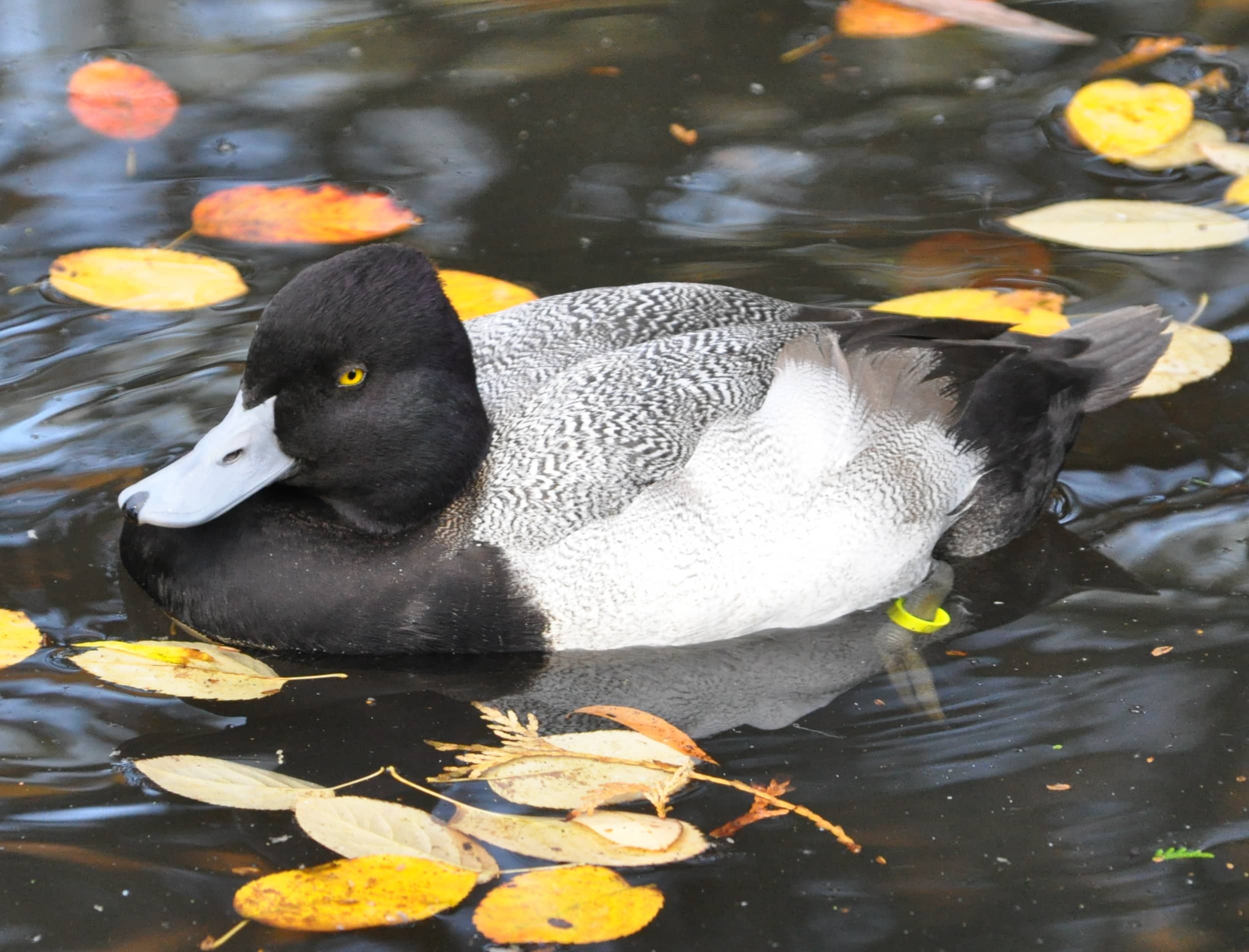
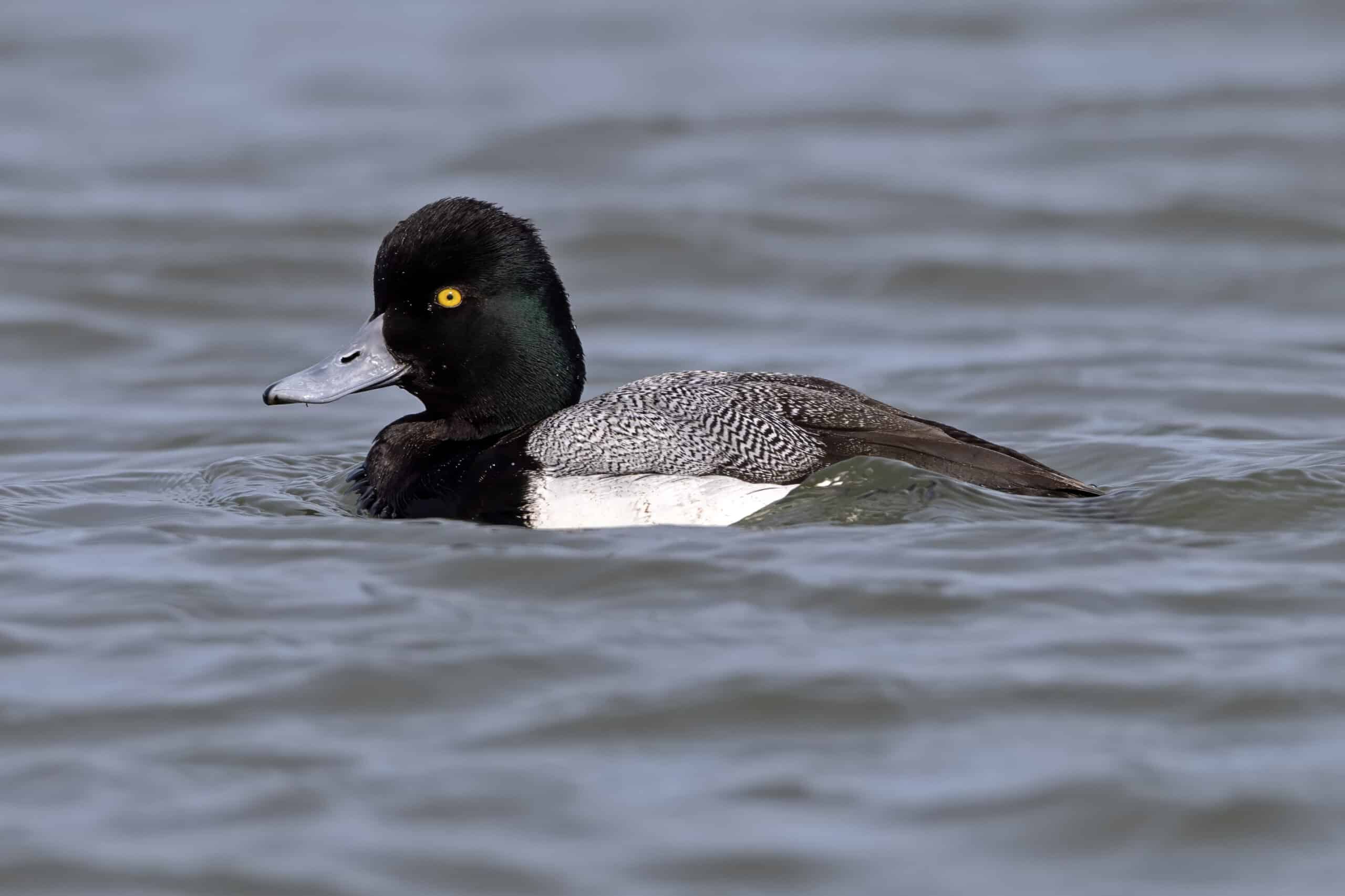
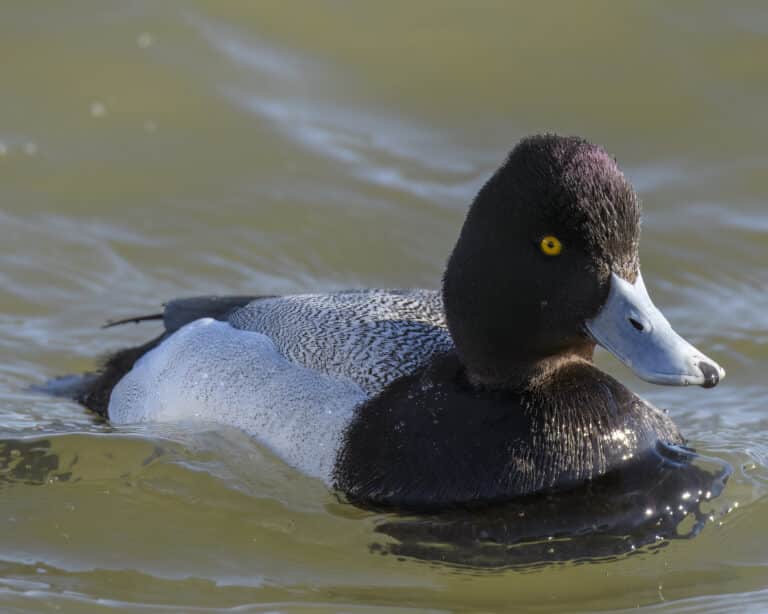
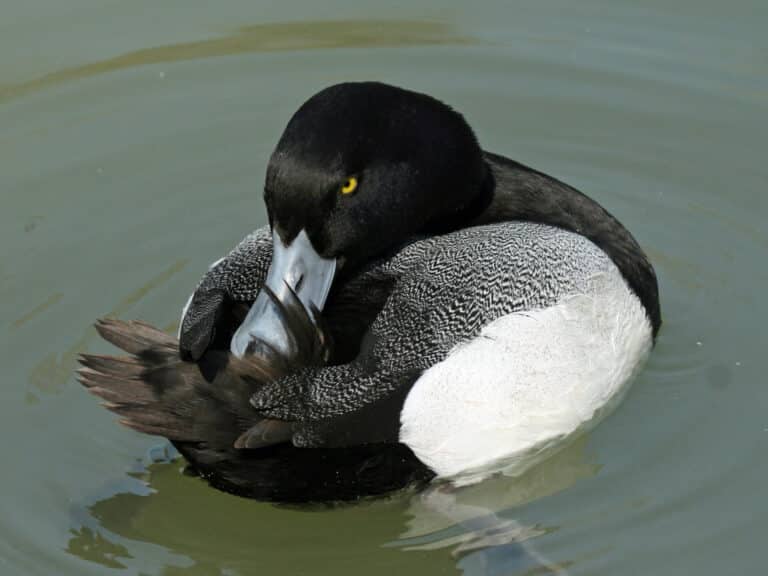
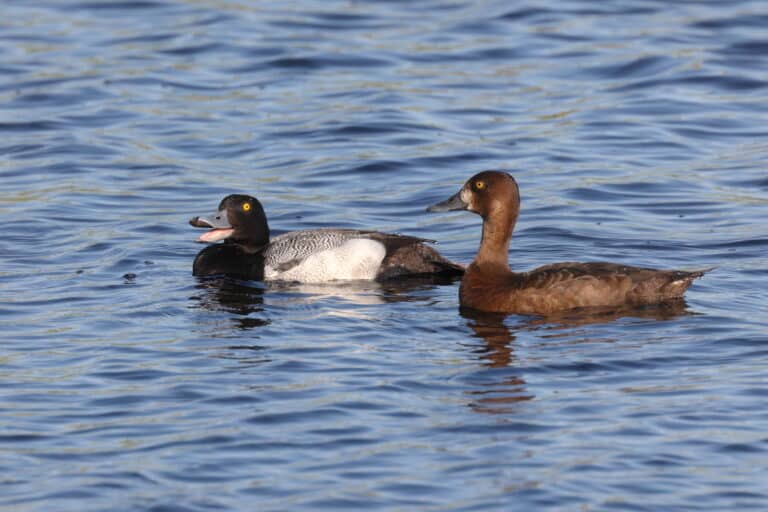
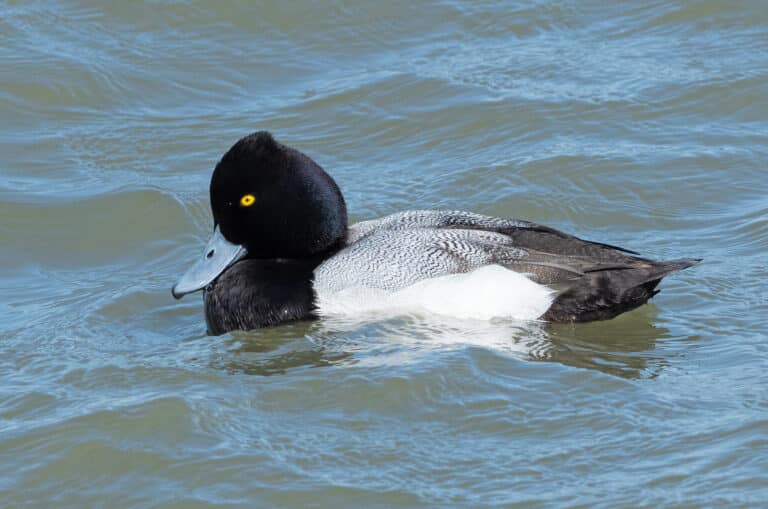
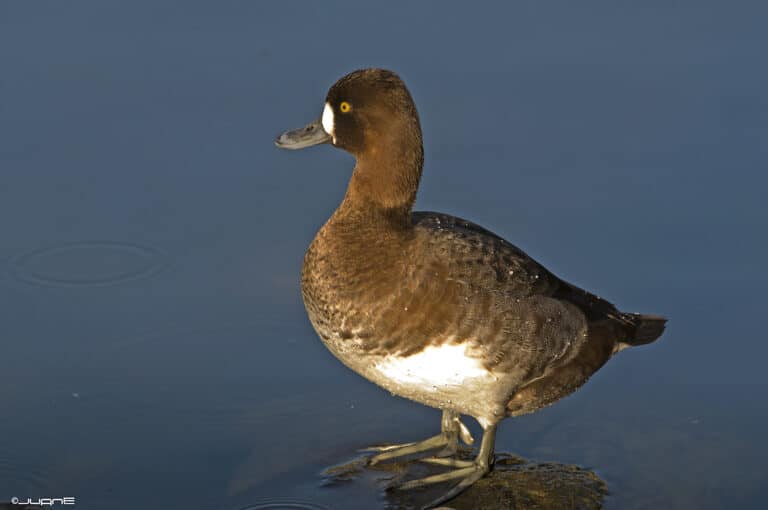
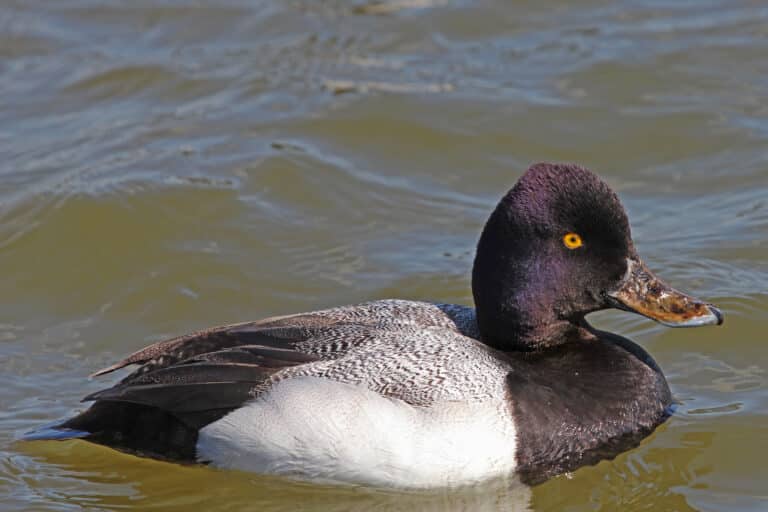
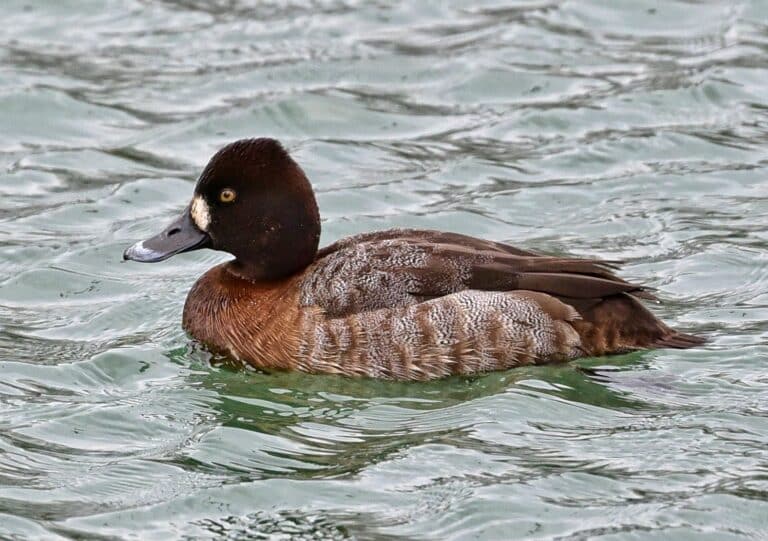
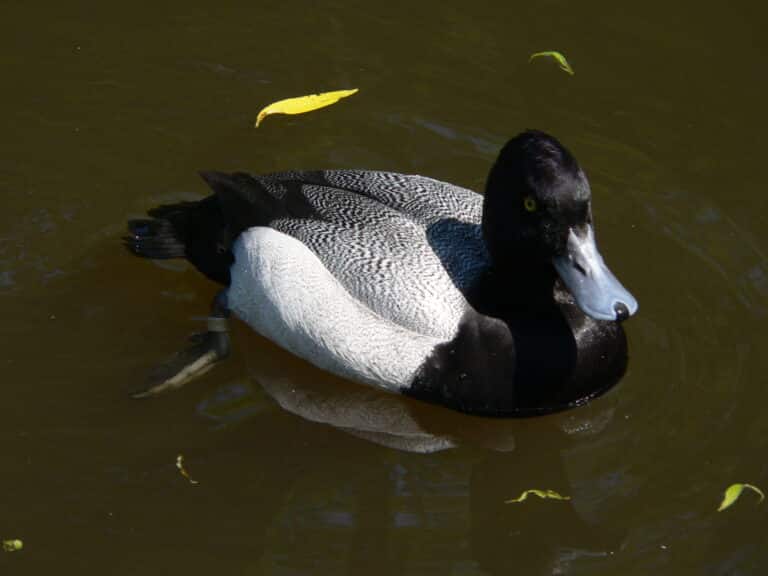
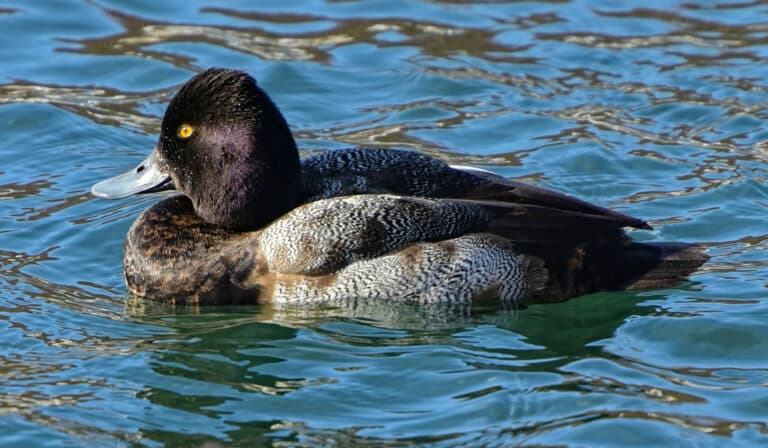
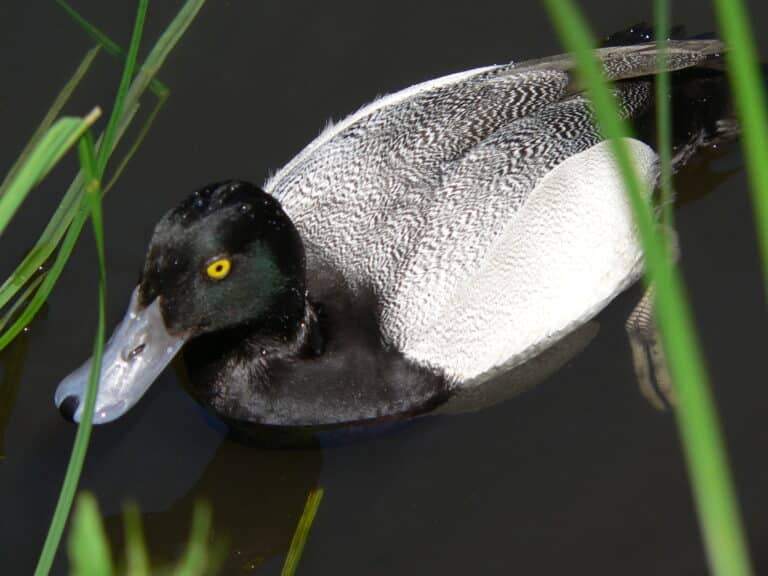
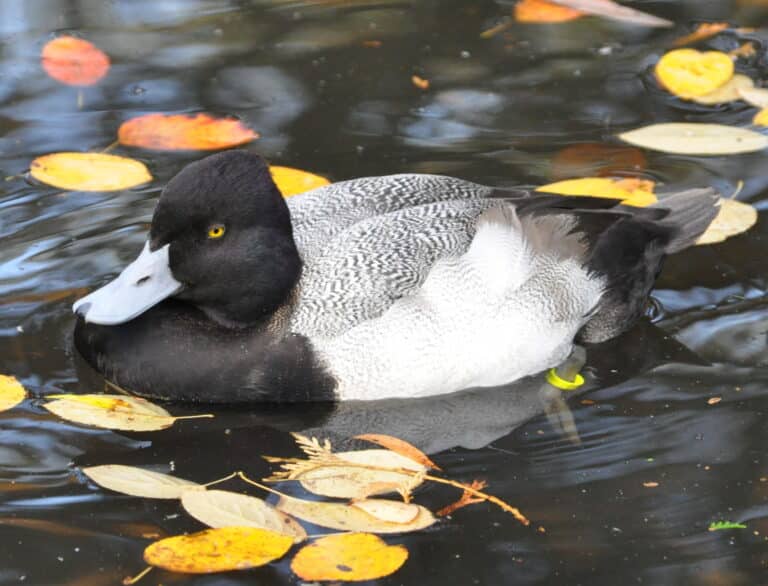
The Lesser Scaup is a charming duck that loves to paddle around in the waters of Central America. This bird measures about 38 to 46 centimeters (15 to 18 inches) long, making it a delightful sight in any lake or pond.
Lesser Scaups feast on a colorful diet. They munch on aquatic plants, seeds, mollusks, and insects, making them great for nature's clean-up crew. They are true foodies in the water, sampling different delicacies to fuel their adventures.
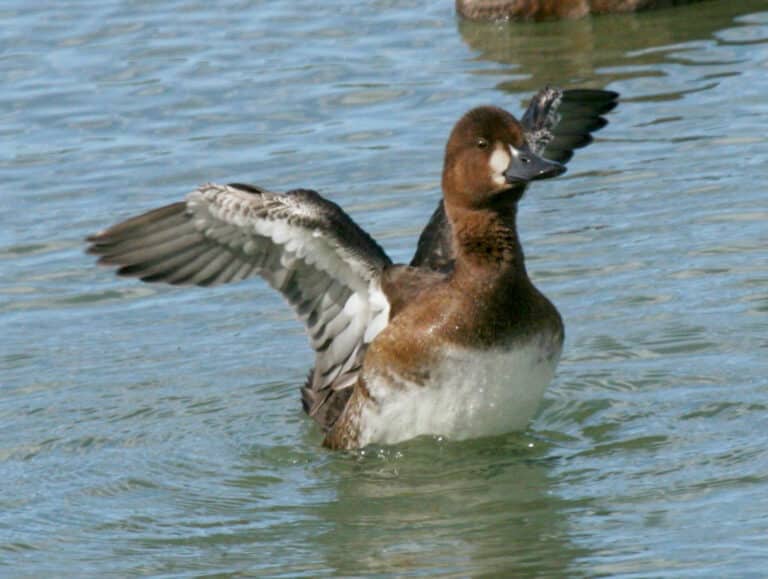
These fascinating birds have a lifespan of up to 16 years in the wild. With a set of strong wings, they can soar through the skies while showing off their striking plumage to impress their fellow ducks.

Where can you find a Lesser Scaup in the wild?
What does a Lesser Scaup eat?
How big can a Lesser Scaup grow?
How long does a Lesser Scaup typically live?
What is the conservation status of the Lesser Scaup?
What are the main threats to the Lesser Scaup?
Fun facts
Lesser Scaups can dive to depths of around 3 meters (10 feet) while searching for food, showcasing their impressive swimming skills!


These ducks have a unique way of communicating - they use a series of soft whistles and grunts to chat with each other, making their conversations quite distinct in the bird world!
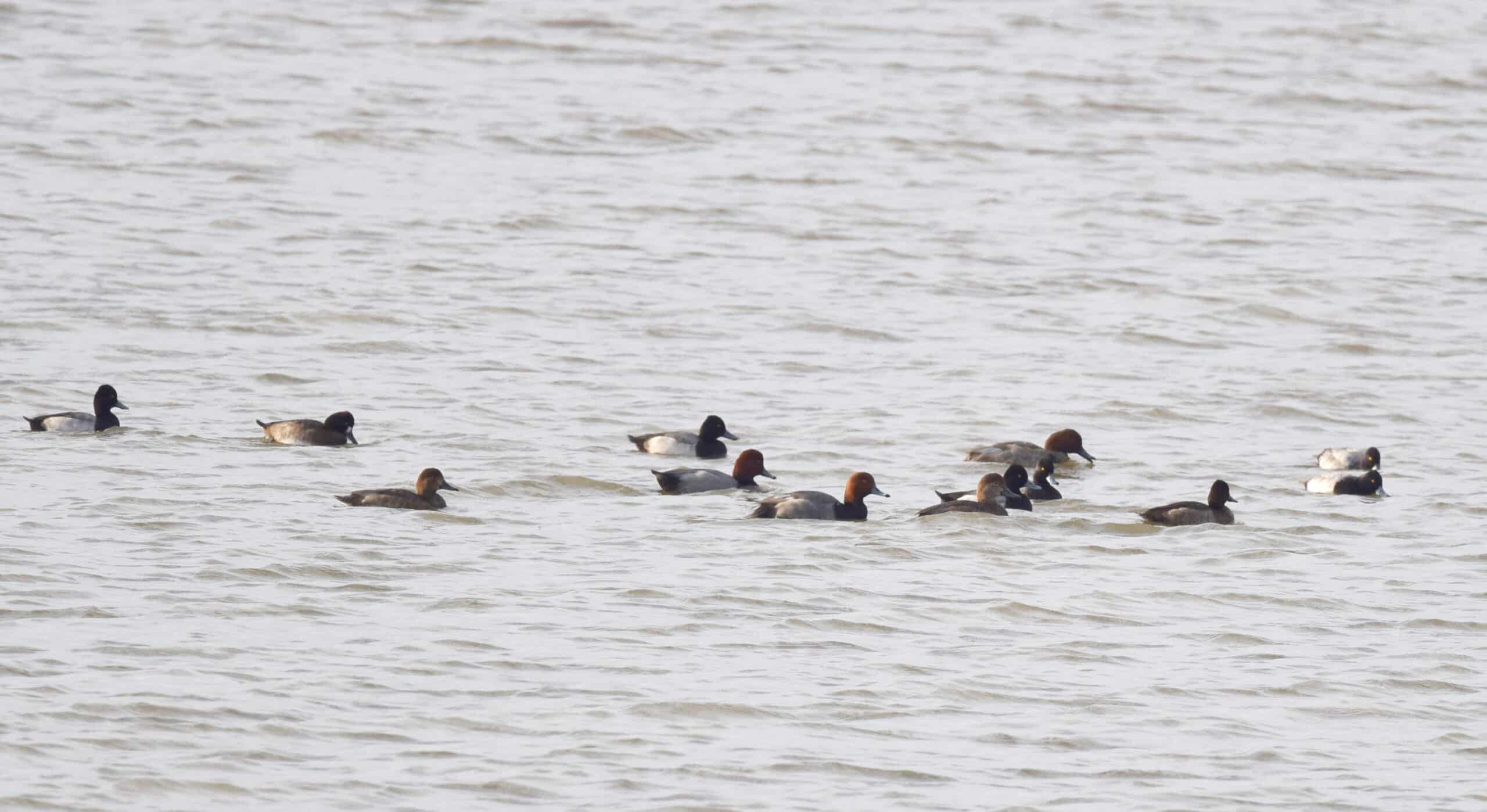
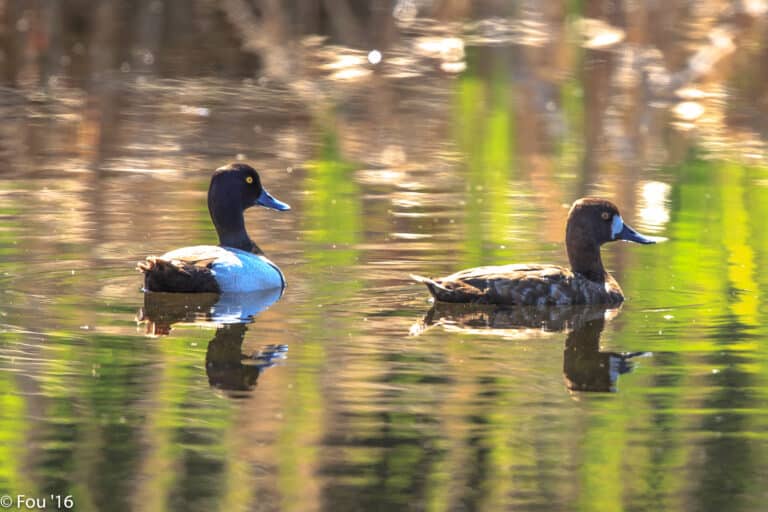
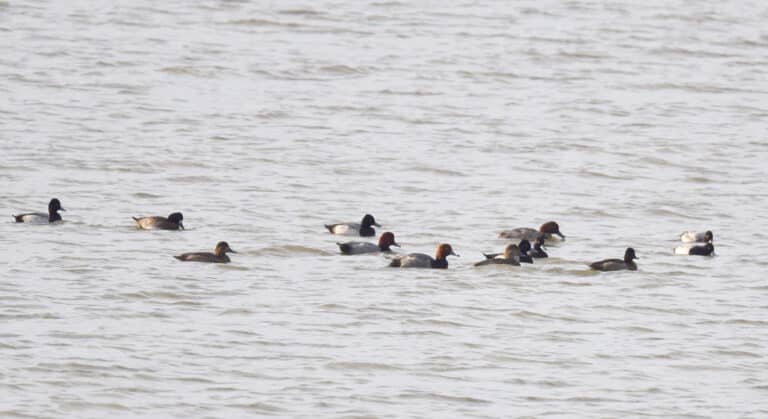
Lesser Scaups often form mixed flocks with other duck species like Canvasbacks and Northern Pintails, creating a lively and colorful spectacle on the water!
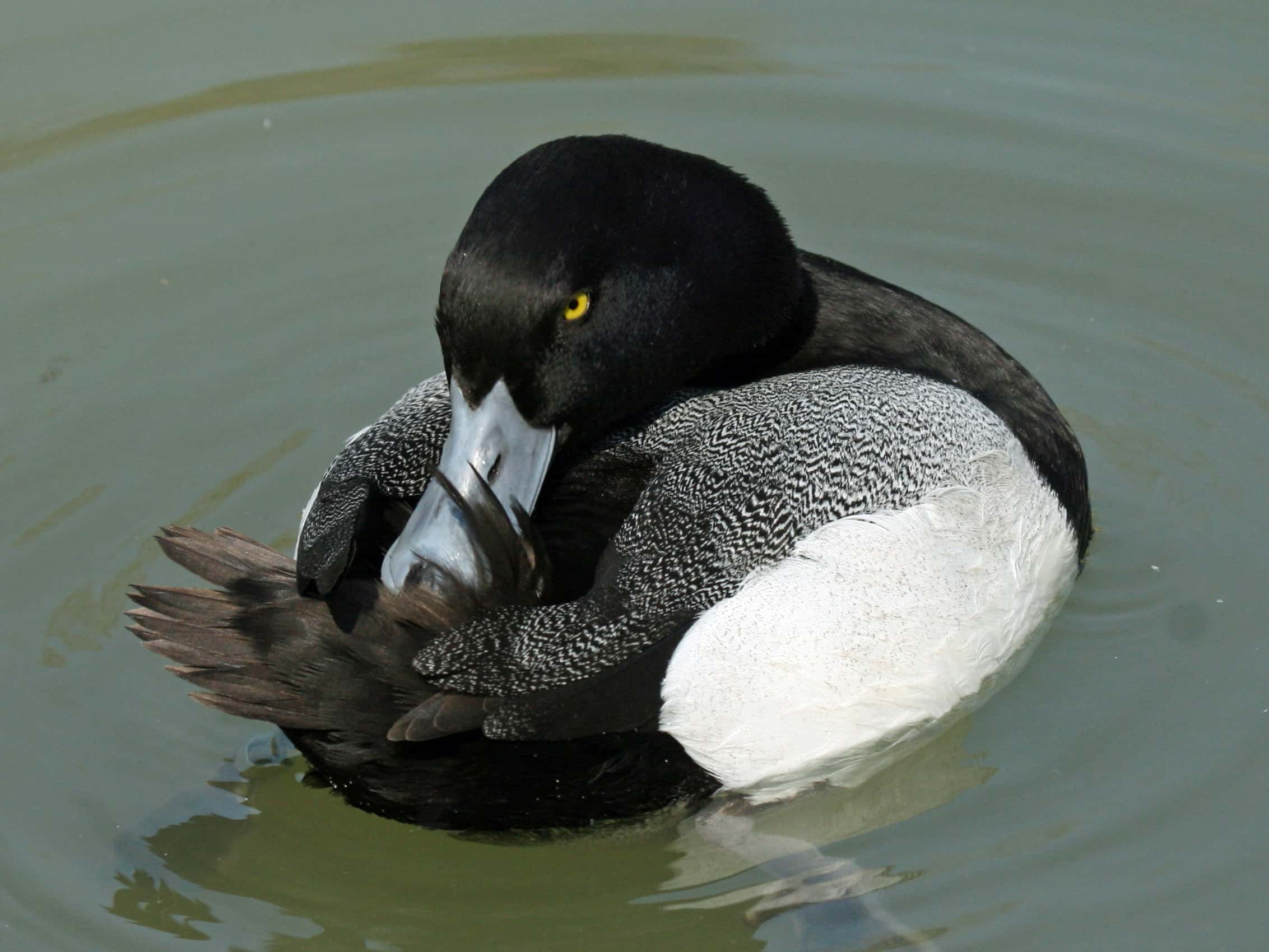
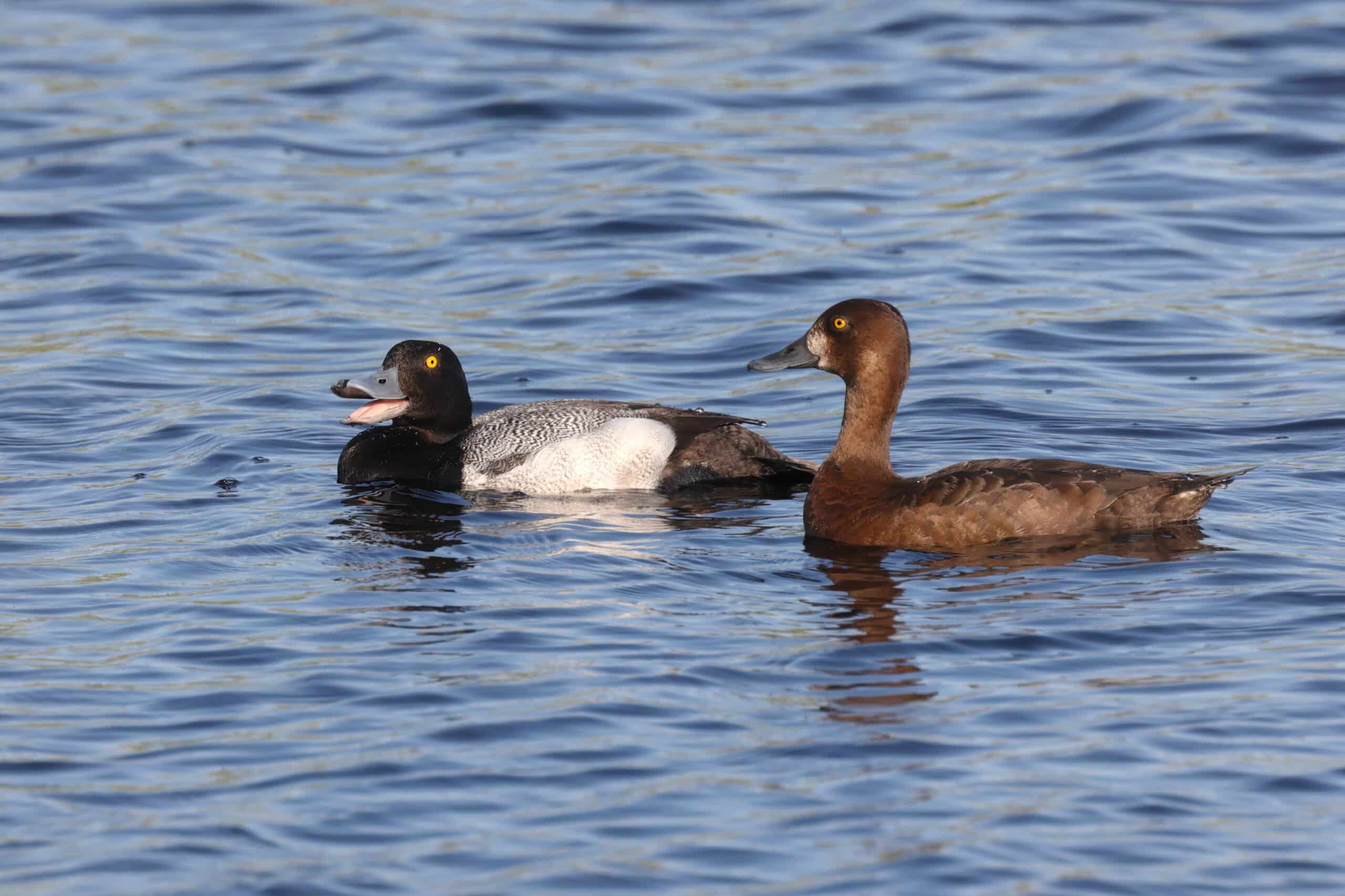
During mating season, male Lesser Scaups display their vibrant plumage and perform a charming courtship ritual that includes head bobbing and catchy dances to impress the ladies!
These ducks are expert foragers, using their broad bills to filter food from the water, making lunch an adventurous underwater hunt!
In migration, Lesser Scaups can fly at speeds of up to 80 kilometers per hour (50 miles per hour), giving them the nickname 'speedsters of the waterway'!
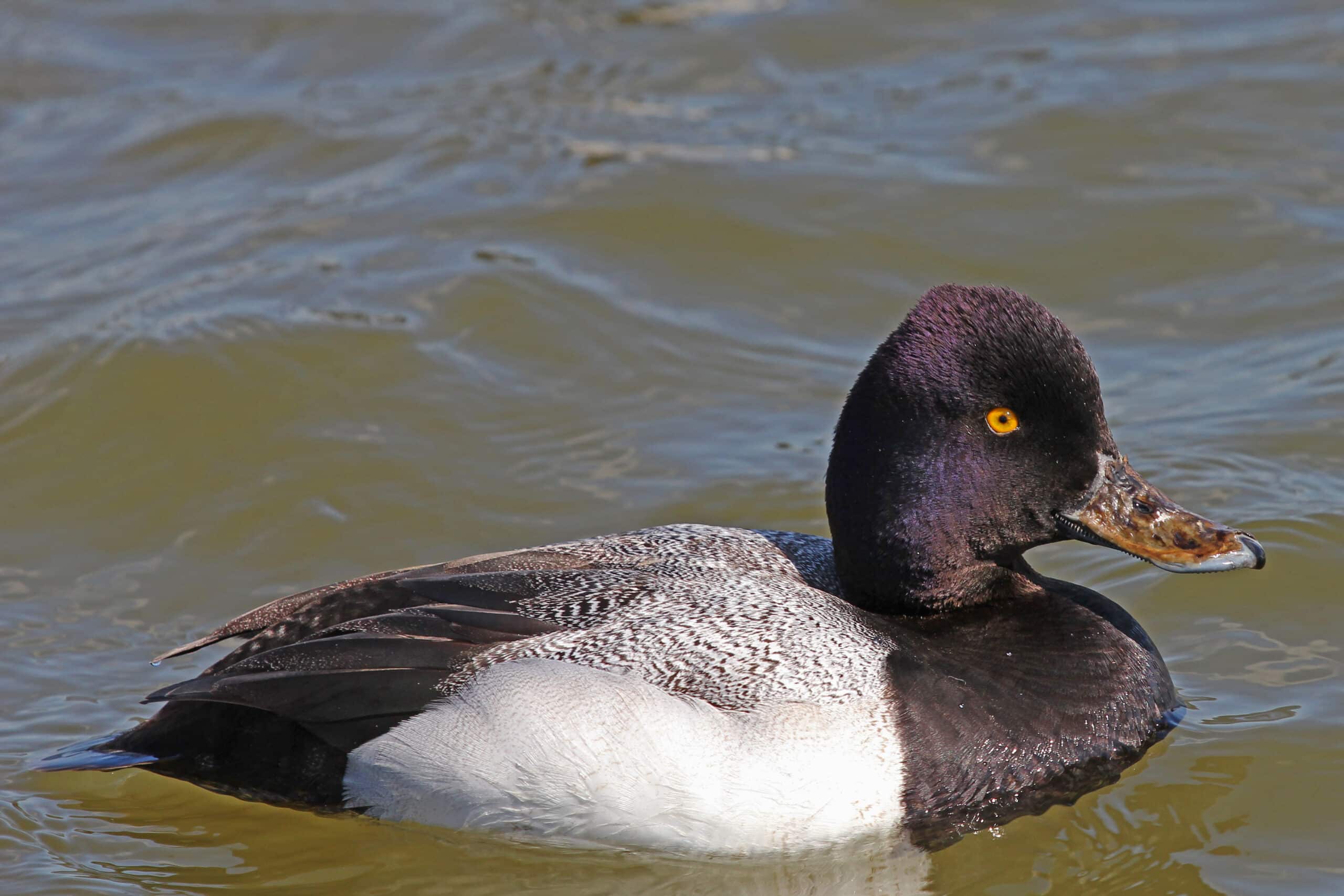
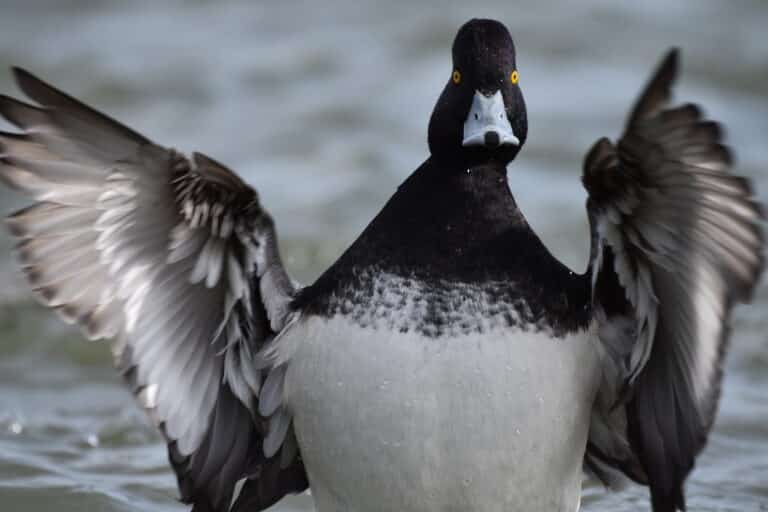
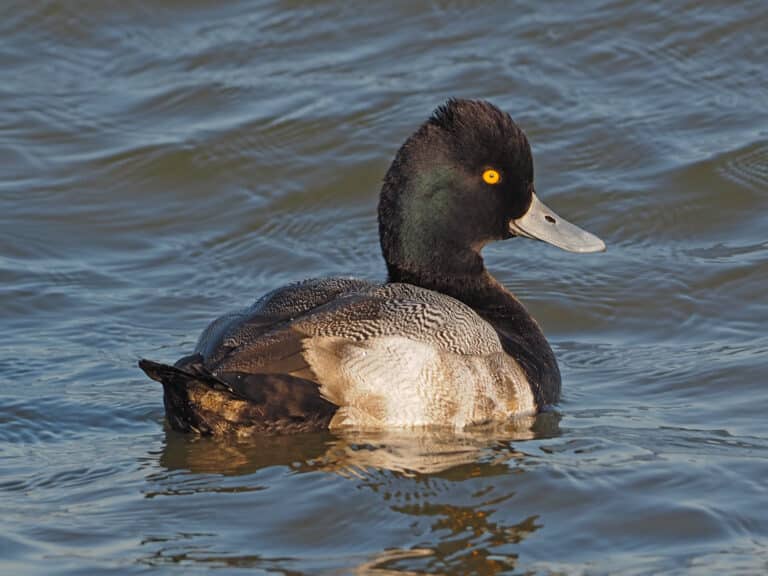
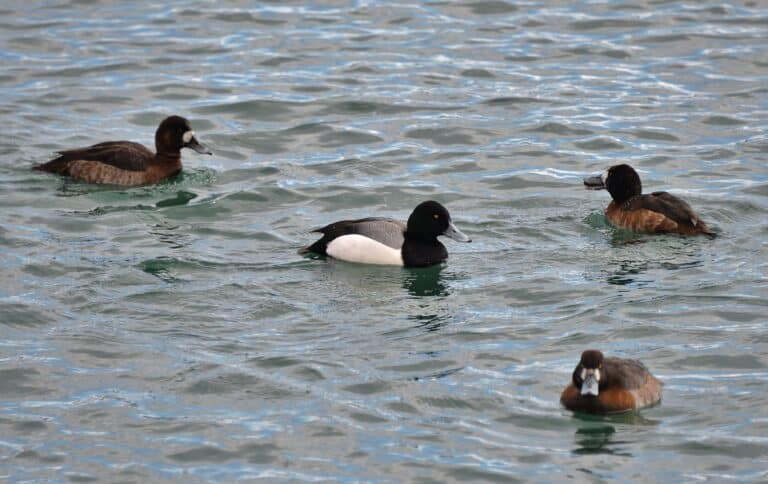
Male Lesser Scaups change their appearance during breeding season, showcasing striking heads that shimmer with deep green and purple, making them stars of the lake!
When resting, Lesser Scaups often form synchronized groups, turning and bobbing together in perfect harmony as if they are practicing for a synchronized swimming routine!
Despite their love for swimming, Lesser Scaups are also quite good at flying. They can take off from water surfaces in just a few short seconds when startled!
Lesser Scaups often engage in playful behaviors such as splashing and chasing each other, making their social interactions a fun spectacle to watch!
Photos

The Basics


explore more
Amphibians
Arachnids
Birds
Cats
Crustaceans
Fish
Fish Pet Guide
Gastropods
Insects
Invertebrates
Mammals
Pet Fish
Pet Rodents
Plants
Reptiles
Roundworms
Sea Slugs