

Successfully copied to clipboard!
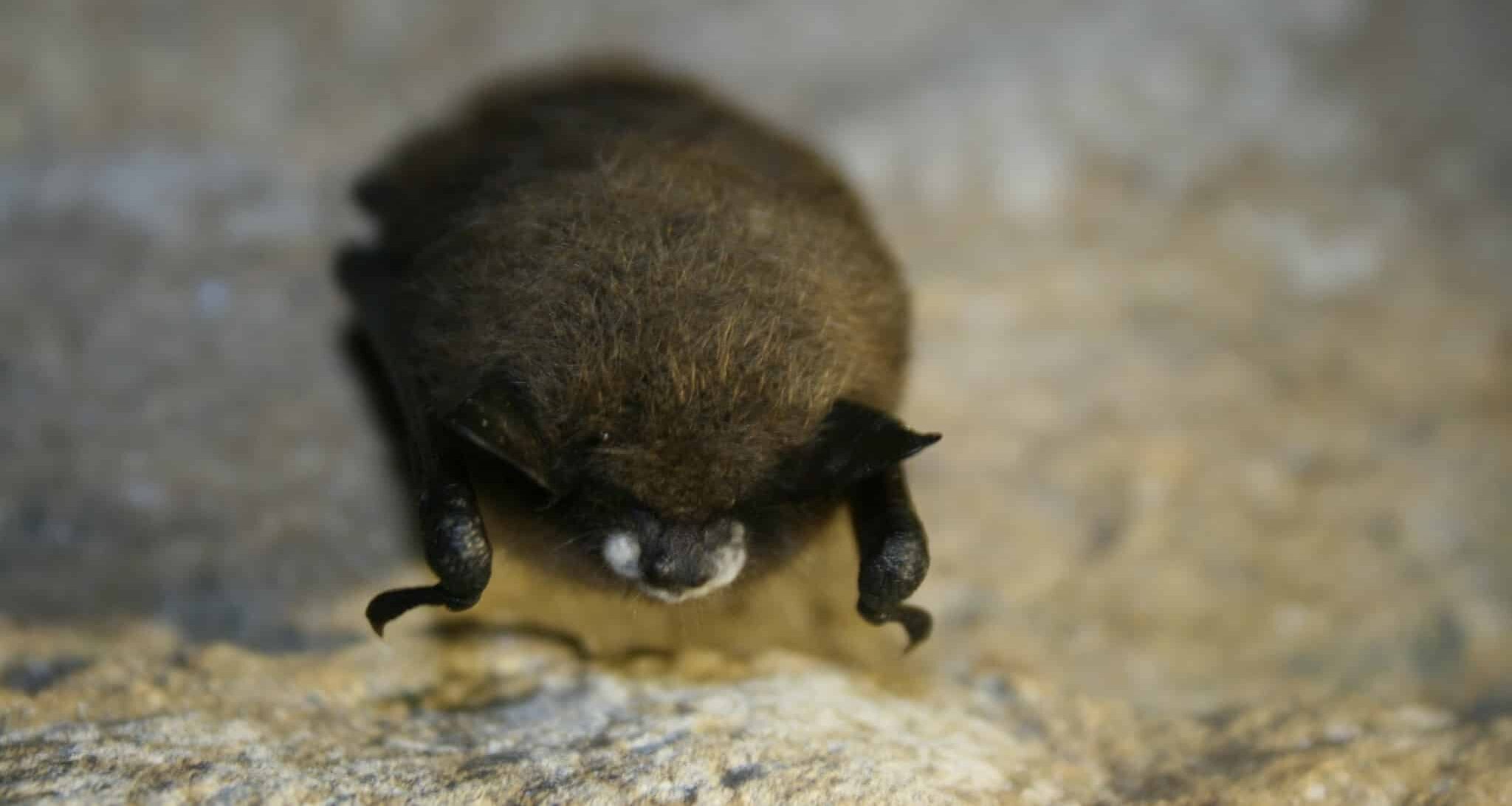
Little Brown Bat
Uncover nature's nighttime superheroes swooping through the skies!
Let’s Explore
Overview
The Little Brown Bat is a charming flying mammal that often surprises us with its acrobatics in the evening sky. These little furballs, known scientifically as Myotis lucifugus, typically measure about 3 to 4 inches long, making them small but mighty creatures of the night!
Little Brown Bats belong to the Chiroptera order, which includes all bats, and they are part of the Vespertilionidae family. This family name translates to ‘evening bats,’ and these critters love to take flight when the sun goes down, hunting for their favorite snacks.
These bats primarily dine on insects, making them fantastic pest controllers with a sweet tooth for moths, beetles, and flies. A single Little Brown Bat can catch more than 1,000 insects in an hour, which is equivalent to having a miniature flying vacuum cleaner zooming around your backyard!
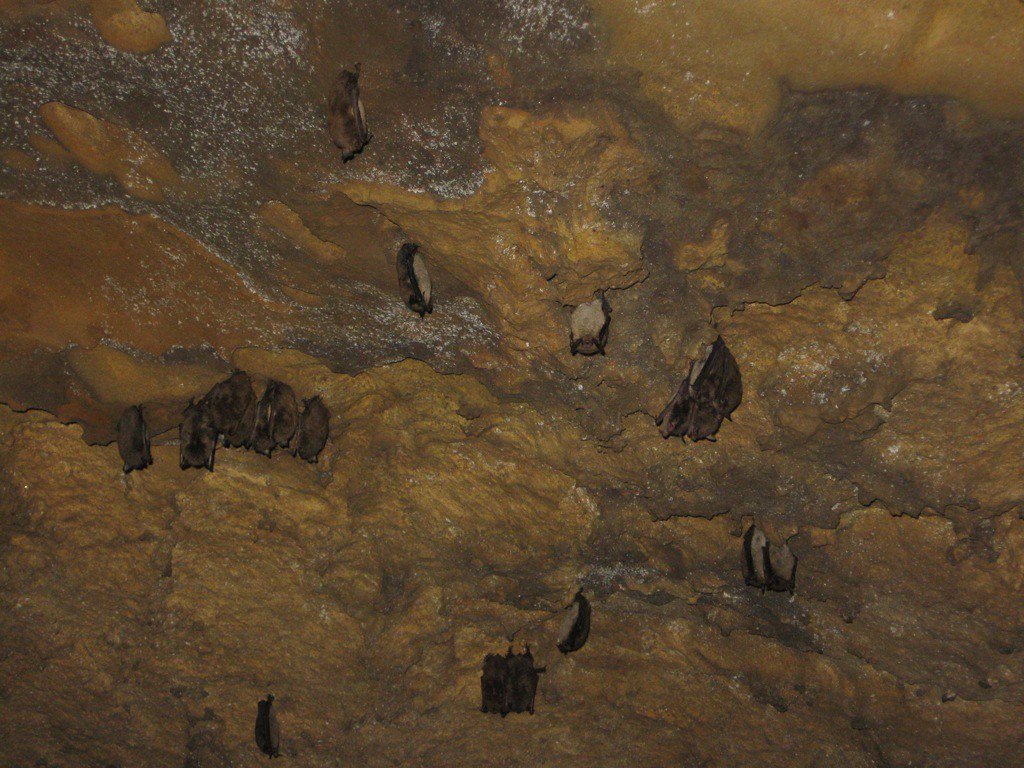
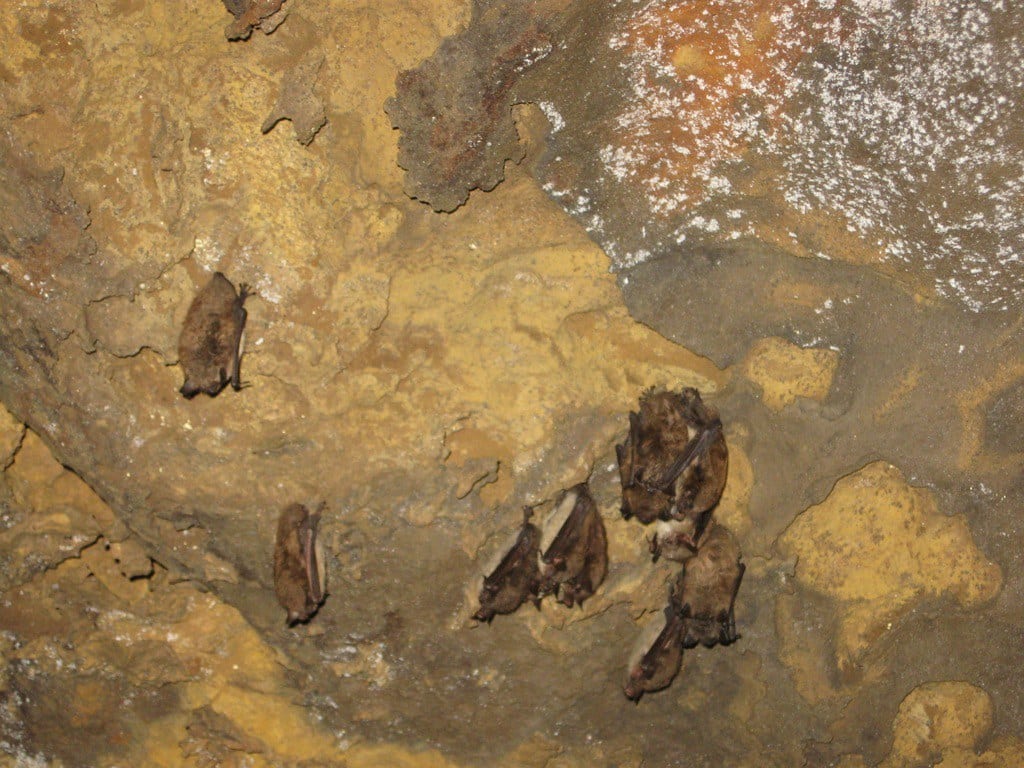
When it comes to family life, Little Brown Bats are social beings. They often roost in large groups, sometimes numbering in the thousands, hanging upside down like furry acrobats in a circus! Their unique method of echolocation helps them navigate in the dark, sending out high-frequency sounds and listening for the echoes that bounce back.
These bats have a lifespan of about 6 to 10 years, which is quite impressive for such small creatures! They may live together in harmony with their bat pals, but they also play an essential role in keeping our ecosystems healthy.
The Little Brown Bat's adventures take place mainly in North America, where they can be found in a range of habitats. So next time you see a shadow flitting through the night sky, it just might be a friendly Little Brown Bat on the hunt!

Where can you find a Little Brown Bat in the wild?
What does a Little Brown Bat eat?
How big can a Little Brown Bat grow?
How long does a Little Brown Bat typically live?
What is the conservation status of the Little Brown Bat?
What are the main threats to the Little Brown Bat?
Fun facts
A Little Brown Bat can eat over 1,000 insects in just one hour. That is like having a tiny flying vacuum cleaner zipping around, keeping our yards bug-free!


These bats have a superpower called echolocation! They send out high-pitched sounds and listen for the echoes bouncing back to find their food and navigate in the dark.
Little Brown Bats can roost in some unusual places, like attics, under bridges, or inside old buildings, making them the ultimate urban explorers!
A group of Little Brown Bats can hang out together in colonies of up to 1,000 bats. They love to hang upside down, creating a furry bat party in the sky!
During the day, Little Brown Bats like to take long naps, conserving their energy for their nighttime insect hunts. They choose cozy spots to snooze, keeping warm and snug.
When baby bats, called pups, are born, they spend their early weeks being cuddled by their mothers. Mothers sing to their pups with high-pitched calls to help them recognize each other.
Little Brown Bats have fur that can change color based on the season! Their coats can look lighter in summer and darker in winter, helping them blend in with their surroundings.
These bats are not just bug eaters; they also play a role in pollination! They help pollinate flowers while sipping nectar, showing that bats have more than one job.
Even though they look small and harmless, Little Brown Bats can fly up to 24 kilometers per hour (15 miles per hour). That's faster than most kids can run!
Once a year, these bats play a fun game called 'hanging out.' They hang upside down from their roosts for hours, making it the ultimate acrobatic display in the animal kingdom!
Photos
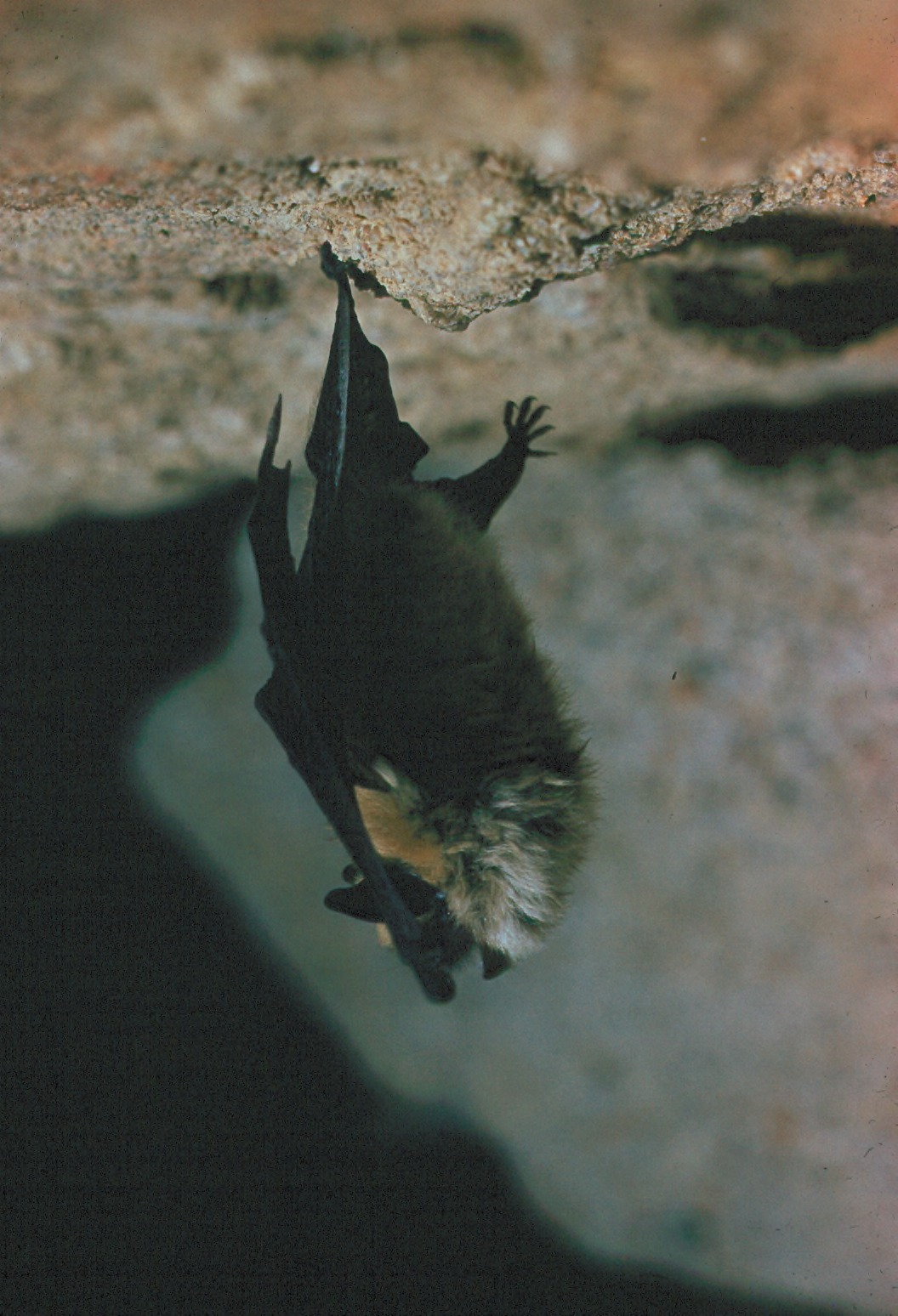
Little brown bat hanging in cave
" by null is licensed under CC BY-SA 4.0
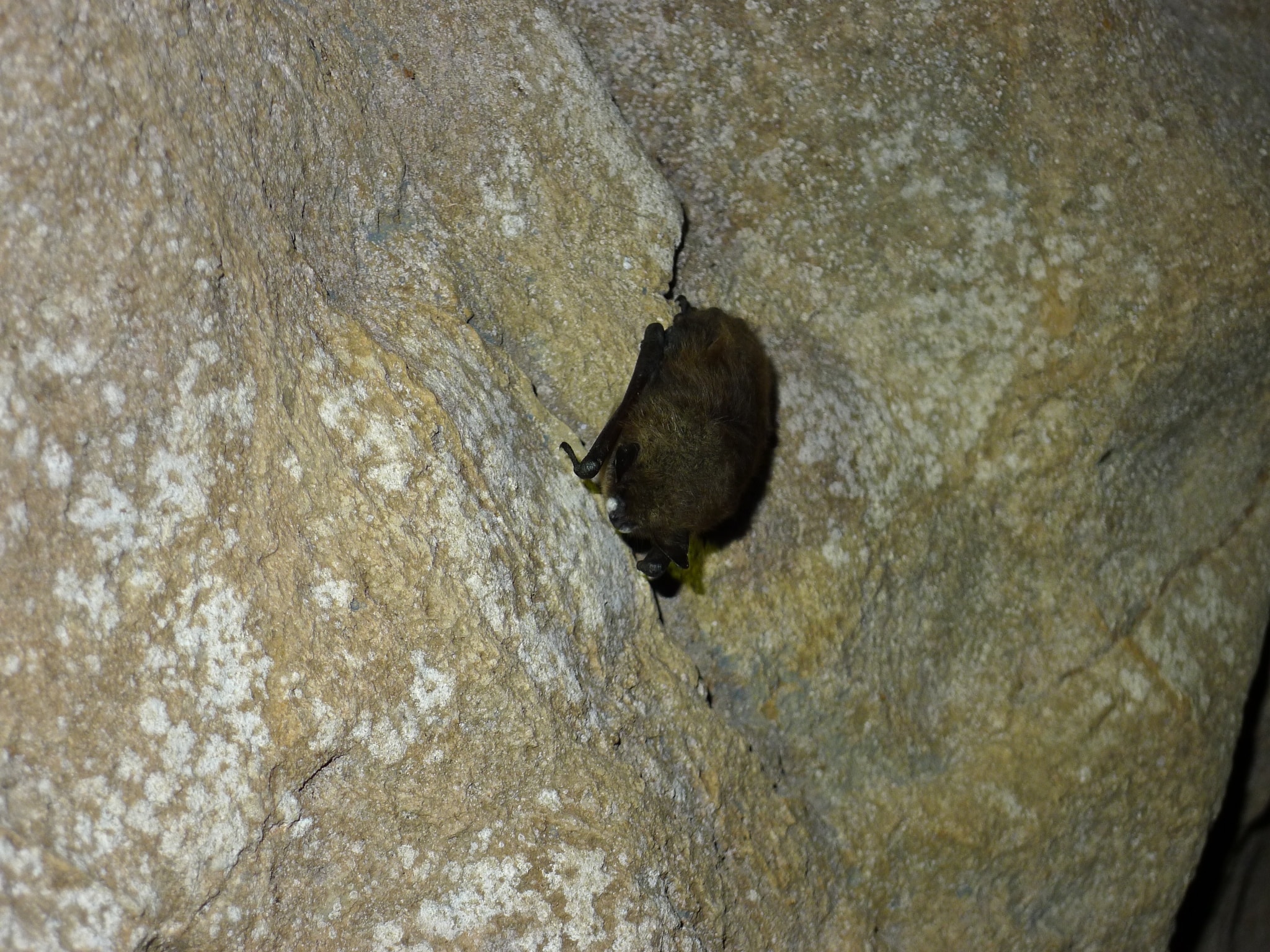
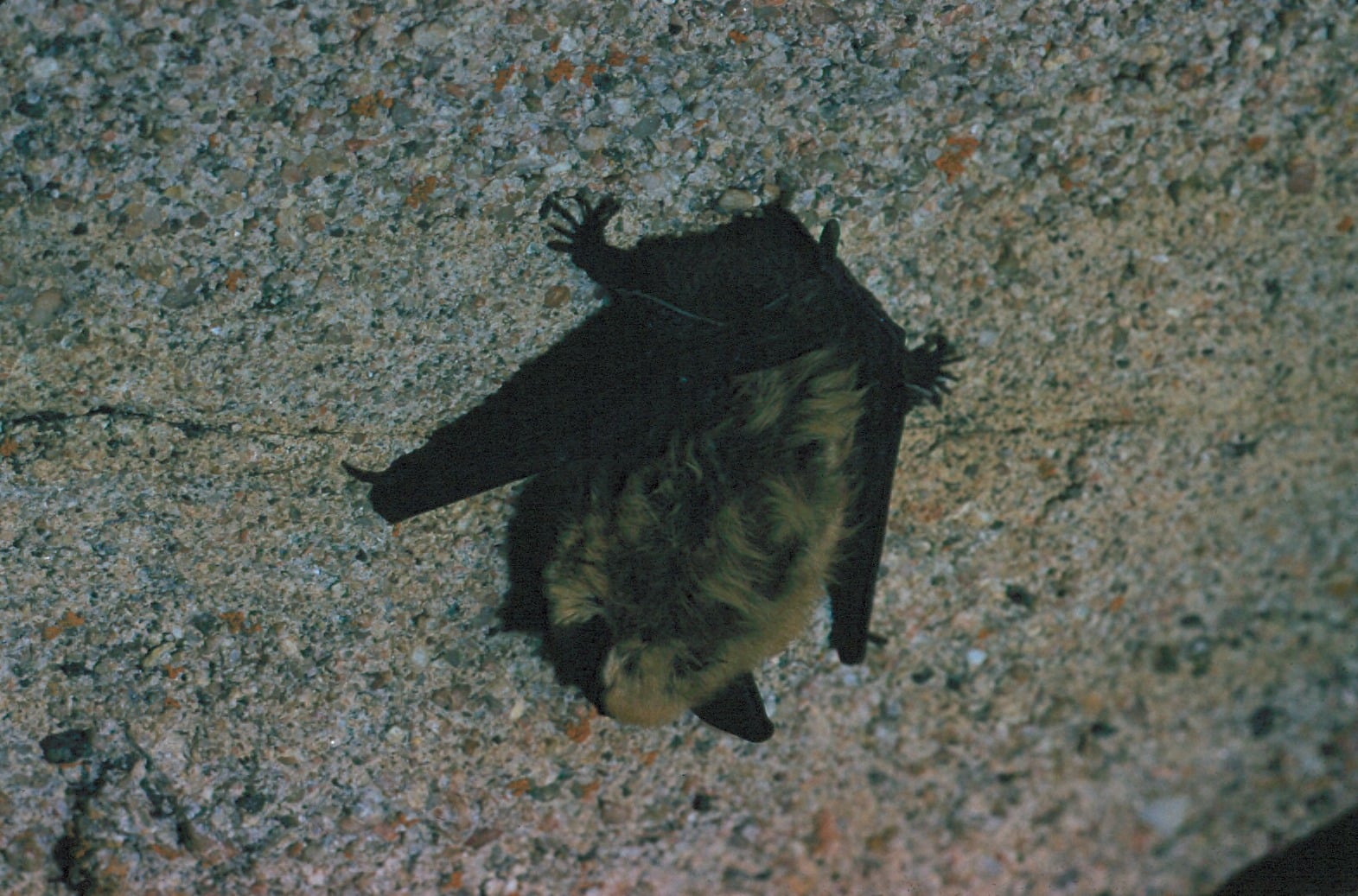
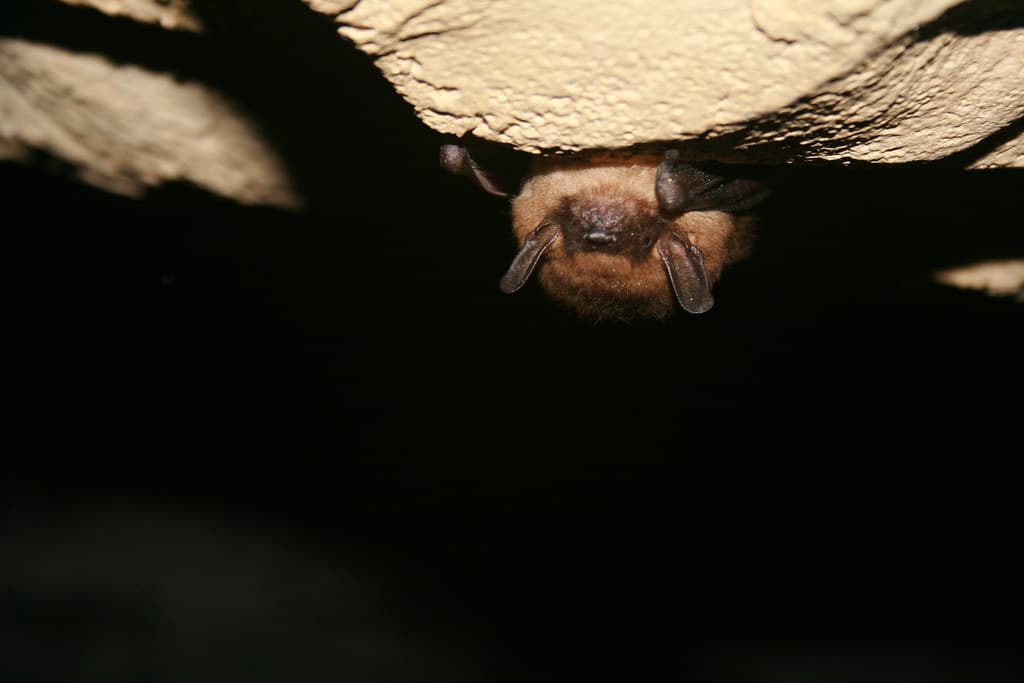
Little brown bat hanging in cave
" by null is licensed under CC BY-SA 4.0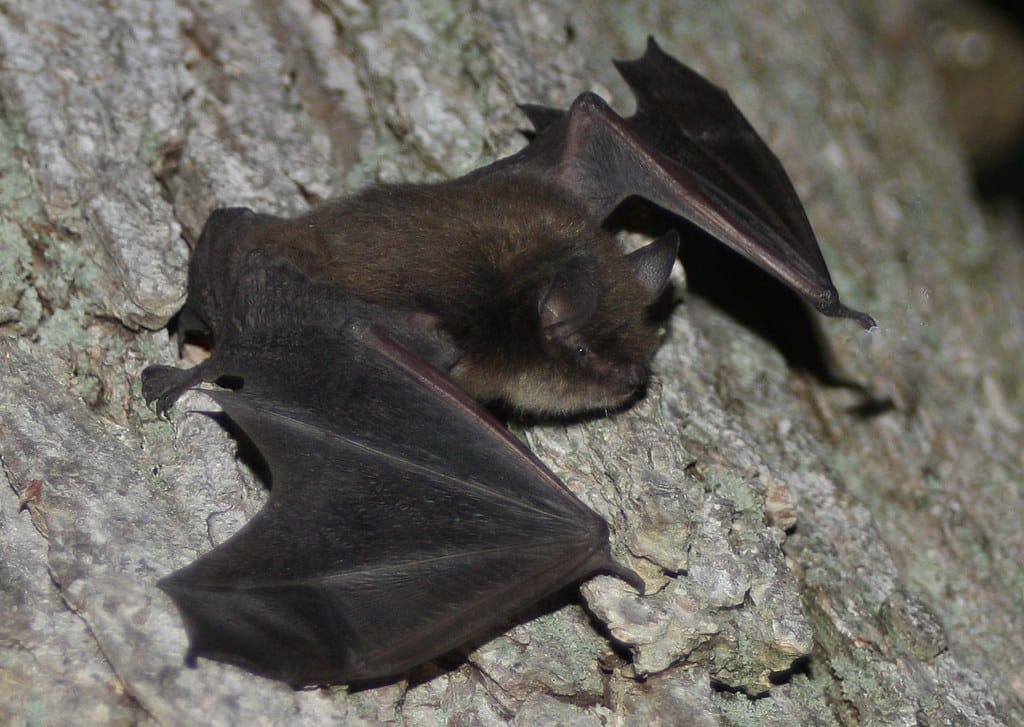

The Basics


explore more
Amphibians
Arachnids
Birds
Cats
Crustaceans
Fish
Fish Pet Guide
Gastropods
Insects
Invertebrates
Mammals
Pet Fish
Pet Rodents
Plants
Reptiles
Roundworms
Sea Slugs
