Successfully copied to clipboard!
Long-Eared Owl
Join a feathered friend on a moonlit hunting adventure!
Let’s Explore
Overview
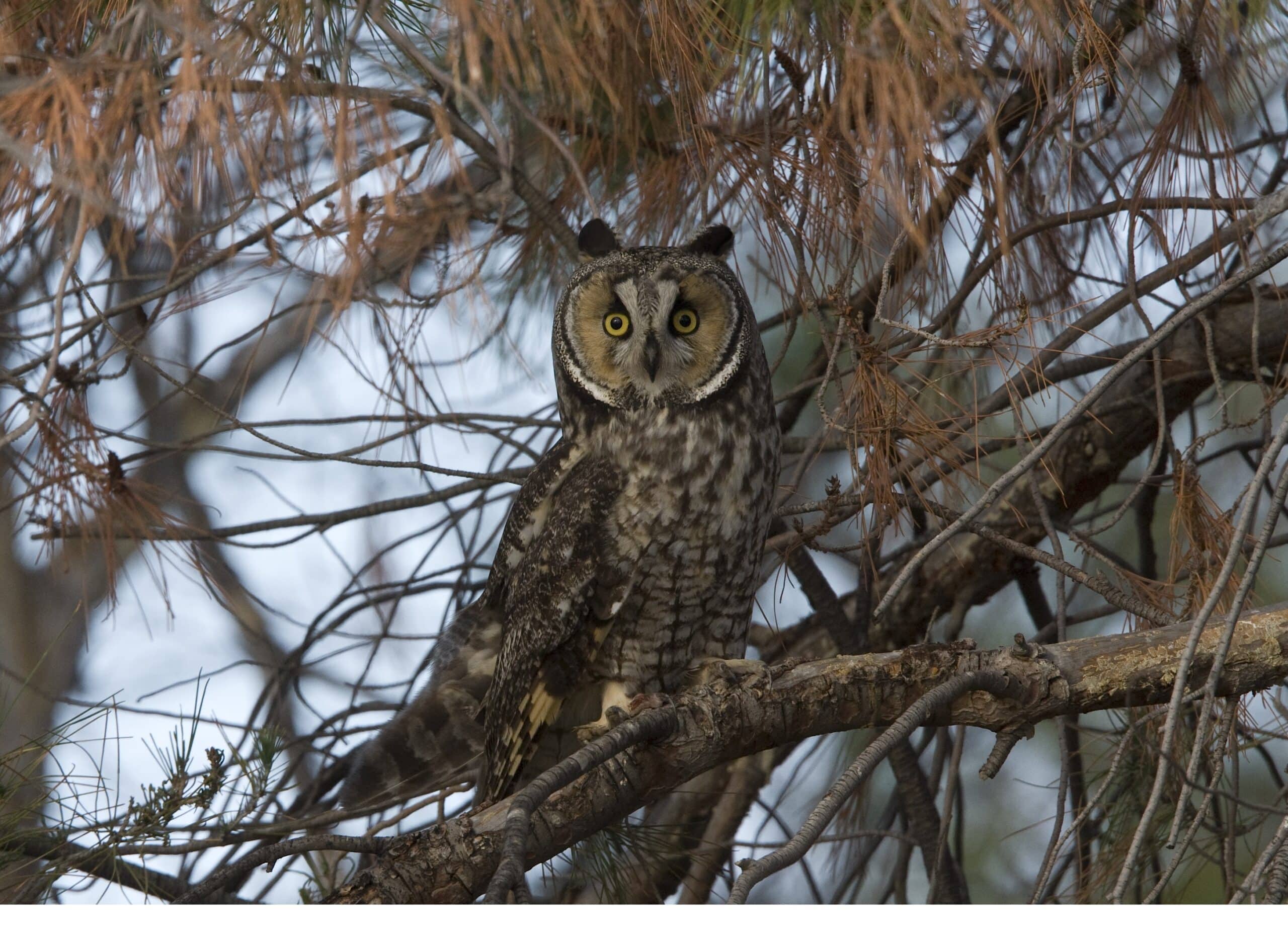
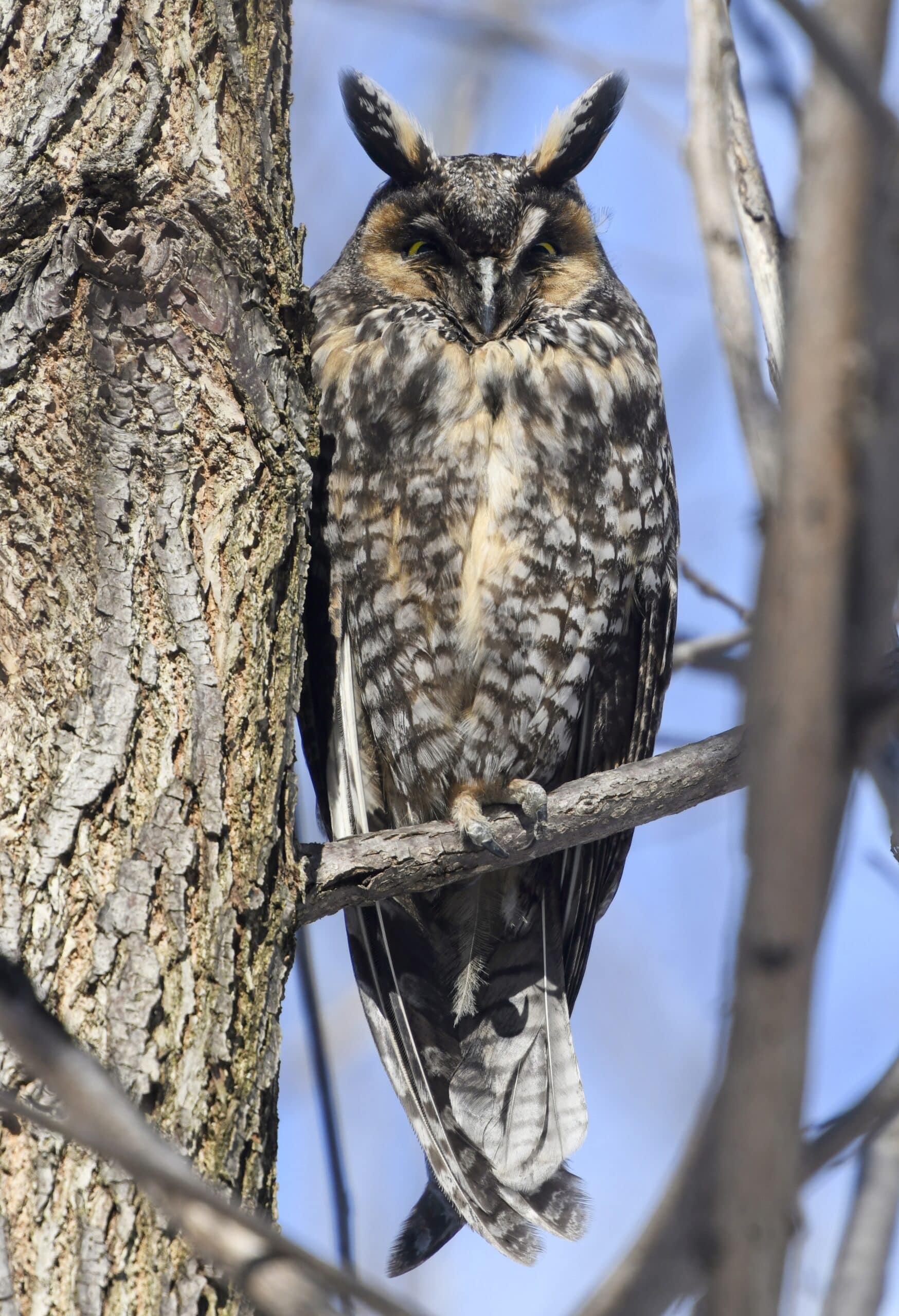
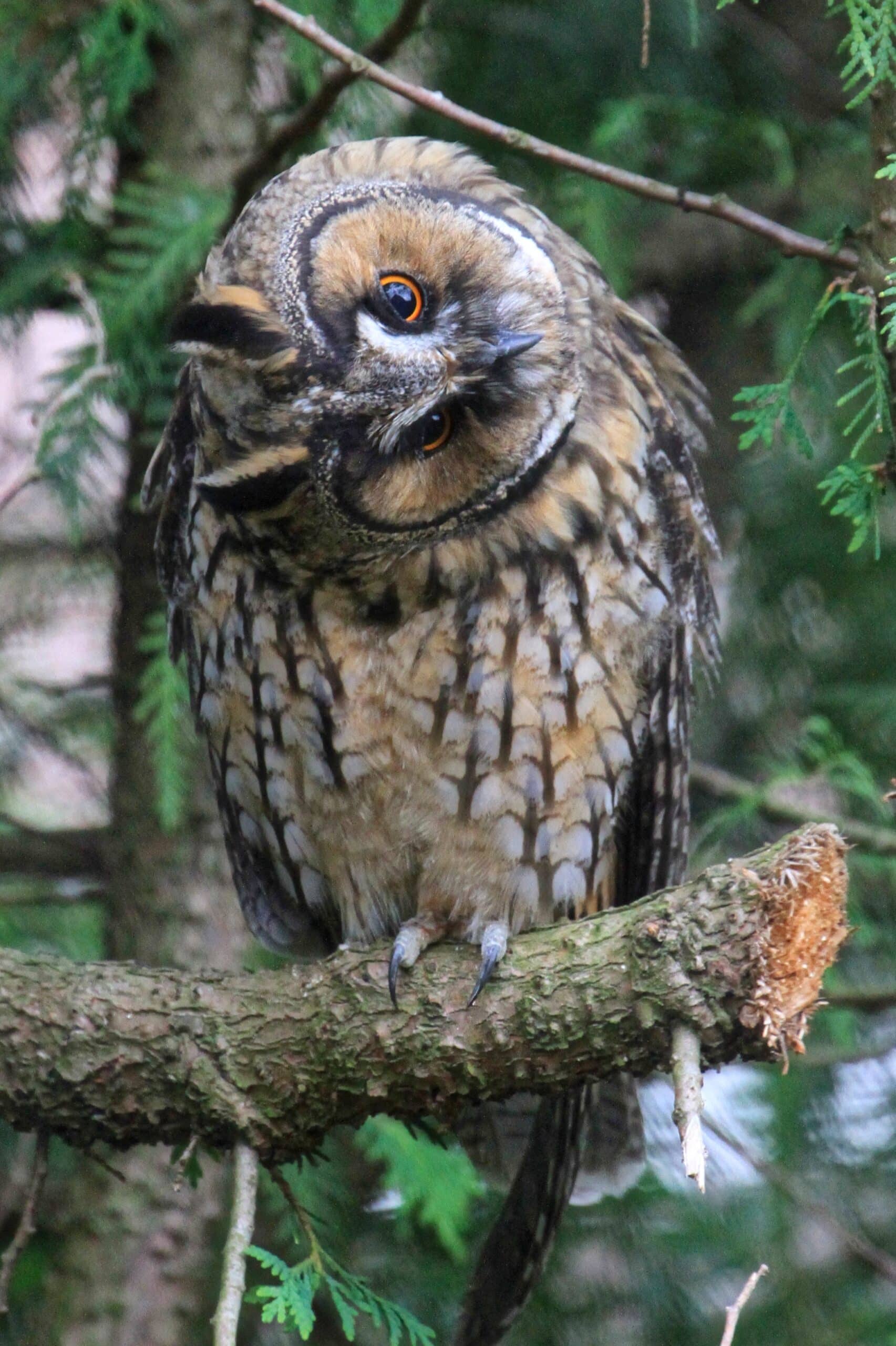
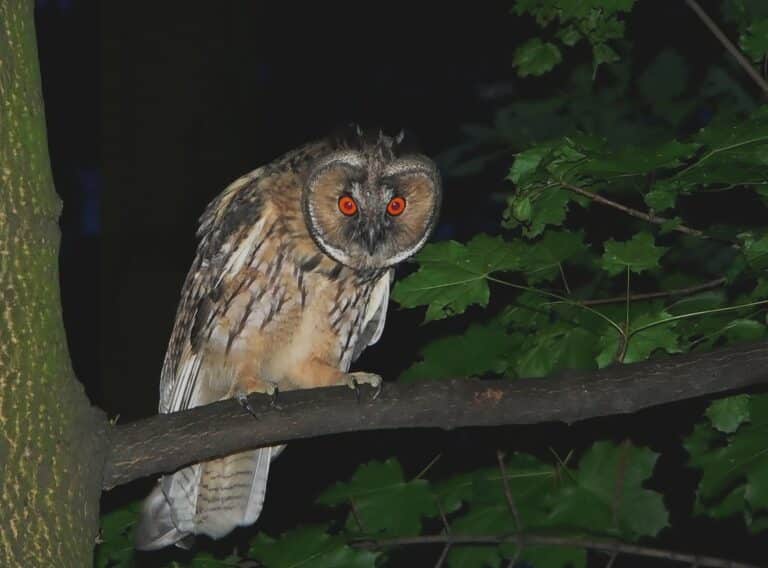
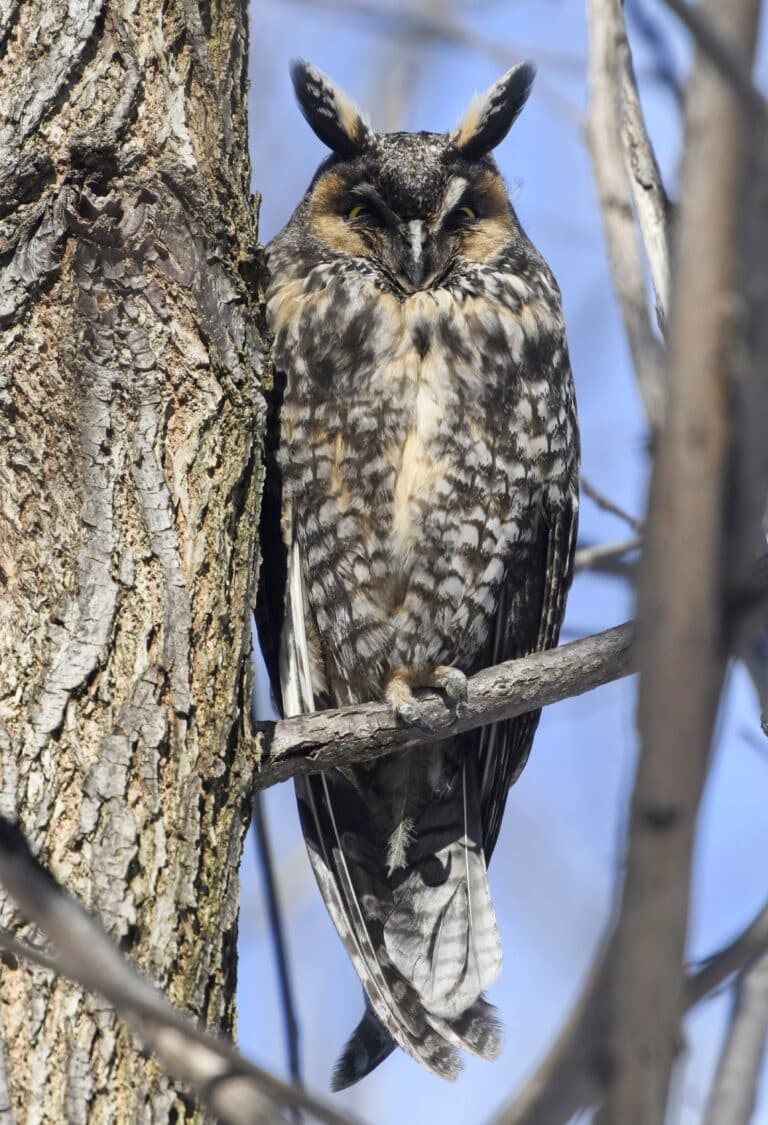
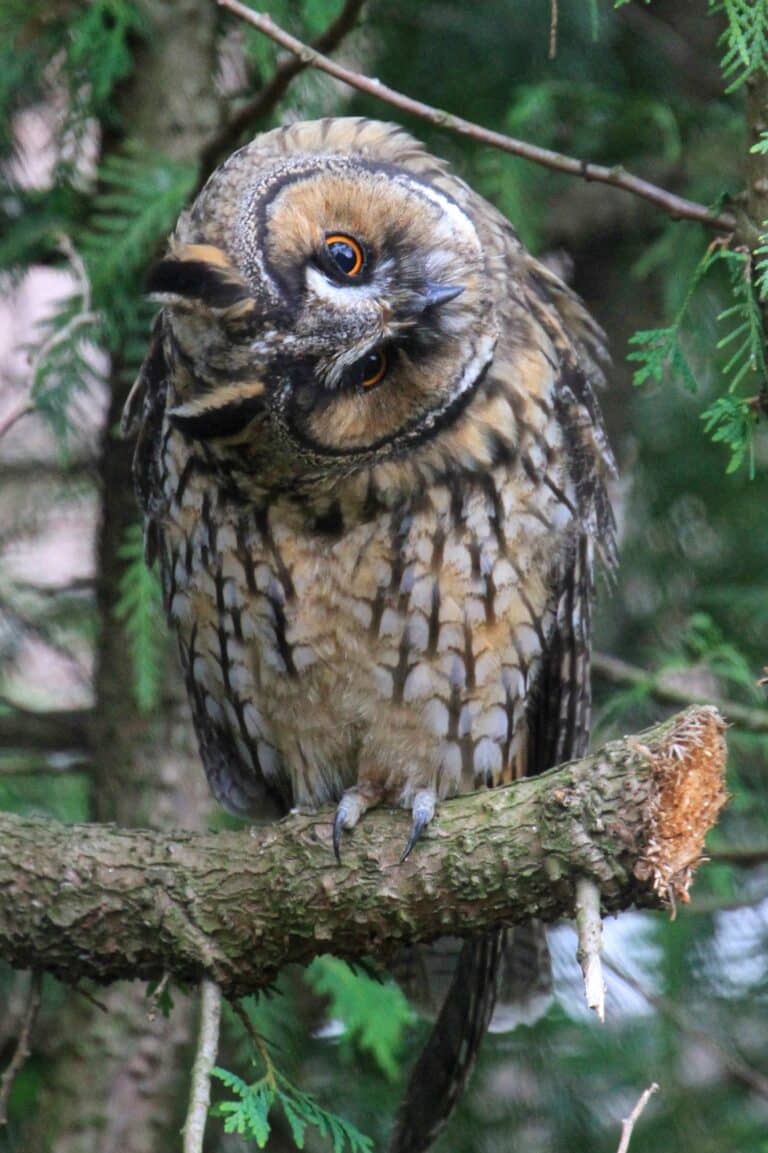
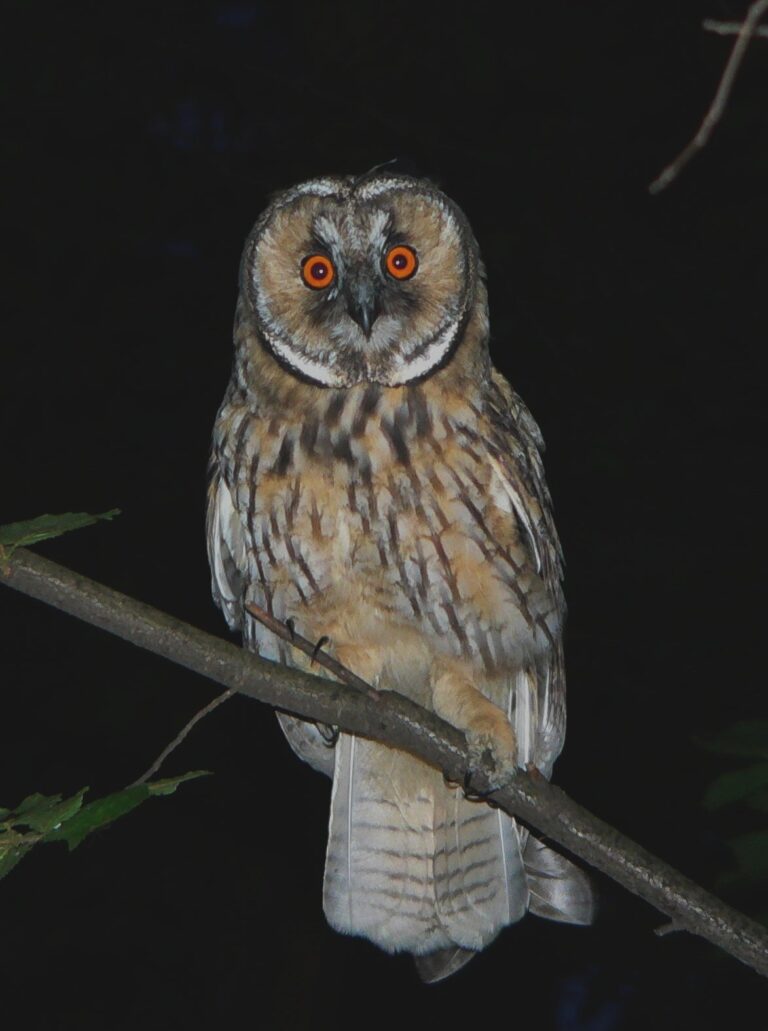
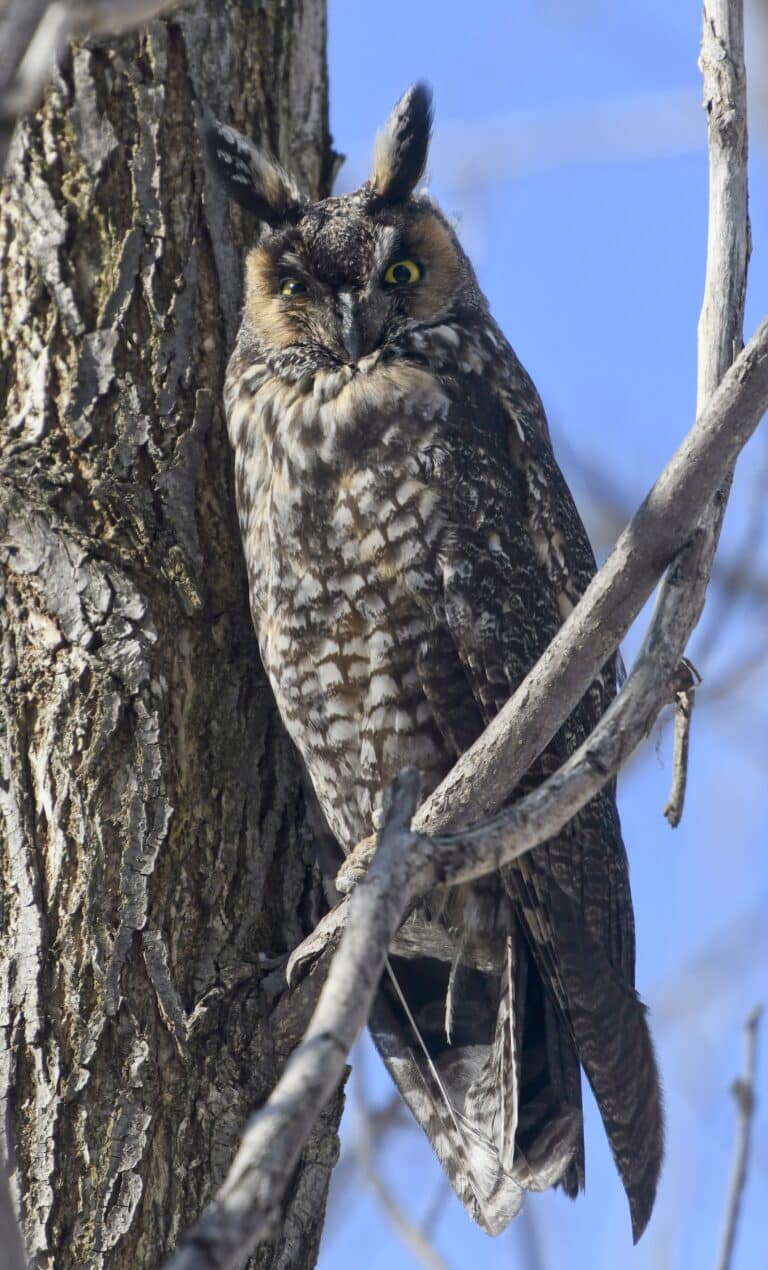
The Long-Eared Owl is a captivating bird that belongs to the Owl family, Strigidae. This owl can be found across North America, Europe, Asia, and Africa, making it quite a globetrotter in the bird world!
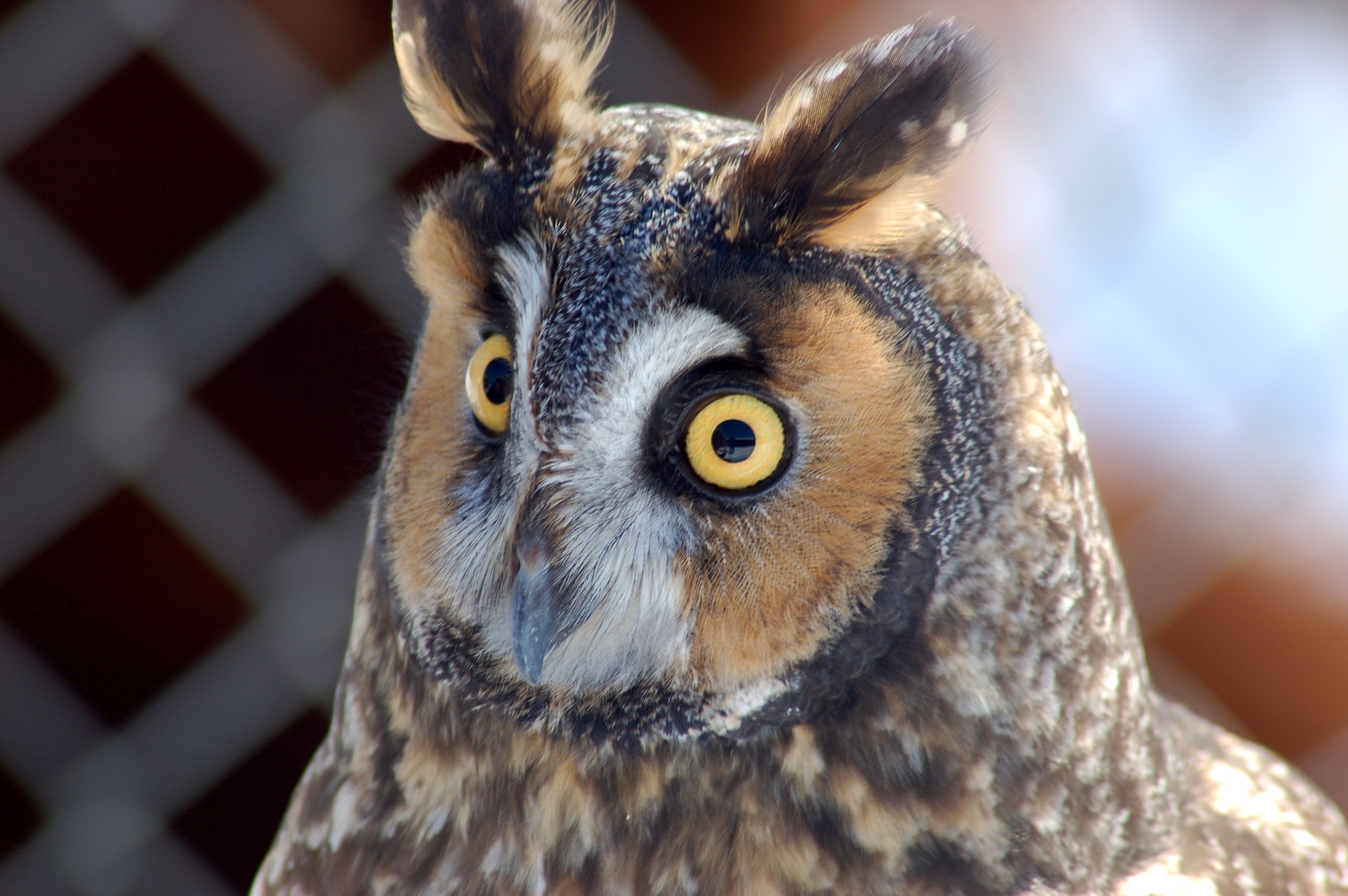
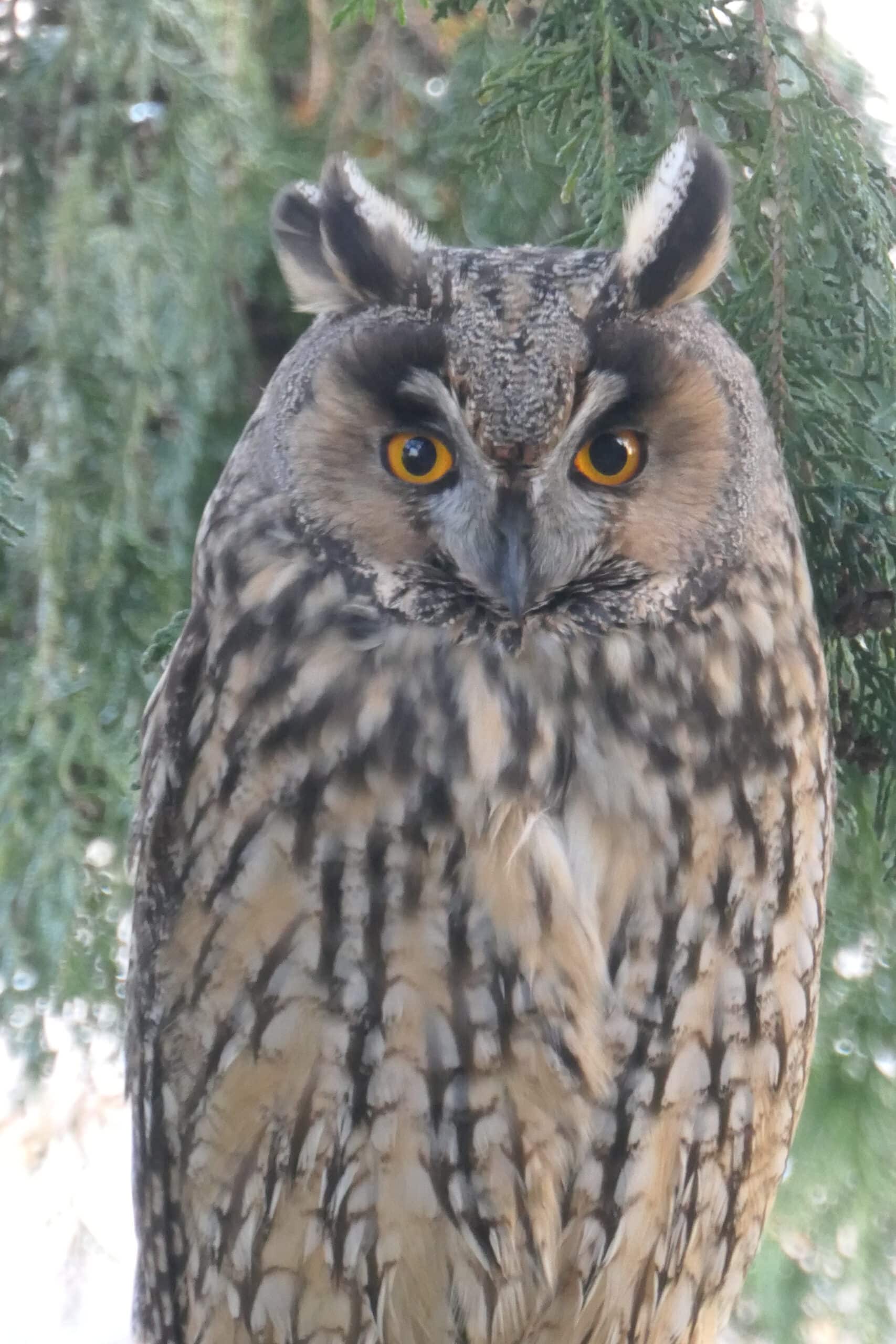
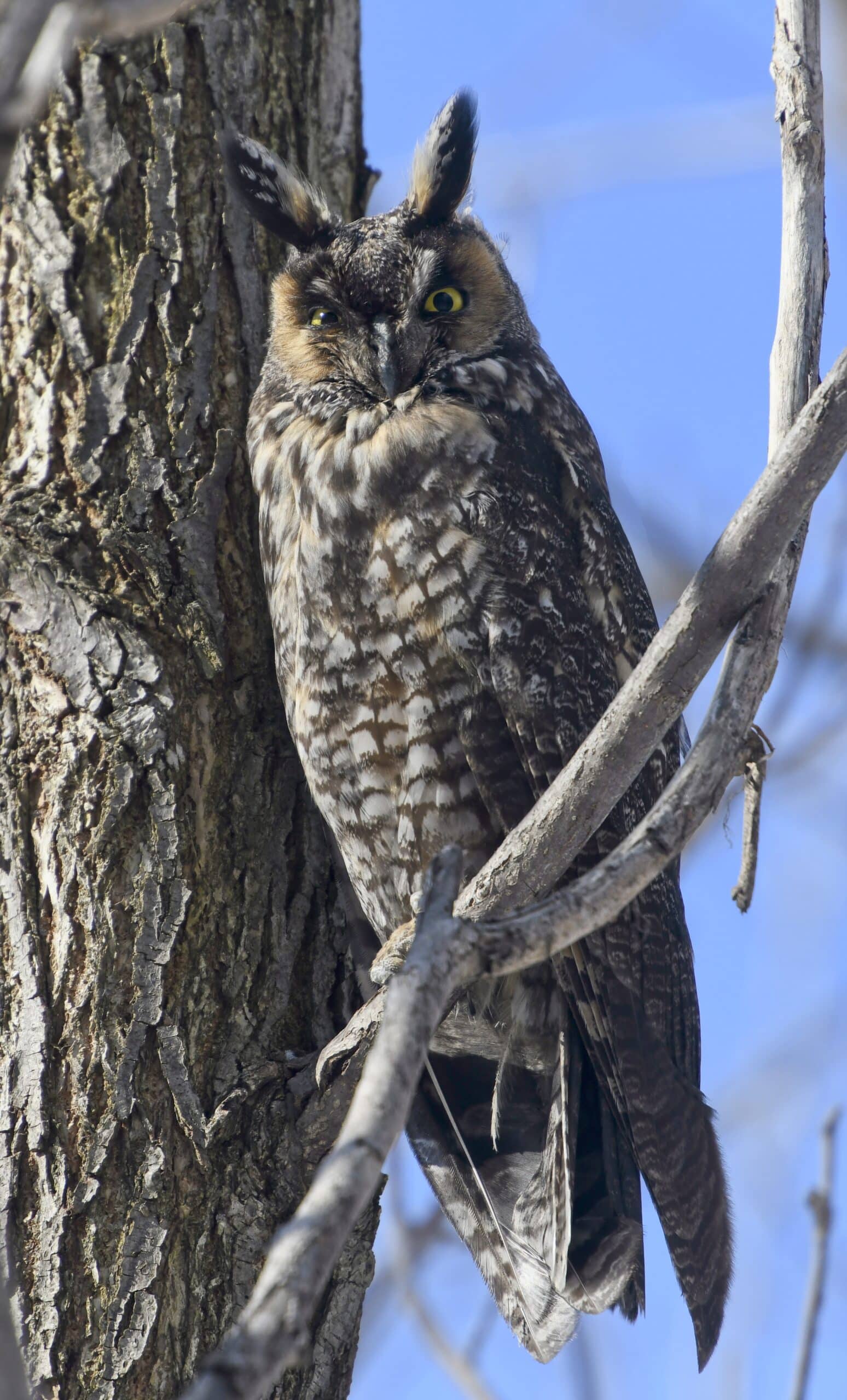
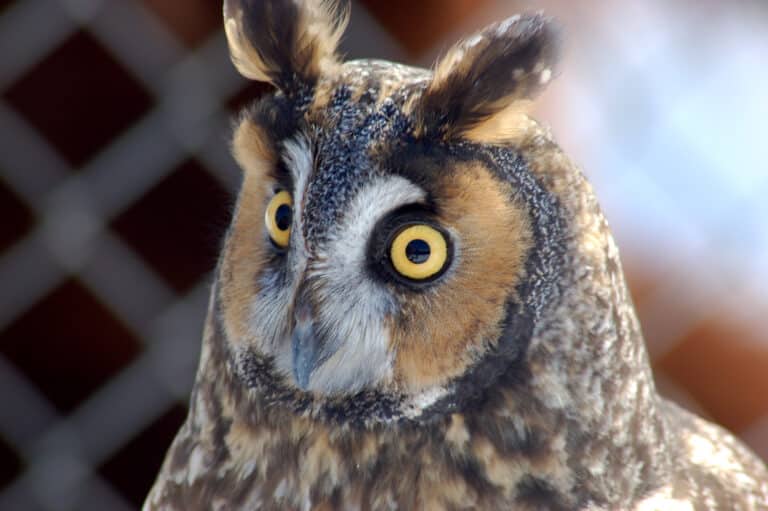
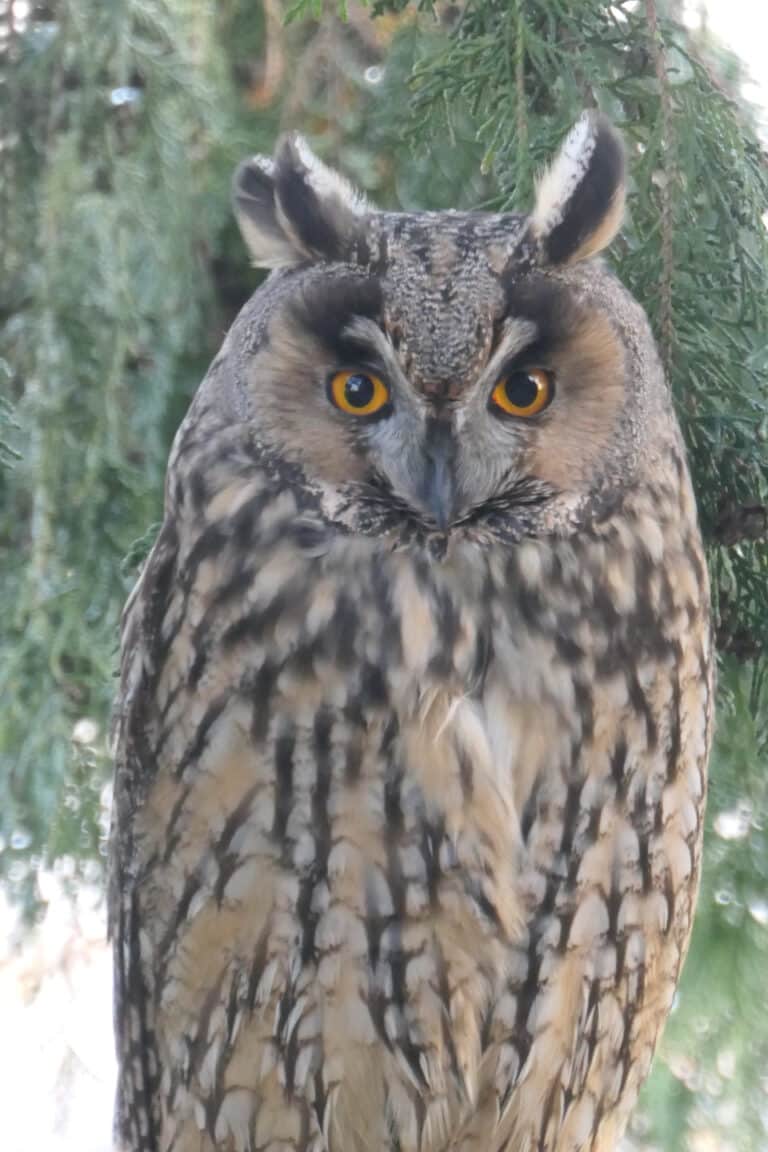
These owls average a size of 33 to 40 centimeters (13 to 16 inches). With their distinctive long ear tufts, they look a bit like they are always ready for a surprise party.
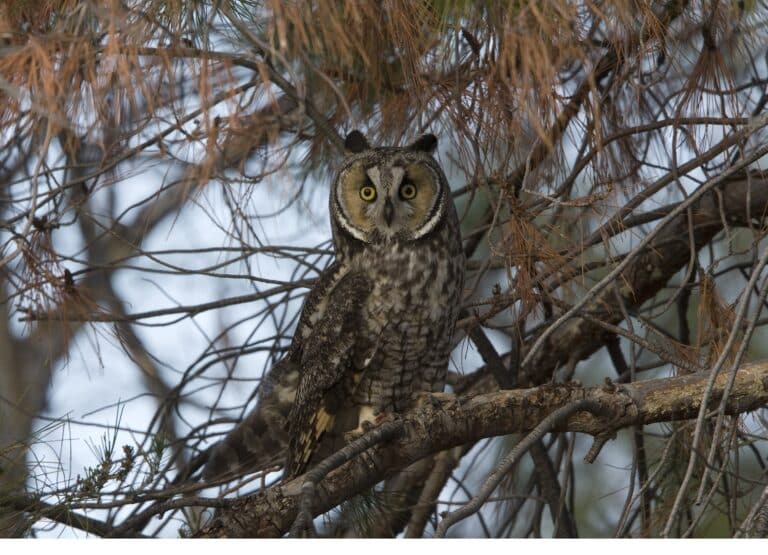
Long-Eared Owls thrive in a variety of habitats. They often nest in forests, scrublands, and even urban areas, showing they can adapt to life in pretty much any neighborhood.
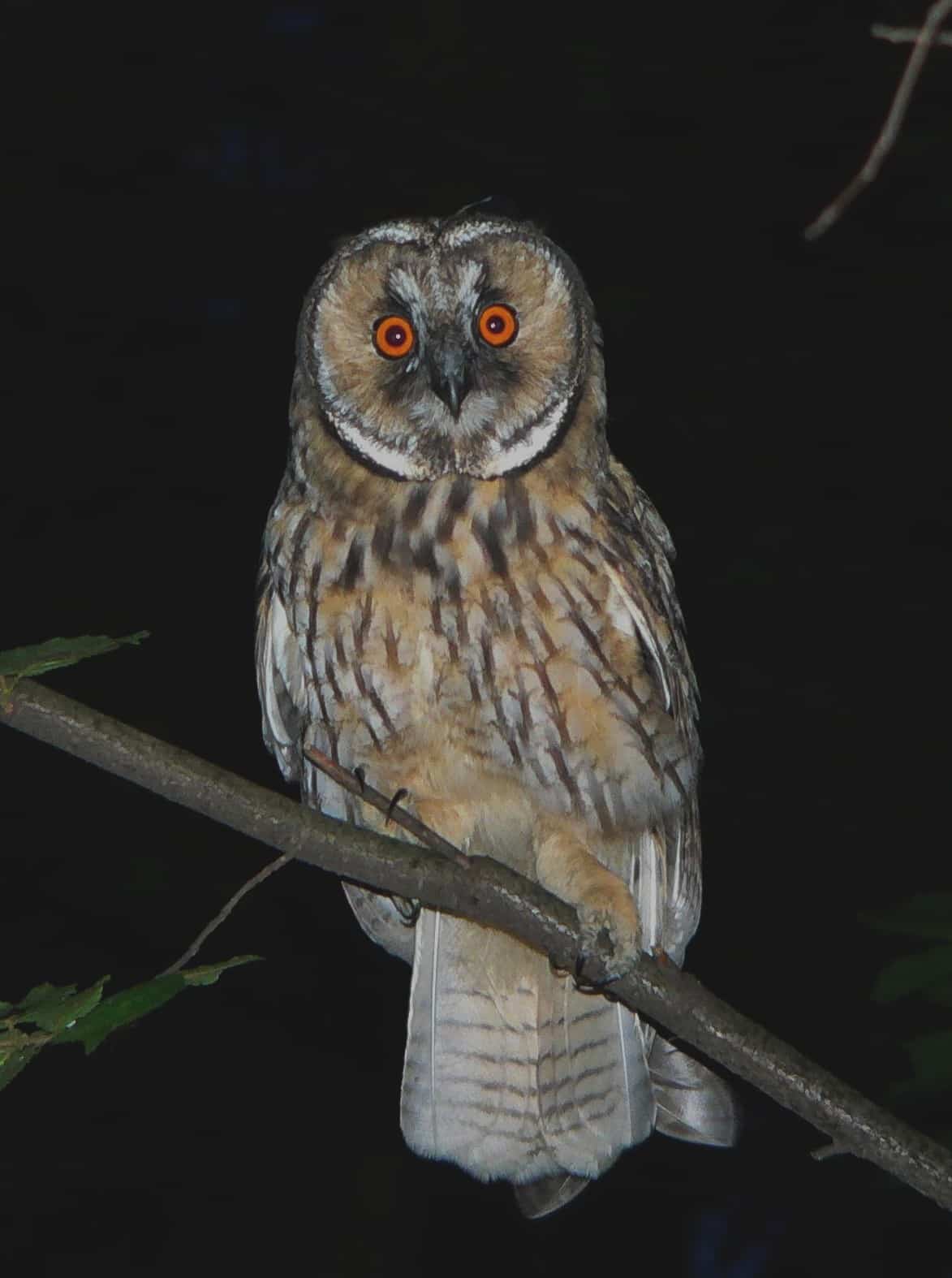
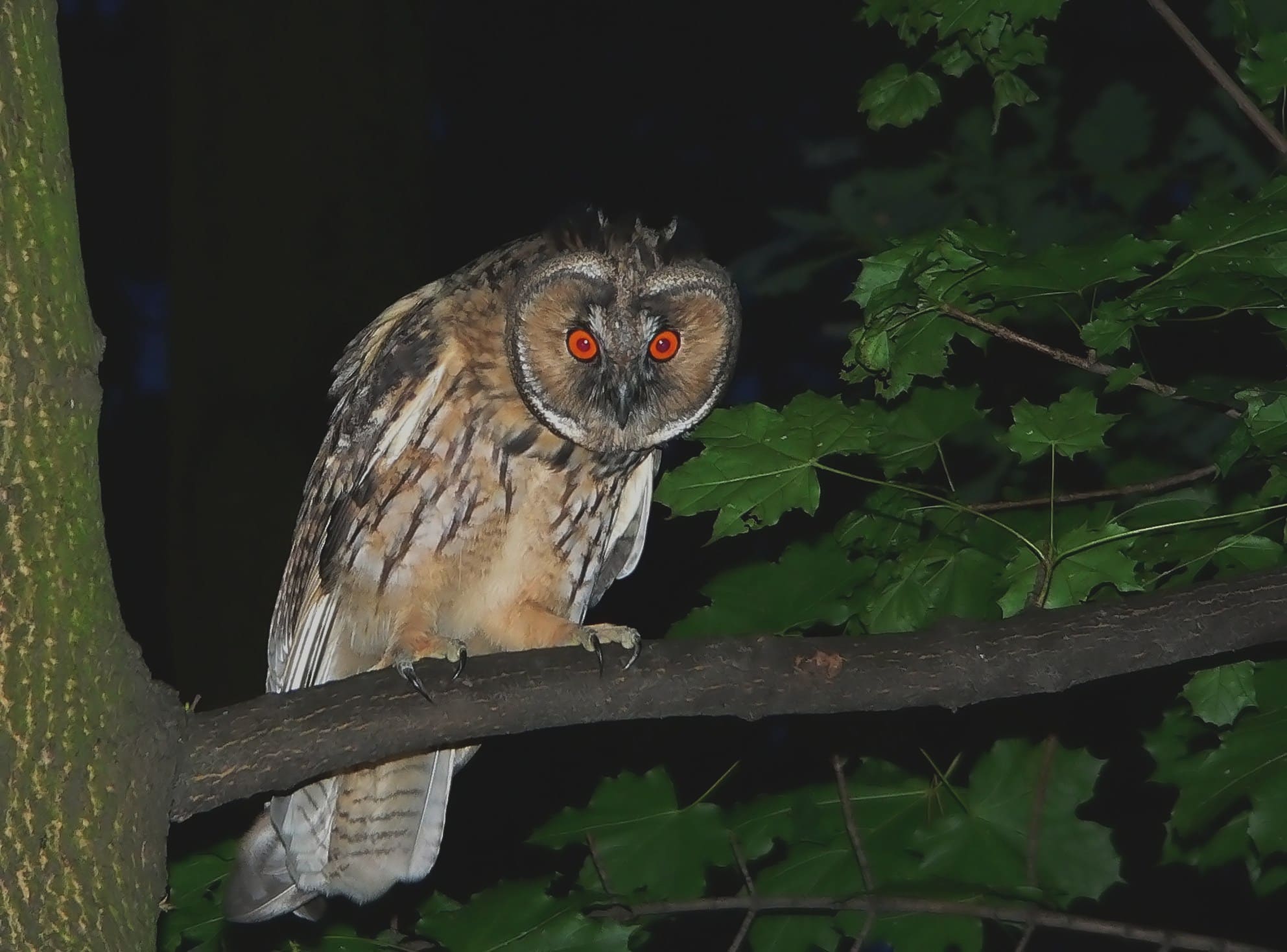
Their diet mainly consists of small mammals and insects. With their sharp eyesight and incredible hearing, they can swoop down silently on their dinner, making them expert hunters during the night.
On average, these owls live for about 10 to 12 years, which gives them plenty of time to hoot around and enjoy their surroundings. Just listen for their raspy calls at night, and you might be lucky enough to hear one in your area.
So, if you ever find yourself outside after sunset, keep your eyes peeled for the Long-Eared Owl! You may catch a glimpse of this enchanting bird as it glides through the night sky, looking for its next meal.

Where can you find a Long-Eared Owl in the wild?
What does a Long-Eared Owl eat?
How big can a Long-Eared Owl grow?
How long does a Long-Eared Owl typically live?
What is the conservation status of the Long-Eared Owl?
What are the main threats to the Long-Eared Owl?
Fun facts
Long-Eared Owls have astonishingly large eyes that help them see incredibly well in low light, making them expert hunters far into the night.


These owls can turn their heads almost all the way around, allowing them to survey their surroundings without moving their bodies—a bit like having a super power!
Long-Eared Owls can be found roosting together during the day in small groups, like a secret club of silent night hunters ready to swoop out after sunset.
These feathered friends have a unique way of communicating. They produce a series of soft hoots that sound almost like a gentle song, sharing their feelings with other owls.
In winter, Long-Eared Owls often gather in larger groups to keep warm, demonstrating that sometimes, teamwork can help you stay cozy during the chilly months!
These owls' ear tufts are not actually ears. They help enhance their sense of hearing by directing sound waves, making it easier to locate prey in the dark.
Long-Eared Owls can fly silently due to their special wing feathers, allowing them to sneak up on unsuspecting animals like ninjas of the night!
When a Long-Eared Owl feels threatened, it puffs up its feathers and stands tall, trying to appear larger and more intimidating to scare off any predators.
Their nesting sites can be found as low as 1 meter (3.3 feet) off the ground, making them sneaky little architects who build homes in brushy areas where they can hide.
Photos






The Basics


explore more
Amphibians
Arachnids
Birds
Cats
Crustaceans
Fish
Fish Pet Guide
Gastropods
Insects
Invertebrates
Mammals
Pet Fish
Pet Rodents
Plants
Reptiles
Roundworms
Sea Slugs