Successfully copied to clipboard!
Lynx
Uncover the secretive hunters of the snowy forests!
Let’s Explore
Overview
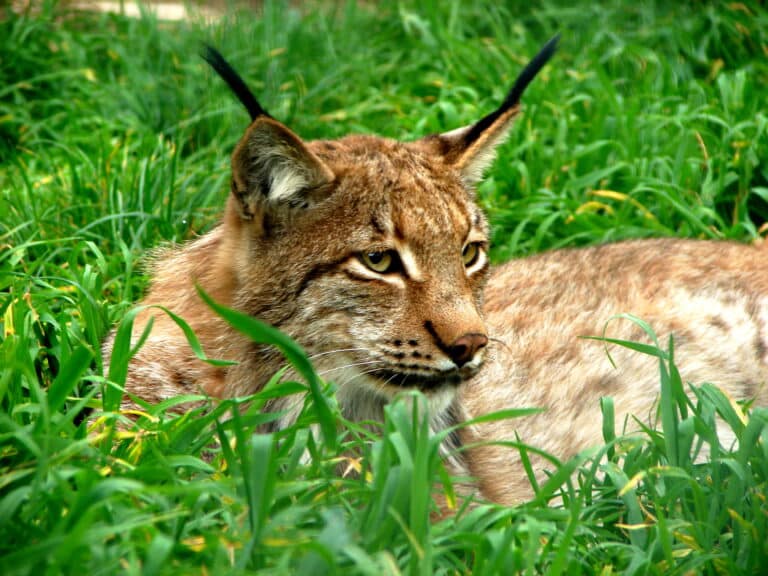
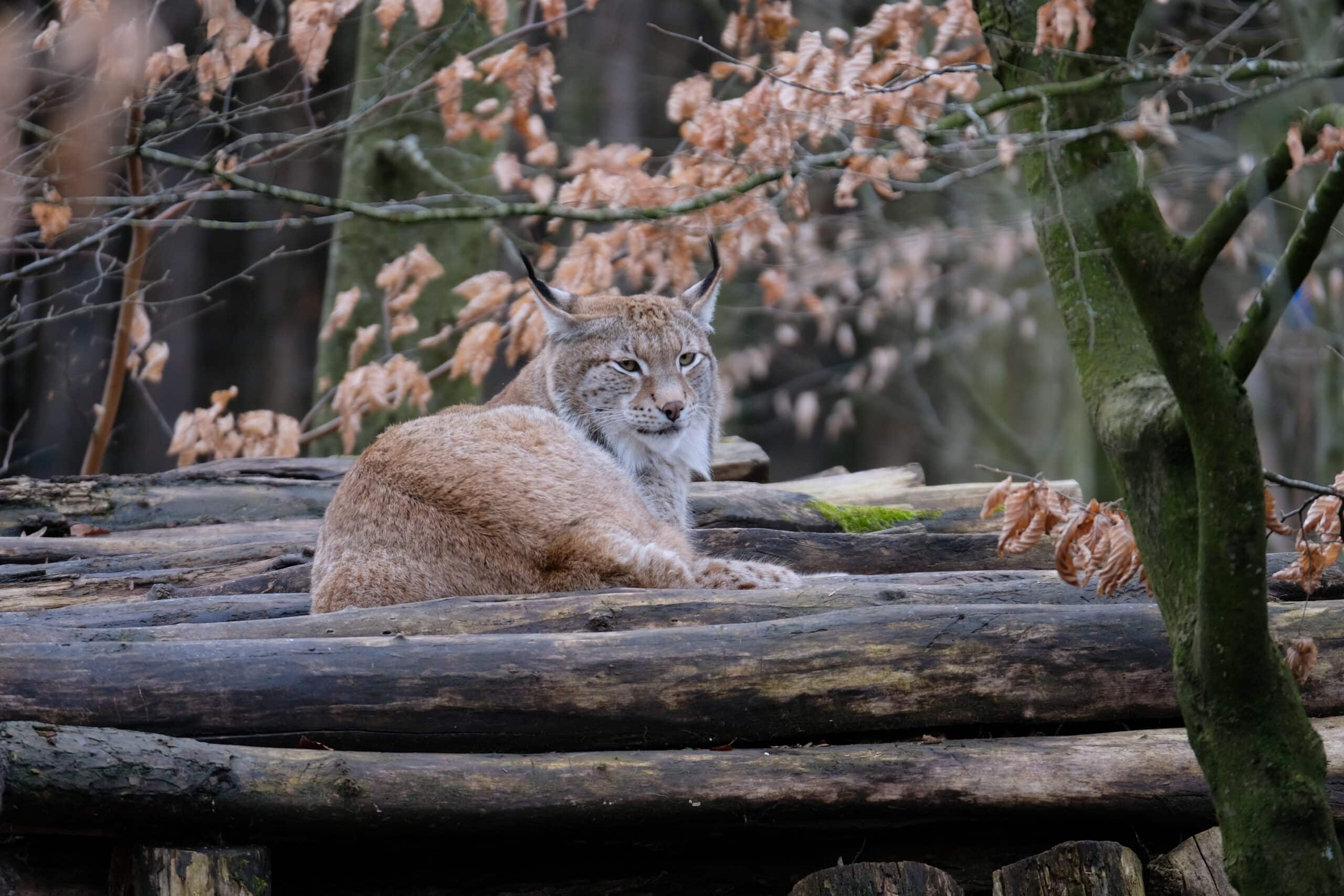
The lynx is a captivating wild cat that belongs to the Felidae family. They roam the forests and mountains of Eurasia, showcasing an impressive blend of grace and stealth.
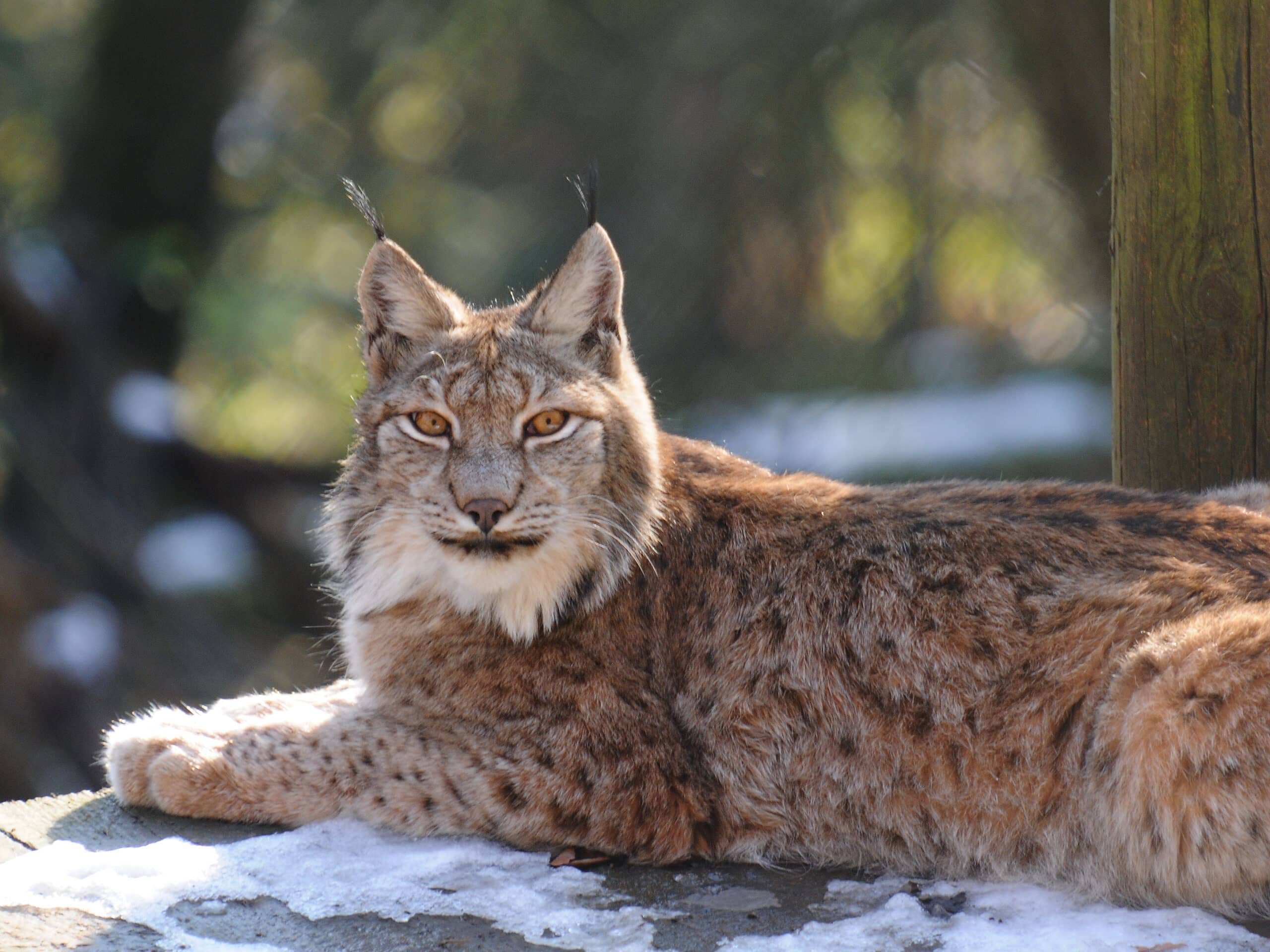
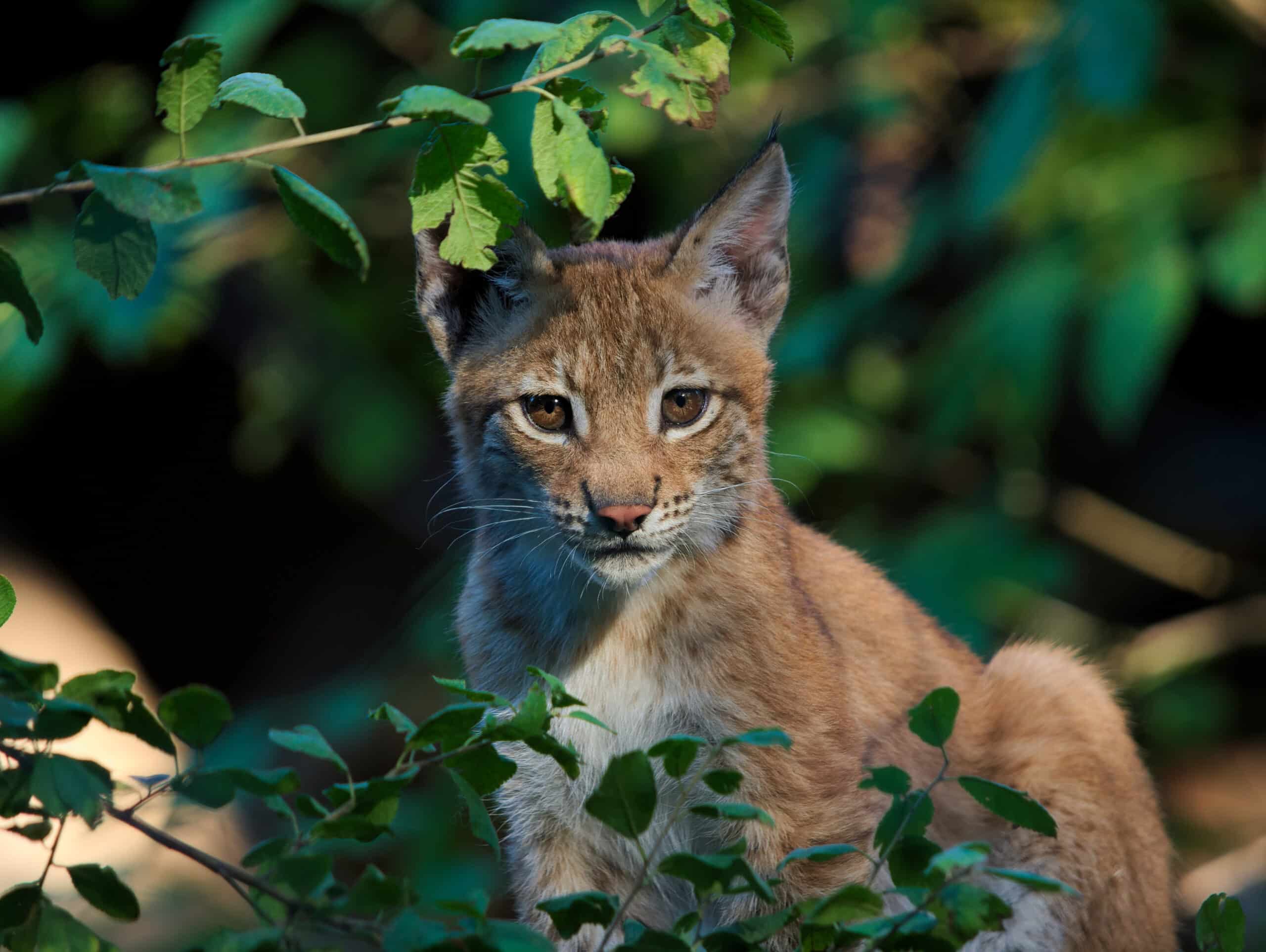
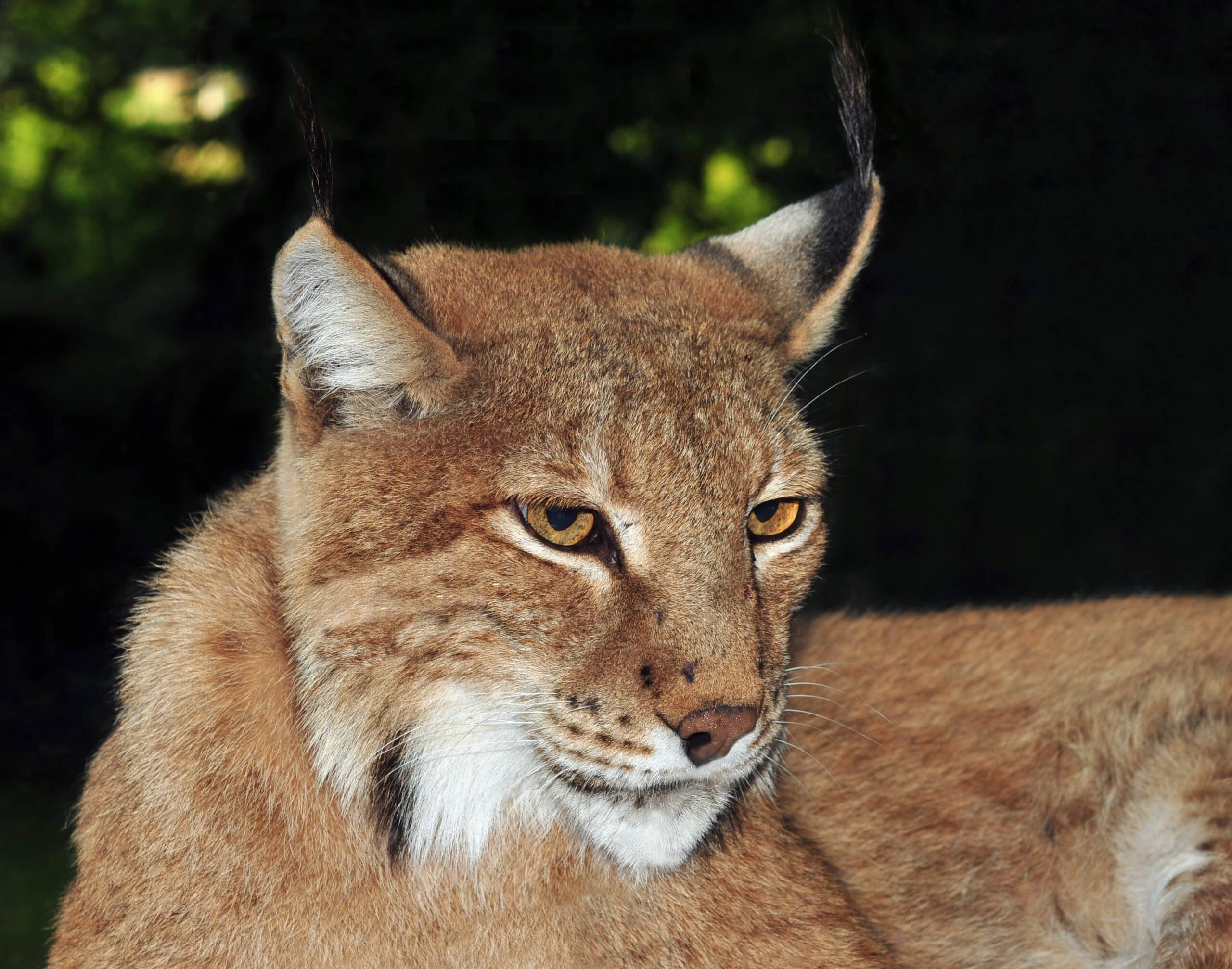
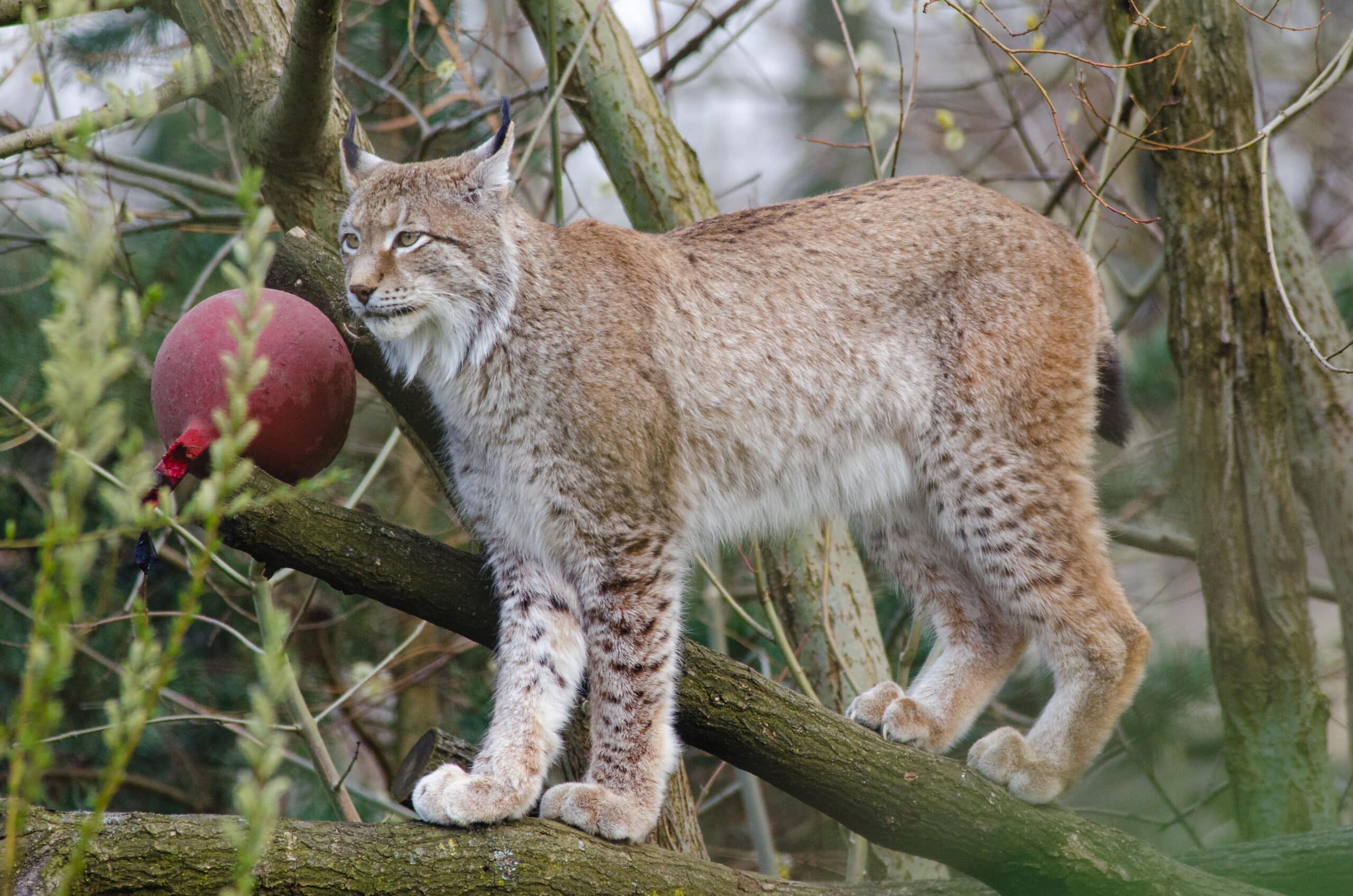
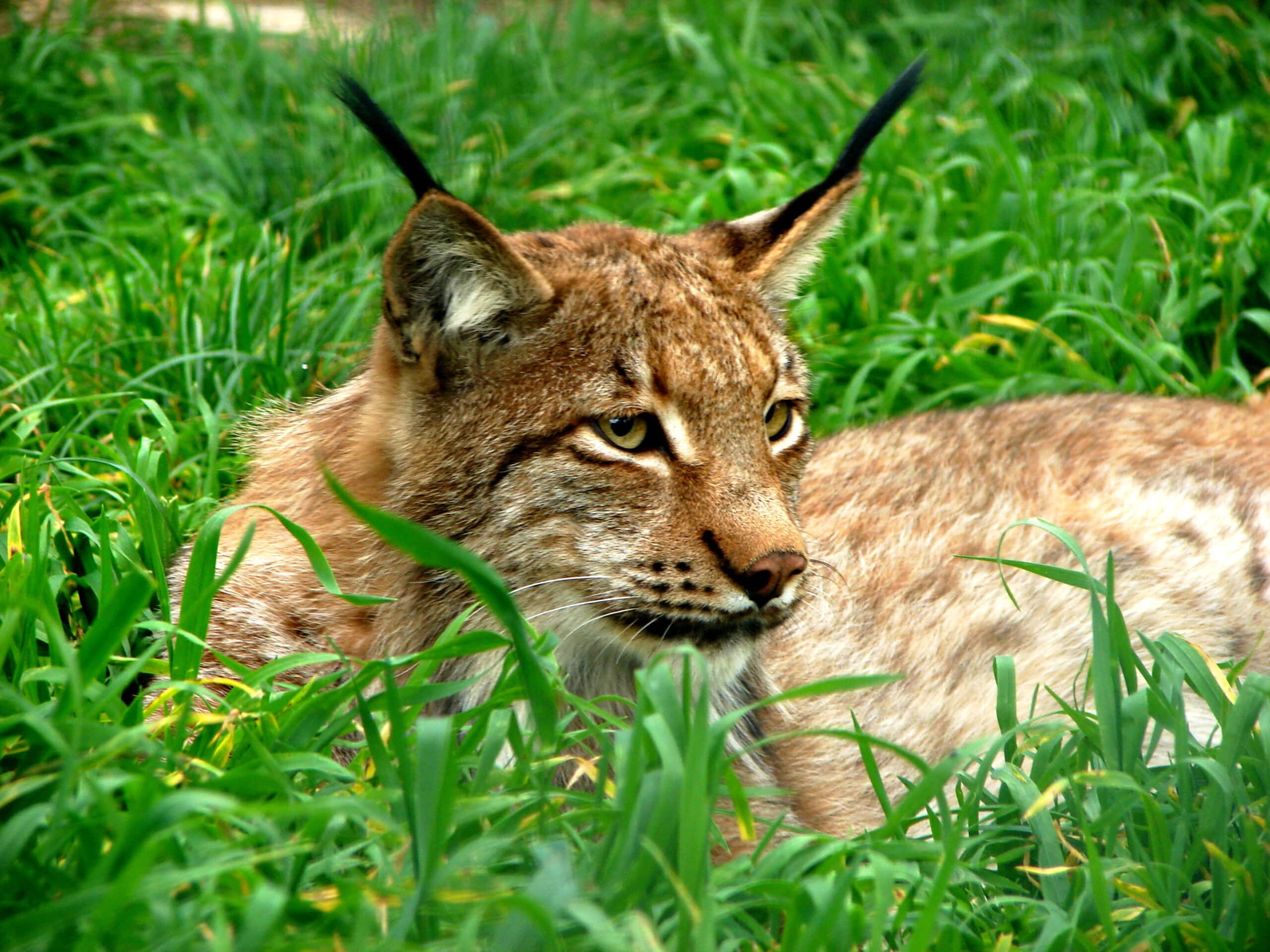
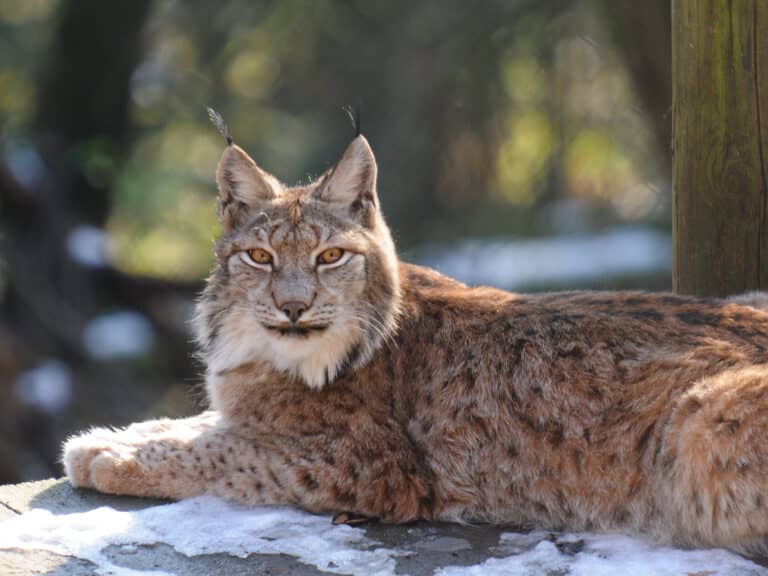
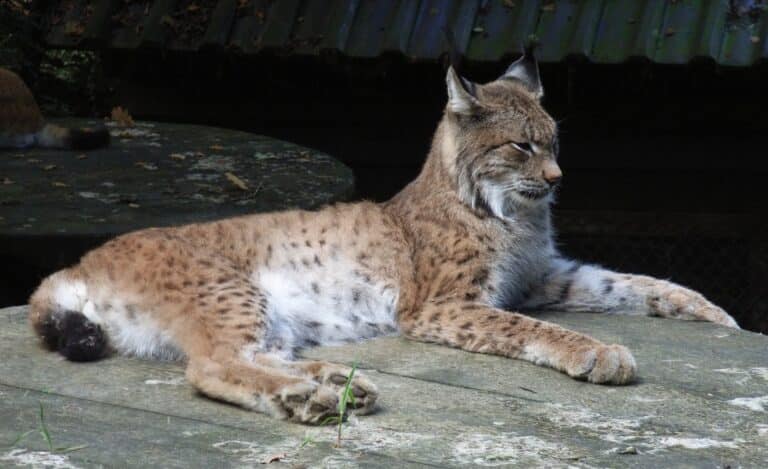
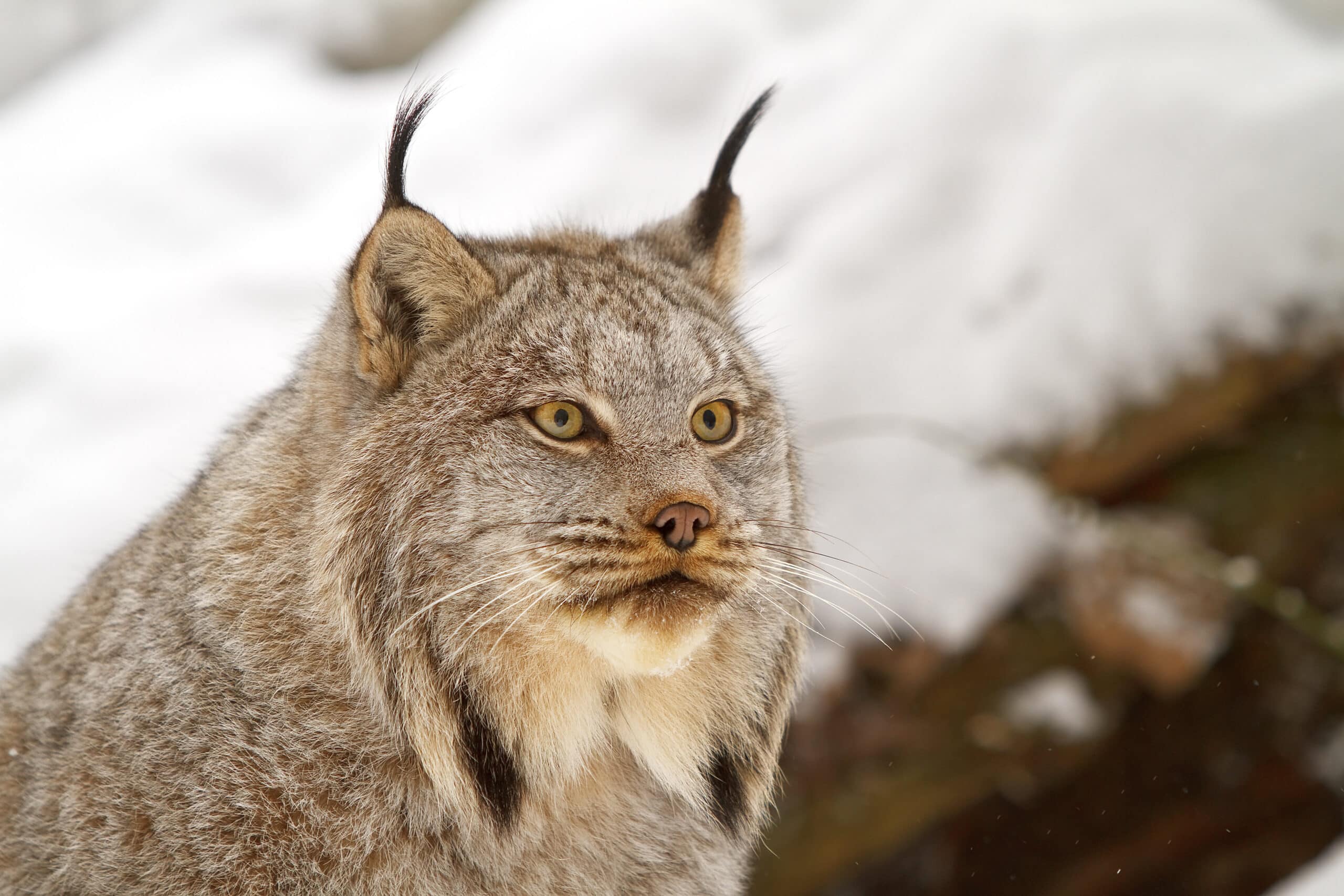
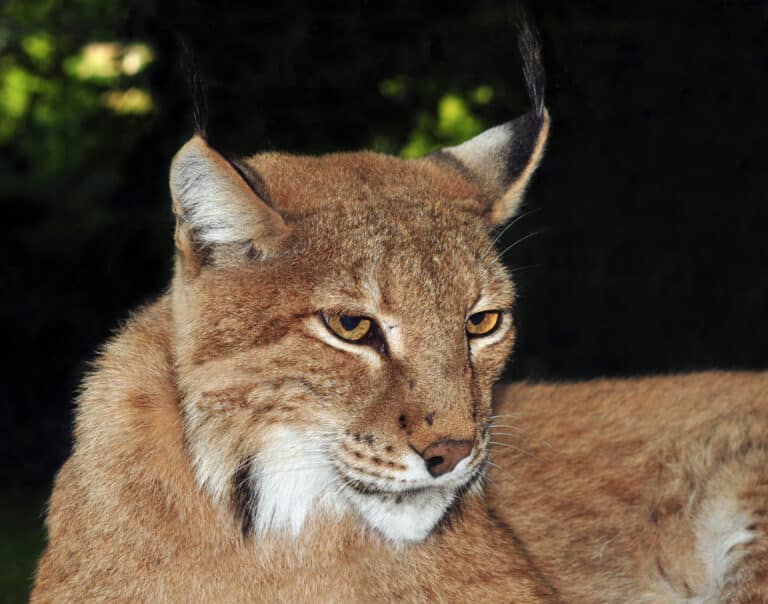
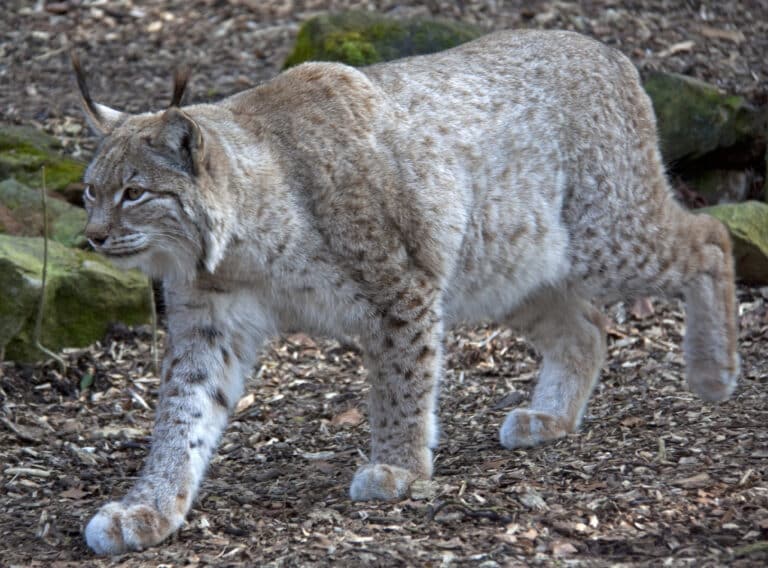
Lynxes typically grow to impressive lengths of 80 to 110 centimeters (31 to 43 inches), including their fluffy tails. They have distinctive tufts of fur on their ears and a short tail that adds to their adorable charm.
These skilled hunters enjoy a diet that includes deer, hares, and various birds. Their sharp eyesight and keen hearing make them exceptional at spotting prey, even in dense woods.
Lynxes live for about 10 to 12 years in the wild, leading solitary lives and patrolling their own territories. They are like the ninjas of the animal kingdom, moving quietly as they dream of catching their next meal.
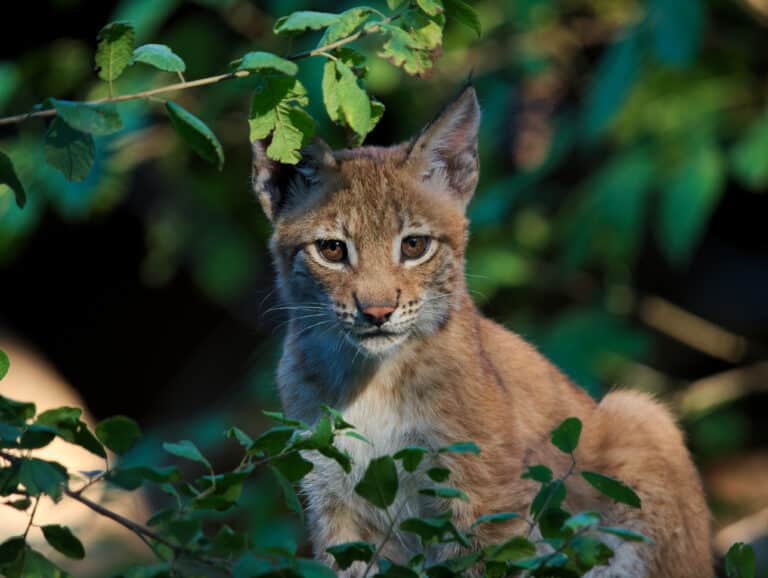
Despite being fearsome predators, lynxes have a playful side. Young lynxes love to wrestle and play-fight with their siblings, honing their hunting skills in a fun way!

Where can you find a Lynx in the wild?
What does a Lynx eat?
How big can a Lynx grow?
How long does a Lynx typically live?
What is the conservation status of the Lynx?
What are the main threats to the Lynx?
Fun facts
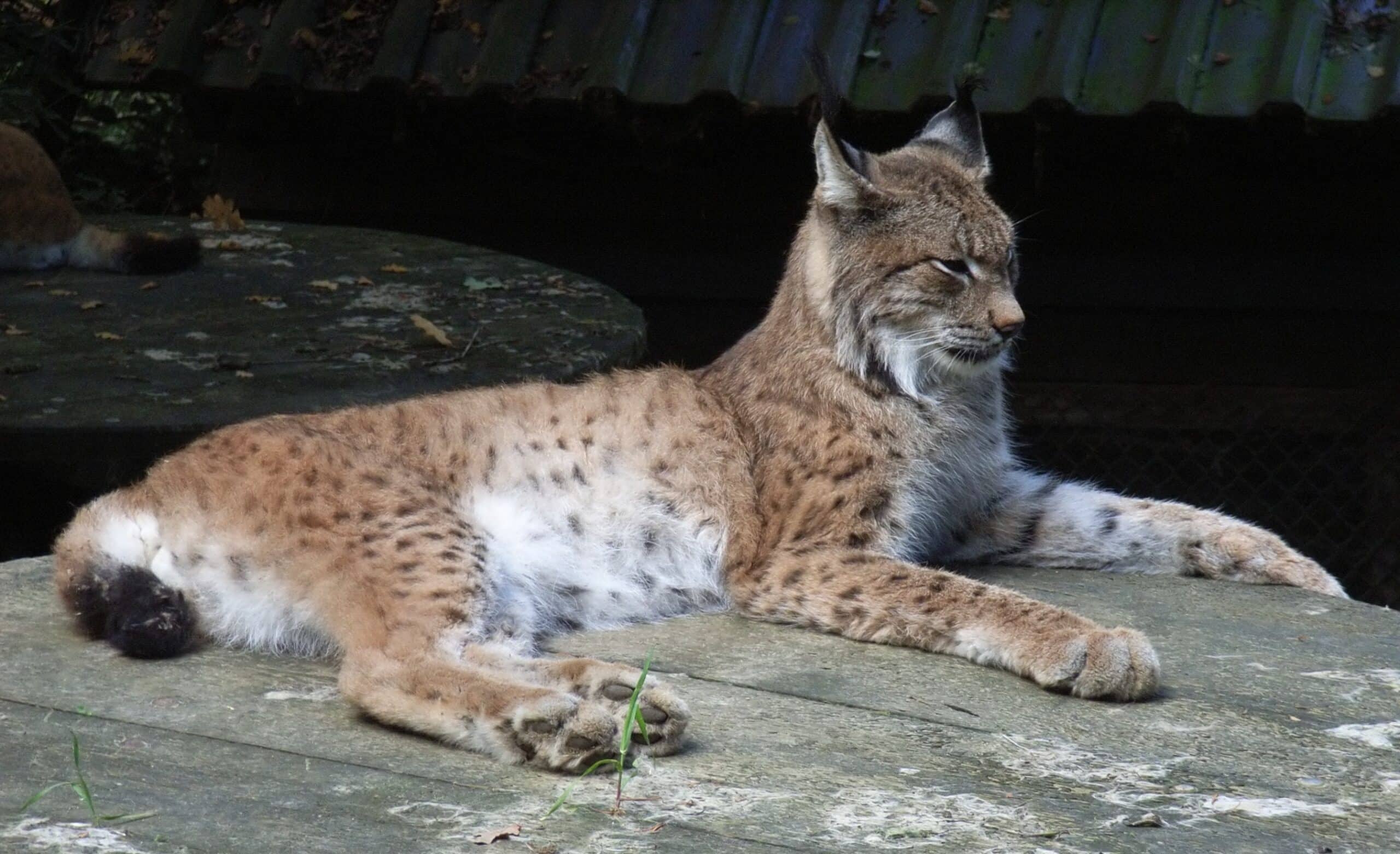
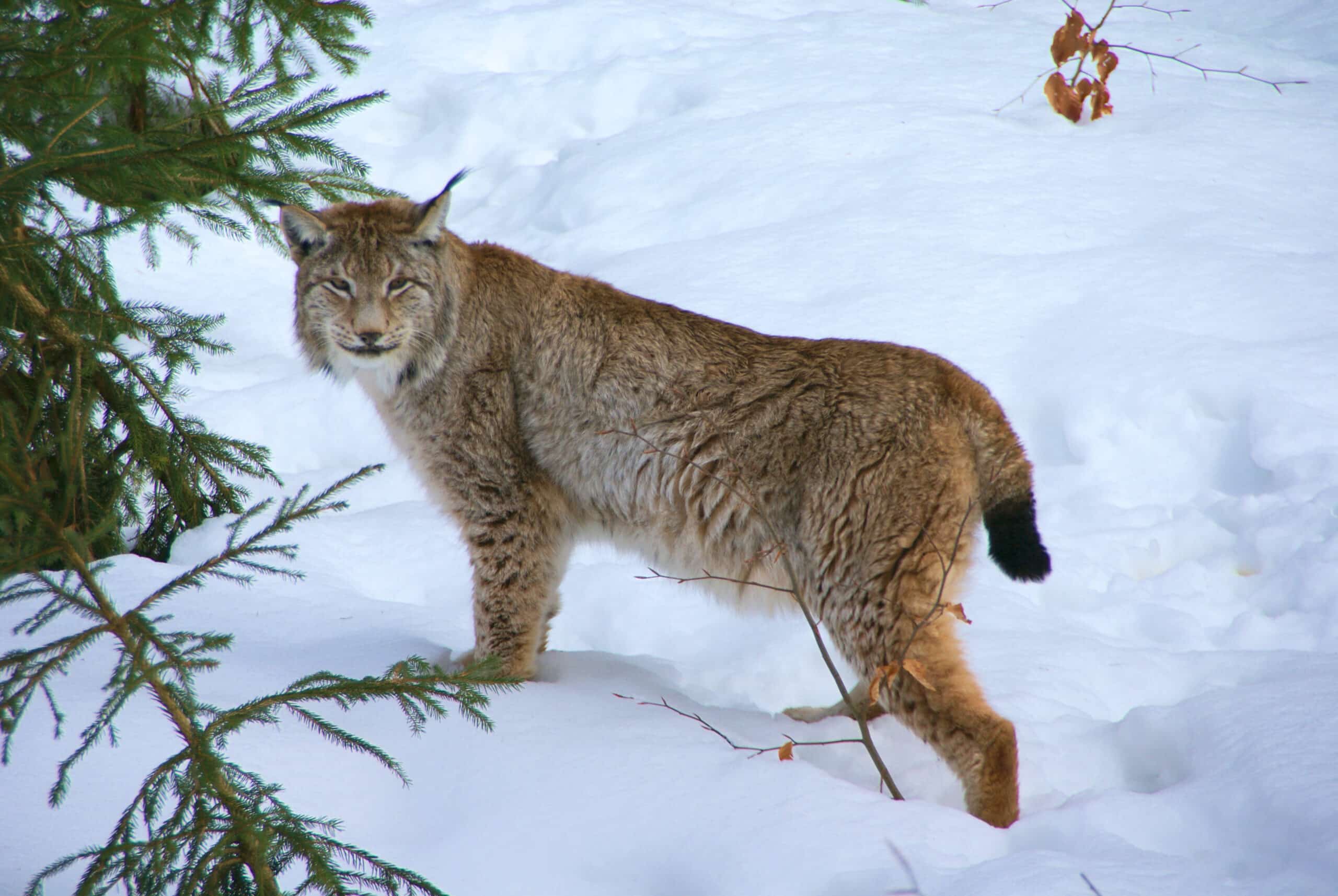
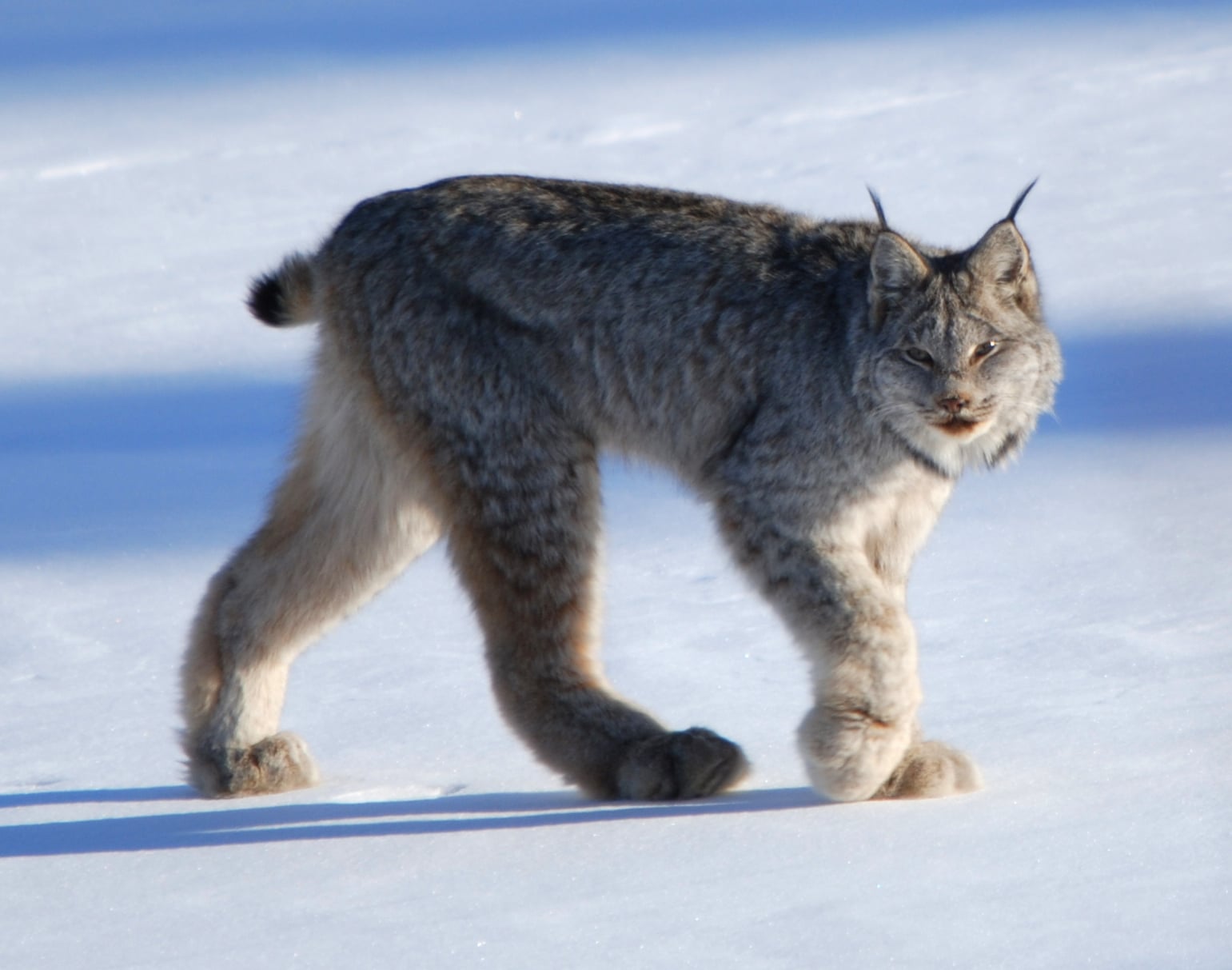
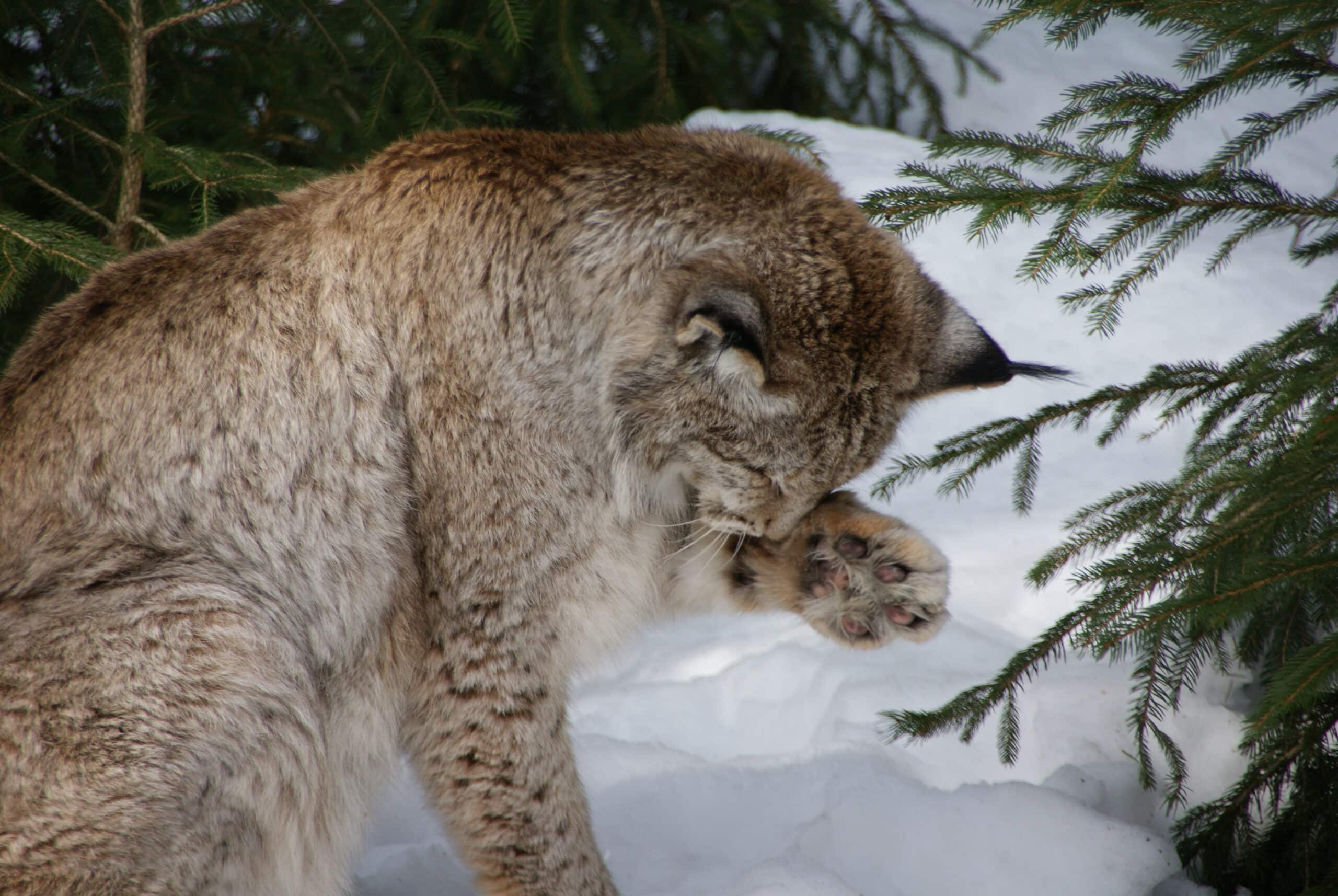
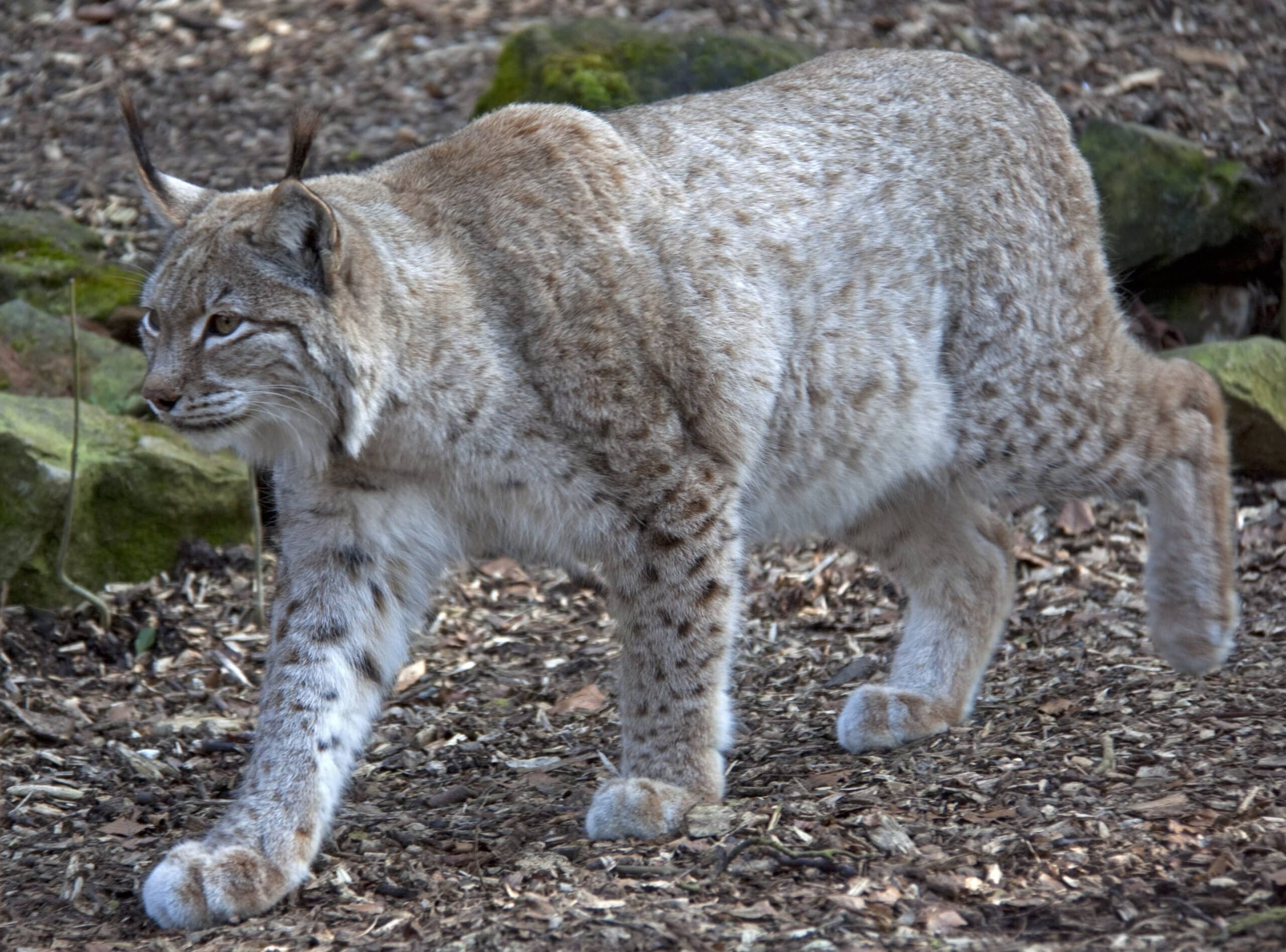
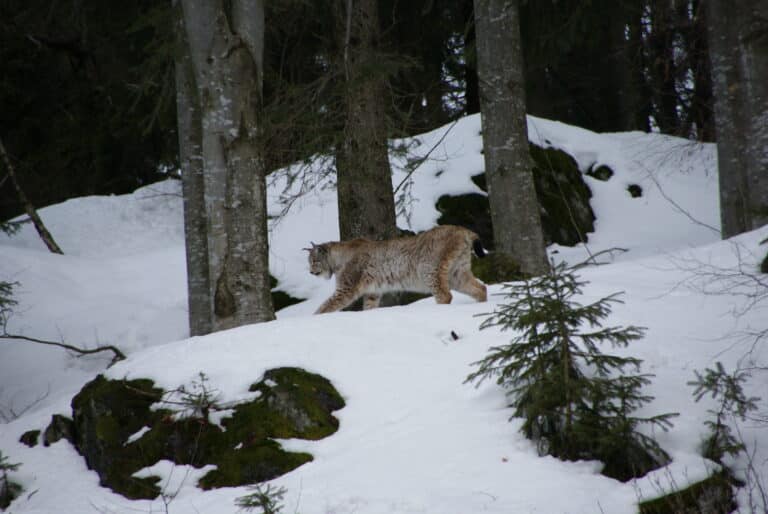
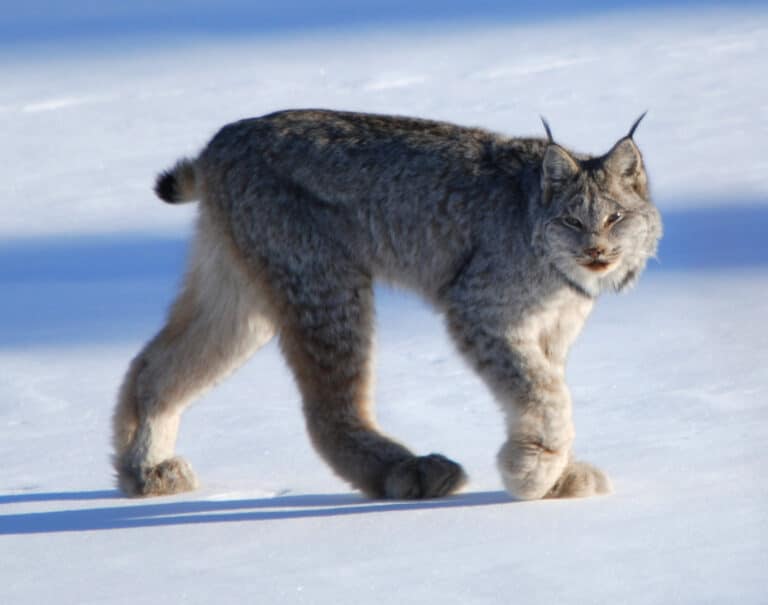
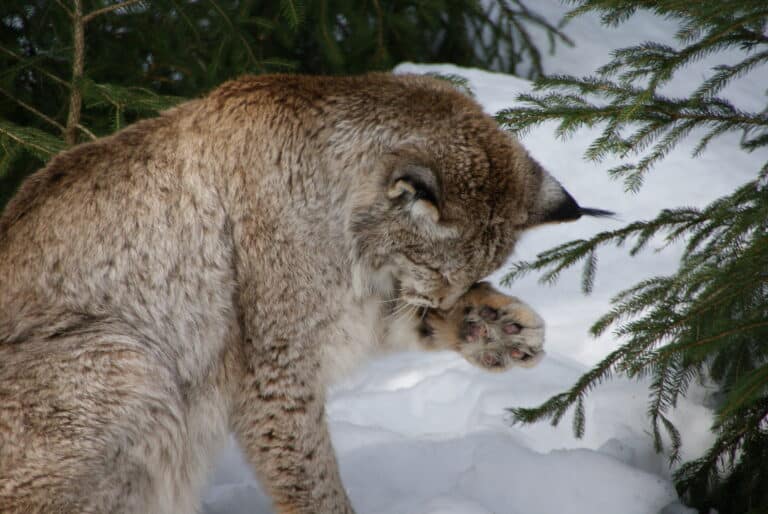
Lynxes have super fluffy feet that act like snowshoes, helping them walk easily on snow without sinking in!


These cats are expert jumpers, leaping up to 3 meters (9.8 feet) high to pounce on their prey. That’s like jumping over a basketball hoop!
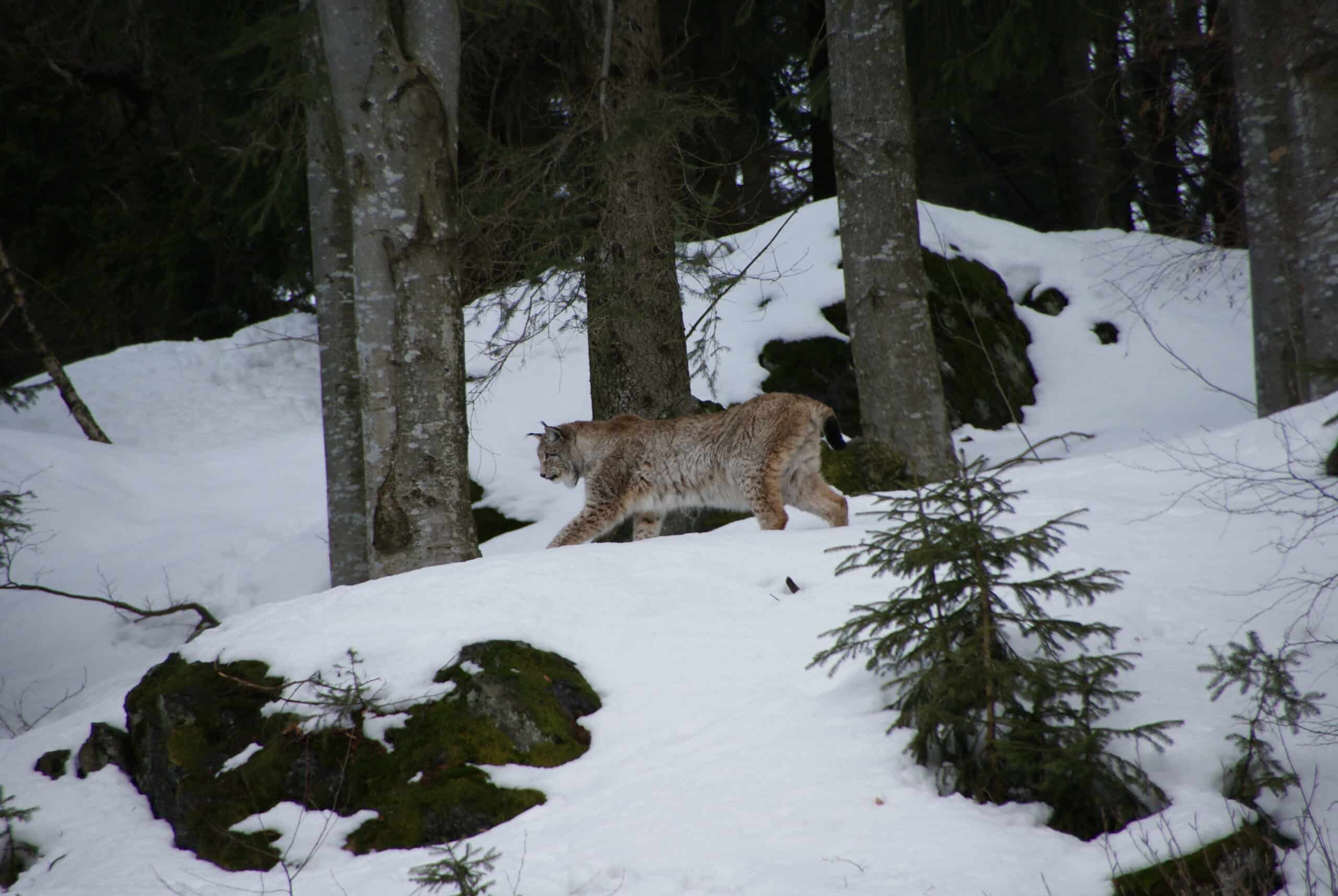
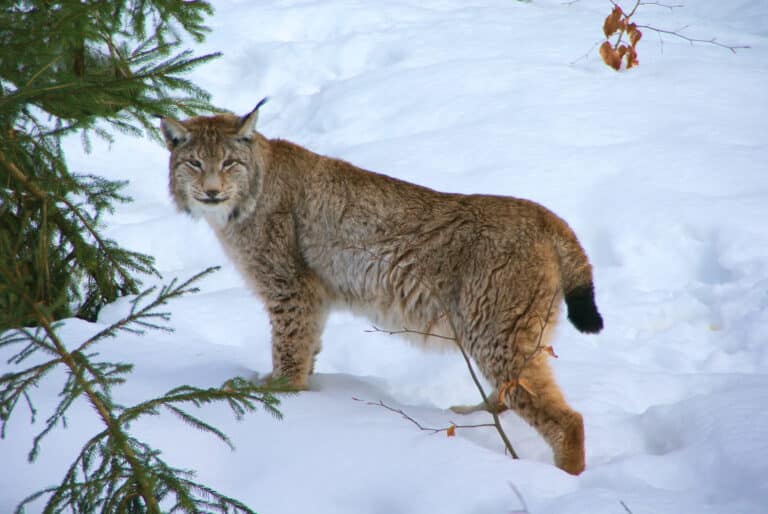
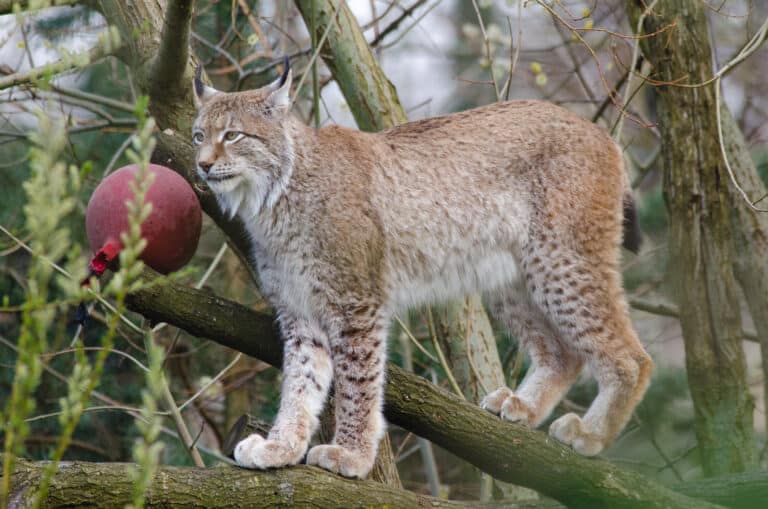
Lynxes are masters of camouflage. Their spotted fur helps them blend into the forest, making it hard for prey to spot them and even harder for us!
These solitary cats are not as social as your house cat. Lynxes prefer their own company, marking territories that can be as large as 40 square kilometers (15 square miles) to keep others away!
Lynxes use a unique method to communicate called 'chuffing,' which sounds like a soft grunt. It helps them say hello or signal that it’s time to keep distance!
When lynx kittens play, they often pretend to hunt. This behavior helps them build essential skills for catching real prey when they grow up!
The lynx's keen eyesight allows it to see in low light conditions, making it effective at hunting during dawn and dusk, which is when many of its prey are active.
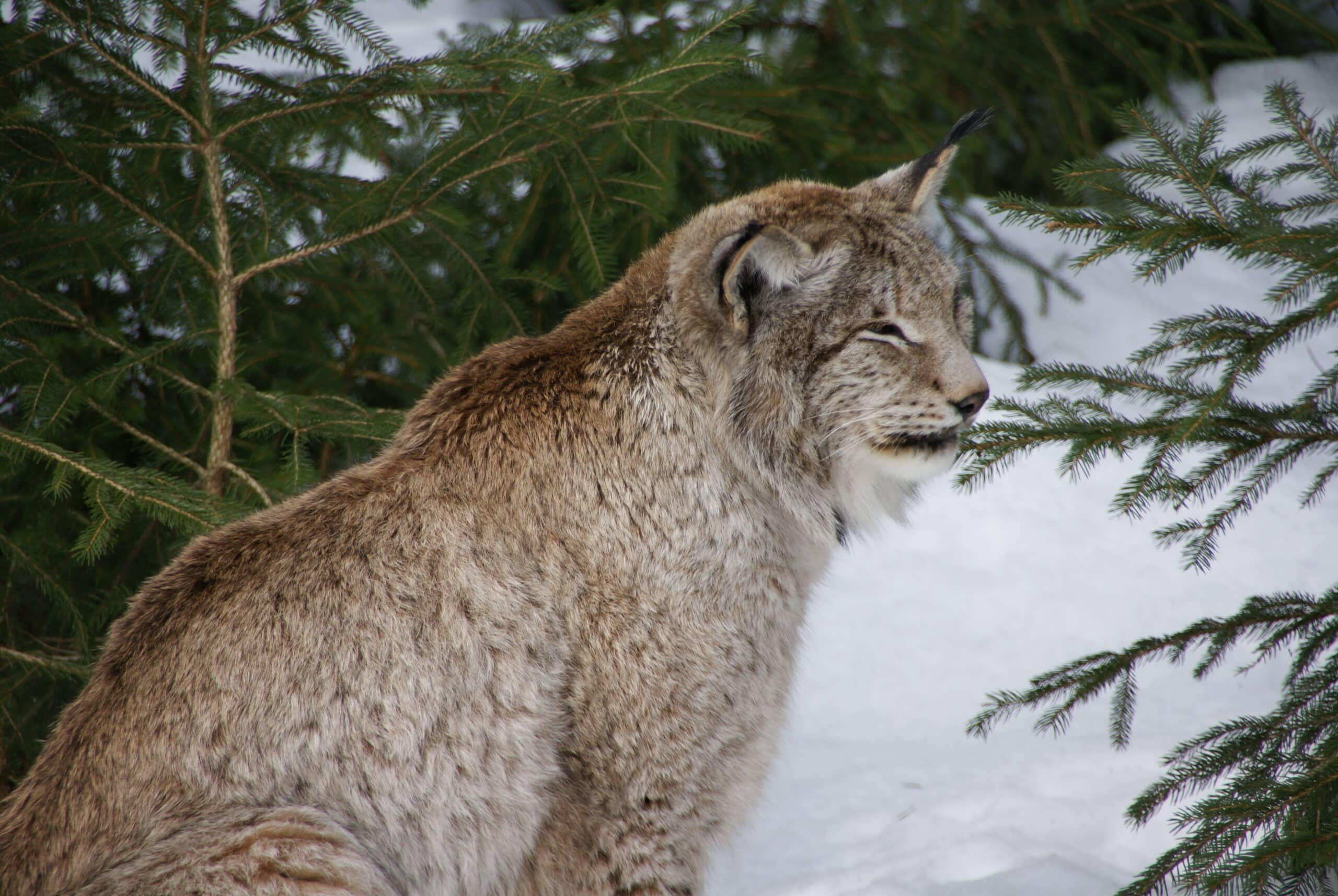
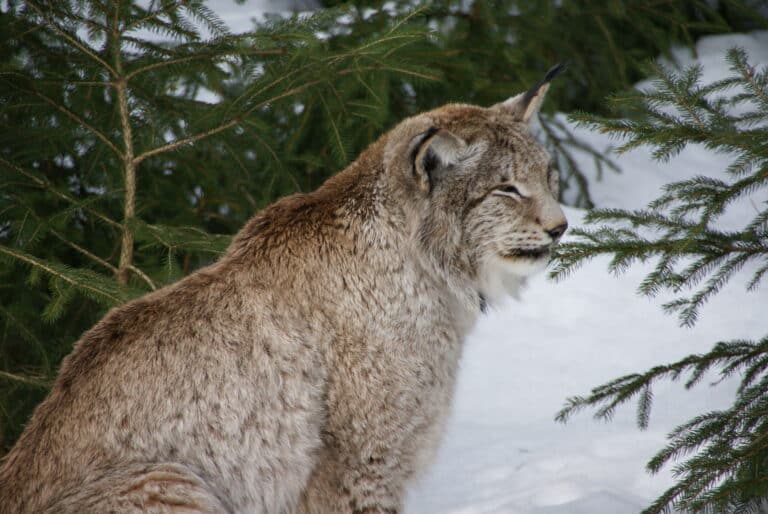
During winter, lynxes grow extra fur around their face, giving them a fluffy beard. This helps keep them warm and cozy, just like wearing a furry scarf!
A female lynx can give birth to a litter of up to four kittens. They raise their little ones in hidden dens made of leaves and snow for safety!
Some people believe that lynxes bring good luck! In folklore, they symbolize safe journeys and protection in the wild.
Photos





The Basics


explore more
Amphibians
Arachnids
Birds
Cats
Crustaceans
Fish
Fish Pet Guide
Gastropods
Insects
Invertebrates
Mammals
Pet Fish
Pet Rodents
Plants
Reptiles
Roundworms
Sea Slugs