

Successfully copied to clipboard!
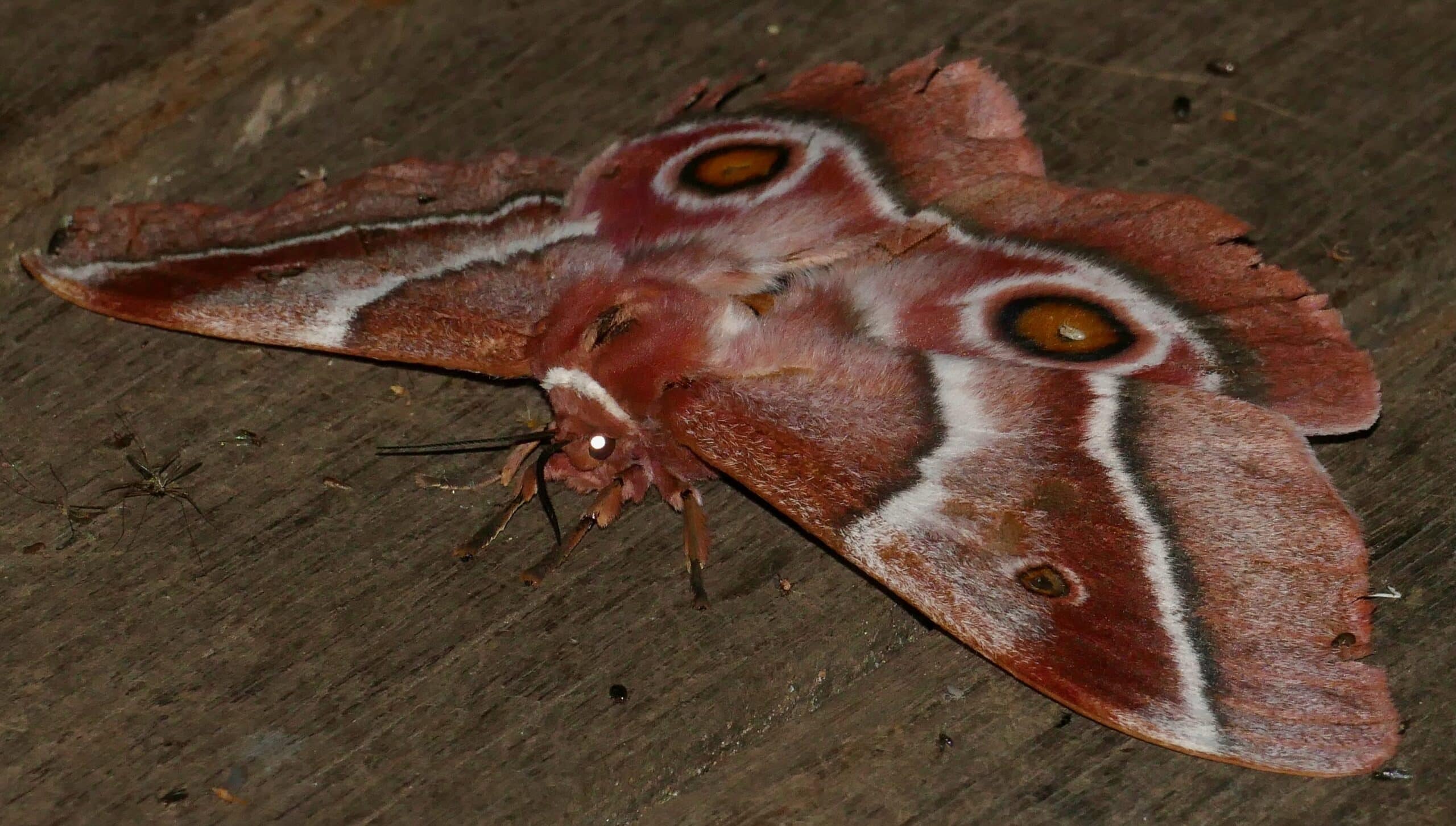
Madora Moth
Flutter into the colorful world of nature's gentle giants!
Let’s Explore
Overview
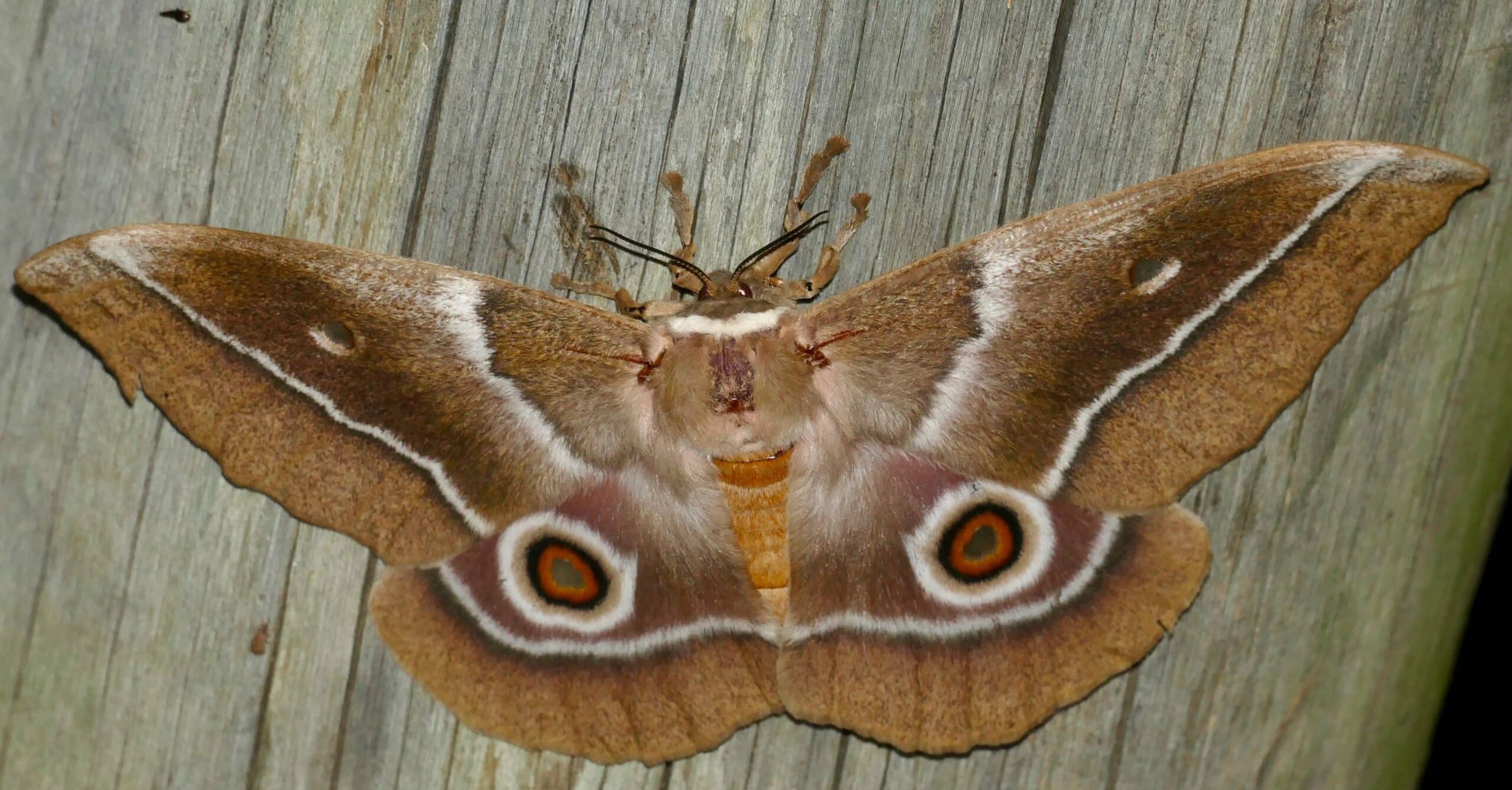
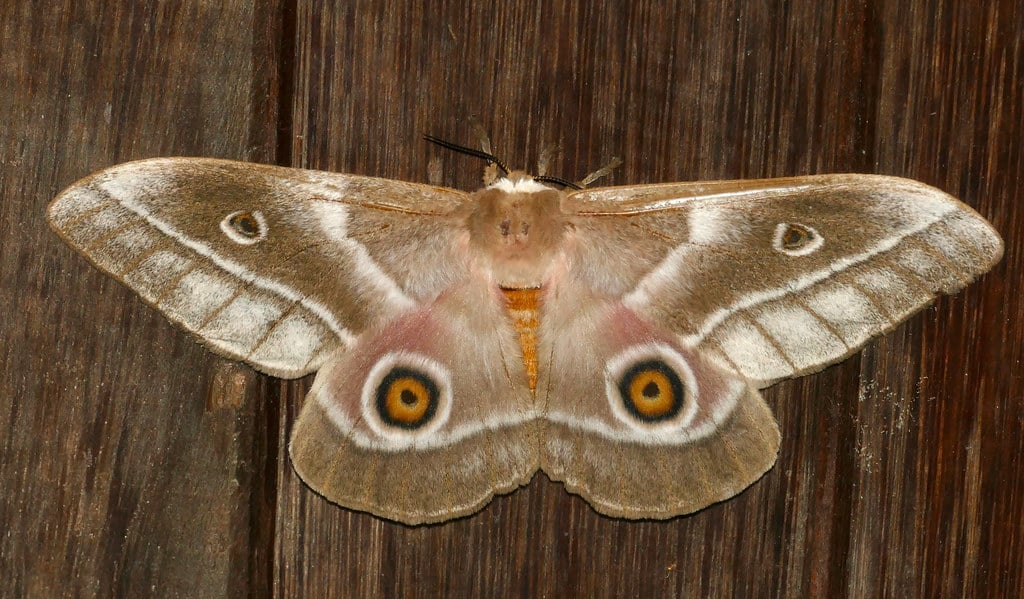
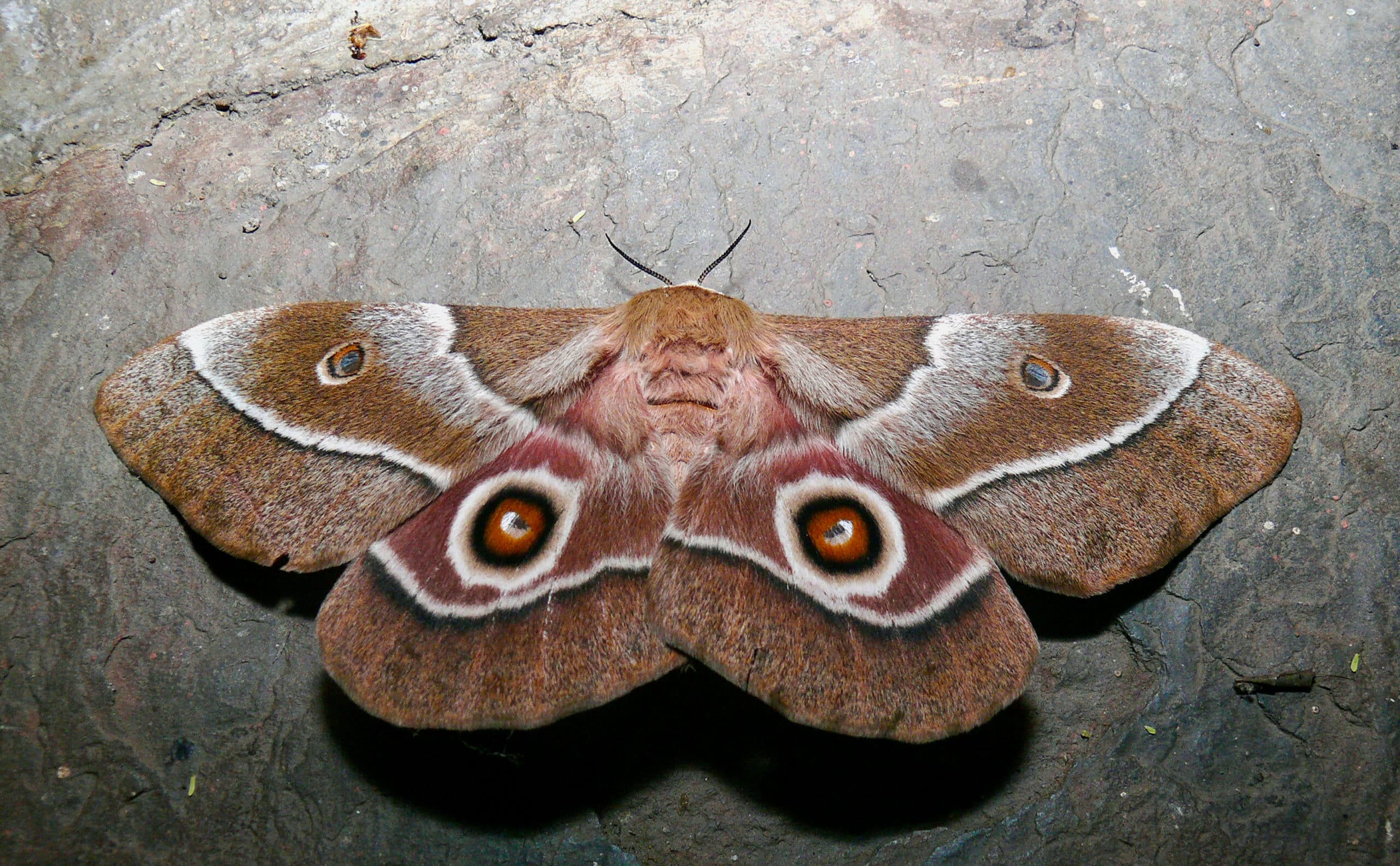
The Madora Moth is a spectacular insect that captures the attention of many with its beautiful wings. Scientists call it Gonimbrasia belina, and it belongs to the Lepidoptera order, which includes all moths and butterflies.
The Madora Moth can stretch its wings between 3 to 4 inches (approximately 7.6 to 10.2 centimeters). When it spreads its wings, it showcases a stunning display that can leave you moth-struck!
This incredible moth lives in Africa, where you can find it fluttering around trees. It loves to munch on leaves, turning a leafy meal into a feast fit for a moth royalty.
The lifespan of the Madora Moth lasts about one year. This short but sweet life is filled with the joy of flying and enjoying the greenery of its woodland home.
These moths are more than just pretty faces; they play a role in their ecosystem by helping to pollinate flowers. Just think of them as nature's little gardeners, spreading plant love wherever they go!
Children and adults alike can enjoy spotting Madora Moths on warm evenings. With their fascinating traits and unique beauty, they remind everyone that even the smallest creatures can make a big impression!

Where can you find a Madora Moth in the wild?
What does a Madora Moth eat?
How big can a Madora Moth grow?
How long does a Madora Moth typically live?
What is the conservation status of the Madora Moth?
What are the main threats to the Madora Moth?
Fun facts
The Madora Moth has a secret superhero ability: it can produce ultrasonic sounds to ward off predators. These high-pitched noises scare off hungry enemies like bats, just like a tiny protective alarm!


The caterpillar stage of the Madora Moth is quite a sight! These little guys can change color as they grow, going from green to brown, helping them blend in with leaves and avoid being eaten.
This moth loves to party at night! Madora Moths are nocturnal, which means they come alive when the sun goes down, fluttering around under the moonlight and making the nighttime gardens come alive with color.
Madora Moths can live in diverse environments, from dense forests to open woodlands. They're like the explorers of the moth world, adapting to different places and finding the best spots to munch on leaves.
These colorful moths are great at finding their way! Madora Moths can navigate using the moon's light, helping them take flight without getting lost in the dark, making them the night-time navigators.
When Madora Moths feel threatened, they can also release a smelly substance to repel attackers. Talk about having a hidden defense mechanism – it's like having a stink bomb ready to go!
The Madora Moth is a star of its own show in some African cultures! People harvest their caterpillars as a protein-rich snack, making these fluffy caterpillars quite the little delicacy.
With a wingspan of 3 to 4 inches, the Madora Moth’s wings are not only pretty but also very strong. They can travel long distances, fluttering through the trees like tiny airborne adventurers!
The Madora Moth plays a vital role in nature by pollinating flowers. While flying from plant to plant, they help blossoms create seeds, supporting forests and gardens everywhere!
Some experts think that the fluffy appearance of Madora Moths helps them stay warm at night. Their fuzzy bodies act like tiny jackets, keeping them cozy as they search for meals!
Photos

The Basics


explore more
Amphibians
Arachnids
Birds
Cats
Crustaceans
Fish
Fish Pet Guide
Gastropods
Insects
Invertebrates
Mammals
Pet Fish
Pet Rodents
Plants
Reptiles
Roundworms
Sea Slugs
