

Successfully copied to clipboard!
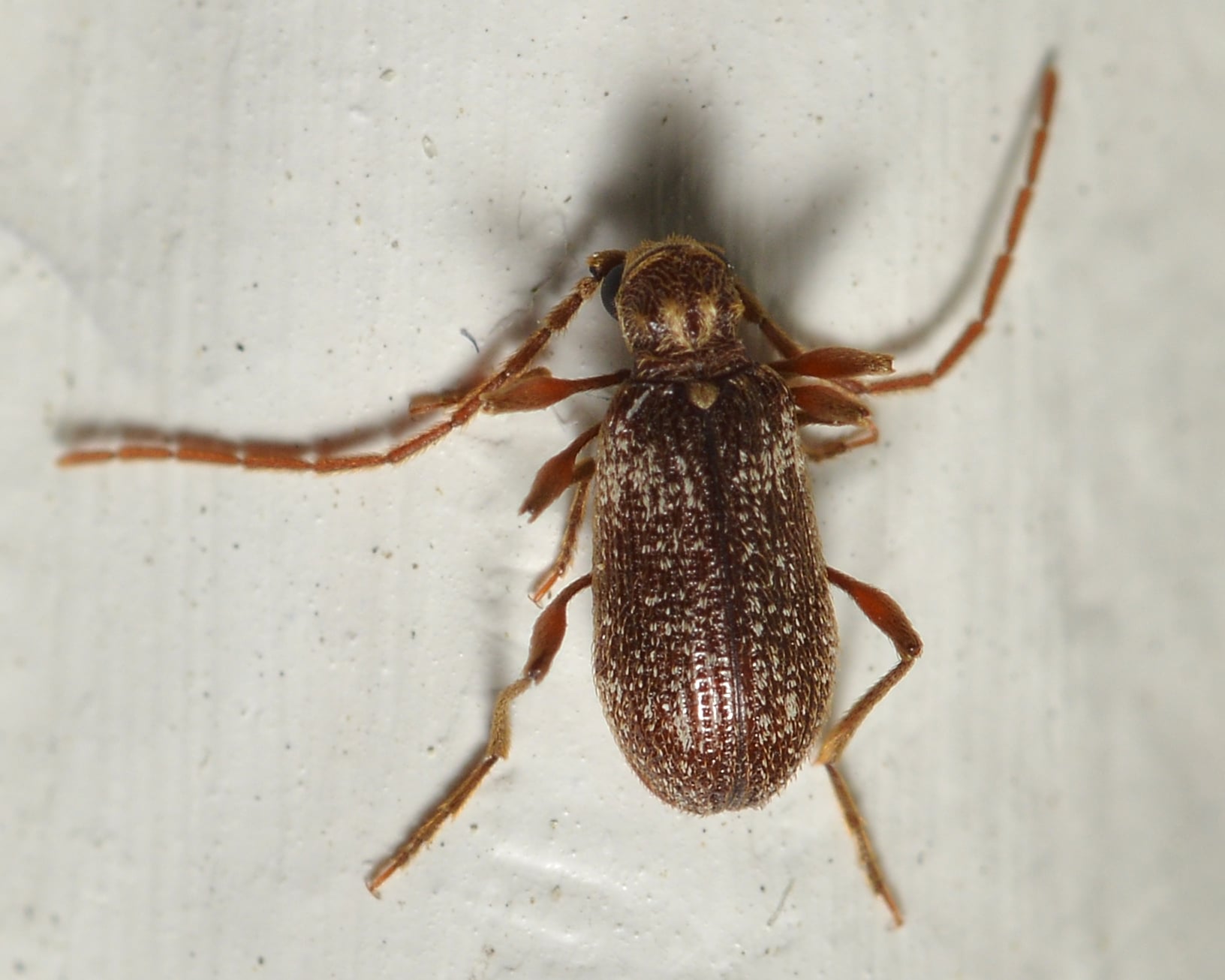
Spider Beetle
Explore the secret life of tiny scavengers in nature!
Let’s Explore
Overview
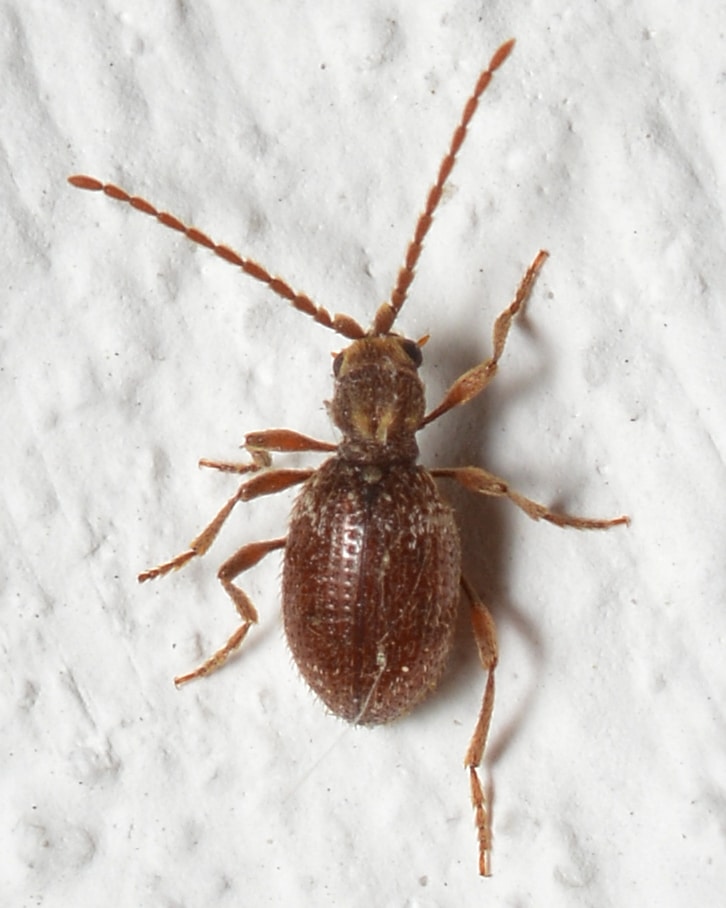
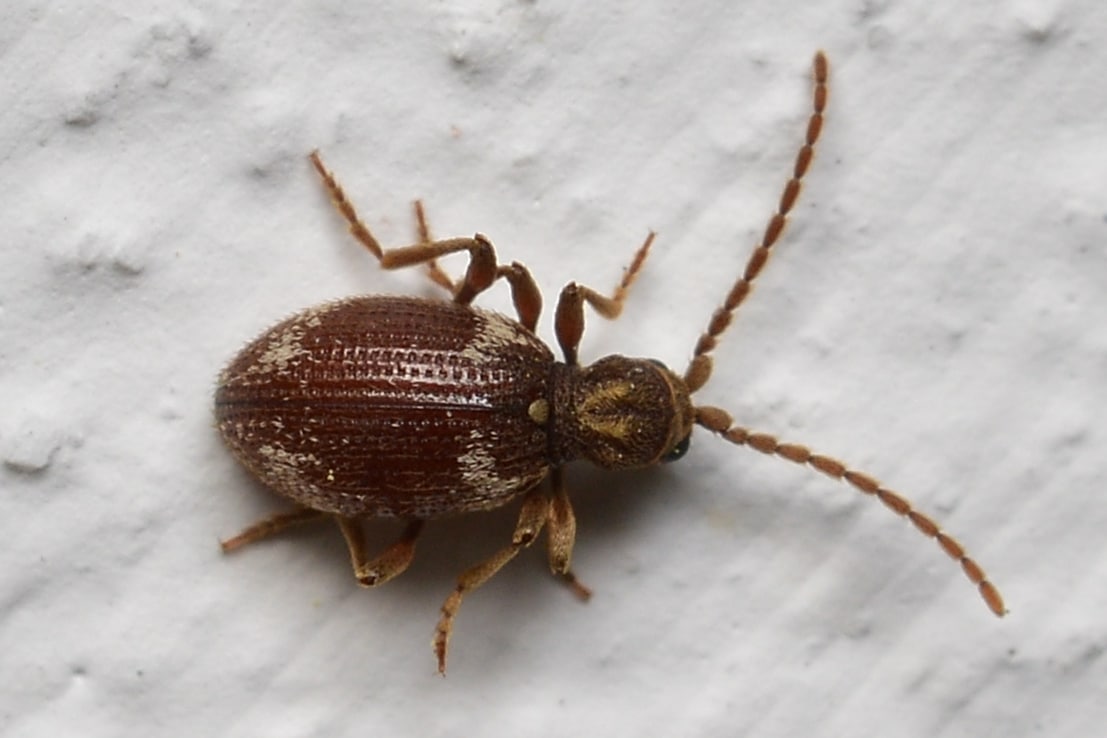
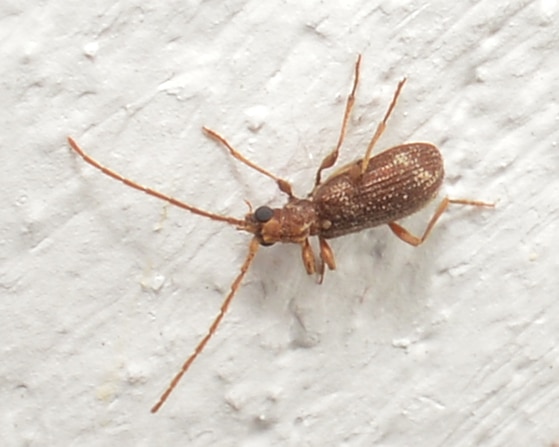
The Spider Beetle, scientifically known as Niptus hololeucus, is a tiny yet intriguing insect that belongs to the Coleoptera order, commonly known as beetles. These beetles typically measure between 2 to 4 millimeters long, making them small enough to hide in the tiniest of crevices.
Spider Beetles have a unique appearance that can remind you of a spider, with a round body and long, spindly legs. They often appear brownish-black, blending seamlessly into their surroundings, which can help them avoid detection from potential predators.
These beetles enjoy a scrumptious diet consisting of grains, dried fruits, and seeds. They love to munch on food items, which helps them grow strong and healthy during their lifespan, which lasts about one year.
As scavengers, Spider Beetles play an important role in their ecosystem by cleaning up organic materials. They help break down old, decaying plants and food, making room for new life to thrive.
Did you know that Spider Beetles are incredibly adaptable? They can often be found in homes, especially in pantries, where they enjoy a buffet of dried goods. So, next time you open a bag of grains, take a peek; a Spider Beetle might just be having a snack!

Where can you find a Spider Beetle in the wild?
What does a Spider Beetle eat?
How big can a Spider Beetle grow?
How long does a Spider Beetle typically live?
What is the conservation status of the Spider Beetle?
What are the main threats to the Spider Beetle?
Fun facts
Spider Beetles can survive in a variety of environments, from fields to warehouses, showcasing their adaptability in seeking out food where it is available.


With their small size, Spider Beetles rely on camouflage, blending in with grains and dried fruits to stay safe from hungry predators.
These beetles have a strong knack for finding food, often doing a little dance as they scuttle and sniff their way through tasty grains.
Spider Beetles cater to a specific diet that features grains and fruits, but they are also nature's clean-up crew, munching on old, decaying material to help recycle nutrients into the soil.
When threatened, Spider Beetles can play dead, staying completely still until their predator gives up and finds something else to munch on.
These beetles can live for up to a year, spending their time eating, hiding, and searching for the best places to lay their eggs.
Spider Beetles often have a shiny, smooth body that can make them look like tiny, brown pearls when they catch the light!
Some Spider Beetles can squeeze through the tiniest cracks, making them great at escaping tricky situations and slipping past their foes.
The young Spider Beetles, or larvae, also participate in the cleaning process, eagerly munching through old food to help keep their homes tidy.
Some people believe that if Spider Beetles appear in your pantry, it means you have a bit of nature reminding you to keep things clean and organized!
Photos

The Basics


explore more
Amphibians
Arachnids
Birds
Cats
Crustaceans
Fish
Fish Pet Guide
Gastropods
Insects
Invertebrates
Mammals
Pet Fish
Pet Rodents
Plants
Reptiles
Roundworms
Sea Slugs
