

Successfully copied to clipboard!
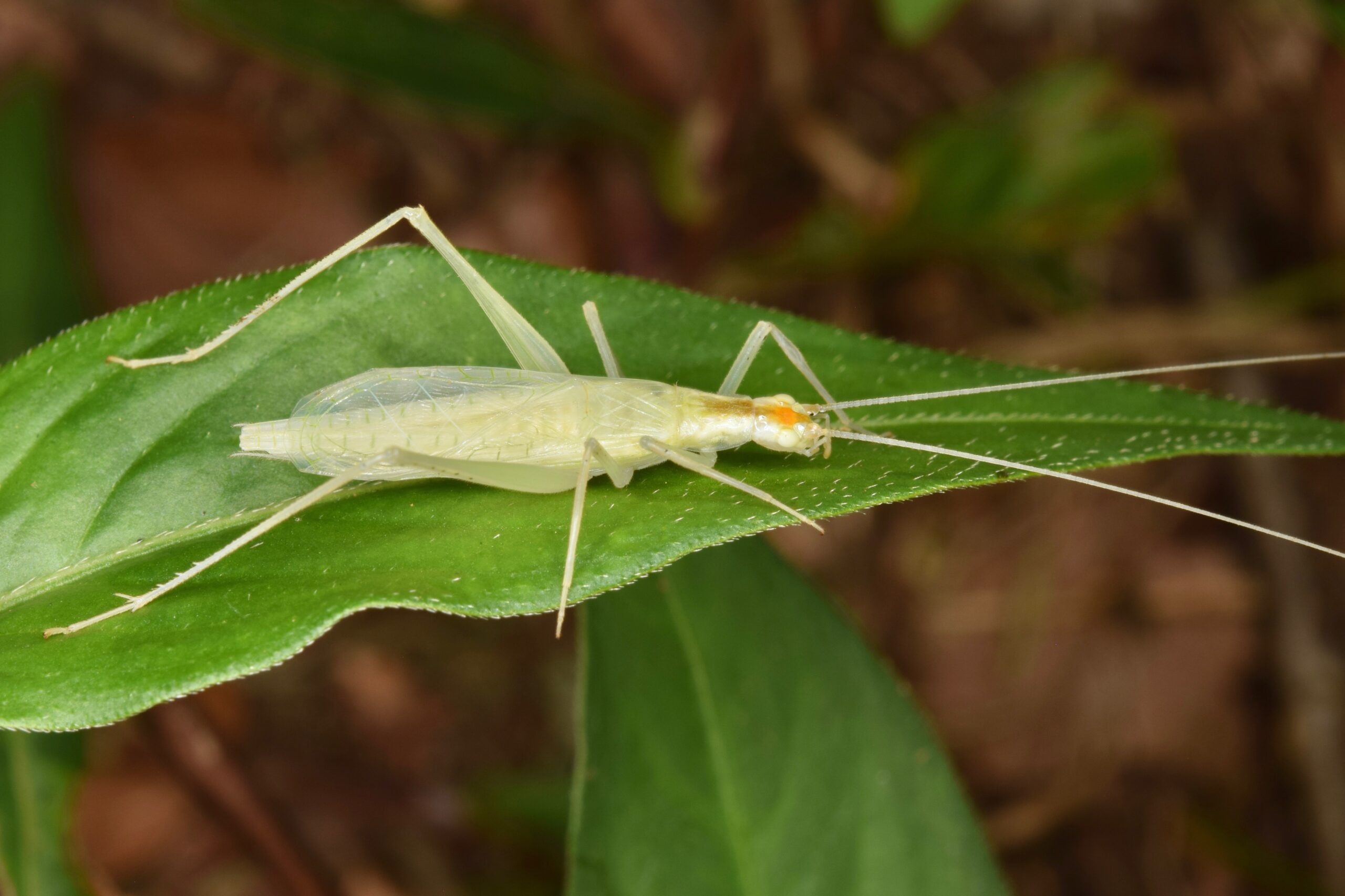
Tree Cricket
Hop to the rhythm of nature's chirpy musicians!
Let’s Explore
Overview
Tree crickets are delightful insects that belong to the Oecanthinae subfamily. They can be found in various regions of Africa, where they add a musical touch to the nighttime ambiance with their cheerful chirping.
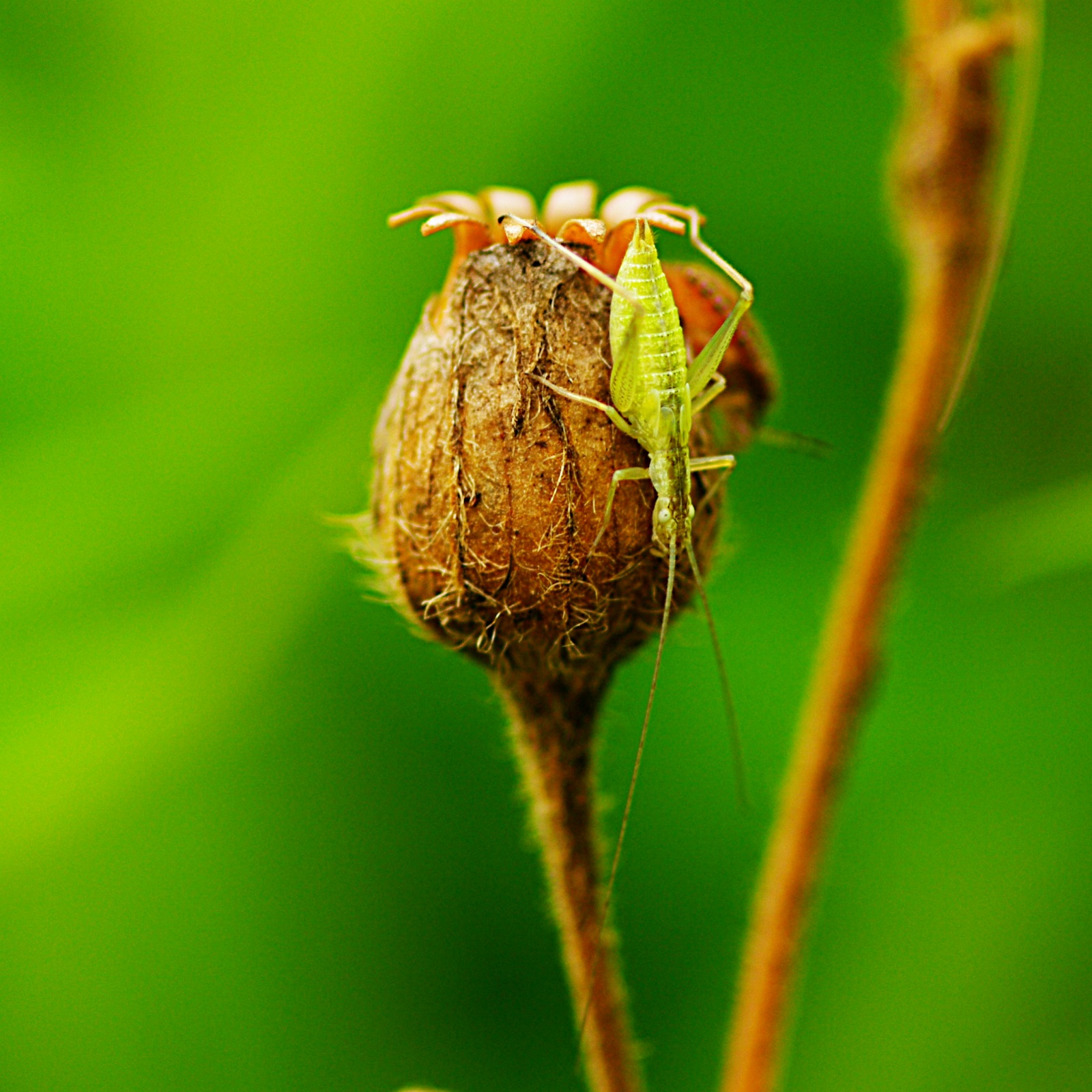
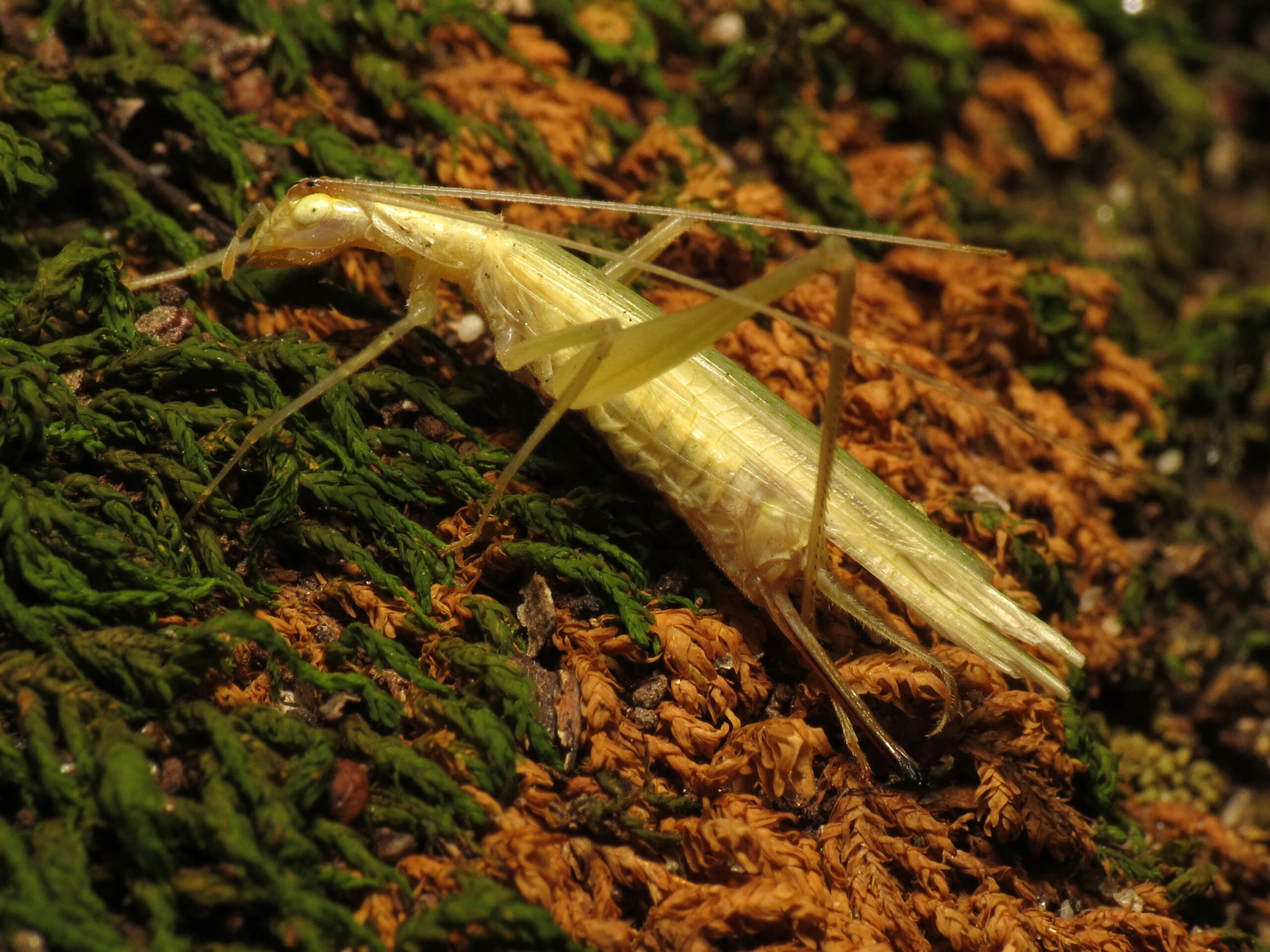
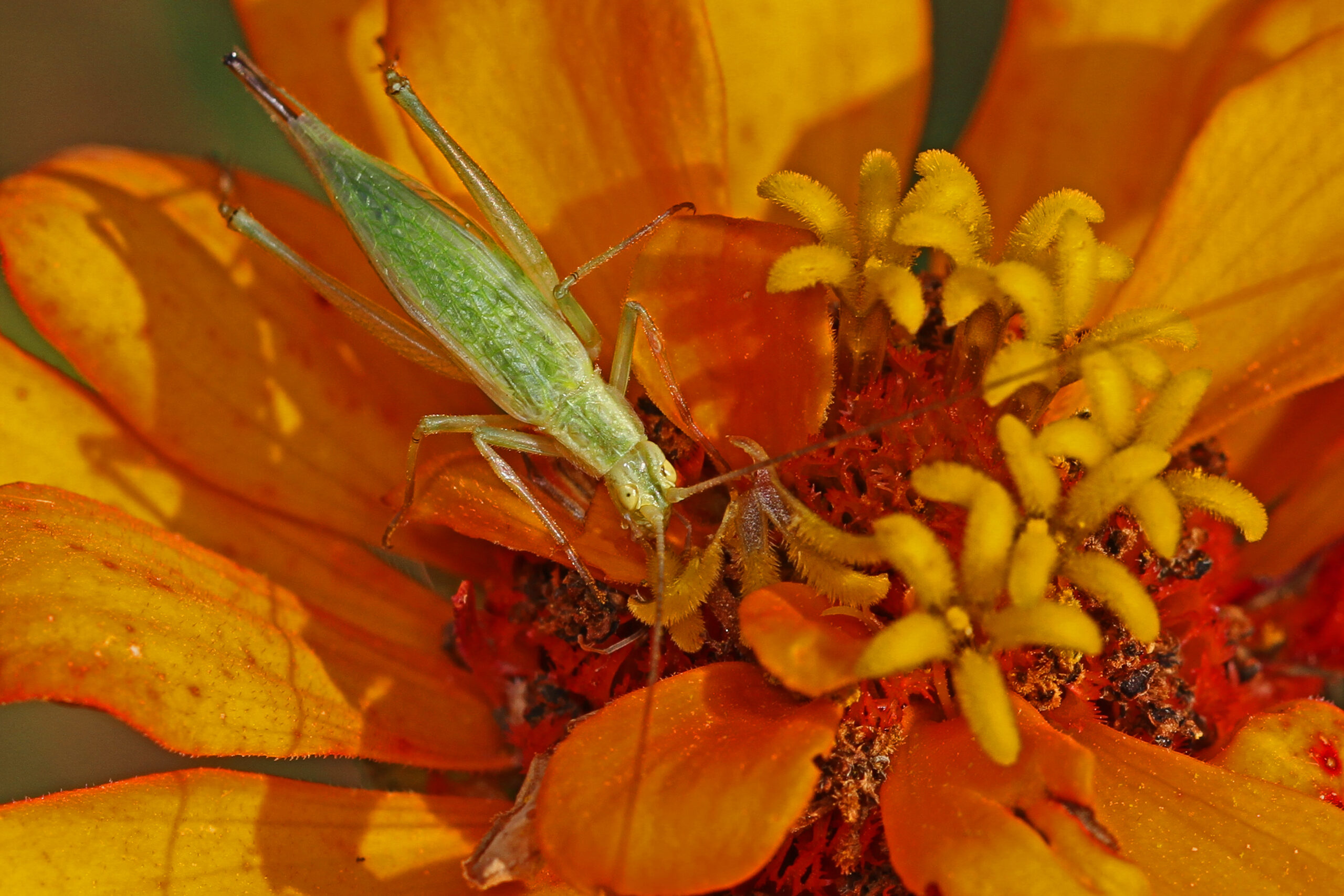
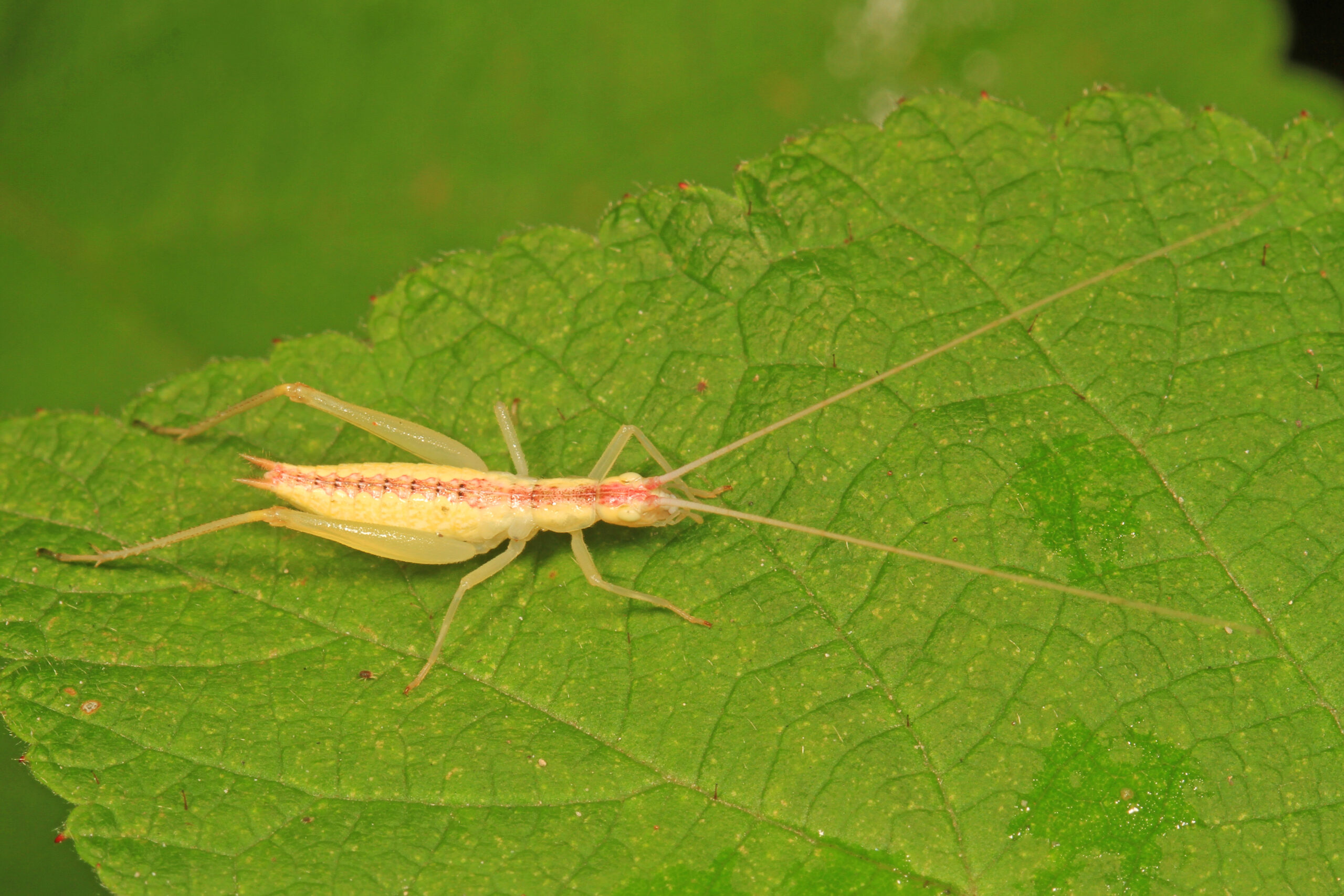
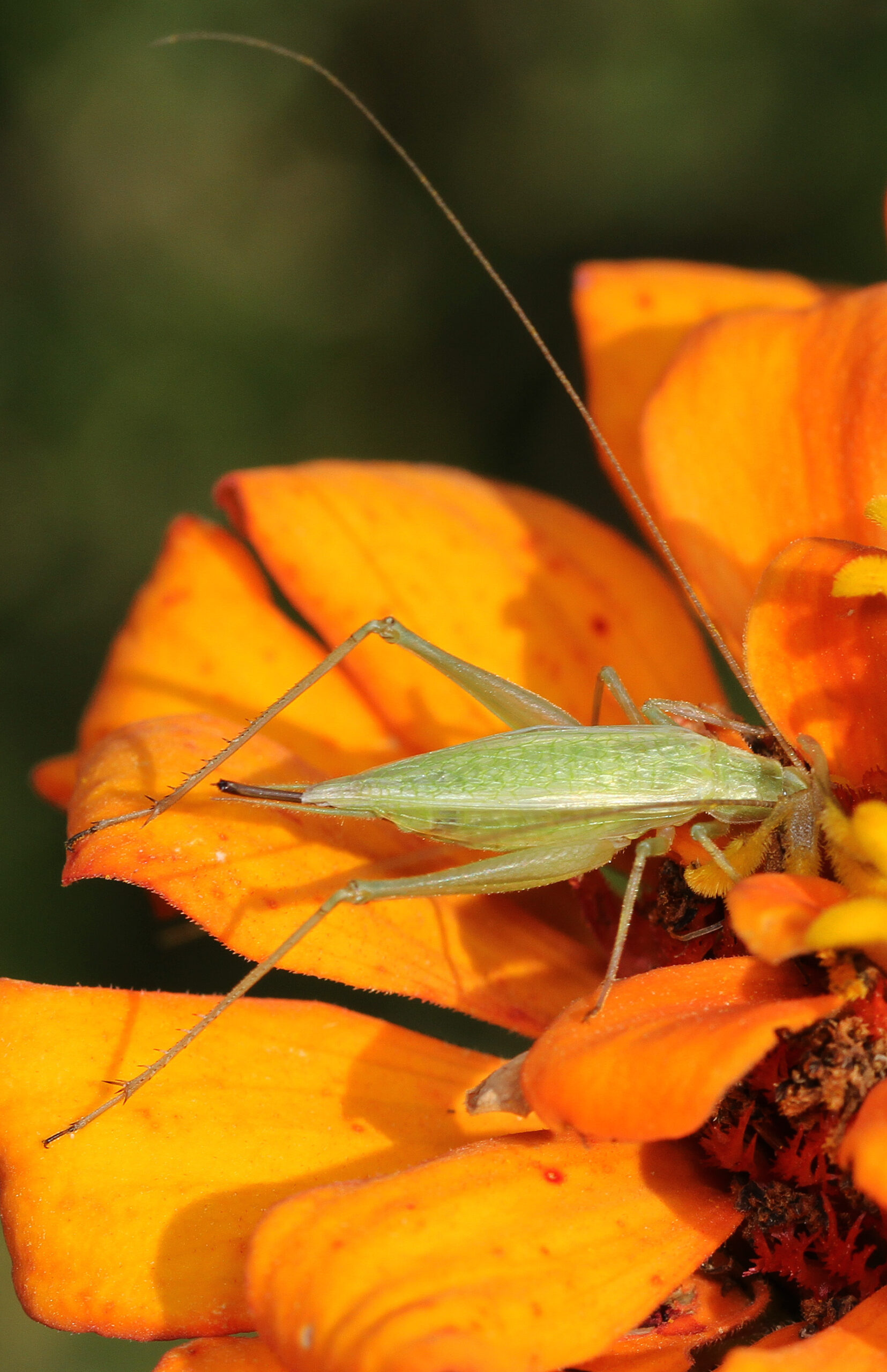
Tree crickets usually measure between 0.5 to 0.8 inches long, making them small and easy to overlook. Their slender bodies and long, delicate legs allow them to leap and navigate through the vegetation like tiny acrobats.
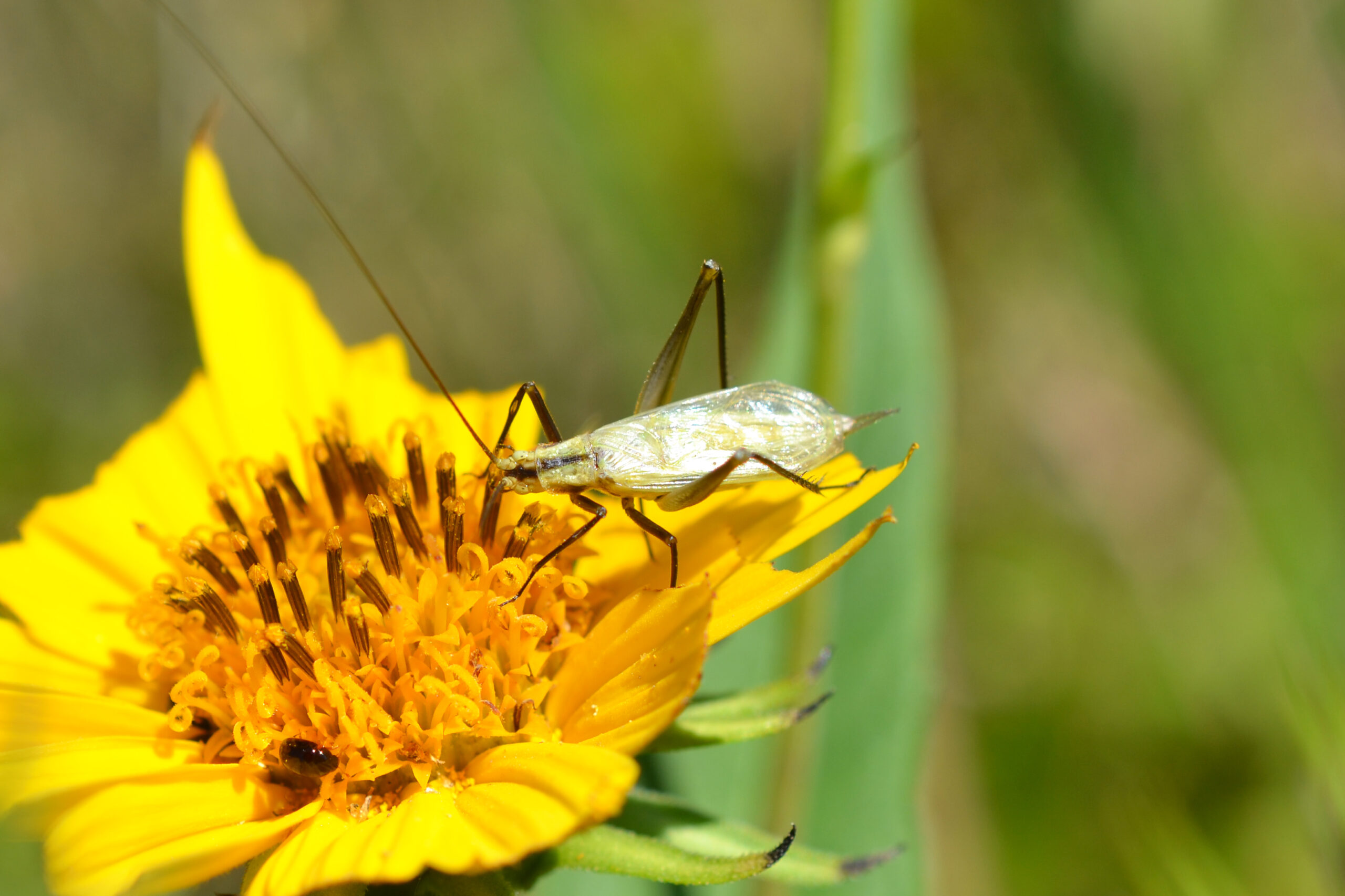
These chirpy critters mainly feast on plants, enjoying a diet that is herbivorous. They use their mouthparts to munch on leaves, making them a part of the plant-eating team in their ecosystem.
Tree crickets have a short lifespan of around three months. During this time, they make the most of their days by chirping, mating, and hopping through grass and bushes.
Their unique sounds come from a special mating call created by rubbing their wings together. It’s like an insect concert where only the brightest performers get to stand out and attract other crickets.
Next time you hear a tree cricket sing, remember they are not just making music; they are also playing an important role in their environment. These little musicians help keep the plant life in check while finding their own place in the grand symphony of nature.

Where can you find a Tree Cricket in the wild?
What does a Tree Cricket eat?
How big can a Tree Cricket grow?
How long does a Tree Cricket typically live?
What is the conservation status of the Tree Cricket?
What are the main threats to the Tree Cricket?
Fun facts
Tree crickets can create songs that reach up to 100 decibels, which is as loud as a chainsaw! These concerts happen at night when they want to find a mate or defend their territory.


During the mating season, male tree crickets have a unique call that can sound like a beautiful orchestra. They rub their wings together, creating a delightful chirping sound that attracts females.
These little critters can leap up to 20 times their body length, which helps them dodge predators and hop around trees. That means a tree cricket that is 0.8 inches long can jump almost 16 inches!
Tree crickets often change the pitch of their chirps based on the temperature. Warmer weather makes their songs higher, while cooler temperatures give them a lower pitch, making them musical weather forecasters!
In some cultures, tree crickets symbolize good luck and prosperity. People admire their joyful songs and believe they bring happiness to their gardens.
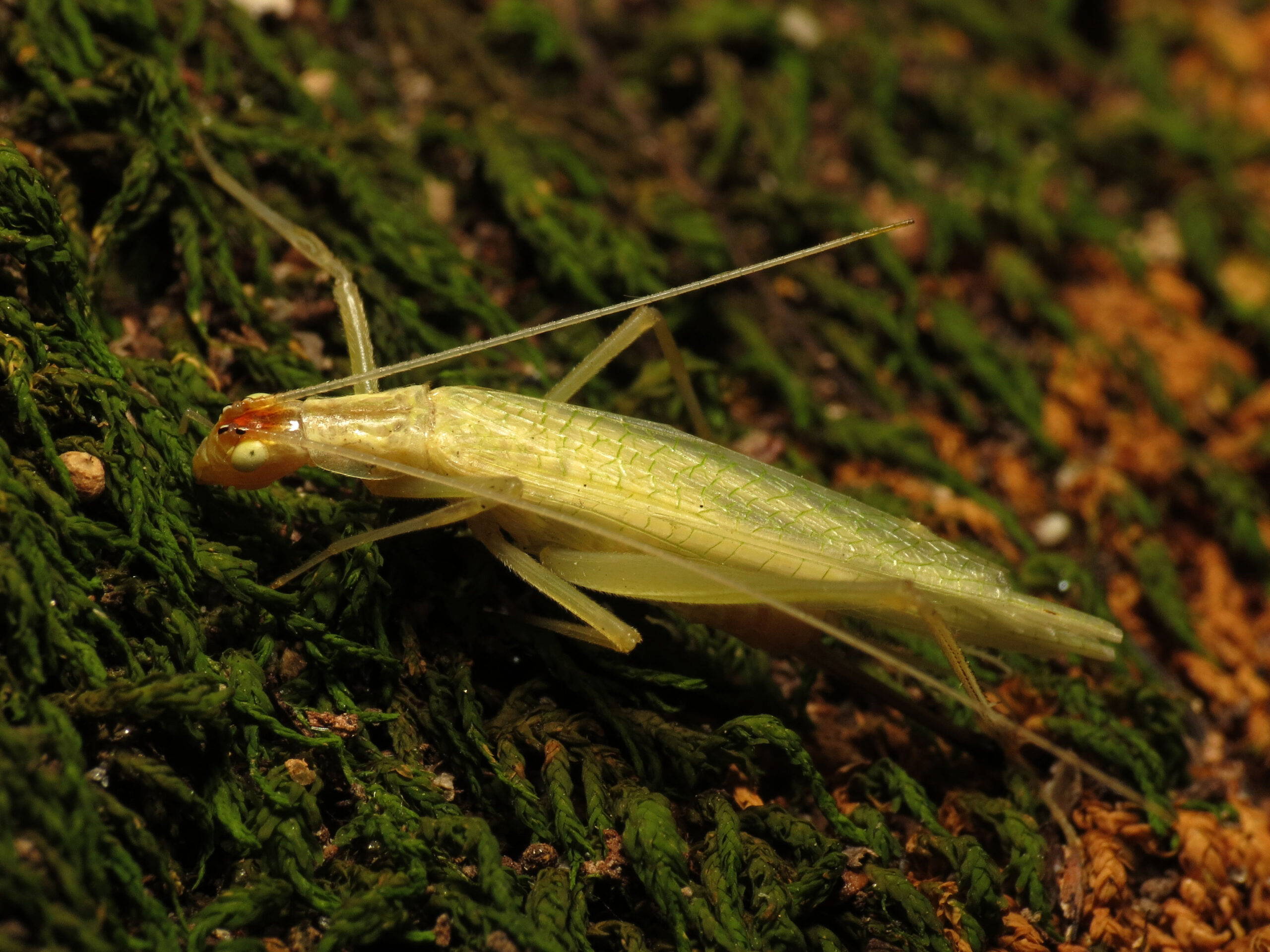
Tree crickets have a special talent for camouflaging themselves. They blend into the green foliage around them, making it harder for hungry predators to spot them.
When tree crickets feel threatened, they can stay very still and quiet to avoid detection. This strategy allows them to fool predators into thinking they are just another leaf!
If a male tree cricket does not attract a mate with his song, he might have to sing for hours. Instead of giving up, he tries his best to stand out, showing off for the lady crickets!
Some tree crickets can change their behavior based on their surroundings. In areas with more plant life, they sing more cheerfully than in barren places, reminding us how nature affects mood.
Photos


The Basics


explore more
Amphibians
Arachnids
Birds
Cats
Crustaceans
Fish
Fish Pet Guide
Gastropods
Insects
Invertebrates
Mammals
Pet Fish
Pet Rodents
Plants
Reptiles
Roundworms
Sea Slugs
