Successfully copied to clipboard!
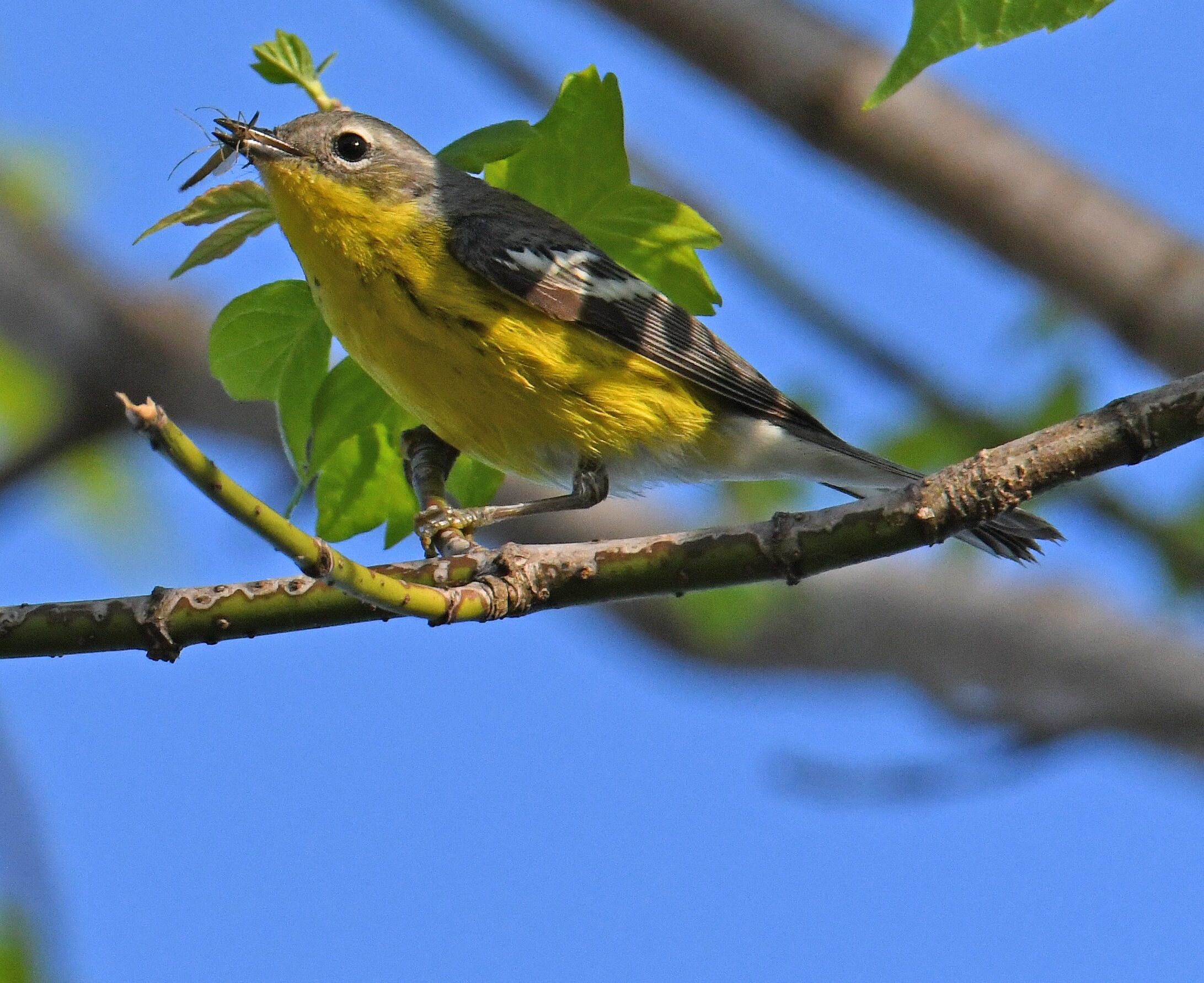
Magnolia Warbler
Marvel at the colorful songs of the forest's tiniest acrobats!
Let’s Explore
Overview
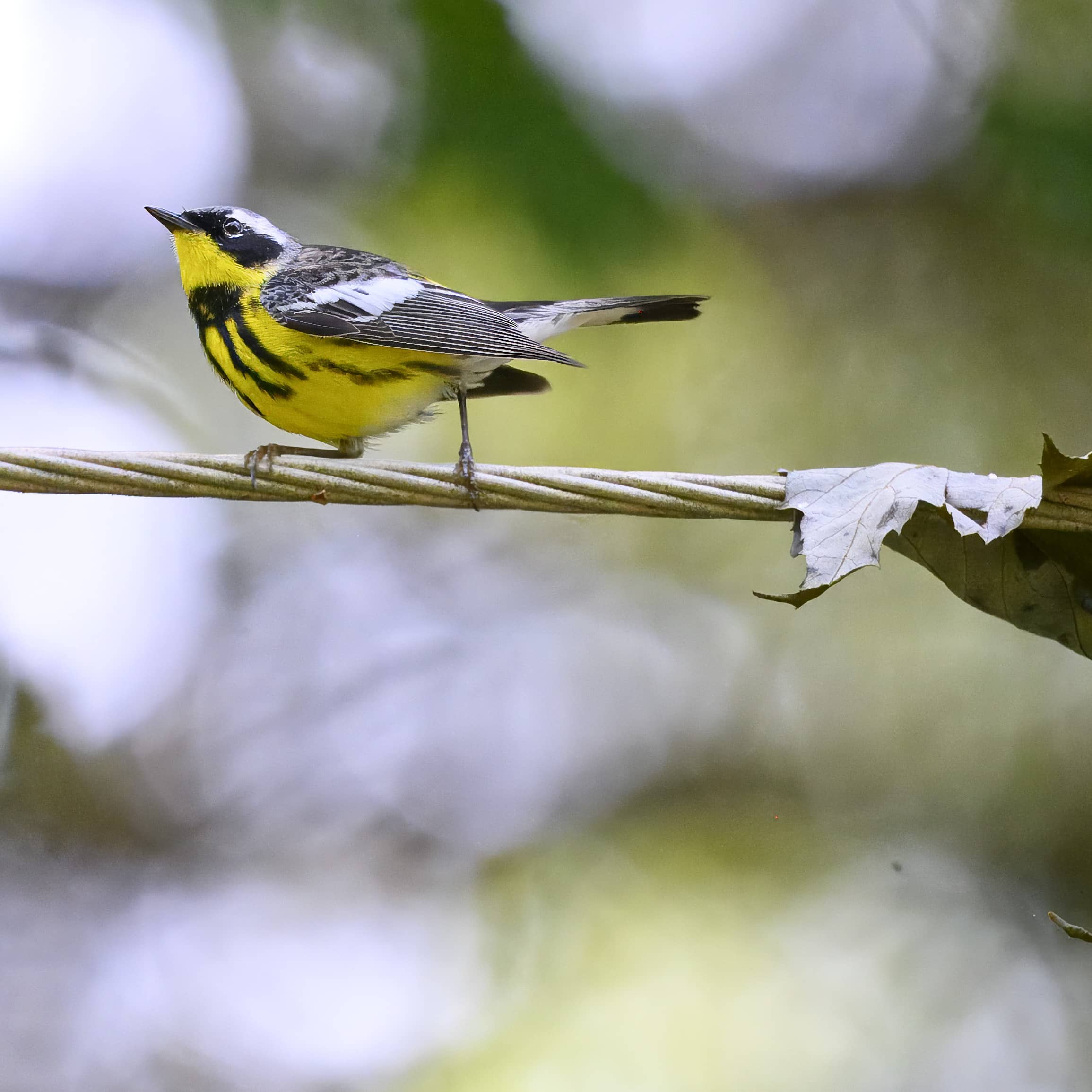
The Magnolia Warbler is a small and colorful bird that brings joy to bird watchers. This lovely creature typically grows to about 4.3 to 5.1 inches long, making it a petite visitor in the forest.
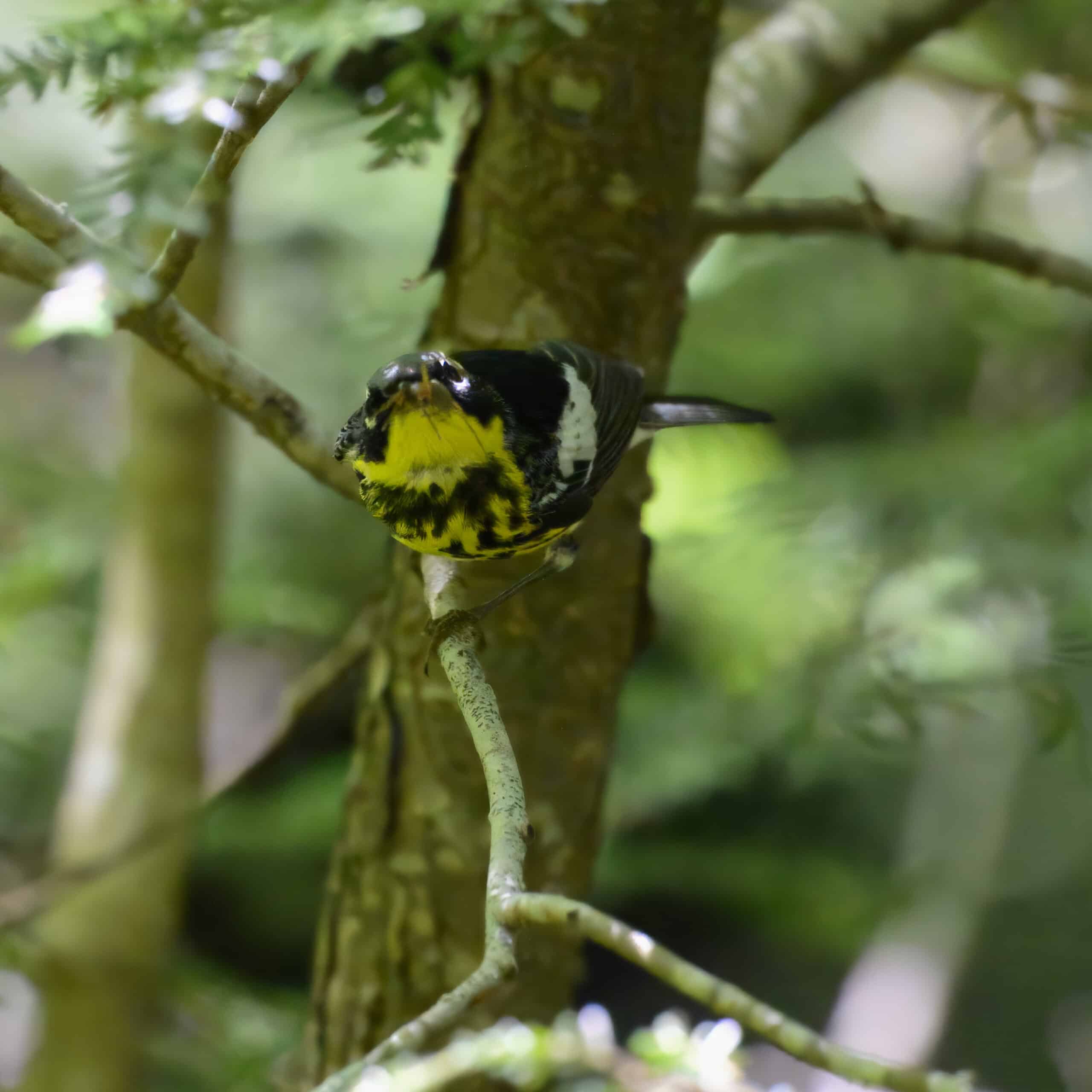
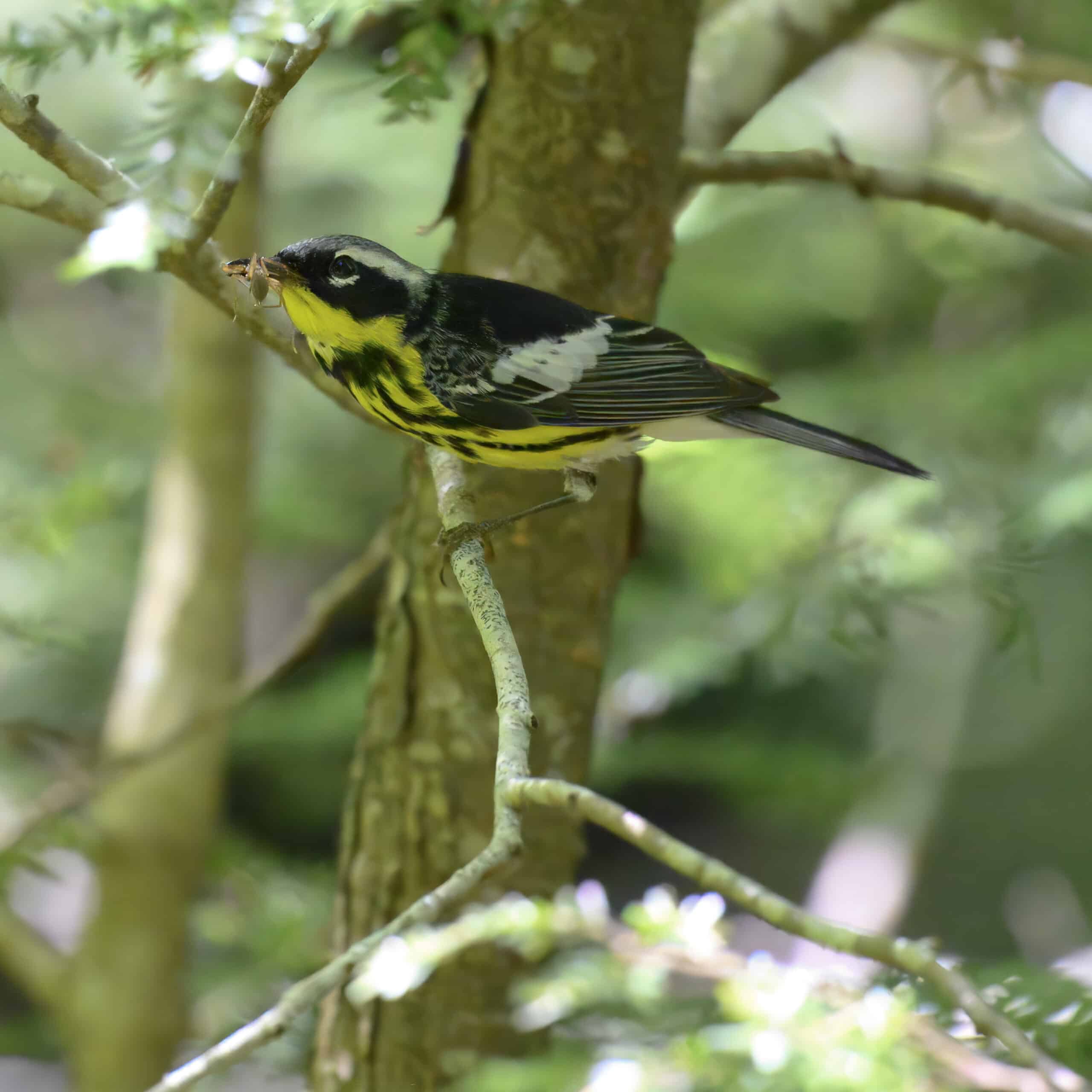
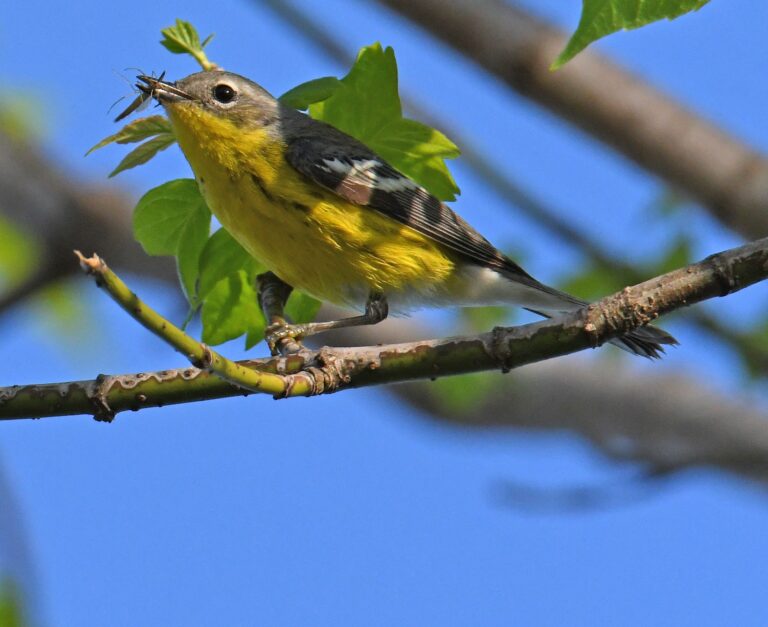
These birds belong to the class Aves and are part of the animal kingdom, specifically in the phylum Chordata. Magnolia Warblers love to feast on insects and spiders, turning their tiny beaks into effective pest-finding tools.
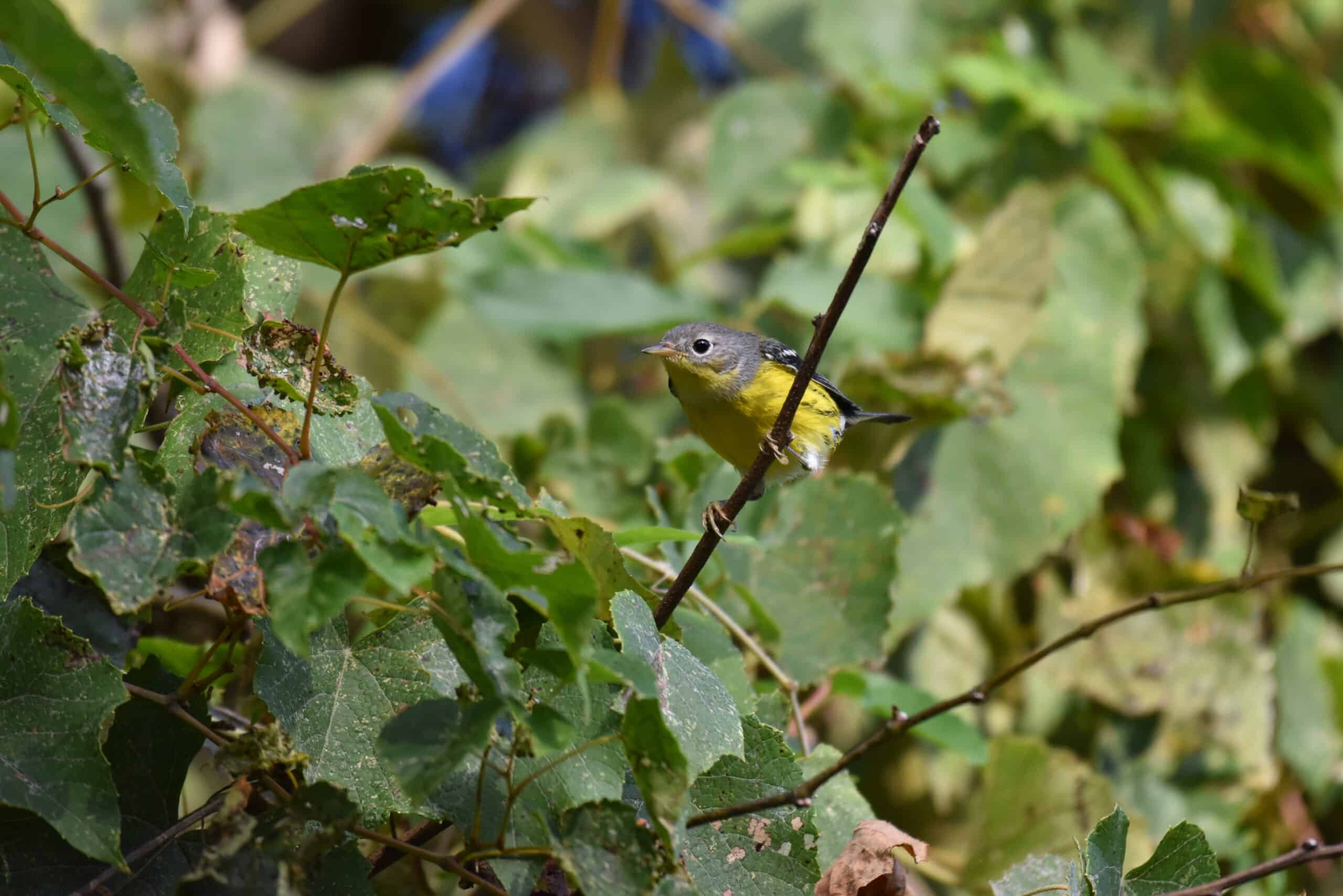
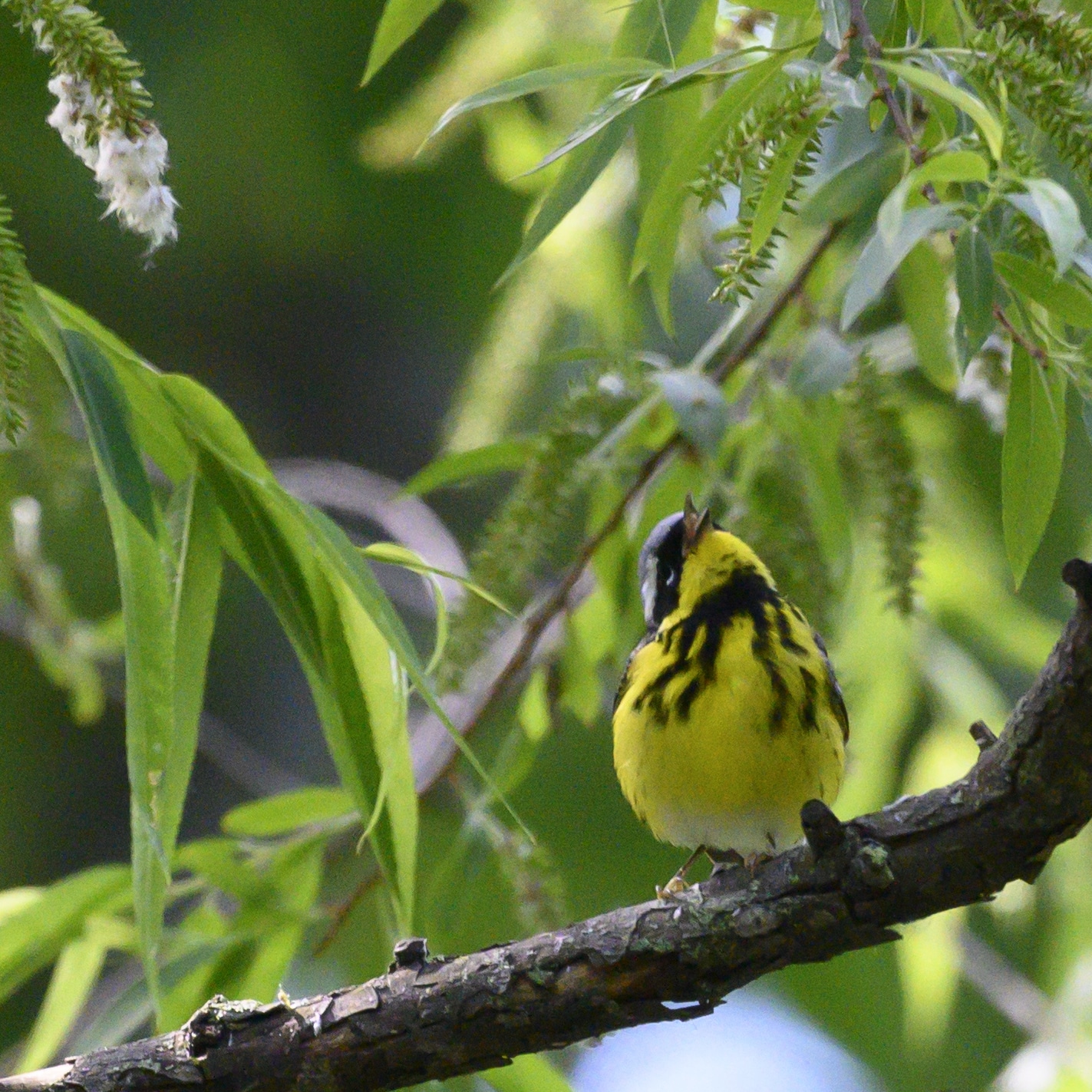
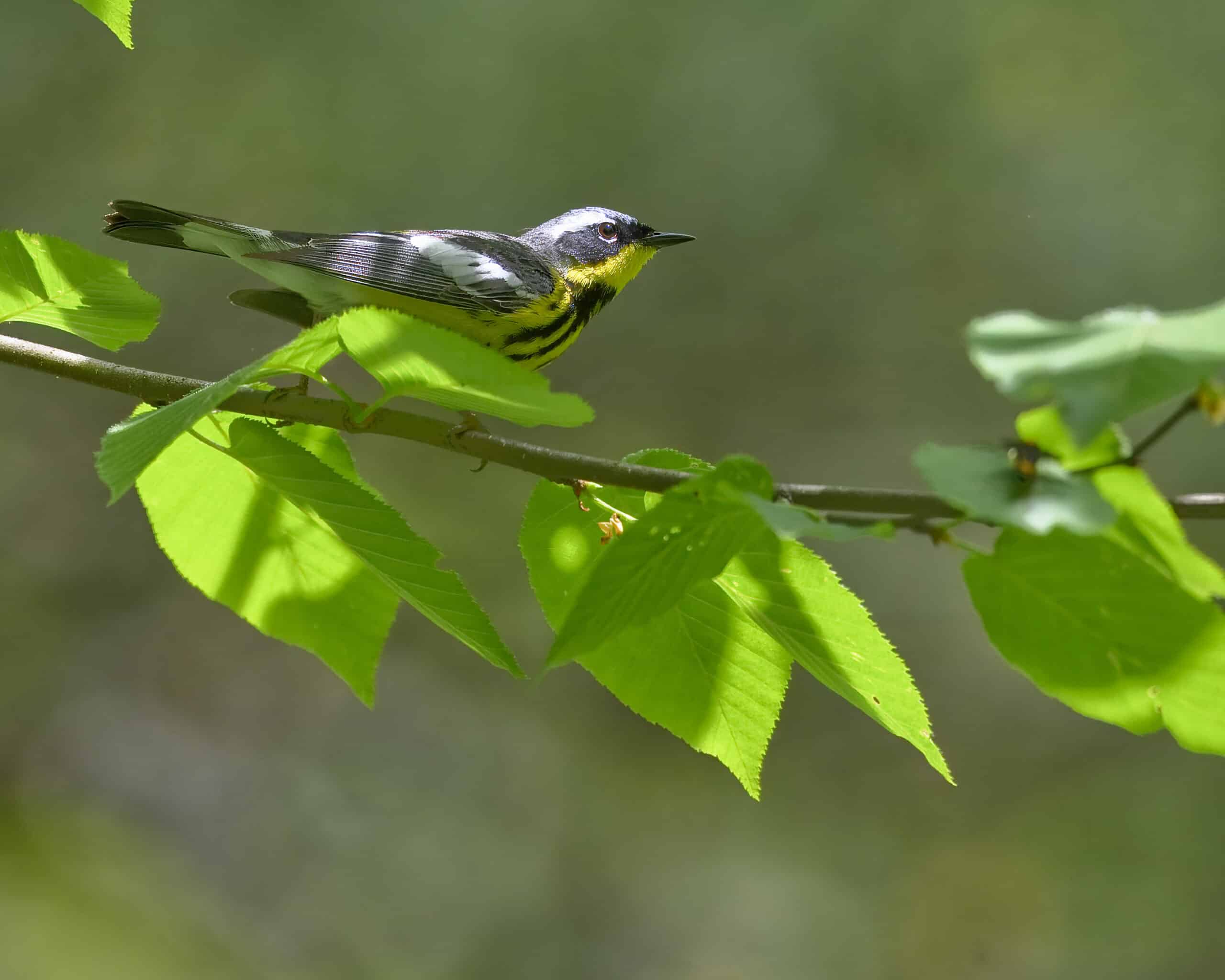
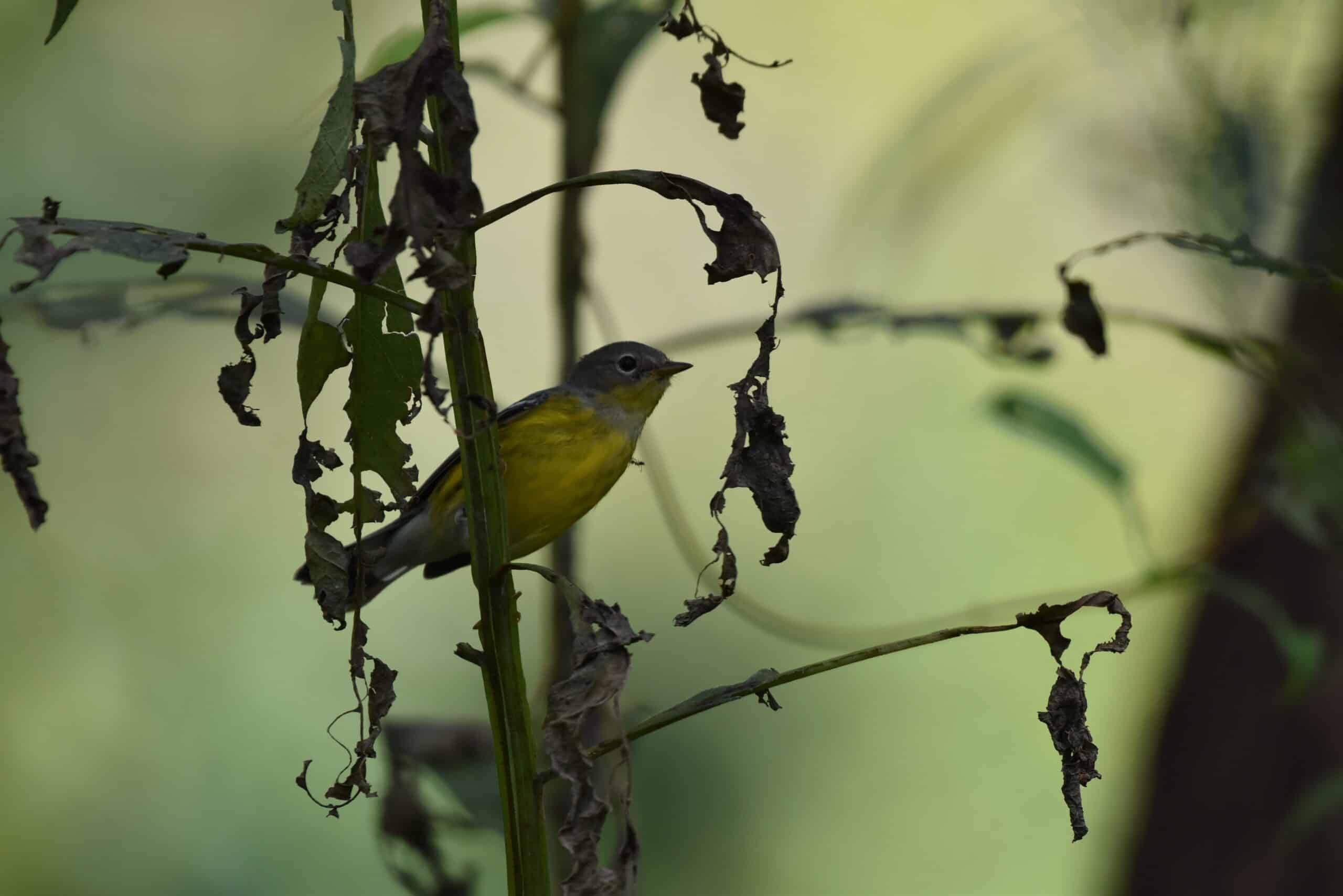
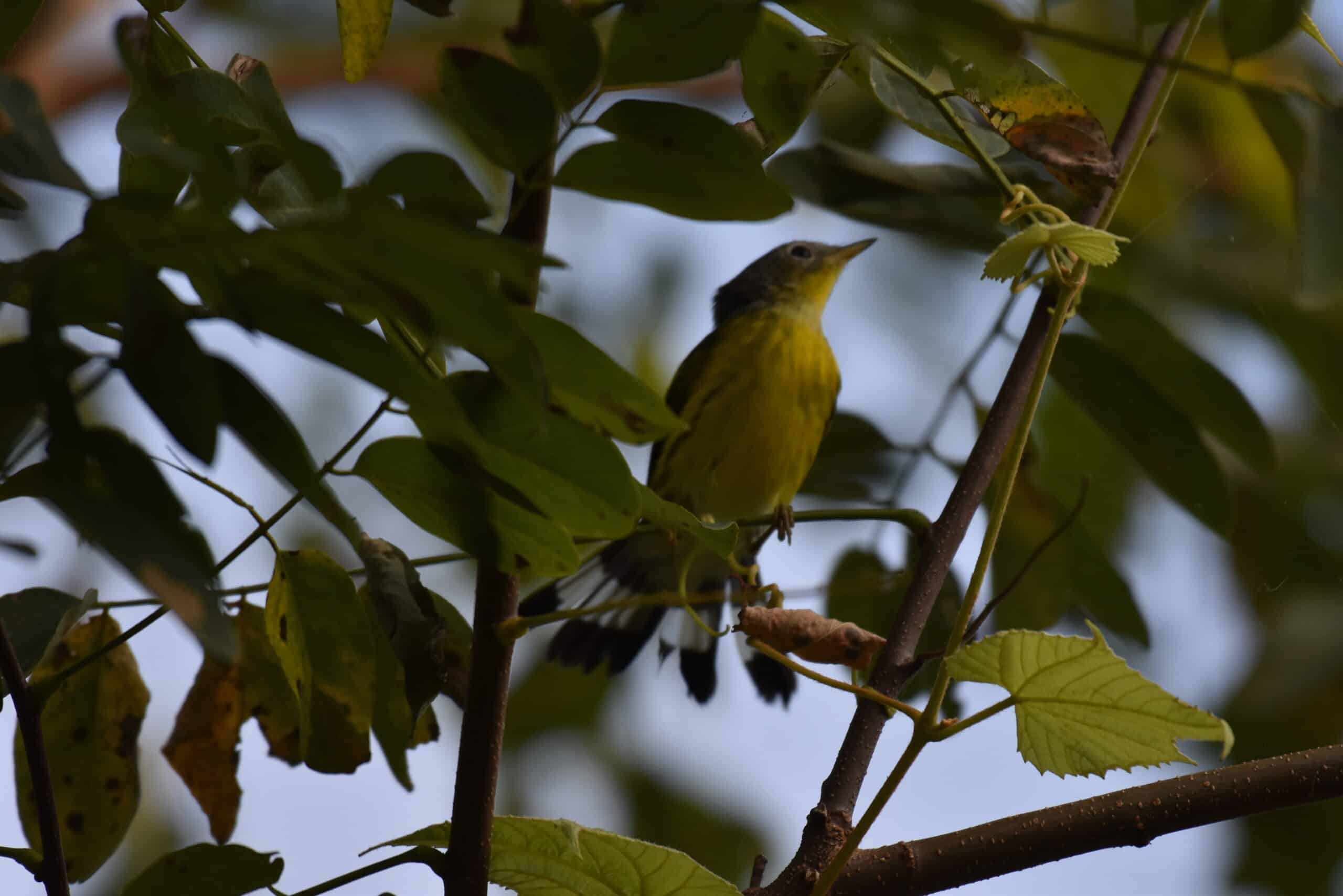
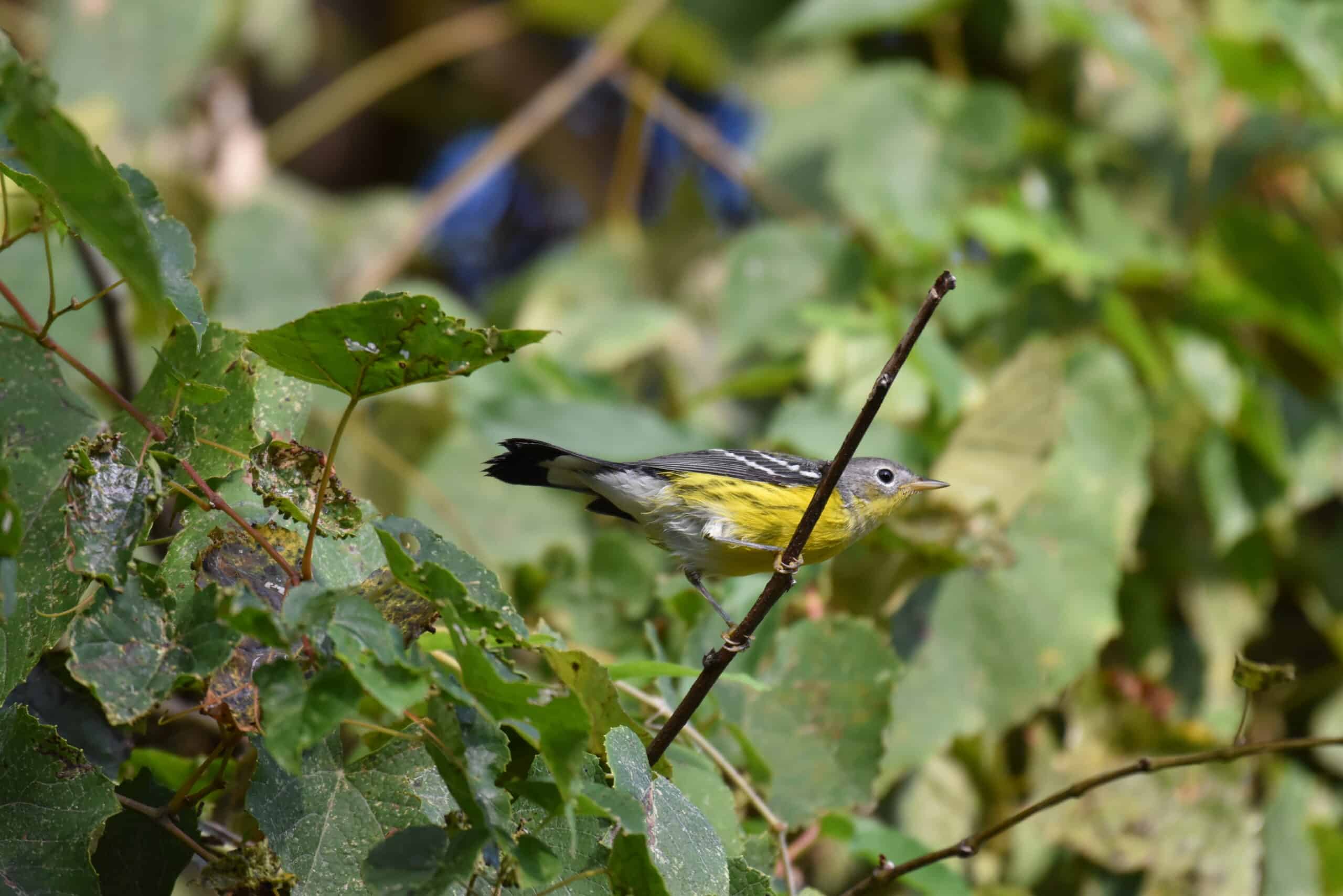
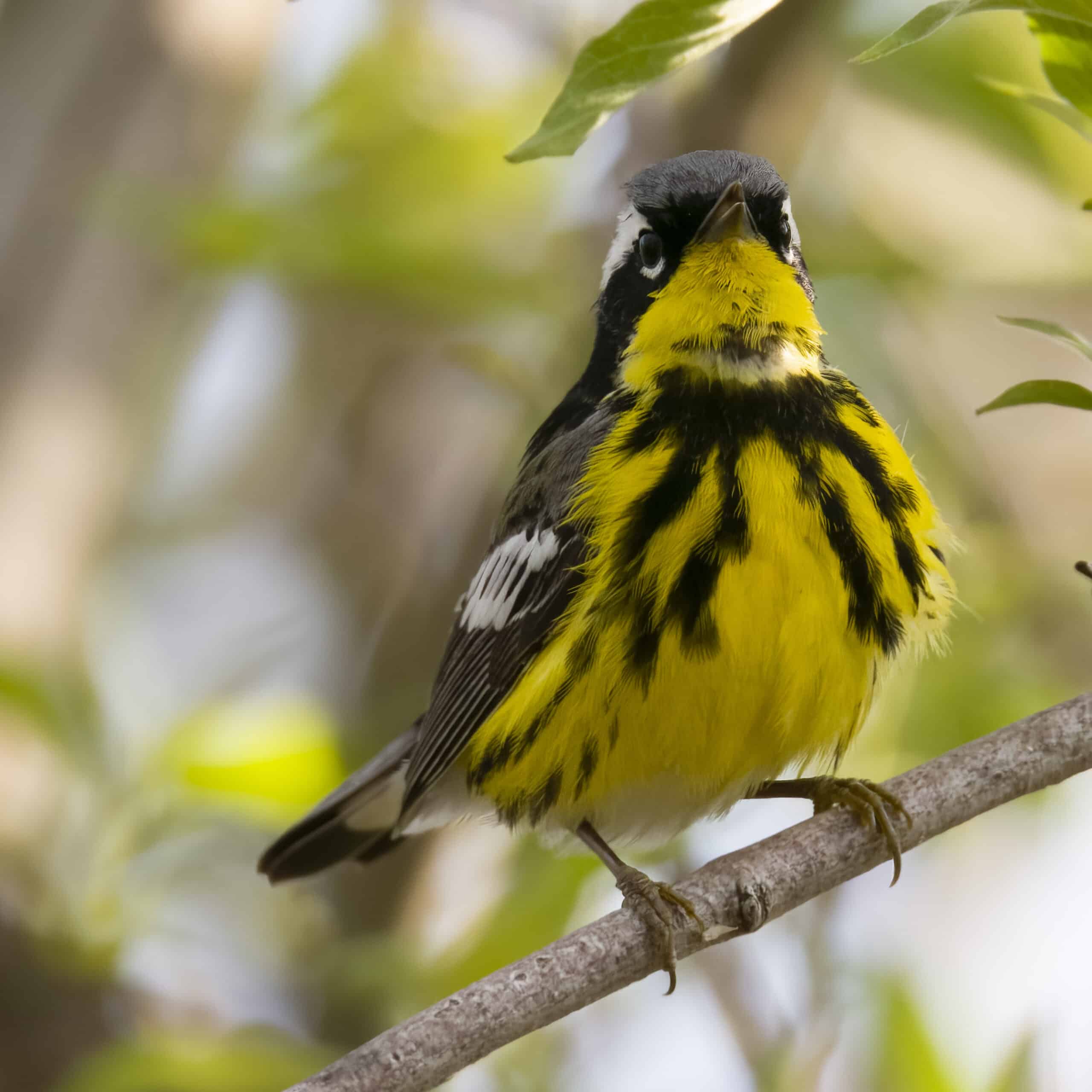
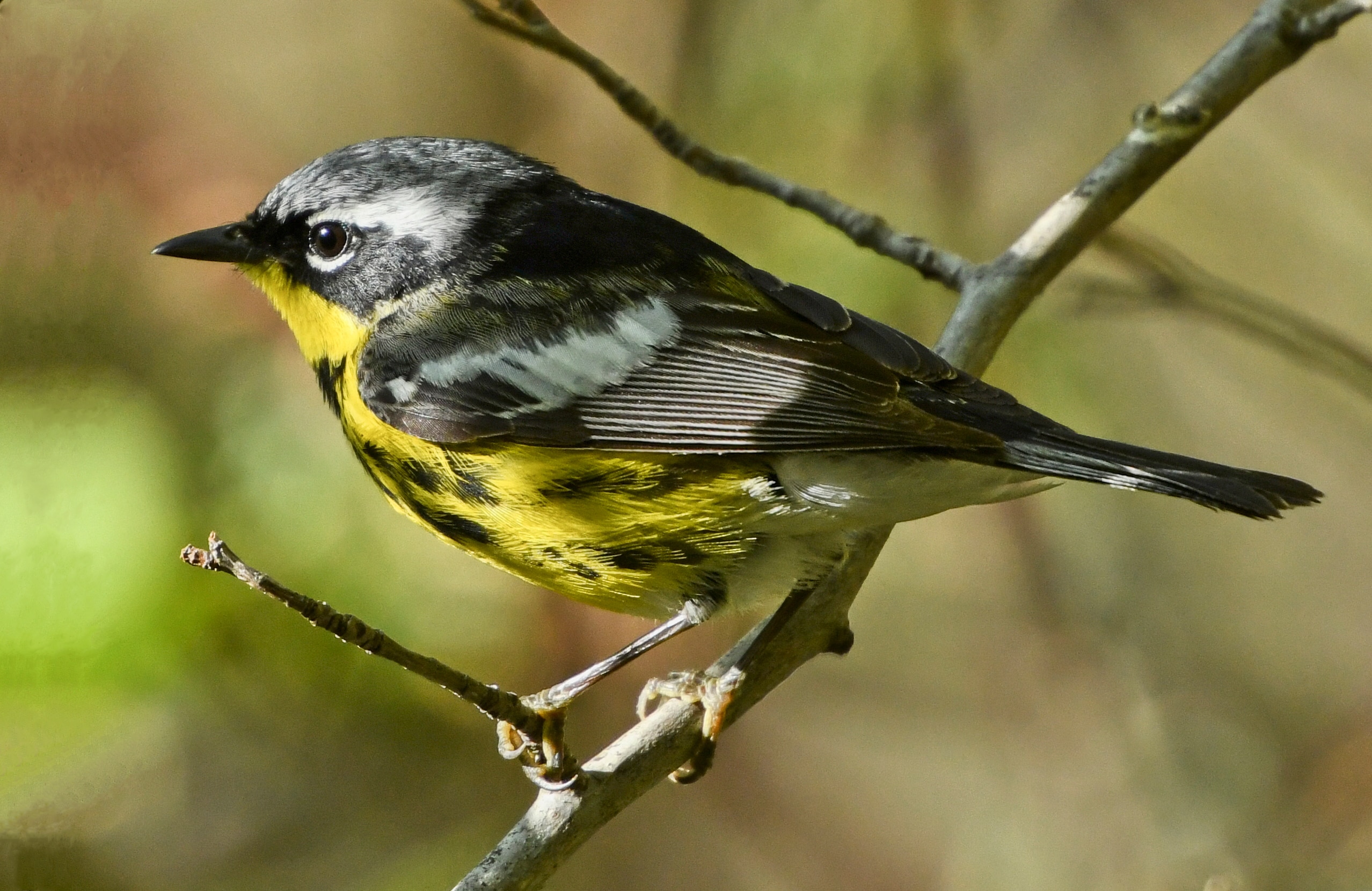
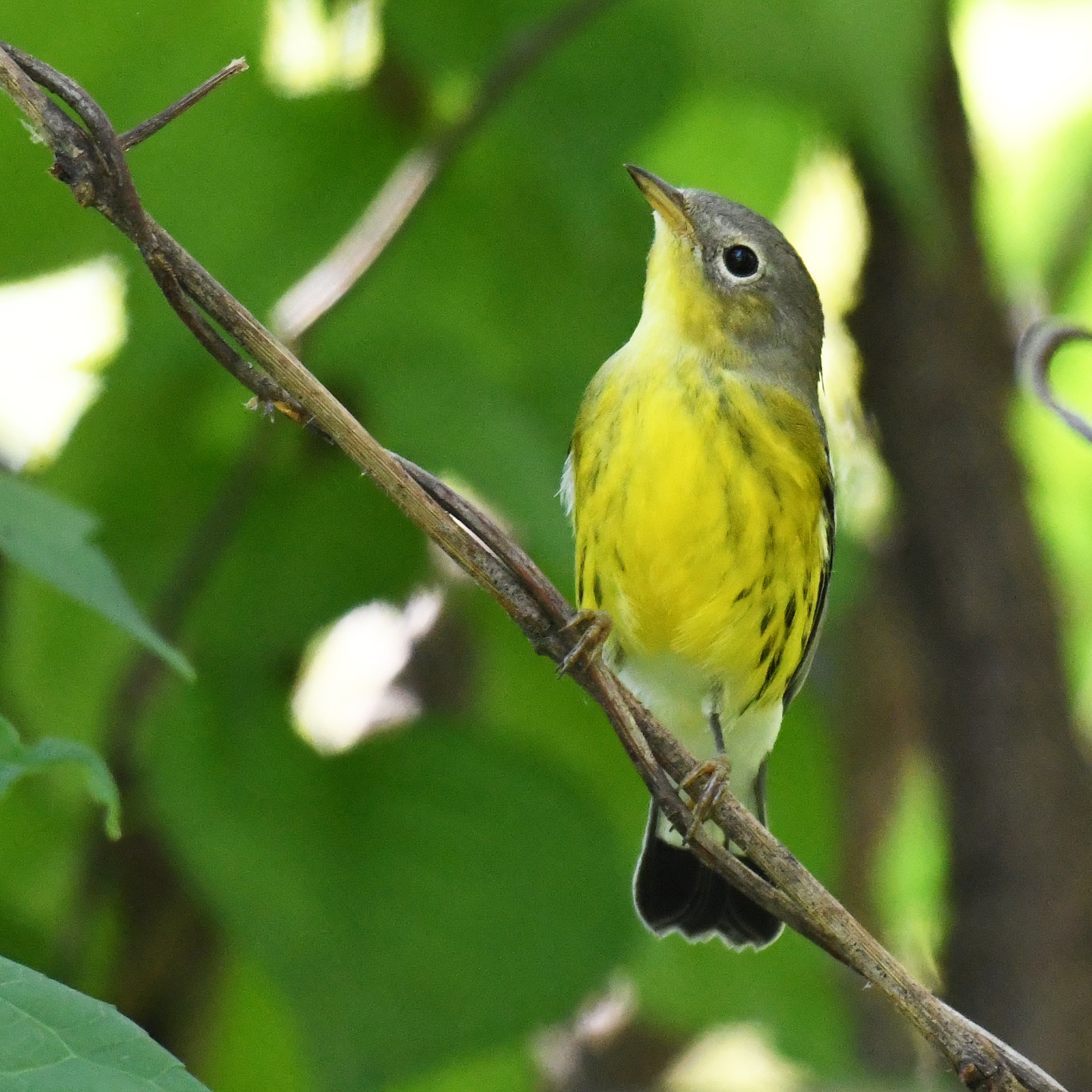
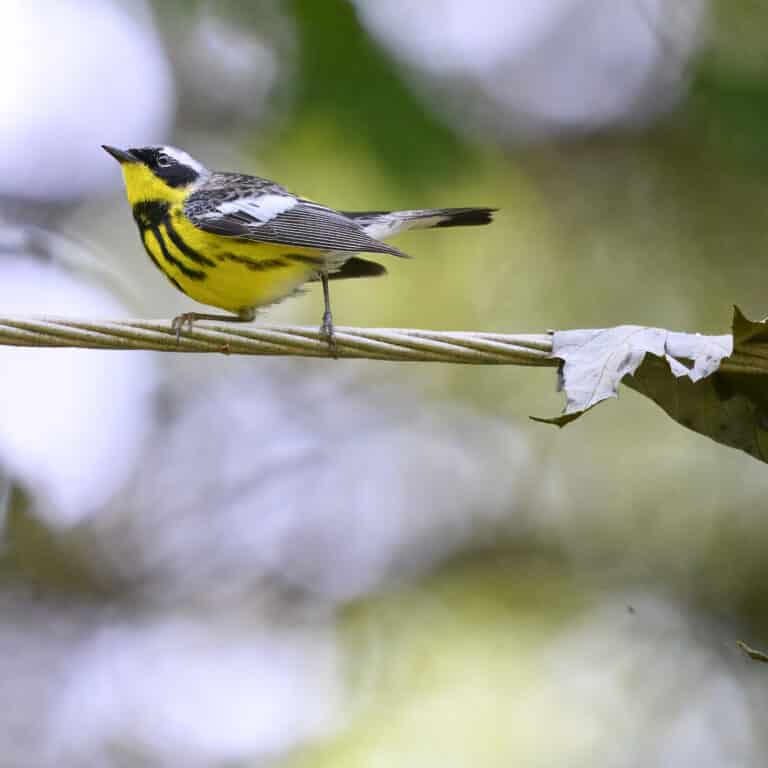
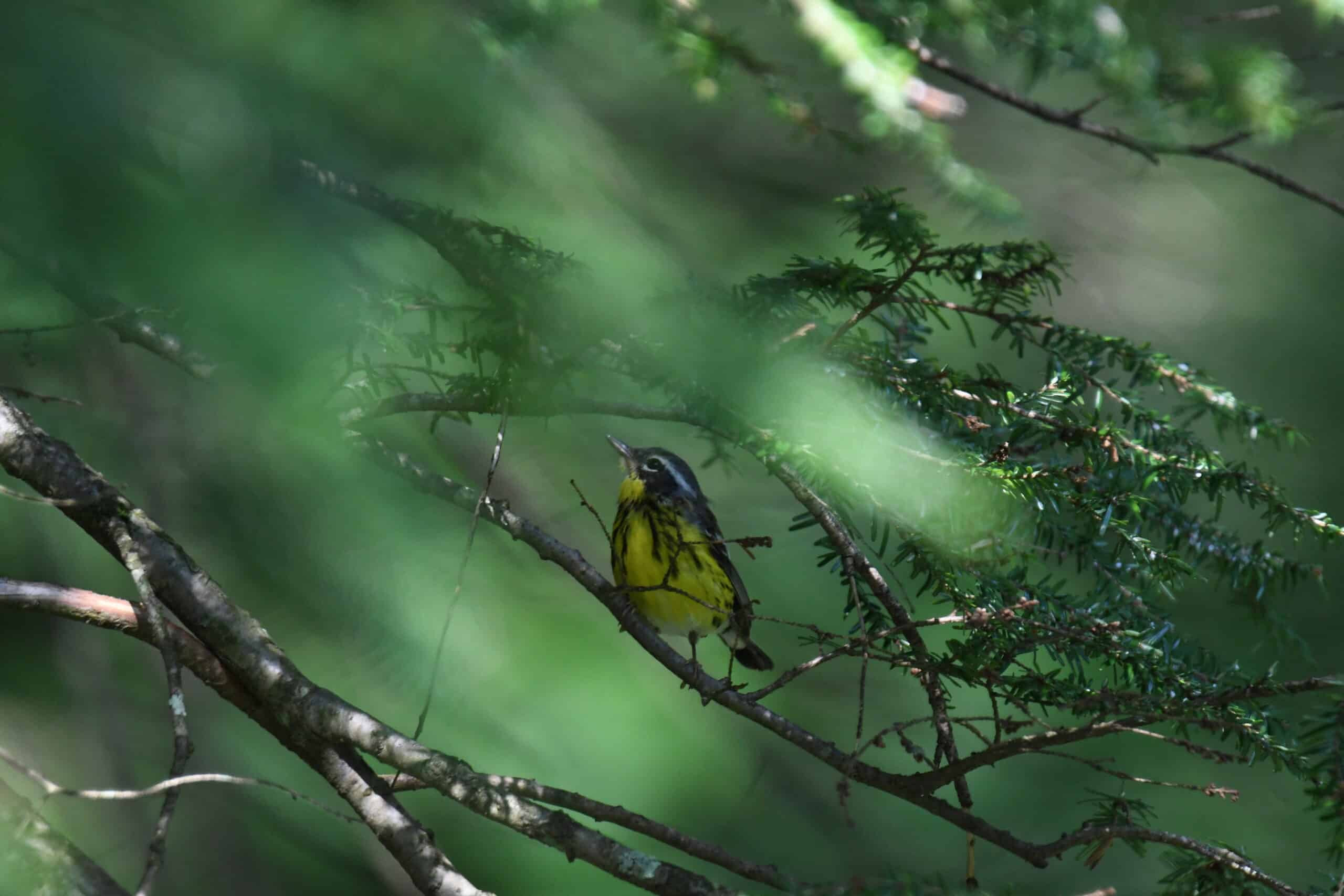
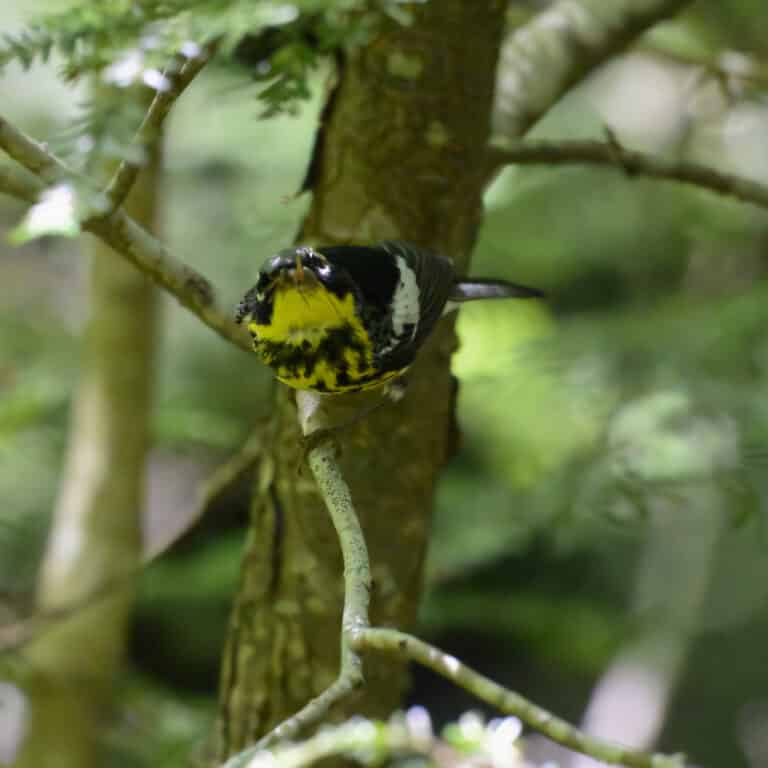
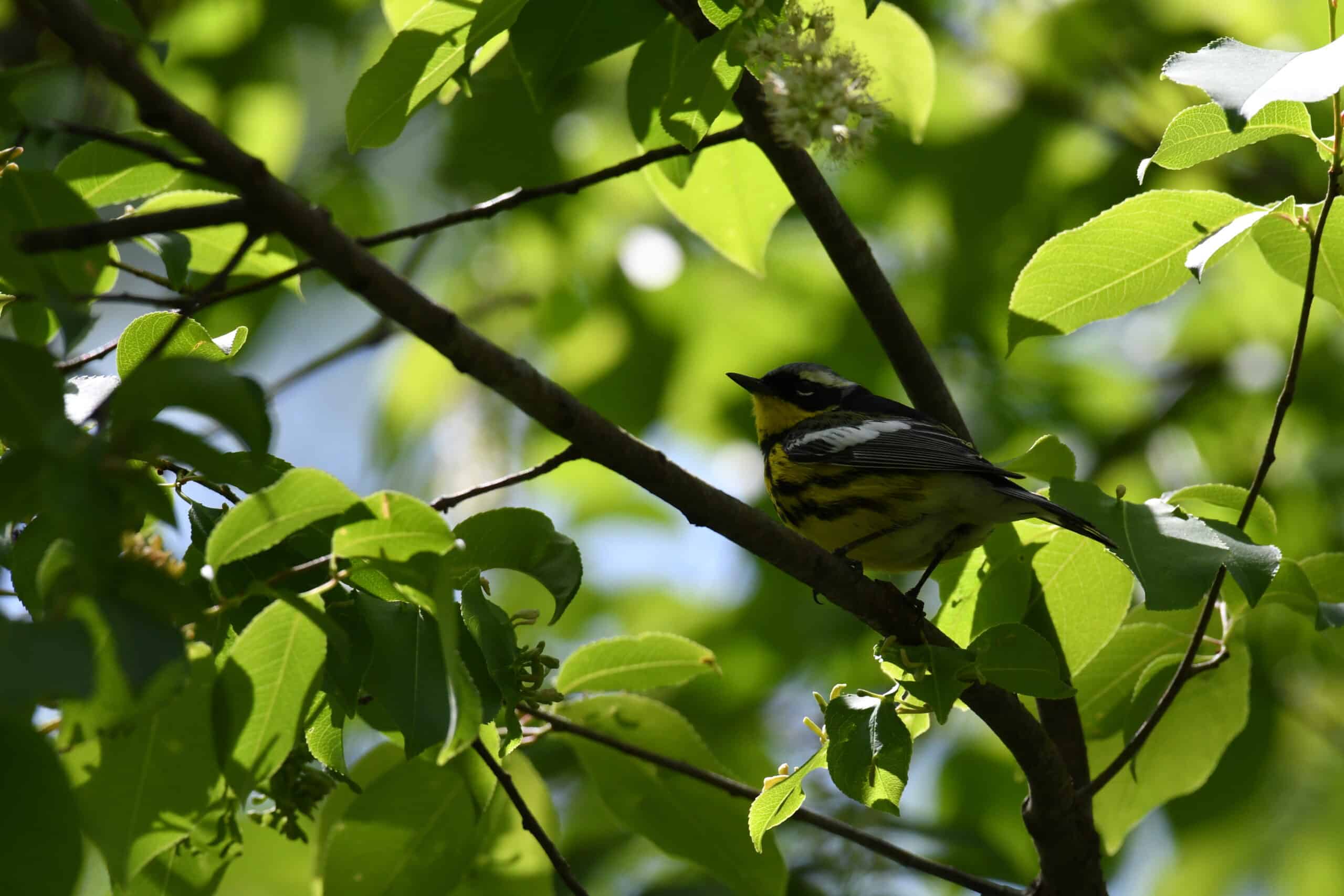
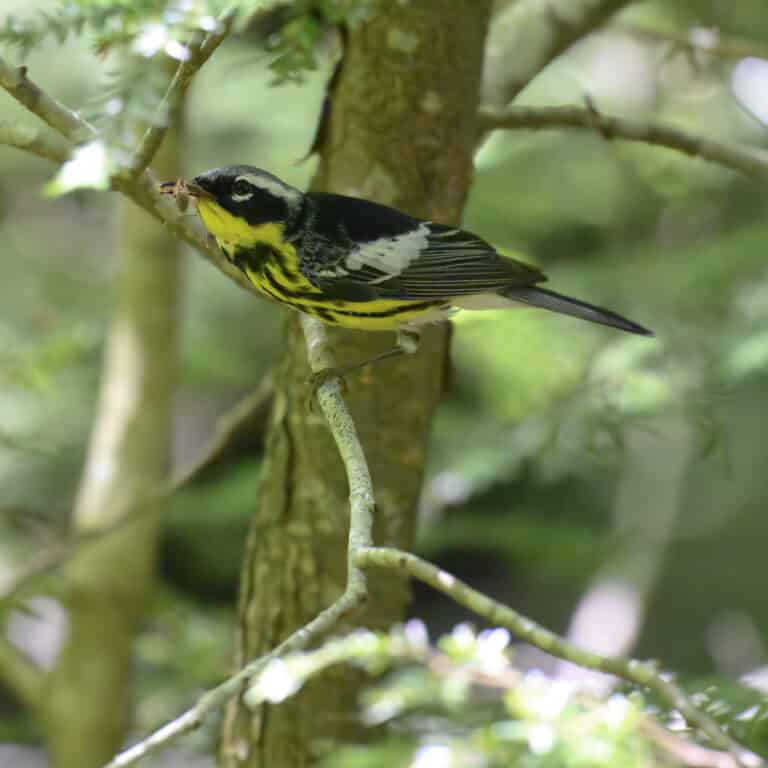
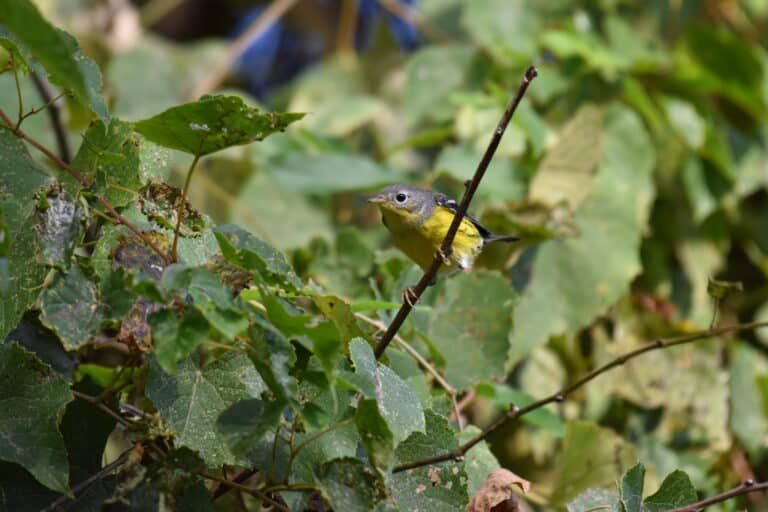
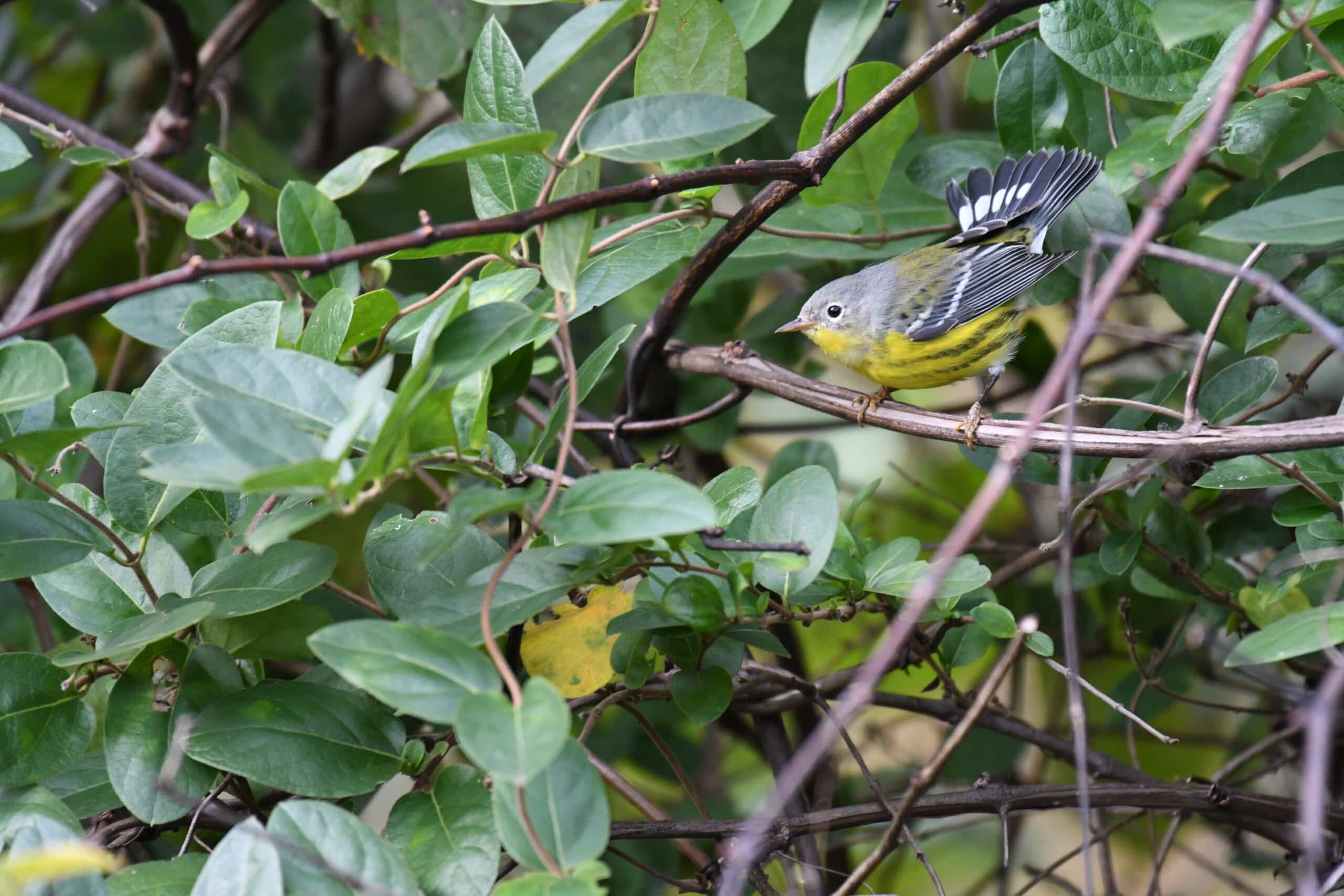
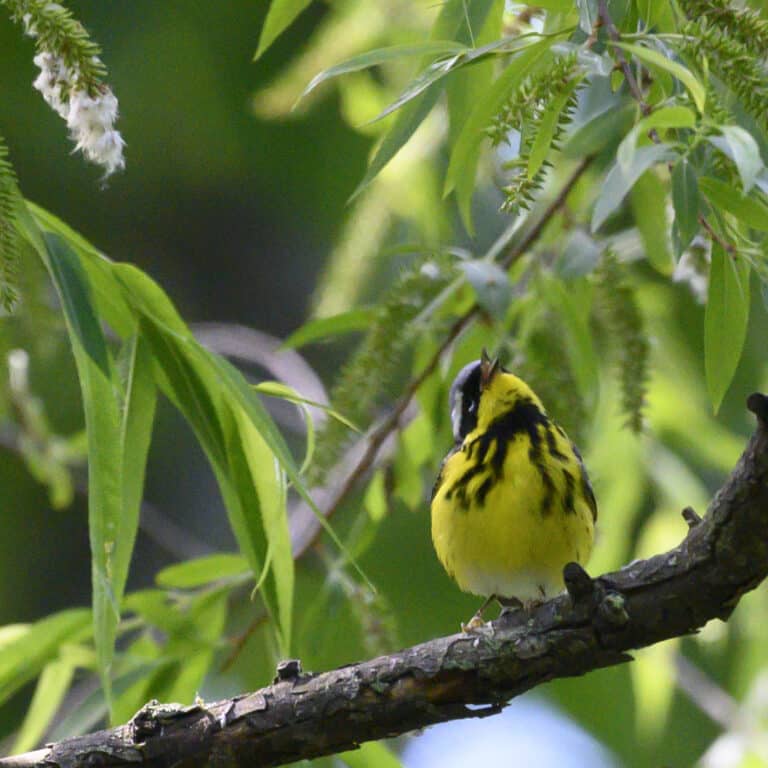
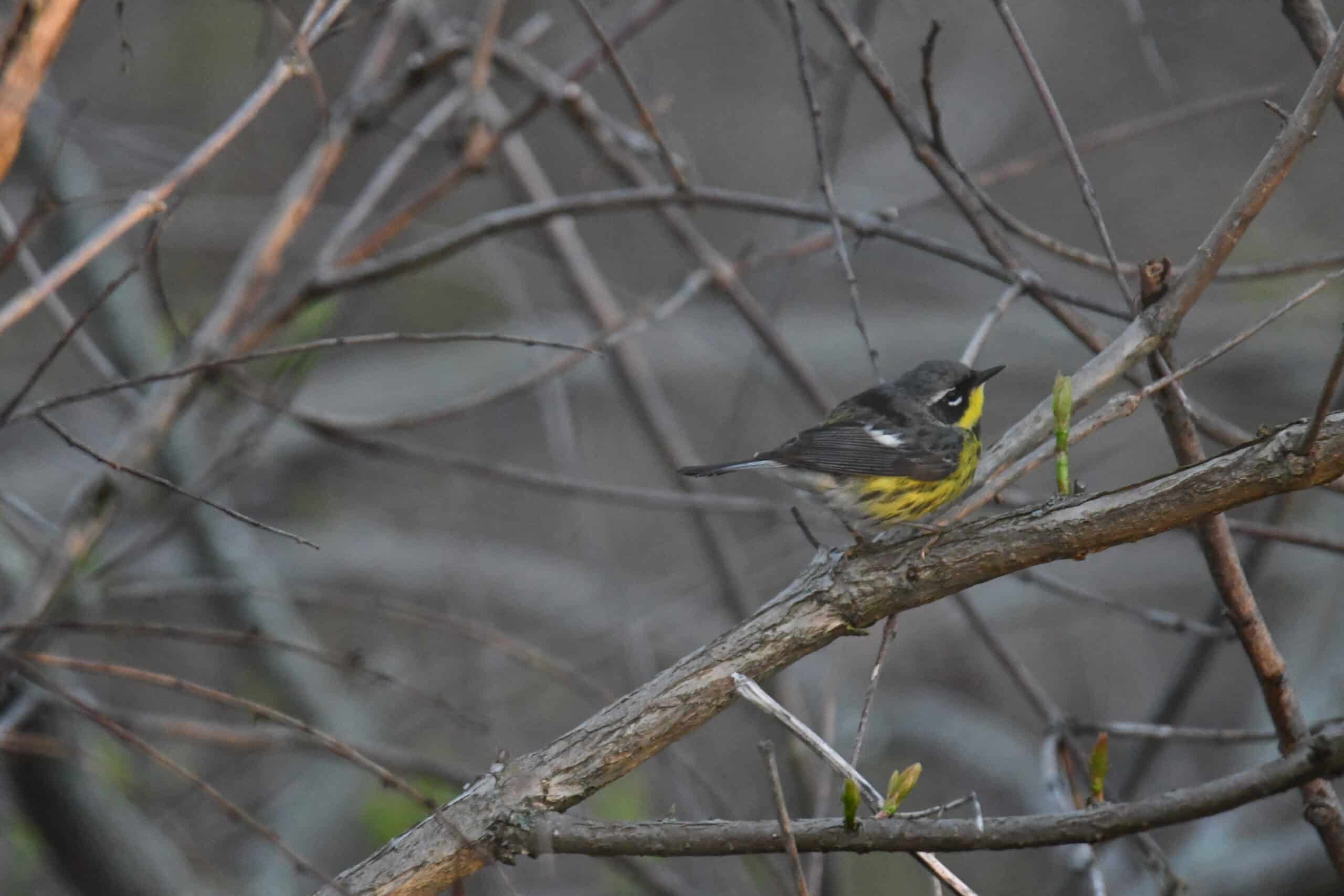
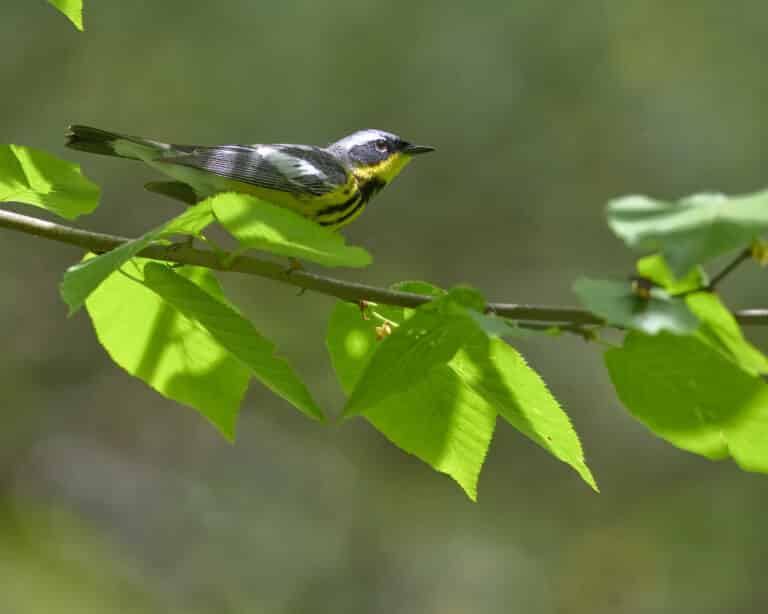
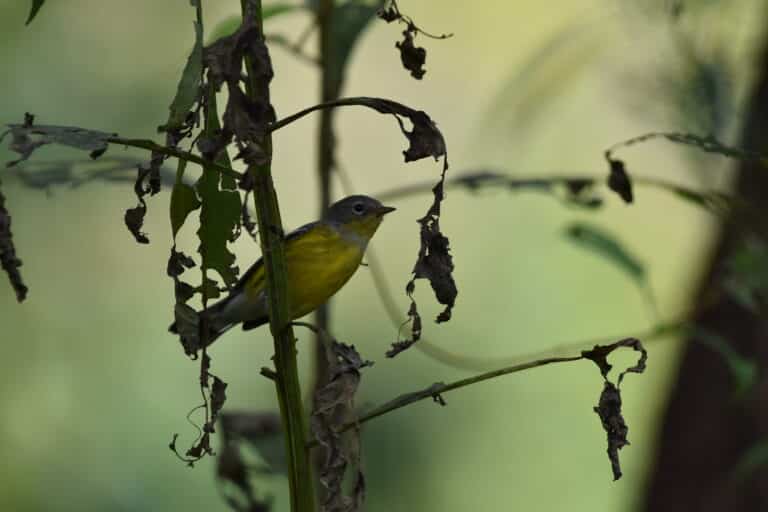
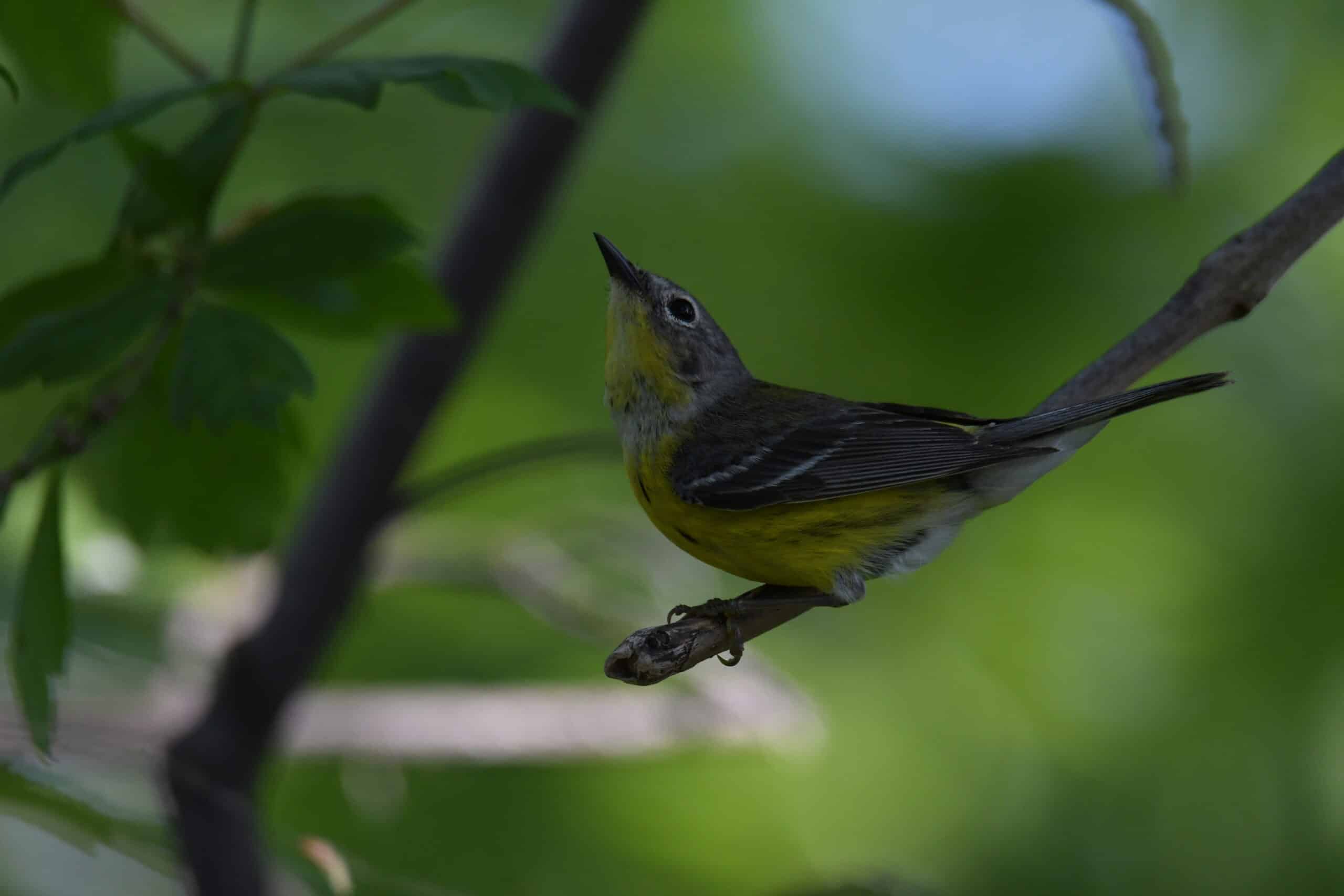
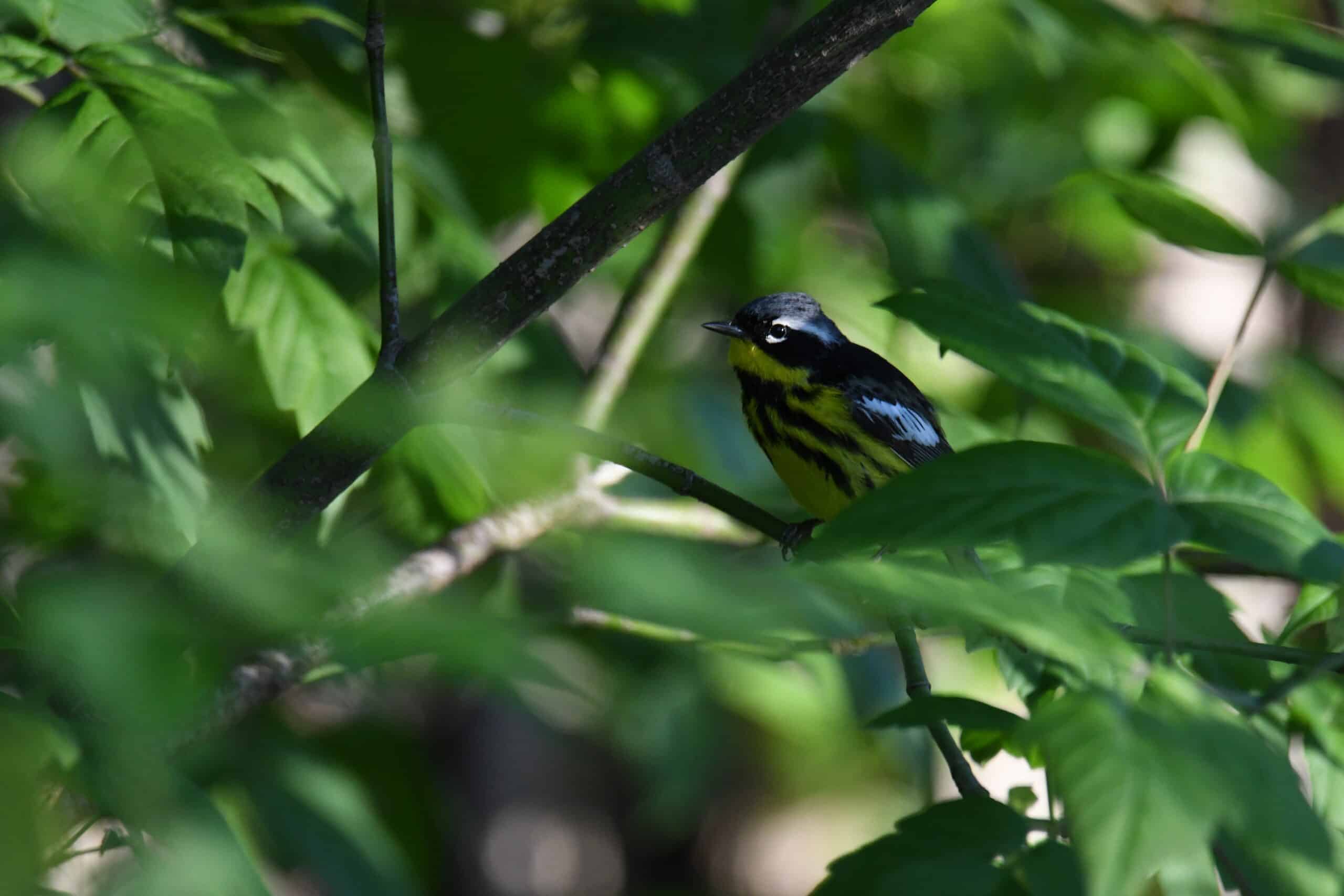
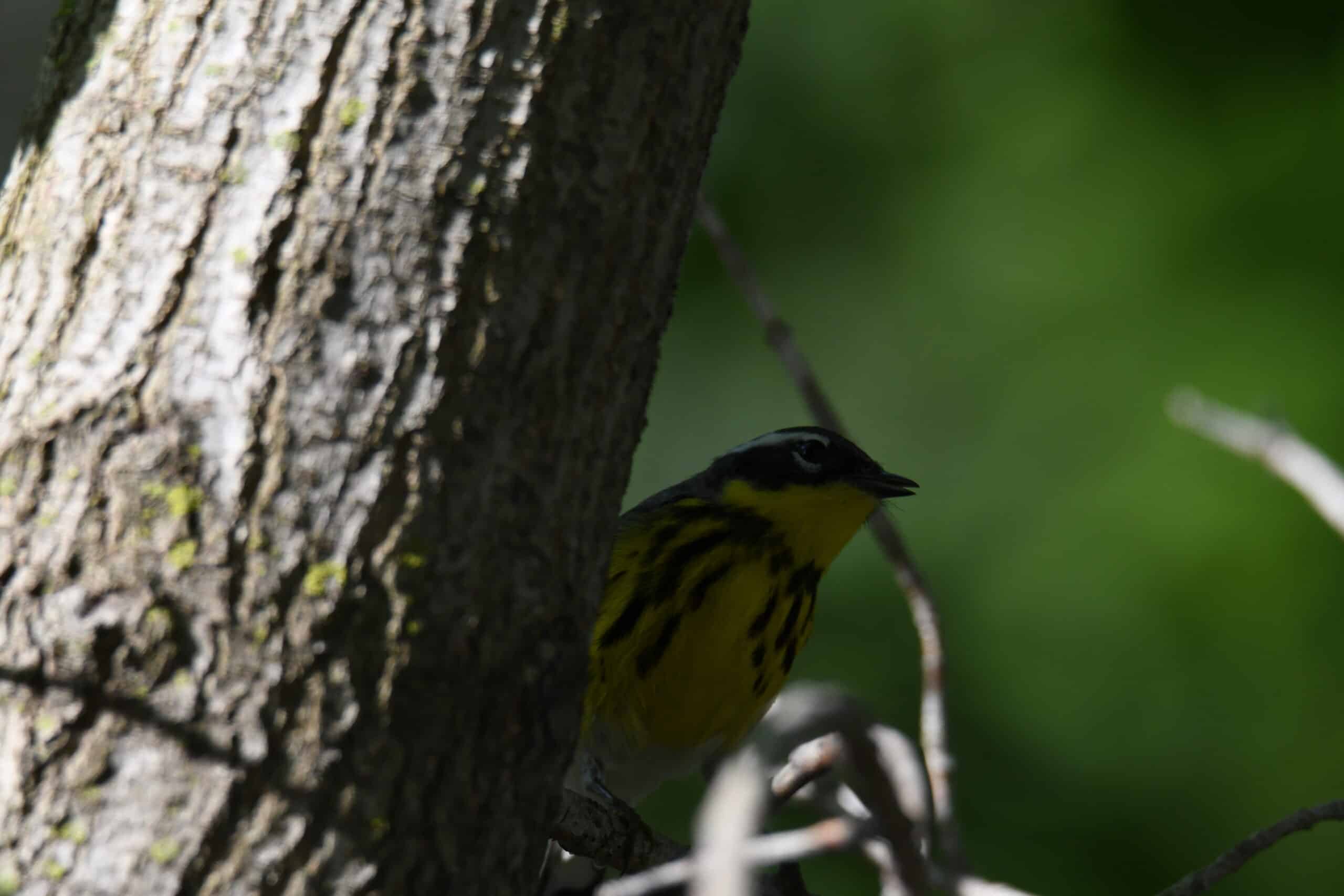
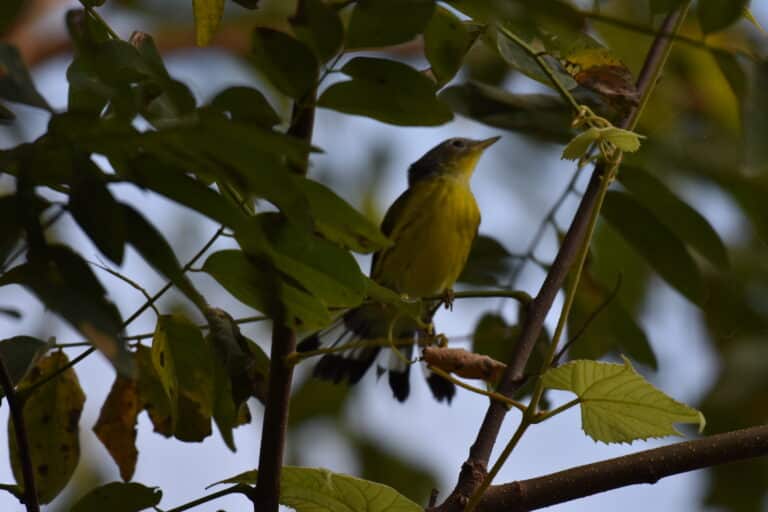
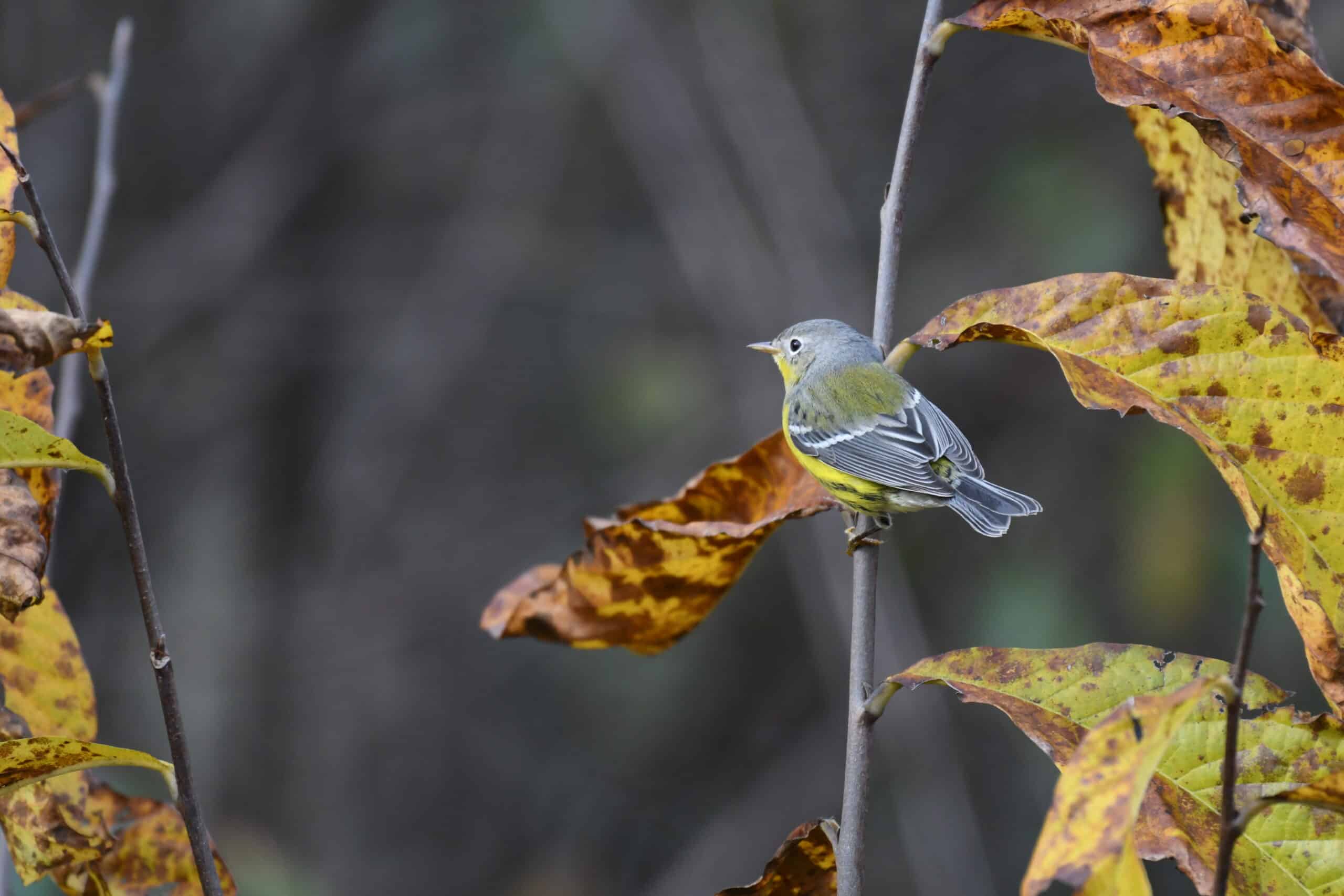
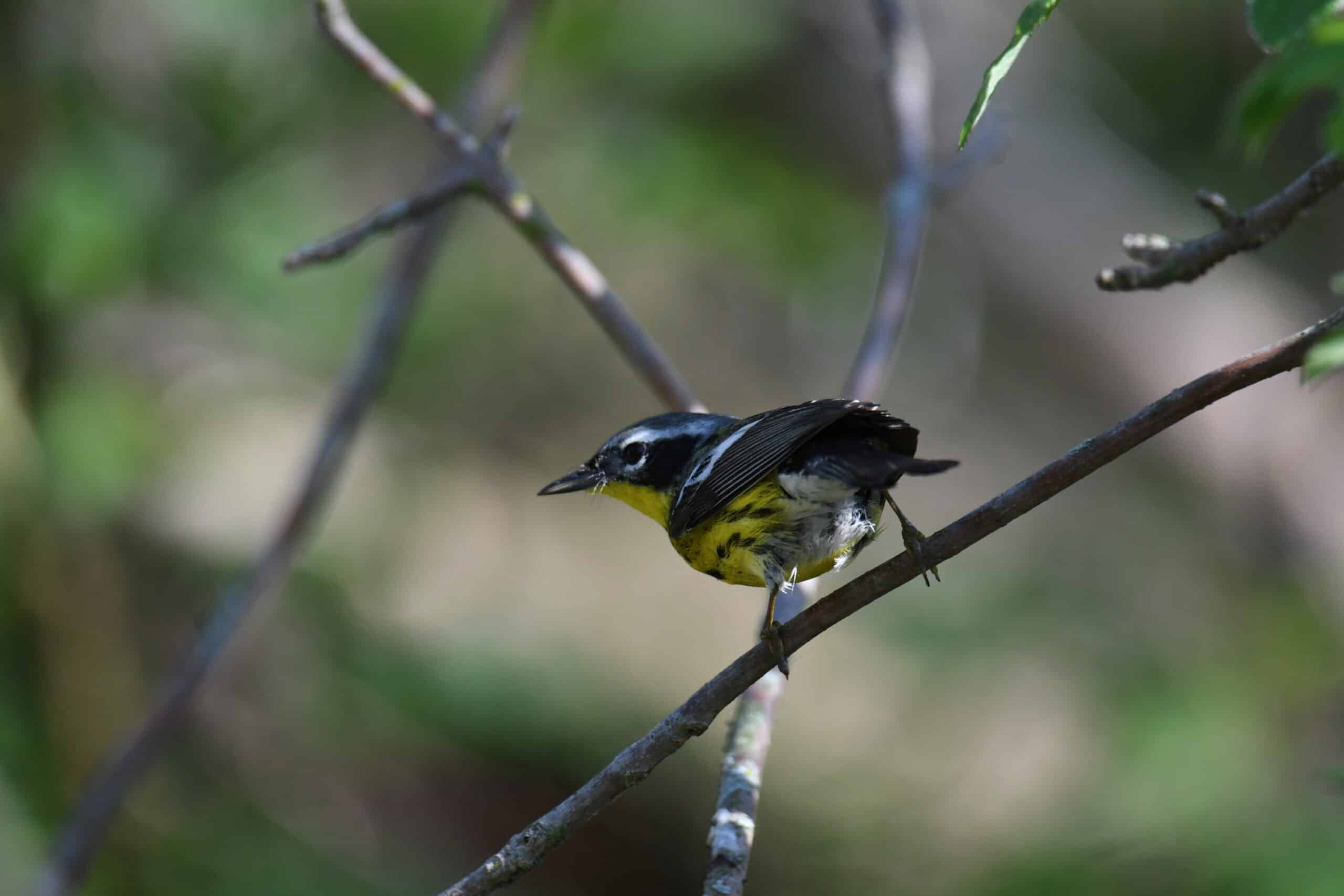
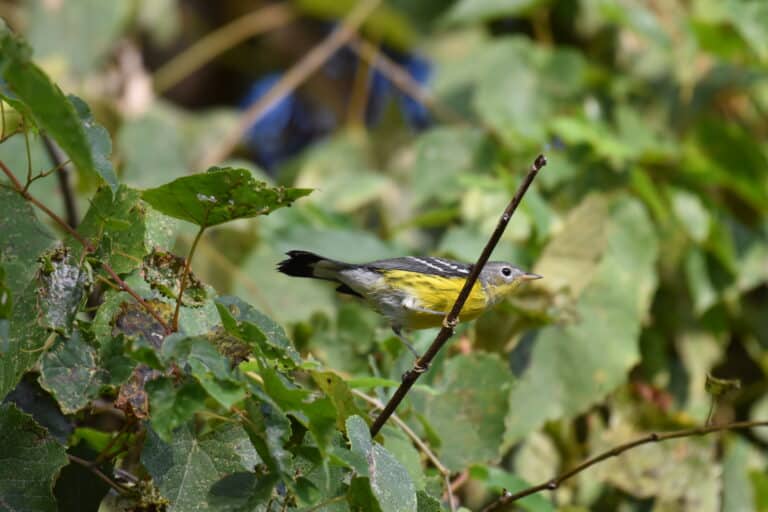
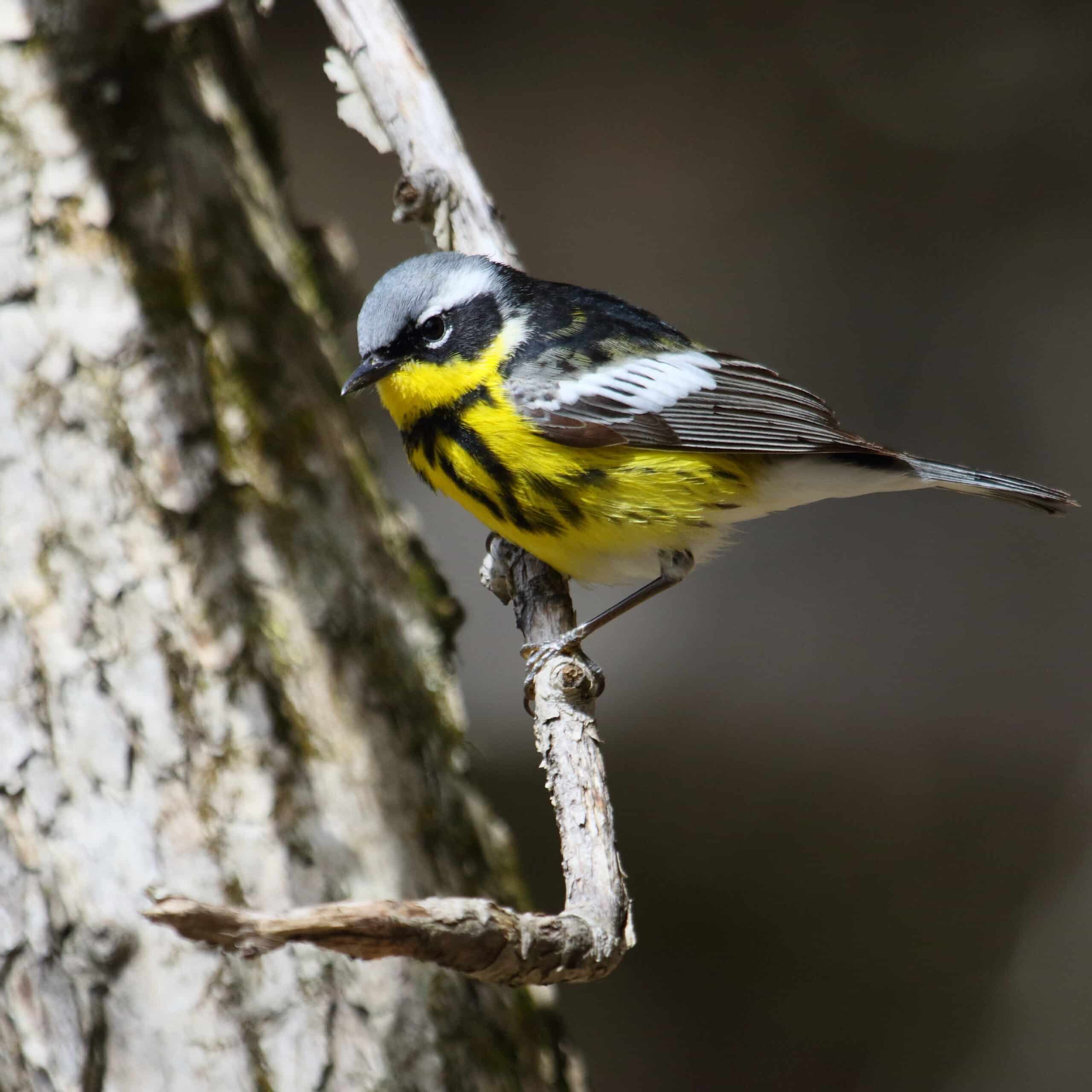
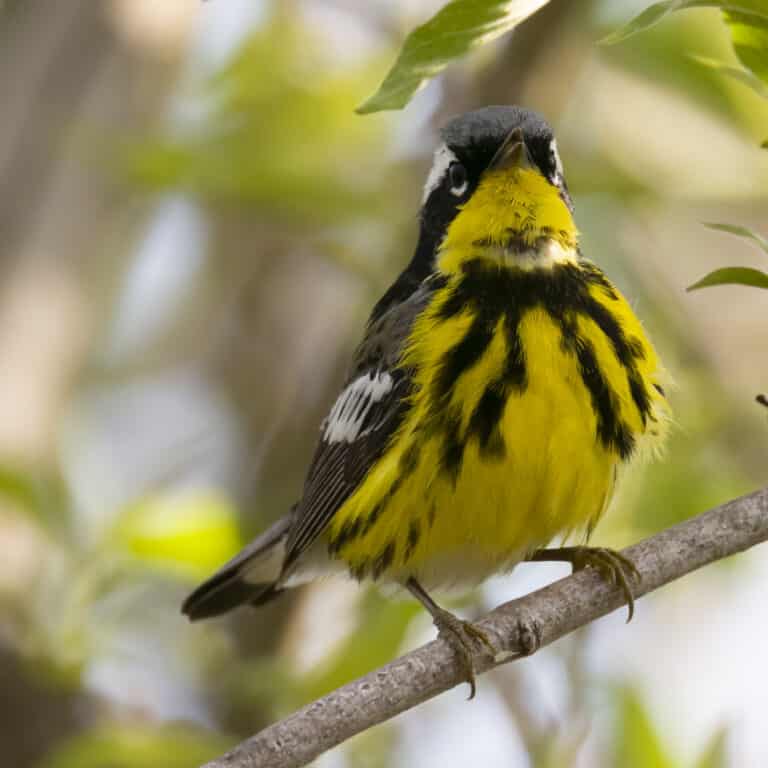
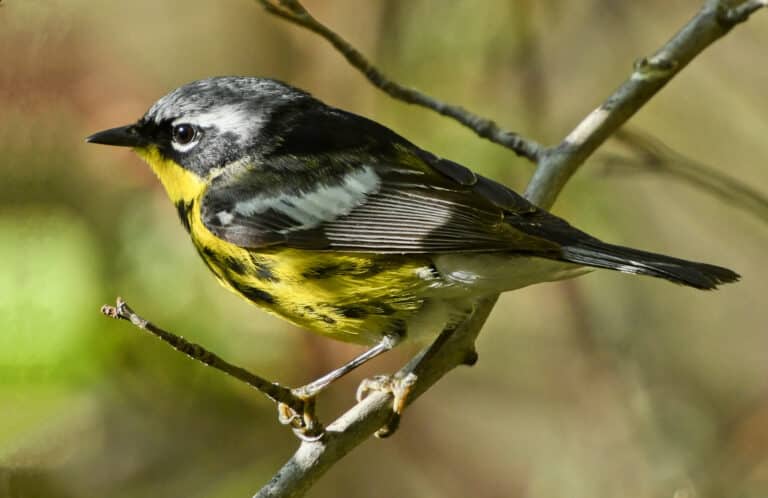
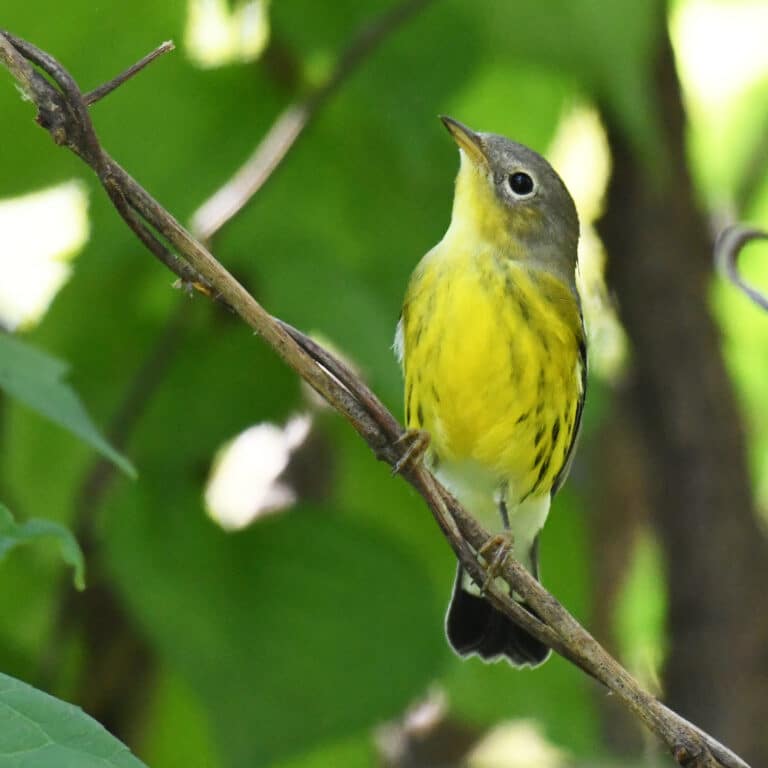
Magnolia Warblers tend to wander across Central America during migration seasons. They showcase vibrant yellow plumage with gray and black markings that help them stand out among the leaves.
These birds usually live up to 6 years in the wild, adding a sprinkle of excitement to the forest with their melodic songs. With their friendly chirps, they remind us that every creatures' voice has a story to share!

Where can you find a Magnolia Warbler in the wild?
What does a Magnolia Warbler eat?
How big can a Magnolia Warbler grow?
How long does a Magnolia Warbler typically live?
What is the conservation status of the Magnolia Warbler?
What are the main threats to the Magnolia Warbler?
Fun facts
Male Magnolia Warblers sing cheerful tunes to attract females, turning their forest homes into a musical stage during the breeding season.


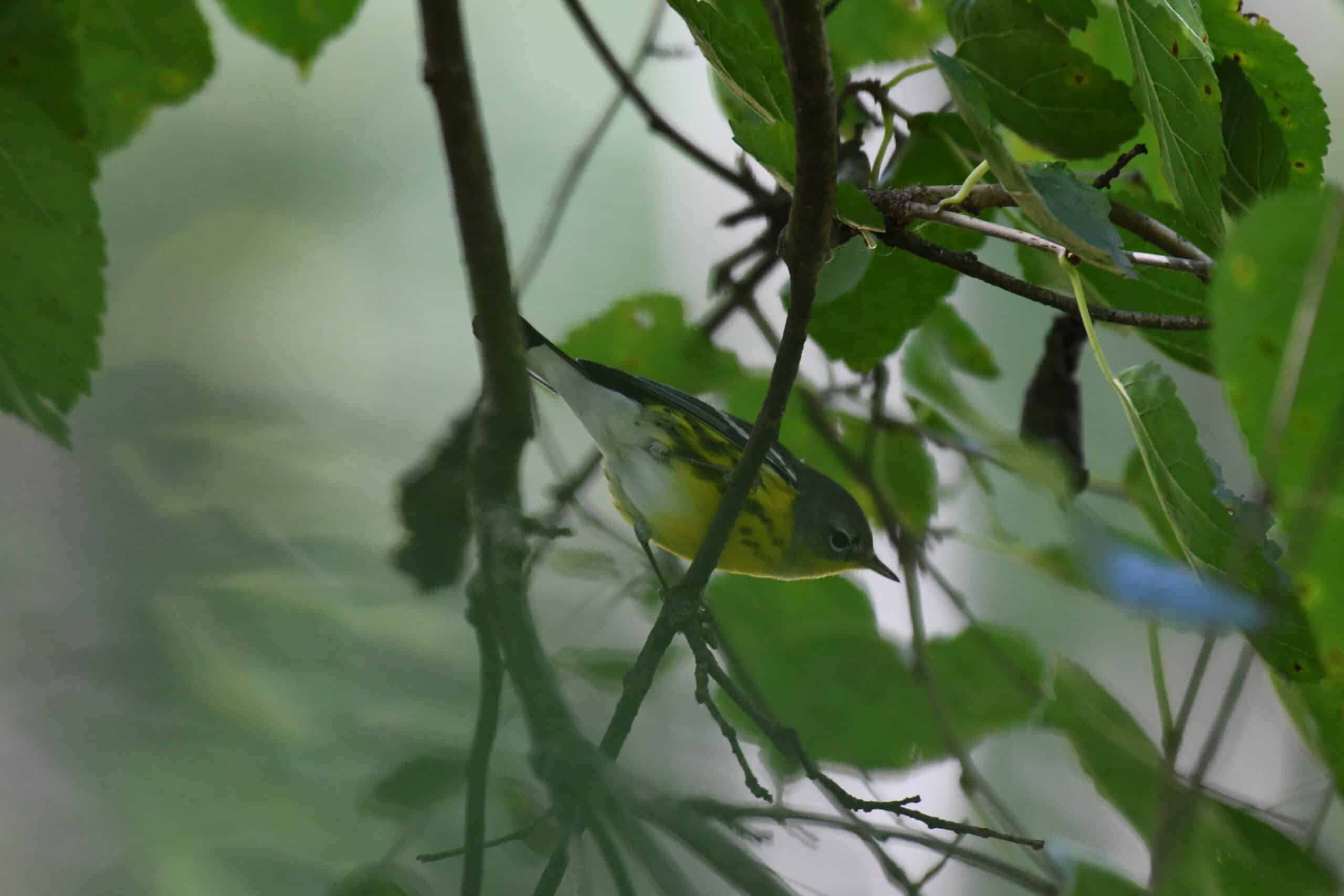
These birds are skilled acrobats, often seen flipping over branches and hanging upside down to catch insects.
Magnolia Warblers can migrate thousands of kilometers every year, traveling from their breeding grounds in North America to cozy winter retreats in Central America.
During migration, a Magnolia Warbler can travel up to 120 kilometers (75 miles) in a single day, showing off their impressive stamina!
These tiny birds can be easy to overlook, but their bright yellow bellies and energetic movements make them stand out in any forest.
Young Magnolia Warblers learn to sing by listening to their dads, practicing their tunes until they can chirp like pros!
Some Magnolia Warblers replace their feathers in the summer, giving them a fresh and shiny look before heading south to escape the chilly weather.
These charming little birds enjoy a feast of insects and spiders, helping to keep the forest healthy by controlling pest populations.
When threatened, Magnolia Warblers can quickly dive into thick cover, making them sneaky little escape artists.
In folklore, many bird watchers believe that spotting a Magnolia Warbler brings good luck and symbolizes joy in nature.
Photos

The Basics


explore more
Amphibians
Arachnids
Birds
Cats
Crustaceans
Fish
Fish Pet Guide
Gastropods
Insects
Invertebrates
Mammals
Pet Fish
Pet Rodents
Plants
Reptiles
Roundworms
Sea Slugs