

Successfully copied to clipboard!
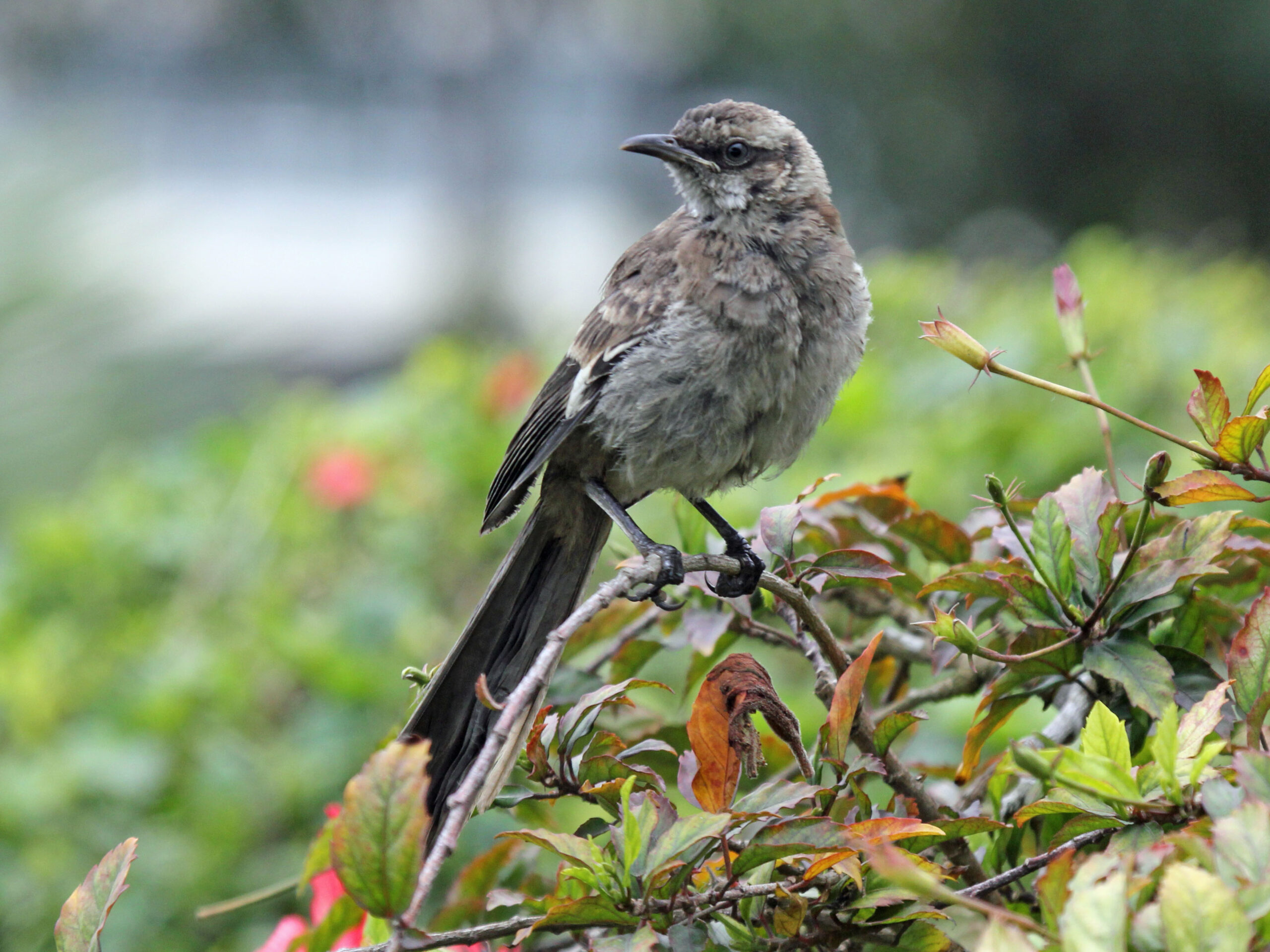
Mockingbird
Uncover the melody-makers that mimic nature's symphony!
Let’s Explore
Overview
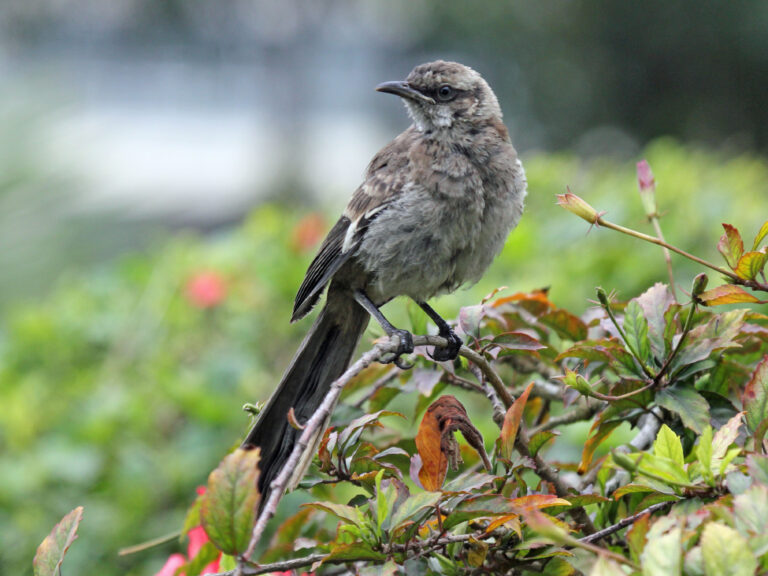
The mockingbird is a clever bird known for its incredible singing skills. This feathered performer can mimic the calls of other birds, animals, and even sounds from the environment, making it a true vocal chameleon.
Mockingbirds belong to the scientific family Mimidae and are common in North America. Their scientific name, Mimus polyglottos, means "many-tongued mimic," which perfectly describes their amazing talent for mimicking.
These birds usually grow to be between 8 to 10 inches long. You can spot them in gardens or parks, where their playful songs fill the air and bring smiles to anyone who listens.
Mockingbirds mainly eat insects, berries, and seeds. Their diet helps control insect populations while allowing them to spread seeds, making them garden helpers too!
With a lifespan of up to 8 years, mockingbirds often have plenty of time to practice their tunes. They can produce an impressive variety of songs, sometimes singing all night long!

Where can you find a Mockingbird in the wild?
What does a Mockingbird eat?
How big can a Mockingbird grow?
How long does a Mockingbird typically live?
What is the conservation status of the Mockingbird?
What are the main threats to the Mockingbird?
Fun facts
Mockingbirds can sing more than 200 different songs, making them the rockstars of the bird world! They are known to practice and mix tunes, creating unique concerts just for you.


These clever birds do not just mimic other birds; they can imitate sounds like car alarms or a barking dog! Imagine a bird that can fool your ears into thinking there’s a whole zoo around.
Mockingbirds often sing at night, so you can enjoy their music while stargazing! This nighttime serenade is one way they attract mates and defend their territories.
A mockingbird once impressed a scientist by mimicking over 100 songs in a single day. This incredible talent shows how dedicated these birds are to their craft!
During nesting season, male mockingbirds can get quite protective. They will dive-bomb perceived threats, like cats or other birds, showing bravery for their future chicks!
Mockingbirds have been spotted using clever tactics to get food, such as dropping hard seeds onto pavement to crack them open. They are like tiny nature’s problem solvers!
Mockingbirds can recognize individual human faces, and they may even learn to recognize those who are friendly or bothersome! This makes them savvy neighbors in your backyard.
Mockingbirds may hold their territory year-round, defending it against rival mockingbirds. These feisty feathered friends become passionate guardians of their song-filled spaces!
During spring, male mockingbirds can sing for up to 12 hours a day to attract females and warn others to stay away! It’s as if they are competing for the title of 'Most Enthusiastic Singer.'
Mockingbirds are dedicated partners. Once a male finds a mate, they often sing together, creating a beautiful duet that can fill a garden with joy!
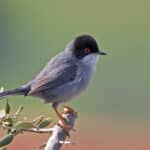
Photos


The Basics


explore more
Amphibians
Arachnids
Birds
Cats
Crustaceans
Fish
Fish Pet Guide
Gastropods
Insects
Invertebrates
Mammals
Pet Fish
Pet Rodents
Plants
Reptiles
Roundworms
Sea Slugs


