Successfully copied to clipboard!
Mole
Uncover a world of underground adventure with nature's tiny diggers!
Let’s Explore
Overview
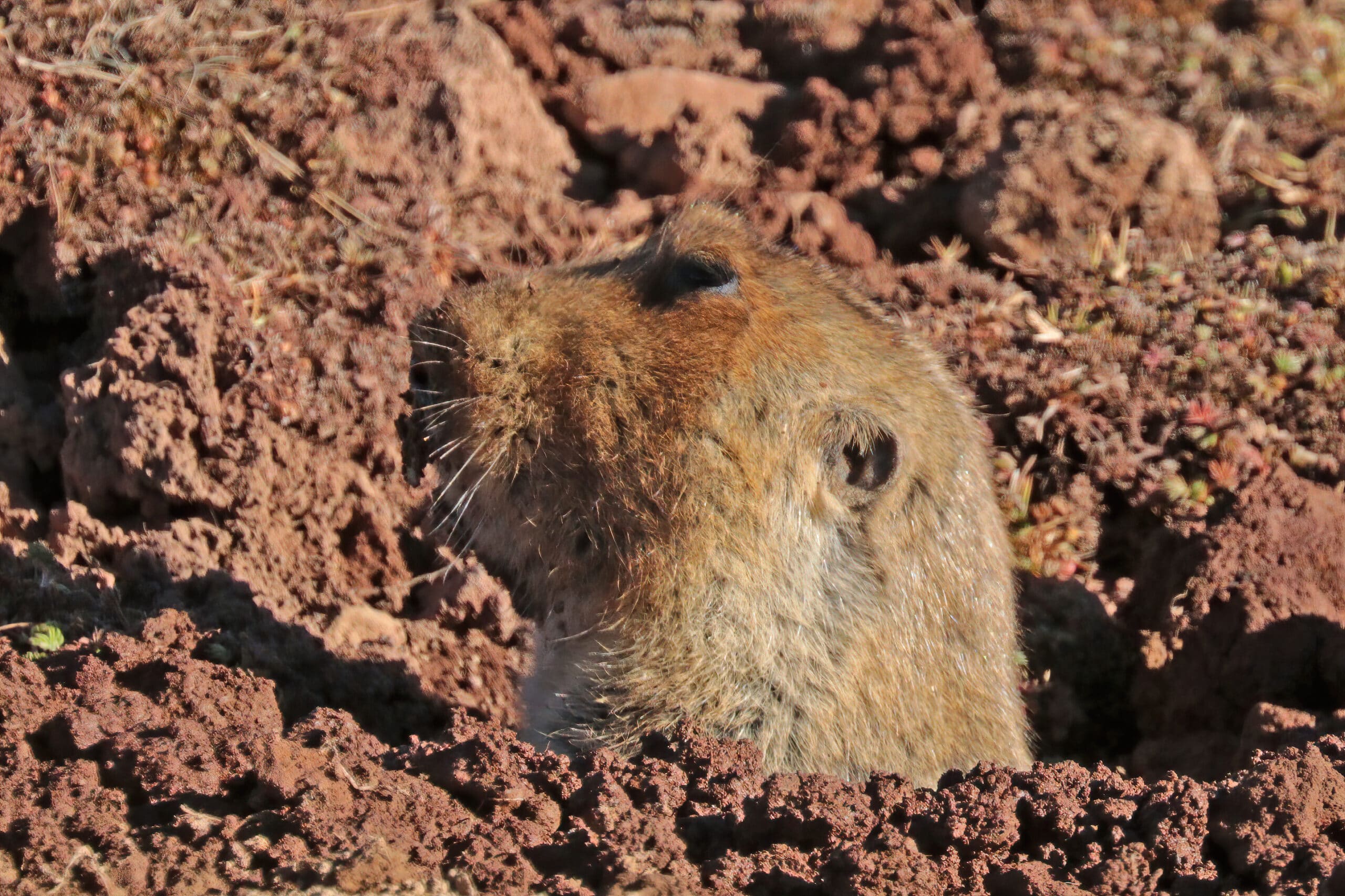
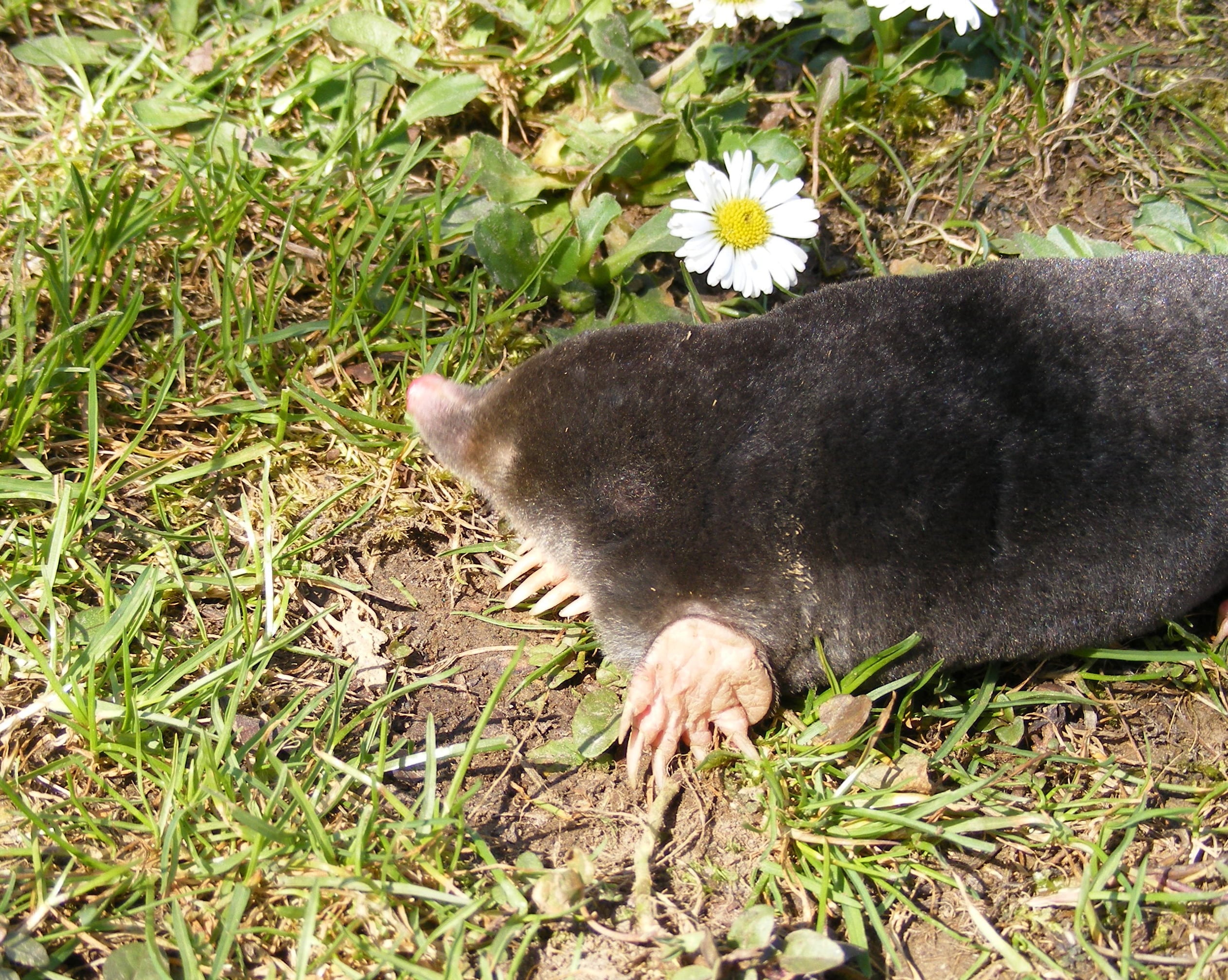
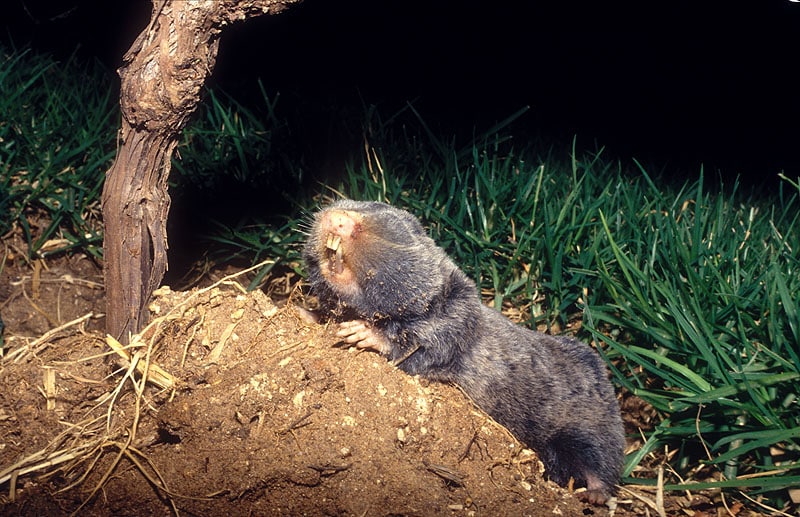
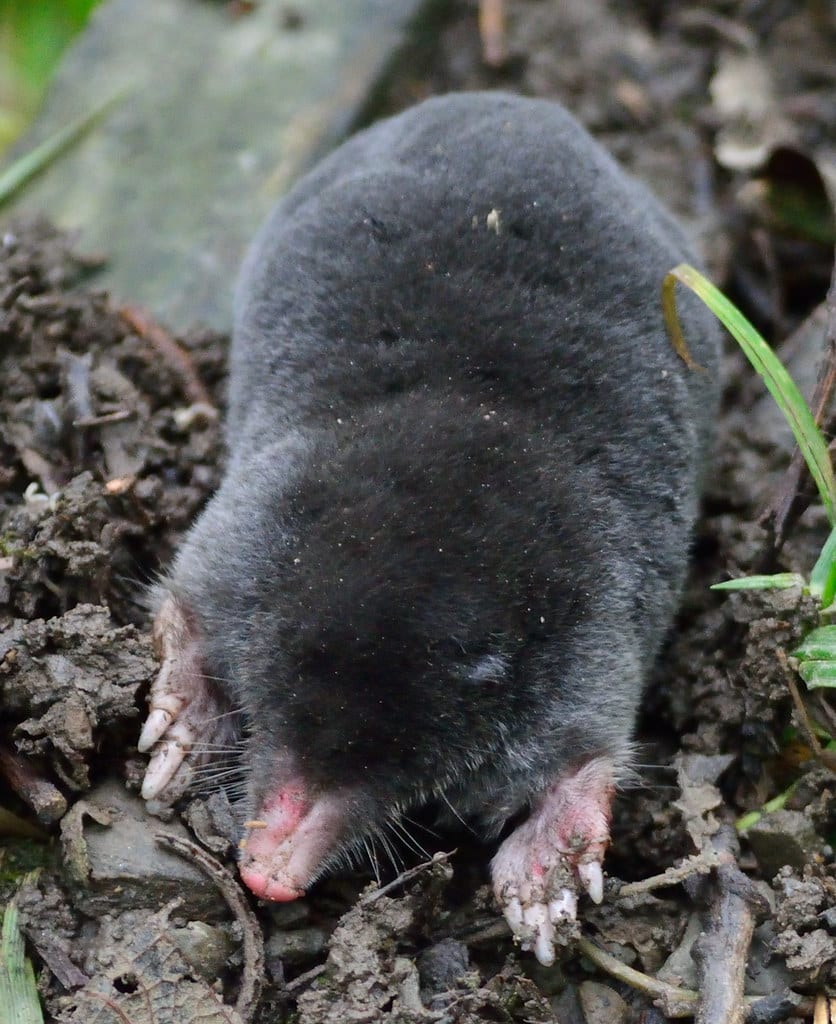
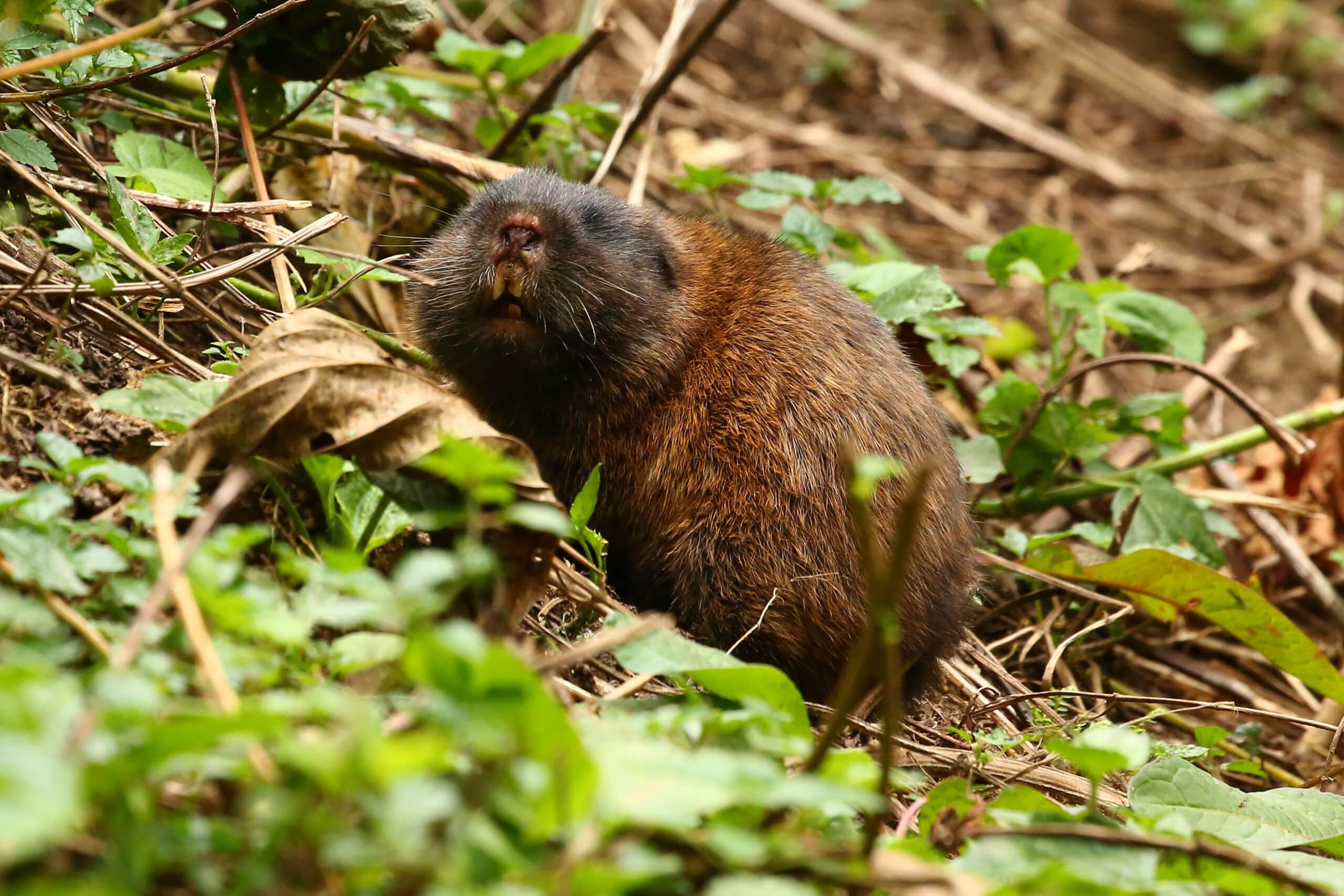
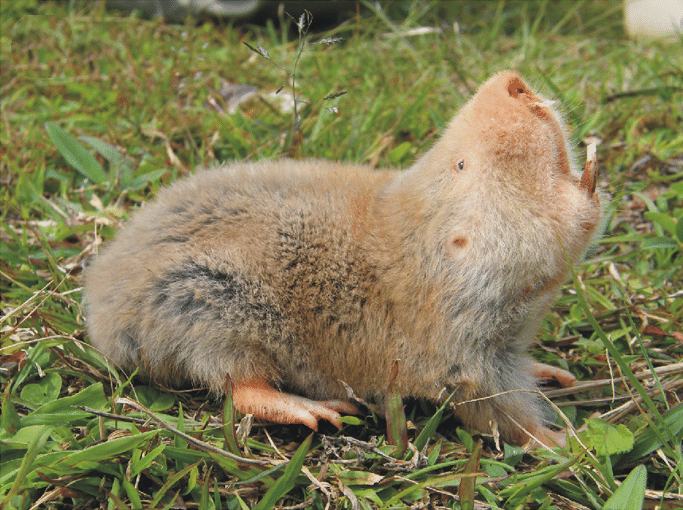
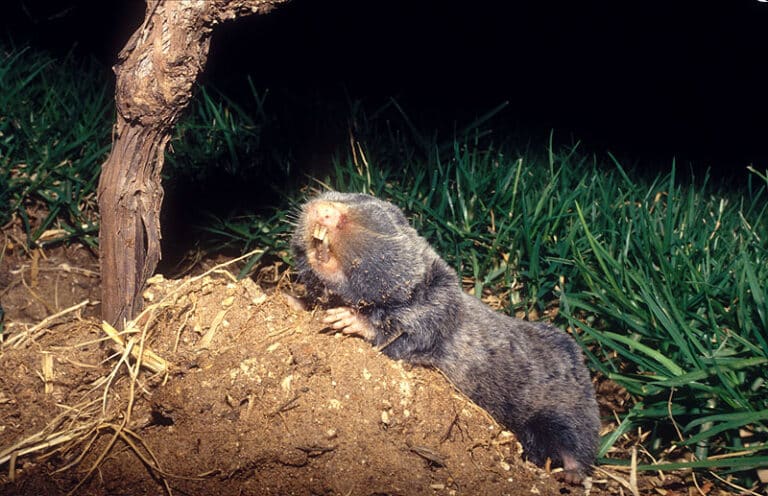
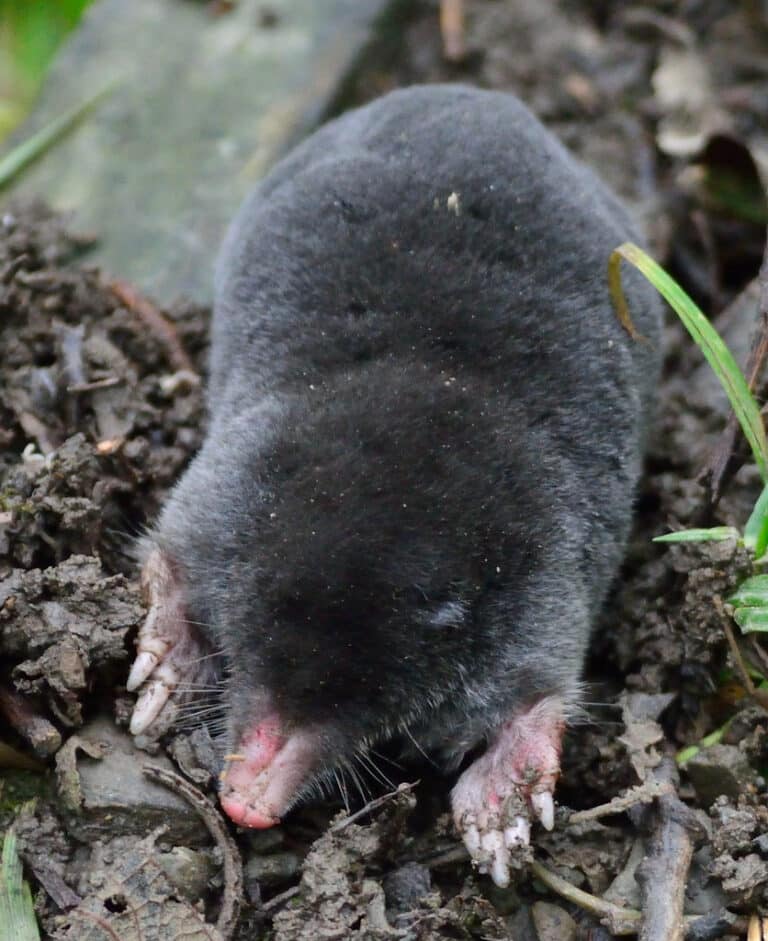
Moles are remarkable little mammals that dig their way through life with their powerful front paws. These furry critters belong to the family Talpidae and can be found in North America, Europe, and Asia.
Moles are not the biggest animals in town, averaging between 10 to 18 centimeters (4 to 7 inches) in length. But what they lack in size, they more than make up for in digging power, creating intricate tunnel systems under the ground like tiny architects.
Moles enjoy a tasty diet that consists mainly of insects, earthworms, and grubs. With their keen sense of touch and smell, they navigate the dark earth to find their favorite underground snacks, making them nature's underground foodies.
Their lives can last from 3 to 6 years, depending on the species and environment. Moles are solitary animals, so they often dig alone, creating their own personal underground playgrounds.
Despite their secretive lifestyle, moles play a vital role in the ecosystem. Their burrowing helps aerate the soil and allows water and nutrients to reach plants, making gardens happy and healthy.

Where can you find a Mole in the wild?
What does a Mole eat?
How big can a Mole grow?
How long does a Mole typically live?
What is the conservation status of the Mole?
What are the main threats to the Mole?
Fun facts
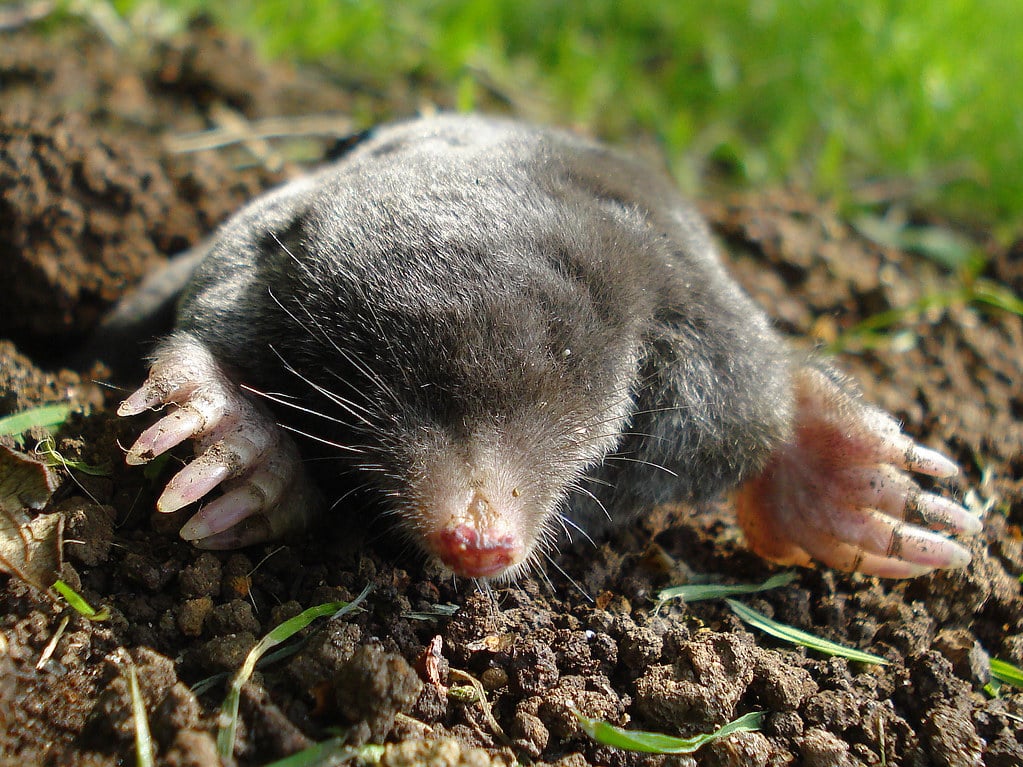
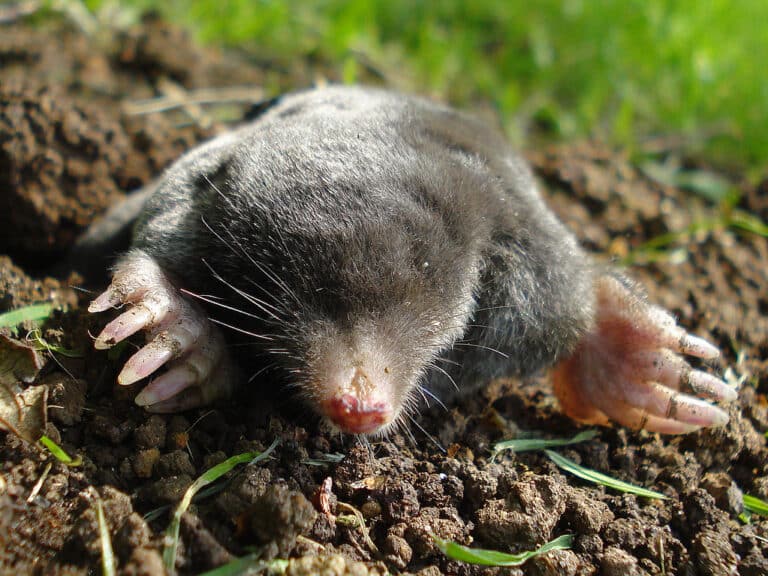
Moles have tiny eyes that are nearly blind, but they don’t need them. They depend more on their exceptional sense of touch, using their sensitive snouts to explore the dark tunnels they dig.


These little diggers are like underground bulldozers, able to move over 50 kilograms (about 110 pounds) of soil while creating their tunnel systems. That’s like moving a small human’s worth of soil in their lifetime!
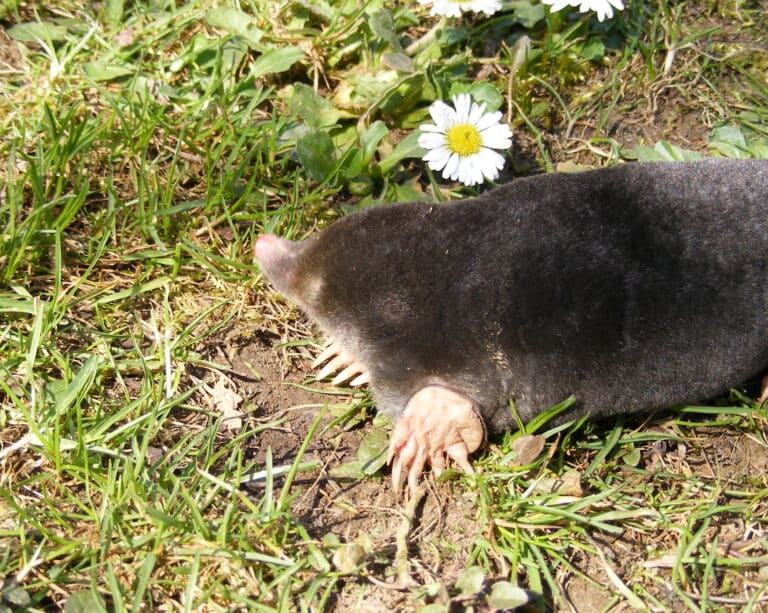
Moles have a special adaptation called a 'fifth digit,' which is like an extra thumb. This helps them grip the soil better as they dig at impressive speeds, sometimes moving up to 2 meters (about 6.5 feet) in just an hour!
While moles munch on delicious insects and worms, some species can also eat small plant roots. Think of them as nature’s version of a mixed grill feast, serving up a little bit of everything!
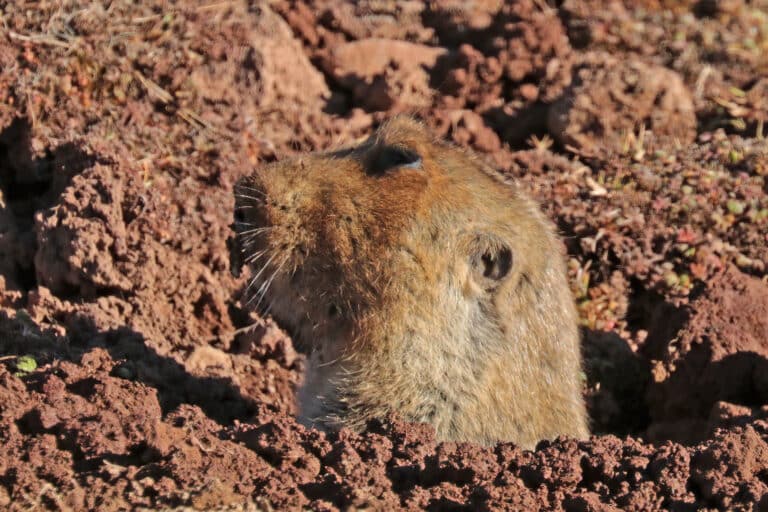
If you see a pile of dirt on the ground, it may be a mole's work of art called a 'molehill.' These little hills form when moles push soil up from their tunnels to make more space for their underground adventures.
Moles can stay underground for long periods, even up to 10 days, without coming up for air. It's like having a personal underground vacation!
Some moles can swim! They have webbed feet that help them paddle through the water, making them surprisingly good swimmers when they need a quick escape.
In parts of Europe, some cultures celebrate moles as beneficial creatures. Farmers appreciate them for aerating the soil, which allows crops to grow better.
Mole pups are born without fur and depend on their mother for care. They grow up quickly, learning to dig and explore their underground world all by themselves!
Moles can dig through soil that is harder than concrete! Their strong front paws and specially shaped claws allow them to tunnel through even tough surfaces to find food.
Photos





The Basics


explore more
Amphibians
Arachnids
Birds
Cats
Crustaceans
Fish
Fish Pet Guide
Gastropods
Insects
Invertebrates
Mammals
Pet Fish
Pet Rodents
Plants
Reptiles
Roundworms
Sea Slugs