Successfully copied to clipboard!
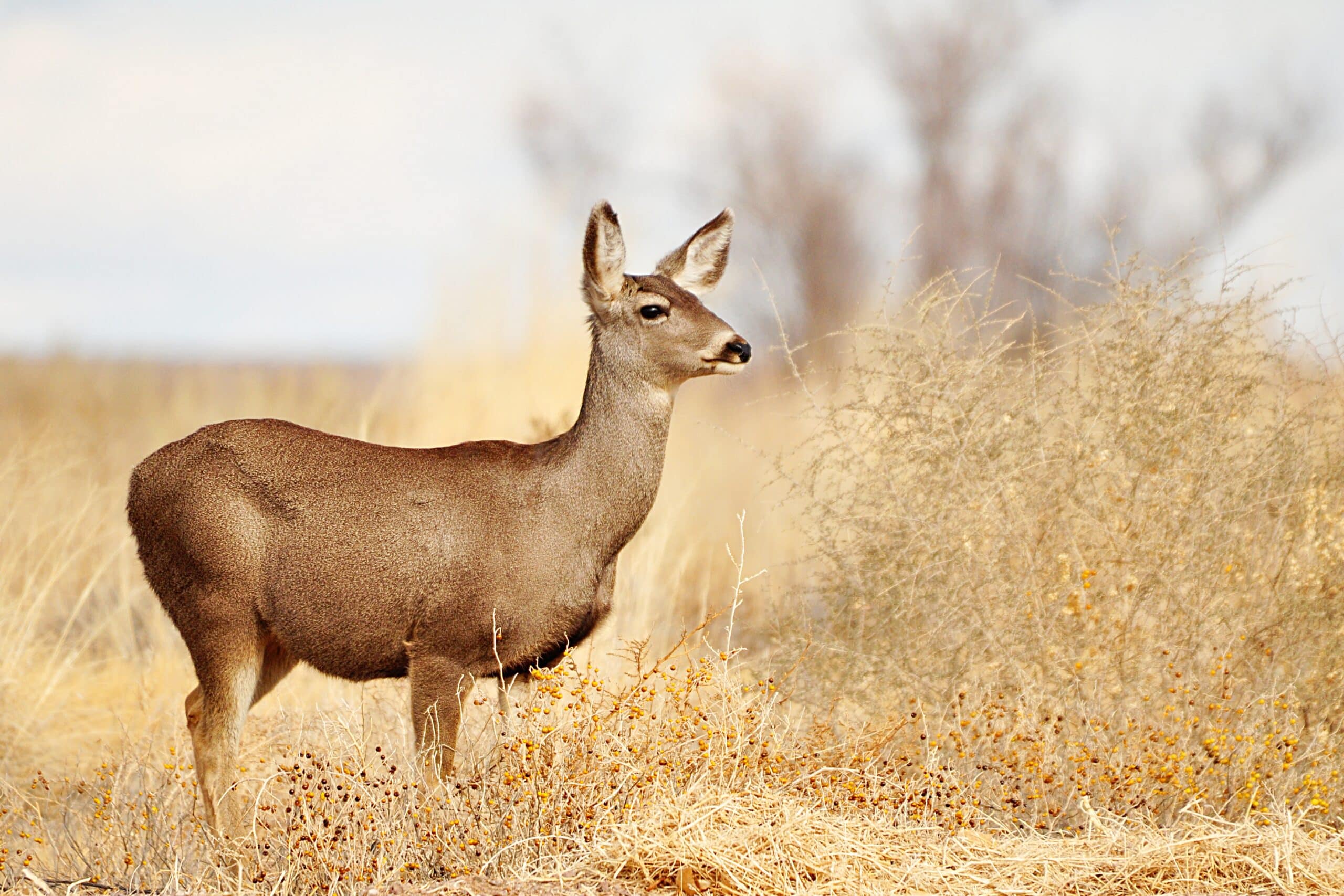
Mule Deer
Leap into the wild with these agile, herbivorous marvels!
Let’s Explore
Overview
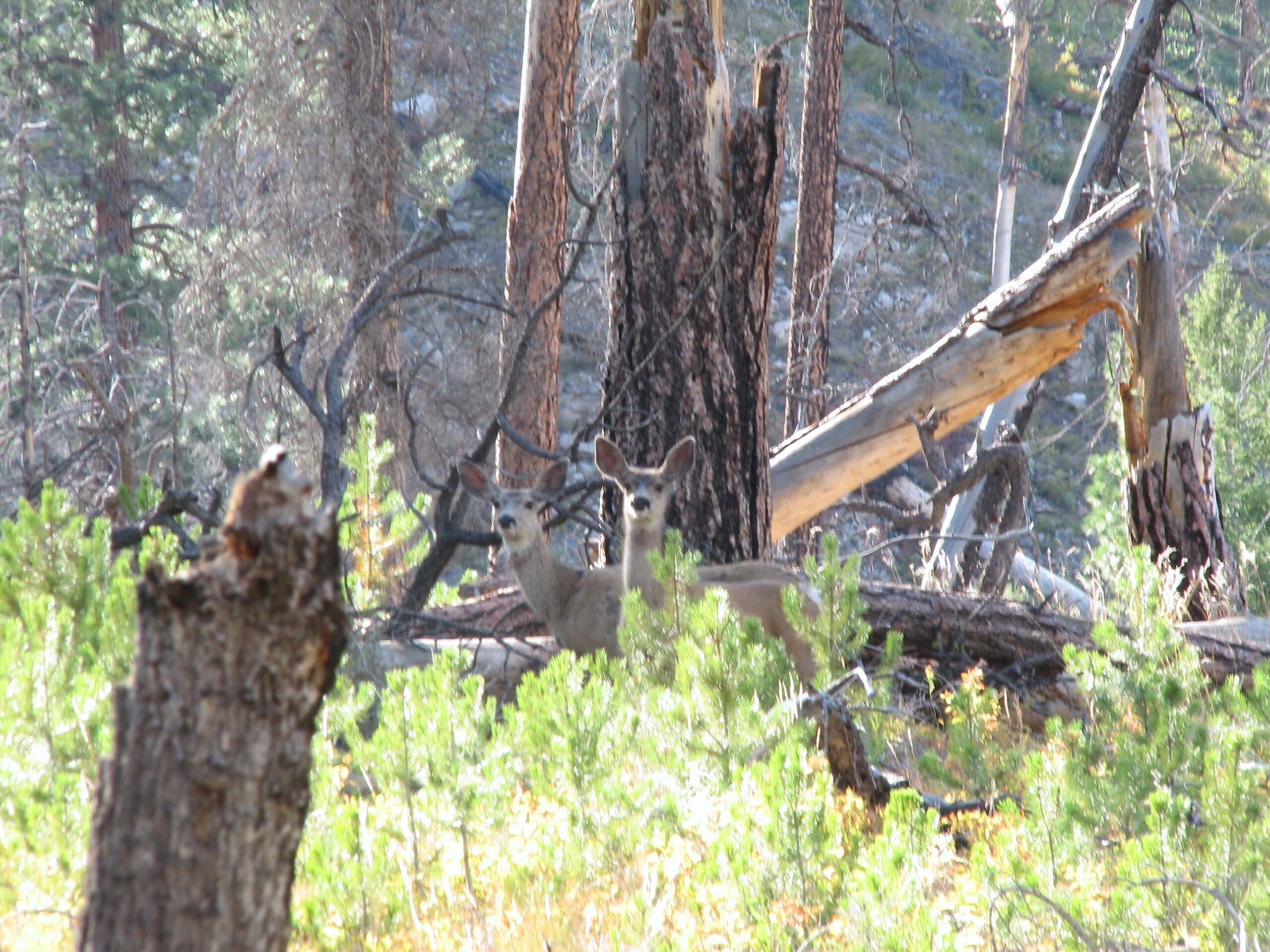
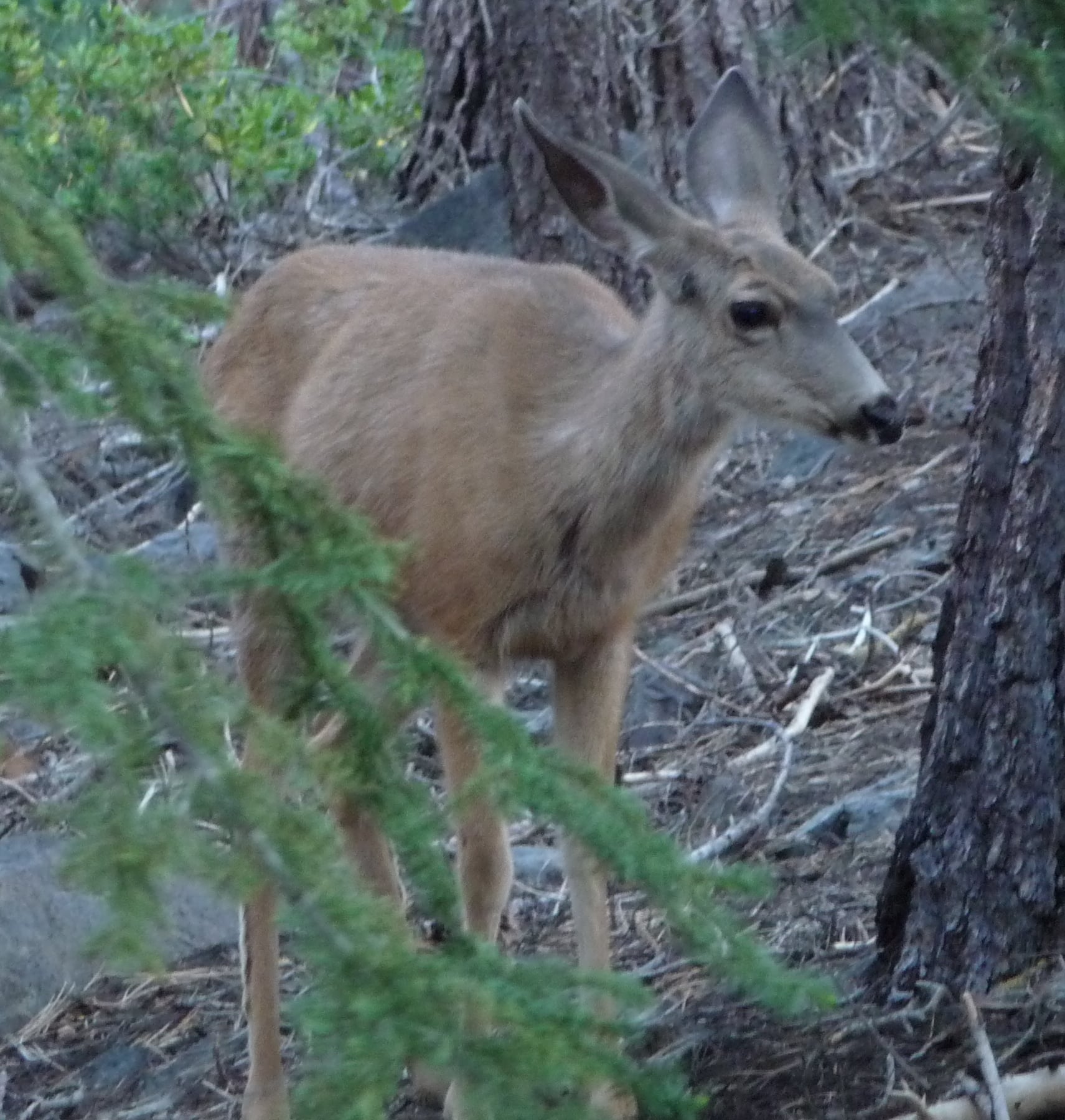
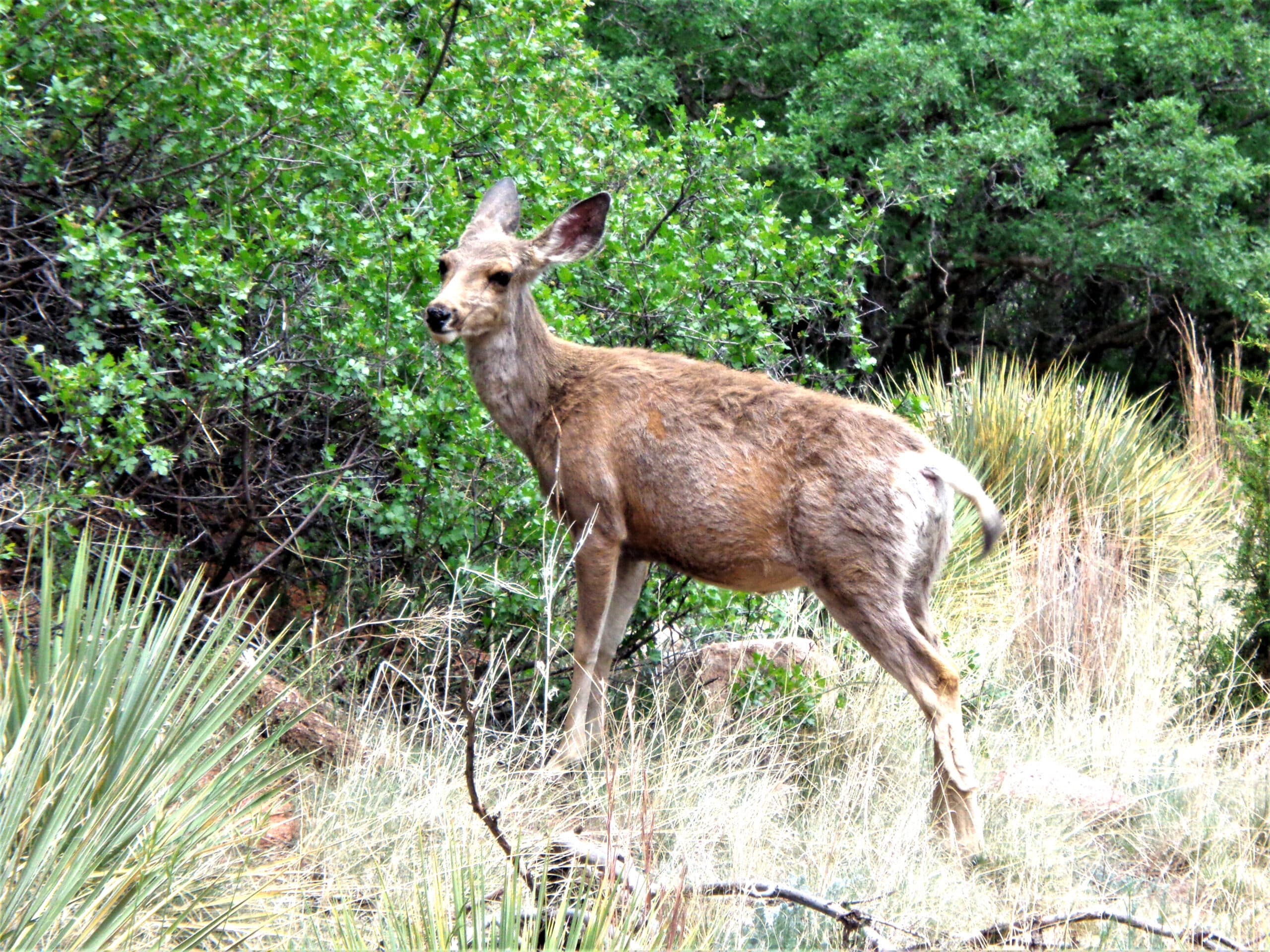
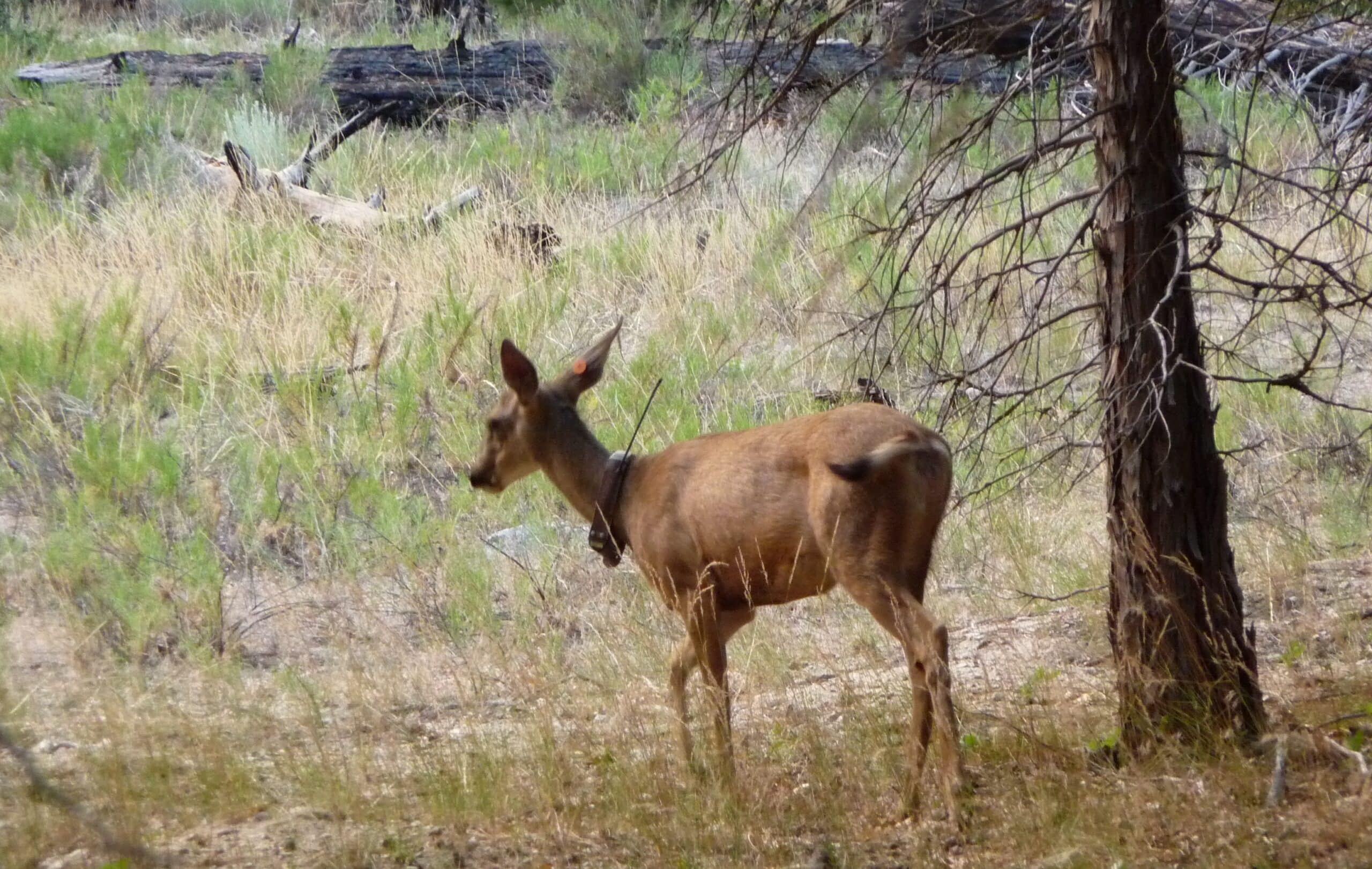
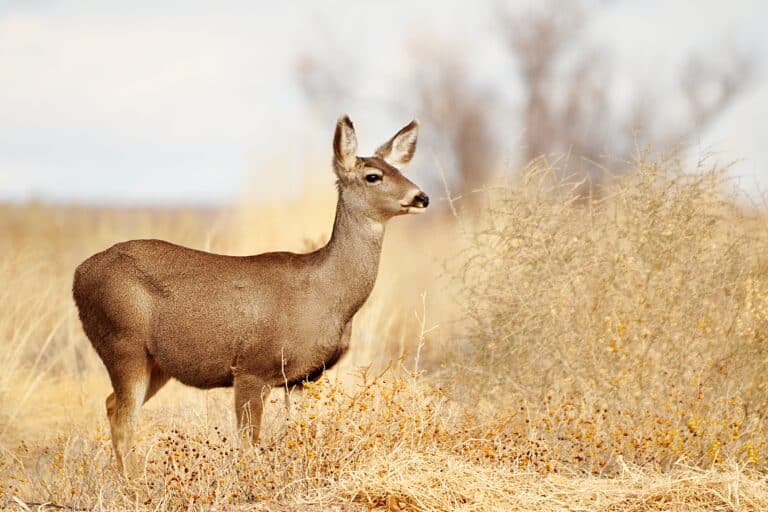
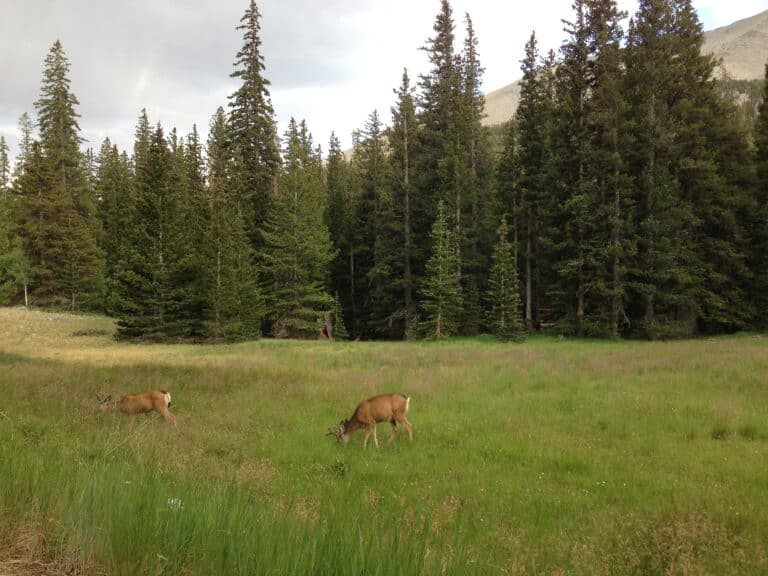
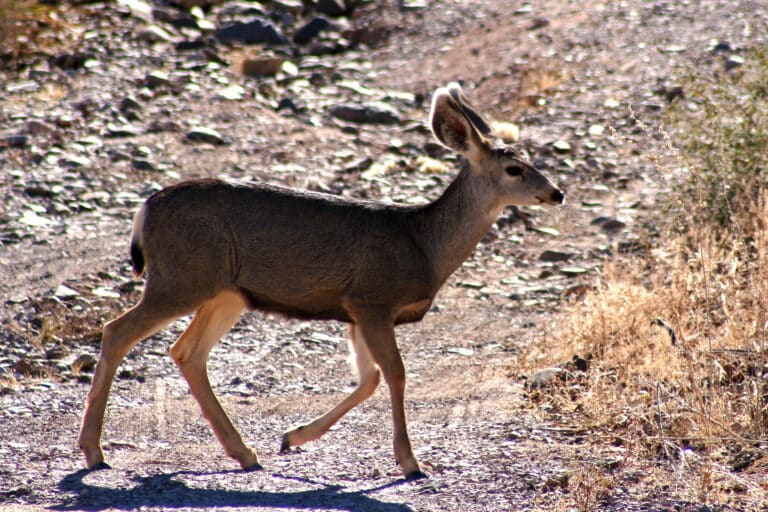
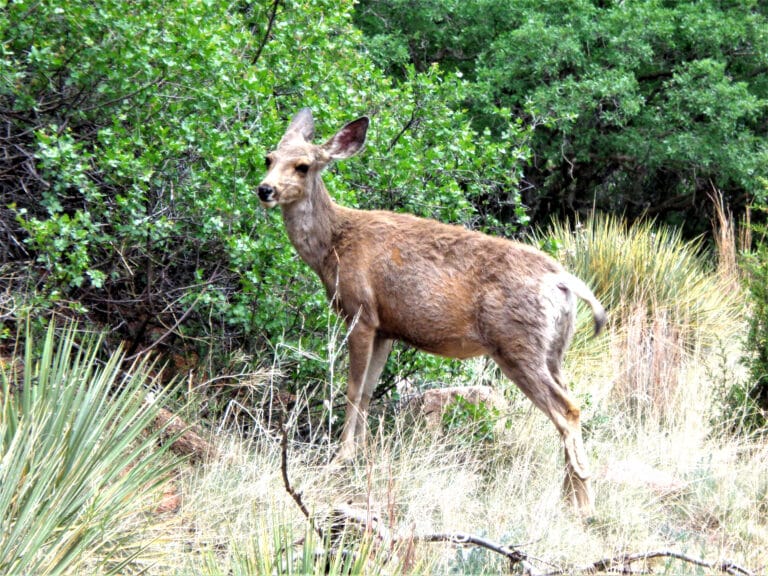
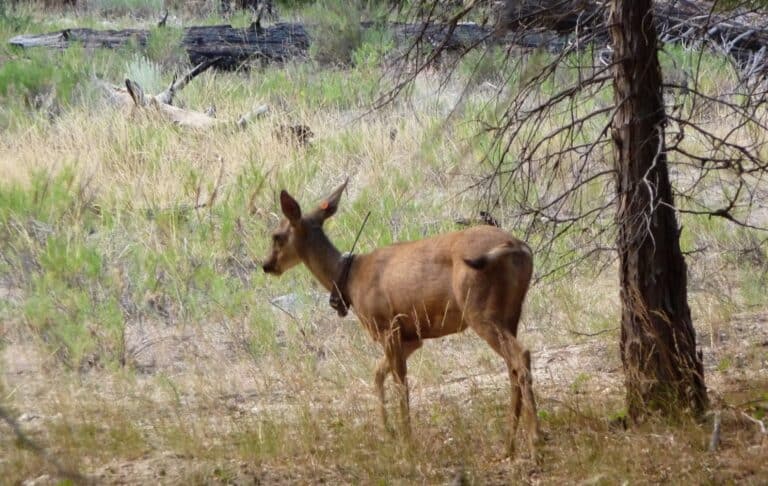
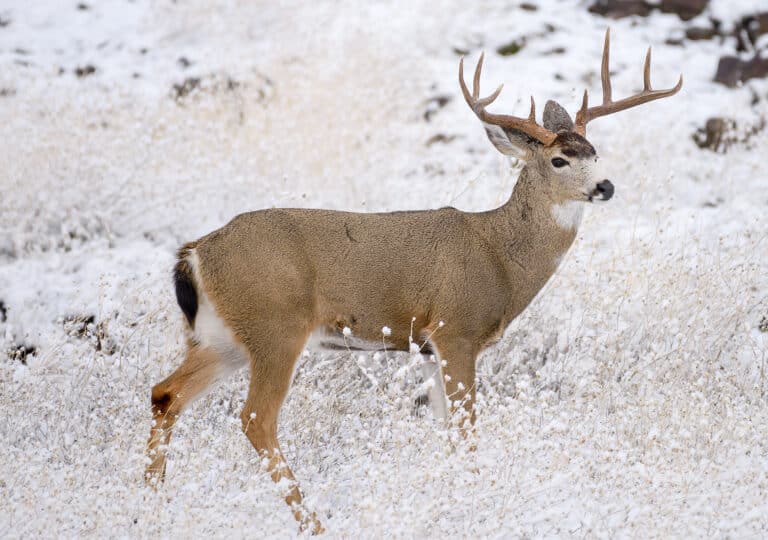
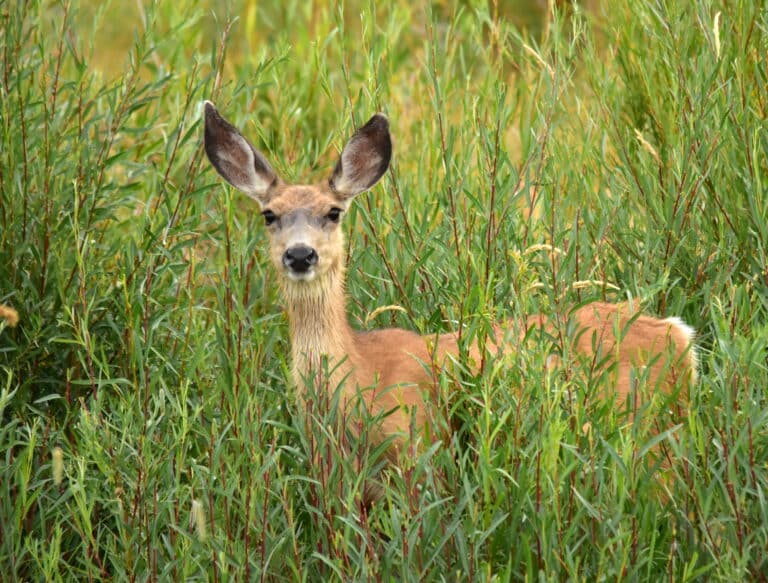
Mule deer are amazing mammals that roam across North America. They belong to the Cervidae family, which also includes other deer species, and they are known for their big, soft ears and impressive jumping skills.
Mule deer can stand anywhere from 1.1 to 2 meters (3.5 to 6.5 feet) tall at the shoulder. This height helps them spot predators in their grassy and wooded habitats, giving them a natural edge in the wild.
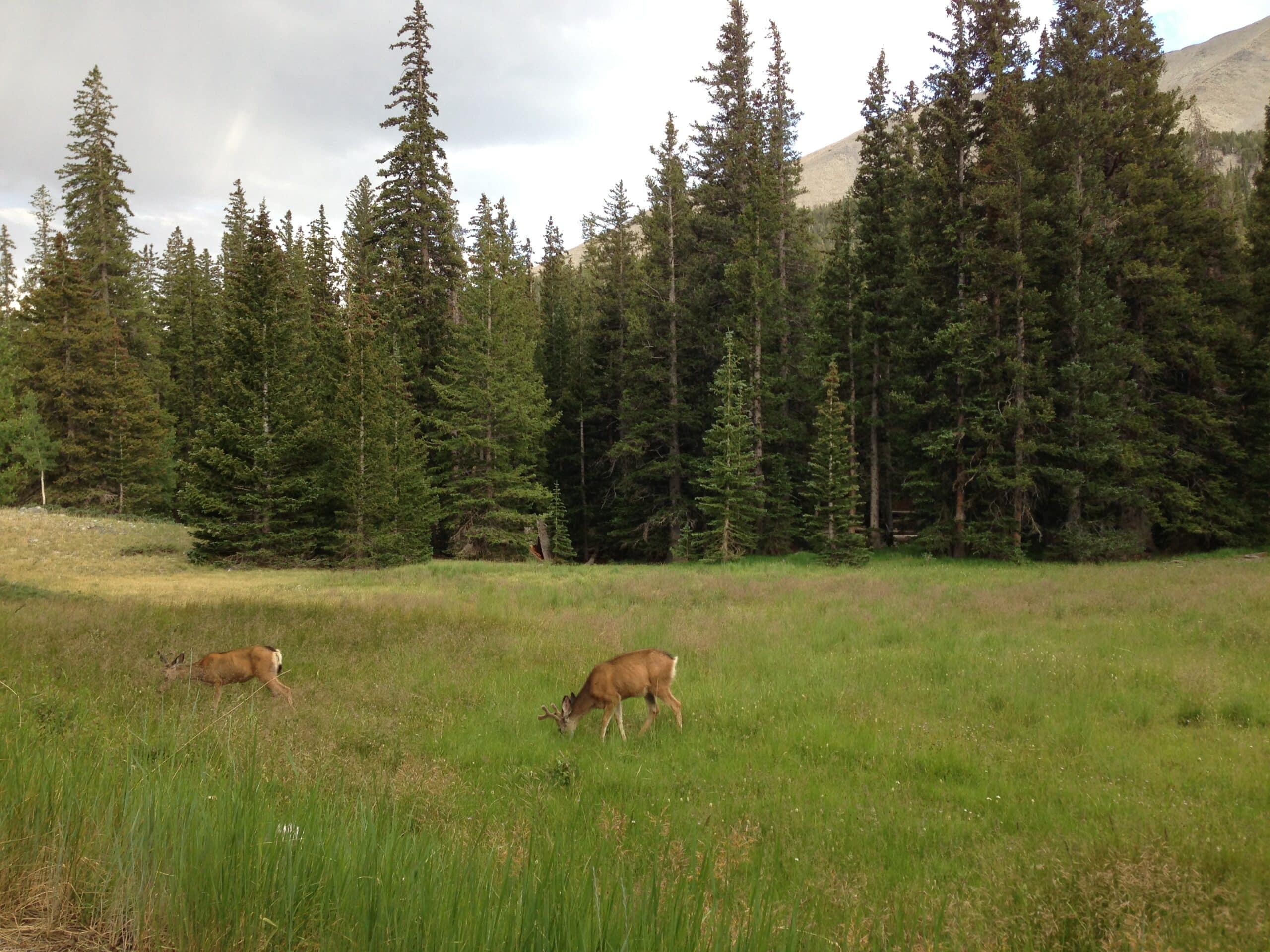
These deer enjoy a herbivorous diet, munching on leaves, twigs, and grasses. Their favorite snack time is during dawn and dusk, when they can safely graze under the cover of low light.
Mule deer have a lifespan of about 9 to 11 years in the wild. They can live longer in protected areas where they have fewer worries about predators and harsh weather.
One fun fact about mule deer is their unique hopping style, called

Where can you find a Mule Deer in the wild?
What does a Mule Deer eat?
How big can a Mule Deer grow?
How long does a Mule Deer typically live?
What is the conservation status of the Mule Deer?
What are the main threats to the Mule Deer?
Fun facts
Mule deer have impressive jumping skills, capable of leaping up to 2.4 meters (8 feet) in the air to evade predators. Their strong legs help them clear obstacles like fences and bushes with ease.


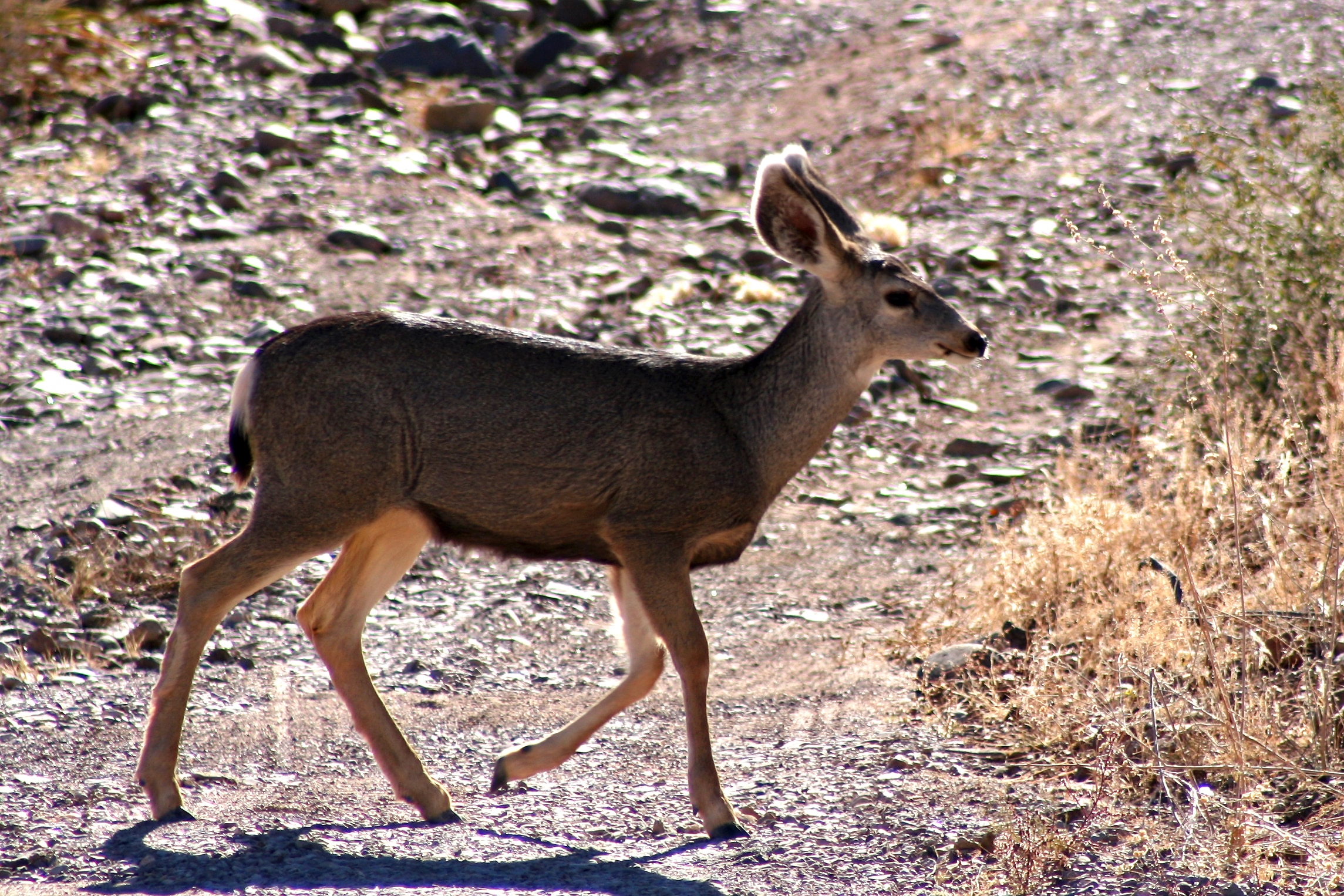
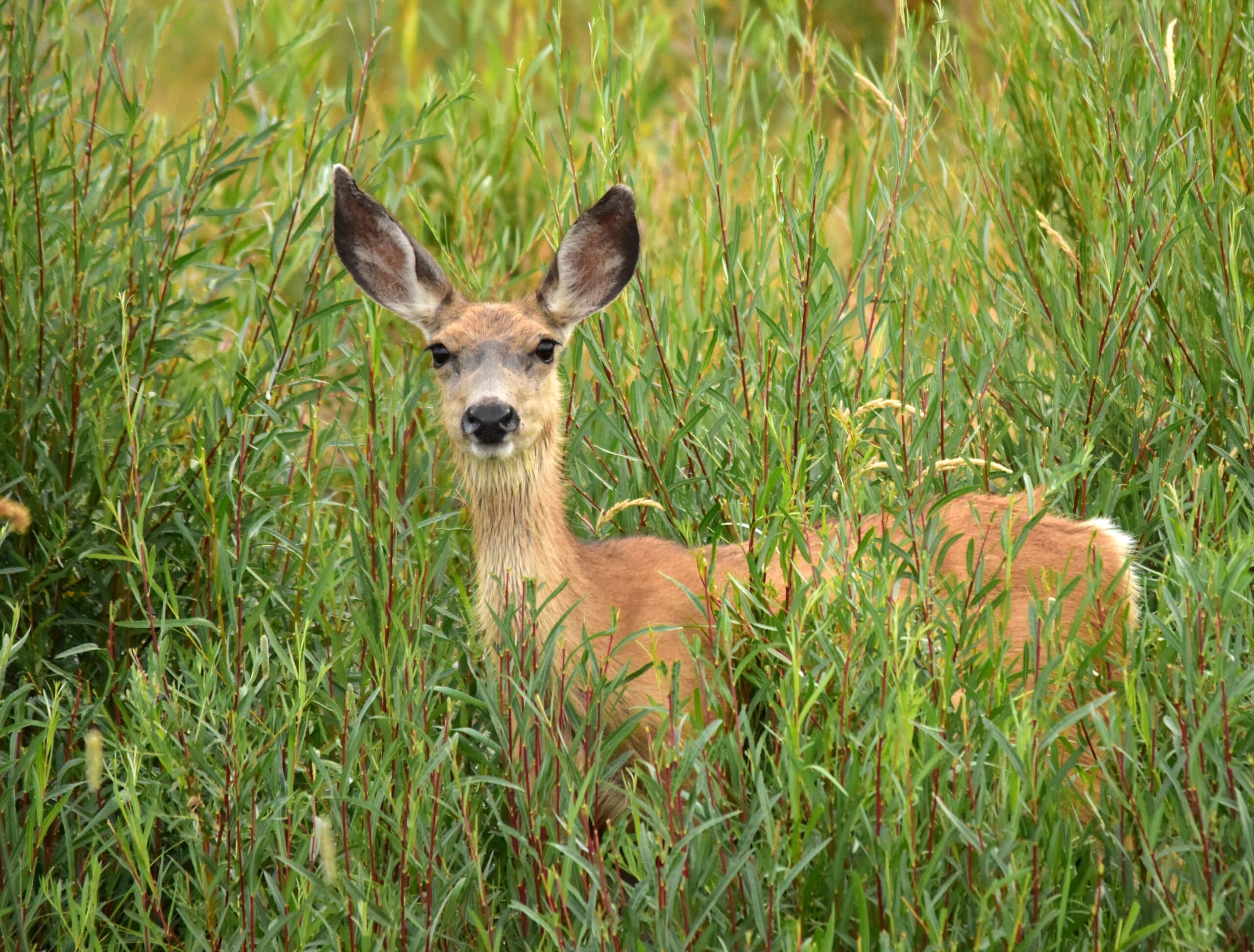
<p These deer are known for their big, soft ears that can twist to pick up sounds from different directions, like fluffy radar dishes!
Mule deer can rotate their ears independently, allowing them to listen for danger without moving their heads. This helps them stay alert while their friends munch on snacks nearby.
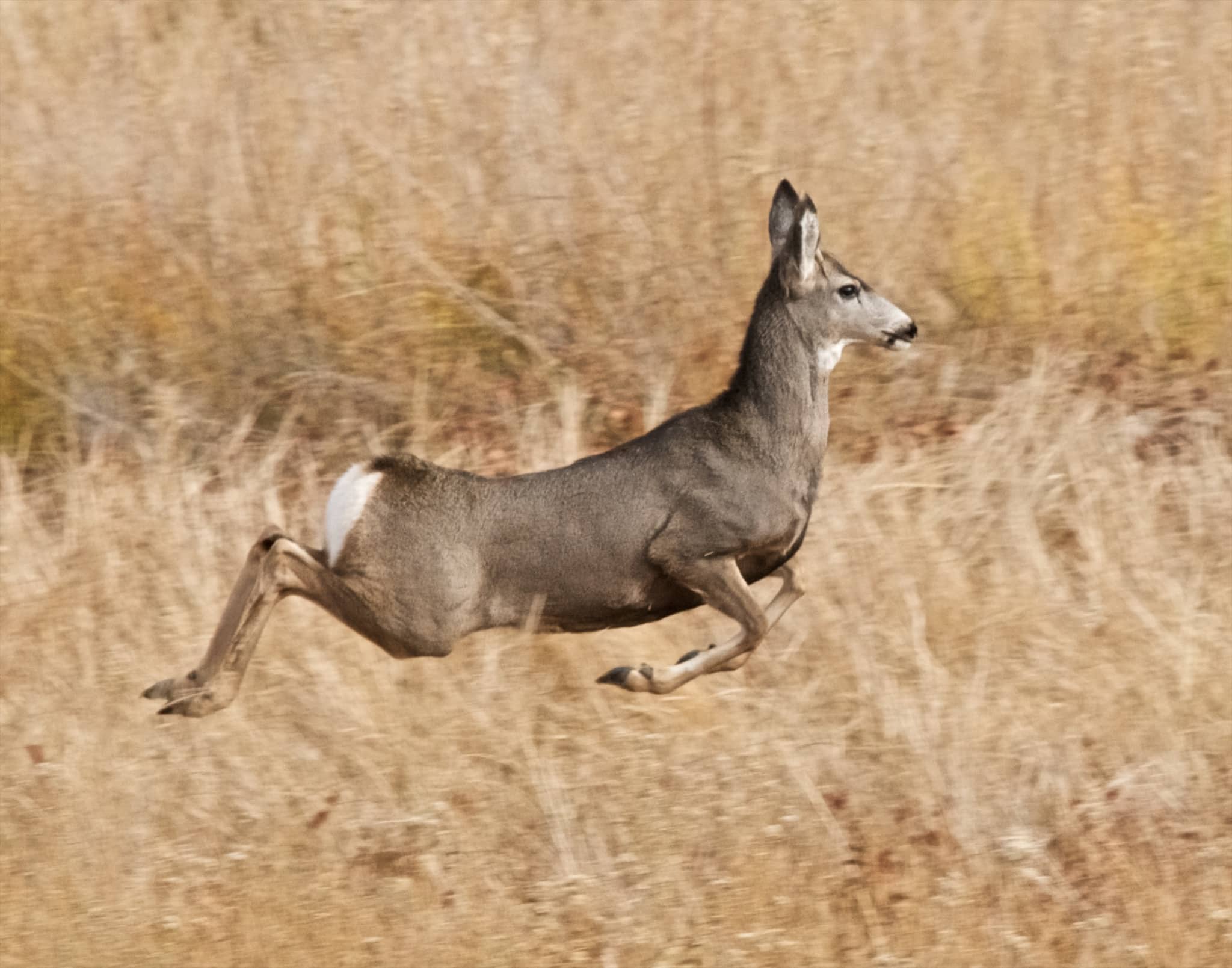
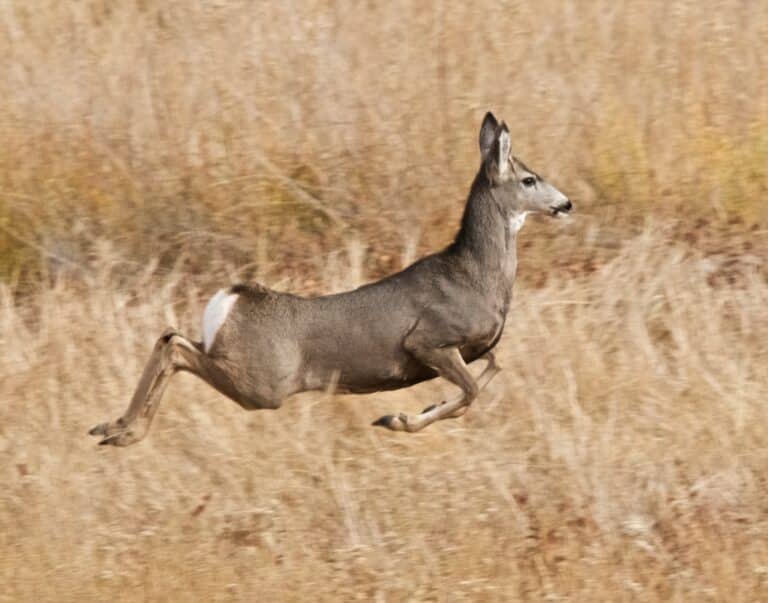
When scared, mule deer have a quirky way of escaping, called stotting. They leap into the air and kick their legs out, which confuses and surprises any hungry predators.
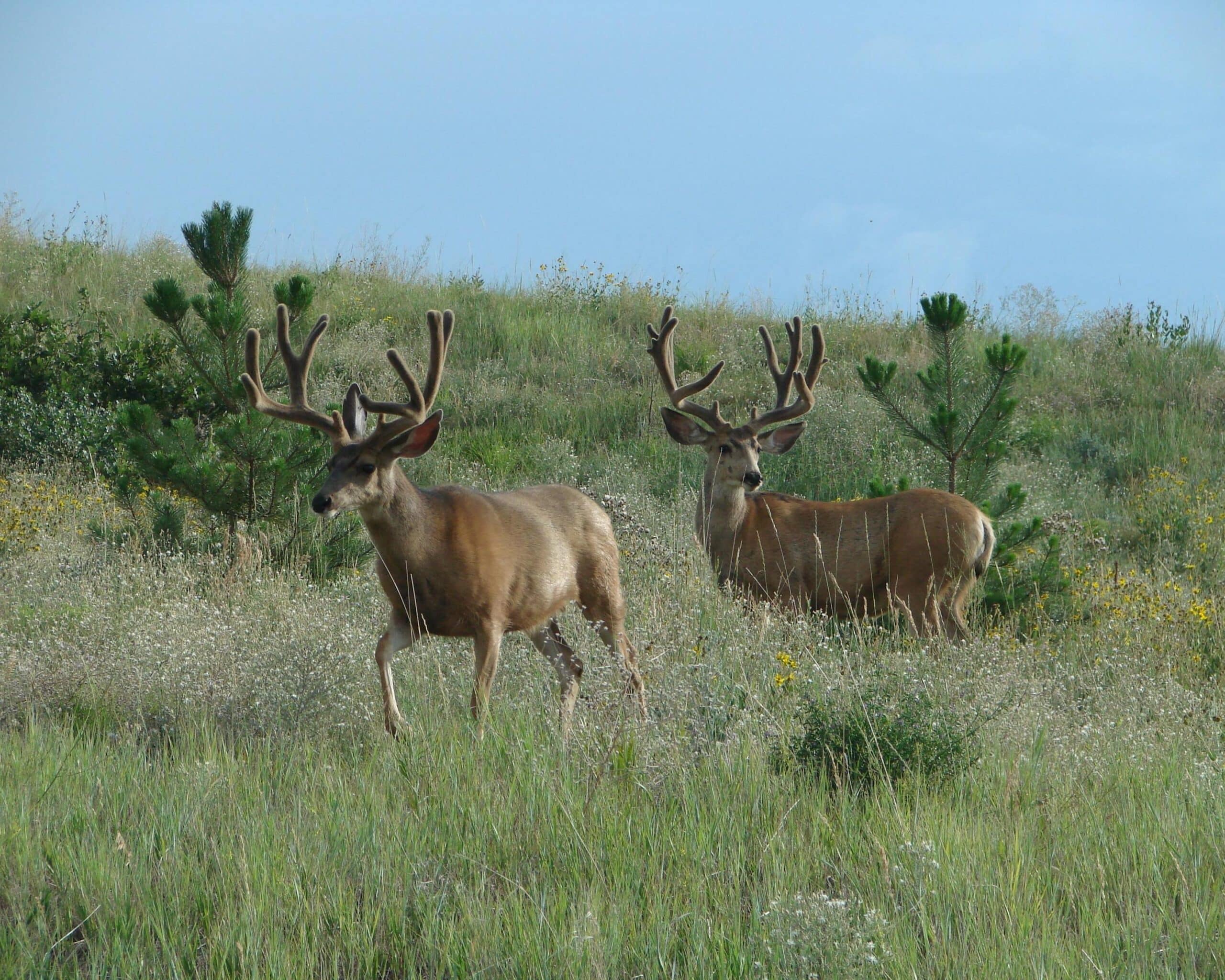
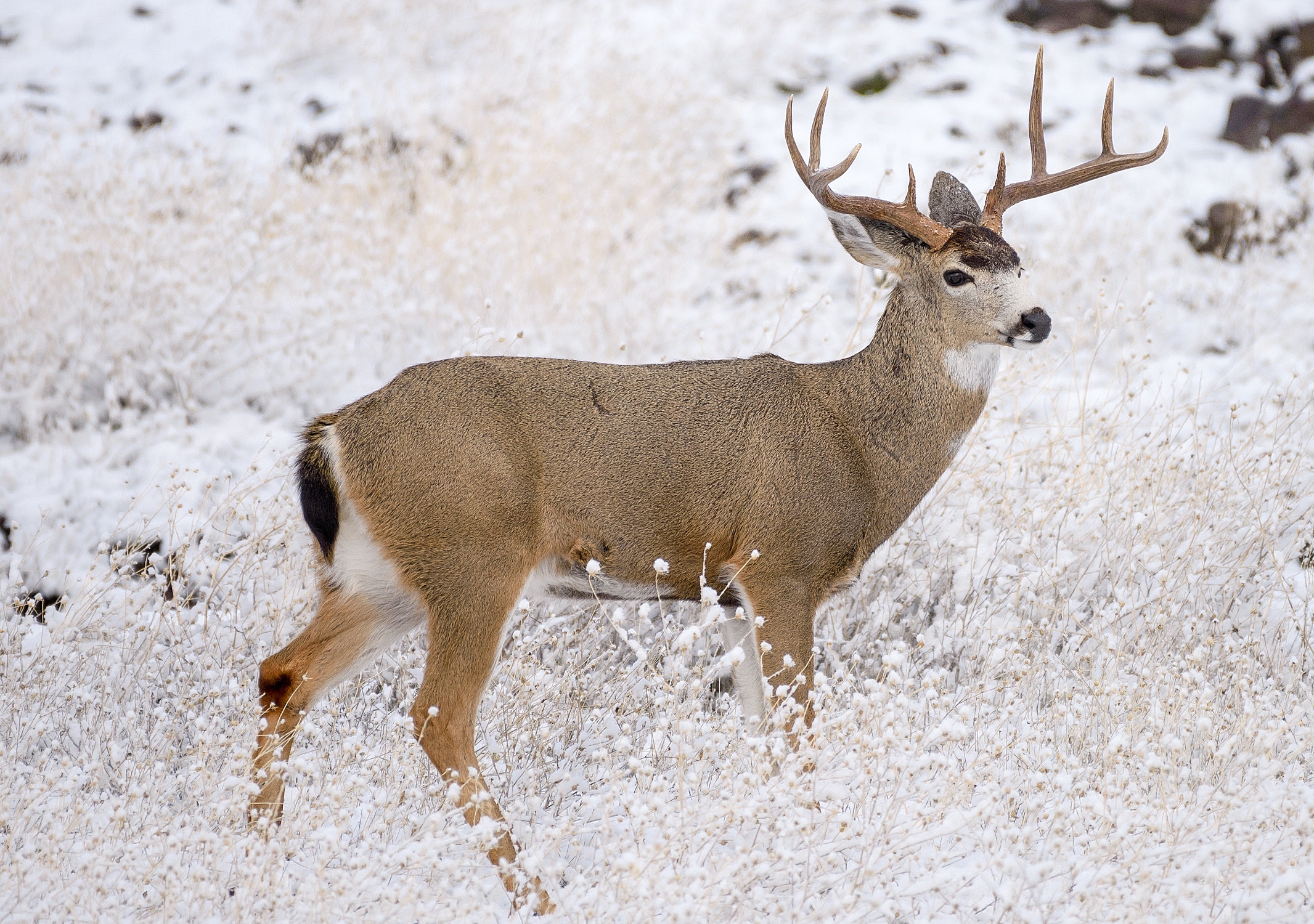
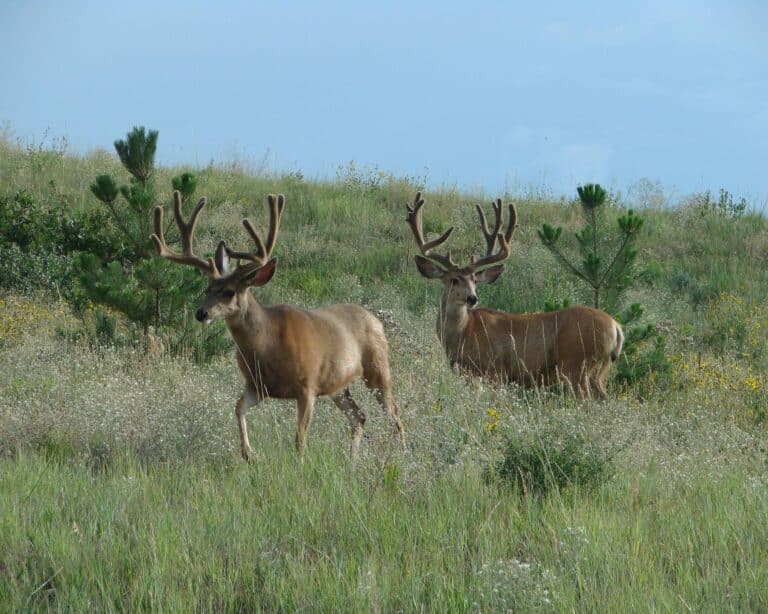
During the mating season, male mule deer engage in a friendly competition known as antler wrestling, where they lock horns and push each other to demonstrate their strength!
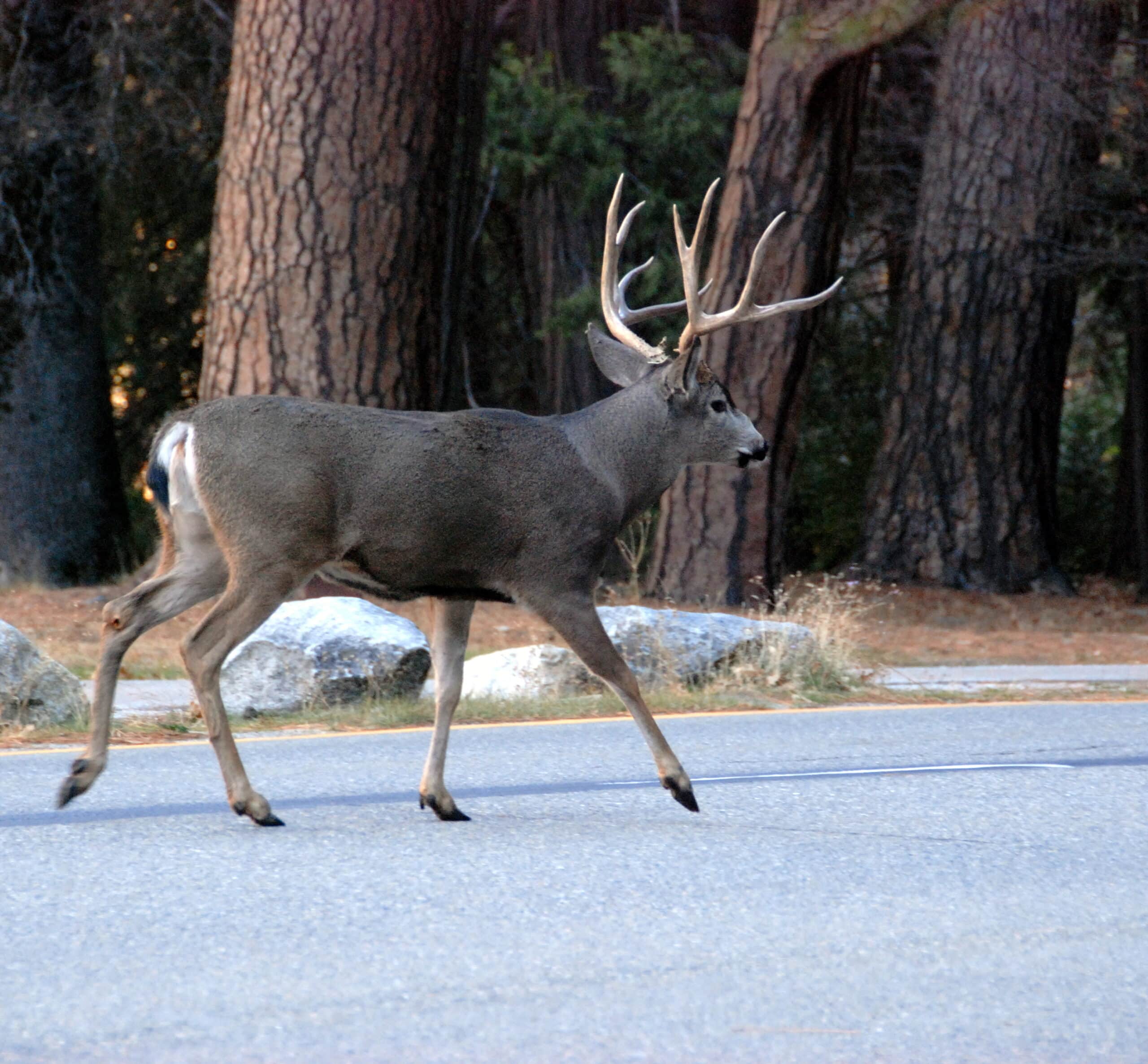
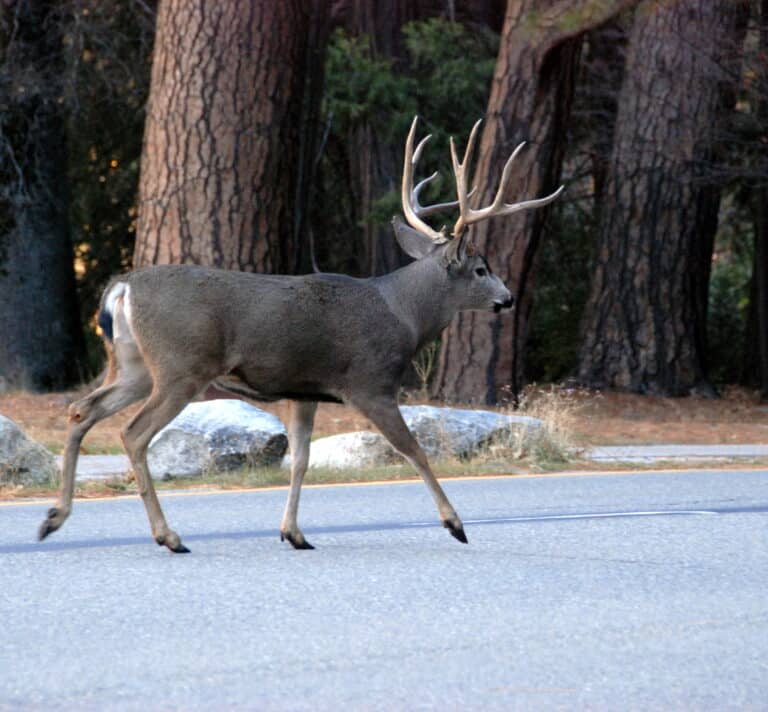
Unlike some deer, mule deer have a special road-crossing behavior where they often look both ways before dashing across. This learned skill helps them stay safe from vehicles wherever they roam.
Mule deer have a keen sense of smell, enabling them to detect food and predators from a long distance away. Their noses work like super-powered sniffer machines!
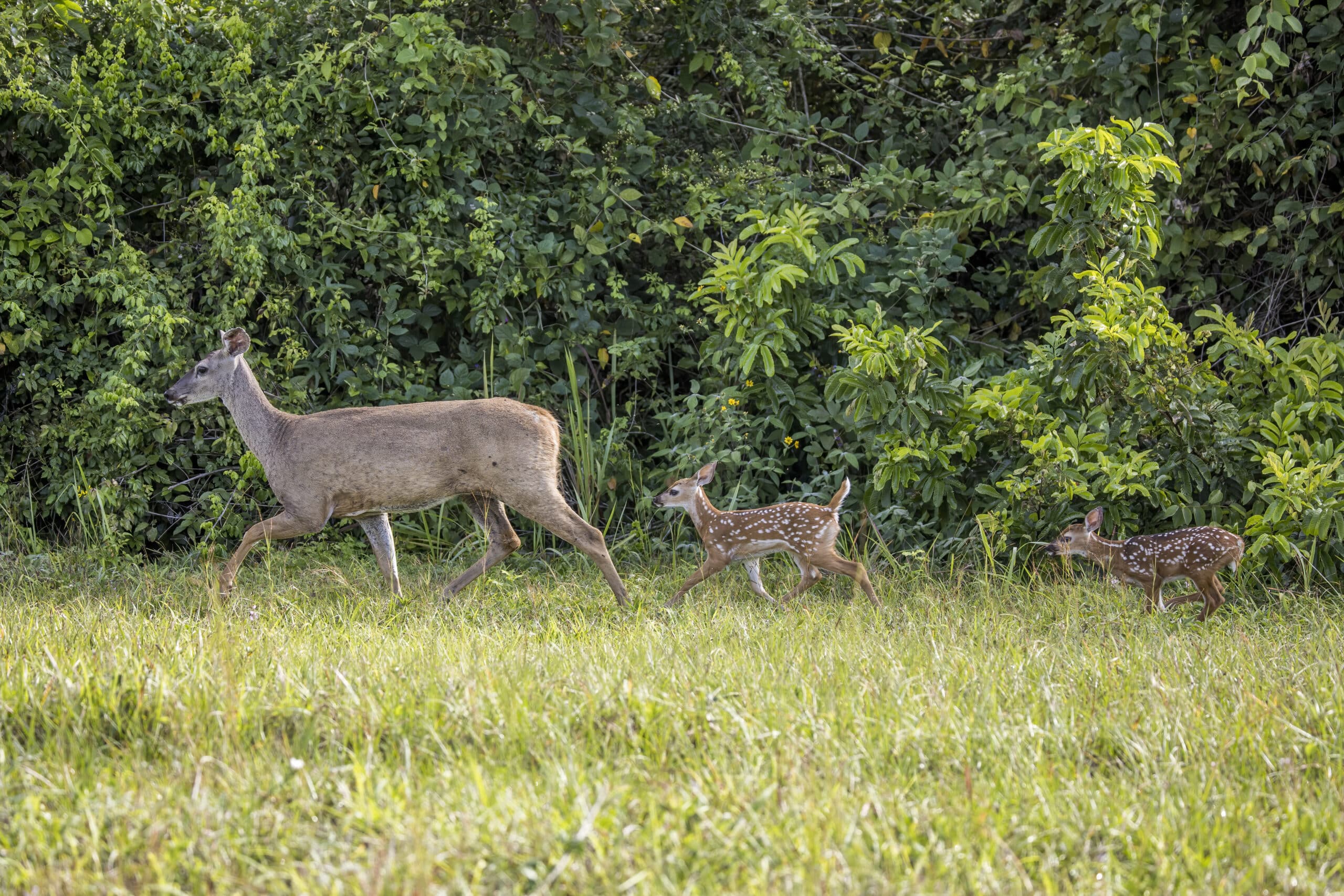
Mother mule deer are very protective of their fawns, often hiding them in dense vegetation to keep them safe from predators while they forage nearby.
During winter months, mule deer eat tree bark and twigs when fresh greens become scarce. This makes them expert foragers in tough conditions!
Mule deer can run at speeds of 40 kilometers per hour (25 miles per hour) for short distances, which helps them escape danger quickly when needed.
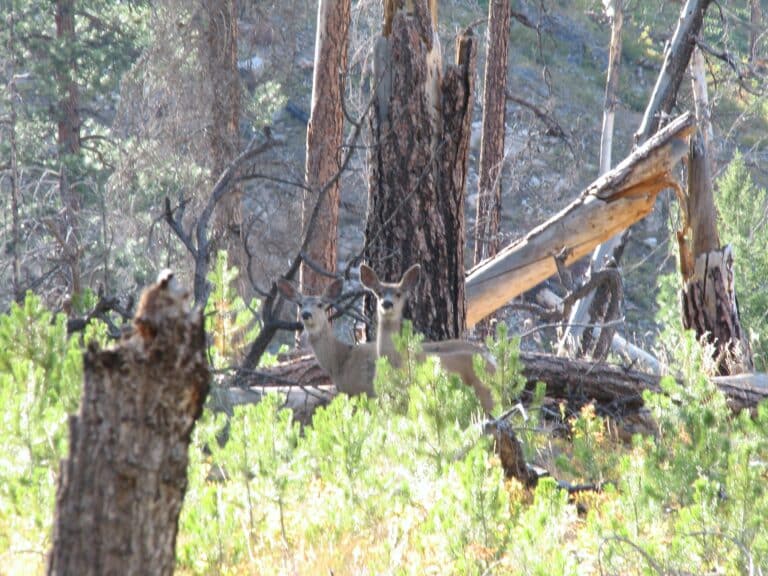
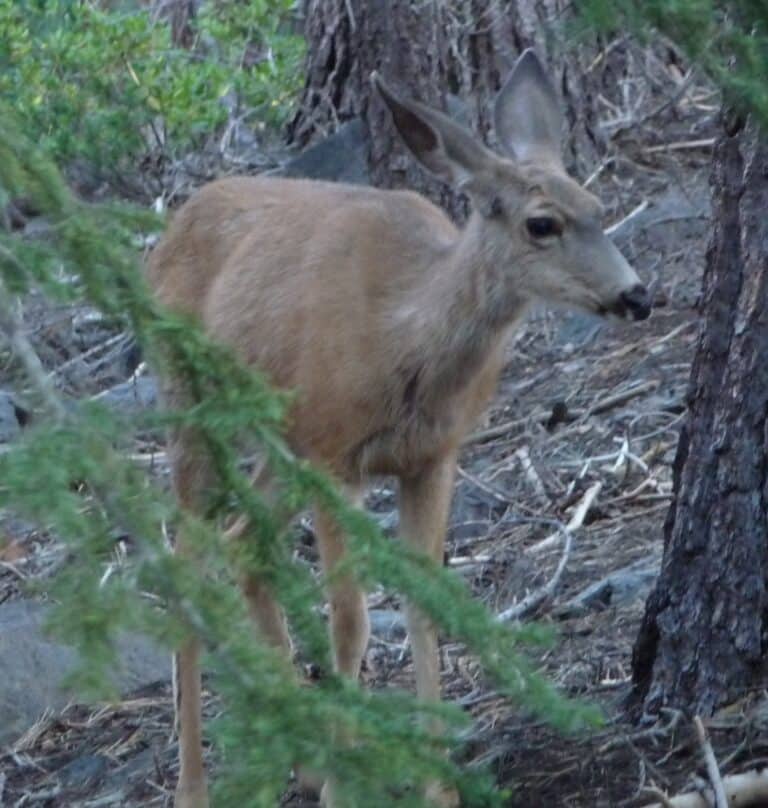
Photos


The Basics


explore more
Amphibians
Arachnids
Birds
Cats
Crustaceans
Fish
Fish Pet Guide
Gastropods
Insects
Invertebrates
Mammals
Pet Fish
Pet Rodents
Plants
Reptiles
Roundworms
Sea Slugs