Successfully copied to clipboard!
Nightjar
Uncover the secrets of the nighttime world with these magical birds!
Let’s Explore
Overview
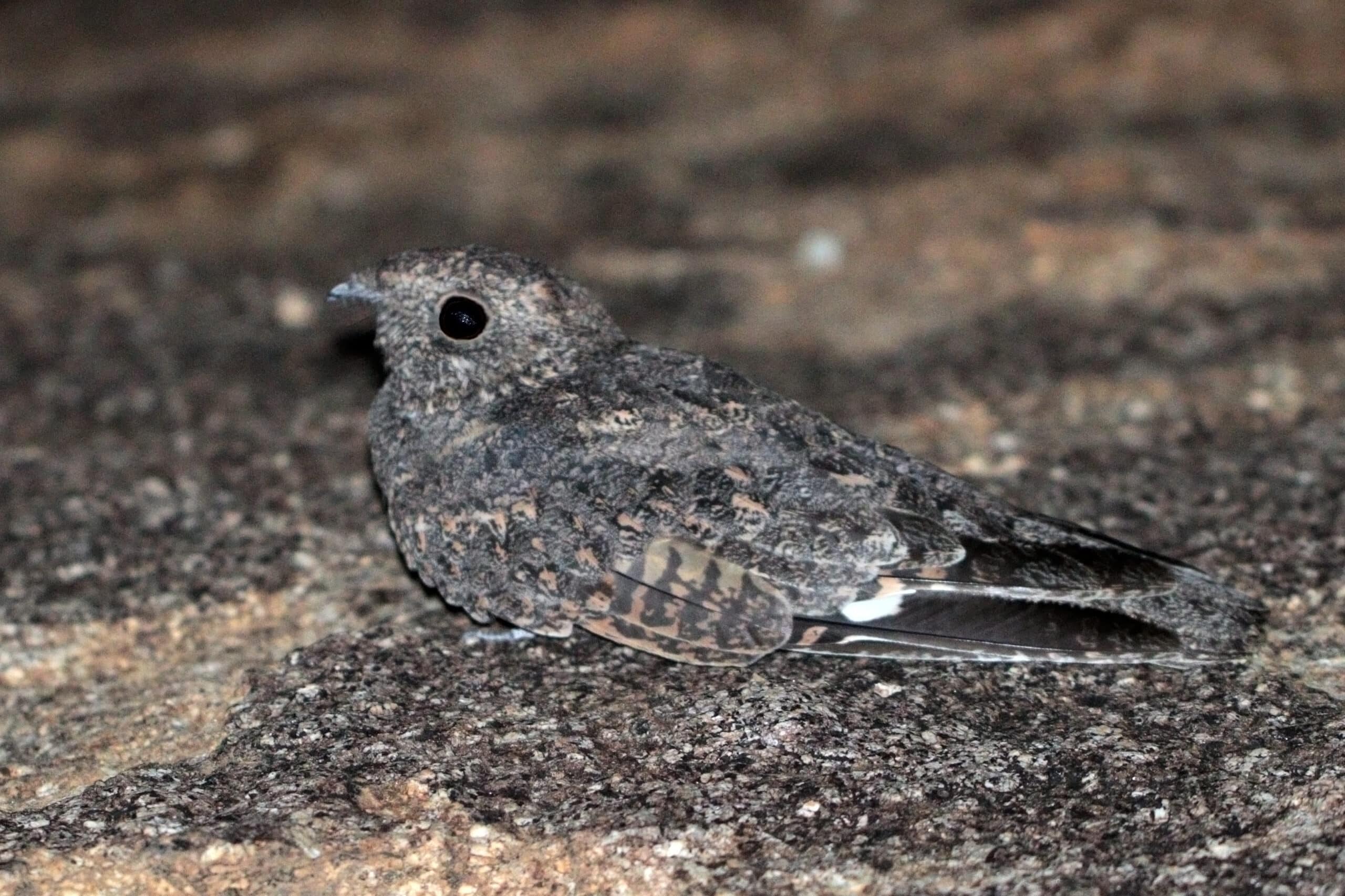
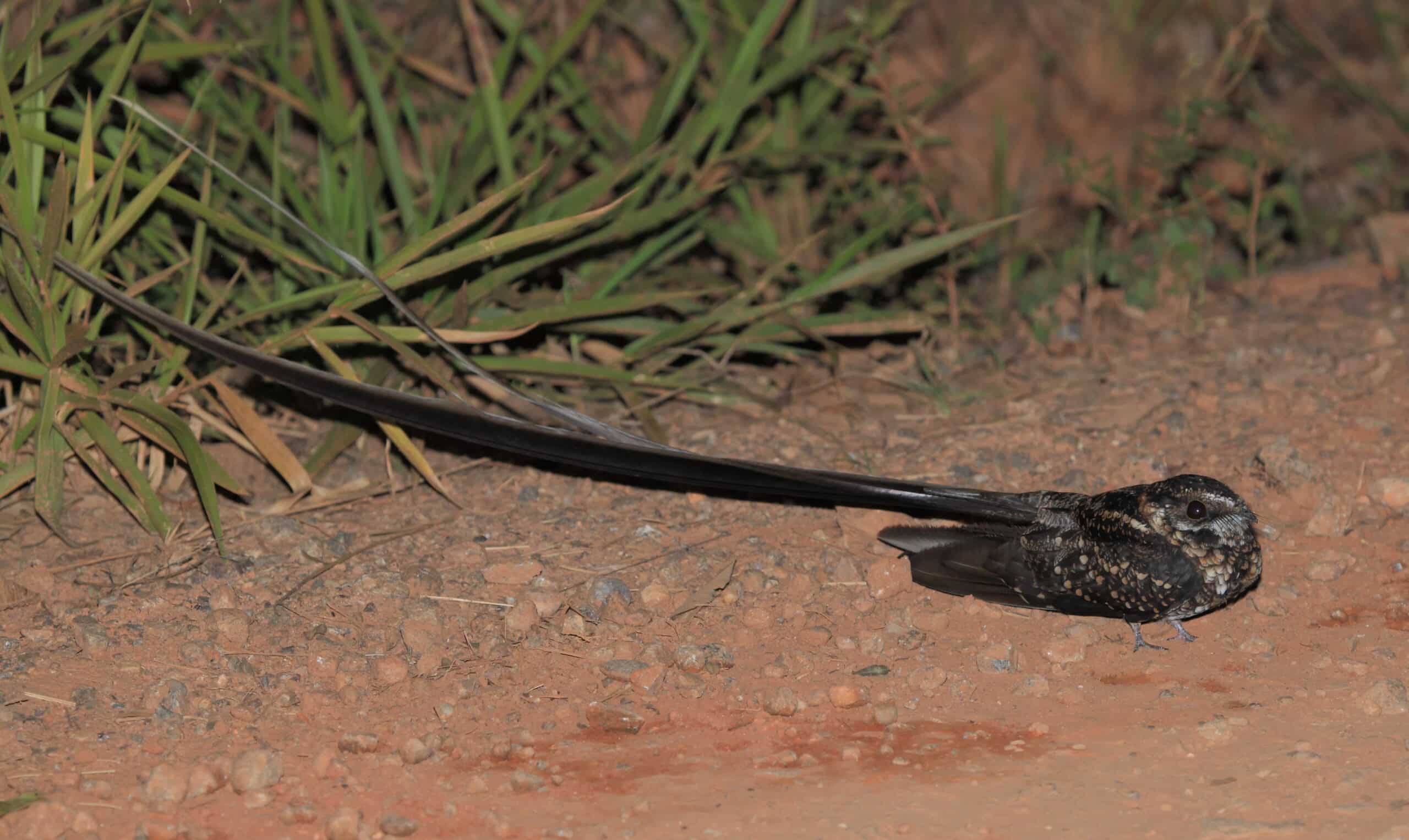
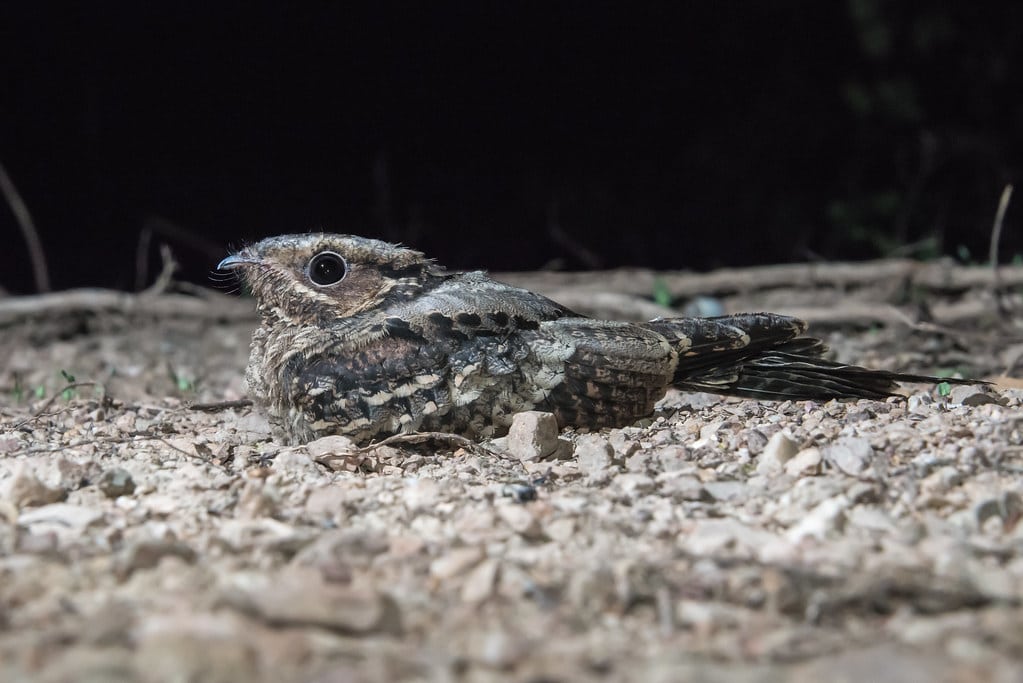
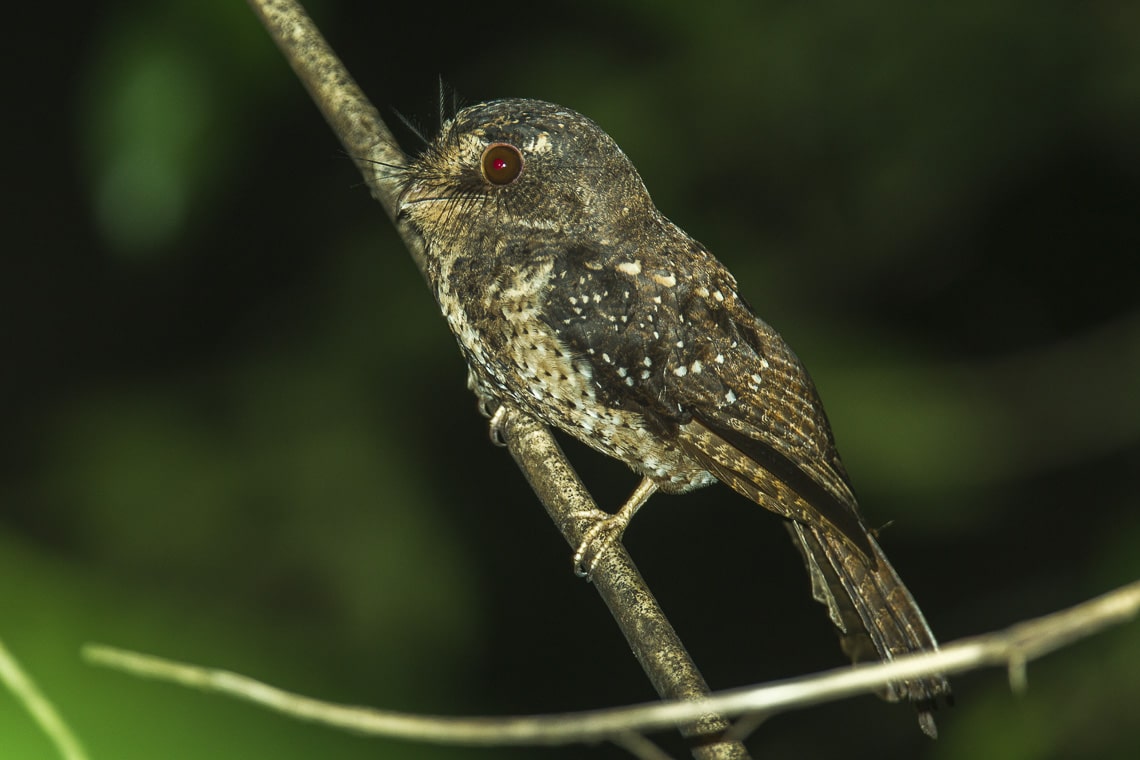
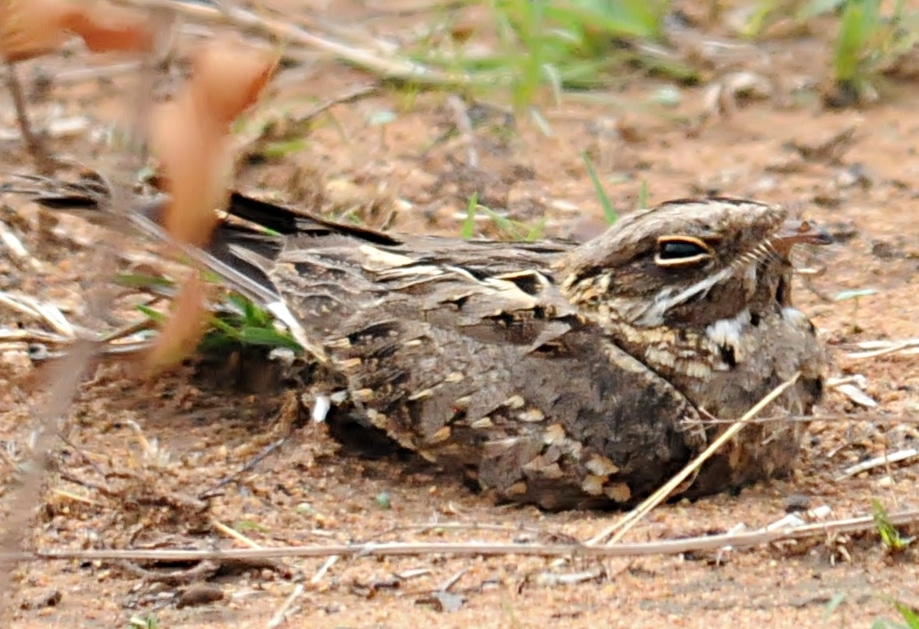
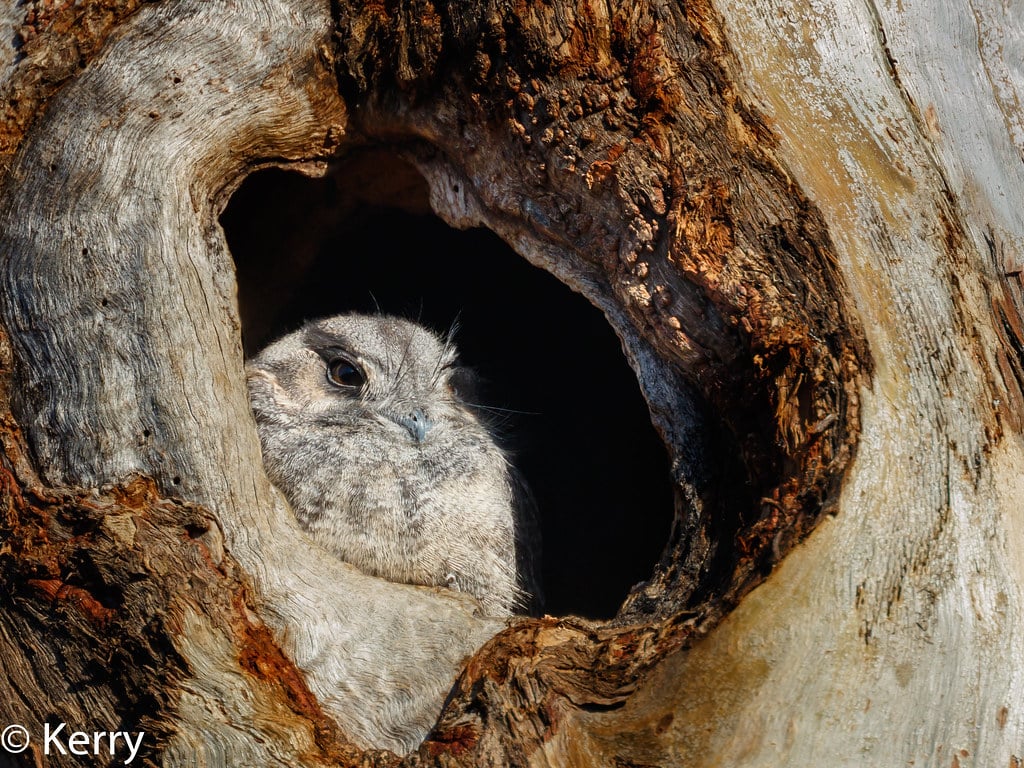
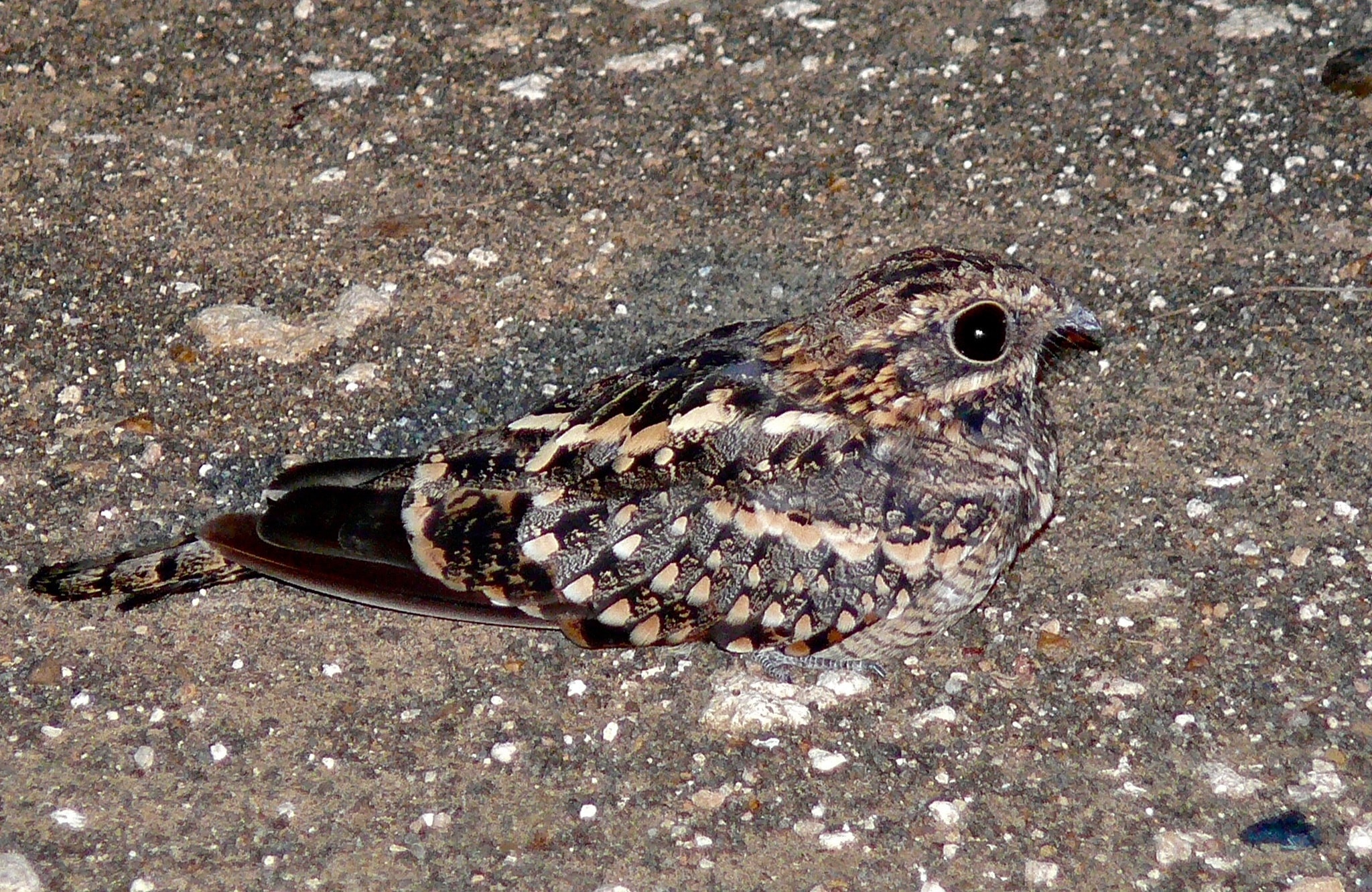
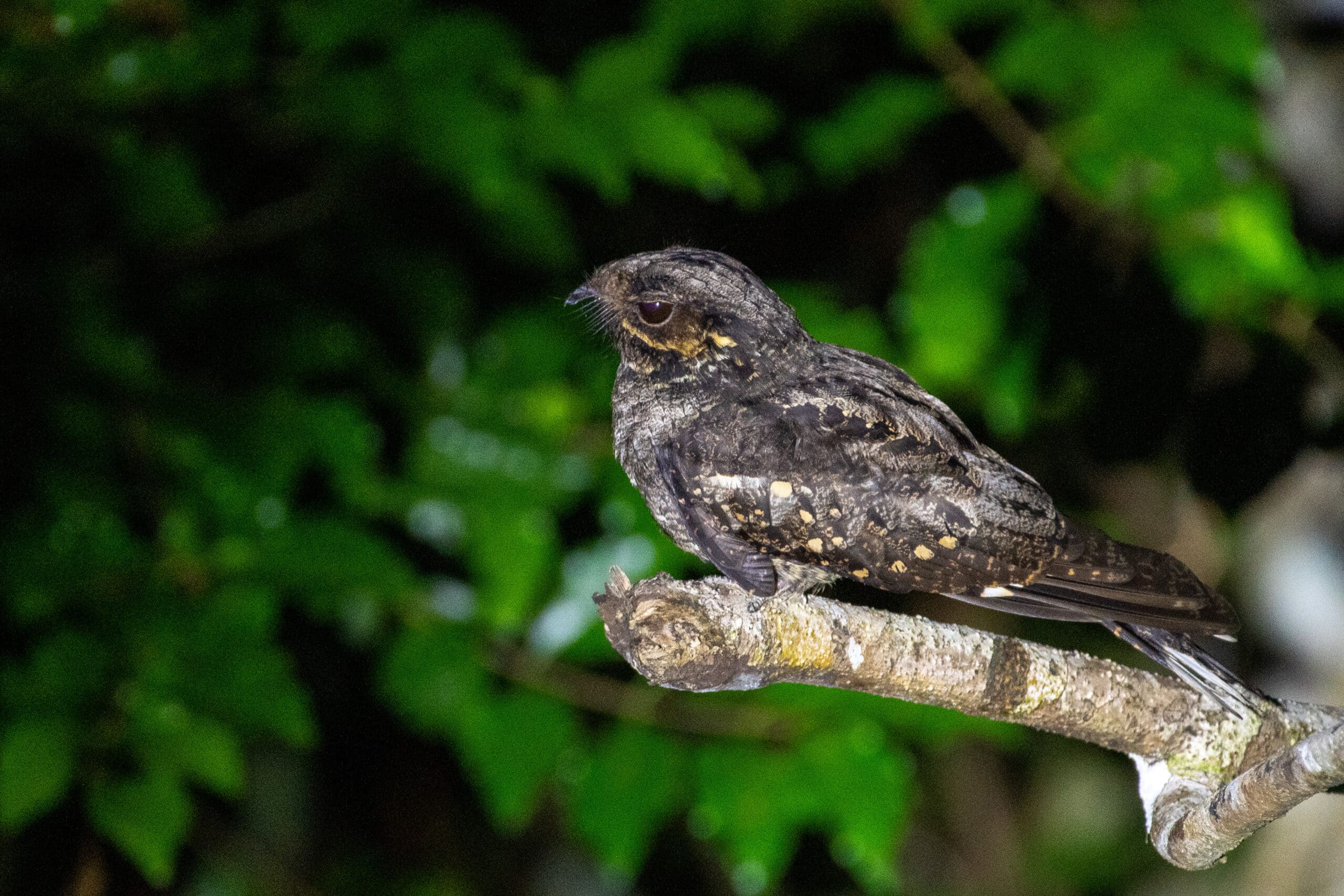
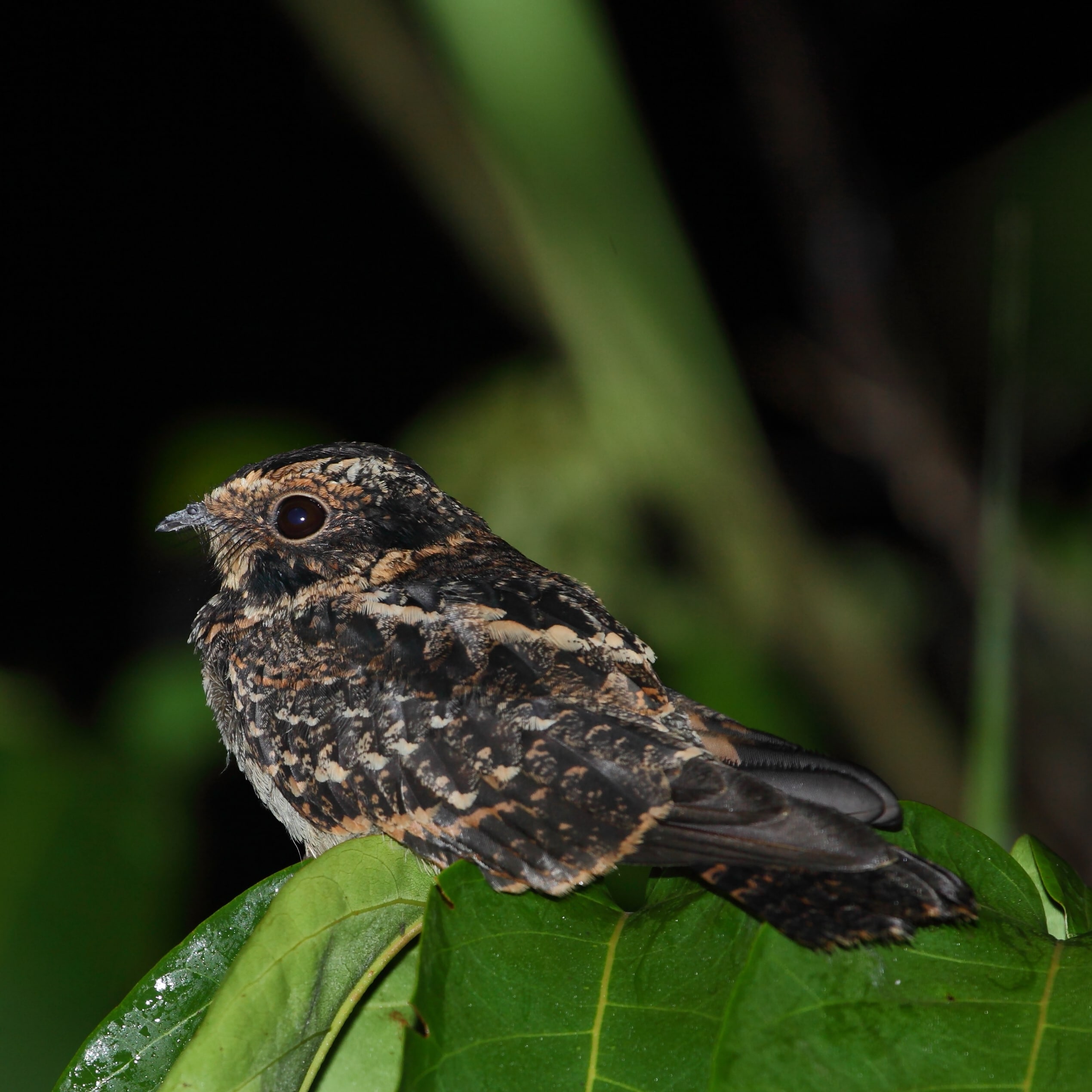
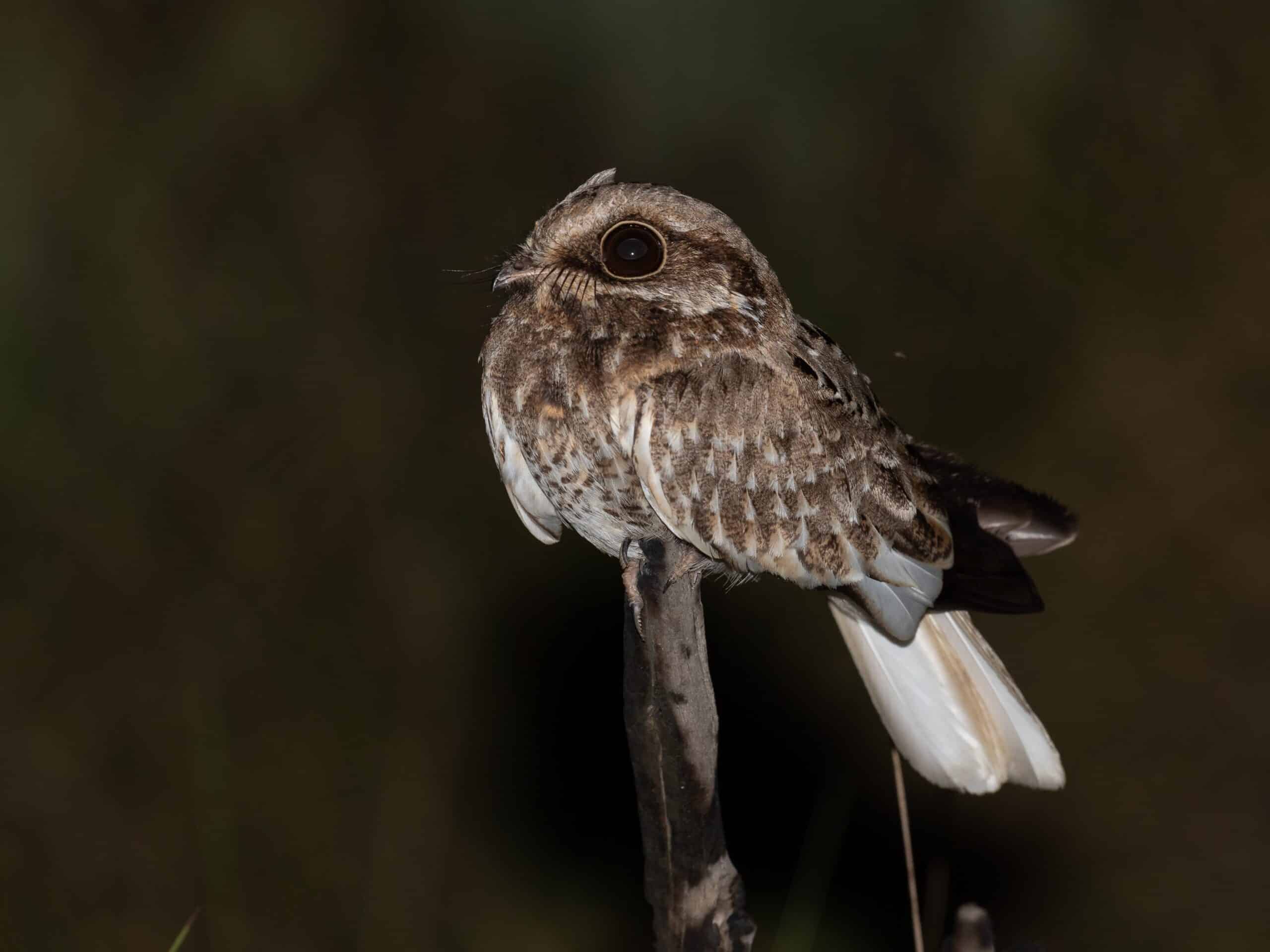
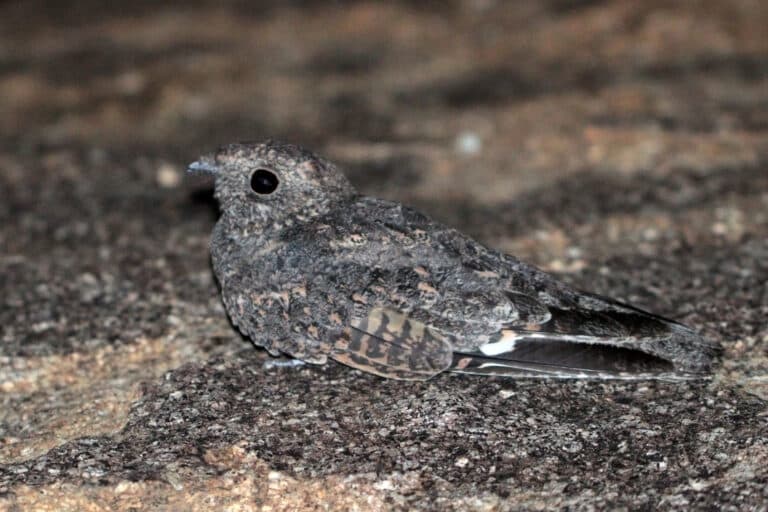
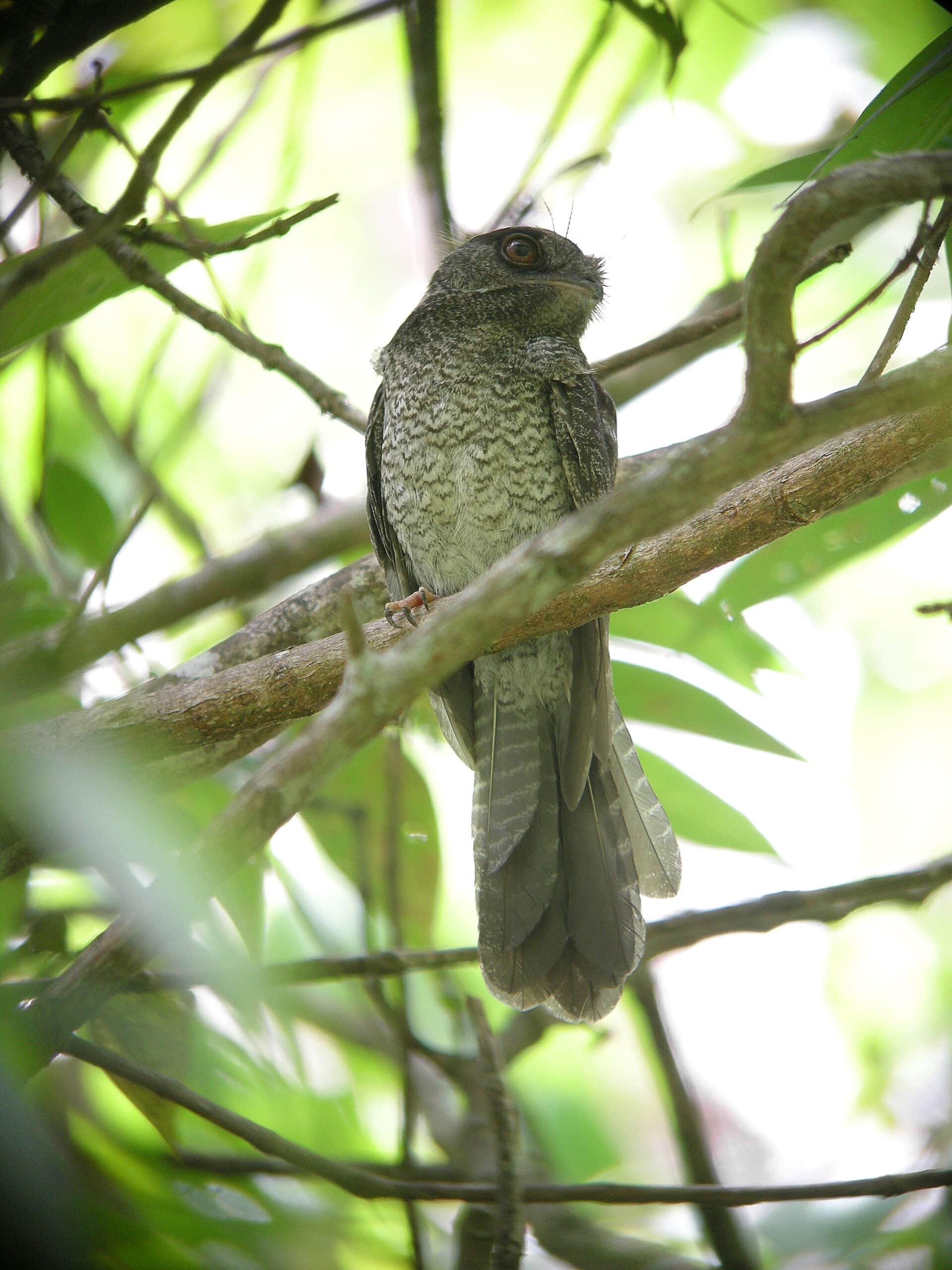
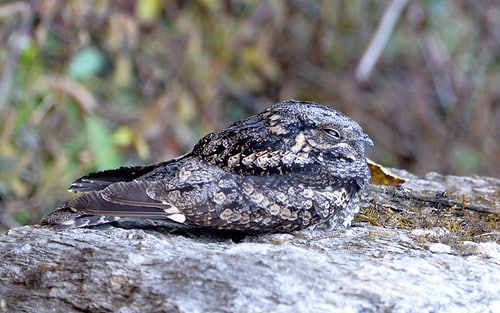
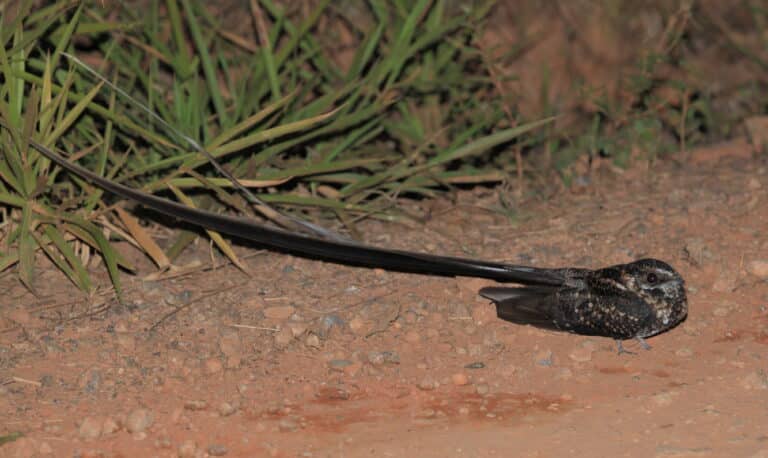
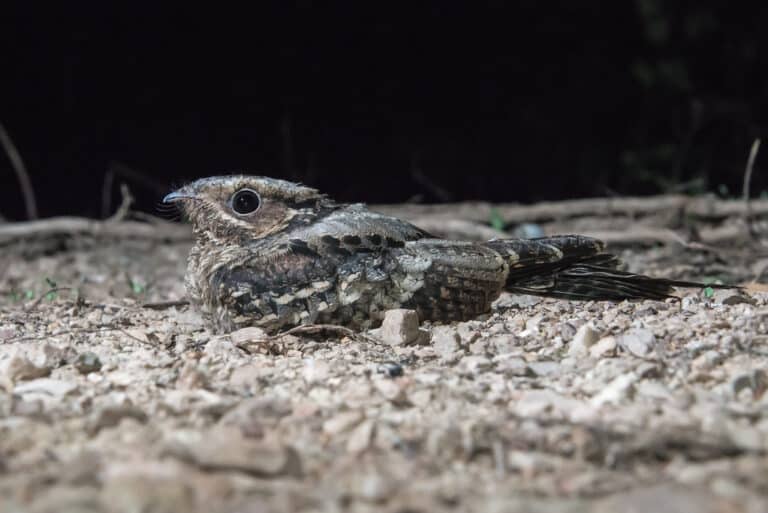
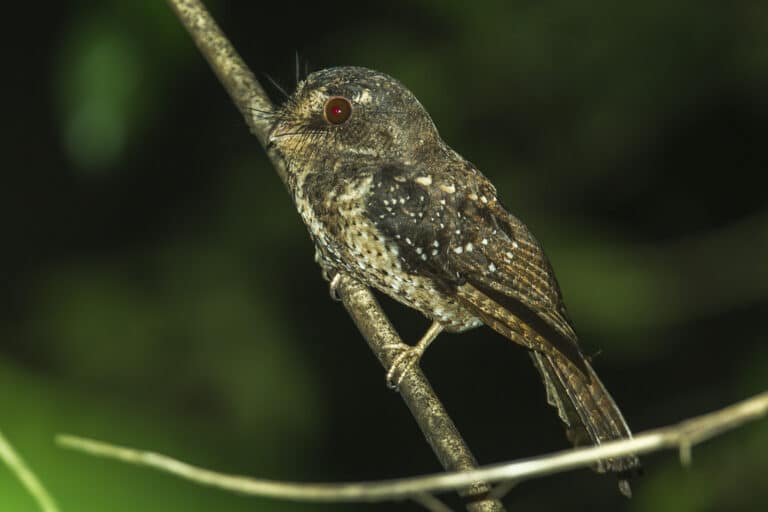
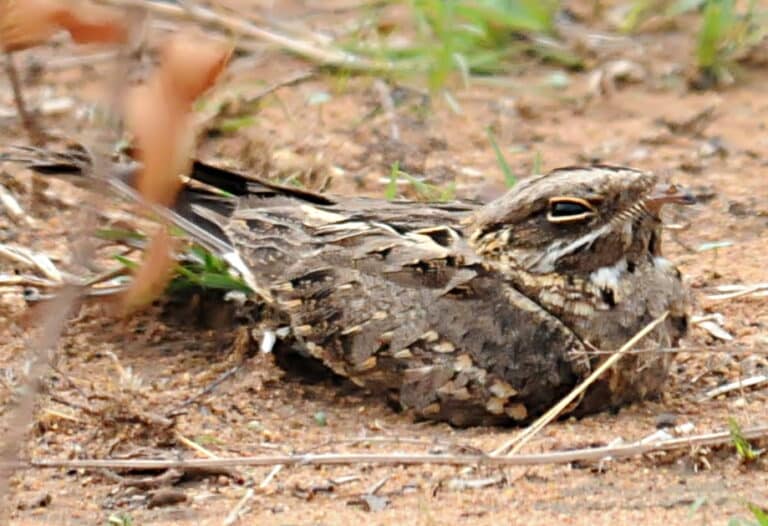
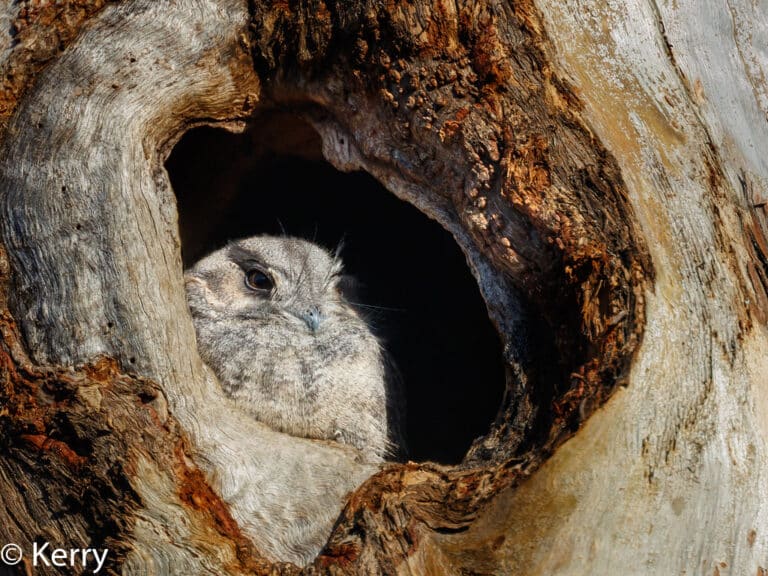
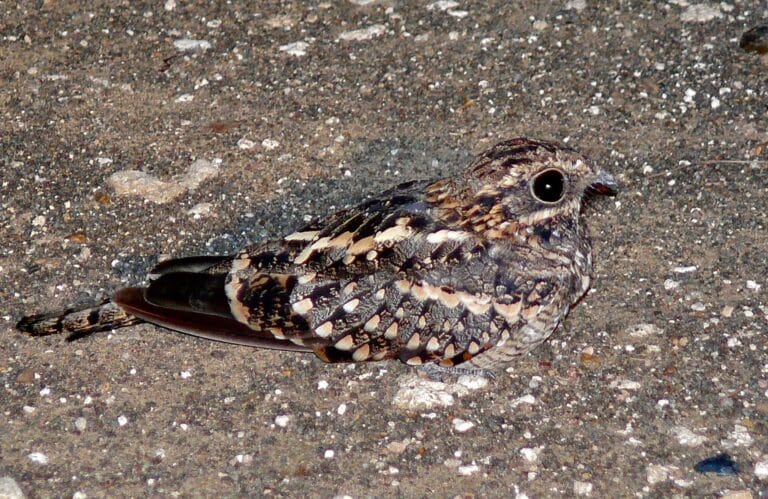
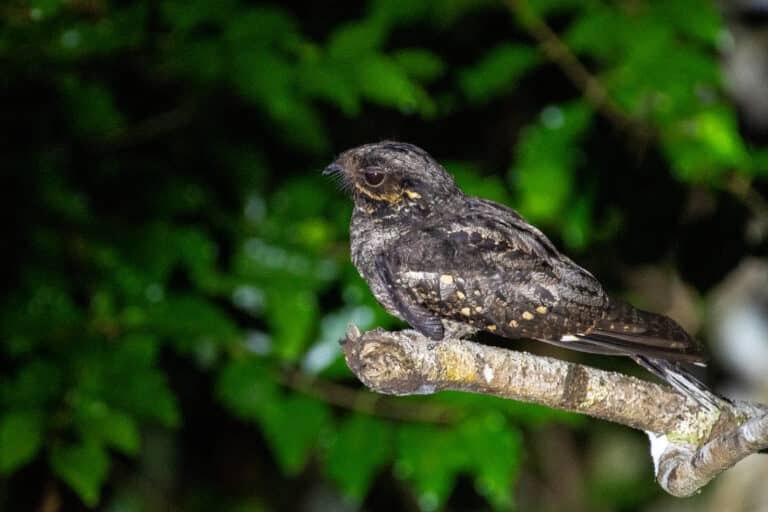
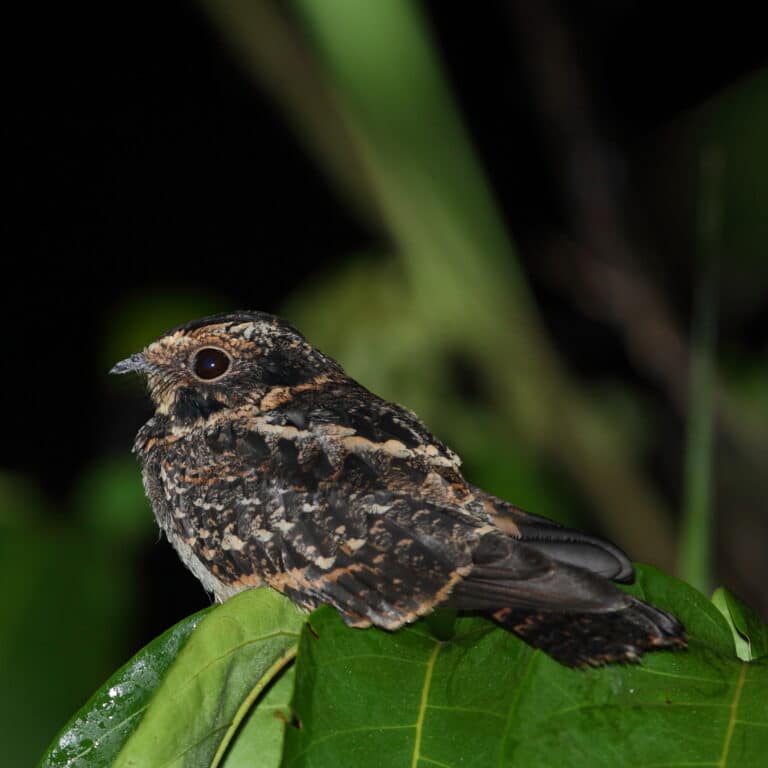
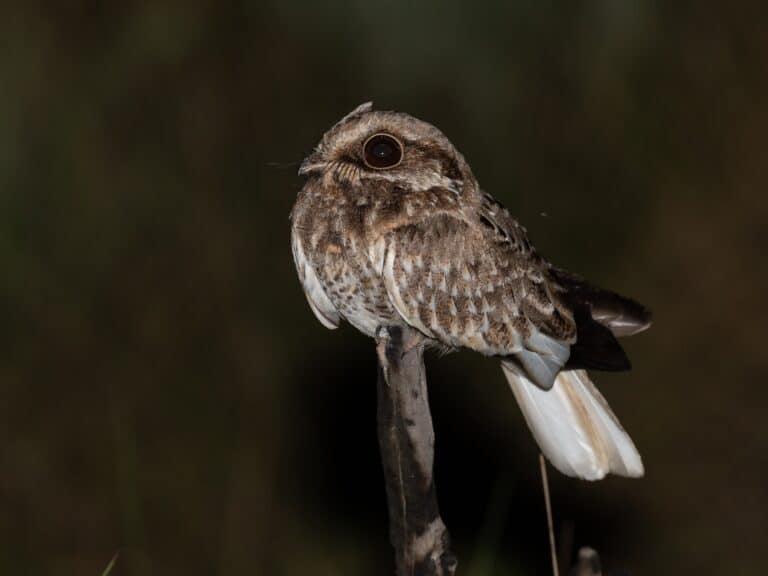
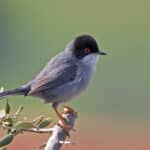
The nightjar is a captivating bird that enjoys the nighttime. With a length of 23 to 30 centimeters (9 to 12 inches), these master camouflage artists can blend perfectly with their surroundings, making them quite difficult to spot during the day.
Nightjars belong to the family Caprimulgidae and can be found across Africa. They have a special beak that helps them catch insects, their main food source, while they swoop through the night skies like feathered ninjas.
These birds have a unique way of communicating. Instead of singing sweet melodies, they make soft calls and eerie sounds that echo through the night, which helps them communicate with their mates and signal their presence to others.
Nightjars have a lifespan of 4 to 6 years. They adapt to their environment in clever ways, like choosing ground nests where they lay their eggs, well hidden from prying eyes.
Next time you’re out in the evening, listen closely—you might just hear the mysterious call of a nightjar! These incredible birds remind us that the night holds fascinating secrets waiting to be discovered.

Where can you find a Nightjar in the wild?
What does a Nightjar eat?
How big can a Nightjar grow?
How long does a Nightjar typically live?
What is the conservation status of the Nightjar?
What are the main threats to the Nightjar?
Fun facts
Nightjars have special camouflage feathers that help them blend in with twigs and leaves, making them look like a part of the forest floor.


These birds are mostly nocturnal, flying silently through the night. They have a unique way of hunting by using their wide mouths to catch insects mid-air!
Nightjars can puff out their throats to make deep, booming calls that can echo through the forests and savannas, creating a spooky nighttime chorus.
Some species of nightjars, like the European Nightjar, perform an impressive display during mating season, gliding and diving in the air to attract their partners.
When resting during the day, nightjars sit very still, making them tough to spot. Their record for being still might just rival a statue!
Some nightjars can even mimic the sounds of other birds. They can imitate their calls as a fun trick to confuse predators and showcase their talent.
Nightjars do not build traditional nests. Instead, they lay their eggs directly on the ground, camouflaging them among leaves and debris to protect them from predators.
To hunt efficiently, nightjars have specialized bristles around their beaks that act like sensors, helping them feel the movements of insects in the dark.
In ancient cultures, people considered nightjars to be mysterious creatures. They thought these birds held magical powers, often associating them with good luck.
Nightjars get their name from the sounds they make, which reminded people of the sound of jars breaking. Quite an odd name for such delightful birds!
Photos




The Basics


explore more
Amphibians
Arachnids
Birds
Cats
Crustaceans
Fish
Fish Pet Guide
Gastropods
Insects
Invertebrates
Mammals
Pet Fish
Pet Rodents
Plants
Reptiles
Roundworms
Sea Slugs