Successfully copied to clipboard!
Northern Pintail
Waddle into a world of graceful, dabbling ducks!
Let’s Explore
Overview
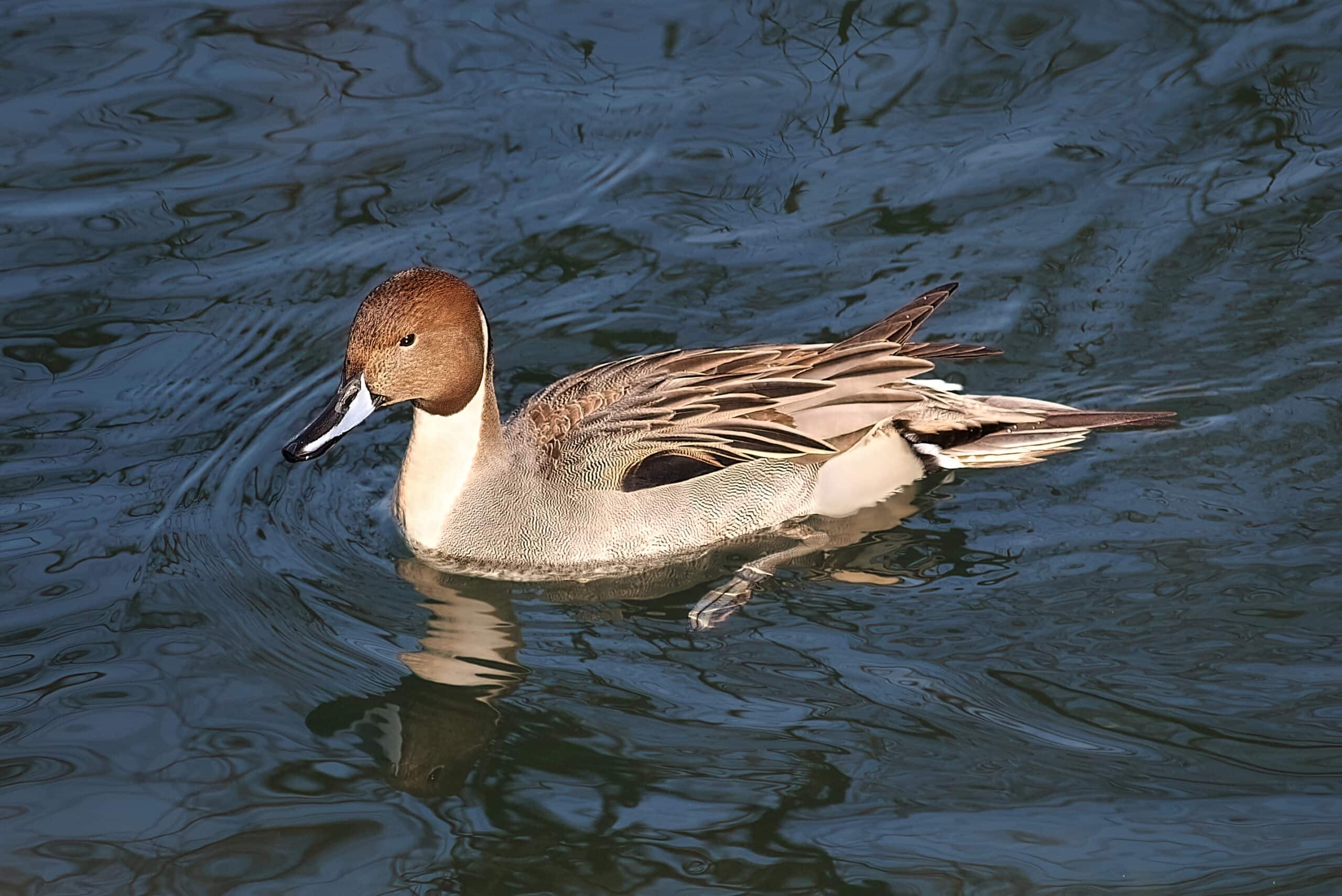
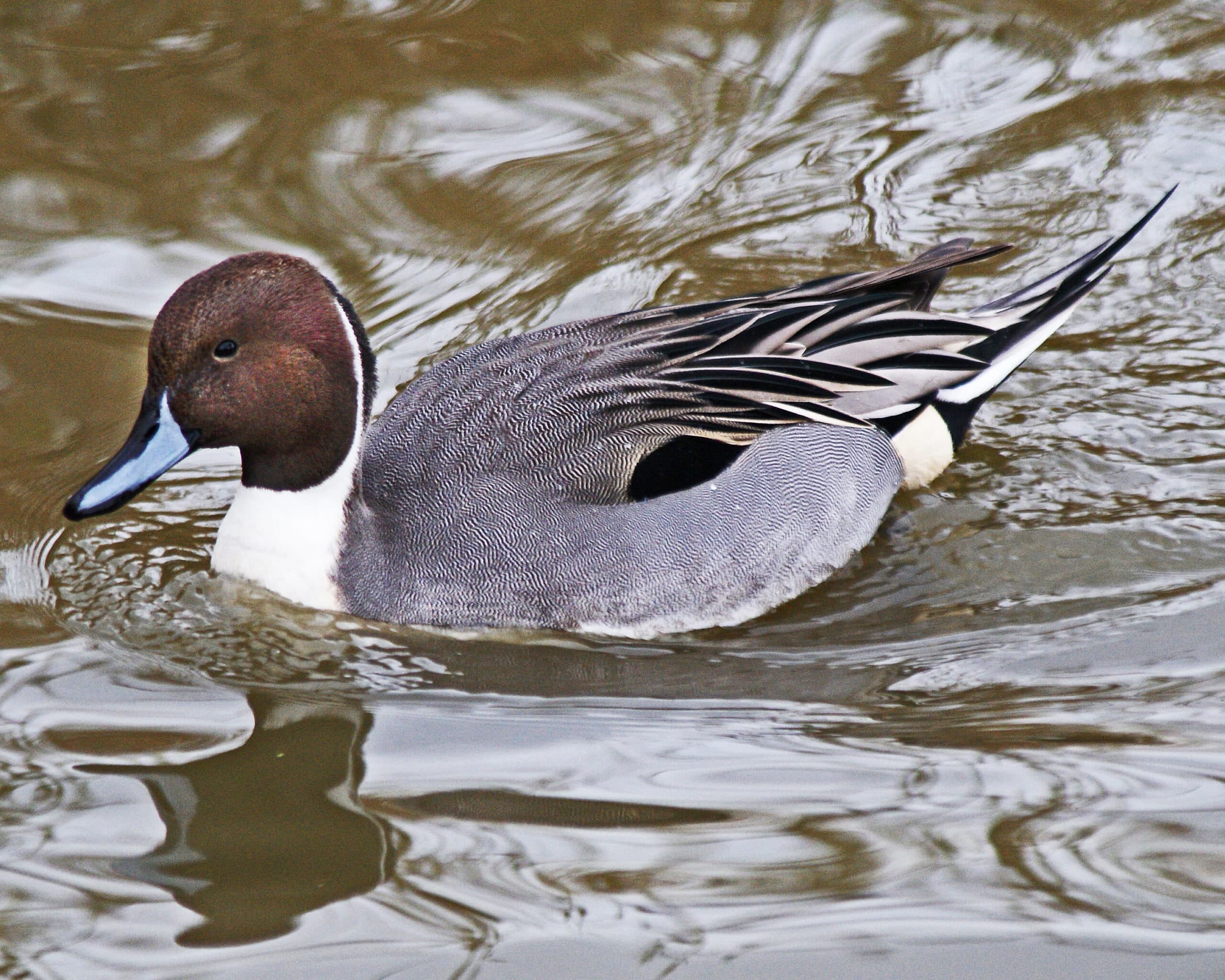
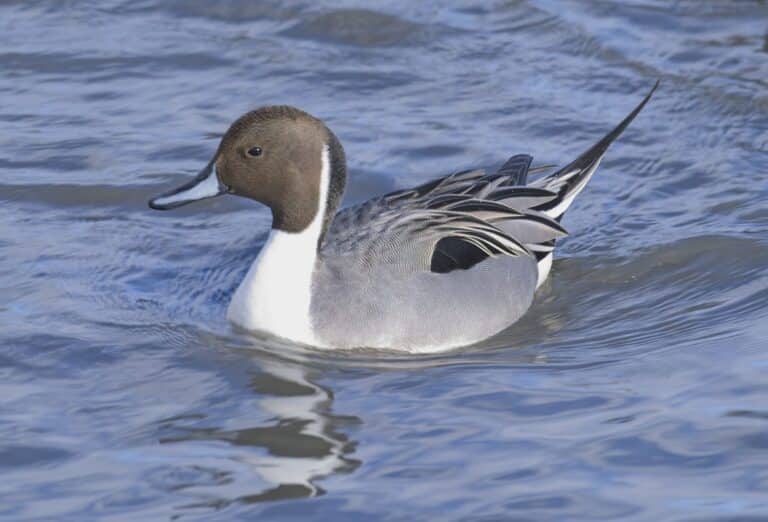
The Northern Pintail is a stunning bird that belongs to the duck family, Anatidae. These elegant birds can grow to be between 50 and 76 centimeters (20 to 30 inches) long, making them a real sight to behold in the wild!
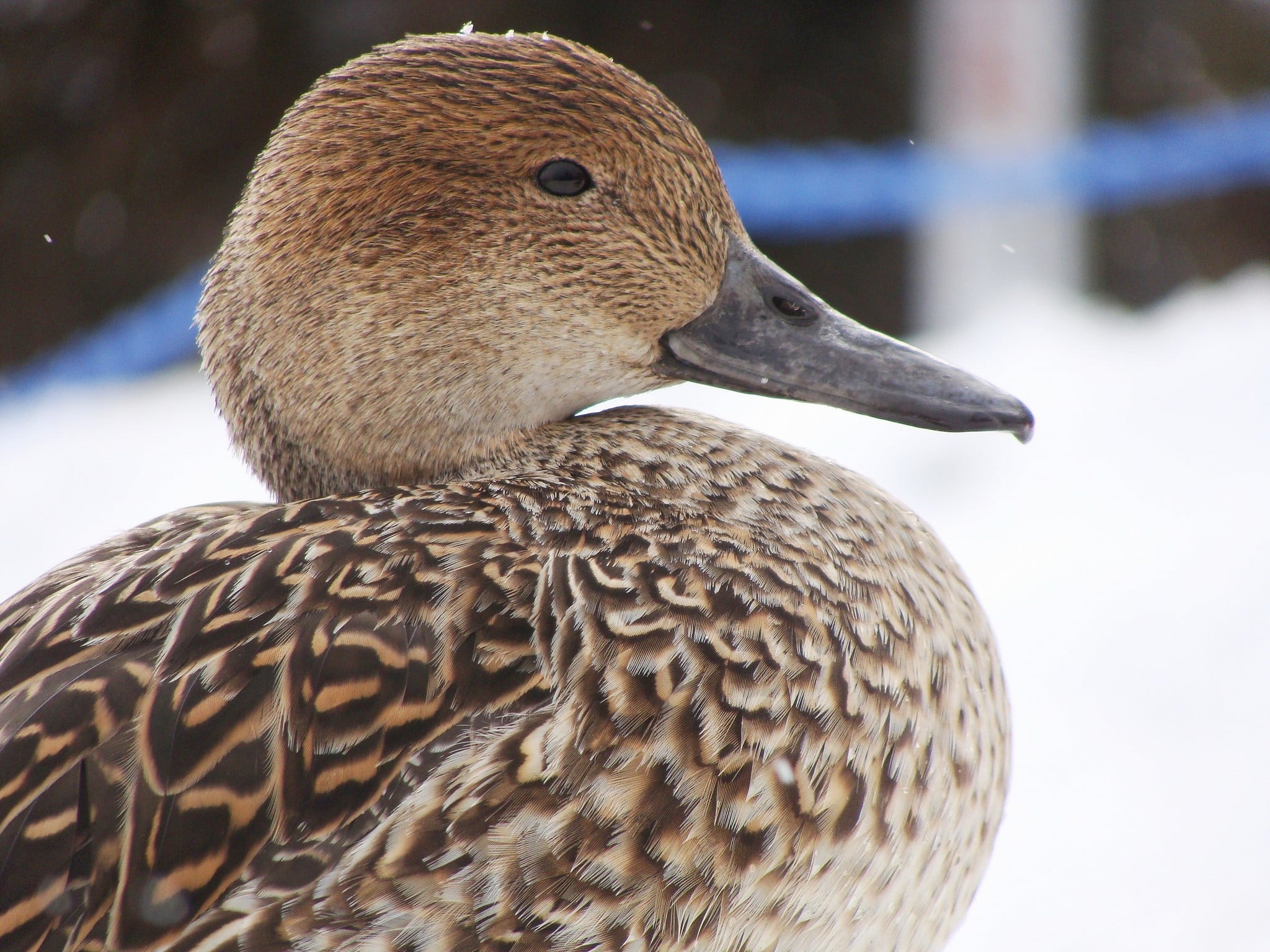
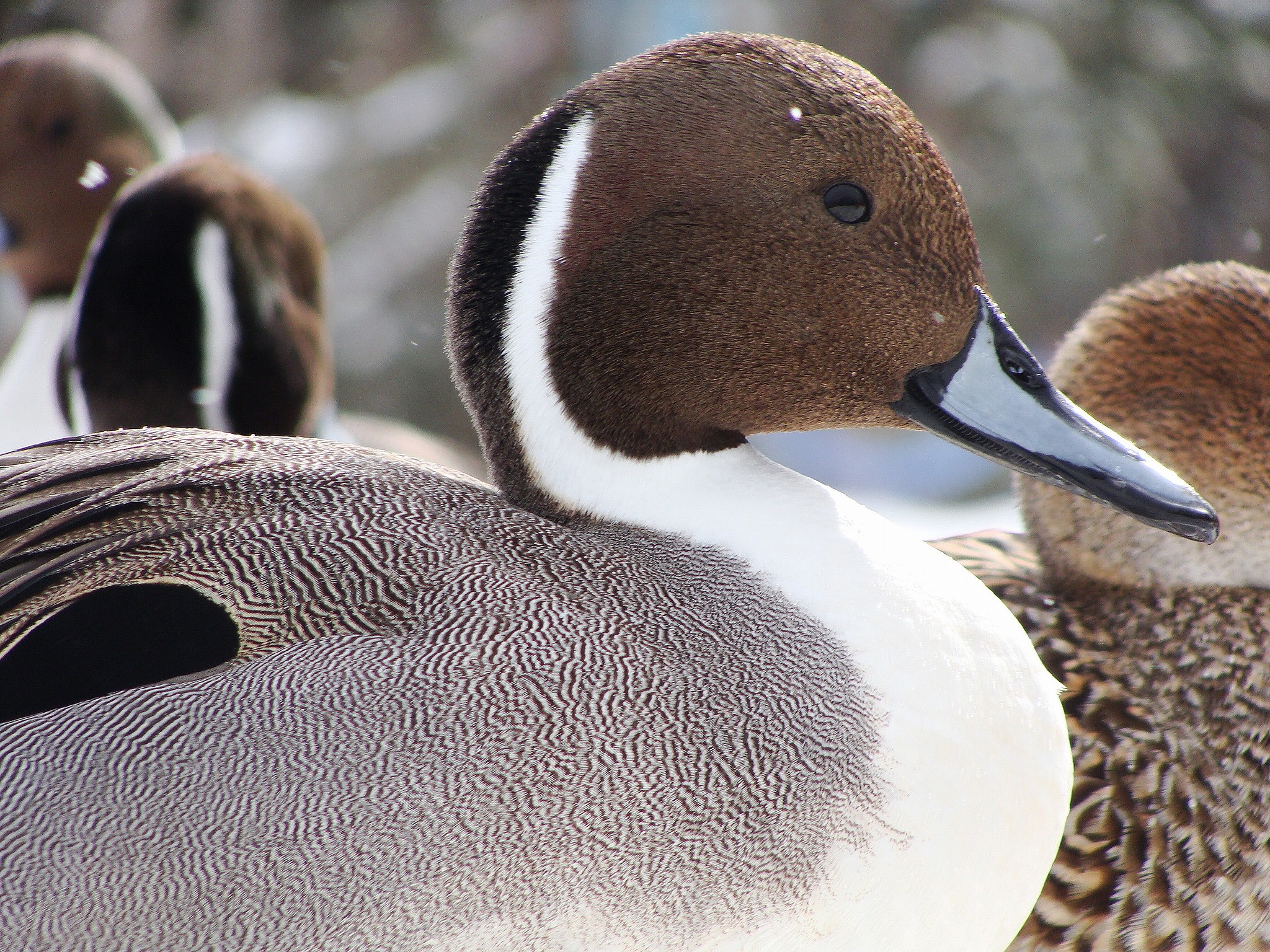
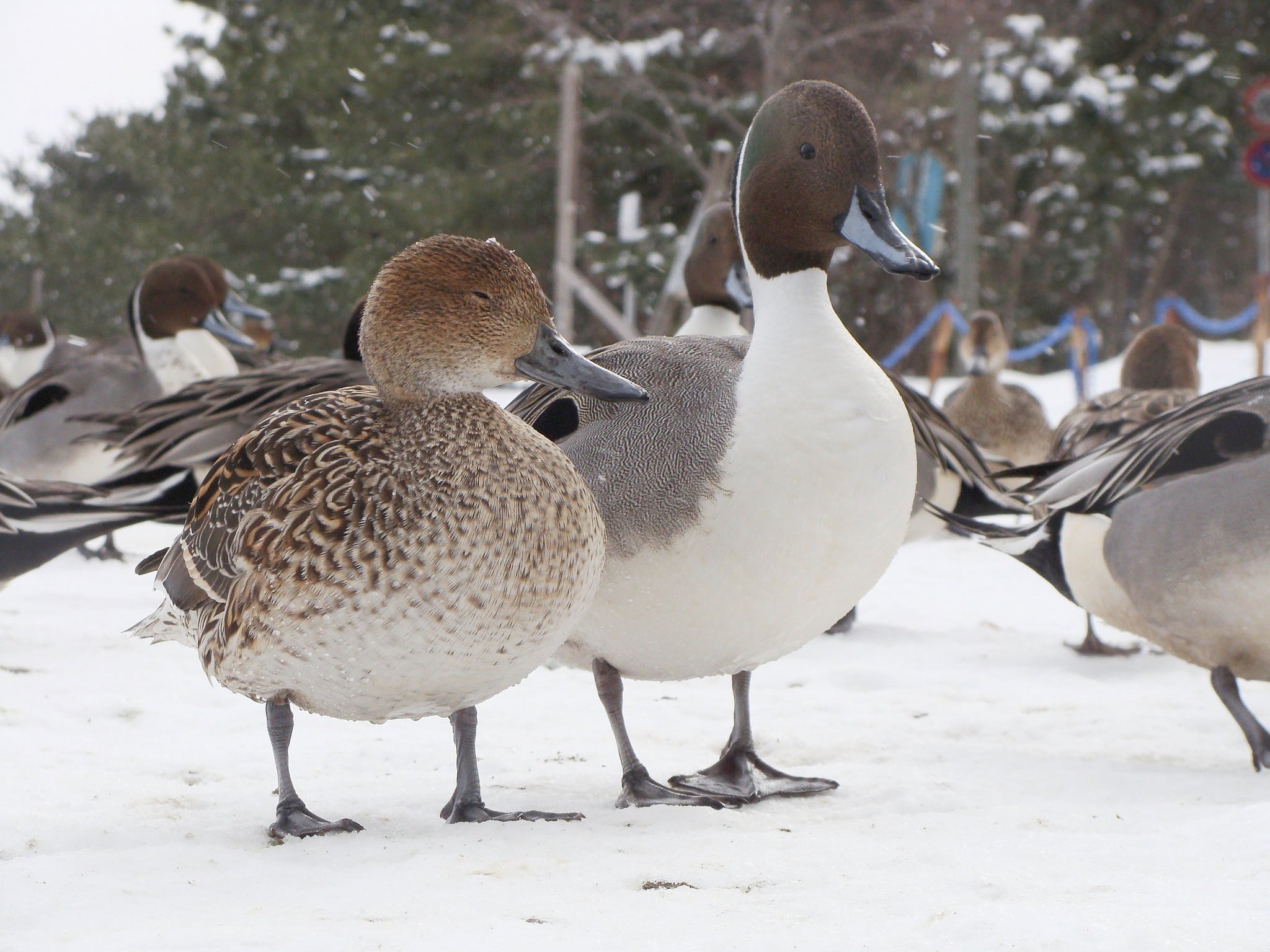
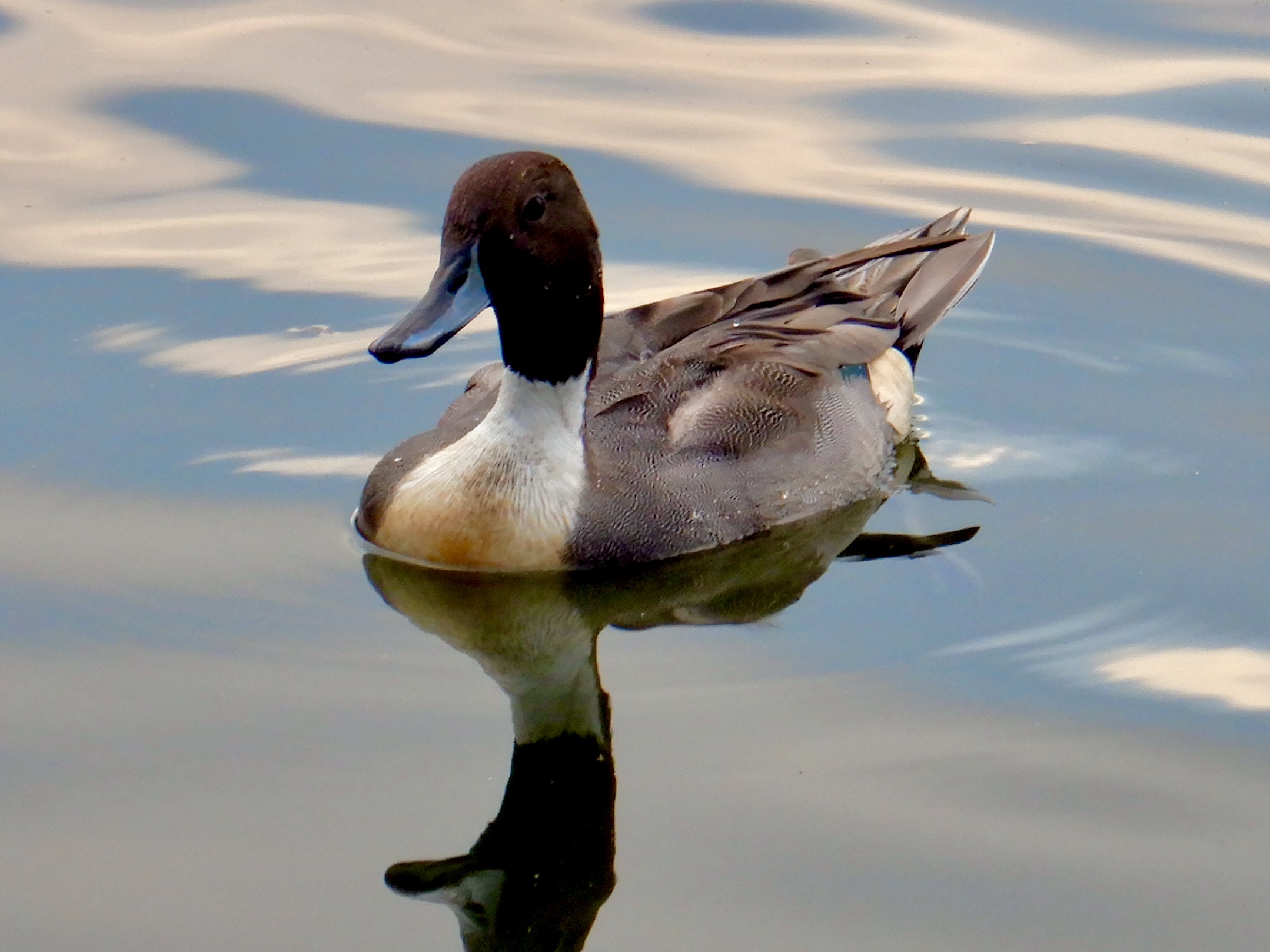
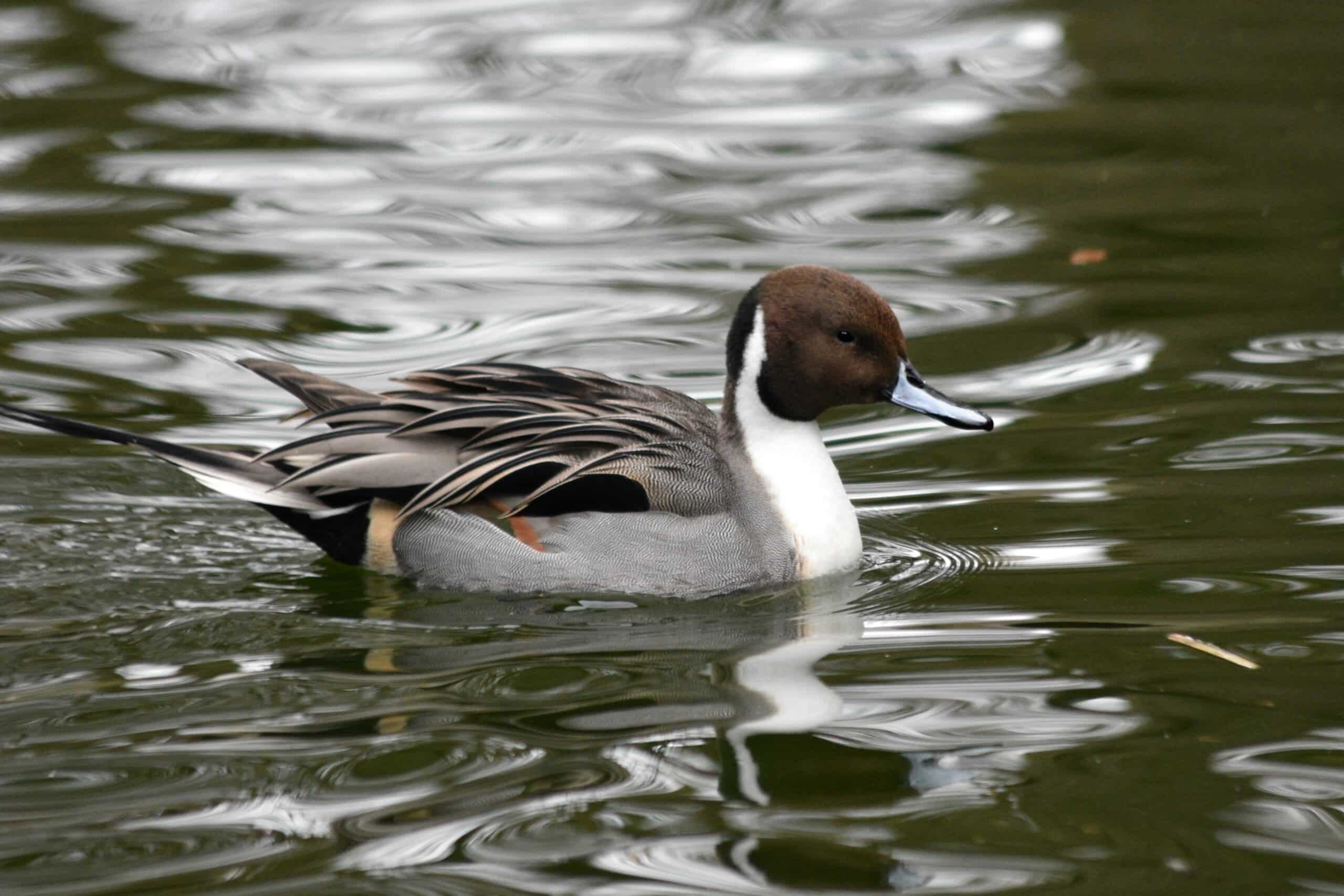
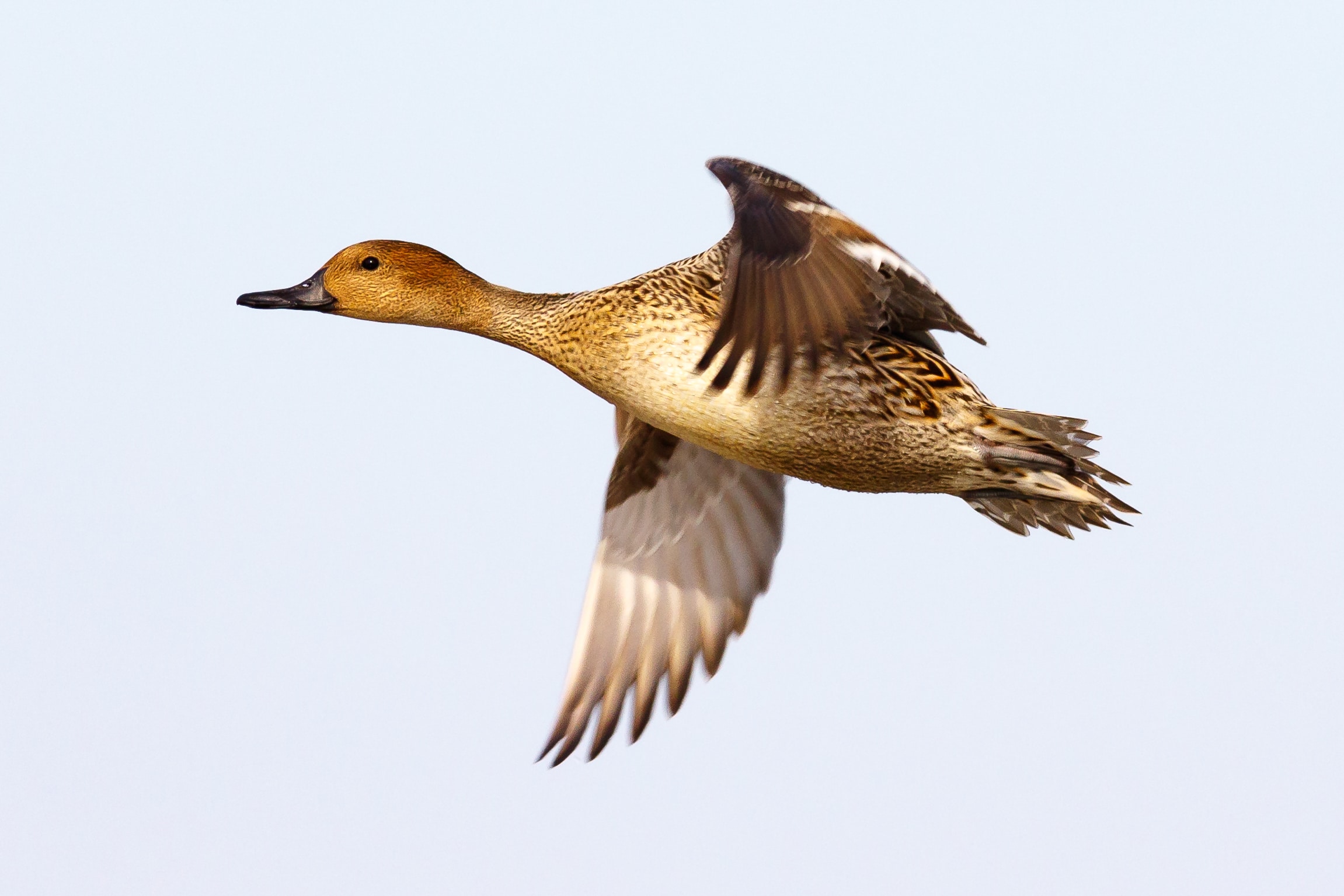
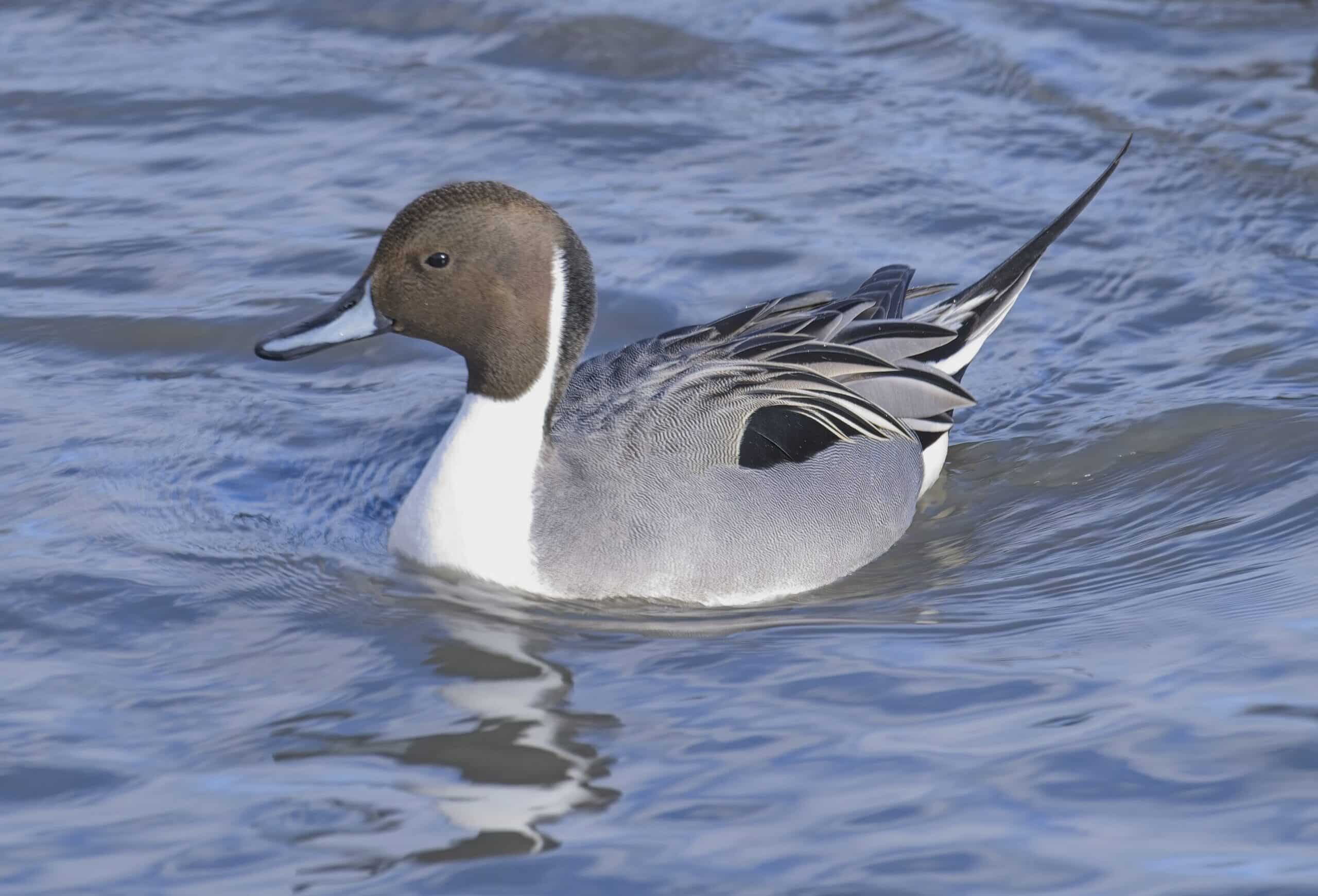
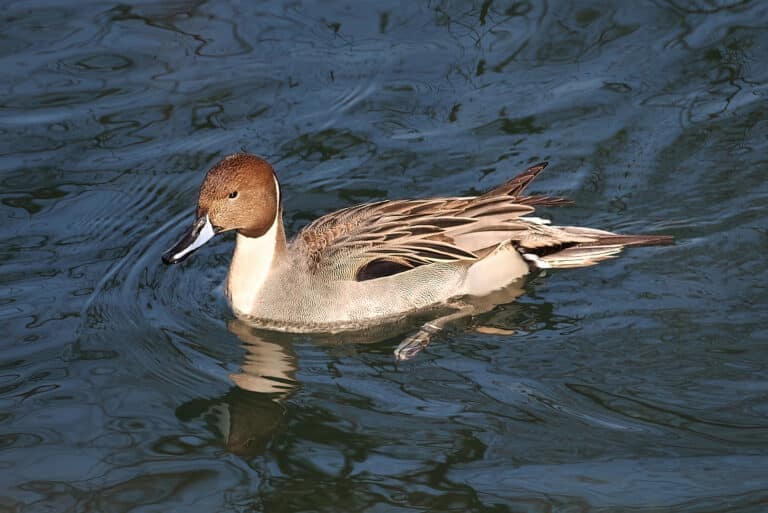
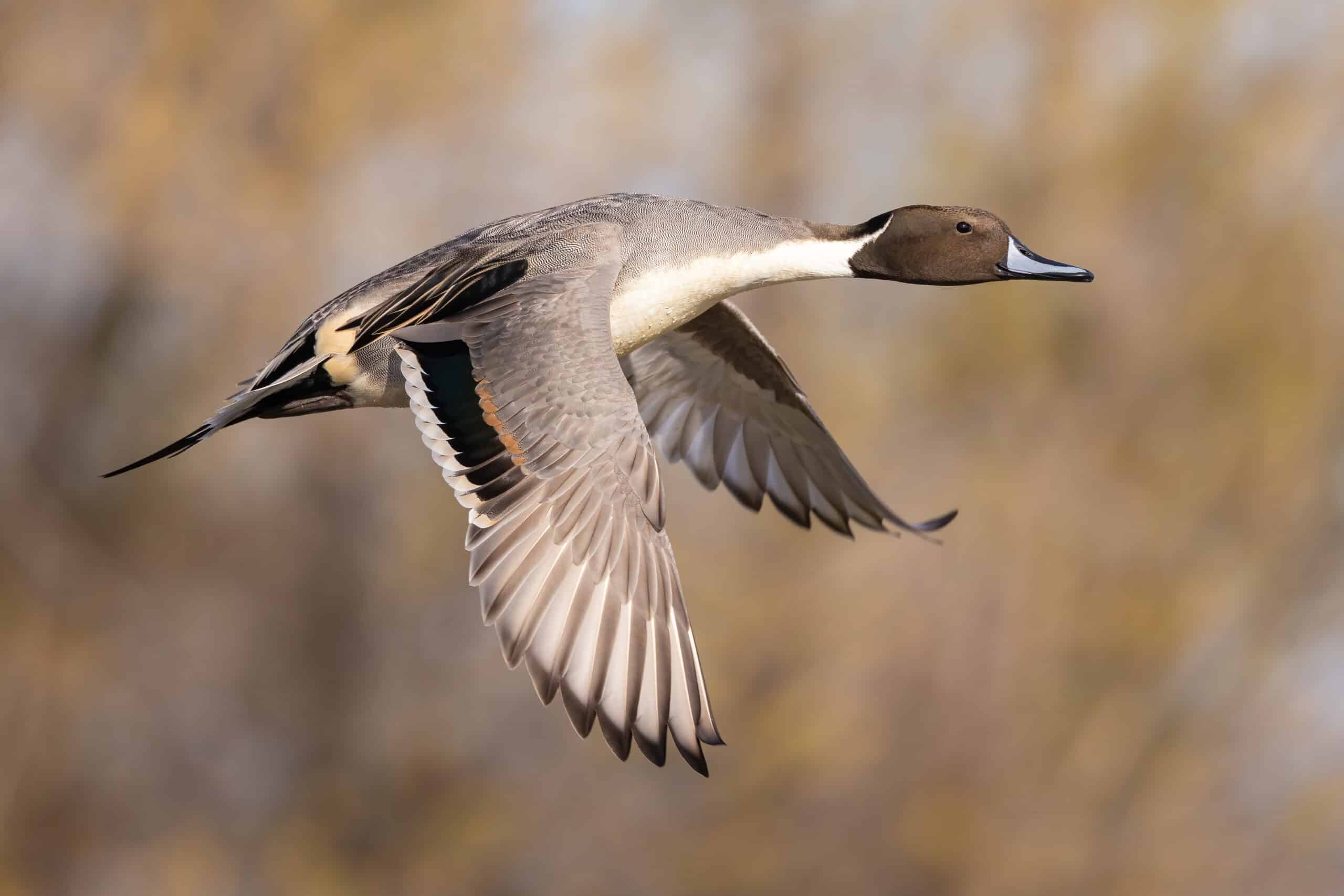
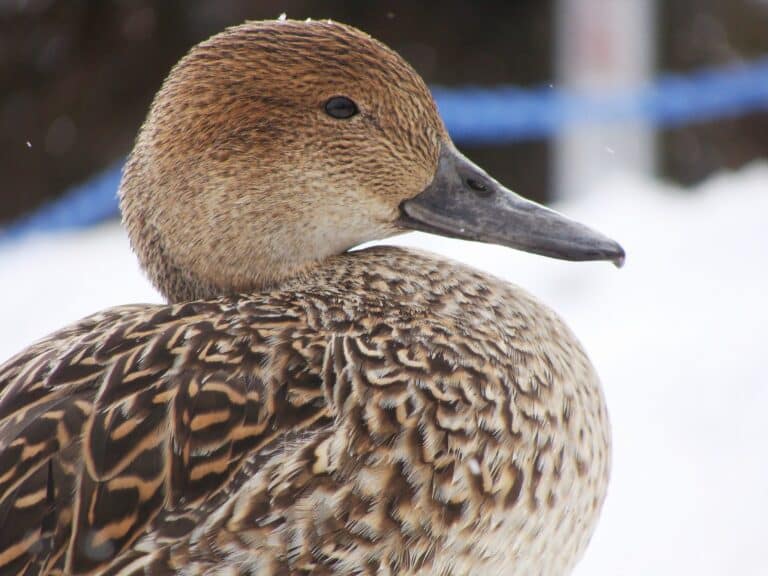
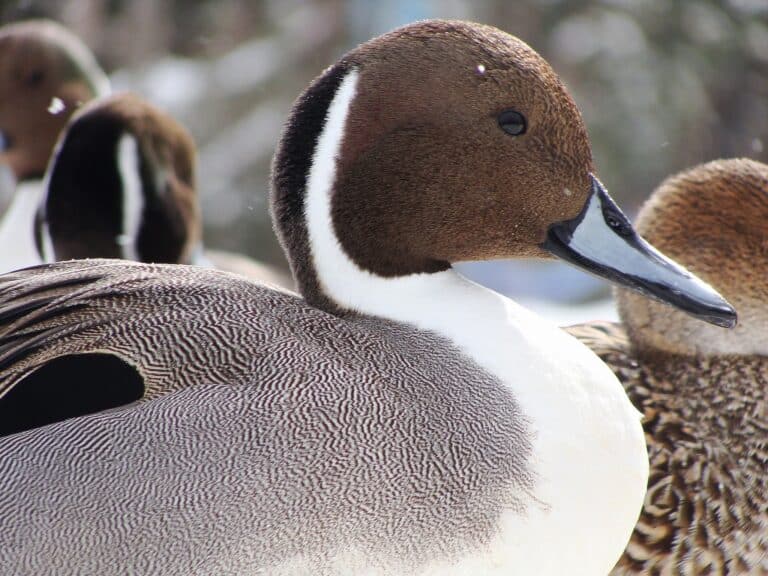
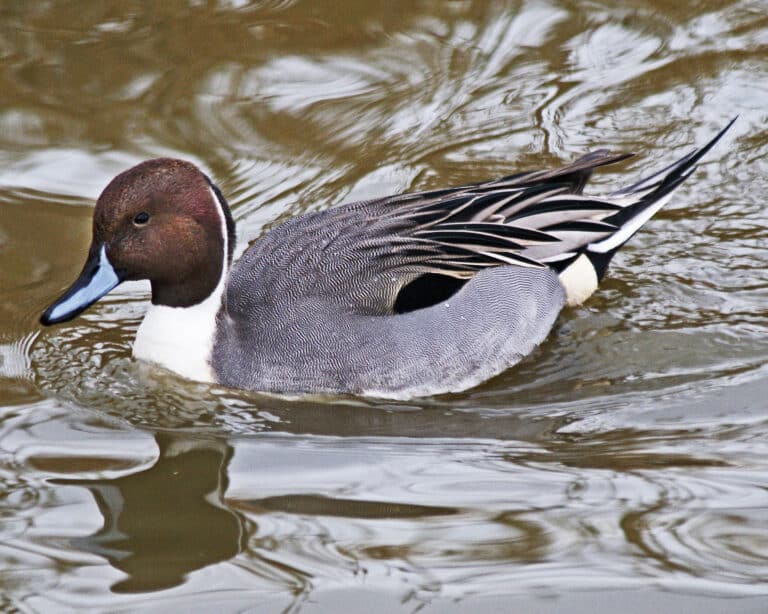
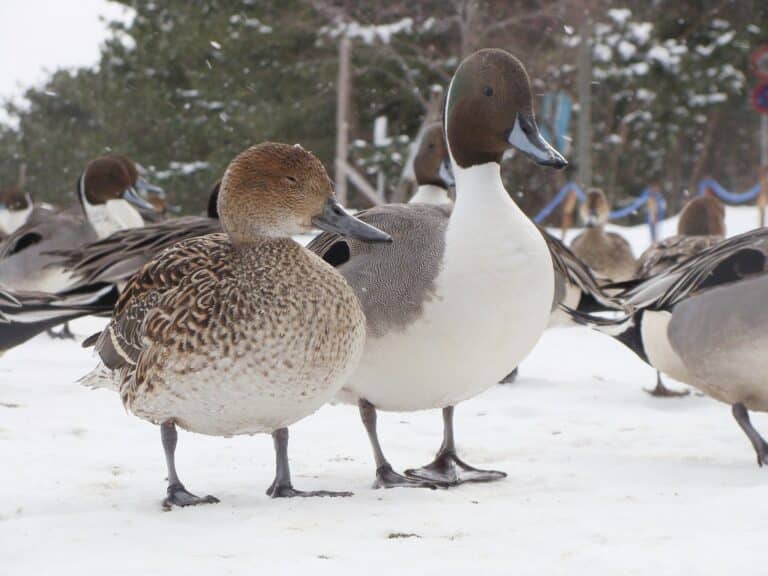
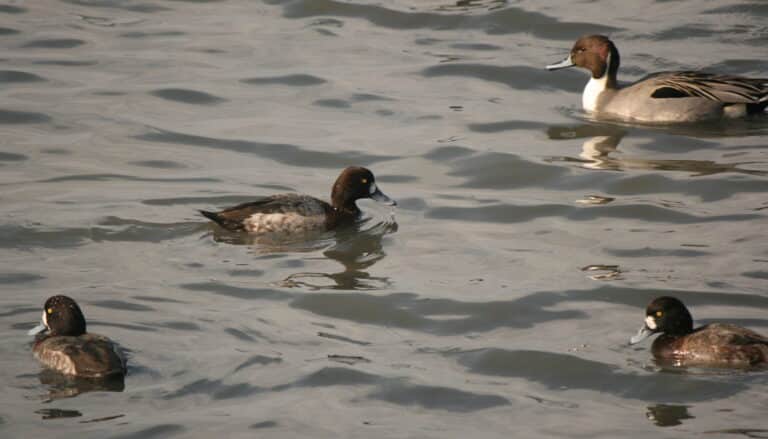
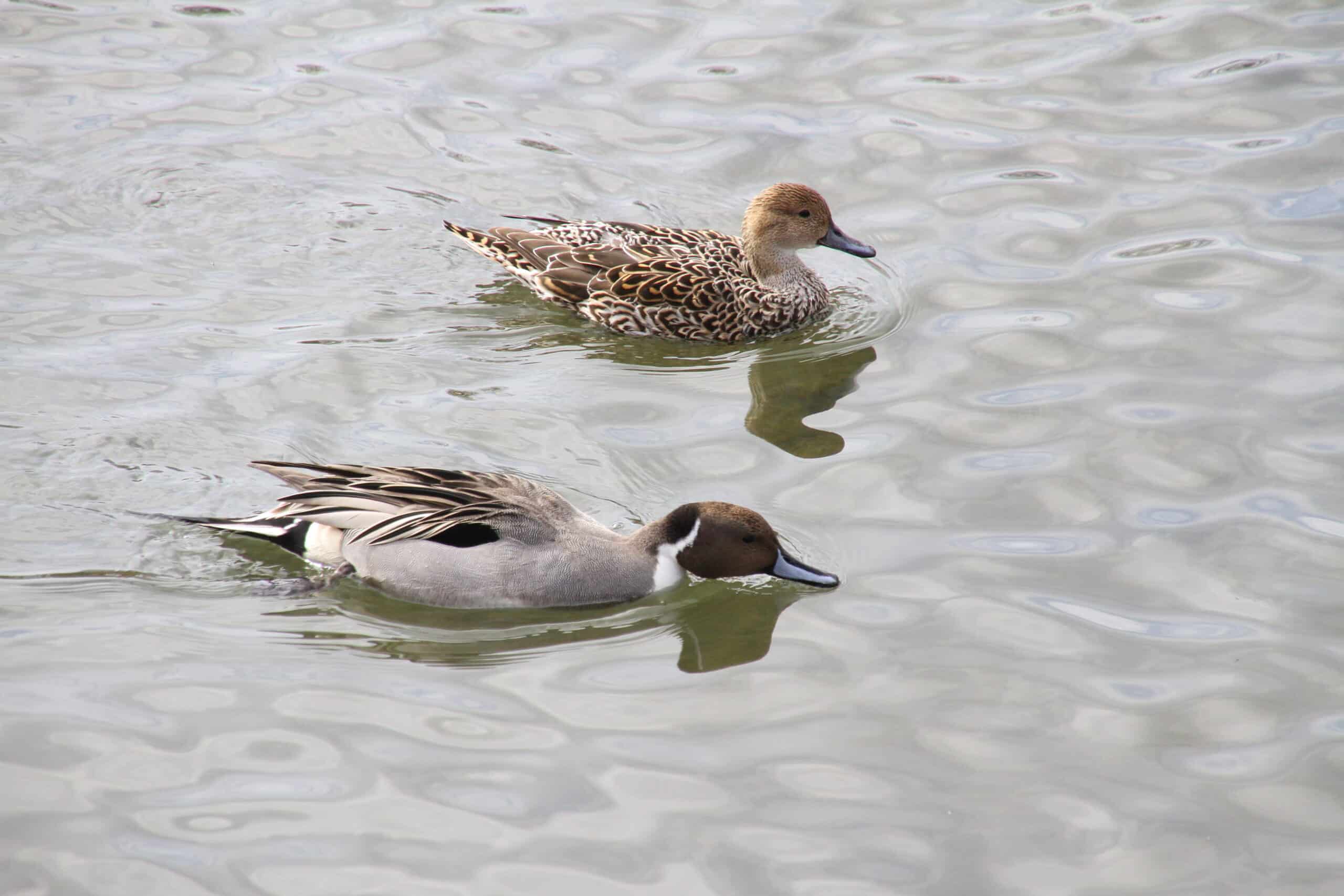
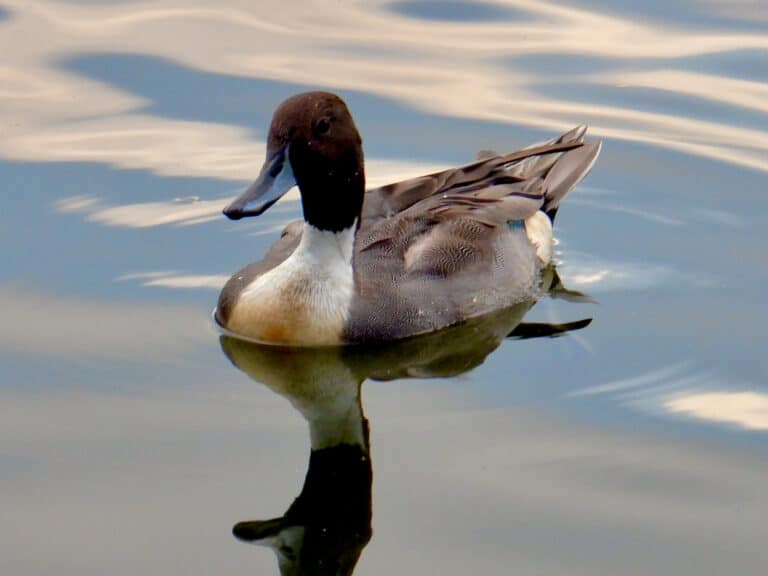
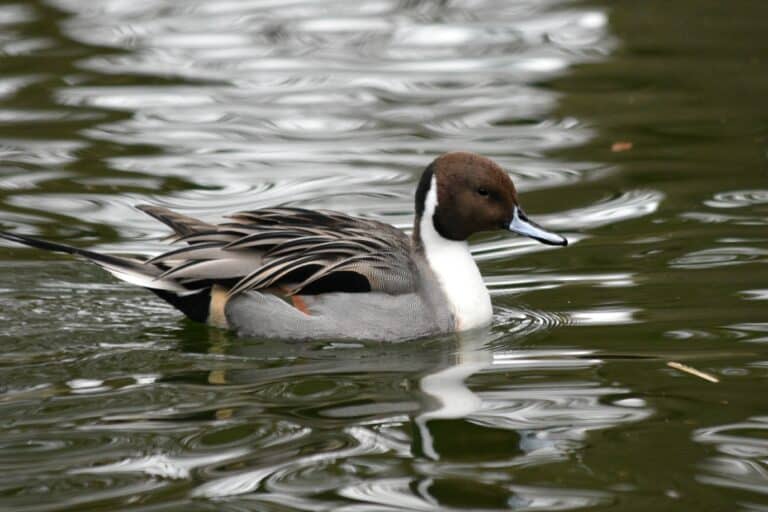
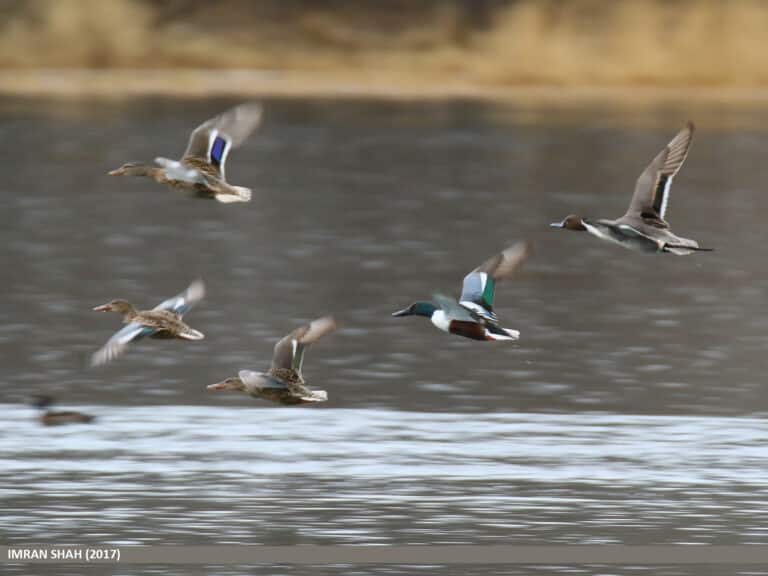
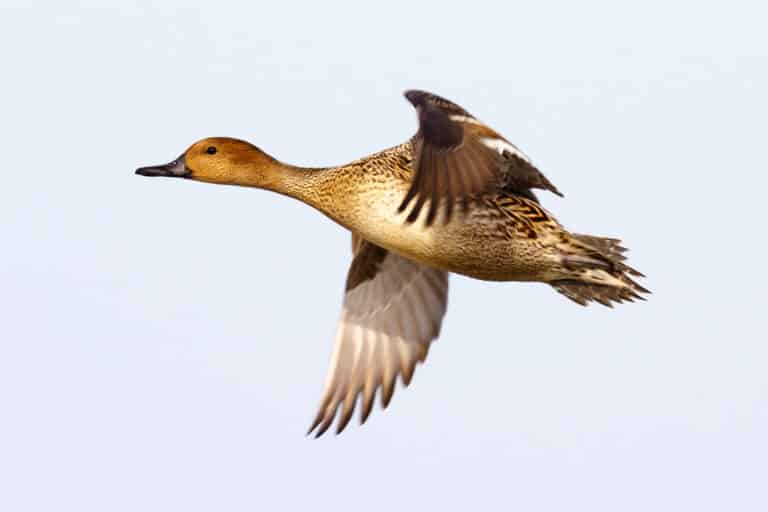
Their long necks and pointed tails give them the name 'pintail.' Male Northern Pintails showcase a beautiful mix of brown, white, and gray feathers, while females boast mottled brown plumage that helps them blend into their surroundings.
Northern Pintails love to hang out in wetlands, rivers, and lakes across Africa. They are master dabblers, meaning they tip their bodies forward to graze on seeds, aquatic plants, and tasty insects found just below the water's surface.
</pThese delightful ducks can live for 16 to 20 years, enjoying life while quacking and waddling around their watery homes. Their social nature makes them fun to watch, especially when they form flocks during migration!
Next time you see a Northern Pintail, remember that these fancy ducks are not just good-looking but also have a big appetite for their favorite snacks! With their unique features and playful behavior, they add a splash of joy to our natural world!

Where can you find a Northern Pintail in the wild?
What does a Northern Pintail eat?
How big can a Northern Pintail grow?
How long does a Northern Pintail typically live?
What is the conservation status of the Northern Pintail?
What are the main threats to the Northern Pintail?
Fun facts
Male Northern Pintails perform a spectacular courtship dance to impress females! They stretch their long necks and puff out their chests, showing off their stunning feathers in a graceful display.


These ducks have a special trick for finding food. They tip their bodies forward to reach underwater plants, making them look like they are diving but really just snacking, adding a splash of fun to mealtime!
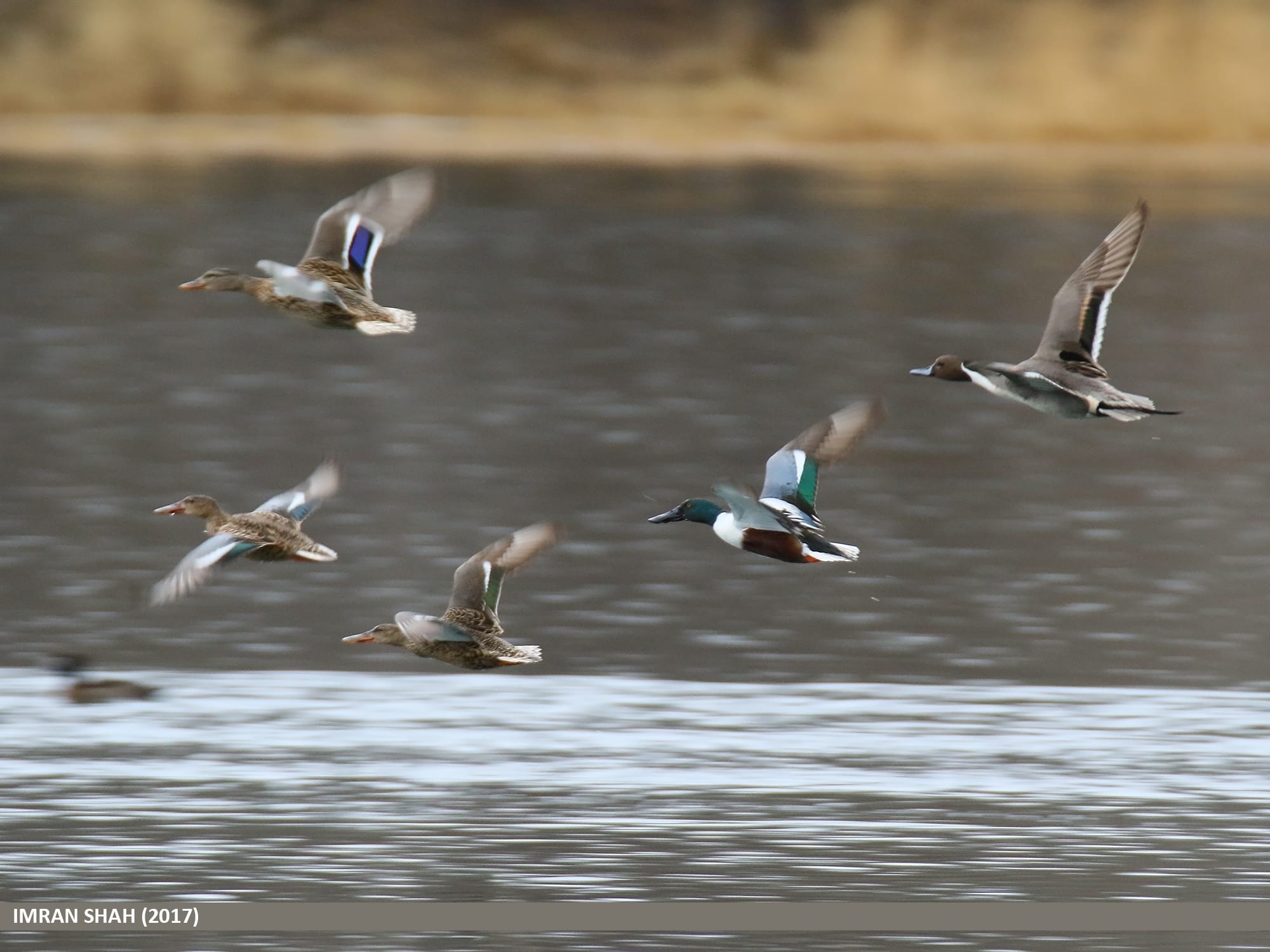
Northern Pintails can fly up to 80 kilometers per hour (50 miles per hour) during migration! Imagine zooming through the air almost as fast as a car on a highway!
During the breeding season, male Northern Pintails have a unique habit of practicing their vocalizations. They quack and whistle to establish their territory and attract mates, turning their wetland homes into a concert hall!
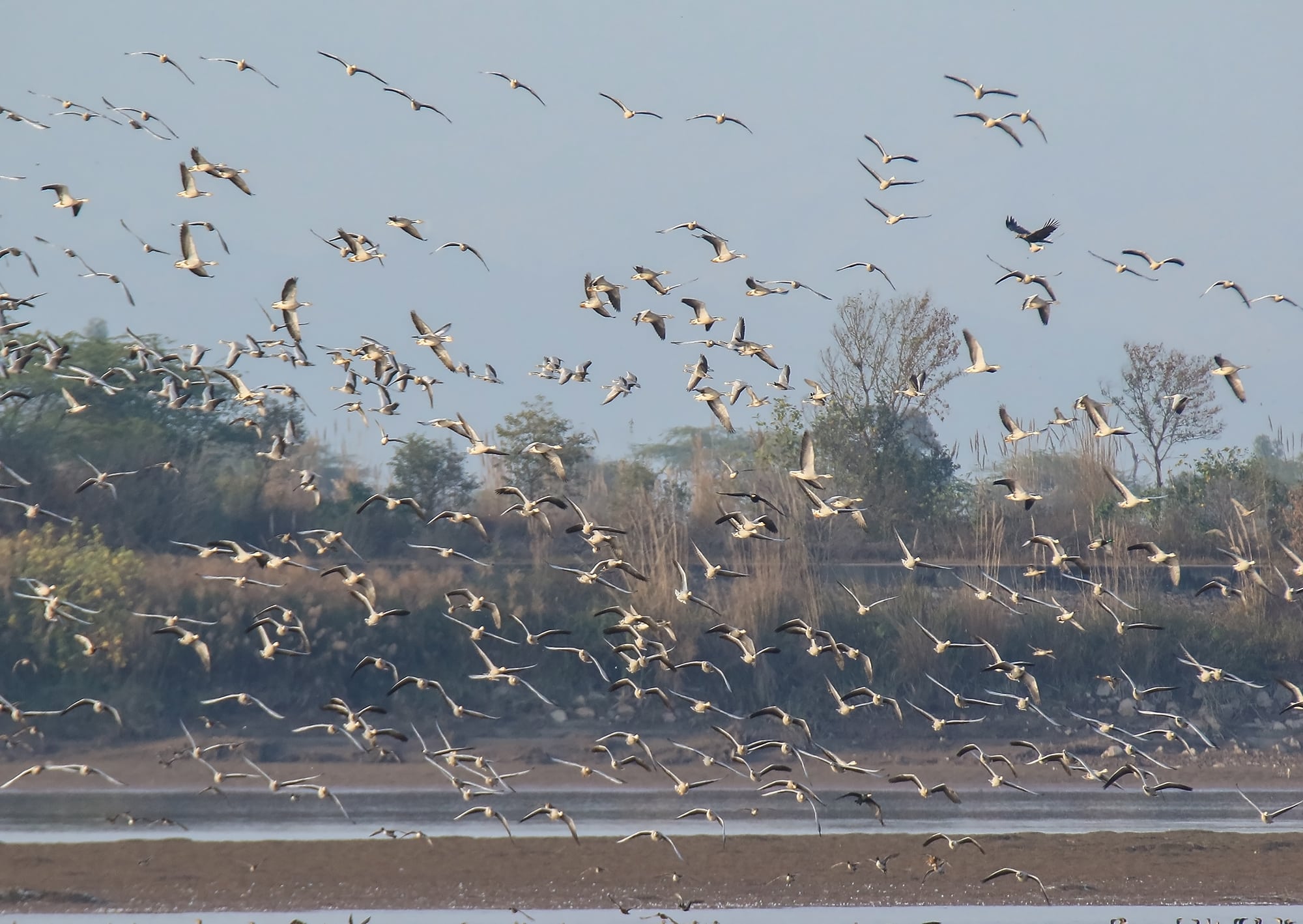
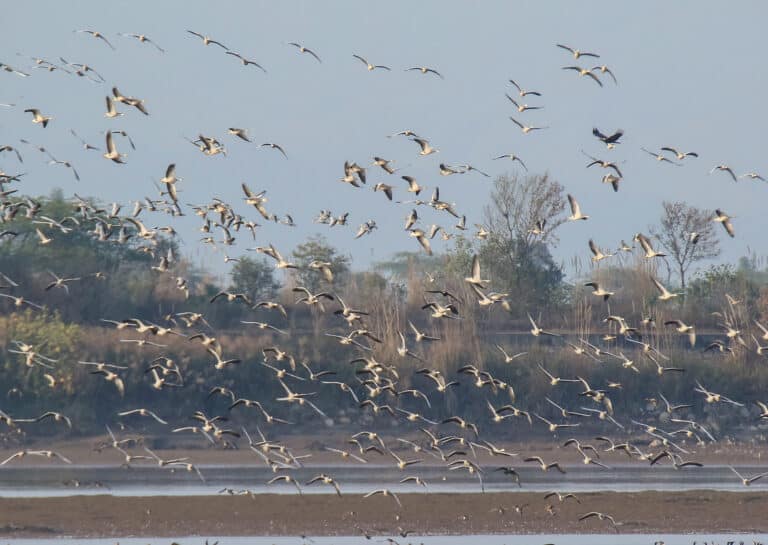
These wonderful ducks are social creatures and often gather in big groups called flocks. Watching them swim together creates a living, quacking spectacle on the water!
Northern Pintails have a unique adaptation for keeping warm. Their feathers are waterproof, which helps keep them dry and cozy while they swim through chilly wetlands.
When Northern Pintails are startled, they can take off in an incredible burst of speed! In just seconds, they can become tiny dots in the sky, showcasing their impressive flying skills.
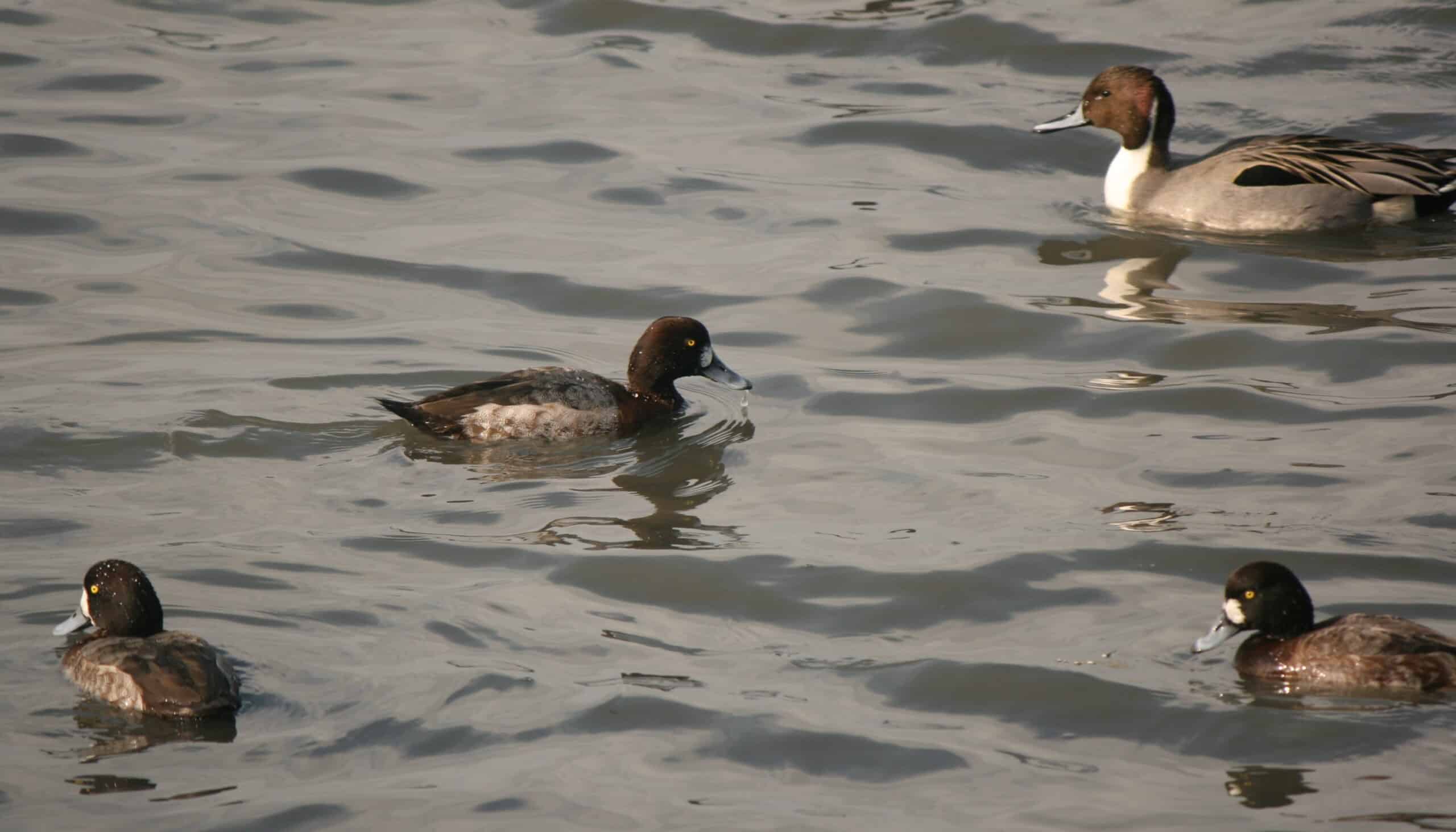
Pintails have a surprising habit of forming friendships with other waterfowl. They often hang out with other ducks and geese, proving that birds can be great buddies too!
These fascinating ducks practice a clever technique called 'dabbing' – they dip their heads underwater while keeping their tails in the air, which not only helps them feed but also makes them look hilarious!
Northern Pintails are known for their strong sense of navigation. They can find their migration routes using the sun, stars, and even the Earth’s magnetic field, like tiny feathered GPS systems!
Photos

The Basics


explore more
Amphibians
Arachnids
Birds
Cats
Crustaceans
Fish
Fish Pet Guide
Gastropods
Insects
Invertebrates
Mammals
Pet Fish
Pet Rodents
Plants
Reptiles
Roundworms
Sea Slugs