
Successfully copied to clipboard!
Numbat
Uncover the colorful termite champions of the forest!
Let’s Explore
Overview
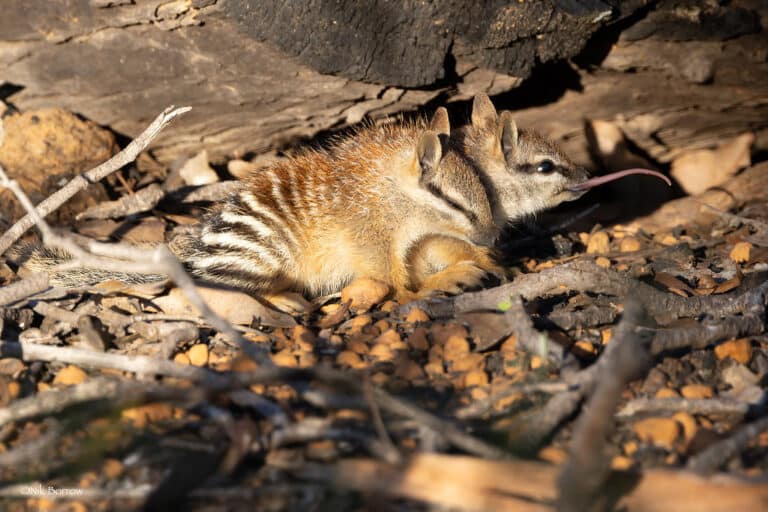
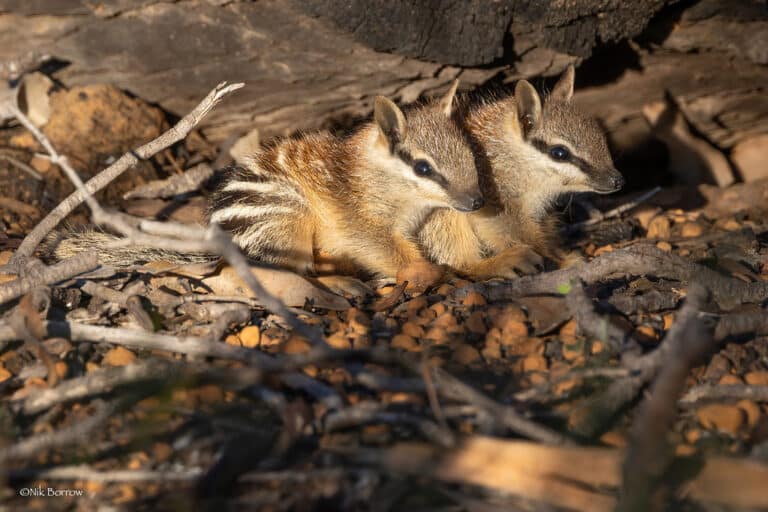
The numbat, also known as the banded anteater, is an adorable marsupial found in Oceania, particularly in Australia. With a body length ranging from 14 to 18 inches, this little critter measures nearly the size of a medium-sized cat but much cuter!
These energetic mammals belong to the class Mammalia and the order Dasyuromorphia. They are part of the Myrmecobiidae family, which sounds like a complicated term but just means they love munching on termites!
Numbats have a unique diet that revolves around termites. They can eat up to 20,000 termites each day, making their meal choices a real “snack attack”!
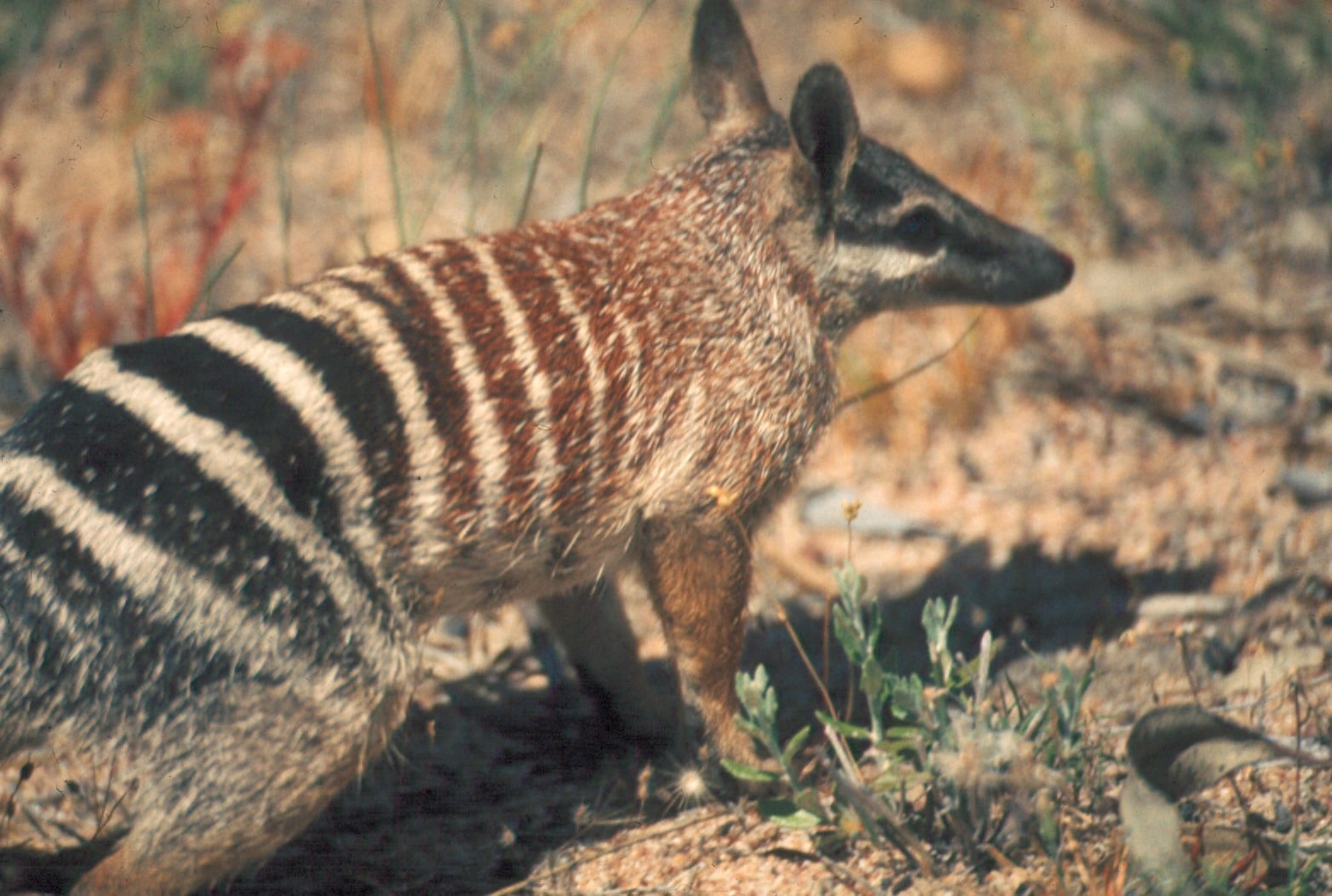
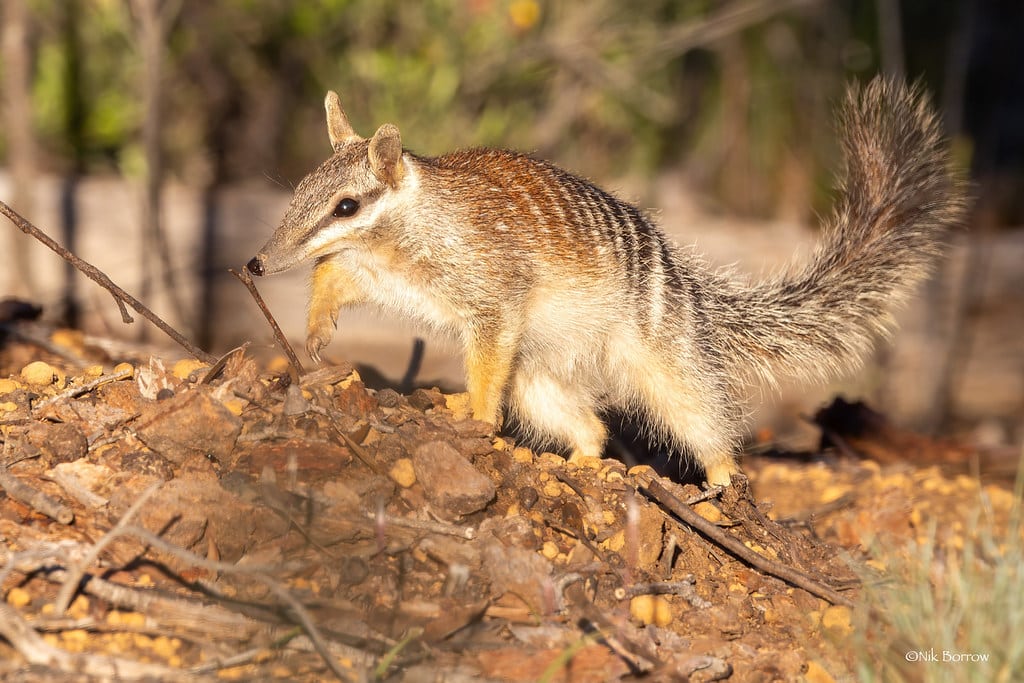
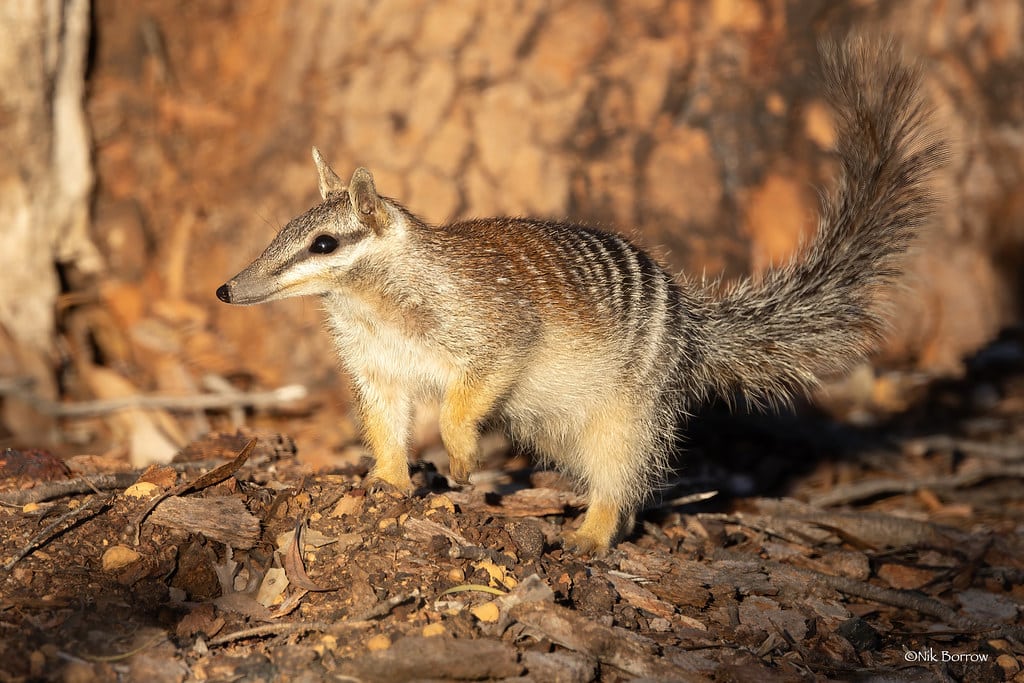
This lively creature has a vibrant, striped back that helps it blend into its environment. Numbats use this camouflage to sneak up on termites and avoid hungry predators.
Numbats get their name from their incredible ability to eat ants and termites, which fits perfectly as they are expert foragers. With a lifespan of about 5 to 6 years, these lively marsupials keep busy while they explore their home!
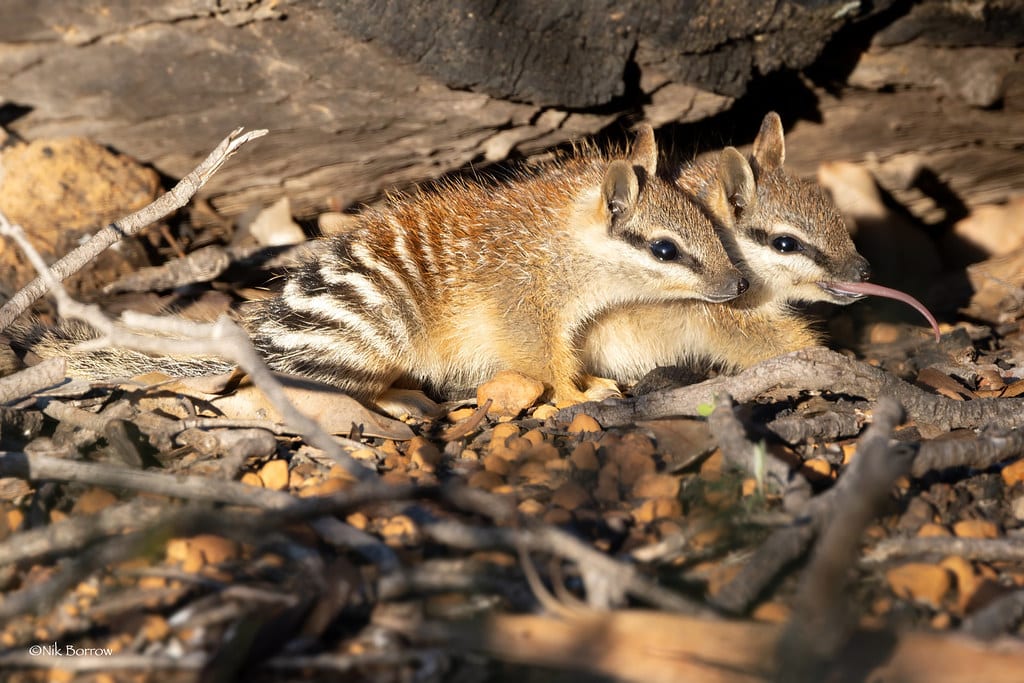
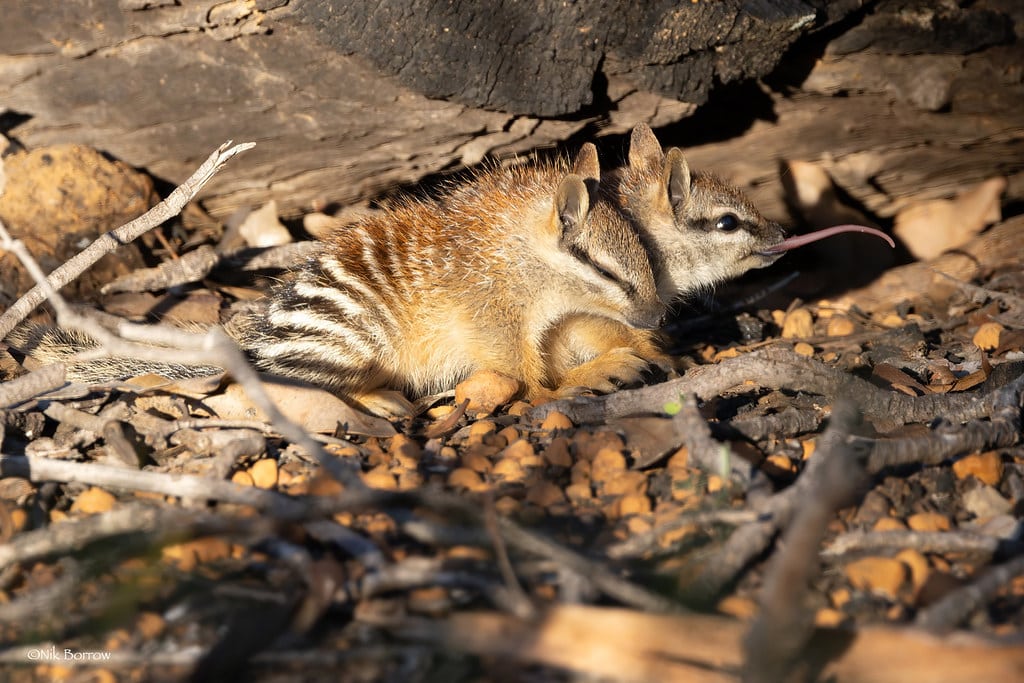
If you ever see a numbat, you might notice it uses its long tongue to capture insects! Watching a numbat in action is a real treat, making it a “bite-sized” creature of wonder!
Overall, the numbat may seem small but packs a big punch in the world of fascinating wildlife. This little mammal brings a lot of joy with its termite-chomping antics and playful personality.

Where can you find a Numbat in the wild?
What does a Numbat eat?
How big can a Numbat grow?
How long does a Numbat typically live?
What is the conservation status of the Numbat?
What are the main threats to the Numbat?
Fun facts
Numbats have an extra-long tongue that can reach up to 10 centimeters (about 4 inches) to snag termites from their homes. This tongue is a true termite-hunting tool!


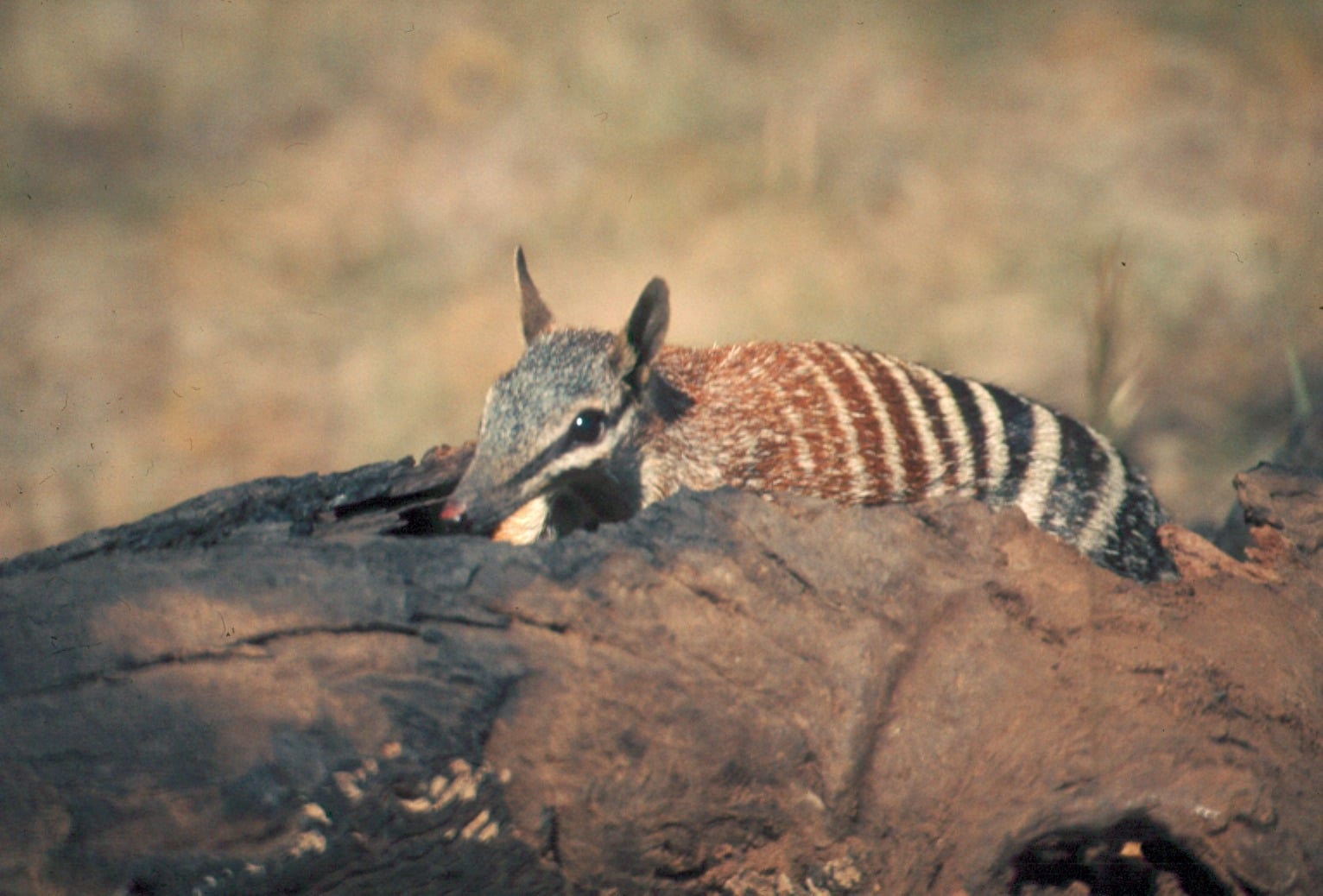
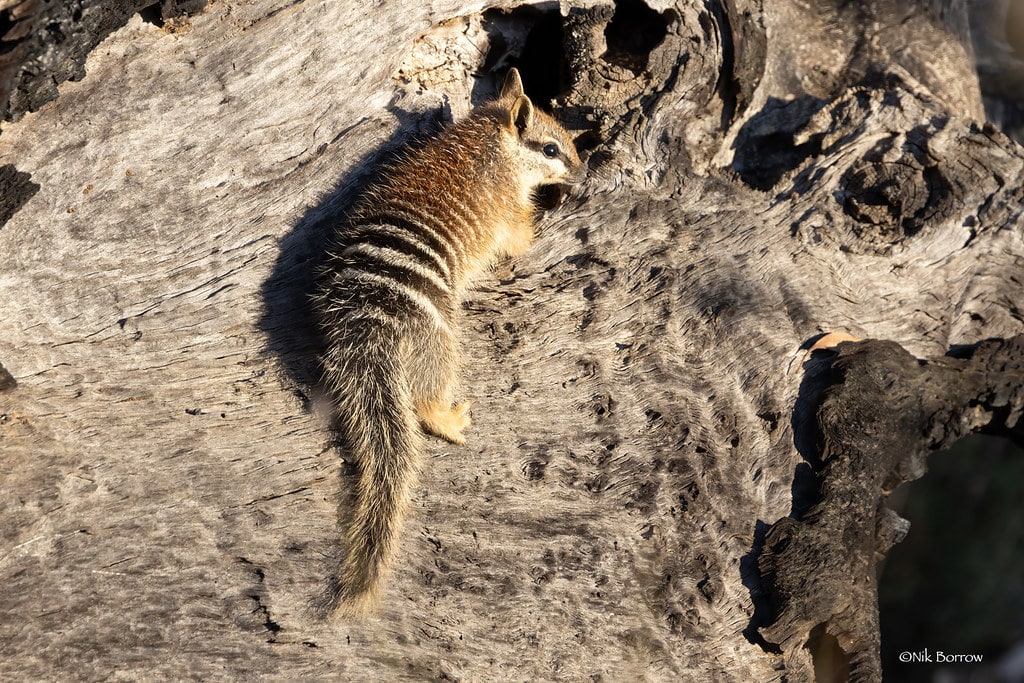
These lively little marsupials have a nifty habit of sleeping in tree hollows during the day. They are nocturnal foragers, coming out at night to munch on their favorite snacks.
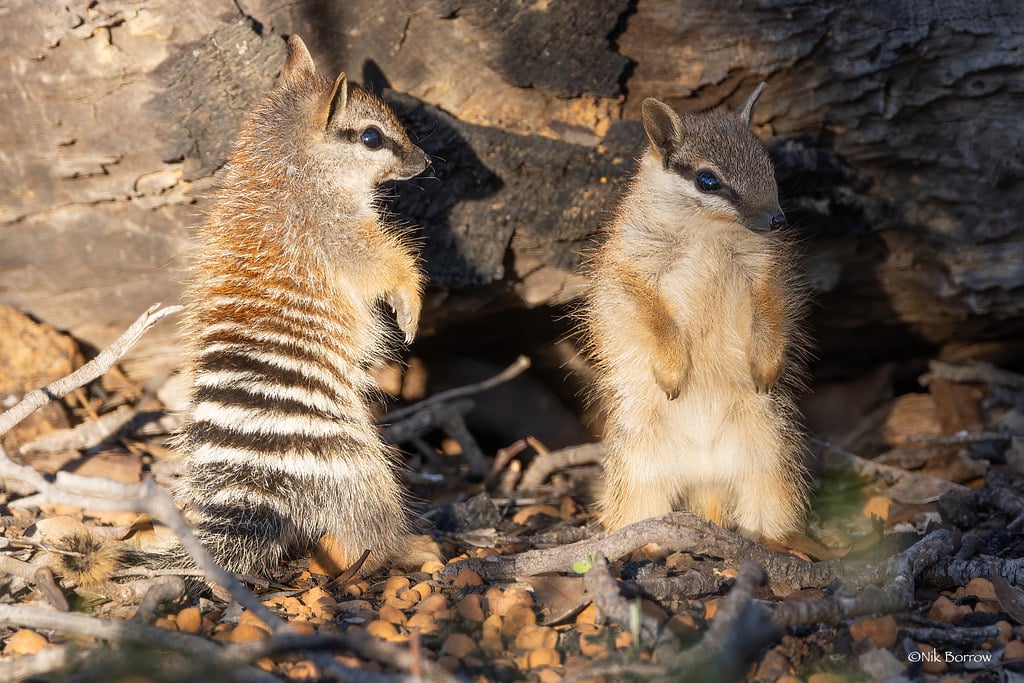
Numbats have striking red-brown fur adorned with white stripes, which help them blend in with the forest. They look like striped candy canes while they scamper about!
With their keen sense of smell, numbats can sniff out thousands of termites hiding underground. It’s like having a superpower that helps them find dinner!
Numbats can be quite playful, often chasing each other and even rolling around on the forest floor. They might just be the comedians of the marsupial world!
The numbat has a very short gestation period, lasting only about 11 days, before giving birth to tiny, underdeveloped babies. These little ones continue to grow in their mother's pouch!
Even though numbats are small, they communicate with each other using a variety of chirps and whistles. They might be carrying on the cutest conversations in the animal kingdom!
Numbats do not drink water directly; instead, they get all the moisture they need from their favorite food. Termites provide enough water to keep these clever creatures hydrated!
Young numbats practice their hunting skills by chasing each other as they learn to climb trees. They enjoy a playful style of education while developing their termite-catching talents!
In Aboriginal culture, numbats, known as 'ngammany', hold significance, and there are stories about these adorable creatures that teach valuable life lessons.
Photos
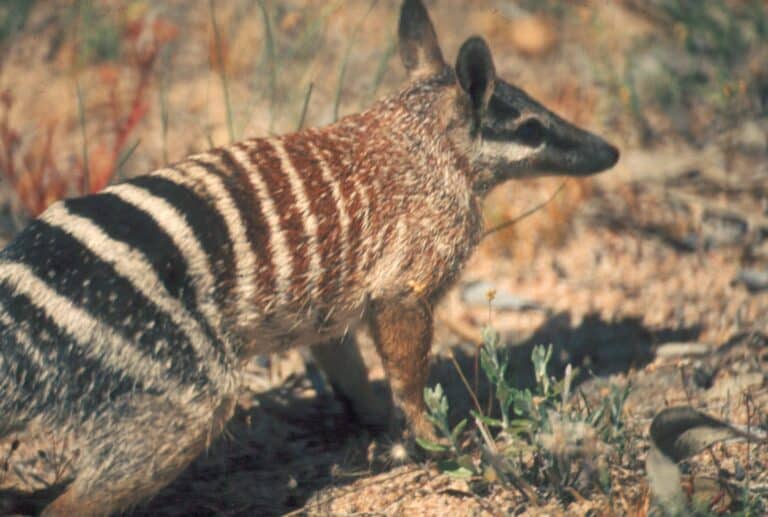
Numbat standing in grass close up
" by null is licensed under CC BY-SA 4.0

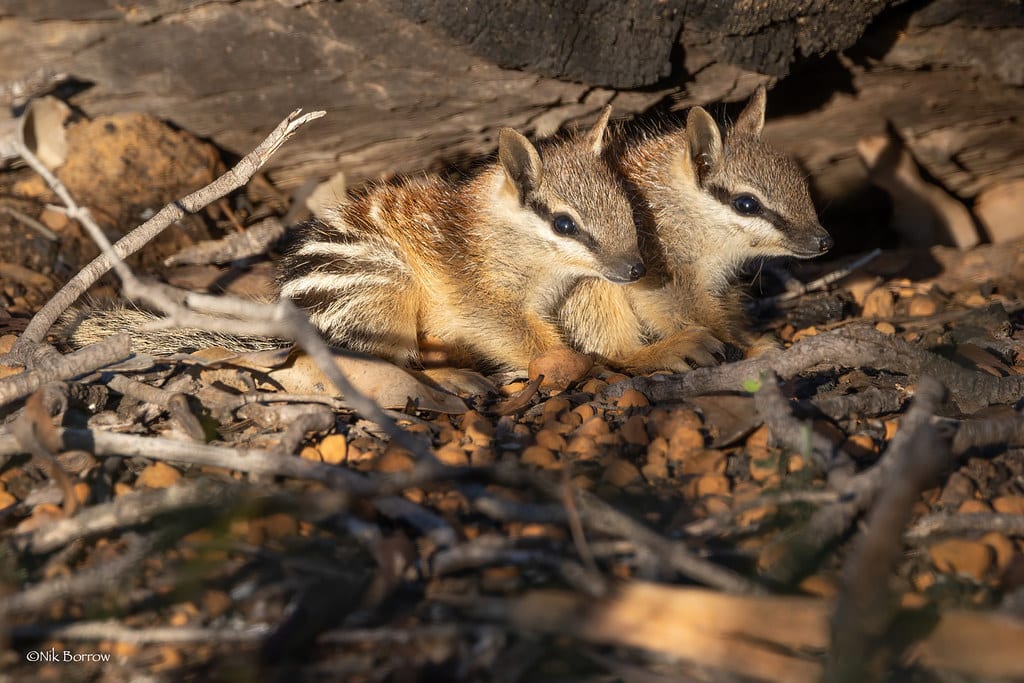
Numbat sitting in log
" by null is licensed under CC BY-SA 4.0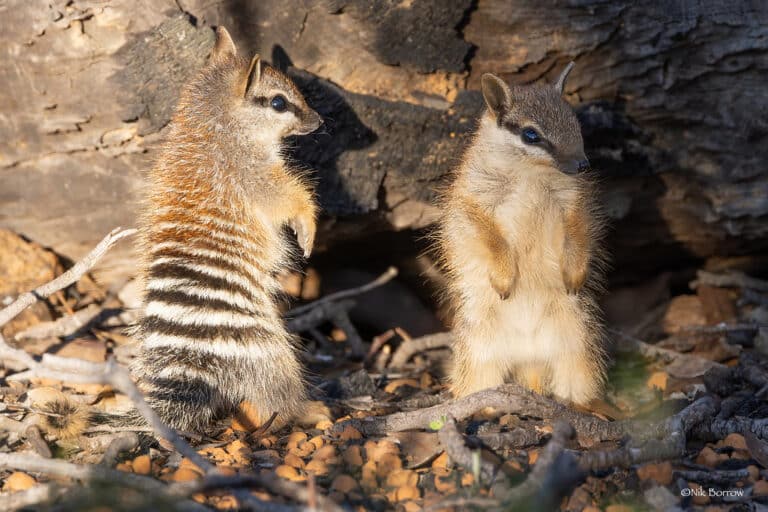

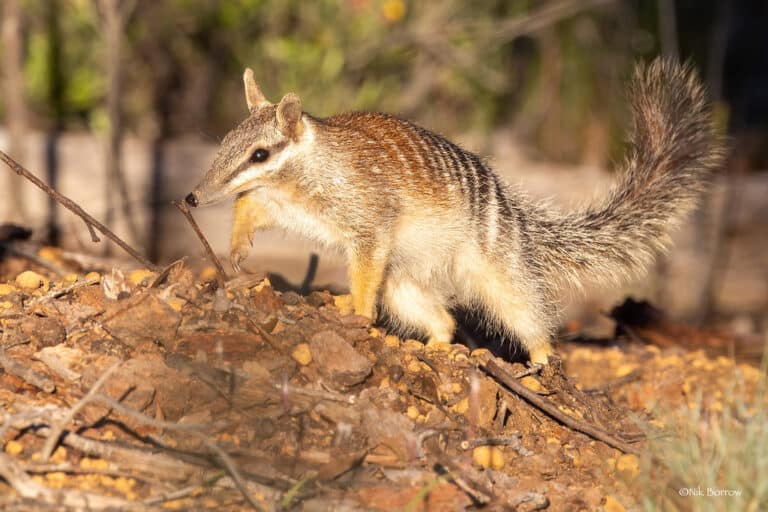
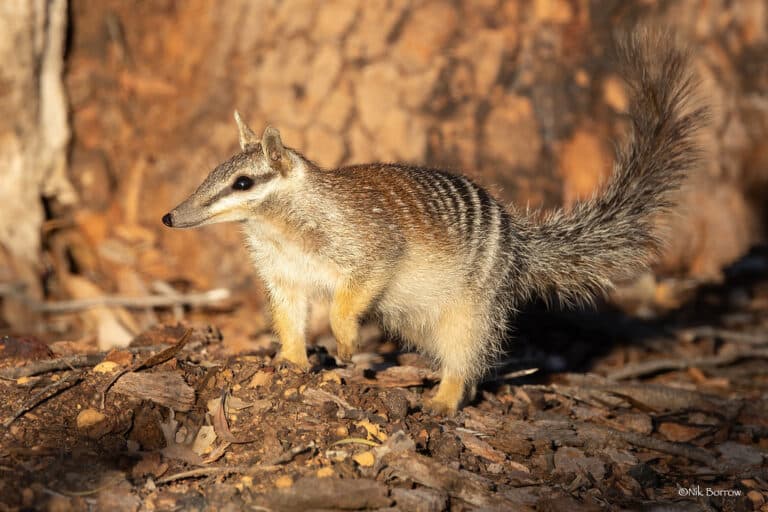
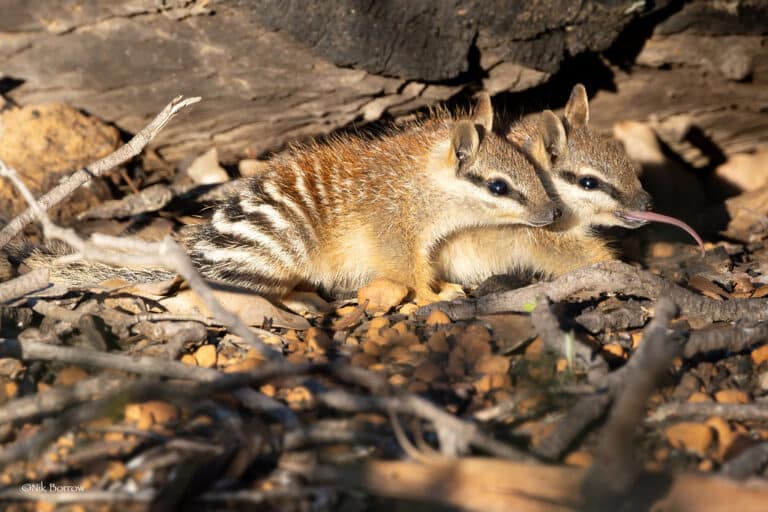

The Basics


explore more
Amphibians
Arachnids
Birds
Cats
Crustaceans
Fish
Fish Pet Guide
Gastropods
Insects
Invertebrates
Mammals
Pet Fish
Pet Rodents
Plants
Reptiles
Roundworms
Sea Slugs