Successfully copied to clipboard!
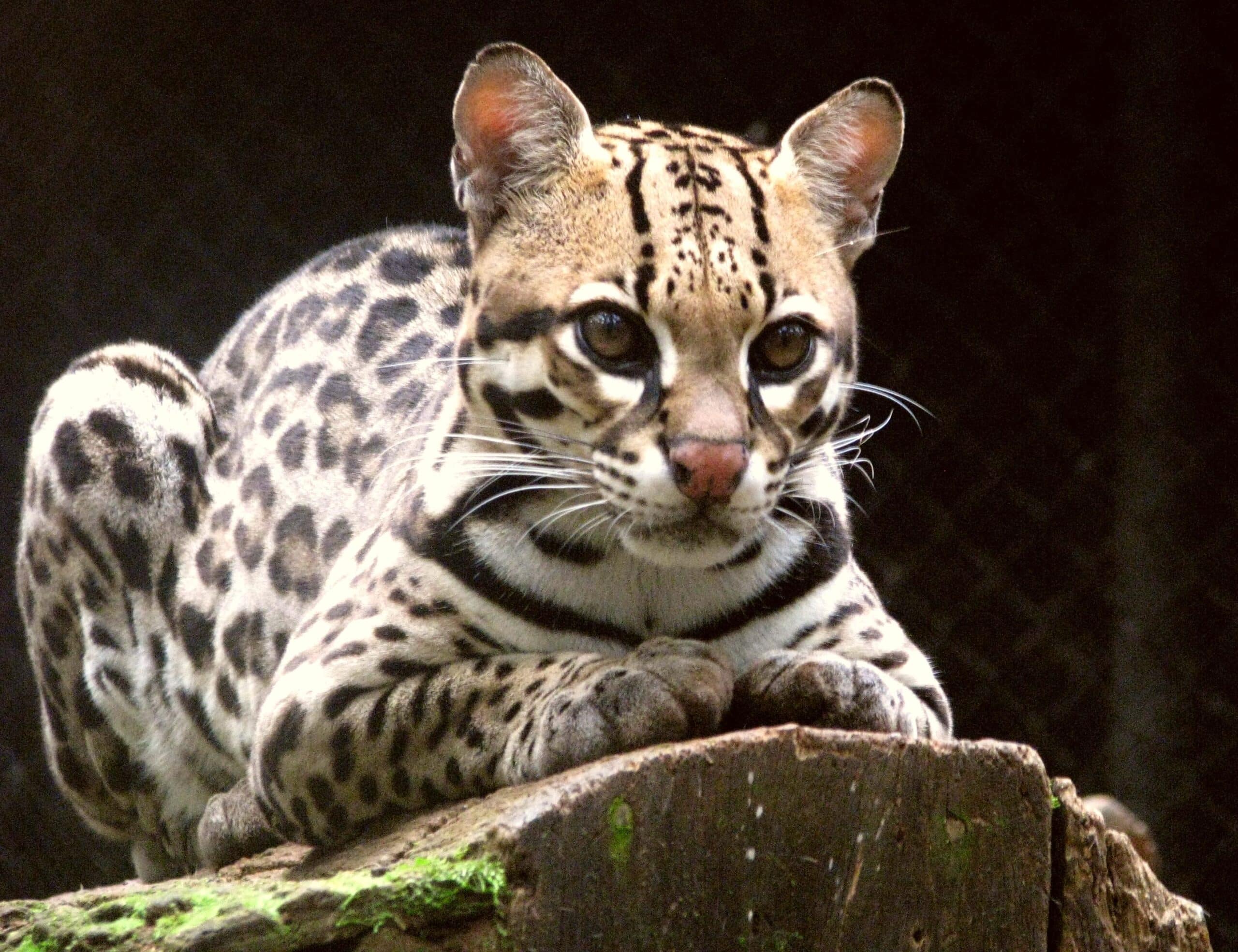
Ocelot
Unlock the mystery of the spotted jungle ninja!
Let’s Explore
Overview
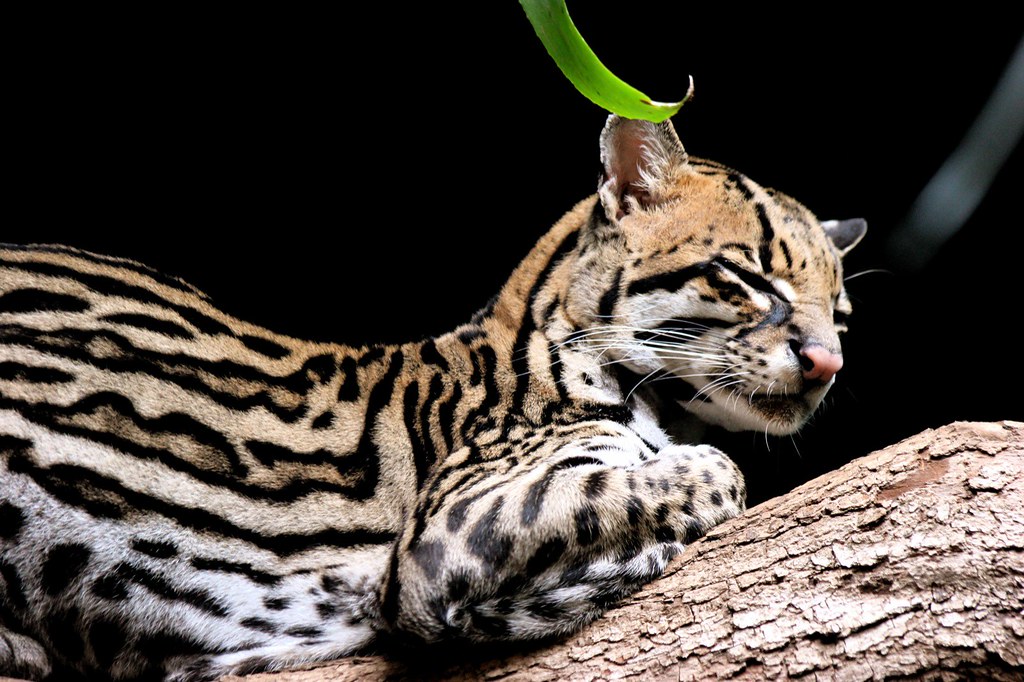
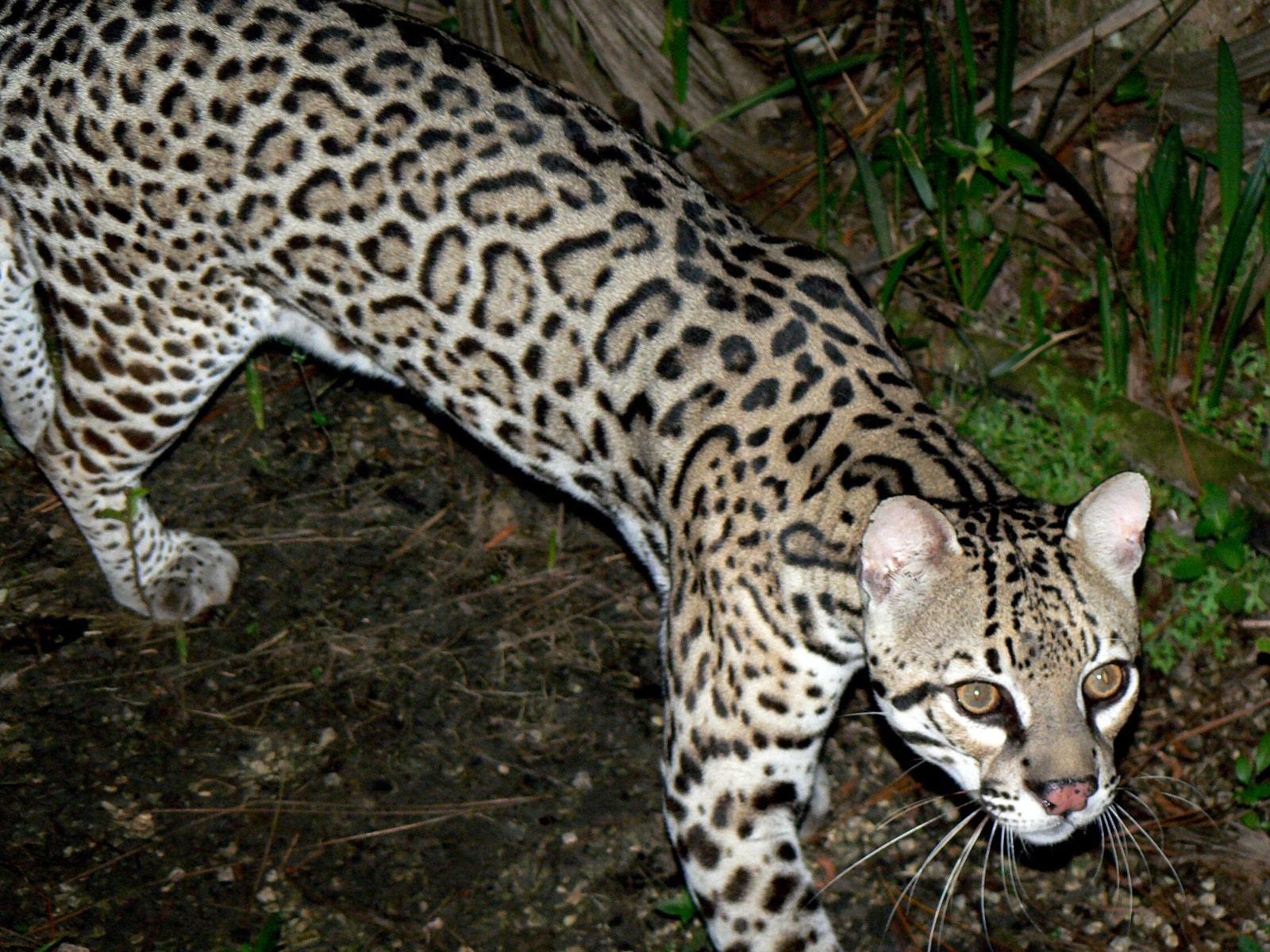
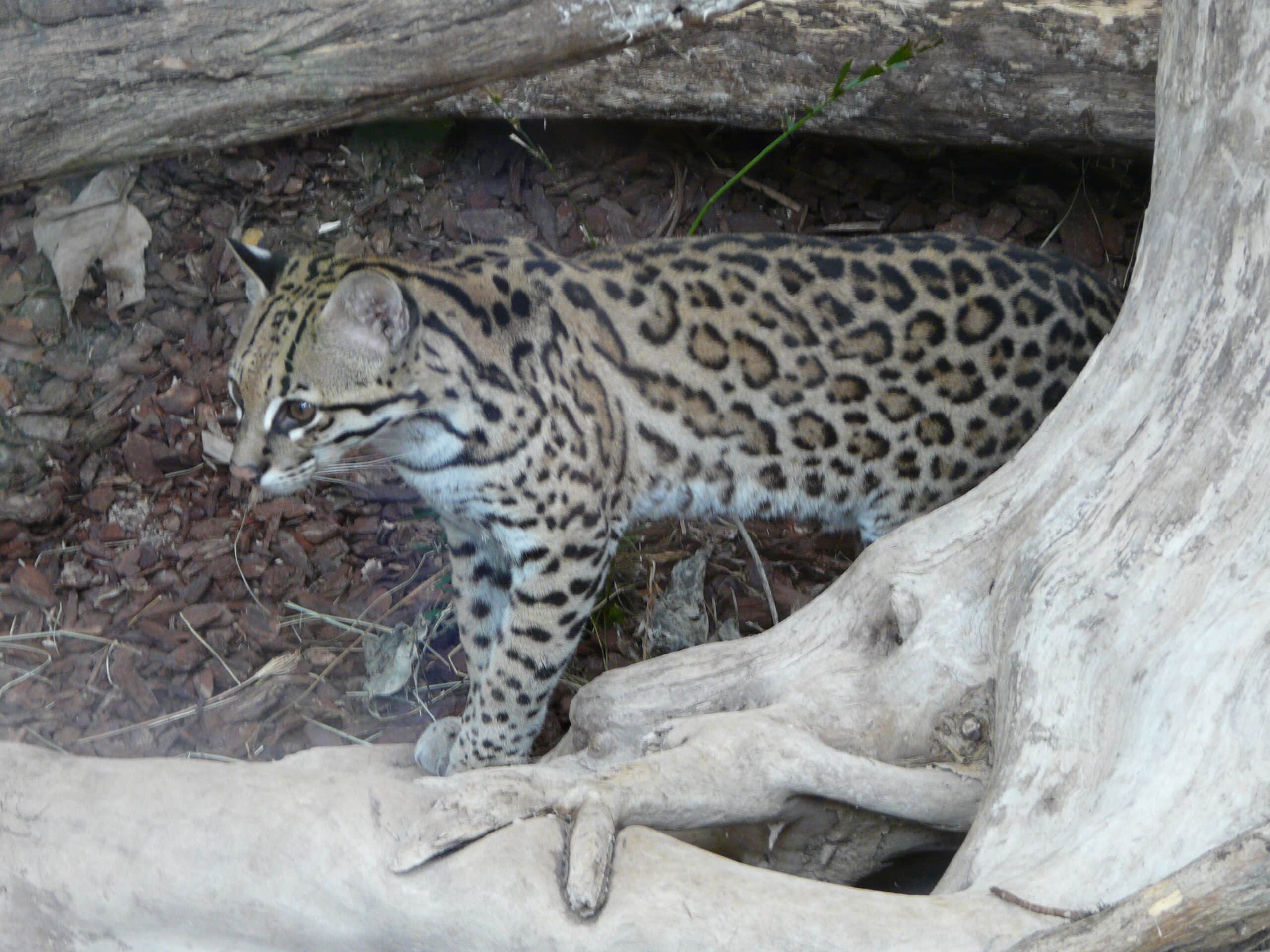
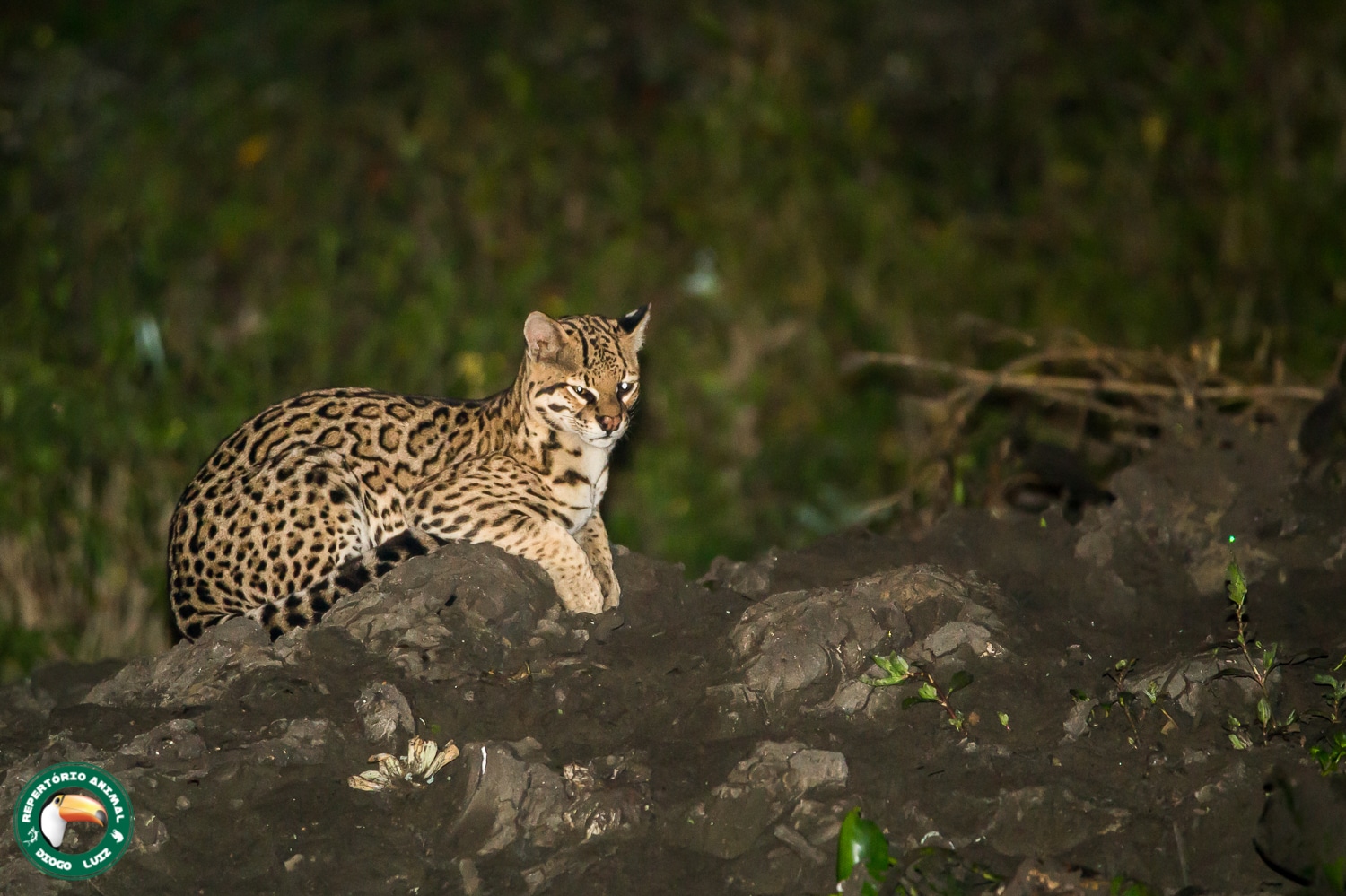
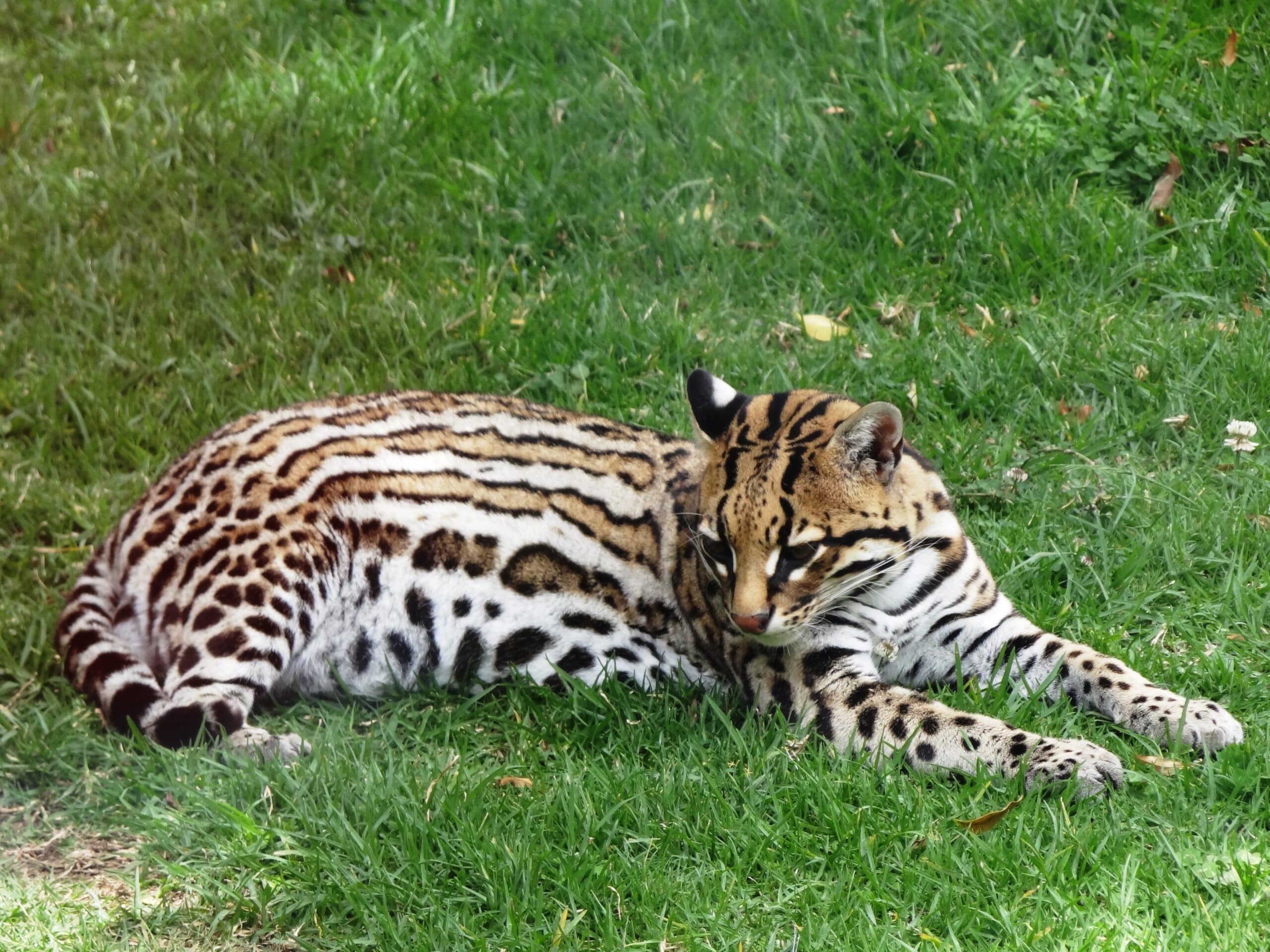
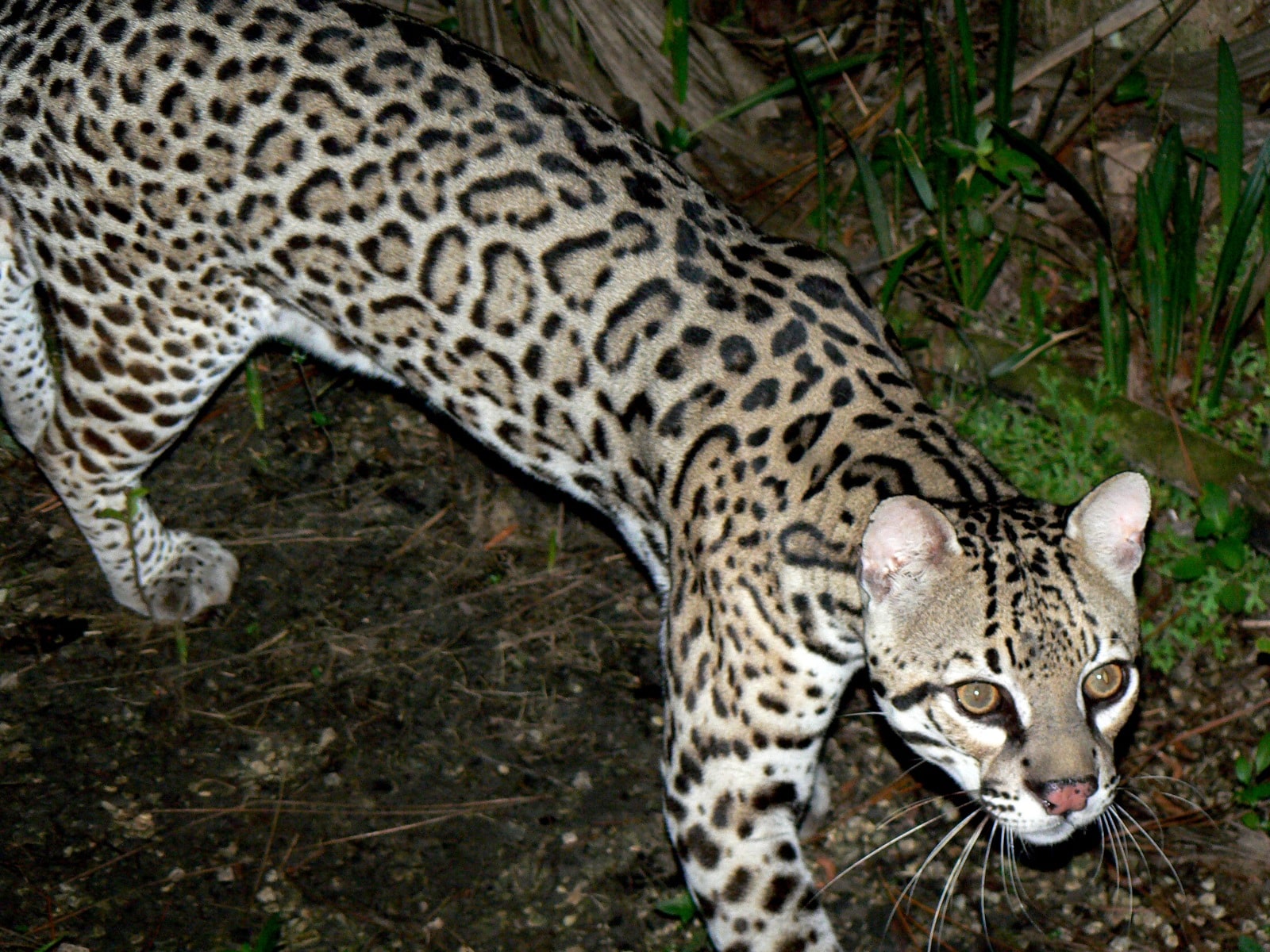
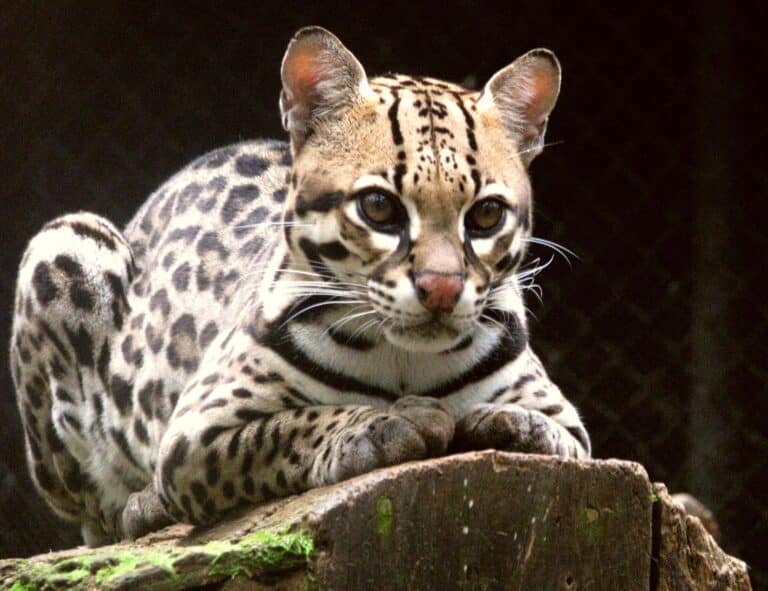
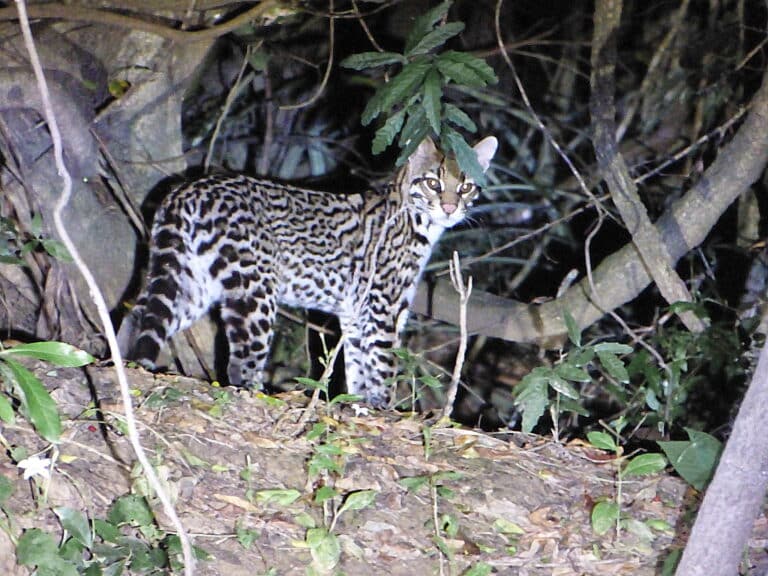
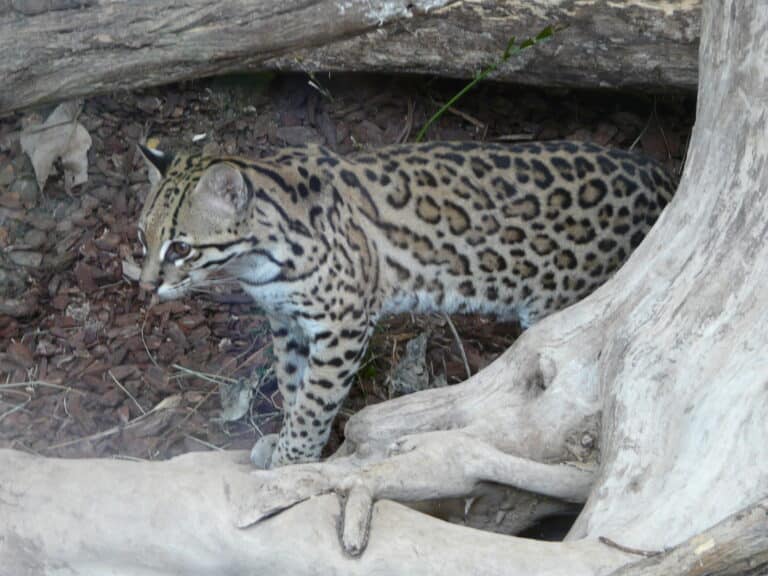
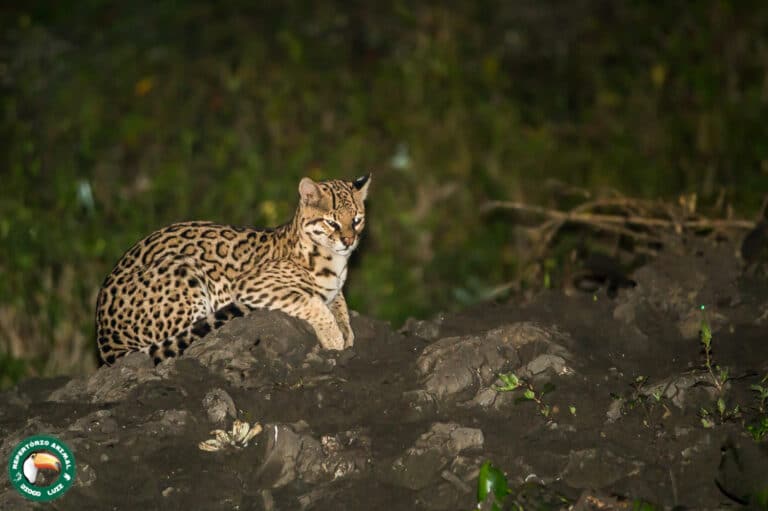
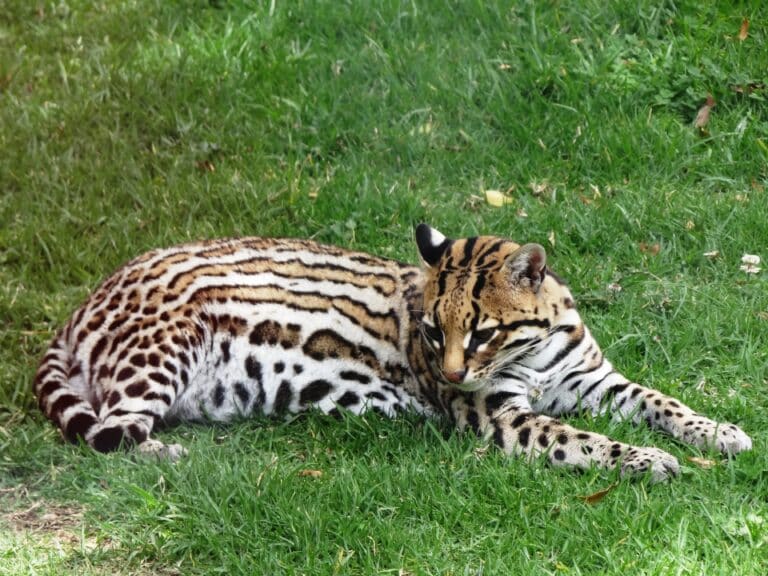
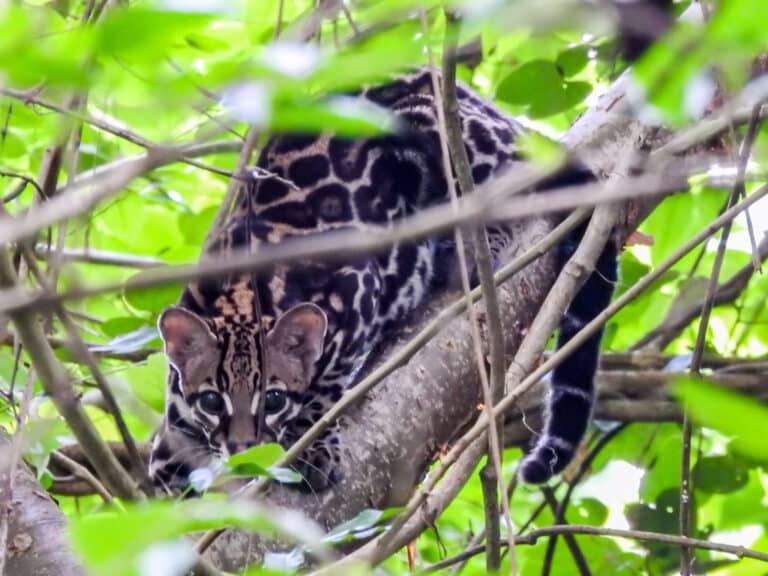
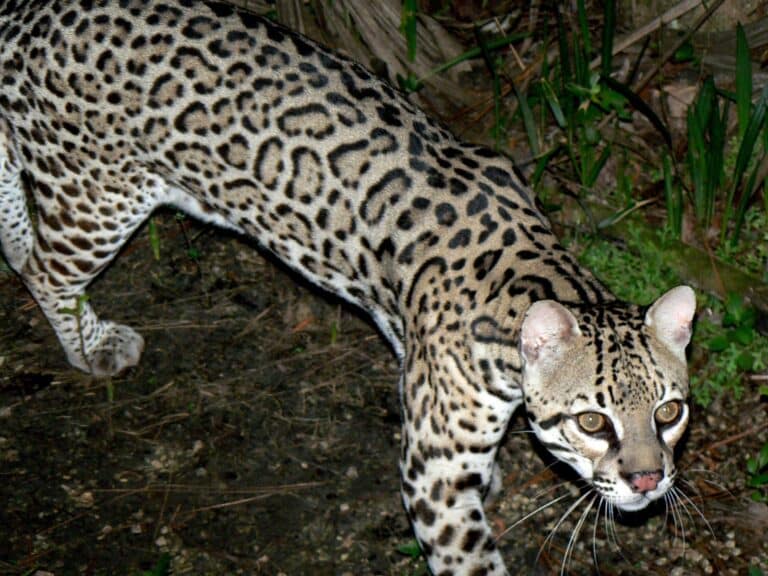
The ocelot is a strikingly beautiful wild cat that roams the jungles of Central America. This spotted feline, with its glimmering coat, measures between 0.6 to 0.9 meters (2 to 3 feet) long, making it a purr-fectly sized predator!
Ocelots belong to the family Felidae, which includes tigers and house cats. Their scientific name is Leopardus pardalis, but you can call them ocelots, or as I like to say, the perfect blend of spots and stripes!
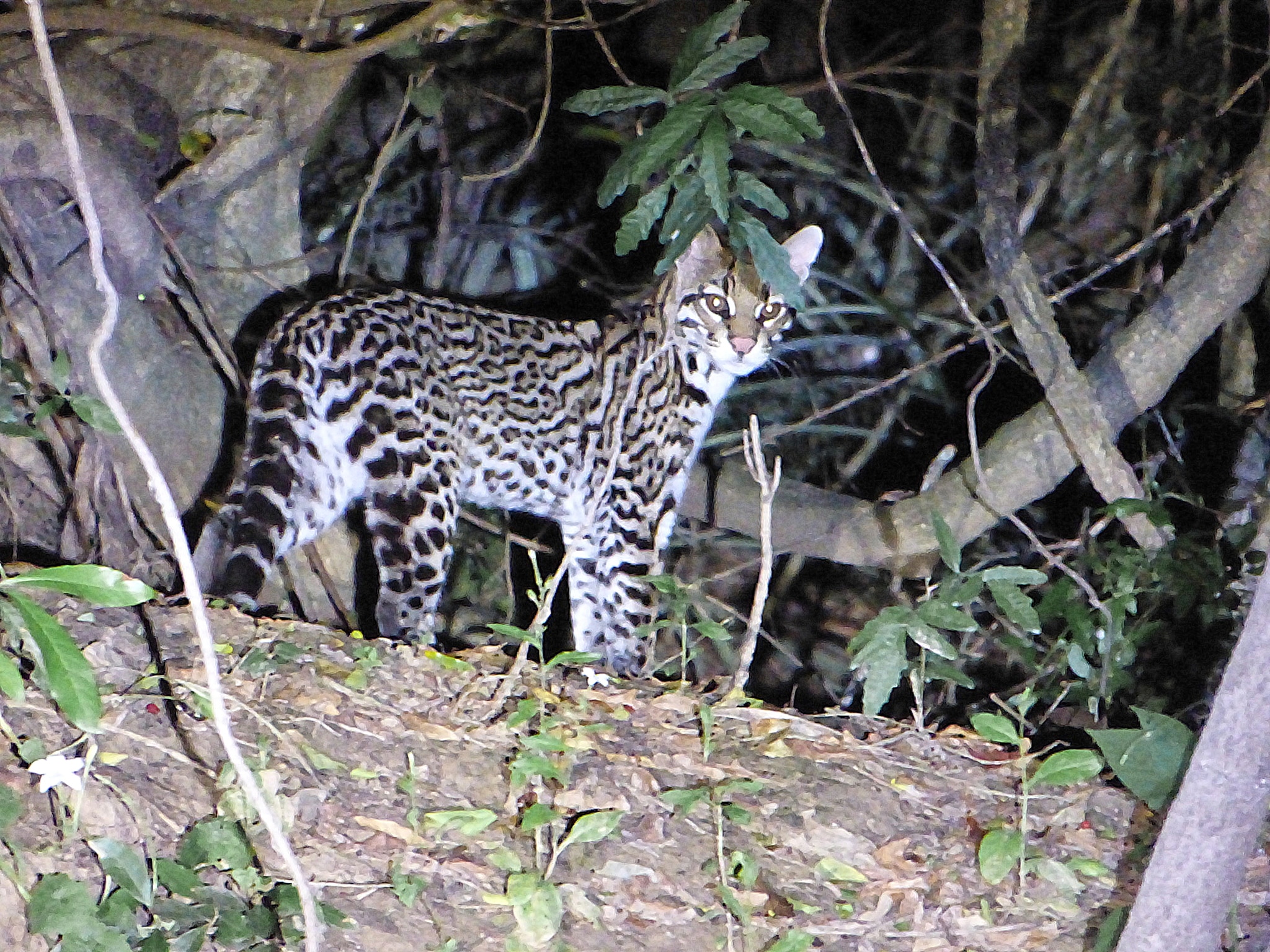
These crafty carnivores feed mostly on small mammals, birds, and reptiles. With sharp senses and incredible stealth, ocelots sneak through the underbrush like furry ninjas, ready to pounce on their next meal.
Ocelots have an average lifespan of 7 to 10 years in the wild. That gives them plenty of time to master the art of camouflage and enjoy their life as elusive jungle celebrities!
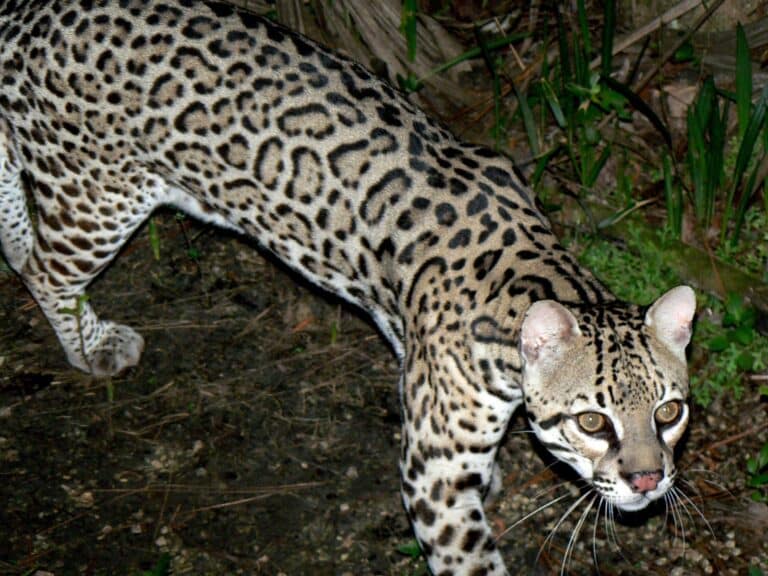
They live in a variety of habitats, from tropical forests to grasslands, showcasing their adaptability. Whether it's swinging through trees or strutting across the ground, ocelots know how to move with style!
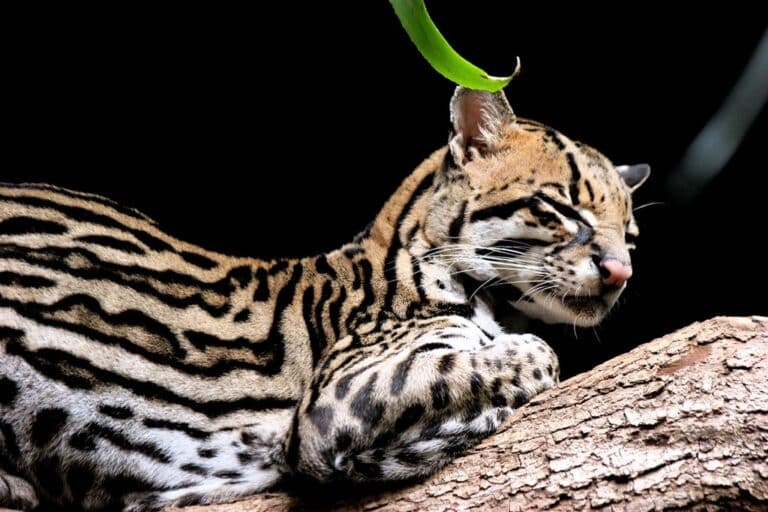
Fascinatingly, ocelots are mostly nocturnal, meaning they come alive at night. While you snooze in your cozy bed, these sneaky cats are out hunting, stealing the spotlight in the moonlit jungle.
Overall, the ocelot is a fantastic example of nature's creativity, blending beauty and skills in one dazzling package. So next time you hear a rustle in the bushes, remember to think of the magnificent ocelot on the prowl!

Where can you find a Ocelot in the wild?
What does a Ocelot eat?
How big can a Ocelot grow?
How long does a Ocelot typically live?
What is the conservation status of the Ocelot?
What are the main threats to the Ocelot?
Fun facts
The ocelot can leap up to 3 meters (about 10 feet) in the air, making it a nimble hunter that surprises its prey from above.


These stunning cats can purr like house cats, but they can also make a variety of sounds, including growls and even a unique "meow" that sounds more like a bird chirping!
Ocelots have a special adaptation: their fur can change color slightly with the season, helping them blend better into their surroundings. Talk about a fashion statement!
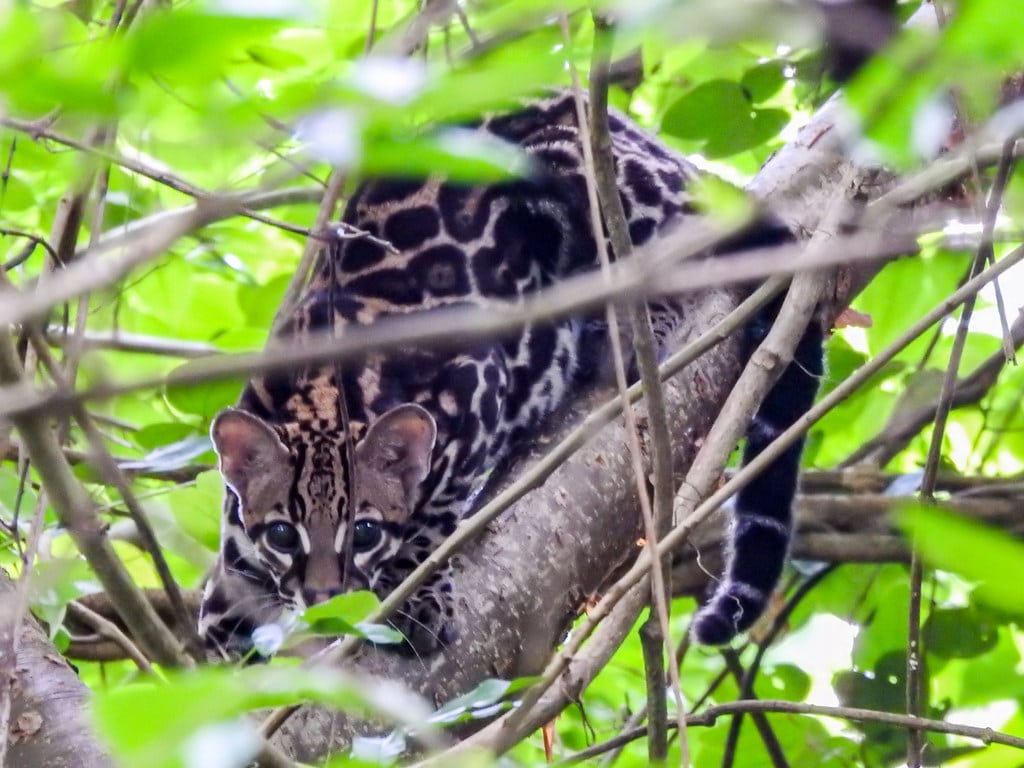
These crafty felines often use their sharp claws to climb trees and hunt for birds or find a safe spot to nap. They make their own cozy treehouses!
Ocelots mark their territory with scent, using their urine and scratch marks, so other ocelots know their favorite hangout spots. They are like nature's little landlords!
Young ocelots learn to hunt by watching their mothers, practicing their sneaky moves. Mother ocelots play the role of both teacher and superhero!
Sometimes called the "dancing cat," ocelots move with such grace and rhythm that they seem to glide through the forest, like they are on a jungle dance floor.
These cats can run at speeds of up to 48 kilometers per hour (30 miles per hour), allowing them to chase down fast-moving prey with amazing speed.
Photos





The Basics


explore more
Amphibians
Arachnids
Birds
Cats
Crustaceans
Fish
Fish Pet Guide
Gastropods
Insects
Invertebrates
Mammals
Pet Fish
Pet Rodents
Plants
Reptiles
Roundworms
Sea Slugs