Successfully copied to clipboard!
Onager
Unleash your adventurous spirit with this desert wanderer!
Let’s Explore
Overview
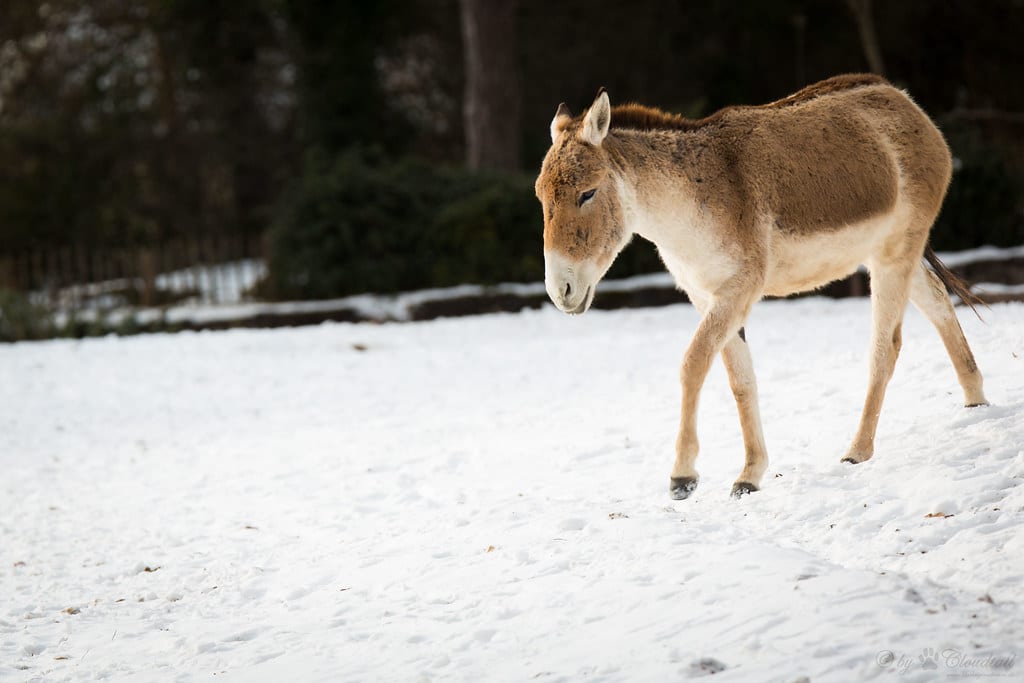
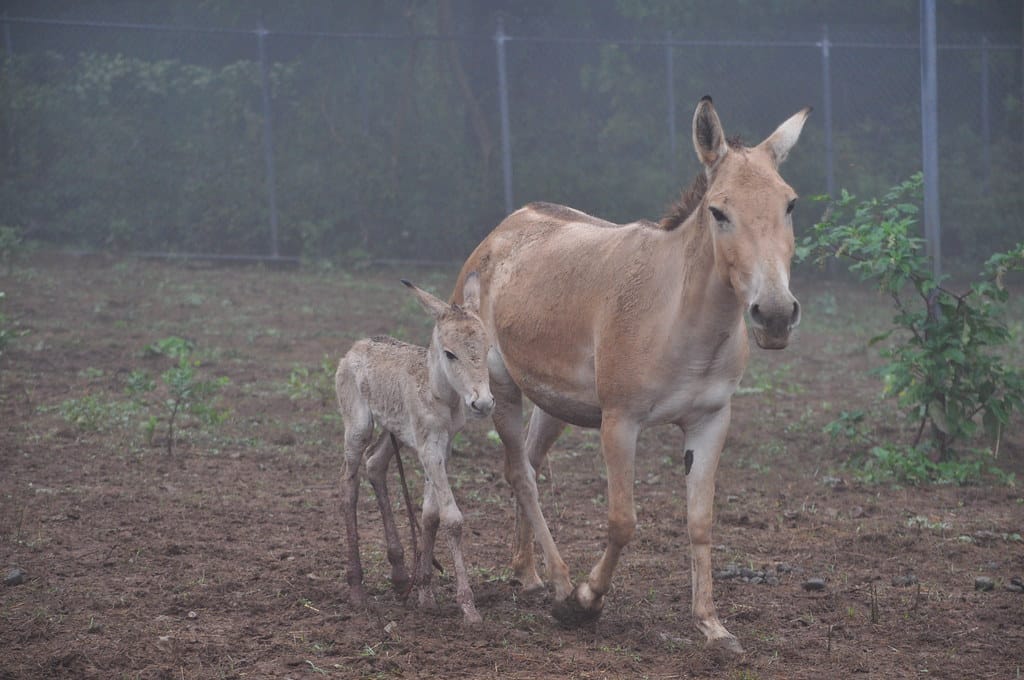
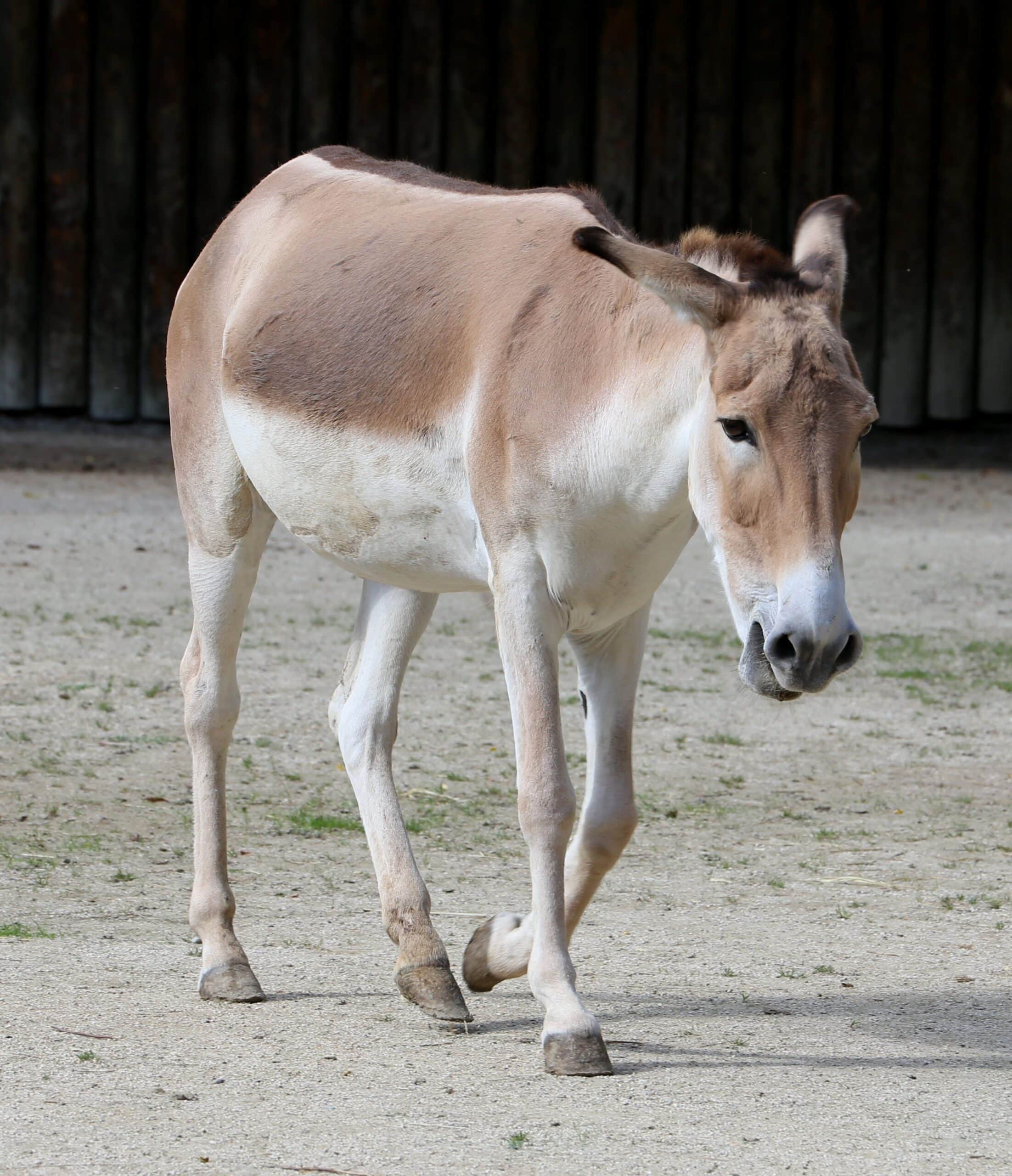
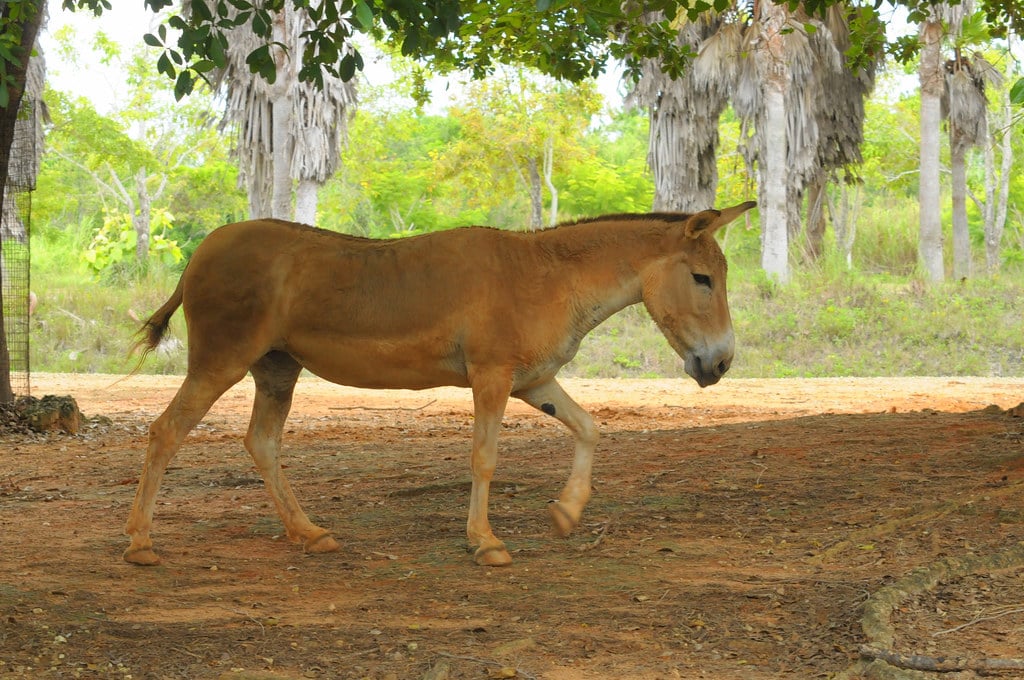
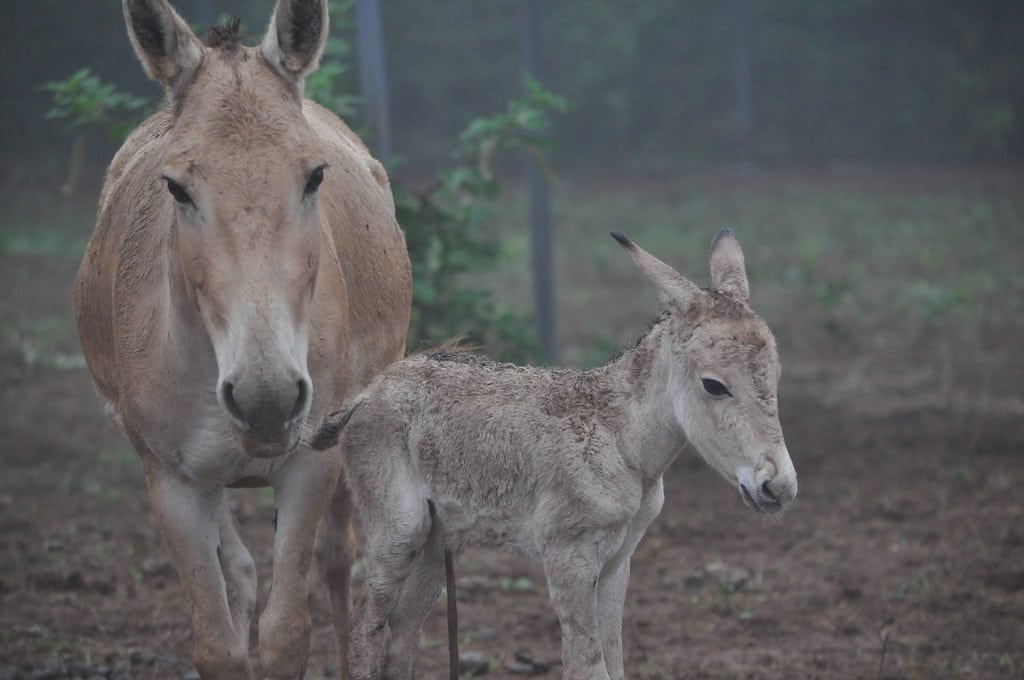
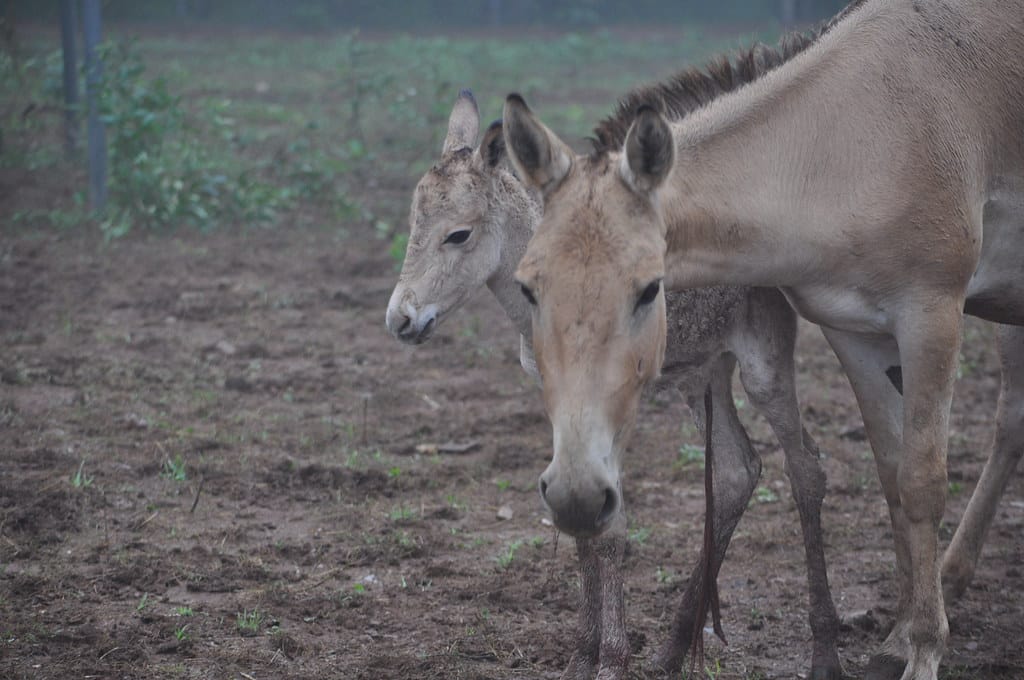
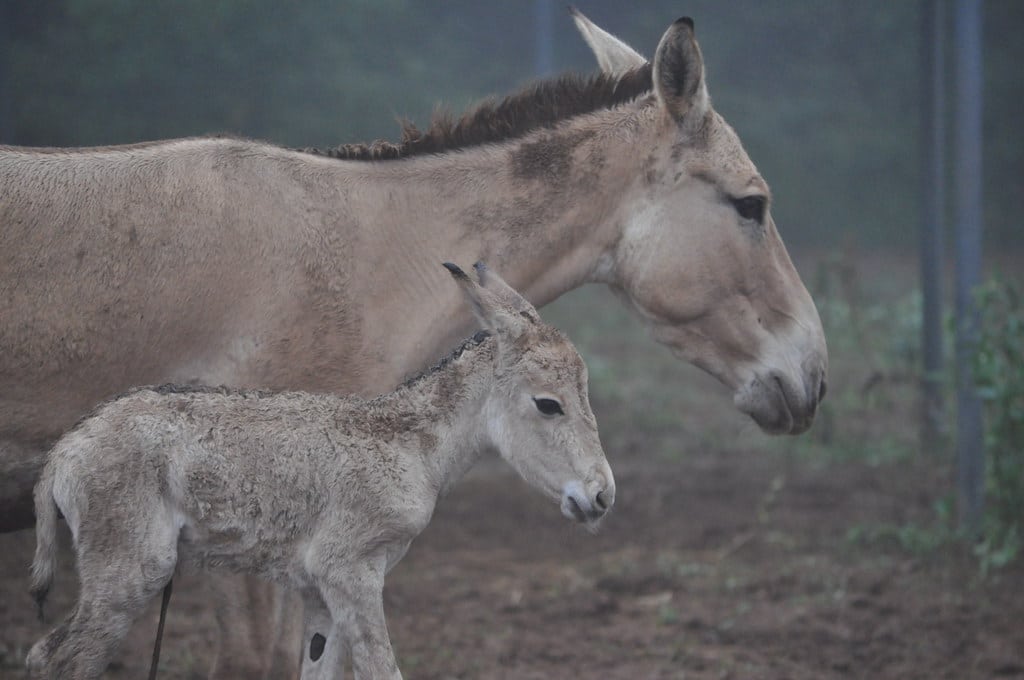
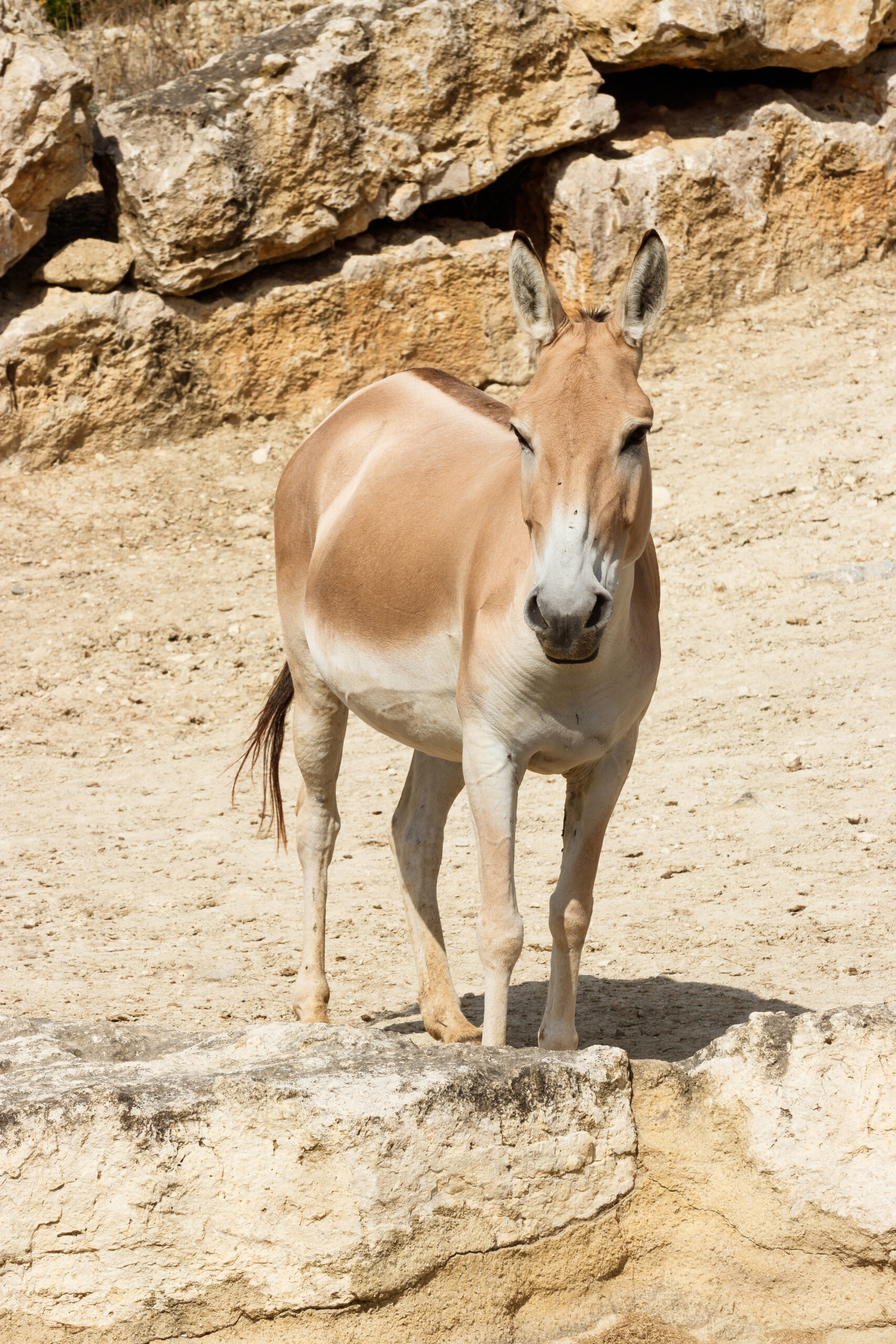
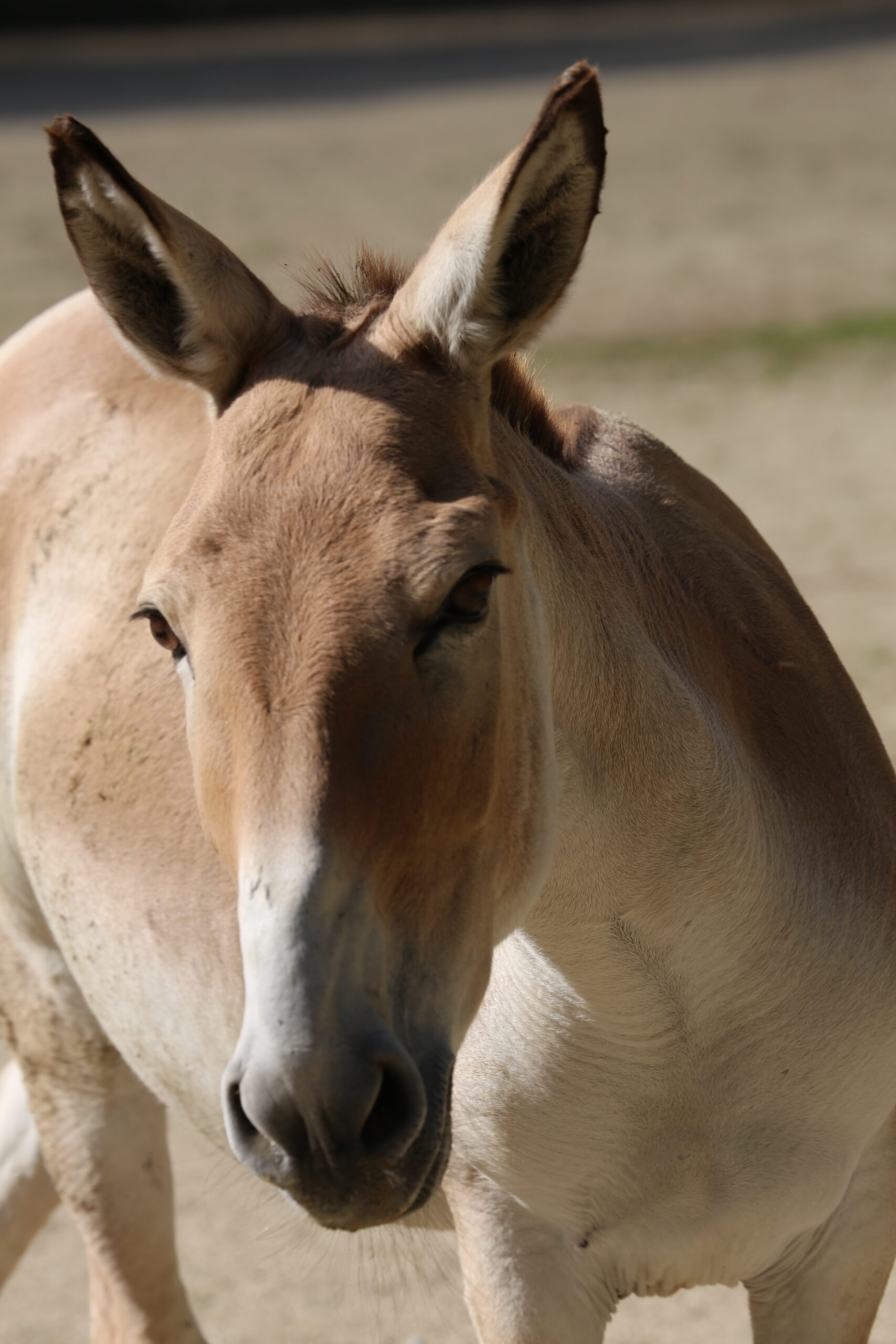
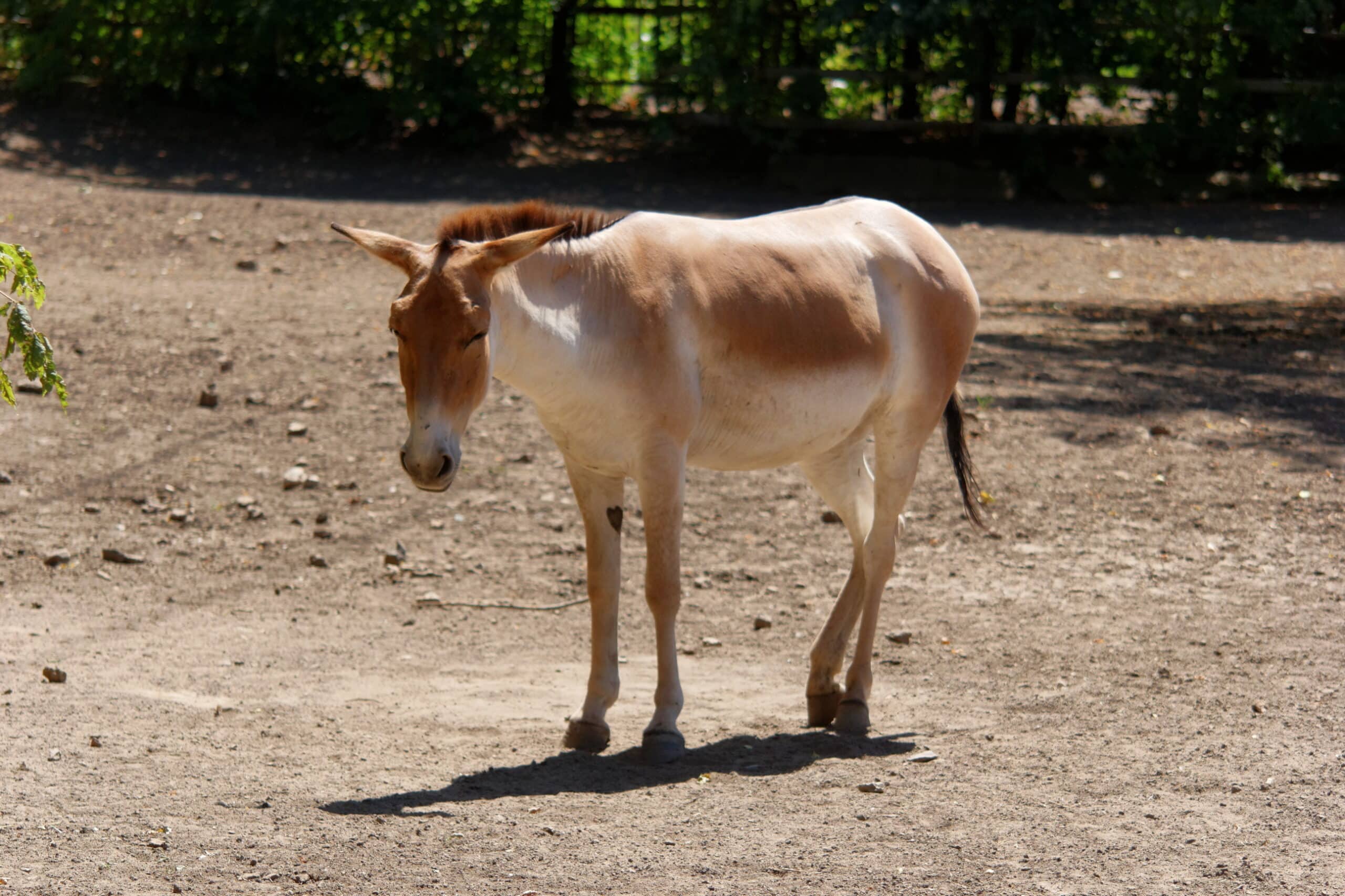
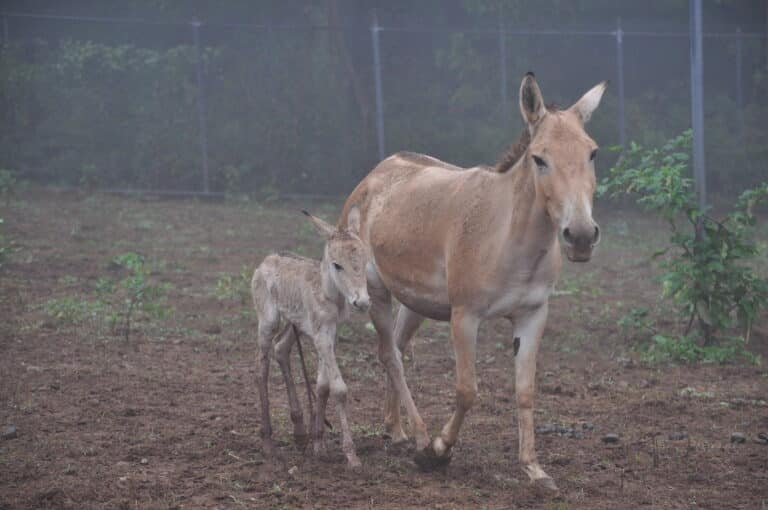
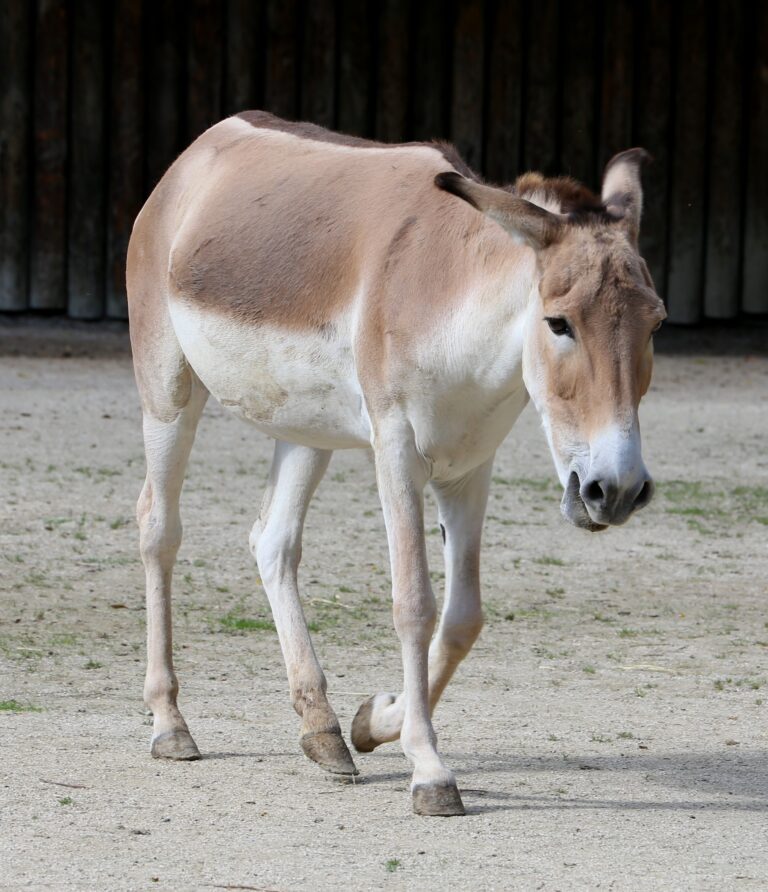
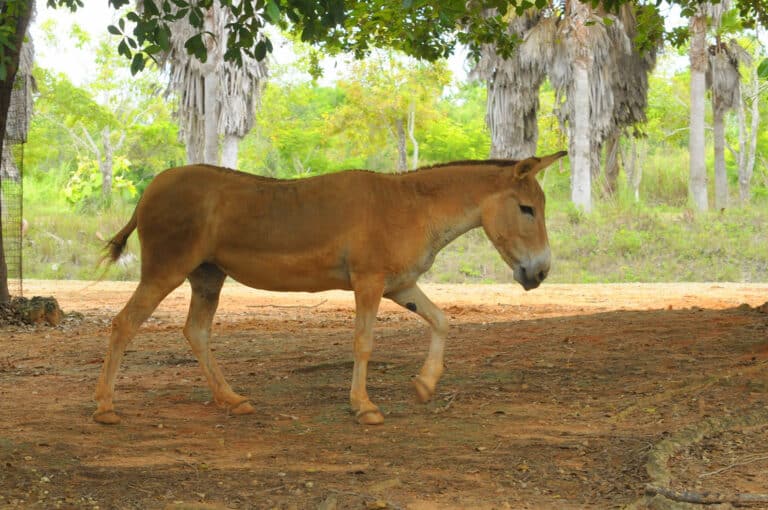
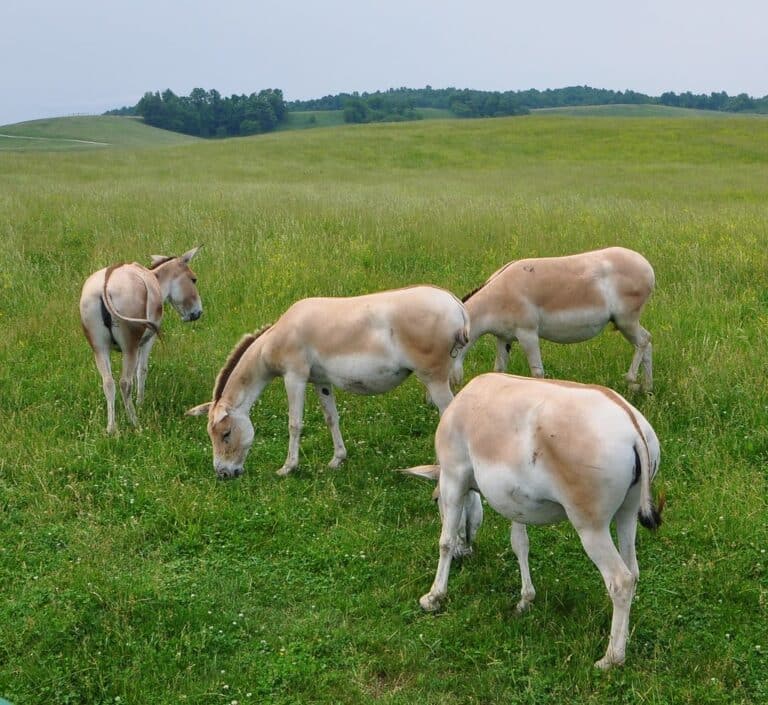
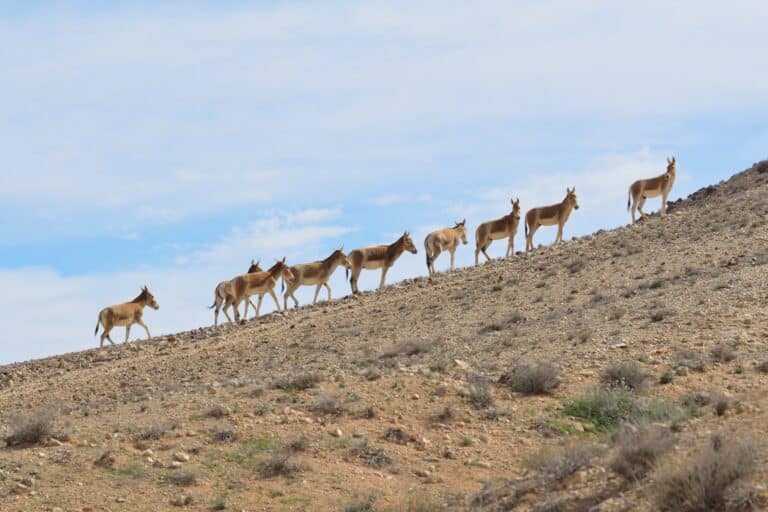
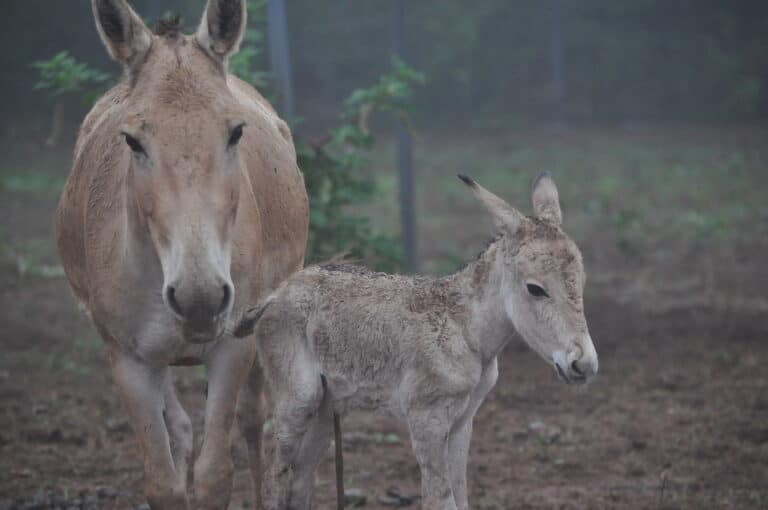
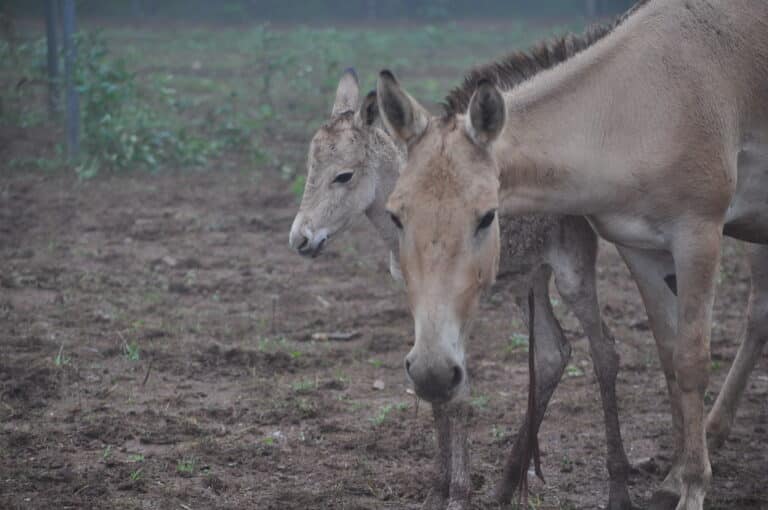
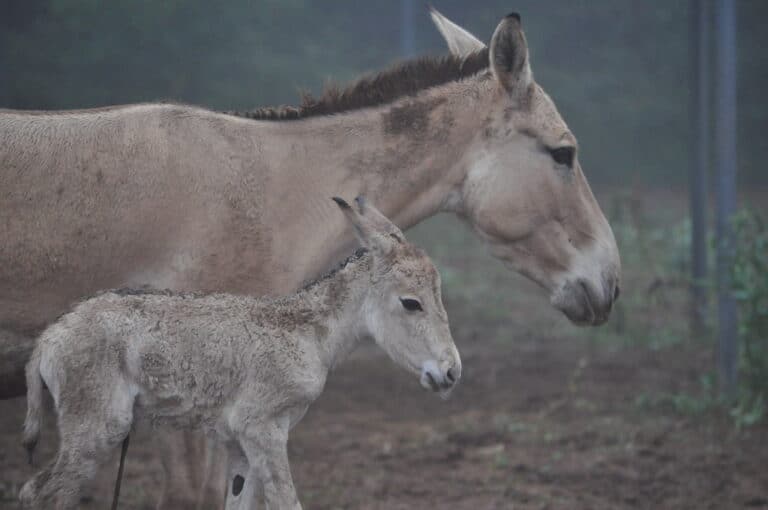
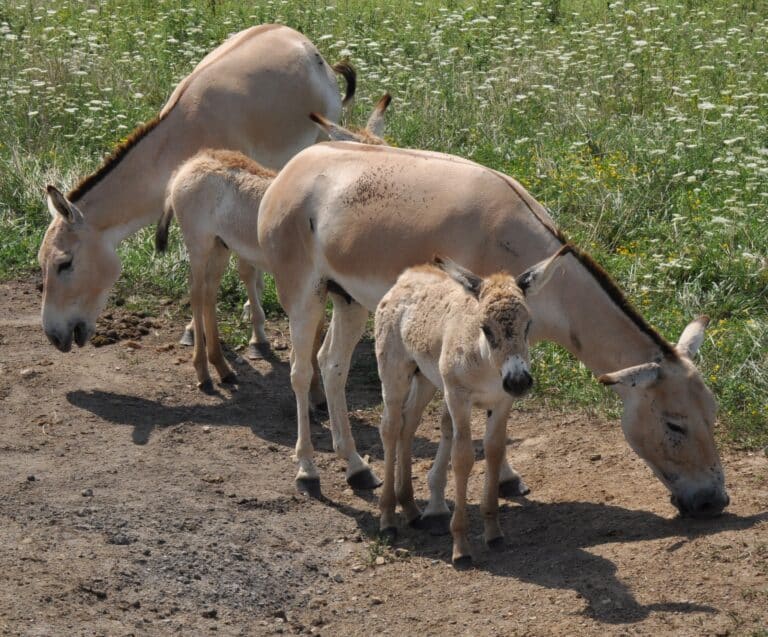
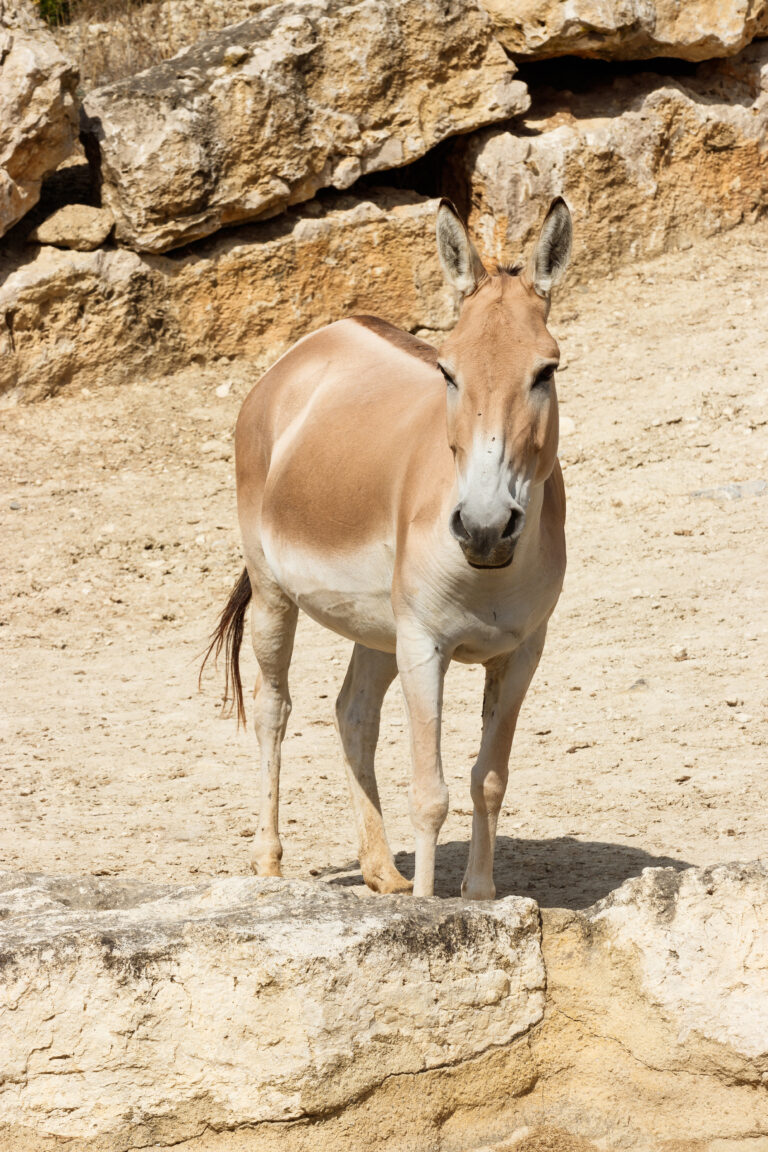
The onager is a cool and unique wild donkey that roams the Asian deserts and grasslands. These animals measure about 2 meters (6.6 feet) long and have sturdy bodies that help them survive in harsh climates.
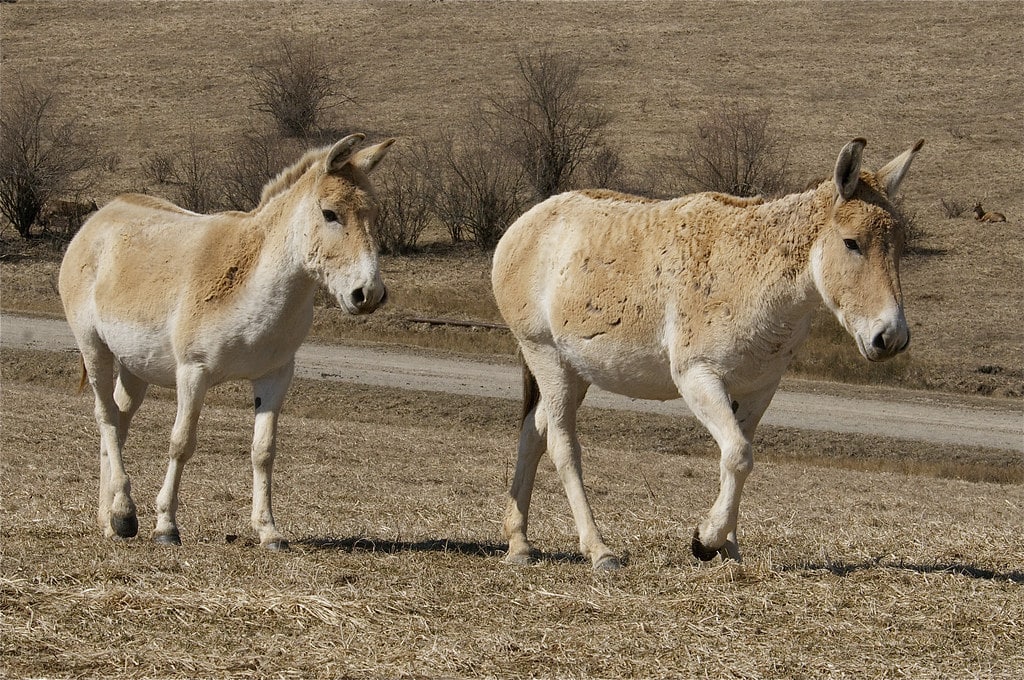
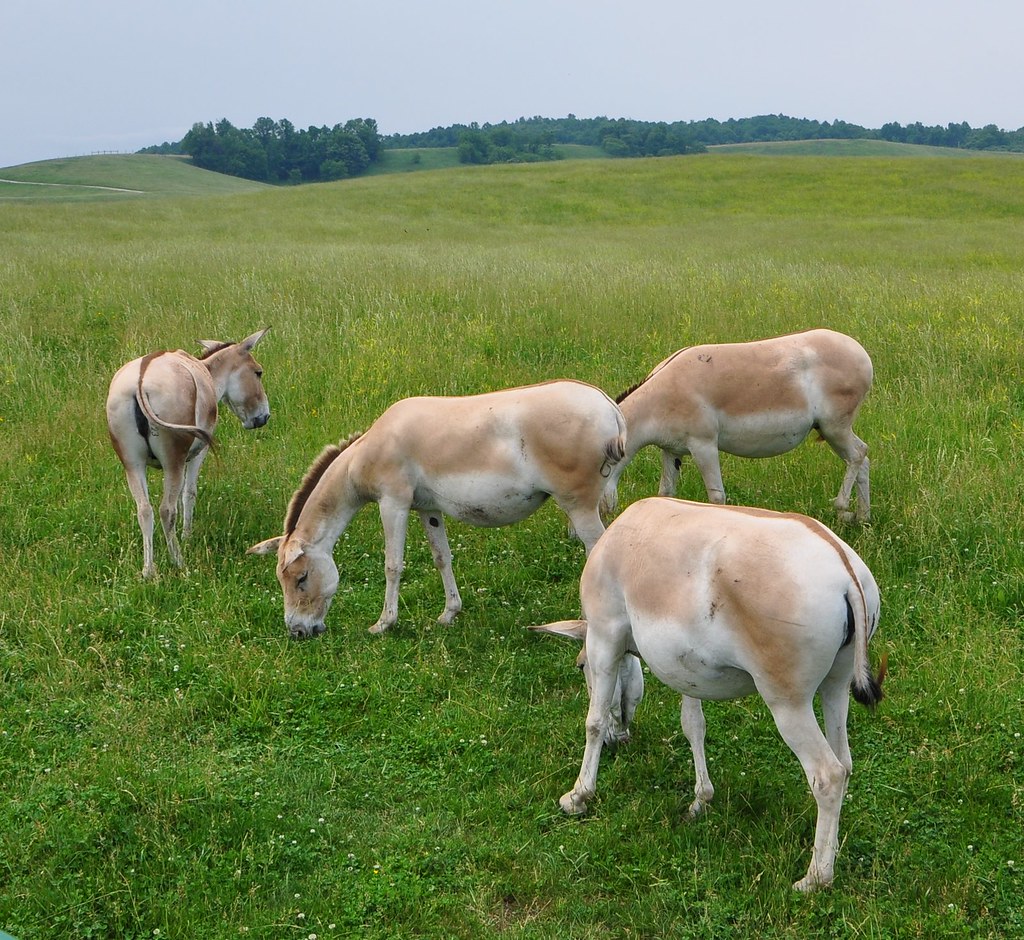
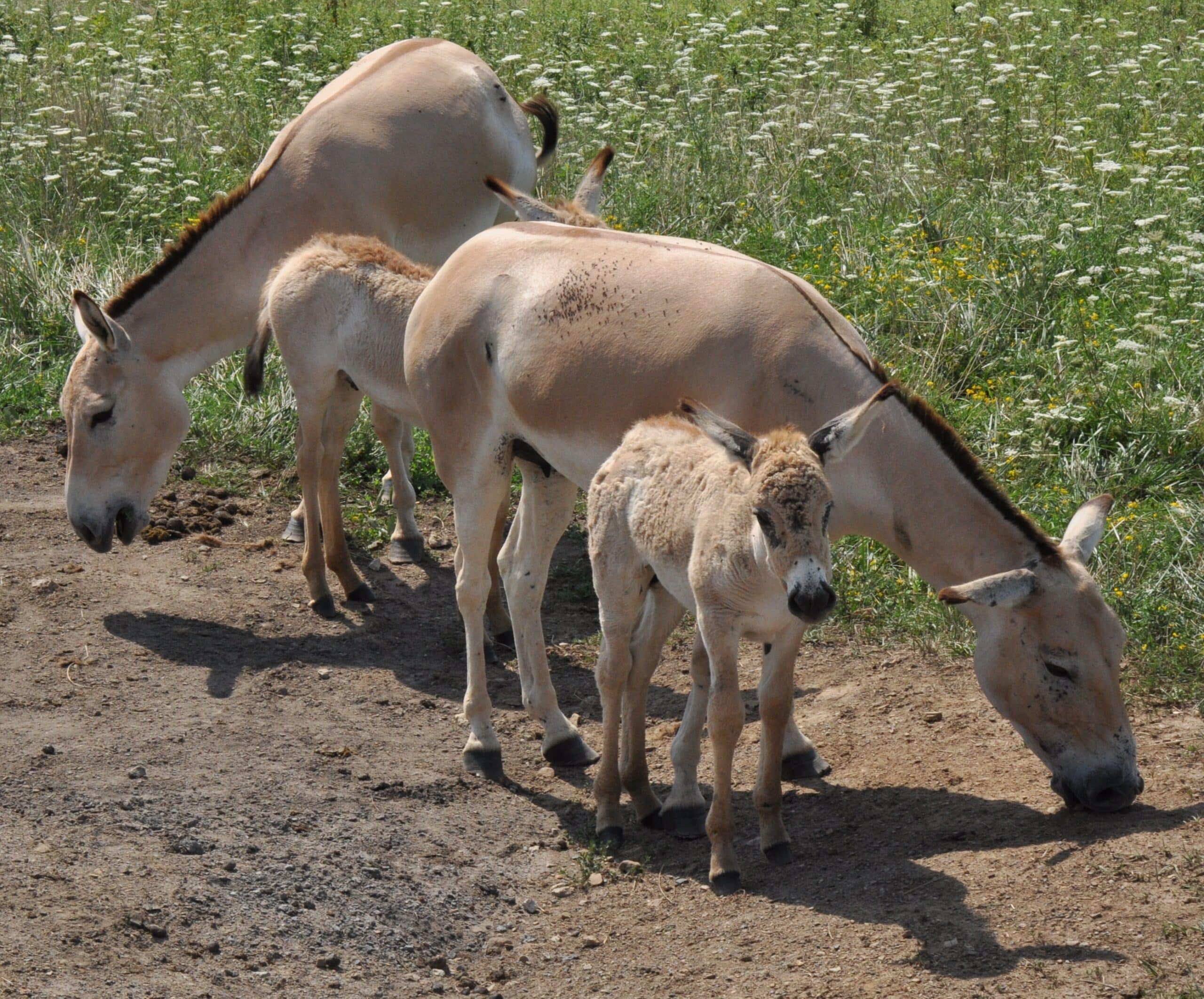
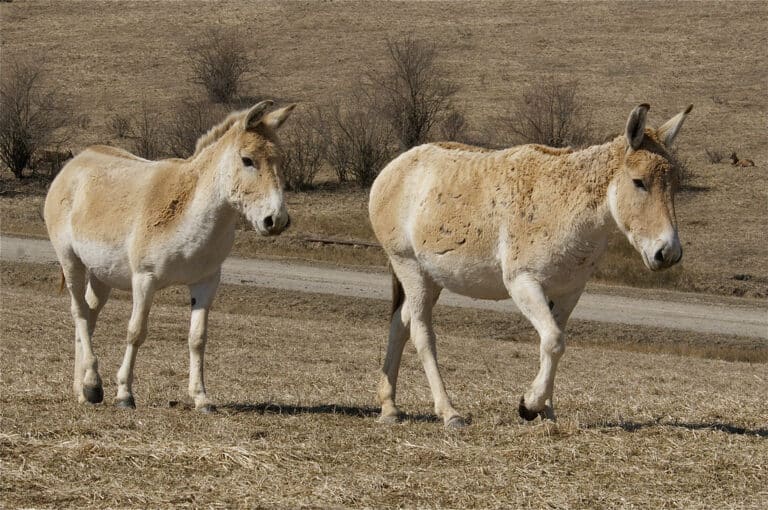
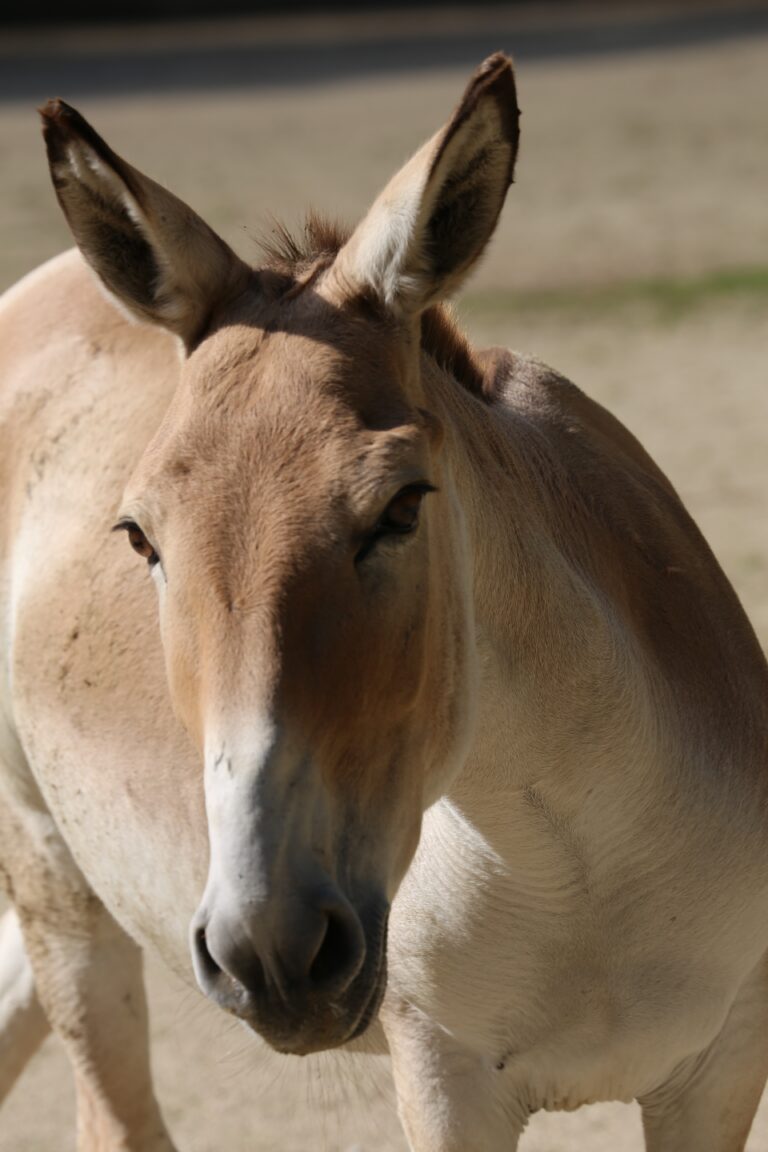
Onagers belong to the horse family, making them distant cousins of our beloved domestic horses. They sport beautiful, short fur that comes in a range of sandy colors, helping them blend in with their surroundings like a master of camouflage!
These fascinating creatures munch on grass, leaves, and fruits, making them herbivores. Onagers have sharp senses and keen eyesight that help them find food and detect predators, keeping them quick on their hooves and ready to dash.
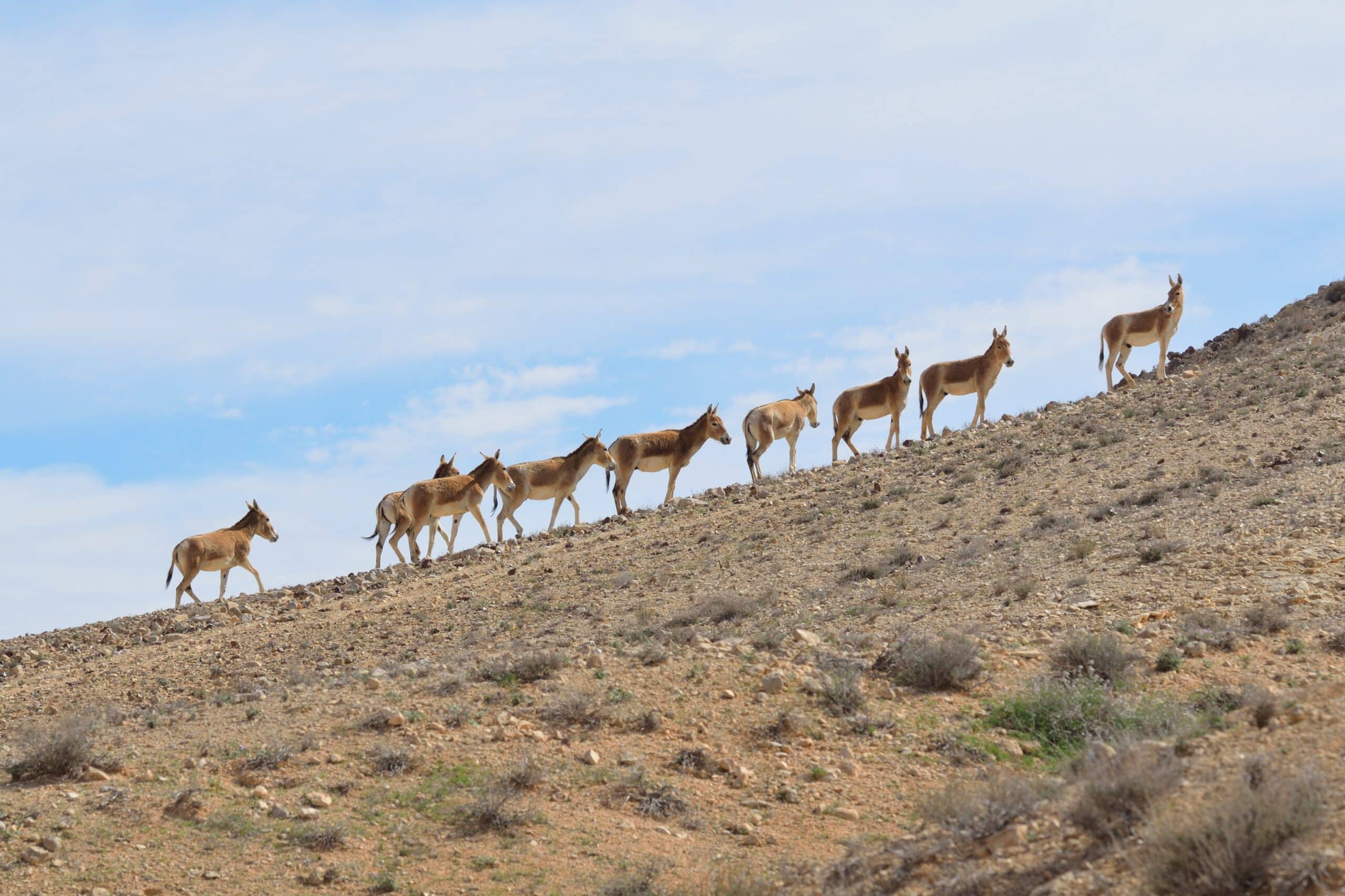
Onagers live for about 15 to 20 years in the wild, making the most of their time exploring and wandering their vast territory. Their social nature leads them to form small groups, where they share companionship and safety in numbers.
So next time you hear a bray that sounds like a horse, remember that it might just be an onager reminding us of its wild roots and unique place in the animal kingdom!

Where can you find a Onager in the wild?
What does a Onager eat?
How big can a Onager grow?
How long does a Onager typically live?
What is the conservation status of the Onager?
What are the main threats to the Onager?
Fun facts
Onagers can run at speeds of up to 65 kilometers per hour (40 miles per hour) when they're excited, making them one of the fastest wild donkeys out there!


These animals can drink water only about every 3 to 4 days, allowing them to thrive in extremely dry habitats with little water.
Onagers have an efficient digestive system that allows them to extract moisture from their food, which helps them stay hydrated even in arid environments.
In the wild, onagers spend time grooming each other to strengthen their bonds, making them social animals that enjoy helping one another look their best!
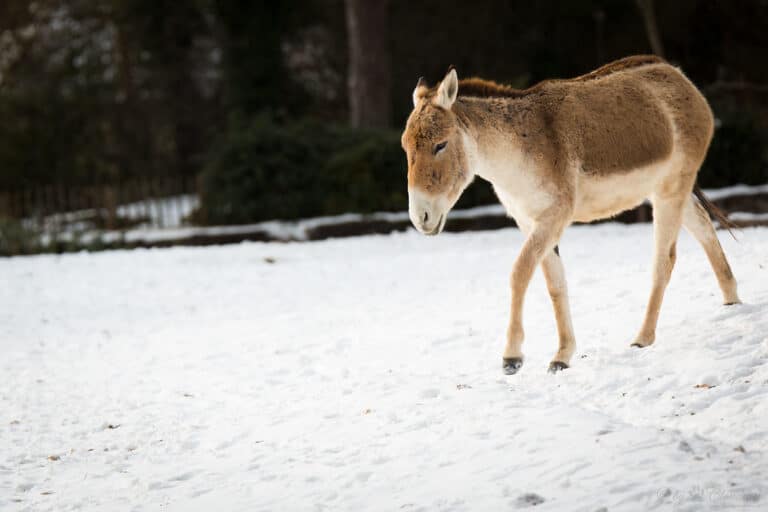
The onager's coat color changes with the seasons. In summer, it appears lighter to reflect the sun, while in winter, it becomes darker to absorb warmth!
These donkeys show signs of great intelligence, using their problem-solving skills to navigate tricky terrain and find hidden food sources.
A group of onagers is called a 'drove.' This playful name highlights their amazing social lives as they travel and graze together.
Onagers communicate using a variety of vocalizations, including barks, whinnies, and brays. They have a language all their own to express feelings and alert others!
The onager’s long legs help it run fast and jump over obstacles, allowing for quick escapes from predators in the wild.
Scientists study onagers to learn more about how animals adapt to harsh environments, helping them understand conservation needs and animal behavior!
Photos

The Basics


explore more
Amphibians
Arachnids
Birds
Cats
Crustaceans
Fish
Fish Pet Guide
Gastropods
Insects
Invertebrates
Mammals
Pet Fish
Pet Rodents
Plants
Reptiles
Roundworms
Sea Slugs