Successfully copied to clipboard!
Orange-Crowned Warbler
Explore the cheerful songbirds that brighten every branch!
Let’s Explore
Overview
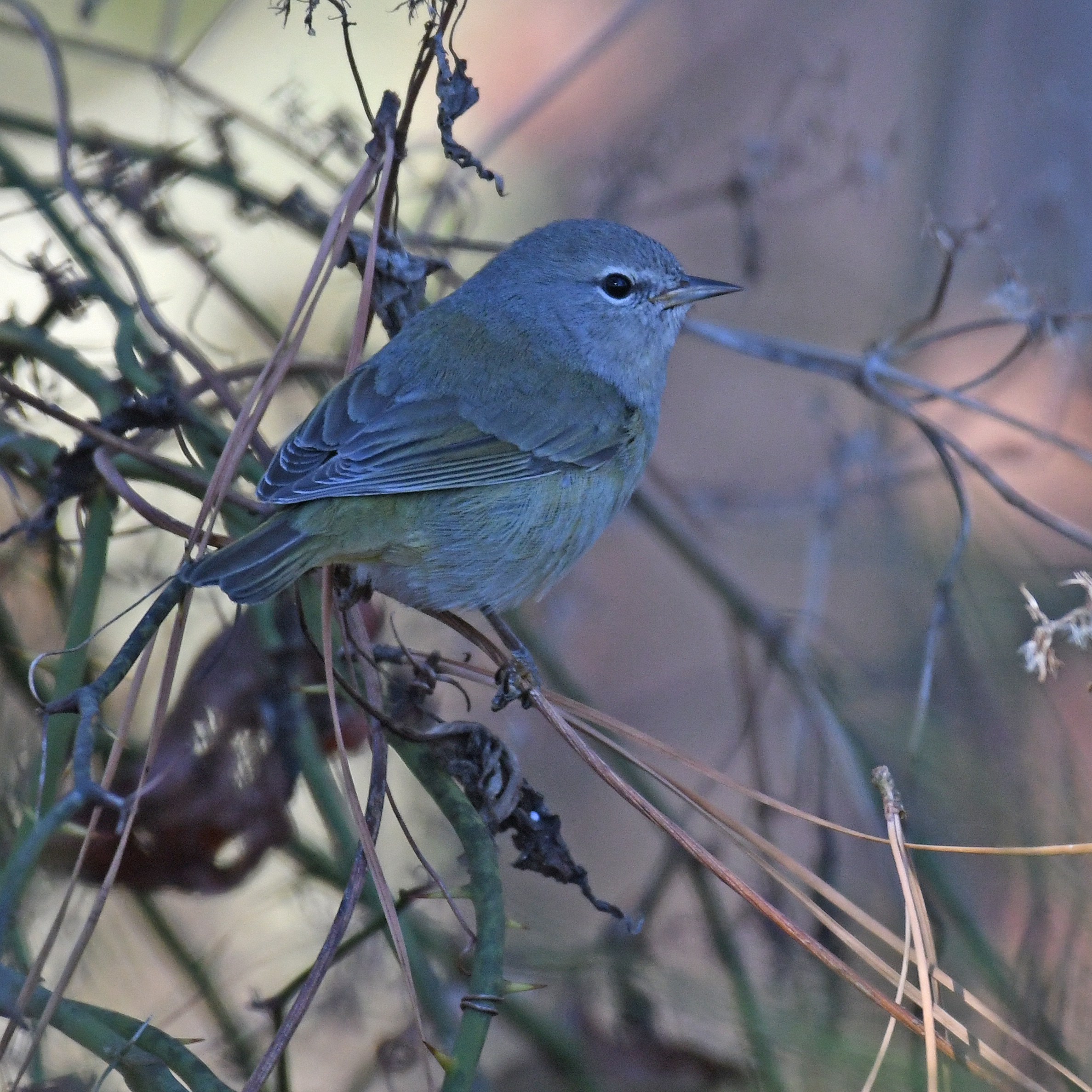
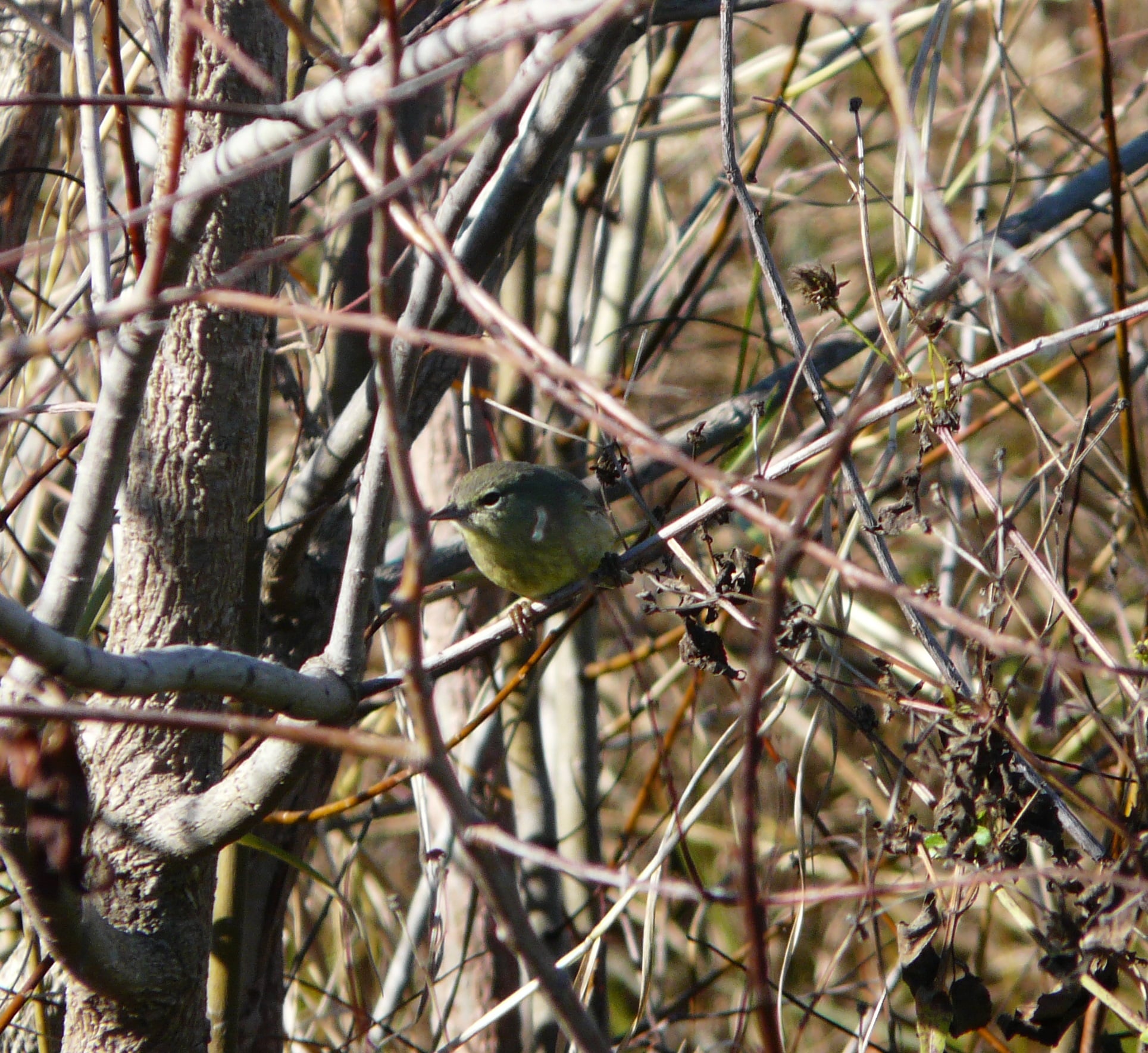
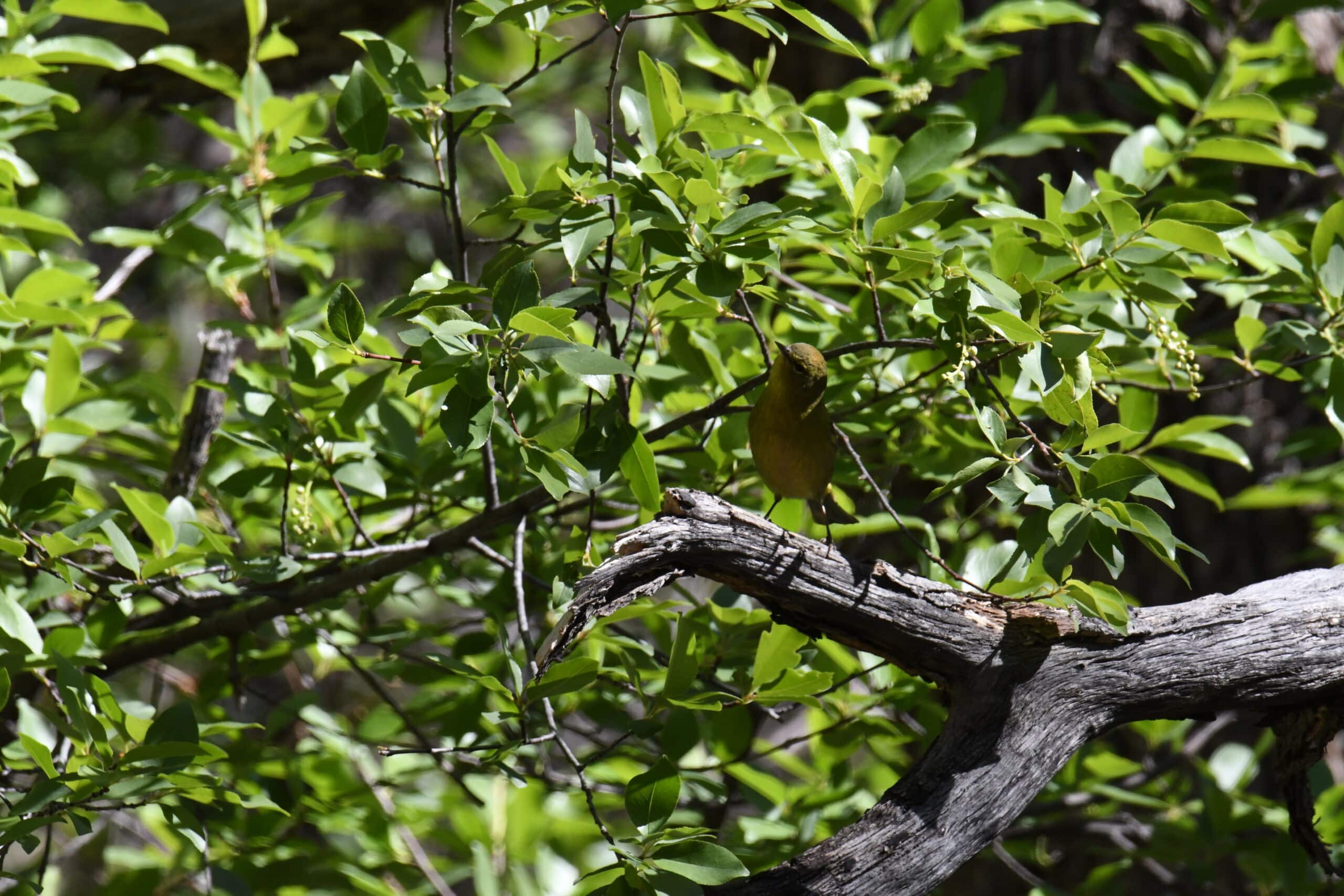
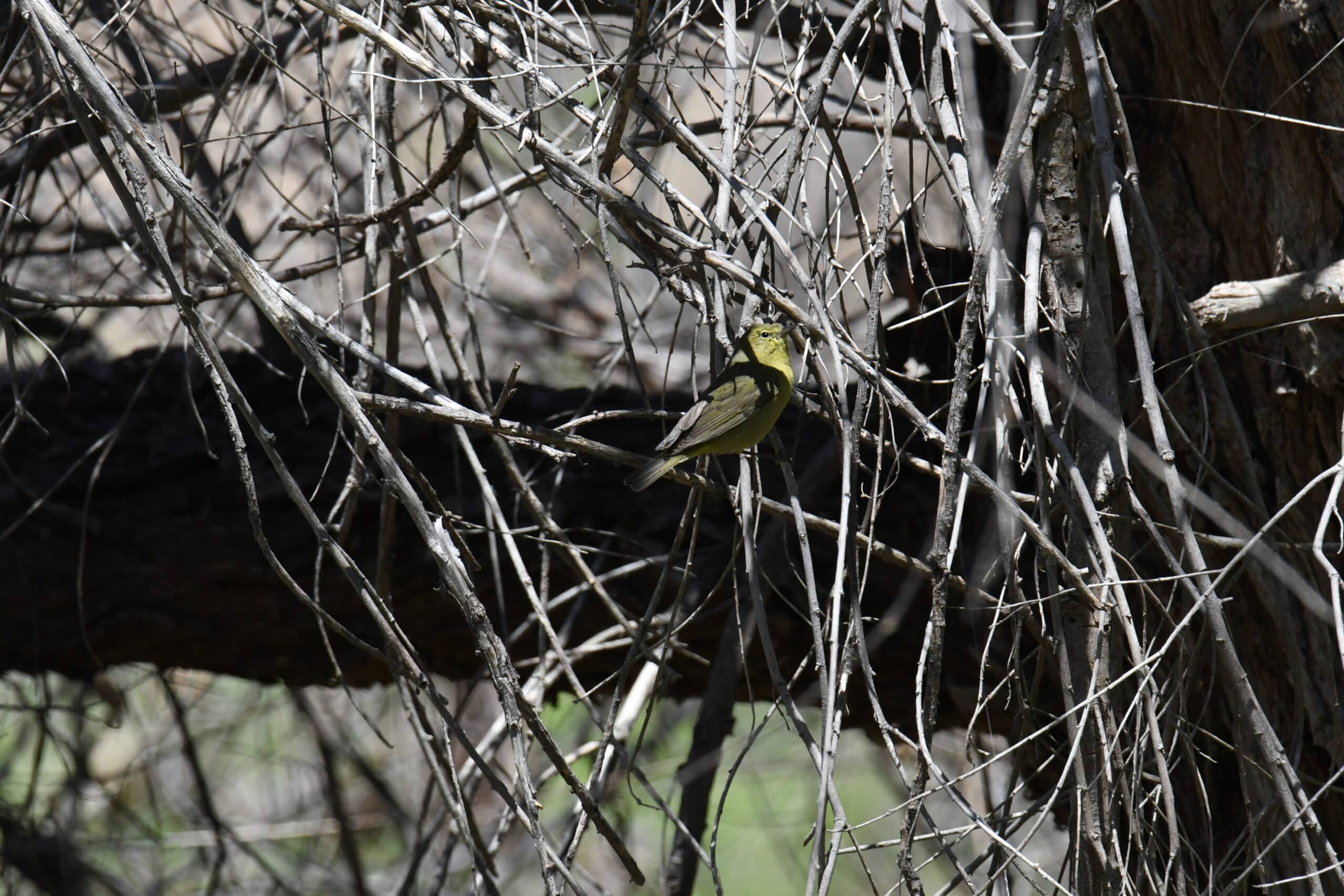
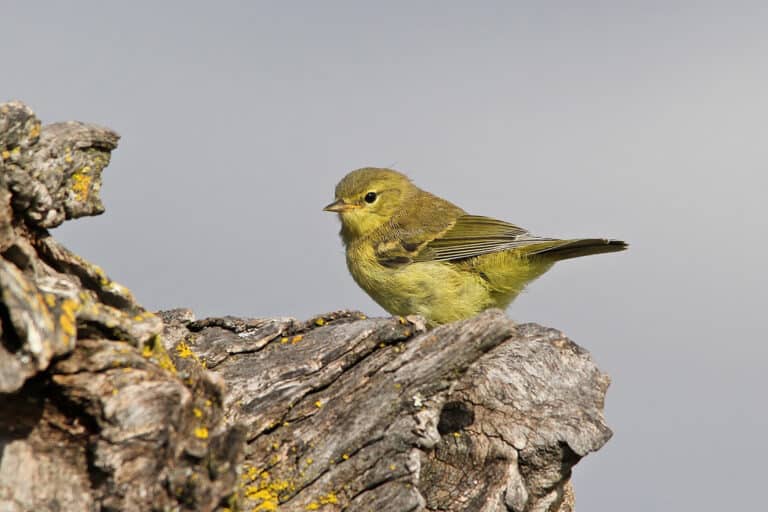
The Orange-Crowned Warbler is a charming little bird that measures about 12 to 14 centimeters long, or 4.7 to 5.5 inches. This lively creature hops around in Central America, bringing joy and color to its surroundings like a feathered ray of sunshine!
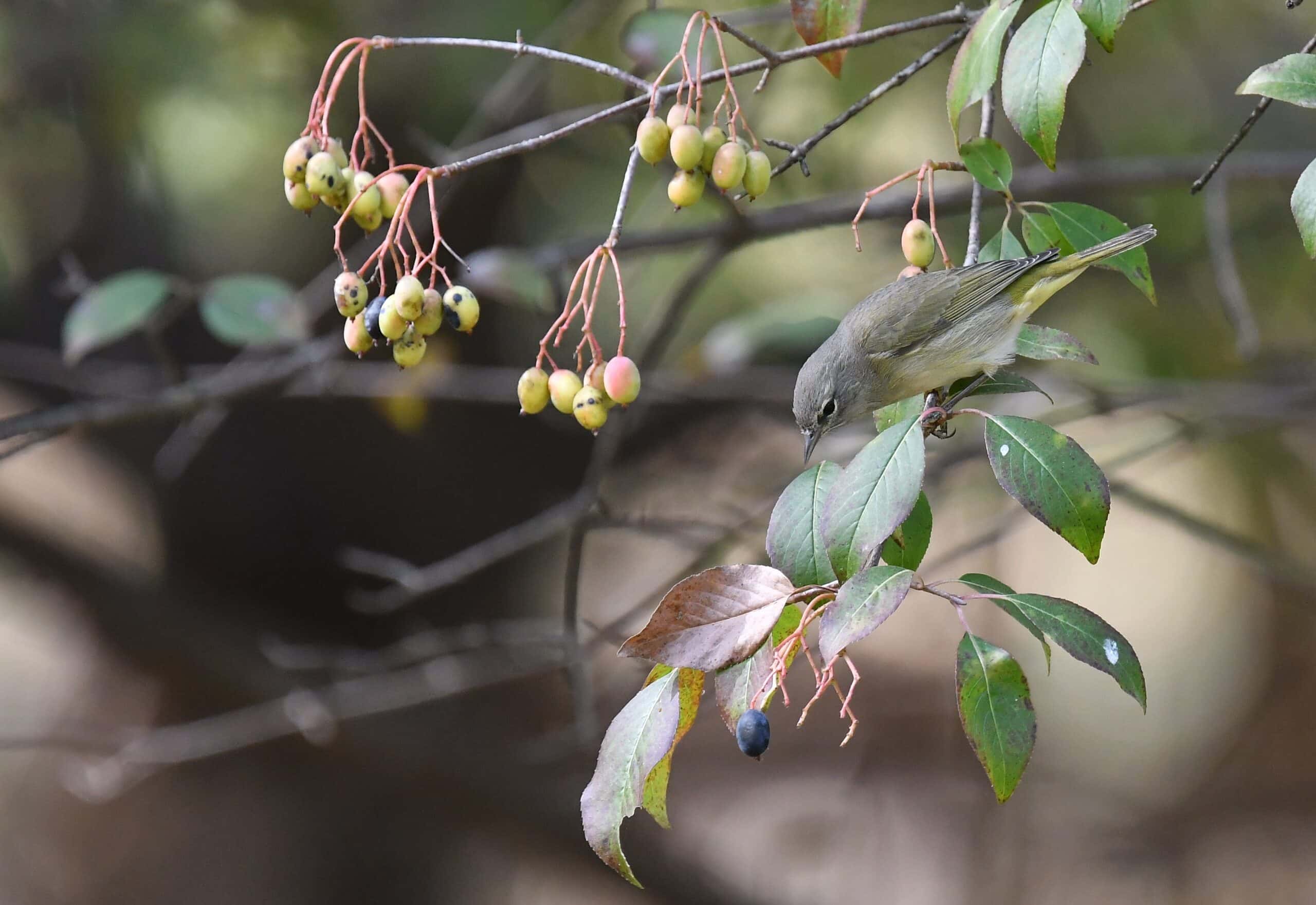
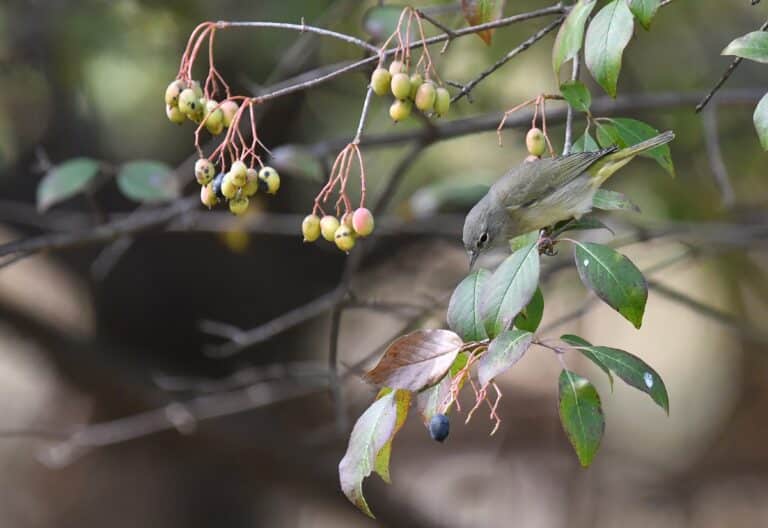
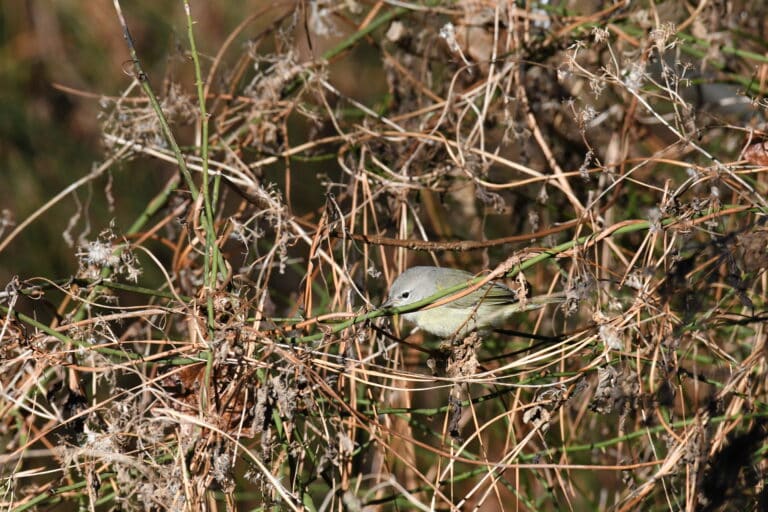
These warblers have a sweet diet that consists of insects, berries, and seeds. They zip through shrubs and trees, searching for their tasty morsels—talk about a brunch buffet in nature!
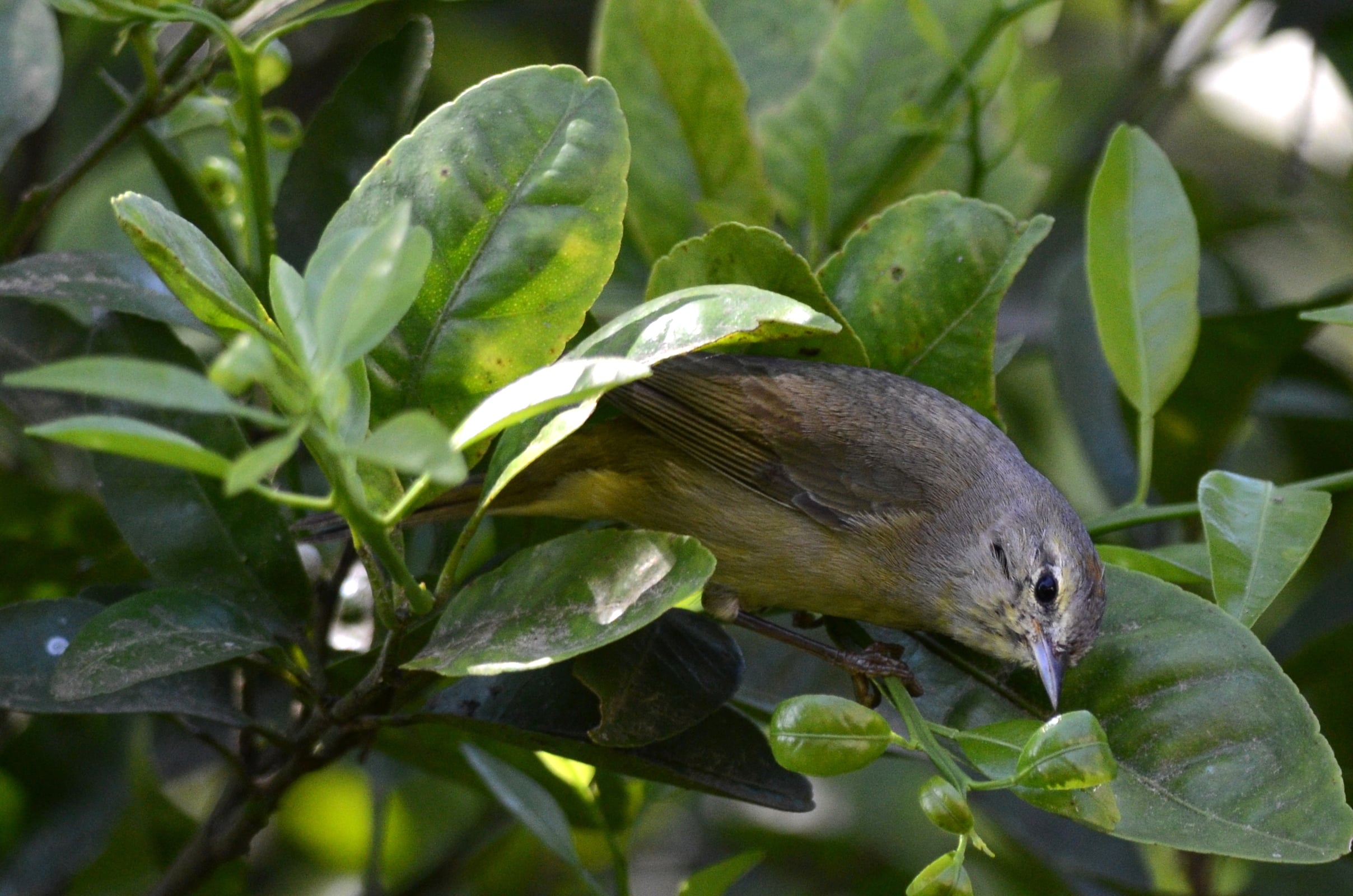
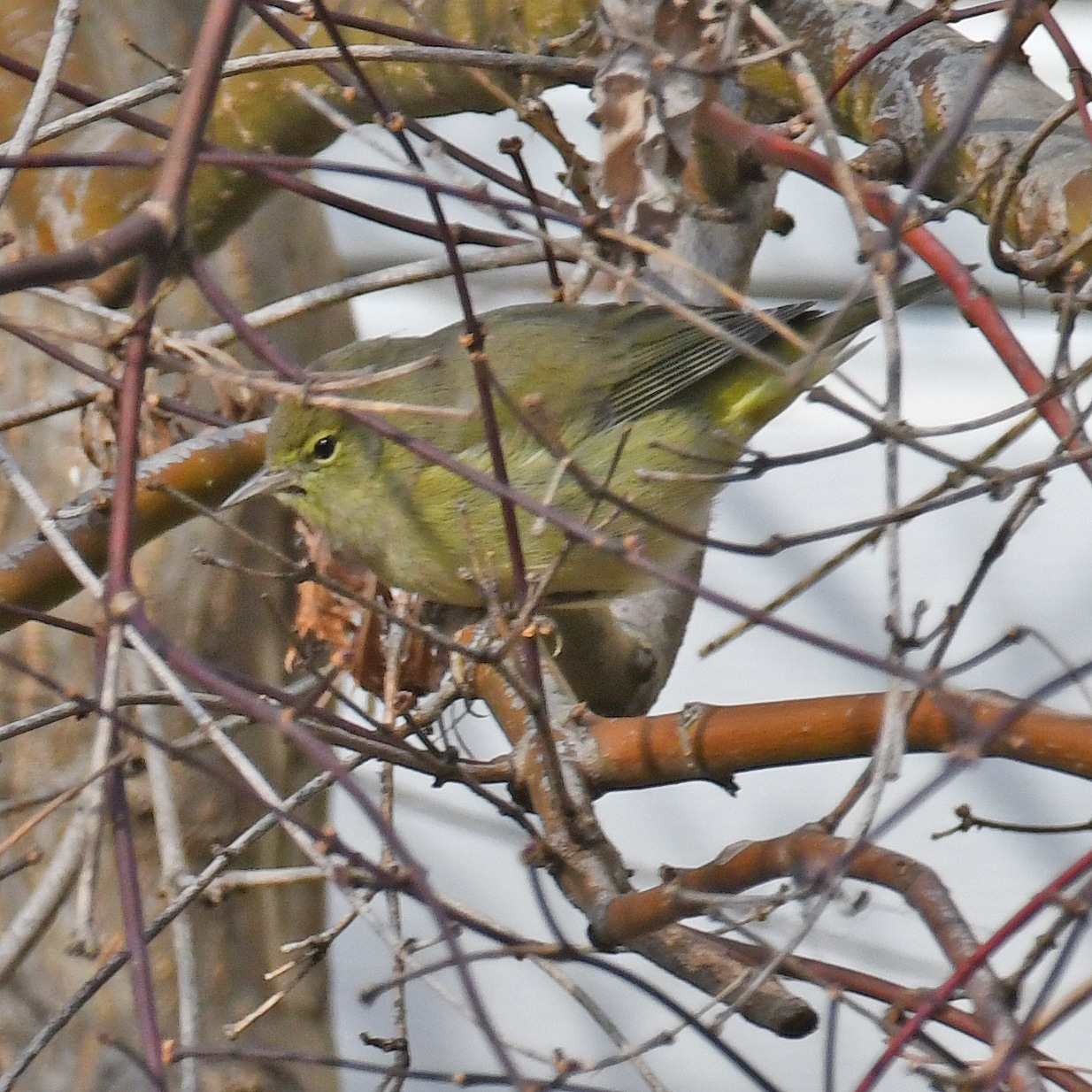
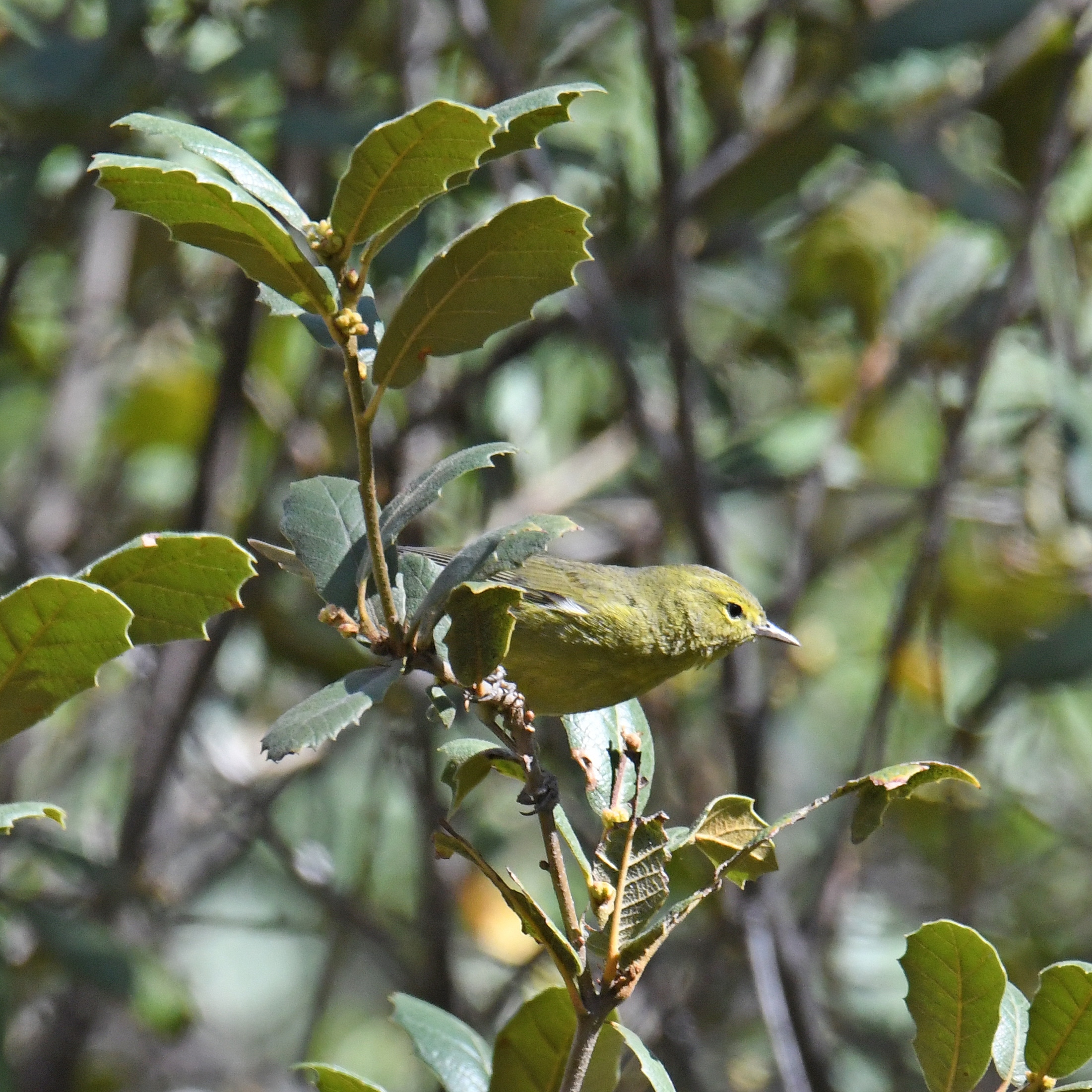
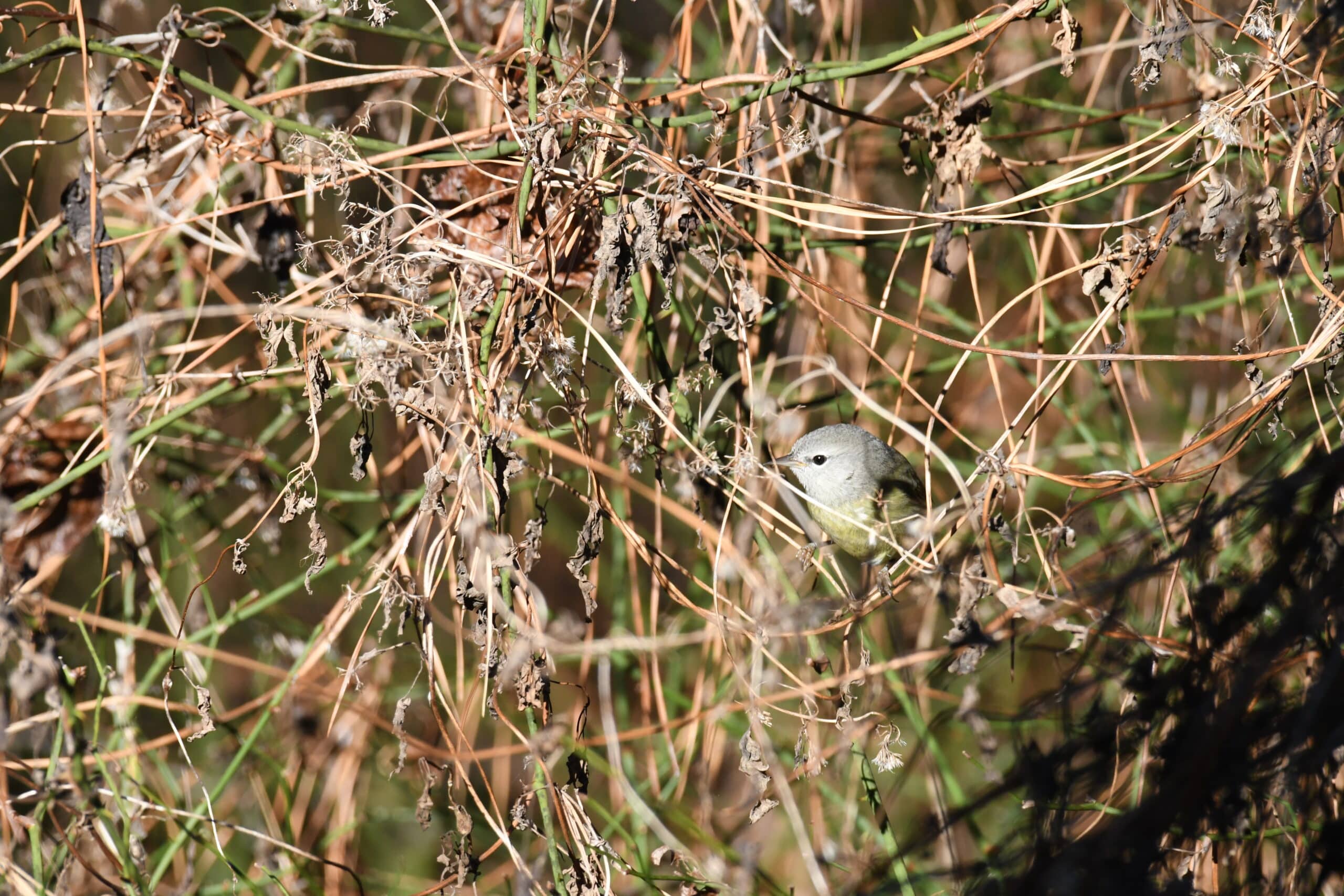
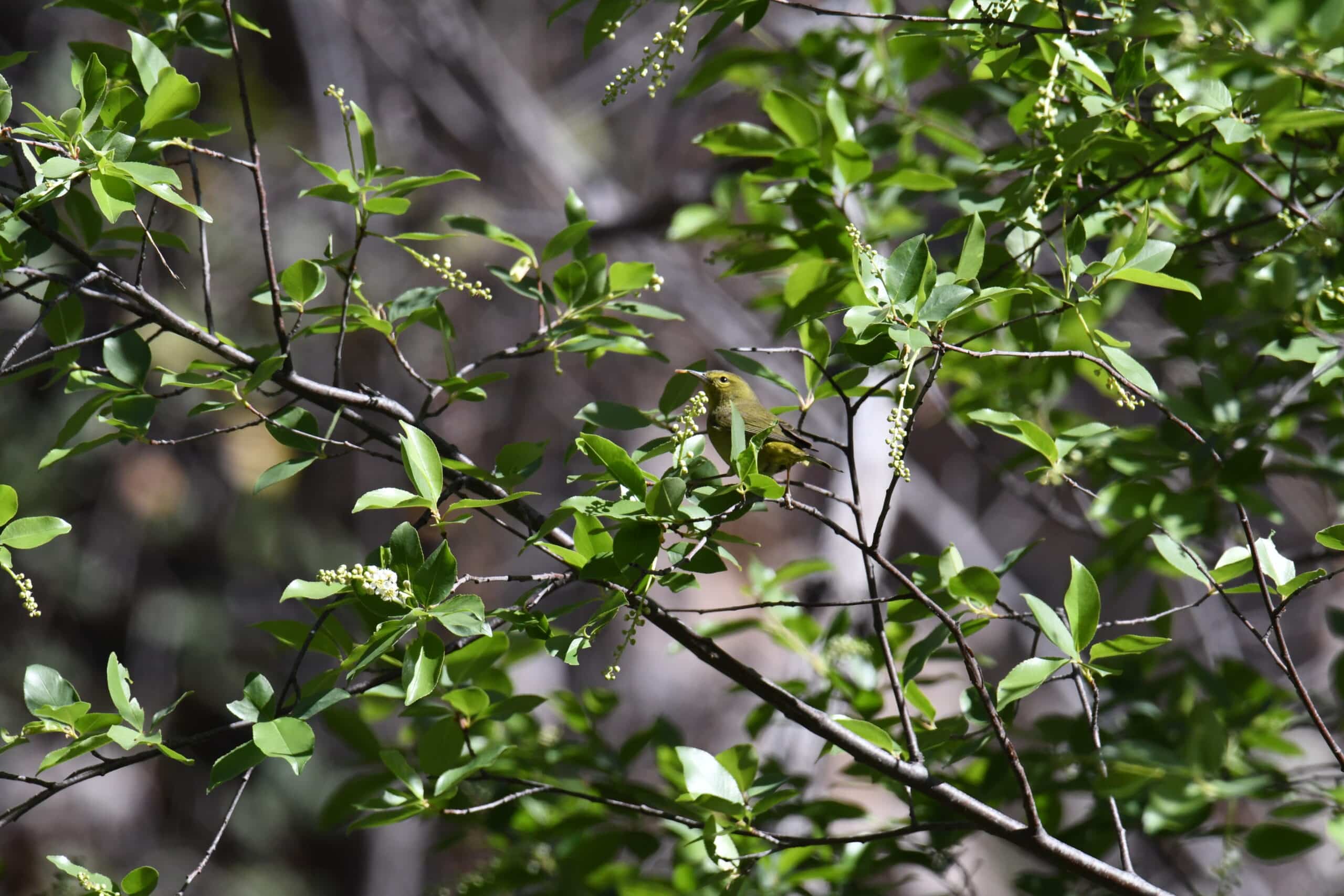
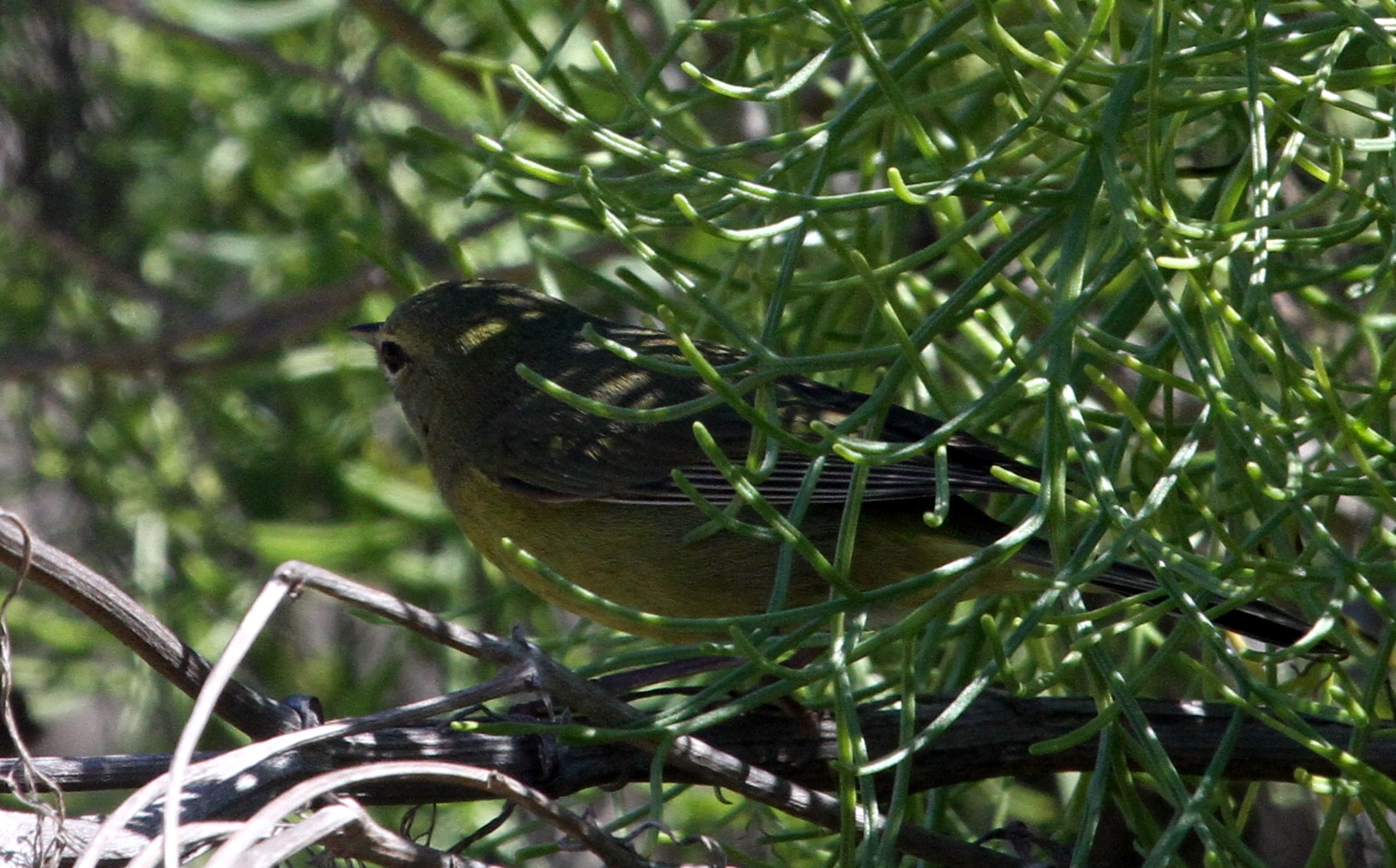
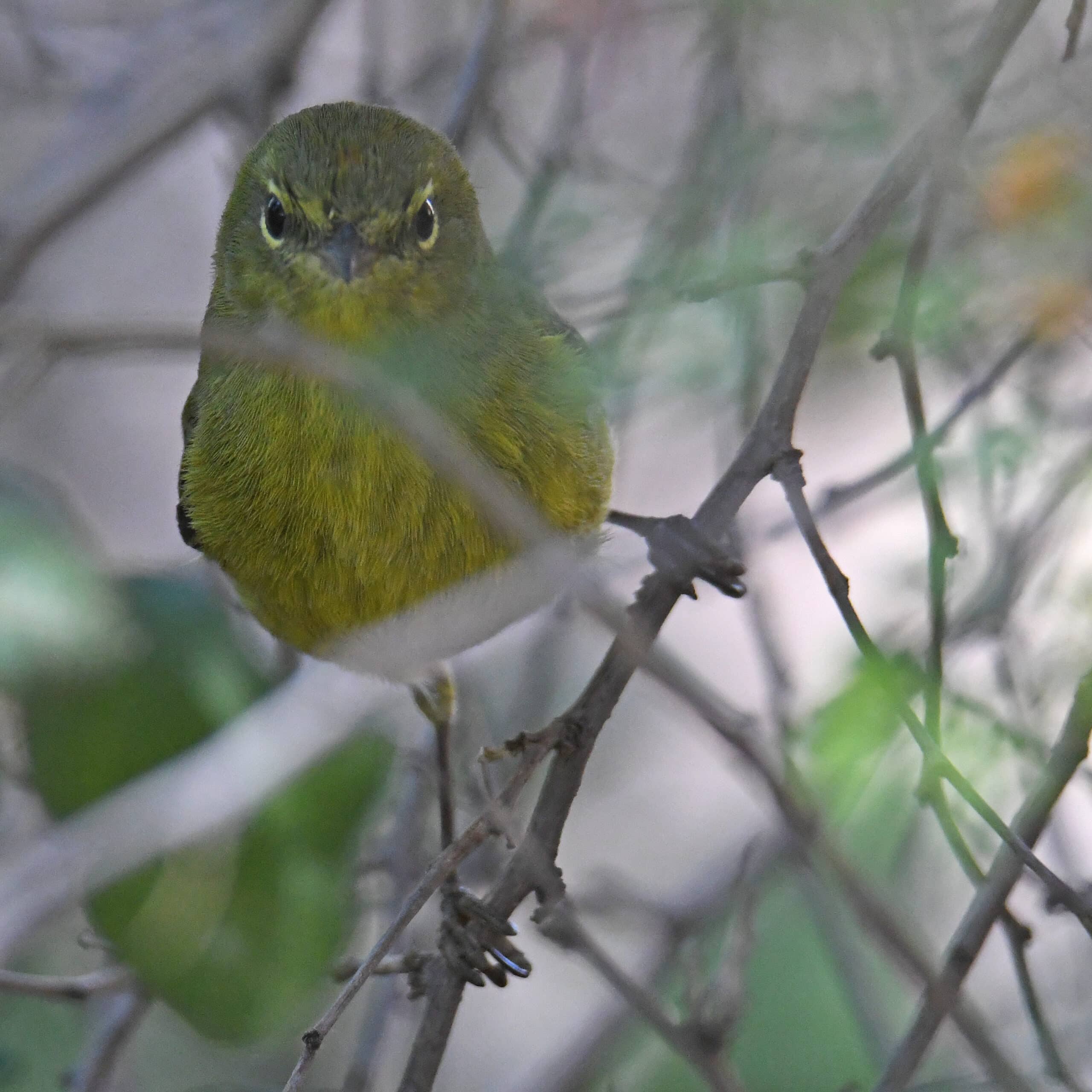
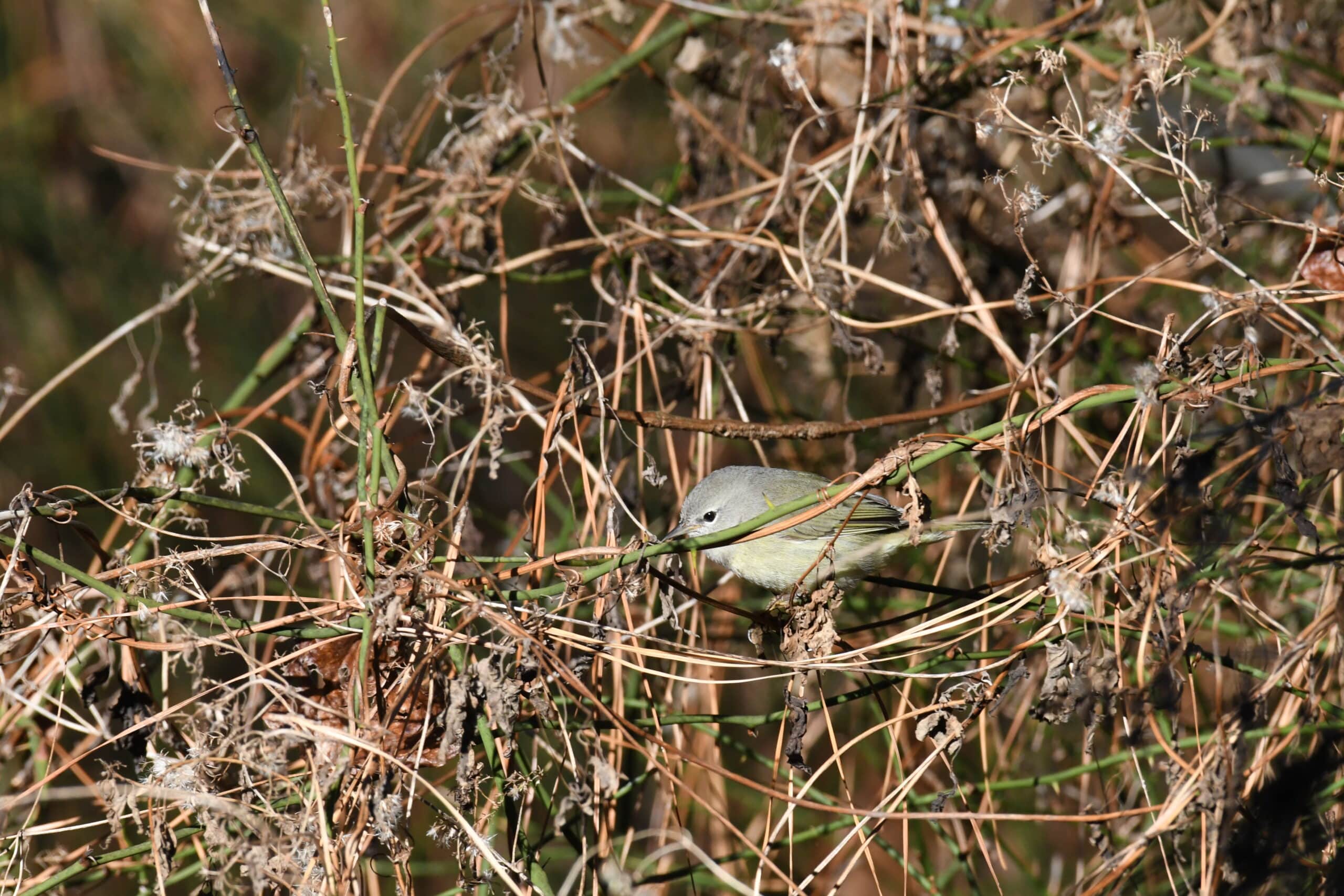
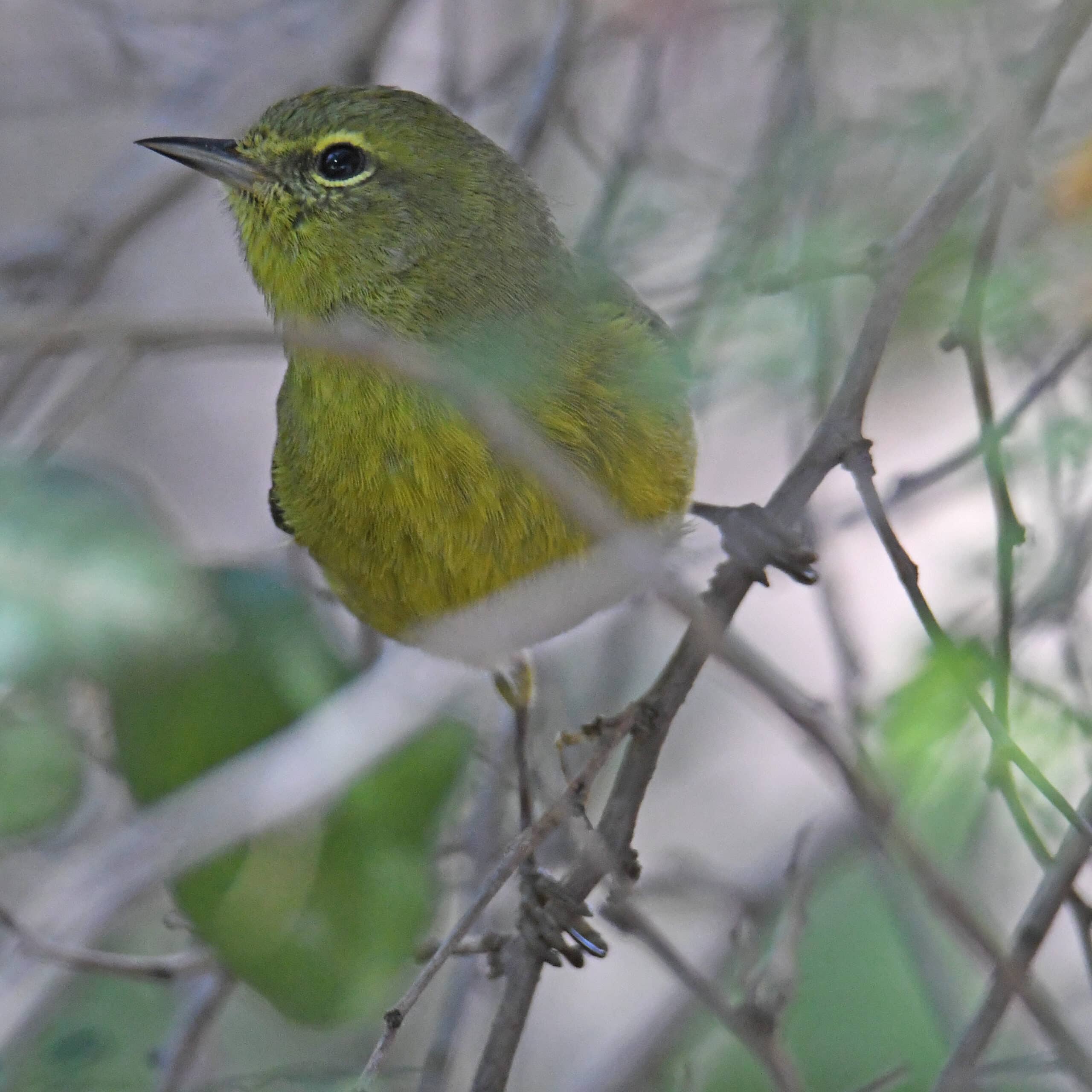
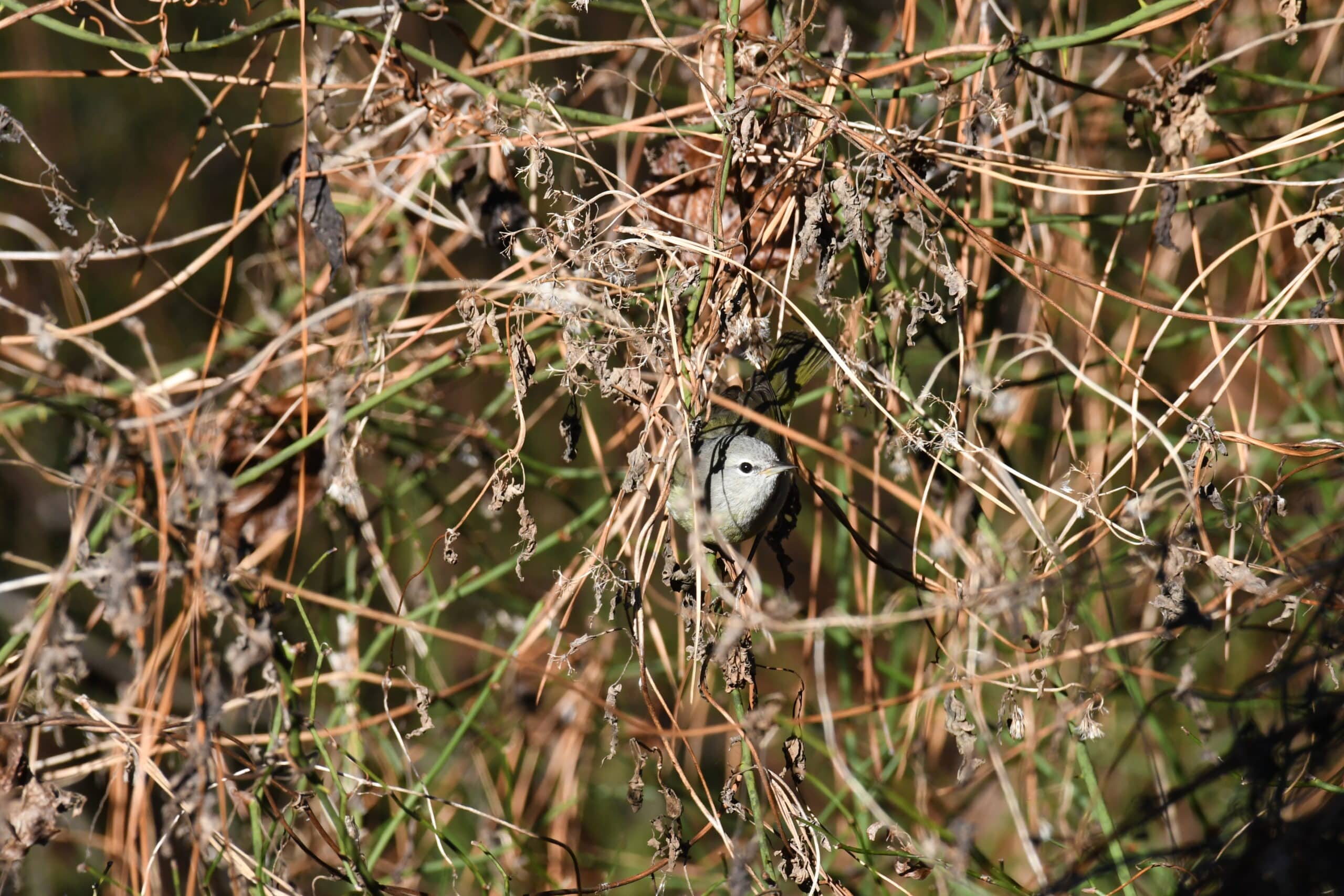
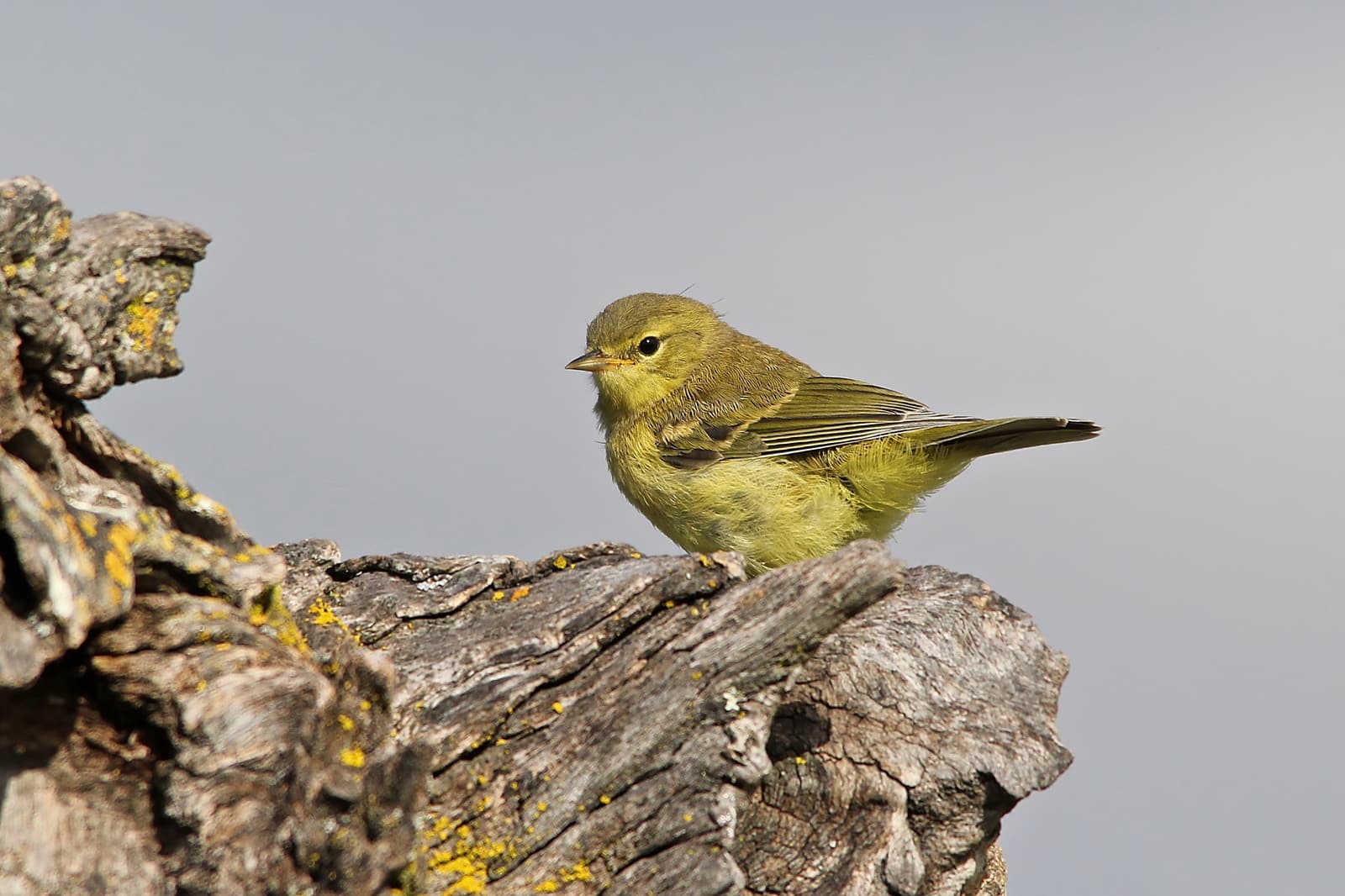
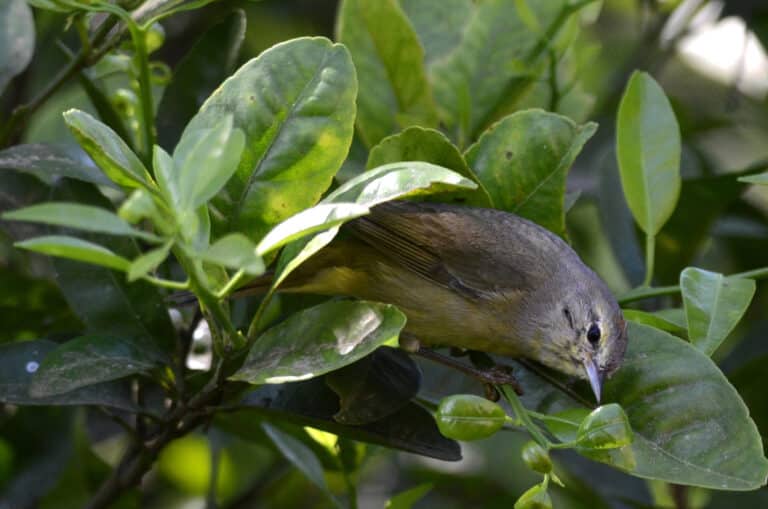
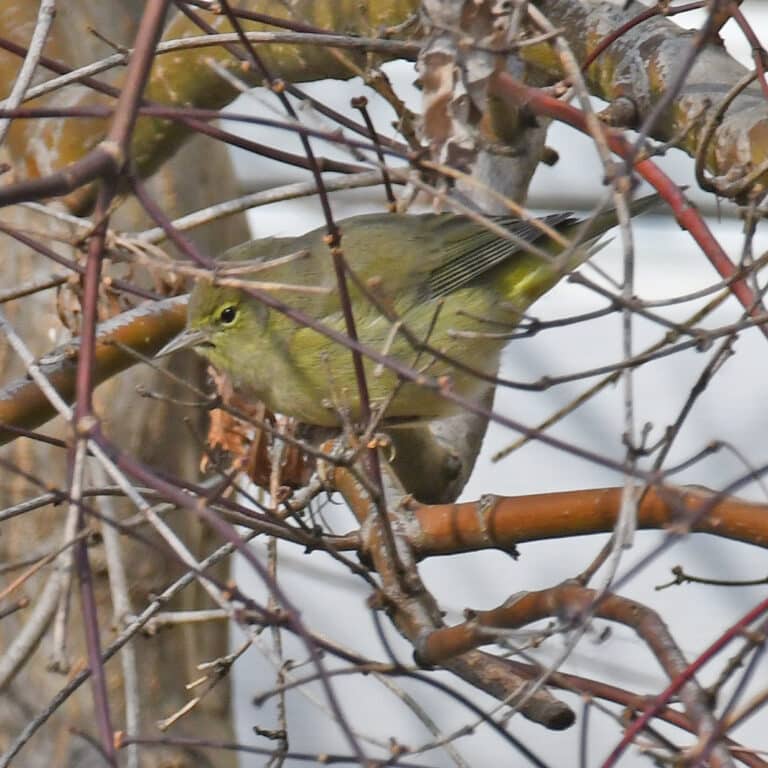
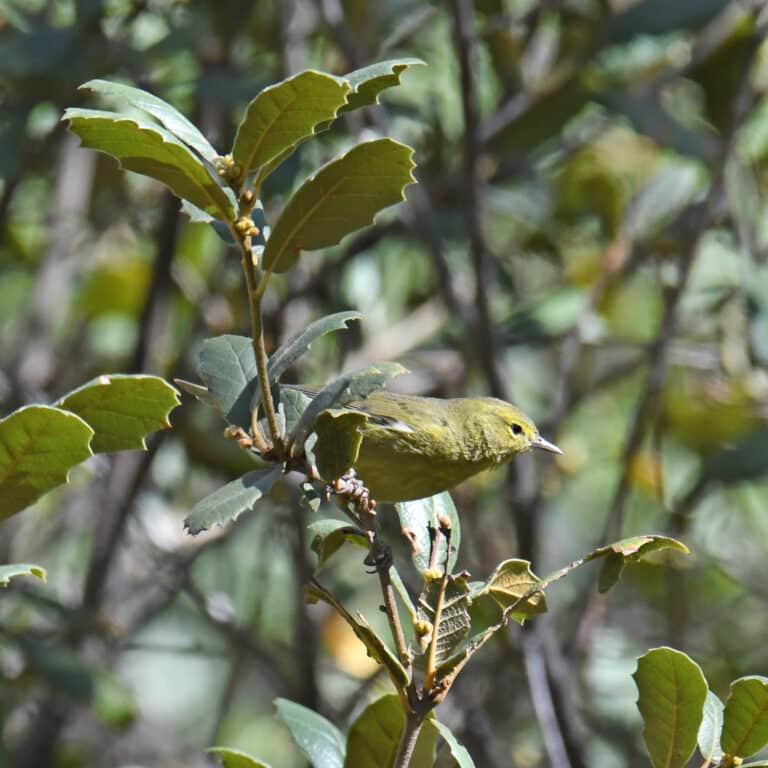
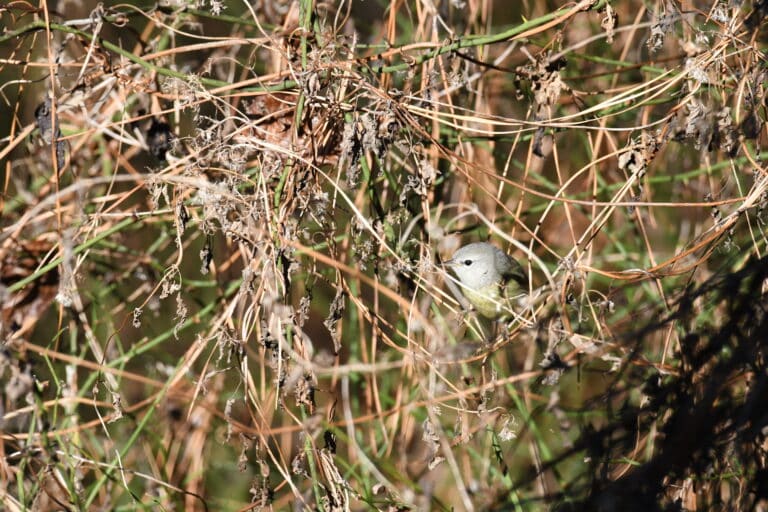
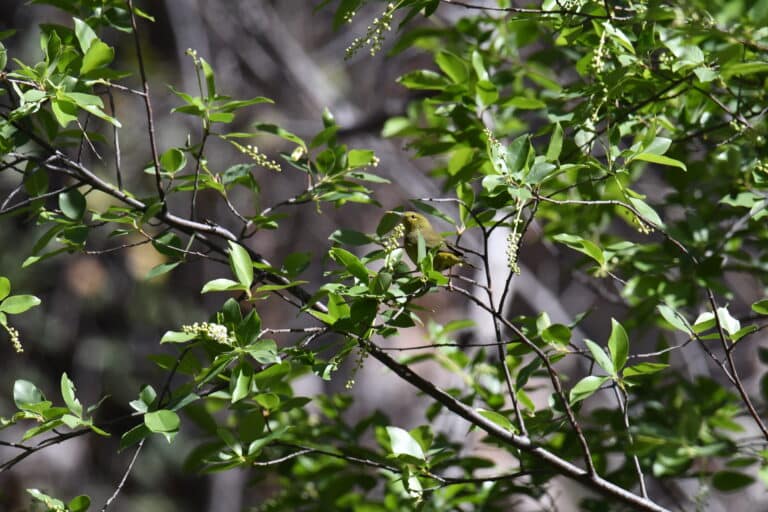
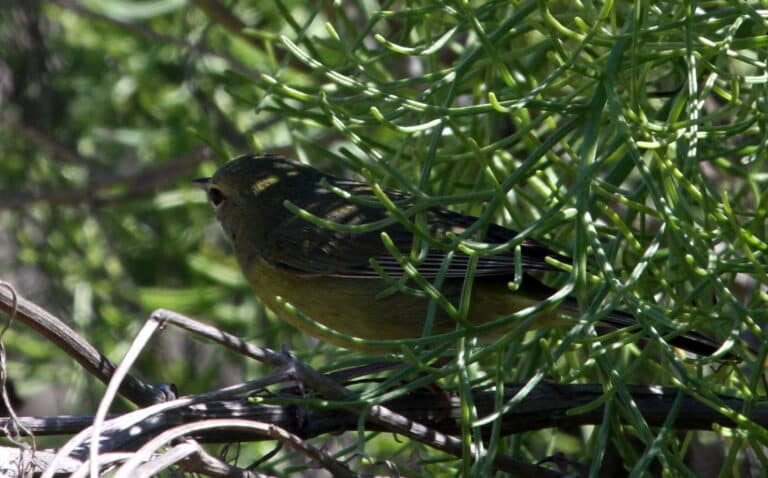
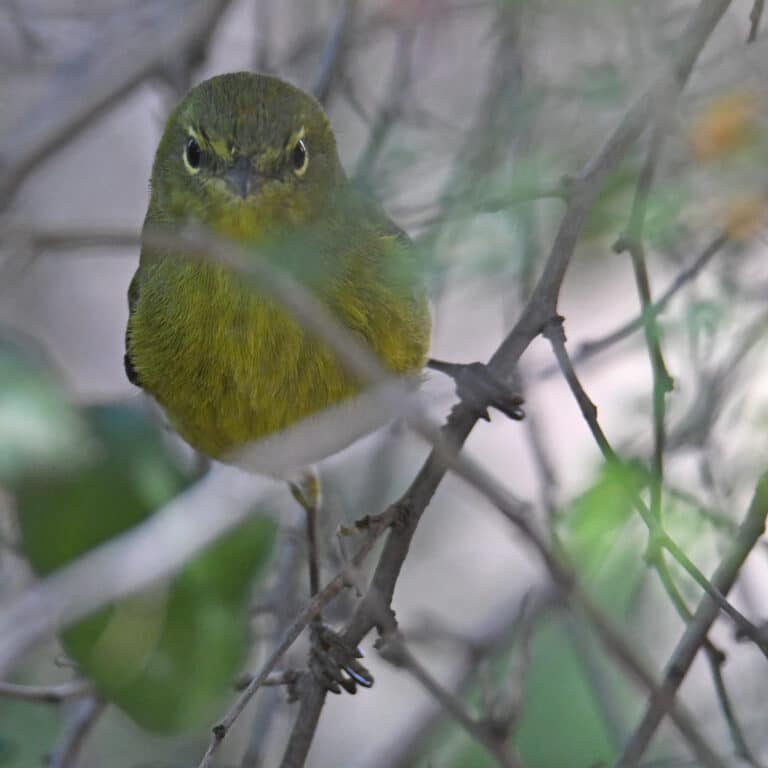
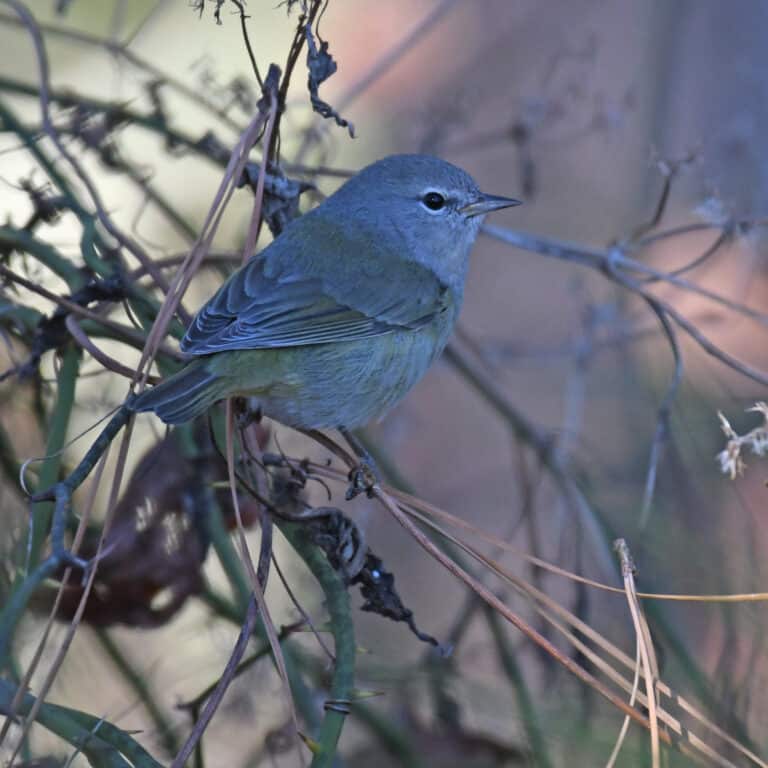
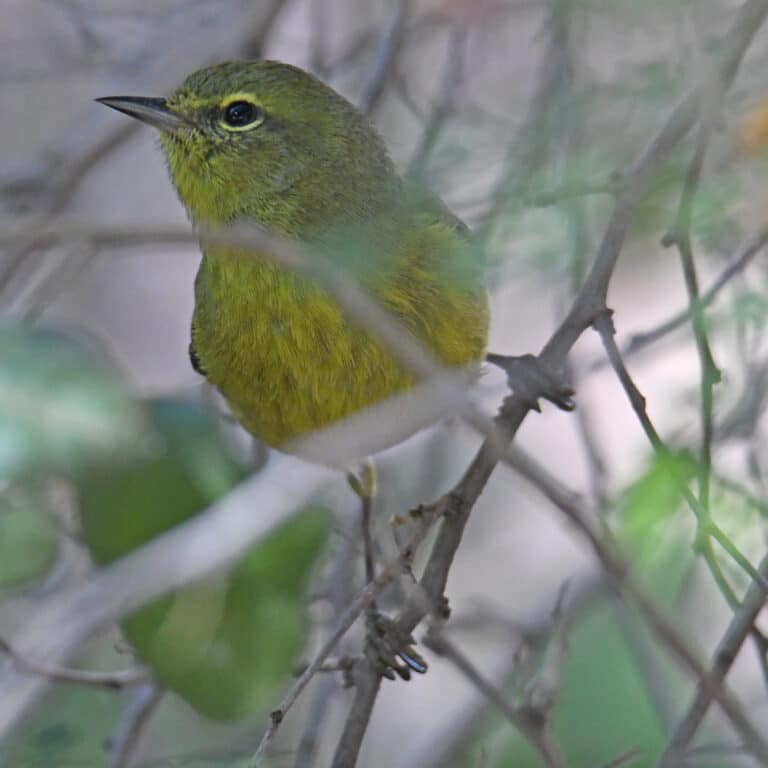
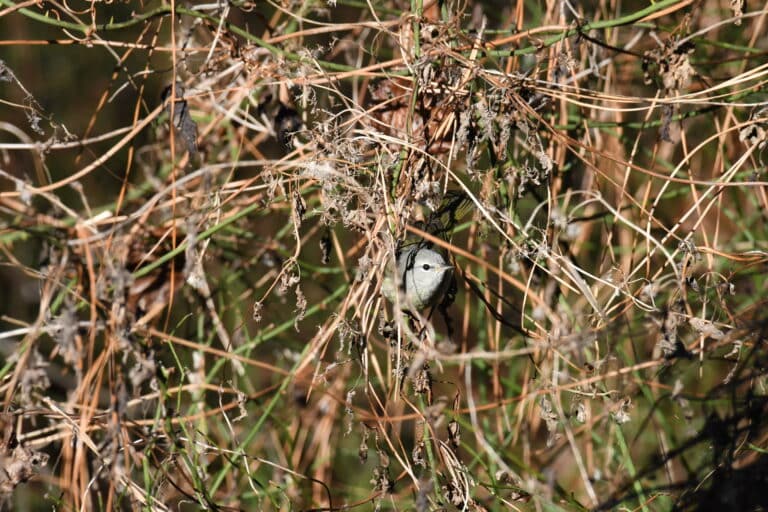
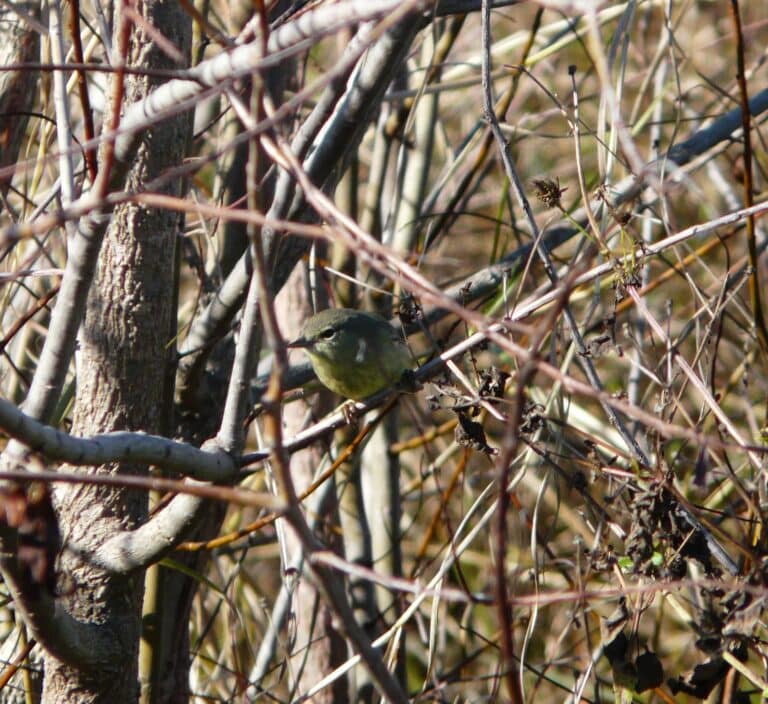
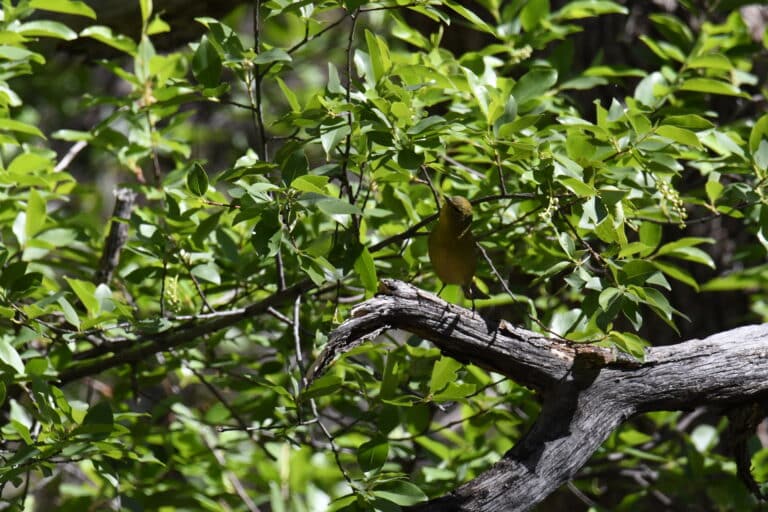
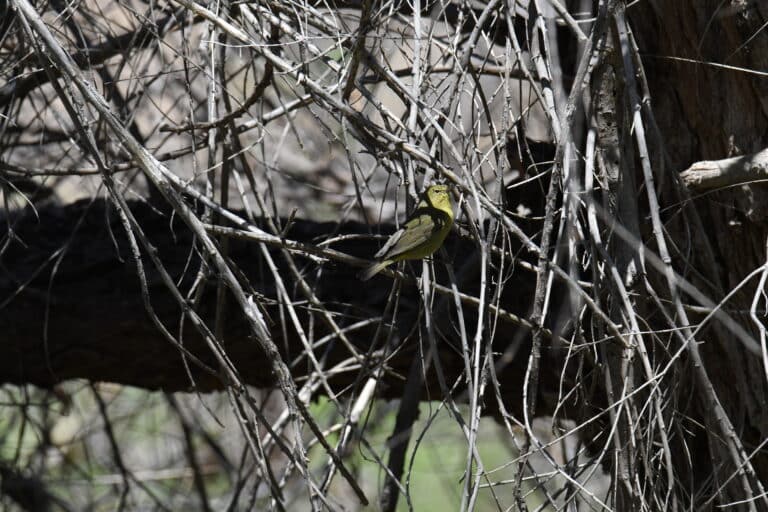
Orange-Crowned Warblers are known for their cheerful songs and energetic movements. Their bright yellow underbellies and muted olive-green backs make them a delightful sight among the leaves, perfect for a game of hide and seek!
These birds can live up to 7 years in the wild, showing their spirited nature and resilience. Every year, Orange-Crowned Warblers flutter through the skies, reminding us that life is an adventure just waiting to take flight!
During migration, these little guys travel far and wide, often surprising bird watchers with their presence. They may flit from one location to another, showing off their knack for moving with the seasons—truly the globe-trotters of the bird world!

Where can you find a Orange-Crowned Warbler in the wild?
What does a Orange-Crowned Warbler eat?
How big can a Orange-Crowned Warbler grow?
How long does a Orange-Crowned Warbler typically live?
What is the conservation status of the Orange-Crowned Warbler?
What are the main threats to the Orange-Crowned Warbler?
Fun facts
Orange-Crowned Warblers engage in a fun hobby called "caching" where they hide food like seeds and berries to eat later—talk about nature’s little food bank!


These cheerful birds have a special mating dance. Male Orange-Crowned Warblers perform a lively display, flapping their wings and singing sweet tunes to attract females, creating a romantic show in the trees!
Some Orange-Crowned Warblers can migrate over 4,800 kilometers (3,000 miles) to reach their breeding grounds. They travel long distances, showing their amazing navigation skills through different countries!
When flapping their wings, these warblers can beat them up to 15 times per second. This rapid movement helps them zip from branch to branch like tiny aerial acrobats!
These warblers often participate in mixed-species foraging. They join other birds to hunt for insects, sharing tips about the best bug spots, making mealtime a fun social event!
During nesting season, female Orange-Crowned Warblers build their nests using everything from leaves to feathers. Their clever construction skills help create cozy homes for their young!
Their songs can travel over a kilometer (0.6 miles), allowing them to communicate with each other even when they are far apart. They are not shy about sharing their cheerful melodies!
Every spring, these tiny birds embark on their migration with a sense of adventure. They might fly solo or stick with friends, proving that travel is better with company!
The vibrant yellow flash on their underside is like a little surprise. When startled, they show off this color to confuse potential predators, adding fun to their survival tactics!
These birds are expert foragers, using their sharp vision to spot insects hiding among leaves. Their keen eyesight helps them find tasty meals that many other animals might miss!
Photos


The Basics


explore more
Amphibians
Arachnids
Birds
Cats
Crustaceans
Fish
Fish Pet Guide
Gastropods
Insects
Invertebrates
Mammals
Pet Fish
Pet Rodents
Plants
Reptiles
Roundworms
Sea Slugs