Successfully copied to clipboard!
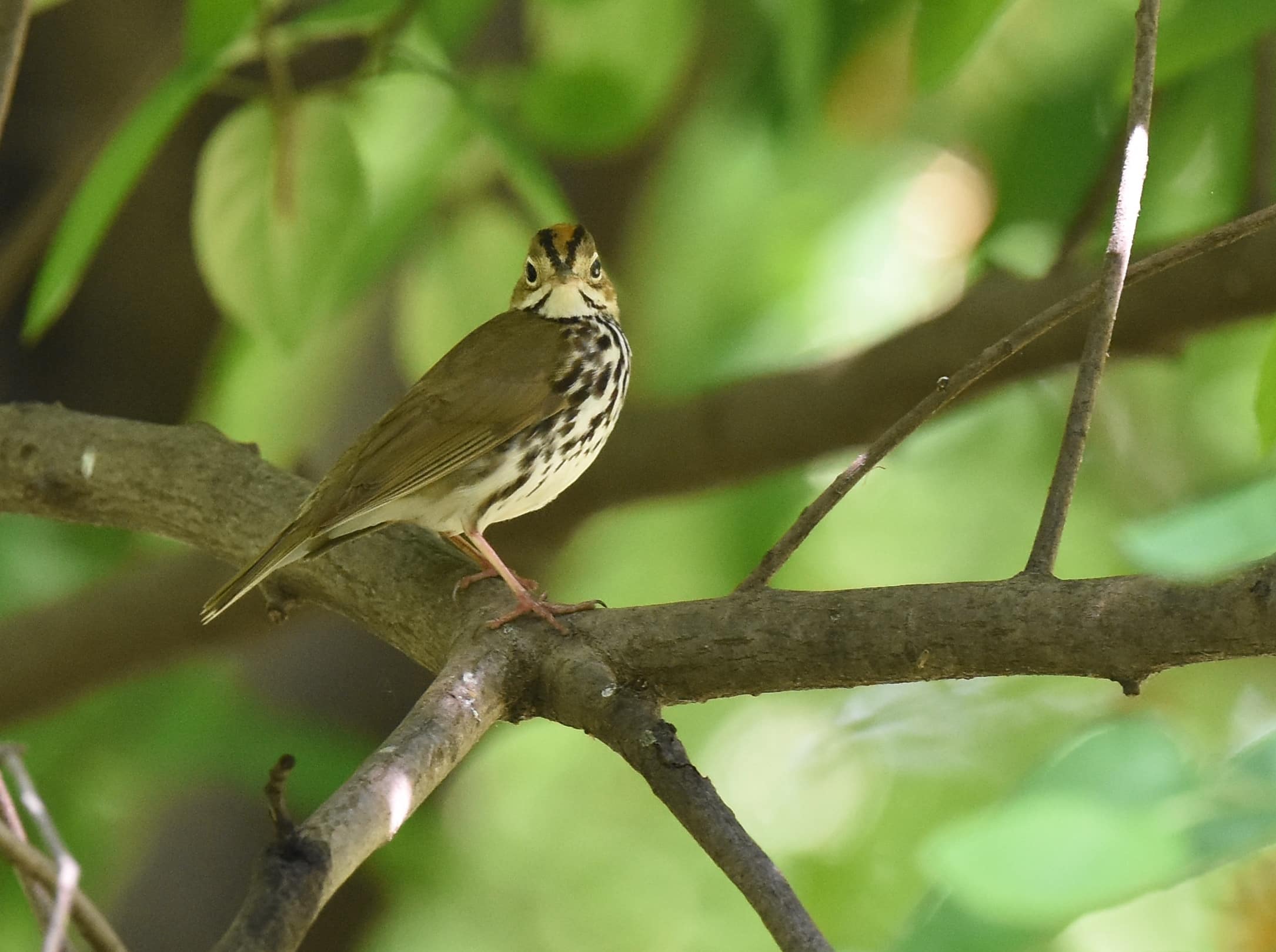
Ovenbird
Uncover the joyful songbird that dances in the forest!
Let’s Explore
Overview
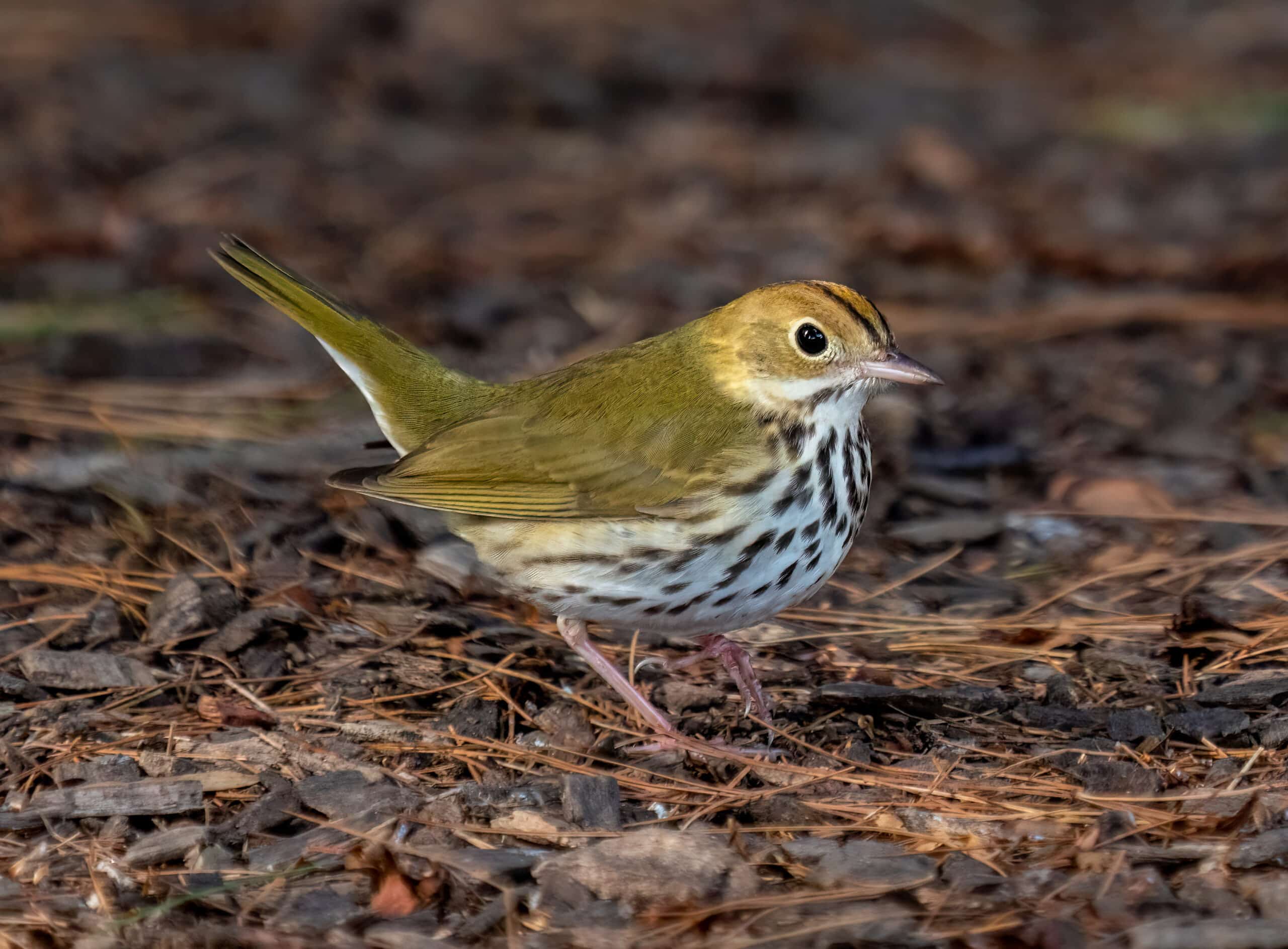
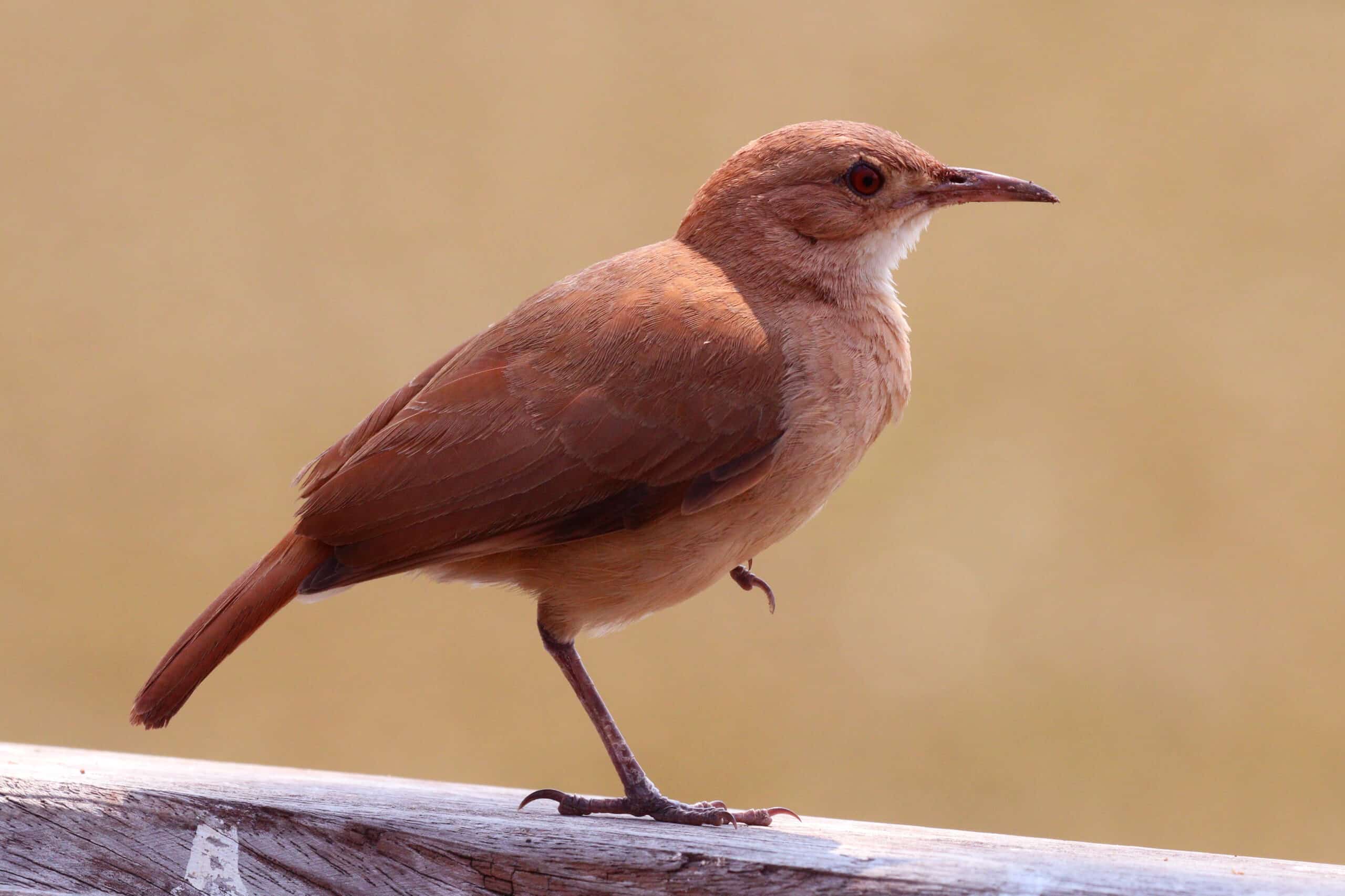
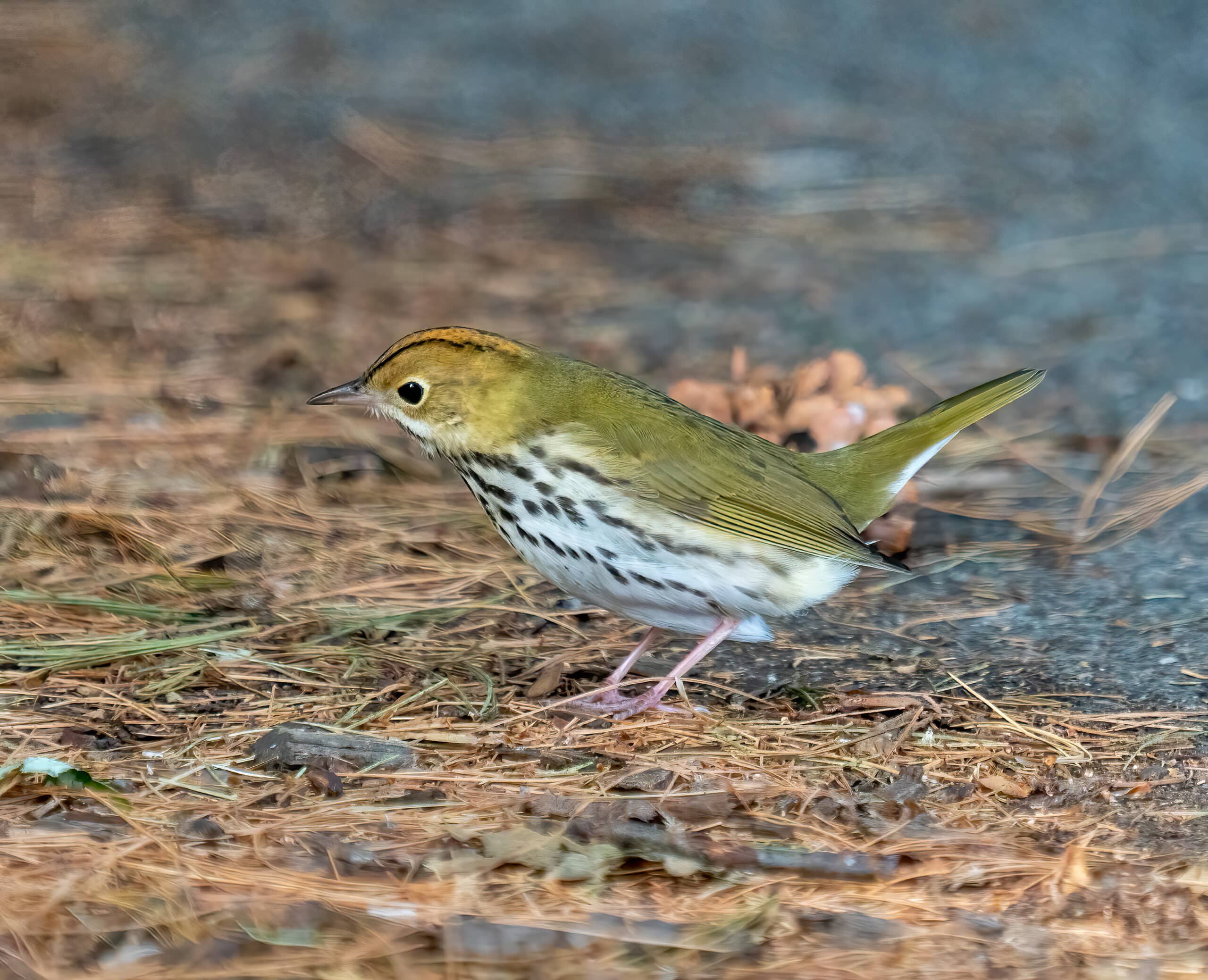
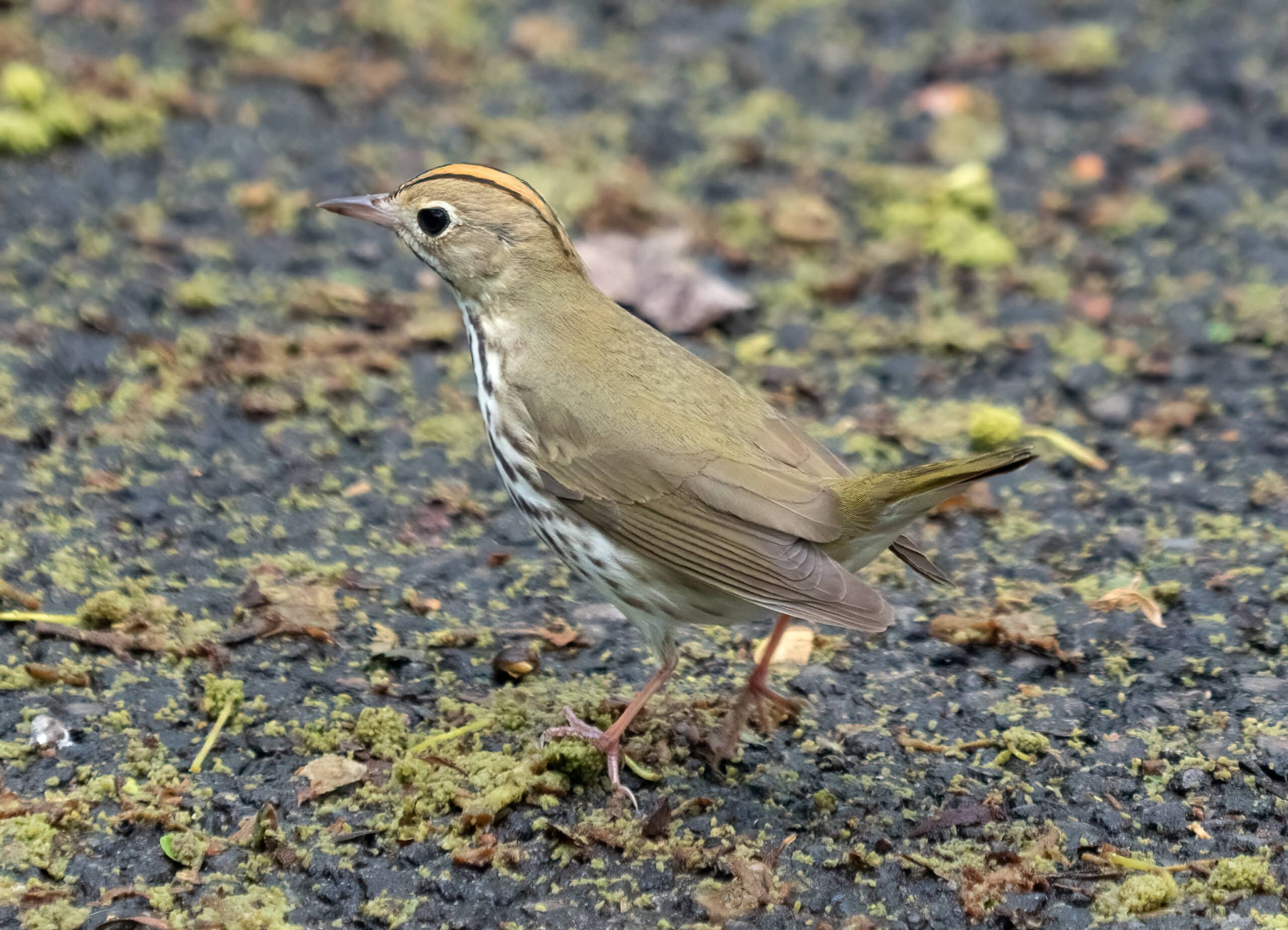
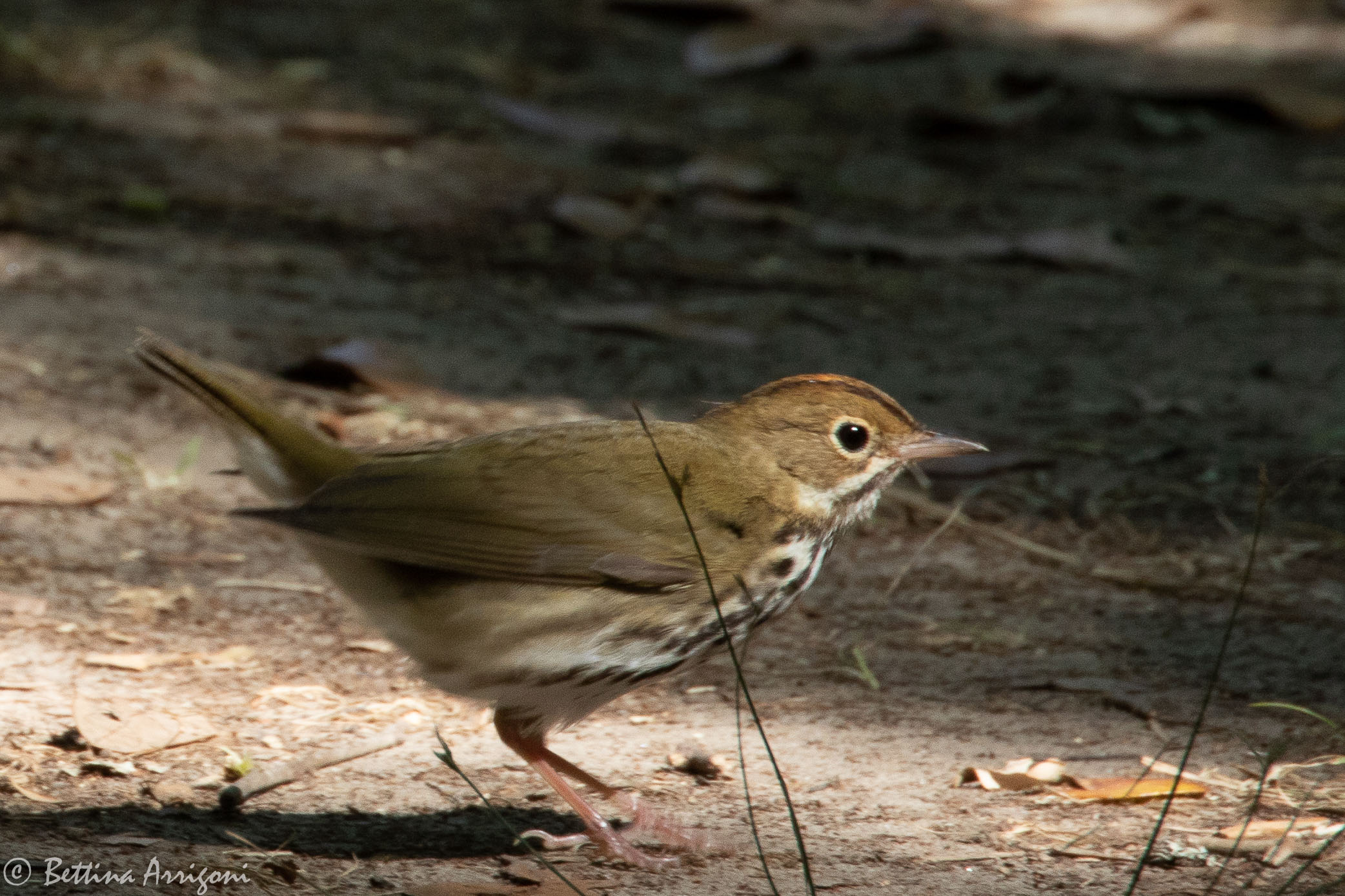
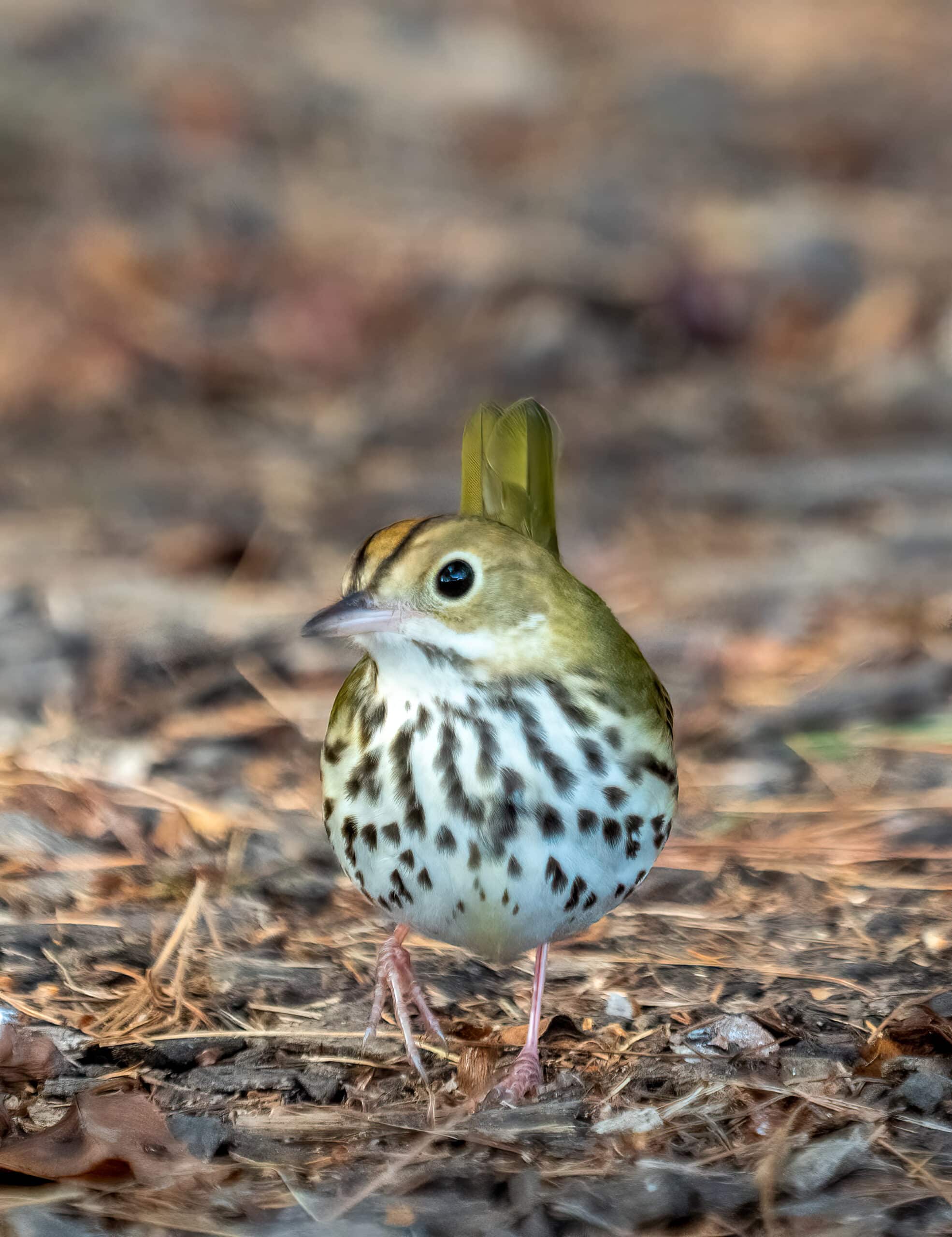
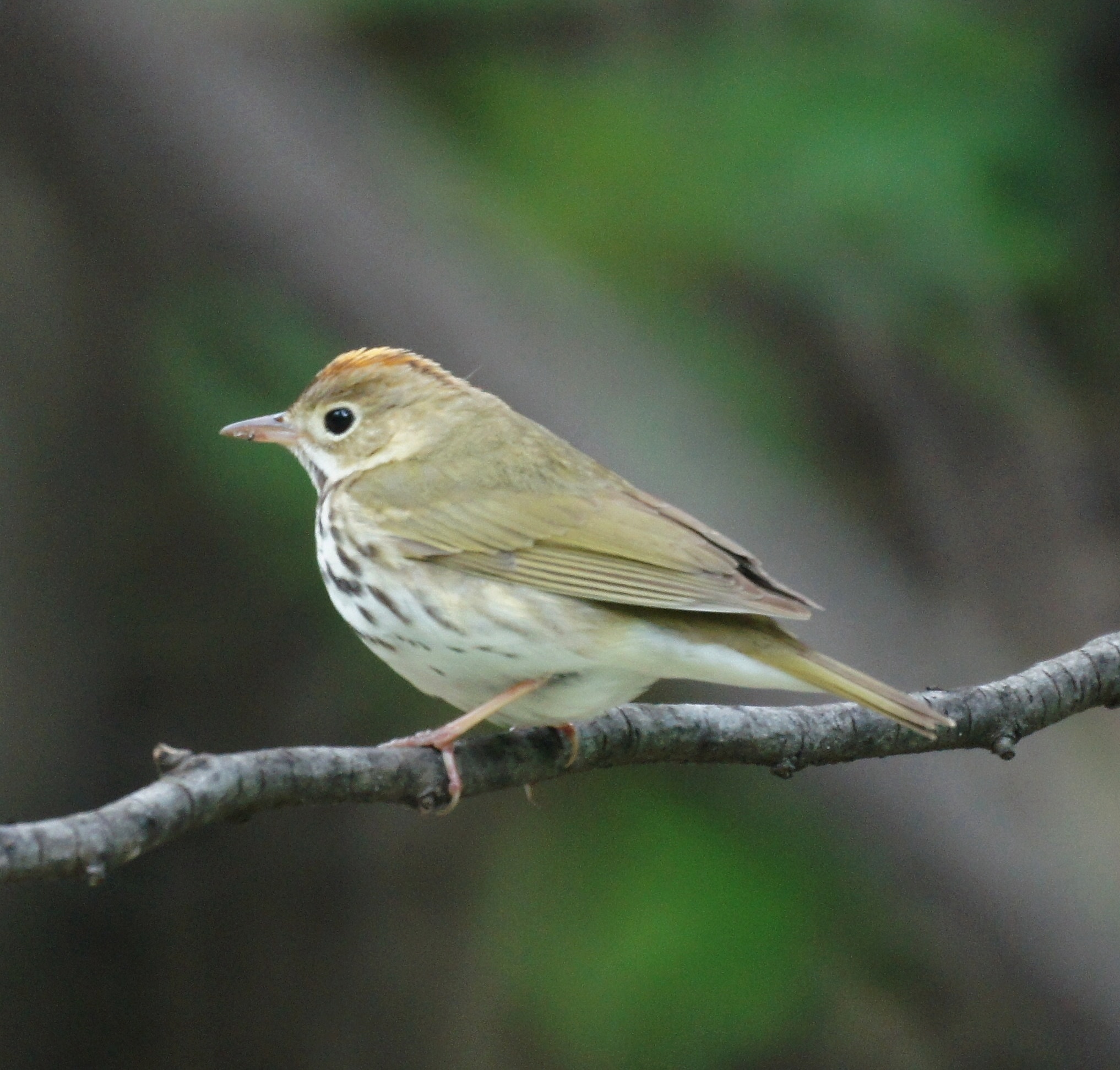
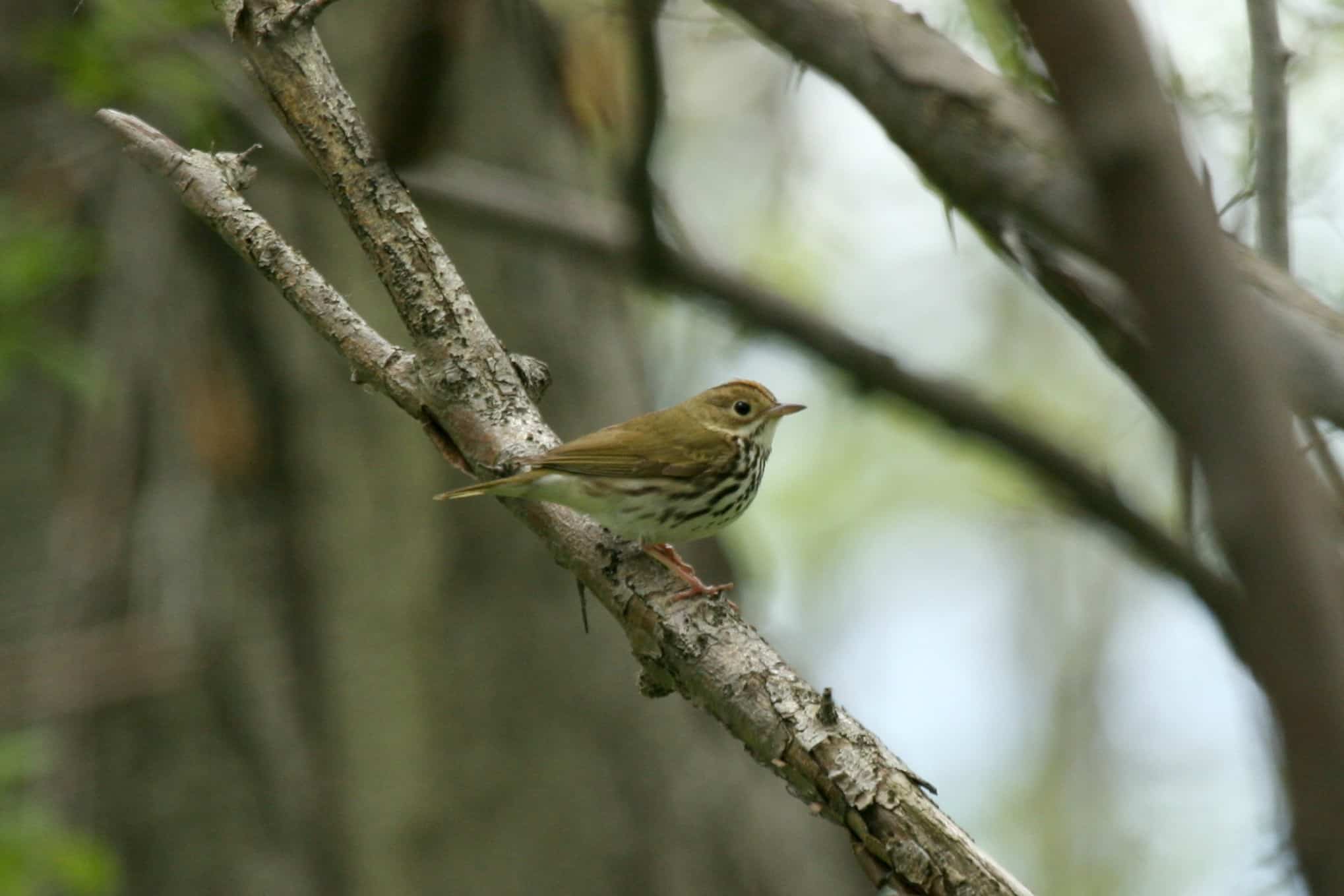
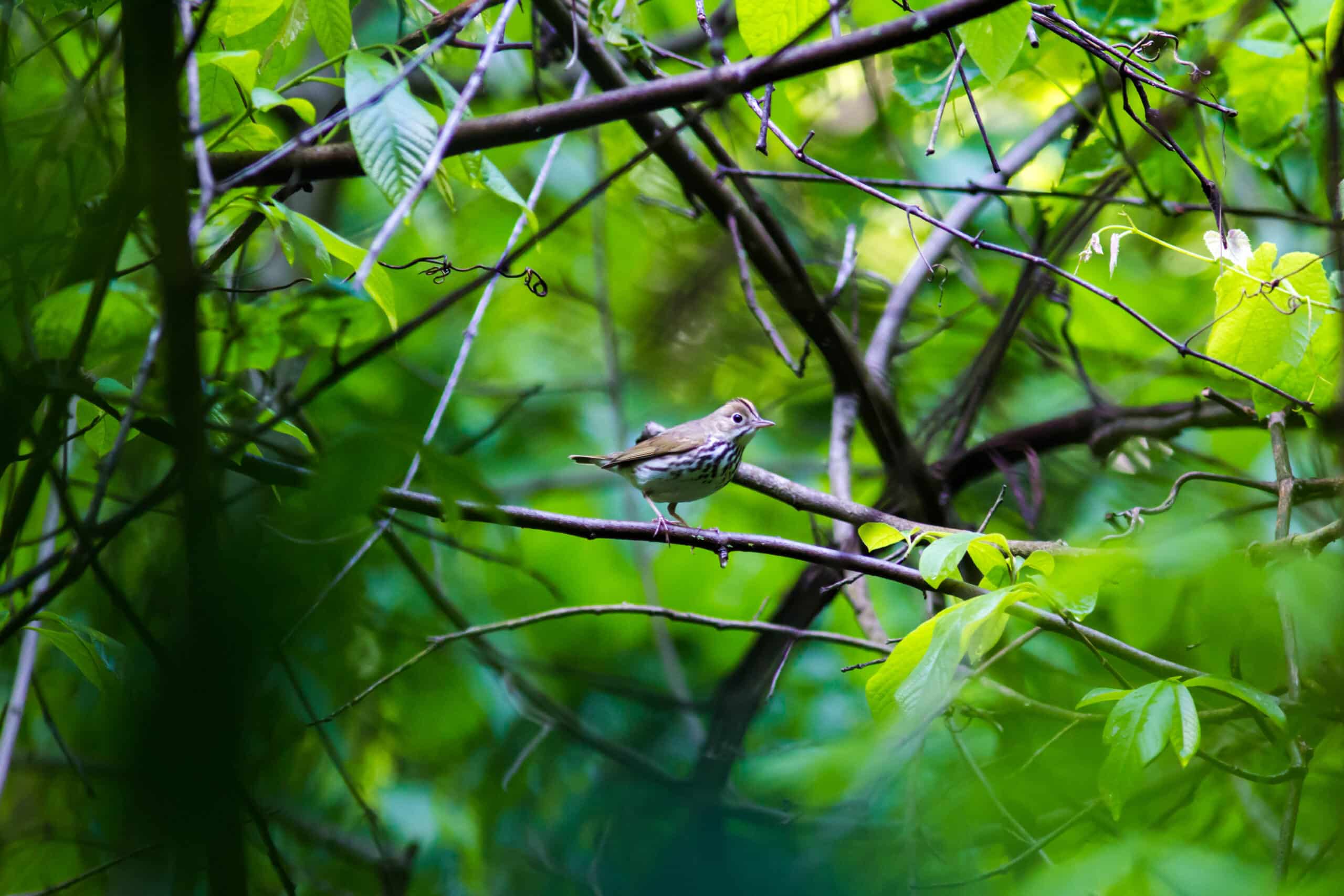
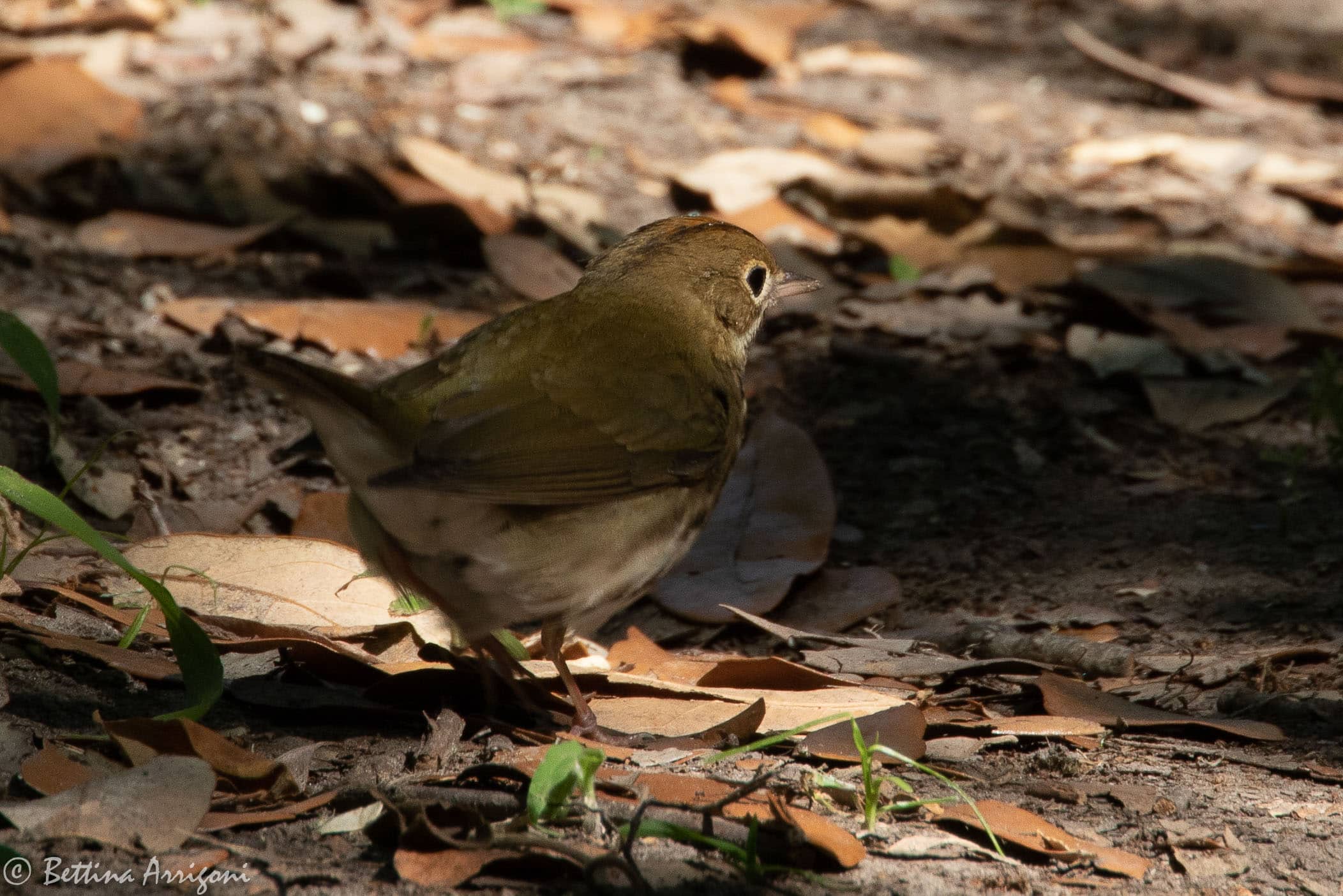
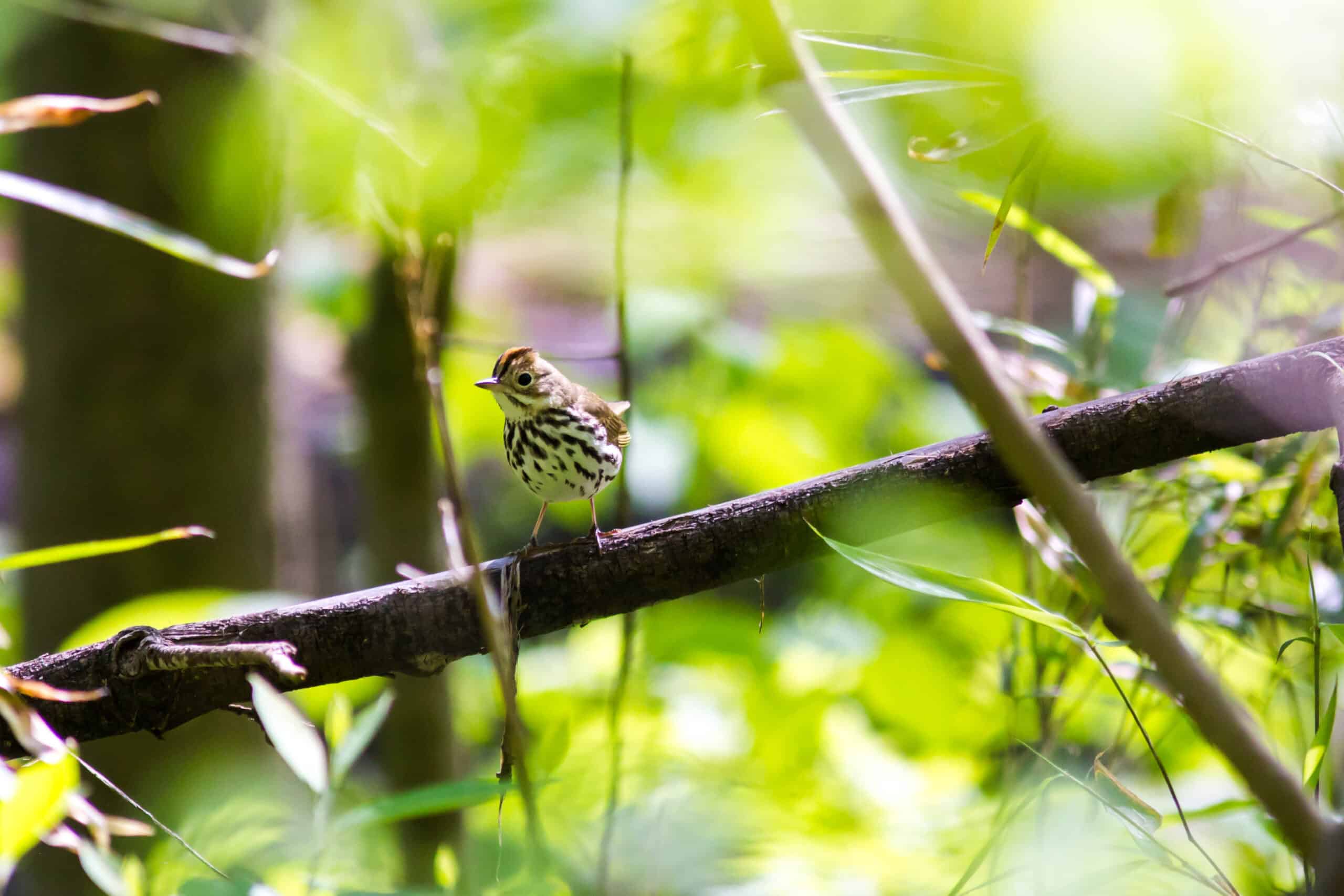
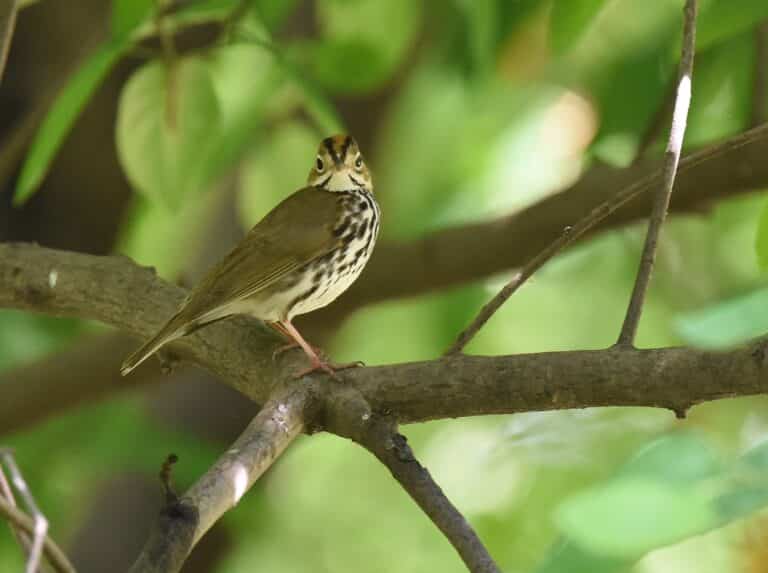
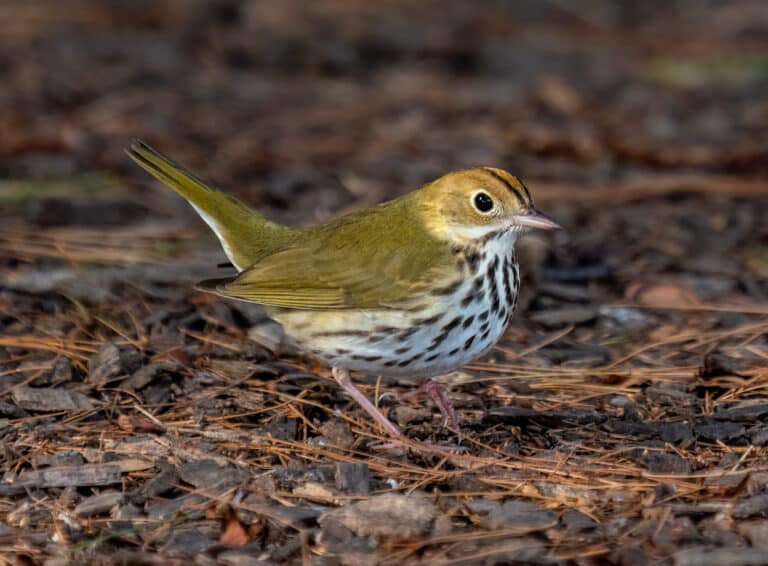
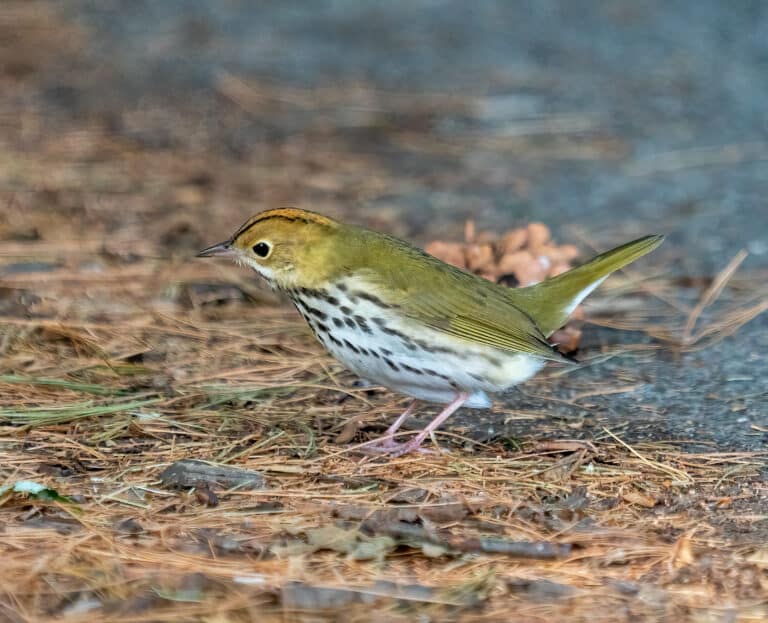
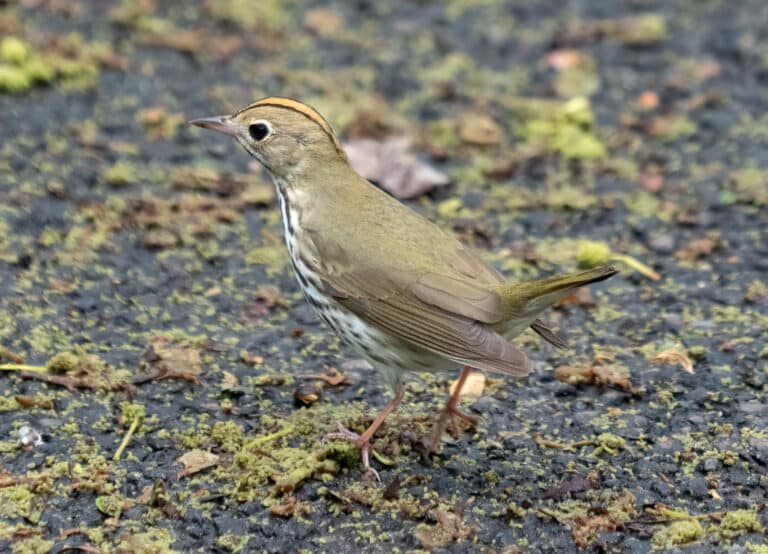
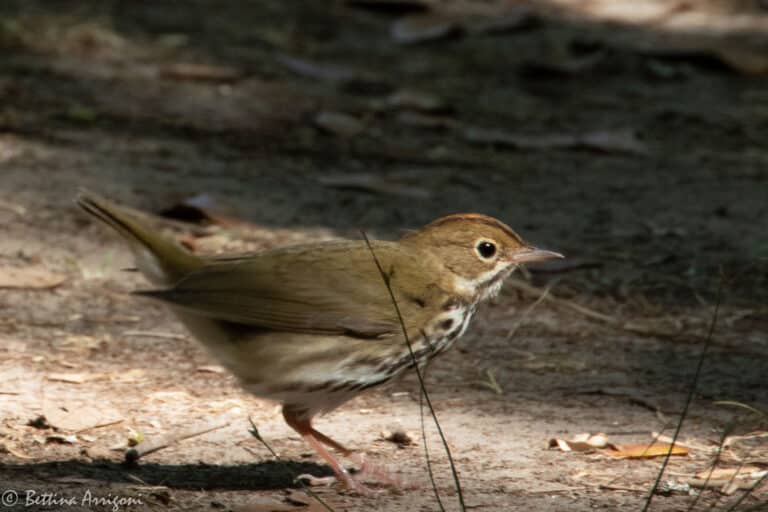
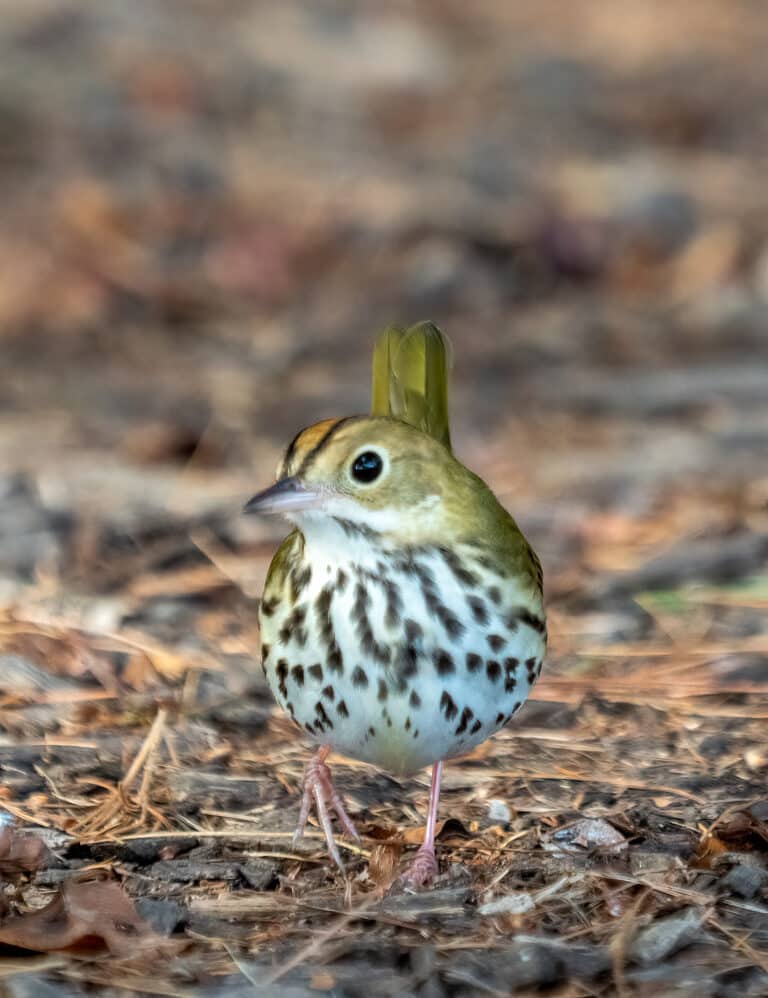
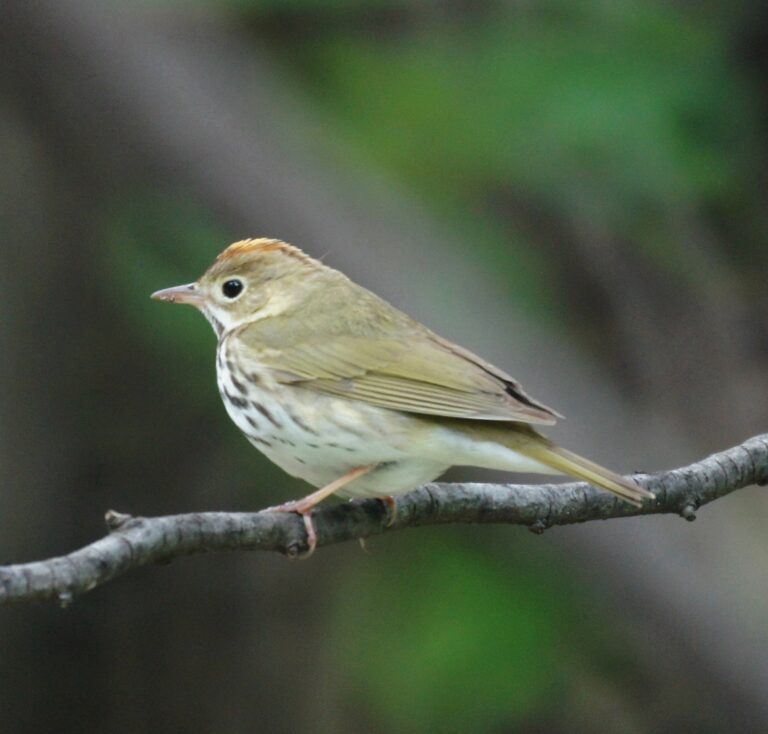
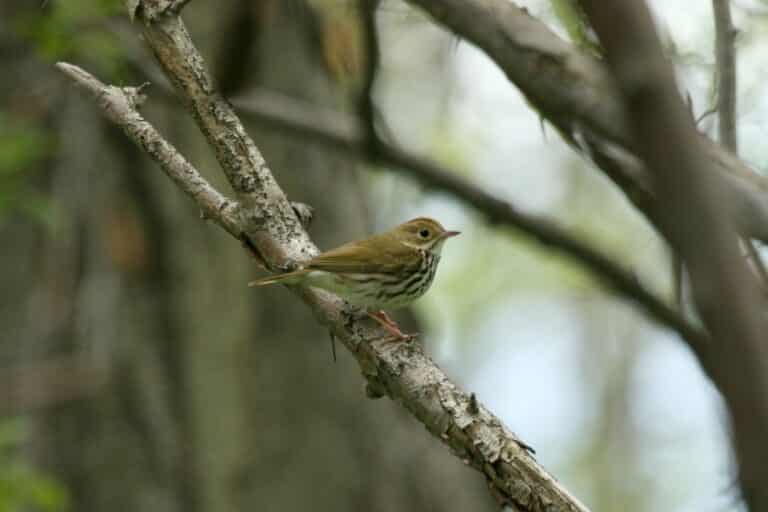
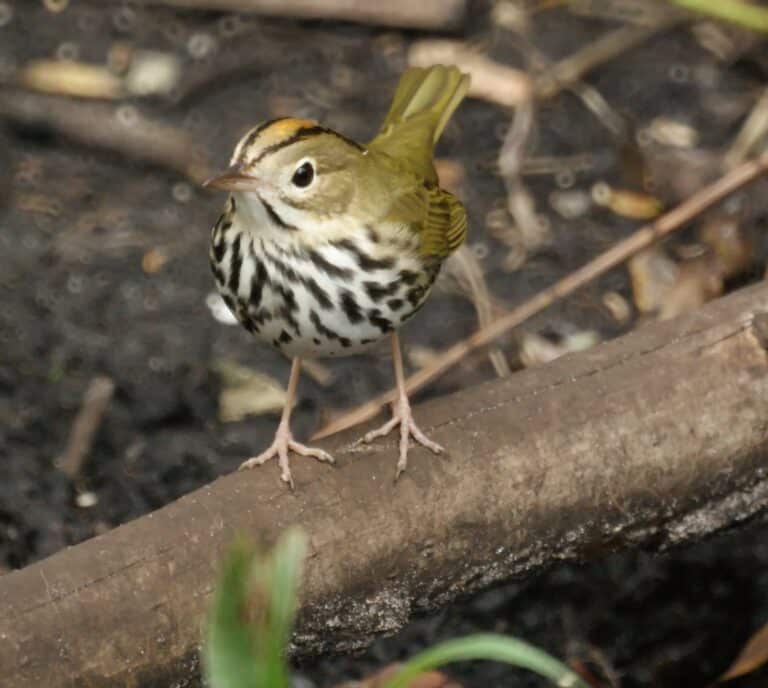
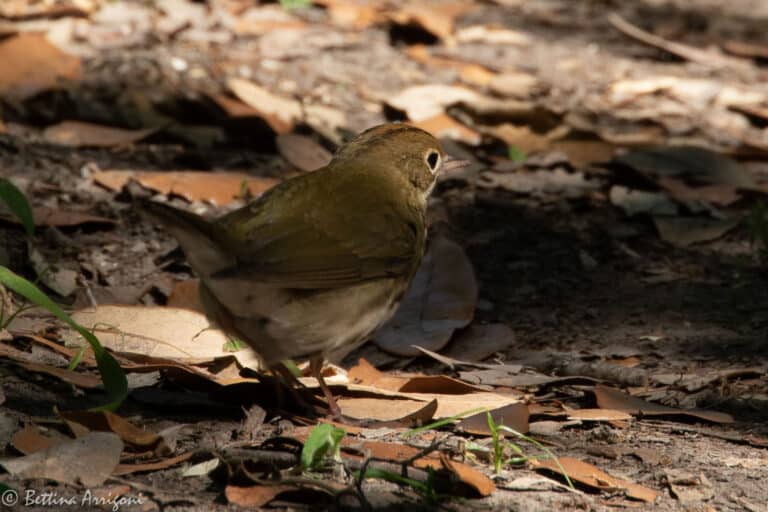
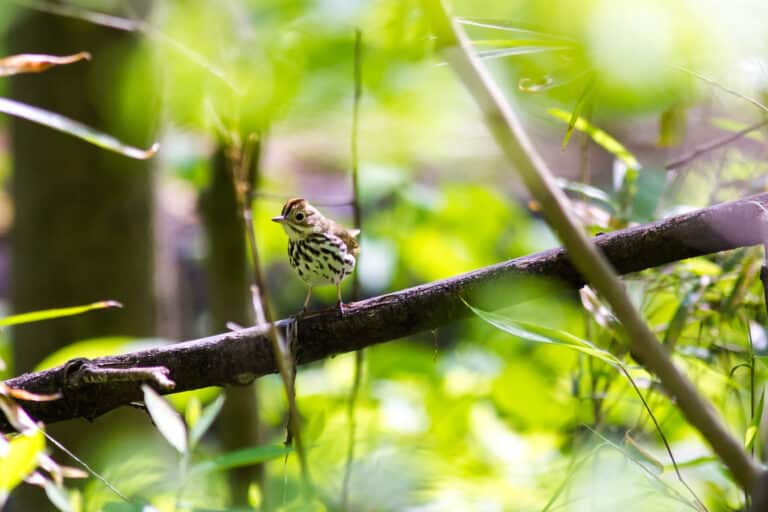
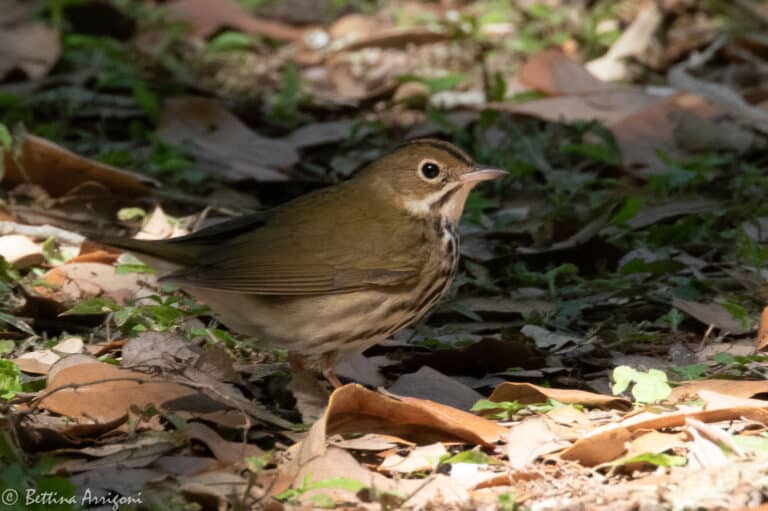
The Ovenbird, with its scientific name Seiurus aurocapilla, is a small, cheerful songbird that measures about 12 to 15 centimeters (5 to 6 inches) long. Found primarily in Central America, this bird loves to sing sweet melodies that fill the forest air with joy.
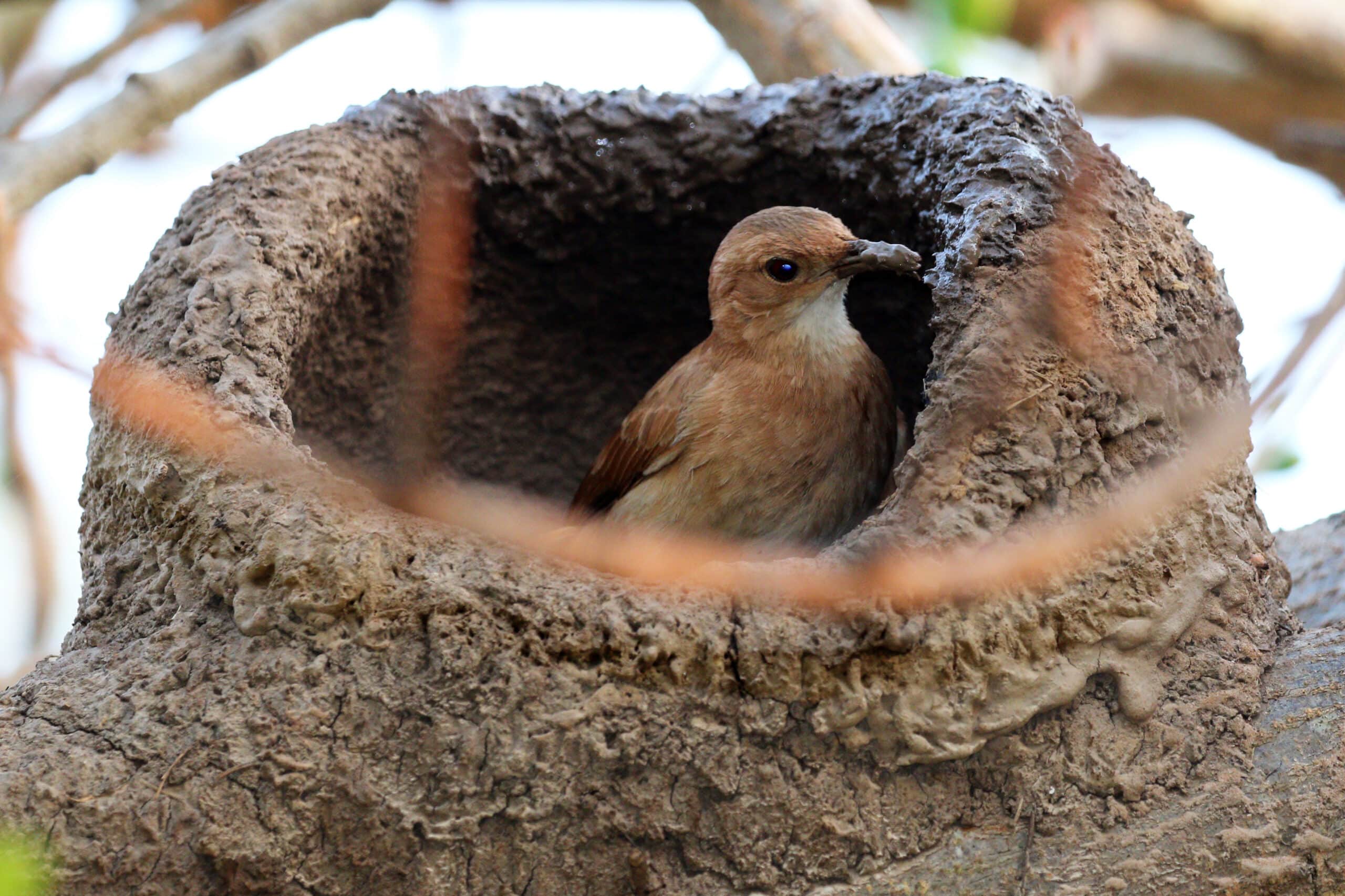
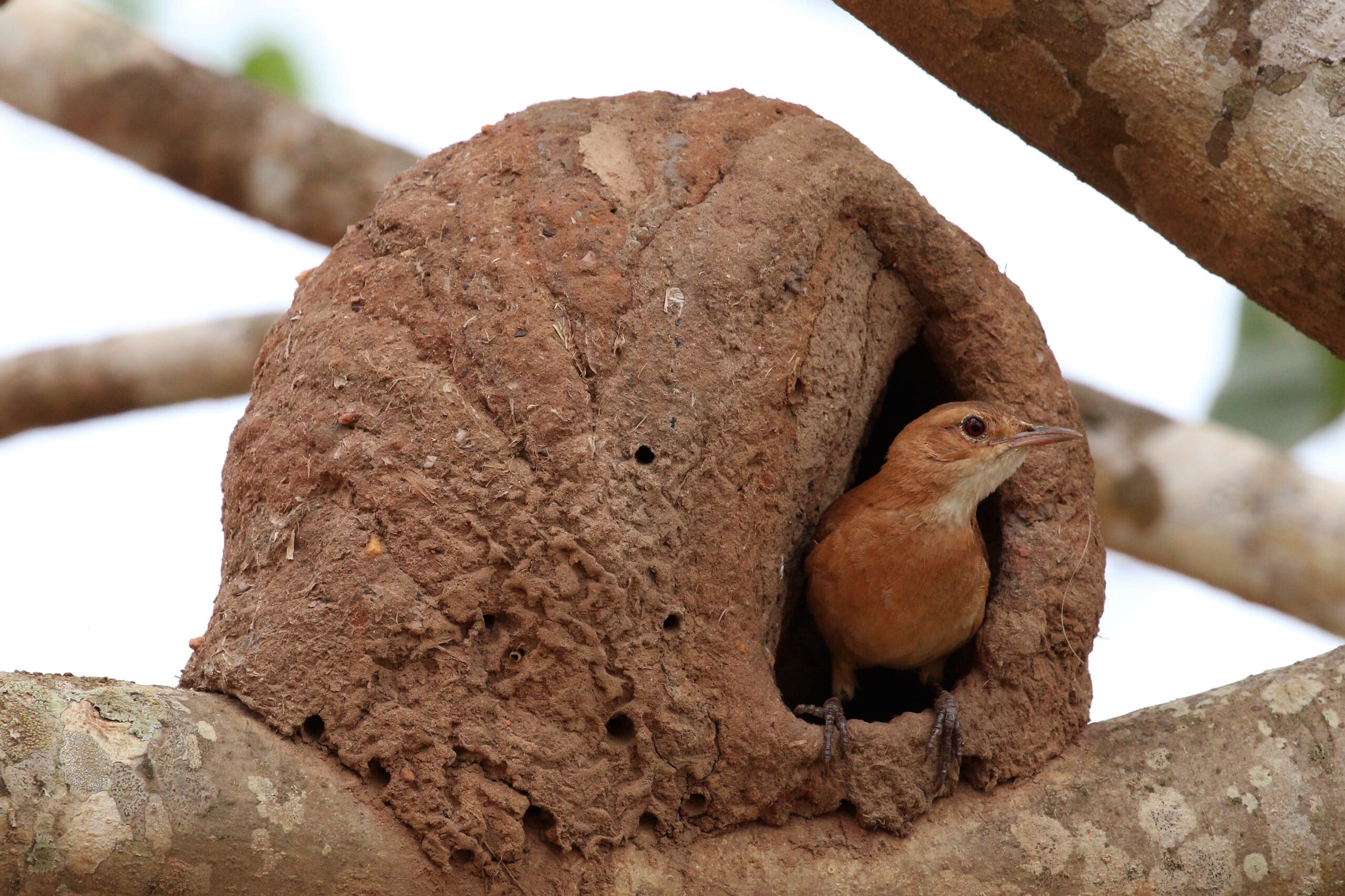
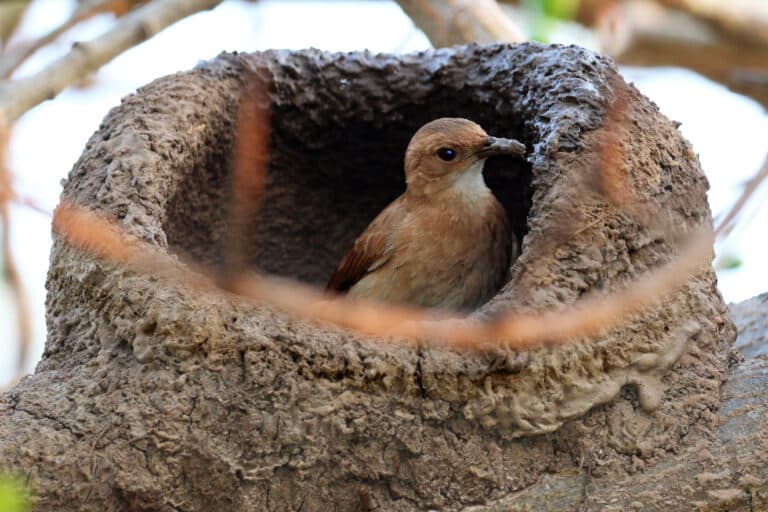
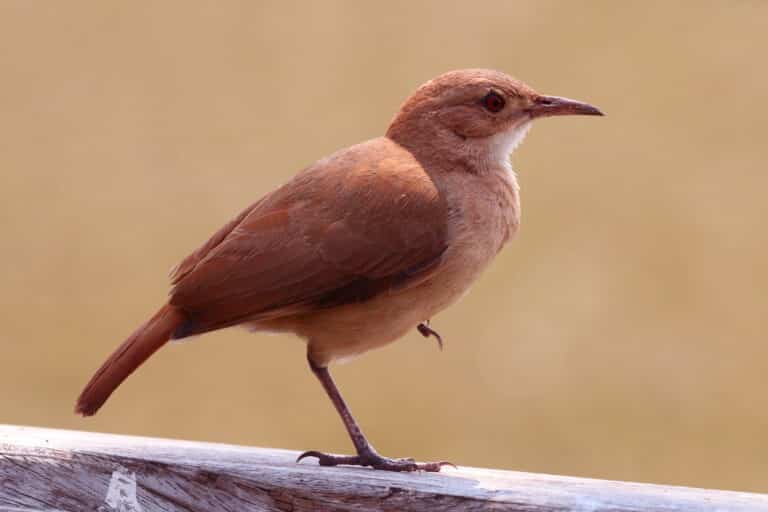
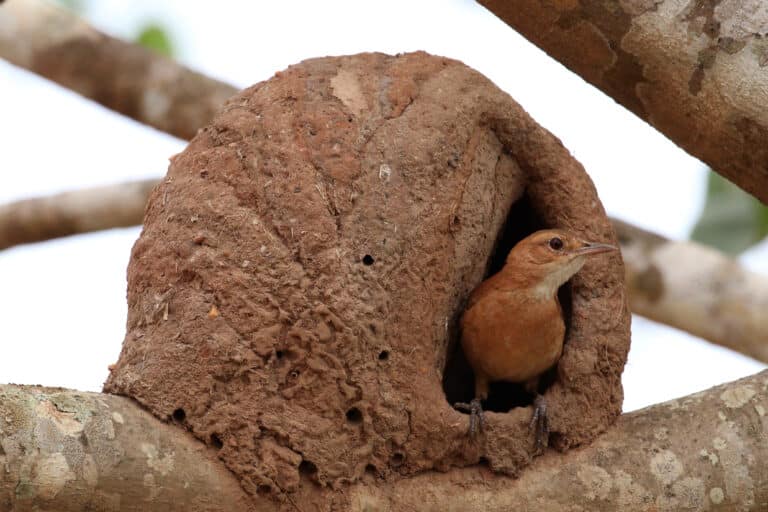
Ovenbirds have unique, dome-shaped nests that look like little ovens, which is how they got their name! They cleverly build these nests right on the ground, camouflaging them with leaves to keep their eggs safe from prying eyes.
This feathery friend enjoys a diet rich in insects, spiders, and seeds, providing it with the energy needed for singing and hopping around its woodland home. Ovenbirds are busy diners, helping keep insect populations in check while feasting on their favorite snacks.
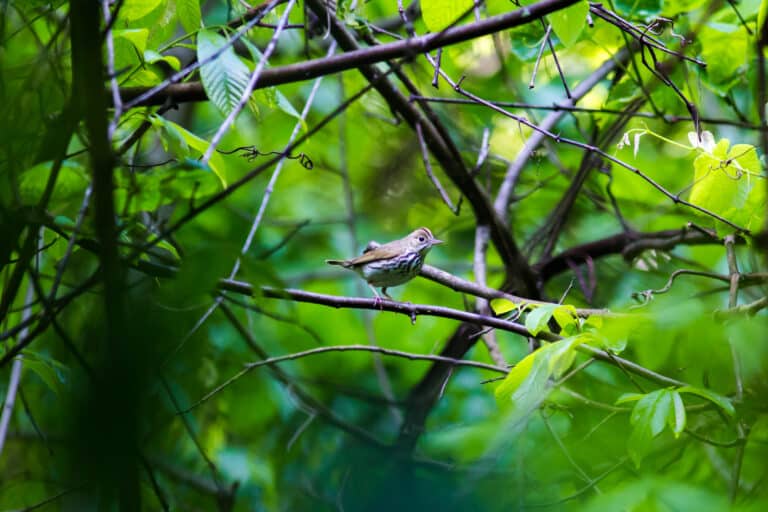
Ovenbirds do not fly in large groups, preferring to roam solo or in pairs. If you happen to hear their beautiful song while hiking, it might just be an Ovenbird saying hello!
The average lifespan of an Ovenbird is about 7 years, but they sure make every minute count. These delightful birds brighten up their habitats and remind us of the beauty of nature, one sweet song at a time.

Where can you find a Ovenbird in the wild?
What does a Ovenbird eat?
How big can a Ovenbird grow?
How long does a Ovenbird typically live?
What is the conservation status of the Ovenbird?
What are the main threats to the Ovenbird?
Fun facts
The Ovenbird does not have a permanent nest. Instead, it creates a new nest for each breeding season, showcasing its building skills every year!


When an Ovenbird feels threatened, it performs a funny little low crawl to avoid detection, using its camouflage to stay hidden from predators.
Ovenbirds have a special song that sounds like they are saying "Teacher, teacher, teacher!" which helps them communicate and attract mates in the forest!
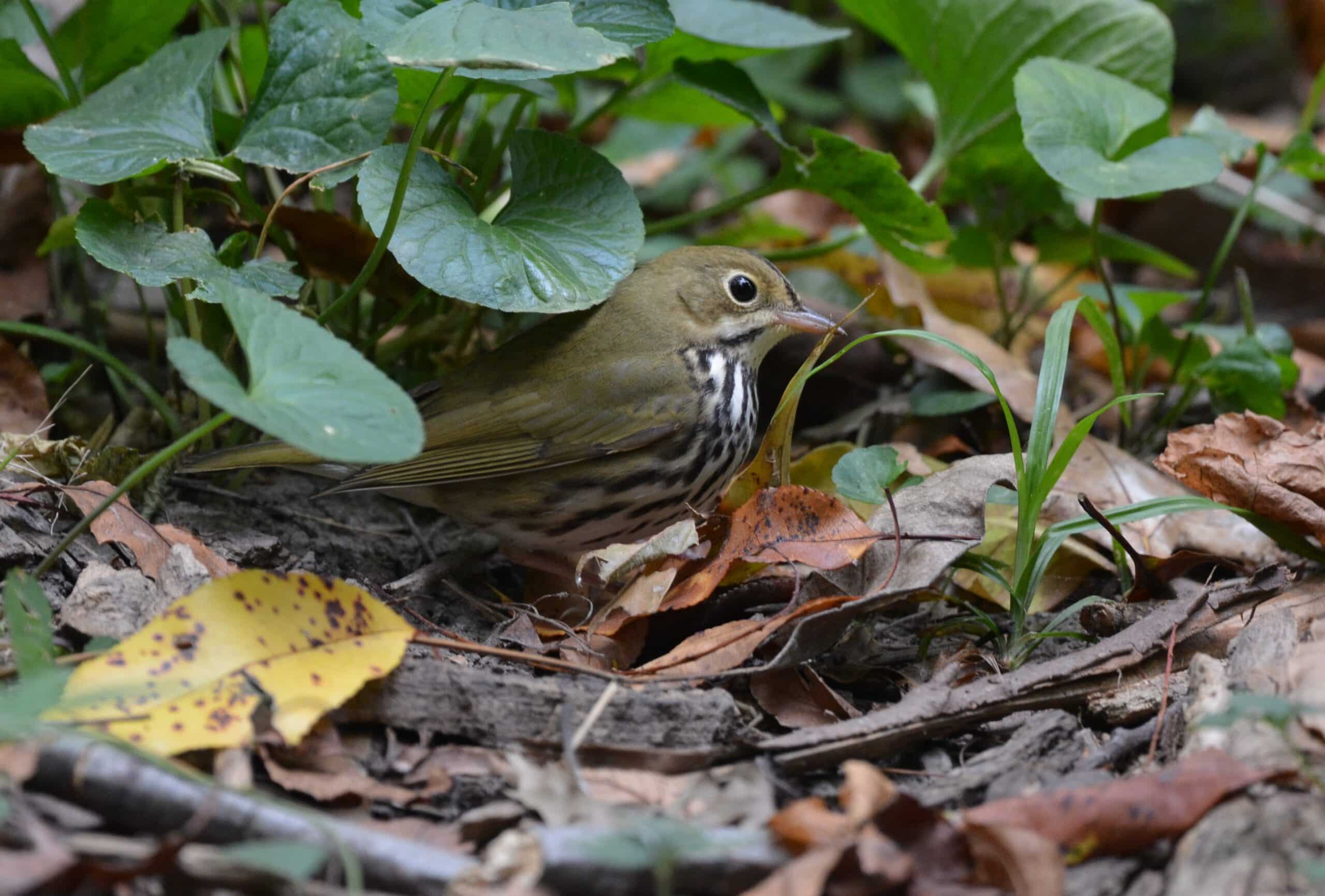
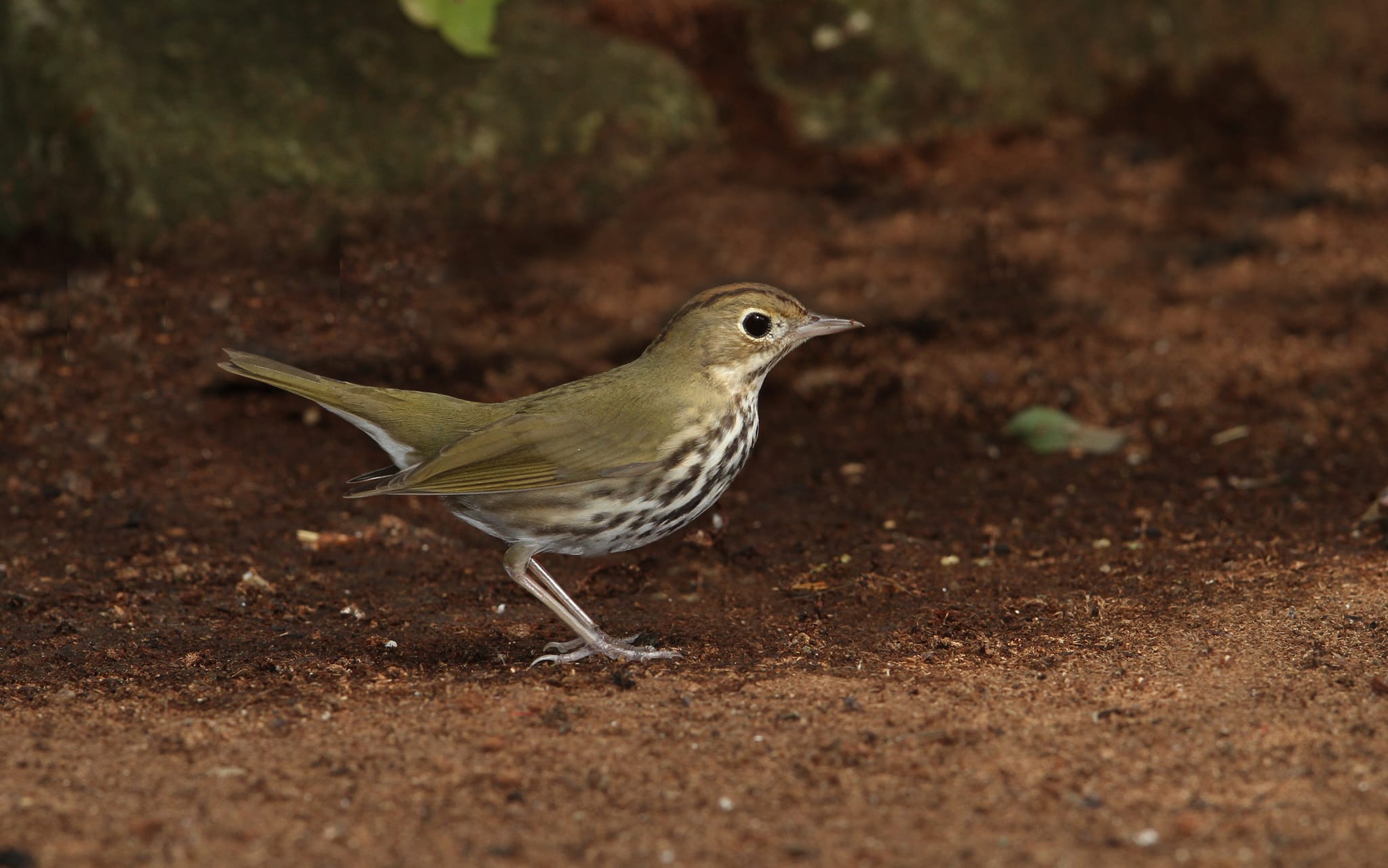
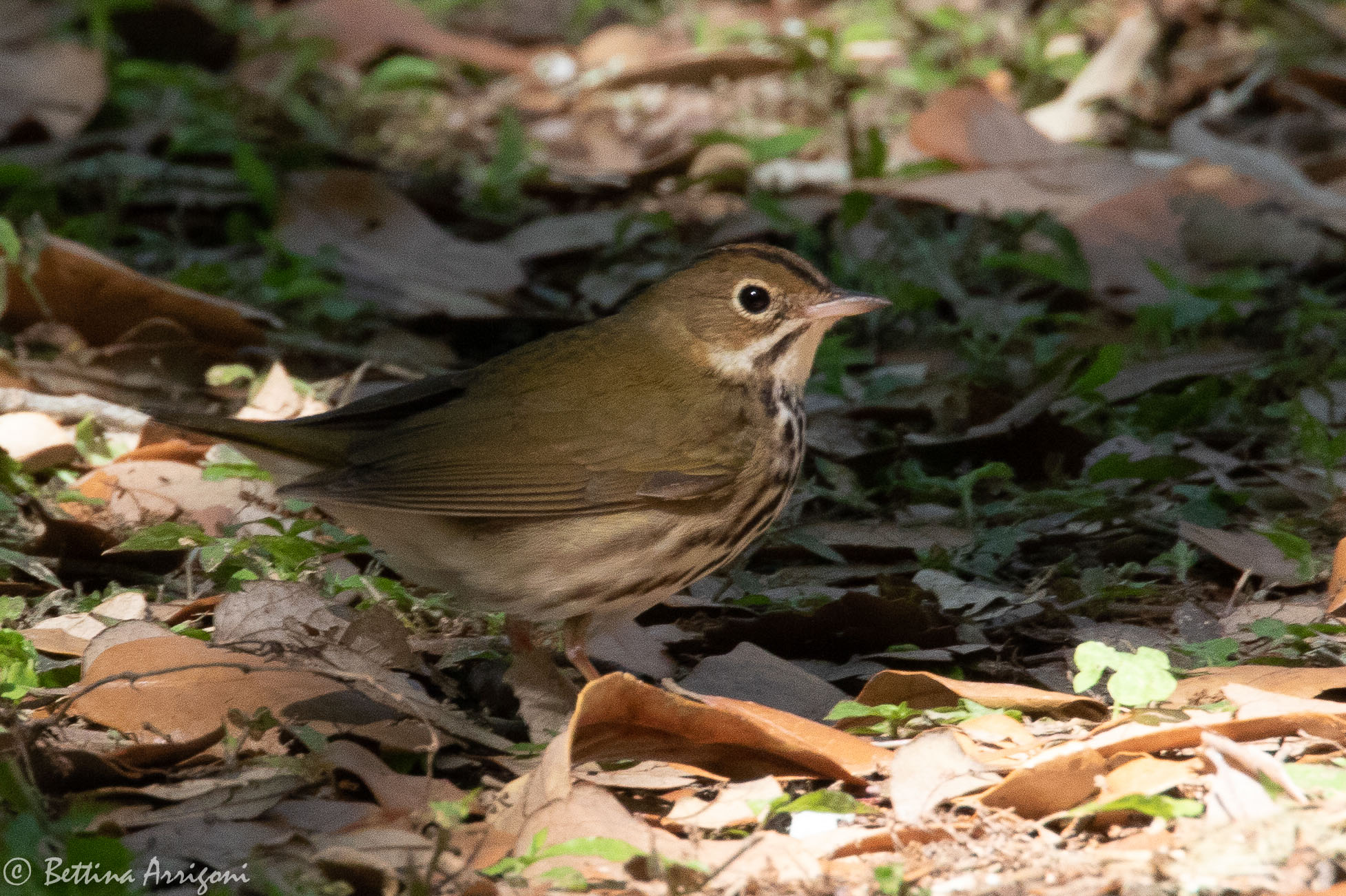
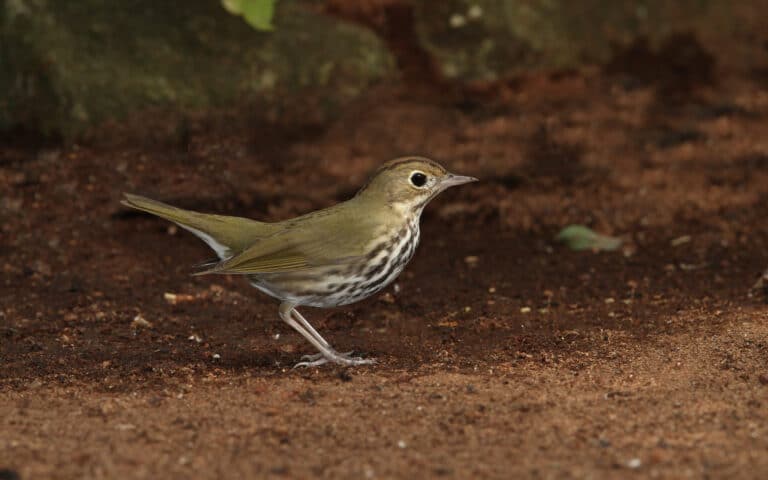
The Ovenbird can often be spotted fluttering on the forest floor, hopping around just like a tiny little bunny searching for tasty insects!
Some Ovenbirds can sing a whopping 10 different variations of their songs, making them true music masters of the forest!
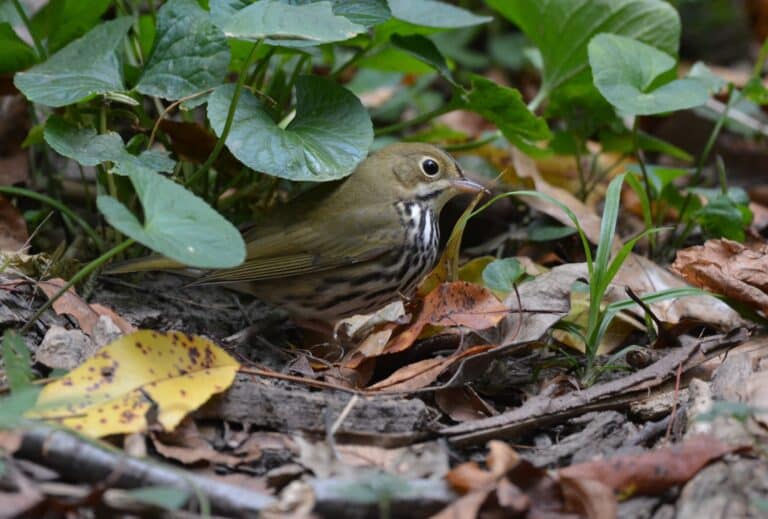
These birds have a unique way of foraging—sometimes they flip leaves over with their beaks to find hidden insects, almost like a treasure hunt in the leaves!
Ovenbirds have a special connection with their habitat—when humans hear their song, it often means they are in a healthy, thriving forest ecosystem!
During winter, Ovenbirds migrate alone instead of flying in flocks, making them adventurous travelers on their journey to warmer places!
The Ovenbird uses its bright coloration not just for show; it also helps blend in with the forest floor, making it harder for predators to spot them.
Ovenbirds often enter a state of torpor at night, lowering their body temperature and slowing their metabolism, helping them save energy for the next day's adventures!
Photos


The Basics


explore more
Amphibians
Arachnids
Birds
Cats
Crustaceans
Fish
Fish Pet Guide
Gastropods
Insects
Invertebrates
Mammals
Pet Fish
Pet Rodents
Plants
Reptiles
Roundworms
Sea Slugs