
Successfully copied to clipboard!
Owl
Uncover the nighttime mysteries and wisdom of these amazing hunters!
Let’s Explore
Overview
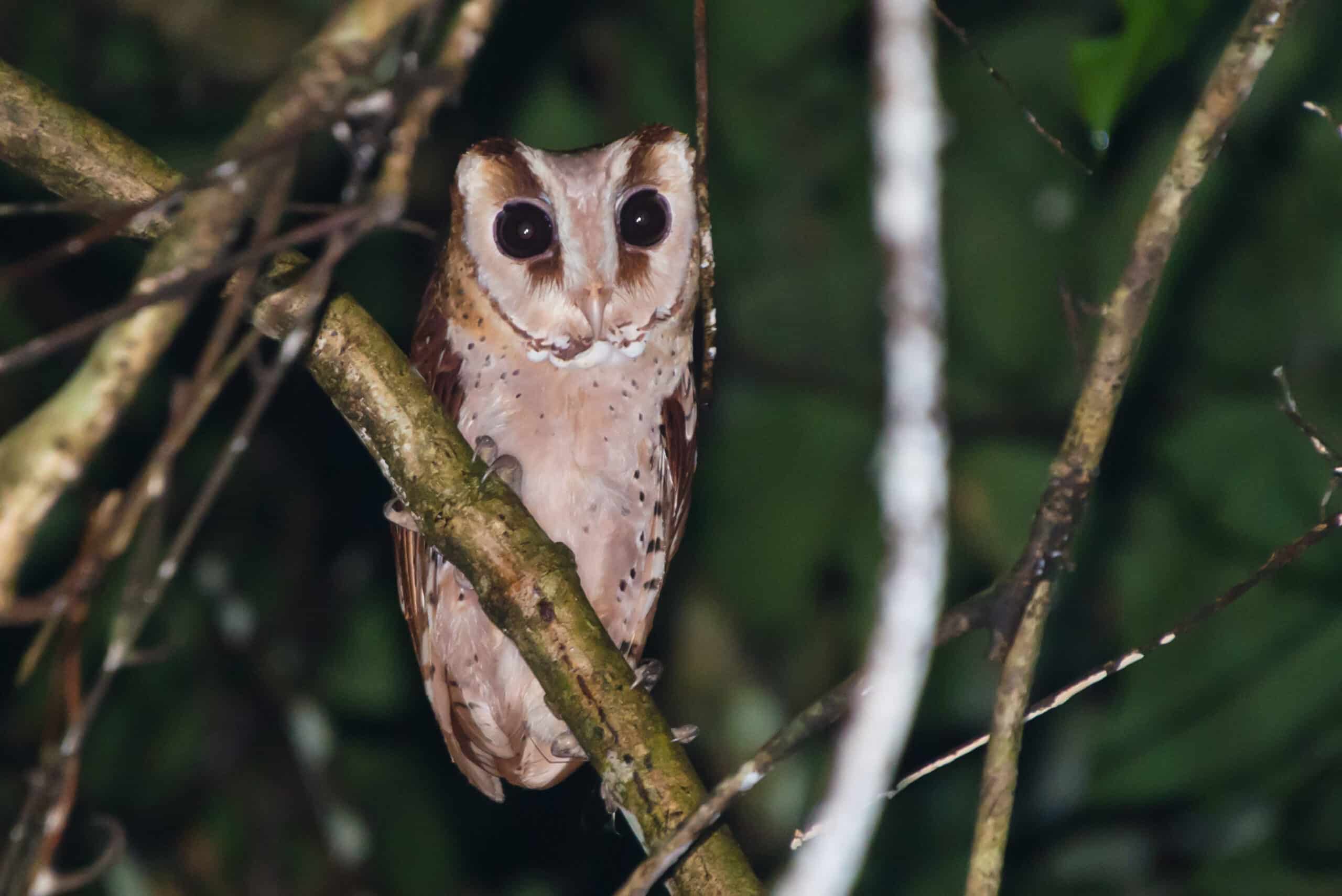
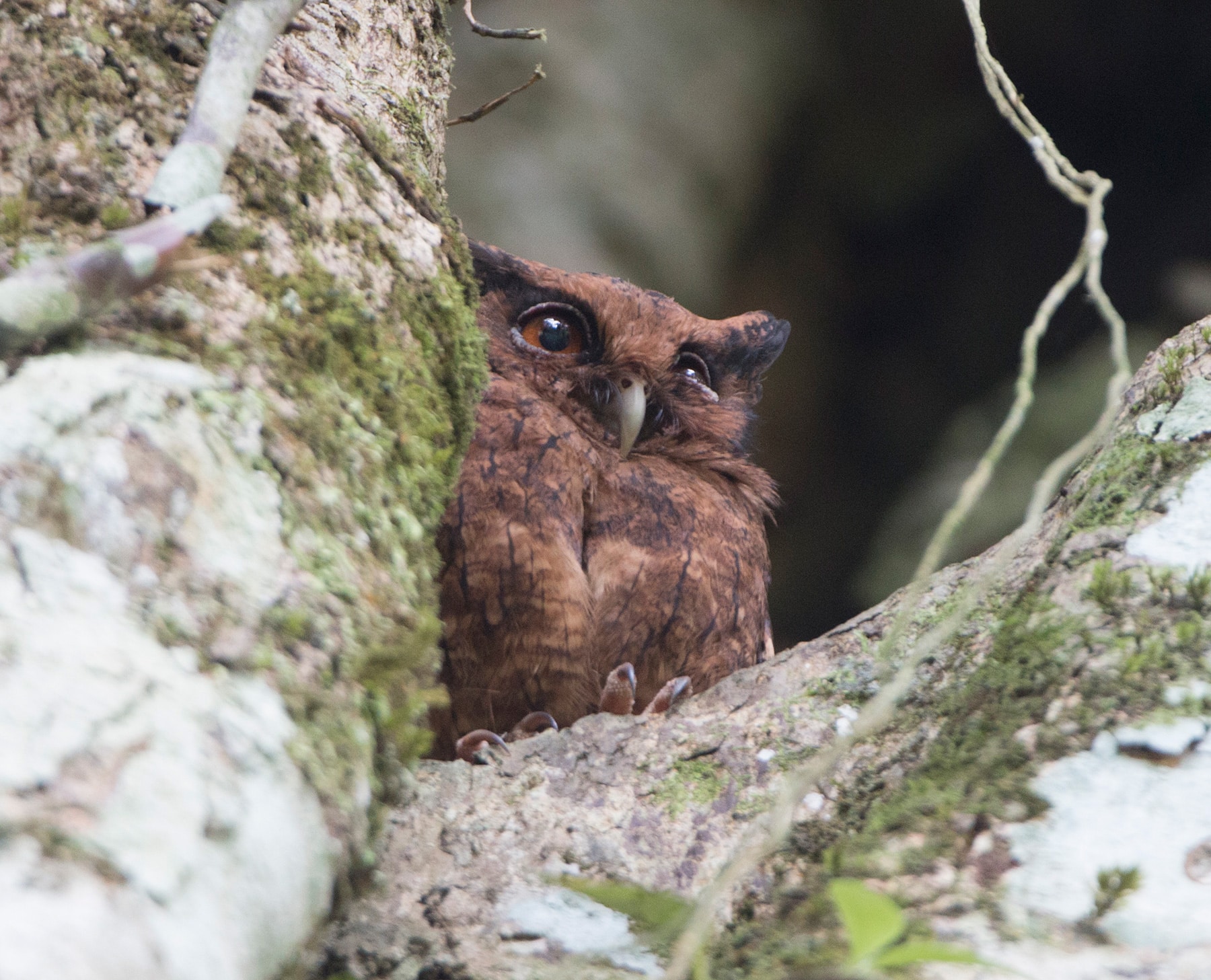
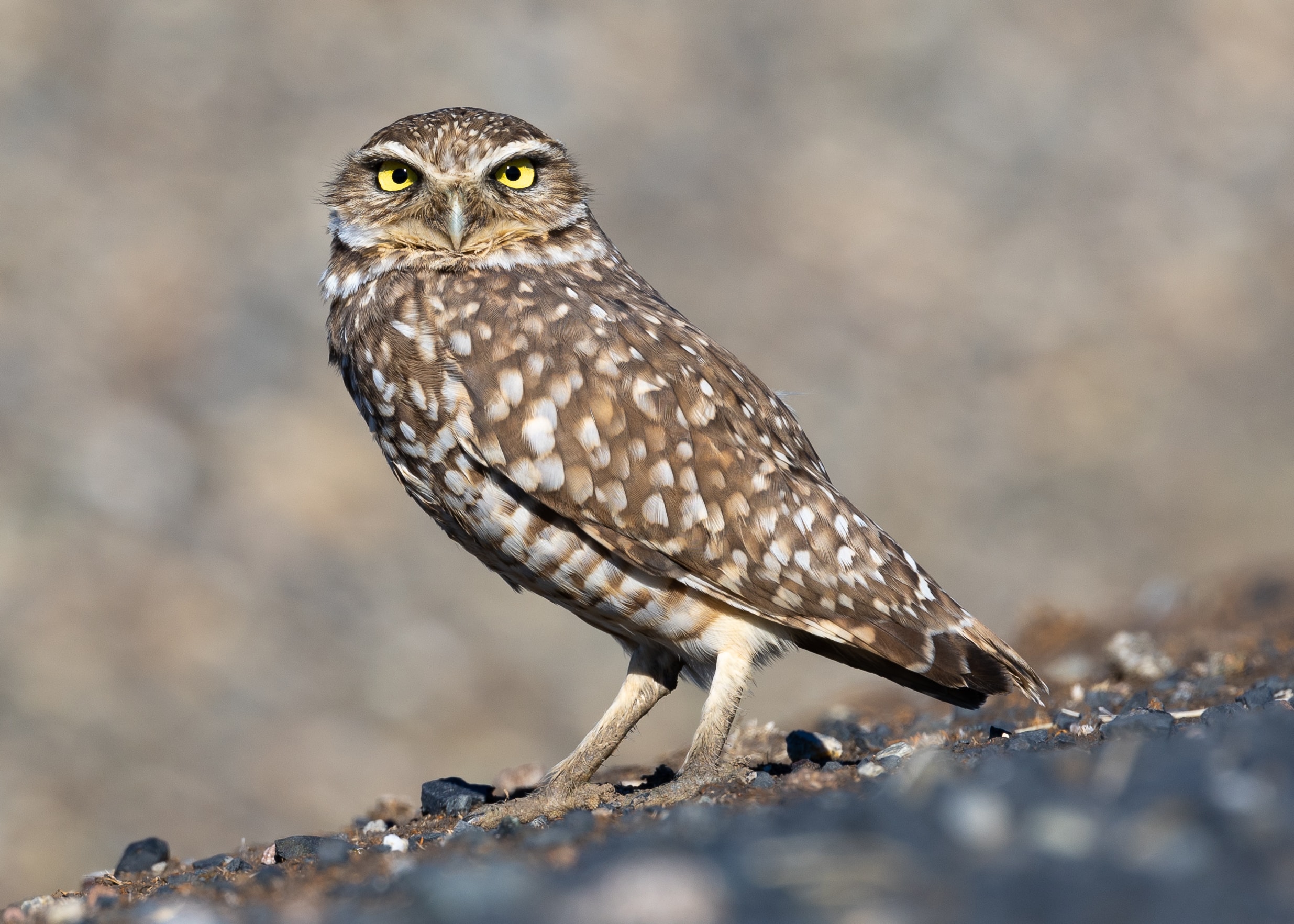
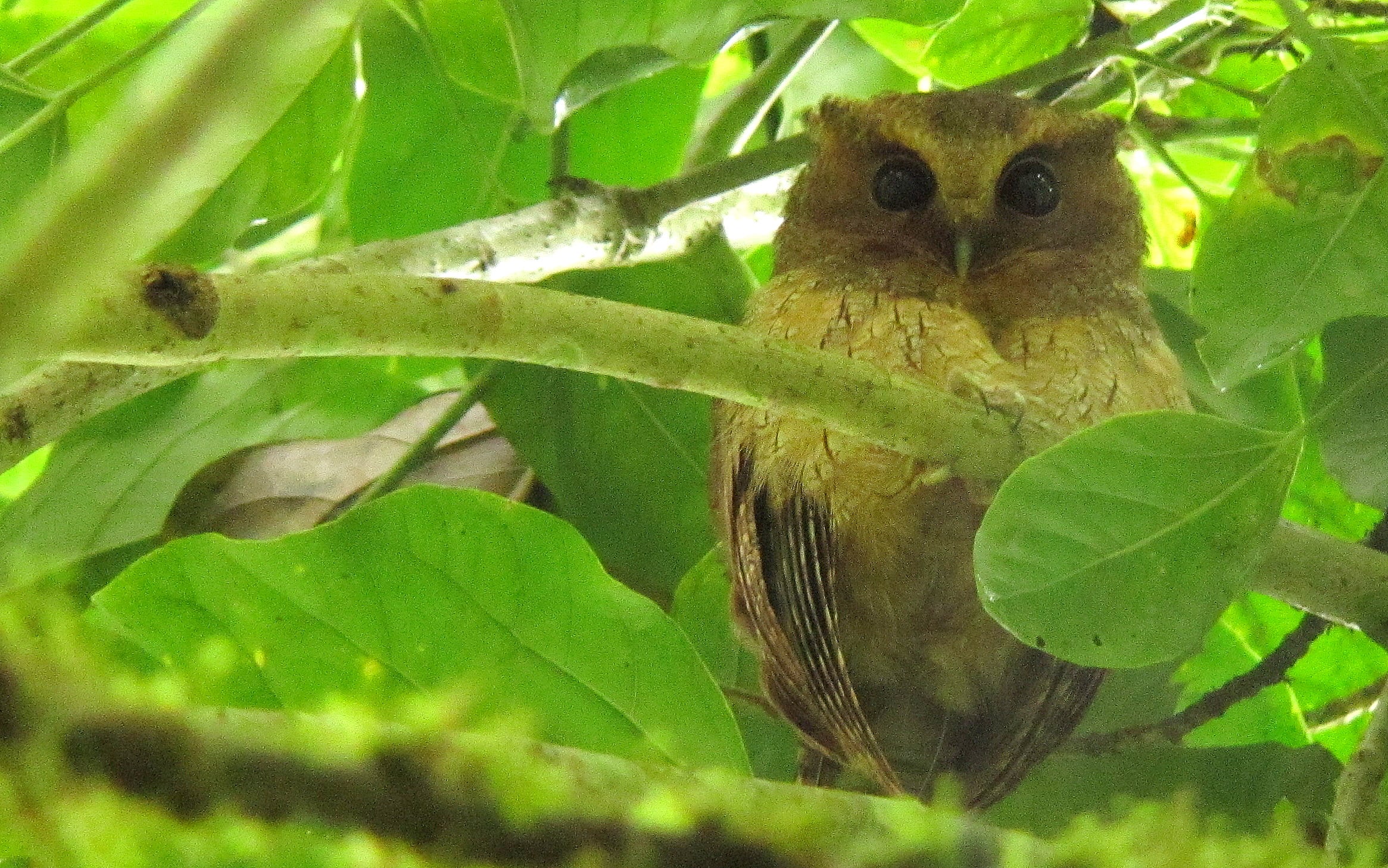
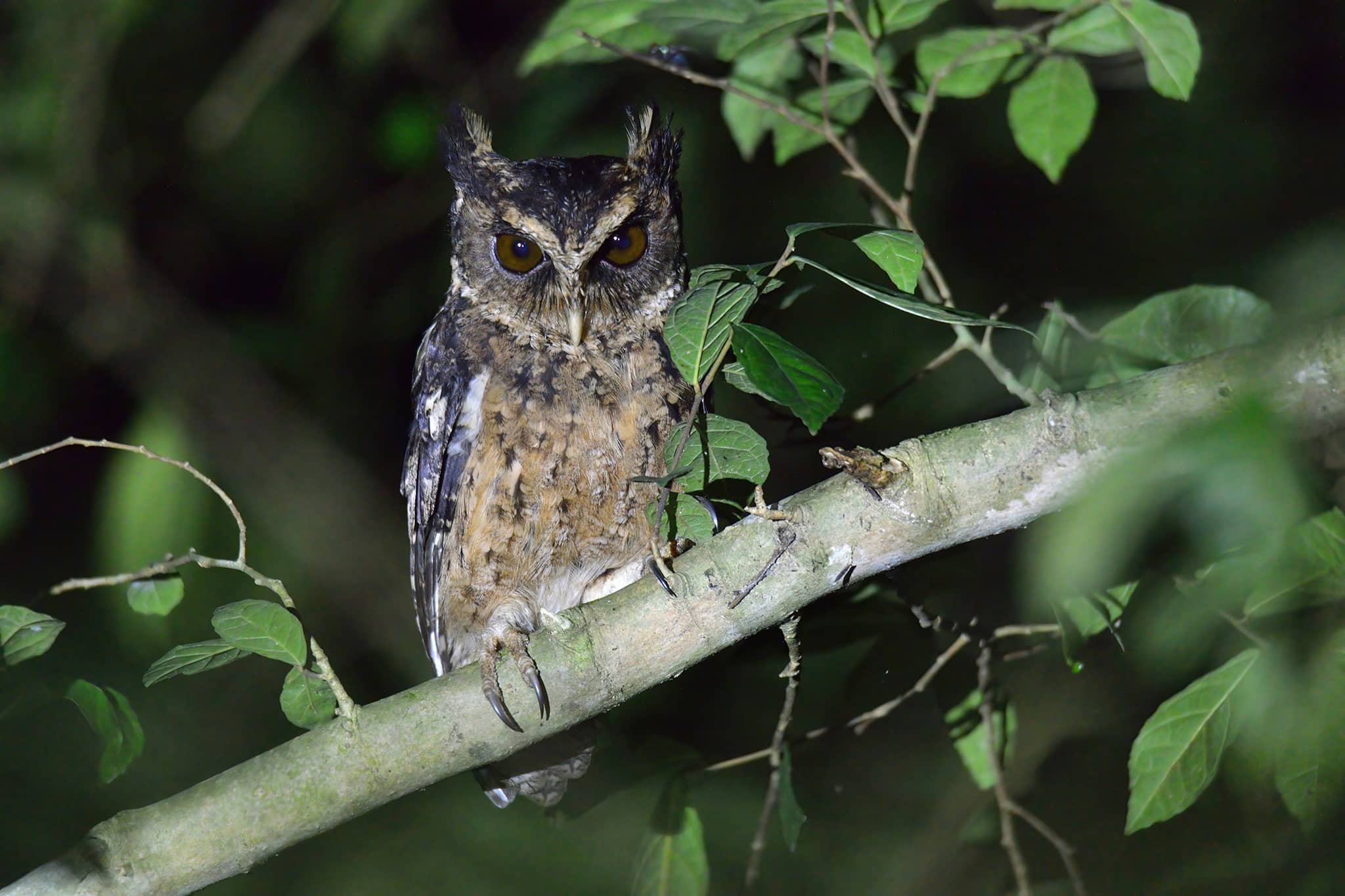
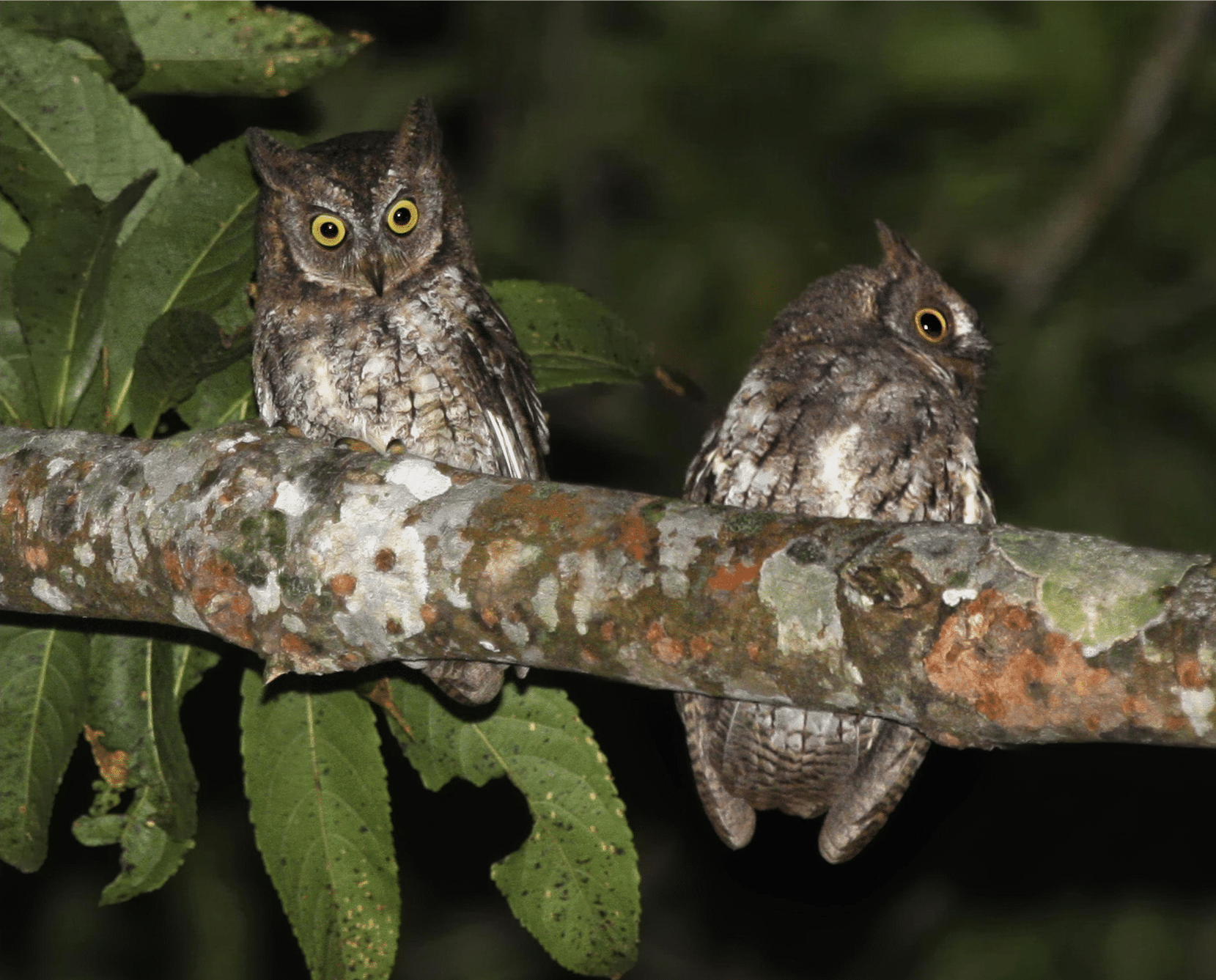
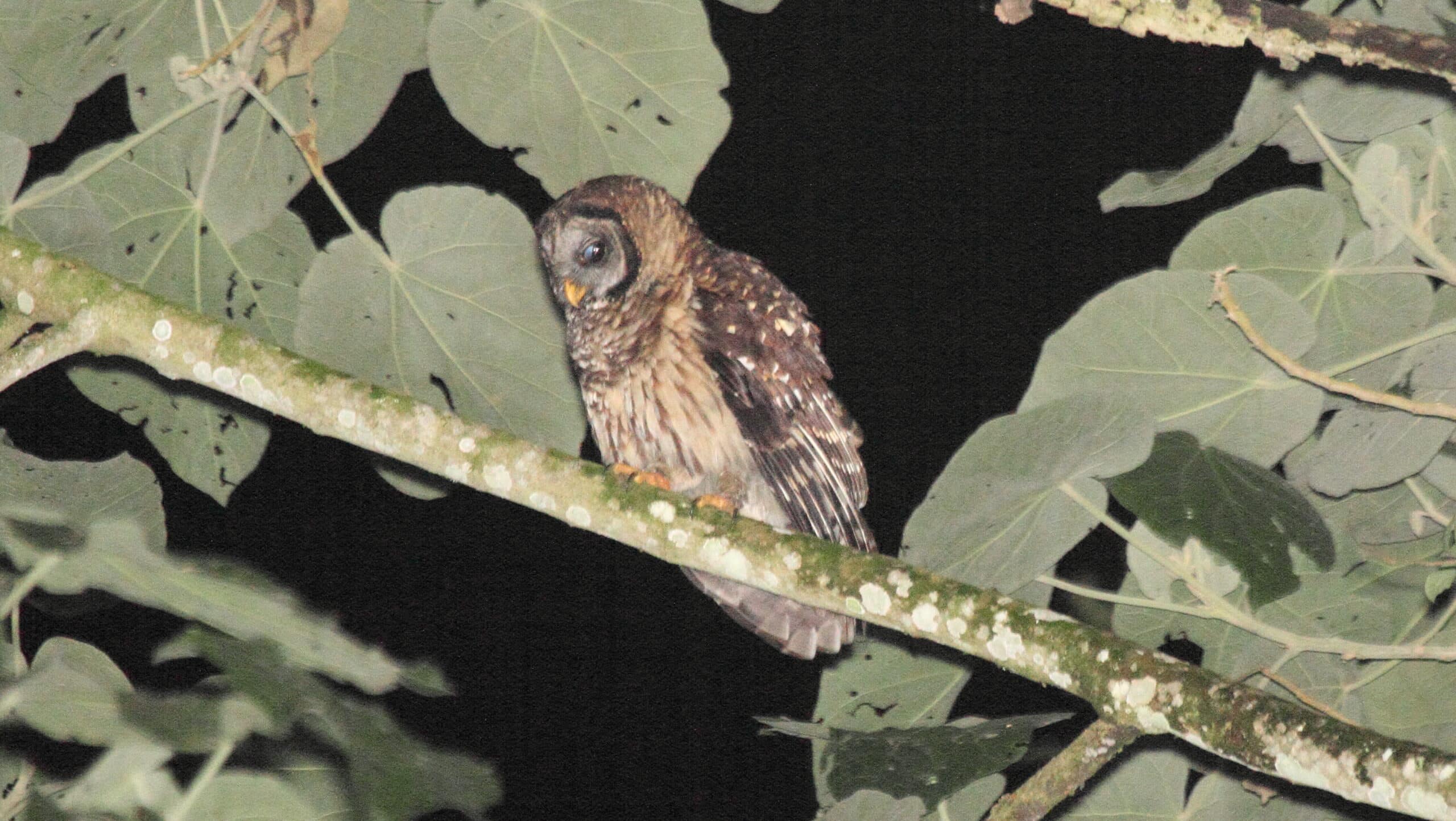
Owls are incredible birds that belong to the order Strigiformes. They live on every continent except Antarctica and come in many sizes, ranging from 13 to 71 centimeters (5 to 28 inches) tall.
Many owls are night owls, meaning they are nocturnal. They can see well in the dark and hear sounds up to 10 times better than humans, making them superb hunters under the moonlight.
Owls eat a variety of foods including insects, small mammals, and birds. Their excellent eyesight and silent flight help them sneak up on their prey without being heard, which is quite a remarkable talent!
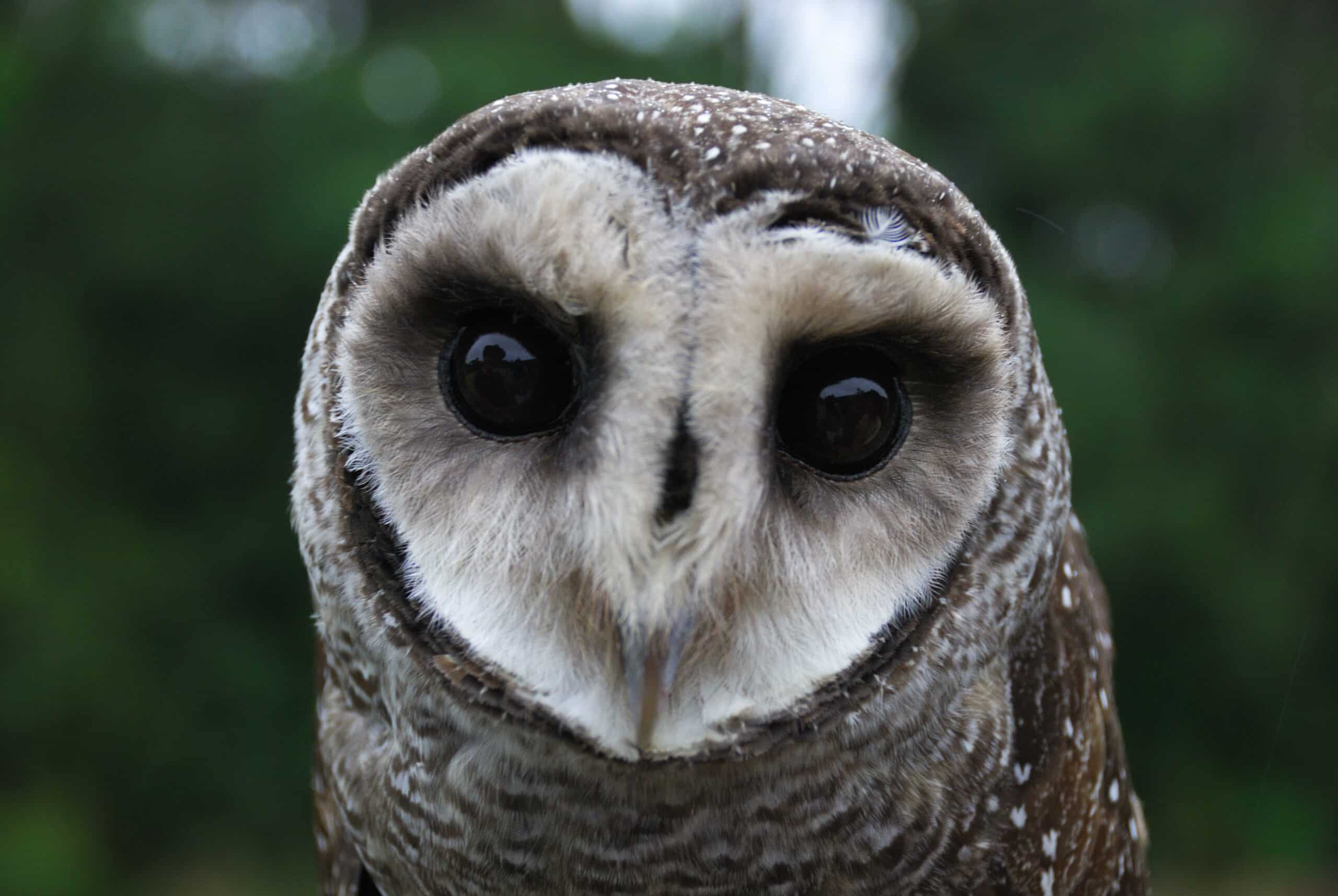
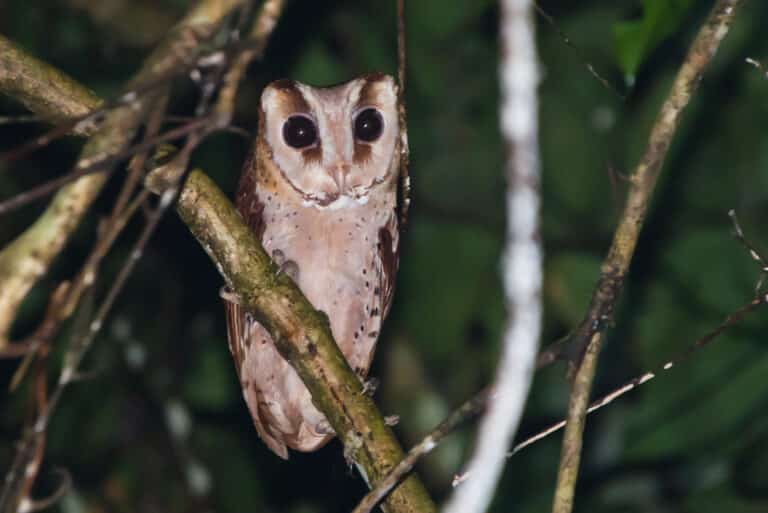
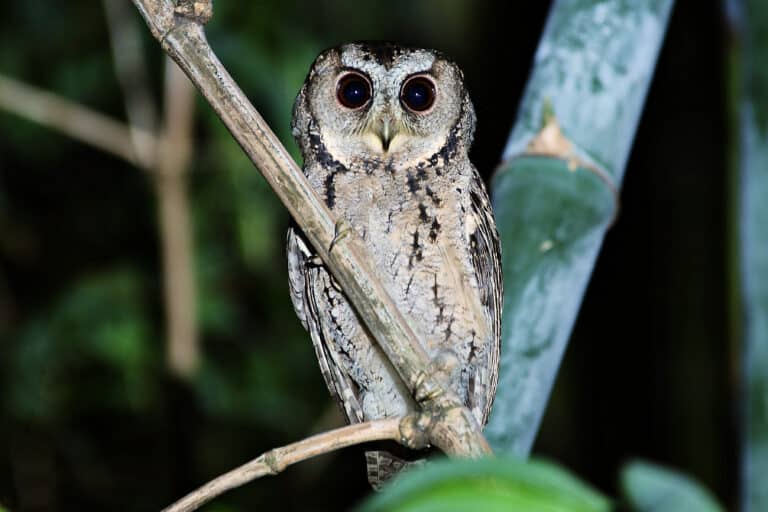
Most owls have distinctive faces shaped like a heart or disk. This unique shape helps direct sound to their ears, improving their ability to locate prey even in complete darkness.
Owls often have a lifespan of 10 to 15 years. Some species can live even longer, especially in protected environments, proving that sometimes wisdom does come with age!
These feathered friends are known for their hooting calls. Each species has its own unique sound, making owl calls a fun way to pinpoint which type of owl is nearby.
With their mesmerizing appearances and fascinating behaviors, owls truly enchant birdwatchers and nature lovers alike. Whooo could resist the charm of these amazing avian wonders?

Where can you find a Owl in the wild?
What does a Owl eat?
How big can a Owl grow?
How long does a Owl typically live?
What is the conservation status of the Owl?
What are the main threats to the Owl?
Fun facts
Owls can turn their heads up to 270 degrees! This means they can look behind themselves without moving their bodies, making them like the ultimate neck yoga champions.


Some species of owls, like the Barn Owl, have heart-shaped faces! This special design helps them hear better by funneling sound straight to their ears, almost like nature’s very own sound system.
Owls have feathers that have soft edges, allowing them to fly silently. When they swoop down to catch prey, they sound like a ghostly whisper in the night!
Owls do a cool trick called 'pellet regurgitation.' After eating, they spit out a ball of fur and bones that they can’t digest. It’s like a furry little surprise gift left behind!
The Great Horned Owl has powerful talons that can grip with a force of 1,000 pounds per square inch! That’s stronger than most other birds of prey, making them fierce hunters.
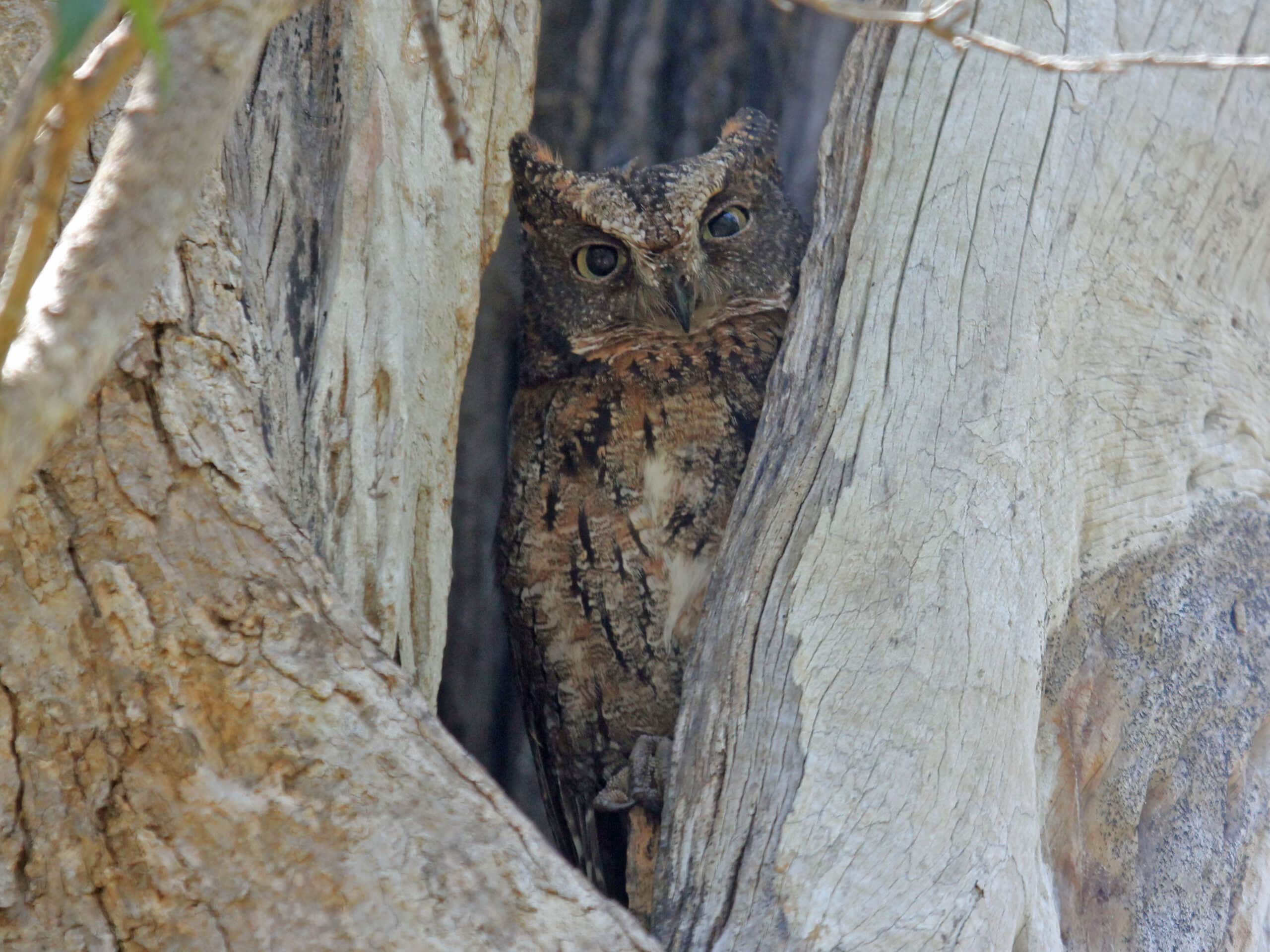
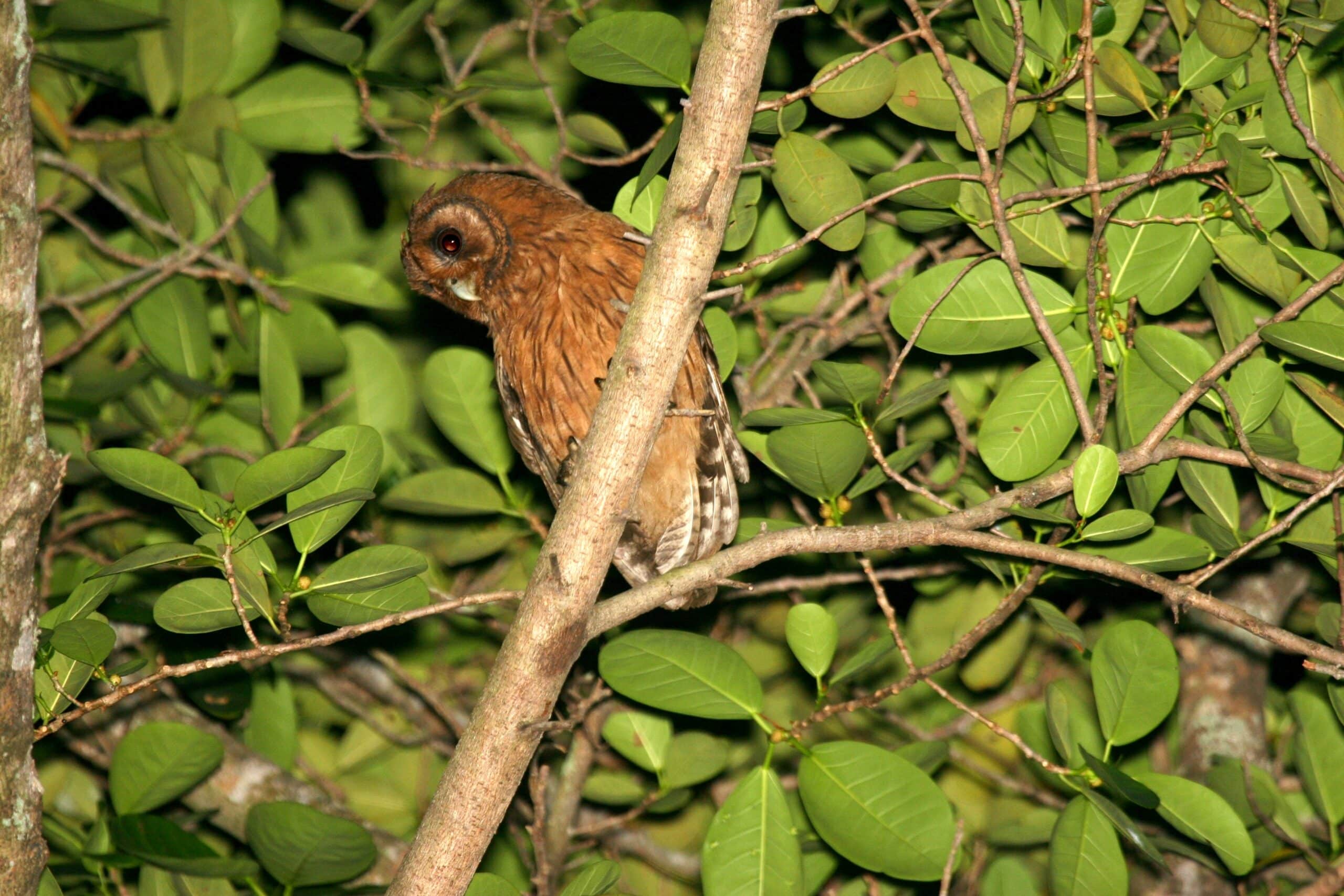
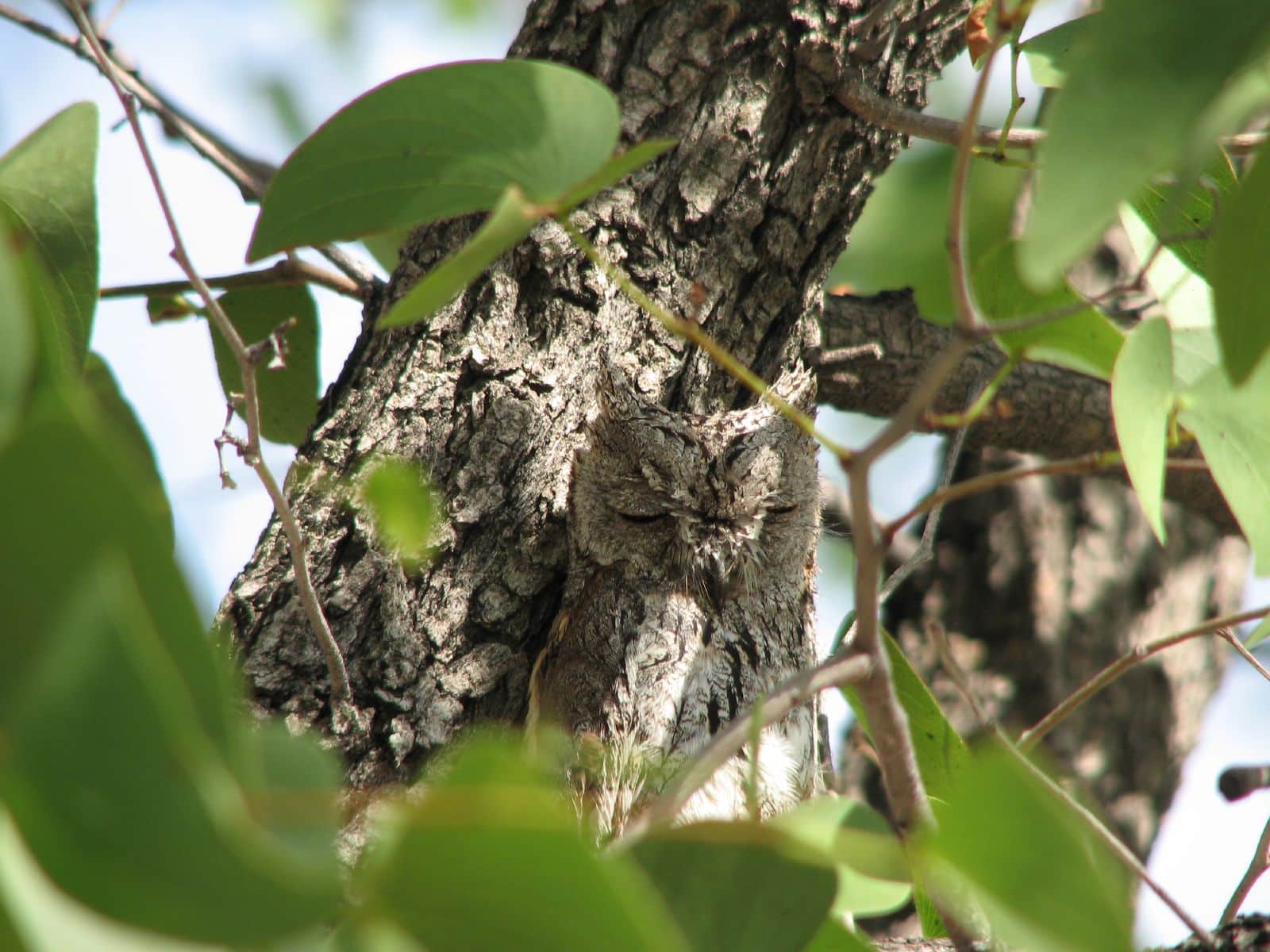
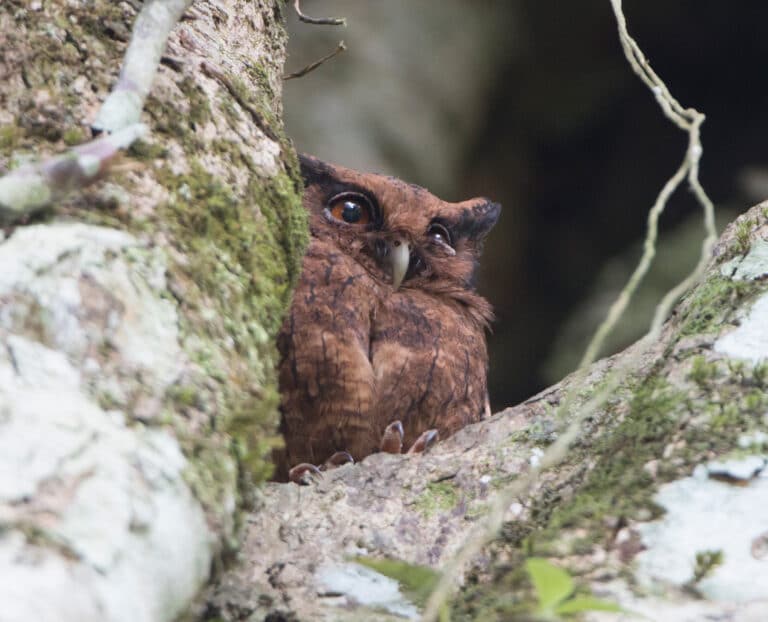
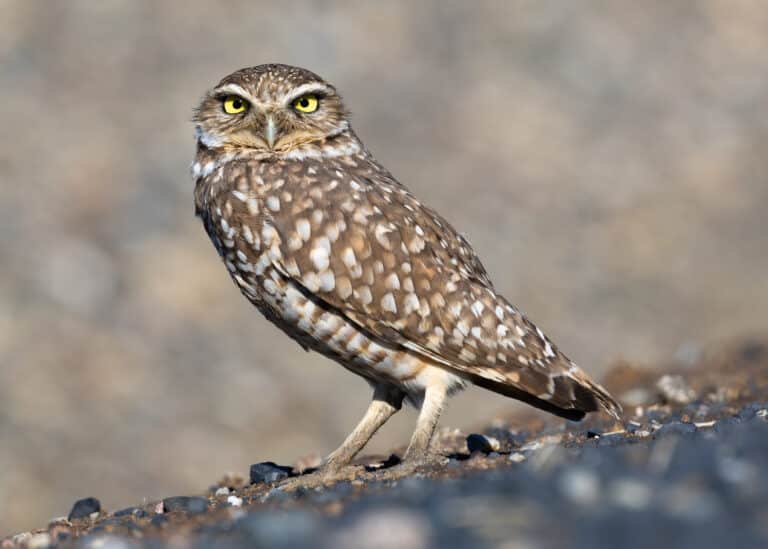
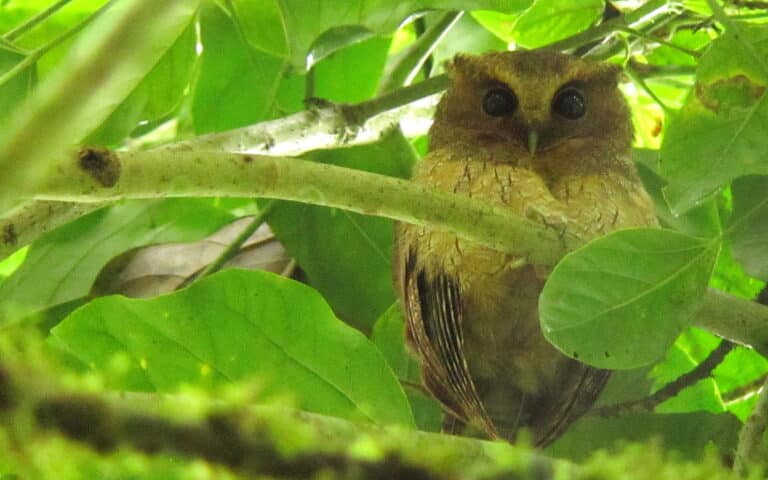
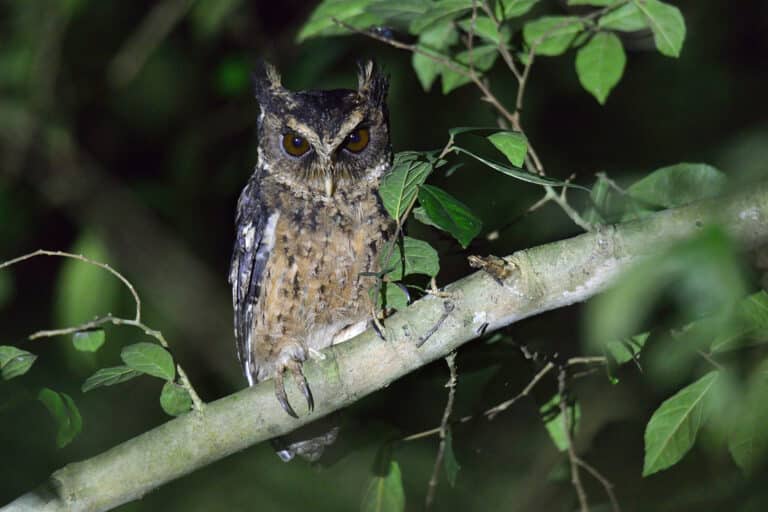
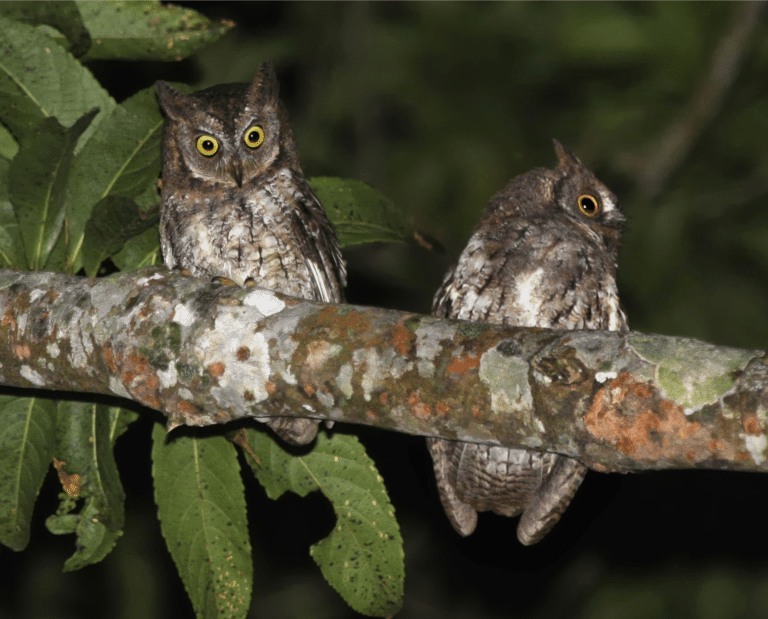
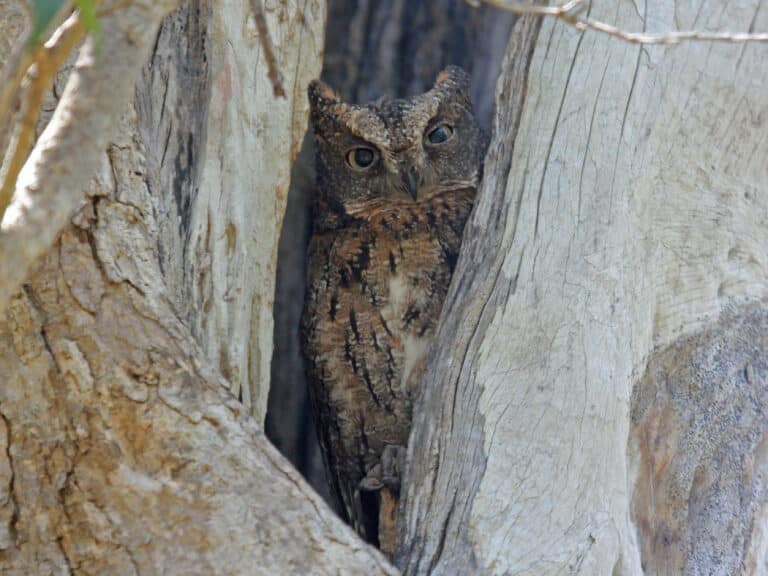
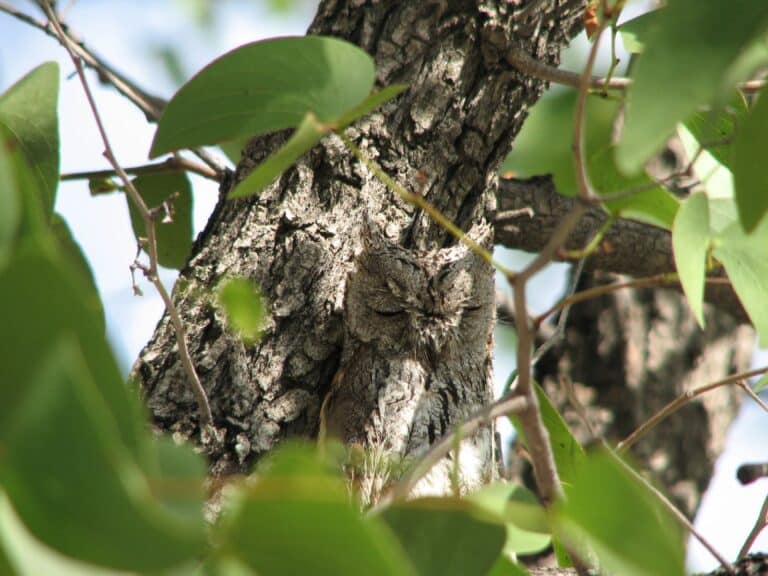
Some owls have special markings called 'cryptic plumage.' These patterns help them blend into their surroundings, making them look like they are part of the tree branches. They are the masters of hide and seek!
Some owls only hunt at twilight, making them crepuscular. This means they’re most active during the magical moments of dawn and dusk when the world is painted in beautiful colors.
In ancient cultures, people believed owls were symbols of wisdom. They associated these birds with knowledge and learning because they were often seen hanging around sacred places.
Owls can hear a mouse squeak from up to 100 meters (328 feet) away! Their incredible hearing allows them to find food even when it’s hiding under leaves or snow.
Some owls, like the Eastern Screech Owl, can change their color to blend in with the seasons! They are natural chameleons, using their feathers to stay hidden in snow or autumn leaves.
Photos




The Basics


explore more
Amphibians
Arachnids
Birds
Cats
Crustaceans
Fish
Fish Pet Guide
Gastropods
Insects
Invertebrates
Mammals
Pet Fish
Pet Rodents
Plants
Reptiles
Roundworms
Sea Slugs