Successfully copied to clipboard!
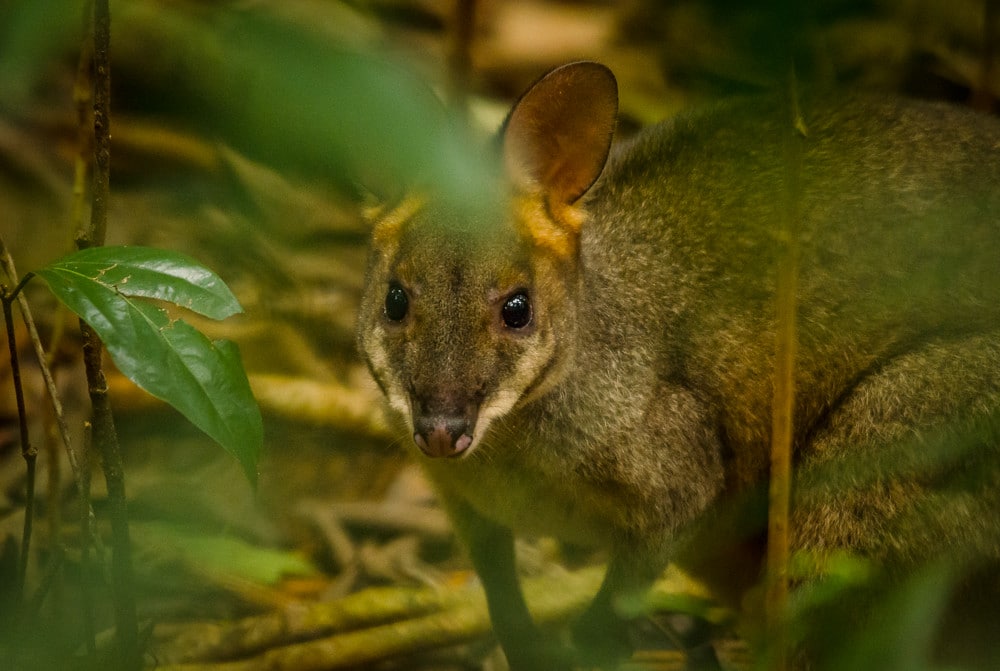
Pademelon
Hop into the vibrant world of friendly forest dwellers!
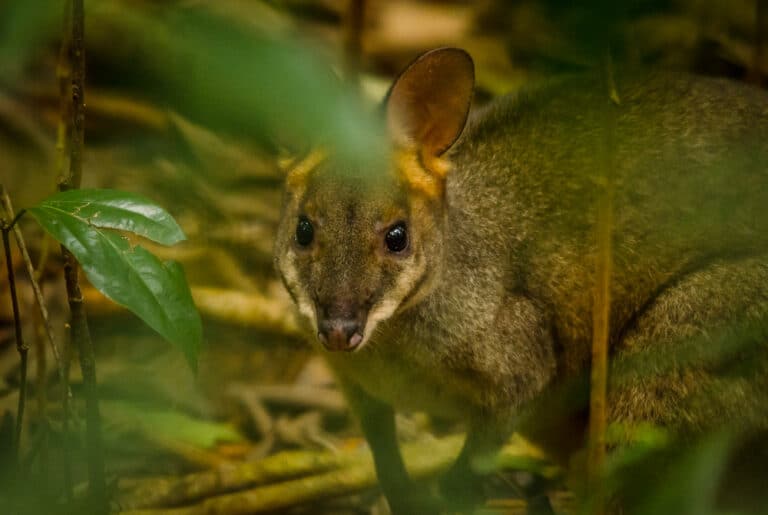
Let’s Explore
Overview
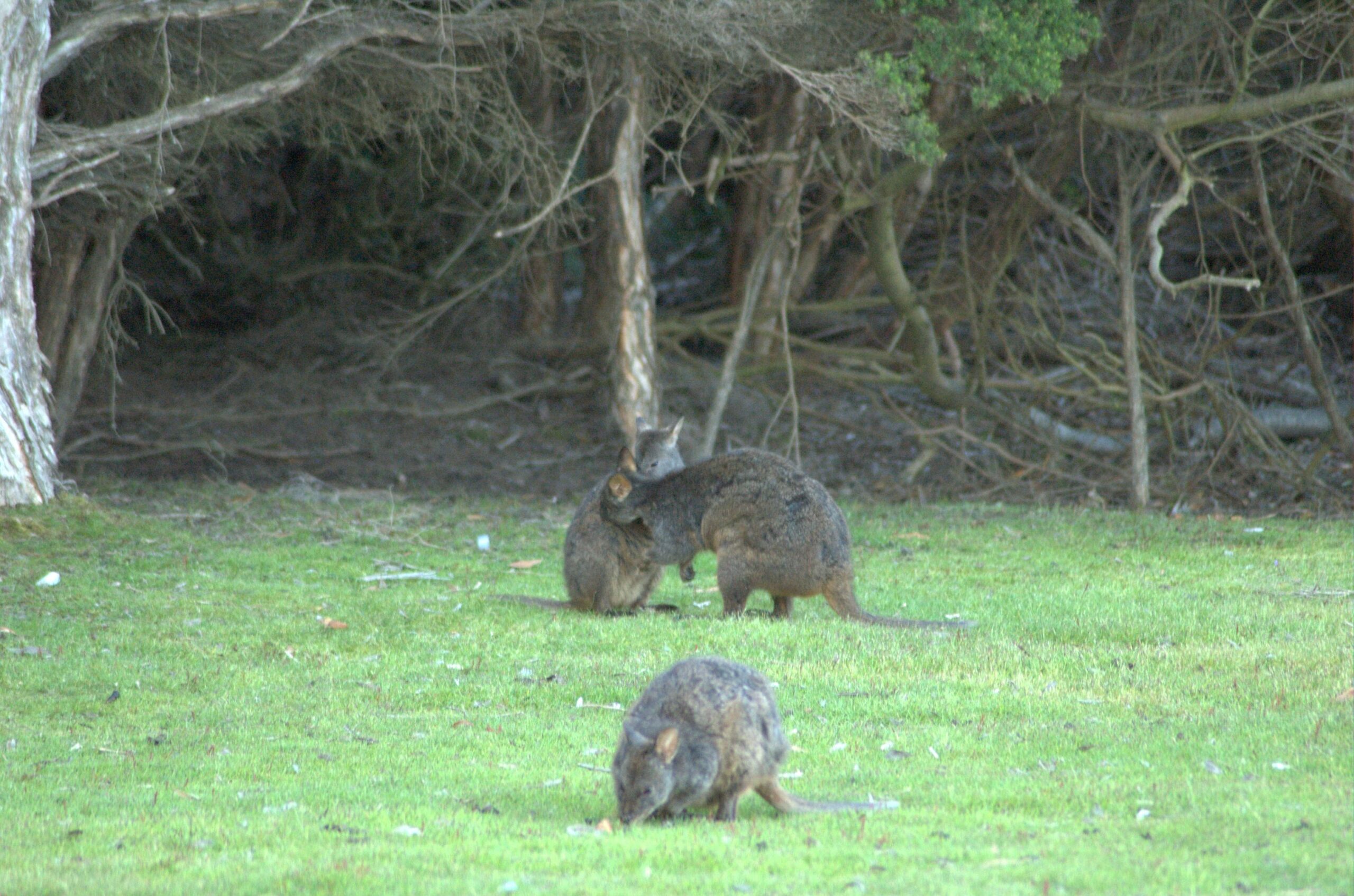
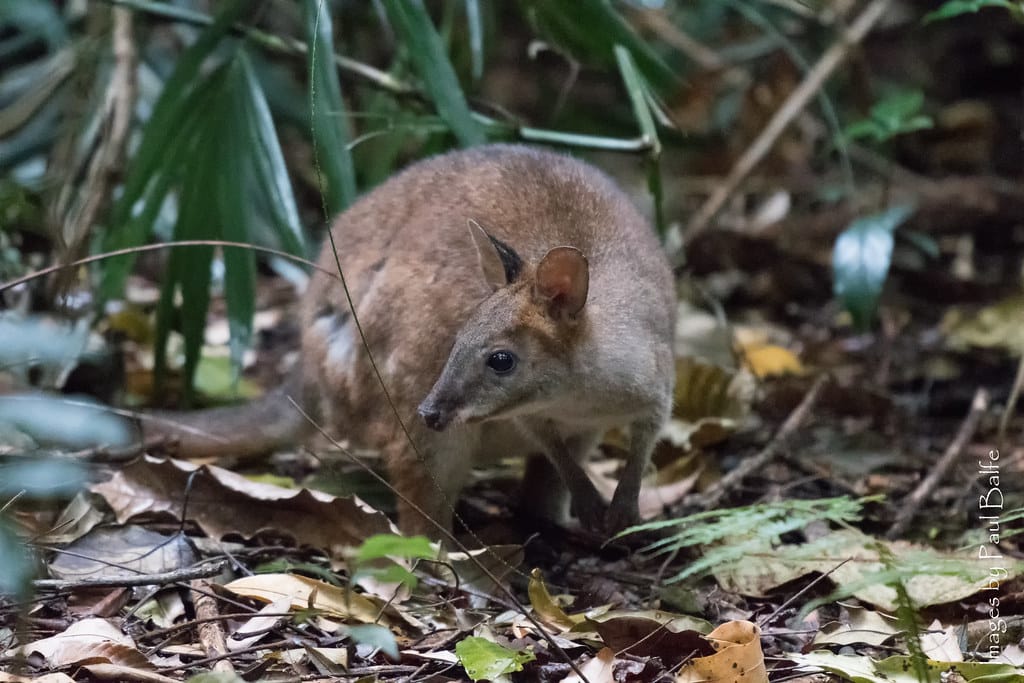
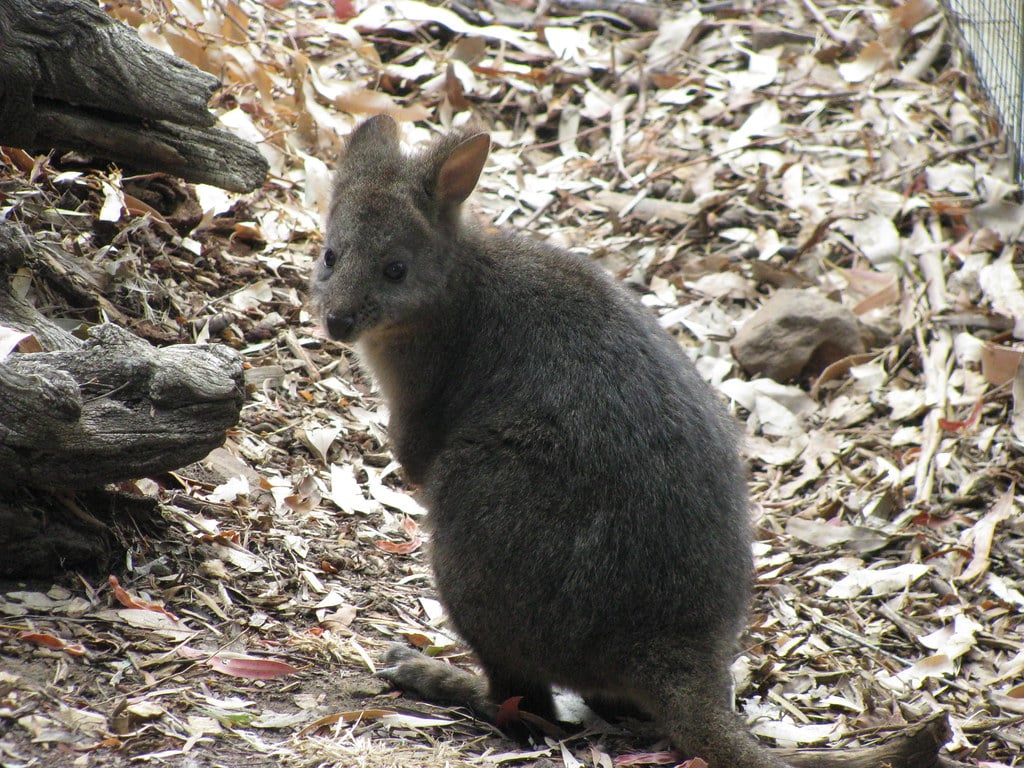
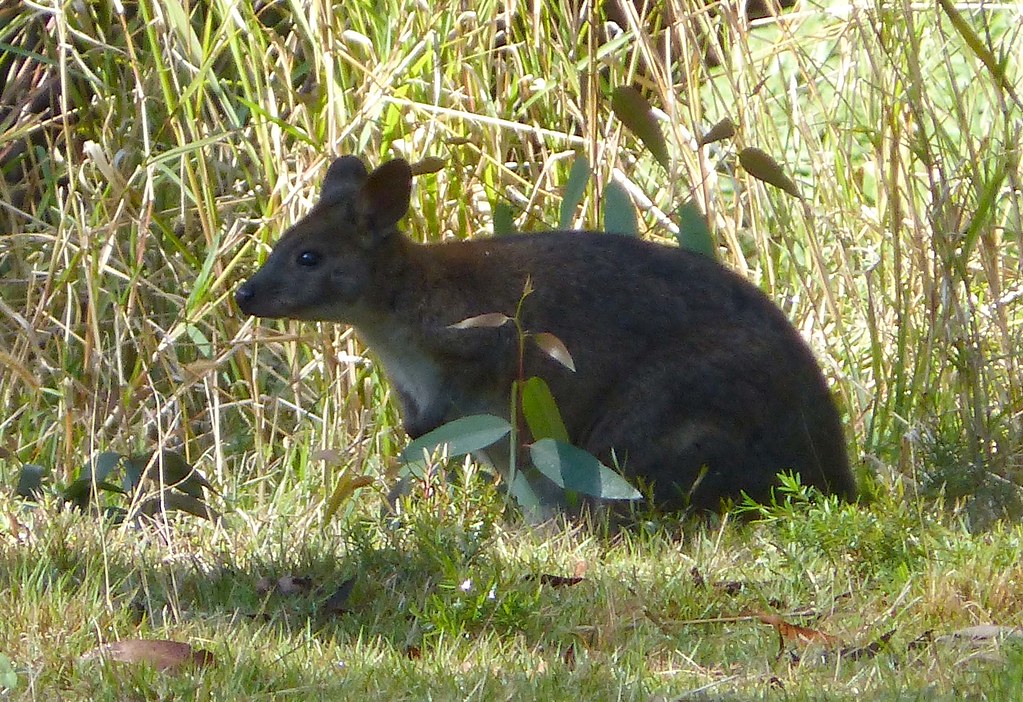
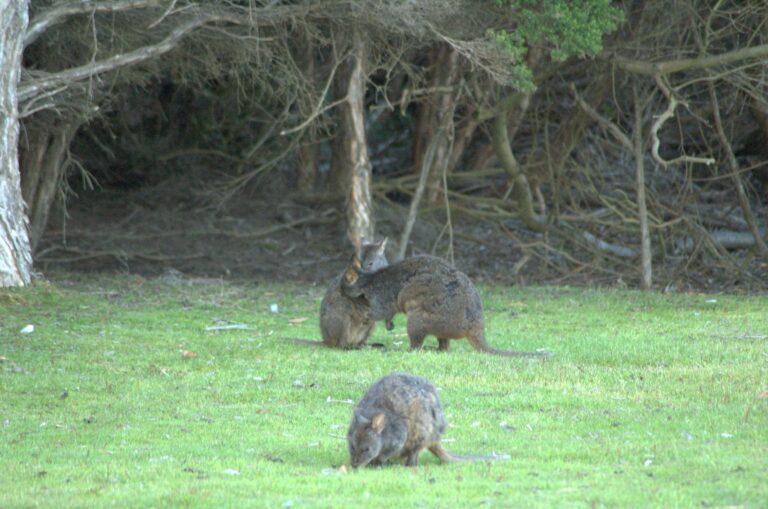
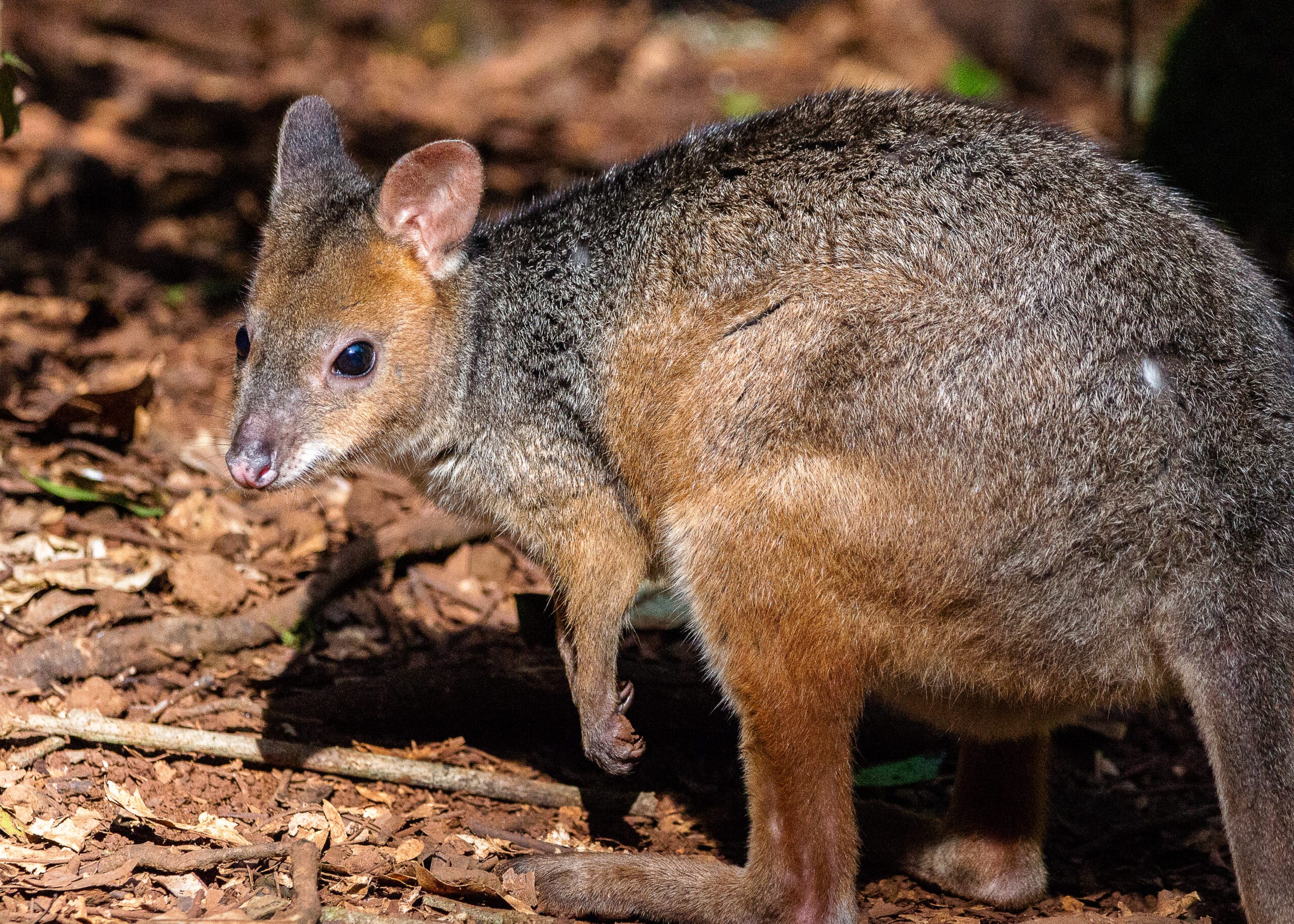
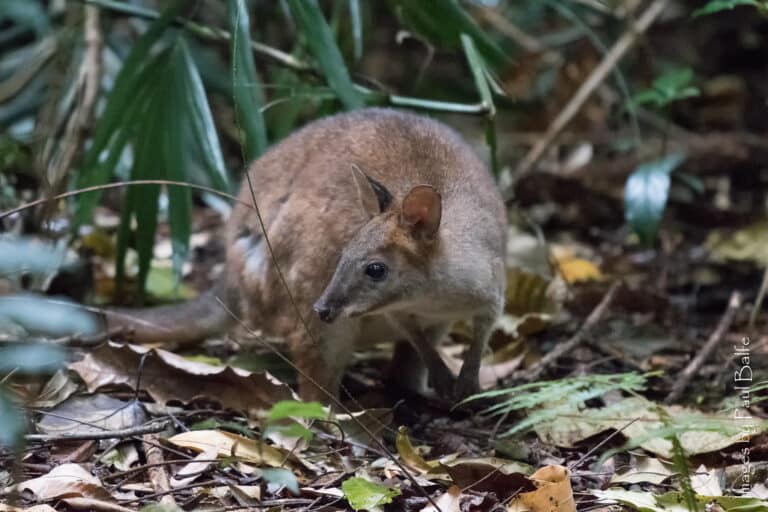
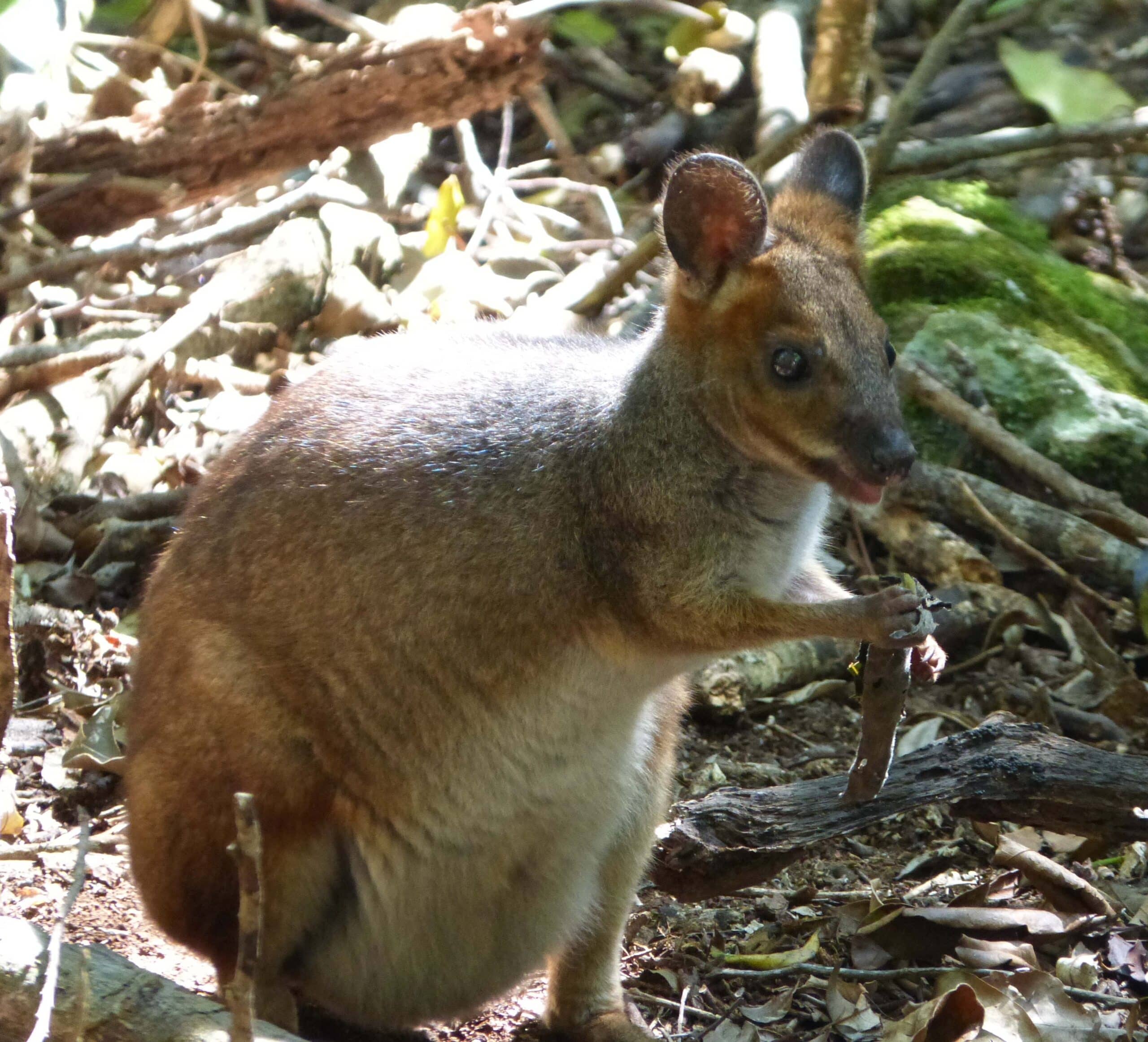
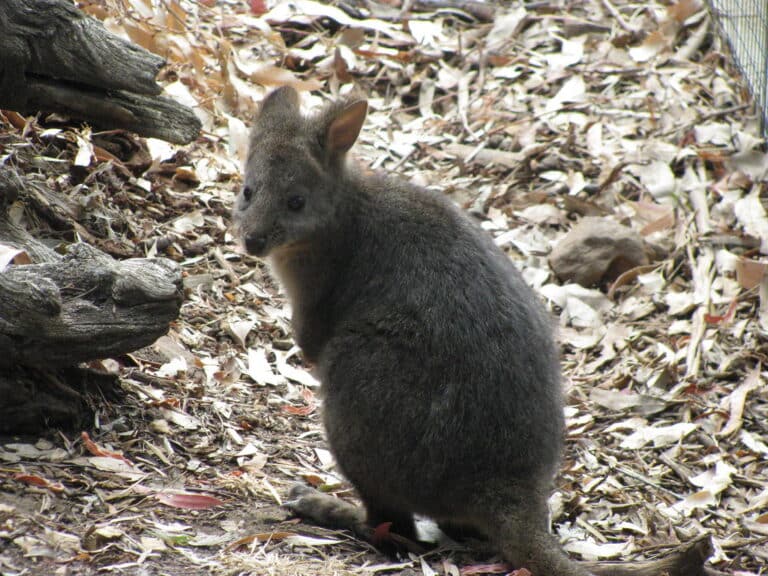
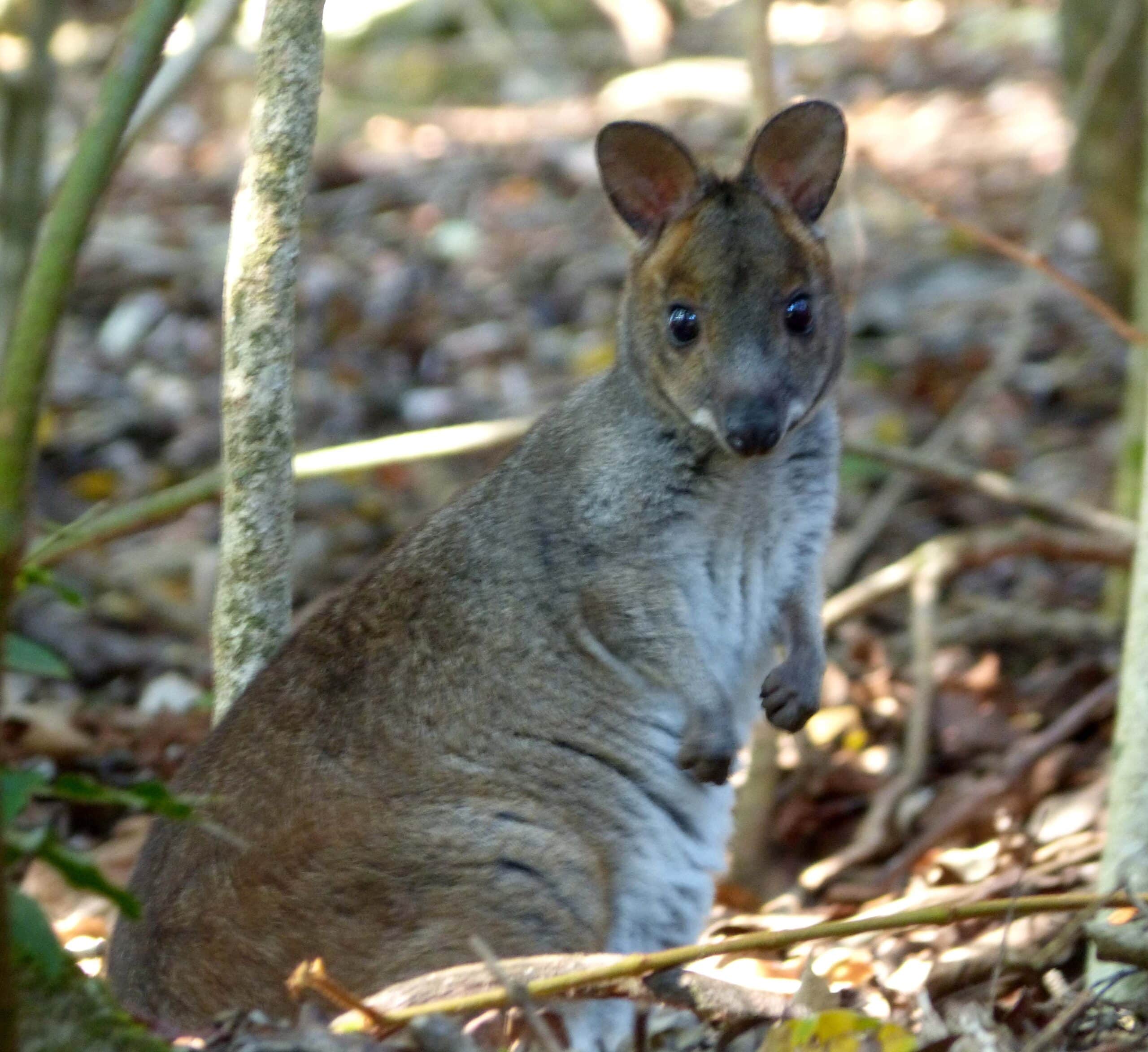
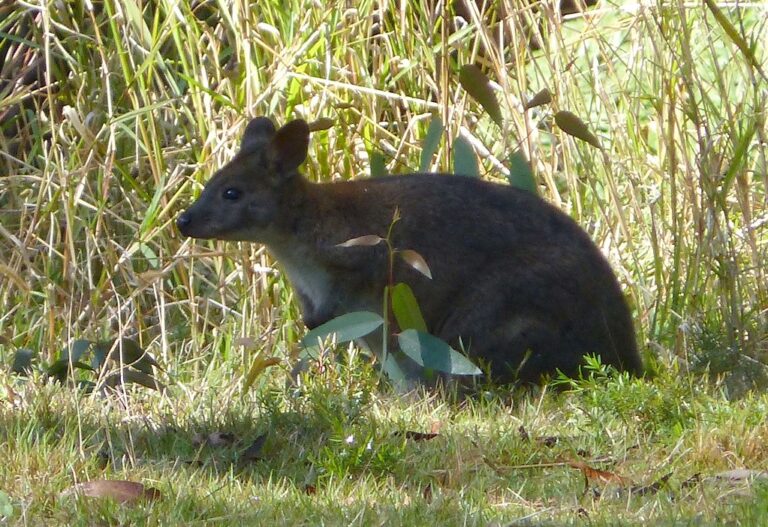
Pademelons are adorable marsupials found in Oceania, hopping around like nature's own little kangaroo cousins! They belong to the Thylogale genus and make their homes in forests and grasslands, showing off their charming size of 2 to 3 feet long.
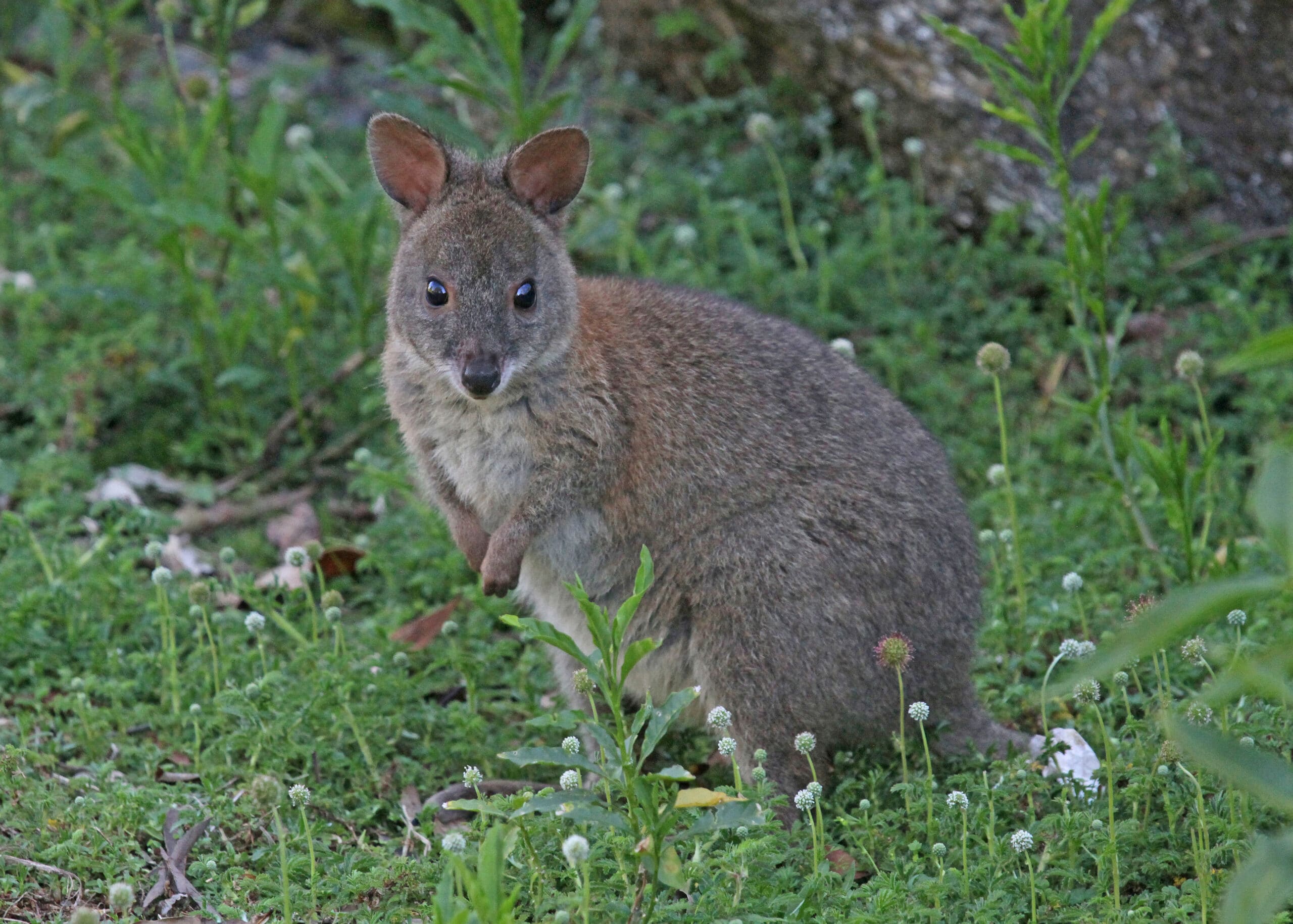
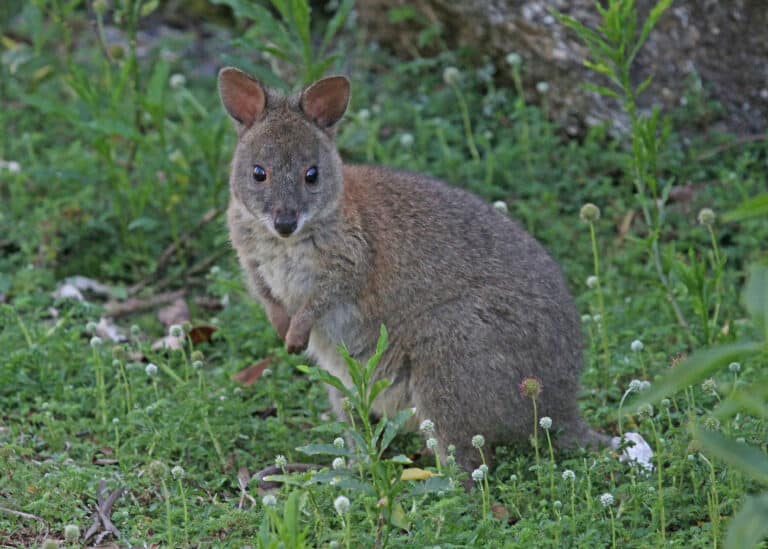
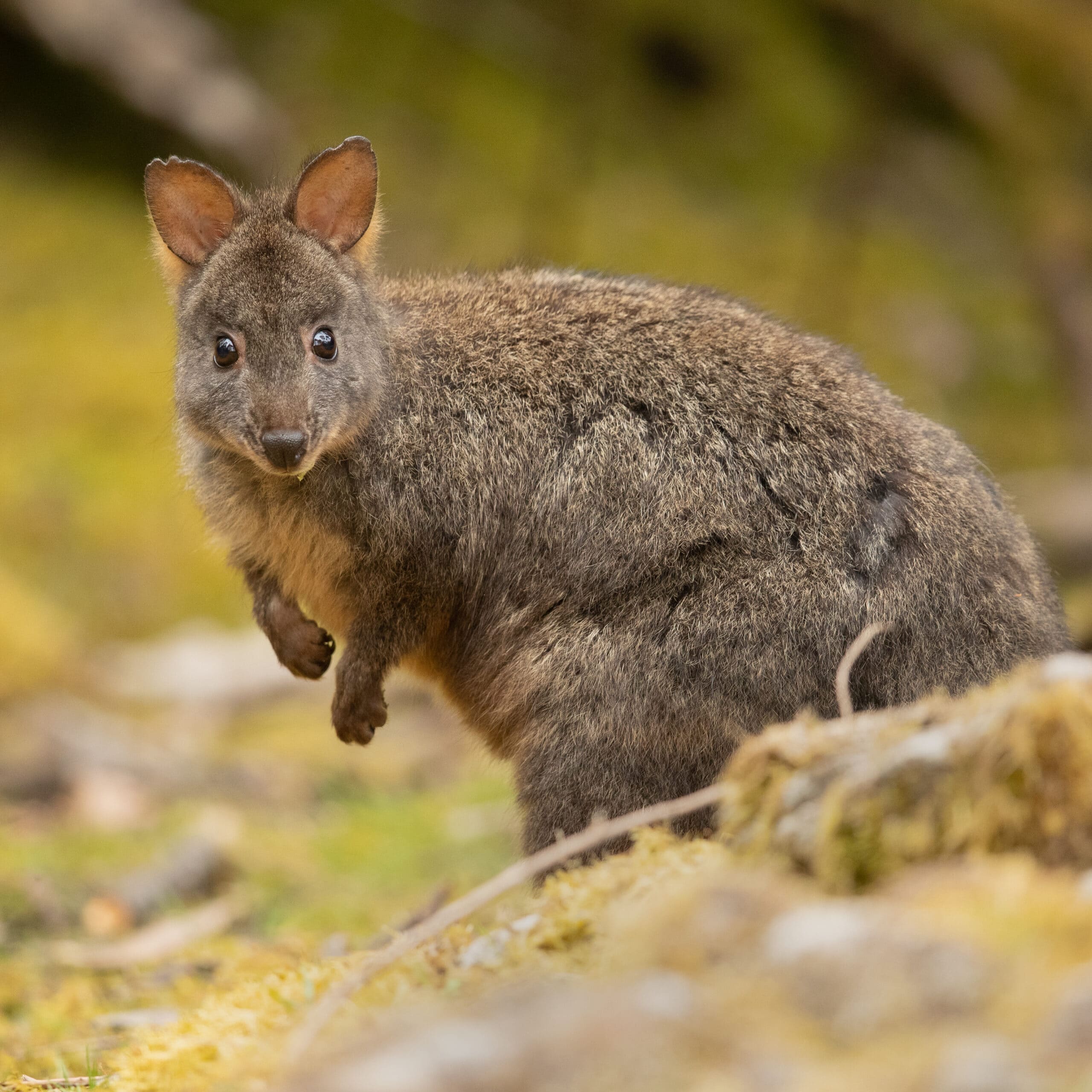
These fascinating creatures stand out with their round faces, large fuzzy ears, and short legs. Pademelons love to munch on grass, leaves, and fruits, making them happy little vegetarians!
A pademelon’s lifespan ranges from 5 to 10 years, depending on the environment and protection from predators. Their ability to jump swiftly helps them evade dangers in the wild while they graze.
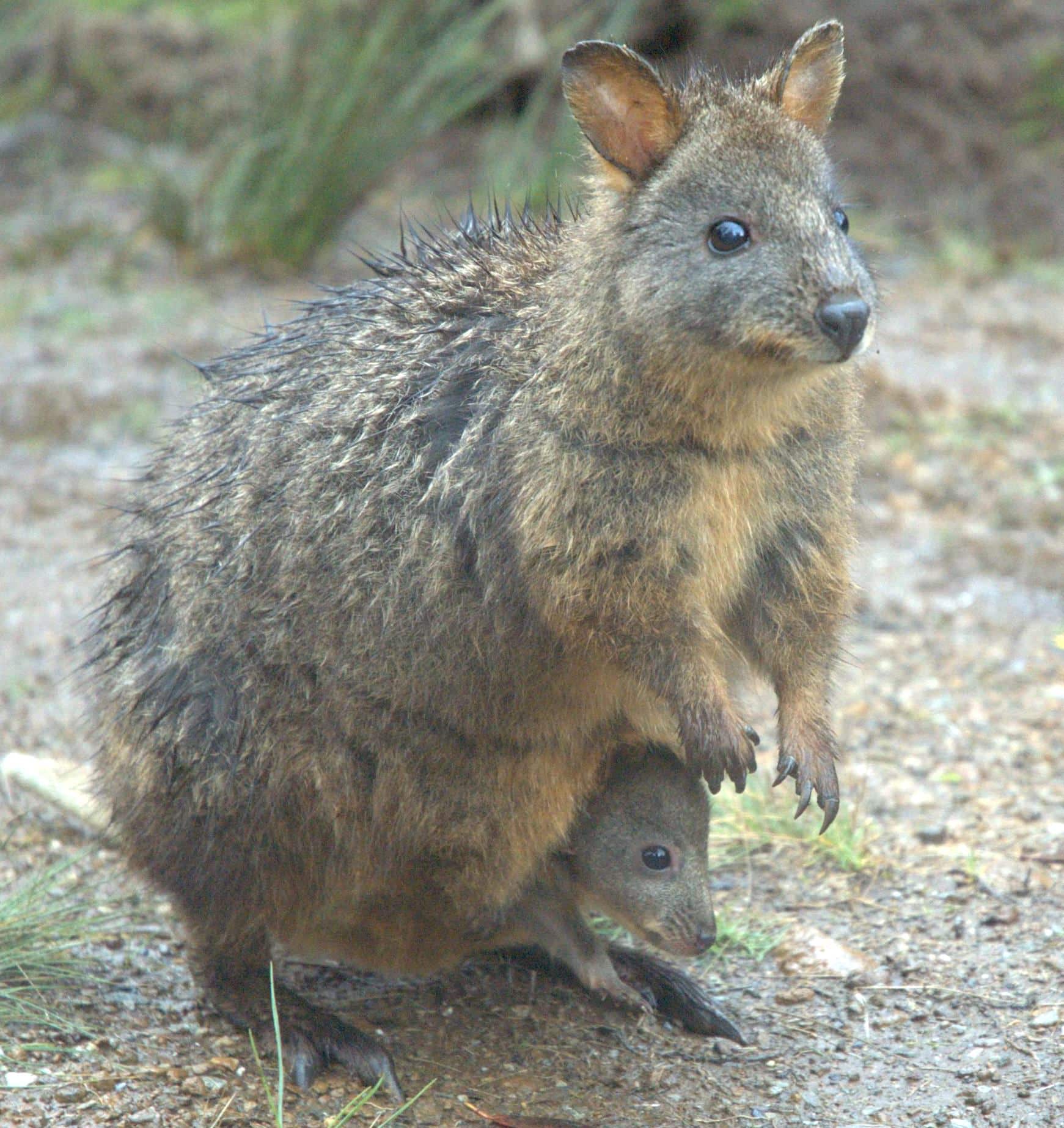
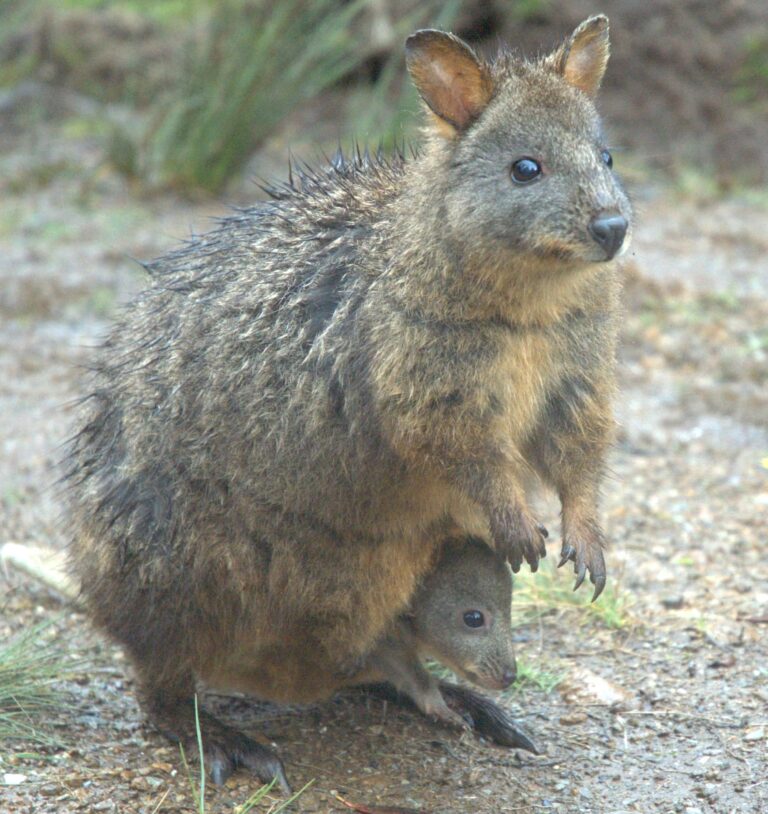
Pademelons have a unique way of carrying their young. Like other marsupials, mother pademelons have pouches where they keep their tiny babies safe and sound until they grow big enough to explore the world.
These little cuties are nocturnal, meaning they prefer to be active at night. When the moon shines brightly, pademelons venture out to snack and play, filling the night with their hopping joy!
Pademelons are not just adorable; they also contribute to their ecosystems by helping to disperse seeds as they munch on fruits. By doing so, they help nature grow and flourish, proving that even small creatures can make a big difference!
So next time you think of kangaroos, remember their pademelon pals bouncing around in the shadows of Oceania, making the night a little more magical!

Where can you find a Pademelon in the wild?
What does a Pademelon eat?
How big can a Pademelon grow?
How long does a Pademelon typically live?
What is the conservation status of the Pademelon?
What are the main threats to the Pademelon?
Fun facts
Pademelons have a special talent for hopping. They can jump up to 2 meters (6.6 feet) in a single bound, making them expert leapers in the wild!


Their furry, rounded faces give them an adorable look, but pademelons also use their big eyes to see well in the dark, helping them find food at night without tripping over anything.
Pademelons communicate with each other using a variety of sounds, from soft whistles to growls. This makes it easier for them to stay close to family and friends during nighttime adventures!
Pademelons have unique toes! They possess three long toes on their hind feet, which help them grip and push off the ground when they hop around in their cozy habitats.
When pademelons sense danger, they freeze in place, hoping to blend in with their surroundings. This clever strategy helps keep them safe from curious predators.
Their pouches are more than just baby carriers. Mother pademelons keep their young snug and warm until they are ready to explore, making sure they stay close until it’s safe!
Pademelons are experts at taking care of their fur. They often groom themselves, keeping their coats clean and soft, which is important for temperature control in their forest homes.
These playful marsupials are social eaters! Pademelons often munch on their favorite plants together, sharing the joy of a yummy meal under the moonlight.
Even though pademelons have larger relatives like kangaroos, they are perfectly adapted to their own homes. Their smaller size helps them navigate through dense bushes and trees easily.
While nibbling on fruits, pademelons contribute to their environment. They help plants sprout by spreading seeds in their droppings, making them tiny gardeners of the forest!
Photos





The Basics


explore more
Amphibians
Arachnids
Birds
Cats
Crustaceans
Fish
Fish Pet Guide
Gastropods
Insects
Invertebrates
Mammals
Pet Fish
Pet Rodents
Plants
Reptiles
Roundworms
Sea Slugs