
Successfully copied to clipboard!
Pangolin
Uncover the mystery of the world's scaly superheroes!
Let’s Explore
Overview
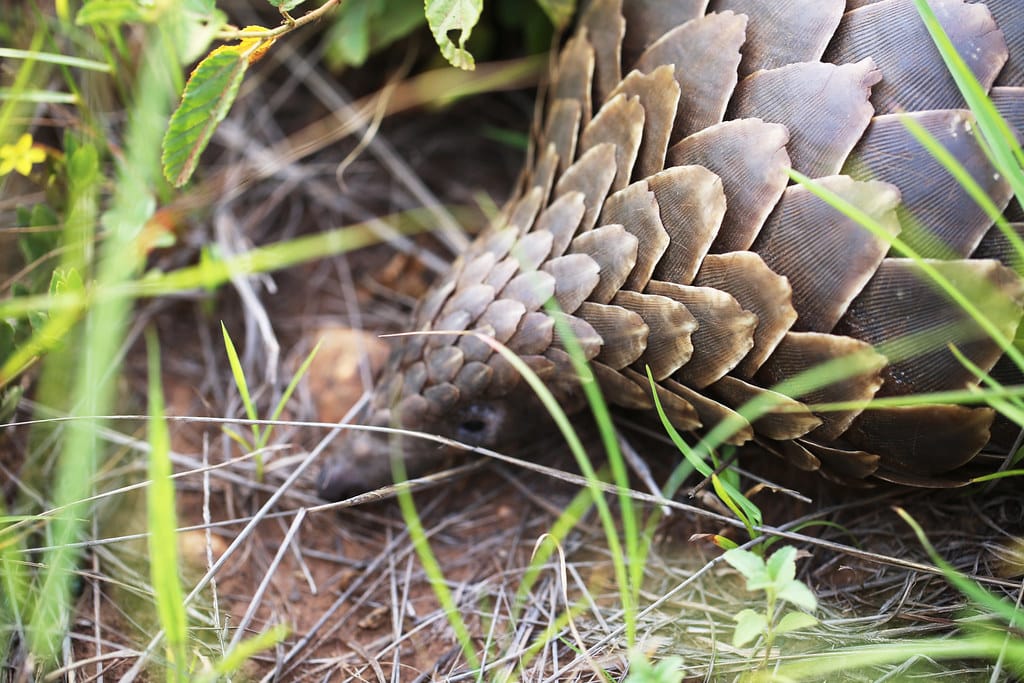
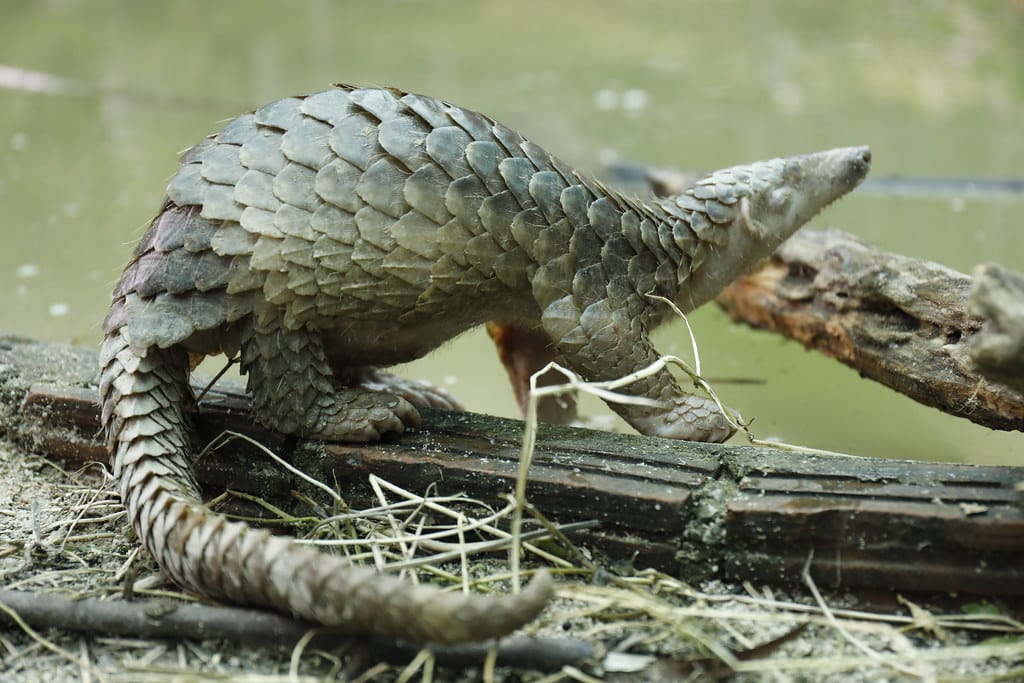
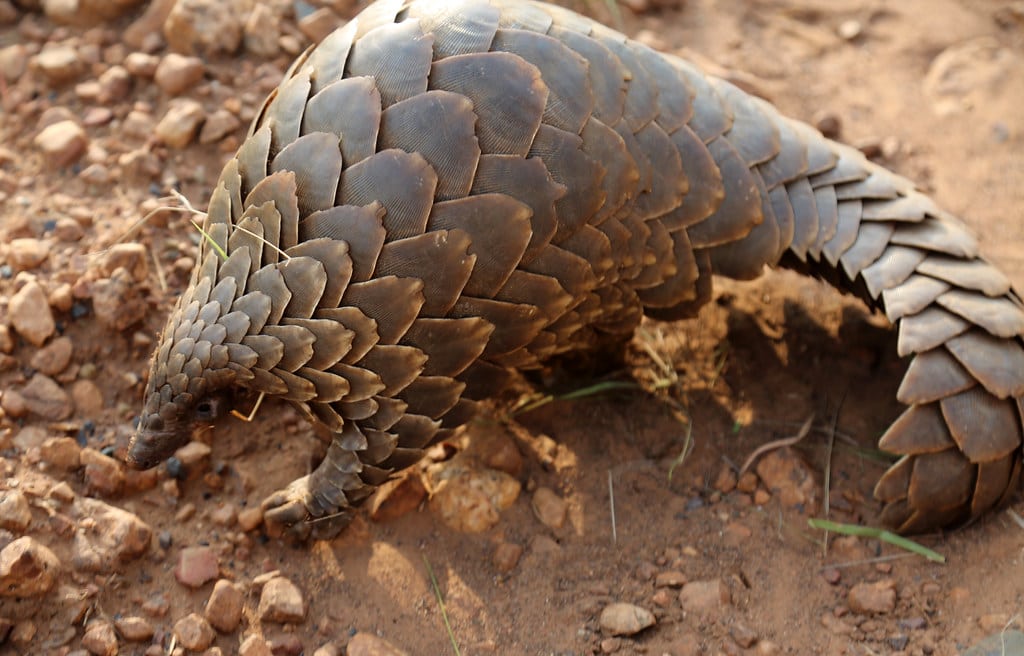
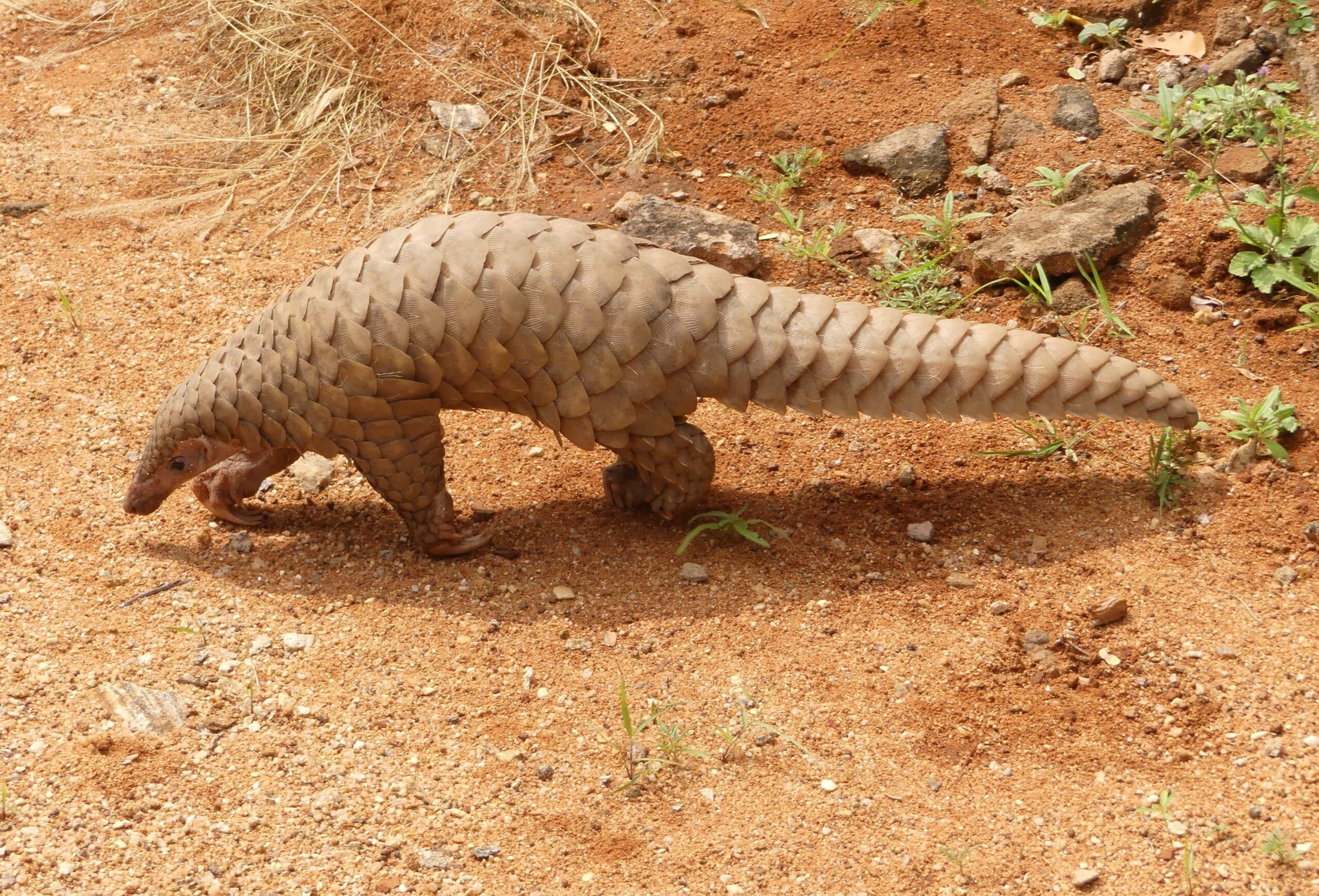
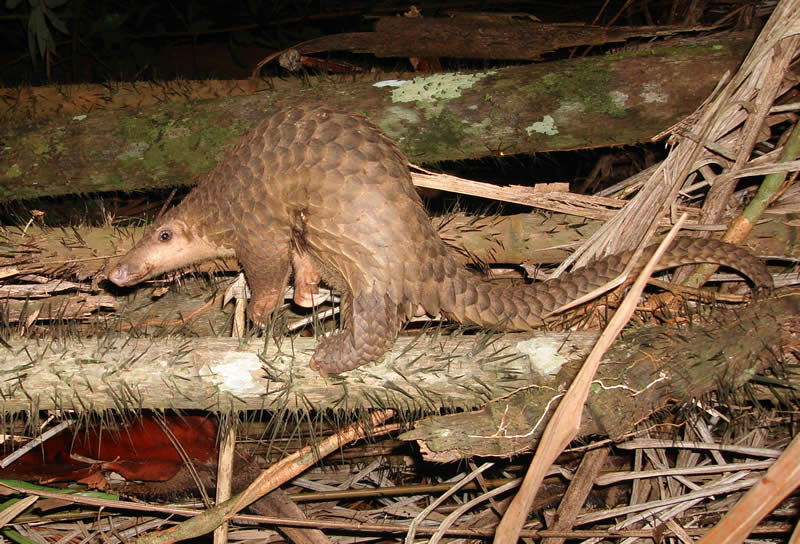
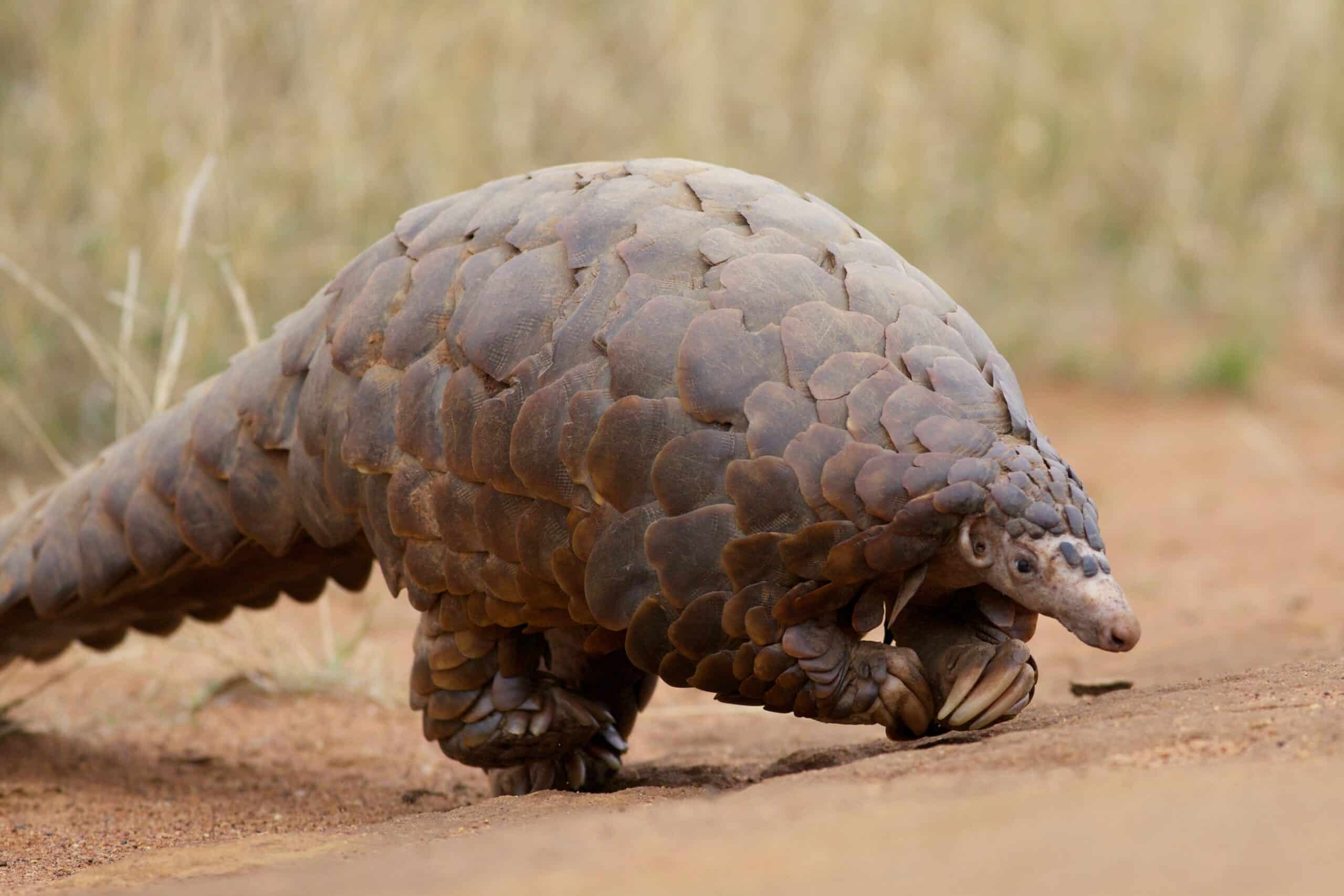
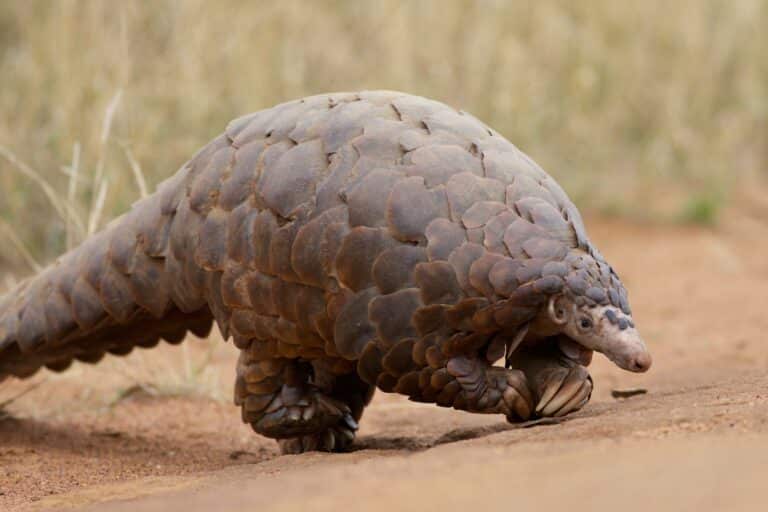
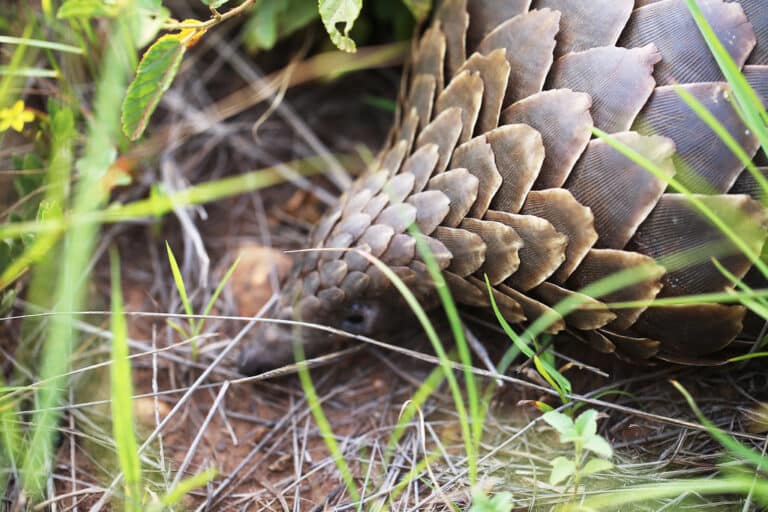
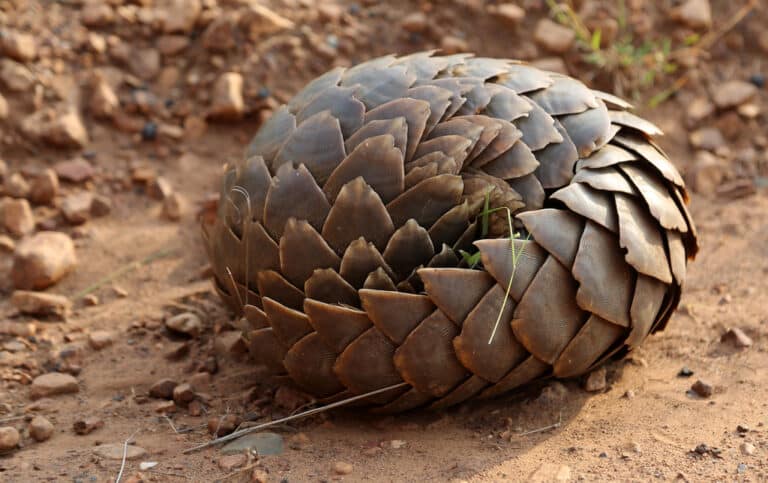
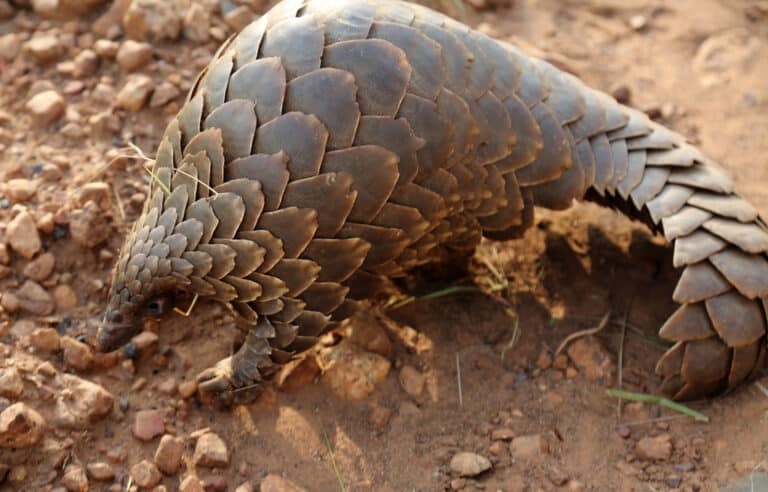
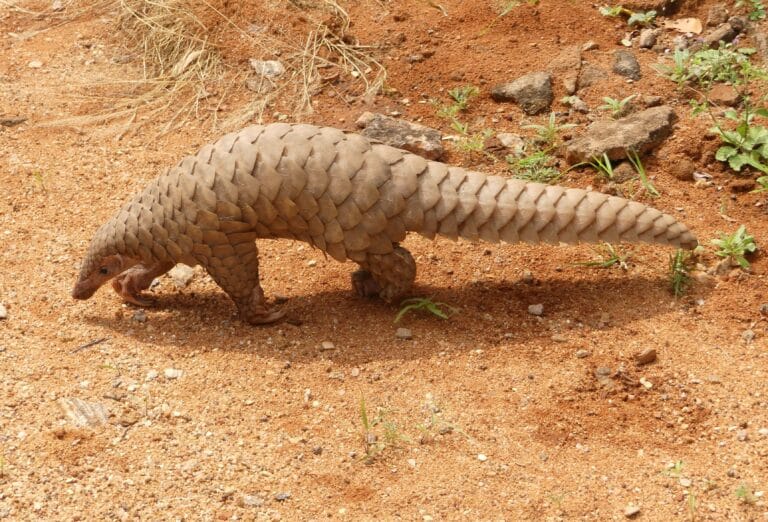
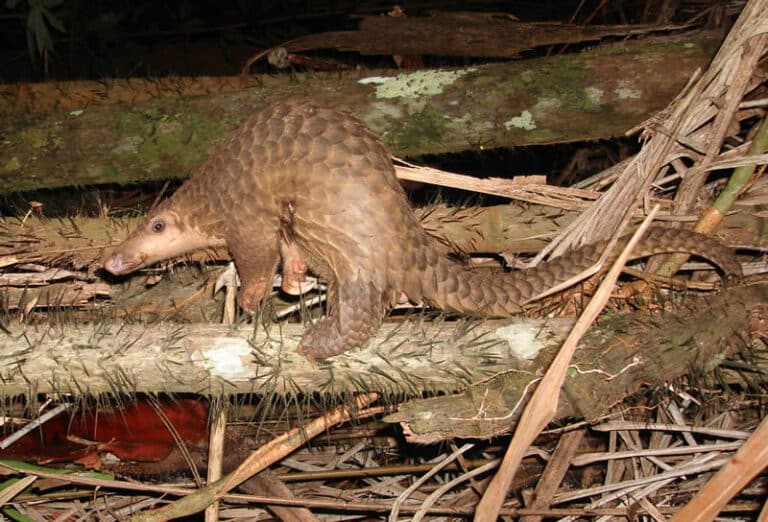
Pangolins are unique mammals that have been roaming the Earth for millions of years. With their scaly armor, these creatures look like walking pine cones, making them the ultimate hide-and-seek champions!
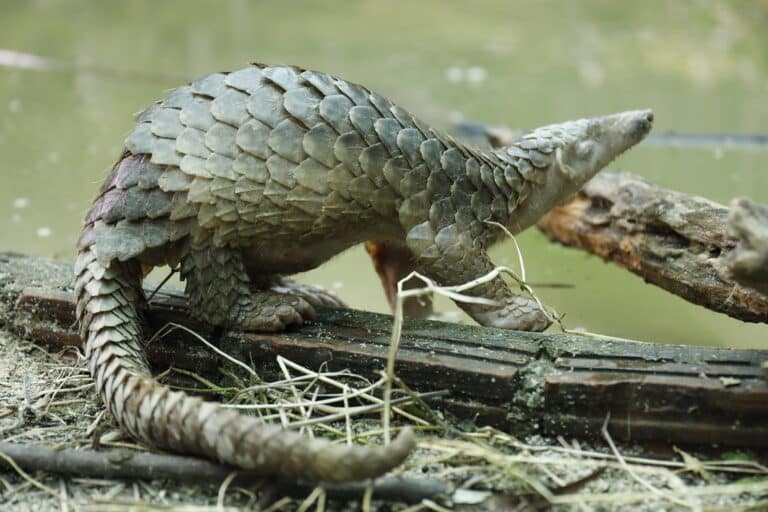
Pangolins belong to the order Pholidota and can be found in Africa and Asia. They have an average length ranging from 30 to 100 centimeters (12 to 39 inches), showcasing their diverse sizes among the eight different species.
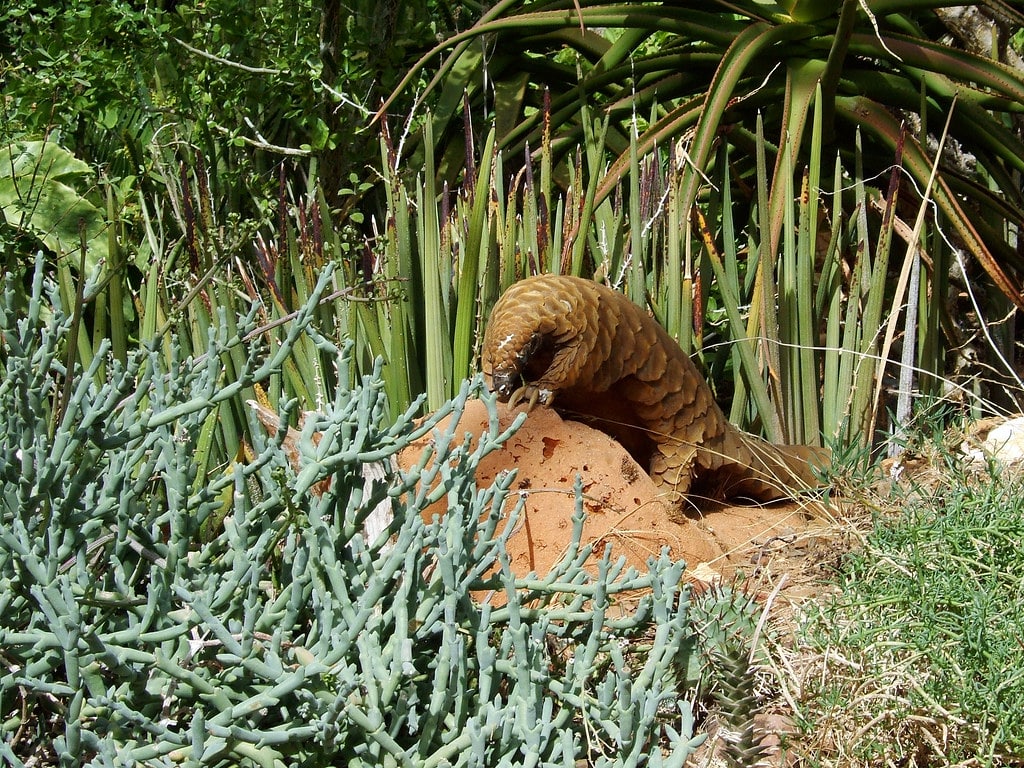
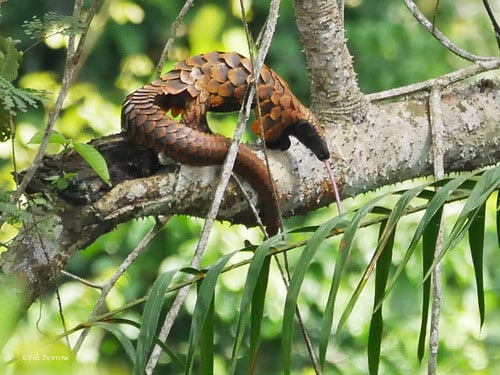
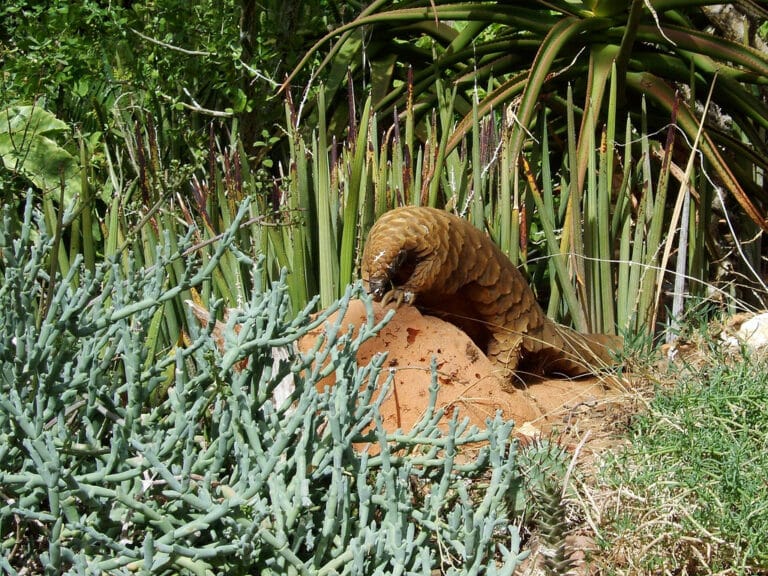
Pangolins love to munch on ants and termites, using their long, sticky tongues to catch their slippery meals. In just one night, a pangolin can eat a whopping 70 million ants – talk about a tiny food factory!
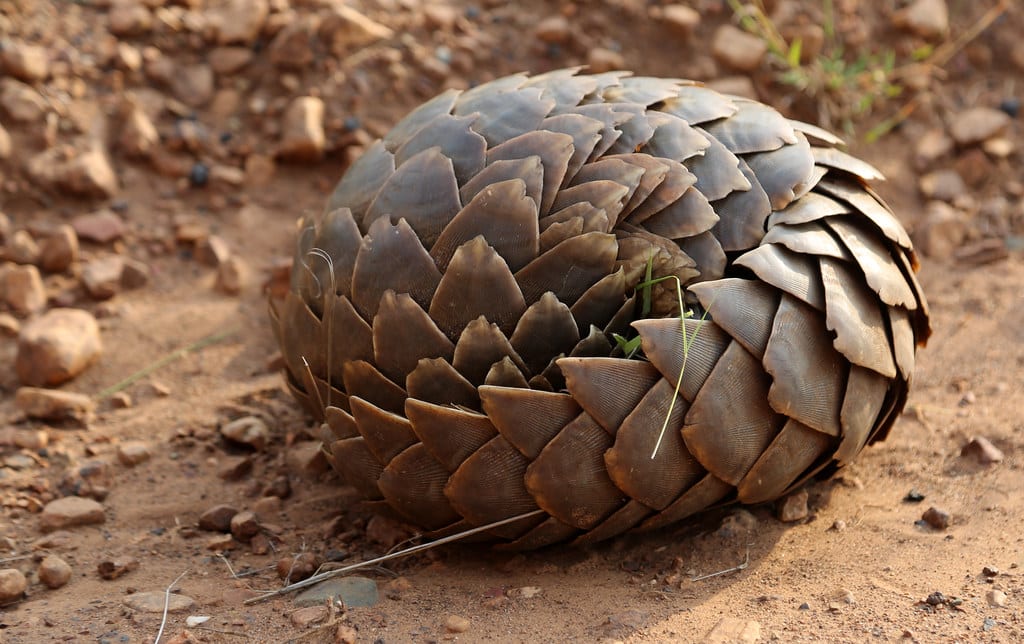
These remarkable creatures have a lifespan of 12 to 20 years in the wild. With their incredible natural armor made from keratin, pangolins can curl up tightly, protecting themselves from predators, turning them into the ultimate ball of scales!
Did you know that pangolins have no teeth? Instead, they rely on gravel and sand in their stomachs to help them digest their meals. These natural 'chew toys' aid in breaking down tough insects, making every meal a crunchy adventure!
Pangolins play a vital role in their ecosystems by controlling ant and termite populations. So next time you see a pangolin, give a little cheer - they are nature's pest controllers, one scale at a time!

Where can you find a Pangolin in the wild?
What does a Pangolin eat?
How big can a Pangolin grow?
How long does a Pangolin typically live?
What is the conservation status of the Pangolin?
What are the main threats to the Pangolin?
Fun facts
Pangolins do not have teeth, which is pretty unusual for mammals! These amazing creatures use gravel and sand in their stomachs to help grind up the ants and termites they eat, making every meal an adventure.


Their scaly armor serves a fantastic purpose! When threatened, pangolins can curl up into a ball, becoming an almost impenetrable fortress, much like a living tank.
Pangolins can dig incredibly fast, using their sharp claws to create burrows and find hidden insects. They can quickly dig over a meter (3 feet) deep in just a few minutes!
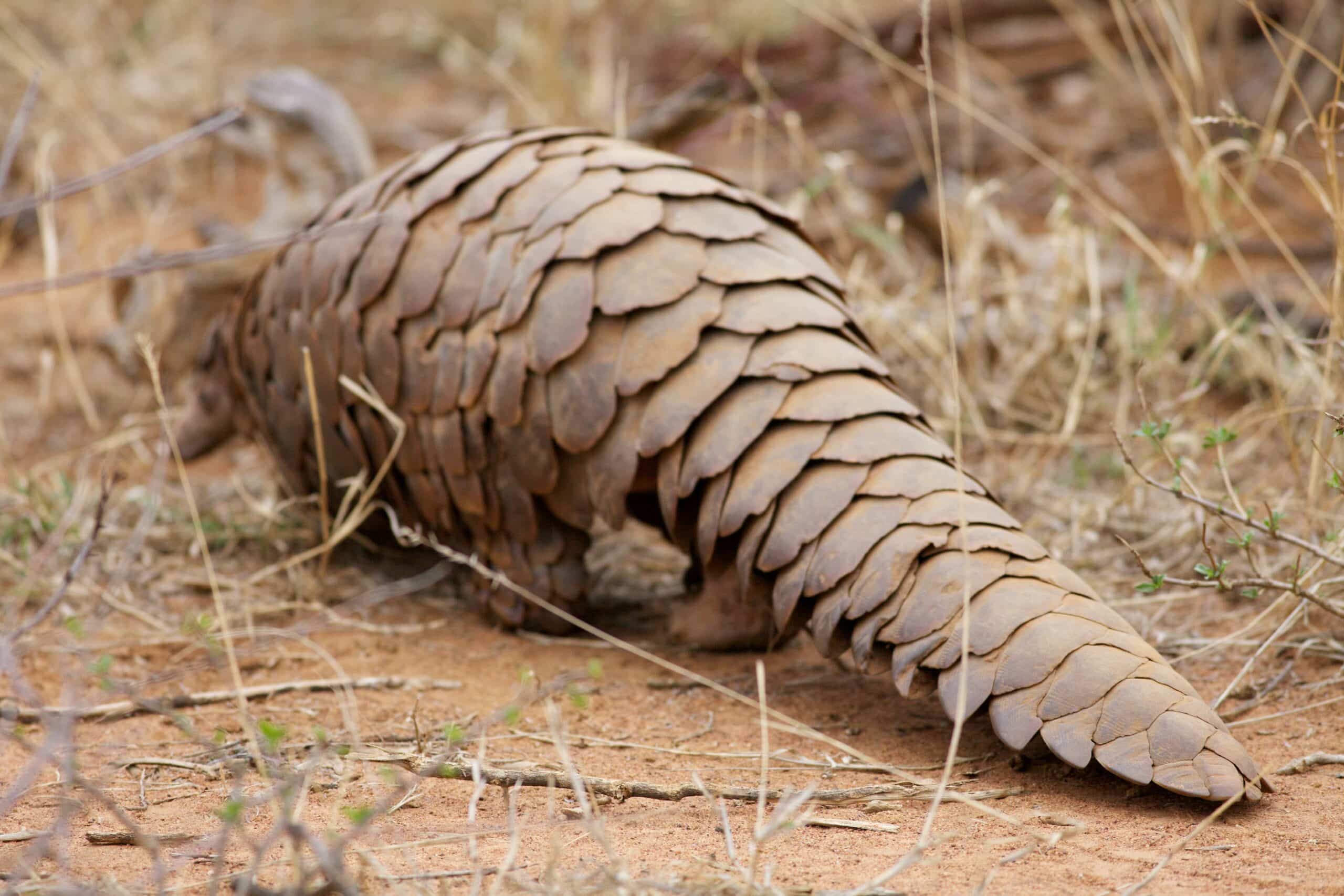
Pangolins can move surprisingly silently, thanks to their thick, scaled skin. This helps them sneak up on their meals without alerting millions of ants and termites to their presence.
These creatures have an impressive sense of smell, allowing them to locate tasty ant and termite colonies from a distance. It is said they can detect ant trails from over 100 meters (328 feet) away!
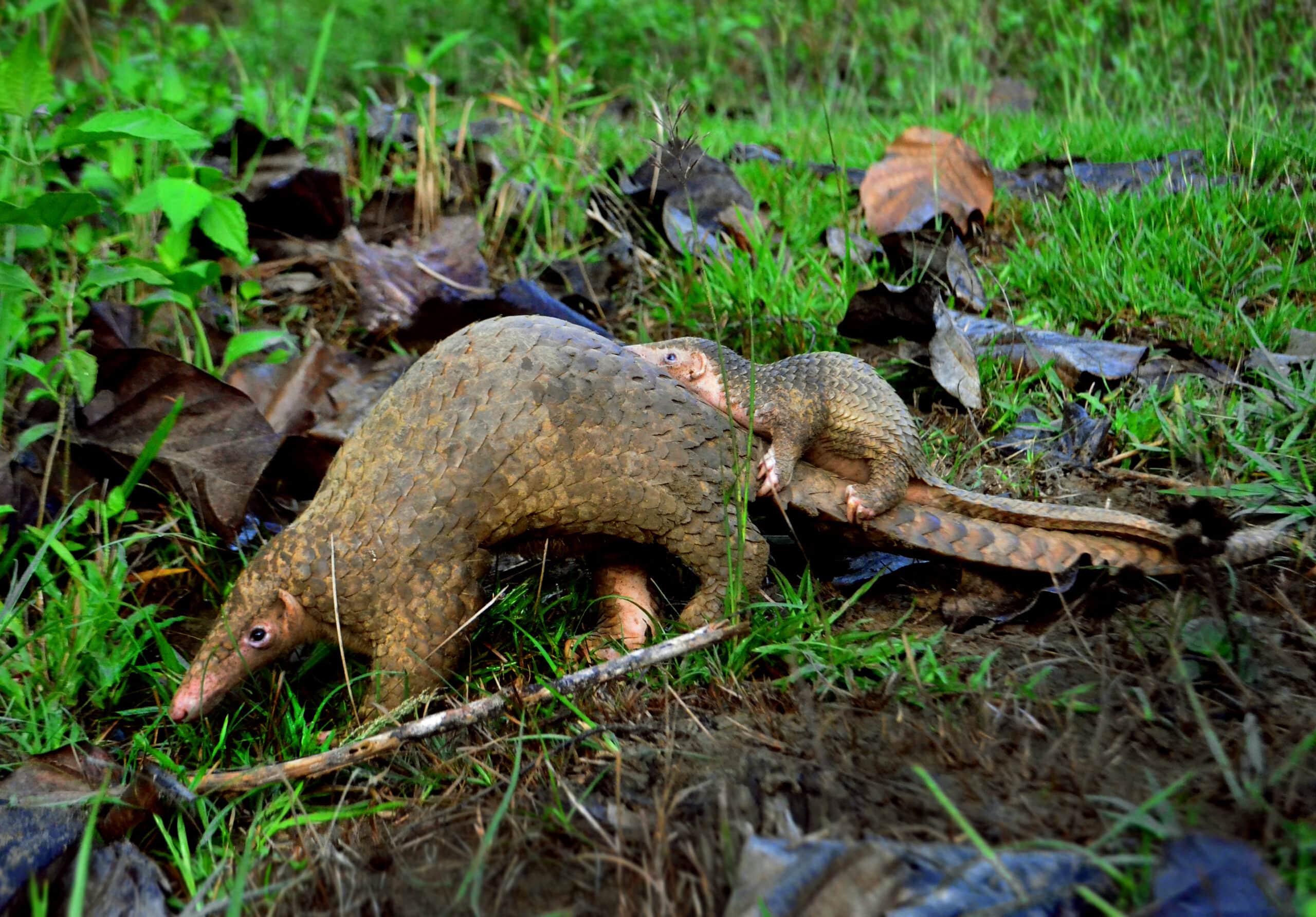
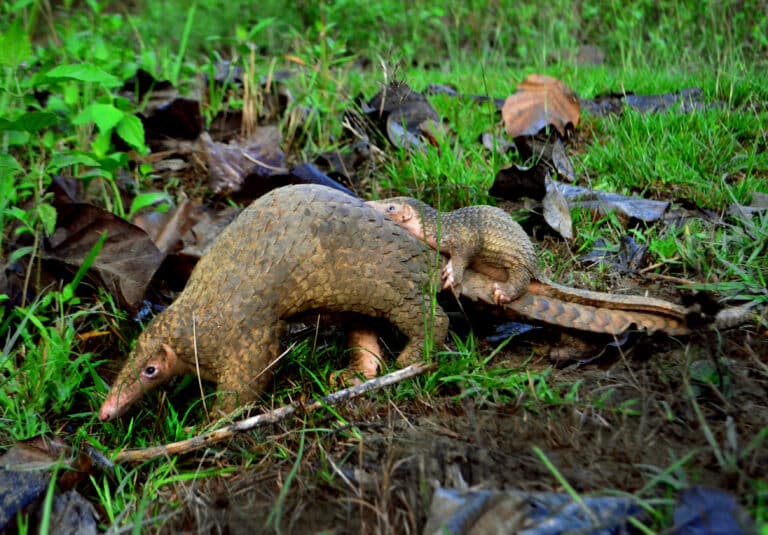
A mother pangolin carries her young on her back, which is super adorable! Baby pangolins, called pups, cling to their mother's scales as they explore their surroundings.
Pangolins can efficiently swallow their food whole! They use their long, sticky tongues to capture insects and then swallow them without chewing, like a balloon swallowing grapes.
In some cultures, pangolin scales are believed to have medicinal properties. Unfortunately, this belief contributes to their illegal trade, which puts pangolins in danger.
Pangolins can sleep for up to 16 hours a day! They love to relax in their burrows, only waking up at night to hunt for food under the starry skies.
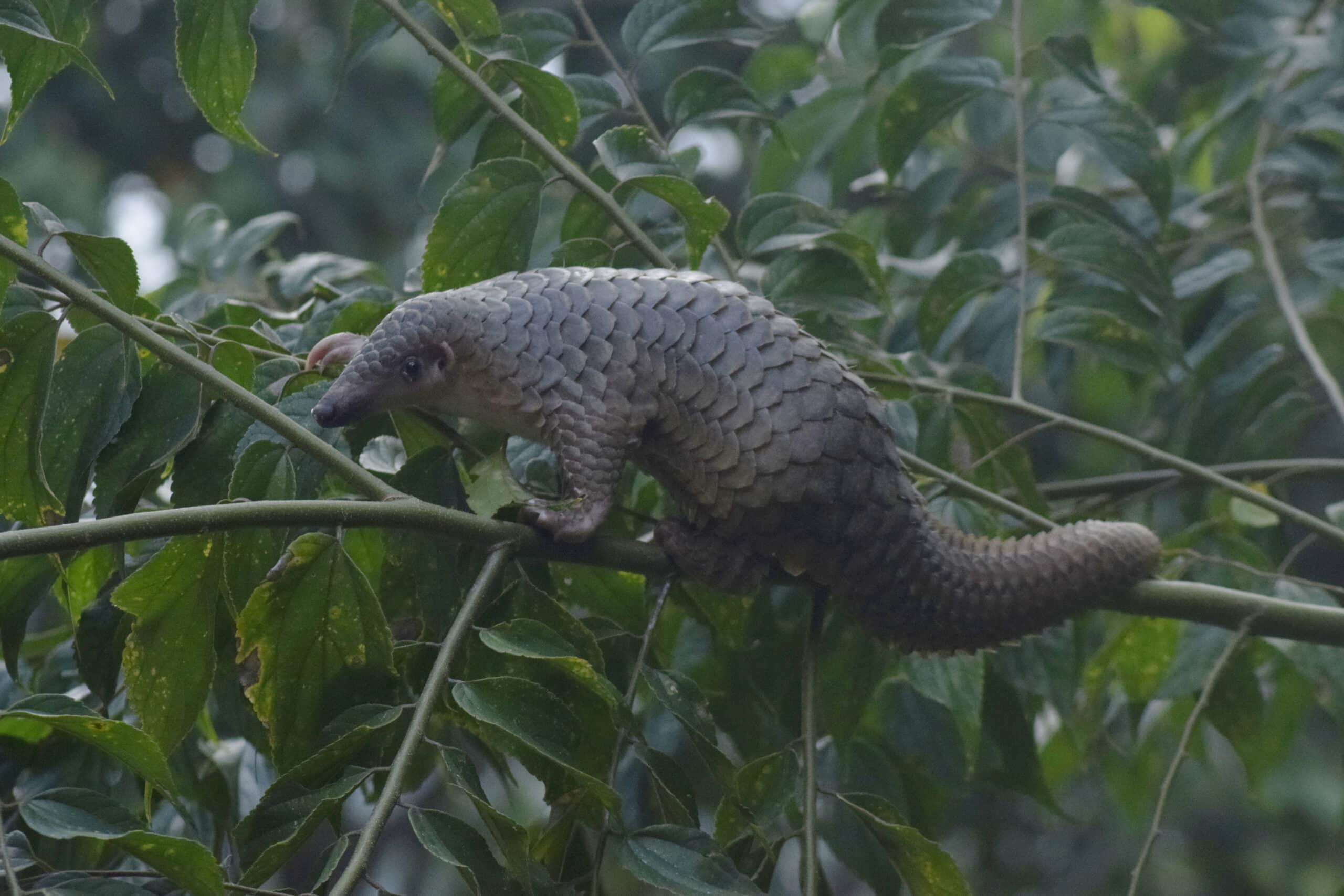
Each species of pangolin has its own unique pattern of scales, making them look like nature's very own fashion designers! Their beautiful scales come in different colors and shapes depending on their habitat.
Photos





The Basics


explore more
Amphibians
Arachnids
Birds
Cats
Crustaceans
Fish
Fish Pet Guide
Gastropods
Insects
Invertebrates
Mammals
Pet Fish
Pet Rodents
Plants
Reptiles
Roundworms
Sea Slugs