Successfully copied to clipboard!
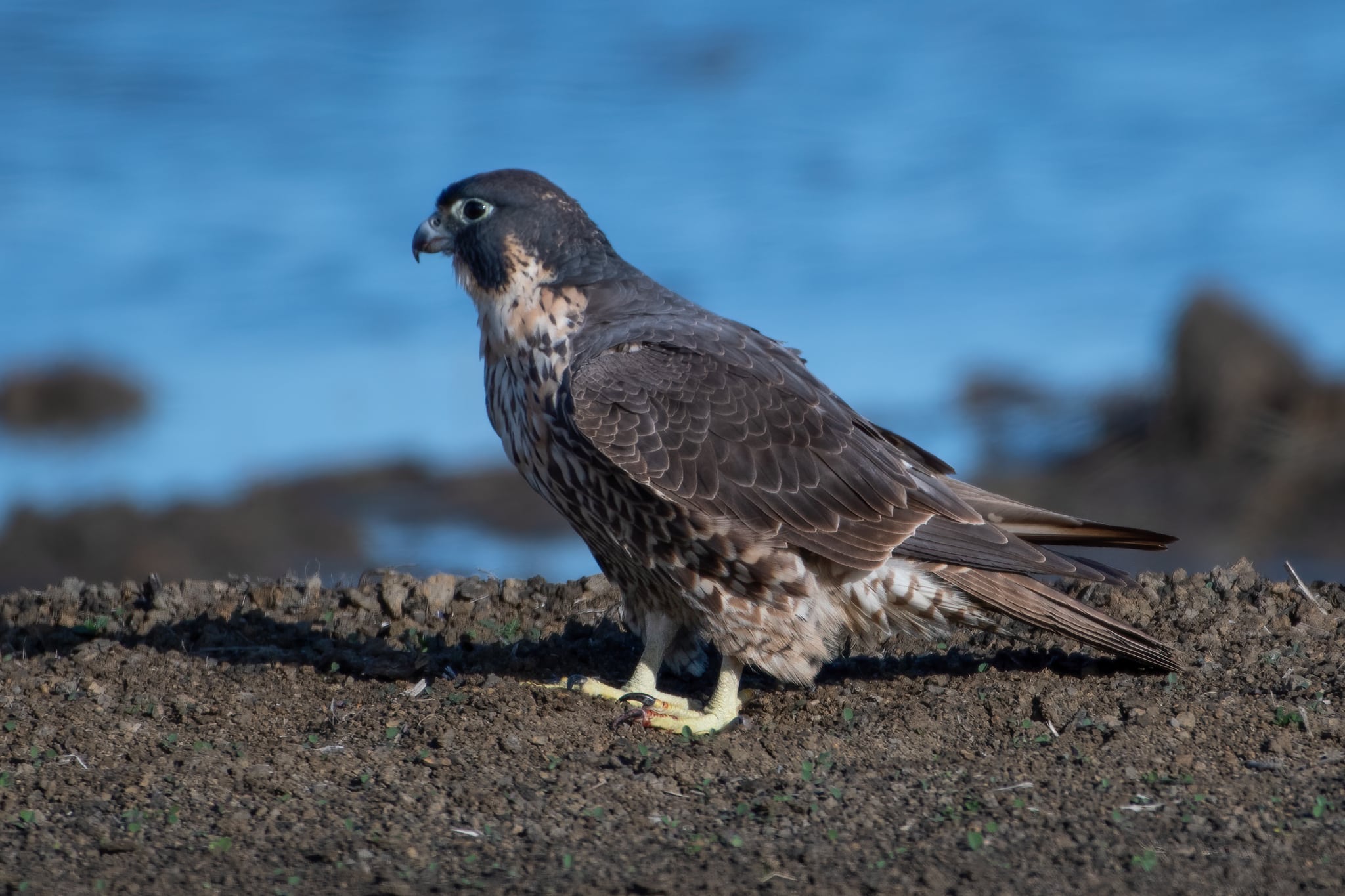
Peregrine Falcon
Soar with the world's fastest feathered friends!
Let’s Explore
Overview
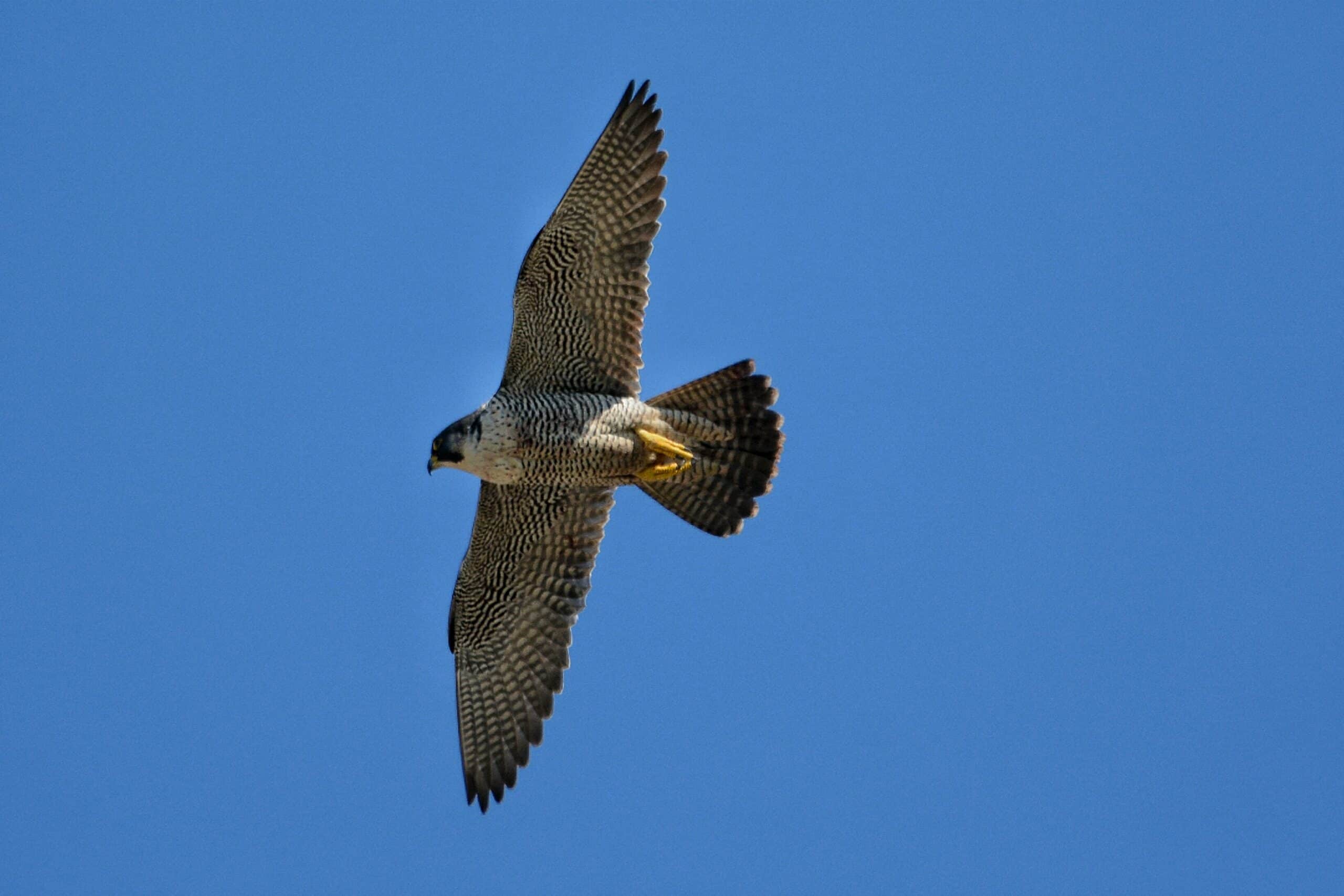
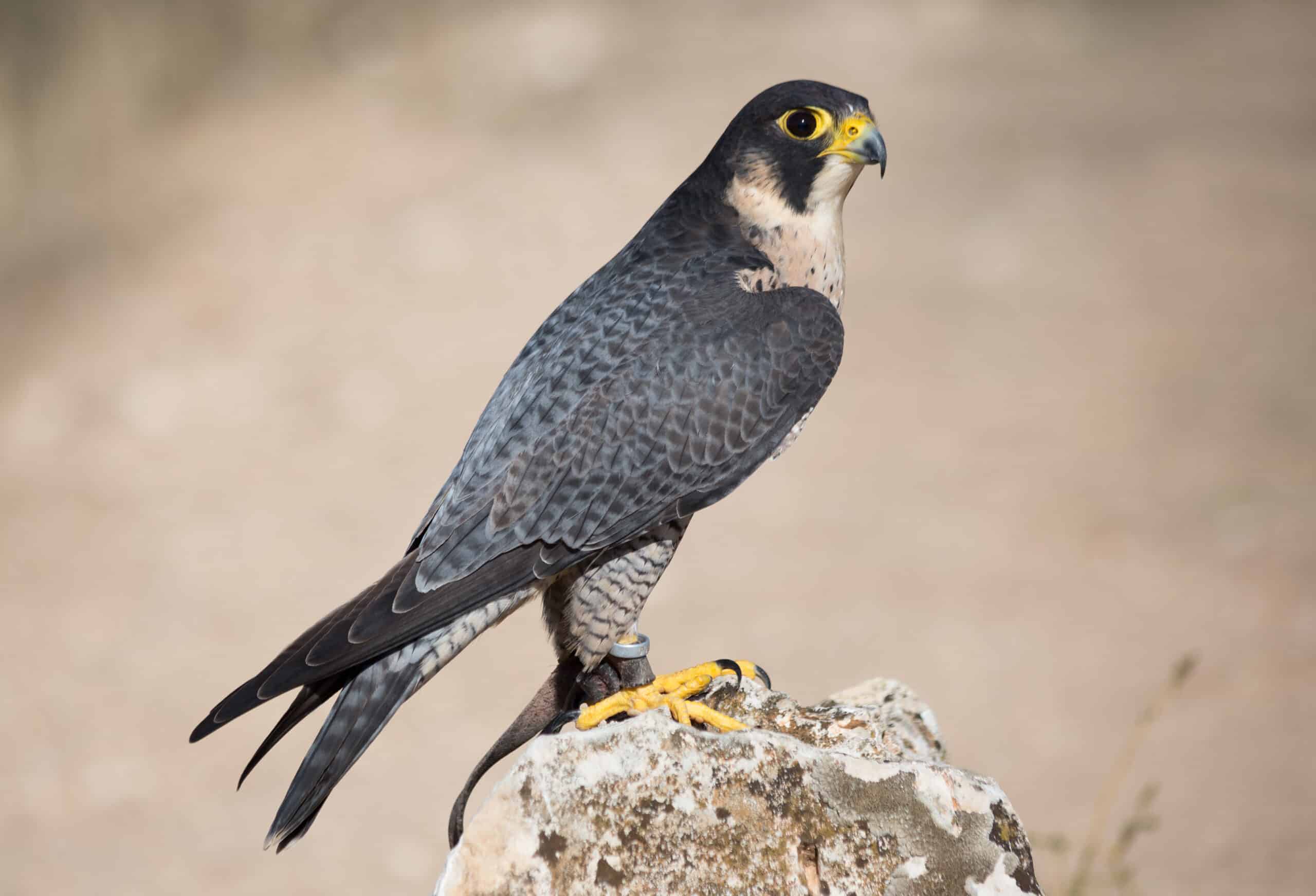
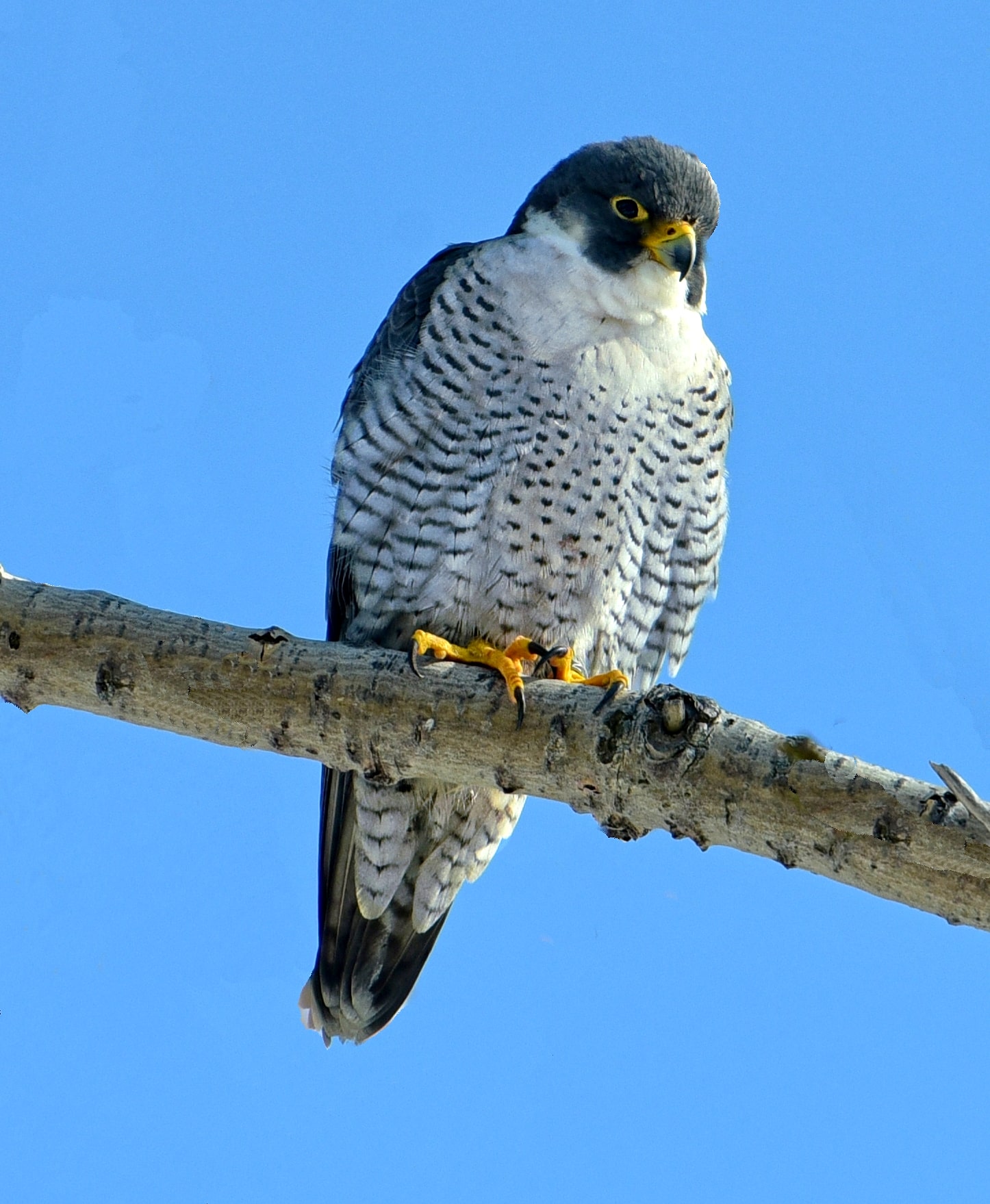
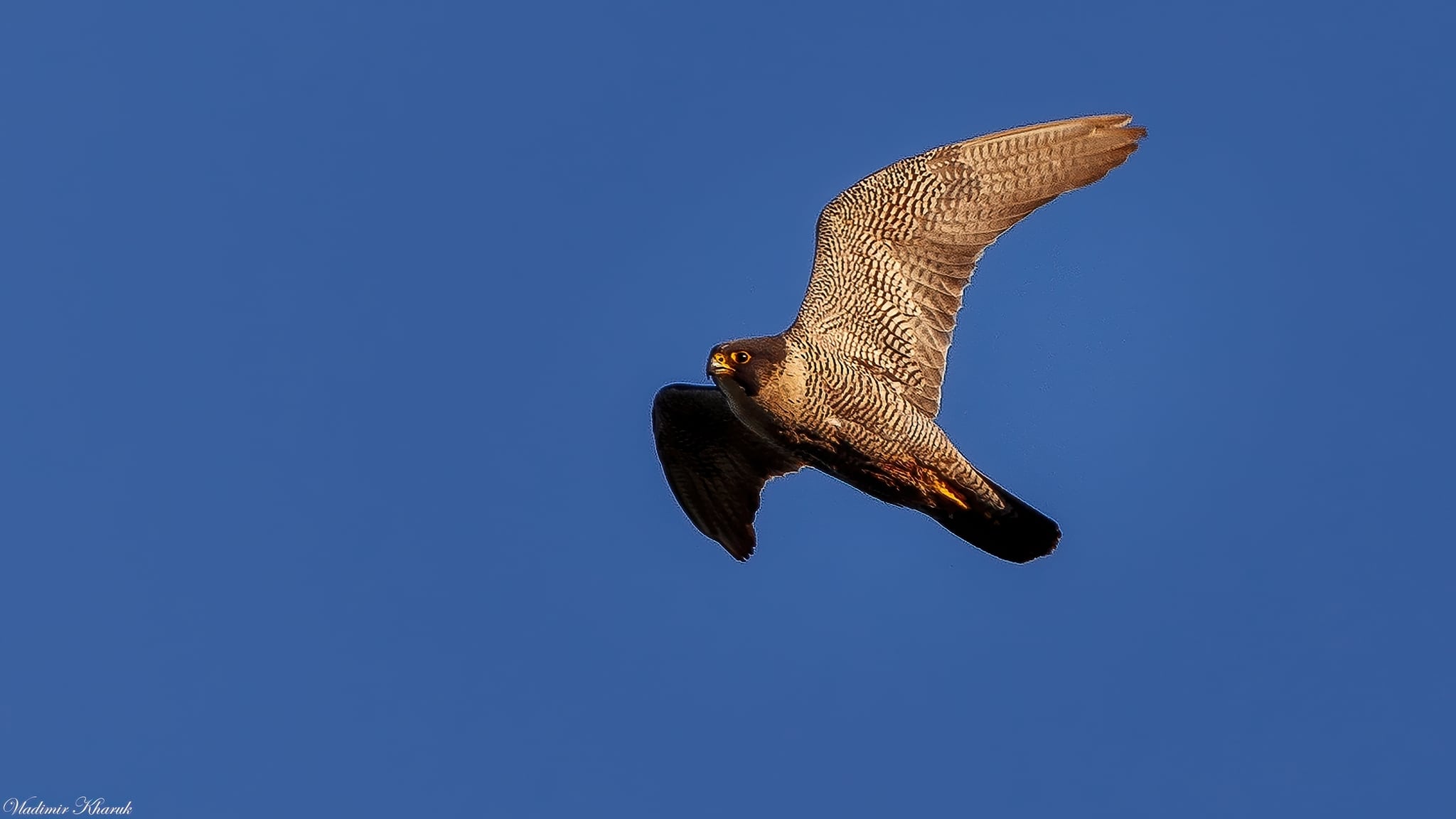
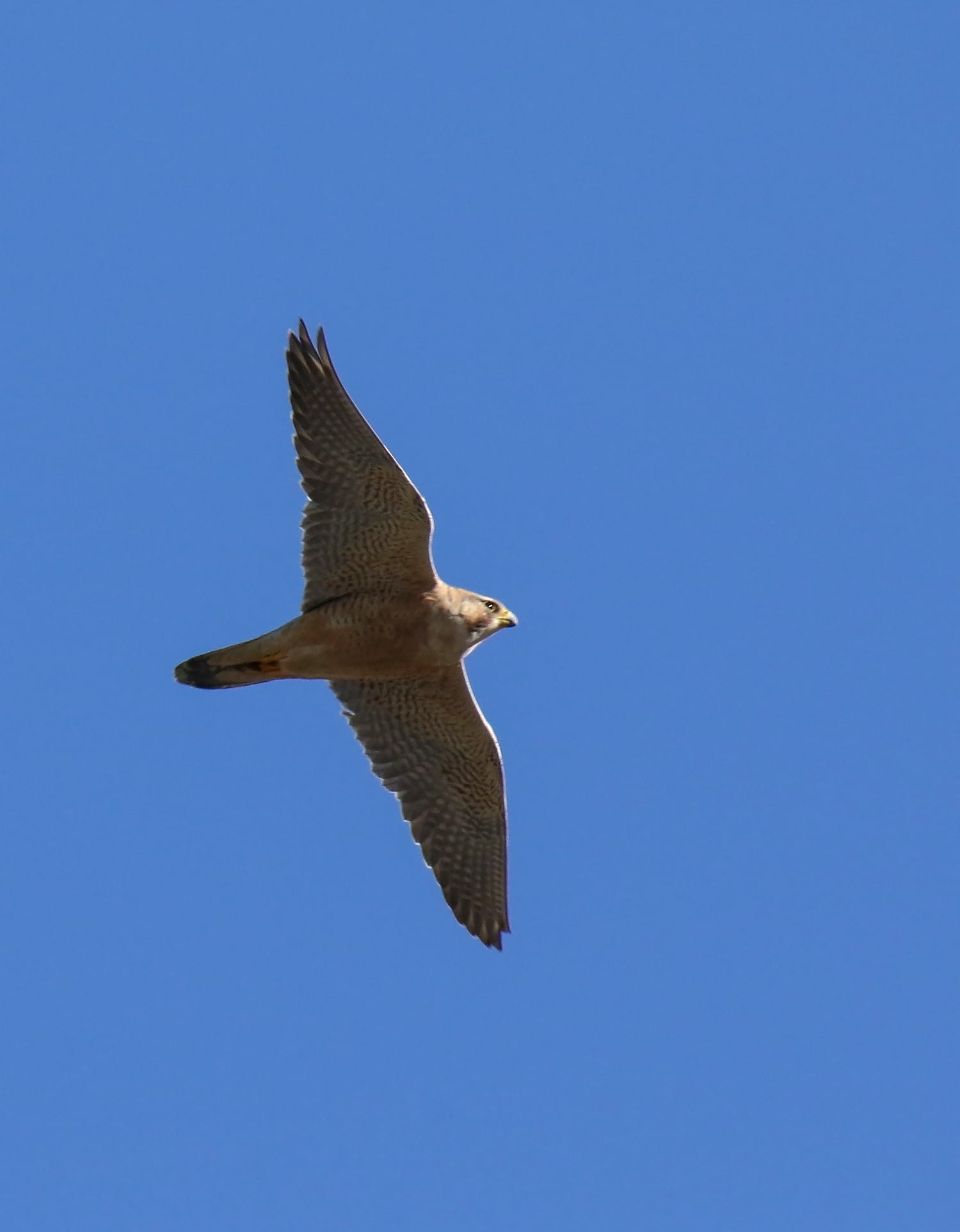
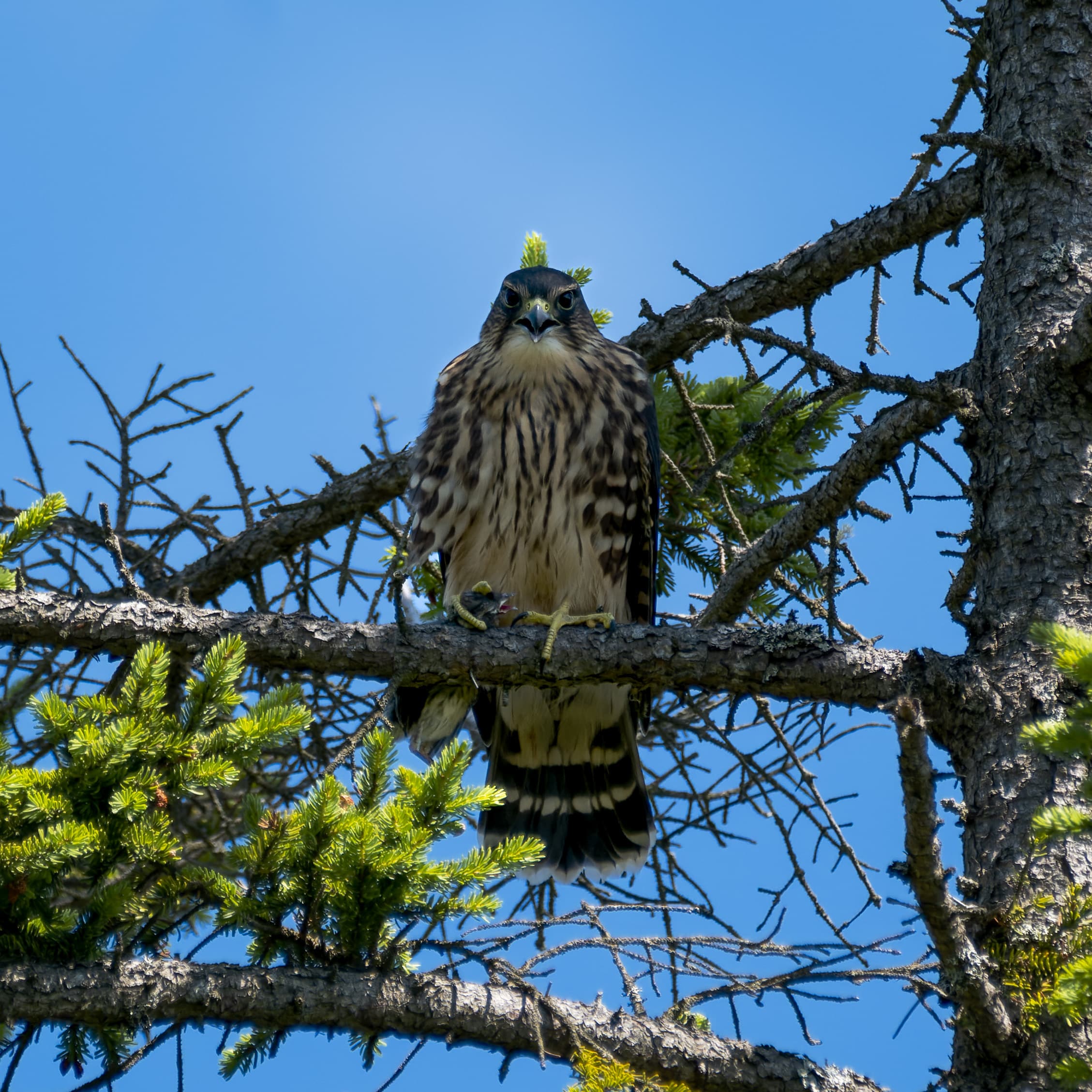
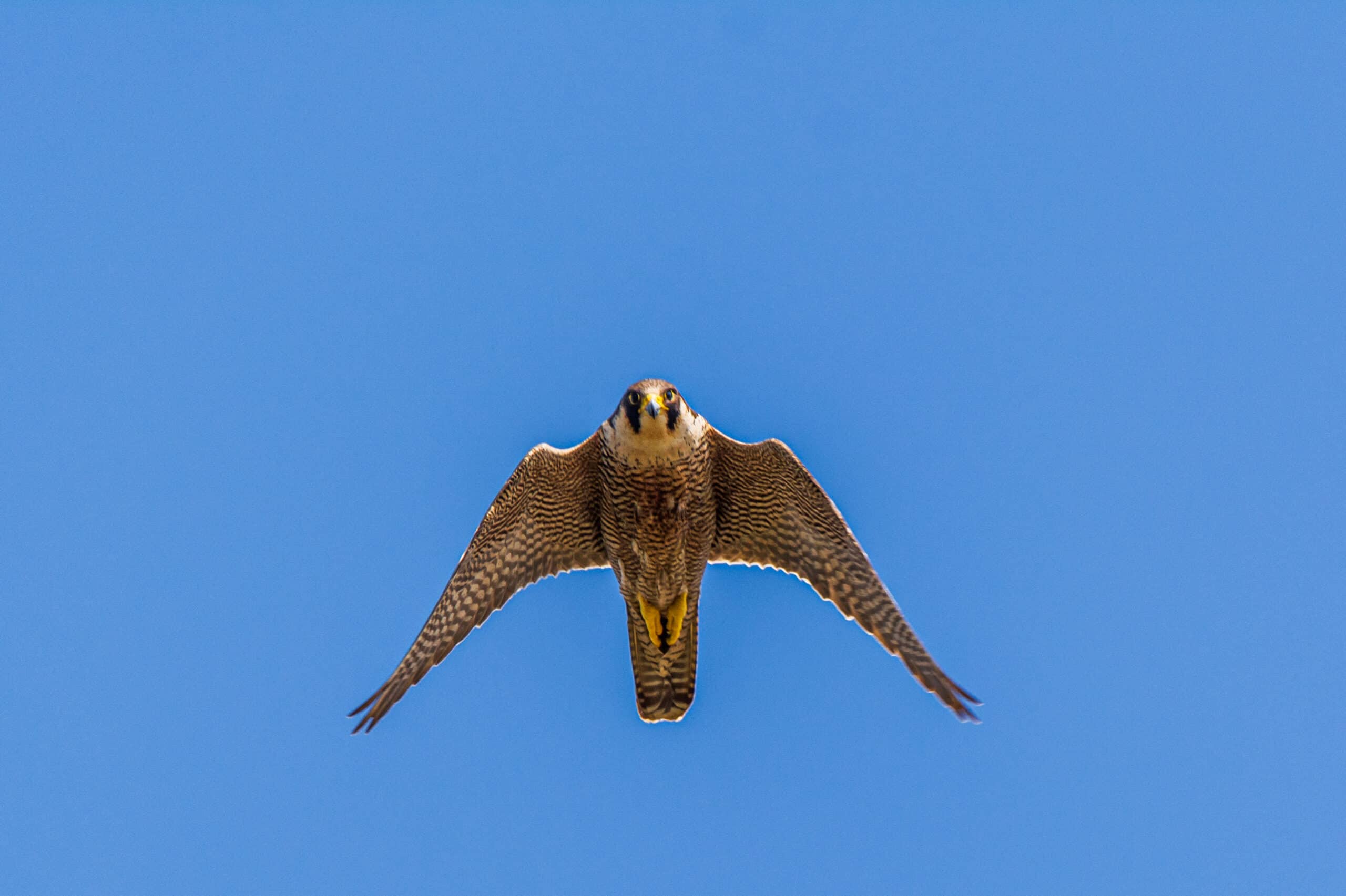
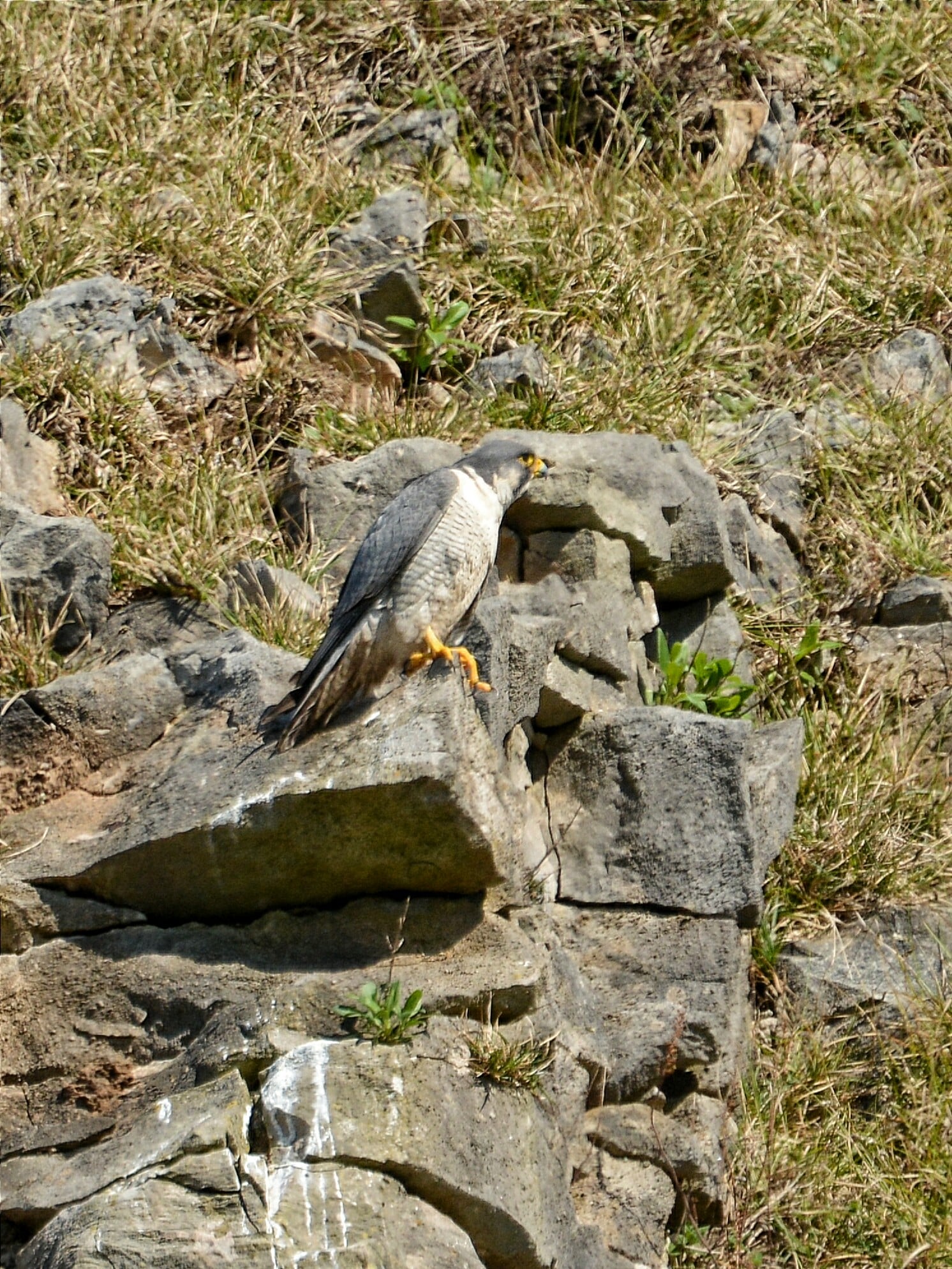
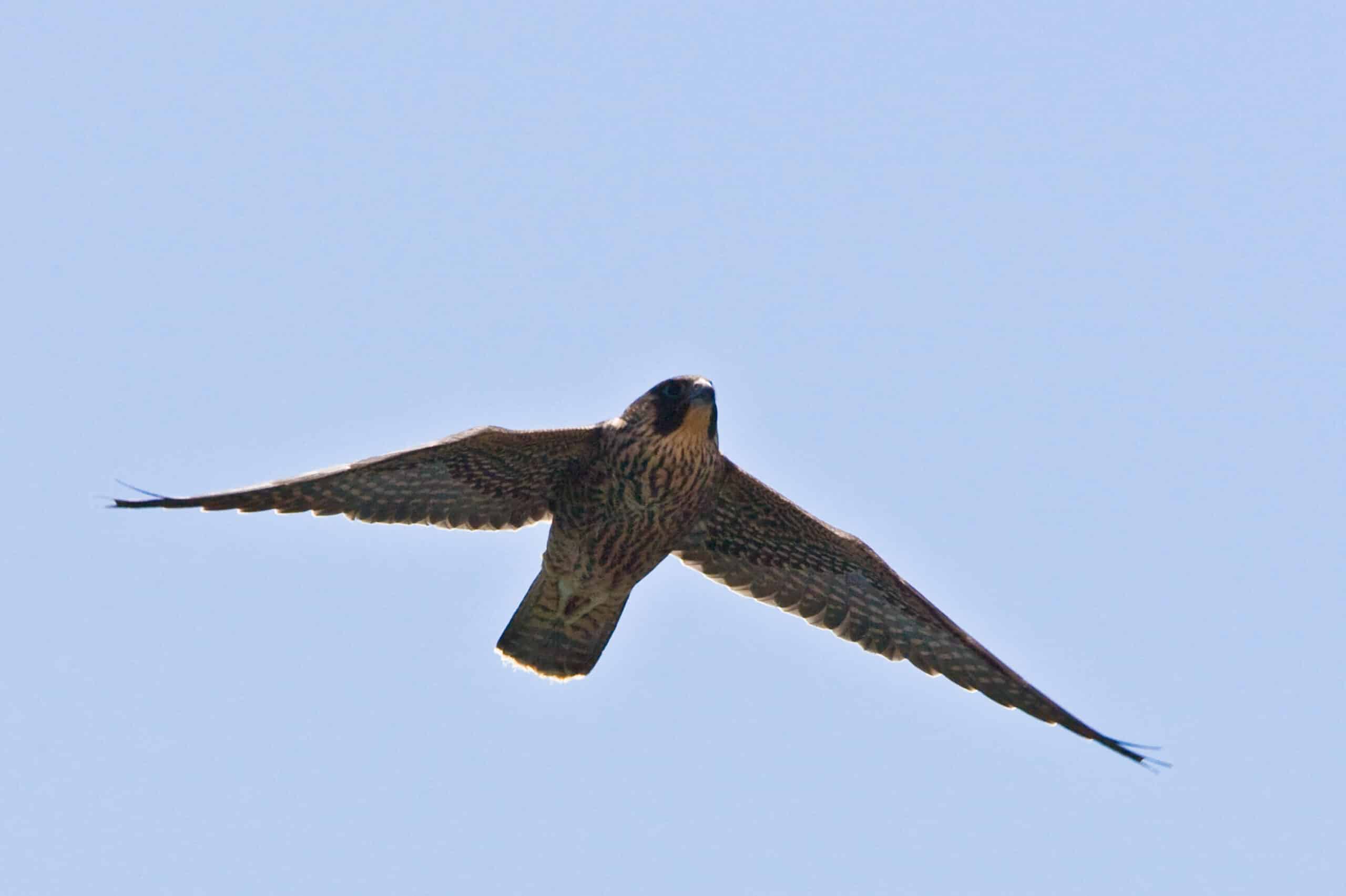
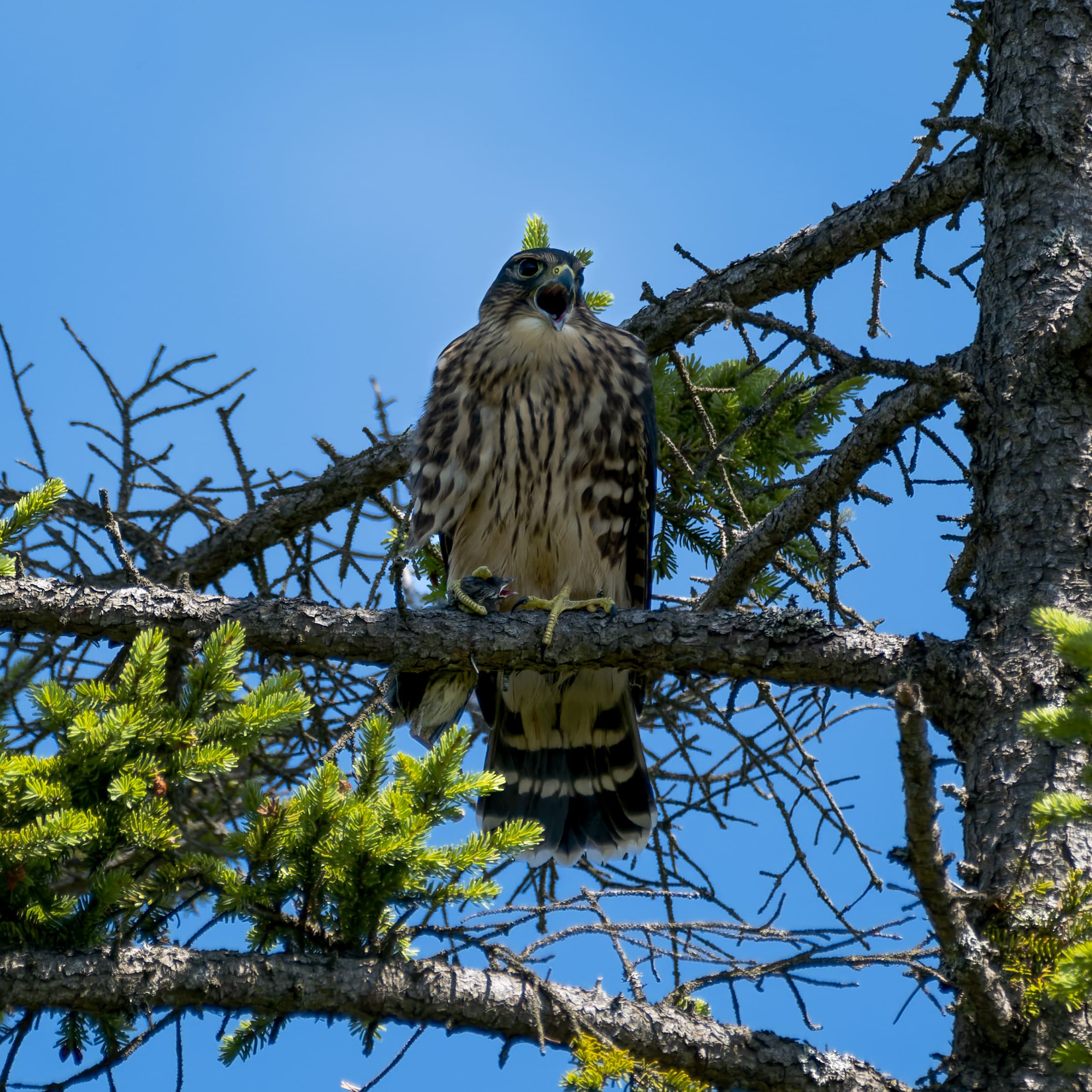
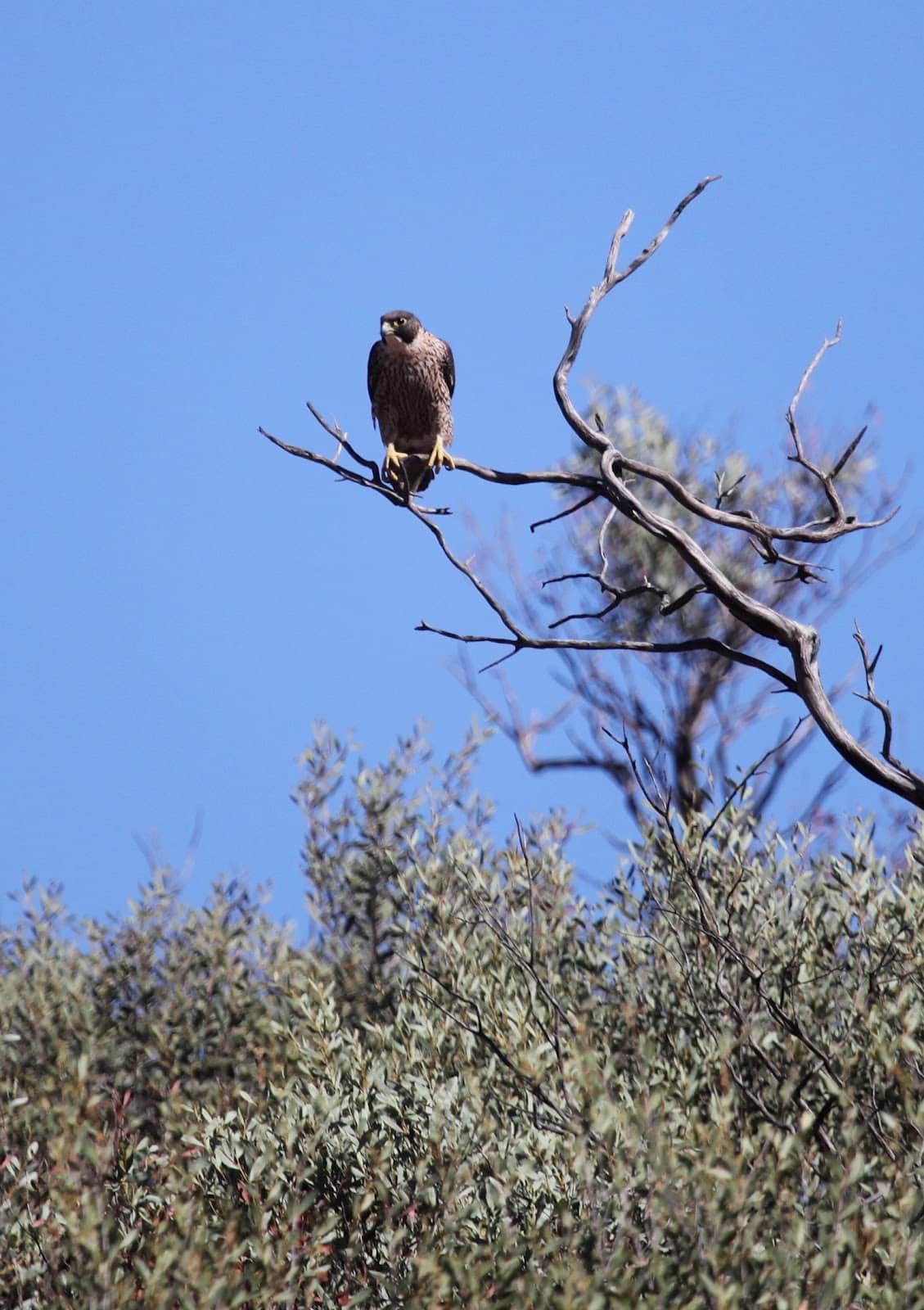
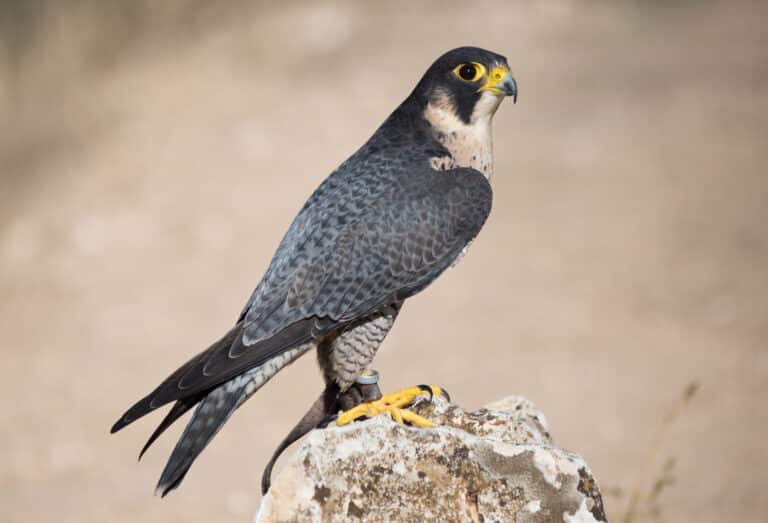
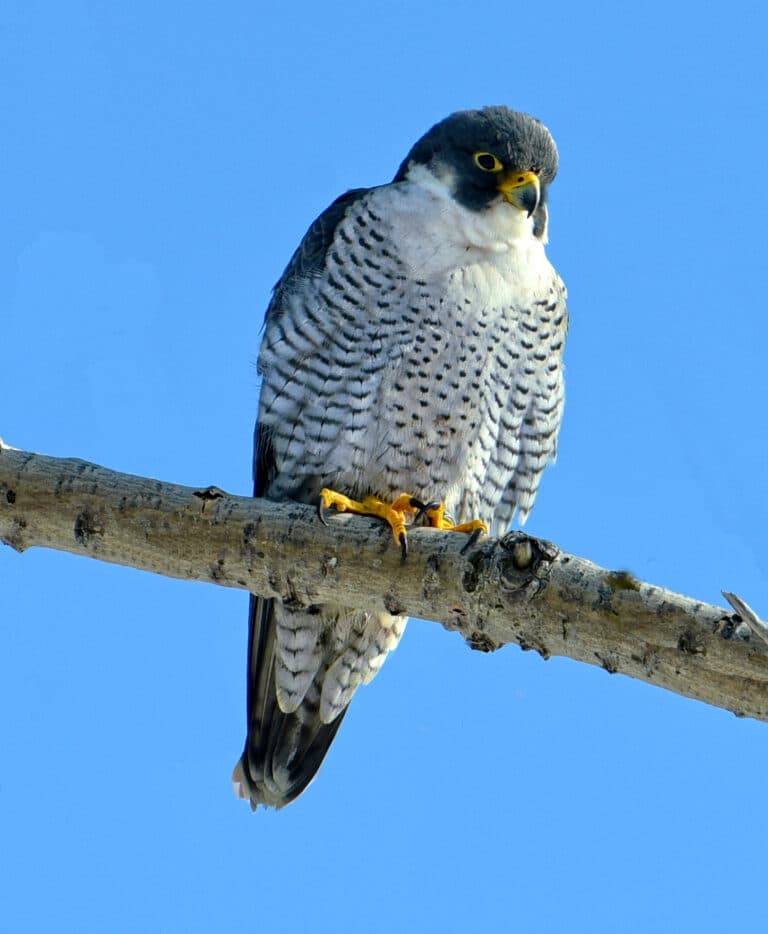
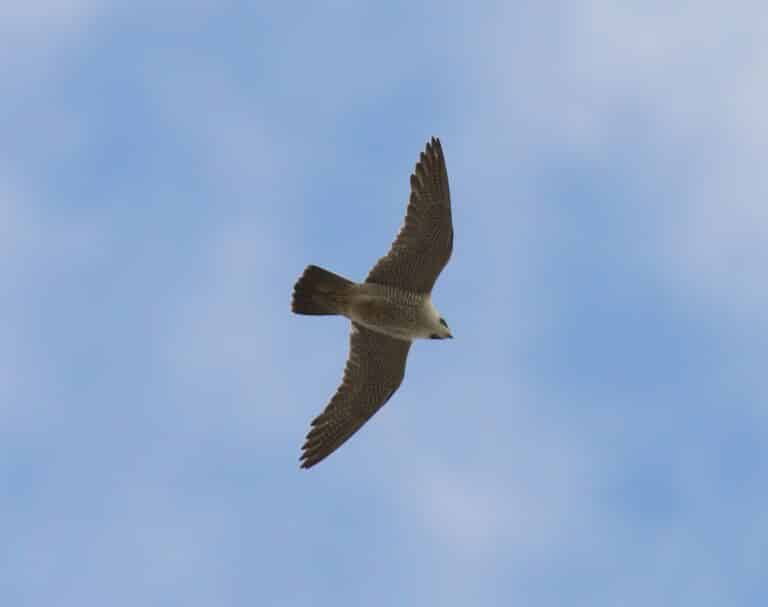
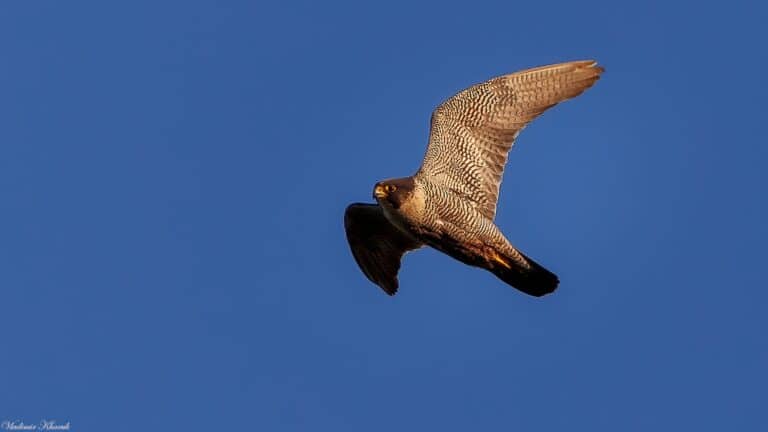
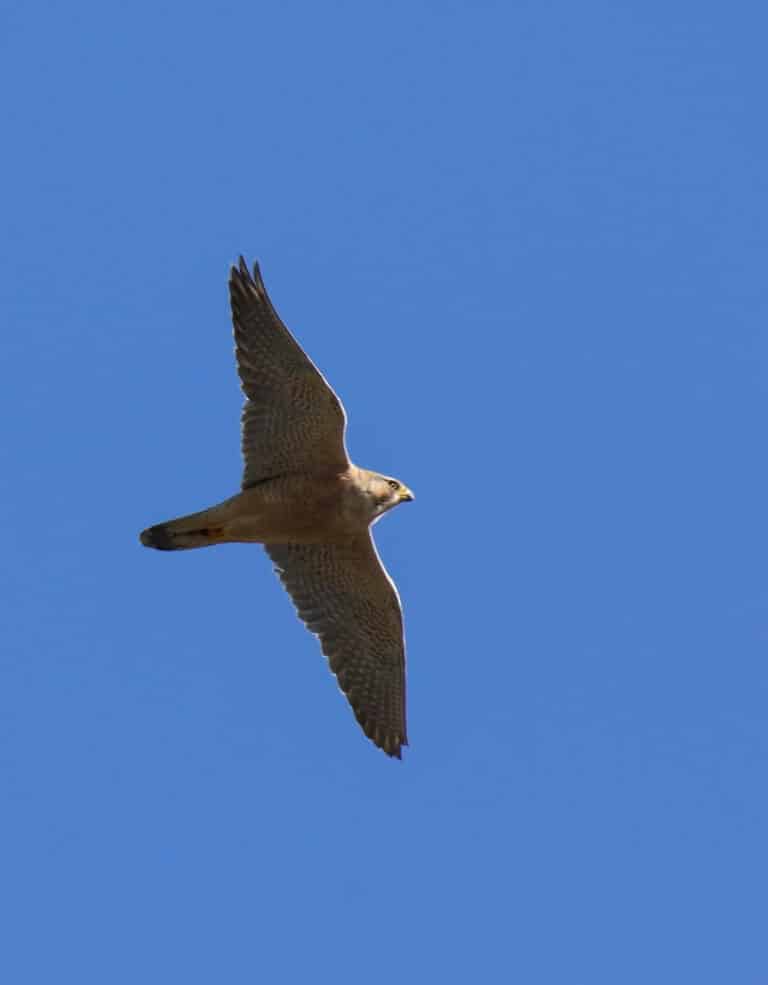
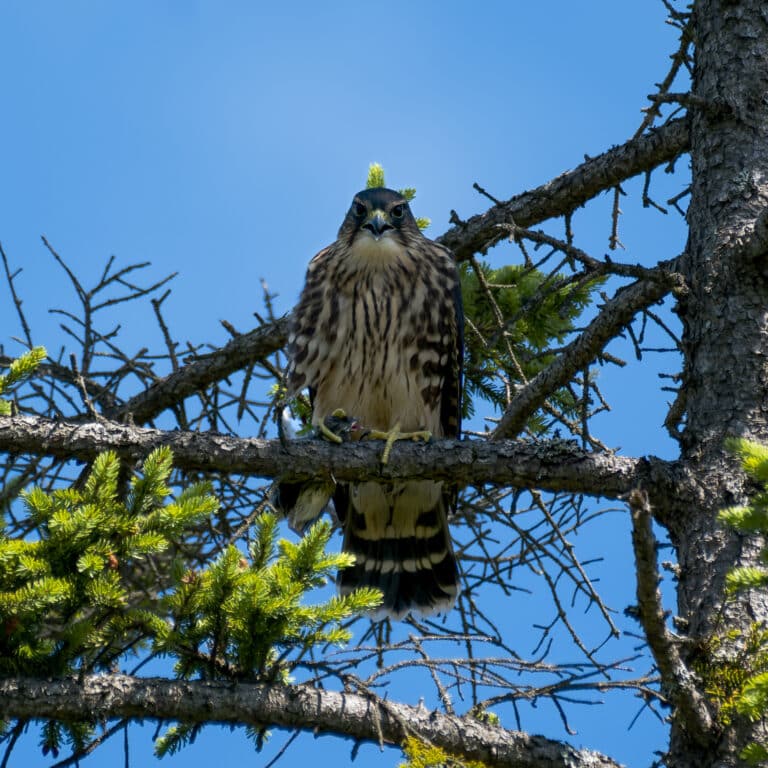
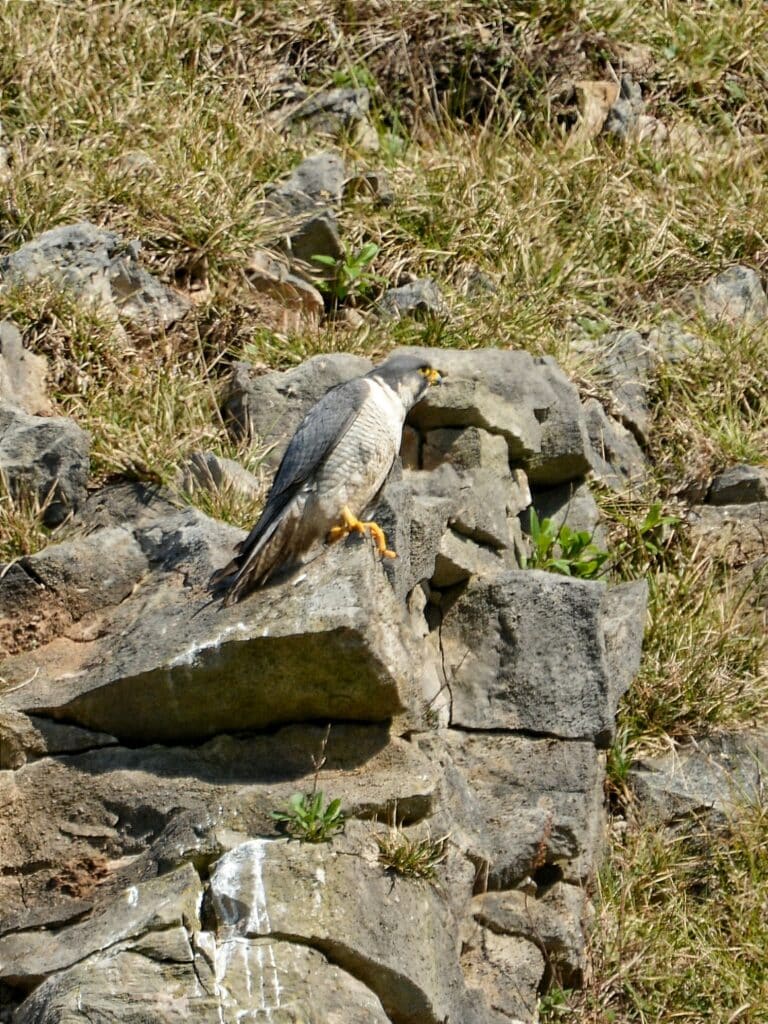
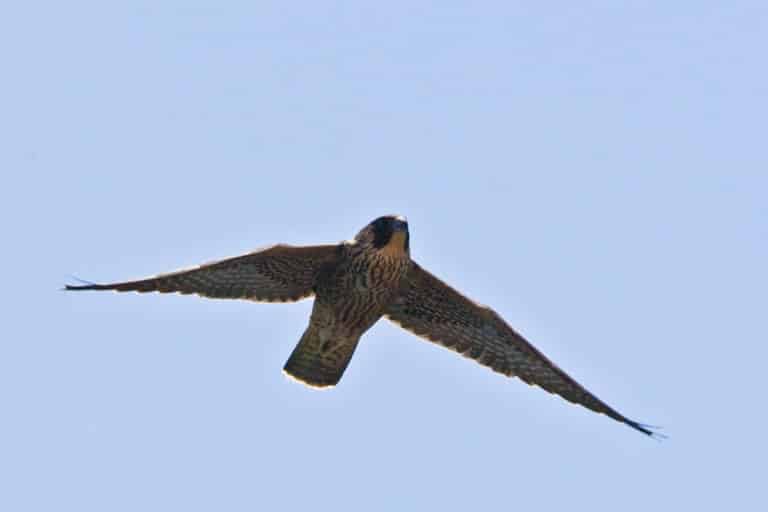
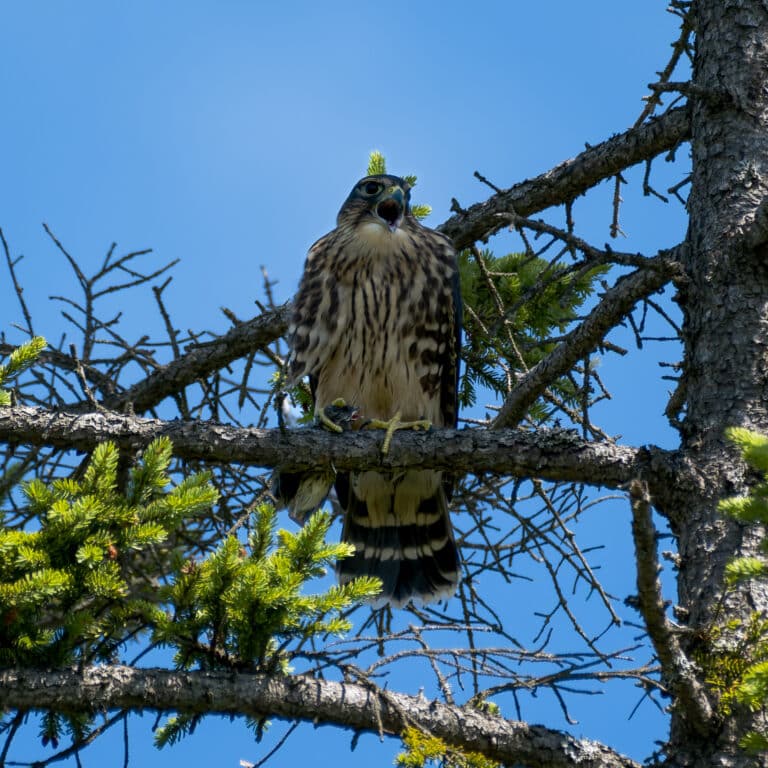
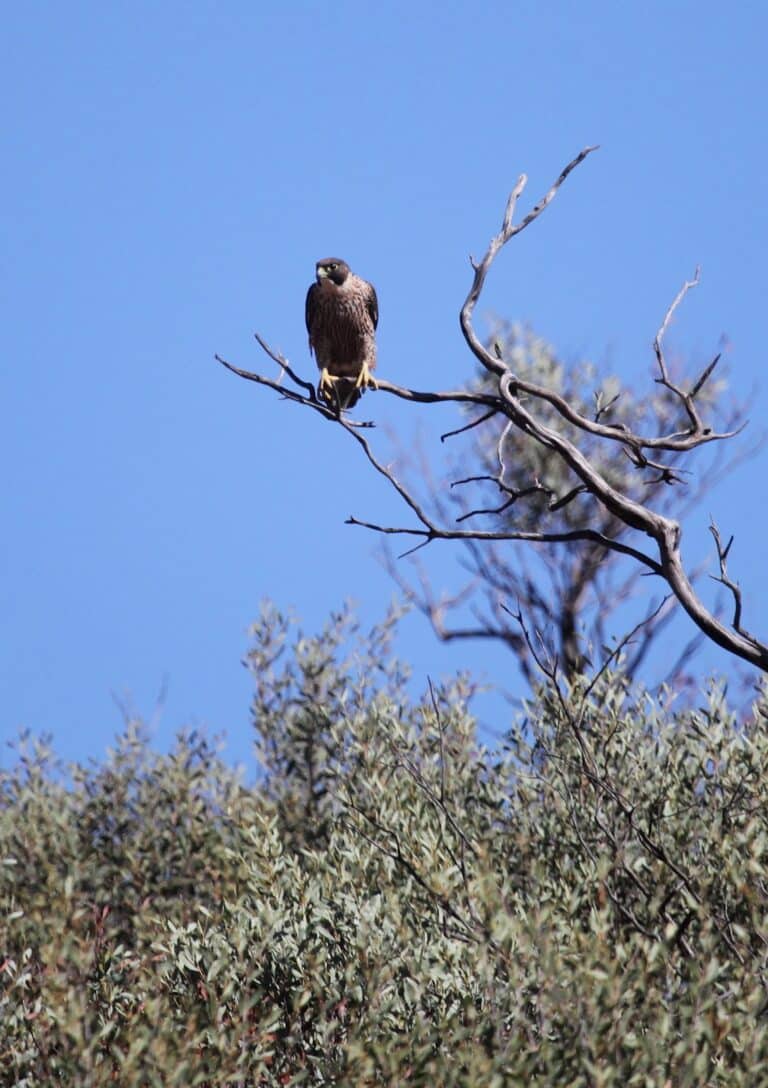
The Peregrine Falcon is a fascinating bird that can reach lengths of 15 to 20 inches (38 to 51 centimeters). This bird belongs to the family Falconidae and is known for its incredible speed and agility, making it one of the fastest creatures on the planet.
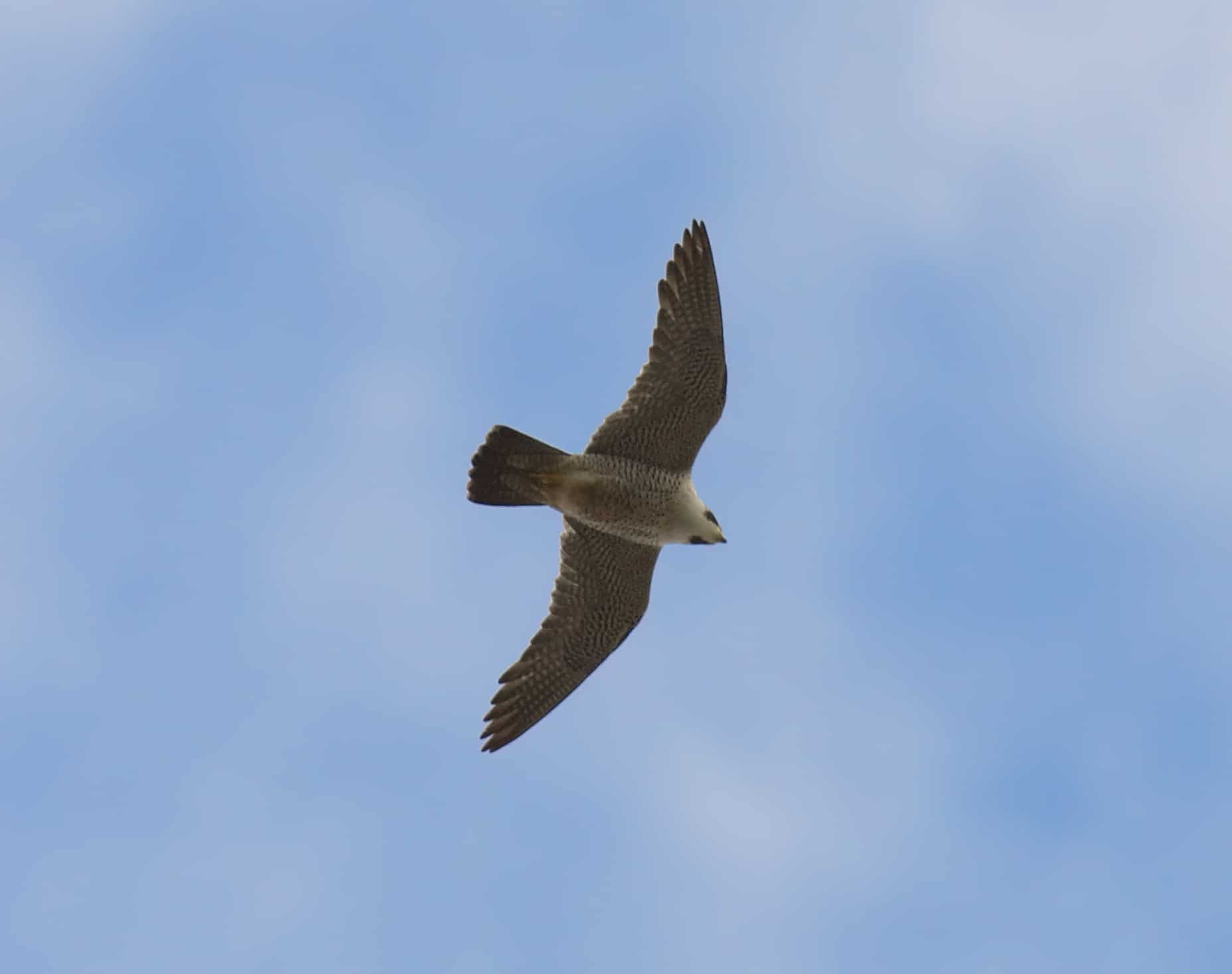
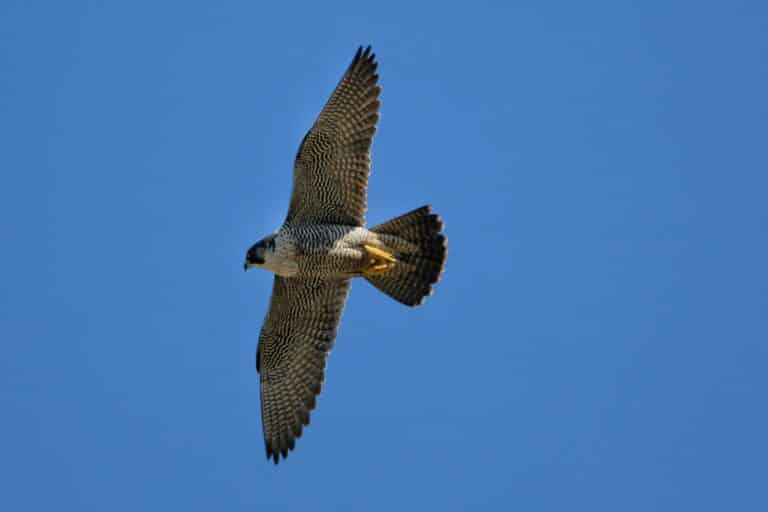
Peregrine Falcons can dive at speeds of over 240 miles per hour (386 kilometers per hour) when hunting. This breathtaking speed helps them catch their favorite snacks, which include birds and small mammals. Talk about a fast food bird!
Peregrine Falcons thrive in many locations around the world, including Africa. Their adaptability helps them live in urban areas, where they often nest on tall buildings and hunt birds in city parks.
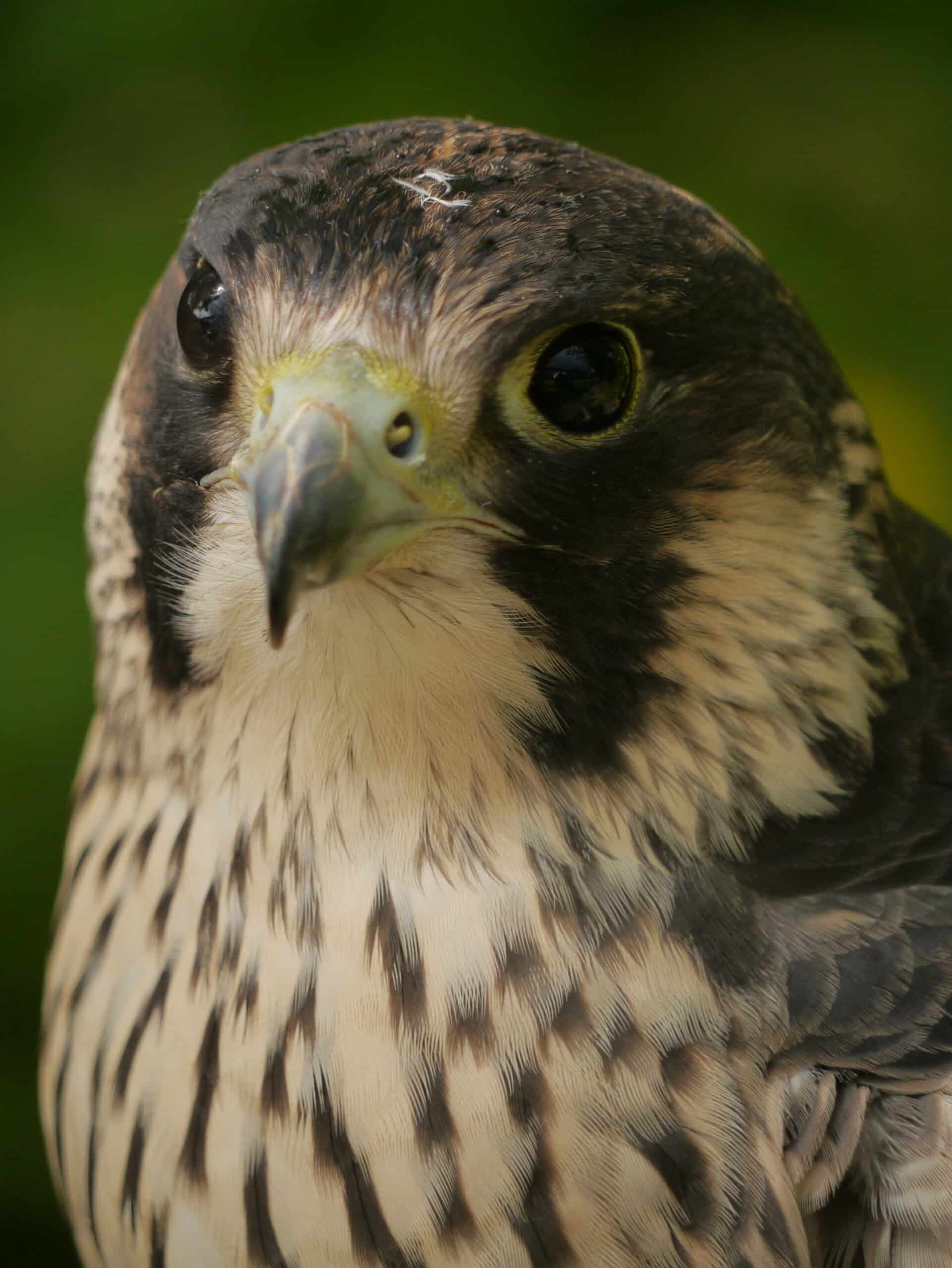
These birds have keen eyesight, allowing them to spot prey from great distances. With their sharp beaks and powerful talons, they can snatch up a meal quickly, proving that they are truly nature's aerial superheroes.
The lifespan of a Peregrine Falcon ranges from 13 to 20 years. With their hearty nature and impressive hunting skills, they continue to inspire birdwatchers and nature lovers everywhere.

Where can you find a Peregrine Falcon in the wild?
What does a Peregrine Falcon eat?
How big can a Peregrine Falcon grow?
How long does a Peregrine Falcon typically live?
What is the conservation status of the Peregrine Falcon?
What are the main threats to the Peregrine Falcon?
Fun facts
Peregrine Falcons can spot their favorite meals from over a mile away, thanks to their super sharp eyesight. Imagine having superhero vision that can see a small bird flying quickly from way up high!


When a Peregrine Falcon goes hunting, it enters a dive called a stoop, where it can reach speeds of over 240 miles per hour (386 kilometers per hour). That's faster than a race car zooming around the track!
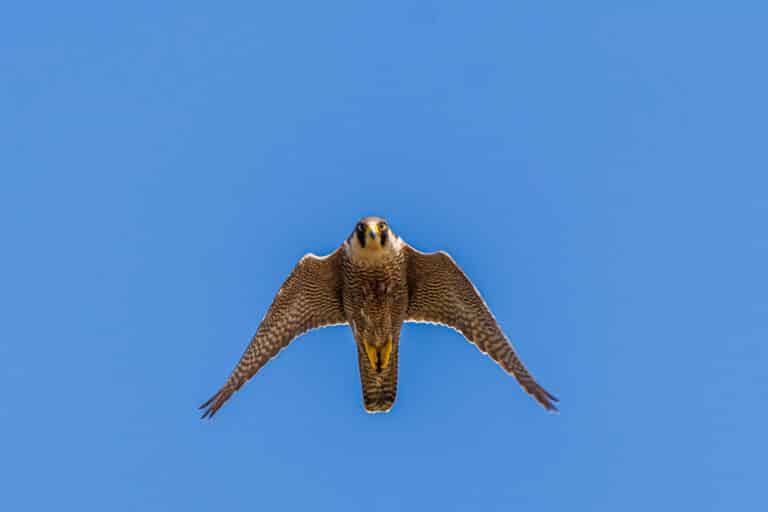
These fantastic falcons use a special technique called 'tucking' during their dives, where they bring their wings close to their bodies to reduce air resistance. It's like turning into a feathered missile!
Peregrine Falcons have extra thick feathers that protect them from the high-speed winds when they dive. It’s like wearing a super cozy jacket while speeding through the air!
These birds are excellent parents. They share parenting duties, with both the male and female taking turns to care for their young, teaching them to fly and hunt in a team effort.
Peregrine Falcons are known to be quite the globe-trotters. Some of them migrate over 15,000 kilometers (9,320 miles) every year, traveling between North and South America with amazing determination!
A Peregrine Falcon's beak is specially shaped so it can easily kill its prey with a quick bite. This adaptation allows it to eat quickly and efficiently without losing time!
Unlike most birds, Peregrine Falcons can close their nostrils during high-speed dives to keep water and air from rushing in. They have their very own built-in safety feature!
Peregrine Falcons have a 'screeching' call that can be heard from quite a distance. It sounds like they are shouting at the top of their lungs, making sure everyone knows they are around!
Many cities now have 'Falcon programs' that help Peregrine Falcons thrive in urban environments. These programs provide nesting spots on tall buildings, making skyscrapers their new homes!
Photos

The Basics


explore more
Amphibians
Arachnids
Birds
Cats
Crustaceans
Fish
Fish Pet Guide
Gastropods
Insects
Invertebrates
Mammals
Pet Fish
Pet Rodents
Plants
Reptiles
Roundworms
Sea Slugs