Successfully copied to clipboard!
Platypus
Uncover a swimming marvel with a beak and a tail!
Let’s Explore
Overview
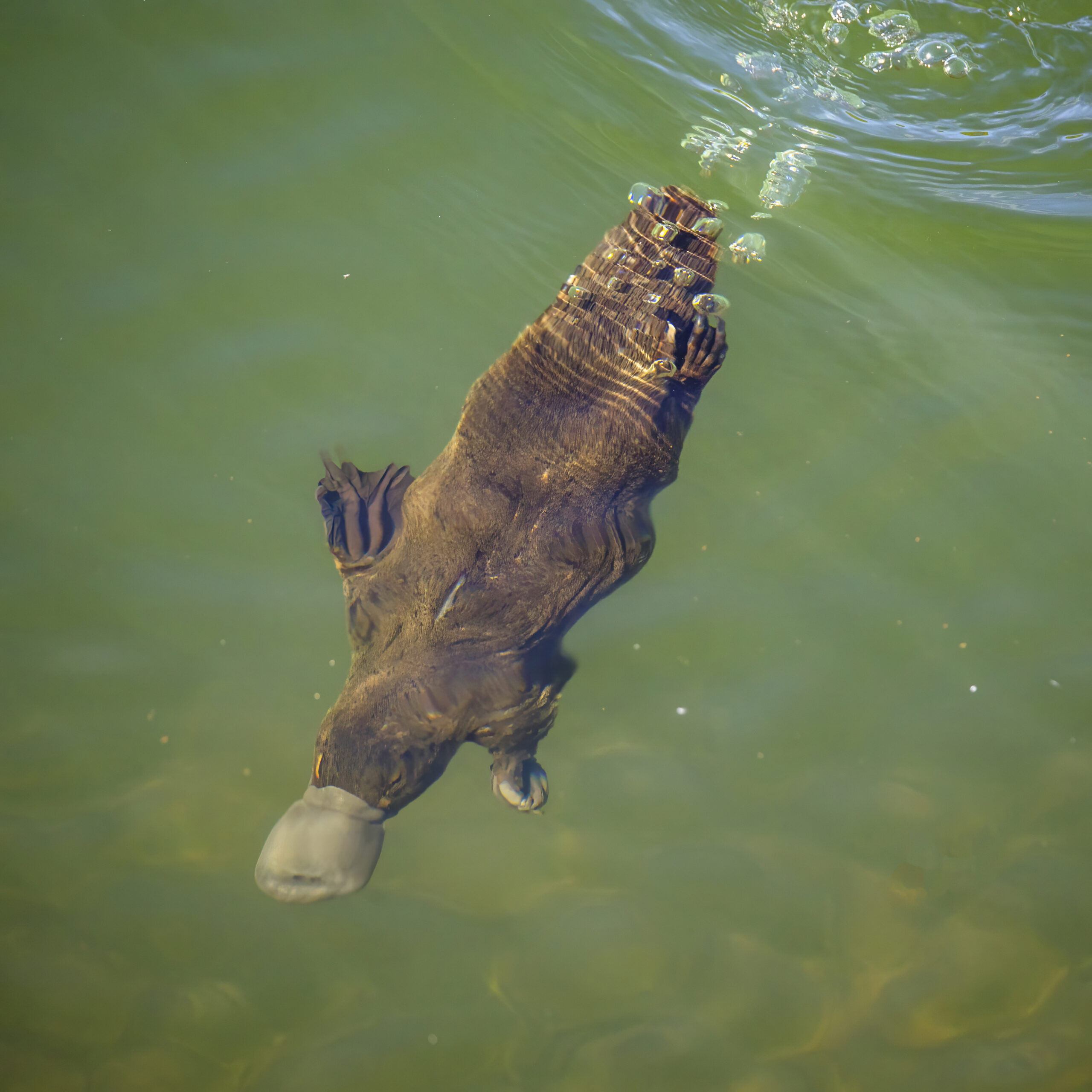
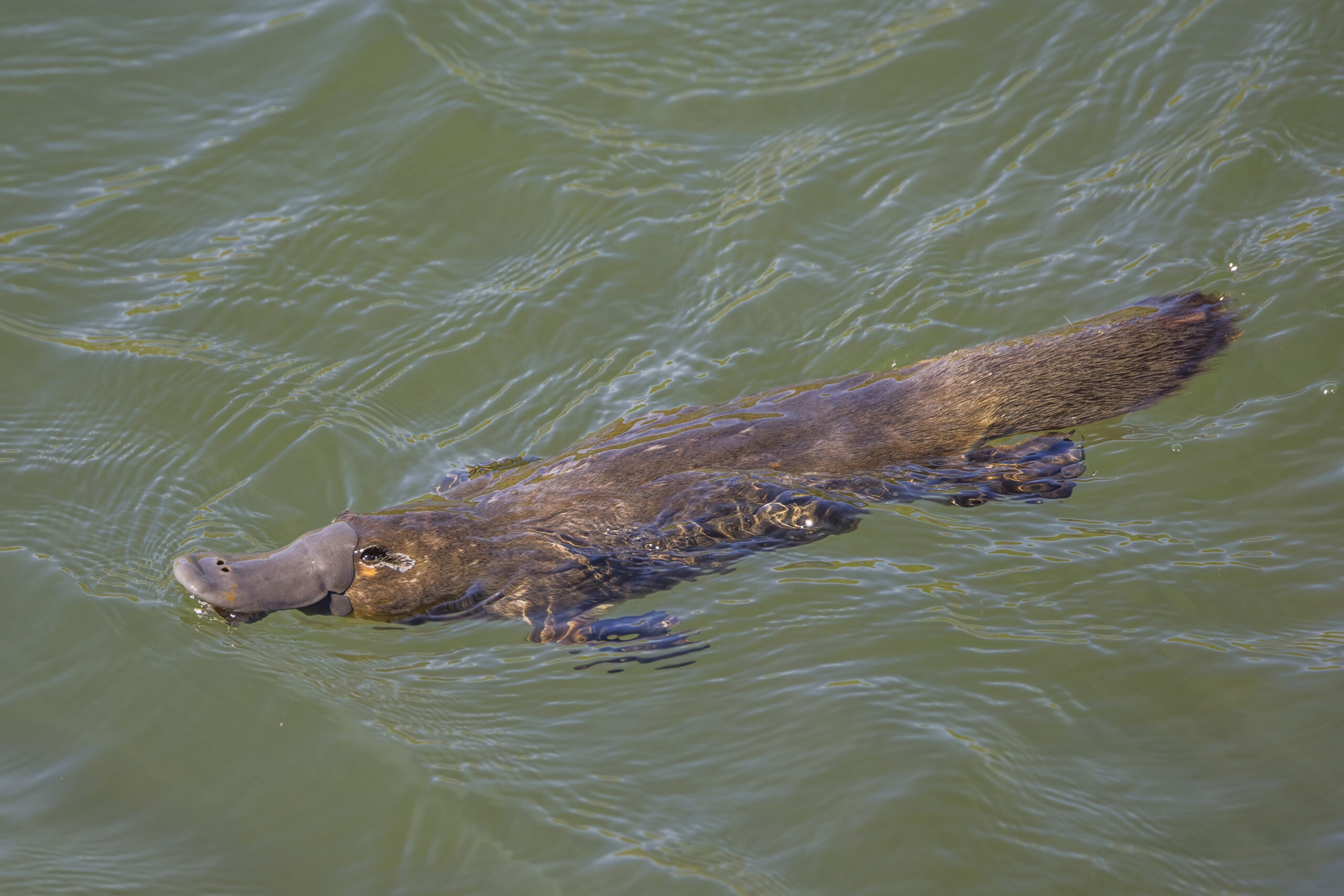
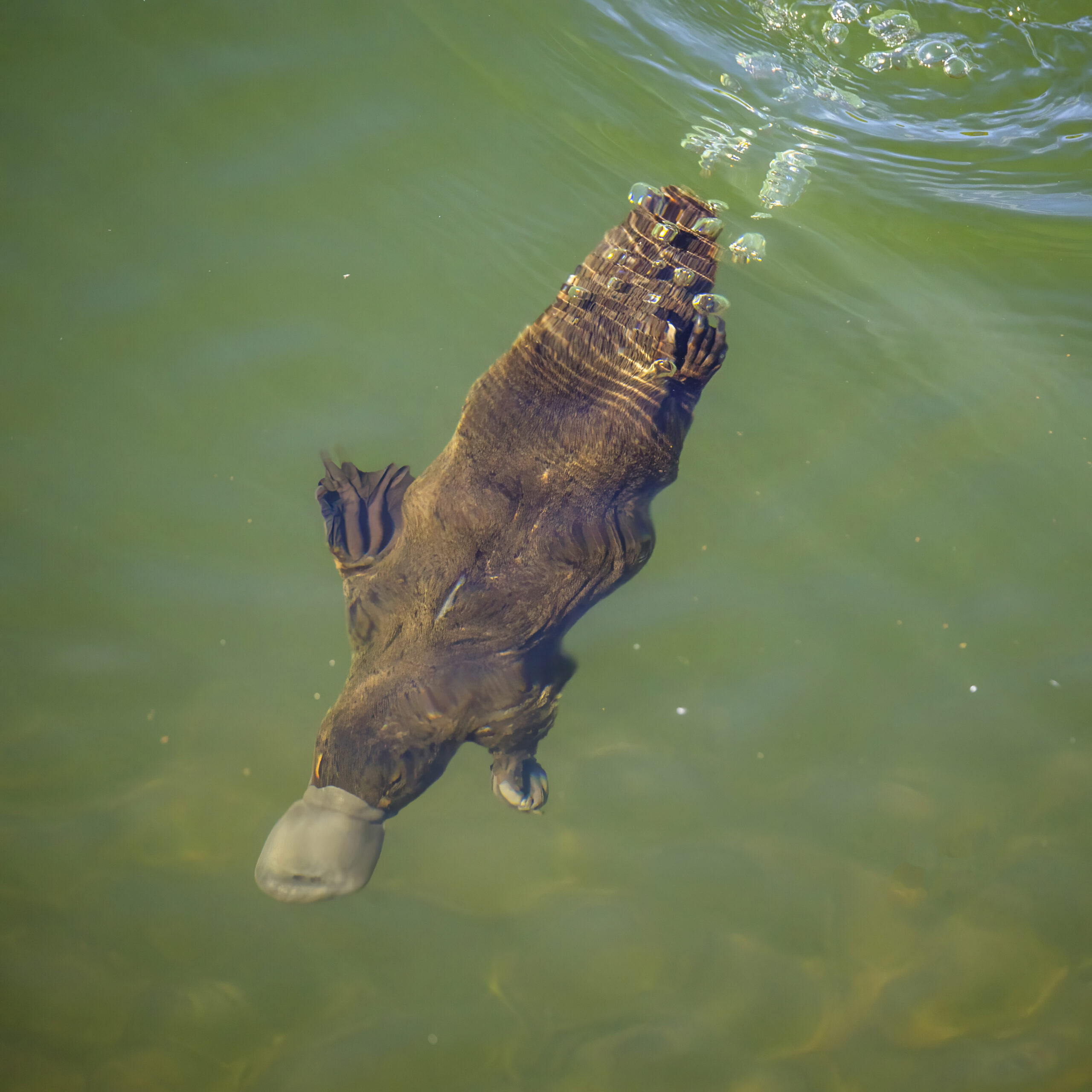
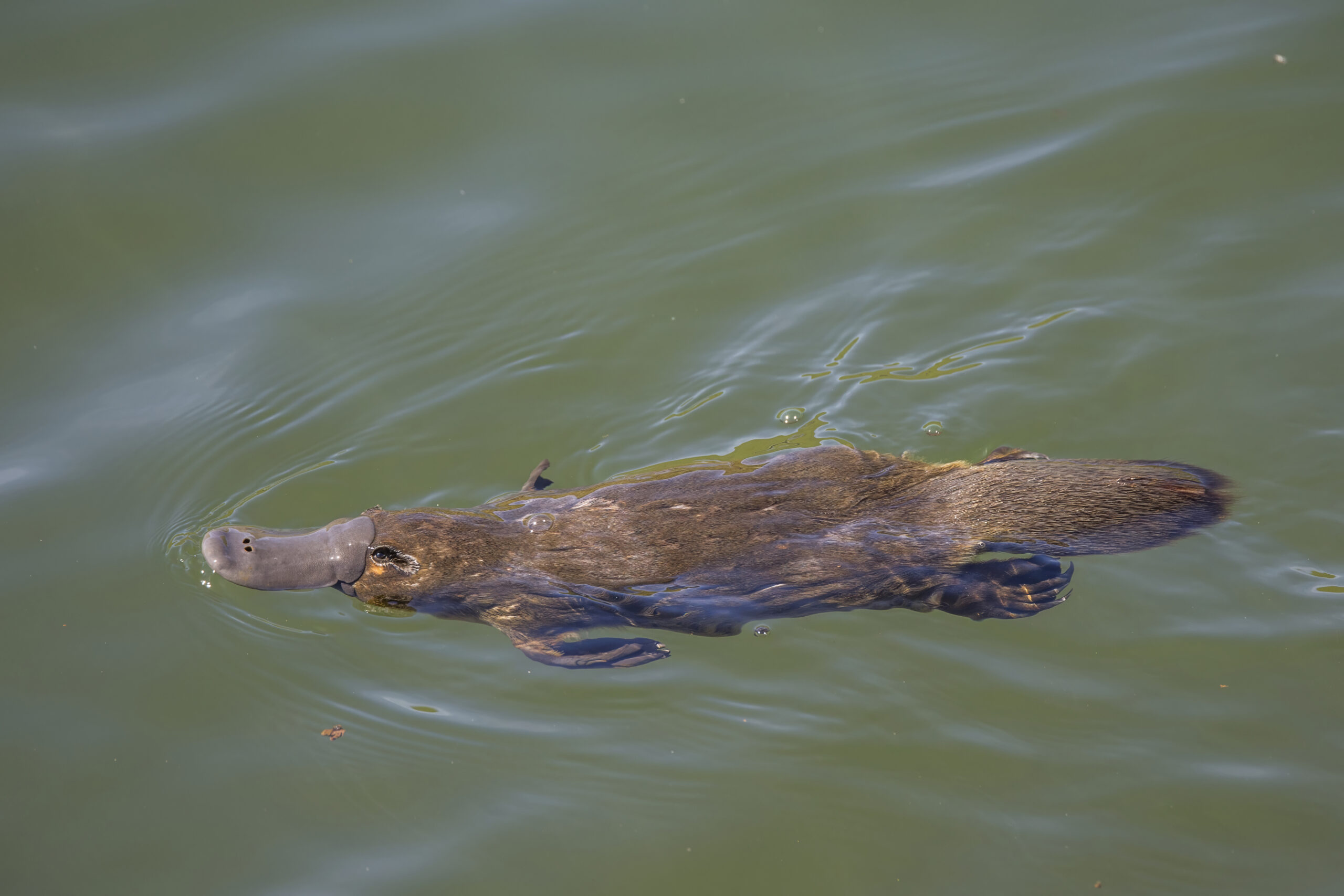
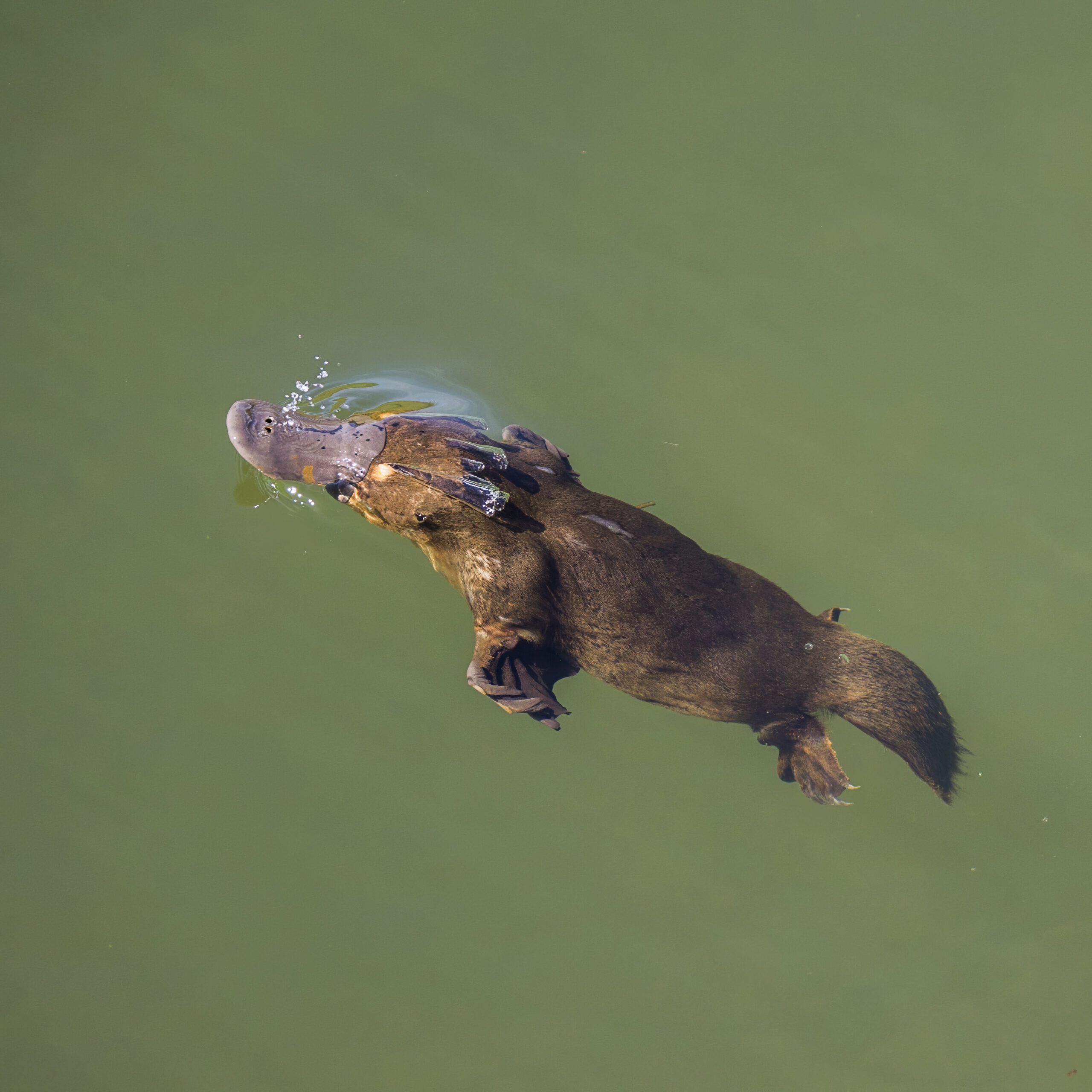
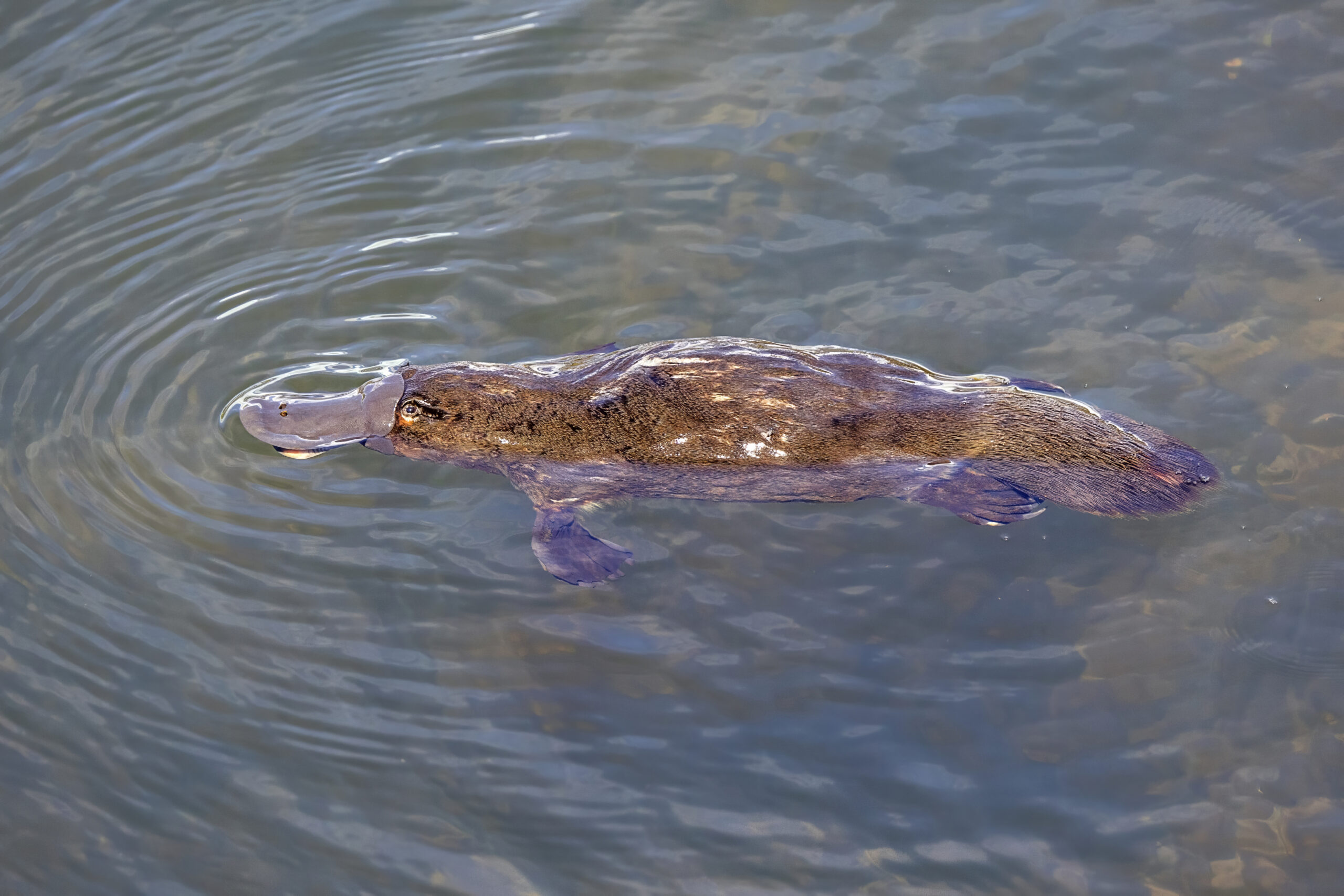
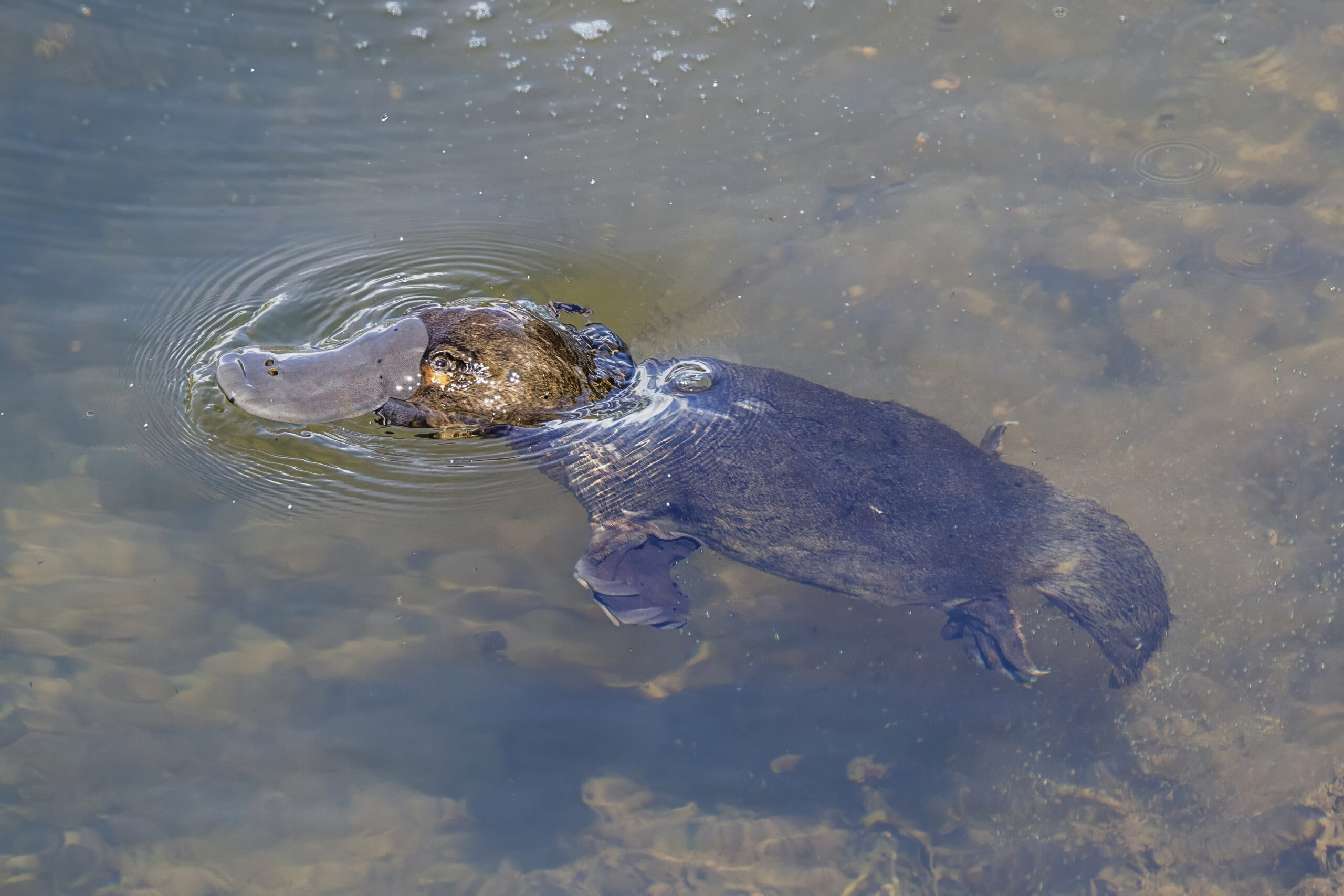
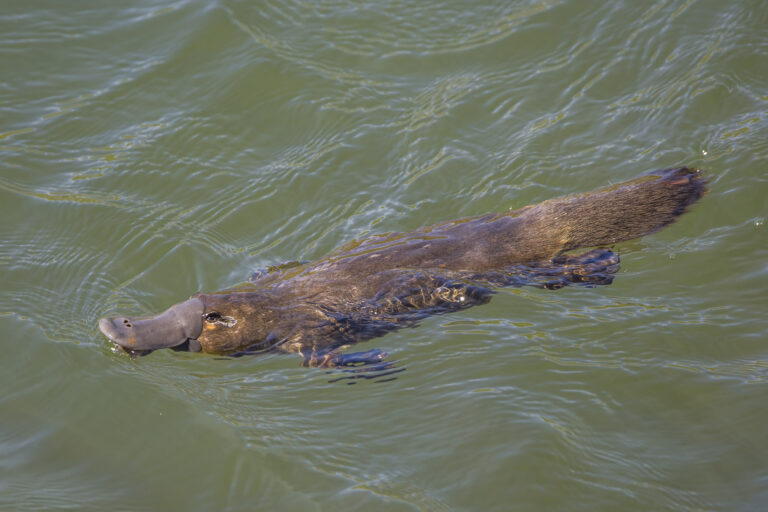
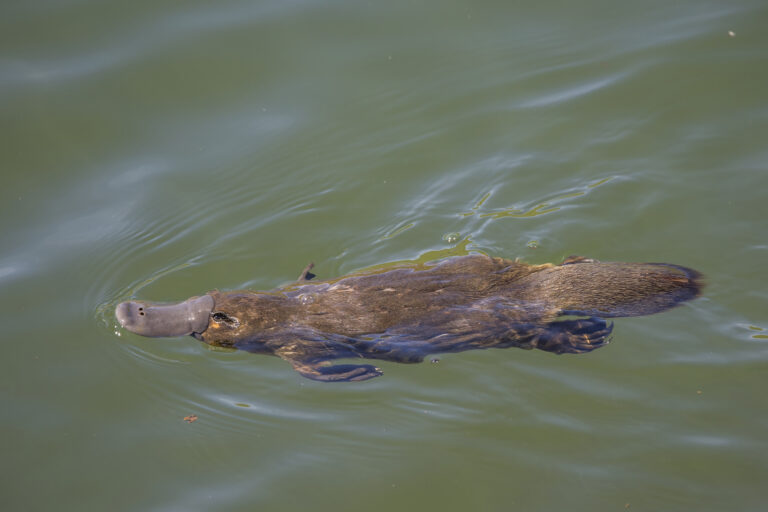
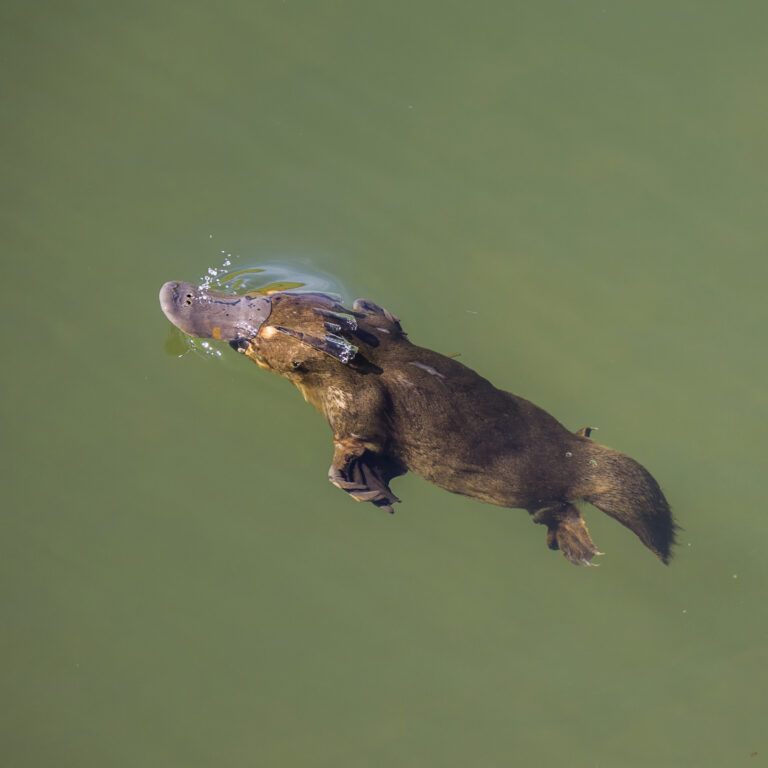
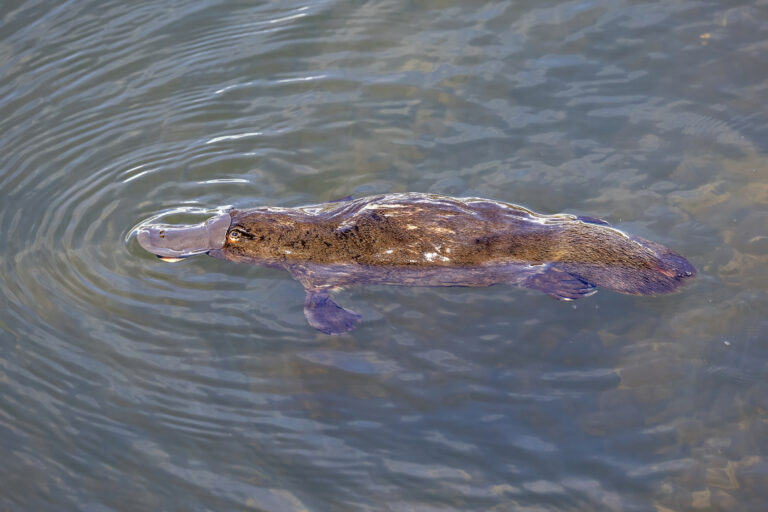
The platypus is a remarkable animal that loves to swim in the waters of Oceania! This strange creature has a body that can reach about 38 centimeters (15 inches) in length, not counting its tail, which adds another 13 centimeters (5 inches) of fun!
Believe it or not, the platypus is one of Earth's only egg-laying mammals, known as monotremes! These unique critters also sport a flat bill that resembles a duck's beak, making them true experts in searching for food under the water's surface.
The platypus dines on tasty snacks like insects, worms, and crustaceans. It uses its sensitive bill to locate its favorite treats hidden beneath rocks and mud, making every meal a delightful adventure!
In the wild, platypuses can live between 10 to 15 years, making them long-lived swimmers with plenty of time to explore their aquatic homes. It is both fascinating and heartwarming to see them glide gracefully through the water, as they are skilled swimmers thanks to their webbed feet.
As a mammal, the platypus also has fur to keep it warm while swimming in colder waters. This fuzzy coat helps them stay comfy, even when diving deep to find delicious food!
Overall, the platypus enchants us with its mix of quirky features and charming habits. With a bill like a duck and a body like a beaver, this extraordinary animal is sure to dazzle everyone it meets!

Where can you find a Platypus in the wild?
What does a Platypus eat?
How big can a Platypus grow?
How long does a Platypus typically live?
What is the conservation status of the Platypus?
What are the main threats to the Platypus?
Fun facts
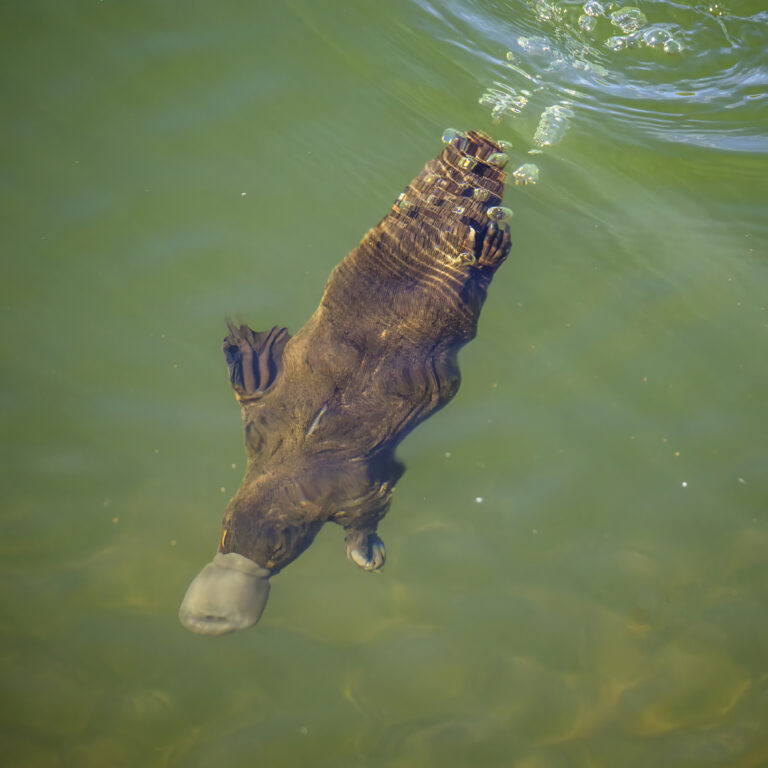
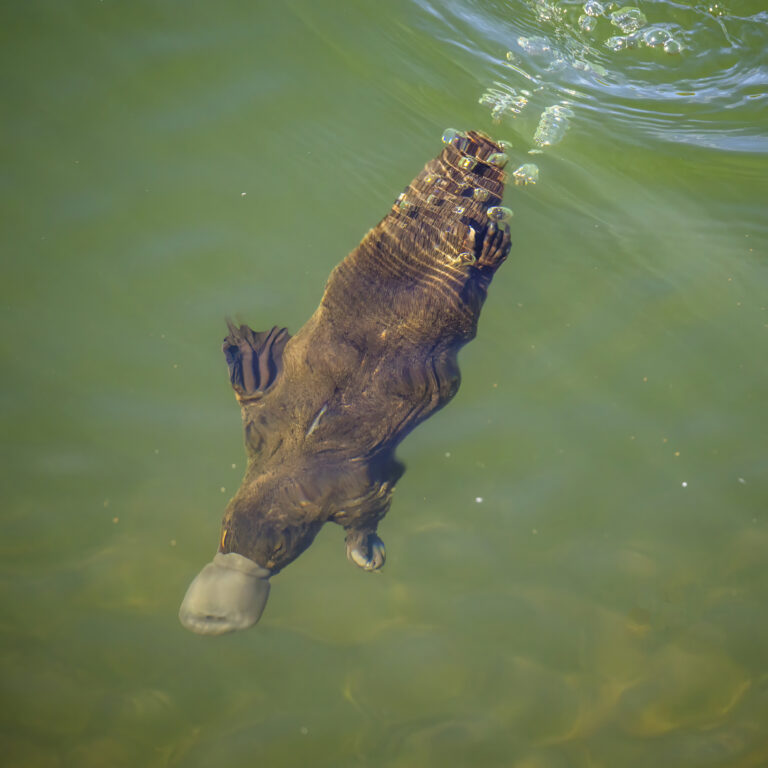
Platypuses use their sensitive bills to find food in the water. They can detect electric fields produced by their prey, allowing them to hunt even with their eyes closed!


This unique mammal has webbed feet that act like paddles, making them excellent swimmers. Platypuses can hold their breath and dive underwater for up to two minutes at a time!
When it comes to babies, a mother platypus lays eggs and then curls up around them to keep them warm. After about ten days, the eggs hatch, and she nurses the cute little ones!
Male platypuses have a special surprise - they carry venom in their spurs! If they feel threatened, they can deliver a painful sting, so watch out!
These animals don’t have nipples! Instead, mother platypuses secrete milk from special openings in their skin. The babies drink the milk directly from the fur!
Platypuses have a unique way of communicating. They make soft sounds like growls and whines to talk to each other while swimming around their watery homes!
Even though they look cuddly, platypuses can dive deep into the water when startled. They can quickly escape from threats, making them little underwater ninjas!
This amazing creature can survive in both freshwater and coastal habitats. They adapt to their homes, showing the world how versatile they truly are!
In their cozy habitats, platypuses leave behind interesting footprints that can show if a friend or foe has been around. Their webbed feet make charming prints in mud by the water!
Platypuses are so special that they are a symbol of Australian wildlife. Their uniqueness draws visitors to Australia, eager to catch a glimpse of these fantastic creatures!
Photos





The Basics


explore more
Amphibians
Arachnids
Birds
Cats
Crustaceans
Fish
Fish Pet Guide
Gastropods
Insects
Invertebrates
Mammals
Pet Fish
Pet Rodents
Plants
Reptiles
Roundworms
Sea Slugs