Successfully copied to clipboard!
Raccoon
Uncover the playful, clever bandits of the night!
Let’s Explore
Overview
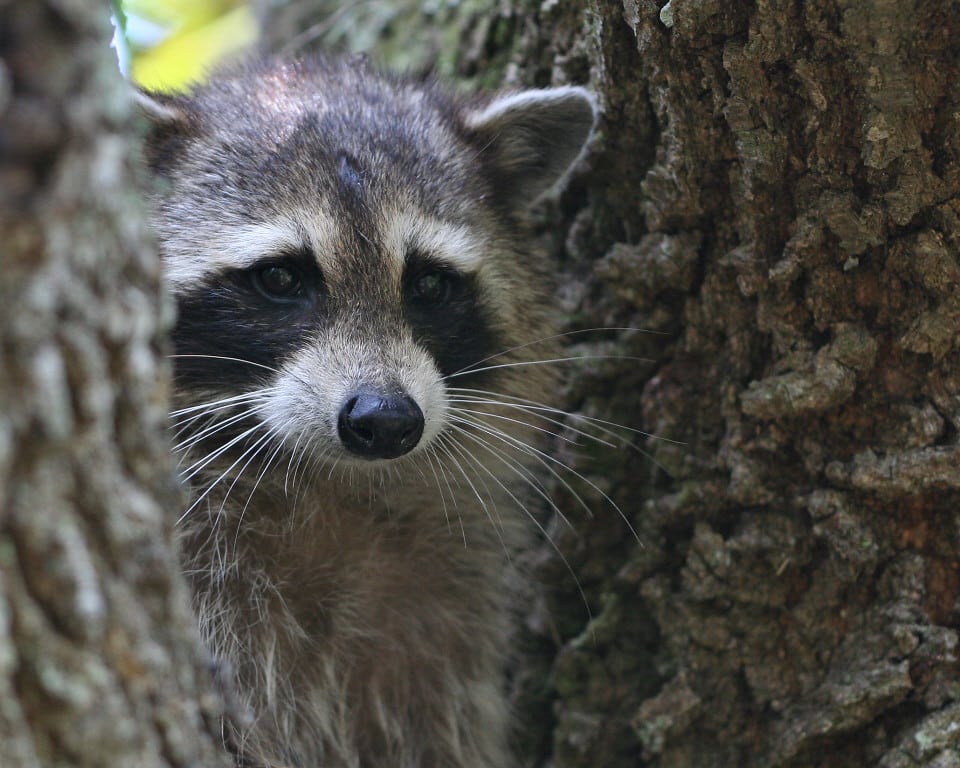
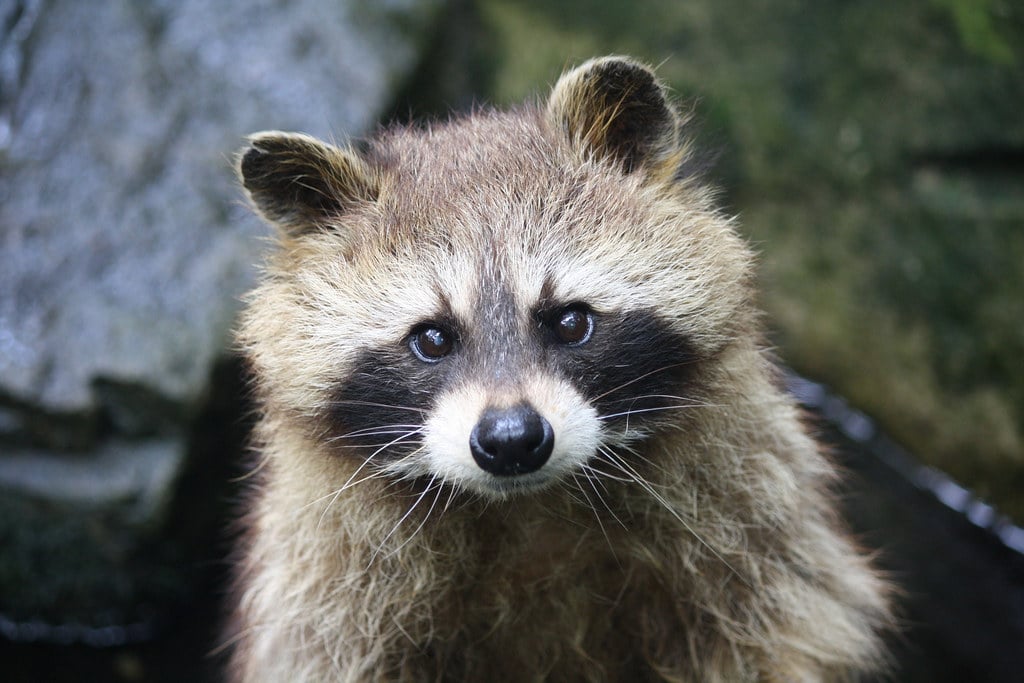
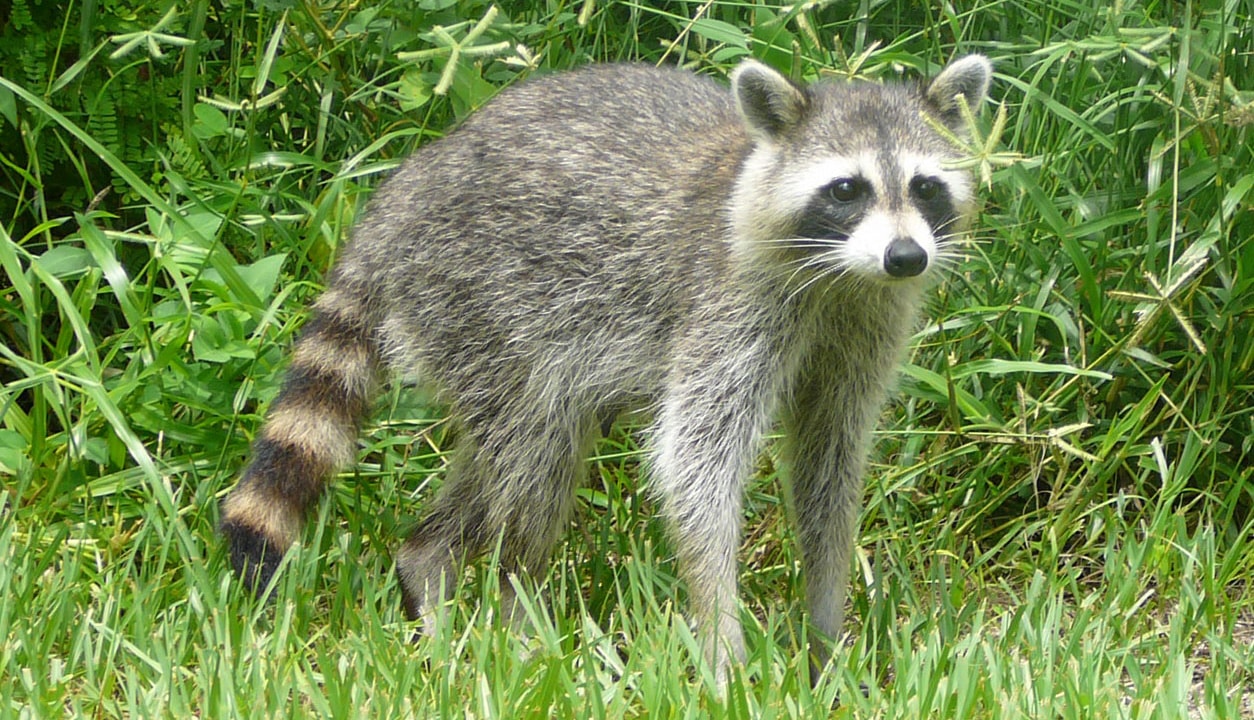
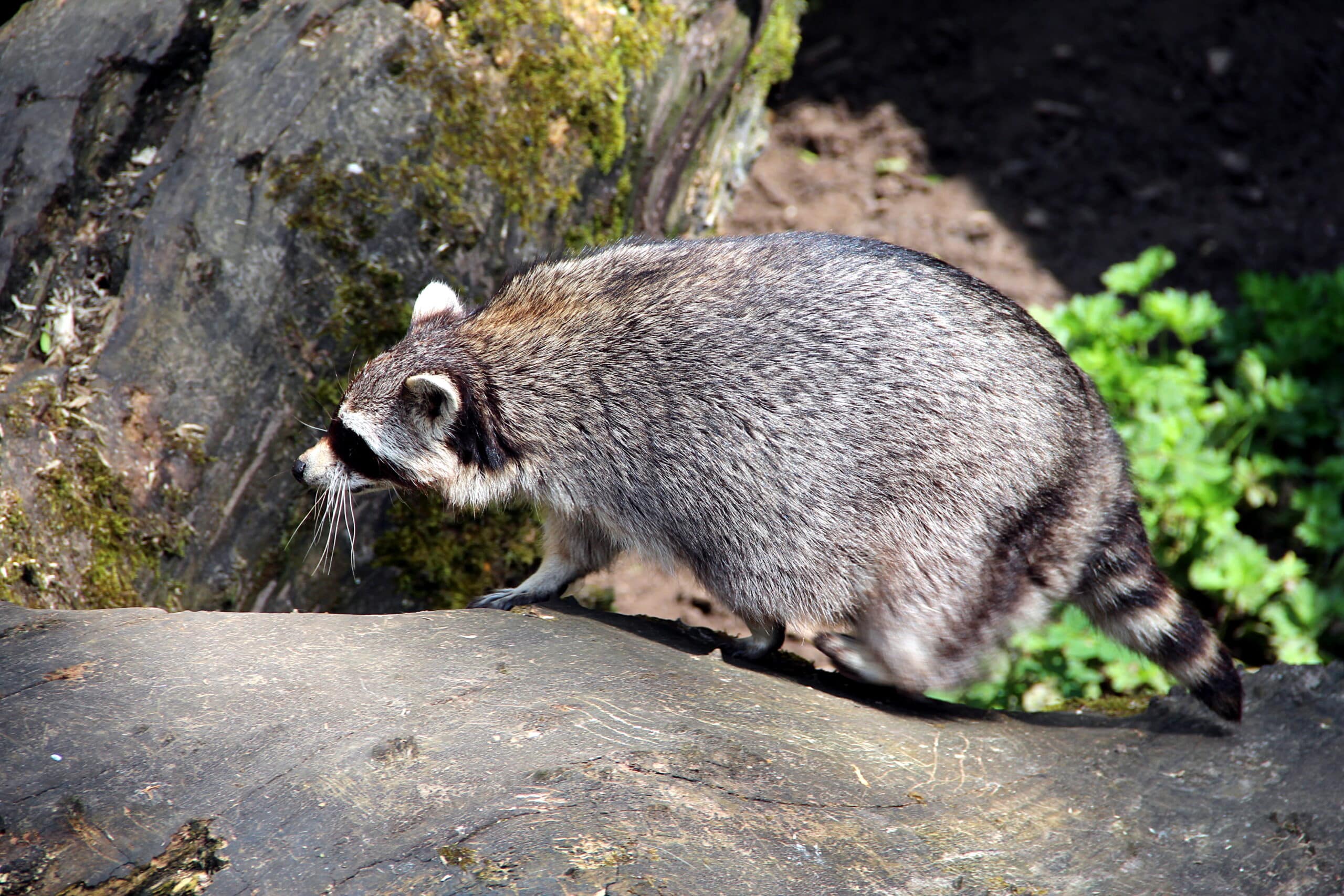
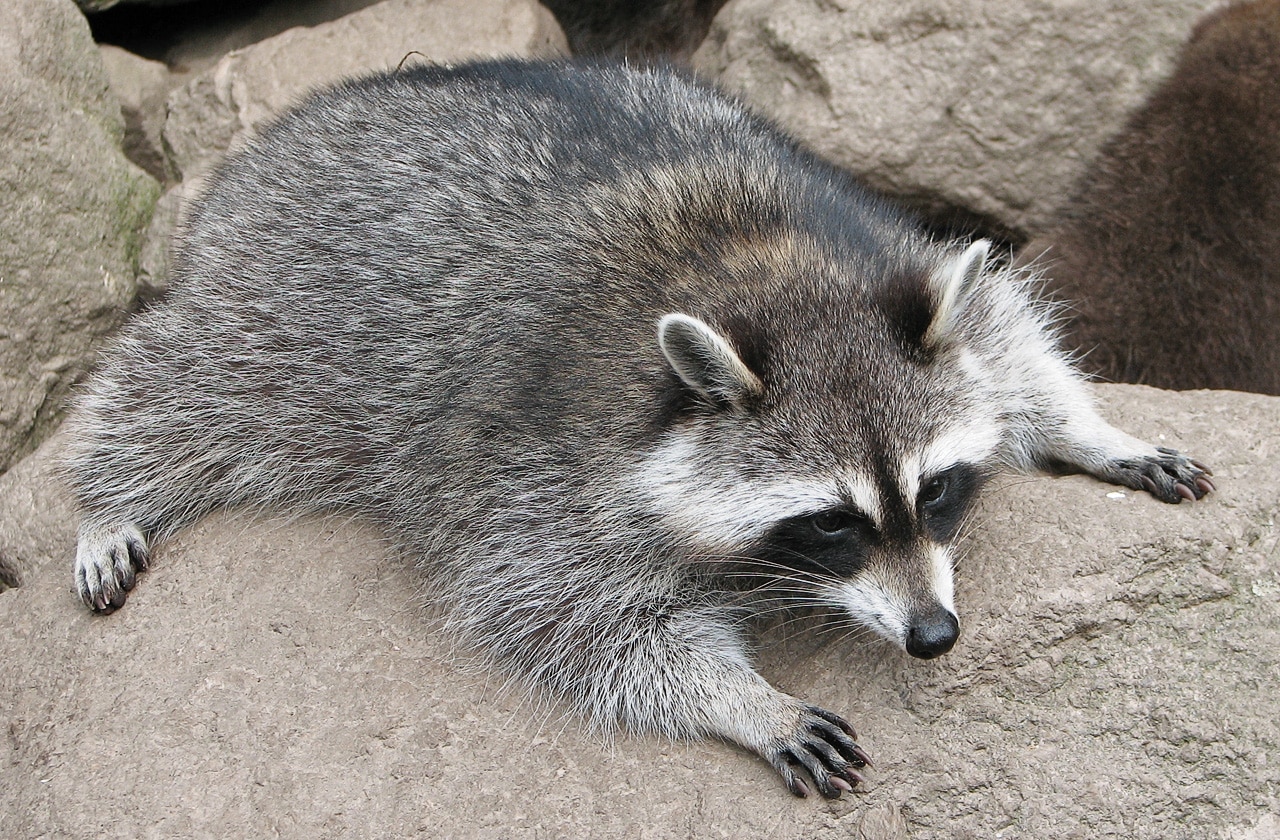
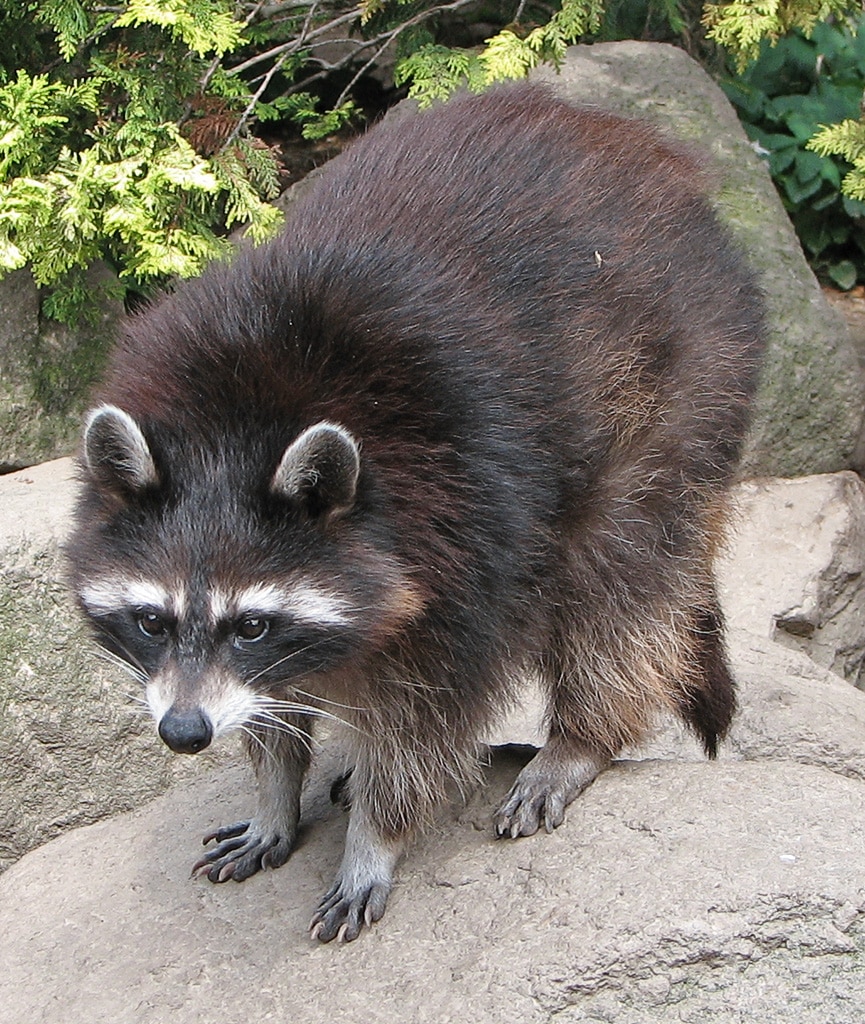
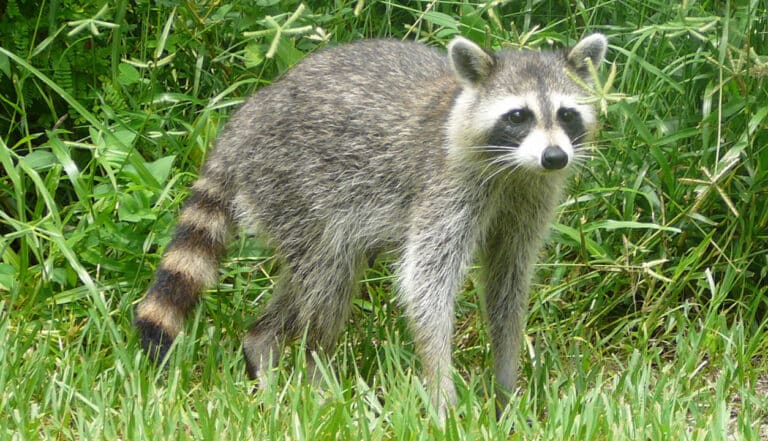
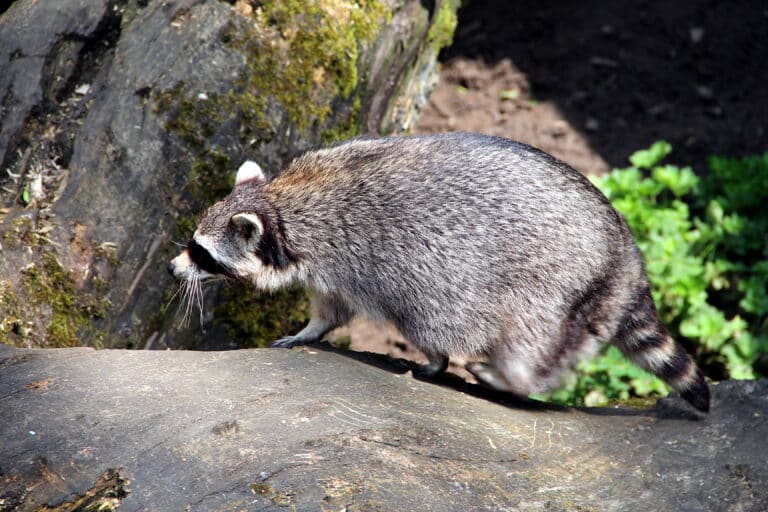
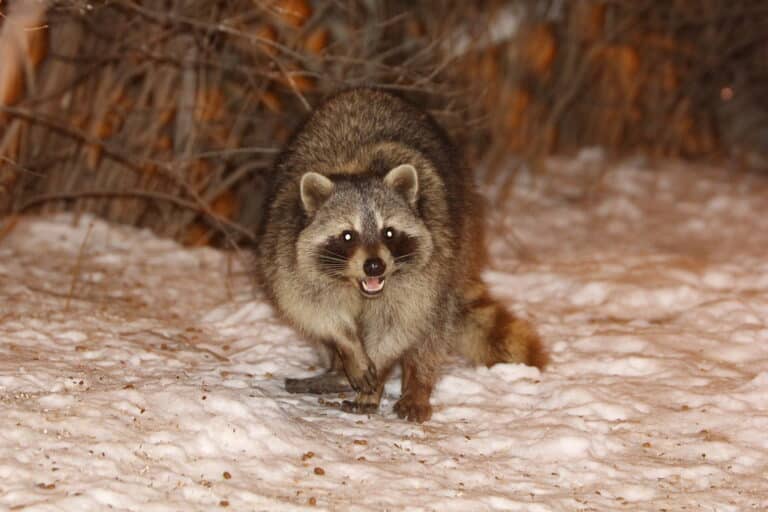
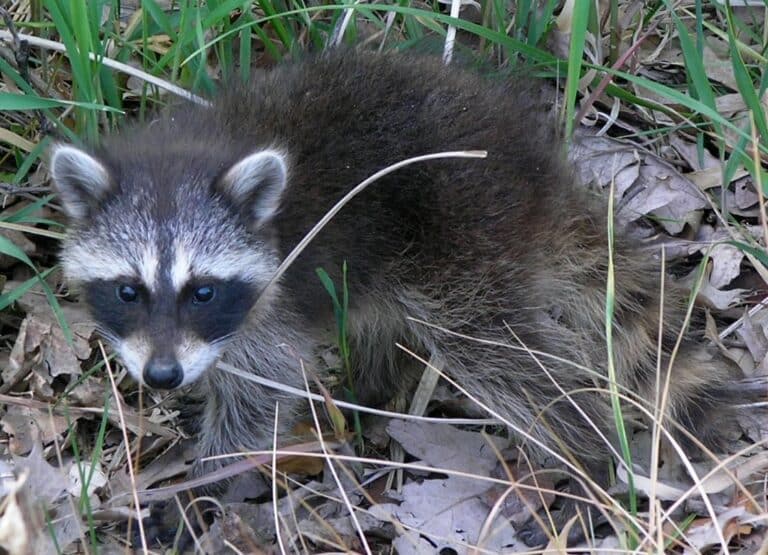
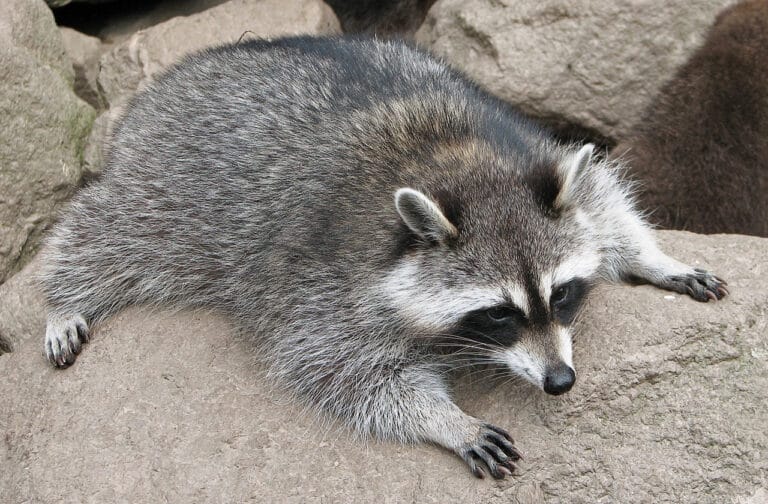
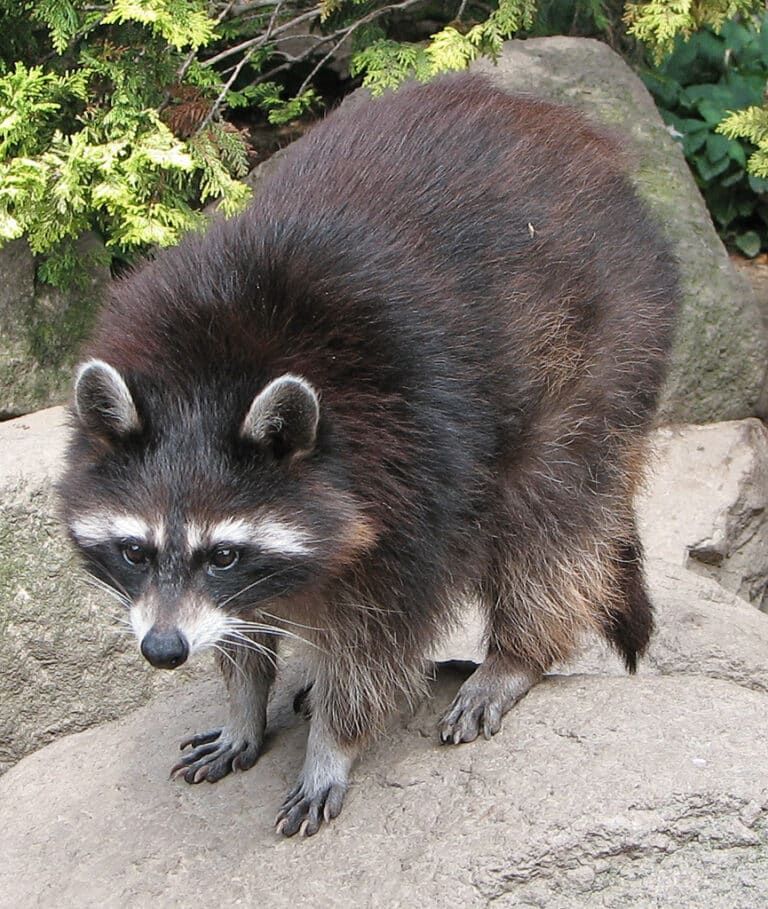
Raccoons are clever creatures with a well-deserved reputation for being curious and mischievous. These furry bandits typically measure between 40 to 70 centimeters long, which is the same as the length of a baby grand piano!
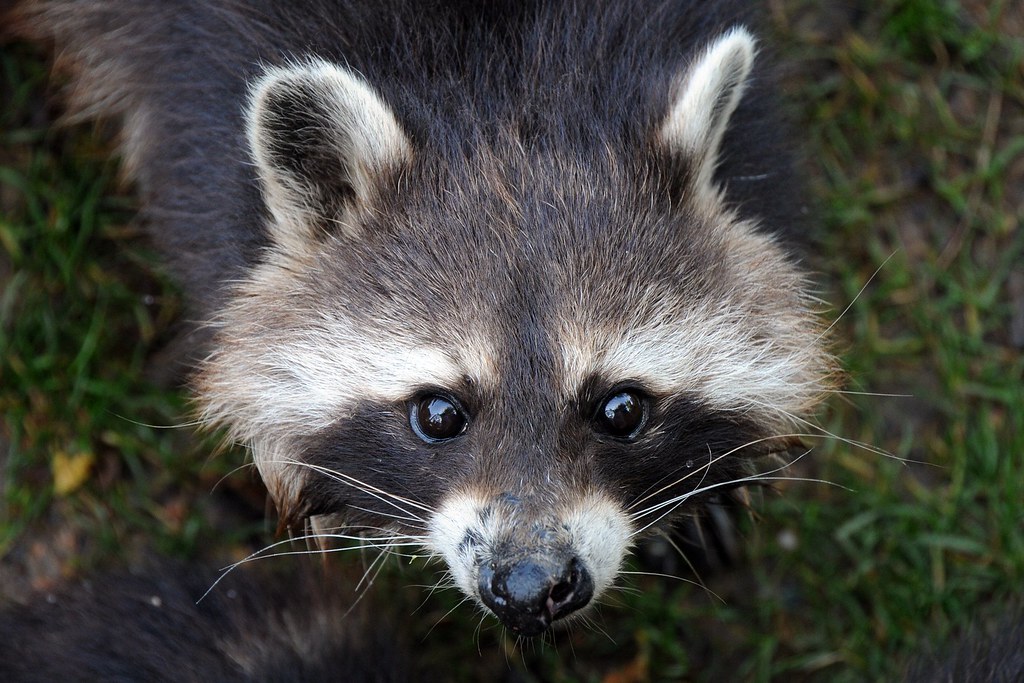
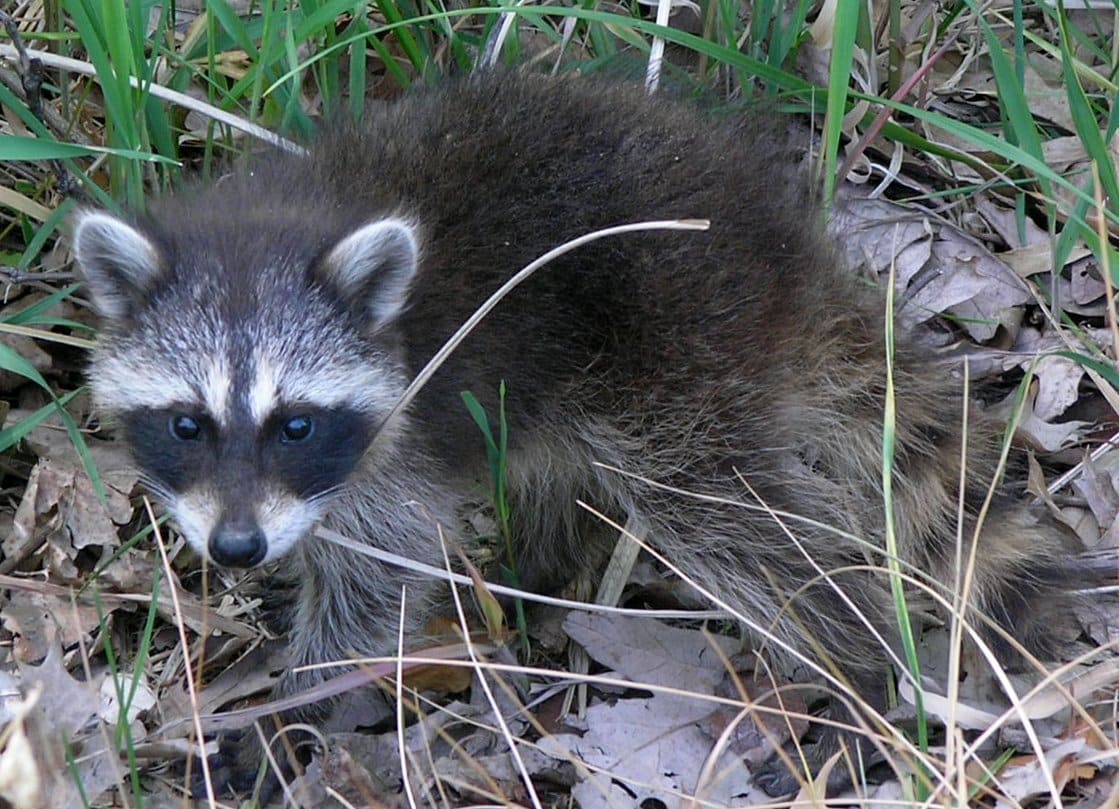
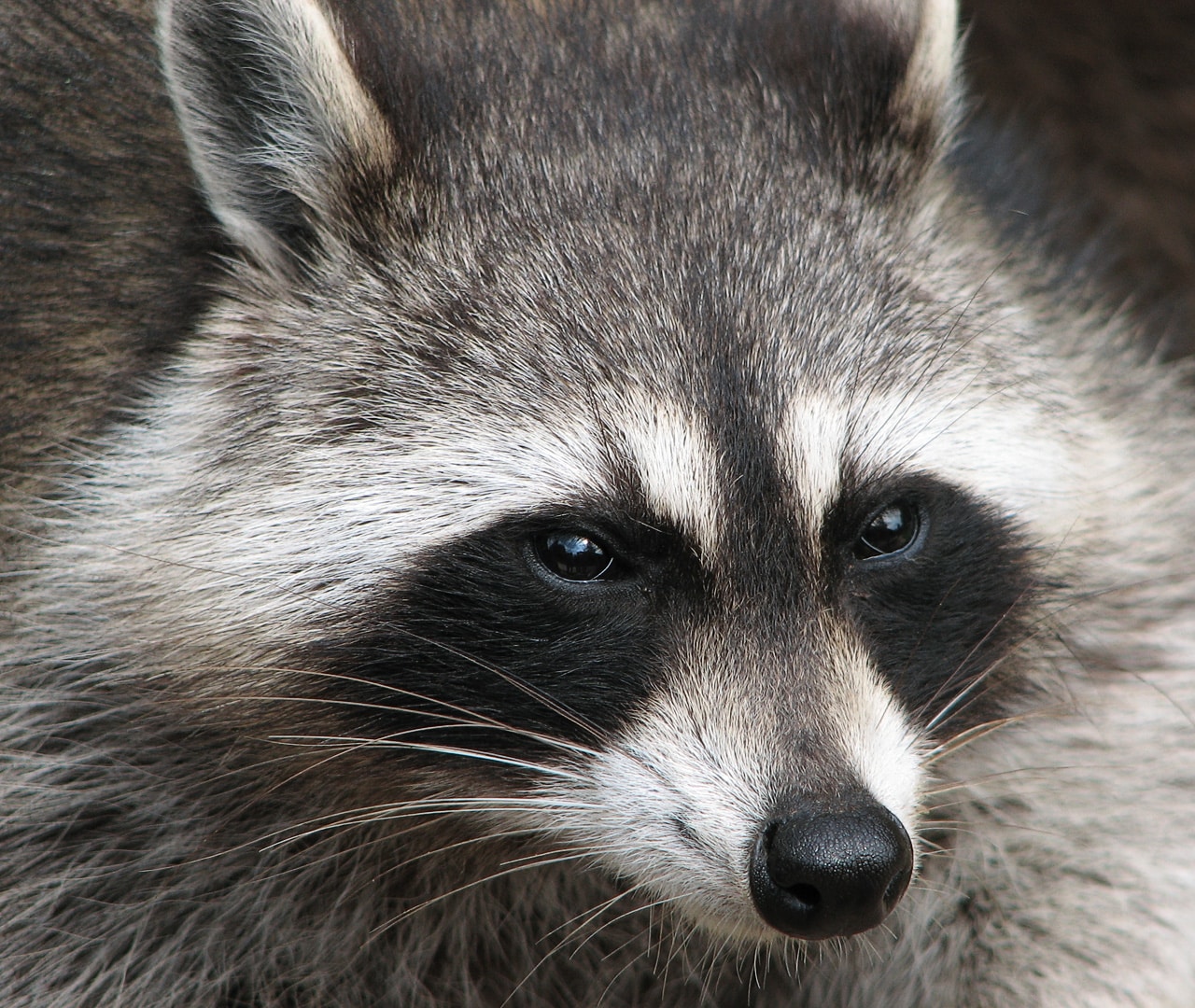
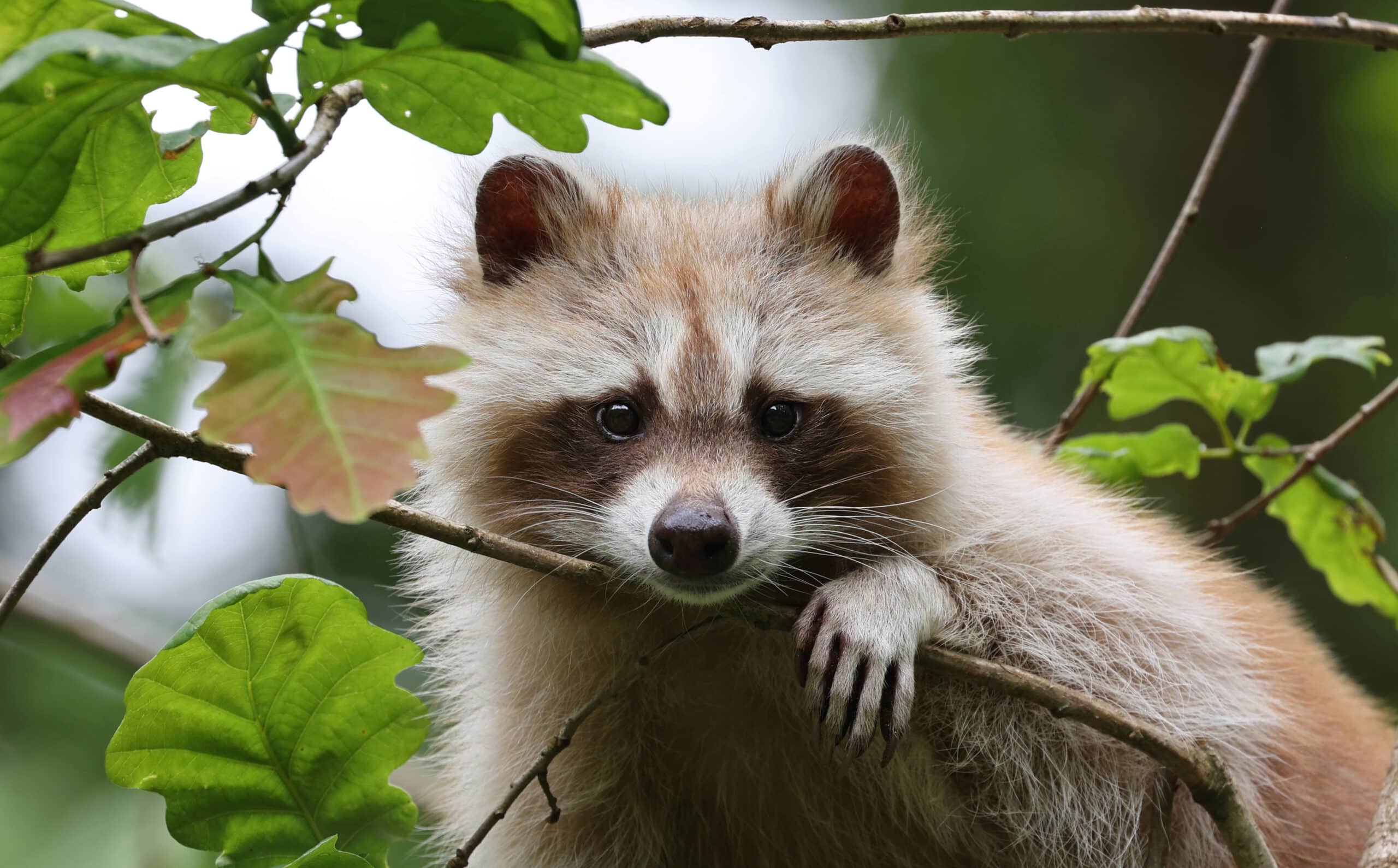
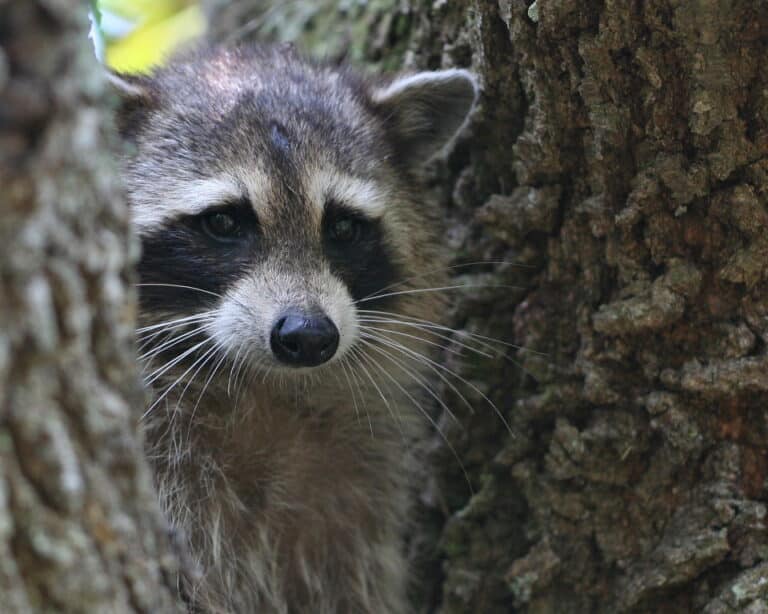
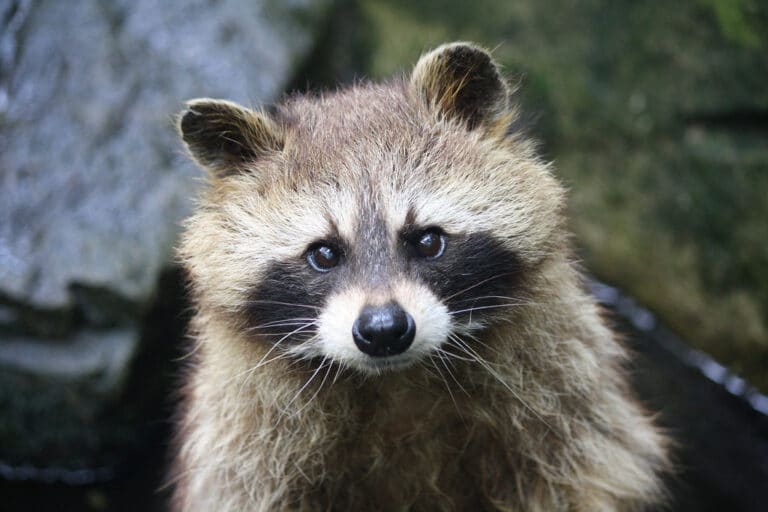
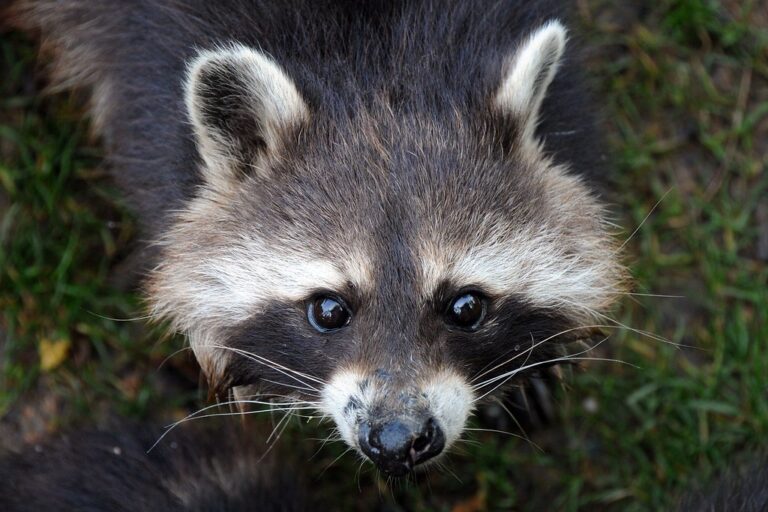
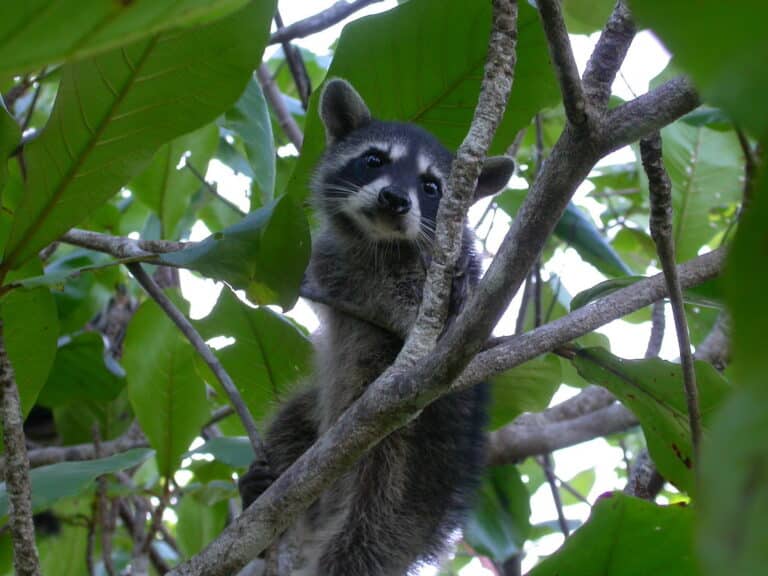
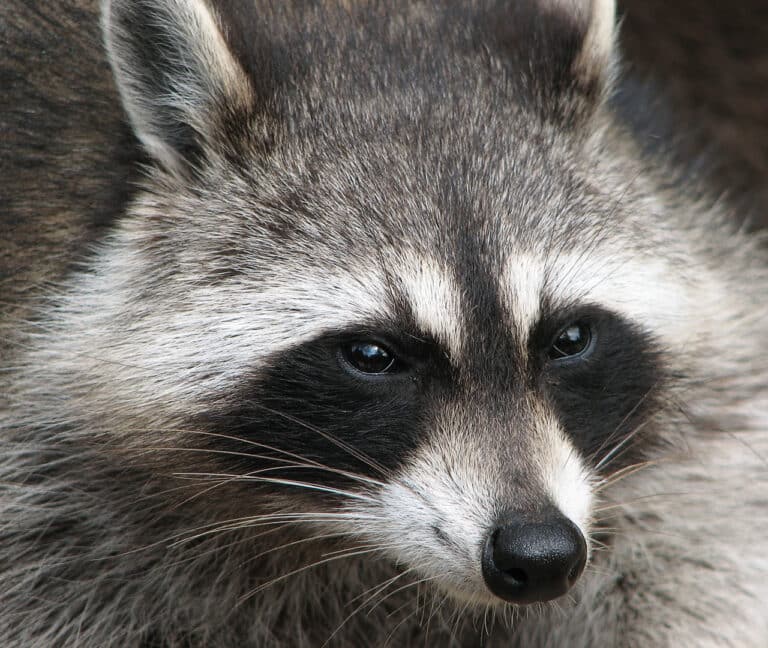
Raccoons belong to the mammal family and their scientific name is Procyon lotor. They have large, expressive eyes and distinctive black masks on their faces that make them look like they are always ready for a costume party!
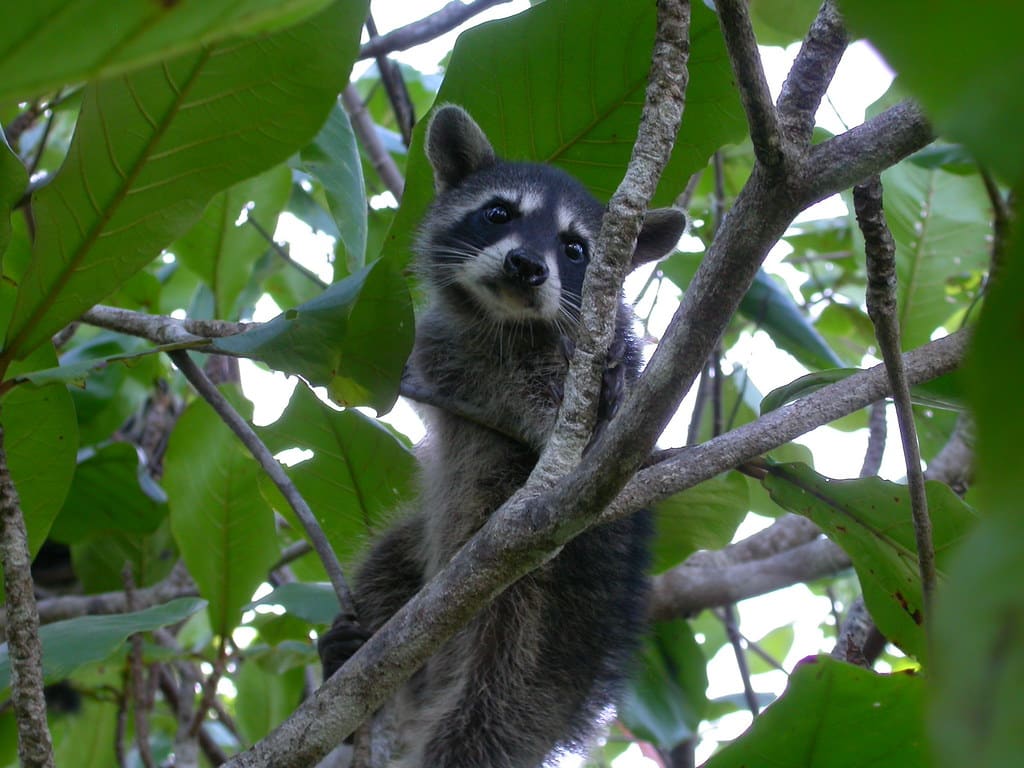
These playful animals live in various habitats, especially in Central America. Raccoons love to explore different environments, from forests to urban areas, where they often find unique snacking opportunities.
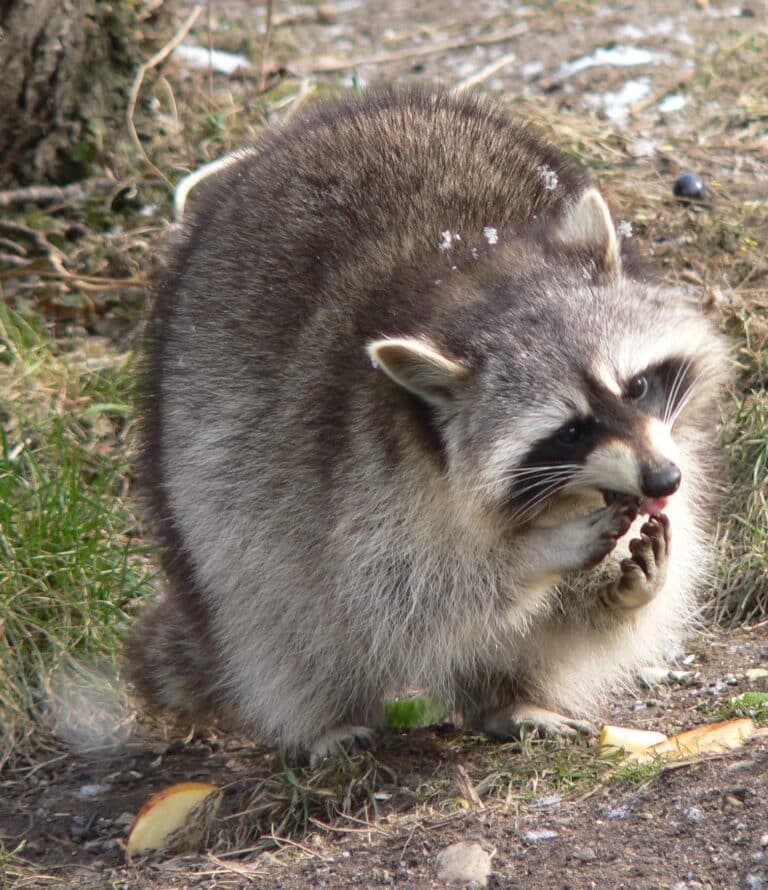
Raccoons are omnivores and enjoy a diet filled with fruits, nuts, insects, and small animals. You could say they have a

Where can you find a Raccoon in the wild?
What does a Raccoon eat?
How big can a Raccoon grow?
How long does a Raccoon typically live?
What is the conservation status of the Raccoon?
What are the main threats to the Raccoon?
Fun facts
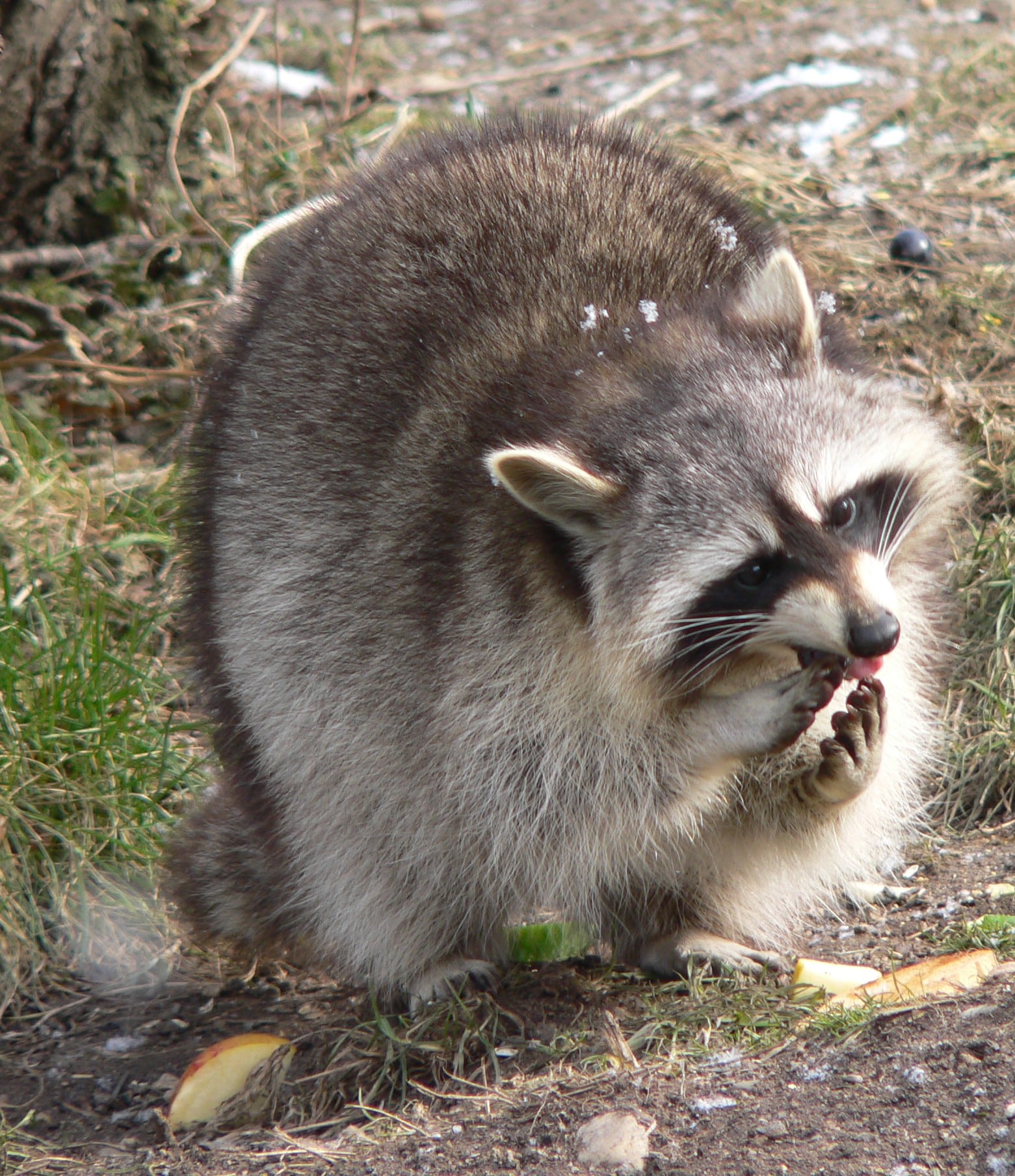
Raccoons have dexterous front paws that can open jars, unlock cages, and even turn doorknobs! These furry hands help them explore and find food, making raccoons some of the best escape artists in the animal kingdom.


Raccoons have a unique social habit called "dousing," where they dip their food in water before eating it, almost like they're washing their dinner! This quirky behavior helps them feel the texture of their food and makes them even more interesting to watch.
These clever creatures can remember the solutions to tasks for up to three years! This means if a raccoon learns how to get that yummy snack from a tricky box, it won't forget how to do it for a long time.
Some raccoons are known to create their own little playgrounds by moving branches and other objects to make their homes more fun! They use their curiosity to explore and rearrange their surroundings, just like a little architect.
Raccoons are sometimes called "nature's little garbage disposals" because they will eat almost anything! This adaptability allows them to thrive in urban environments where snacks might be found in picnic leftovers or trash cans.
These furry bandits have an amazing sense of touch in their paws, which allows them to feel and manipulate small objects in the dark. Their paws have more nerve endings than human fingertips, giving them extra sensory skills in their nightly adventures!
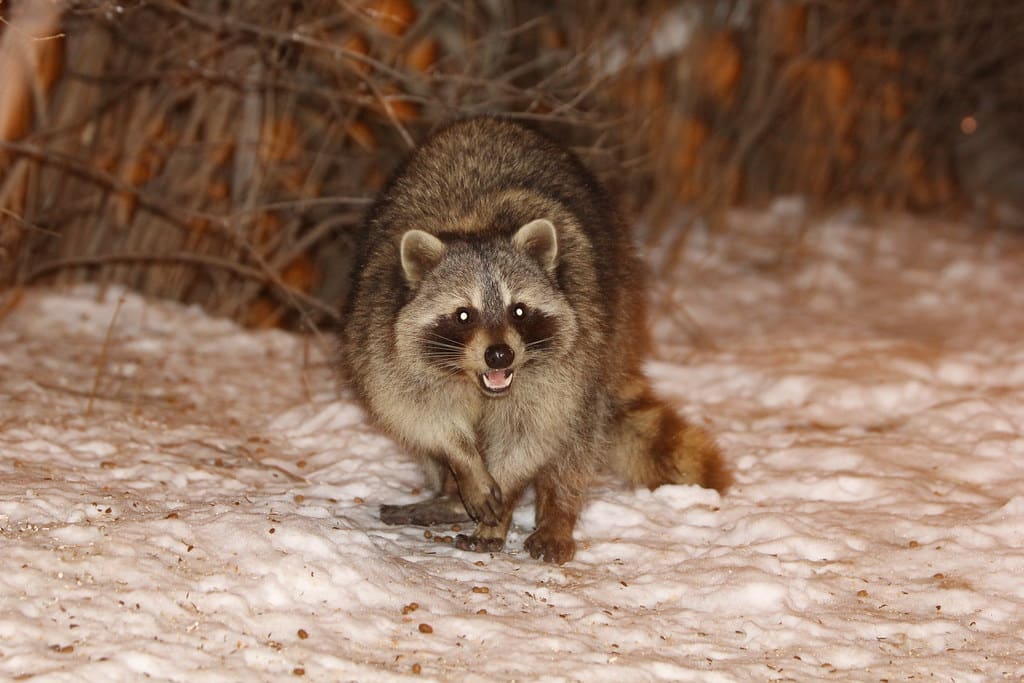
Raccoons are nocturnal, which means they are active at night when they search for food. They can see well in low light, helping them find tasty treats while their human neighbors are fast asleep!
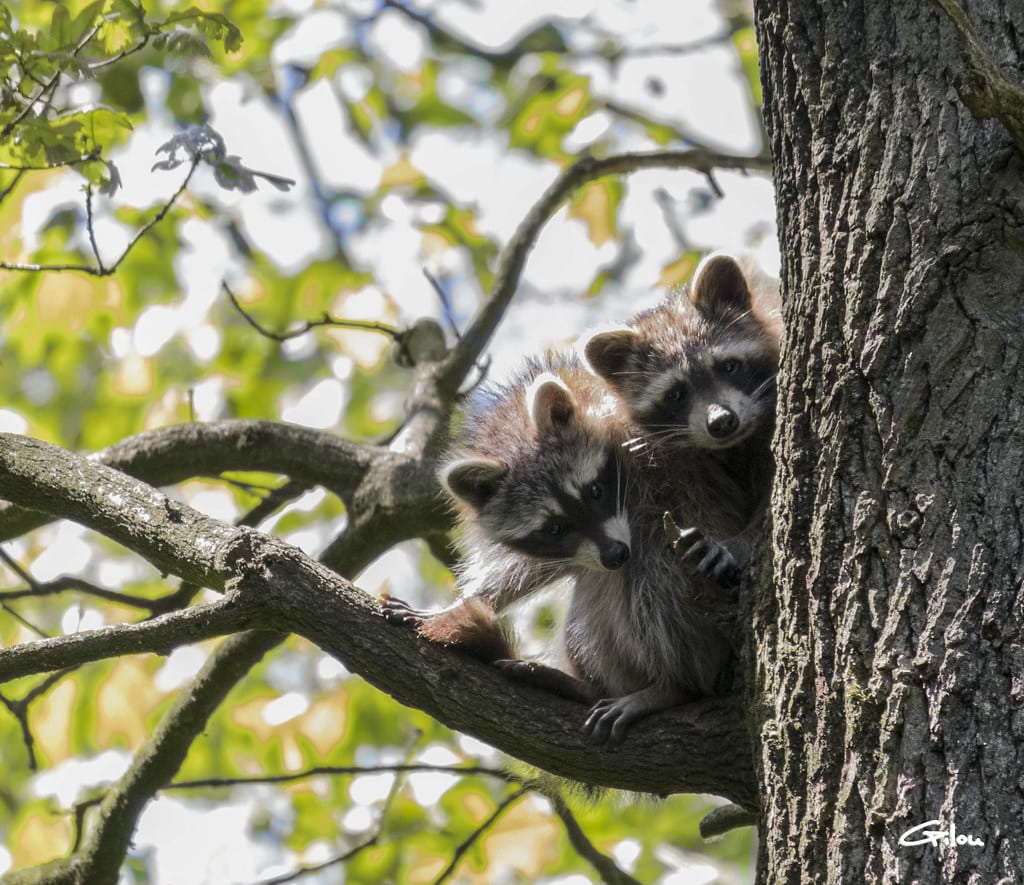
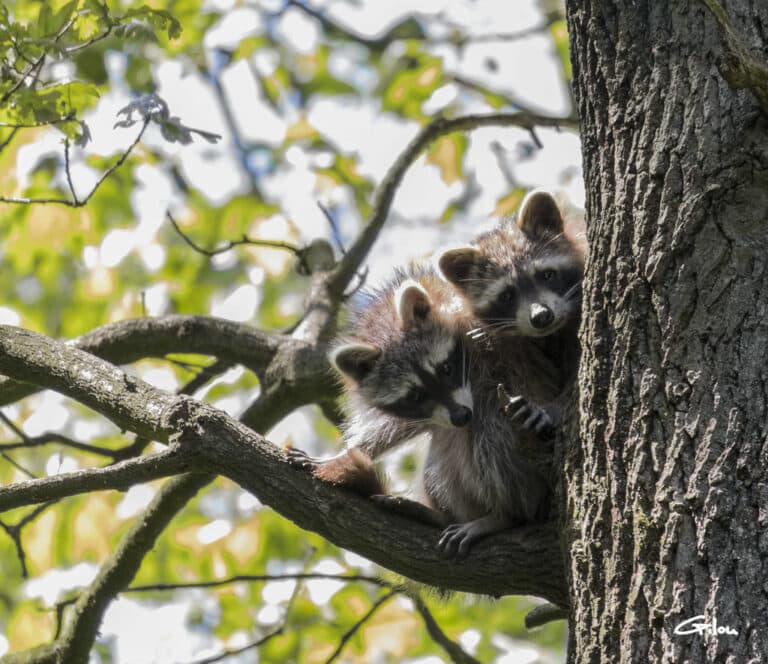
Raccoons can have friends! They often live in loose communities, allowing them to socialize and interact with other raccoons. They play together, forage for food, and sometimes even groom each other!
Raccoons can adapt to a variety of climates, from hot deserts to icy forests! Their creativity in finding food helps them survive in different environments, proving they truly are nature's little survivors.
Raccoons have a special memory for places they've explored. They can remember where they found food or shelter, allowing them to return to the best spots time and again!
Photos





The Basics


explore more
Amphibians
Arachnids
Birds
Cats
Crustaceans
Fish
Fish Pet Guide
Gastropods
Insects
Invertebrates
Mammals
Pet Fish
Pet Rodents
Plants
Reptiles
Roundworms
Sea Slugs