Successfully copied to clipboard!
Red-Bellied Woodpecker
Unleash your curiosity with a vibrant, wood-tapping marvel!
Let’s Explore
Overview
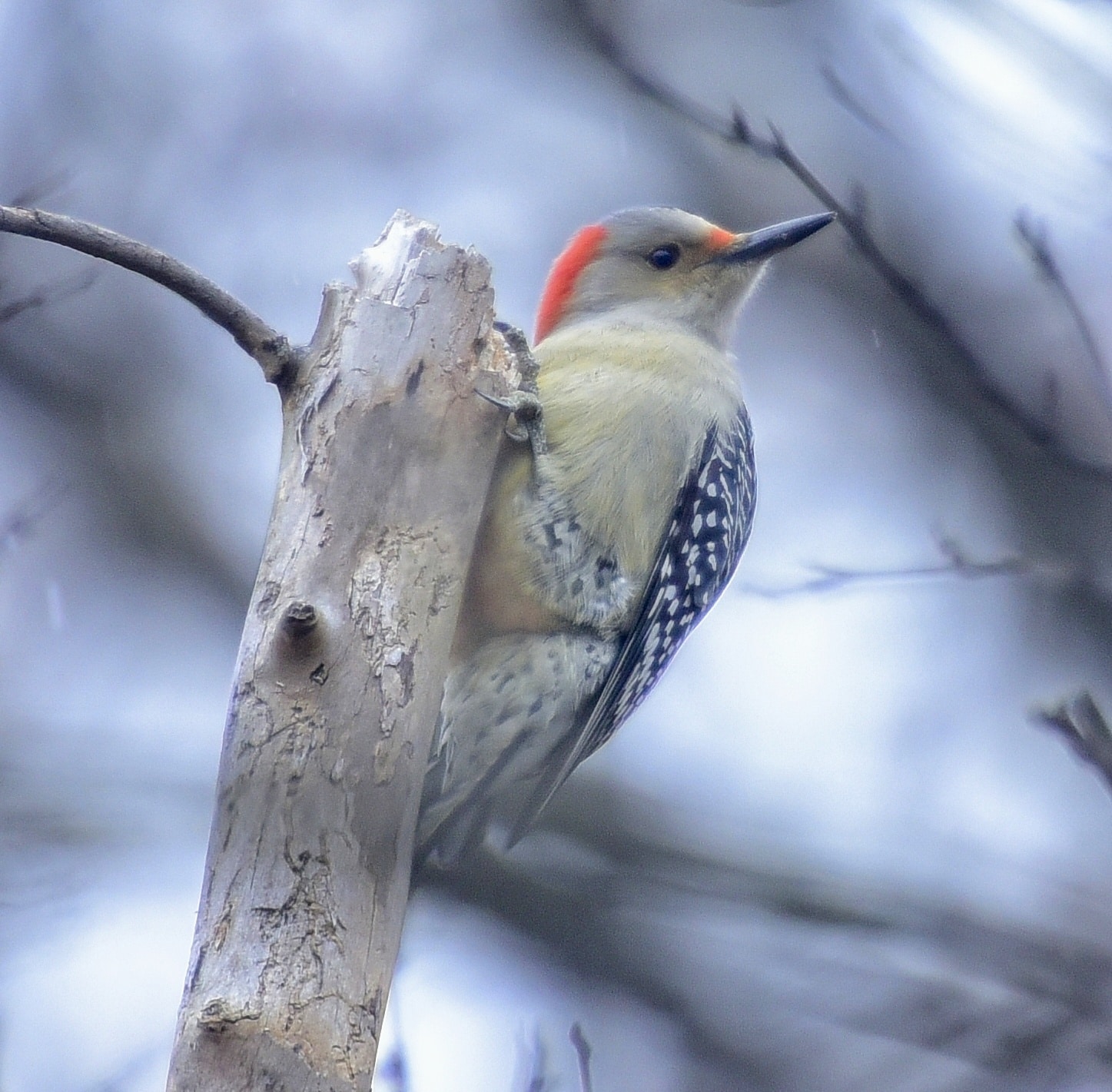
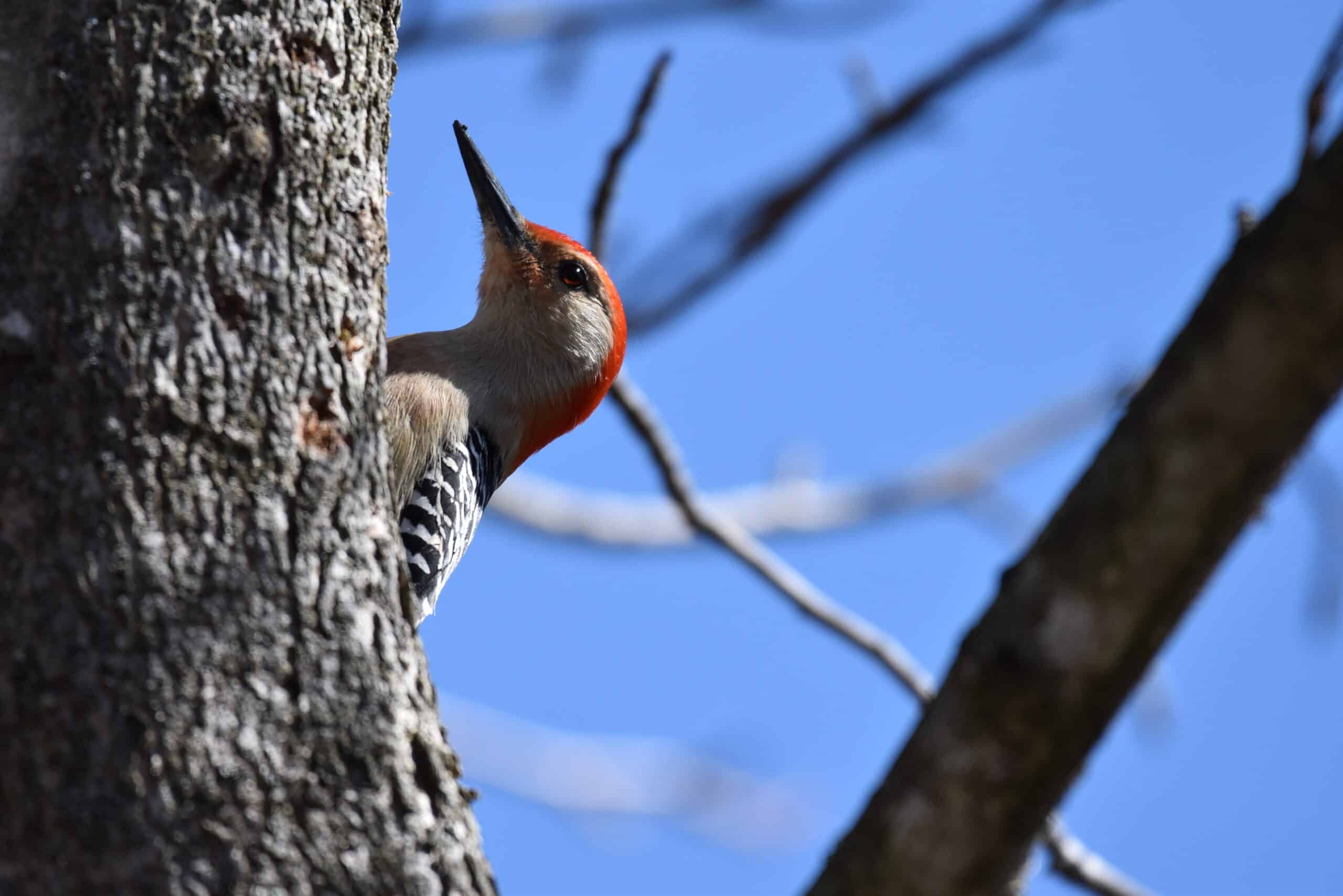
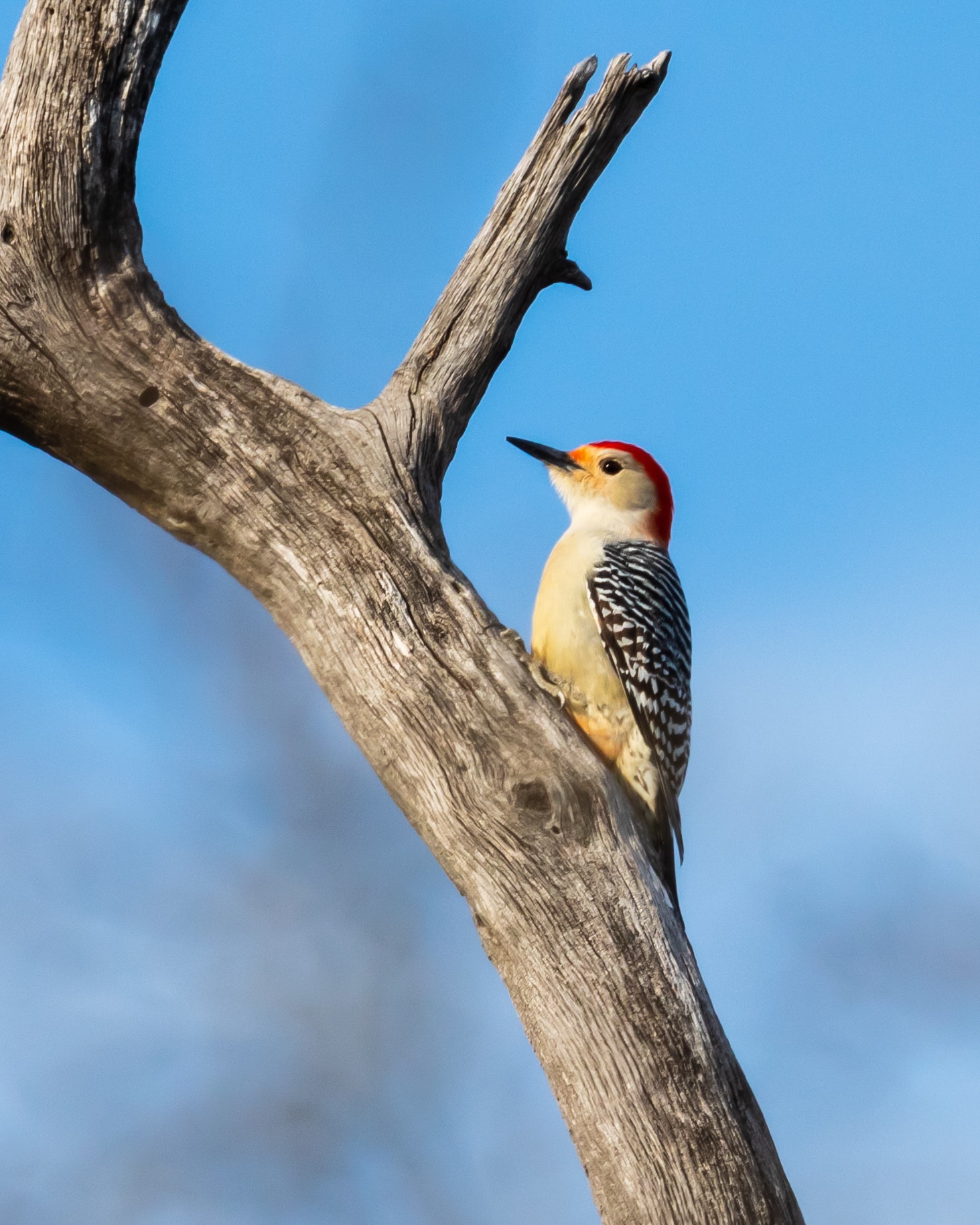
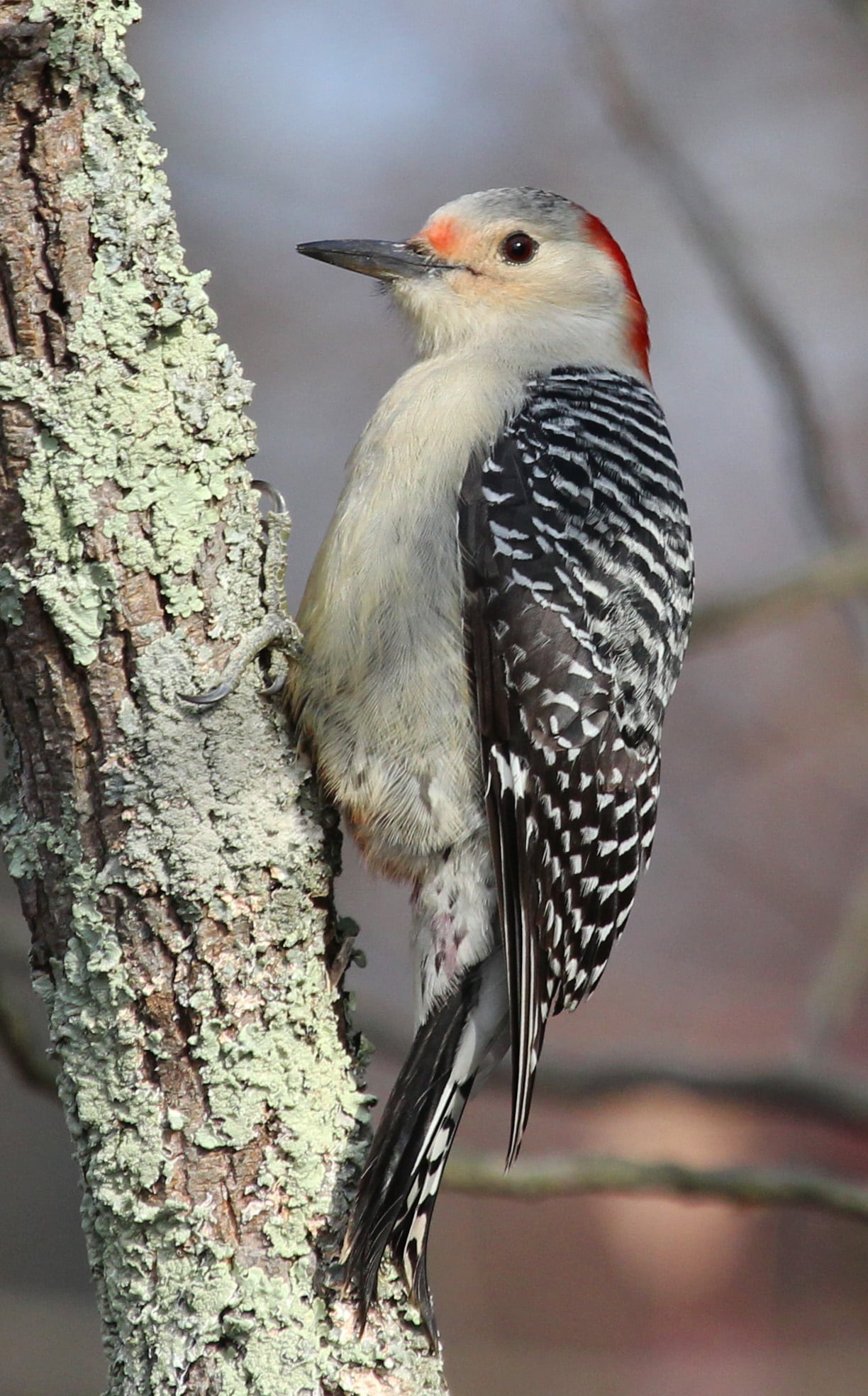
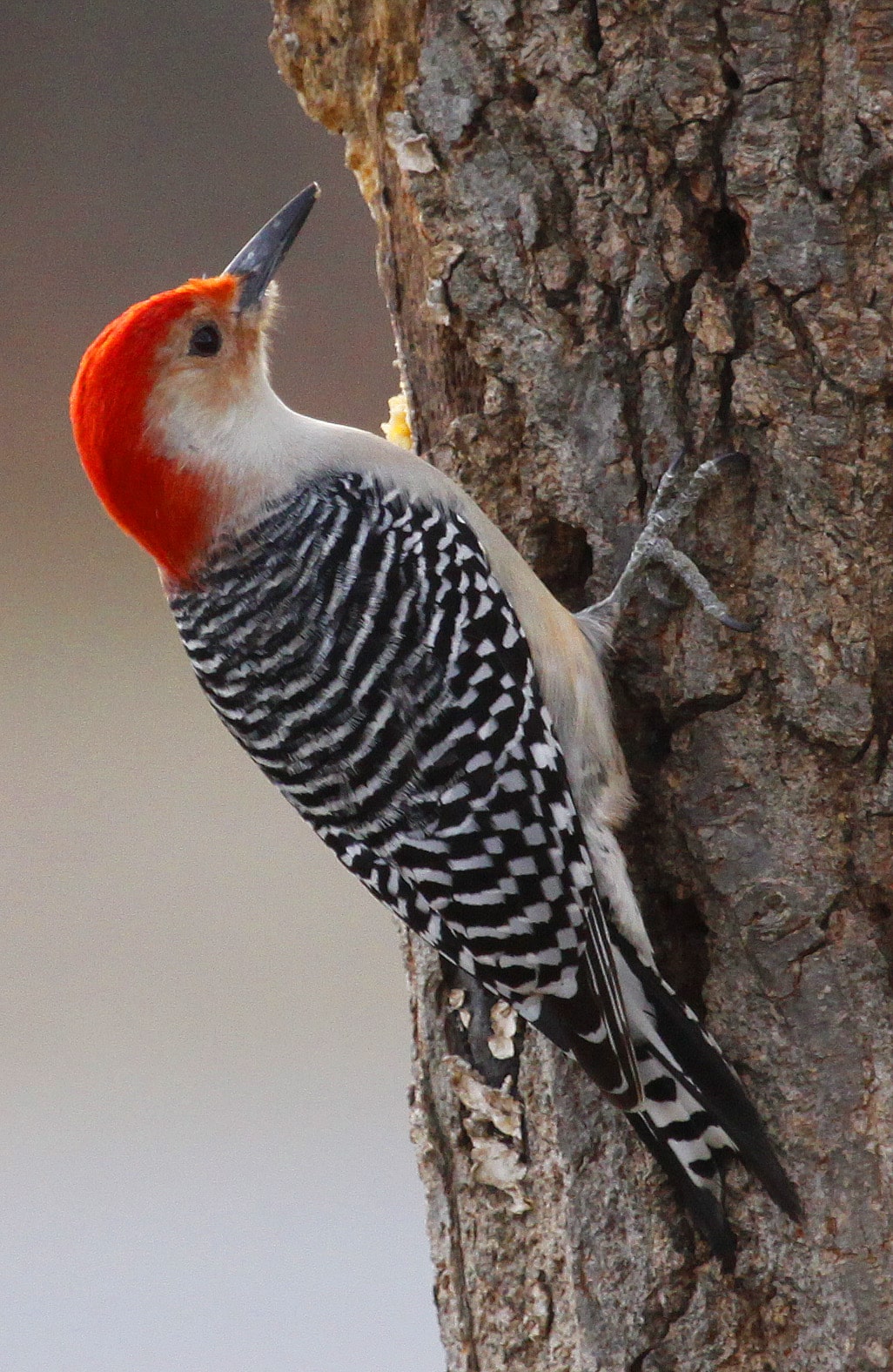
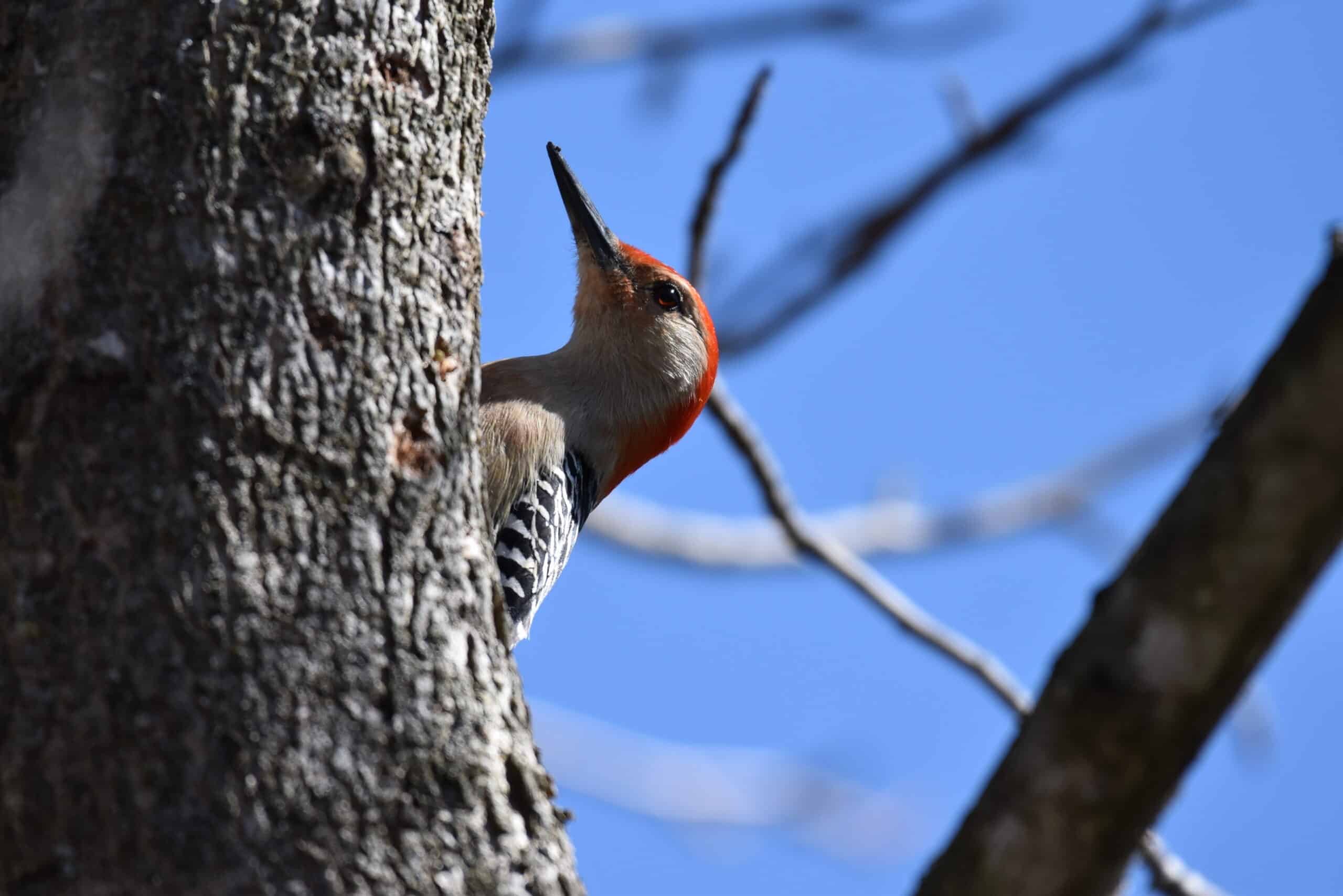
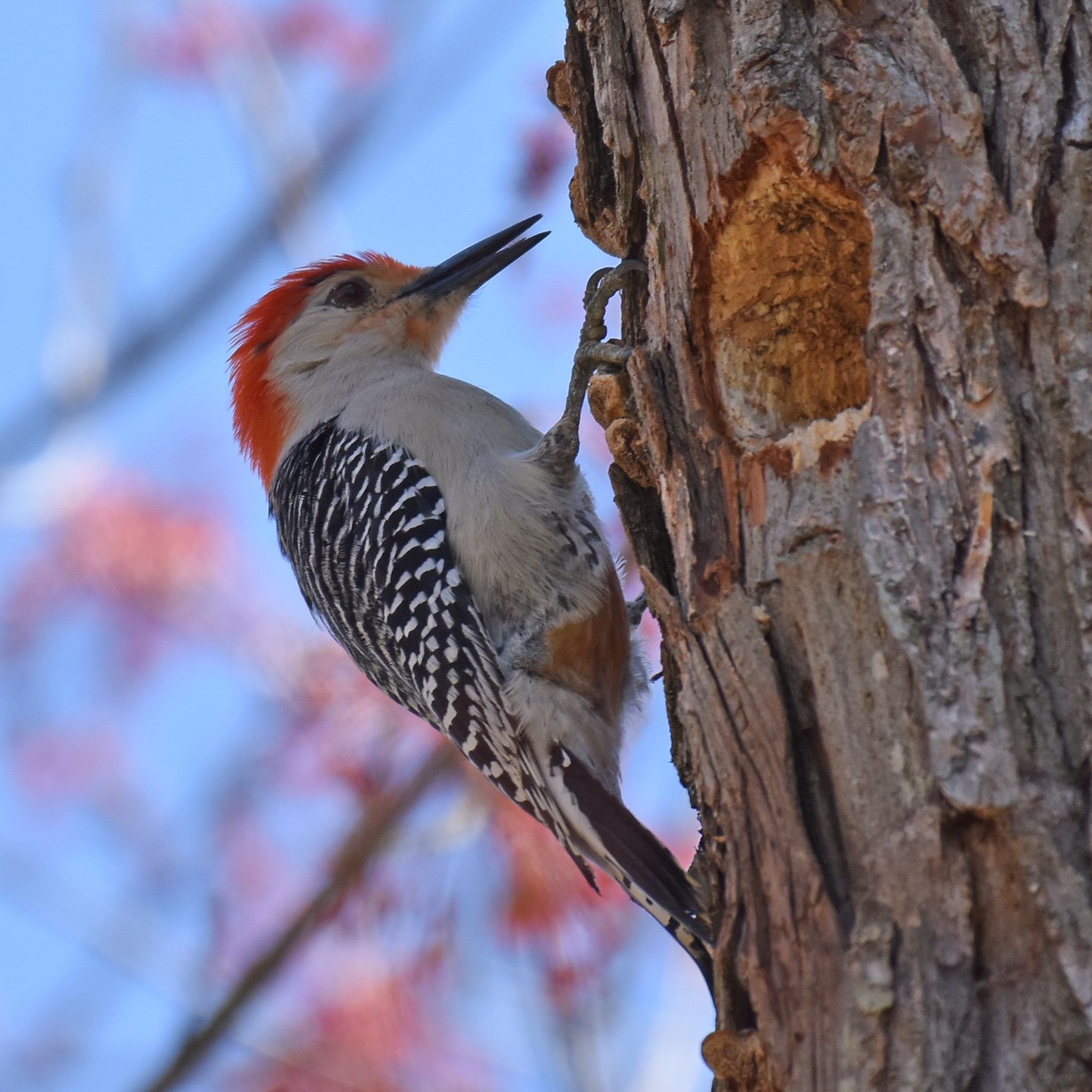
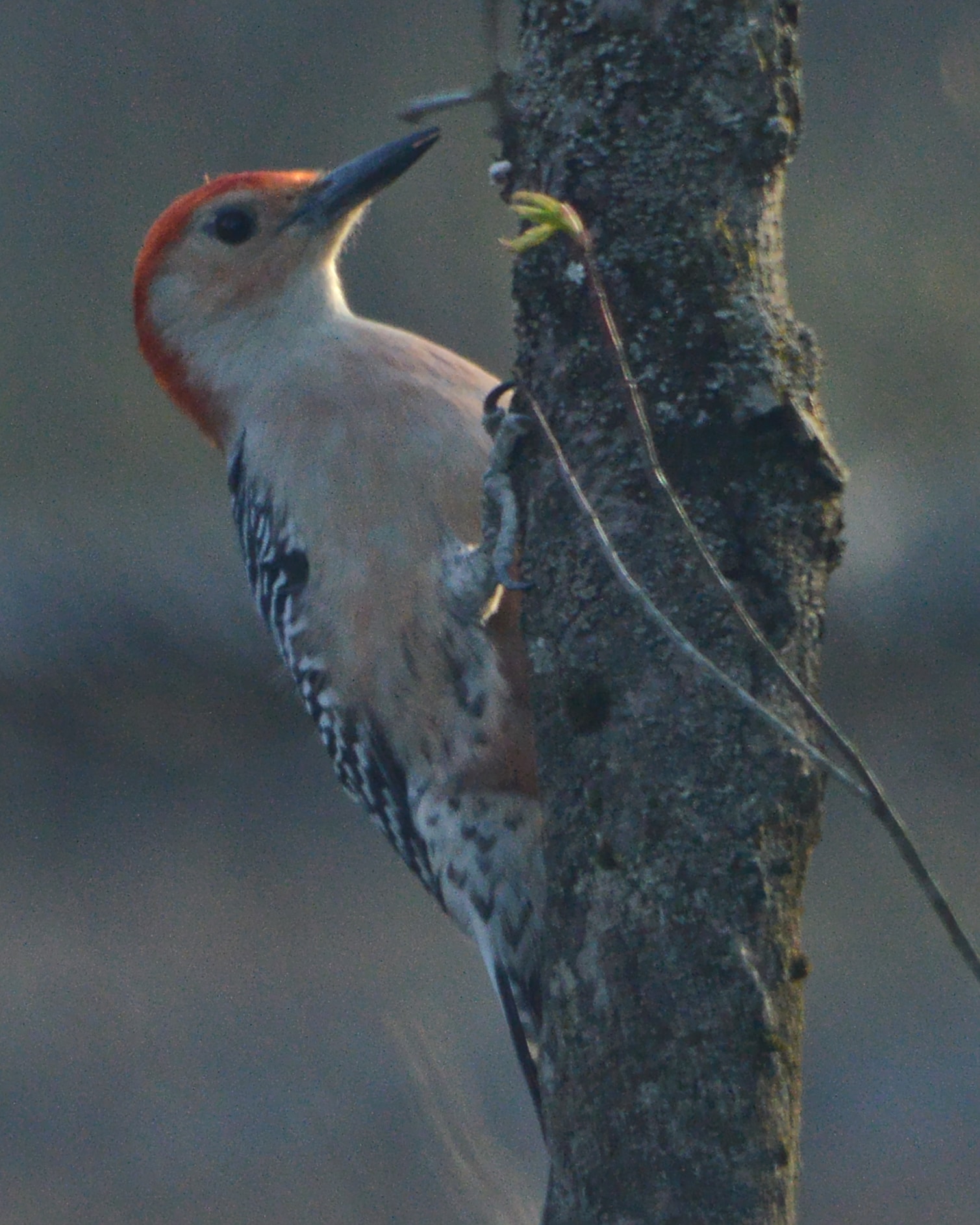
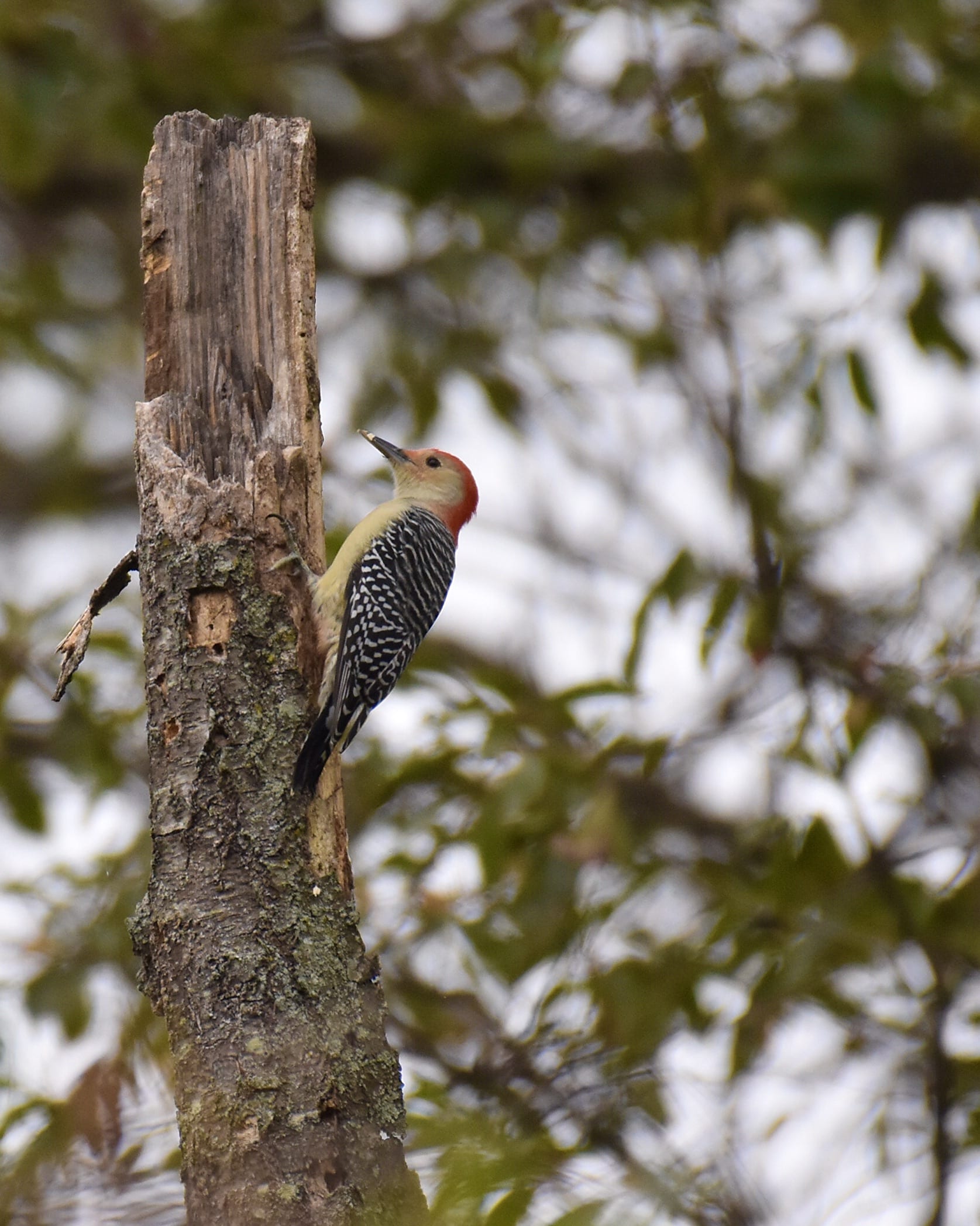
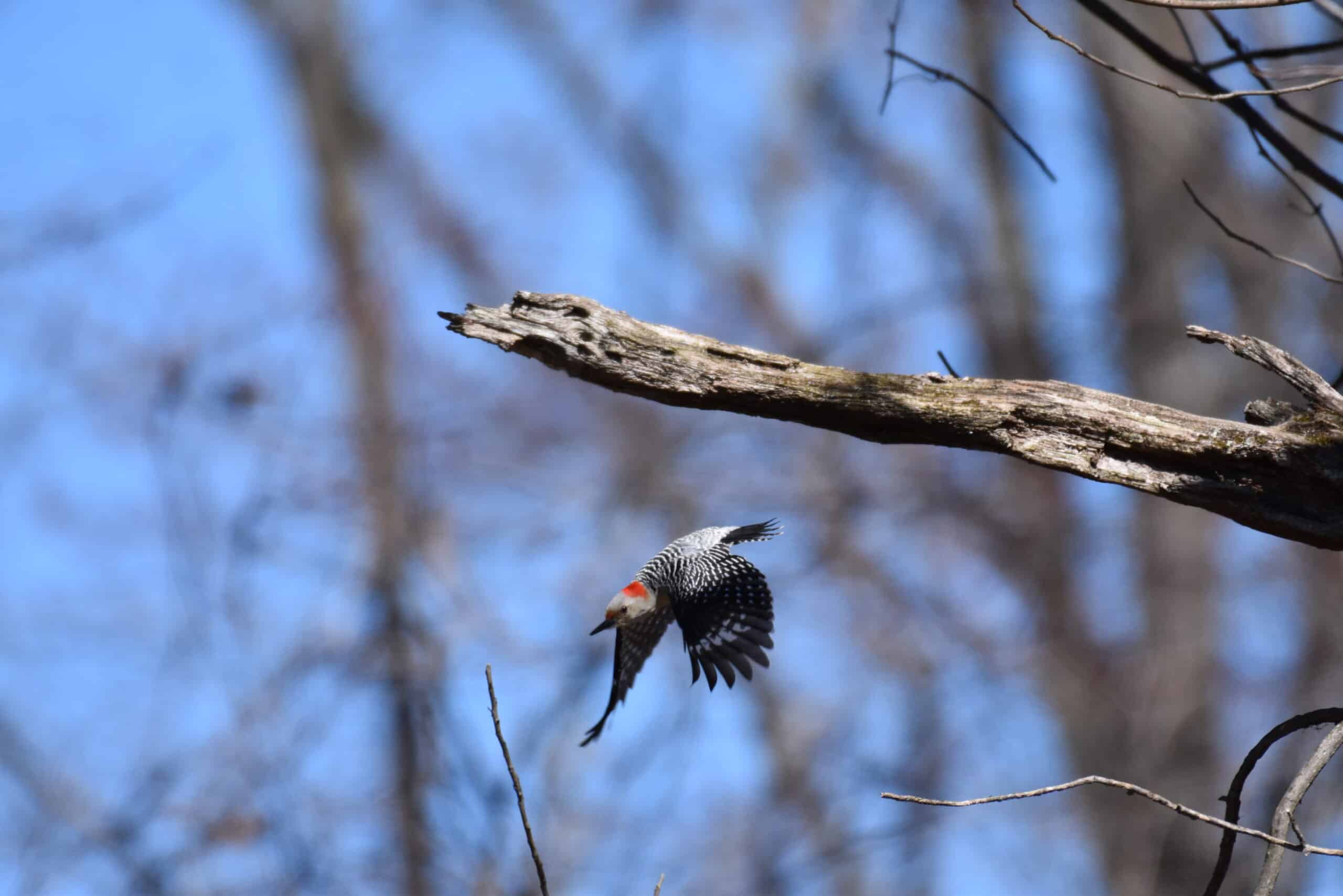
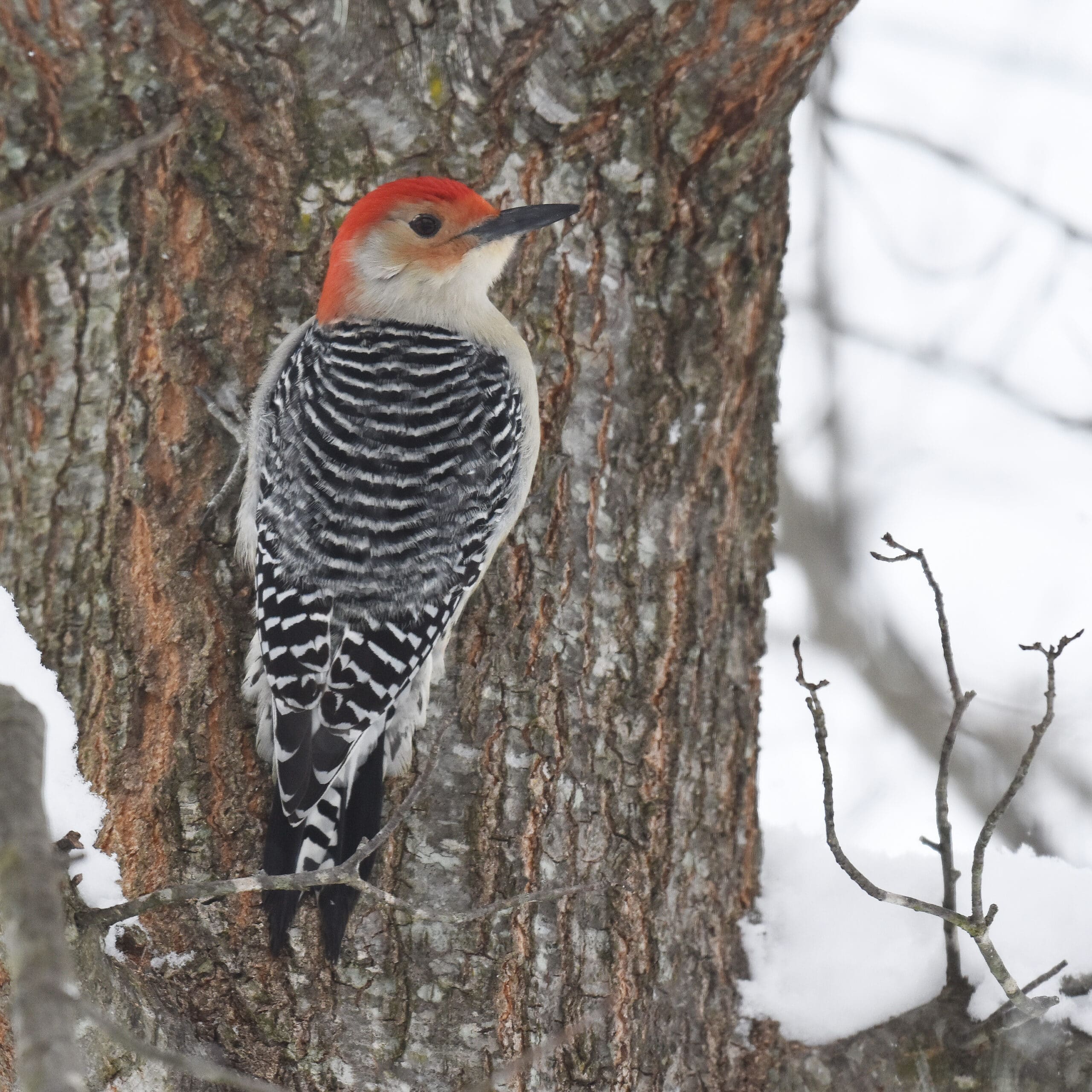
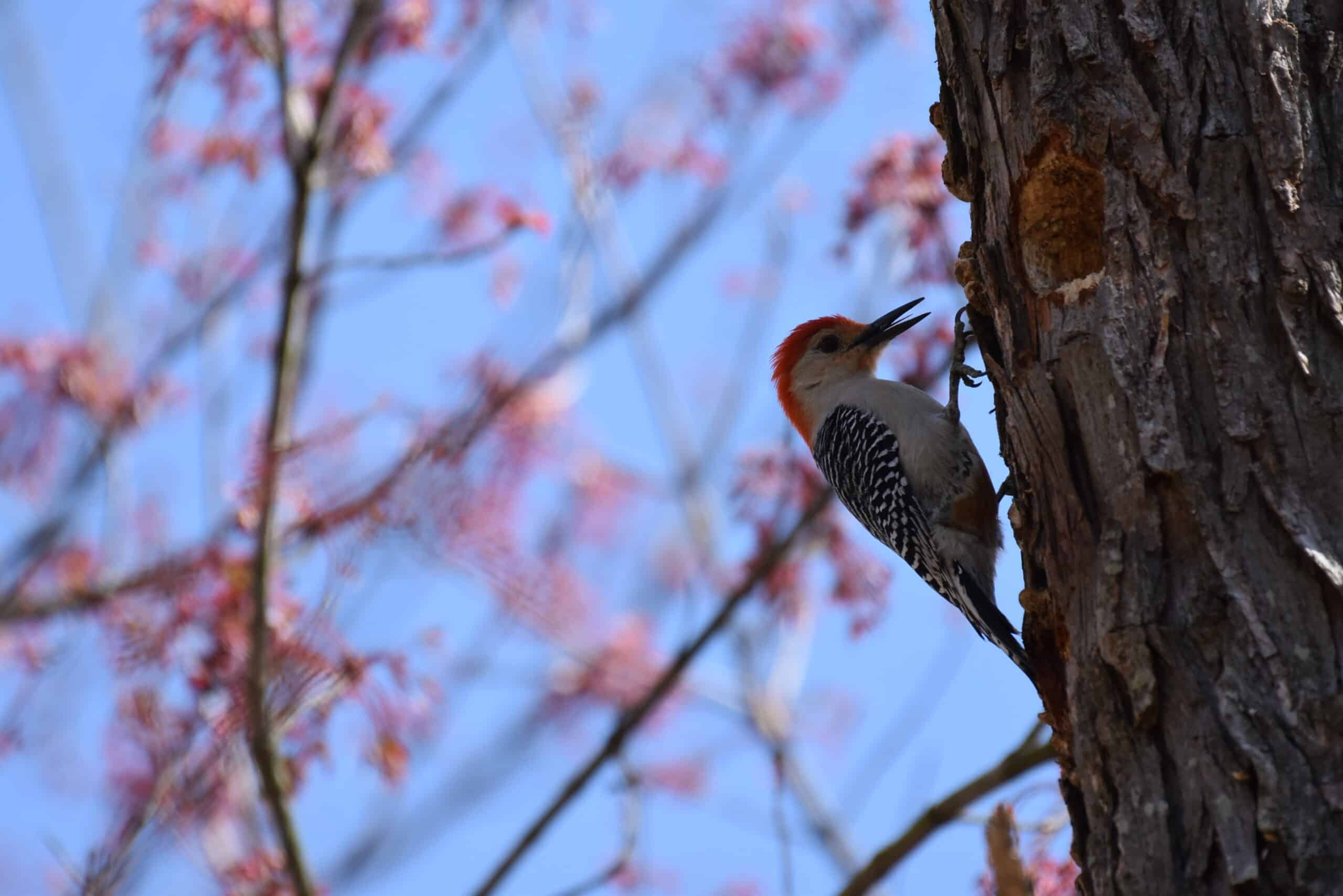
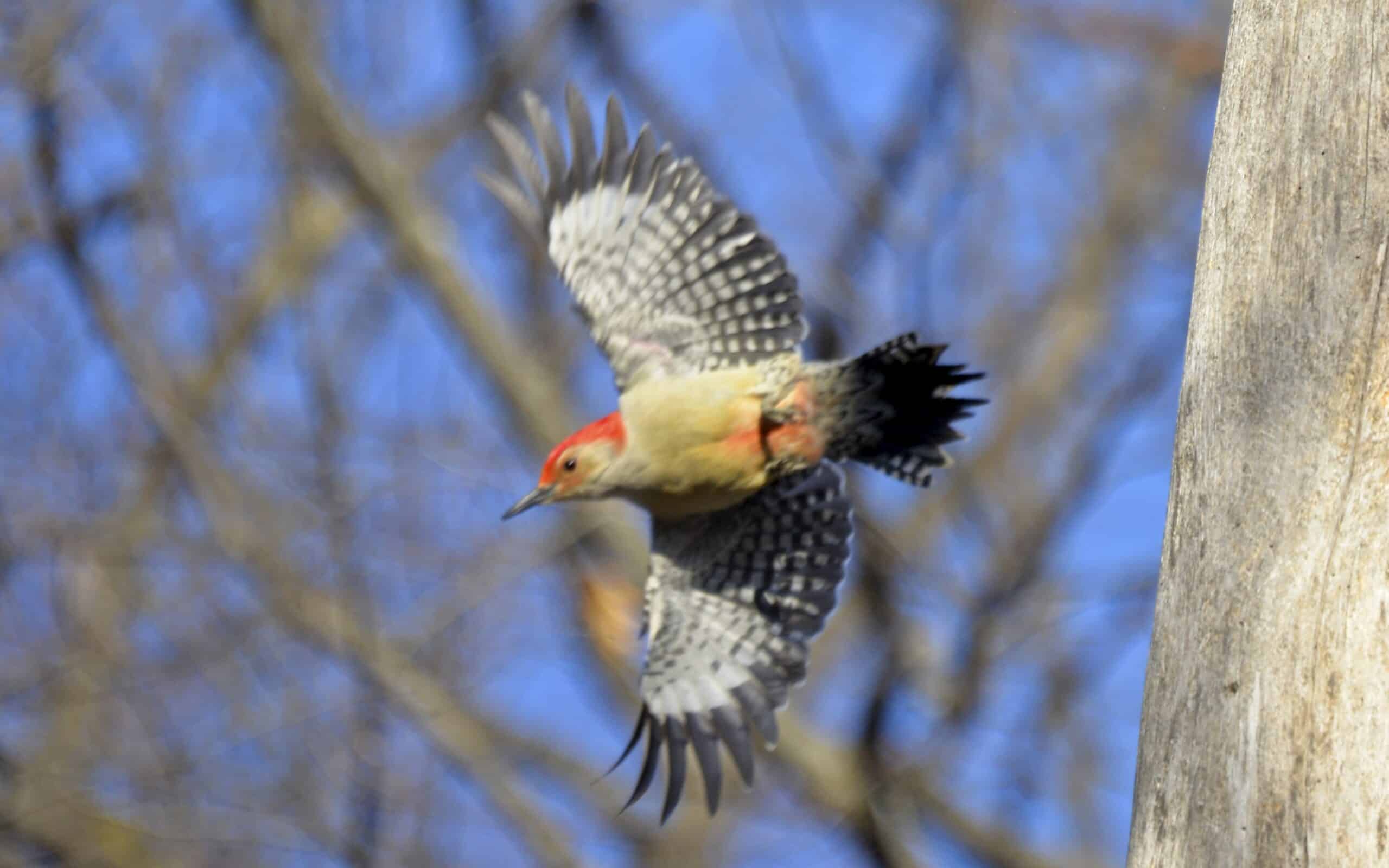
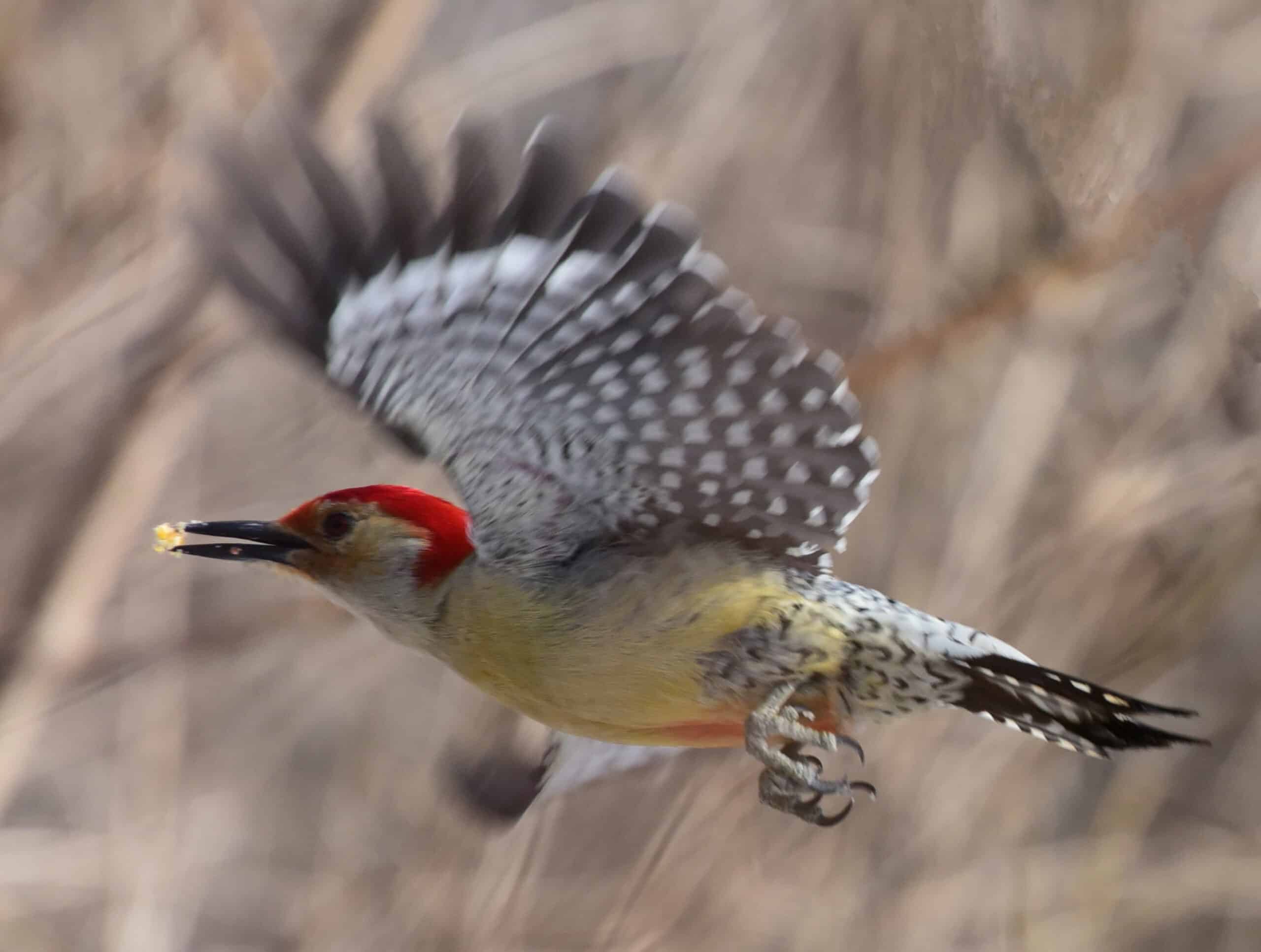
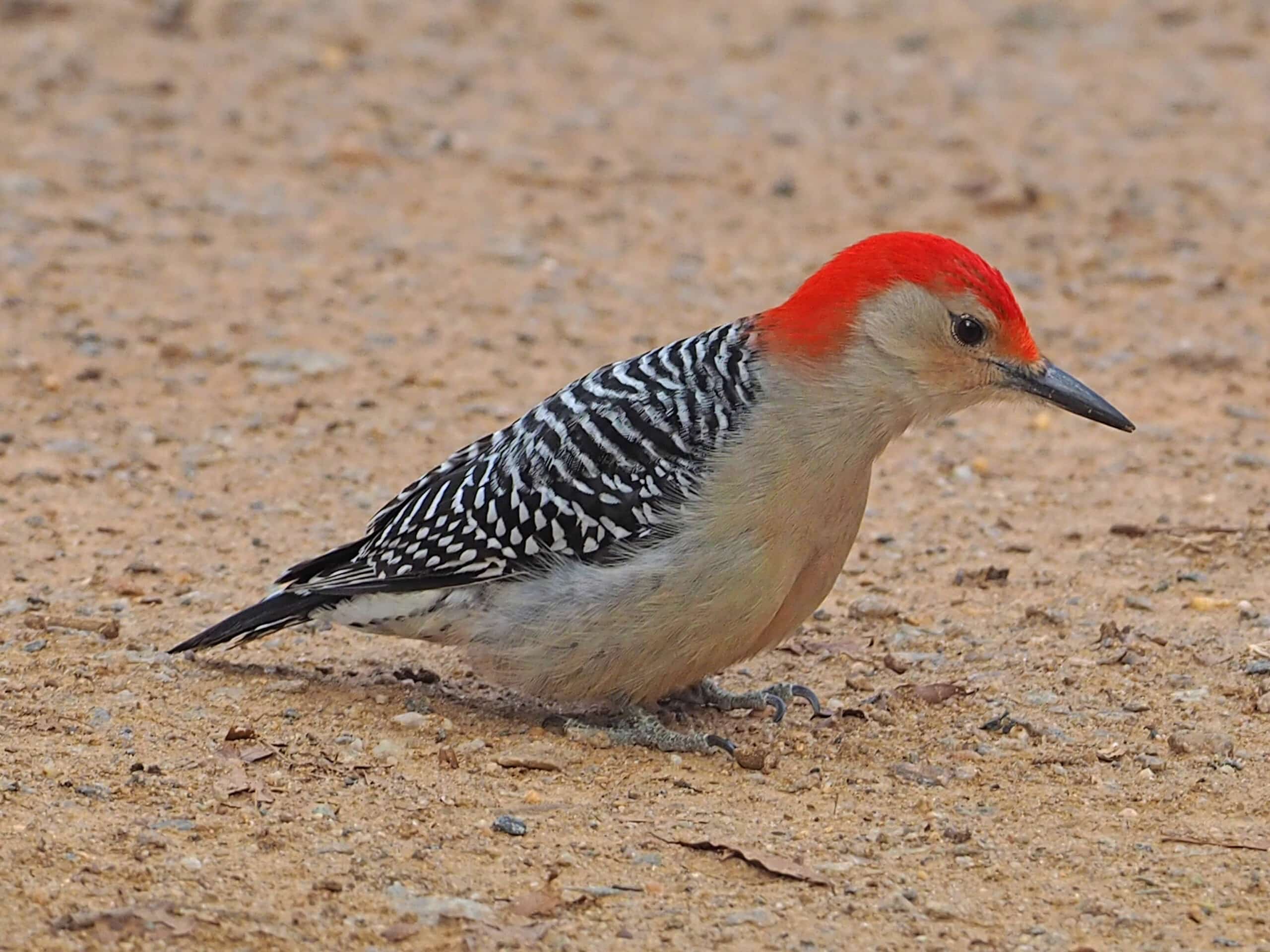
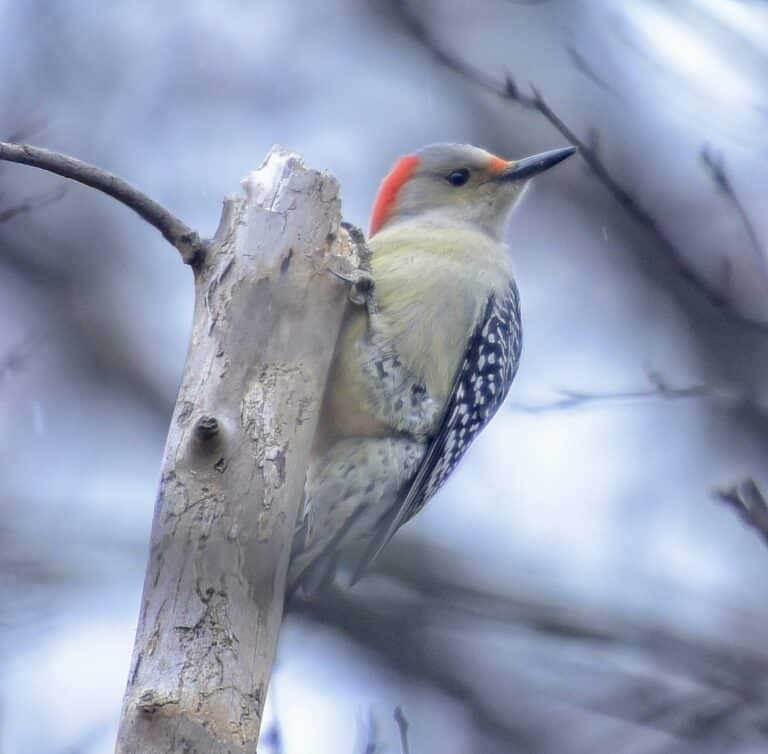
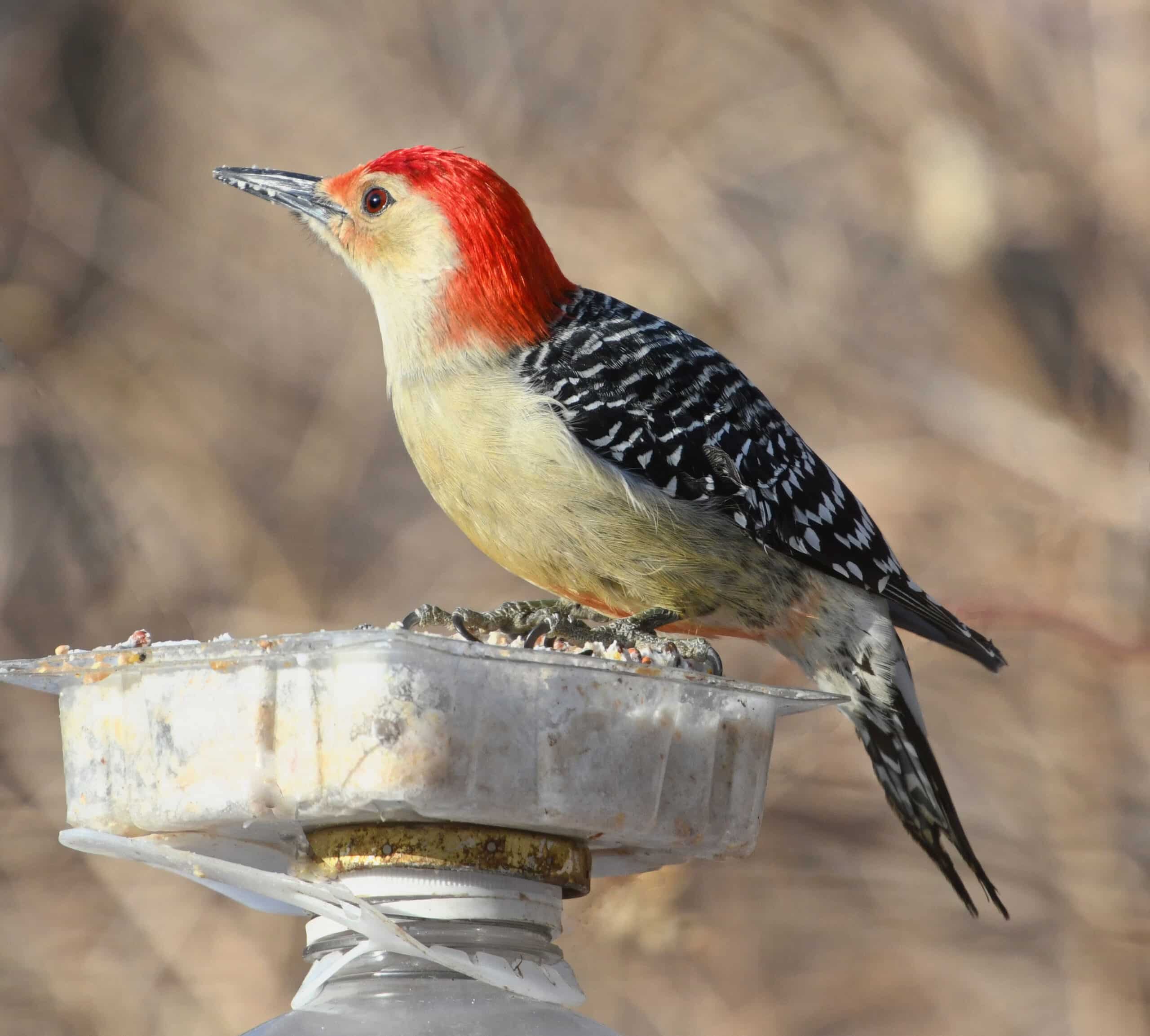
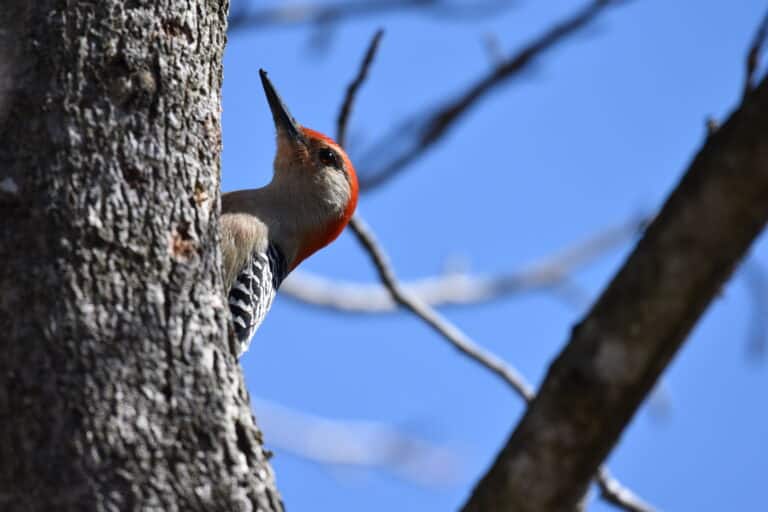
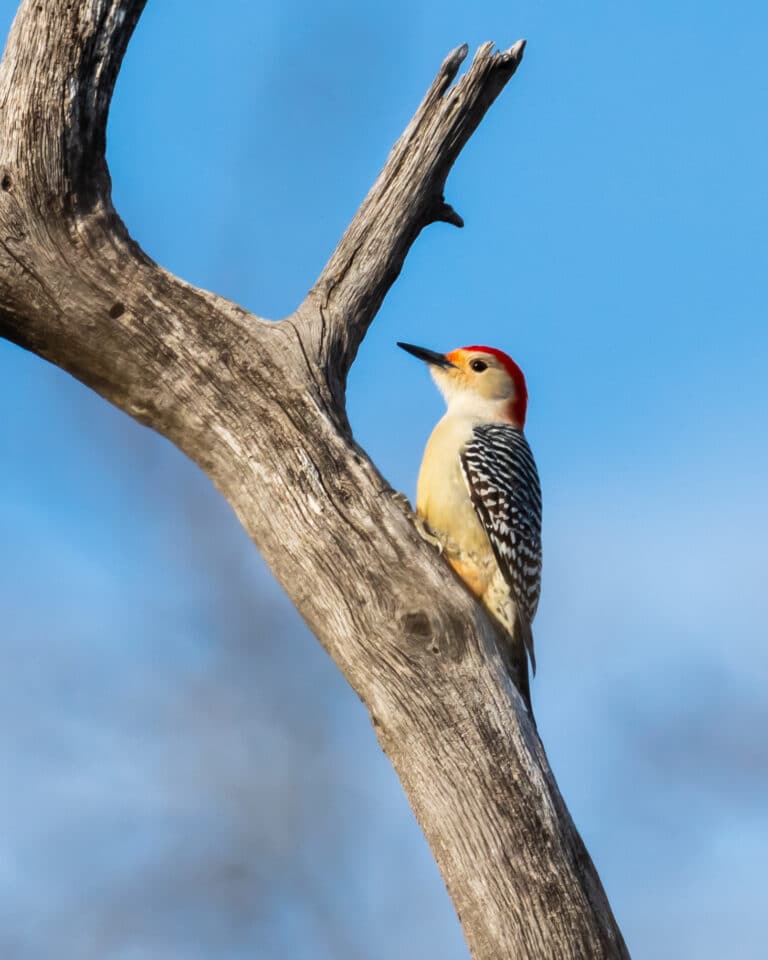
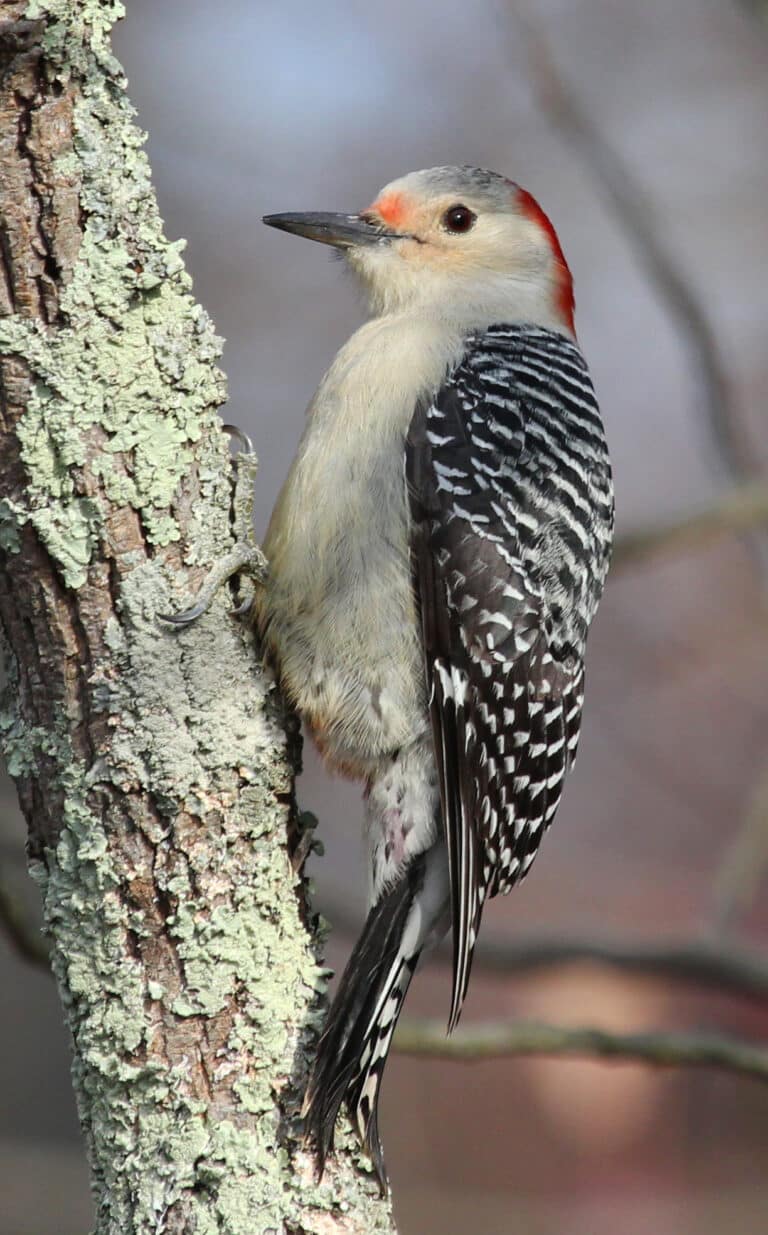
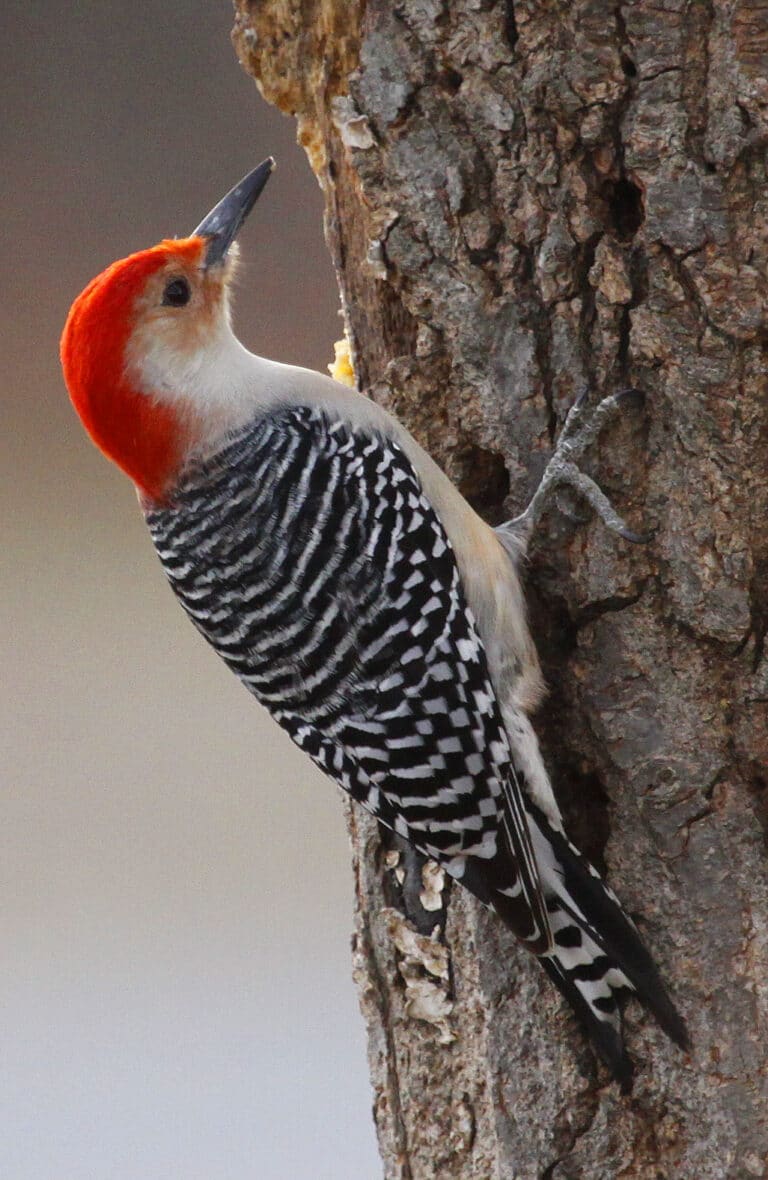
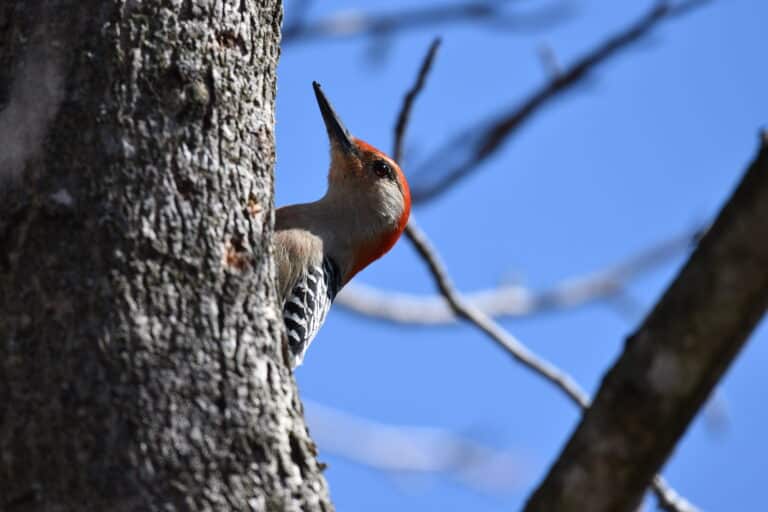
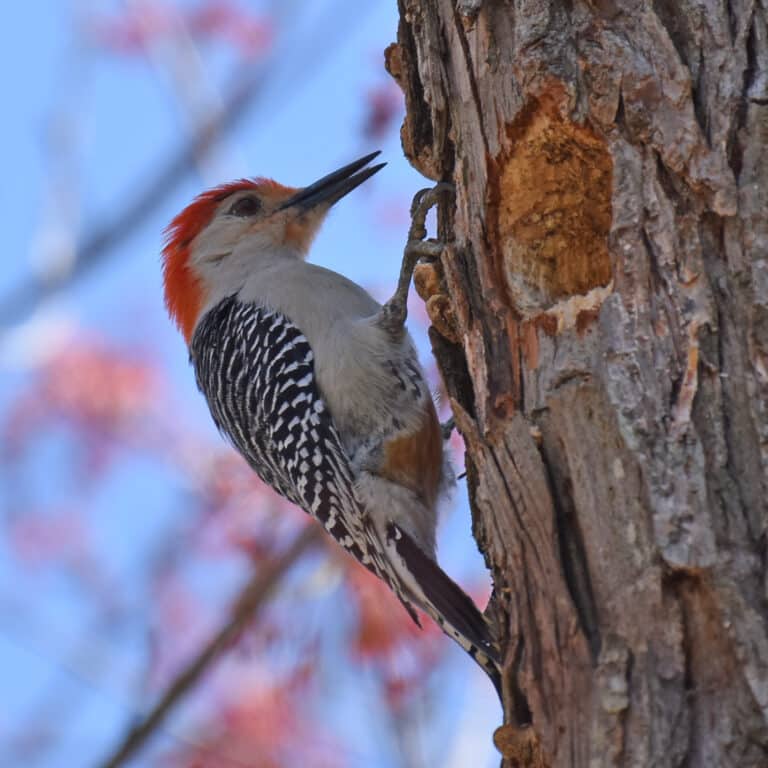
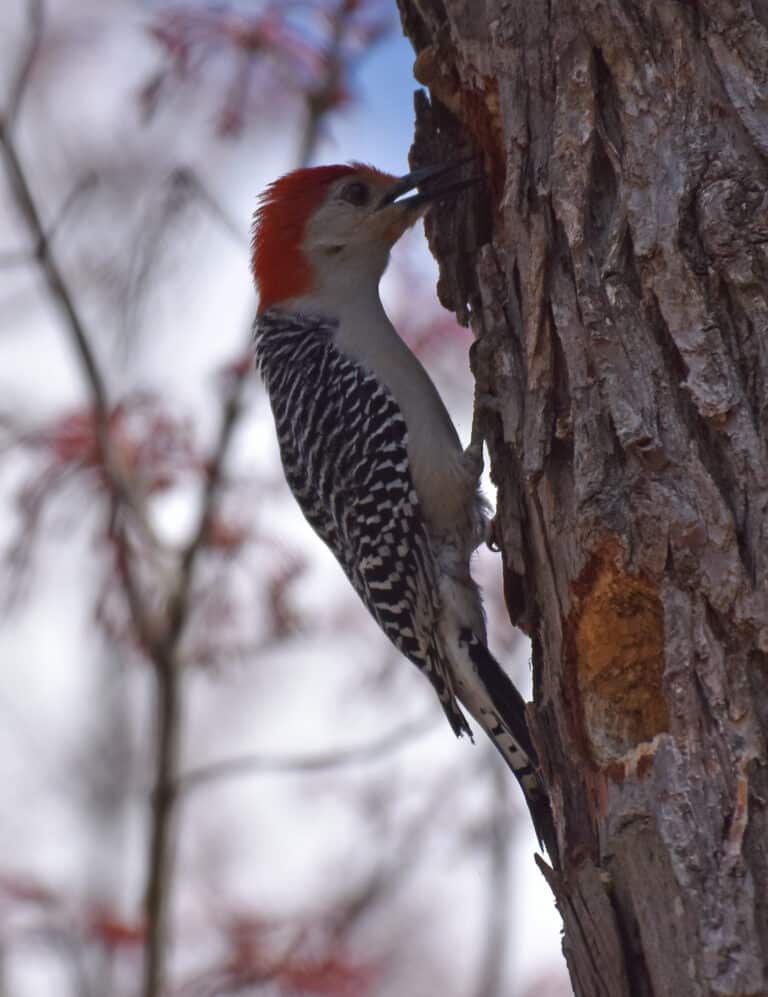
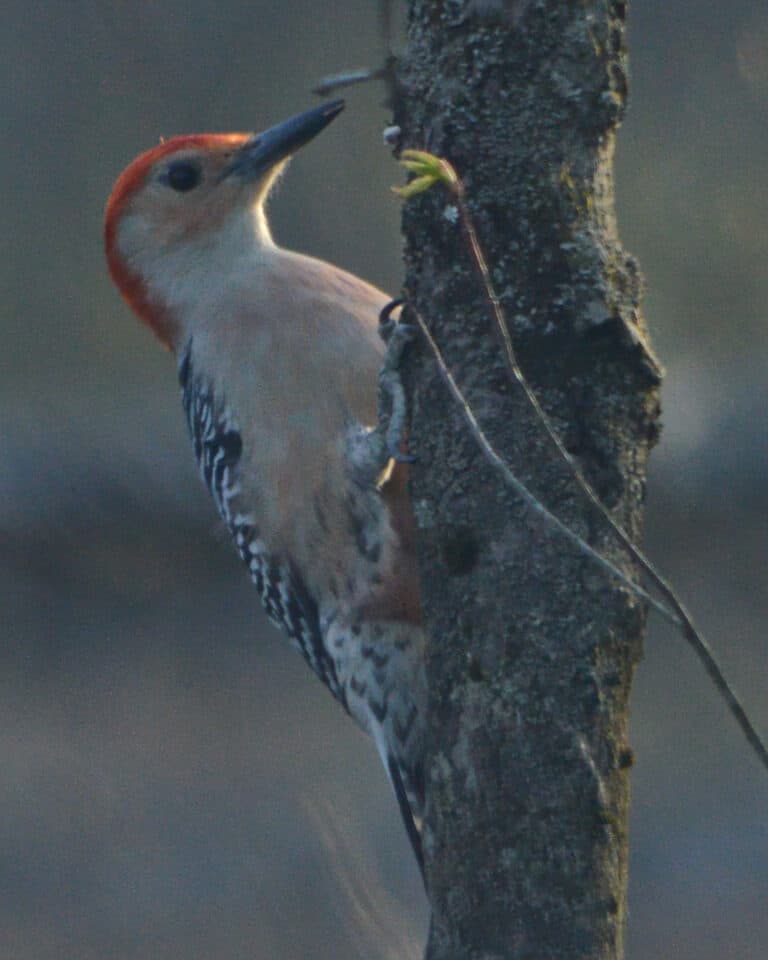
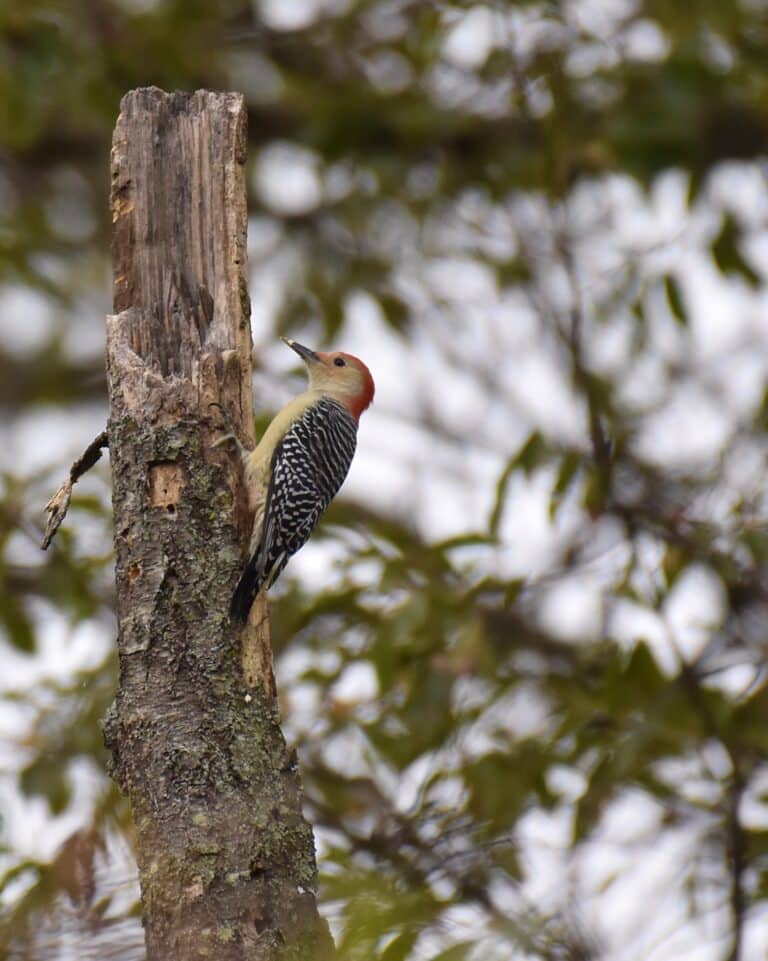
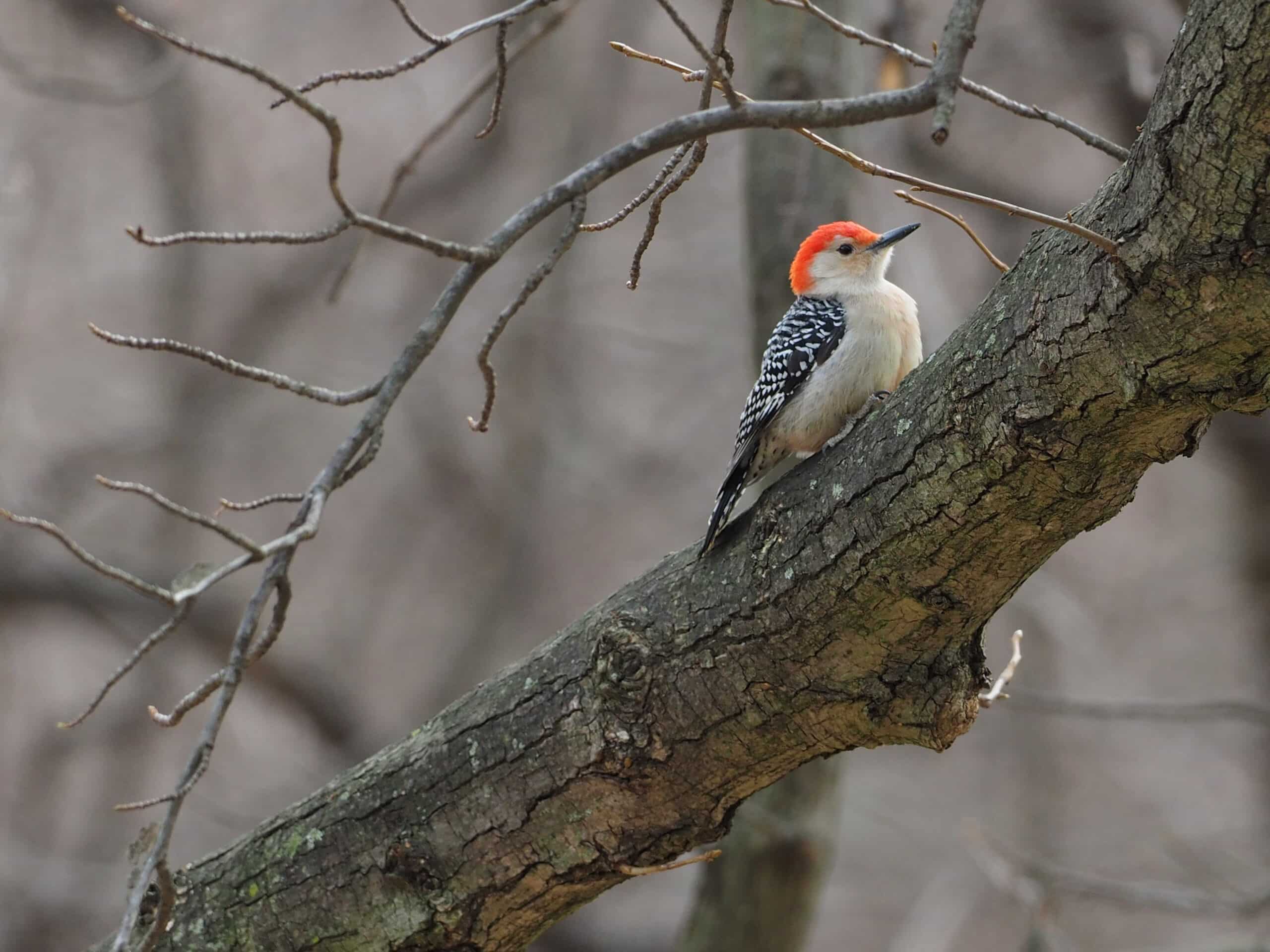
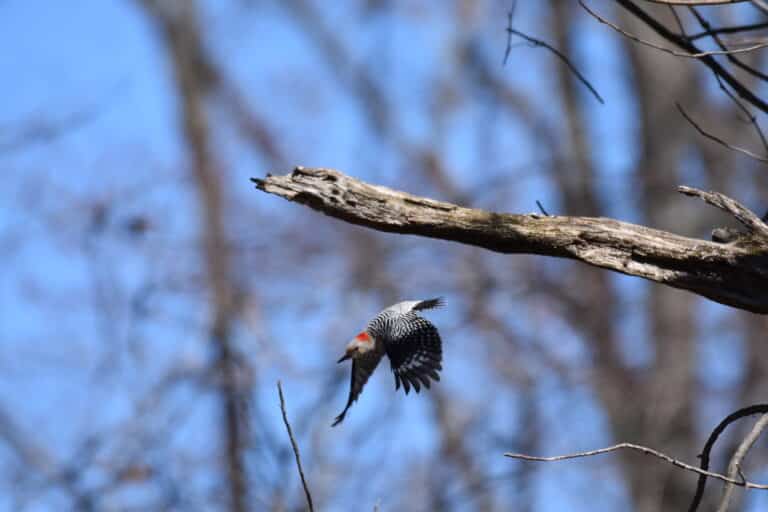
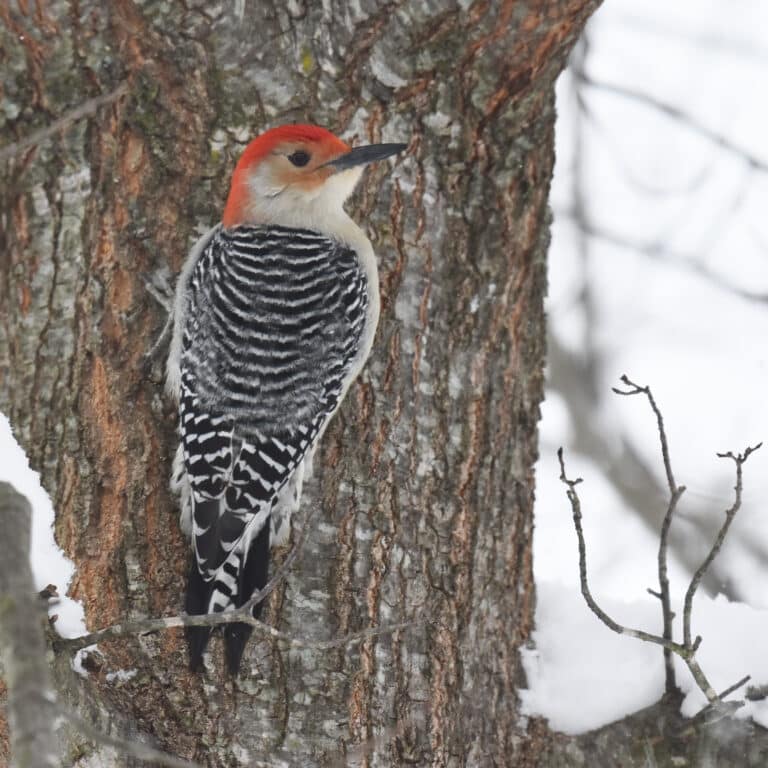
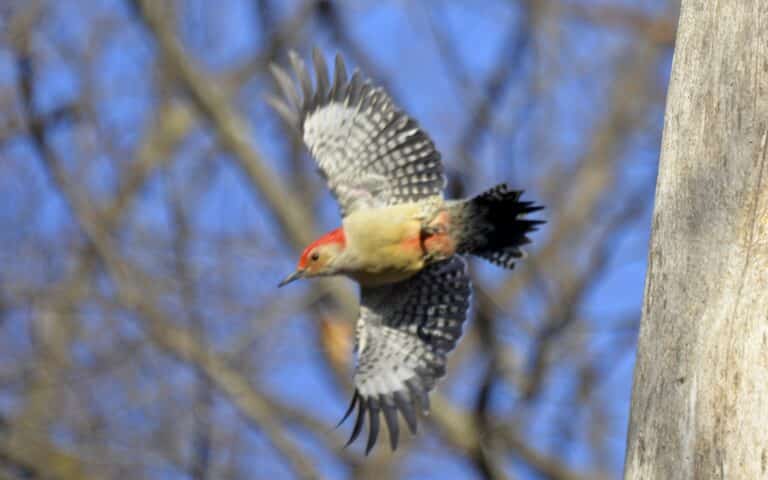
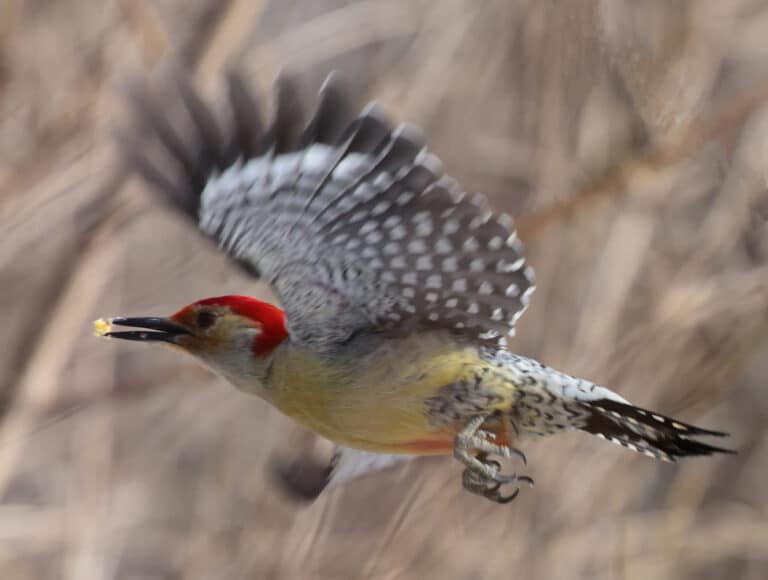
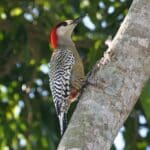
The Red-Bellied Woodpecker is a vibrant bird found in North America, making it a sight to see! This feathered friend measures about 23 to 25 centimeters (9 to 10 inches) in length, with a striking appearance that includes a beautiful red cap and a reddish wash on its belly.
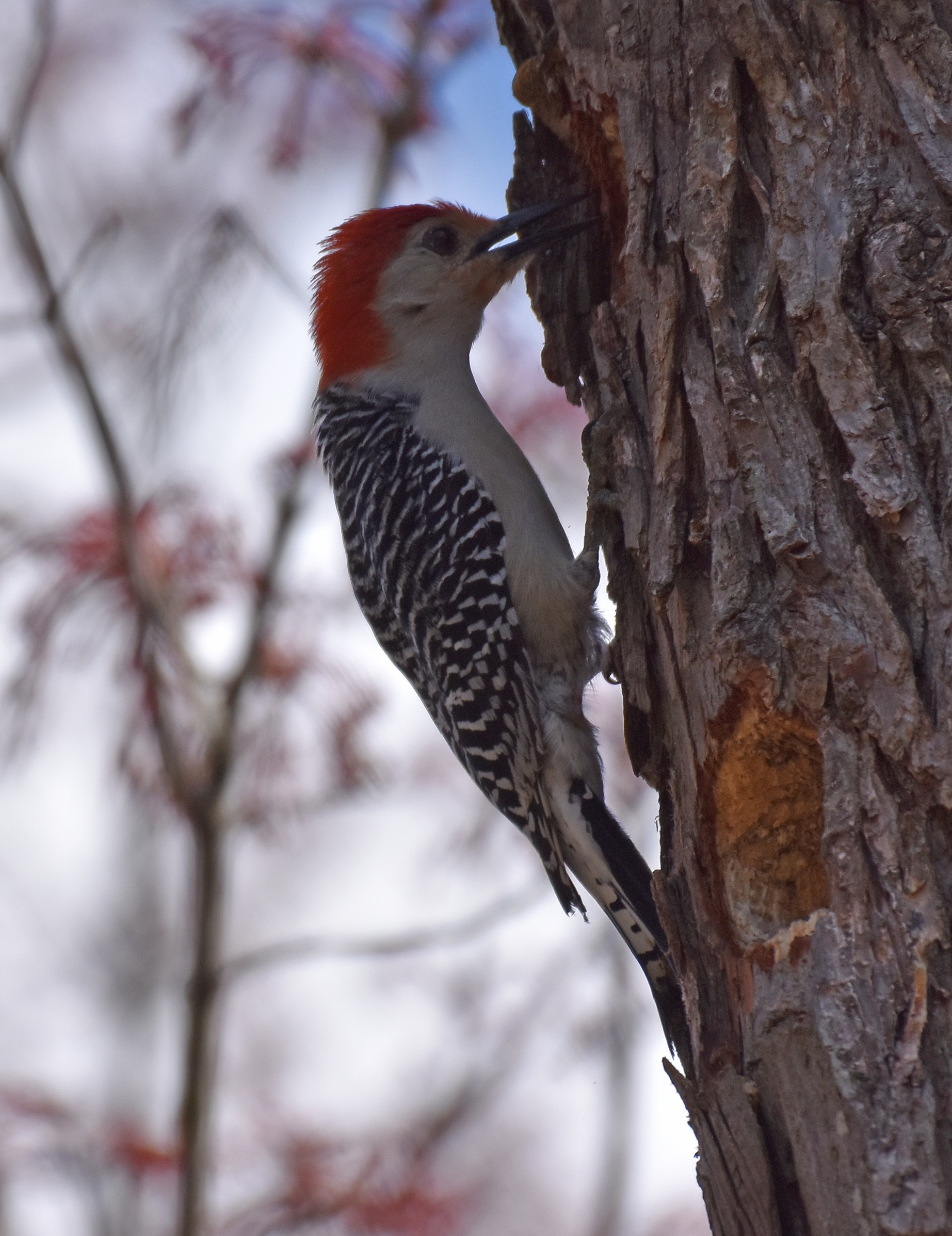
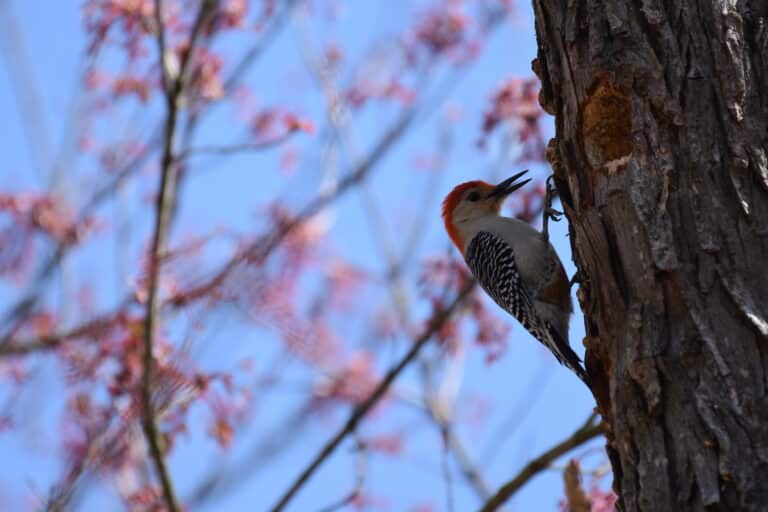
These woodpeckers love to munch on a diet of insects, nuts, and fruits. They use their strong beaks to hammer into trees and peck for tasty treats hidden in the bark.
Their lifespan is pretty impressive, ranging from 6 to 12 years. This means they can build quite a repertoire of woodpecking skills throughout their lives!
Red-Bellied Woodpeckers are not just skilled foragers; they also create unique nesting sites. They drill holes in trees to lay their eggs, ensuring that their young have a safe and cozy home.
These birds have a distinctive, drumming sound that signals their presence. Their rhythmic tapping echoes through the forest as they communicate with one another, almost like a woodpecker concert!
Next time you spot a Red-Bellied Woodpecker, listen for that drumming and admire its beautiful plumage. Remember, these woodpeckers play an important role in our ecosystem by controlling insect populations and helping trees stay healthy!

Where can you find a Red-Bellied Woodpecker in the wild?
What does a Red-Bellied Woodpecker eat?
How big can a Red-Bellied Woodpecker grow?
How long does a Red-Bellied Woodpecker typically live?
What is the conservation status of the Red-Bellied Woodpecker?
What are the main threats to the Red-Bellied Woodpecker?
Fun facts
Red-Bellied Woodpeckers have a super cool way of communicating: they drum on tree trunks, producing a rhythm that can travel through the forest!


These entertaining birds can rotate their heads 180 degrees, allowing them to peek around without twisting their bodies, making them the ultimate lookout!
Red-Bellied Woodpeckers spend their time searching for hidden insects by tapping on tree bark, which can help control bug populations and keep forests healthy!
This feathery friend has sticky tongues that can stretch up to 10 centimeters (about 4 inches) long, perfect for reaching into tiny crevices to catch insects!
When nesting, these woodpeckers excavate holes in trees that can be over 30 centimeters (1 foot) deep, creating safe homes for their chicks, like little wooden homes!
Red-Bellied Woodpeckers can stash food by hammering holes into trees, storing nuts and seeds for later, almost like a tiny squirrel in feathers!
These woodpeckers can easily blend into their surroundings with their camouflaged feathers, making it tricky for predators to spot them.
Watch out! When a Red-Bellied Woodpecker feels threatened, it might perform a hilarious 'freeze' action, making it look just like a part of the tree!
Photos

The Basics


explore more
Amphibians
Arachnids
Birds
Cats
Crustaceans
Fish
Fish Pet Guide
Gastropods
Insects
Invertebrates
Mammals
Pet Fish
Pet Rodents
Plants
Reptiles
Roundworms
Sea Slugs