
Successfully copied to clipboard!
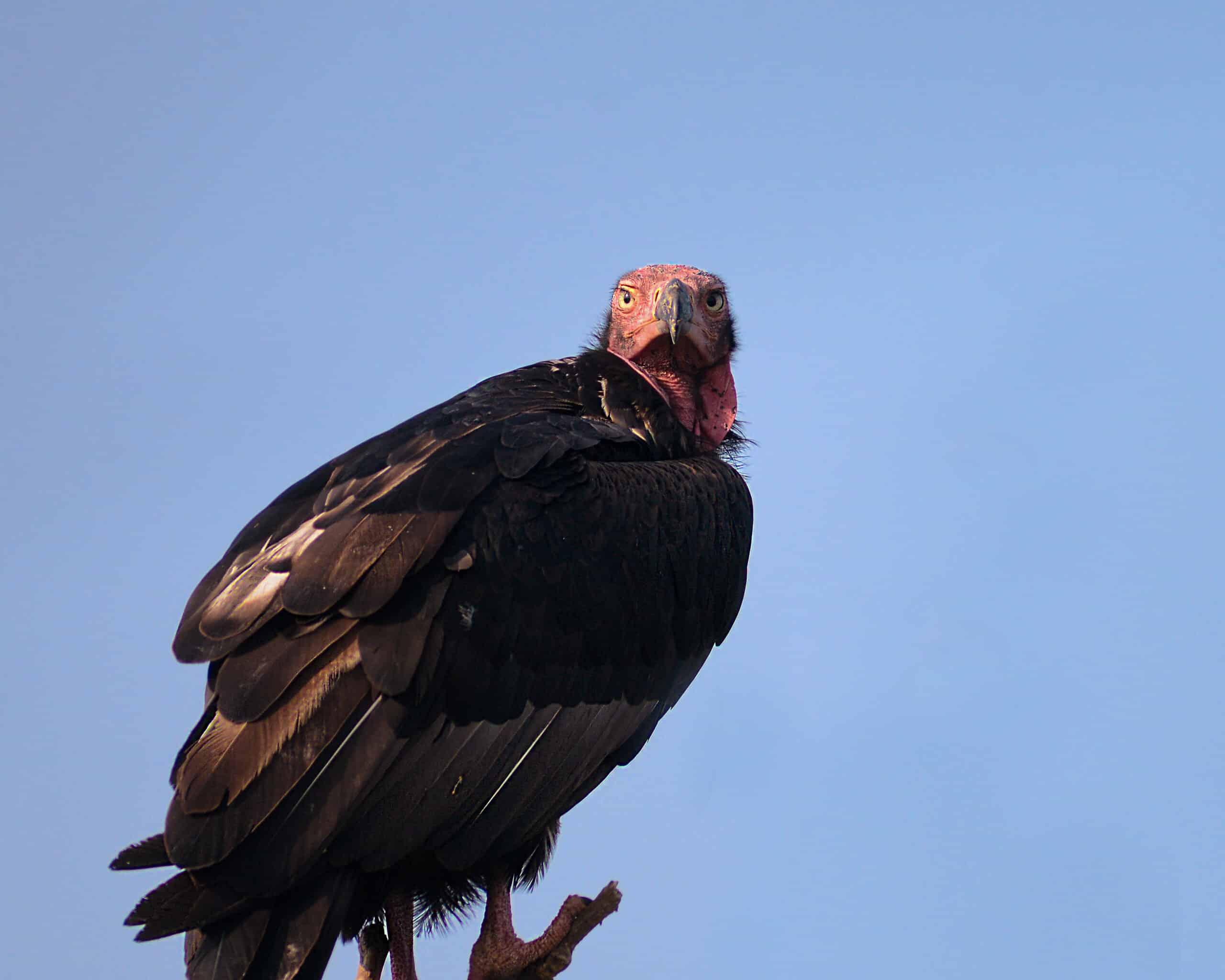
Red-Headed Vulture
Soar with the colorful sky cleaners that nature loves!
Let’s Explore
Overview
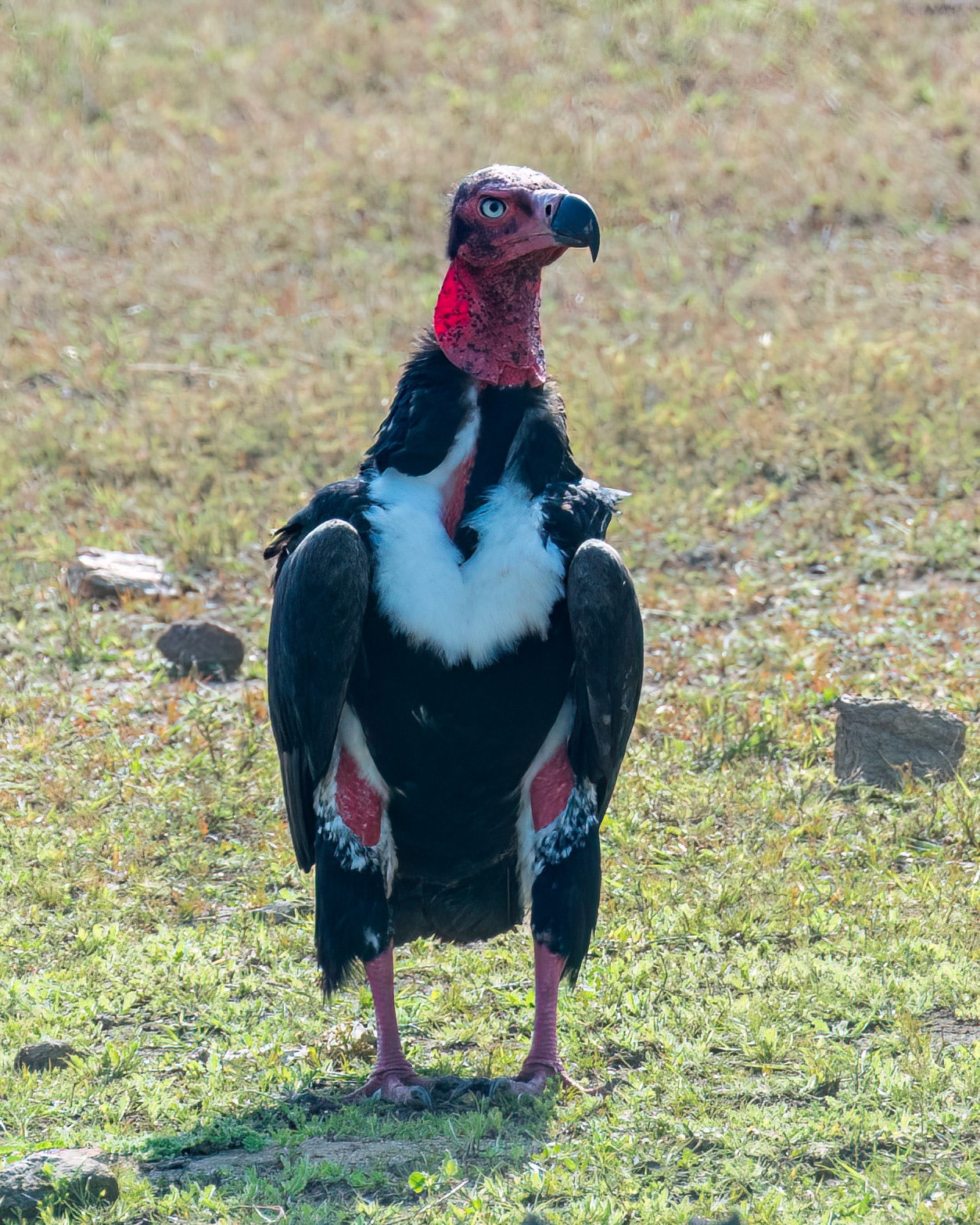
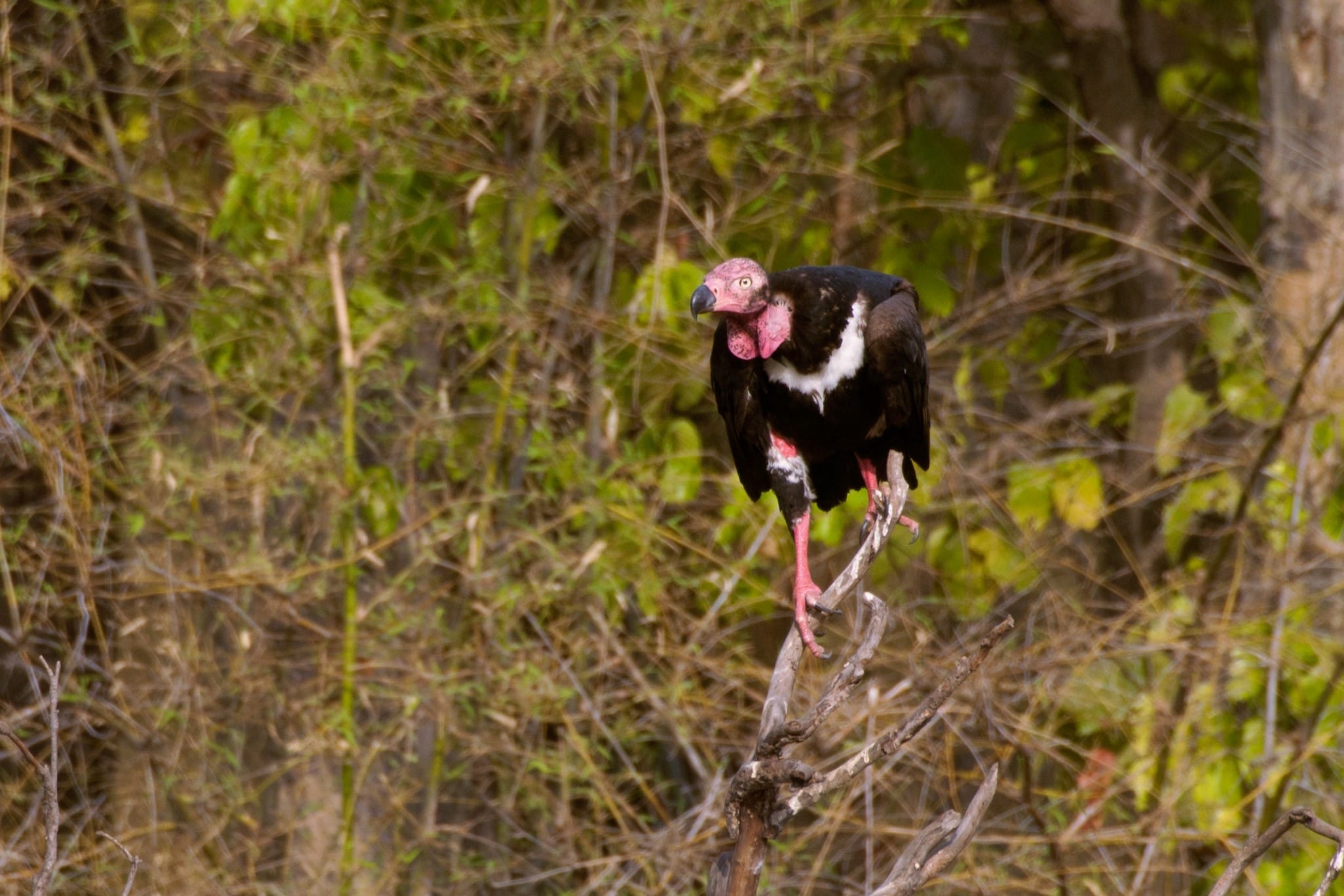
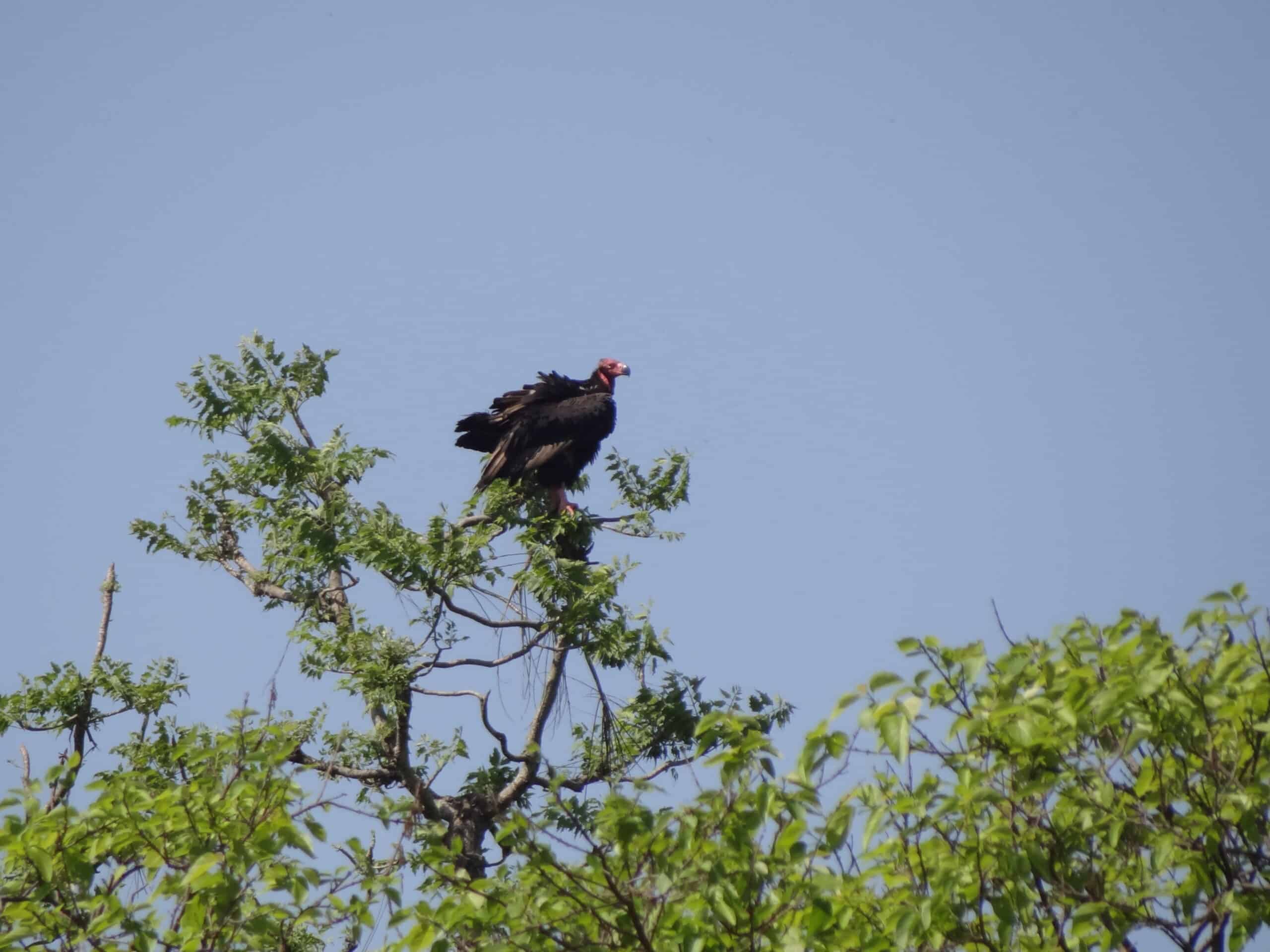
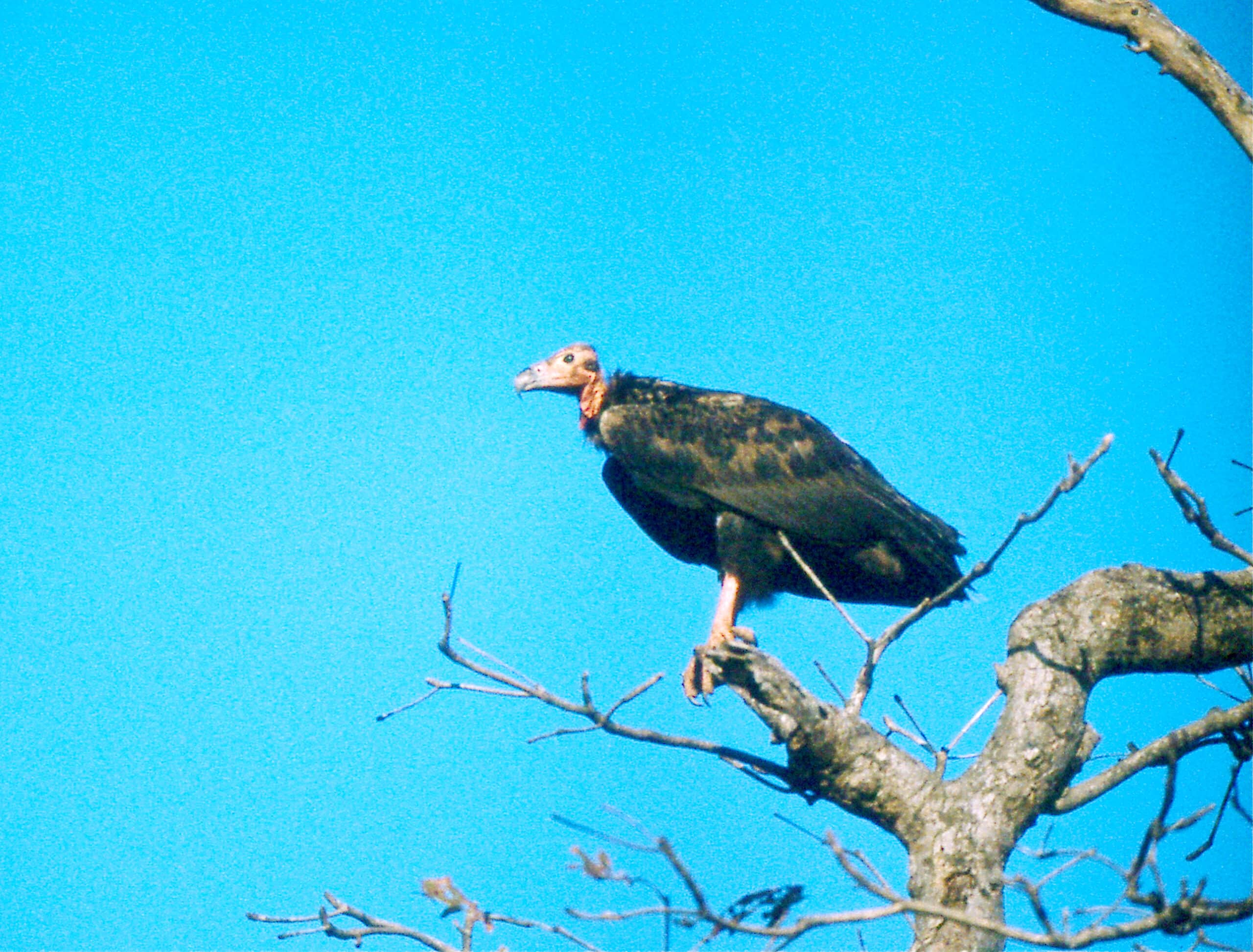
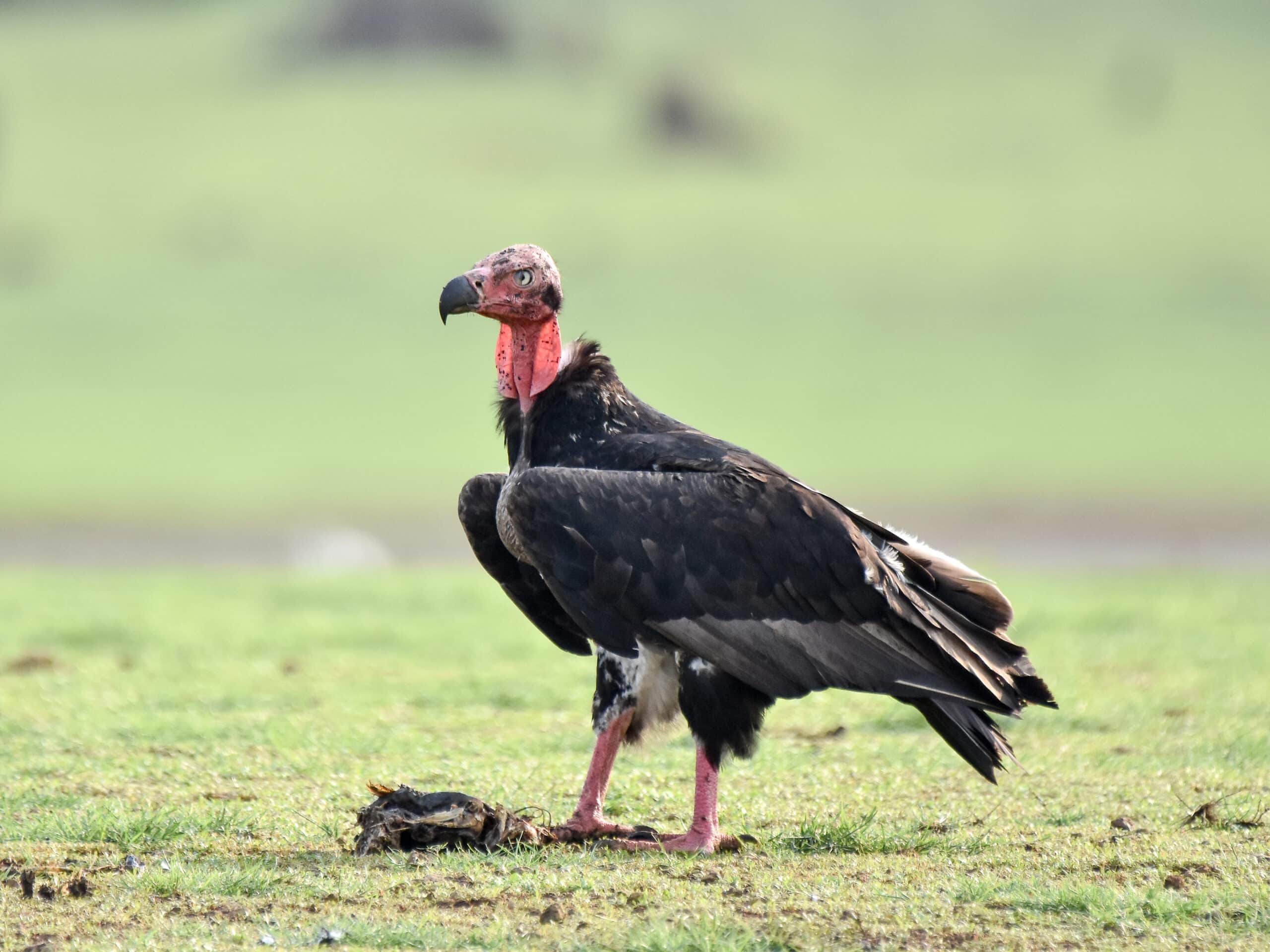
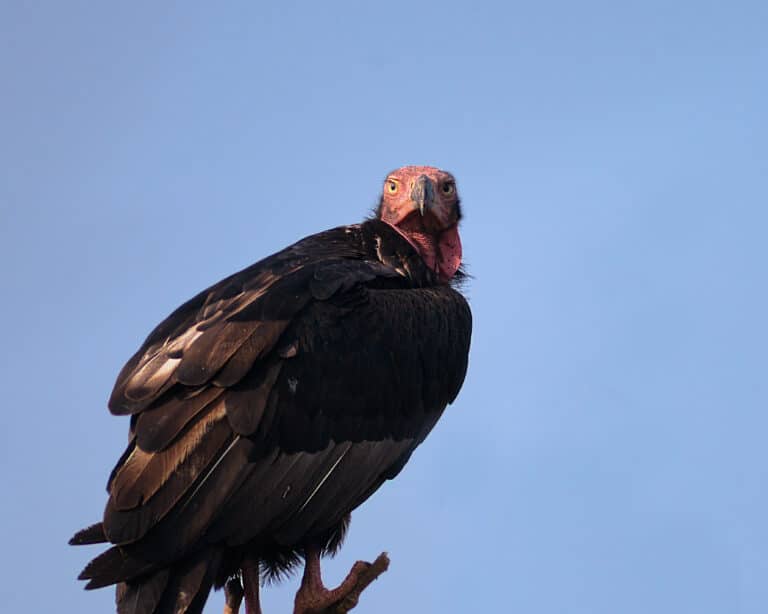
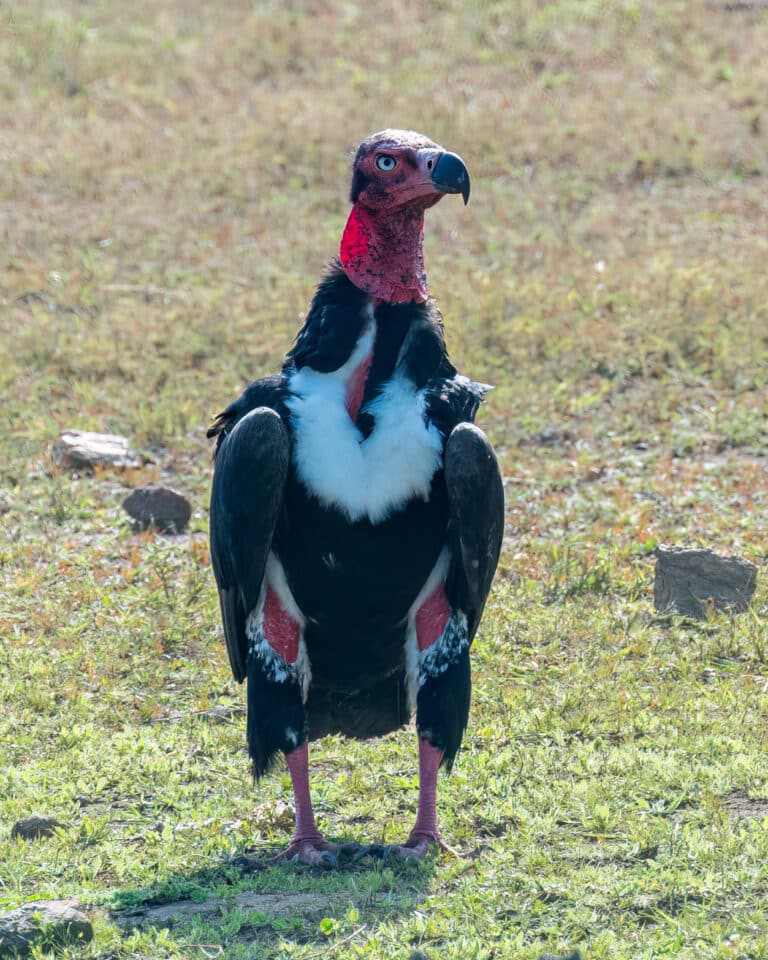
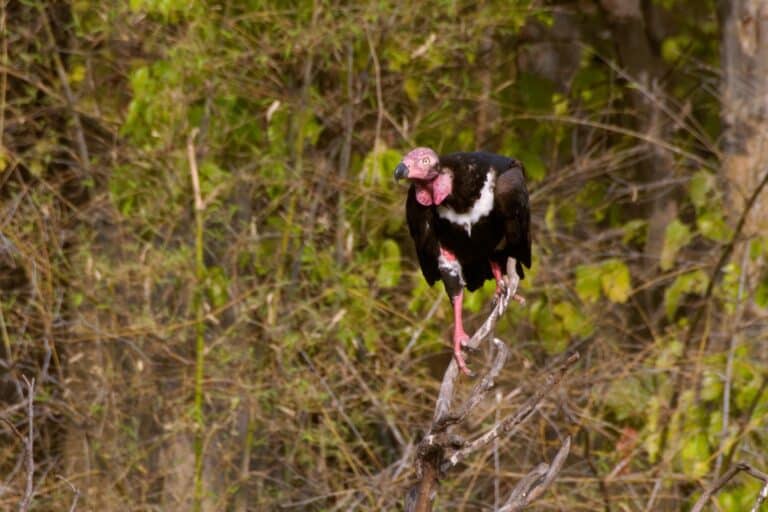
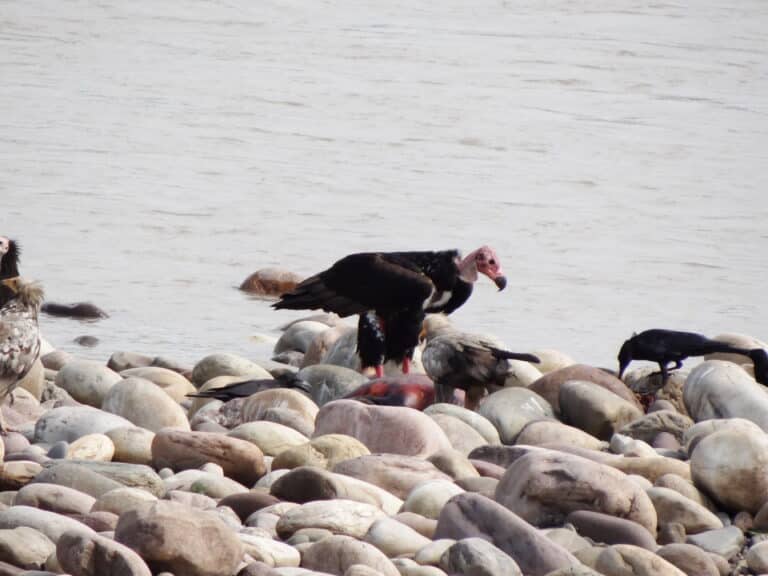
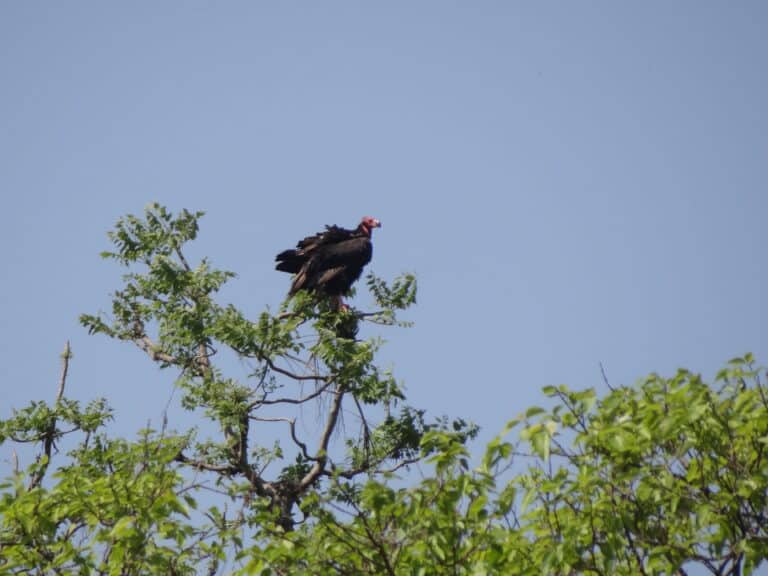
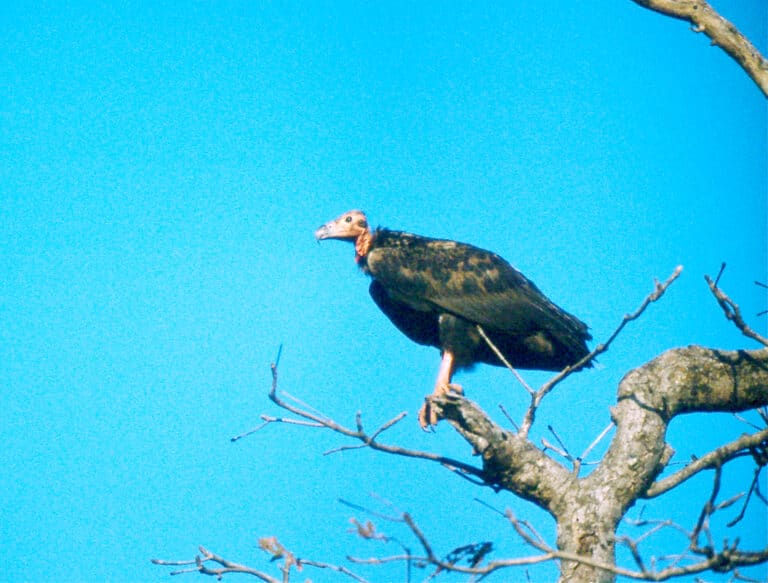
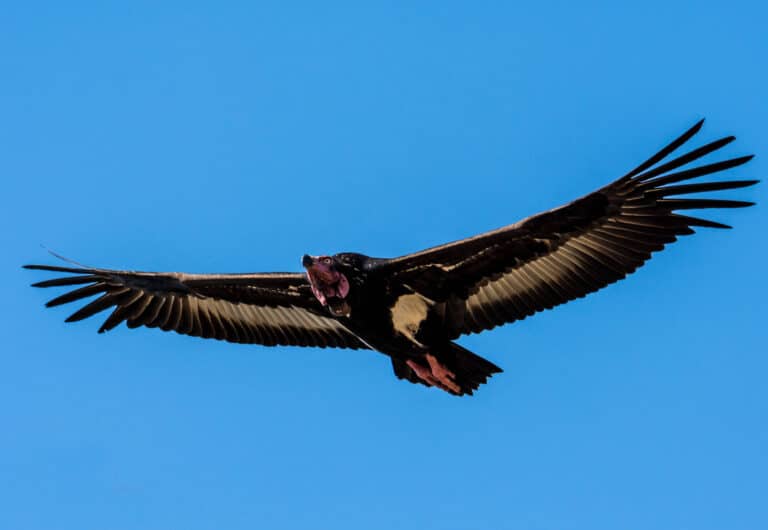
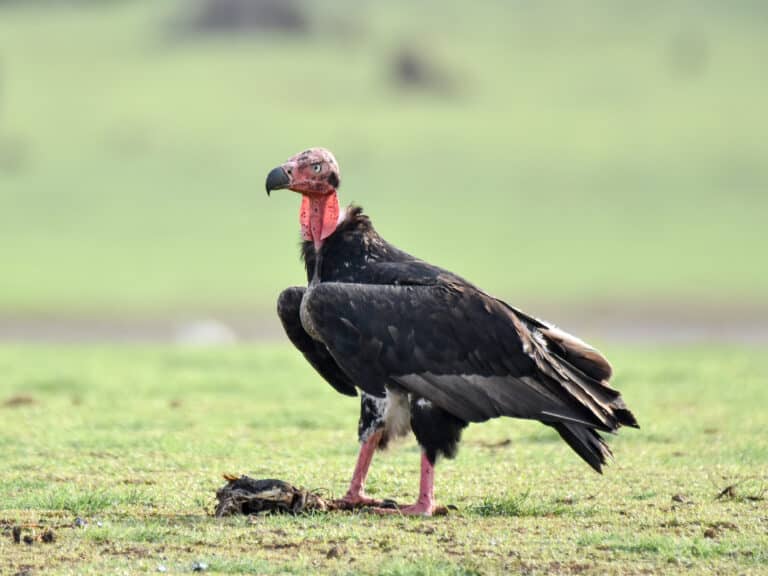
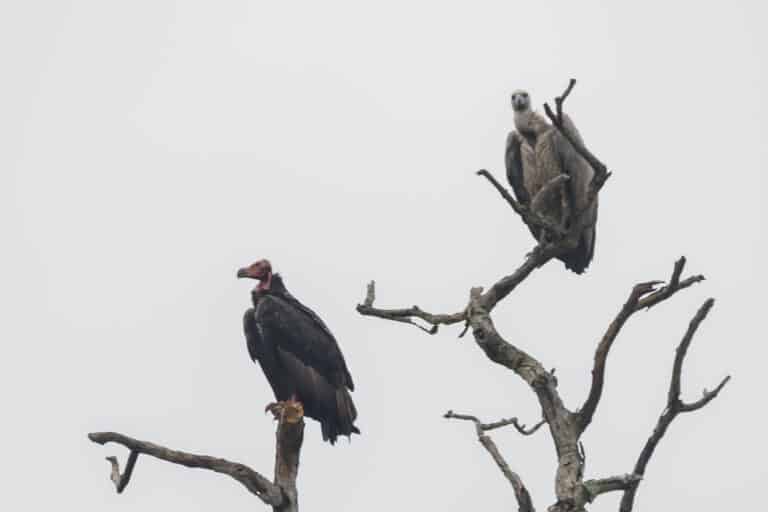
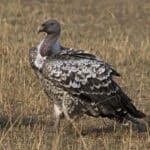
The Red-Headed Vulture is a striking bird that can grow up to 84 centimeters (33 inches) tall. With its bold red head, this vulture definitely stands out in the skies of Asia.
These amazing birds belong to the order Accipitriformes and are part of the family Accipitridae. This family also includes eagles and hawks, so you can see that the Red-Headed Vulture comes from some truly spectacular flying relatives!
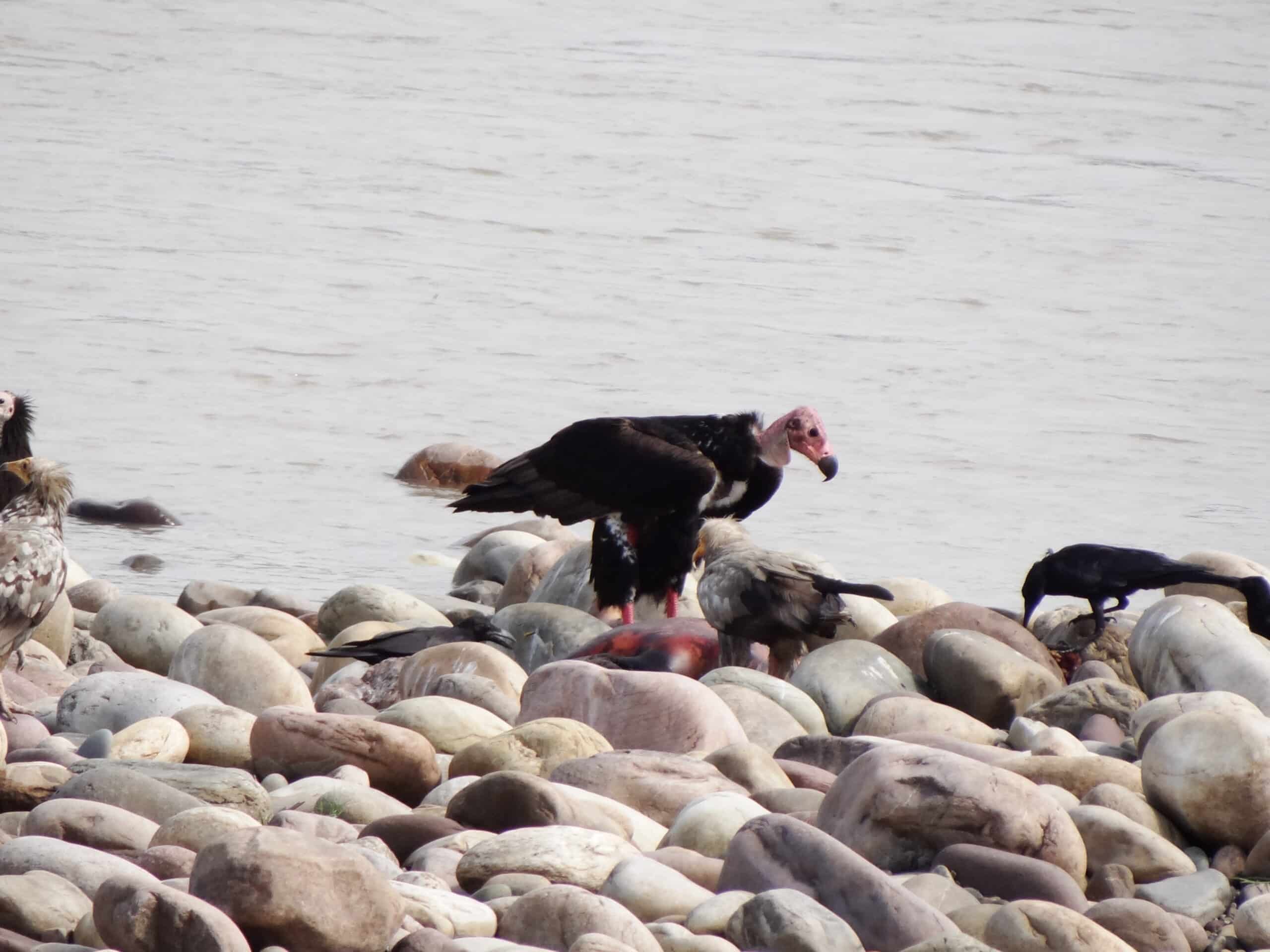
Red-Headed Vultures have a unique diet that consists mainly of carrion, which is a fancy word for dead animals. They play an important role in their ecosystem by helping to clean up the environment—reducing disease and keeping nature tidy!
This vulture can live up to 25 years in the wild. That's quite a long time for any bird, and it means they have many years to soar high and enjoy the great outdoors!
Despite their critical status due to declining populations, Red-Headed Vultures are super interesting creatures that teach us about the balance of nature. Their amazing characteristics and behaviors make them a feathered friend worth learning about!

Where can you find a Red-Headed Vulture in the wild?
What does a Red-Headed Vulture eat?
How big can a Red-Headed Vulture grow?
How long does a Red-Headed Vulture typically live?
What is the conservation status of the Red-Headed Vulture?
What are the main threats to the Red-Headed Vulture?
Fun facts
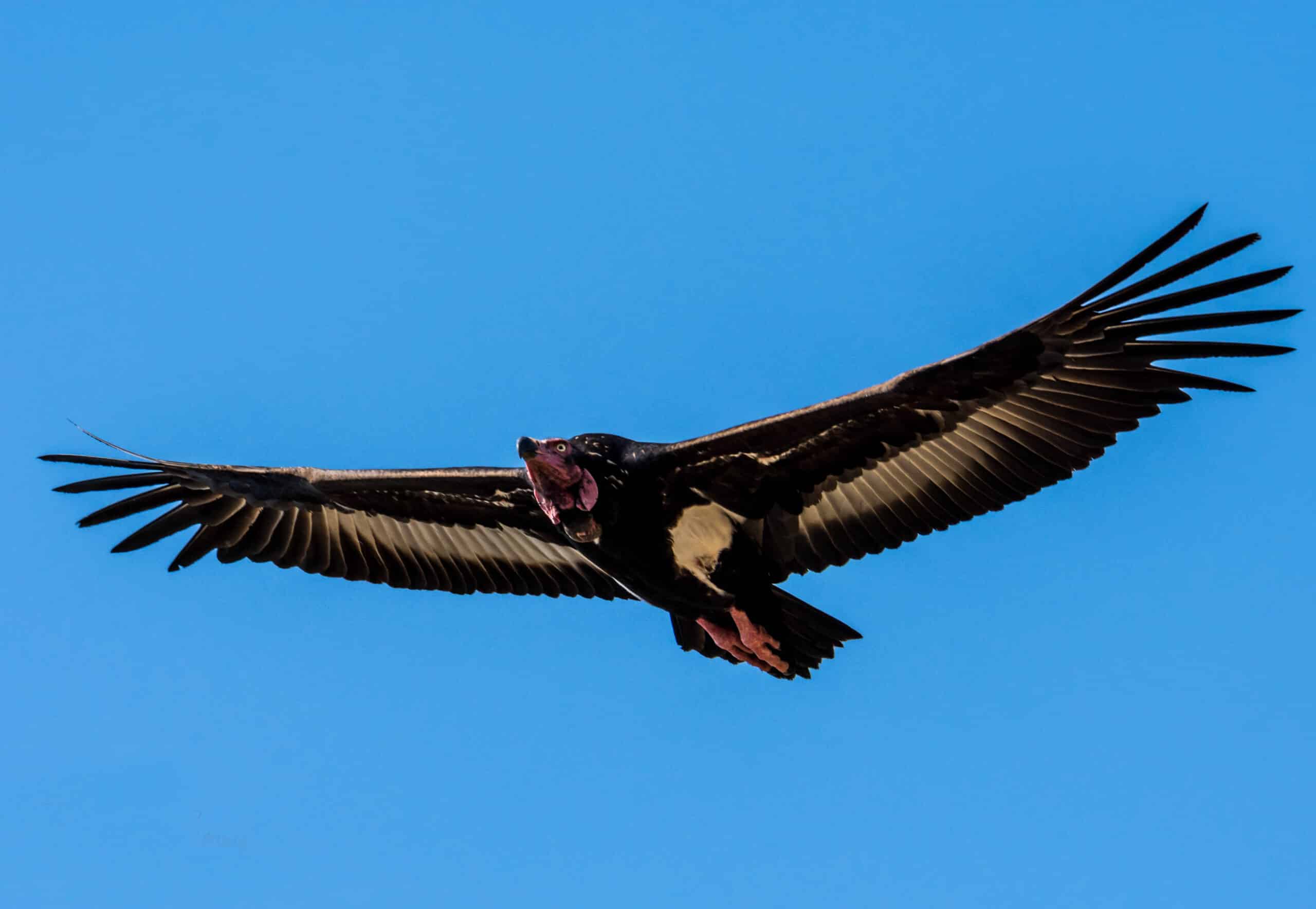
Red-Headed Vultures can spot food from as high as 6,000 feet (1,829 meters) in the air. Their amazing eyesight lets them find meals while gliding gracefully through the sky!


This species is known for a unique behavior called "kiting," where they glide back and forth in the wind without flapping their wings. It's like they are dancing in the air!
Young Red-Headed Vultures have a brown head that changes to bright red as they grow older. It’s like earning a badge of honor in the vulture world!
When it comes to eating, these vultures have strong stomachs! They can consume food that is rotten or even poisonous without getting sick, making them nature's clean-up crew.
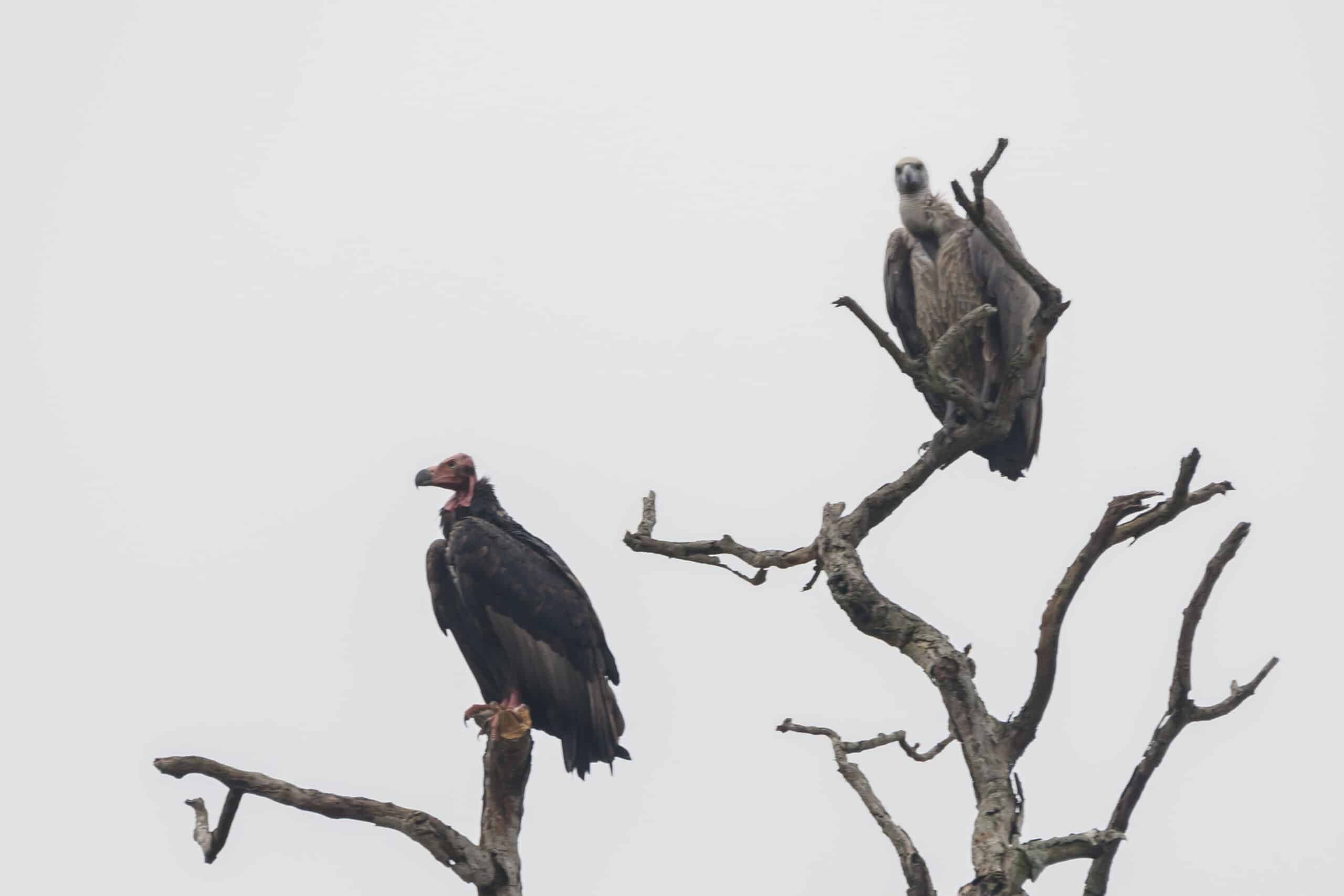
Red-Headed Vultures often gather in groups to feed, making them social eaters. They understand that sharing a meal can make the feast more enjoyable!
This vulture has a unique courtship display involving aerial acrobatics and soaring high to impress potential mates. It’s like a high-flying talent show!
These birds can go weeks without eating, thanks to their amazing ability to store energy. They know how to save up for a rainy day when food is scarce!
Red-Headed Vultures play a crucial role in their ecosystem by preventing the spread of disease. Their scavenging helps keep the environment clean and healthy for everyone!
The vulture's bald head helps it stay clean while eating carrion. Feathers trap bacteria, but the bald look allows for easy cleaning after a feast!
This species helps other animals by providing cleanup services in their habitats. After a big meal, it's like they throw a party, inviting nature to join in!
Photos

The Basics


explore more
Amphibians
Arachnids
Birds
Cats
Crustaceans
Fish
Fish Pet Guide
Gastropods
Insects
Invertebrates
Mammals
Pet Fish
Pet Rodents
Plants
Reptiles
Roundworms
Sea Slugs