Successfully copied to clipboard!
Rhea
Strut into the world of speedy, flightless wonders!
Let’s Explore
Overview
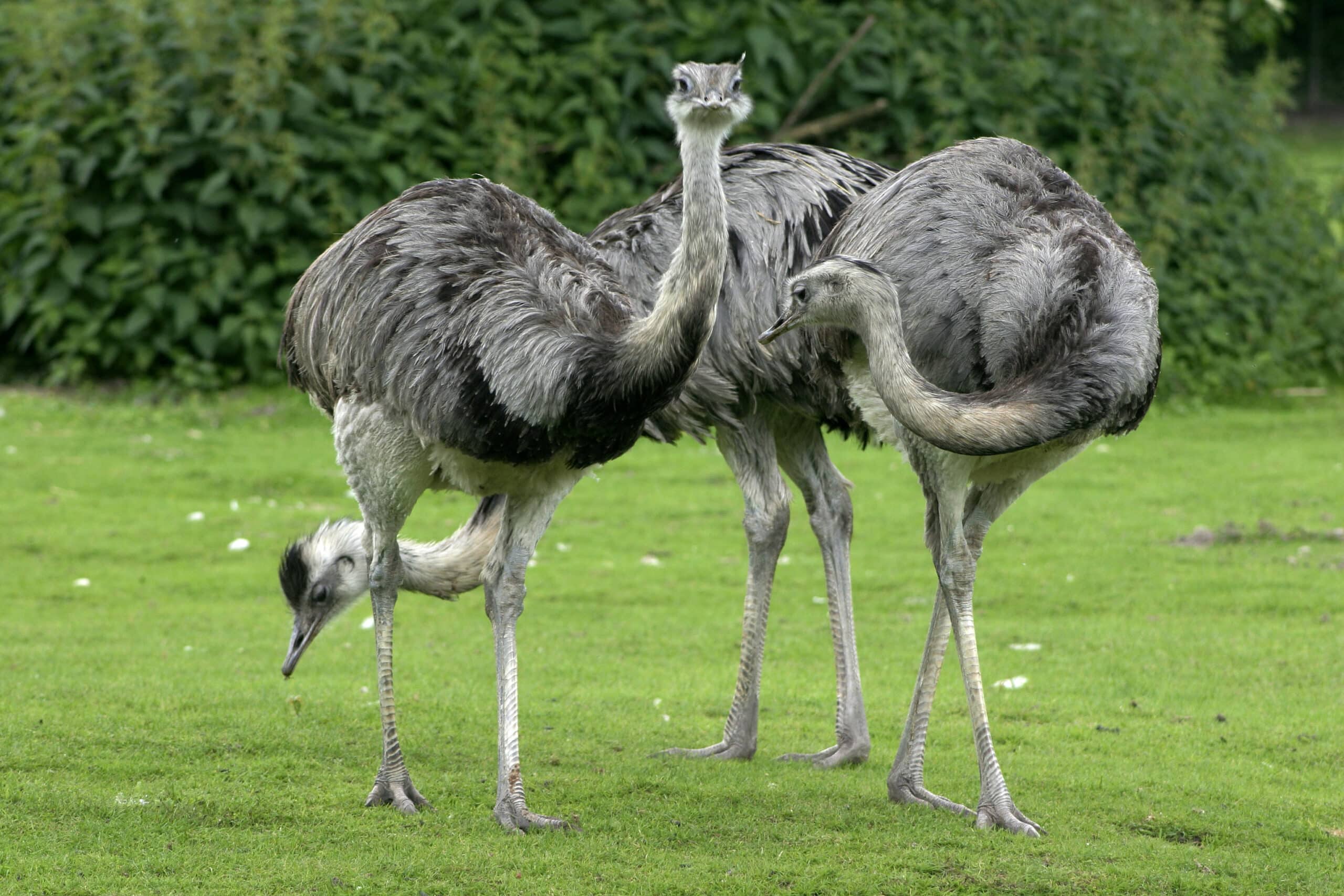
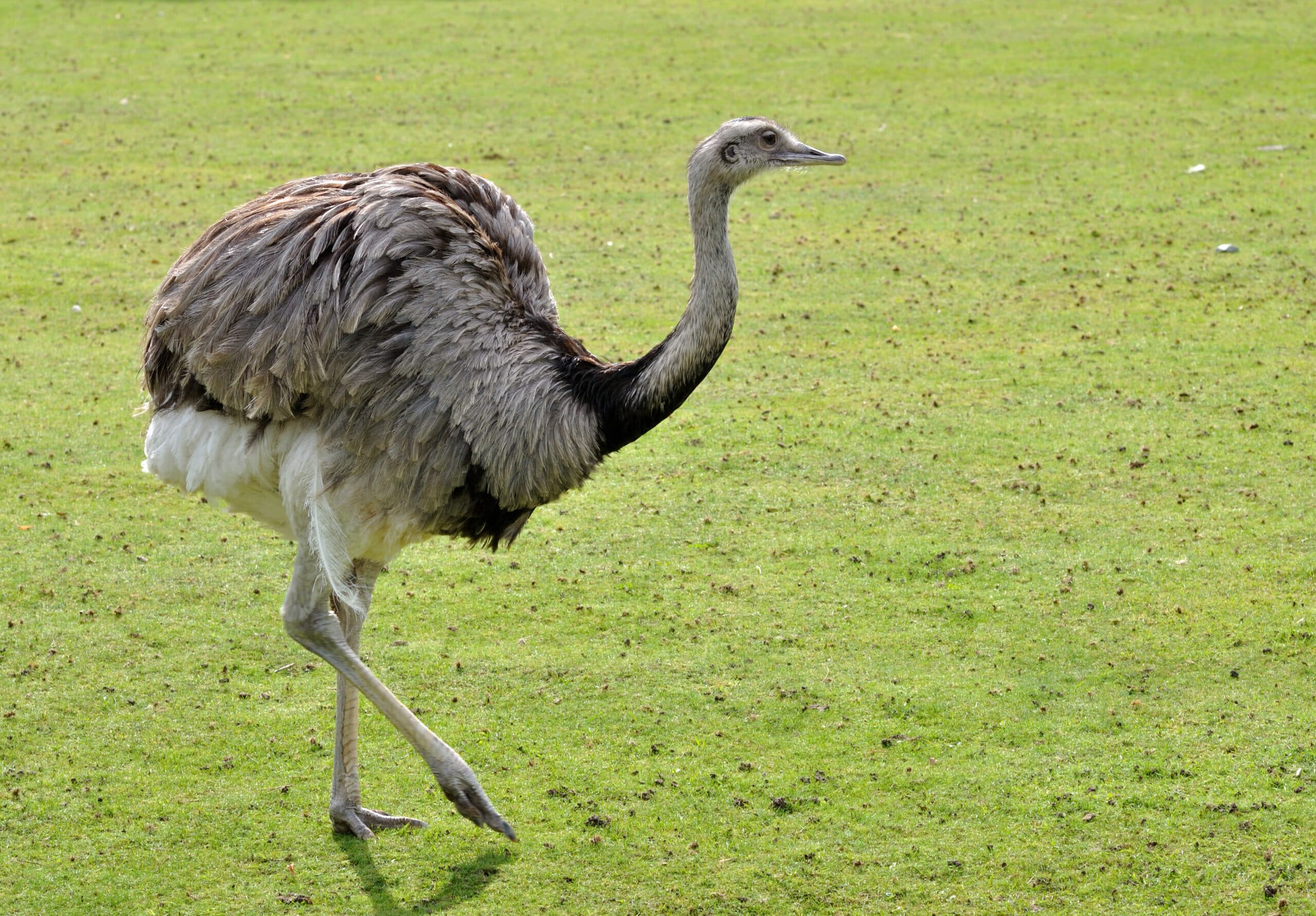
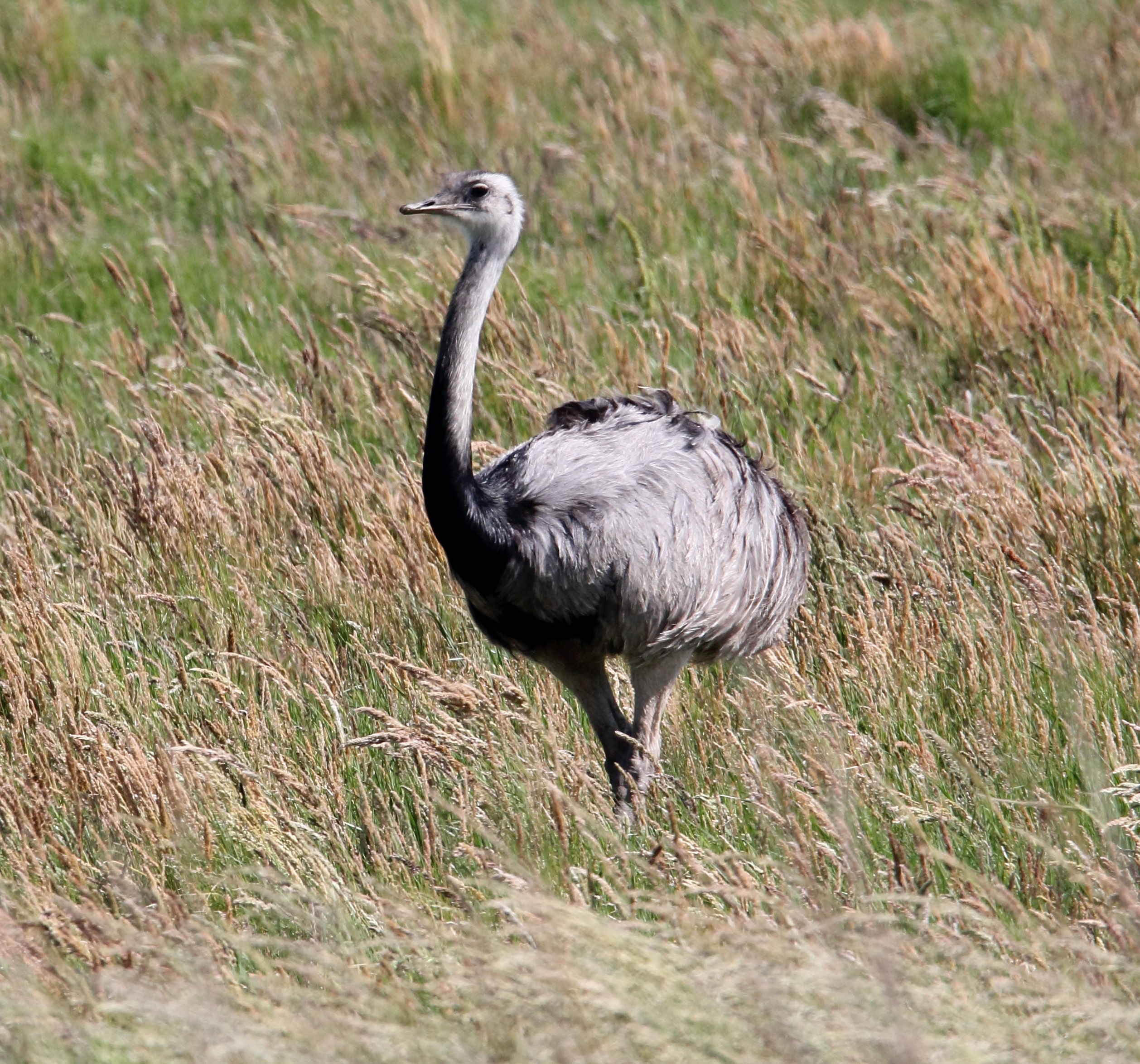
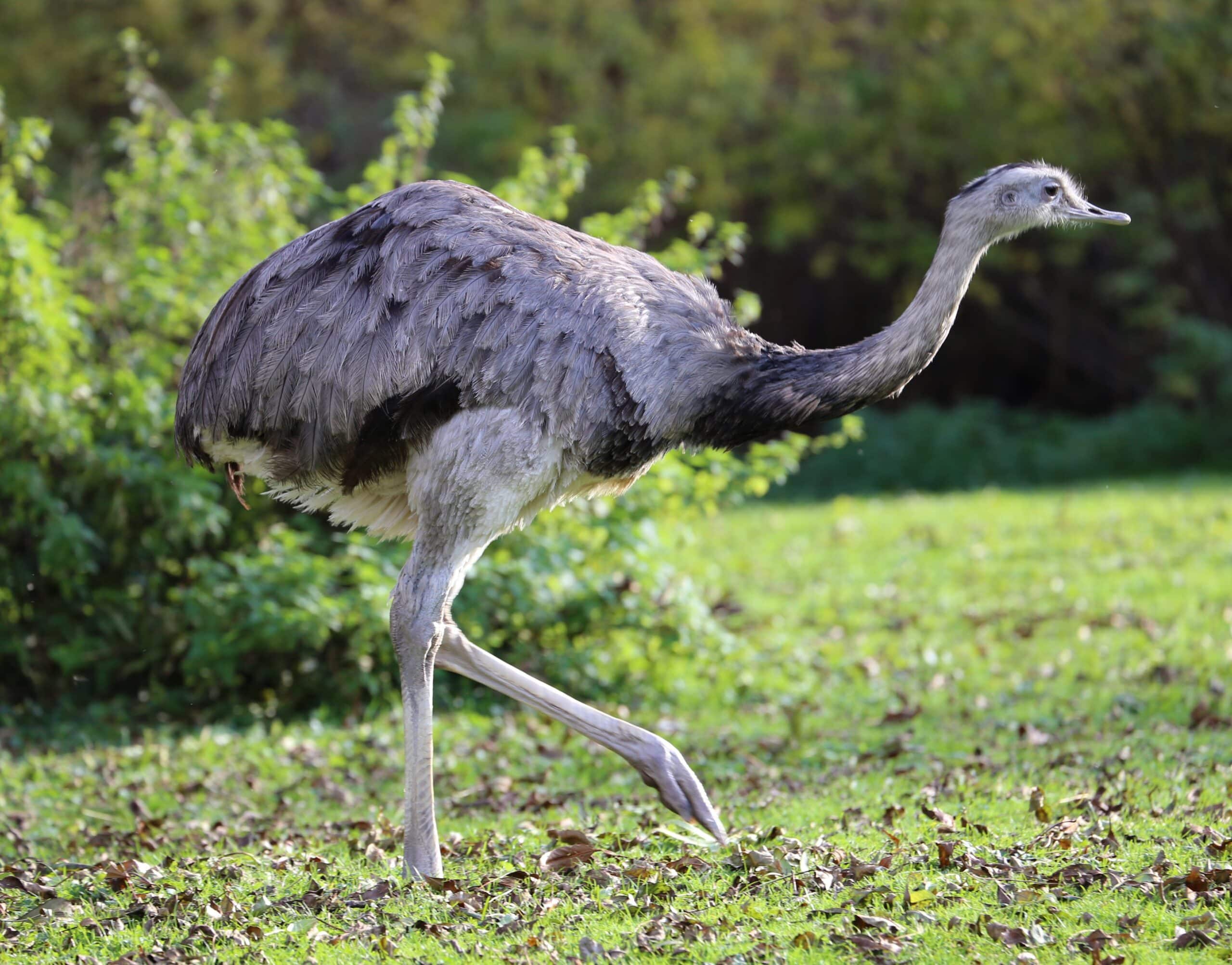
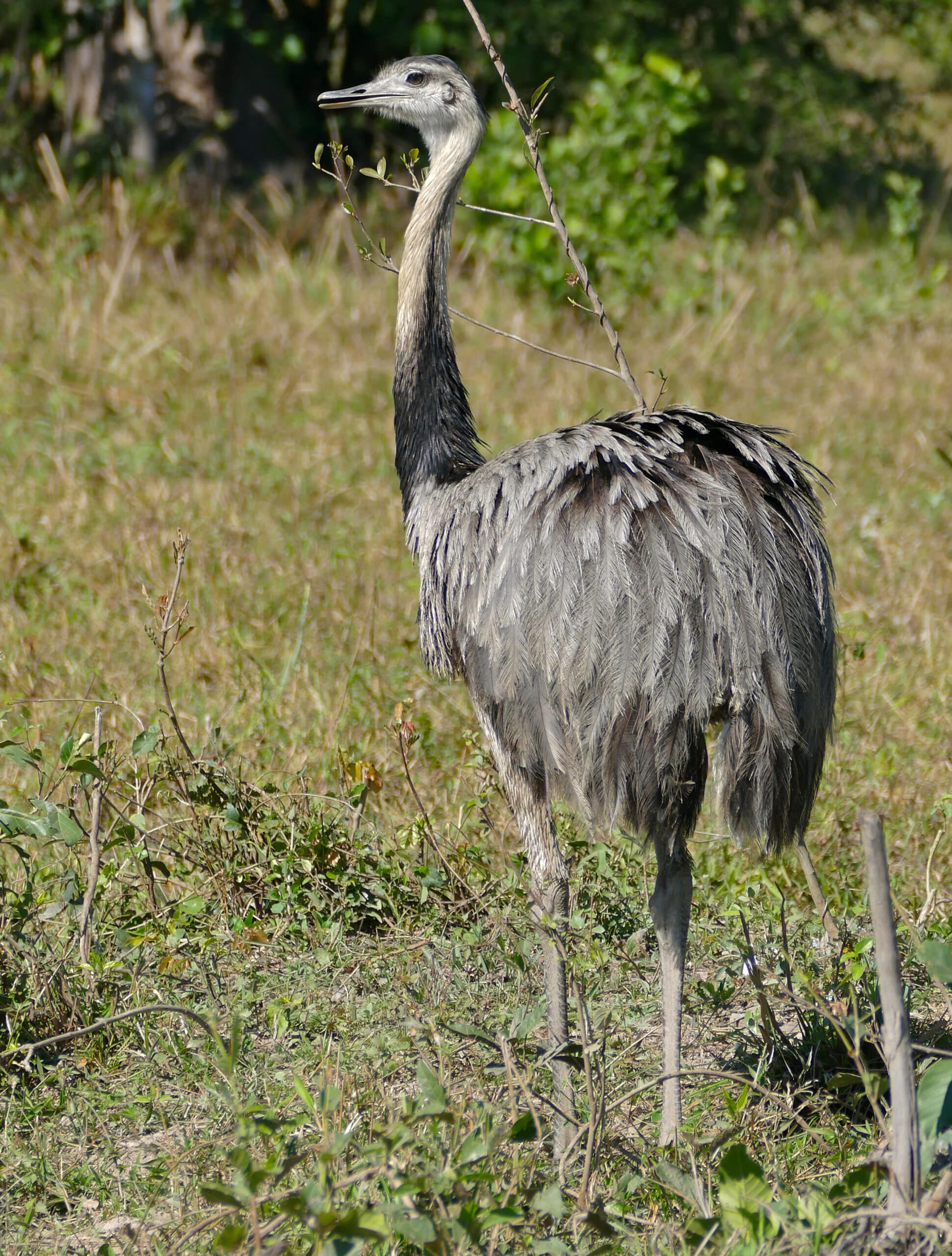
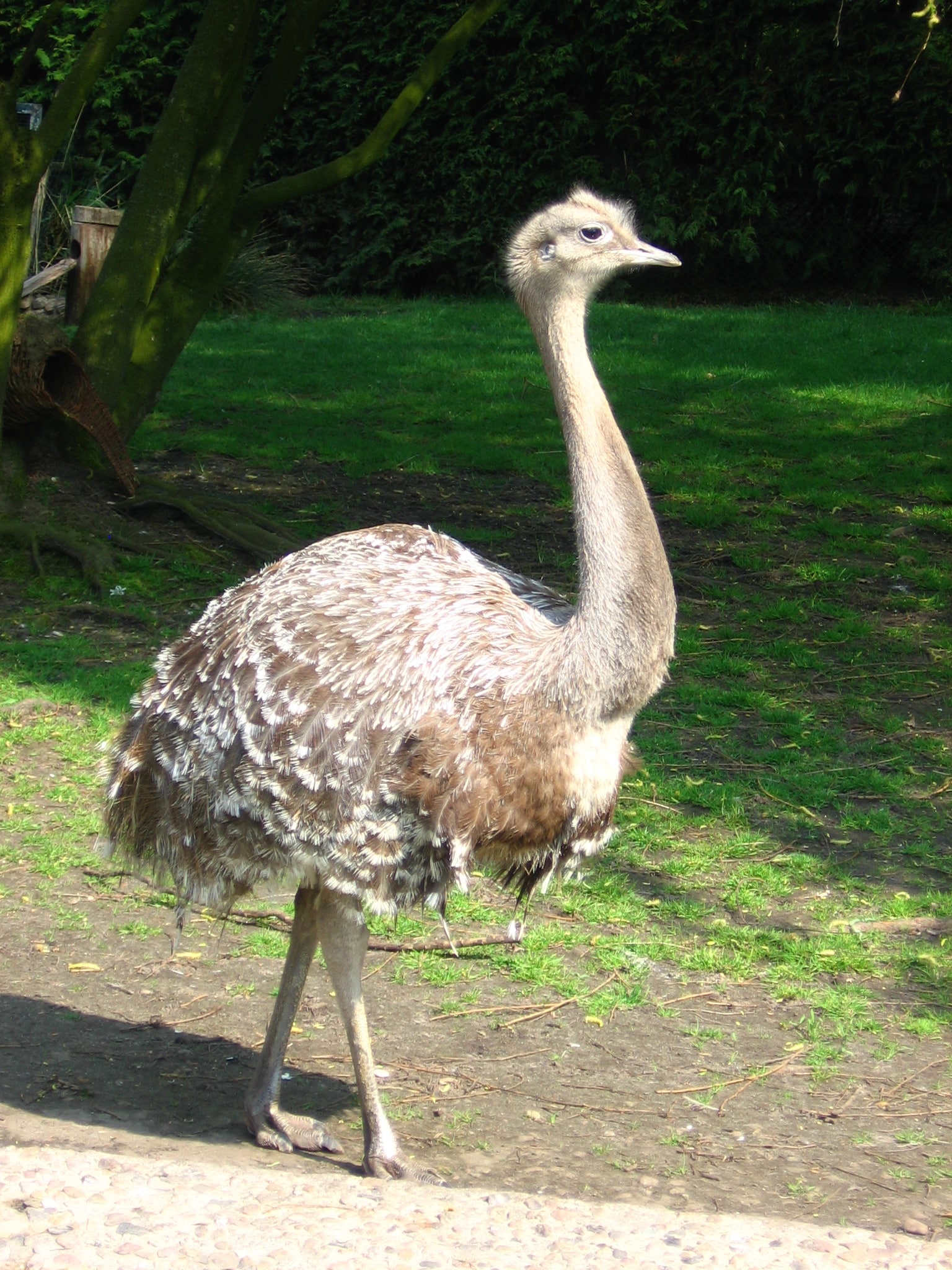
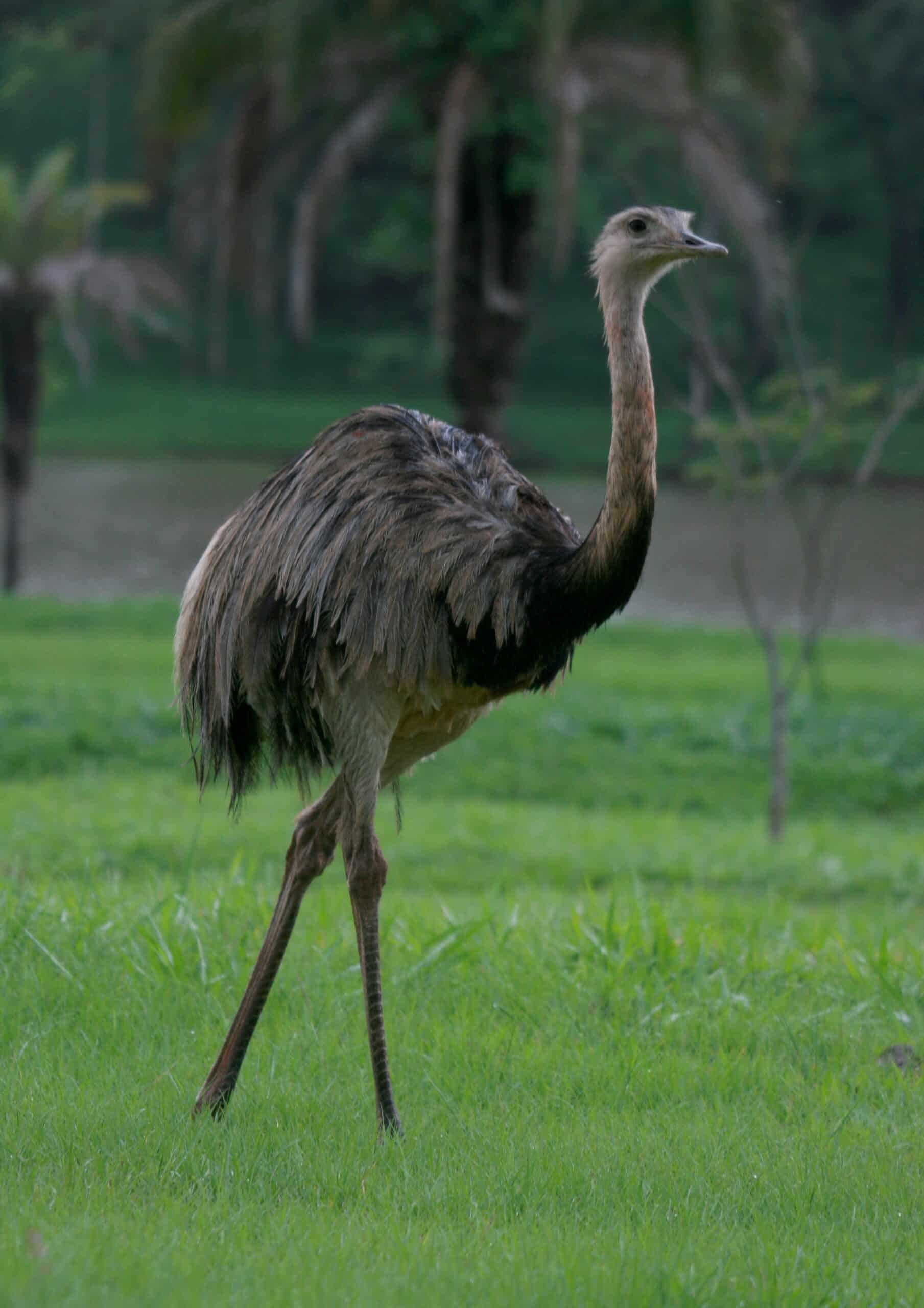
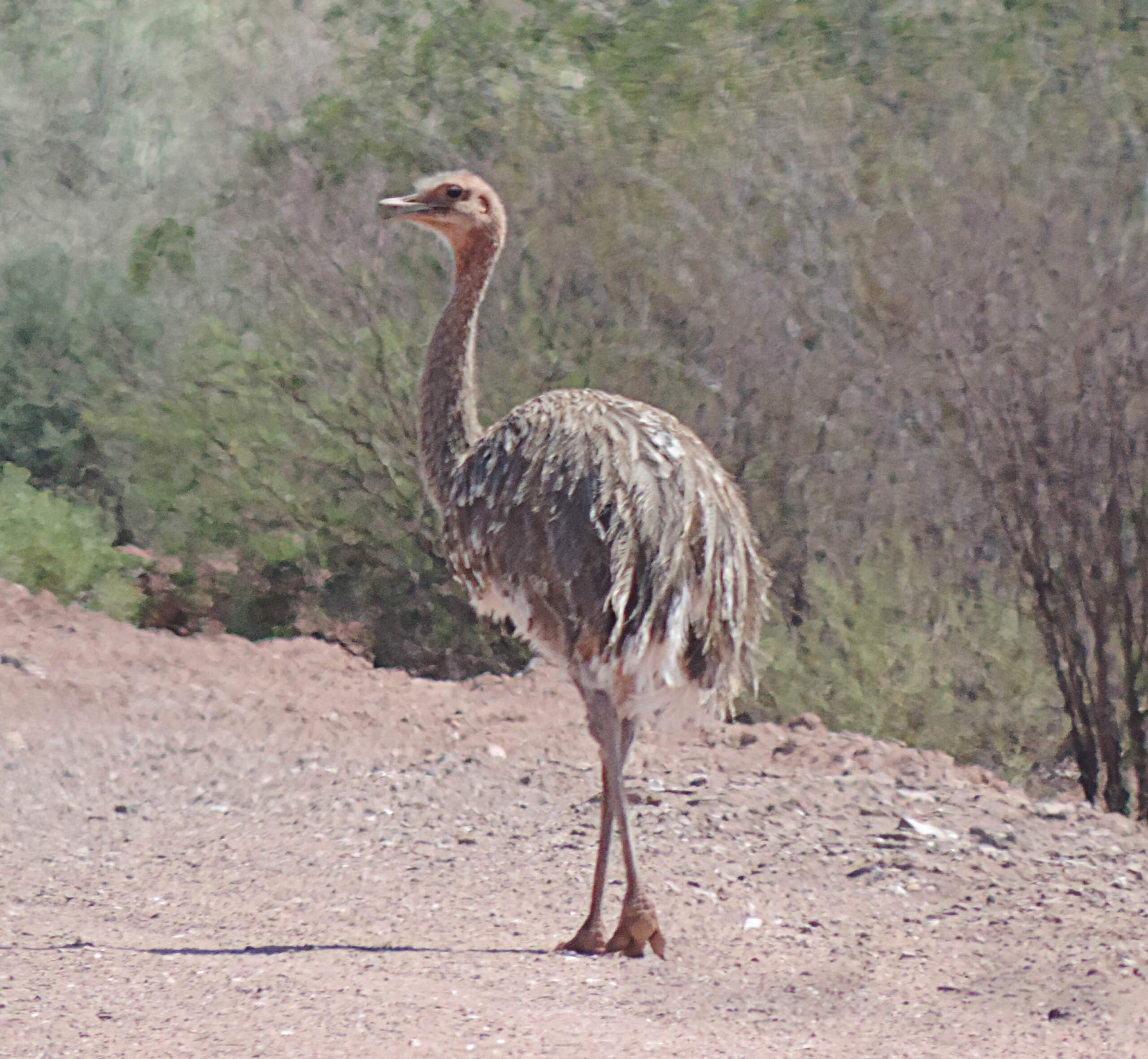
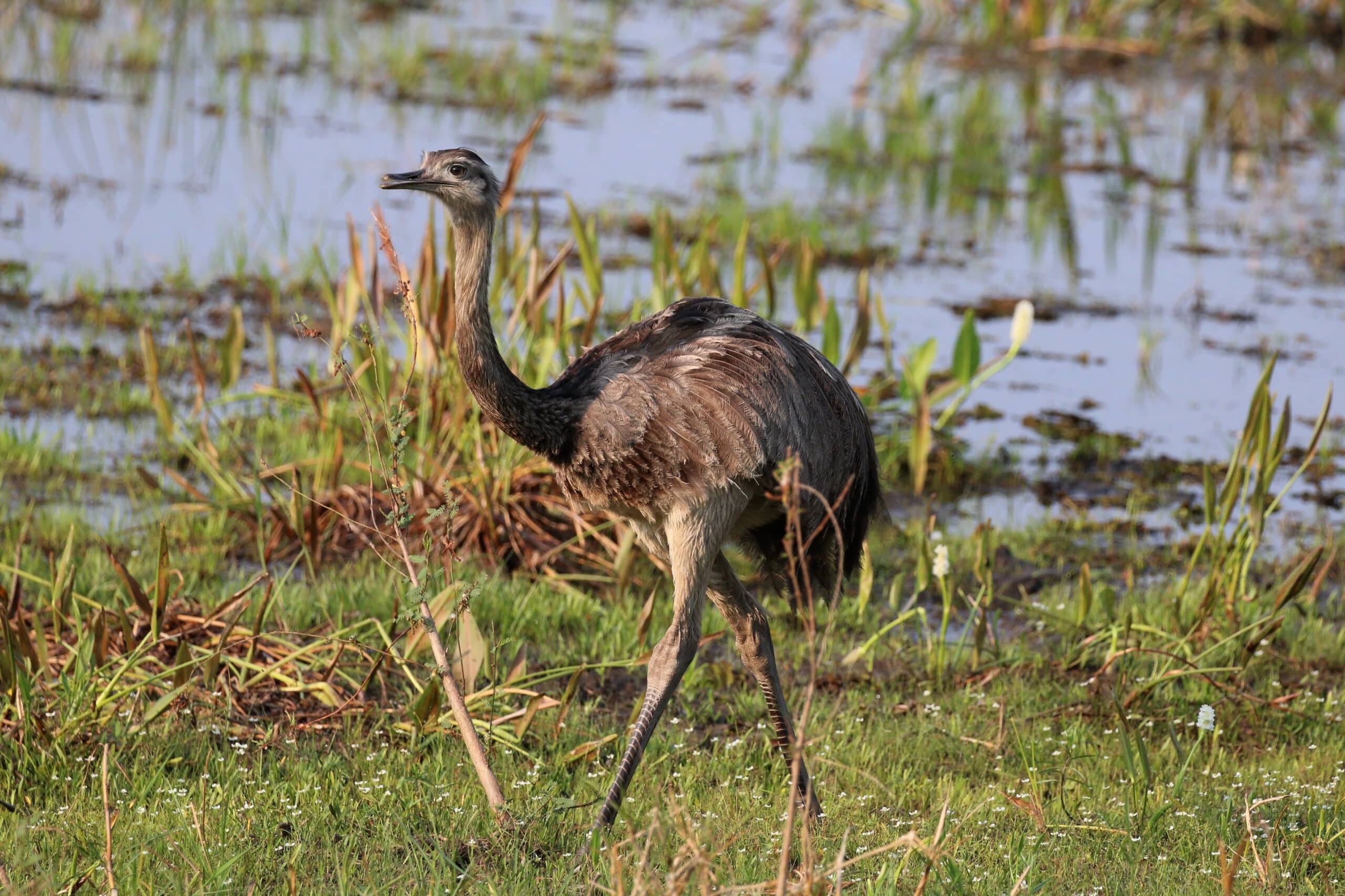
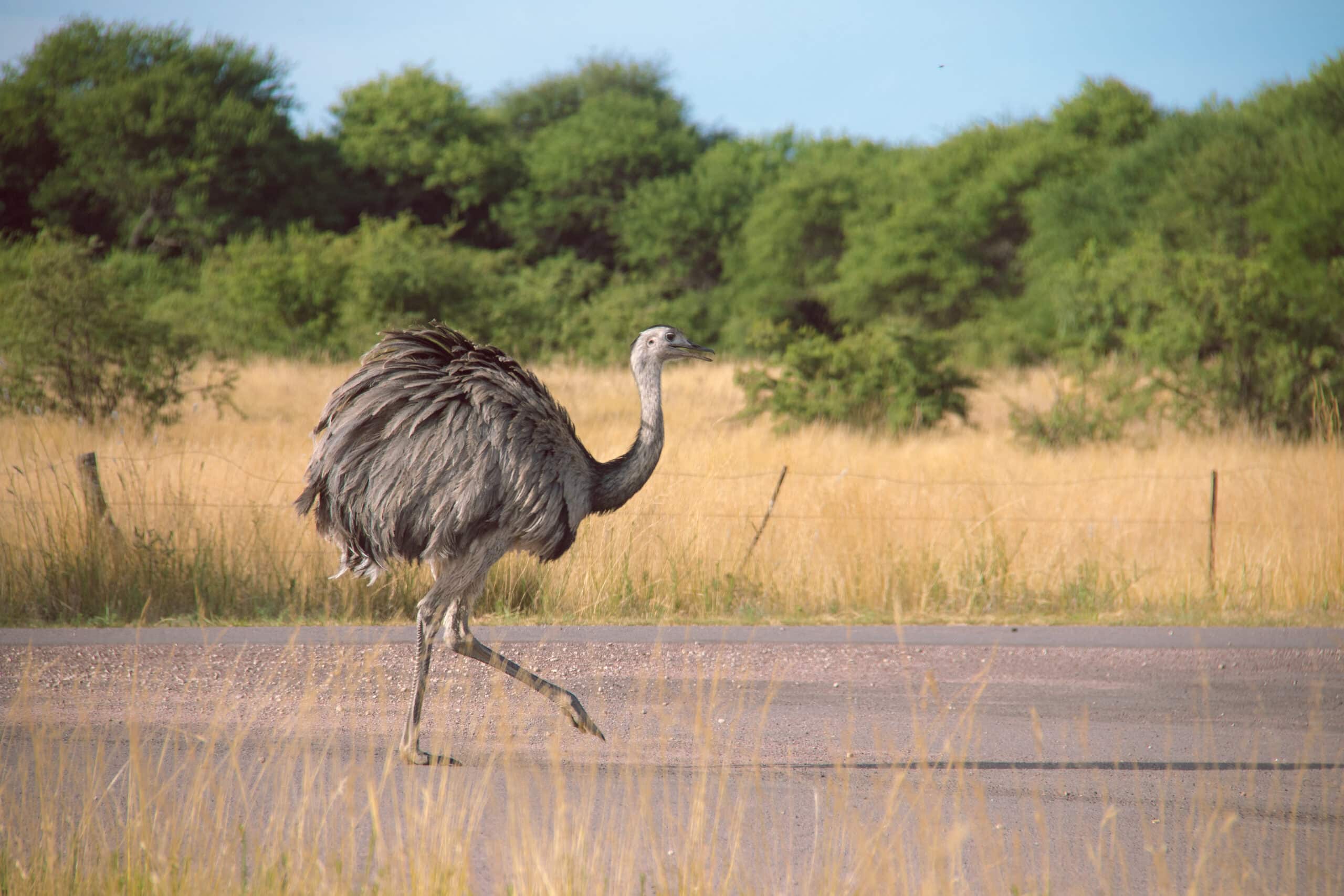
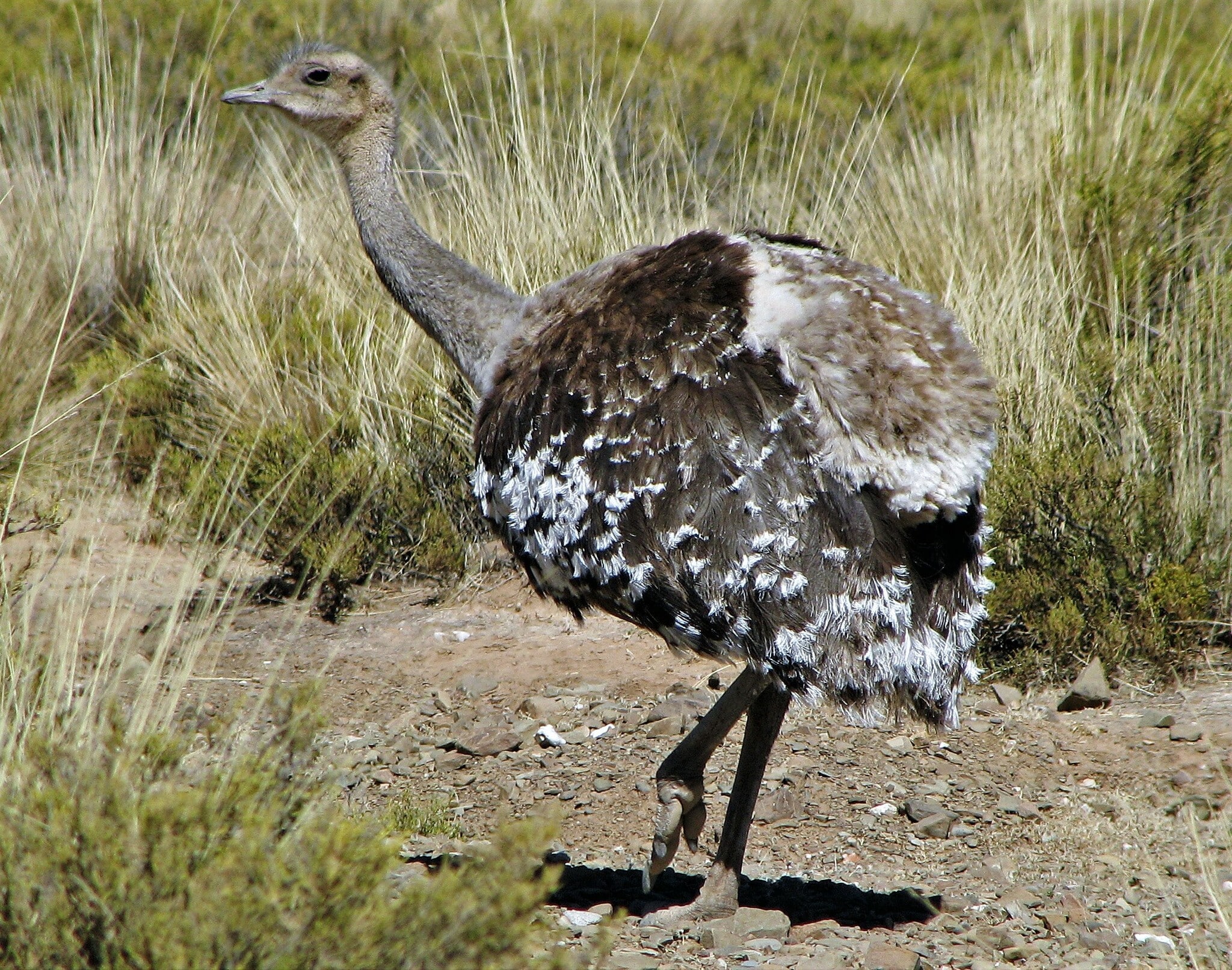
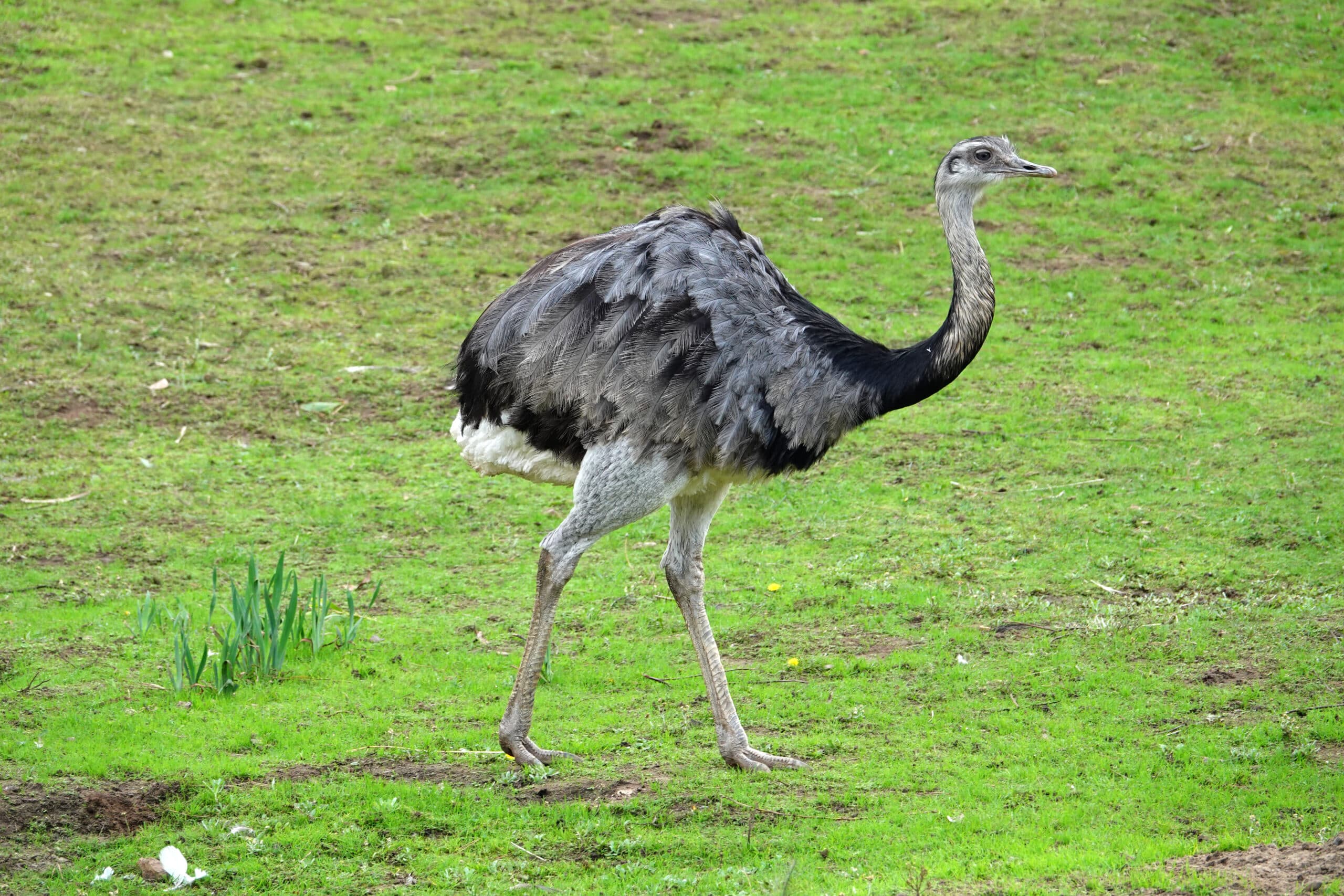
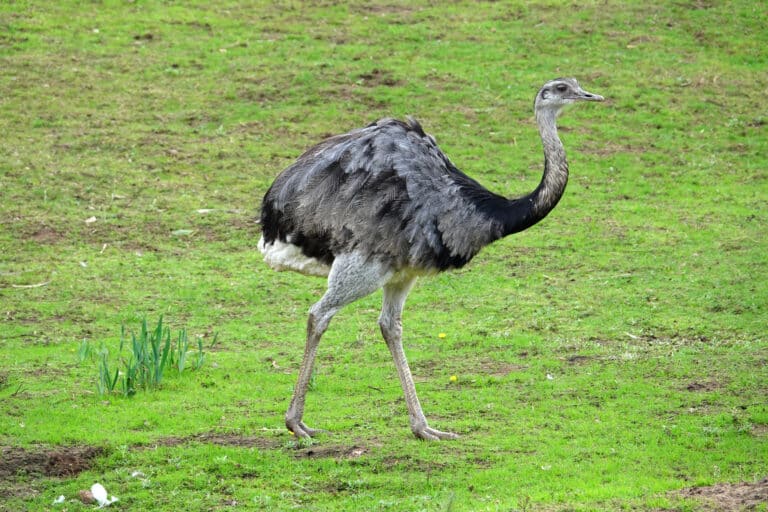
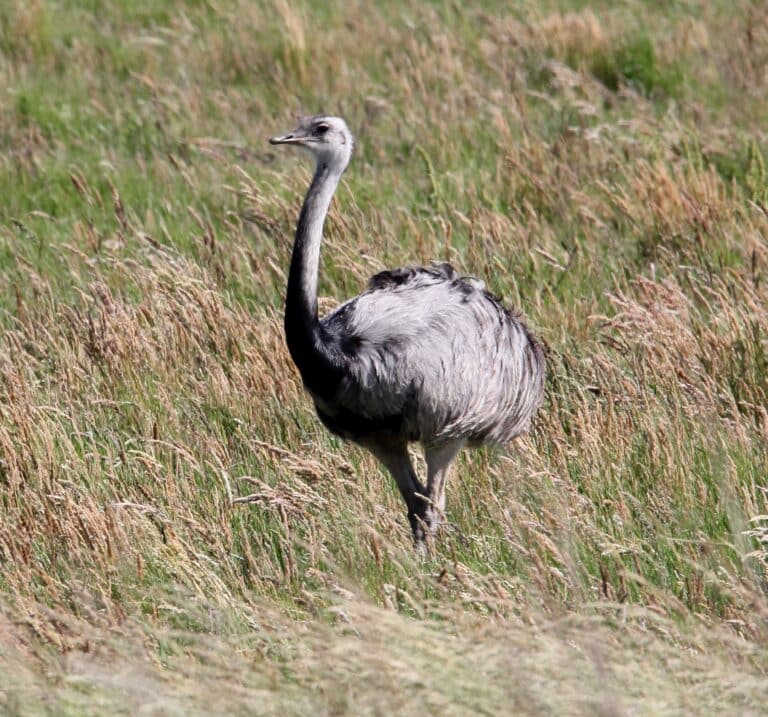
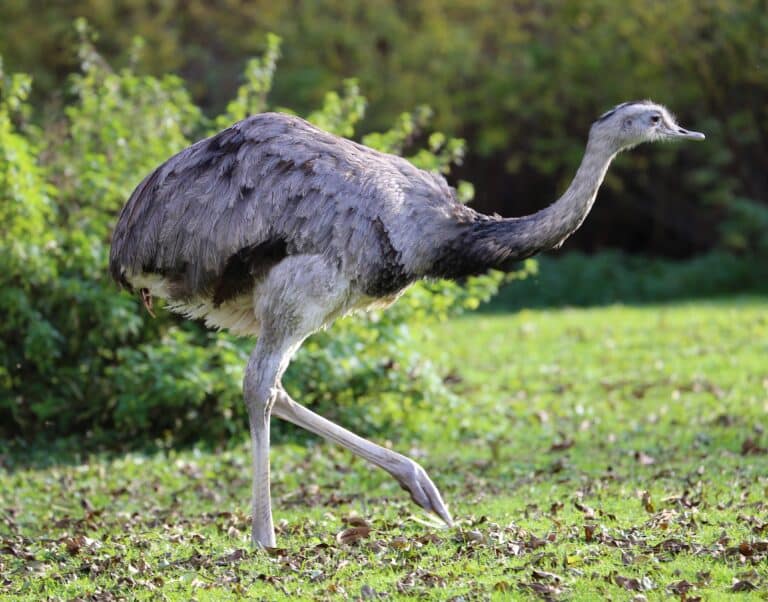
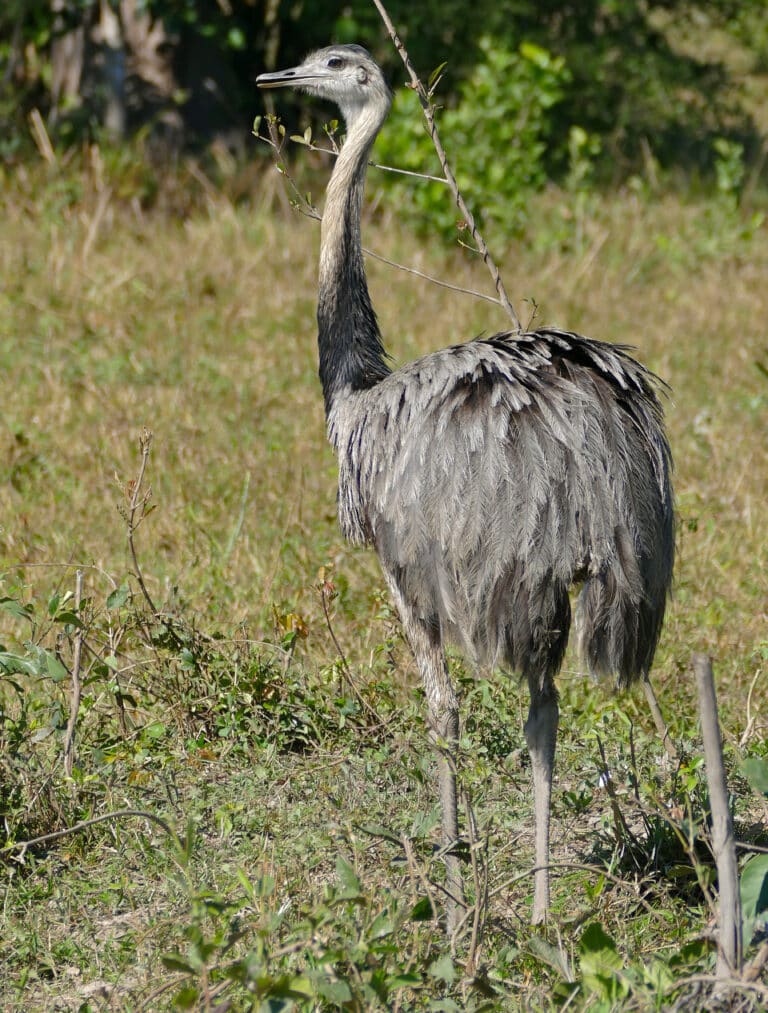
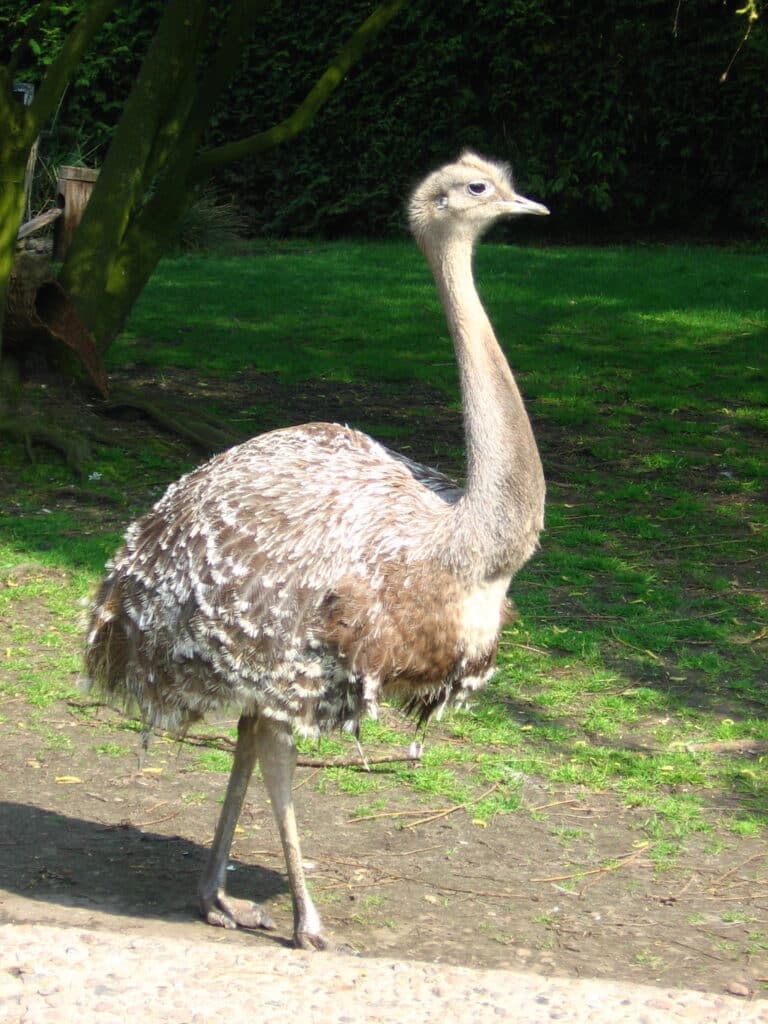
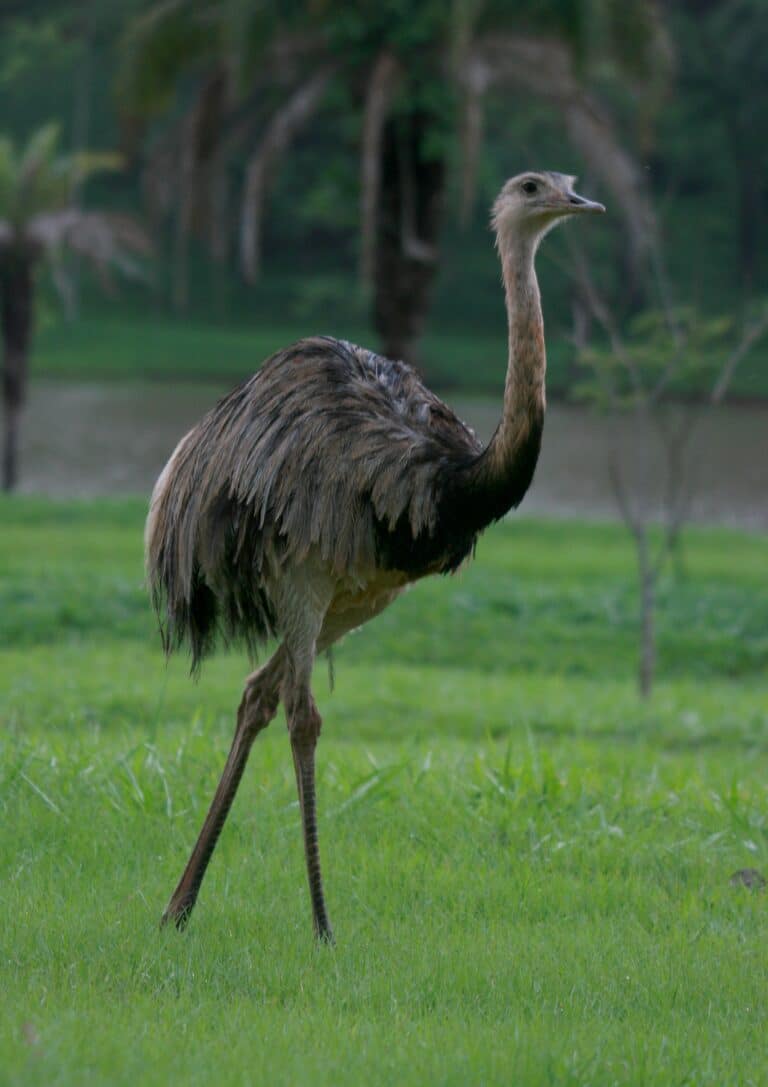
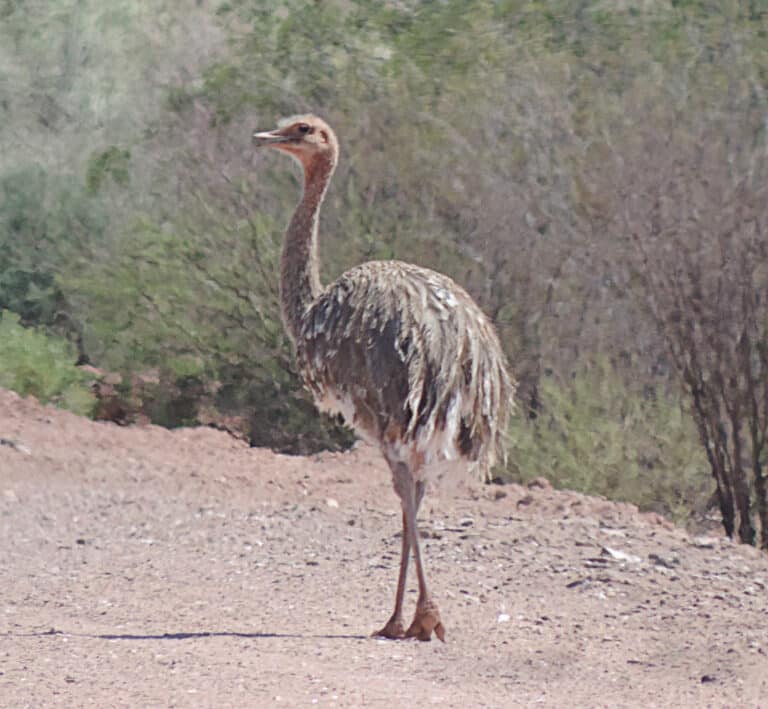
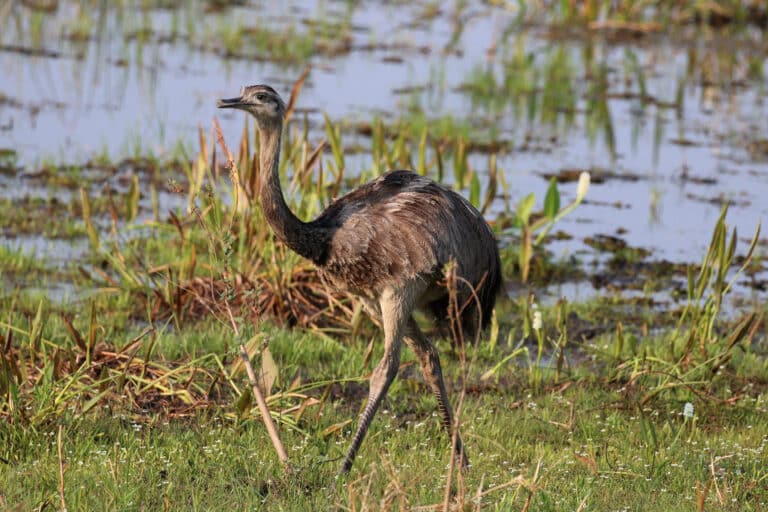
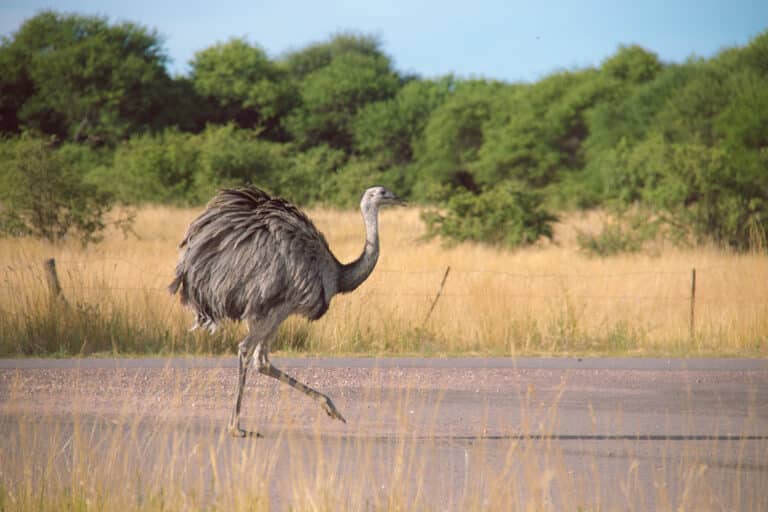
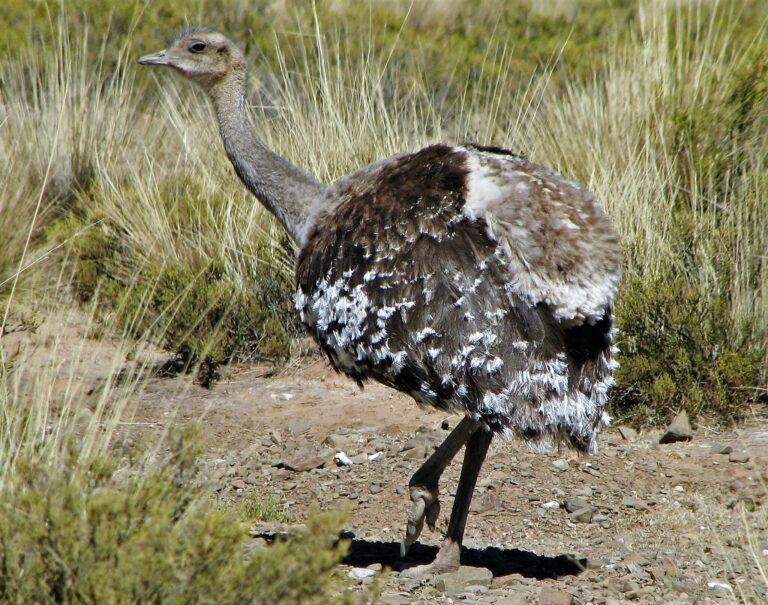
The rhea is a large, flightless bird native to South America, with species like the Greater rhea and the Lesser rhea. These fascinating birds can reach heights of 1.5 to 1.8 meters (5 to 6 feet) and have long legs that help them run fast!
Rheas belong to the bird class called Aves, and they share a family with ostriches and emus. With their impressive size and long necks, they certainly know how to strut their stuff!
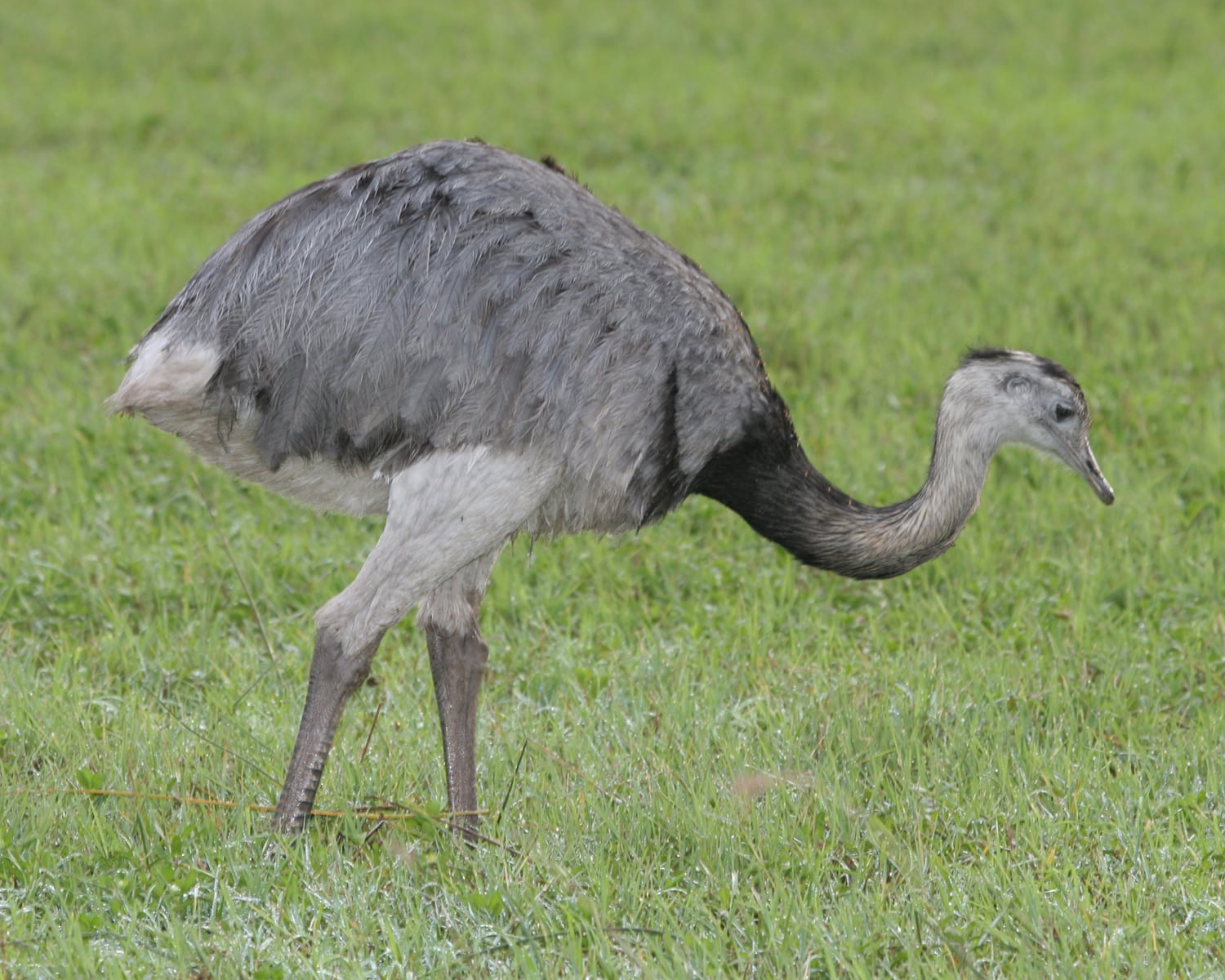
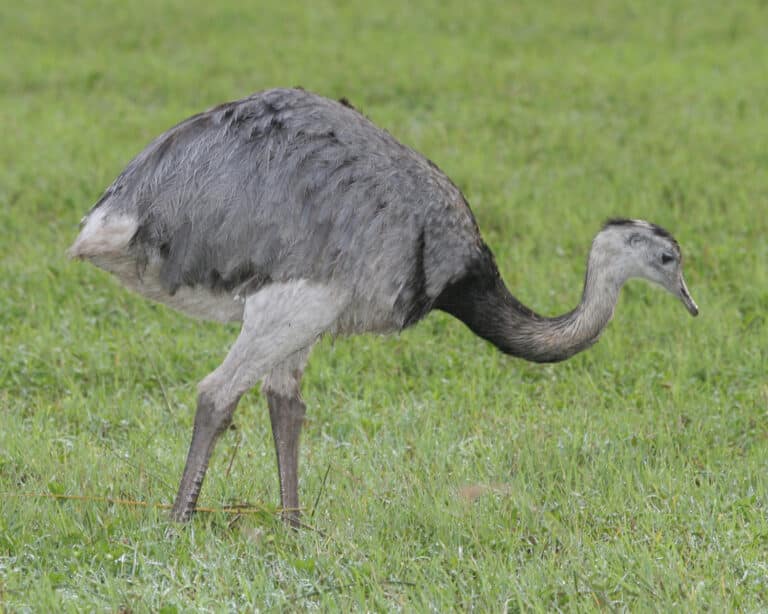
Rheas have a diet made up of plants, fruits, and seeds. They love to munch on a variety of foods, making them true connoisseurs of the plant kingdom!
These birds can live for 15 to 20 years, allowing them plenty of time to roam their native habitats. They often live in open grasslands and are known for their strong social behavior, often seen in groups.
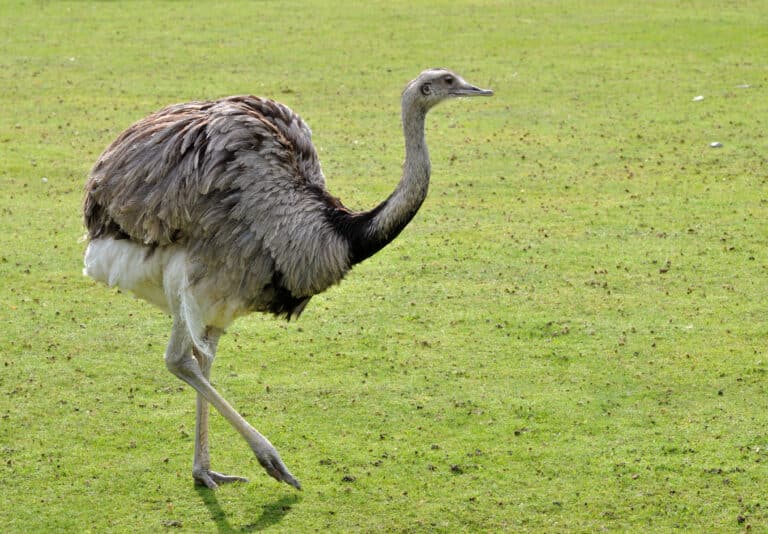
Rheas are not just big birds; they also have powerful legs that allow them to run at speeds up to 60 kilometers per hour (37 miles per hour). Talk about a bird on the go!
While these birds can't fly, they make up for it with their ability to sprint and their fascinating behaviors. Rheas can even kick with their powerful legs if they feel threatened, showing that they are built to survive in the wild!
Next time you think about birds, remember the mighty rhea. These unique creatures are true wonders of the animal kingdom, reminding us that being different is something to celebrate!

Where can you find a Rhea in the wild?
What does a Rhea eat?
How big can a Rhea grow?
How long does a Rhea typically live?
What is the conservation status of the Rhea?
What are the main threats to the Rhea?
Fun facts
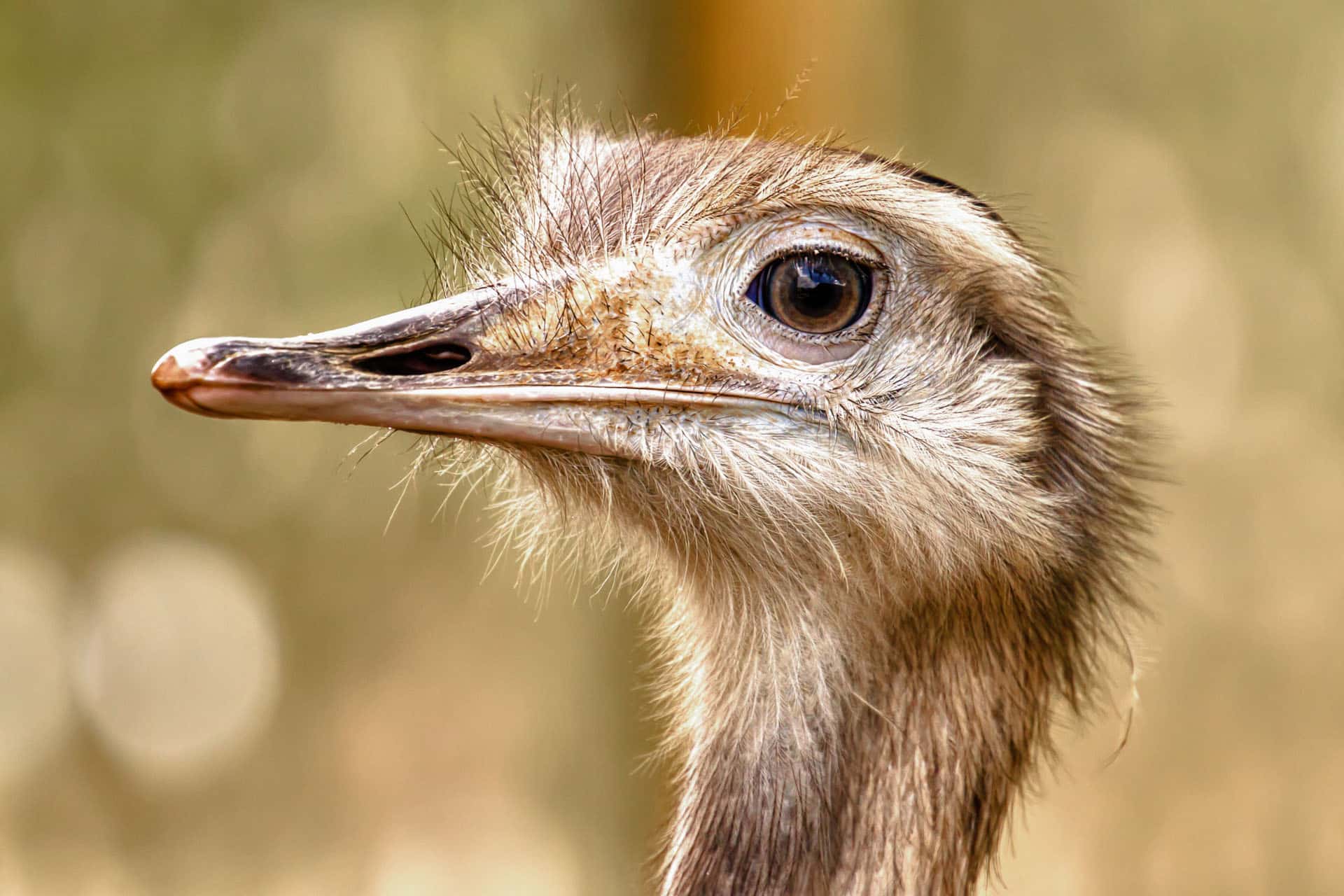
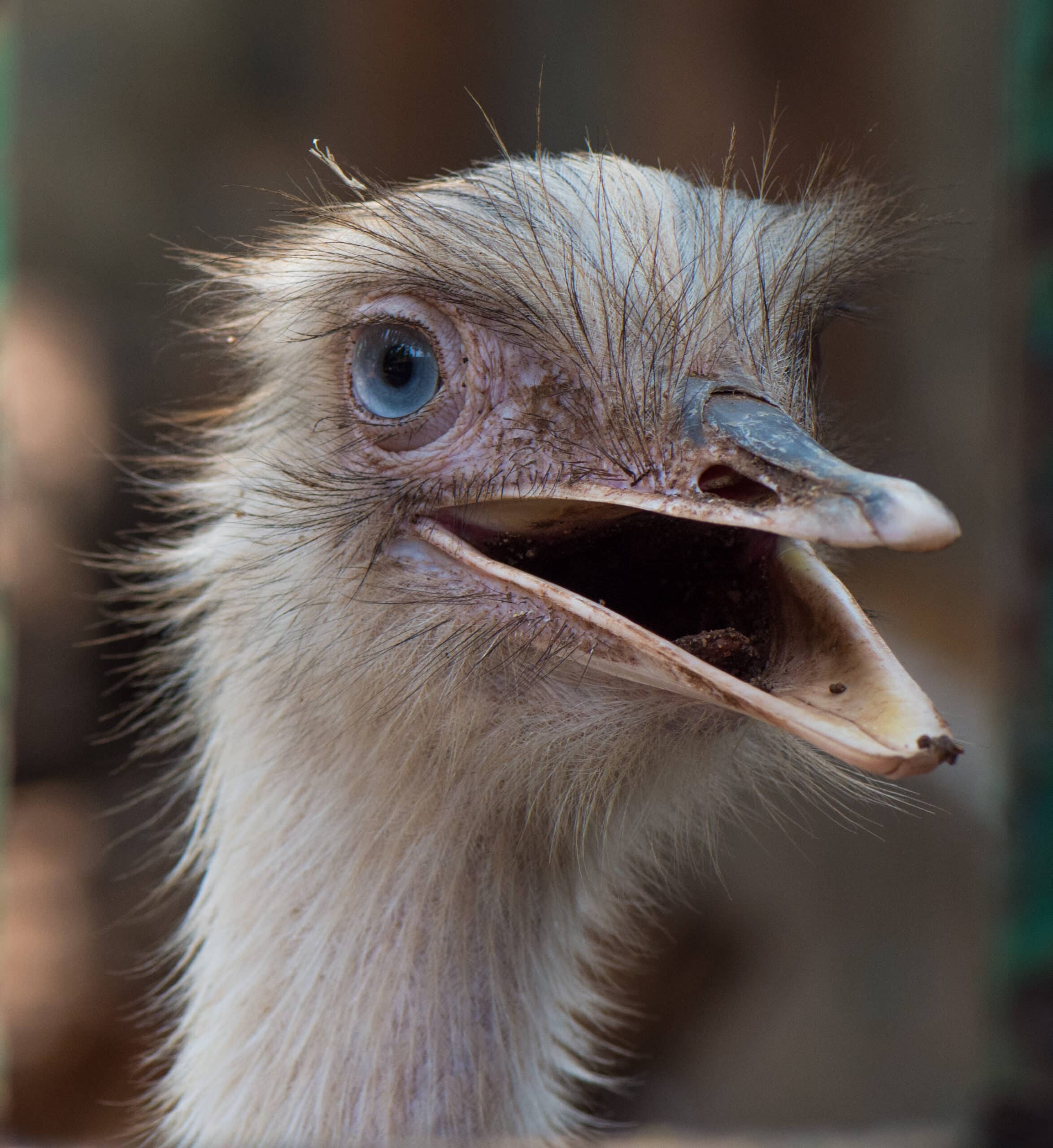
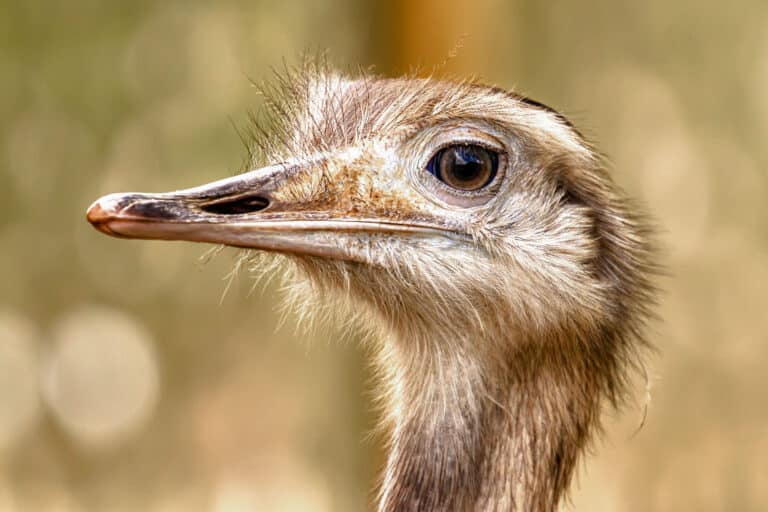
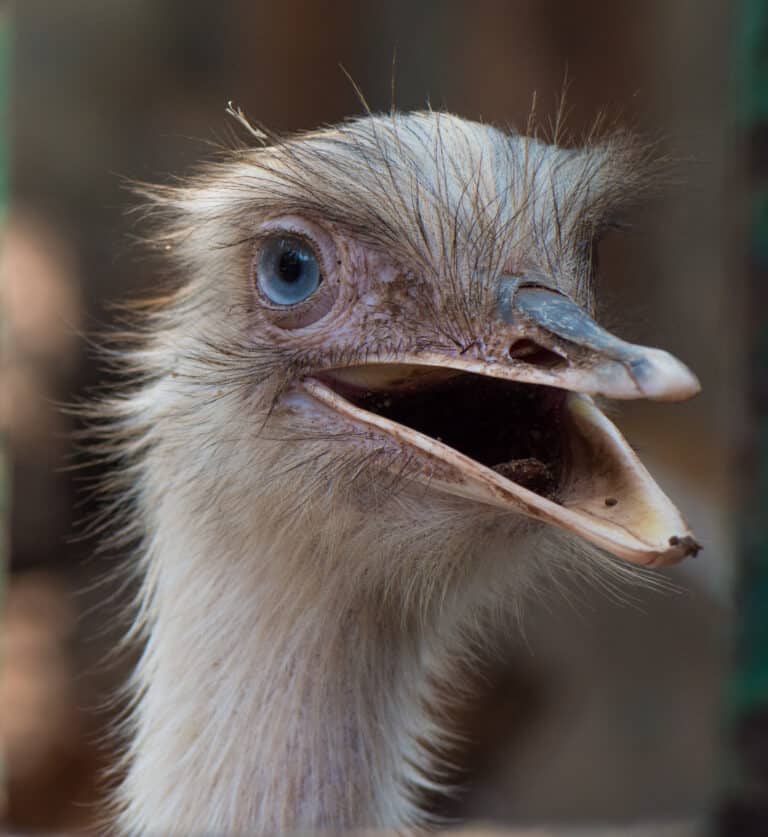
Rheas have amazing eyesight that helps them spot predators from far away. Their large eyes allow them to see a wide area, so they can keep safe while munching on yummy plants.


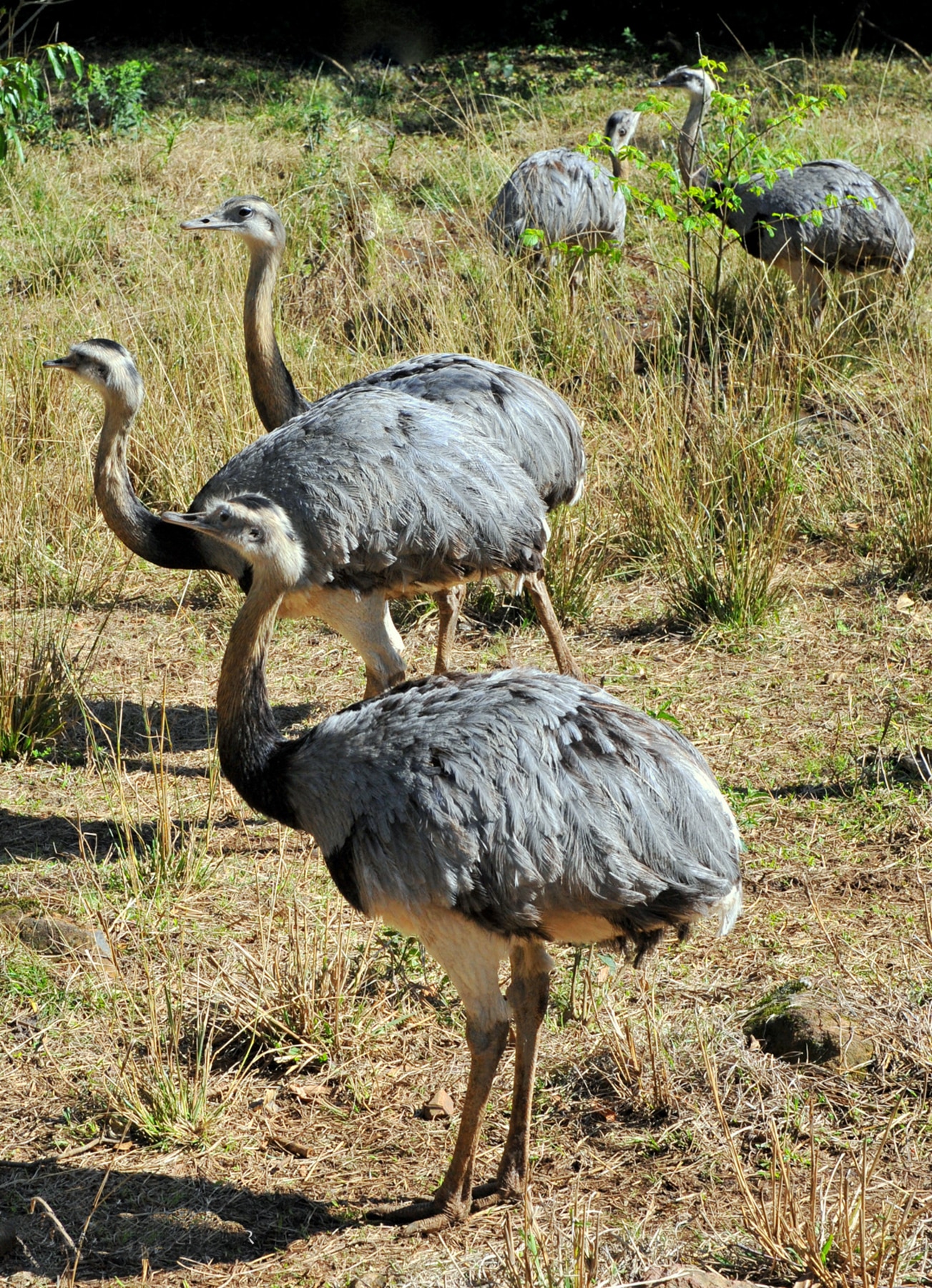
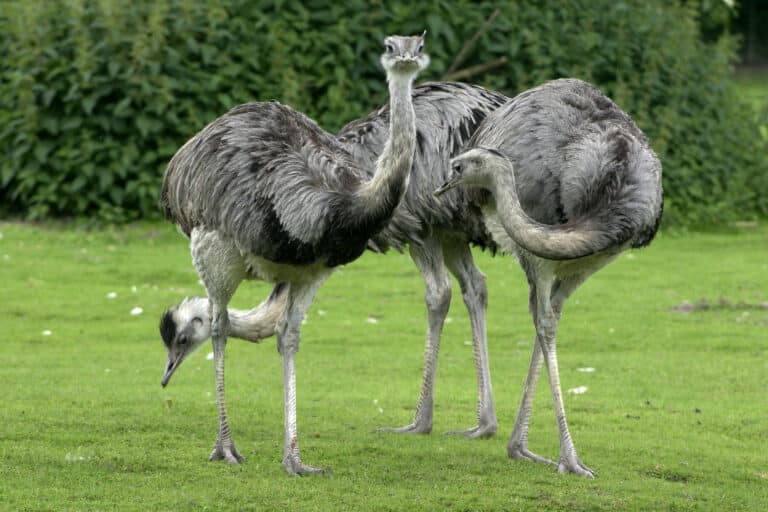
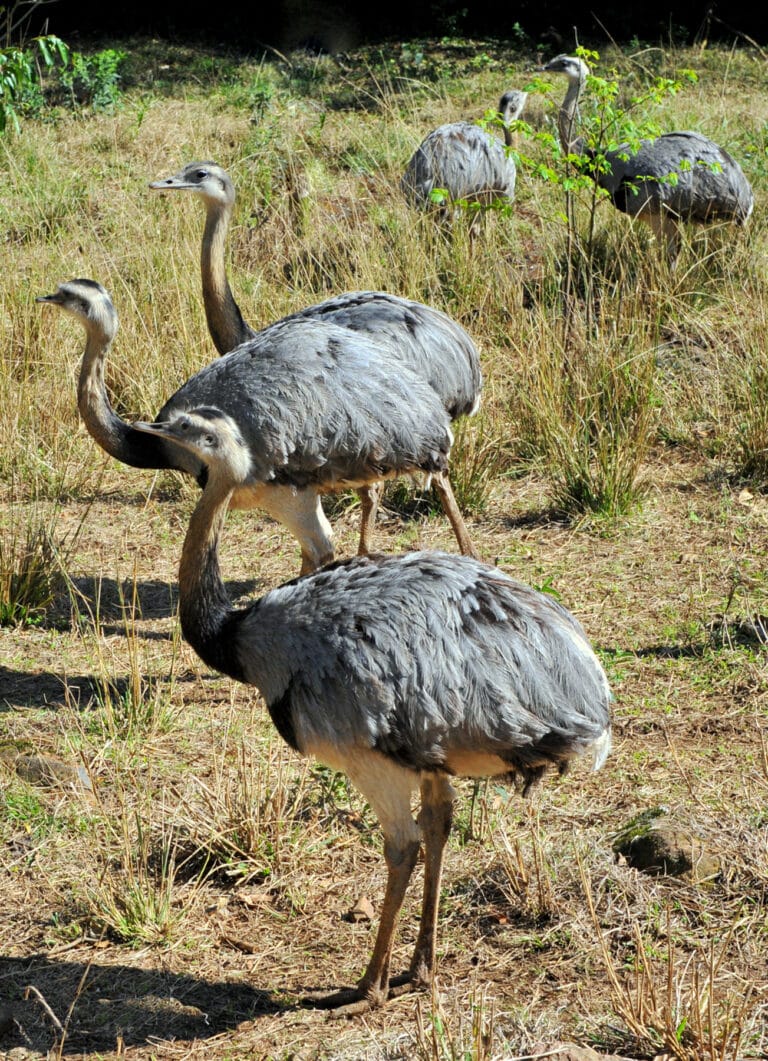
These birds are social butterflies! Rheas often form groups called flocks, which can include up to 20 birds. Together, they watch out for each other and can run away from danger as a team!
Rheas don’t just run; they can sprint as fast as 60 kilometers per hour (37 miles per hour). That’s quicker than many humans can run!
Male rheas take on the tough job of caring for the baby chicks. After the female lays eggs, the male incubates them and protects the newborns. Talk about a hardworking dad!
These flightless birds know how to kick! If a rhea feels threatened, it can deliver a powerful kick using its strong legs, making it a force to be reckoned with in the wild.
Rheas can communicate with each other using a variety of sounds. They make hissing noises, booming calls, and even shrill cries to express different feelings.
Every rhea has a unique pattern of feathers, much like human fingerprints. This helps them recognize each other in their flocks!
Rheas can eat a wide range of foods, including not just plants, but also insects and small animals. They are true omnivores!
Rheas have special toe arrangements that act like built-in shock absorbers. Their feet make sure they land softly when they run, helping them stay on their feet during a sprint.
In some cultures, rheas are raised for their feathers, which are soft and fluffy. People use them for decorations and crafts!
Photos



The Basics


explore more
Amphibians
Arachnids
Birds
Cats
Crustaceans
Fish
Fish Pet Guide
Gastropods
Insects
Invertebrates
Mammals
Pet Fish
Pet Rodents
Plants
Reptiles
Roundworms
Sea Slugs