
Successfully copied to clipboard!
Robin
Experience the cheerful melodies of nature's talented songbird!
Let’s Explore
Overview
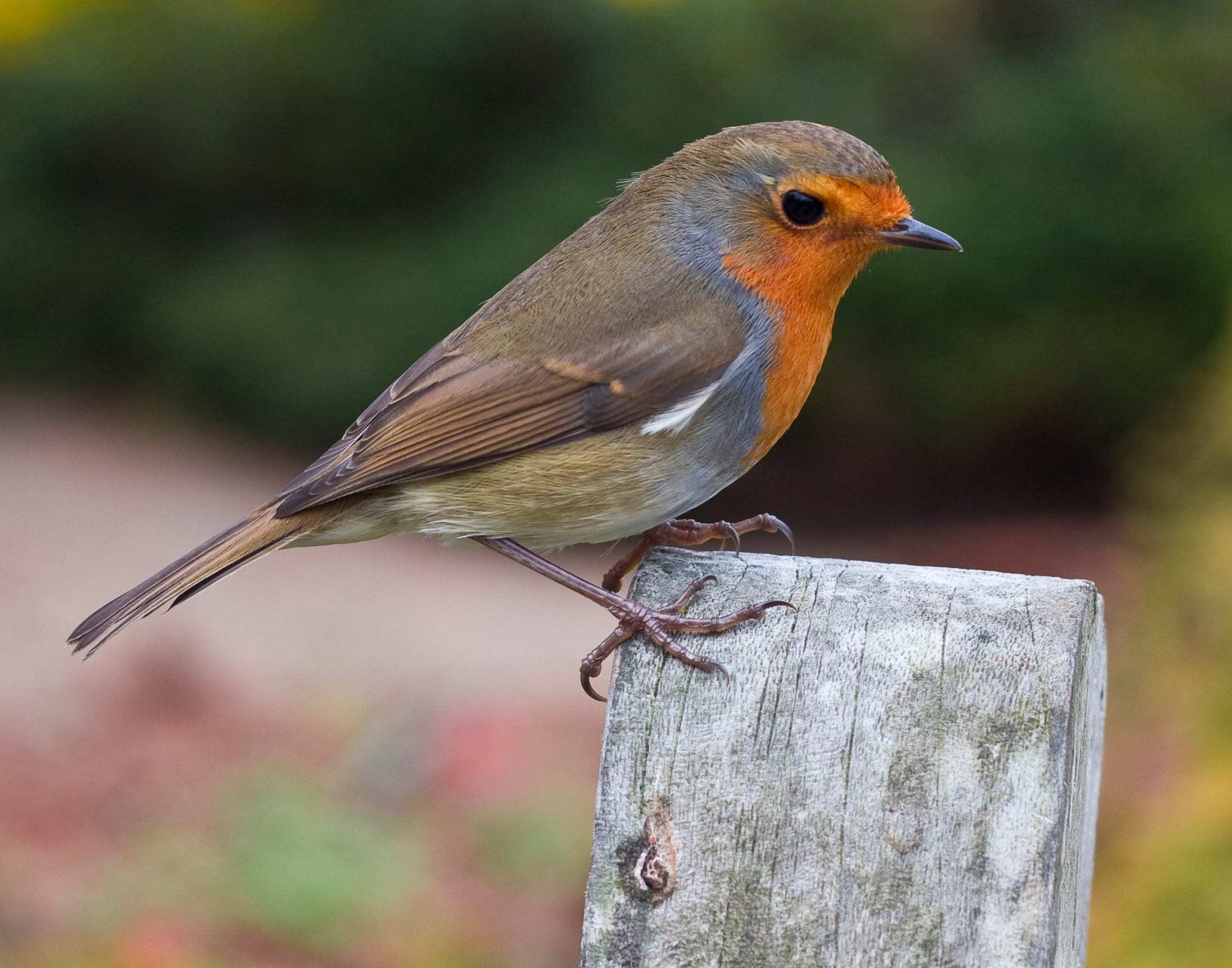
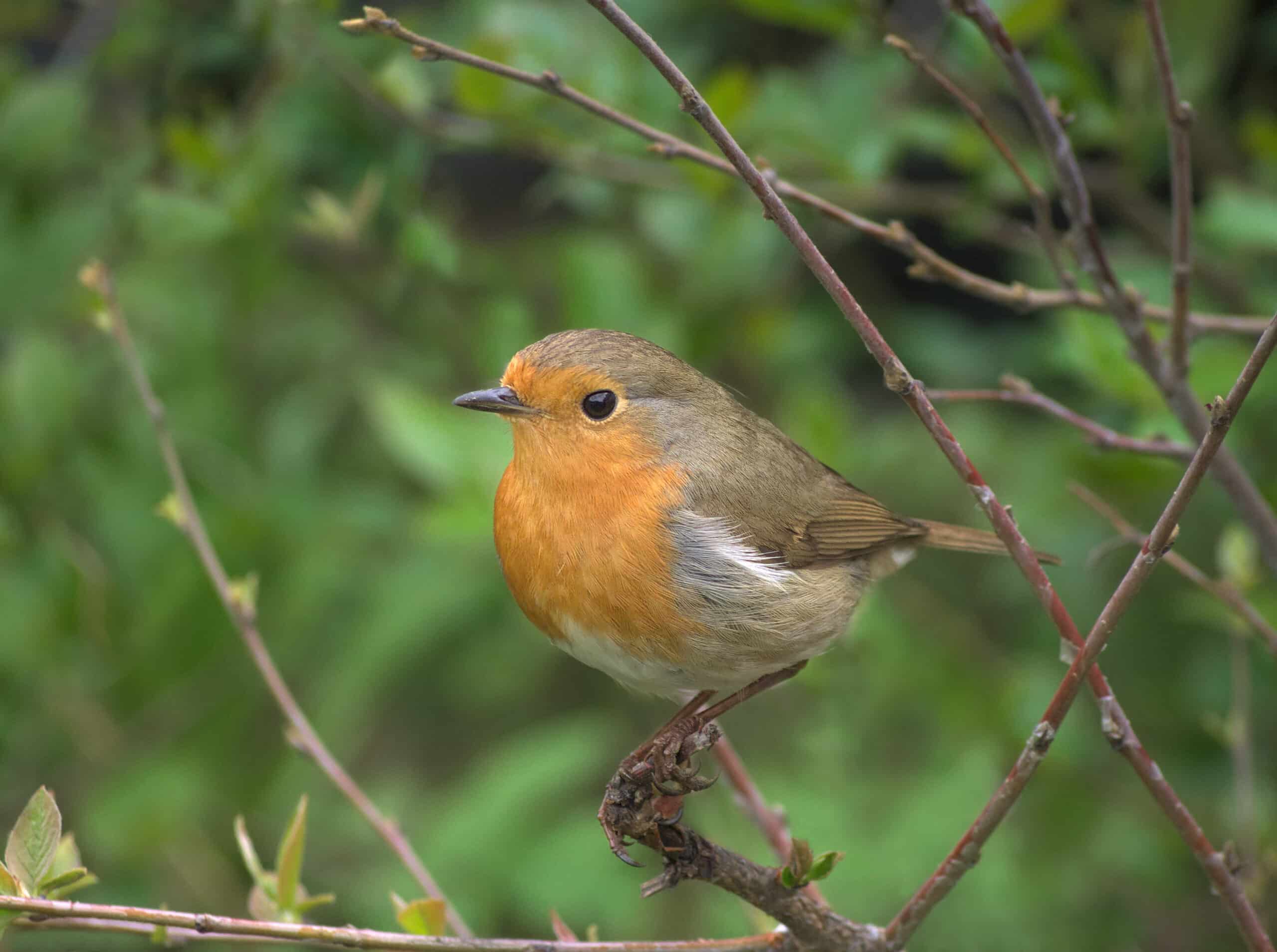
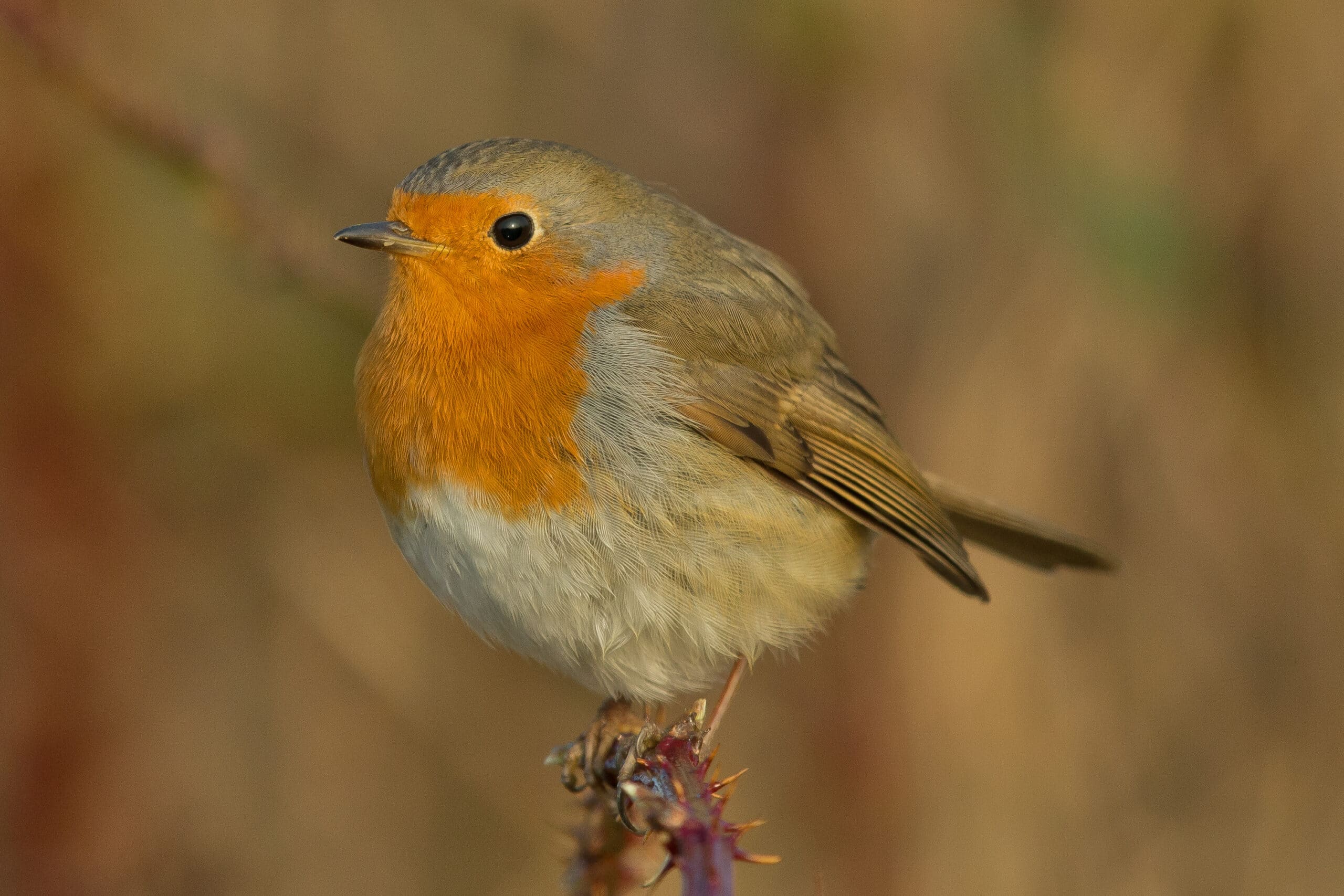
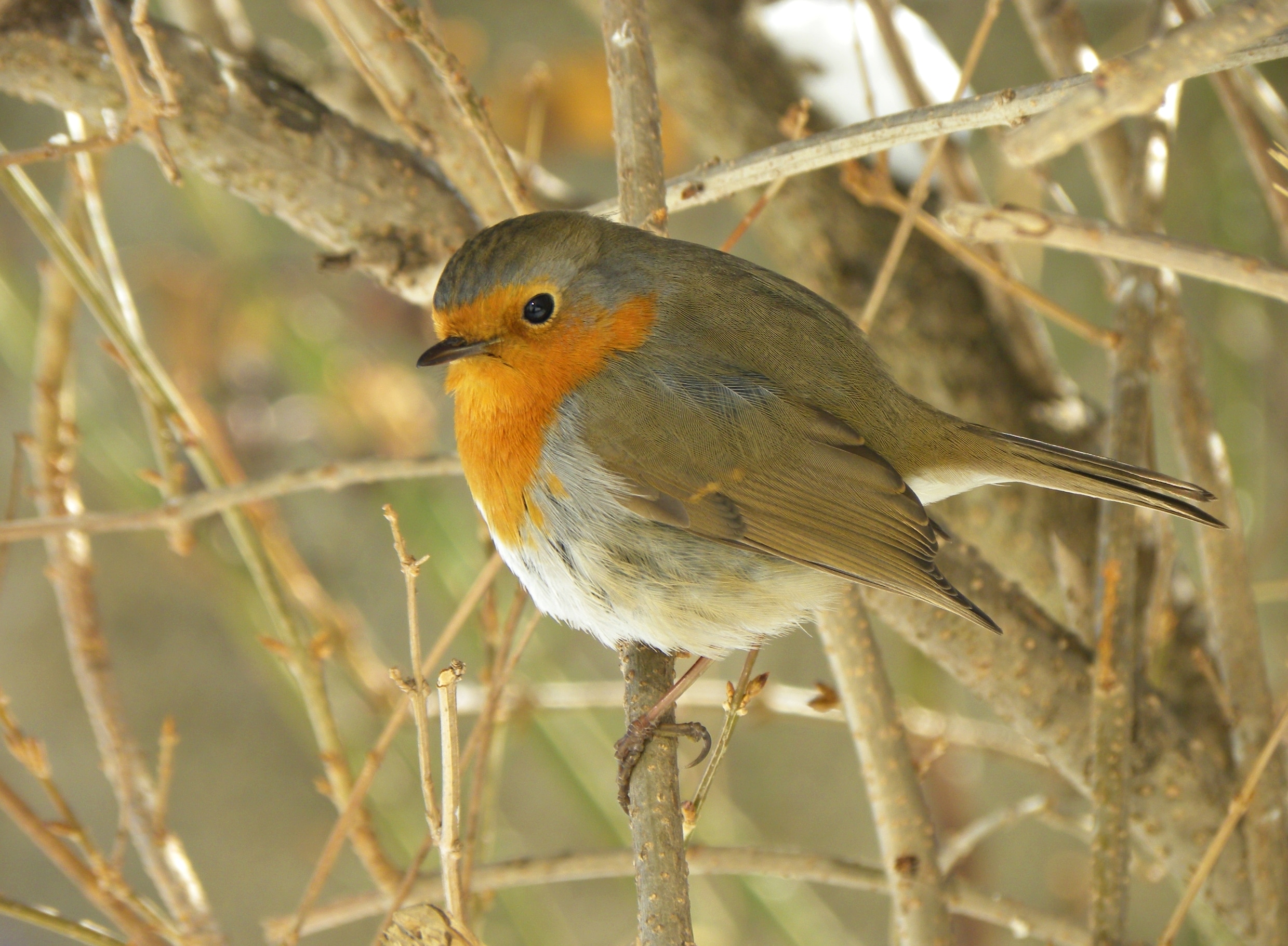
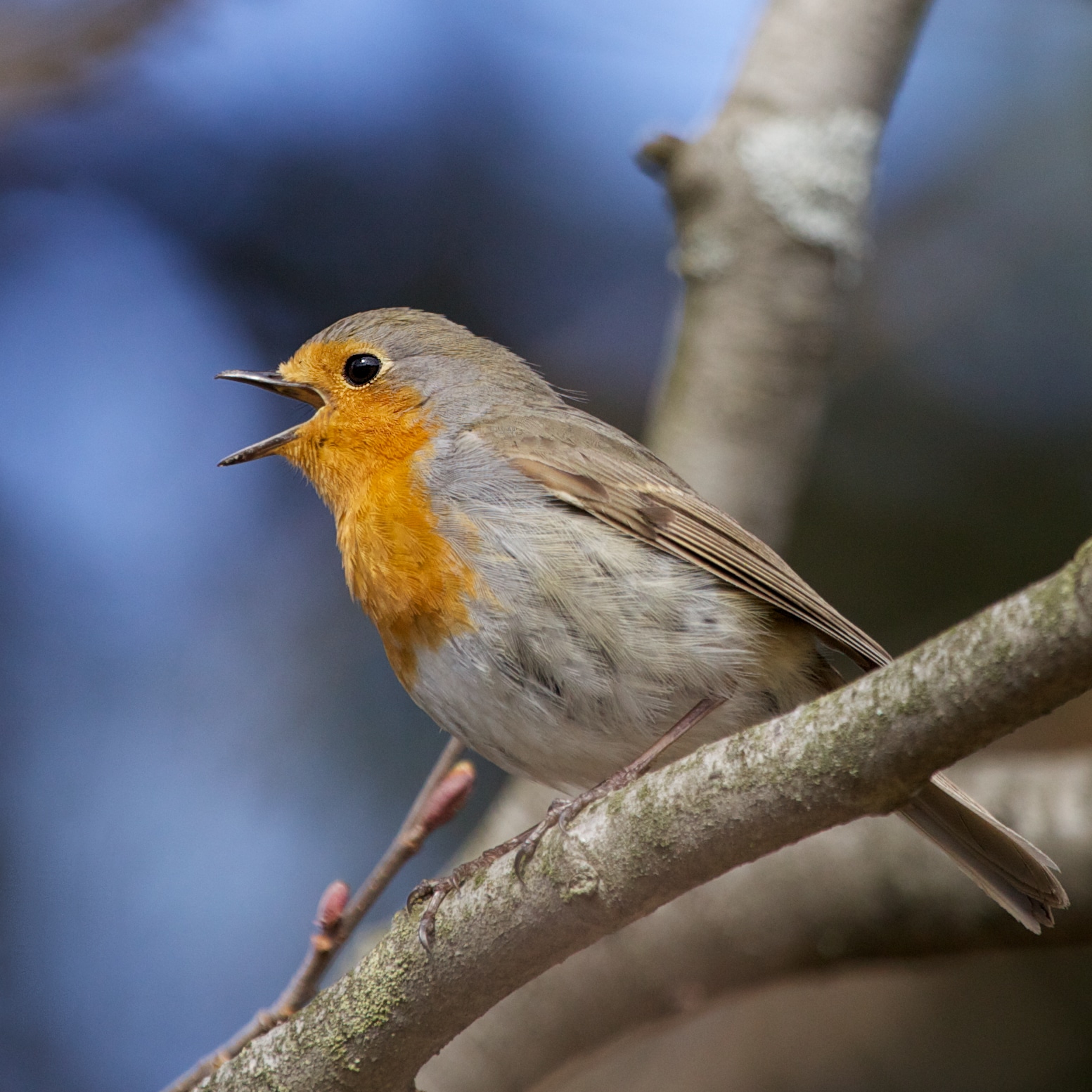
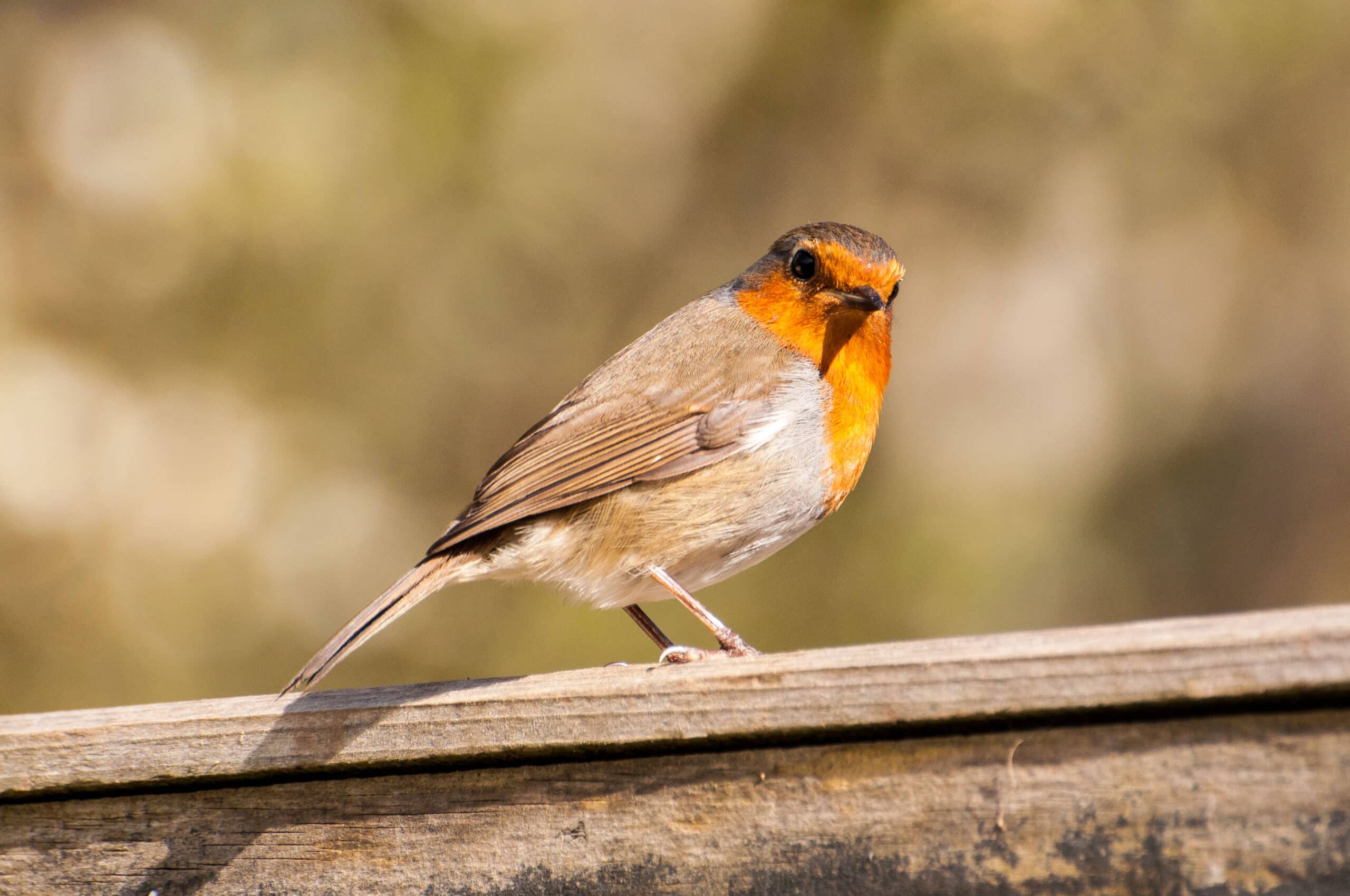
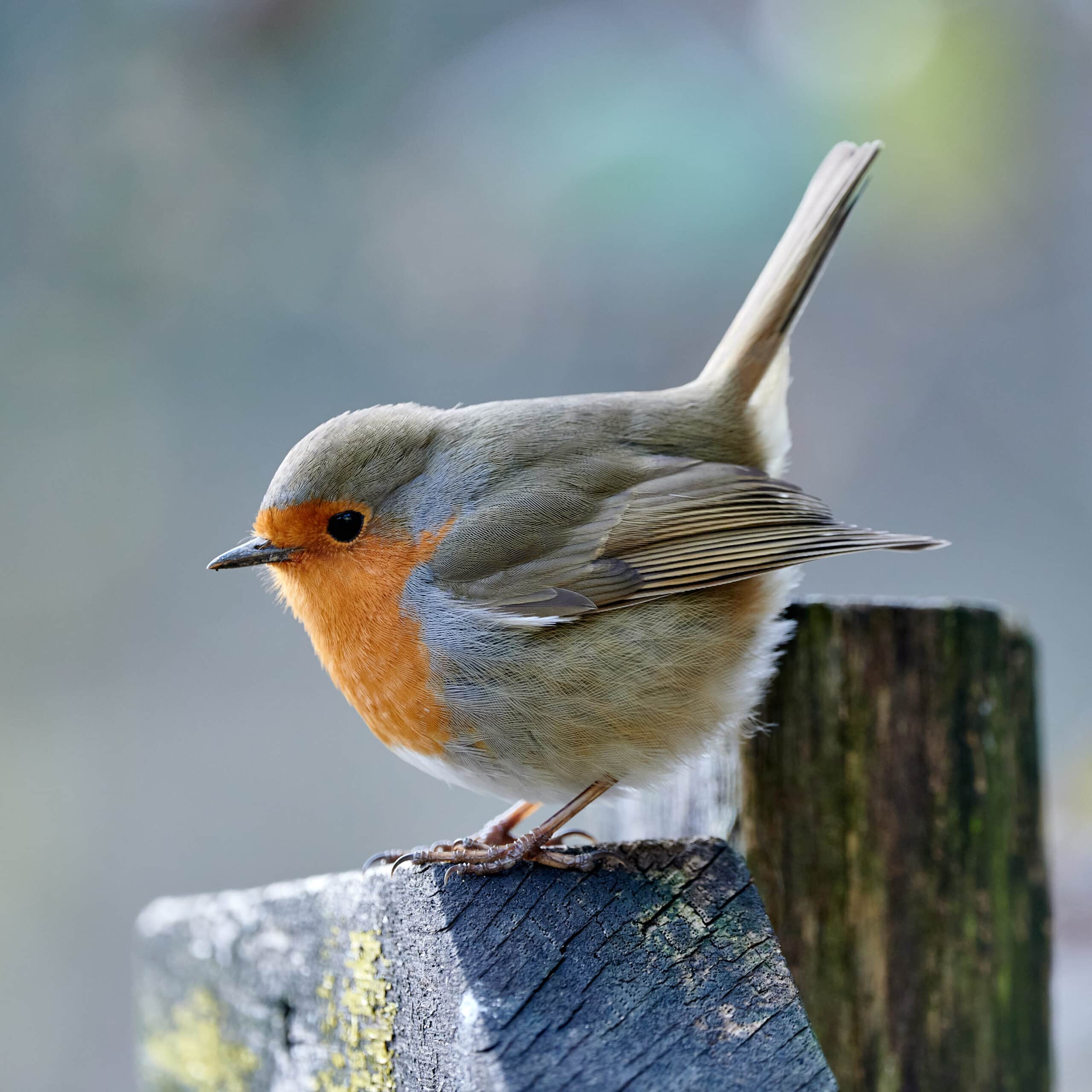
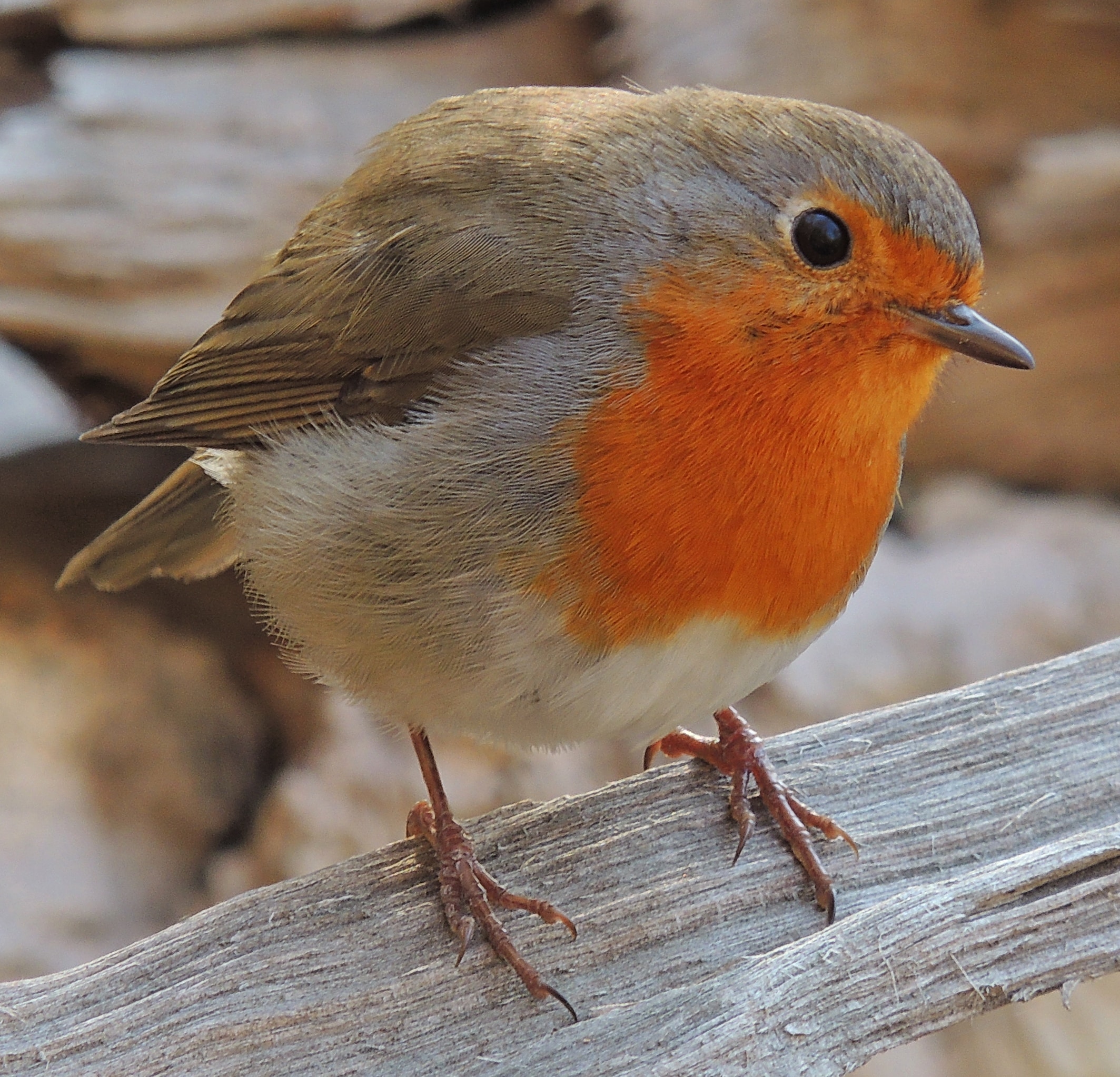
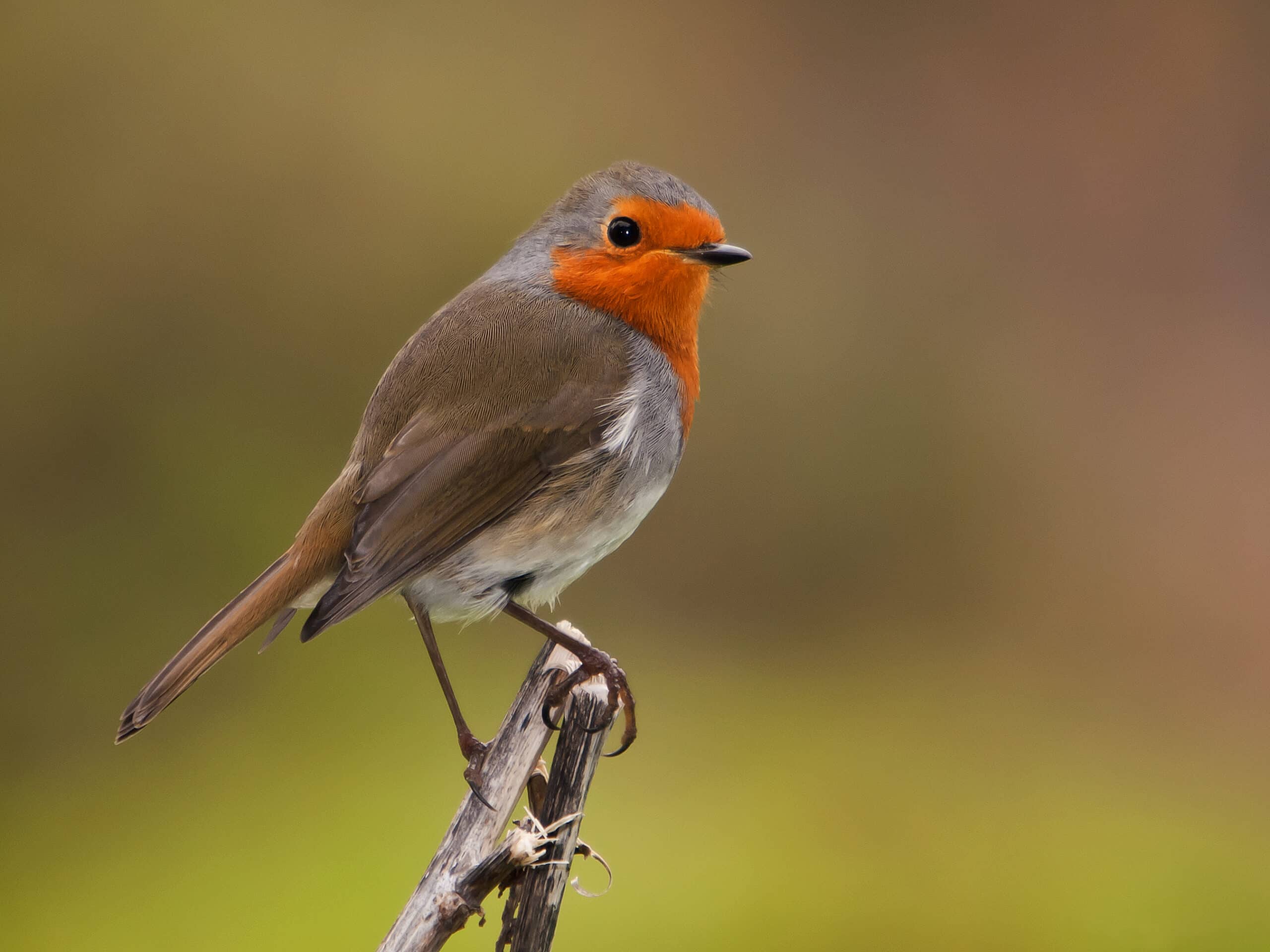
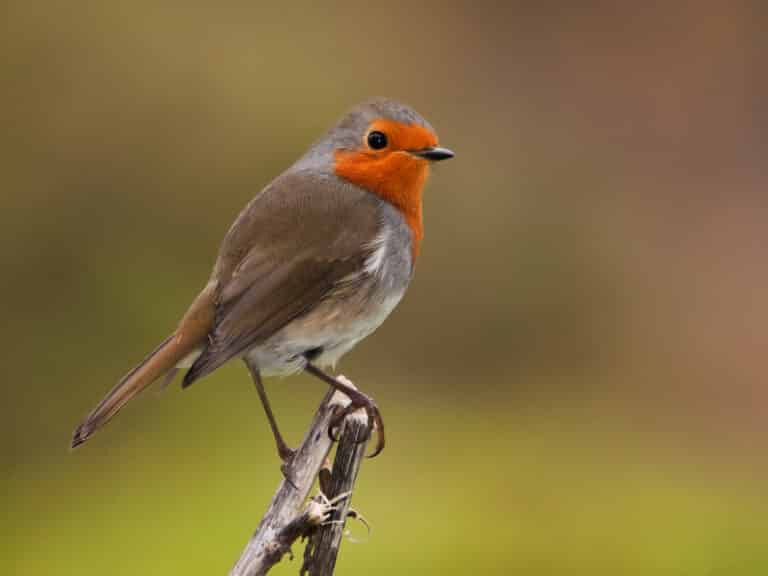
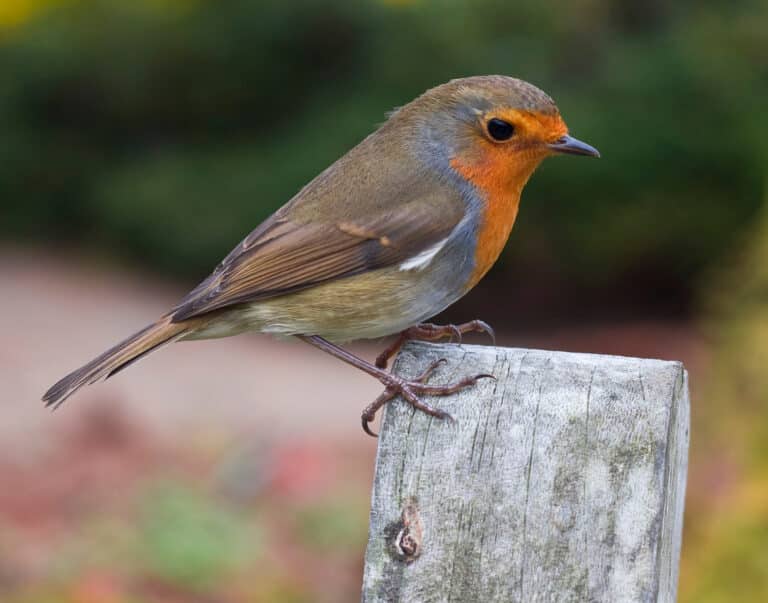
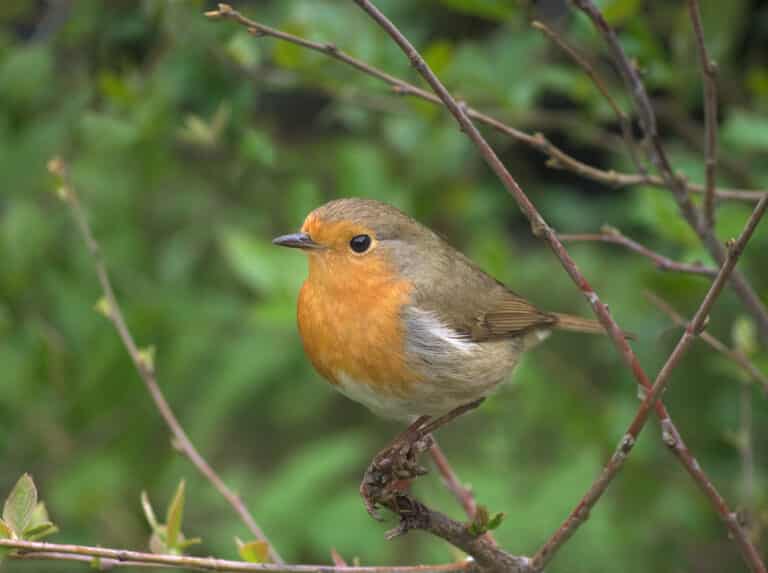
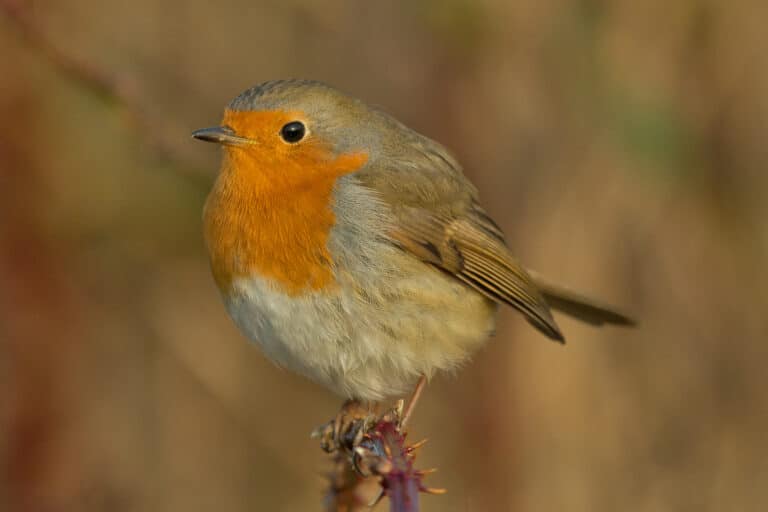
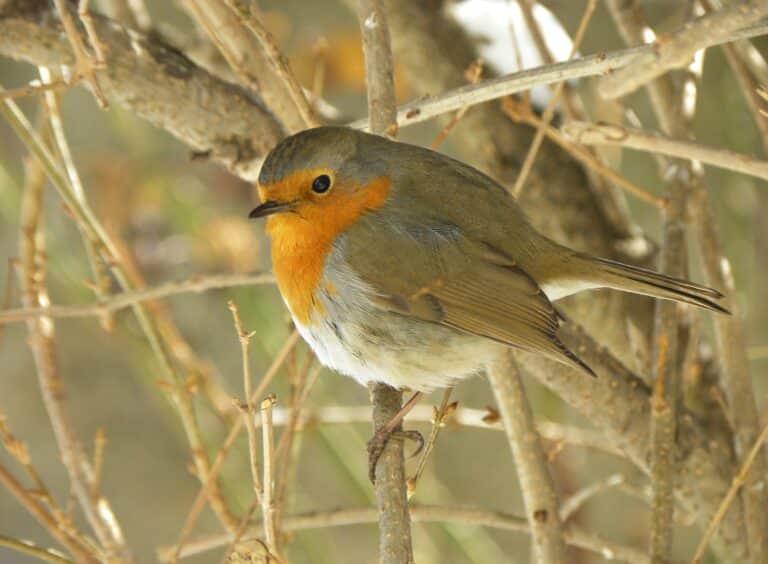
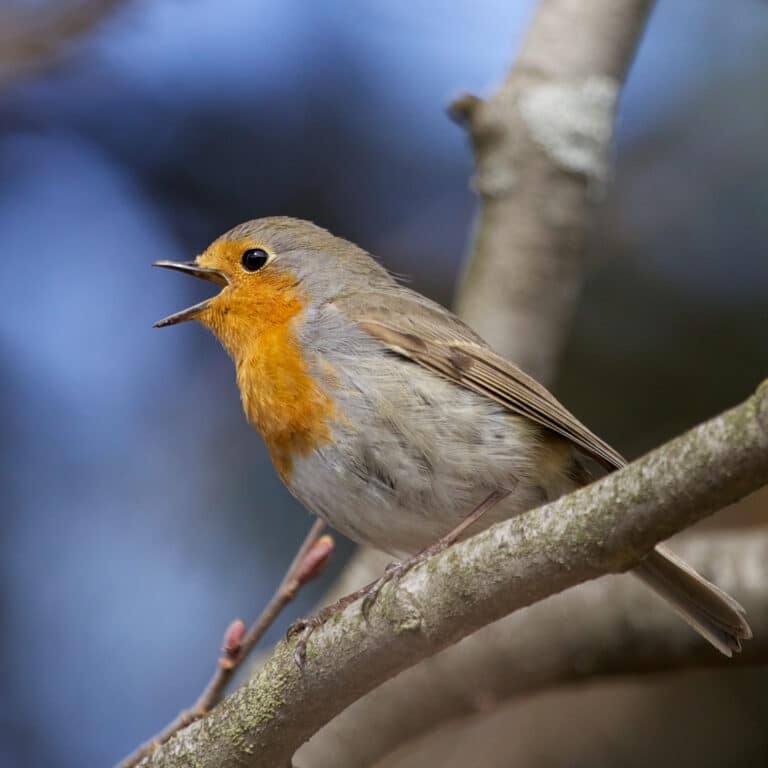
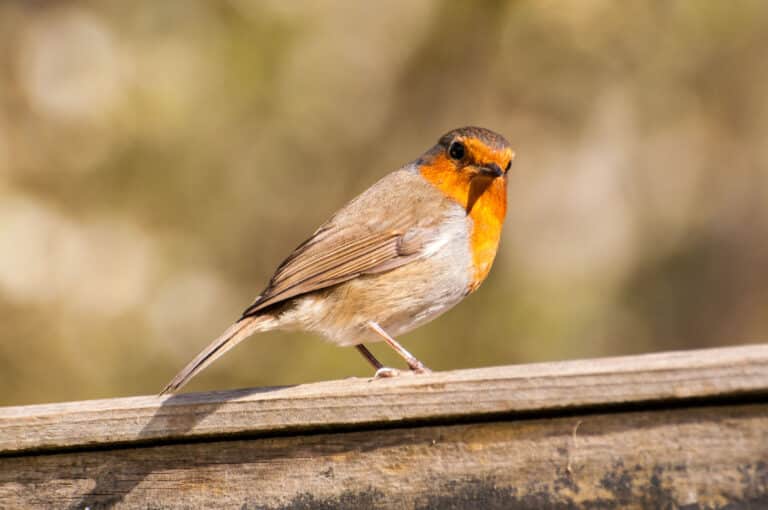
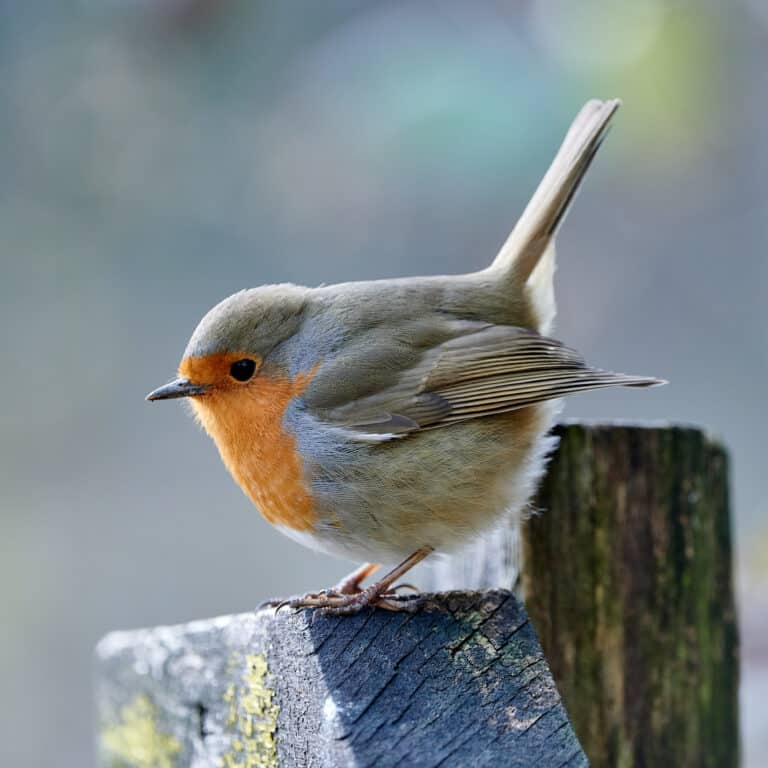
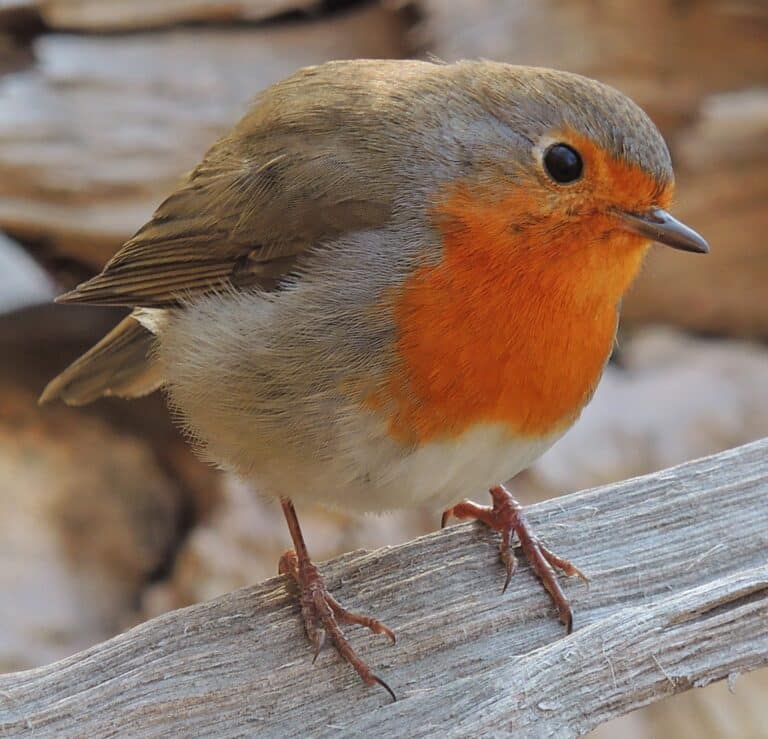
The Robin is a cheerful bird known for its bright orange-red breast and delightful song. These birds belong to the class Aves and can be found hopping around gardens, parks, and woodlands in Europe, Asia, and Africa.
Robins grow to an average size of 5 to 6 inches long. Despite their small stature, they carry big personalities, always ready to serenade you with their sweet melodies.
Robins enjoy a tasty diet of insects, fruits, and seeds. They are natural foragers and often hunt on the ground, using their keen eyesight to spot food on the move.
These birds have a lifespan of 1 to 3 years, but some can soar through life longer with plenty of good food and care. With their endearing behavior, robins can brighten anyone's day, making them a favorite among bird watchers.
Robins can be seen flitting about during the day. They often become more sociable around the spring when they sing the sweetest songs to attract mates and claim their territory, filling the air with happiness.
This bird's vibrant color is not just for show. The bright orange-red breast acts like a beacon, helping robins stand out amid greenery and foliage. So, when you hear a robin's cheerful tune, remember, it’s not just a song; it’s nature's way of painting a smile in the air!

Where can you find a Robin in the wild?
What does a Robin eat?
How big can a Robin grow?
How long does a Robin typically live?
What is the conservation status of the Robin?
What are the main threats to the Robin?
Fun facts
Robins have a special way of communicating with each other using songs. They sing different melodies to attract mates or warn other birds of danger, turning their environment into a concert hall!


When it comes to food, robins are like nature's detectives. They use their sharp eyesight to hunt for worms and insects hiding in the grass, and they can even hear worms moving in the soil!
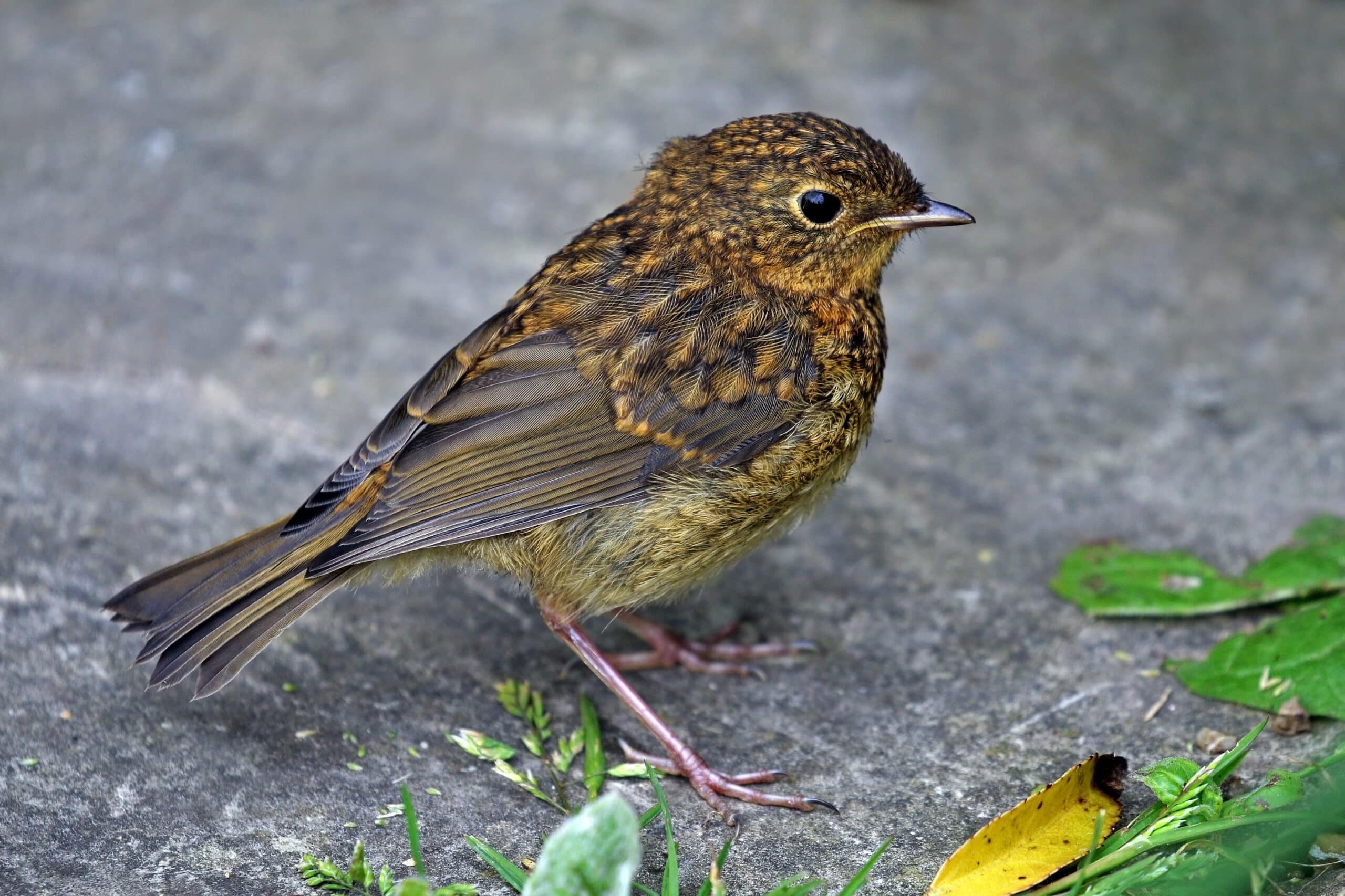
Young robins are born with brown feathers that help them hide from predators. They don't get their bright orange-red breast until they grow up and become adults, making them look cooler when they do!
Robins are quite social birds. During the winter, they often gather in groups, sharing food and singing together, turning chilly days into friendly get-togethers!
These birds are territorial and can get pretty brave when it comes to protecting their space. A hungry robin might chase away much larger birds if they get too close to its food!
Robins can eat a lot! They often consume their body weight in food each day, making their tiny tummies very busy as they hop around searching for snacks!
When robins migrate, they can travel hundreds of kilometers to find warmer weather. Some robins even fly at night, guided by the stars just like ancient explorers!
If a robin feels threatened, it might pretend to have a broken wing to distract predators from its nest. This clever trick can keep its young safe while it lures danger away!
Robins are often seen as symbols of spring. Their return from migration brings joy to people, as they start singing and hopping about in gardens, announcing that warmer days are on the way!
Robins play an important role in their ecosystems. By eating fruits and seeds, they help disperse plants, planting new life wherever they go!
Photos


The Basics


explore more
Amphibians
Arachnids
Birds
Cats
Crustaceans
Fish
Fish Pet Guide
Gastropods
Insects
Invertebrates
Mammals
Pet Fish
Pet Rodents
Plants
Reptiles
Roundworms
Sea Slugs