Successfully copied to clipboard!
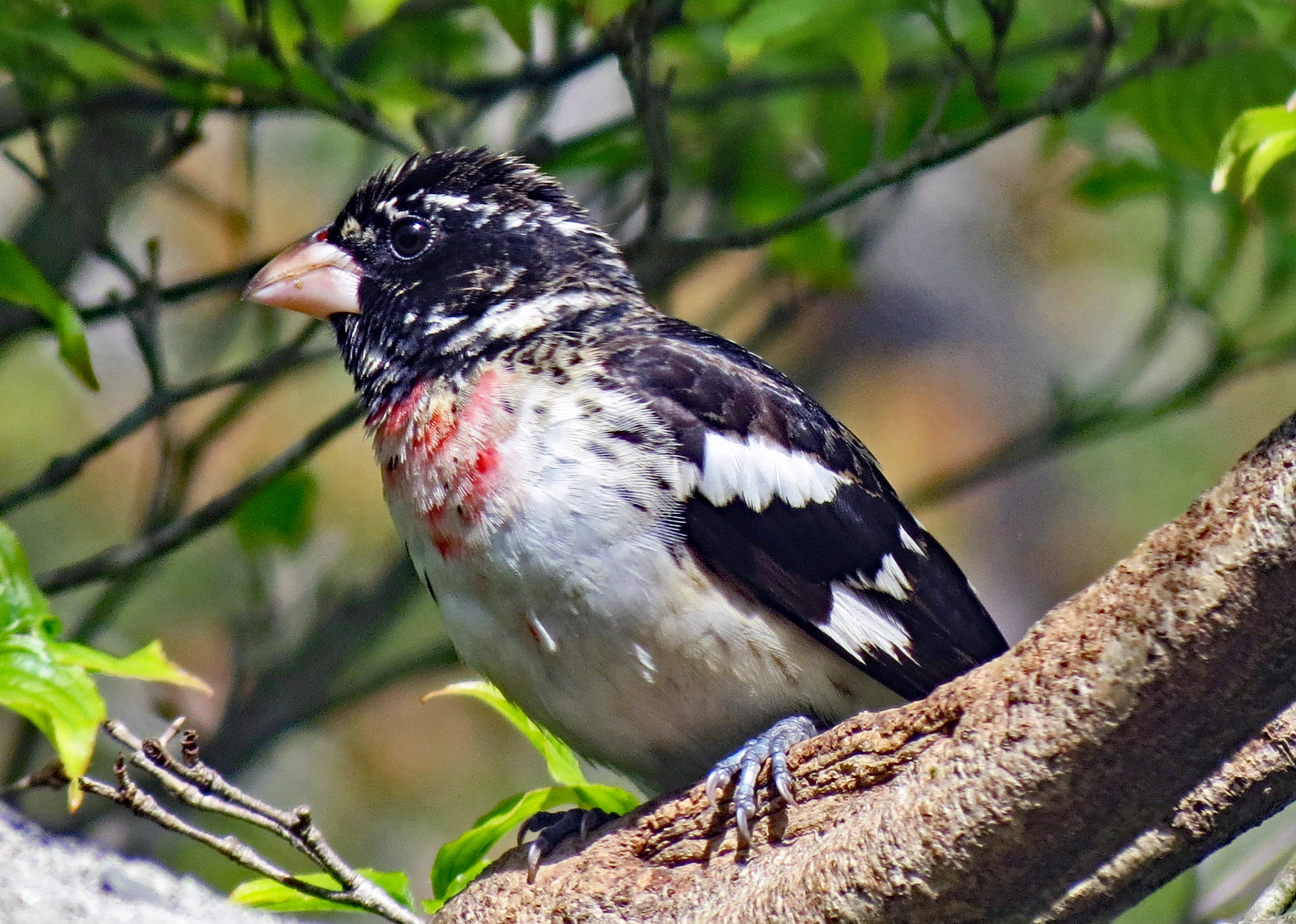
Rose-Breasted Grosbeak
Sing along with the vibrant, colorful songbirds of Central America!
Let’s Explore
Overview
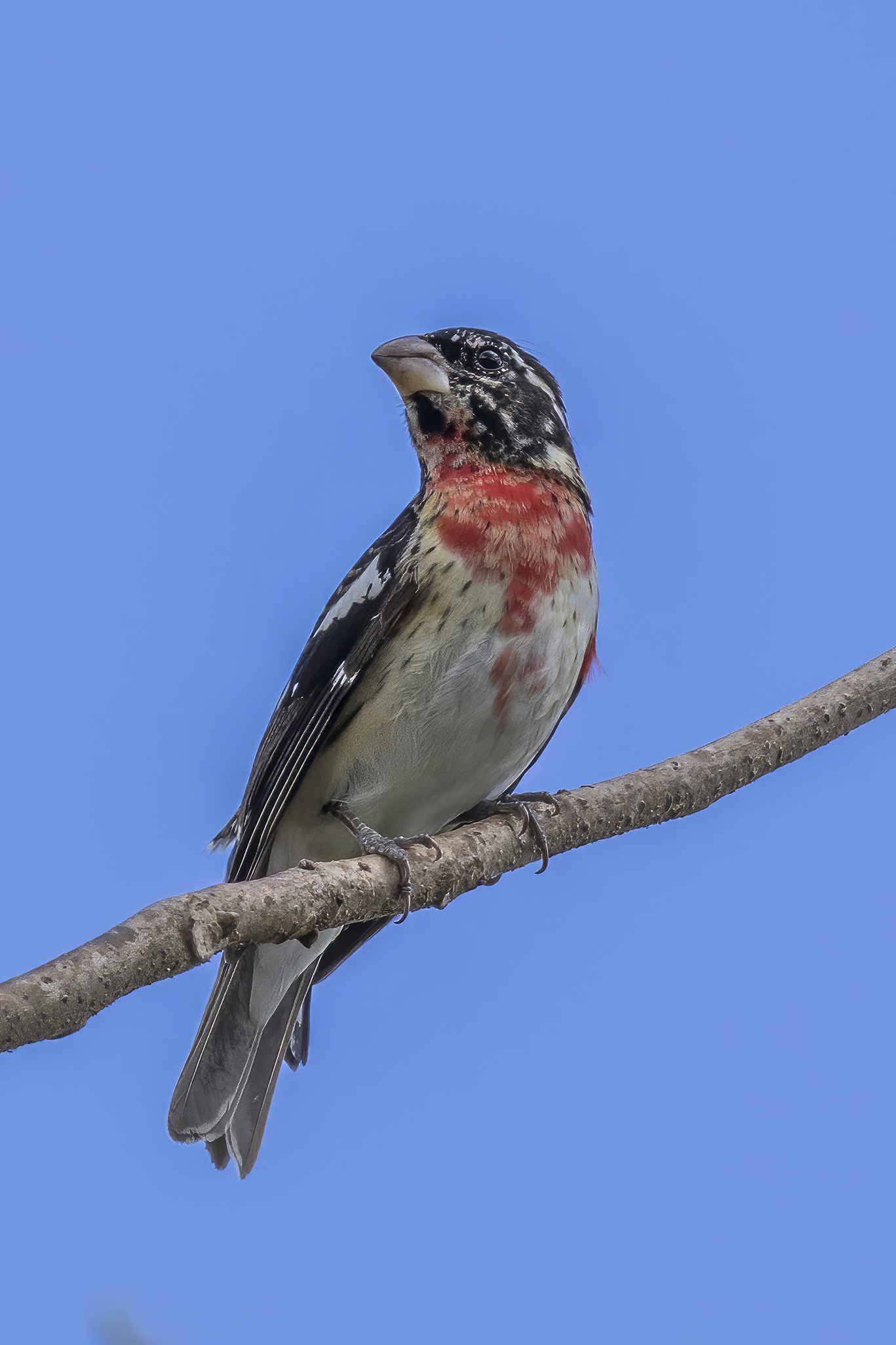
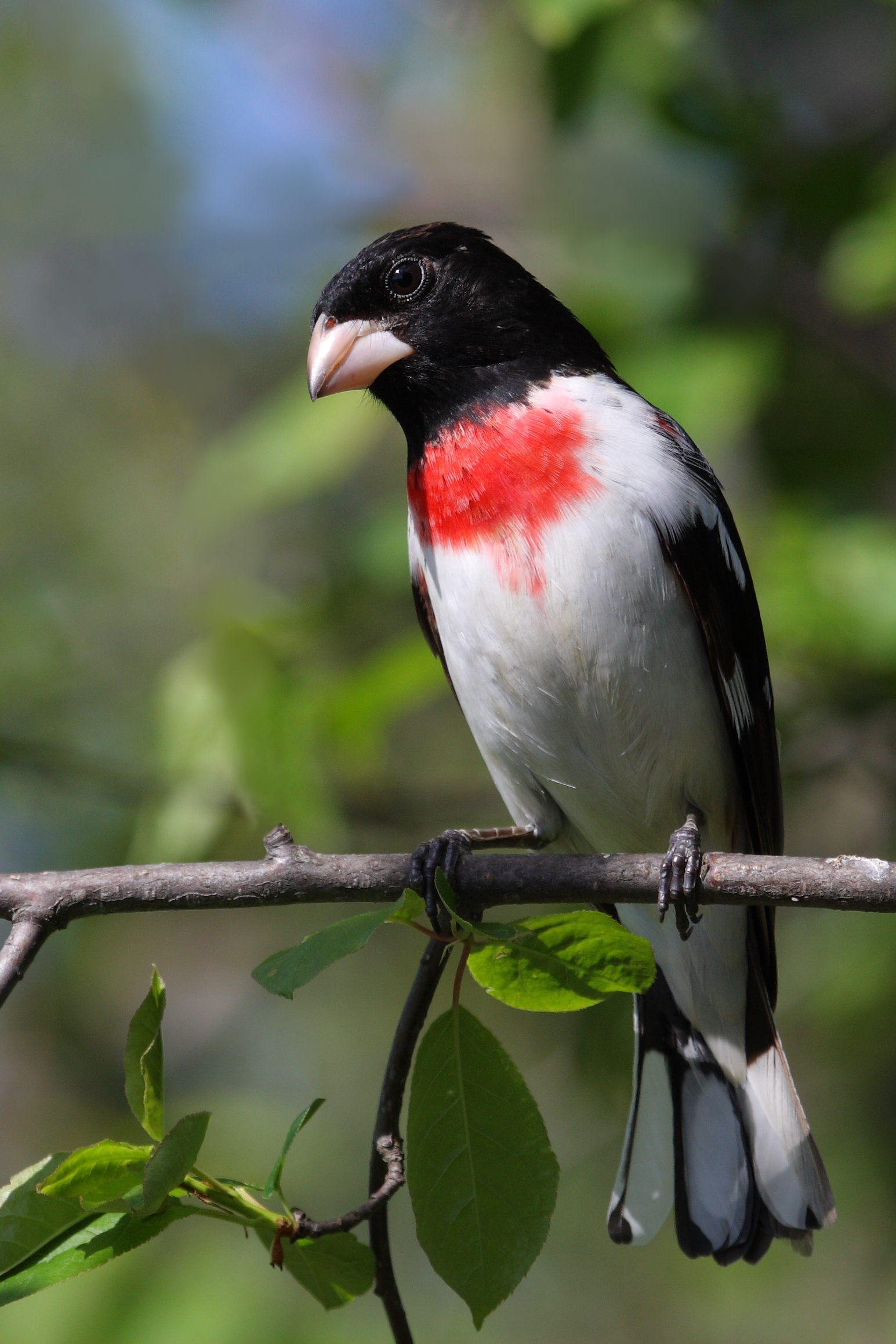
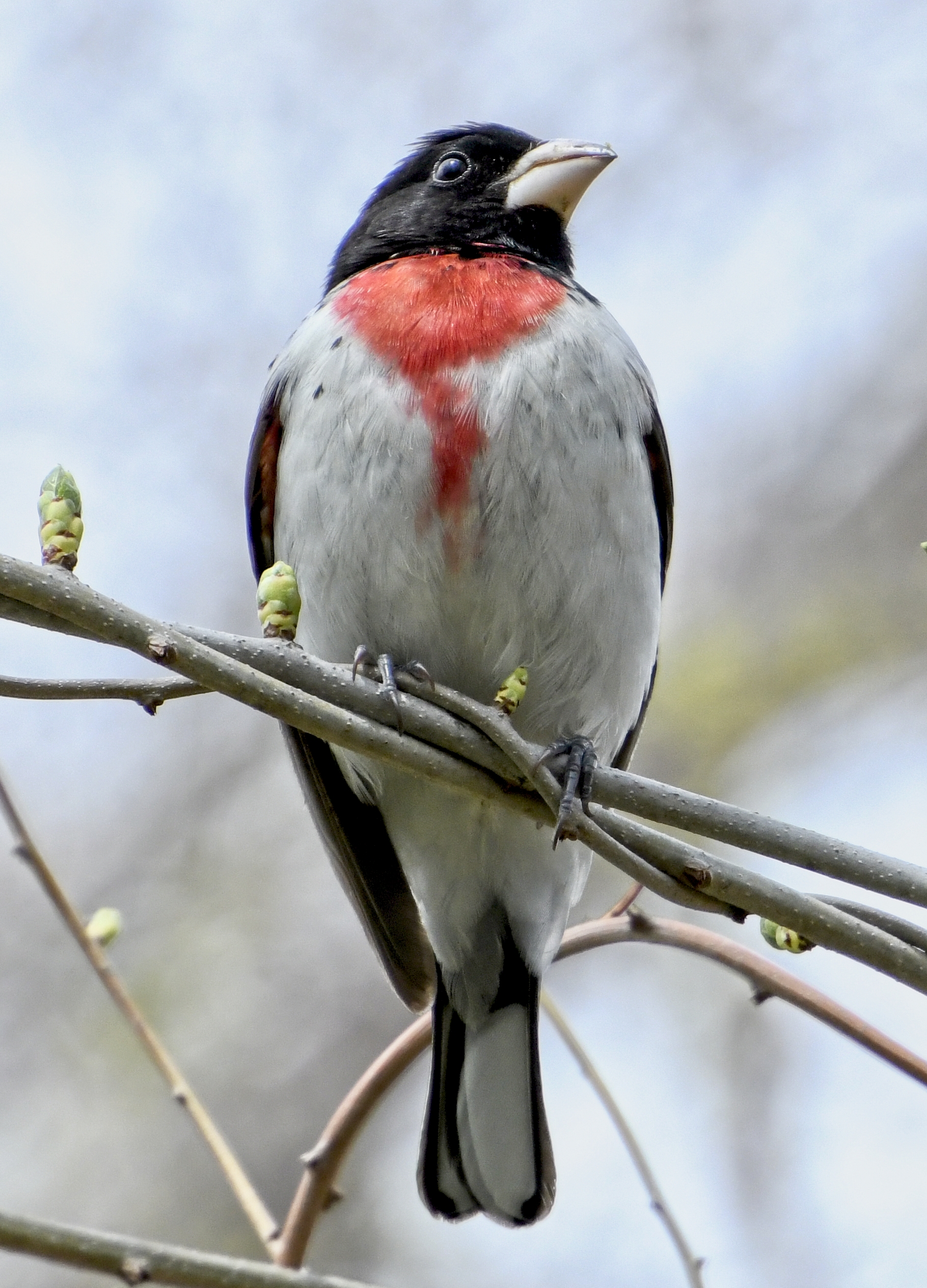
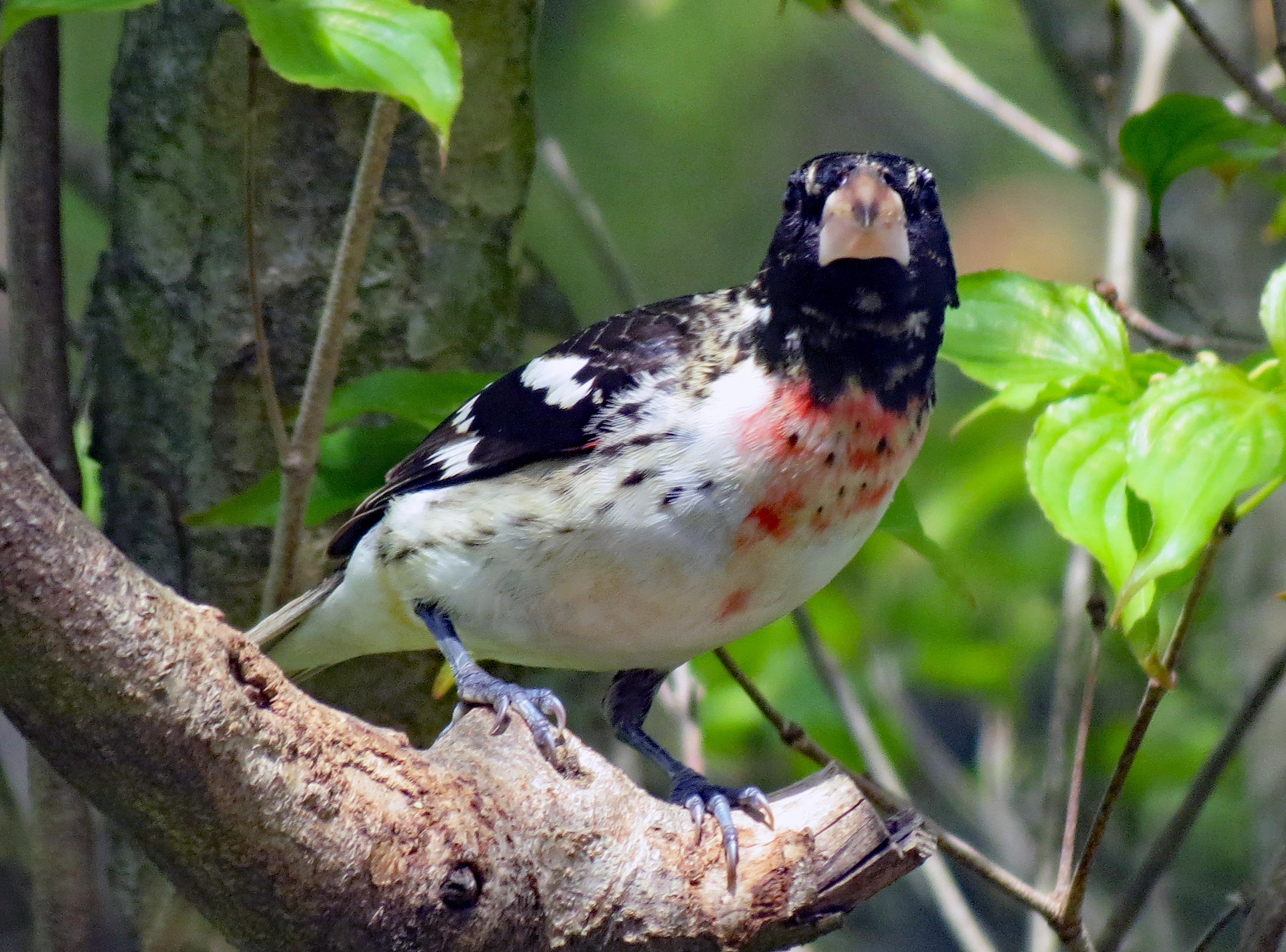
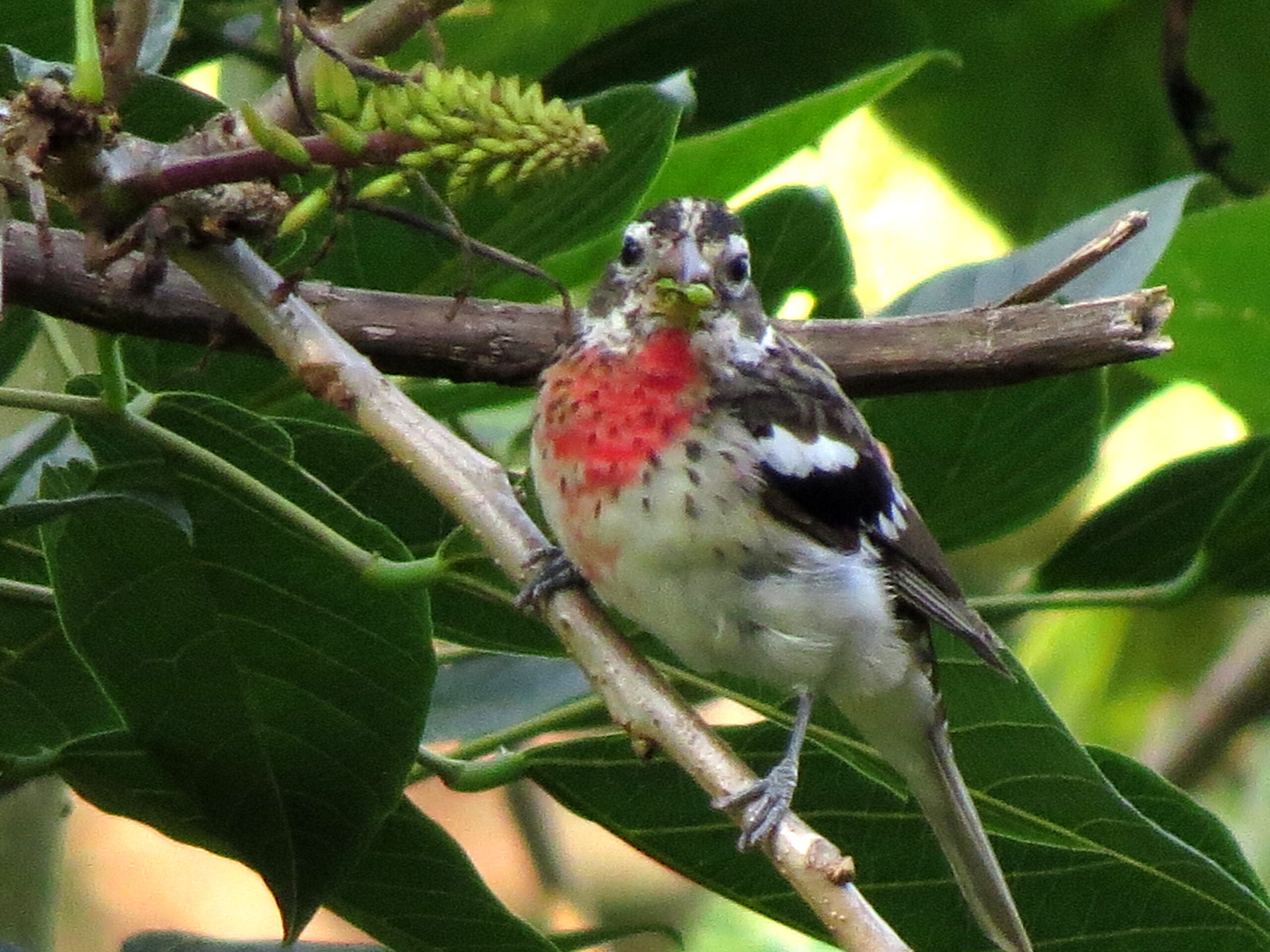
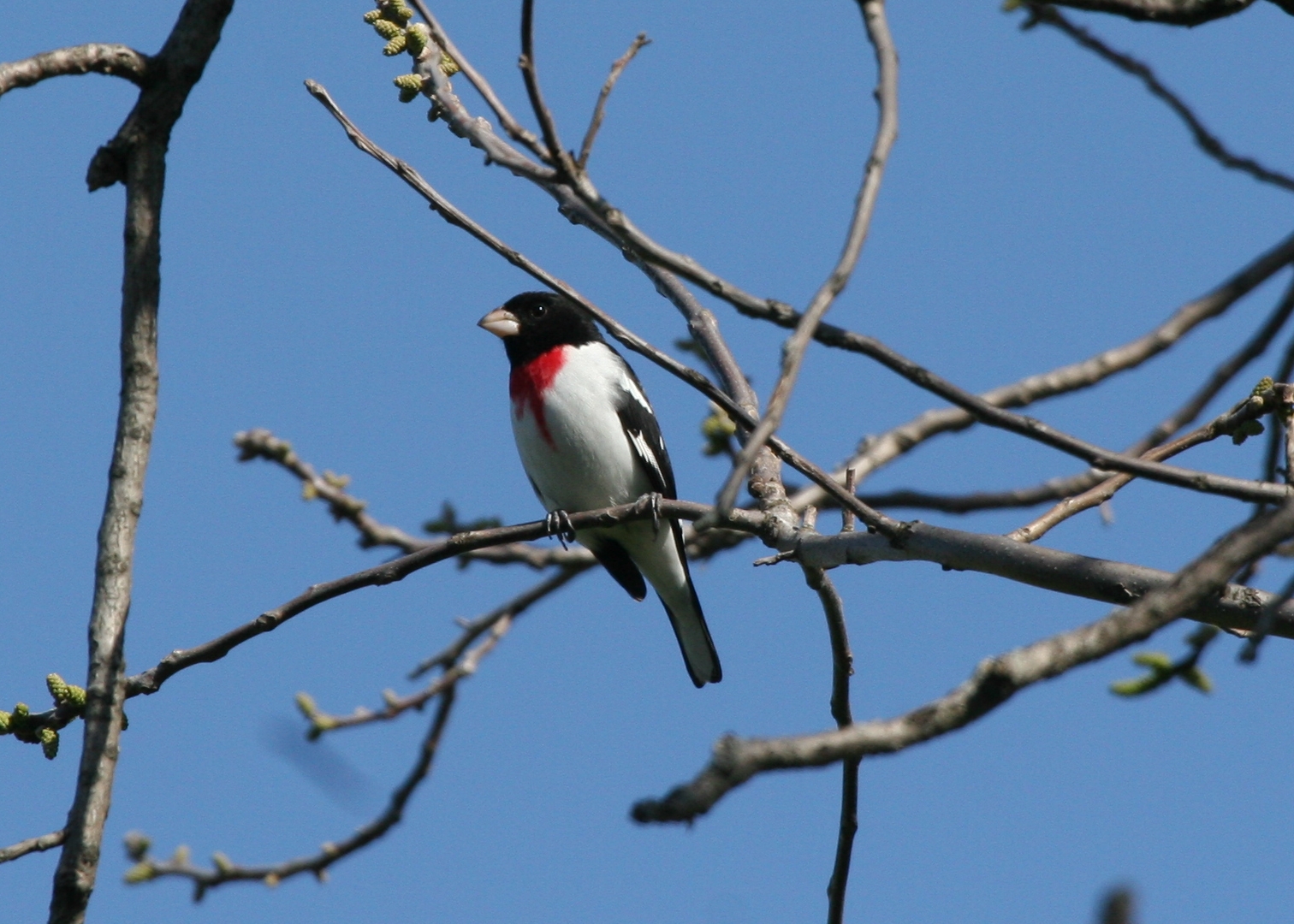
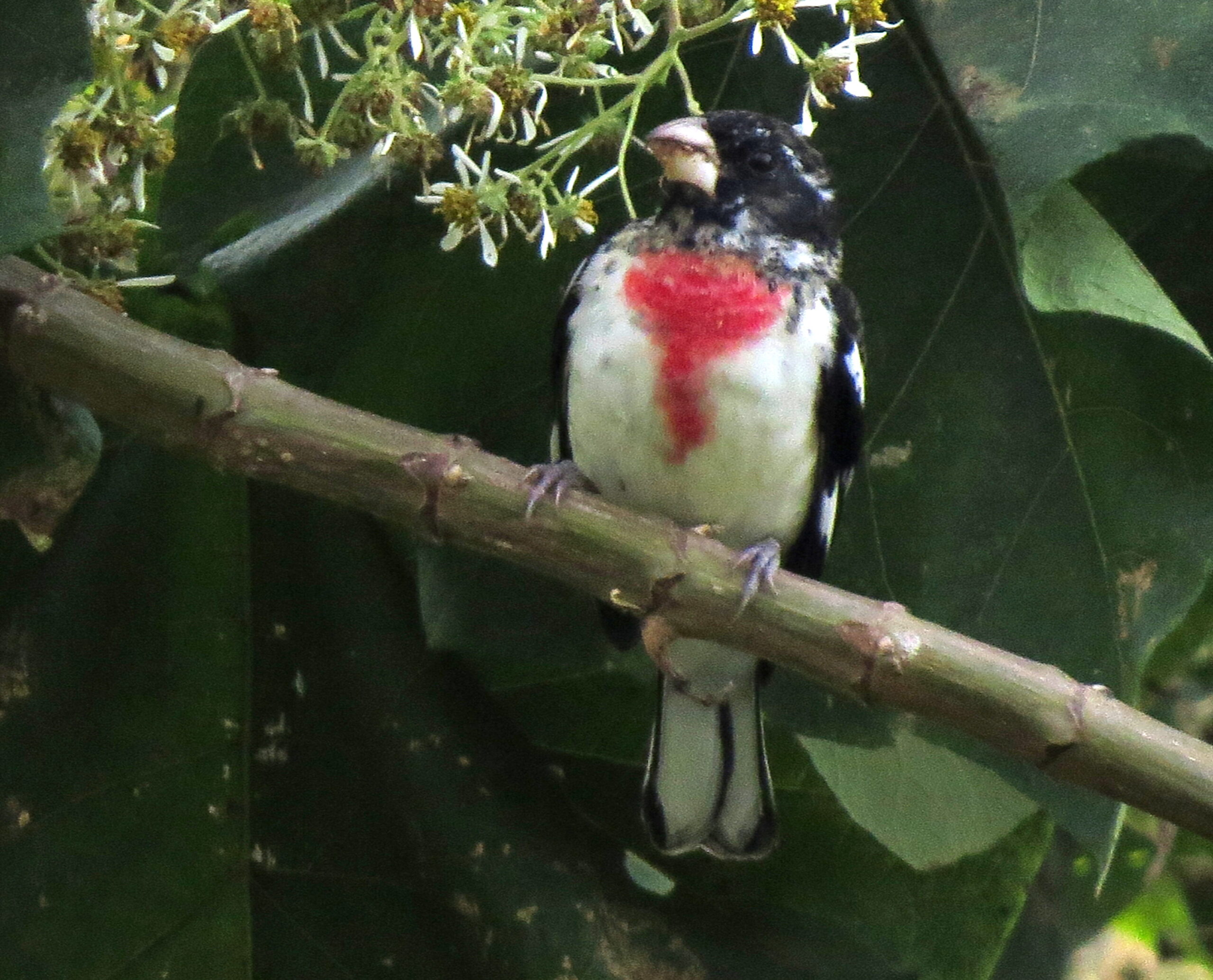
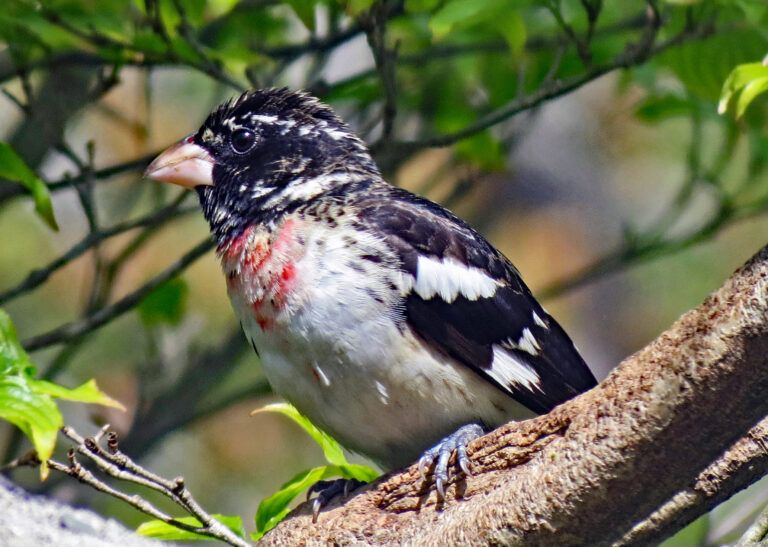
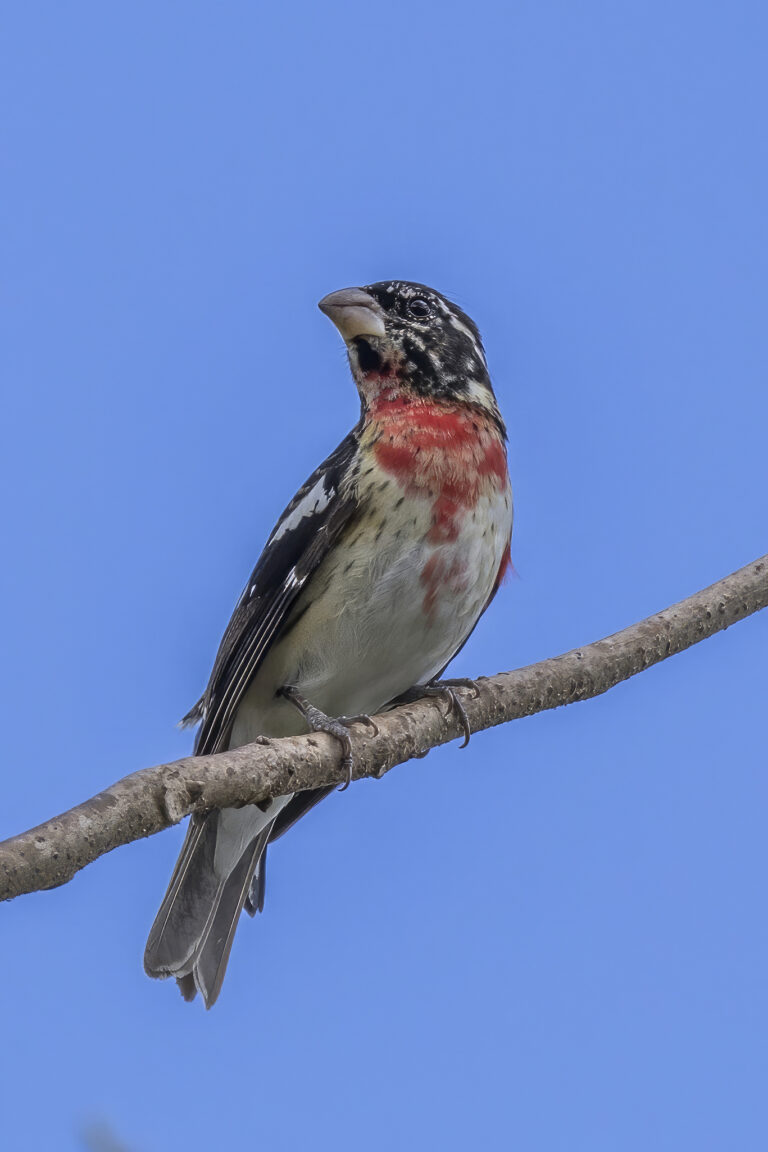
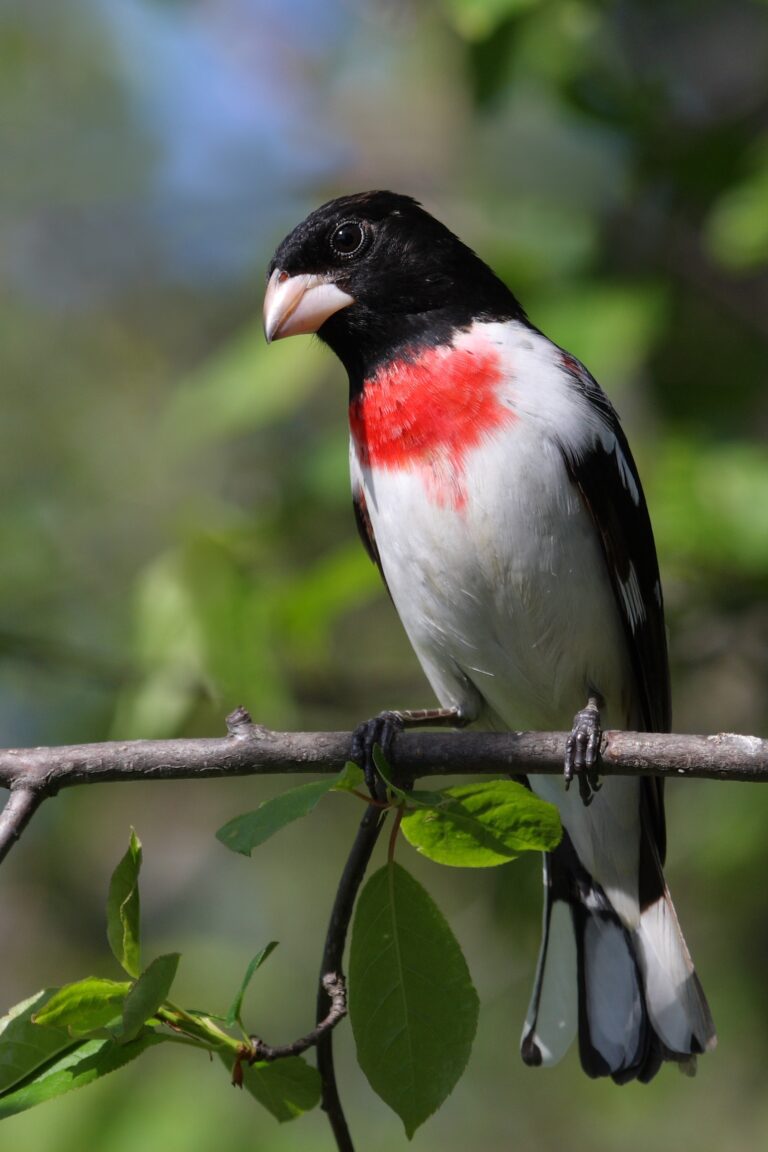
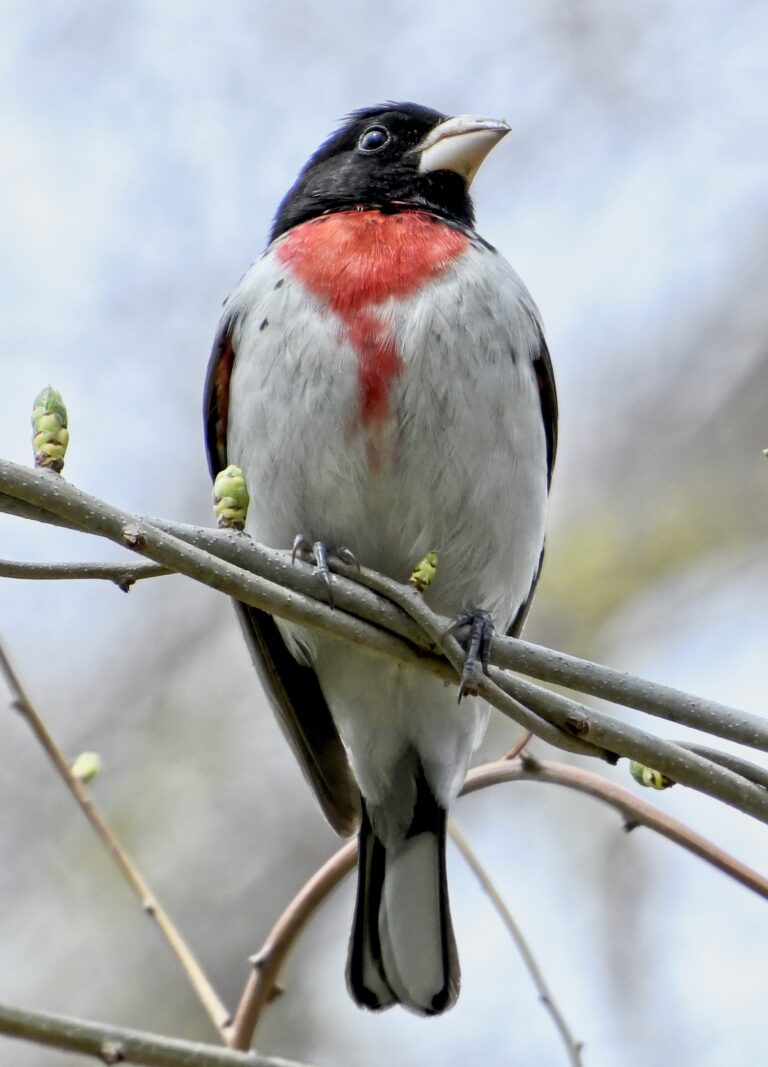
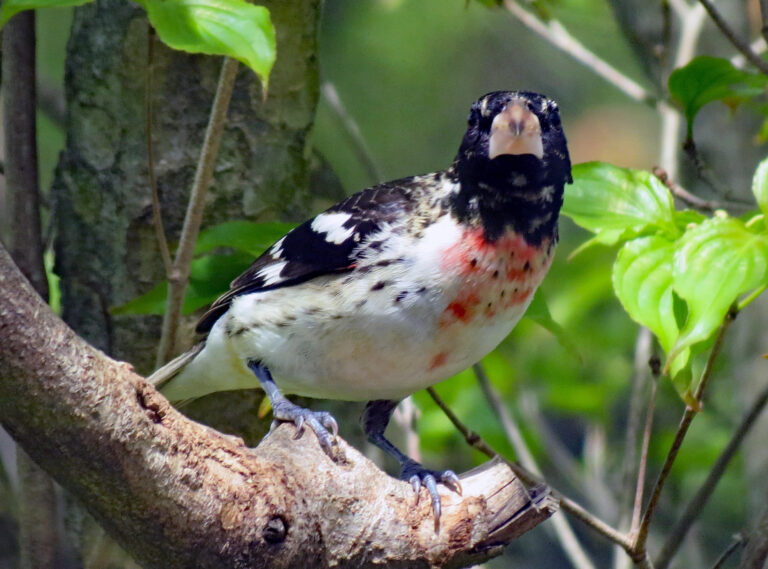
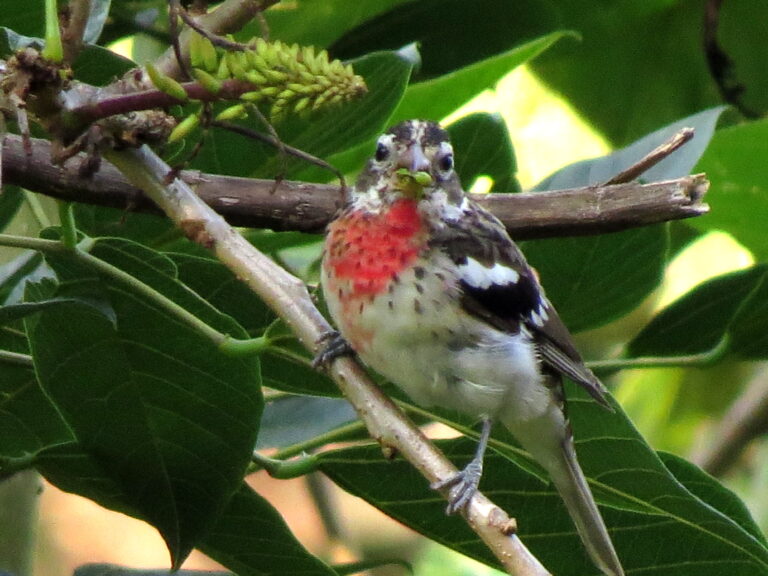
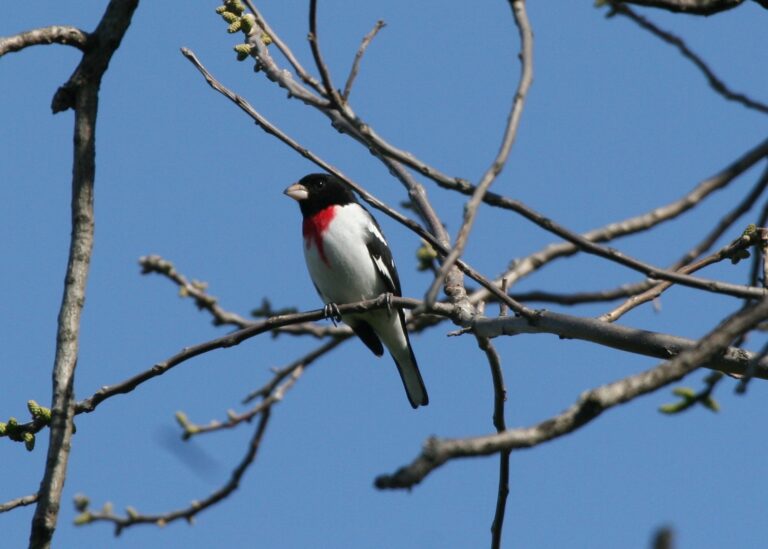
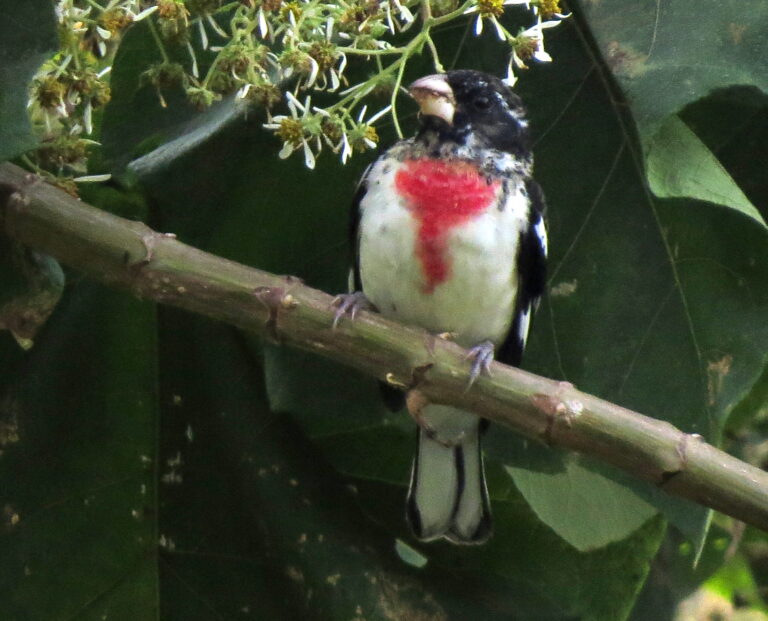
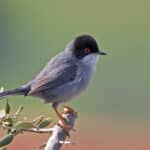
The Rose-Breasted Grosbeak is a striking bird that measures between 18 to 20 centimeters (7 to 8 inches) long. This feathered friend often dazzles birdwatchers with its beautiful plumage, especially the males, which sport a bright rose-red chest that makes them look like they just returned from a fancy party!
These birds belong to the class Aves, showcasing their talent for flight. They mostly inhabit Central America, where they enjoy a buffet of insects, seeds, and berries—a real treat for their taste buds!
The Rose-Breasted Grosbeak has a lifespan of up to 12 years. That’s plenty of time for these cheerful birds to spread joy with their melodious songs that can brighten anyone's day.
Like many birds, they usually build their nests in trees or shrubs. The female Grosbeak is not only a pretty face; she plays a vital role in nurturing her young by diligently caring for the eggs and feeding the hatchlings.
When it comes to migration, these birds travel from their breeding grounds in North America to warmer areas during winter. Talk about a feathered vacation! Each year, they don their best coats and embark on an adventure.
So, next time you see a Rose-Breasted Grosbeak, remember that this dazzling bird is not just a pretty sight but also an important member of its ecosystem. Whether it’s singing a tune or munching on a berry, it truly knows how to enjoy life!

Where can you find a Rose-Breasted Grosbeak in the wild?
What does a Rose-Breasted Grosbeak eat?
How big can a Rose-Breasted Grosbeak grow?
How long does a Rose-Breasted Grosbeak typically live?
What is the conservation status of the Rose-Breasted Grosbeak?
What are the main threats to the Rose-Breasted Grosbeak?
Fun facts
The Rose-Breasted Grosbeak's bright colors can impress other birds, but they also help attract mates. Males use their stunning plumage to show off and win the hearts of nearby females!


This charming bird has a delightful singing voice. Its cheerful tunes fill the air in the morning, making it a natural alarm clock for many forest dwellers!
The Rose-Breasted Grosbeak's beak is strong and perfect for its diet. It can crack tough seeds and berries, kind of like nature's very own nutcracker!
These birds are social creatures who enjoy company! You may see them flocking together in groups during migration, sharing food and songs with their friends along the way.
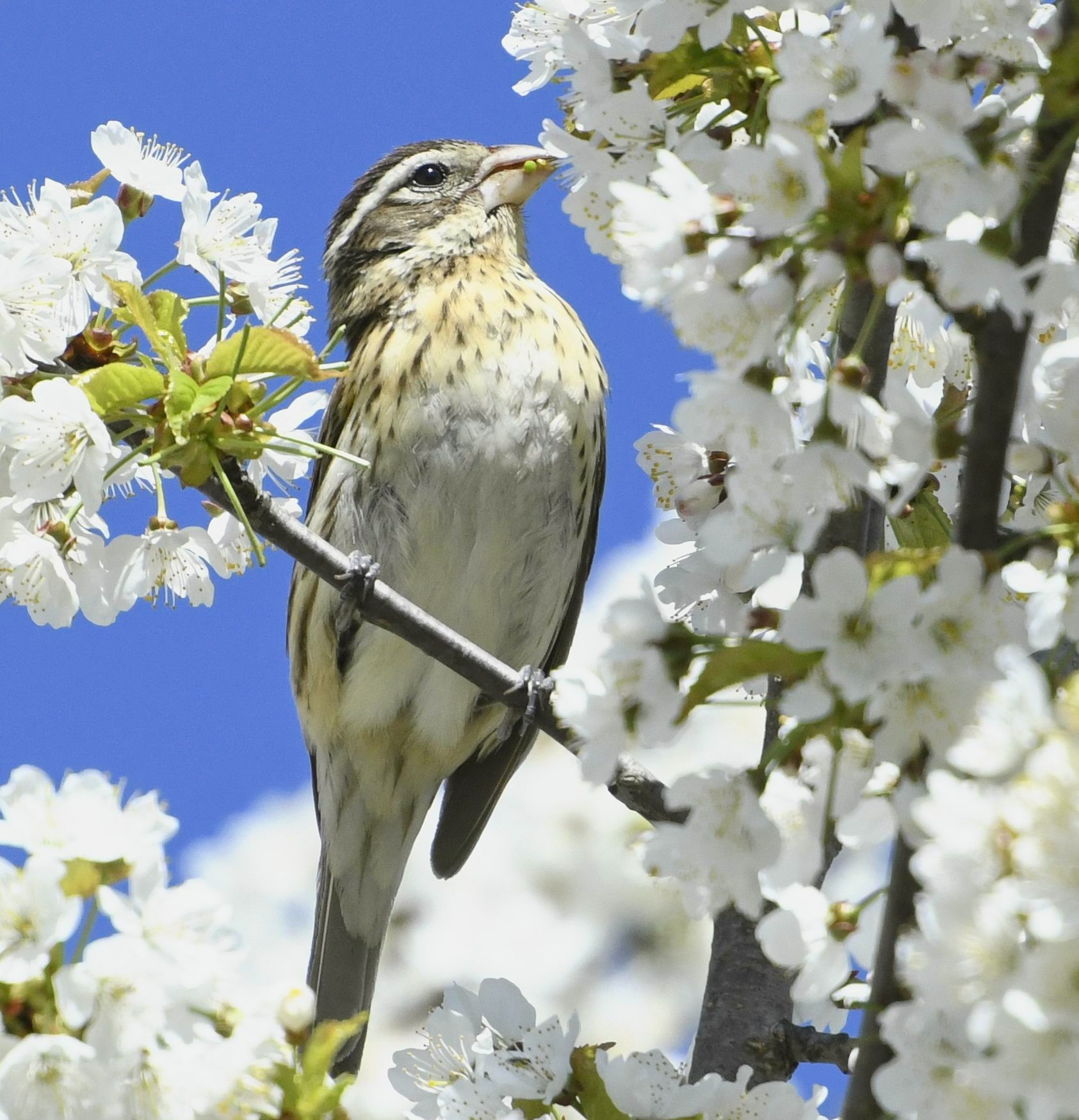
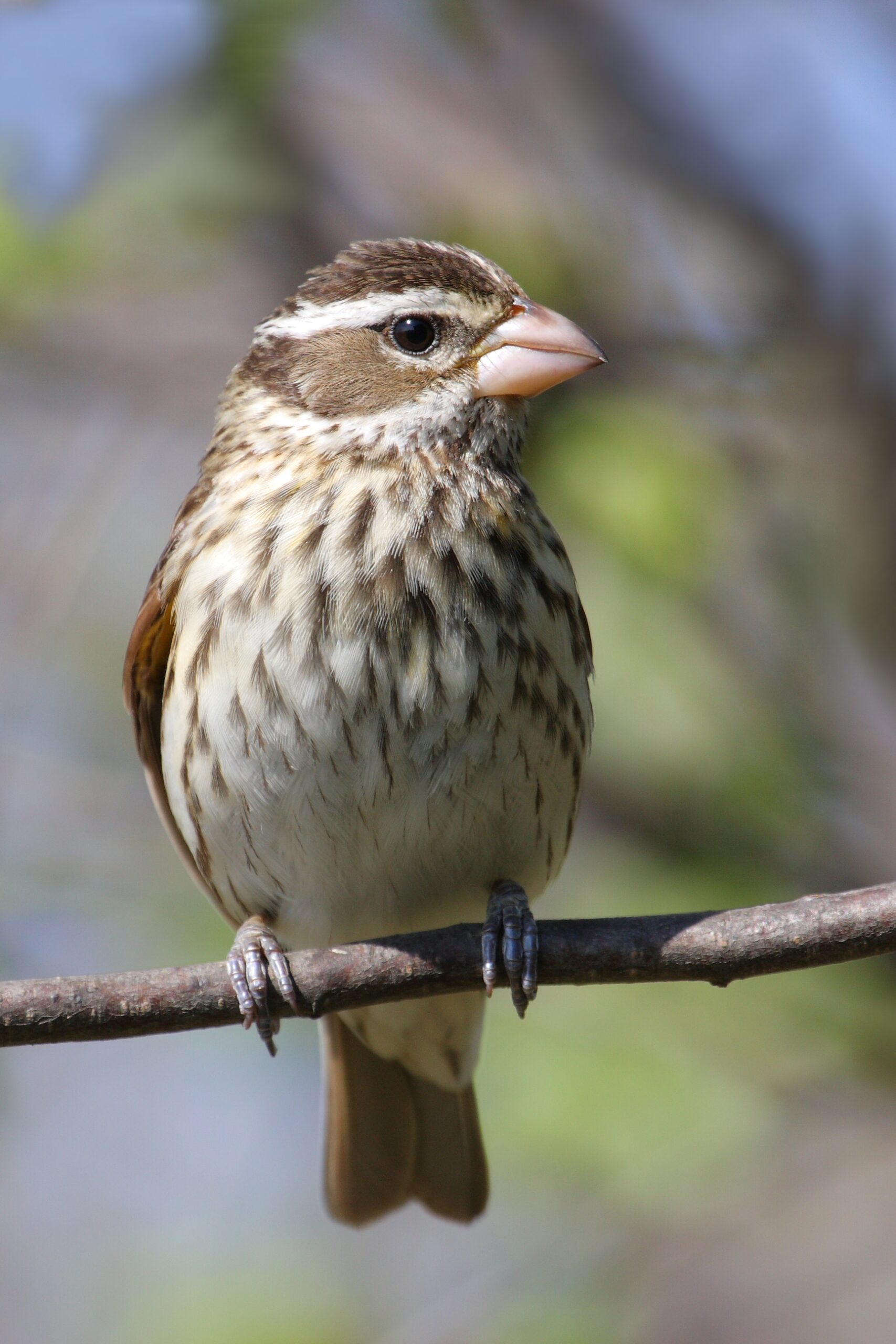
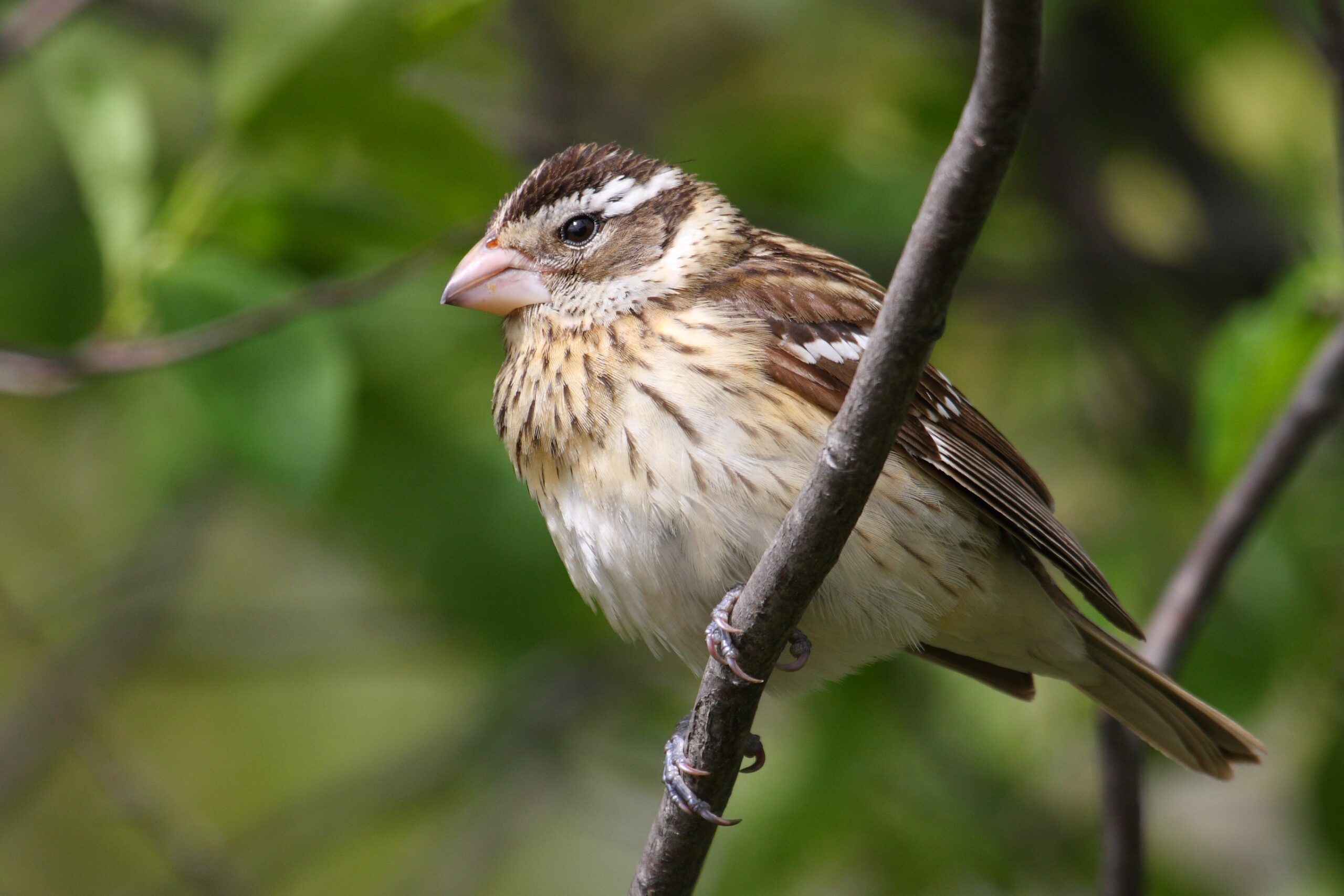
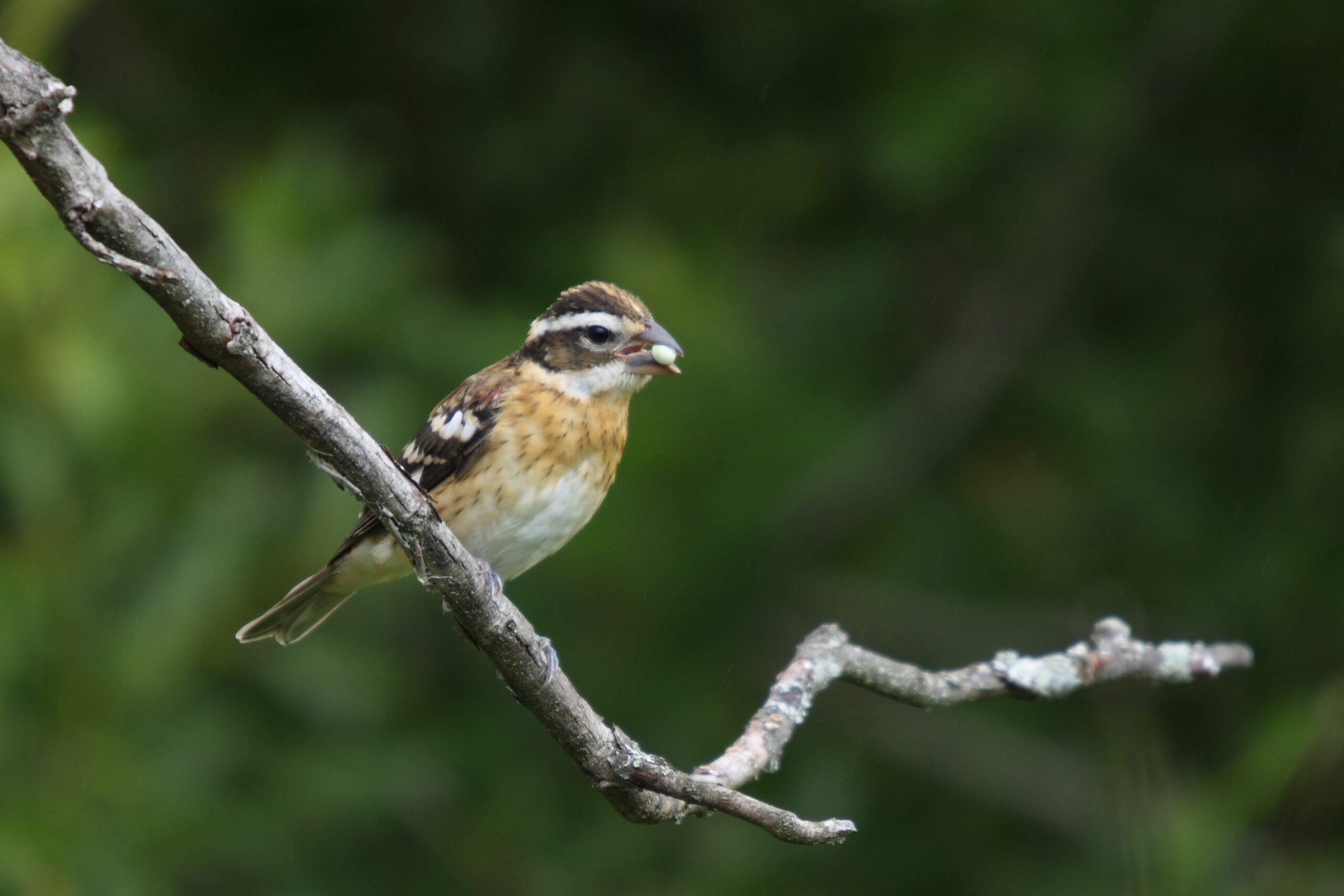
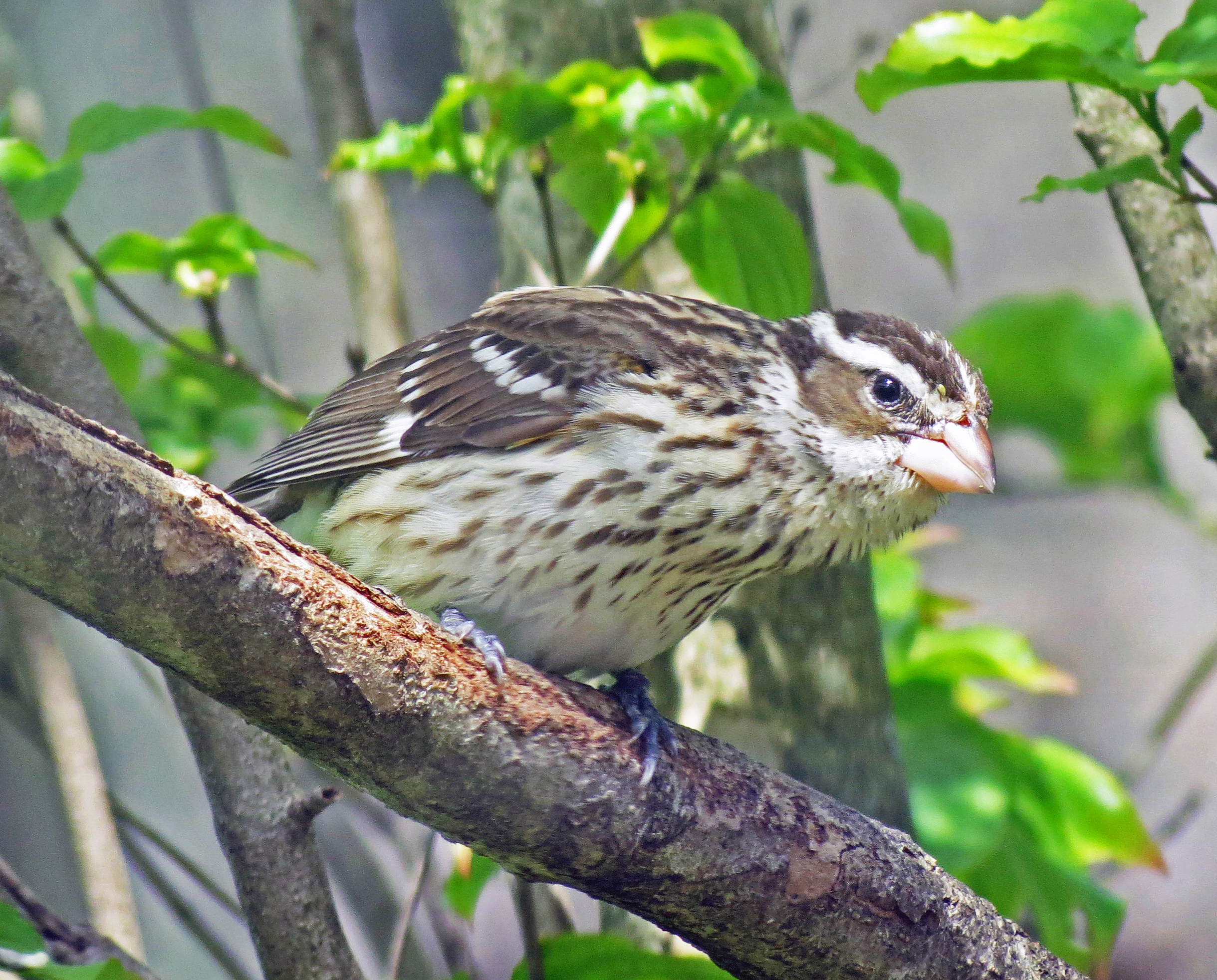
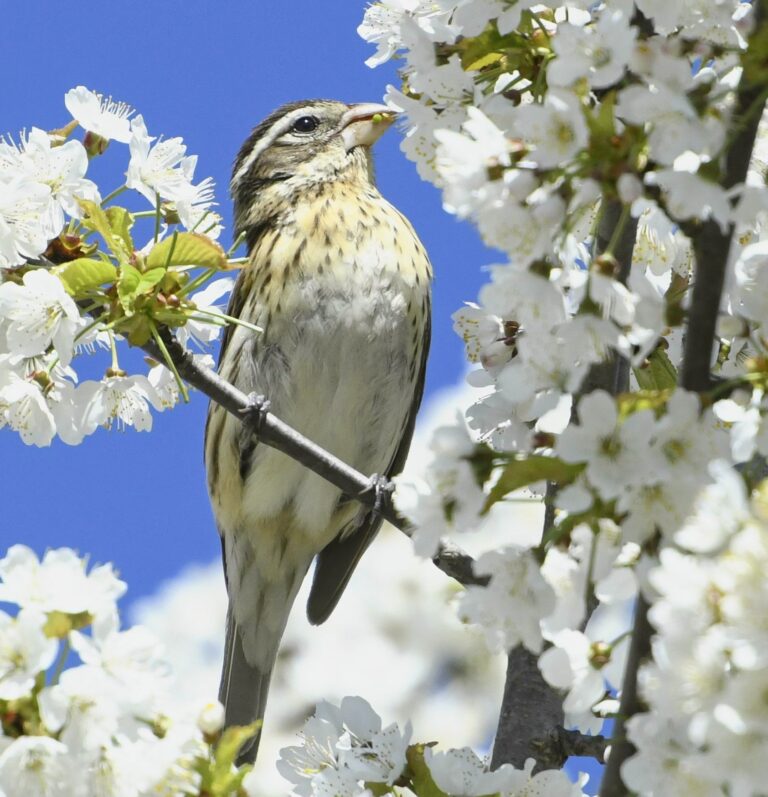
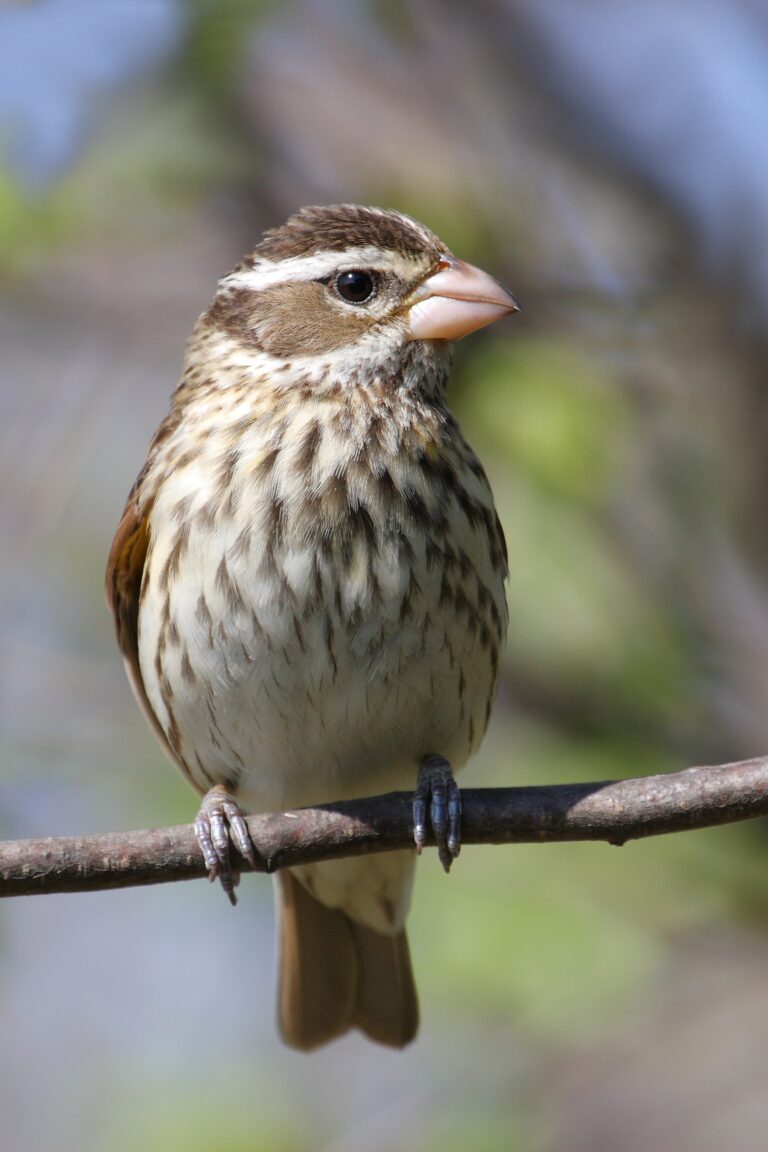
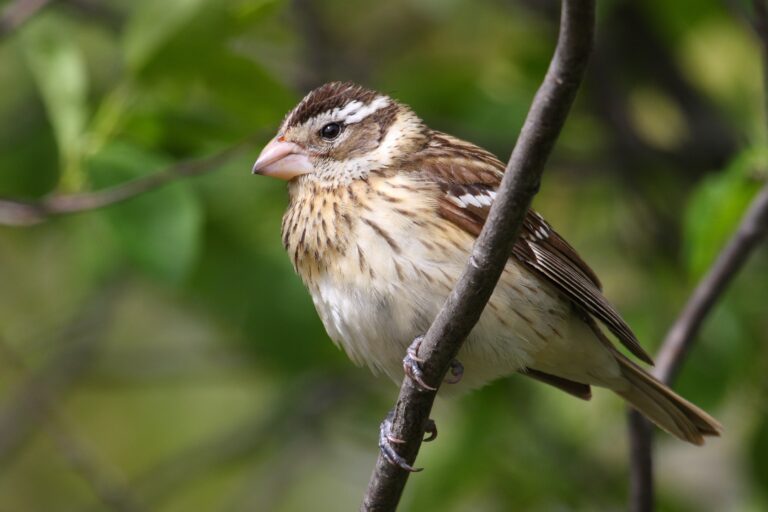
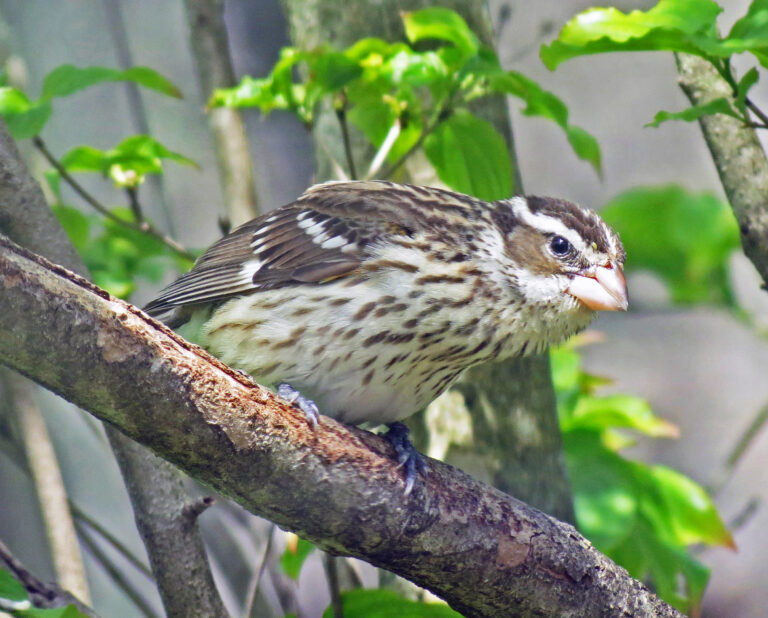
The female Rose-Breasted Grosbeak showcases her own beauty with more subtle colors. Her soft brown and white feathers help her blend into the environment, keeping her and her babies safe.
During migration, the Rose-Breasted Grosbeak can fly up to 1,600 kilometers (1,000 miles) to find warmer climates. That's like flying from New York City to Florida!
In the wild, numerous insects love to snack on trees and plants. The Rose-Breasted Grosbeak helps keep those pesky insects in check by munching on them for lunch!
These birds often build nests high in trees, well out of reach from most curious critters. They create cozy homes using twigs, grass, and leaves—nature's very own construction materials!
Despite being small, Rose-Breasted Grosbeaks can be very territorial. They will protect their nesting area by singing loudly and chasing away intruders, showing they are fierce little protectors!
The Rose-Breasted Grosbeak can see the world in high definition! Their excellent vision helps them spot tasty treats and potential dangers from far away.
Photos


The Basics


explore more
Amphibians
Arachnids
Birds
Cats
Crustaceans
Fish
Fish Pet Guide
Gastropods
Insects
Invertebrates
Mammals
Pet Fish
Pet Rodents
Plants
Reptiles
Roundworms
Sea Slugs